

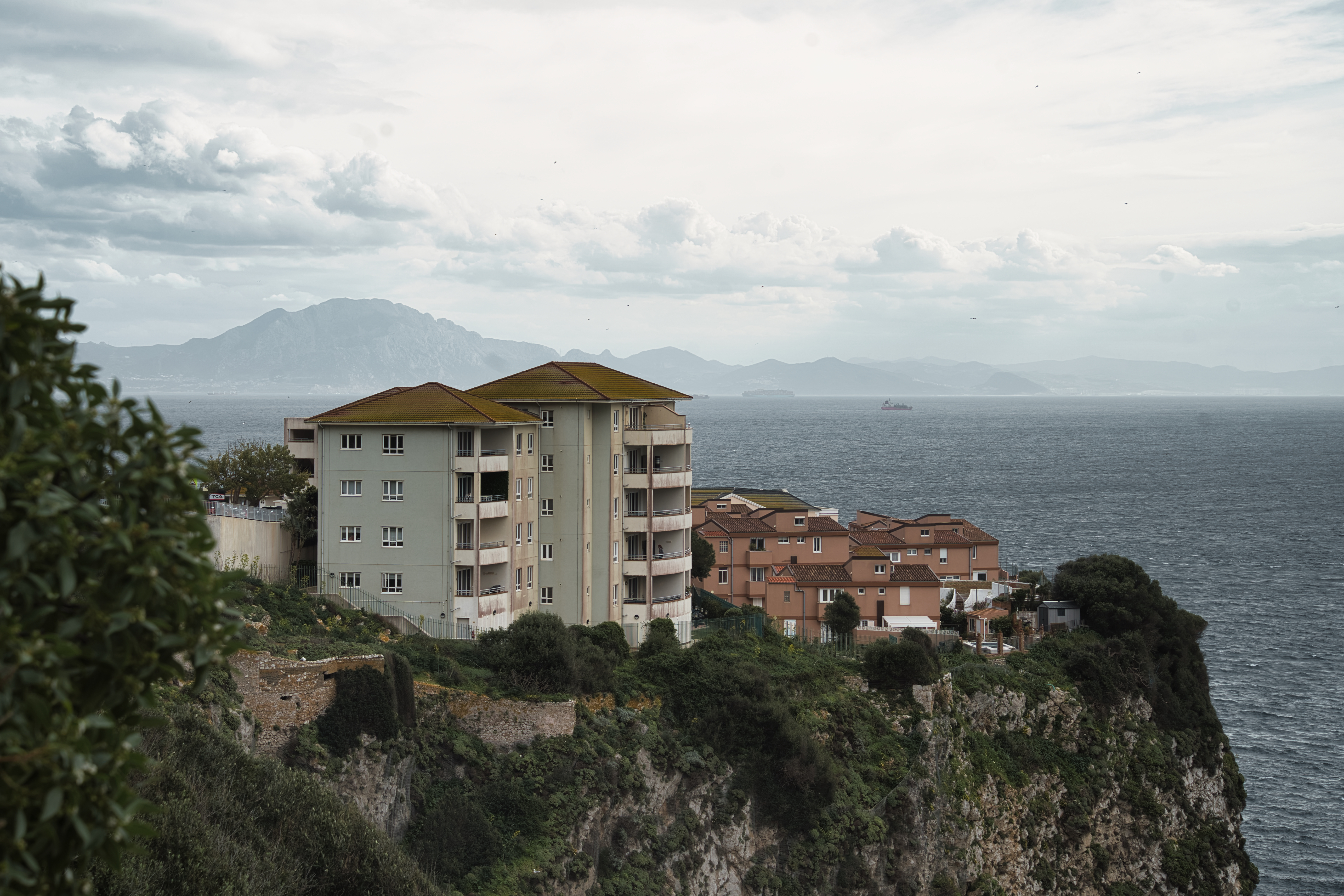
One of the most intriguing aspects of Gibraltar’s allure is its status as the last outpost of colonialism in Europe. Despite its small size, measuring just 6.7 square kilometers, this territory has been a bone of contention for centuries, coveted by empires and nations alike. From its earliest recorded history, it has passed through the hands of Phoenicians, Carthaginians, Romans, Moors, and Spaniards, among others. Today, it remains a British Overseas Territory, a testament to the enduring legacy of colonialism in the modern world.
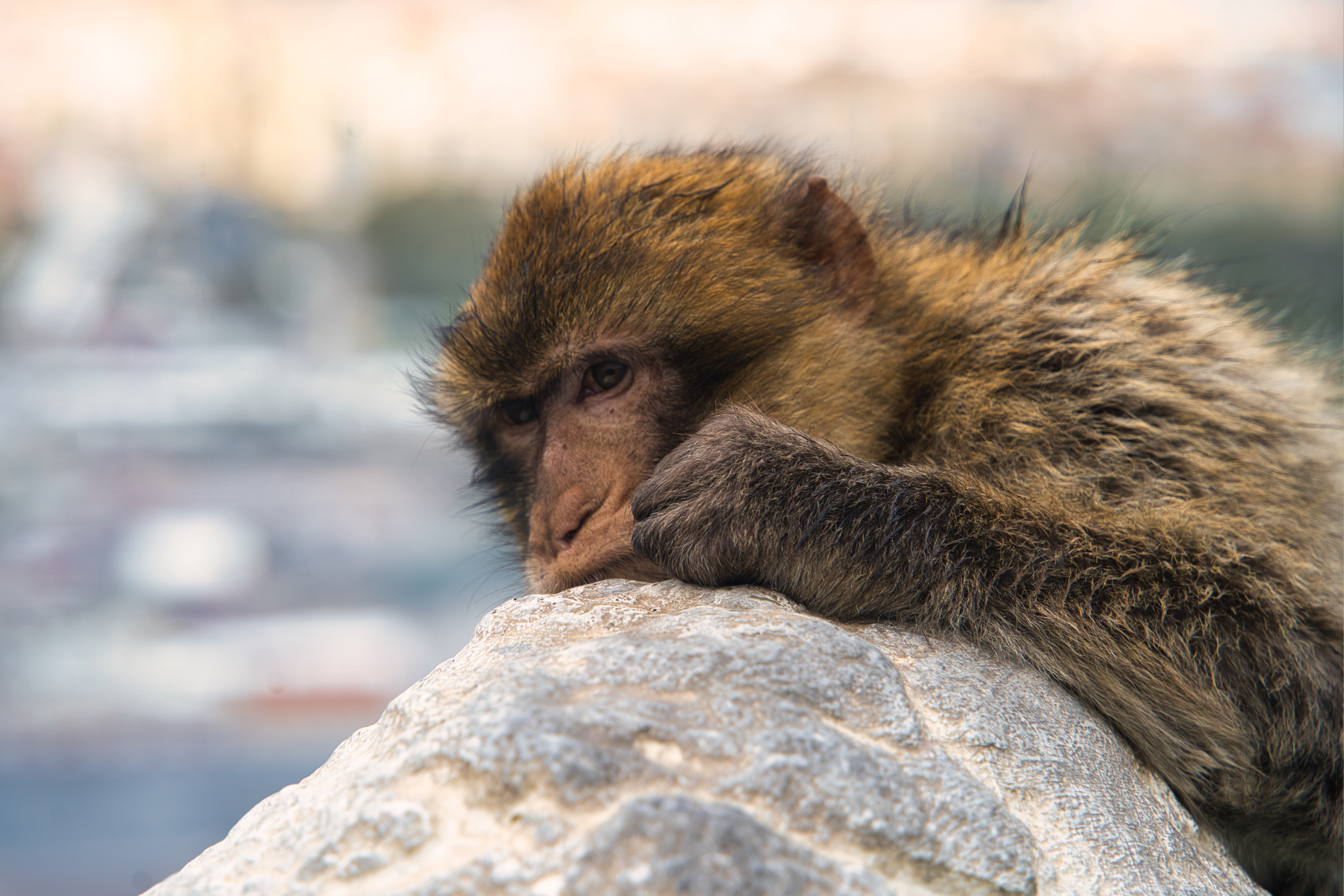
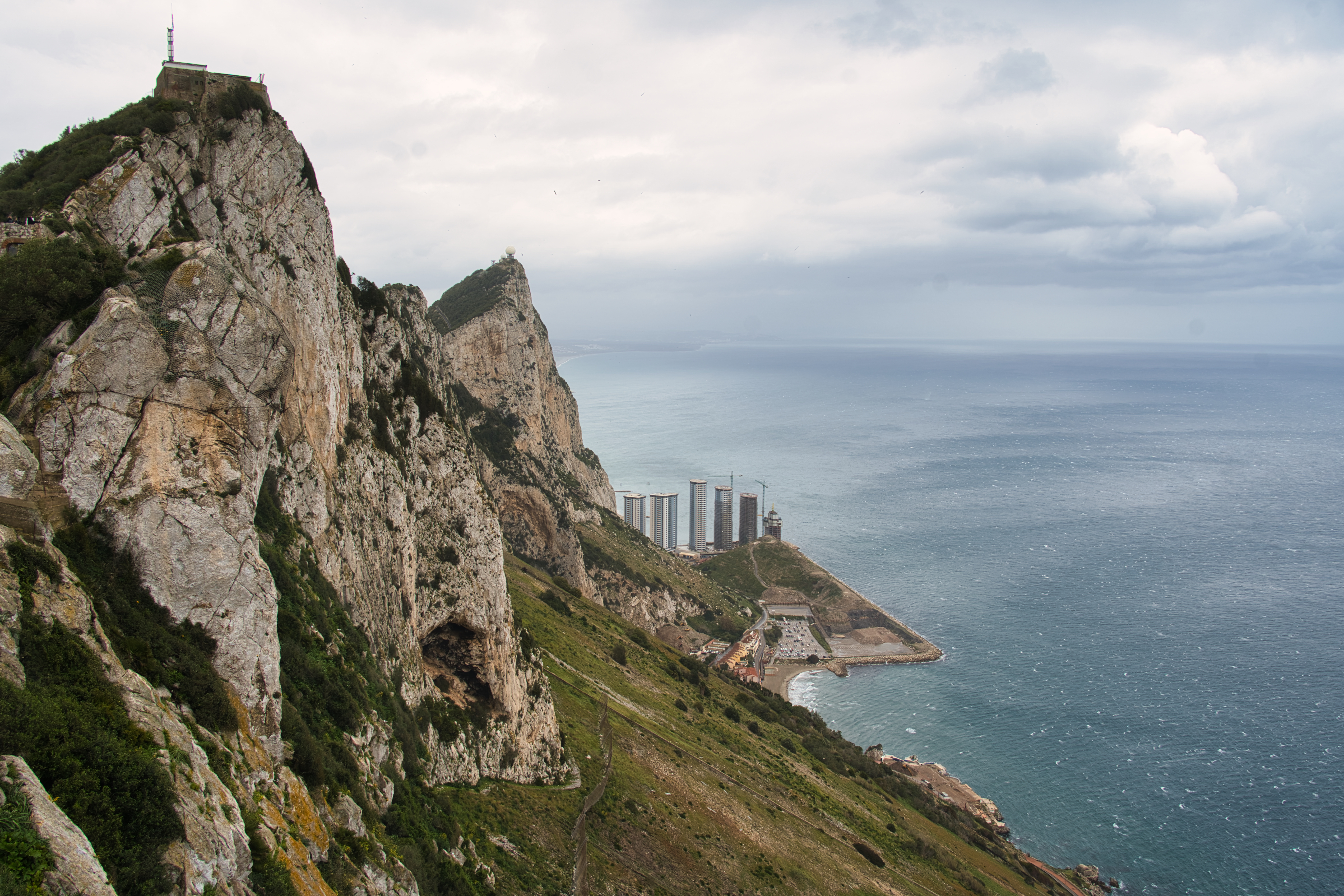
But beyond its political significance, Gibraltar boasts a natural landscape that is as captivating as it is diverse. Perched atop the limestone monolith that gives the territory its iconic silhouette, Gibraltar is home to the last known colony of Barbary macaques in Europe. These mischievous primates, with their expressive faces and playful antics, have become synonymous with the Rock, serving as both a tourist attraction and a symbol of Gibraltar’s untamed spirit.
Moreover, Gibraltar holds another distinction in the realm of natural history: it is believed to be the last known colony of the Neanderthals before their extinction. Archaeological evidence suggests that these ancient hominids inhabited the caves and rocky outcrops of the Rock thousands of years ago, leaving behind traces of their existence for modern-day researchers to unravel. The discovery of Neanderthal remains in Gorham’s Cave, a UNESCO World Heritage Site, has shed new light on the enigmatic story of our human ancestors.
In history and the present, Gibraltar remains a colony of various kinds. It serves as a reminder of the complexities of history and the enduring forces that shape our world. Gibraltar is a small land of contrasts and contradictions, where the past meets the present in a seamless blend of tradition and innovation. And amidst it all, the monkeys roam freely, the Neanderthals’ legacy endures, and the Rock stands as a silent witness to the passage of time.



 Michael Hoffman Photography