
Skip to content

Gothic England

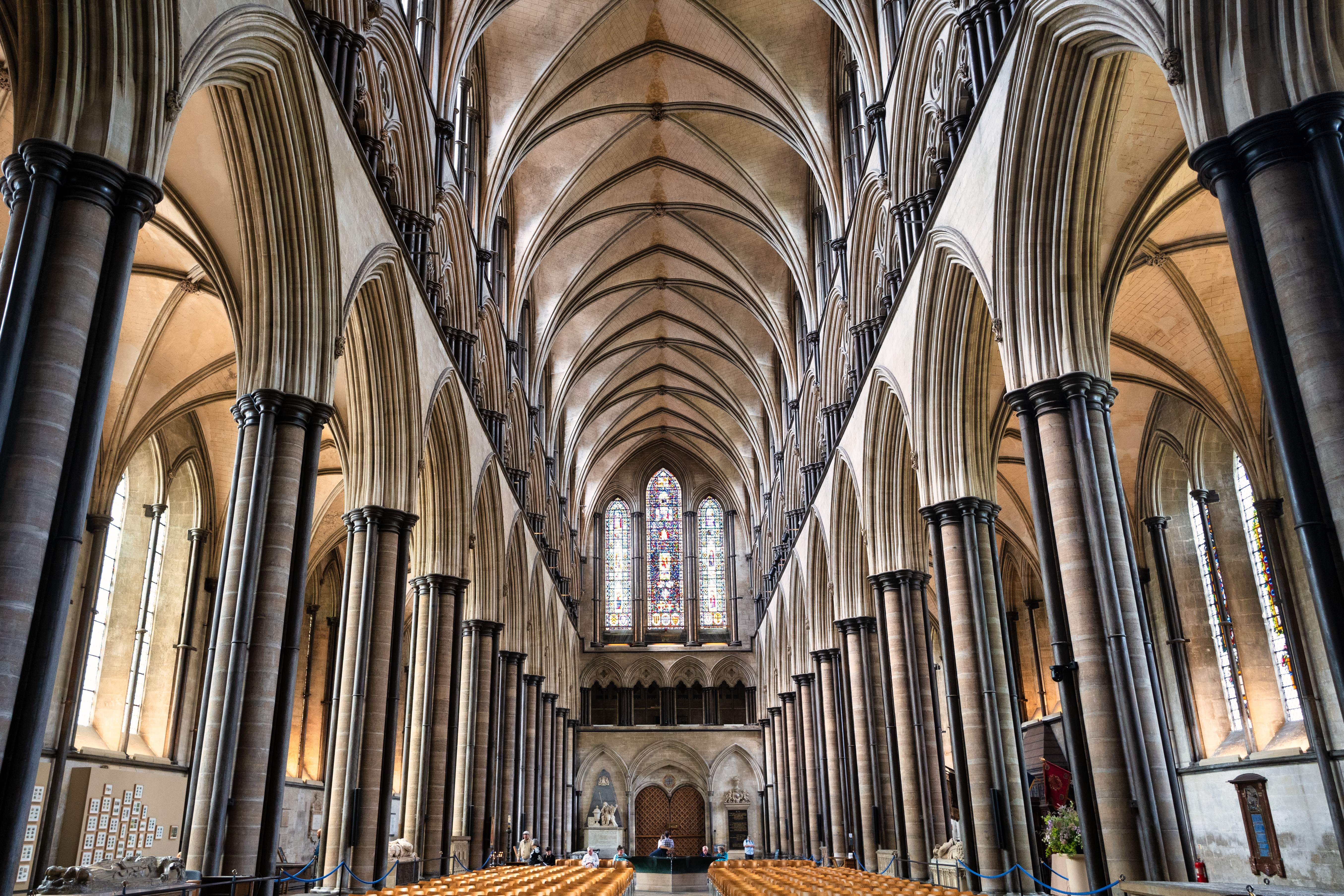
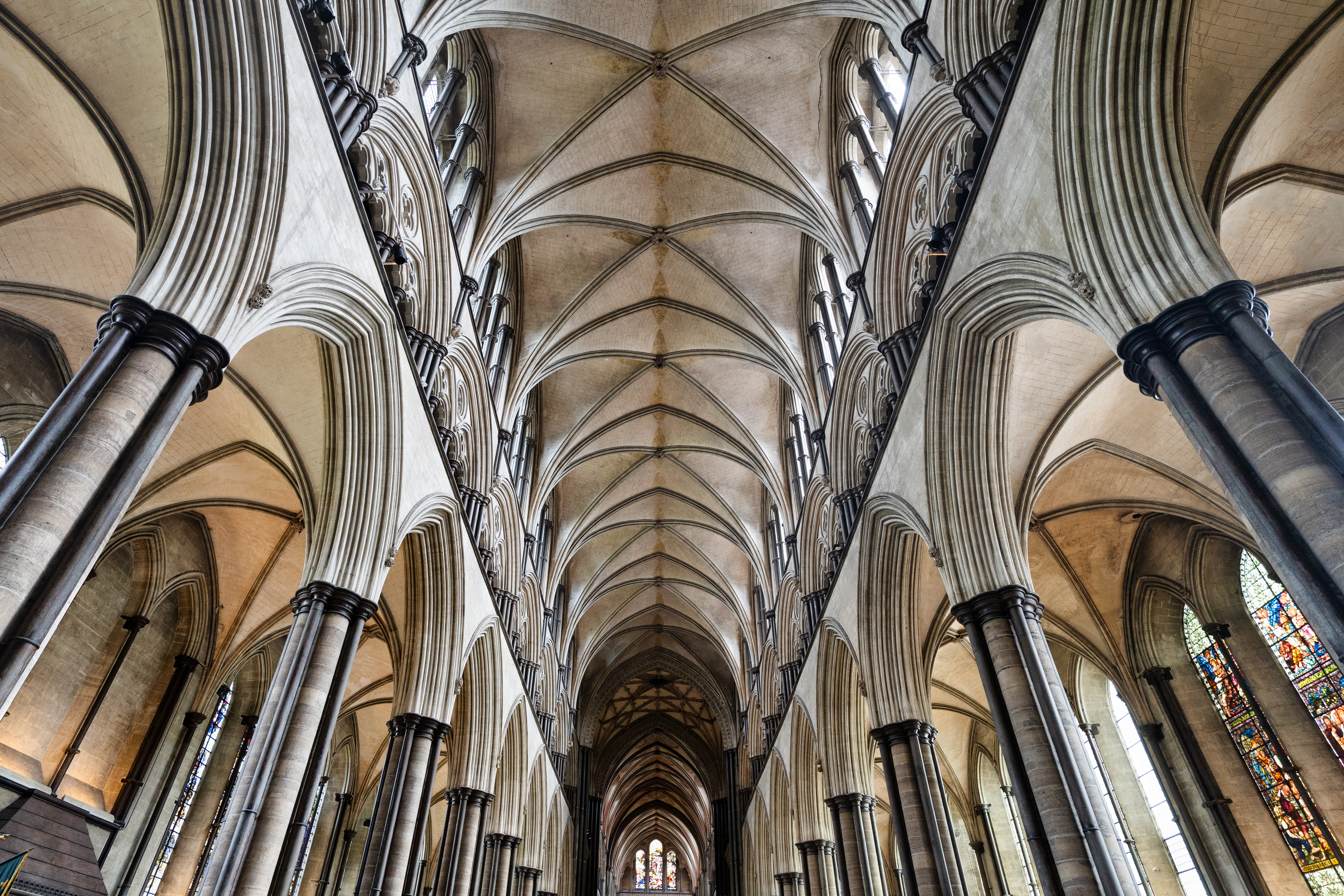
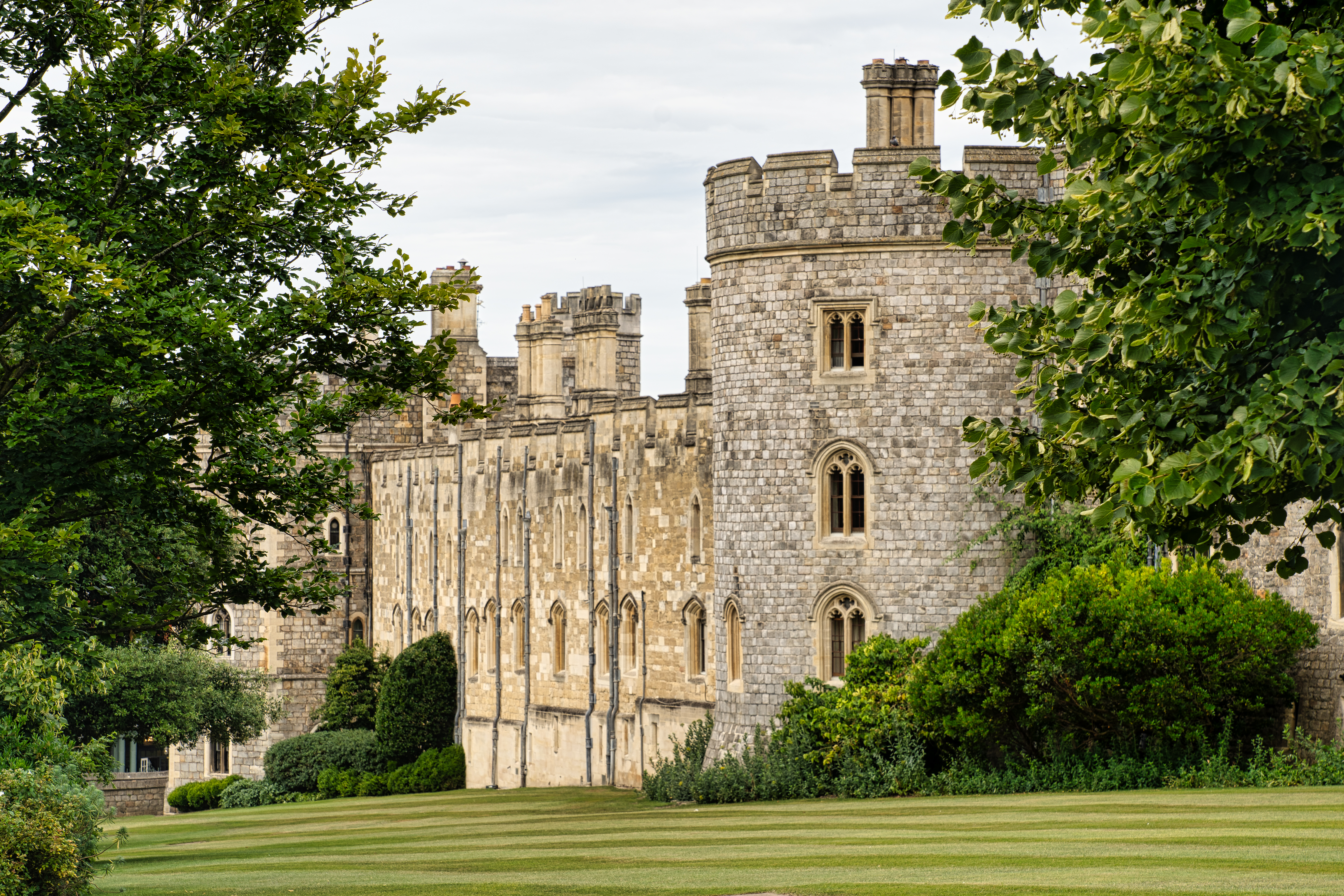
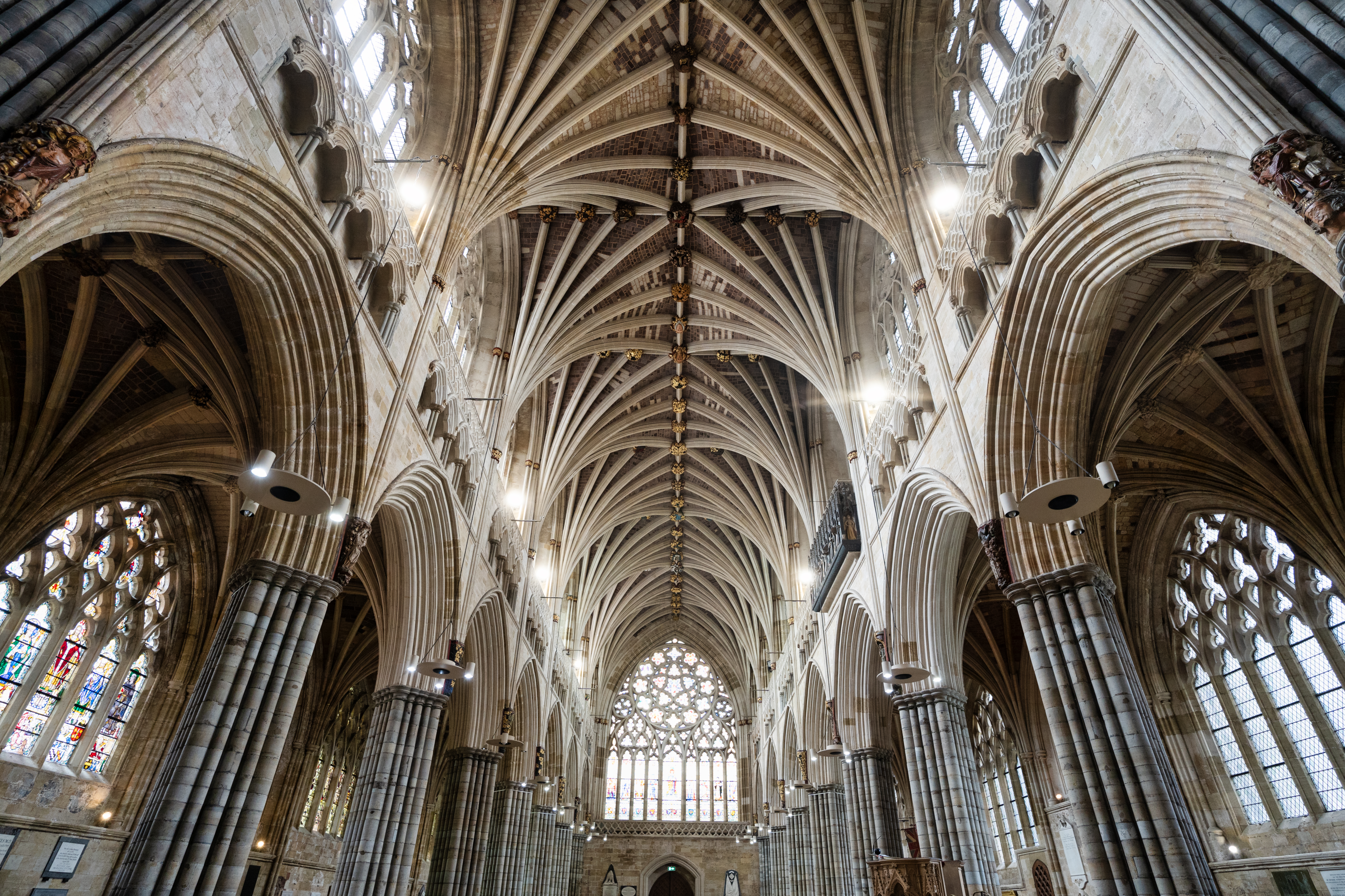
Gothic architecture in England began to emerge in the late 12th century, profoundly shaping the country’s sacred structures over the following centuries. The style’s introduction is often credited to the reconstruction of Canterbury Cathedral’s choir after a fire in 1174, overseen by French architect William of Sens. This marked the beginning of the Early English Gothic period, characterized by pointed arches, ribbed vaults, and a preference for verticality and light. Salisbury Cathedral, completed in 1258, stands as a prominent example of this phase, with its elegant spire and slender lancet windows, illustrating the English emphasis on linearity and luminosity rather than the structural heaviness often seen in French Gothic. This period was defined by simplicity, restrained ornamentation, and a strong sense of balance and proportion, giving English Gothic a unique character that distinguished it from its continental counterpart.

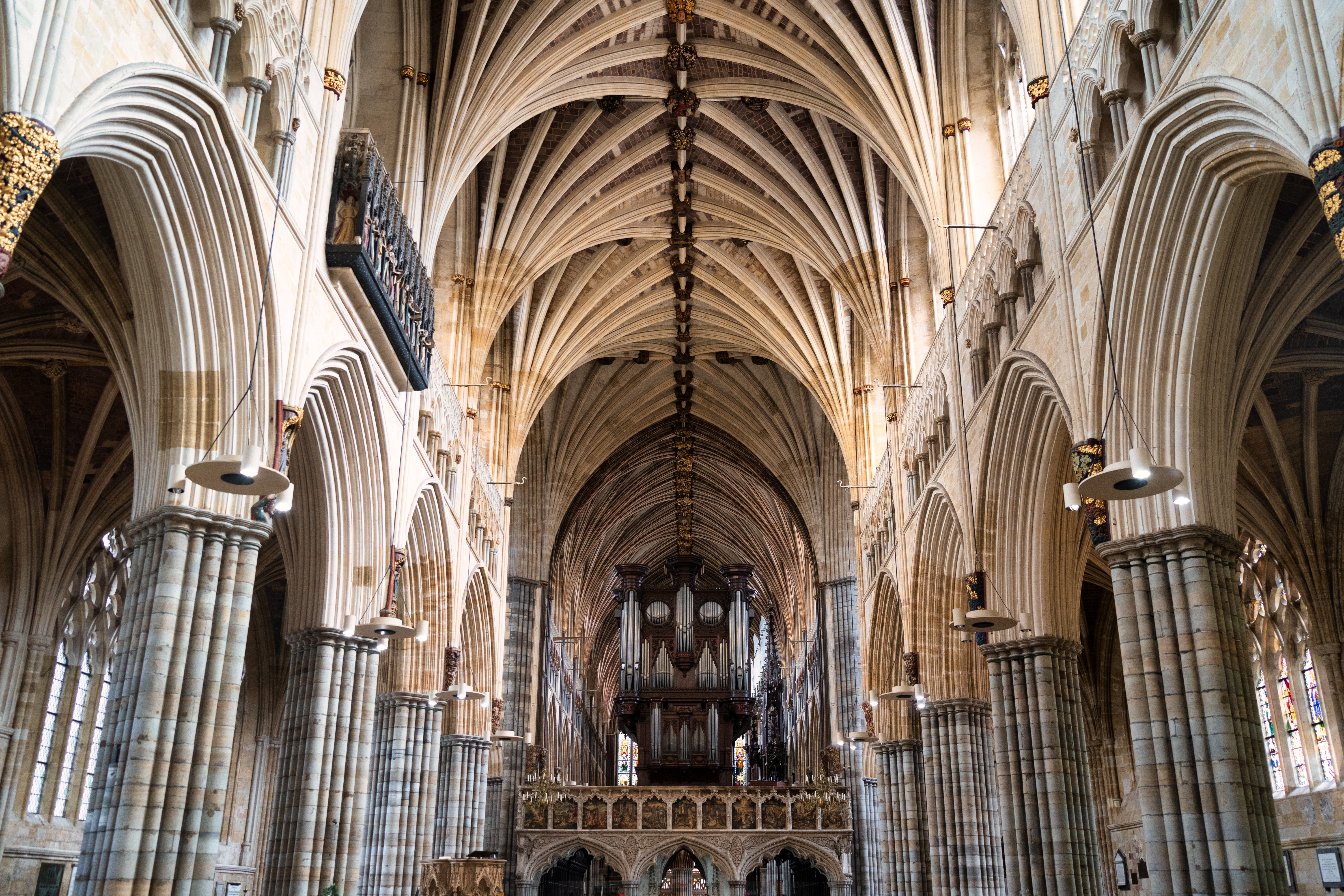
By the mid-13th century, the style evolved into what is known as the Decorated Gothic period, marked by more elaborate ornamentation and intricate stonework. Buildings from this era, such as Lincoln Cathedral’s Angel Choir and the Chapter House at York Minster, feature elaborate window tracery and complex patterns, showcasing a growing interest in decorative arts. The Decorated period reflects a shift toward greater expressiveness, with rich carvings, flowing forms, and a focus on creating dramatic visual effects. This development continued into the Perpendicular Gothic phase, which emerged in the late 14th century and introduced an even greater emphasis on vertical lines, fan vaults, and expansive window spaces, as seen in structures like King’s College Chapel in Cambridge. Through these successive stages, Gothic architecture in England adapted to local tastes and conditions, becoming a defining feature of the nation’s ecclesiastical landscape and leaving a legacy of architectural innovation and spiritual aspiration.

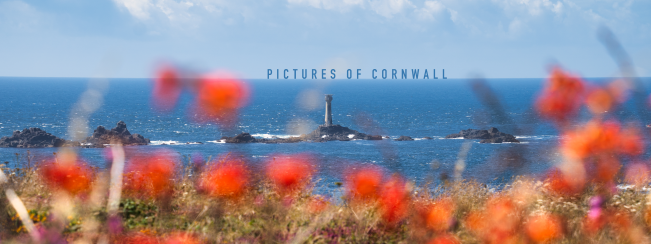
Pictures of Cornwall

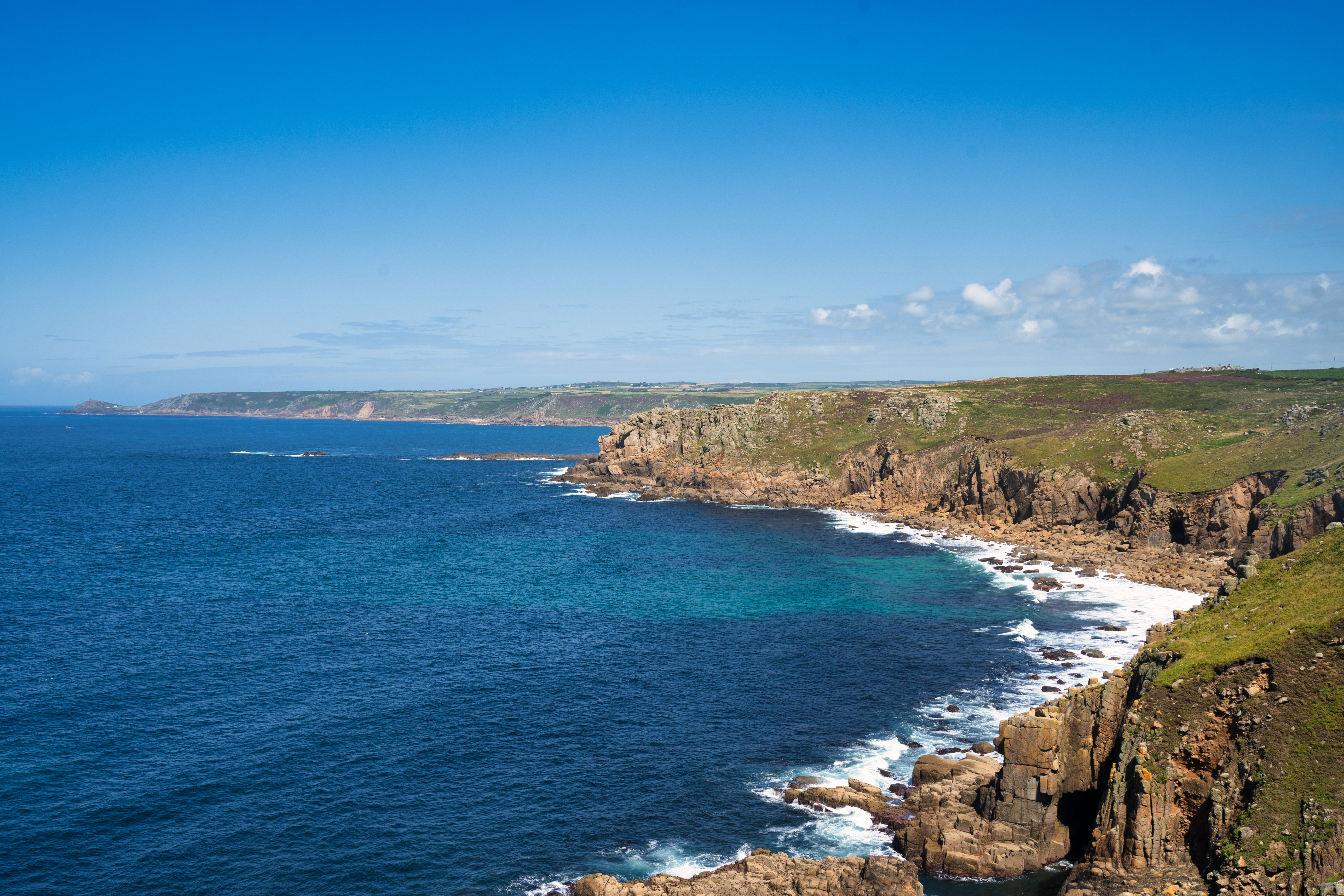
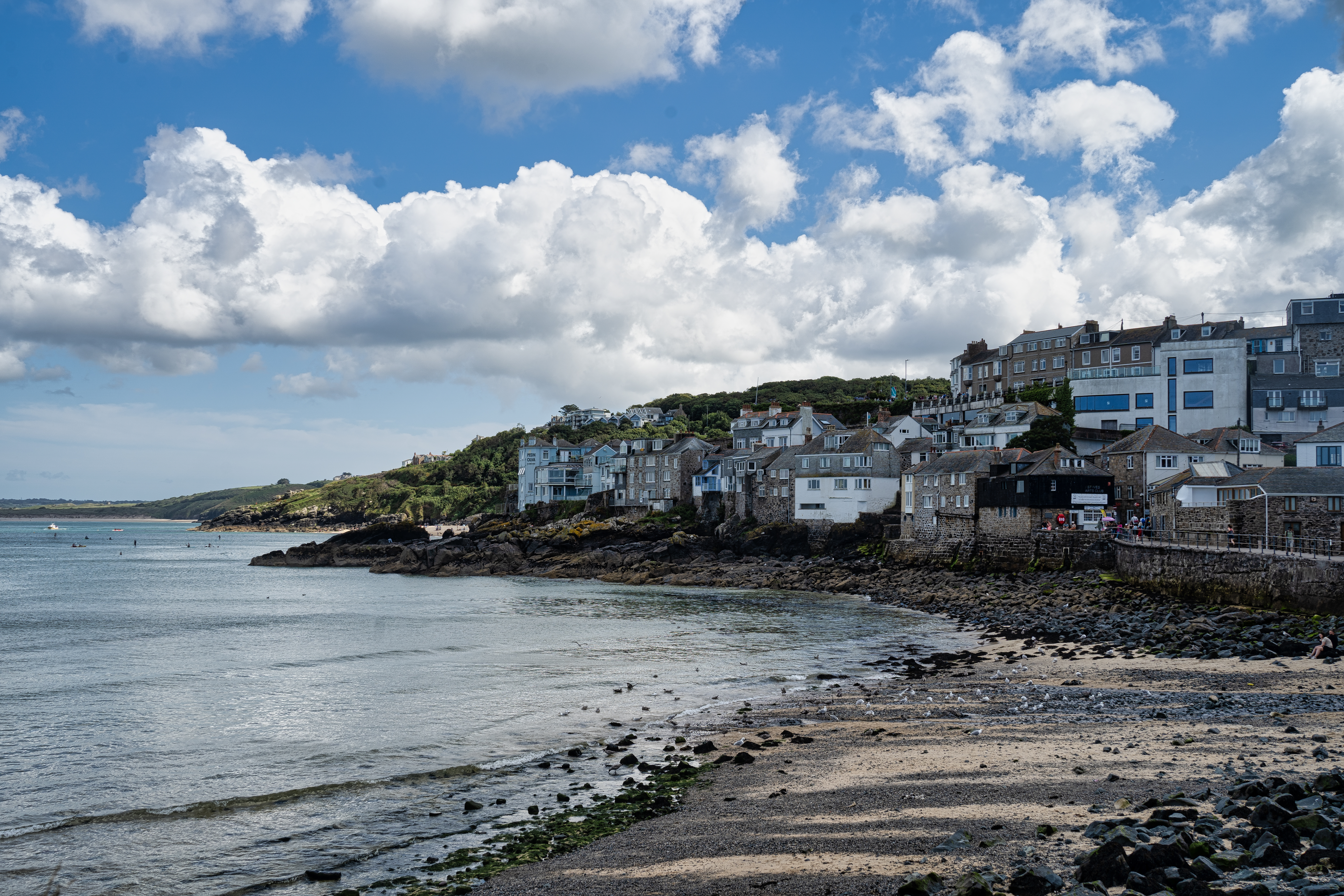
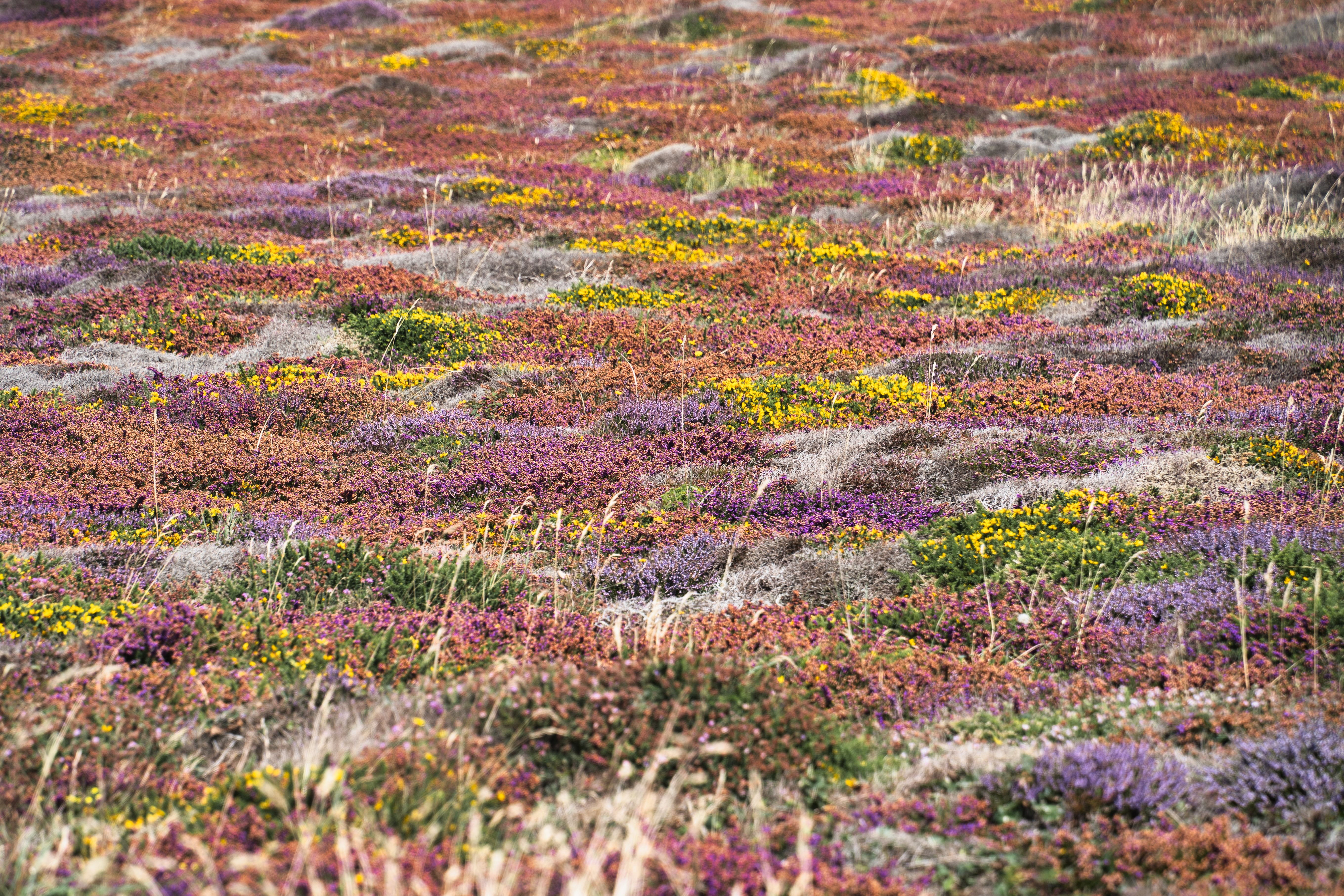
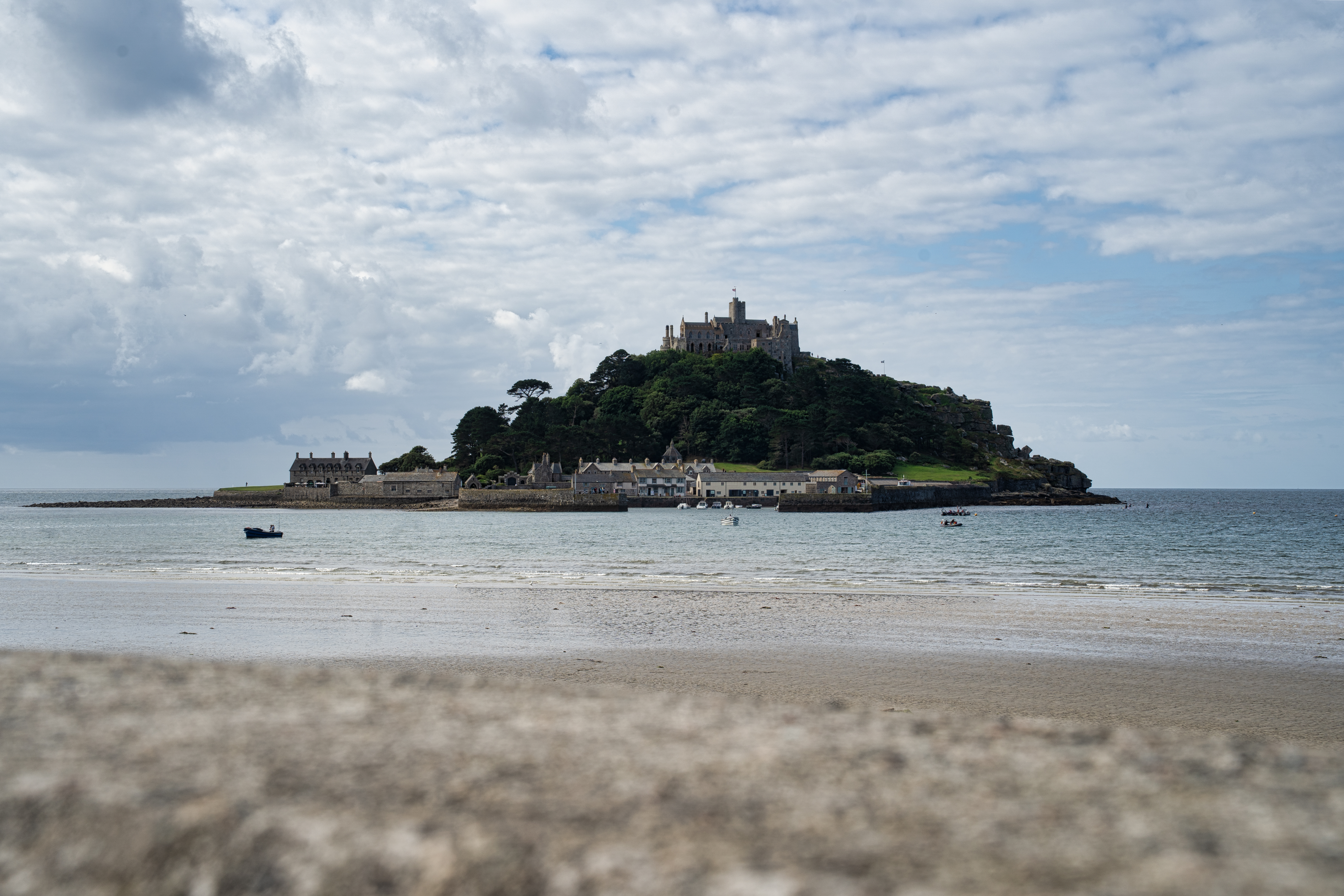
Cornwall, with its rugged coastline and sweeping beaches, offers some of the most picturesque landscapes in England. The region is renowned for its dramatic cliffs, azure waters, and golden sands, creating a striking contrast between land and sea. Charming fishing villages dot the coast, their whitewashed cottages and narrow, winding streets capturing the essence of a slower, simpler way of life. Inland, Cornwall is equally captivating, with rolling moors, lush valleys, and ancient woodlands that invite exploration and discovery.

Beyond its natural beauty, Cornwall is rich in cultural heritage and tradition. The area’s historic sites, from ancient ruins to old mining structures, tell stories of a long and varied past, while its vibrant arts scene reflects the creativity that its landscapes inspire. Whether it’s the changing colors of the ocean at sunset or the rugged charm of the countryside, every picture of Cornwall speaks to a place where history, culture, and nature come together in a unique and unforgettable way.

Heritage of England

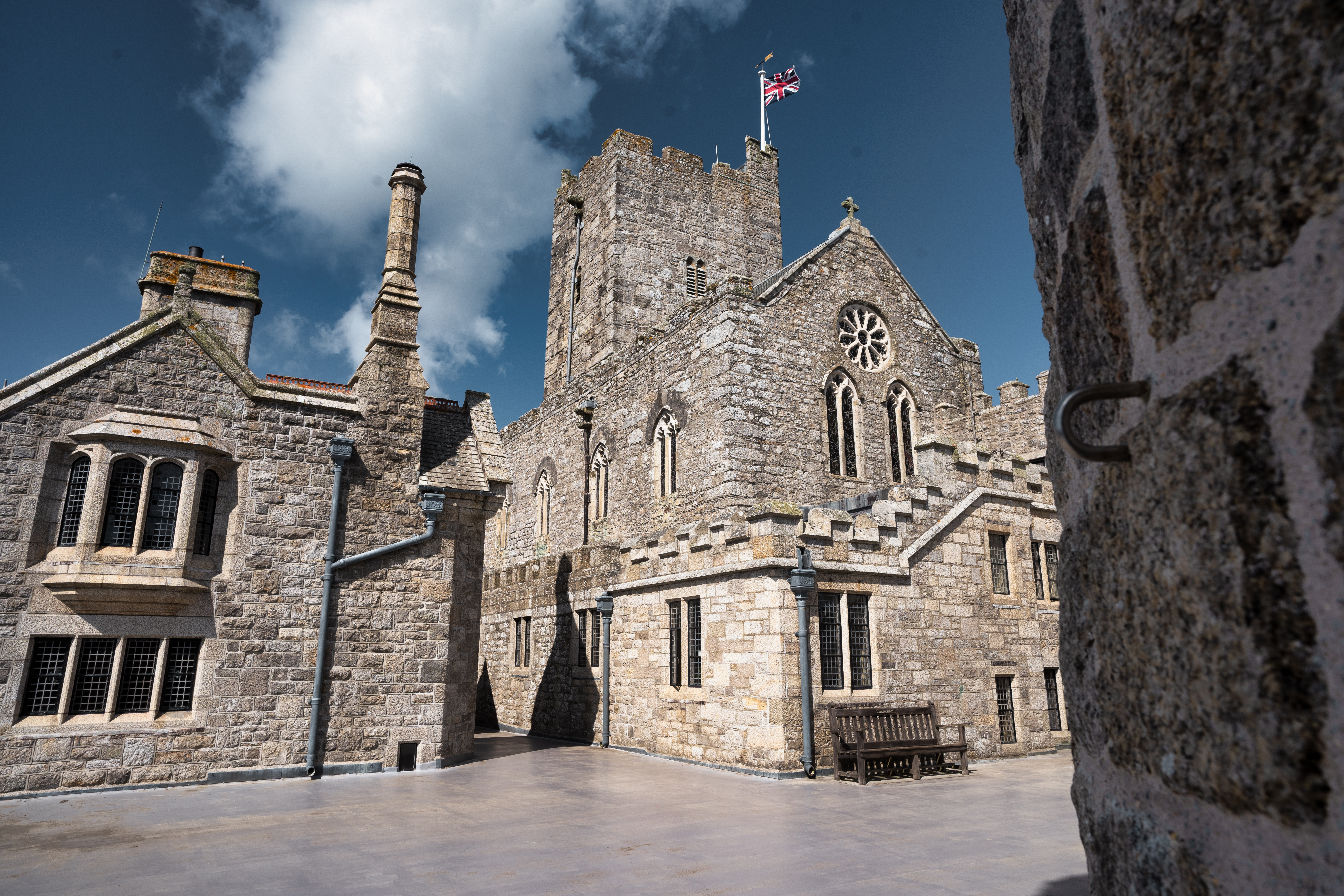
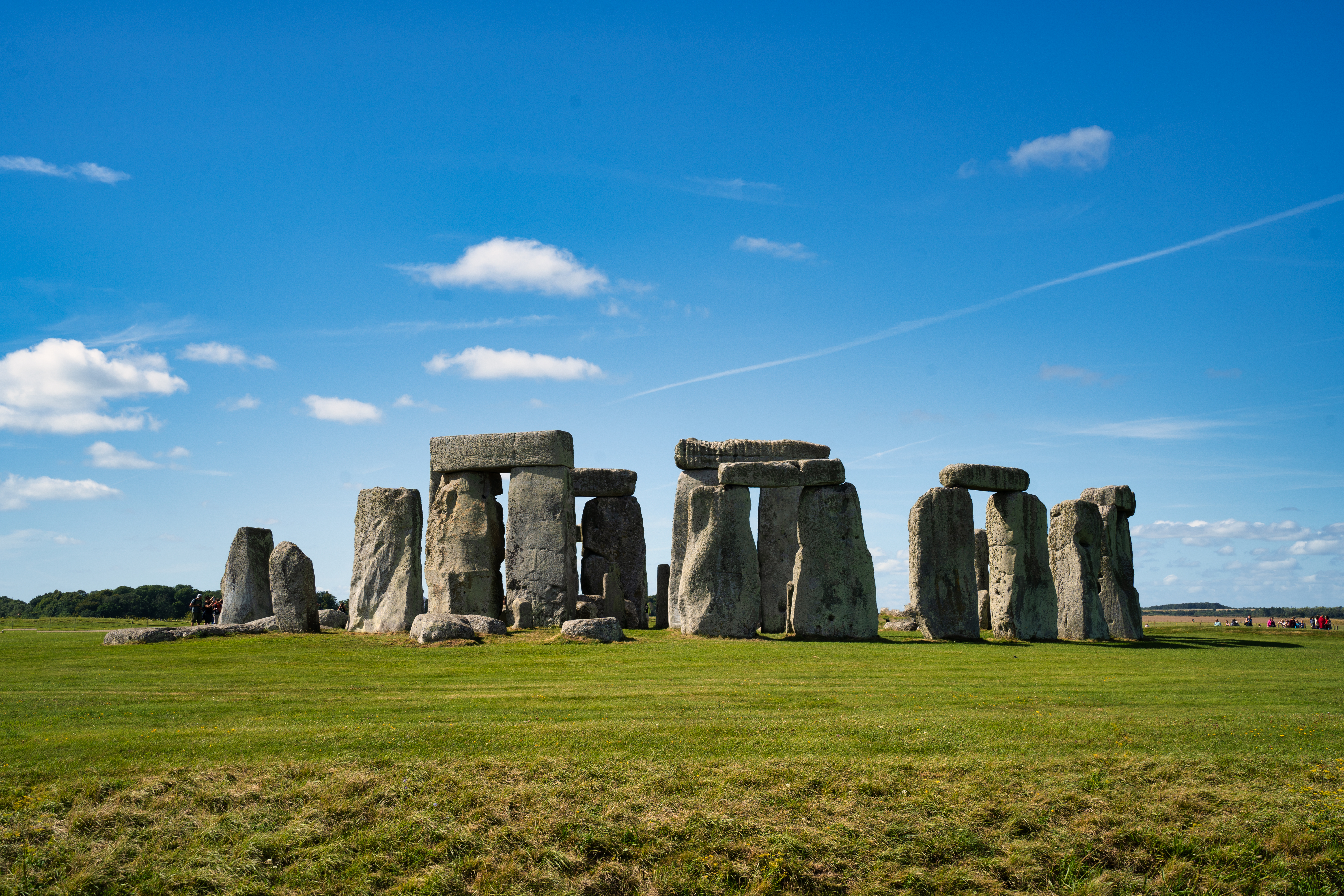
England’s heritage is a rich tapestry of history, culture, and tradition that spans thousands of years. It encompasses ancient monuments, medieval architecture, and the timeless beauty of its rural landscapes, all of which tell the story of a nation shaped by countless events and influences. From prehistoric sites, such as Stonehenge, to the remnants of its industrial past, England’s heritage reflects a unique blend of historical epochs that have left their mark on its land, people, and identity.

The literary, artistic, and cultural contributions of England have also played a significant role in shaping its heritage. Renowned writers, poets, and artists have captured the essence of the English experience, from the bustling streets of its cities to the serene countryside. The nation’s traditions and customs, many of which continue to be celebrated today, connect the past with the present, creating a living heritage that is cherished by its people and admired by the world.

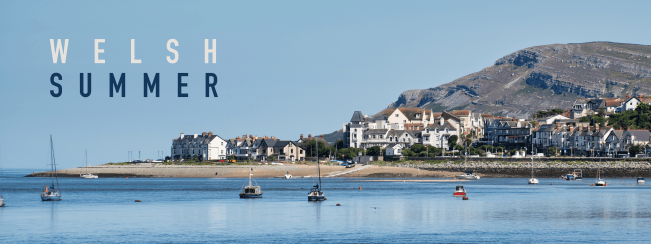
Welsh Summer

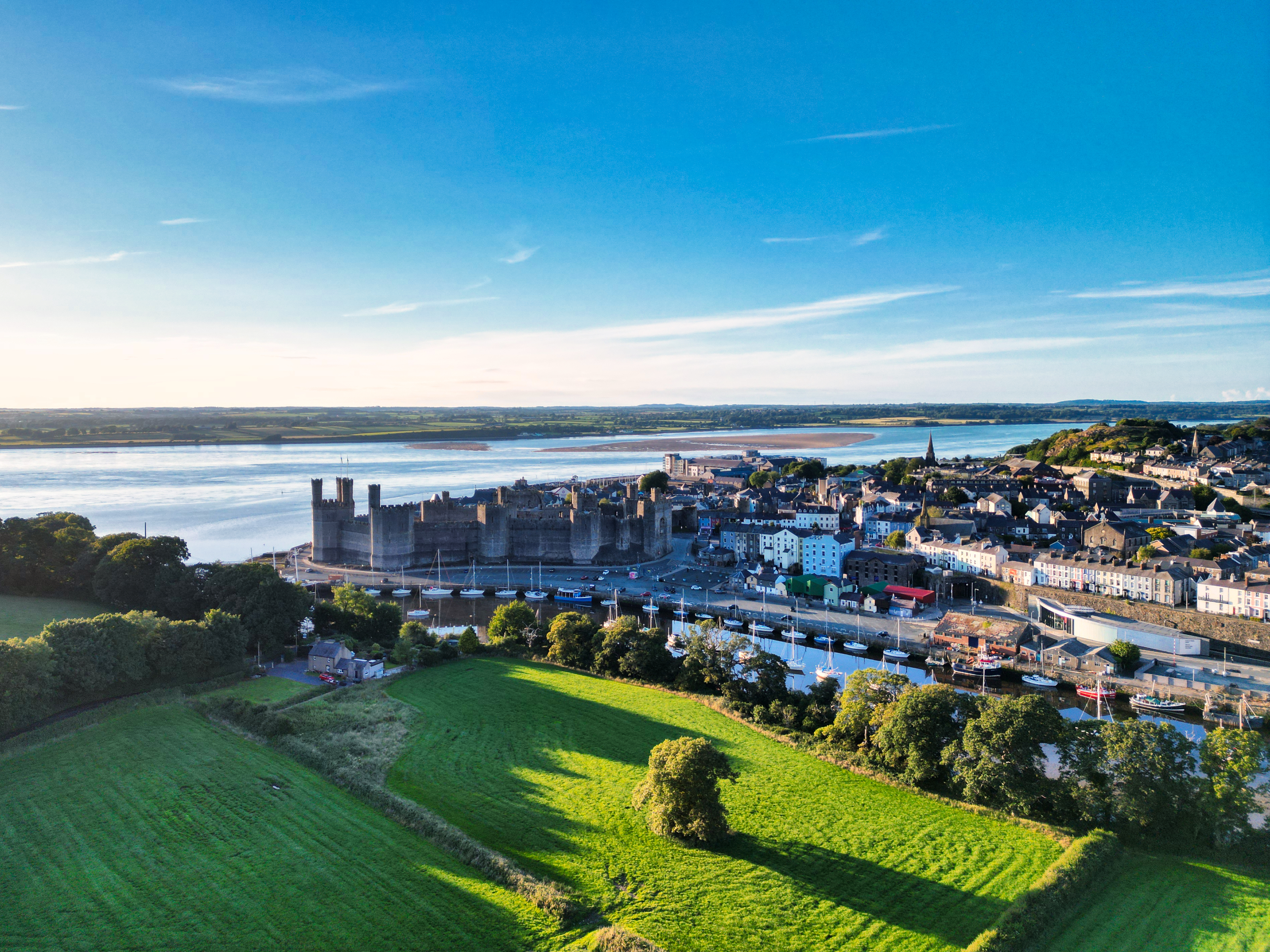
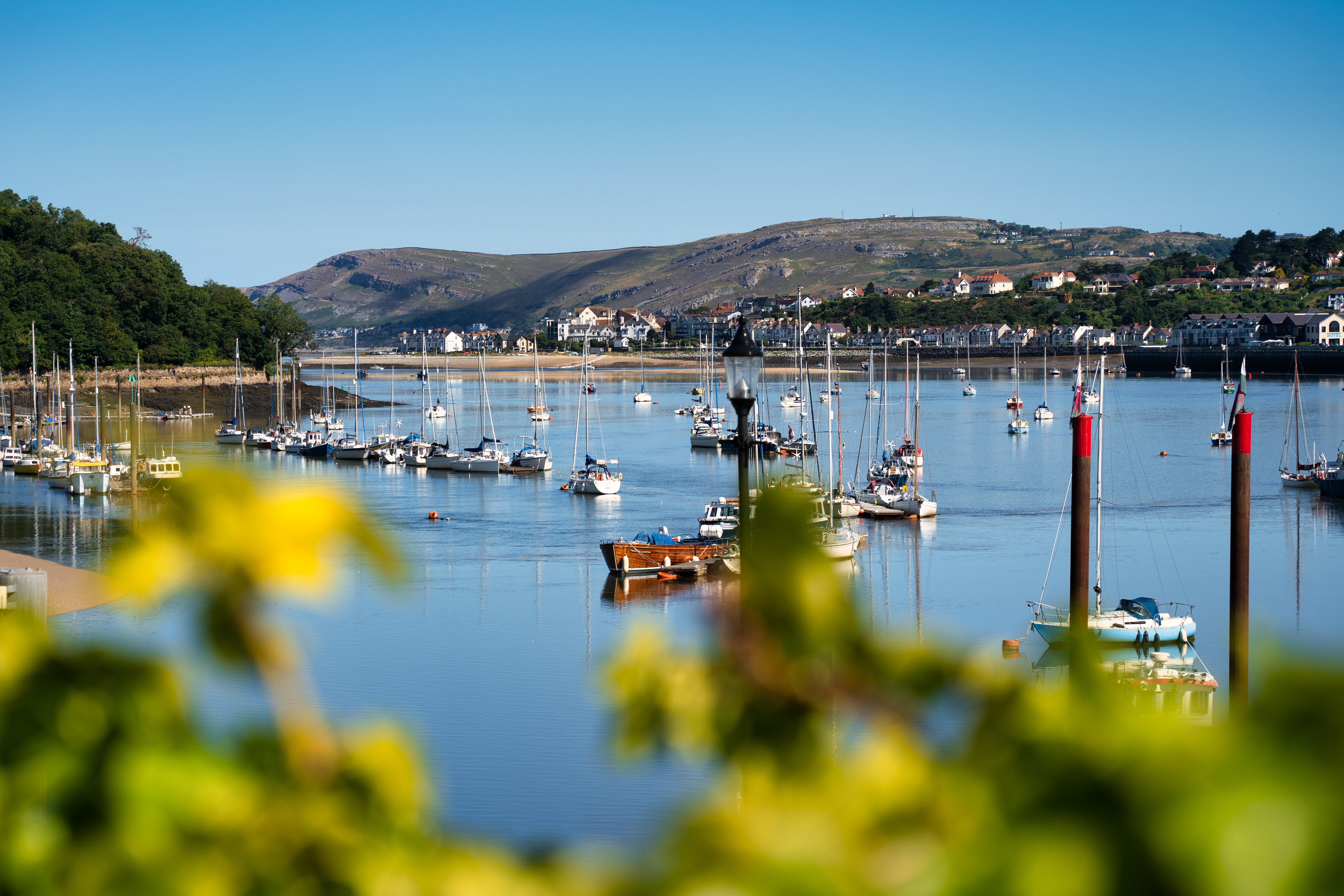
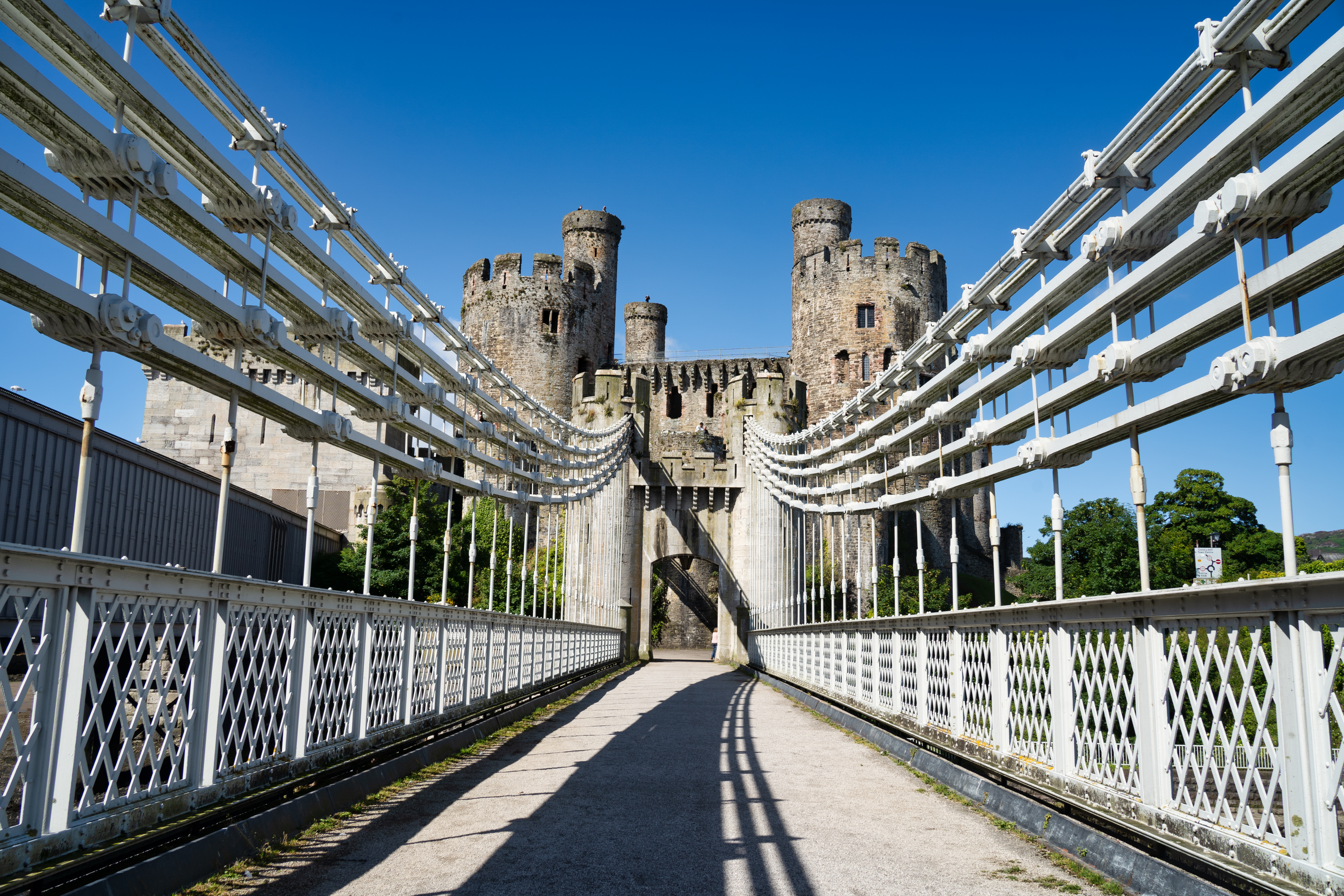
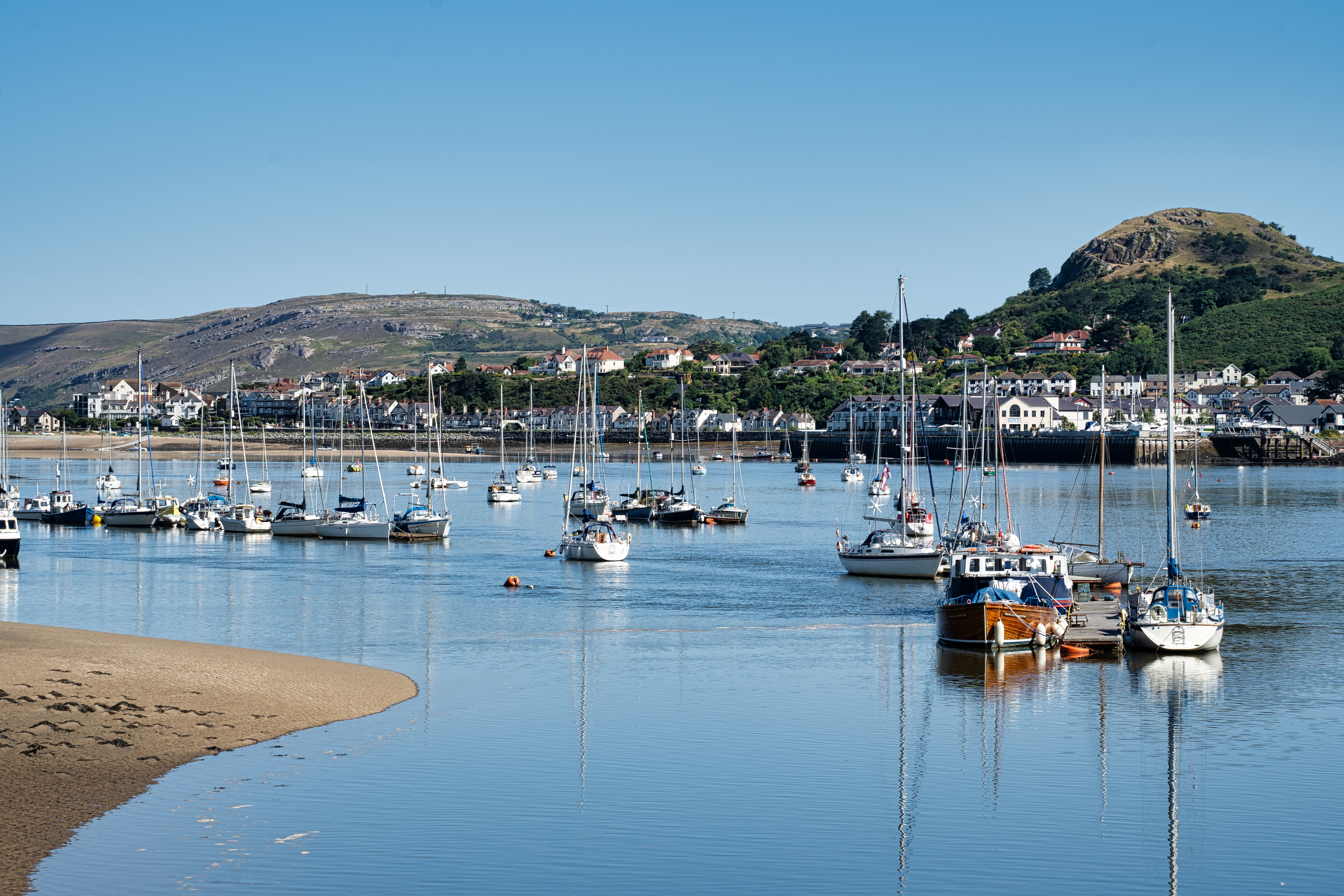
In the Welsh summer the landscape of the Dragon’s Country comes alive with color and life. The hills are a patchwork of vibrant greens, dotted with wildflowers, and the air is filled with the soft buzz of bees and the gentle rustle of leaves in the breeze. The coastline, bathed in sunlight, reveals golden beaches and hidden coves, inviting you to dip your toes in the cool, clear waters or explore rock pools brimming with sea life. From the bustling markets of small towns to the quiet tranquility of mountain lakes, there’s a sense of warmth and vitality that makes summer in Wales feel like a celebration of nature itself.