
Gothic England
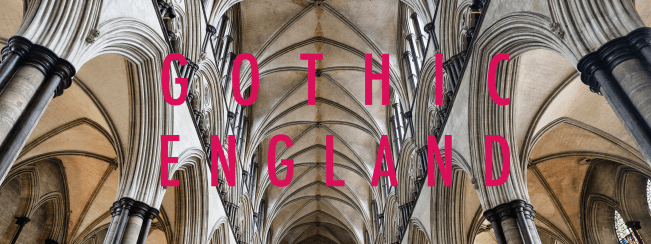
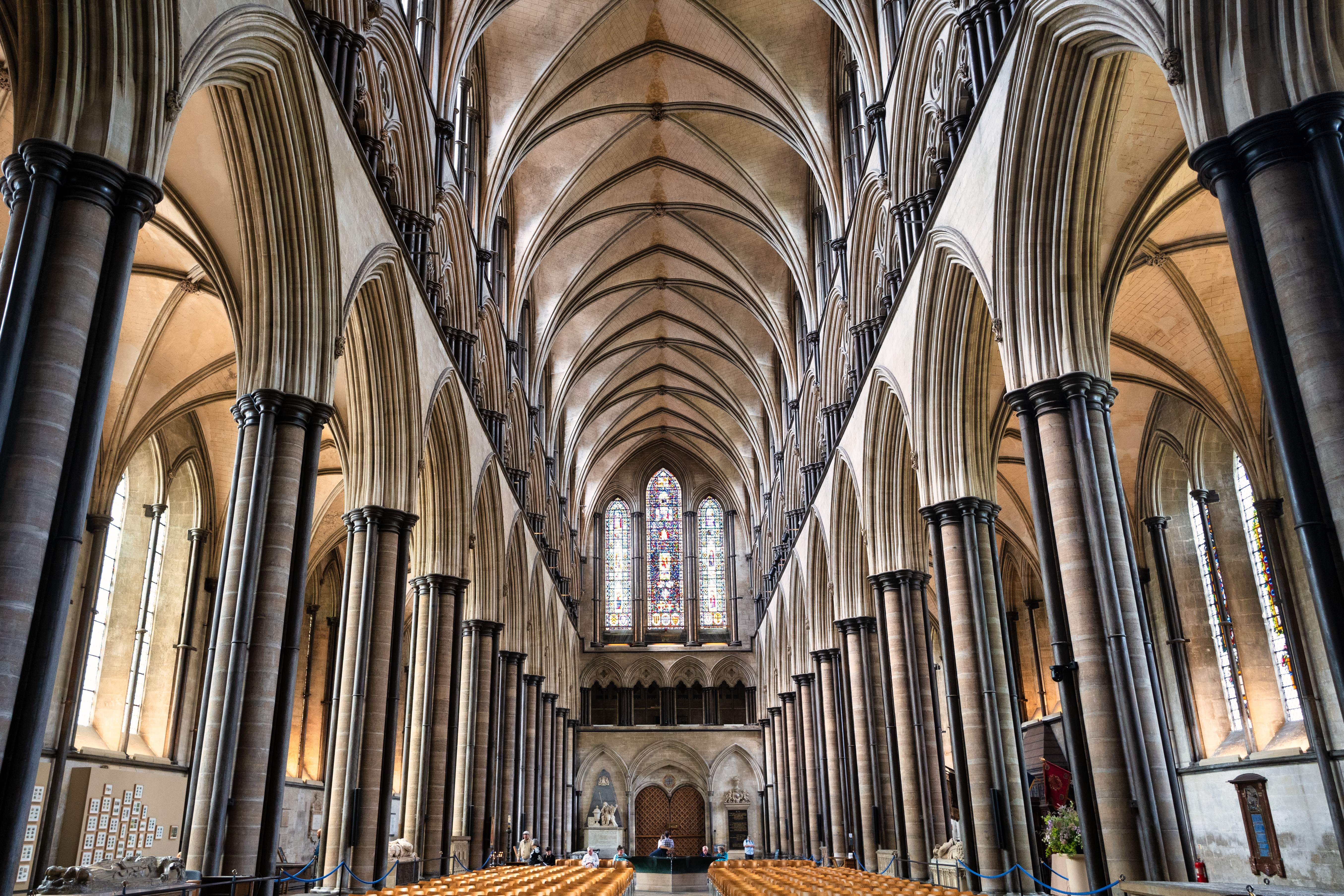
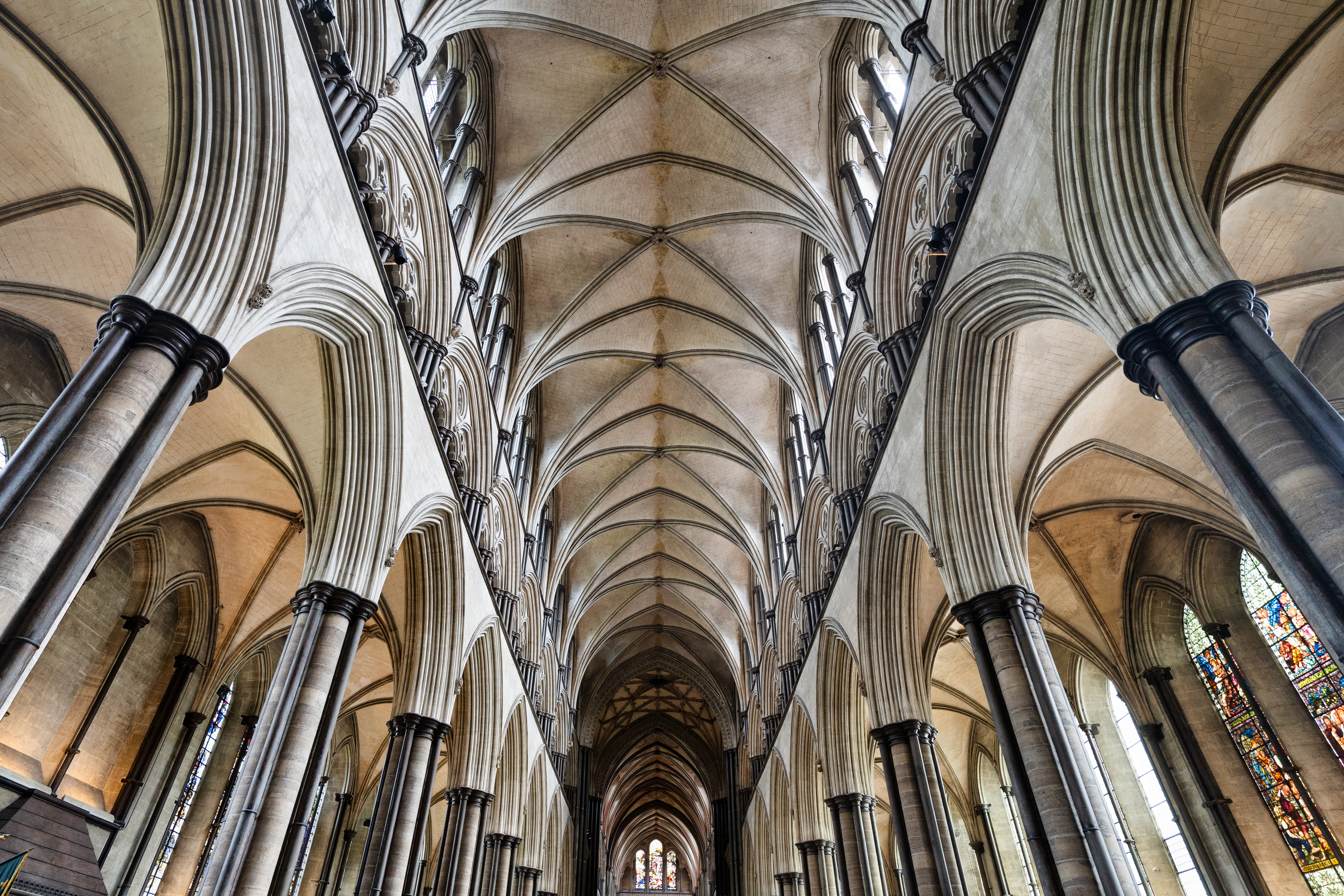
Gothic architecture in England began to emerge in the late 12th century, profoundly shaping the country’s sacred structures over the following centuries. The style’s introduction is often credited to the reconstruction of Canterbury Cathedral’s choir after a fire in 1174, overseen by French architect William of Sens. This marked the beginning of the Early English Gothic period, characterized by pointed arches, ribbed vaults, and a preference for verticality and light. Salisbury Cathedral, completed in 1258, stands as a prominent example of this phase, with its elegant spire and slender lancet windows, illustrating the English emphasis on linearity and luminosity rather than the structural heaviness often seen in French Gothic. This period was defined by simplicity, restrained ornamentation, and a strong sense of balance and proportion, giving English Gothic a unique character that distinguished it from its continental counterpart.
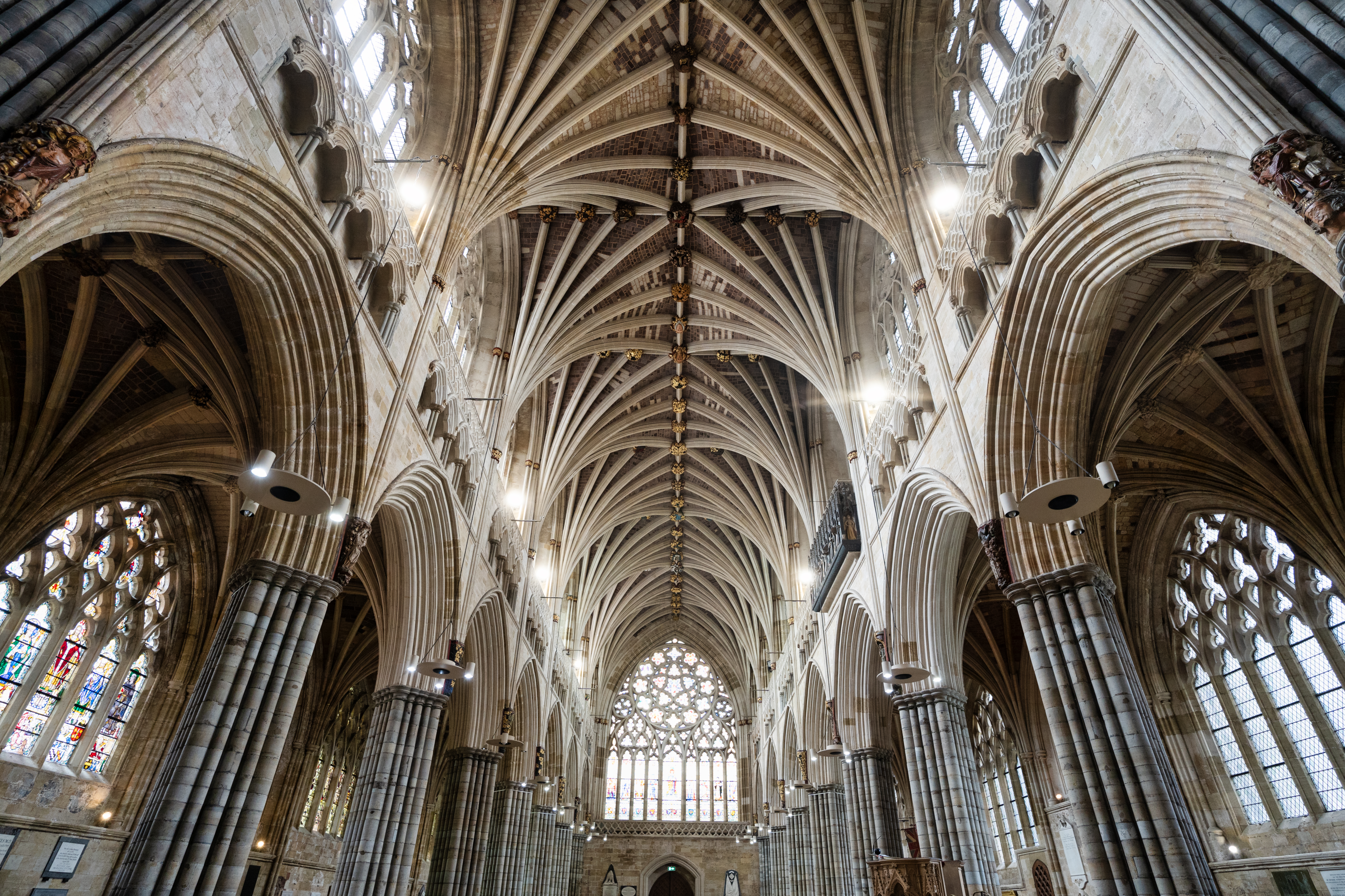
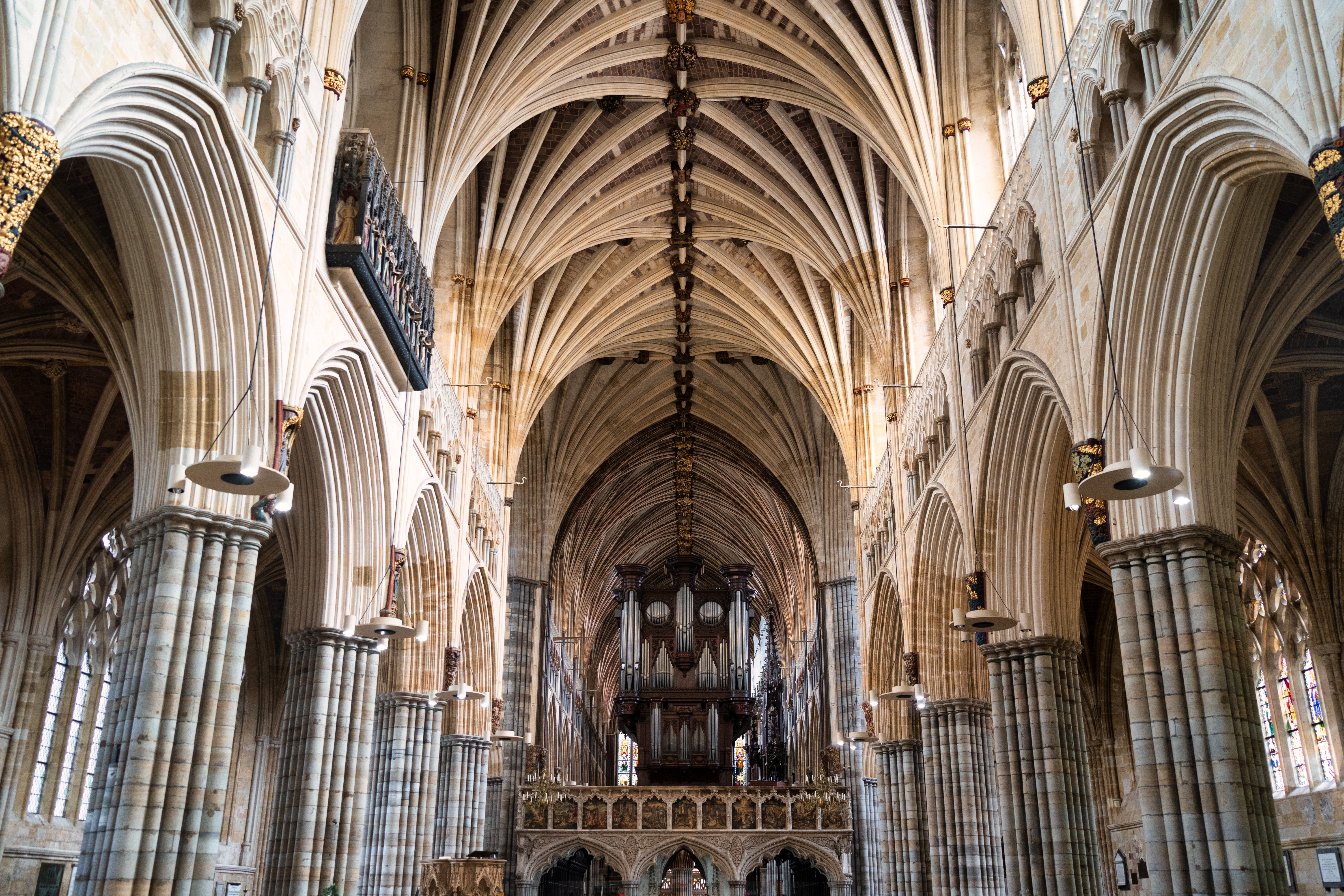
By the mid-13th century, the style evolved into what is known as the Decorated Gothic period, marked by more elaborate ornamentation and intricate stonework. Buildings from this era, such as Lincoln Cathedral’s Angel Choir and the Chapter House at York Minster, feature elaborate window tracery and complex patterns, showcasing a growing interest in decorative arts. The Decorated period reflects a shift toward greater expressiveness, with rich carvings, flowing forms, and a focus on creating dramatic visual effects. This development continued into the Perpendicular Gothic phase, which emerged in the late 14th century and introduced an even greater emphasis on vertical lines, fan vaults, and expansive window spaces, as seen in structures like King’s College Chapel in Cambridge. Through these successive stages, Gothic architecture in England adapted to local tastes and conditions, becoming a defining feature of the nation’s ecclesiastical landscape and leaving a legacy of architectural innovation and spiritual aspiration.

 Michael Hoffman Photography