Skip to content

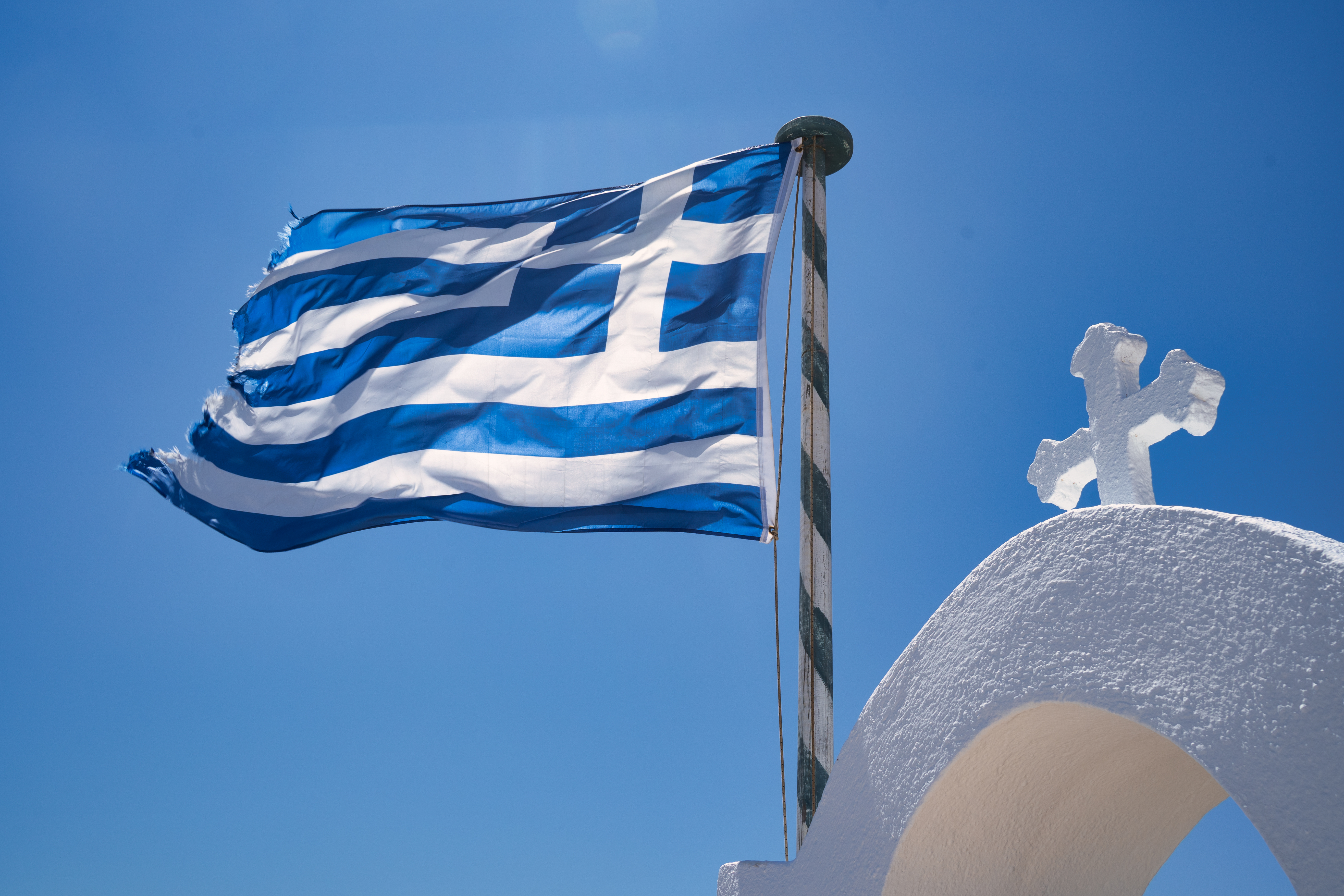
The White Island

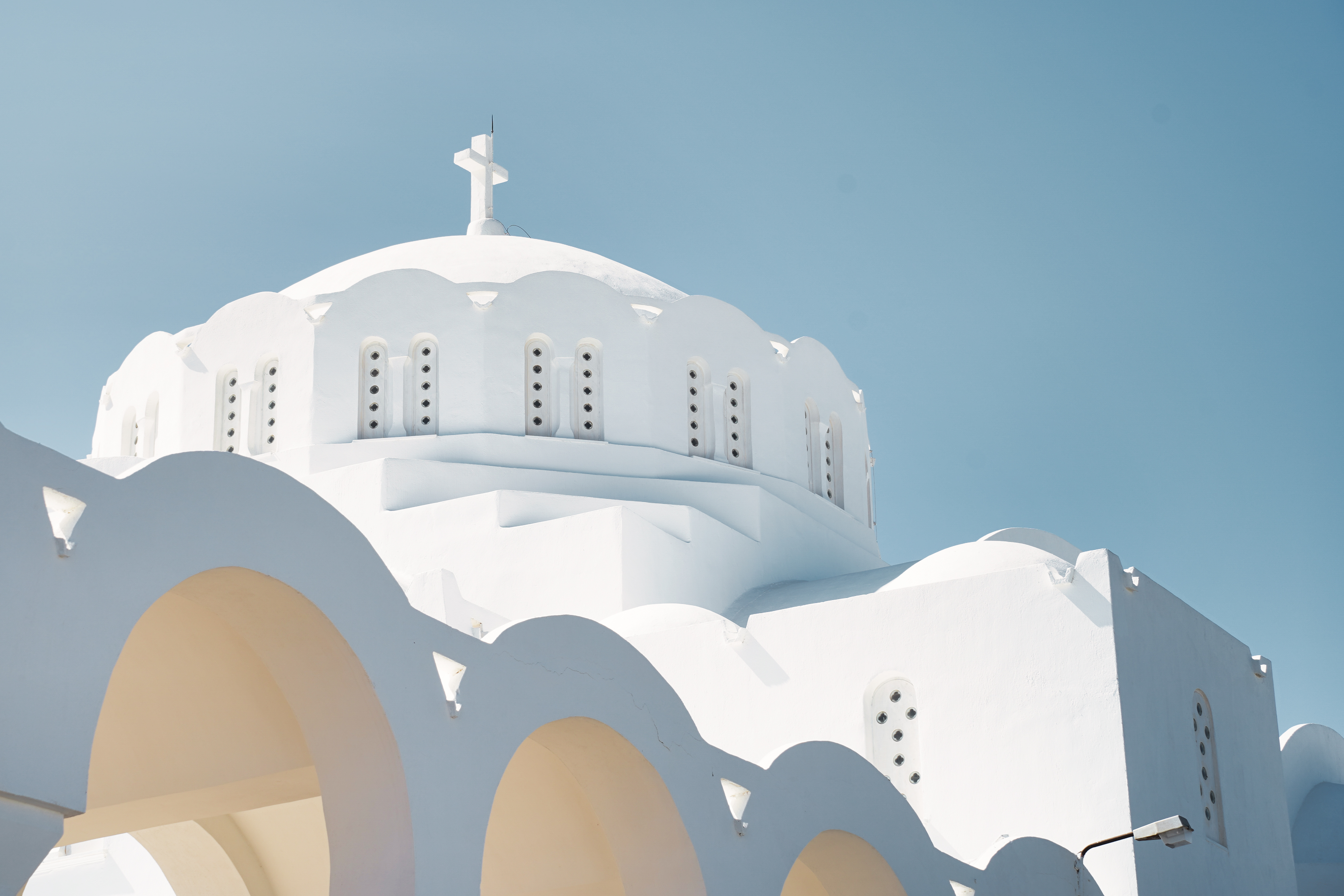
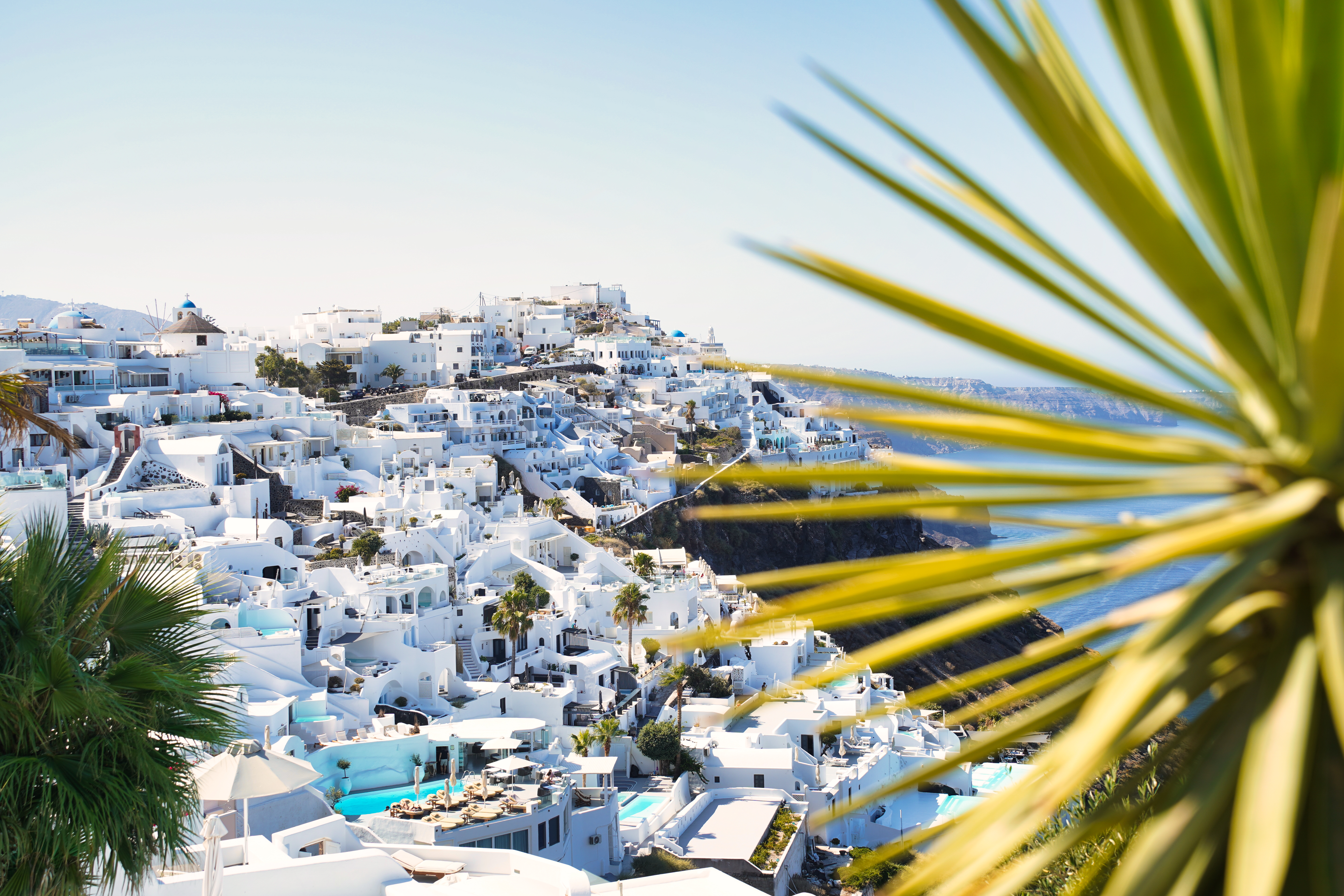
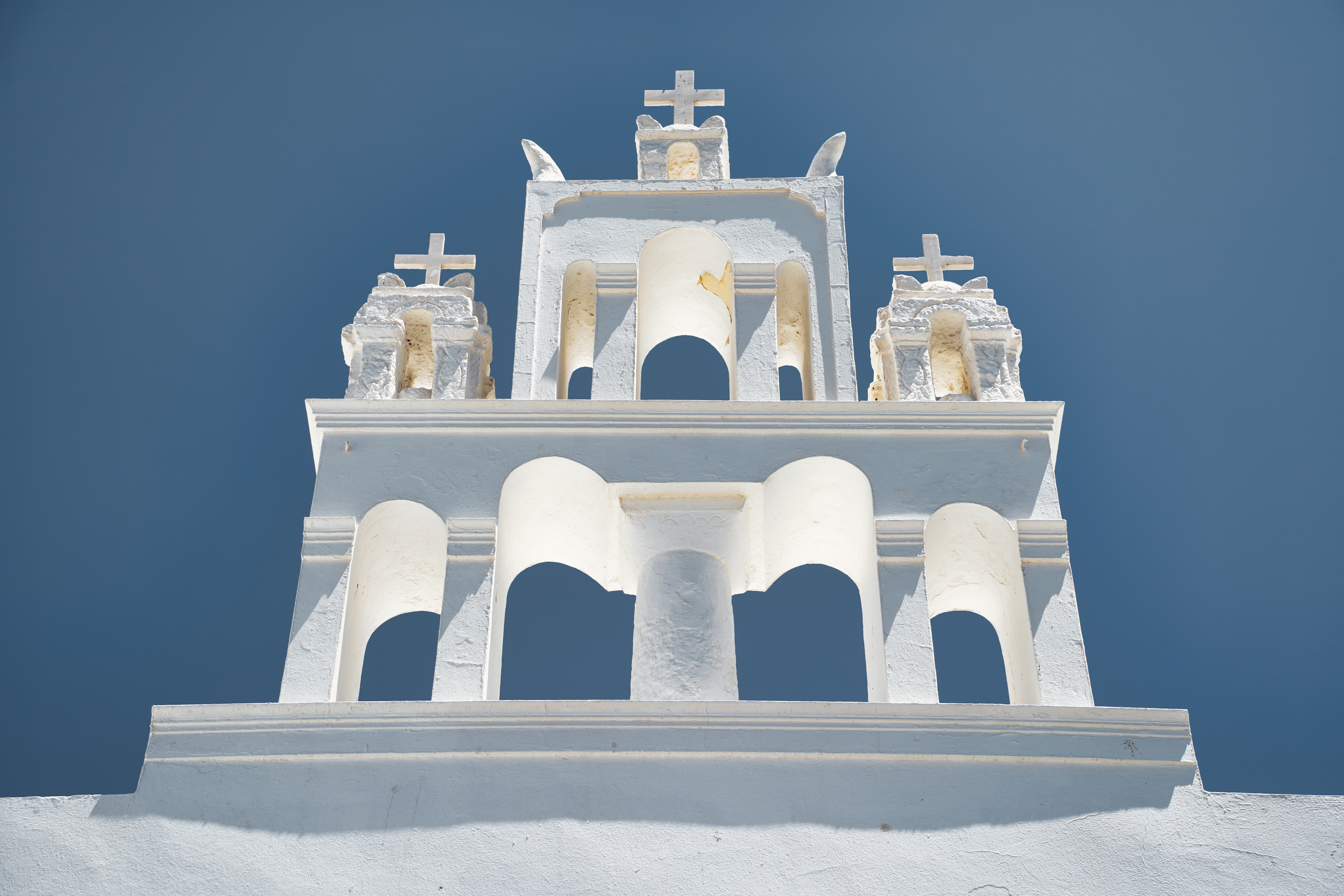
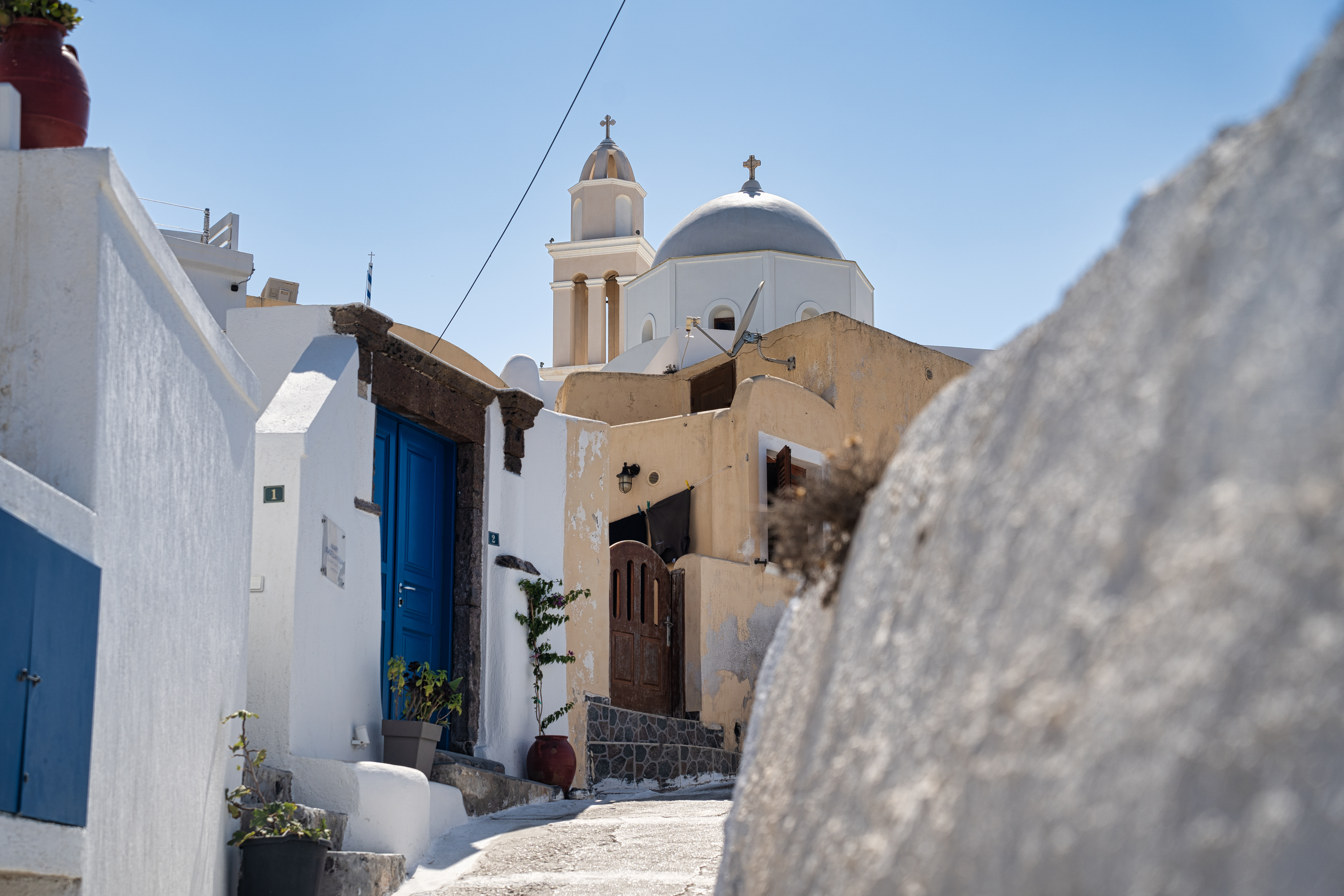
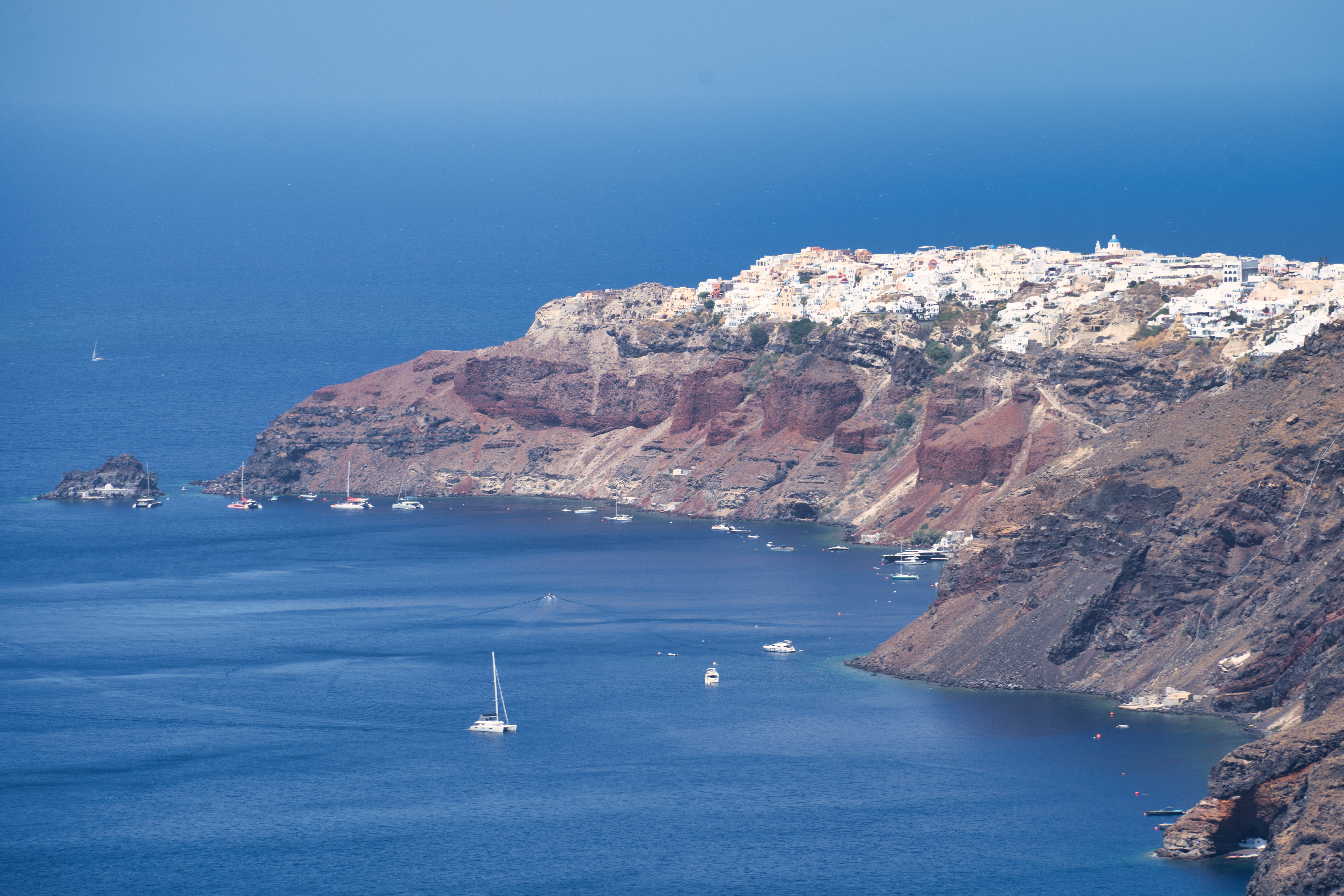
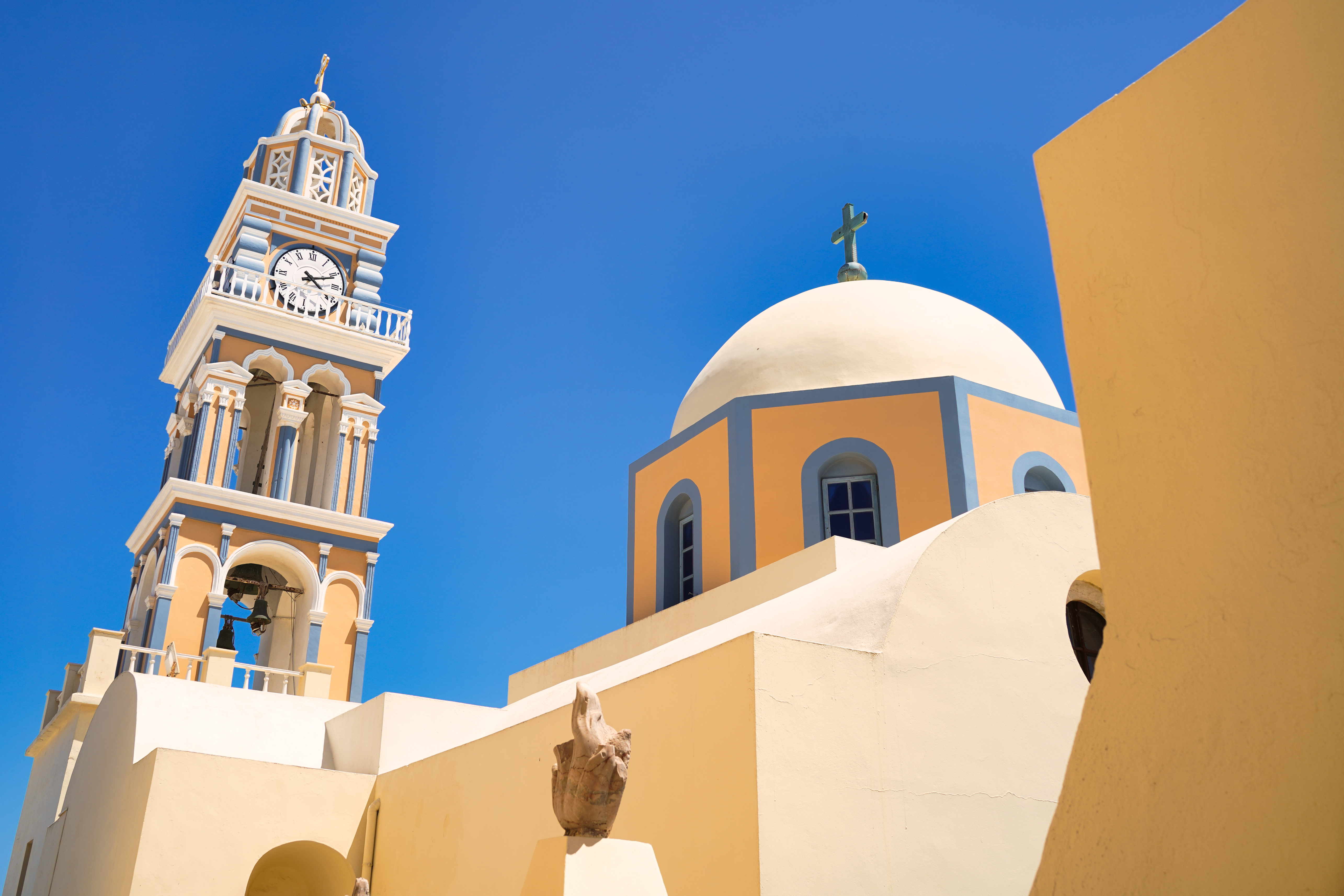
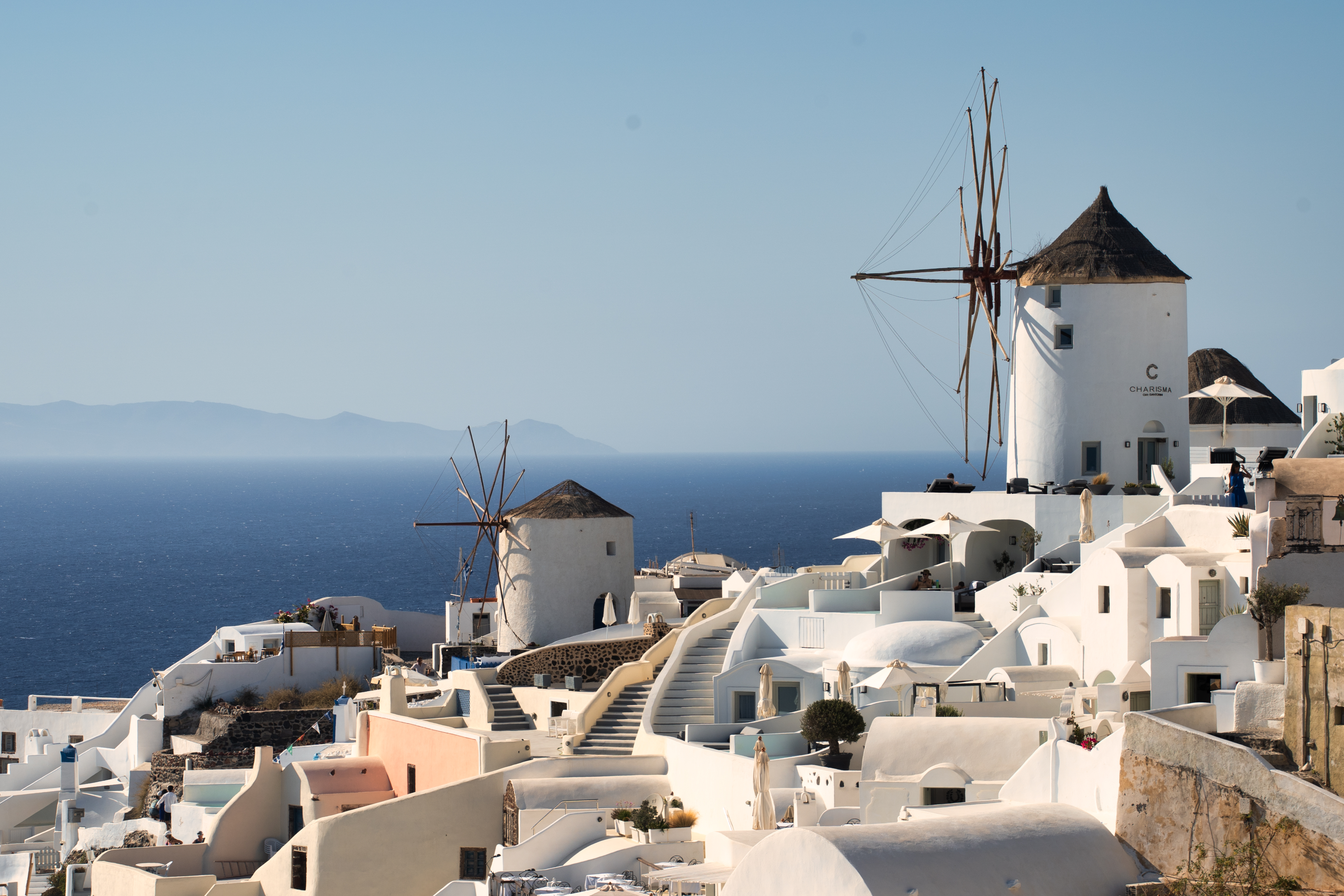
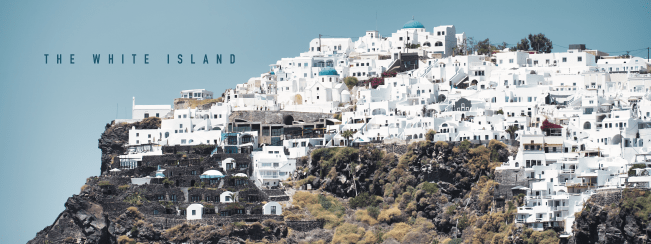
Known as “The White Island” for its iconic, whitewashed buildings that gleam under the Greek sun, Santorini is a place where beauty and mystery go hand in hand. Perched high above the blue waters of the Aegean, the island’s towns — from the lively Fira to the quieter, picture-perfect Oia — seem to cling to the cliffs as if defying gravity itself. Strolling through these labyrinthine streets, you’ll find bougainvillea spilling over balconies, narrow staircases winding between stone houses, and friendly local tavernas where the scent of fresh seafood fills the air. It’s a scene that feels almost timeless, and yet, every moment on this island is unique, painted in ever-changing shades of blue and white.

But there’s more to the “White Island” than its sun-soaked terraces and postcard-perfect views. Santorini holds stories written in the layers of its volcanic rock and whispered by the waves that lap its shores. It’s a place shaped by a dramatic past — from the cataclysmic eruption that carved its famous caldera to the quiet resilience of its people, who have turned the island’s rugged landscape into a haven of hospitality and culture. Here, under the spell of sunsets that set the sky ablaze and the distant hum of the sea, Santorini invites you to discover not just its stunning scenery but also the spirit of an island that, despite its challenges, stands proud and beautiful, a white jewel in the heart of the Aegean.

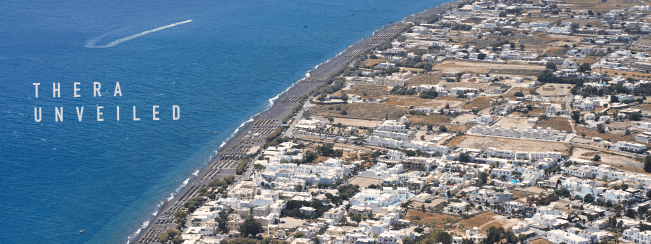
Thera Unveiled

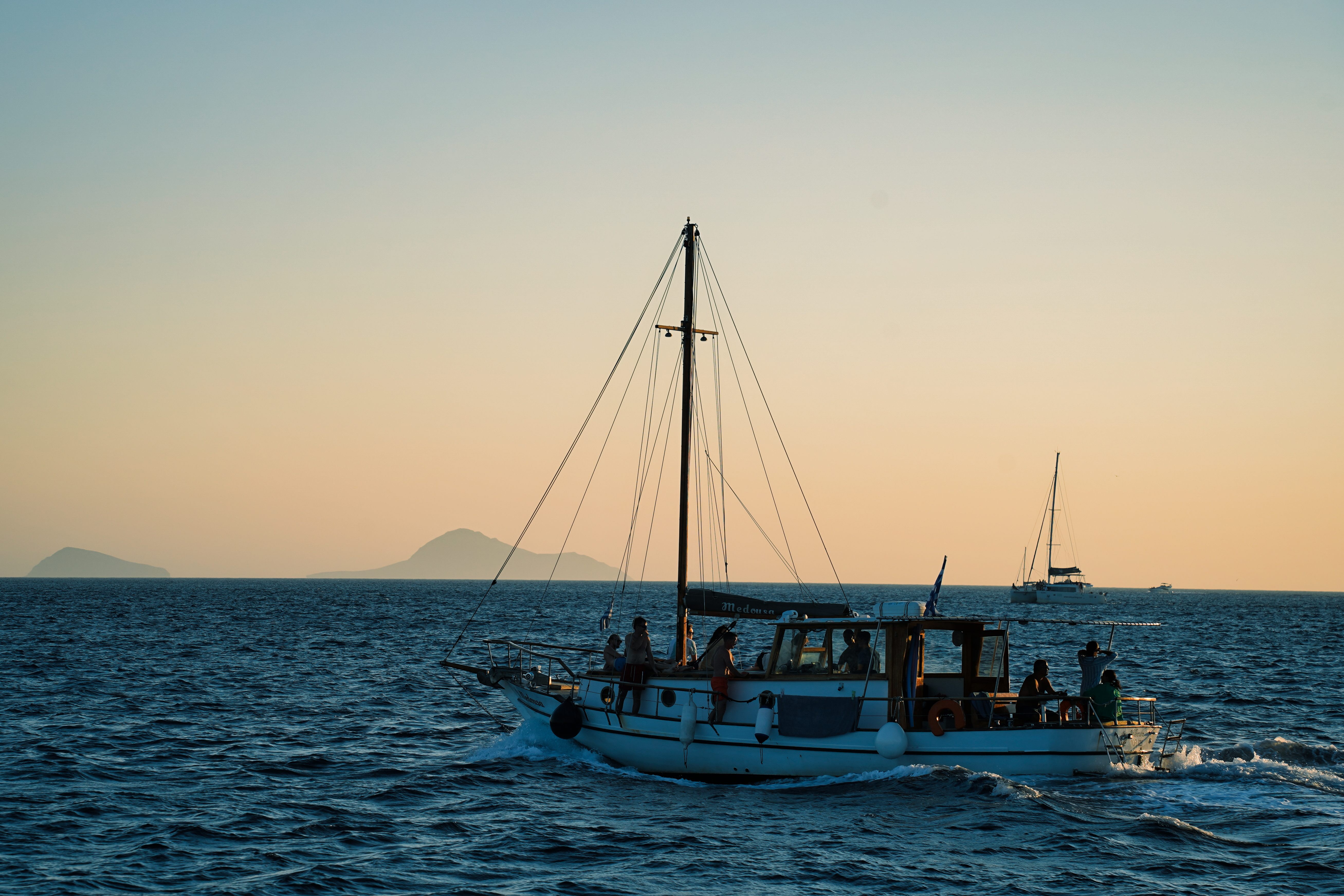
Floating like a jewel in the deep blue of the Aegean, Thera — the island we often call Santorini — is a place where ancient history and stunning landscapes meet. This crescent-shaped wonder was born from one of the largest volcanic eruptions in history, over 3,600 years ago. The explosion created not just the dramatic caldera that visitors marvel at today, but also preserved the remains of an advanced Minoan civilization beneath layers of ash. Walking through the island, you can almost hear echoes from the past: the voices of traders in bustling Bronze Age ports, the splashes of waves against ships that once connected Thera to the ancient world.

Yet, Thera is more than just its volcanic past. It’s a vibrant mosaic of experiences that come together to create something truly unique. Wander through the sun-soaked streets of Oia and Fira, where every corner reveals a postcard-perfect view, or step back in time at the ancient ruins of Akrotiri, sometimes called the “Minoan Pompeii.” With its cliffside villages, legendary sunsets, and deep-rooted myths, Thera isn’t just a place you visit; it’s a place that invites you to linger, to explore, and to uncover its secrets one by one.

Monuments of England

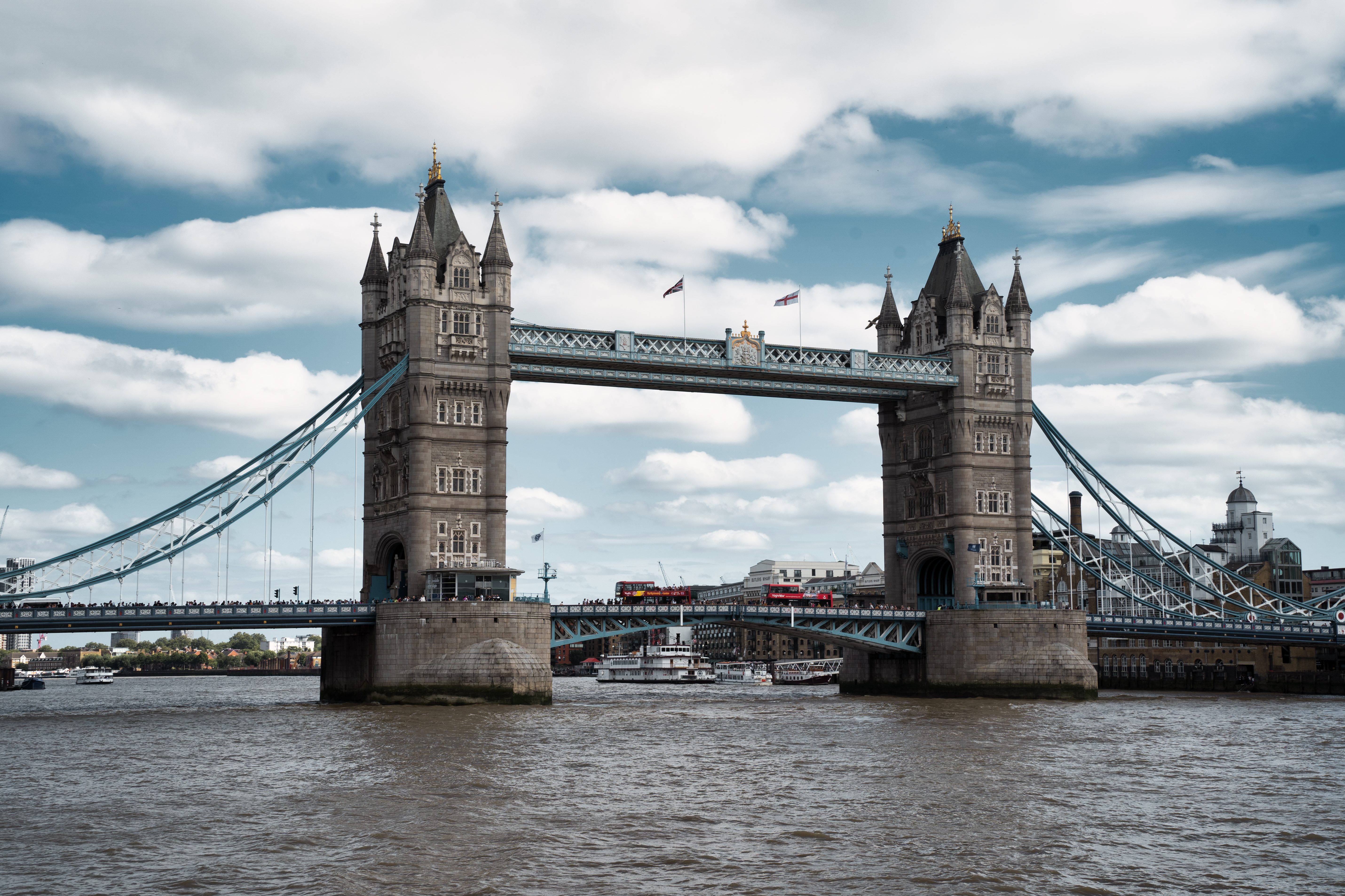
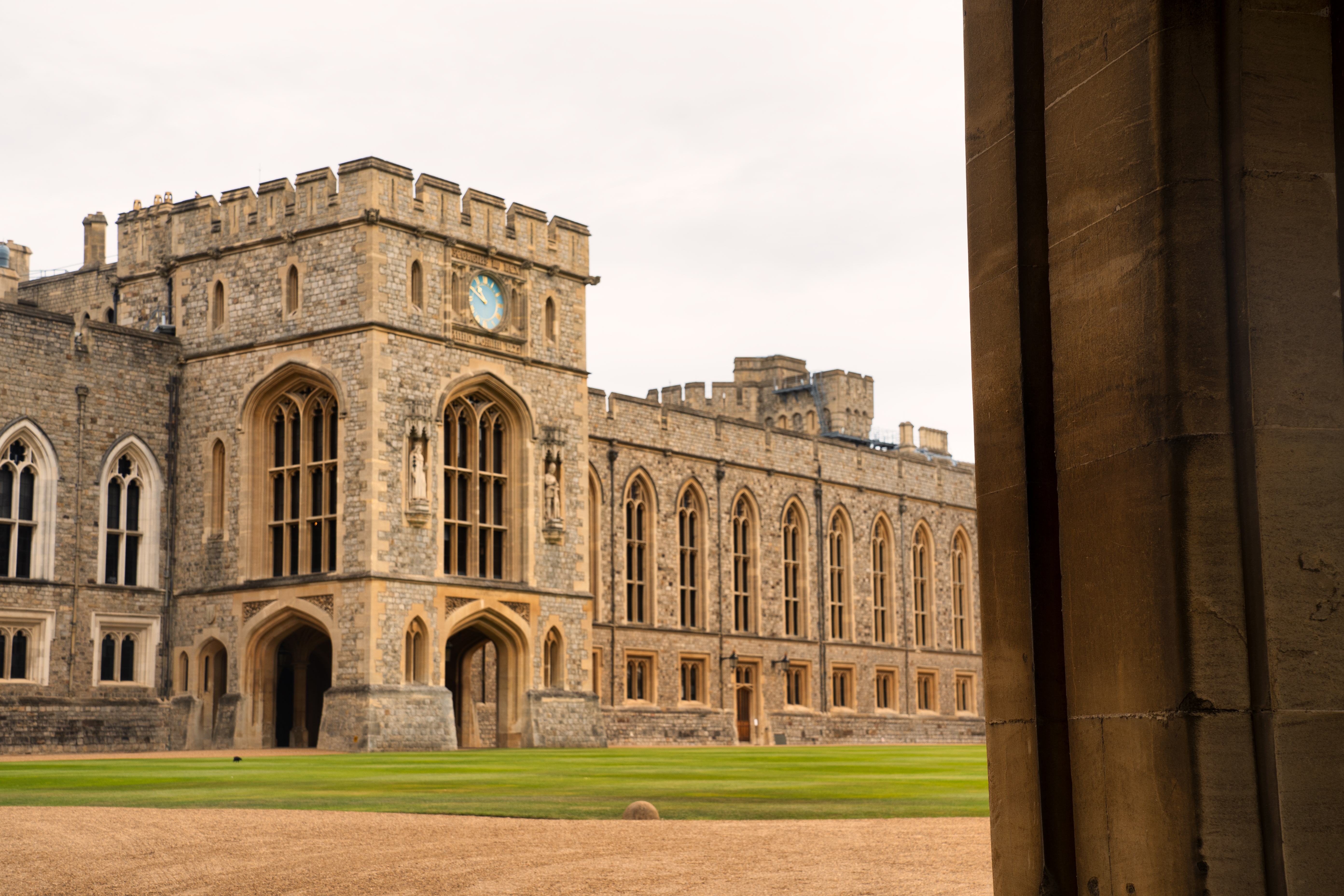
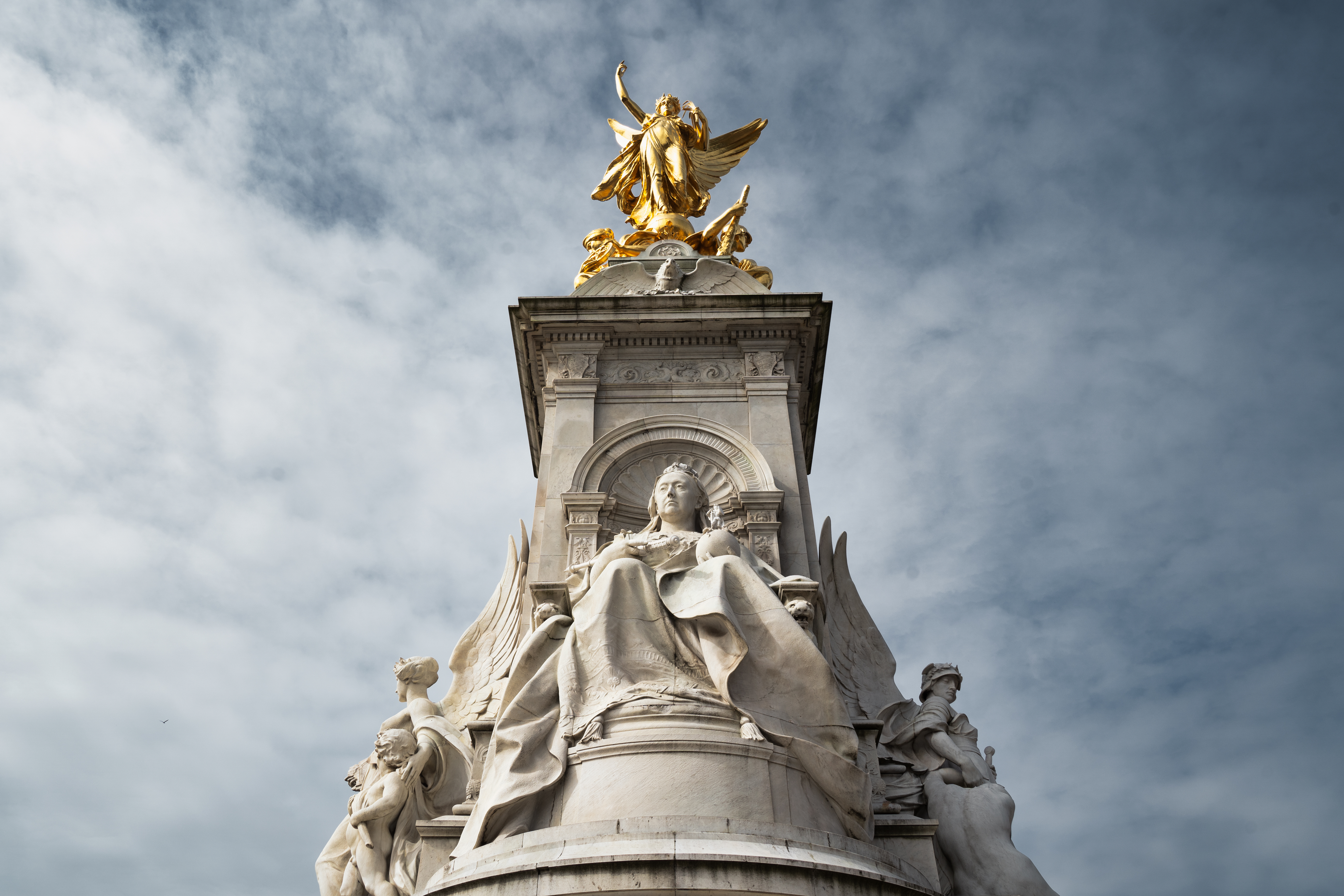
England is a land of remarkable monuments that span centuries, telling the story of a nation through its architecture and landmarks. In the heart of London, the iconic Tower Bridge stands as a symbol of the city’s industrial heritage and architectural ingenuity. Its distinctive twin towers and bascule design, which allows the bridge to lift and accommodate passing ships, have made it an instantly recognizable symbol on the River Thames since its completion in 1894. Nearby, the Houses of Parliament and Big Ben—the great clock tower that chimes the hours—embody the grandeur of Victorian Gothic architecture and remain central to the nation’s political life. To the west of London, Windsor Castle, the oldest and largest occupied castle in the world, serves as a testament to England’s royal history, a sprawling fortress that has housed monarchs for nearly a thousand years.

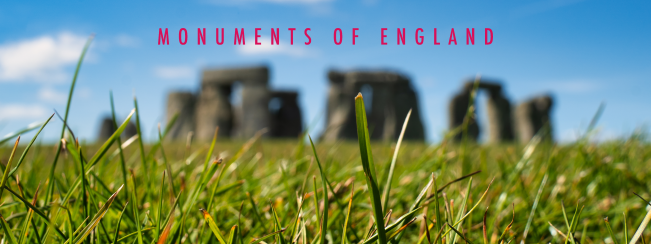
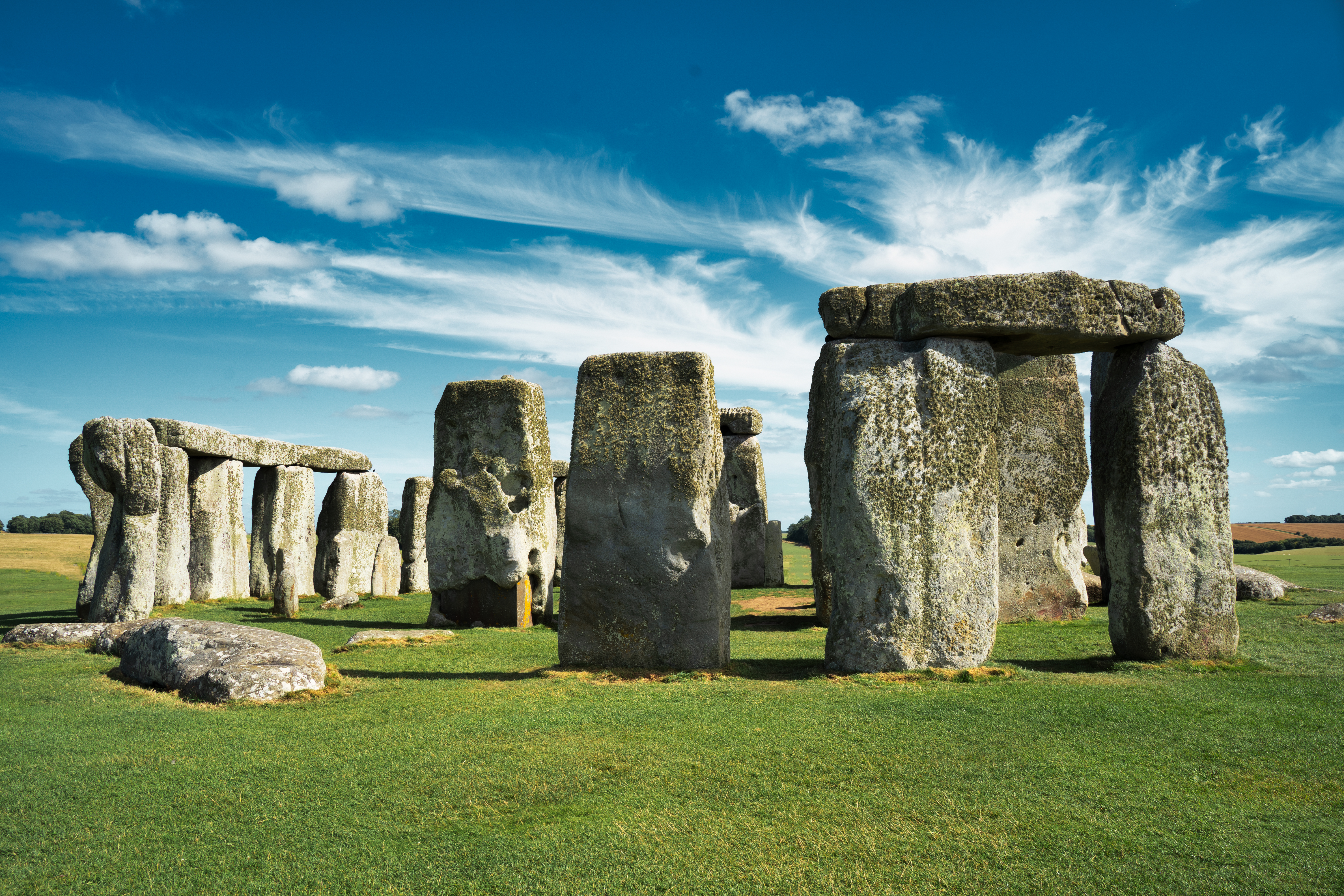
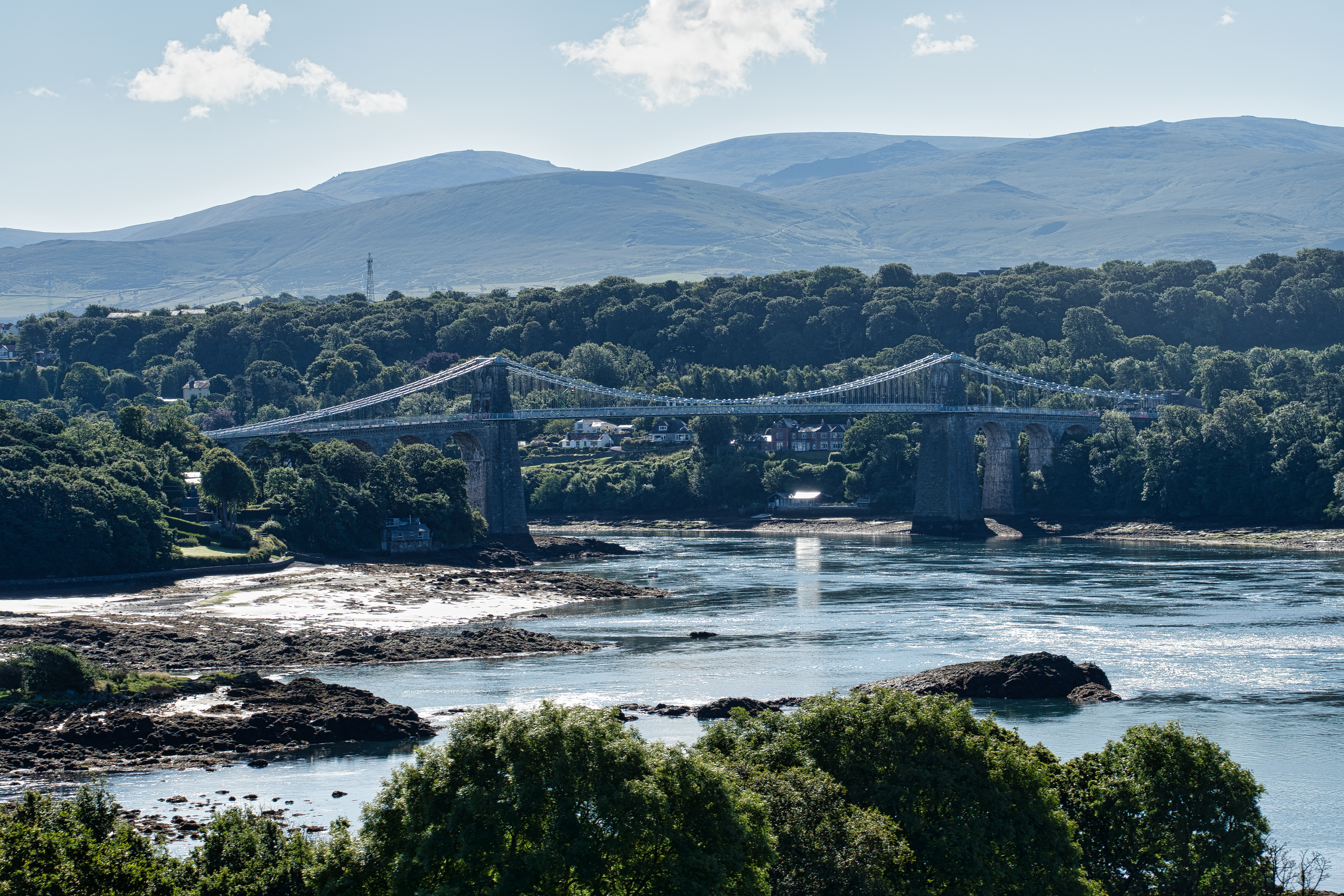
Beyond the capital, England’s monuments reflect its deep-rooted history and engineering prowess. Stonehenge, with its prehistoric stone circle on Salisbury Plain, stands as one of the most mysterious and awe-inspiring monuments in the world, drawing visitors and scholars alike to ponder its origins and purpose. In contrast, the Menai Suspension Bridge in North Wales, though often less celebrated, represents a leap into modernity, a marvel of 19th-century engineering that connected the island of Anglesey to the mainland for the first time. These monuments, from the ancient stones of Stonehenge to the soaring spans of the Menai Bridge, reveal England’s diverse heritage, where the ancient and modern coexist in a landscape rich with stories and innovation.

Cornish Discoveries

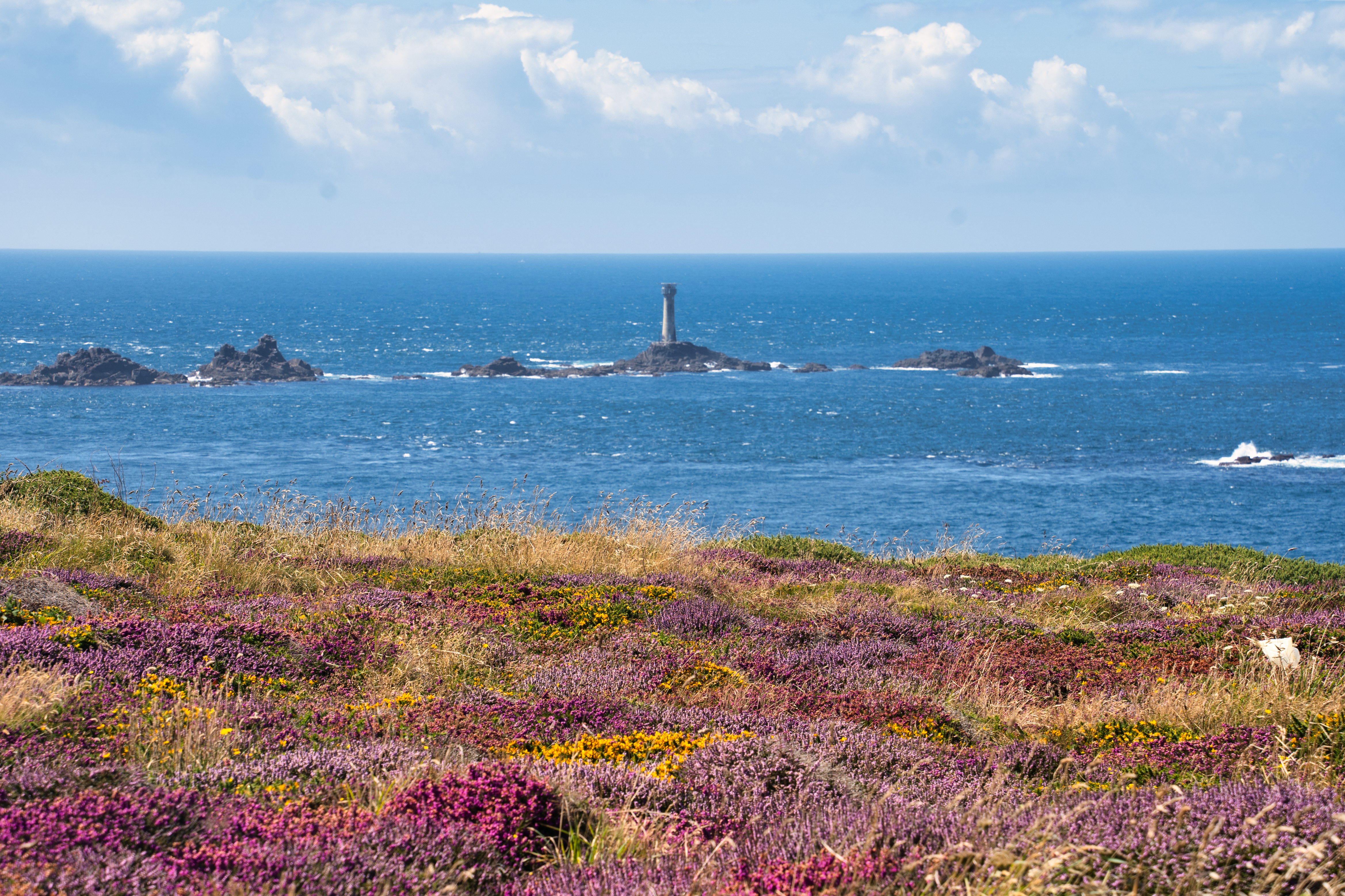
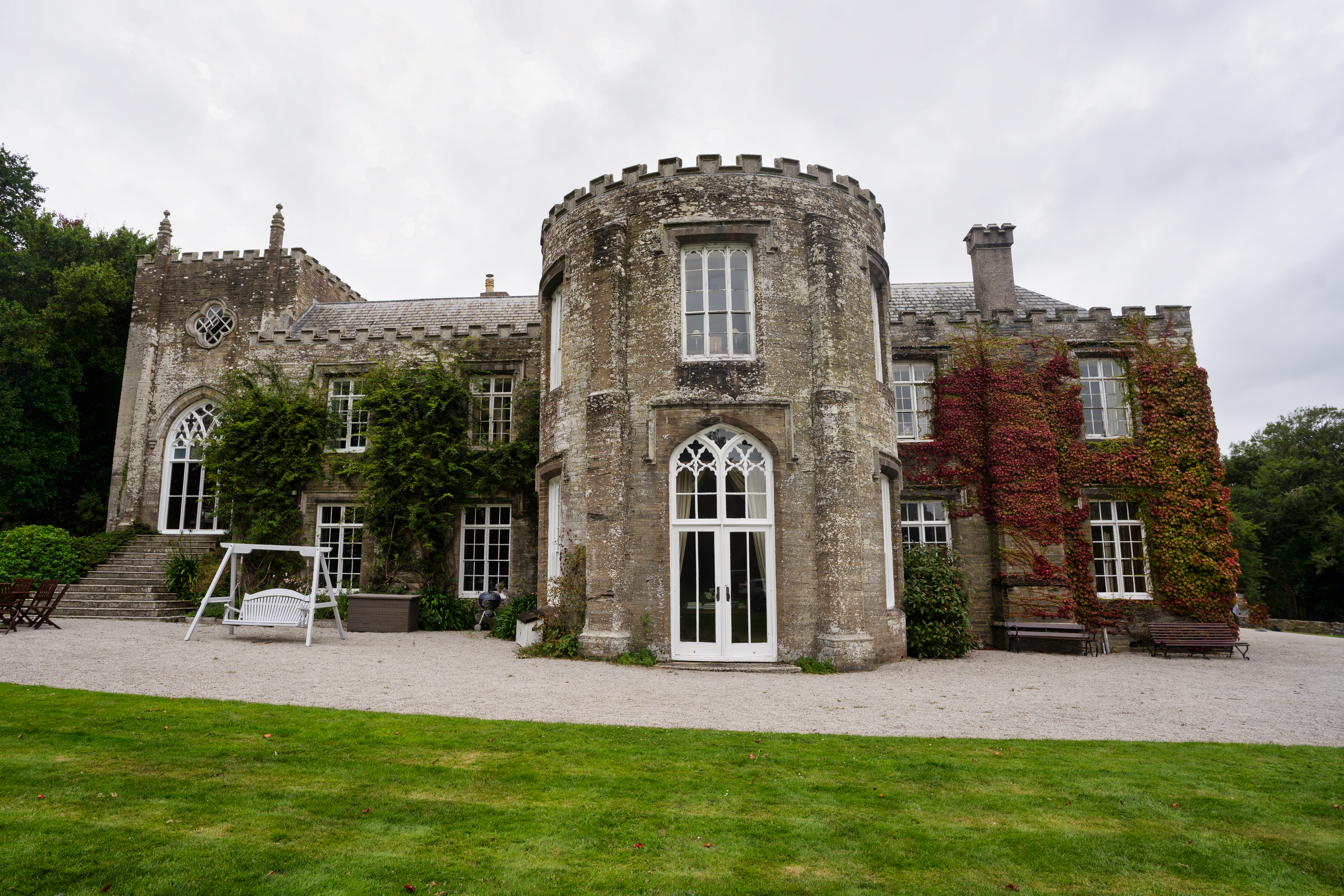
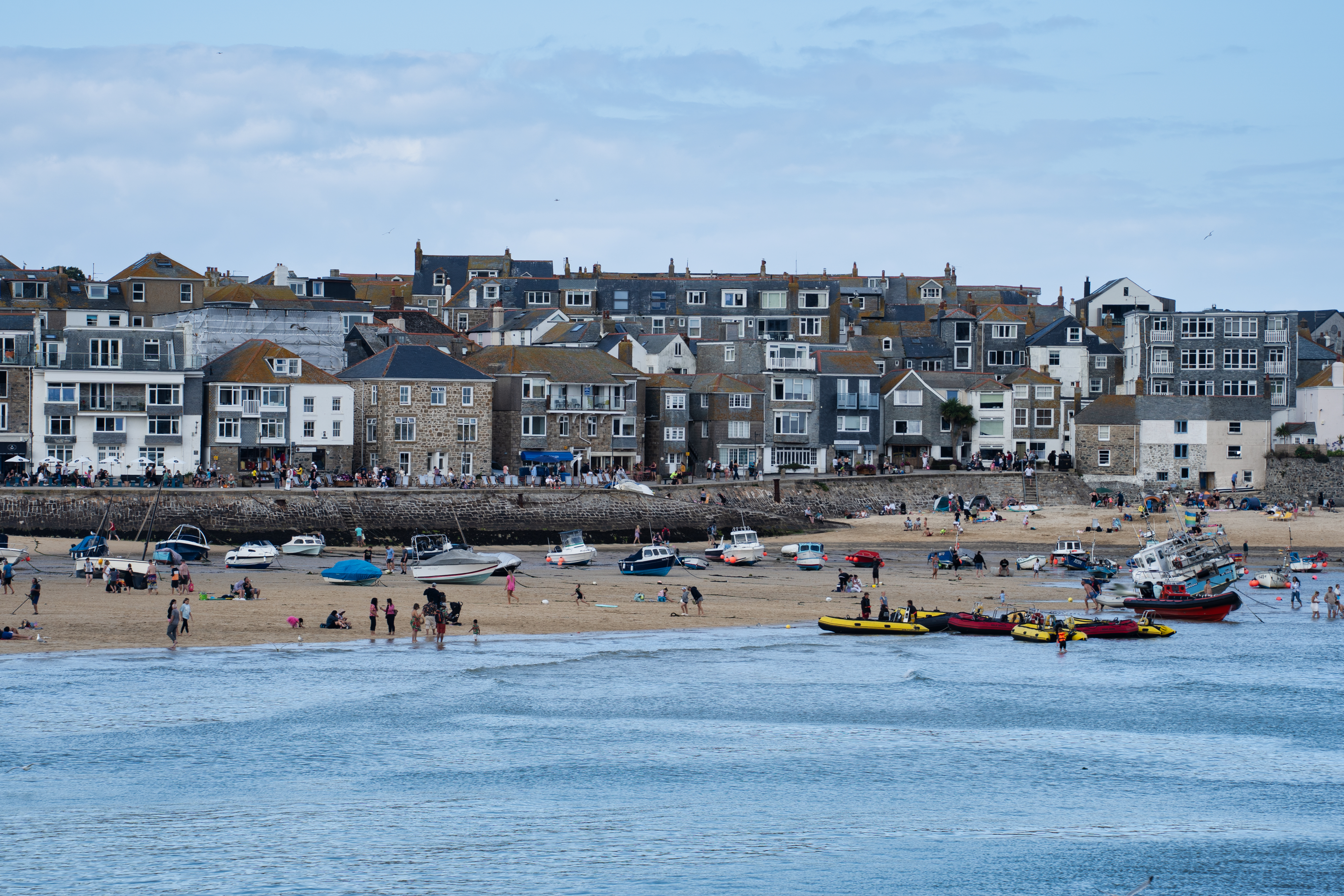
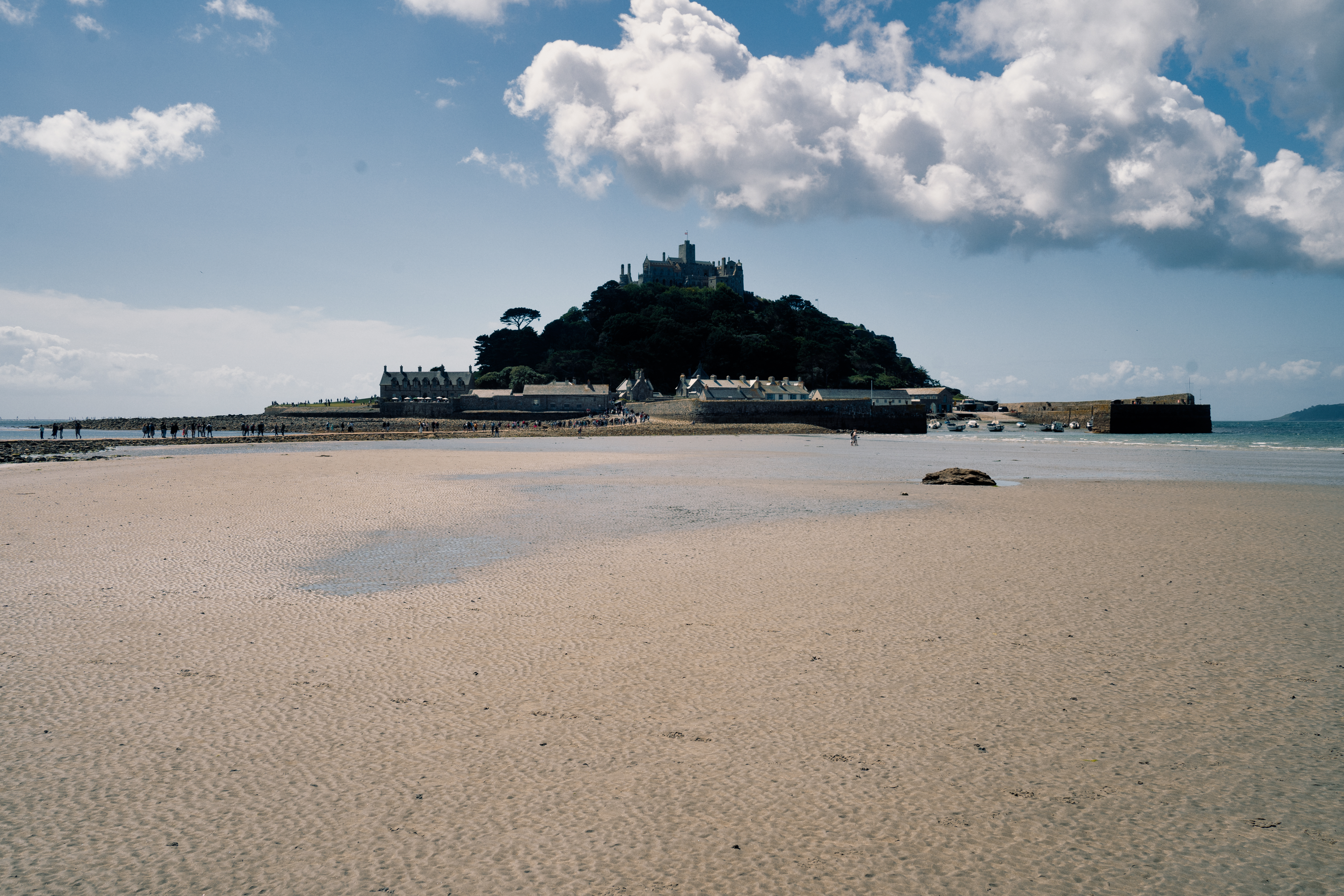
Cornwall, at the far southwestern edge of England, is a land where the unexpected awaits those who venture beyond its popular shores. Beyond the well-known beaches and picturesque villages, Cornwall is filled with hidden relics from ancient times, buried under moorland or tucked away in lush valleys. Stone circles, standing stones, and mysterious burial mounds dot the landscape, remnants of a prehistoric past that speak of ritualistic practices and a deep connection to the land. These enigmatic markers of history are scattered across the rugged terrain, offering a tantalizing glimpse into the lives of early settlers who left behind traces of their culture, wrapped in myth and mystery.

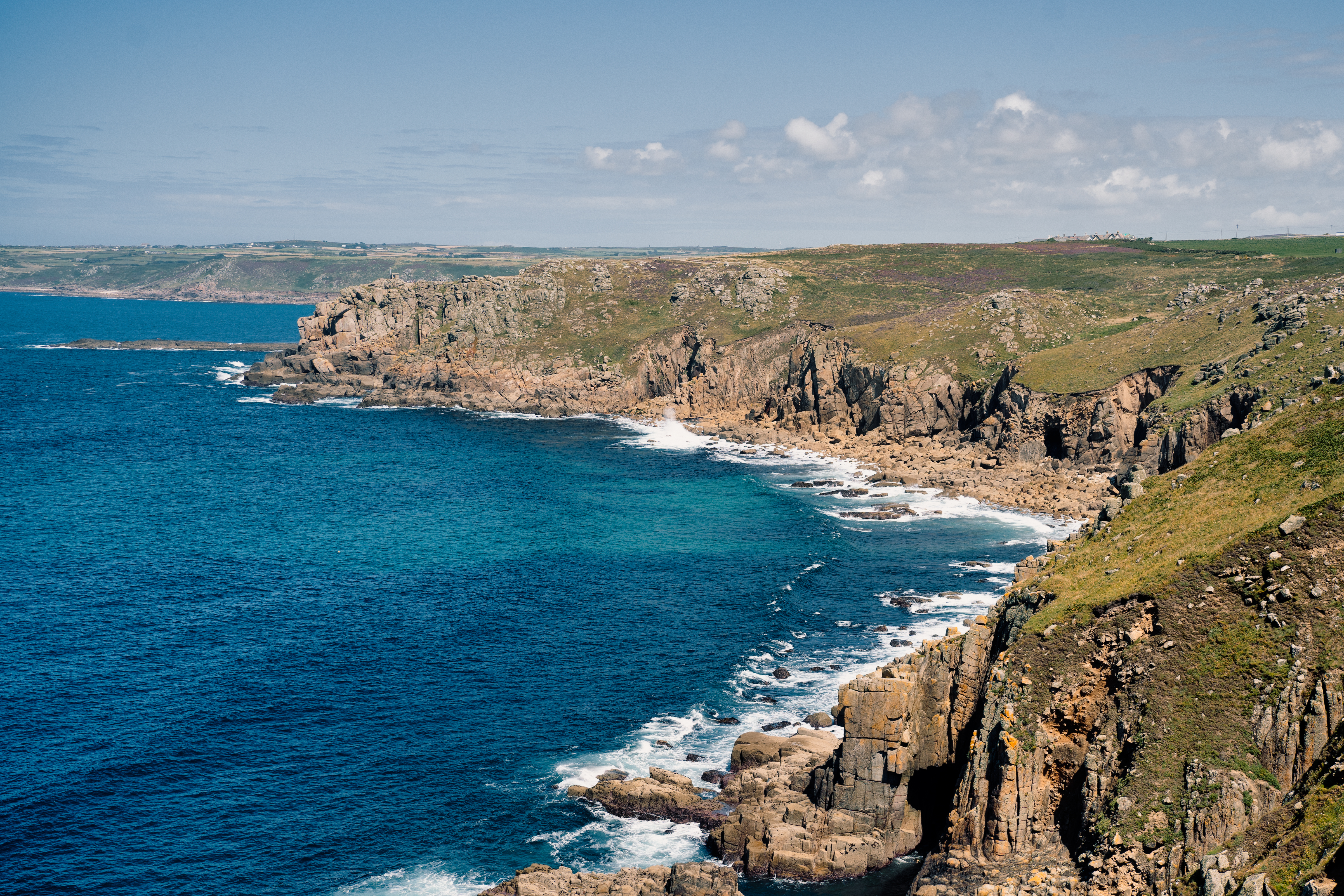
But Cornwall’s discoveries are not confined to its ancient past. The region is also a treasure trove of natural wonders, often overlooked by the casual visitor. Sheltered woodlands conceal rare plant species, thriving in the unique microclimate created by the warm ocean currents that brush against Cornwall’s coast. Hidden coves, accessible only by footpaths, reveal pristine sands and turquoise waters, while the more secluded stretches of coastline are home to rare birds and marine life, thriving in quiet isolation. For those willing to wander off the beaten track, Cornwall offers a landscape rich with secrets, where every path holds the promise of uncovering something unexpected and extraordinary.