
Monuments of England

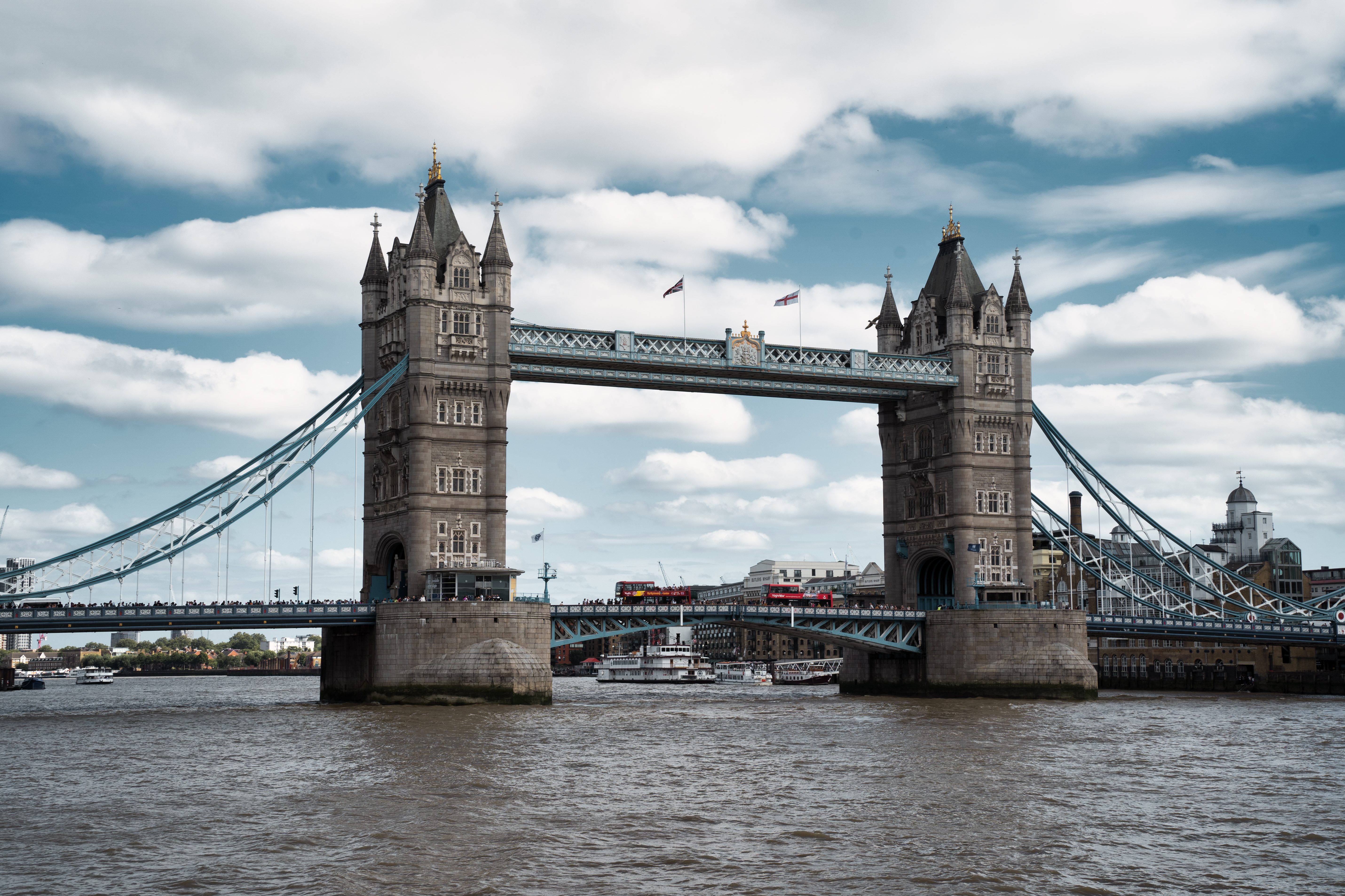
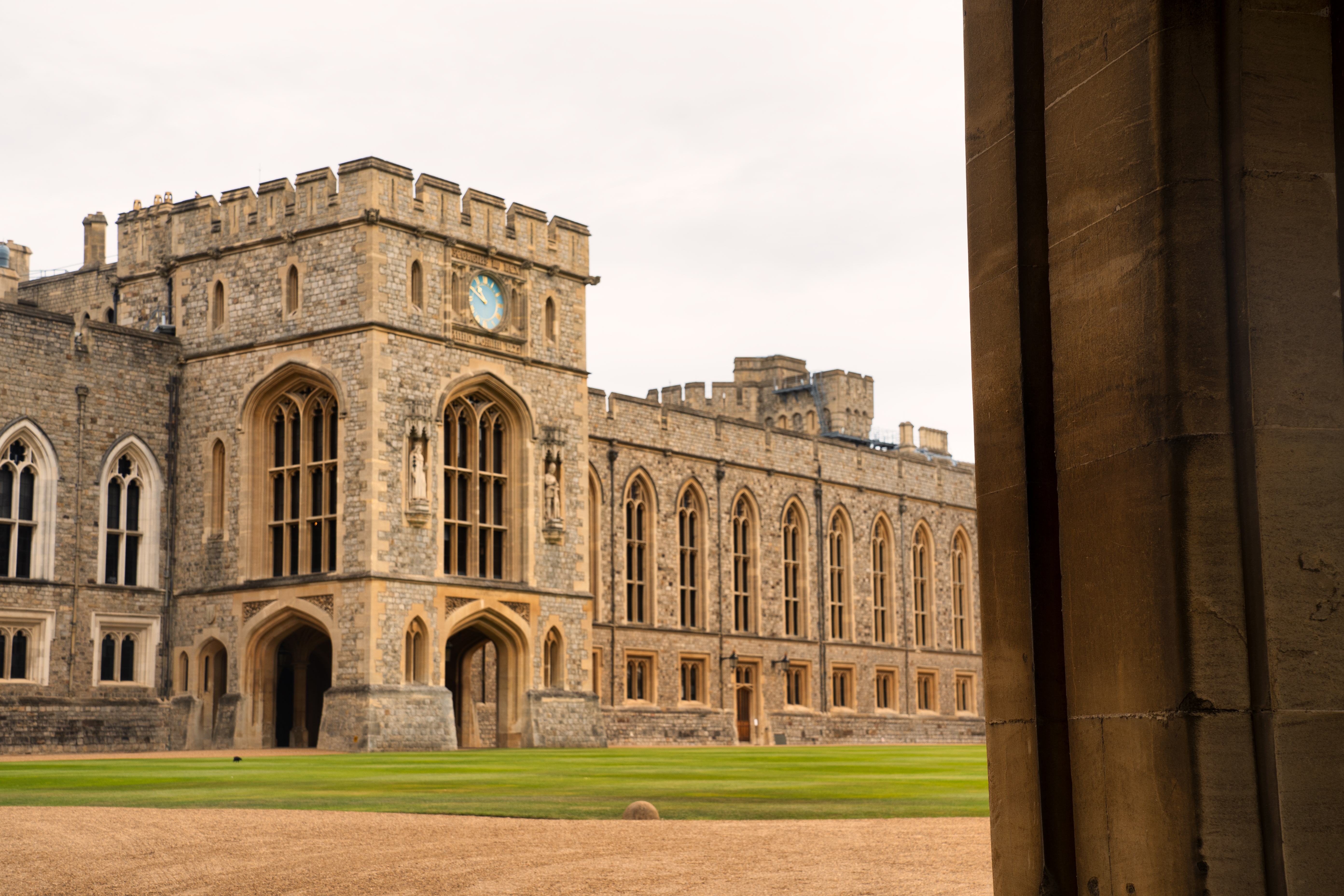
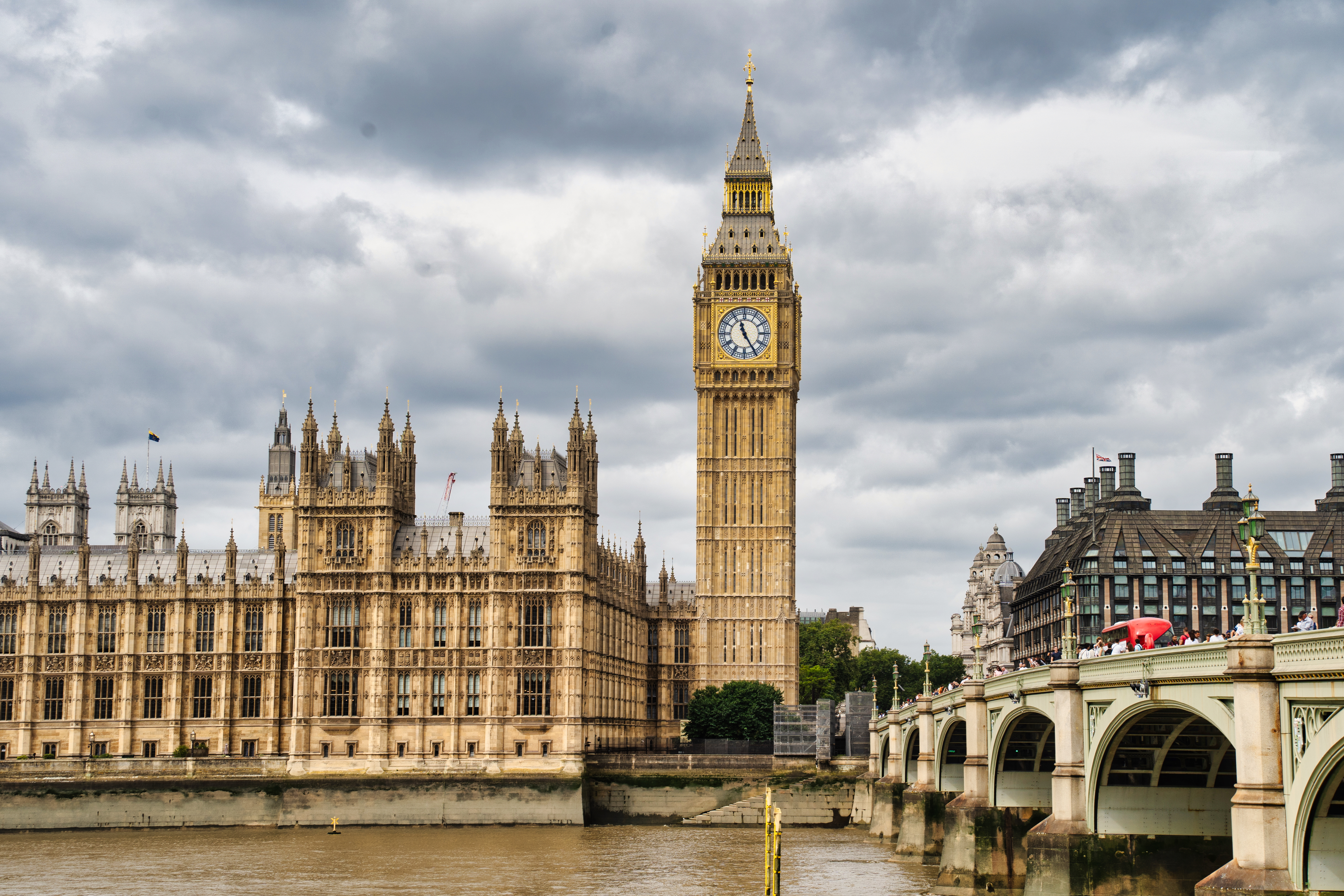
England is a land of remarkable monuments that span centuries, telling the story of a nation through its architecture and landmarks. In the heart of London, the iconic Tower Bridge stands as a symbol of the city’s industrial heritage and architectural ingenuity. Its distinctive twin towers and bascule design, which allows the bridge to lift and accommodate passing ships, have made it an instantly recognizable symbol on the River Thames since its completion in 1894. Nearby, the Houses of Parliament and Big Ben—the great clock tower that chimes the hours—embody the grandeur of Victorian Gothic architecture and remain central to the nation’s political life. To the west of London, Windsor Castle, the oldest and largest occupied castle in the world, serves as a testament to England’s royal history, a sprawling fortress that has housed monarchs for nearly a thousand years.
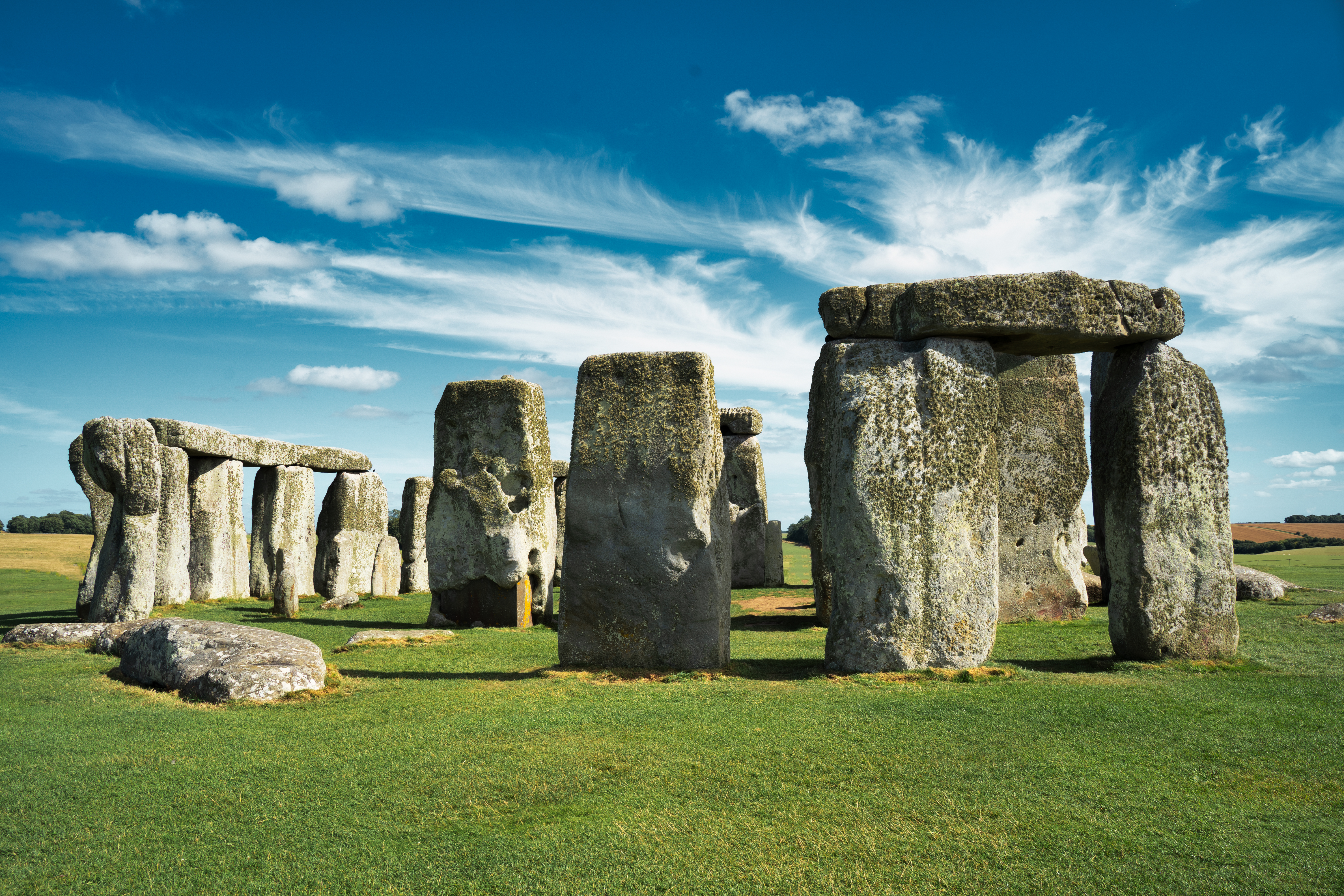
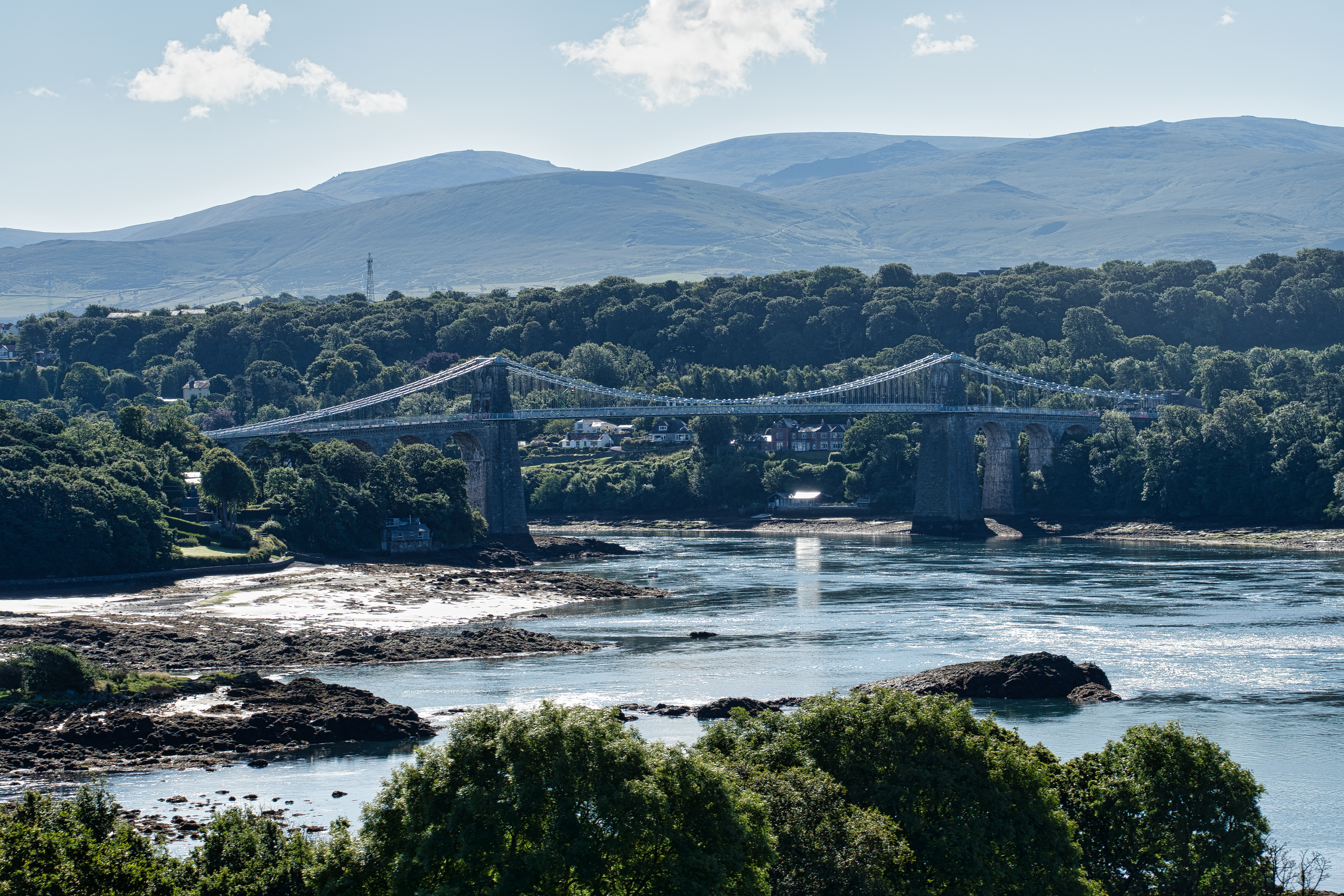
Beyond the capital, England’s monuments reflect its deep-rooted history and engineering prowess. Stonehenge, with its prehistoric stone circle on Salisbury Plain, stands as one of the most mysterious and awe-inspiring monuments in the world, drawing visitors and scholars alike to ponder its origins and purpose. In contrast, the Menai Suspension Bridge in North Wales, though often less celebrated, represents a leap into modernity, a marvel of 19th-century engineering that connected the island of Anglesey to the mainland for the first time. These monuments, from the ancient stones of Stonehenge to the soaring spans of the Menai Bridge, reveal England’s diverse heritage, where the ancient and modern coexist in a landscape rich with stories and innovation.

 Michael Hoffman Photography