Skip to content

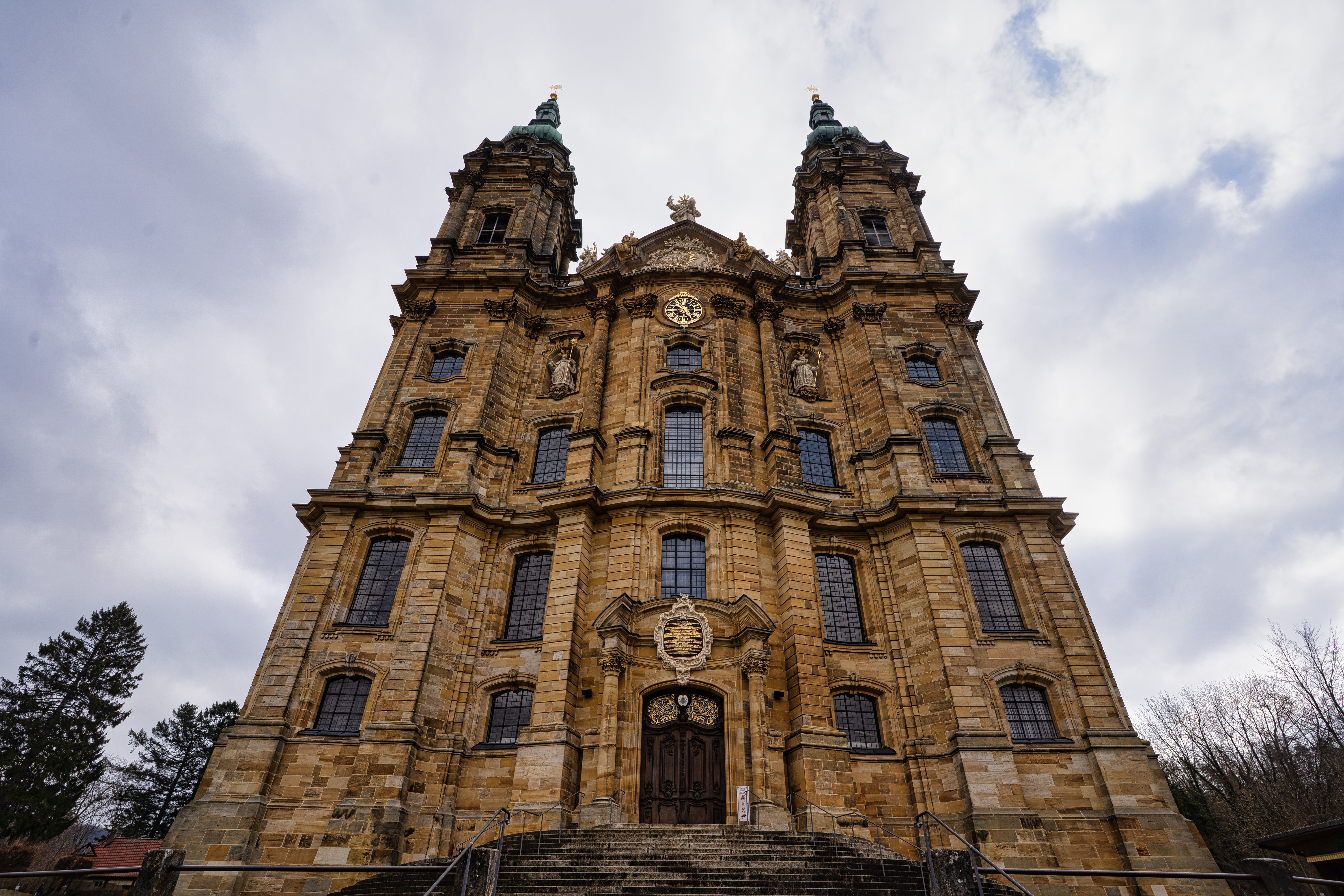
Jubilant Baroque: Vierzehnheiligen

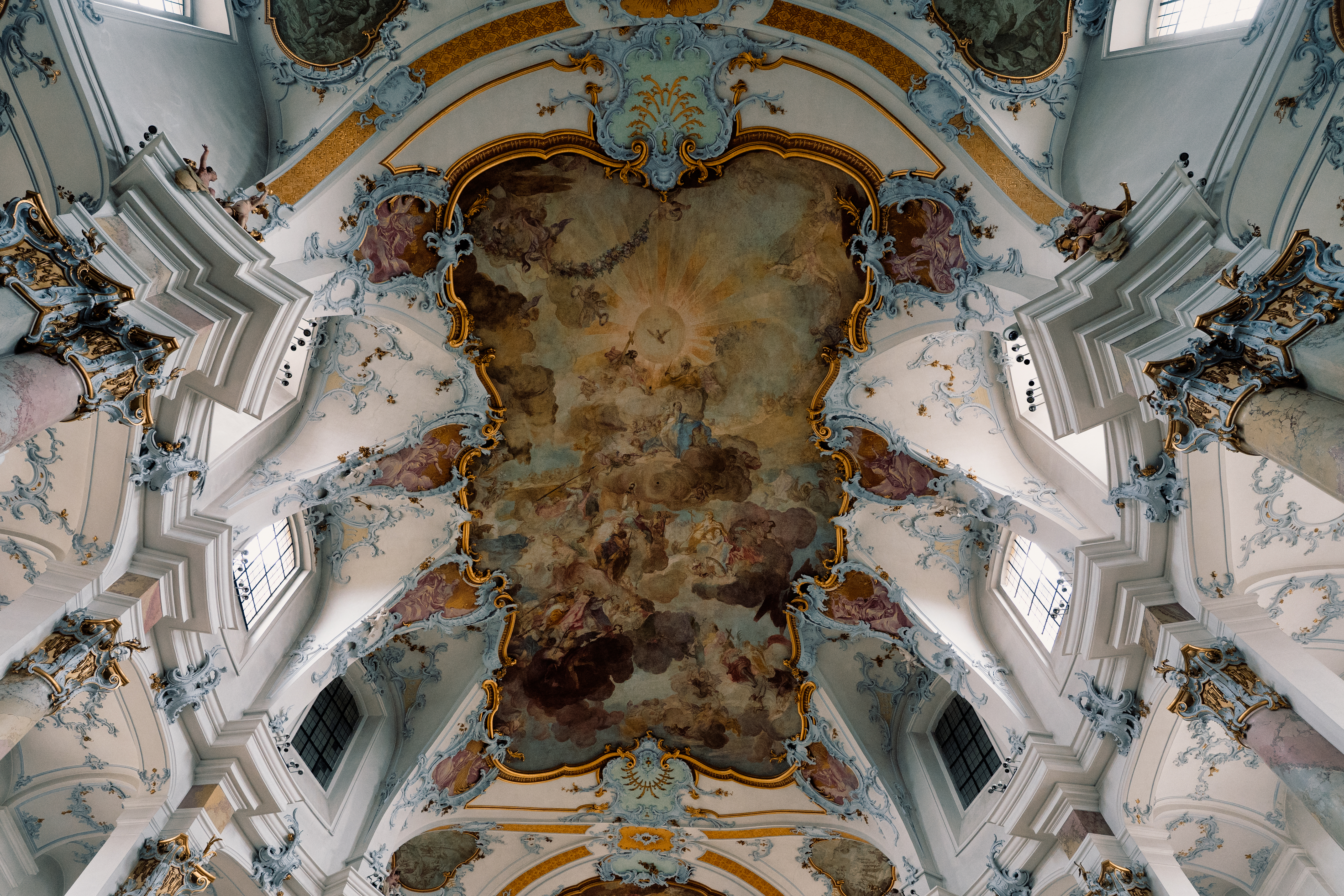
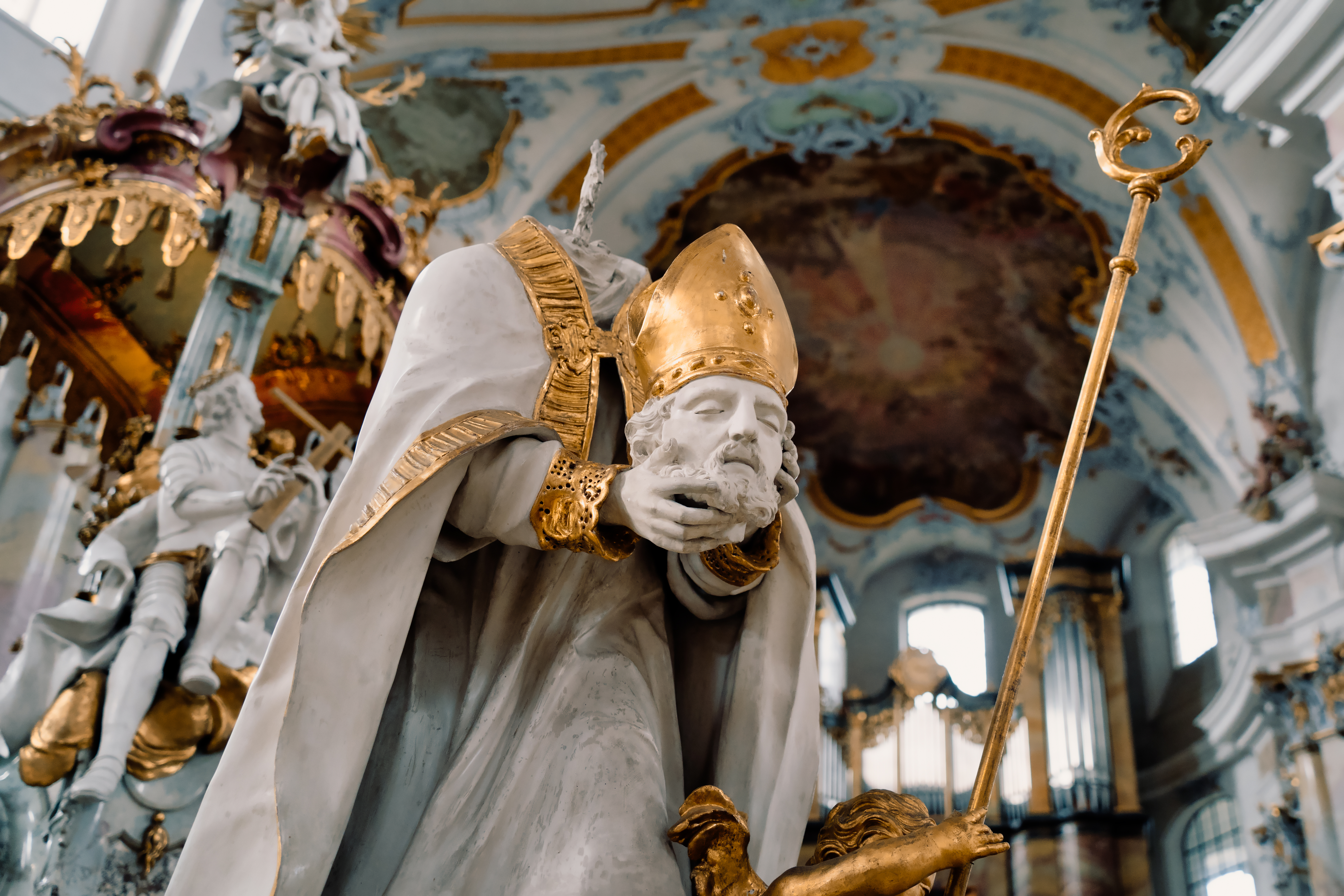
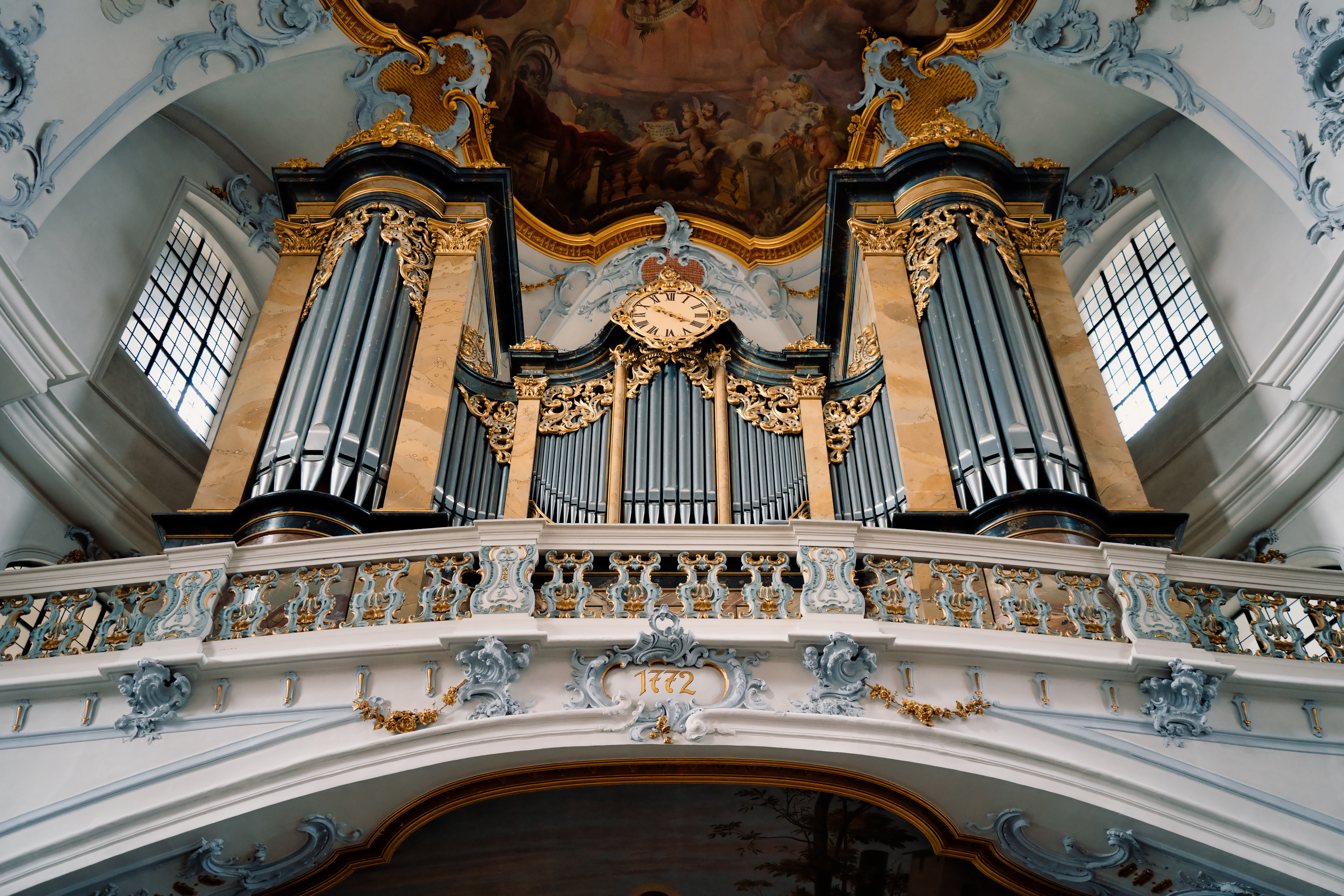
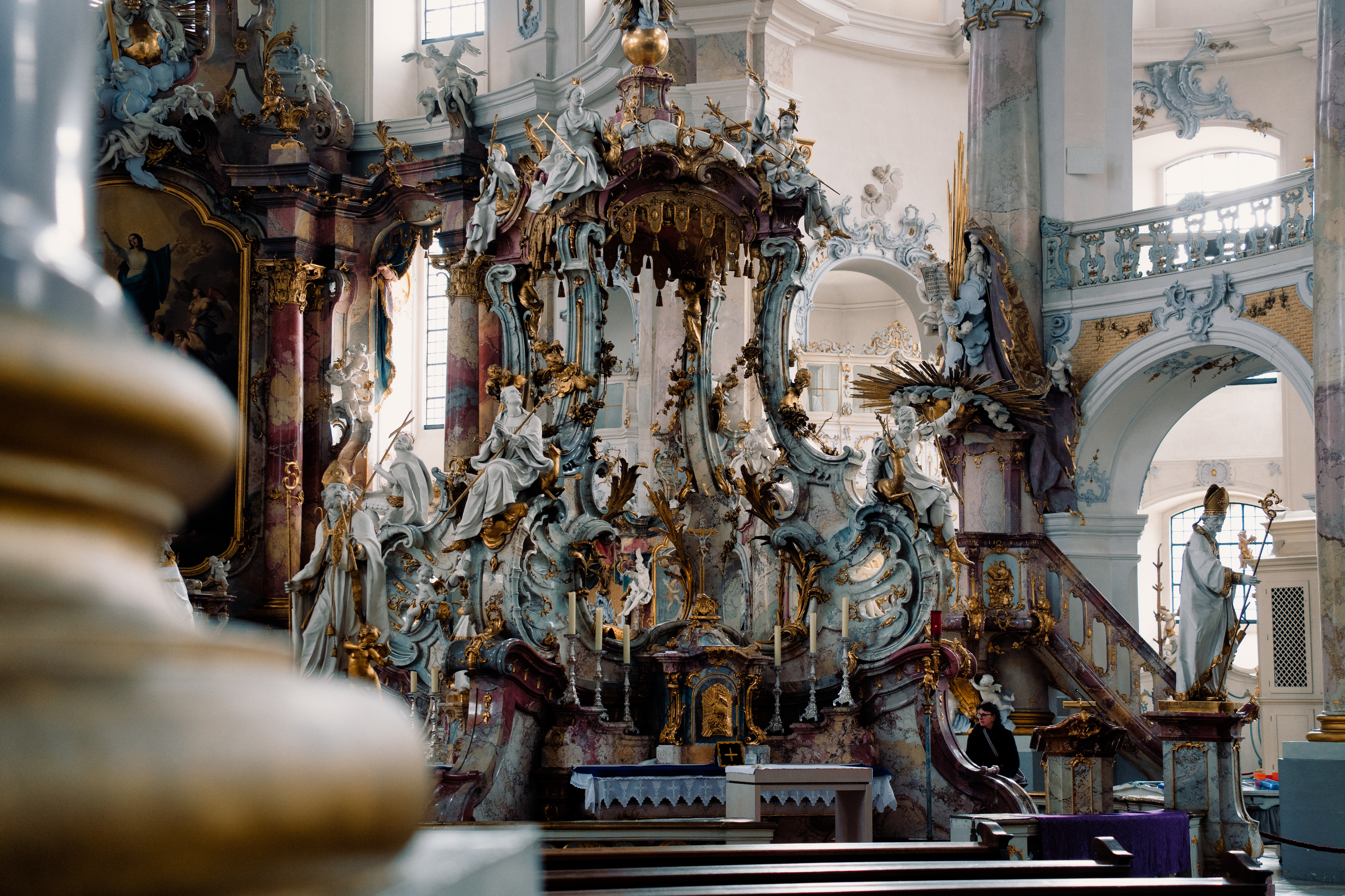
Set amidst the rolling hills of Franconia, the Basilica of Vierzehnheiligen rises like a hymn in stone — a masterwork of jubilant Baroque architecture. Designed by the famed architect Balthasar Neumann in the mid-18th century, the church was built as a pilgrimage site in honor of the Fourteen Holy Helpers, based on a reported apparition in the area in the 15th century. Its layout follows Neumann’s signature use of dynamic, centralized space, emphasizing movement and fluidity over rigid axial design. The interior features richly decorated stucco work, altars with gilded detailing, and a bright, light-filled nave that contrasts with the heavier atmosphere of many Baroque churches. The use of white and pastel tones enhances the open and uplifting spatial impression. Sculptures and ceiling frescoes contribute to the overall visual rhythm without overwhelming the architectural clarity.

Vierzehnheiligen remains one of the most important examples of German Rococo and late Baroque religious architecture. It is both an active place of worship and a popular destination for travellers. The church’s dynamic spatial layout, abundant natural light, and decorative richness convey a sense of celebration rather than solemnity. These qualities make it a prime example of what can be described as Jubilant Baroque—a style that expresses joy, movement, and spiritual openness.

Bari in Winter

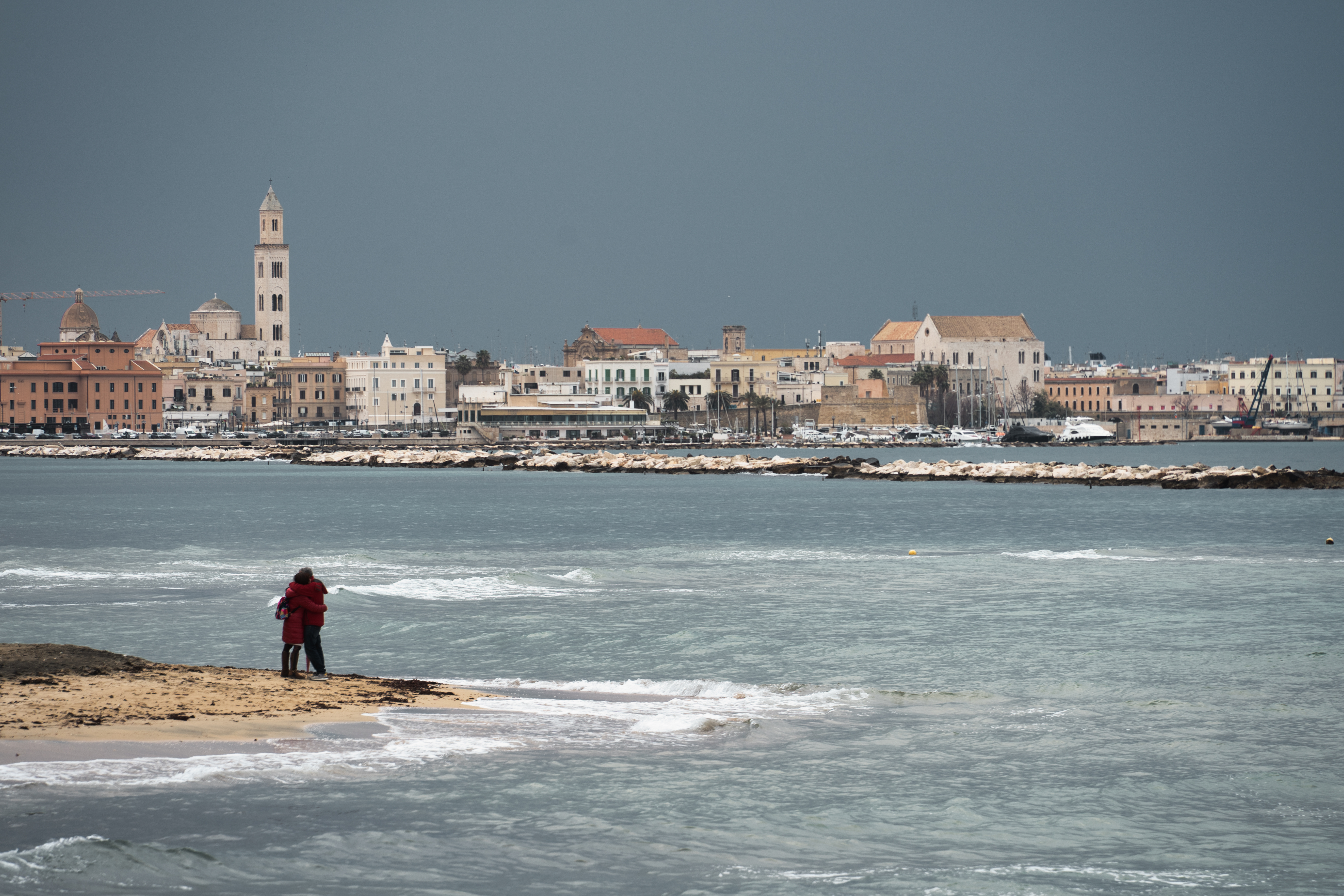
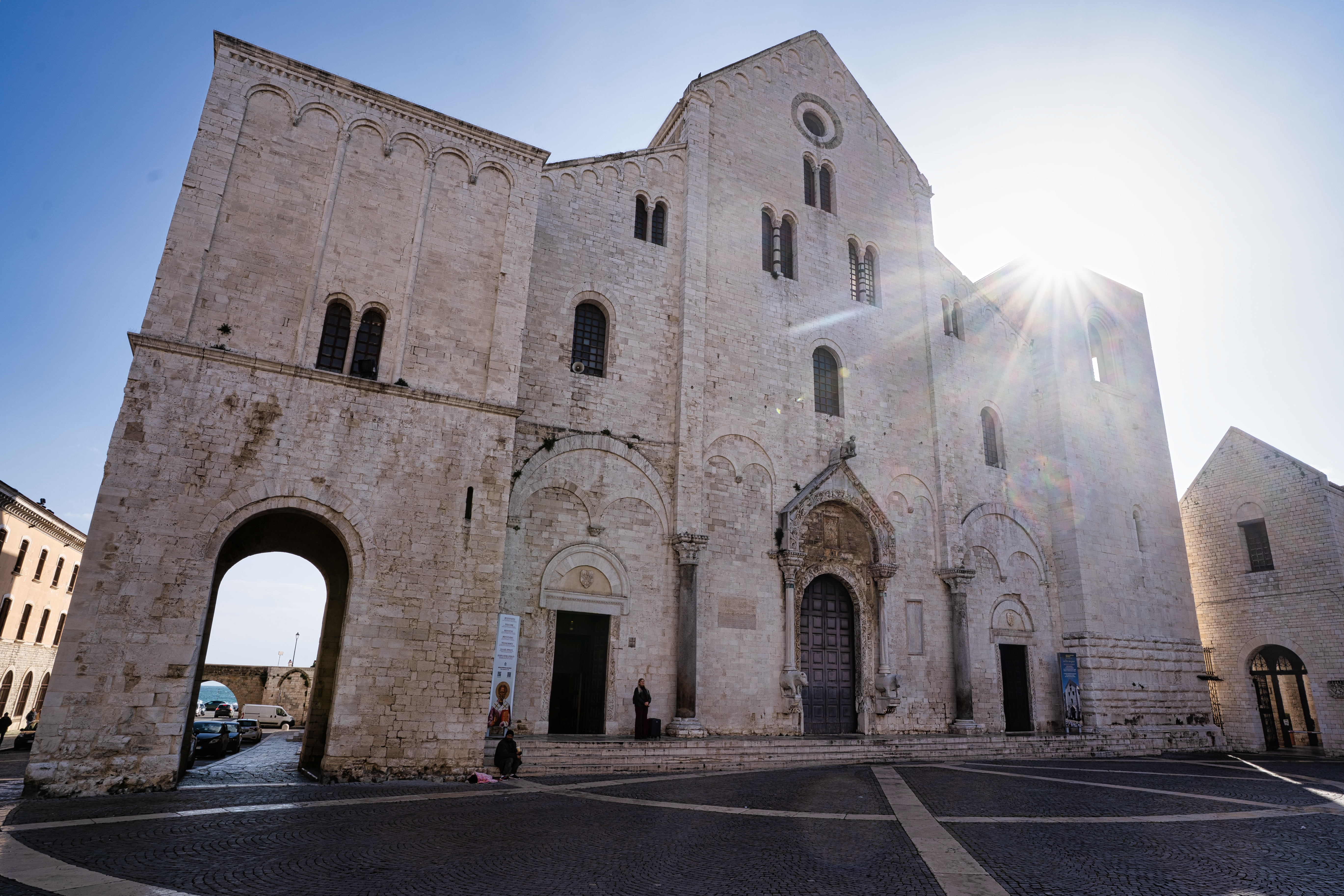
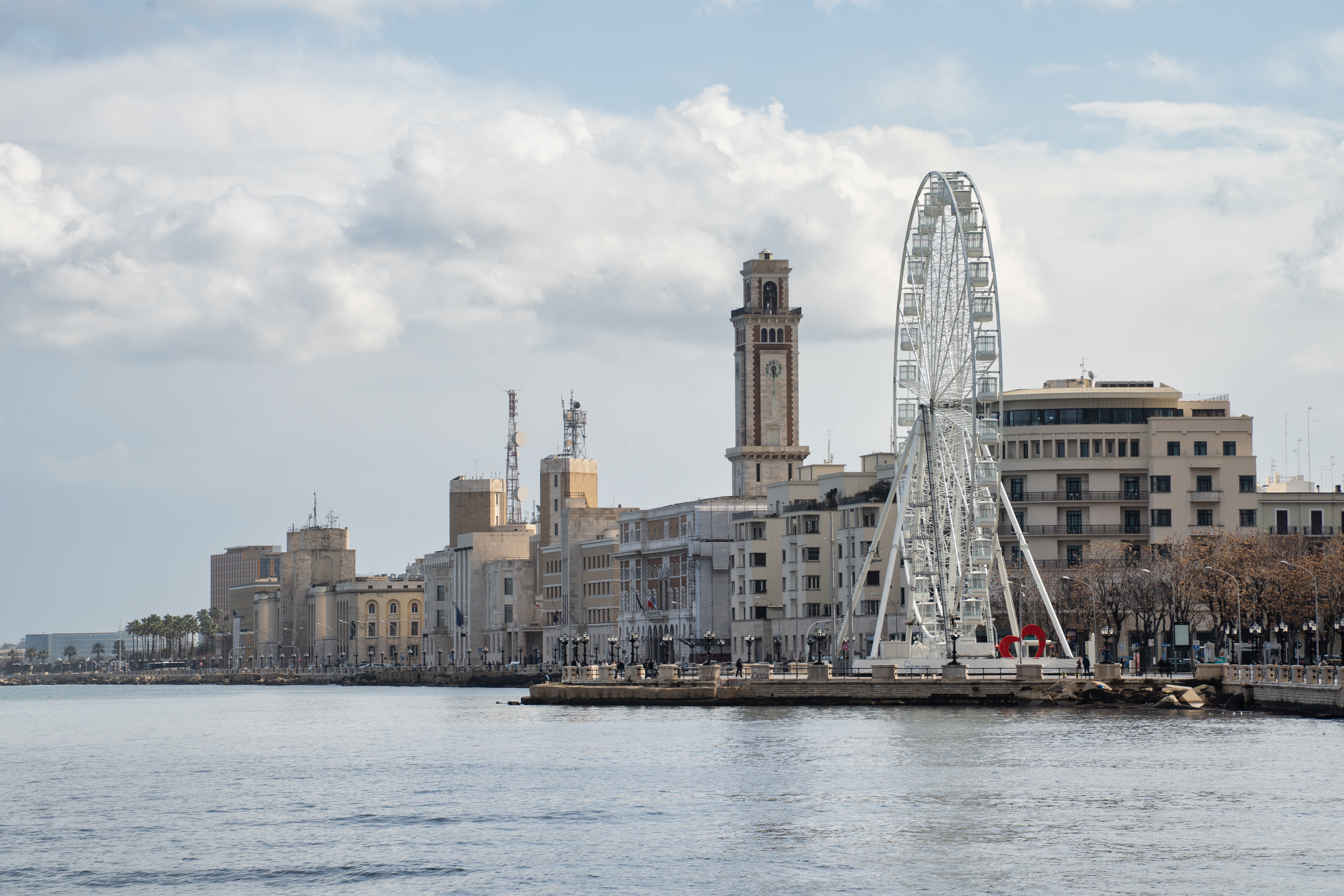
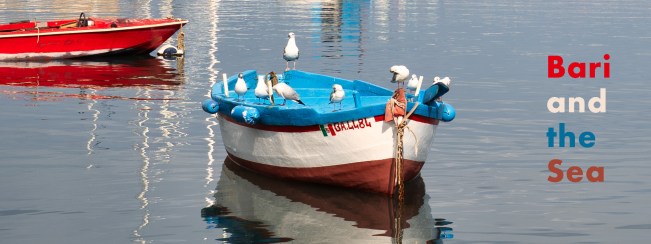
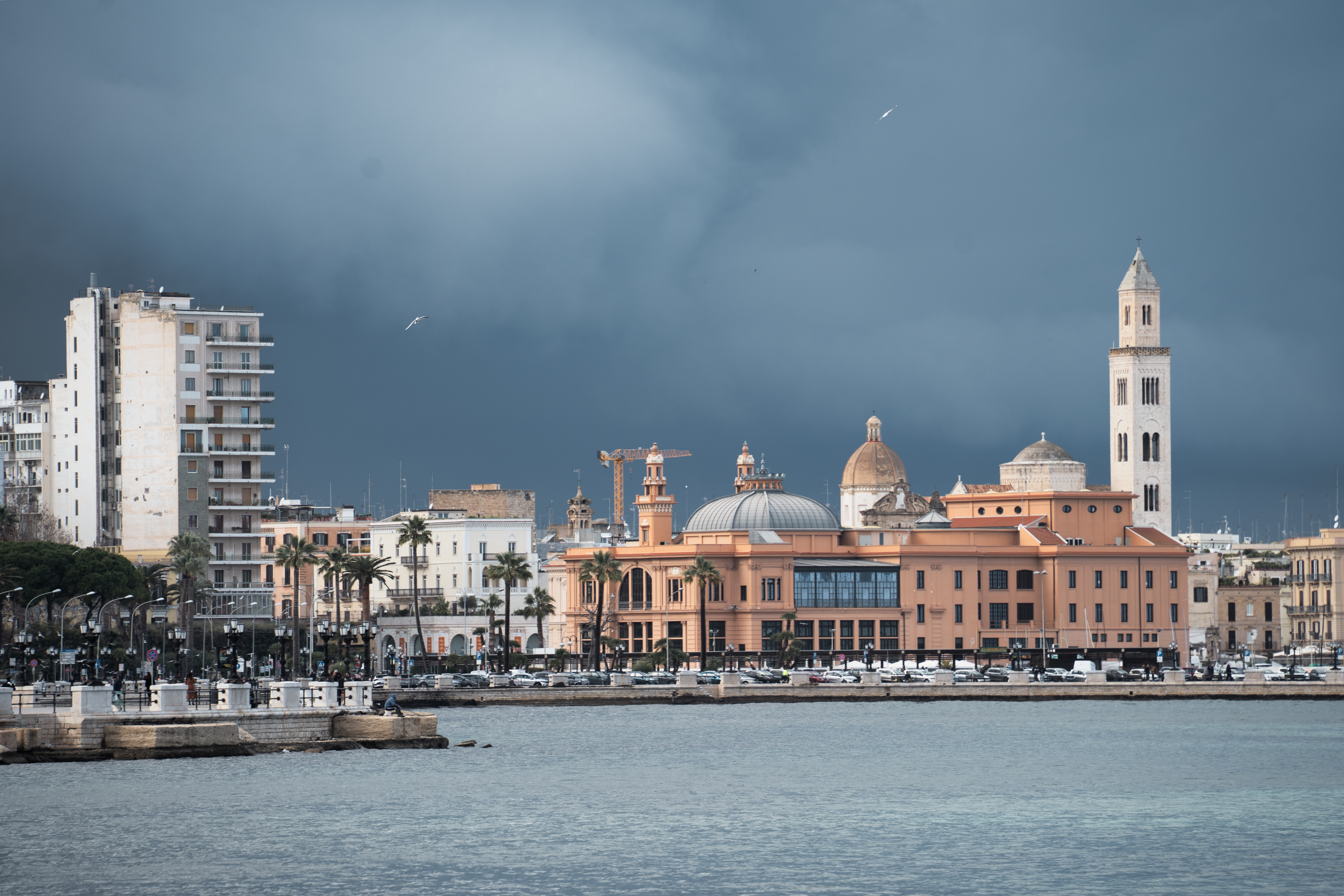
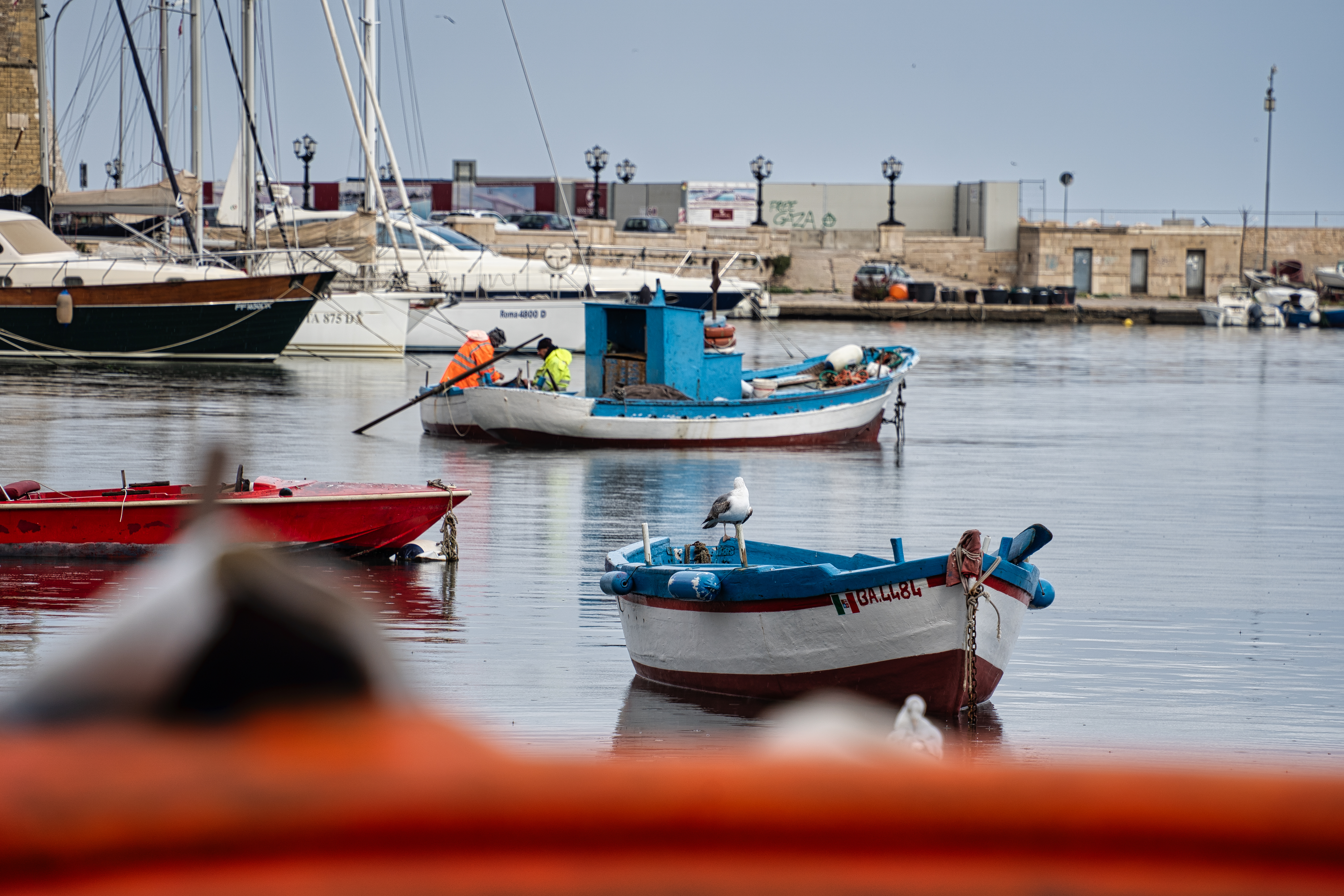
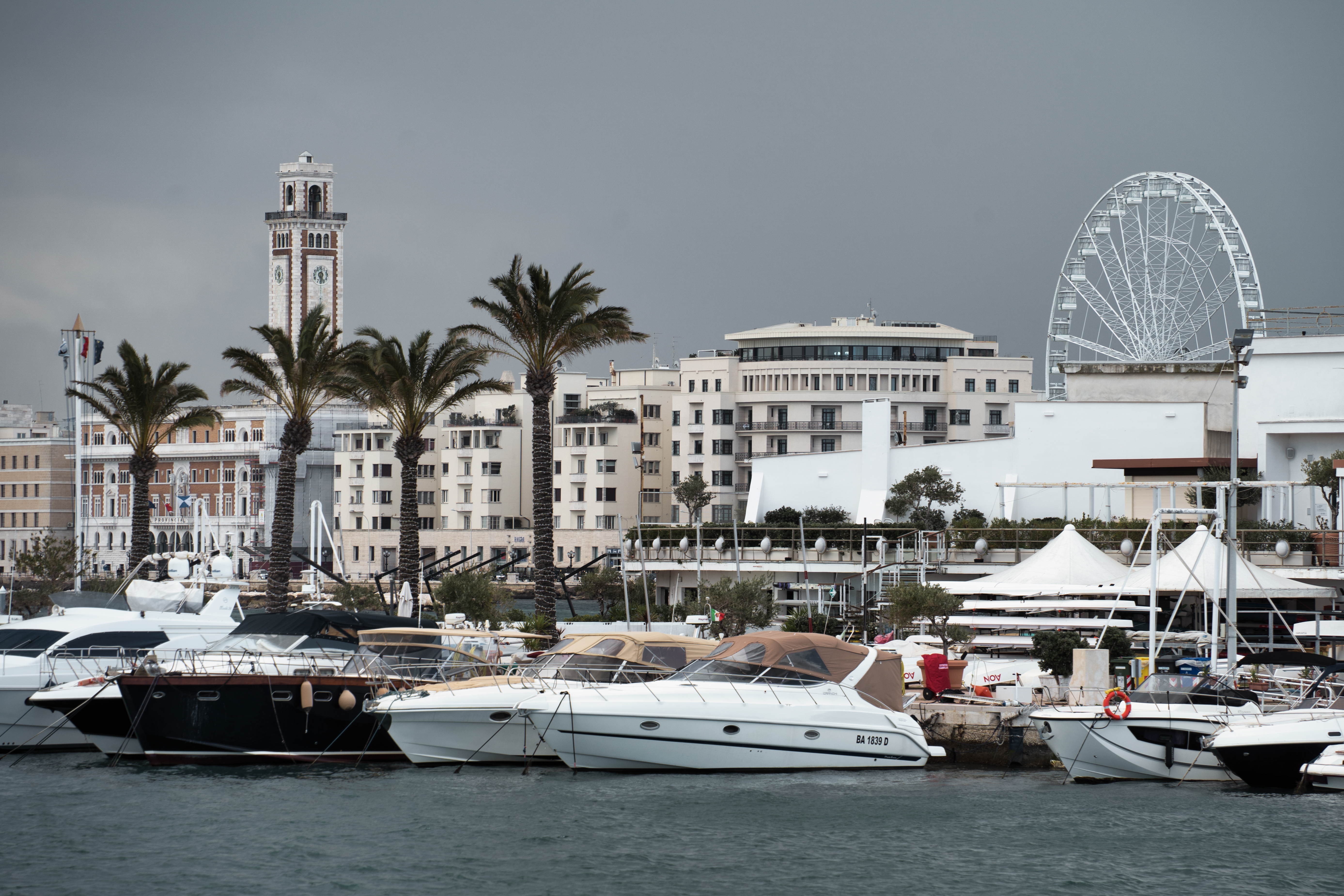
Winter in Bari brings a different kind of charm, far from the summer crowds. The narrow streets of the Old Town feel calmer, with locals going about their daily routines at a slower pace. Cafés serve steaming espresso to those seeking warmth, while the scent of freshly baked focaccia drifts through the air. Along the harbor, fishing boats bob gently on the water, their bright colors standing out against the gray-blue sea. Even in the colder months, life in Bari remains connected to the outdoors, whether it’s a quiet walk along the Lungomare or a visit to the bustling markets filled with seasonal produce and fresh seafood.

Bari and the Sea

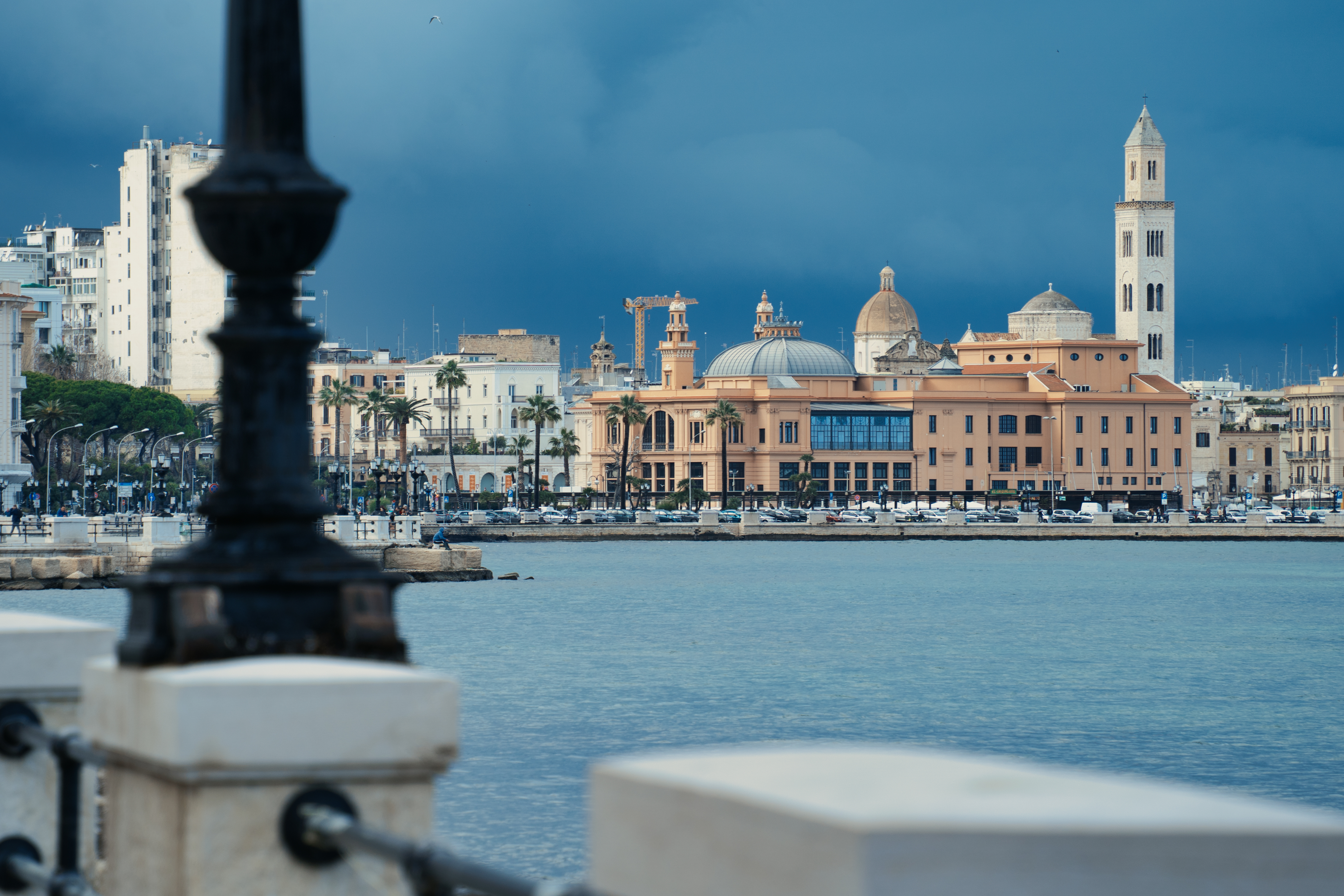
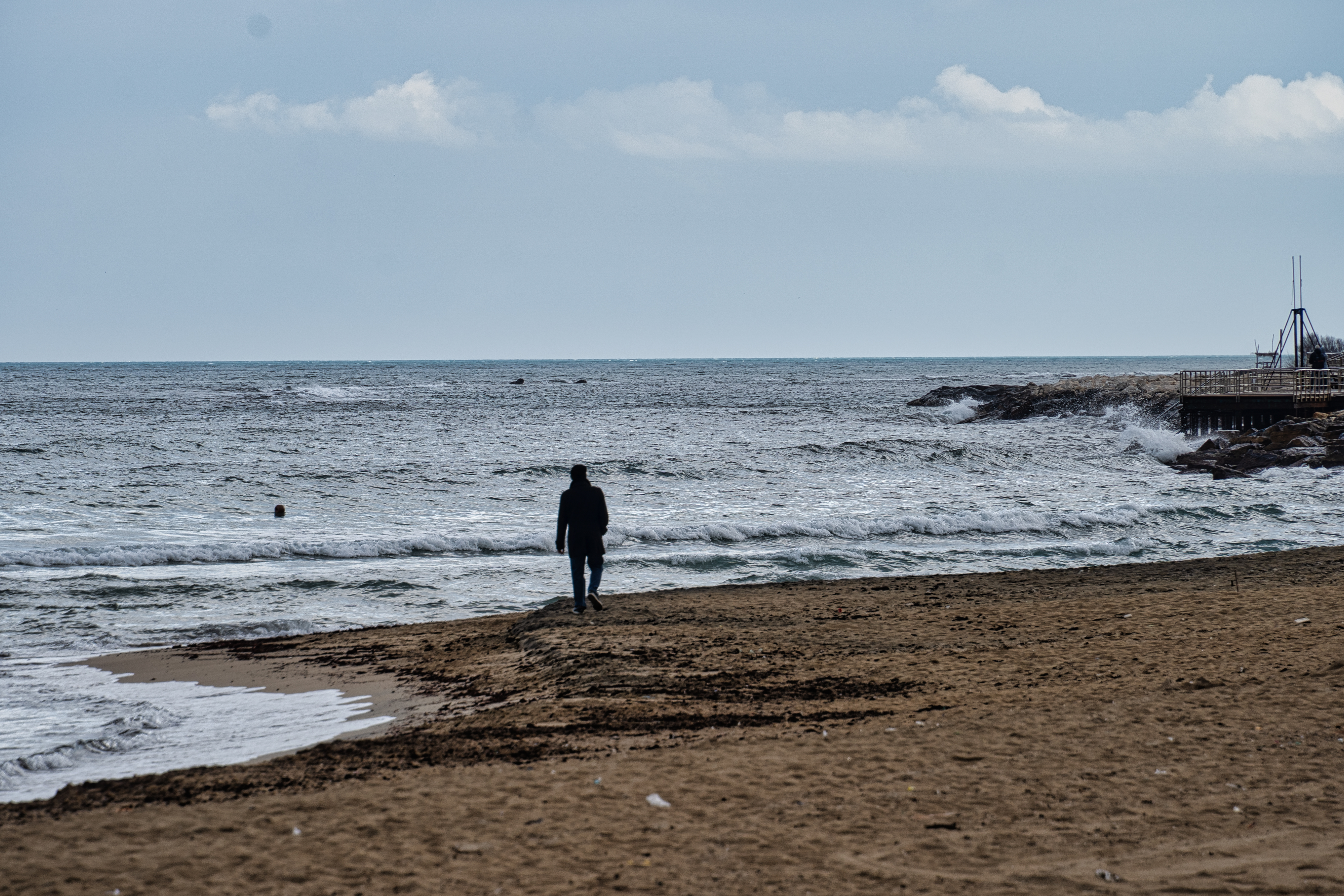
Bari, the heart of Italy’s Puglia region, is a city shaped by the sea. Even in winter, when the beaches are quiet and the air carries a crisp breeze, the Adriatic remains a constant presence. Waves crash against the old stone walls of the Lungomare, where fishermen mend their nets and locals take slow, thoughtful walks. The sea reflects the soft winter light, casting a dreamy glow over Bari’s historic port and the white facades of the old town. In the colder months, the coastline feels more intimate, a place for quiet moments and unhurried gazes over the endless blue.

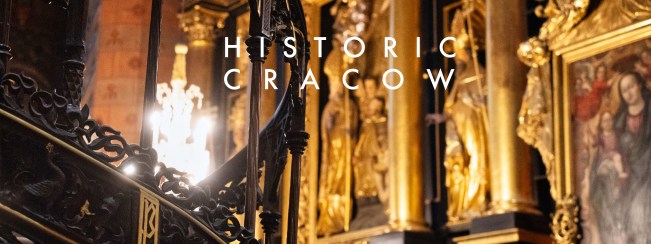
Historic Cracow

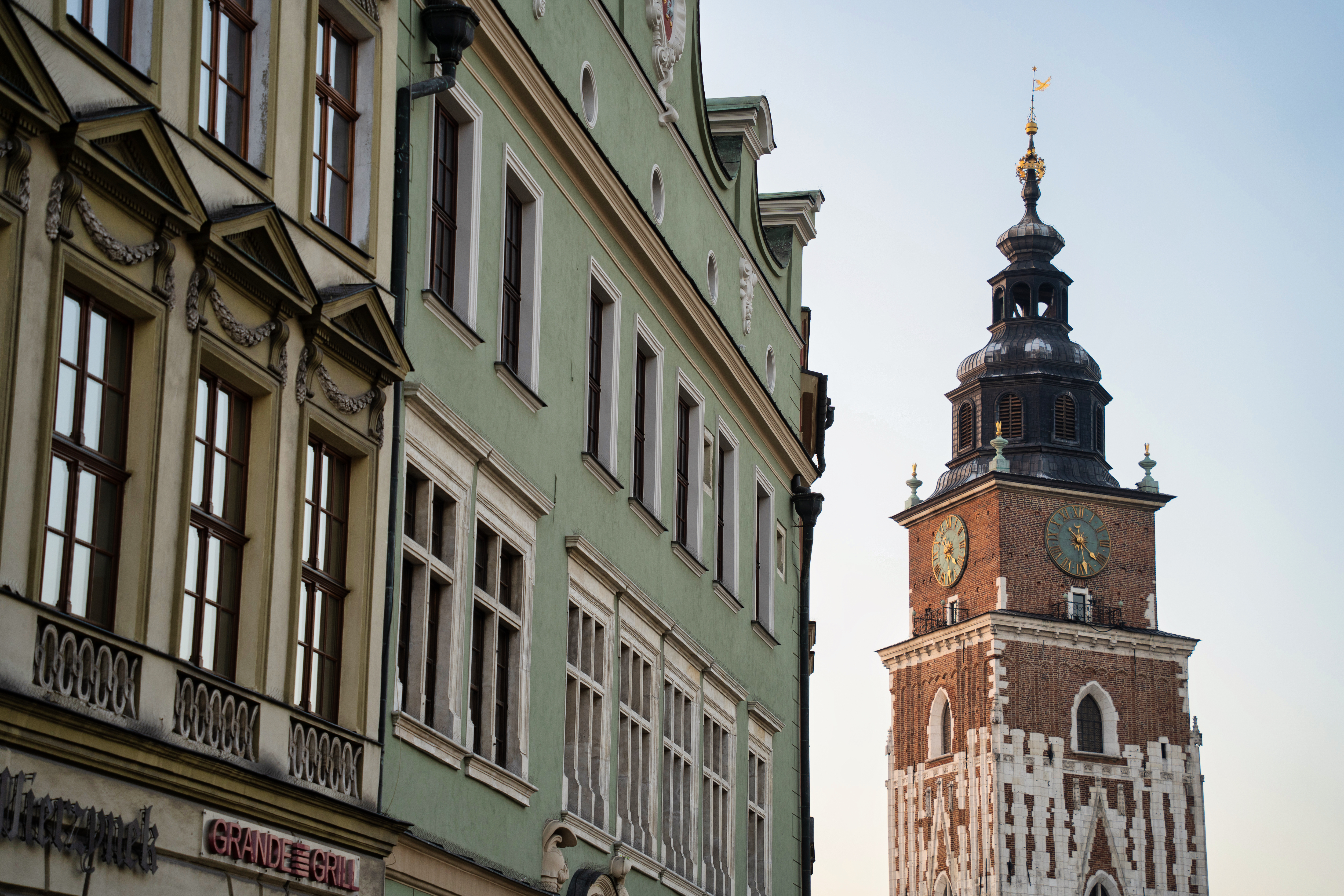
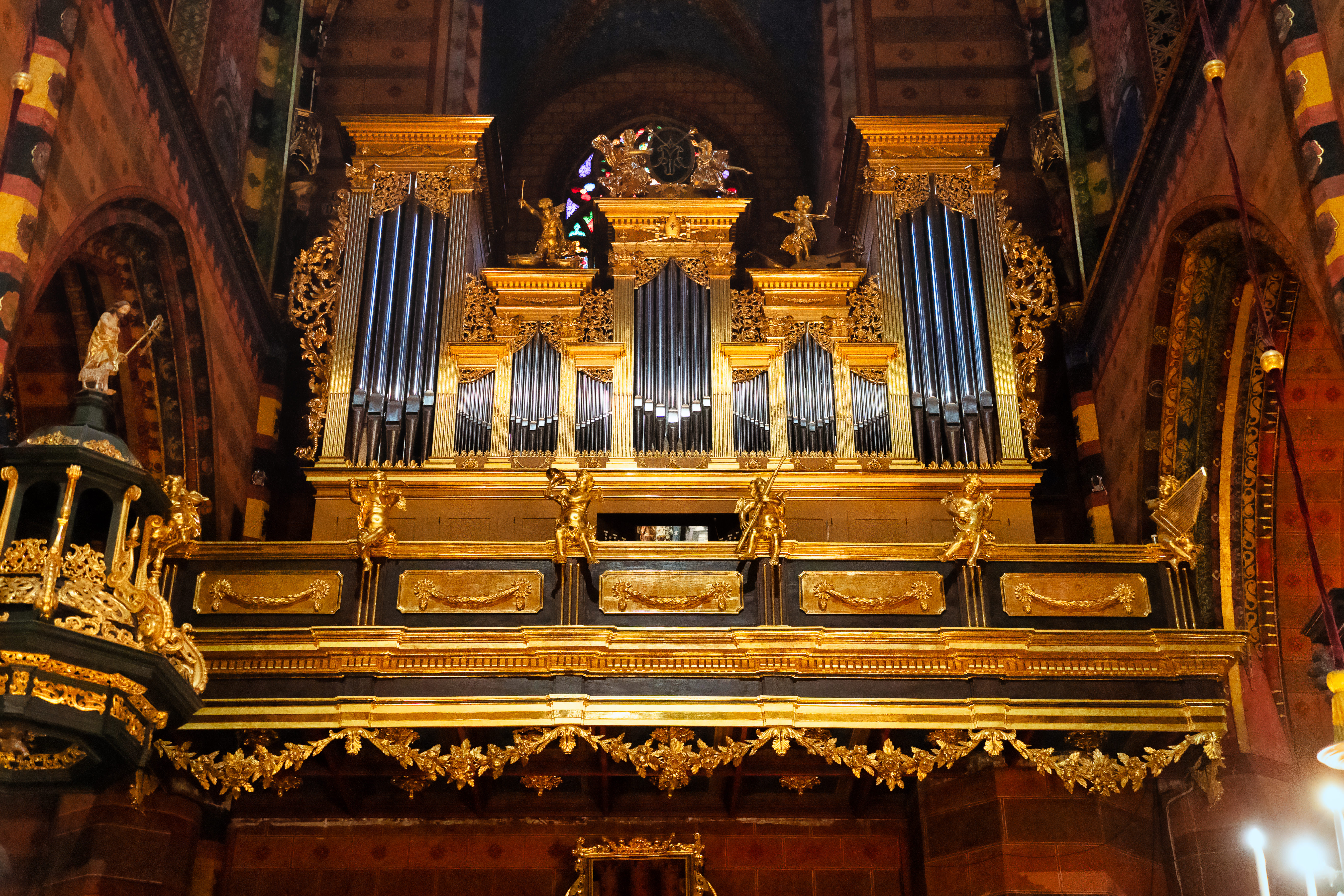
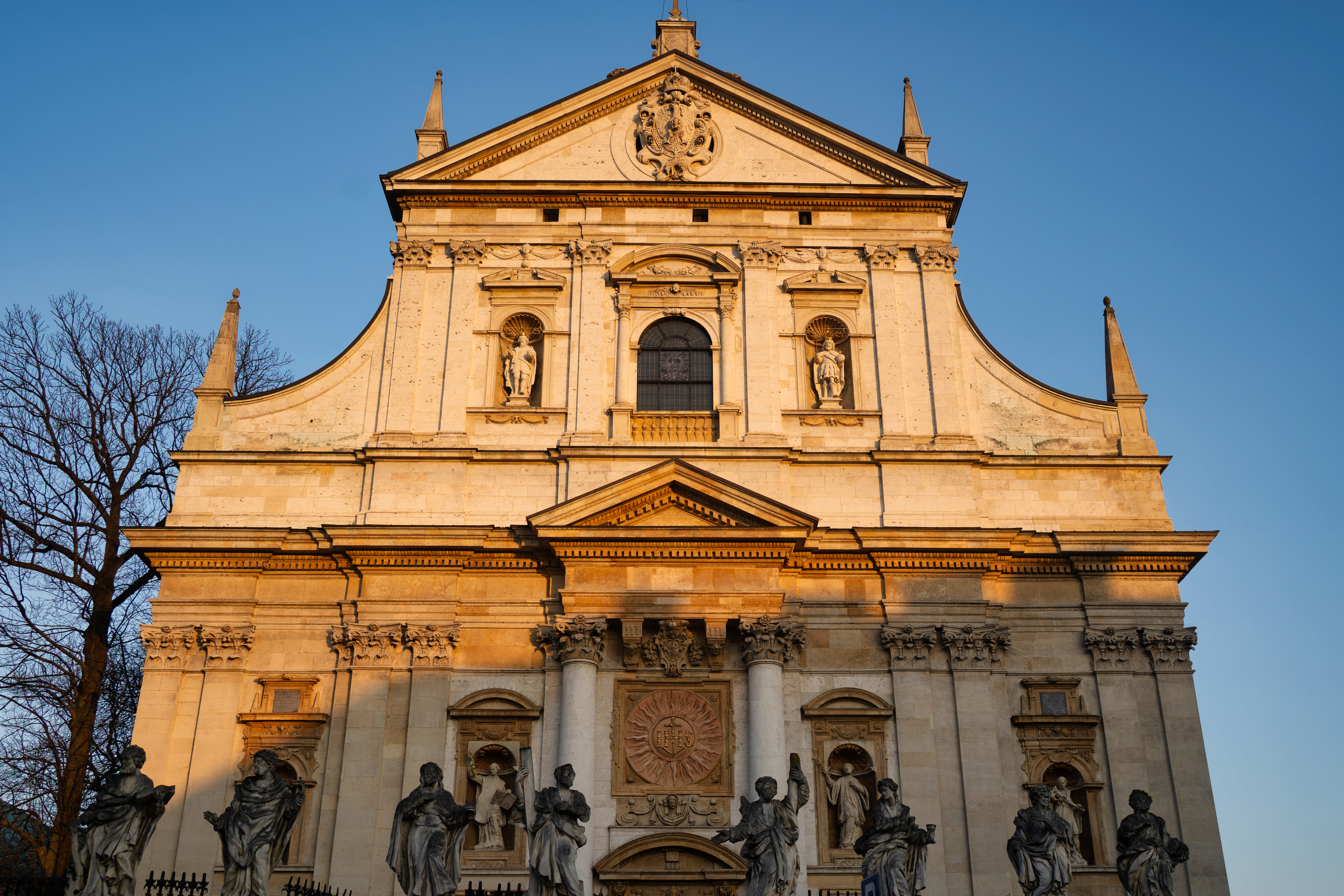
Cracow is one of the most historic cities in Poland, known for its well-preserved medieval architecture and vibrant cultural scene. The Old Town, a UNESCO World Heritage Site, is home to the impressive Main Market Square, St. Mary’s Basilica, and the Cloth Hall. Walking through its cobbled streets, you can see traces of the city’s long history, from Gothic churches to Renaissance palaces.

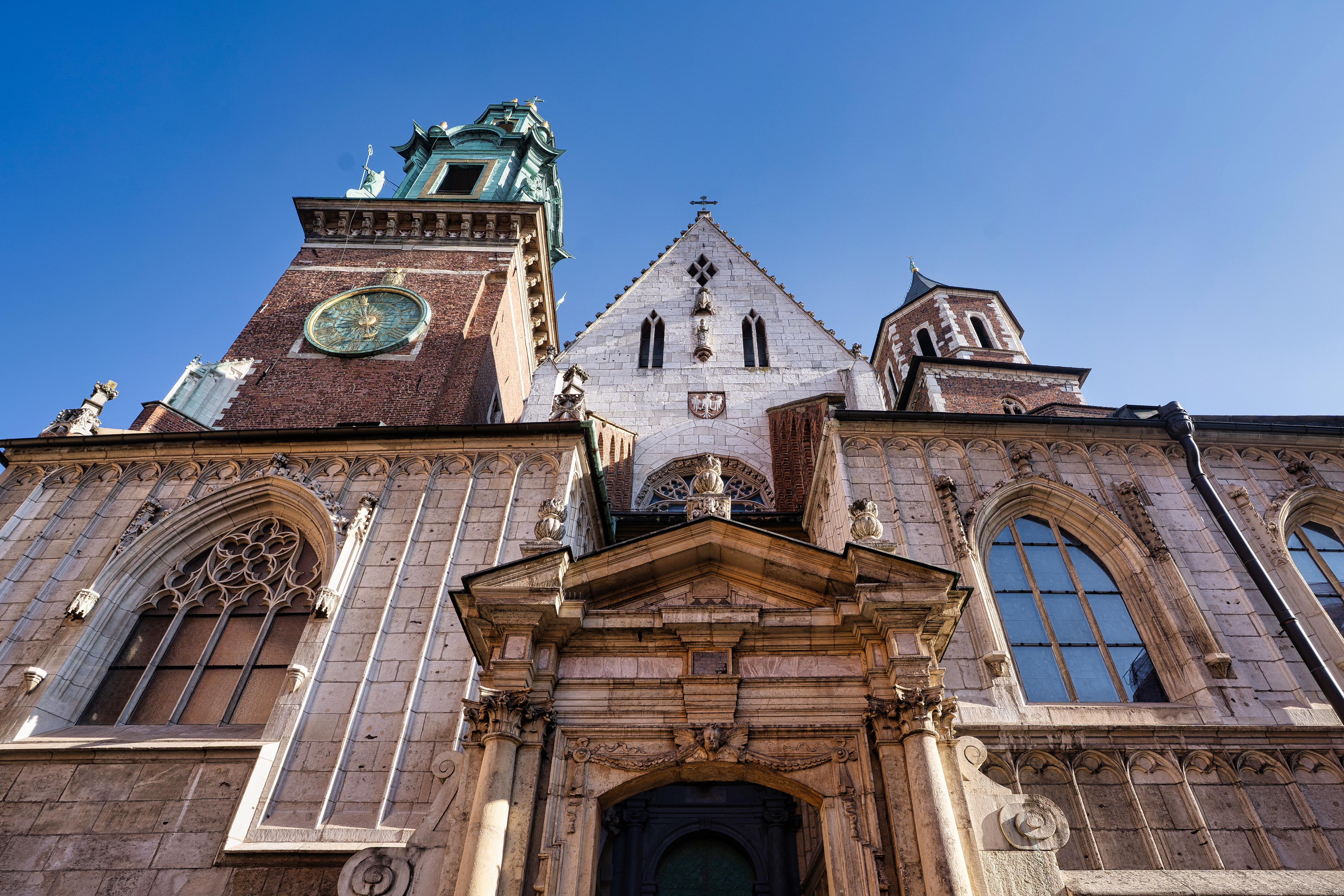
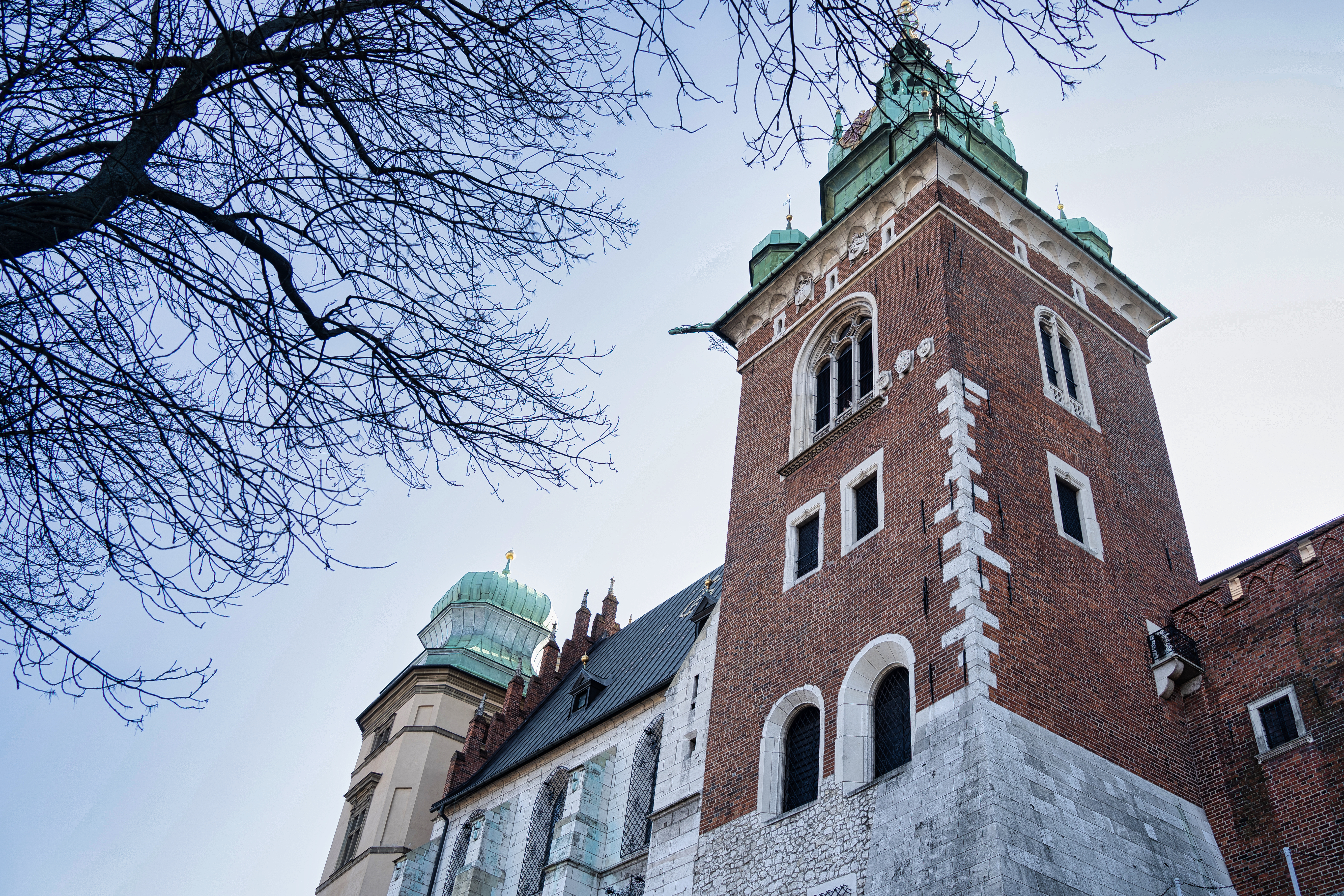
Just a short walk from the center is Wawel Castle, once the residence of Polish kings. Overlooking the Vistula River, this castle complex is a mix of architectural styles, reflecting centuries of Polish history. Another important part of Cracow is Kazimierz, the former Jewish district, which today is full of synagogues, museums, and lively cafes. This area tells the story of Cracow’s Jewish heritage and its revival in modern times.

Coastal Explorations

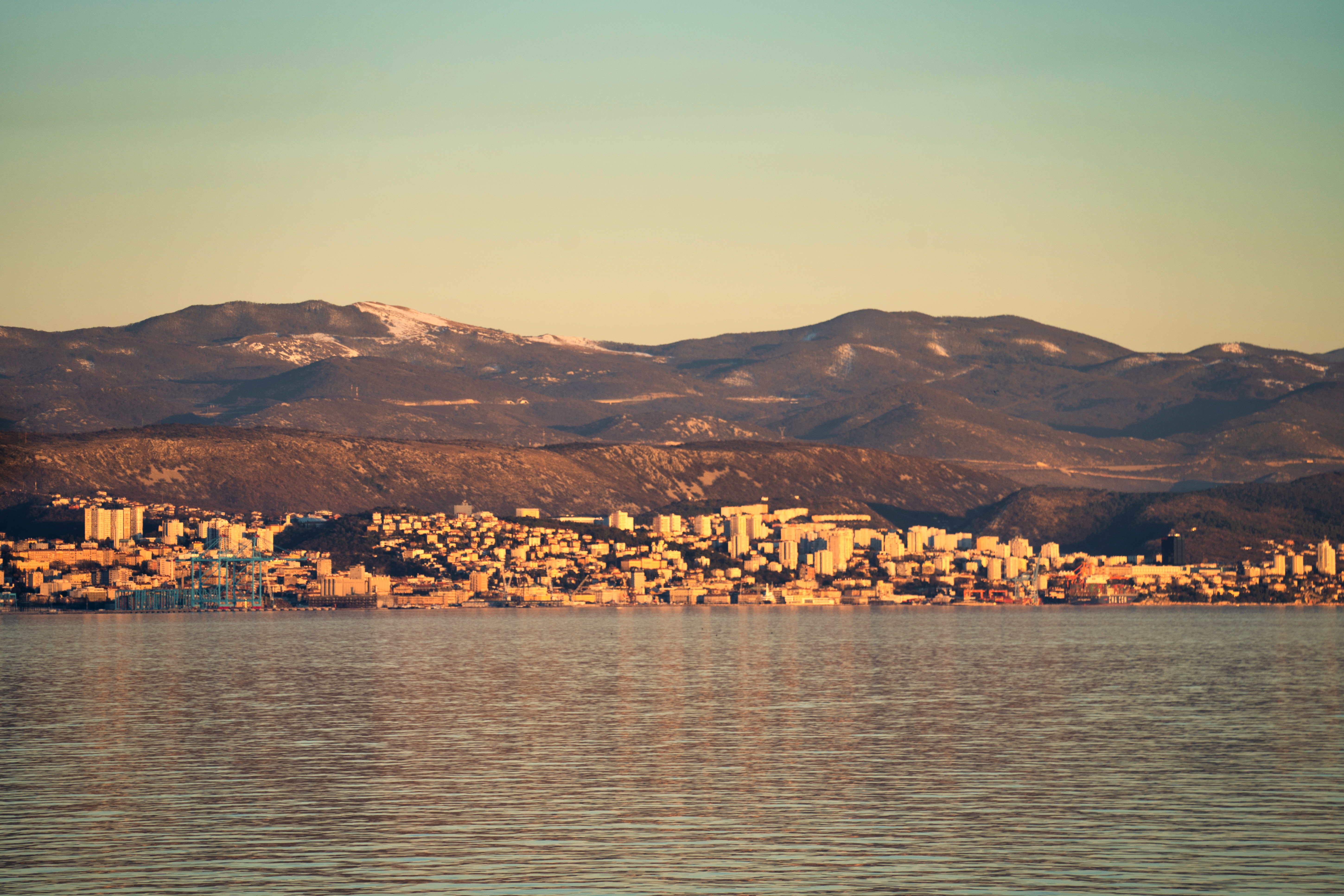
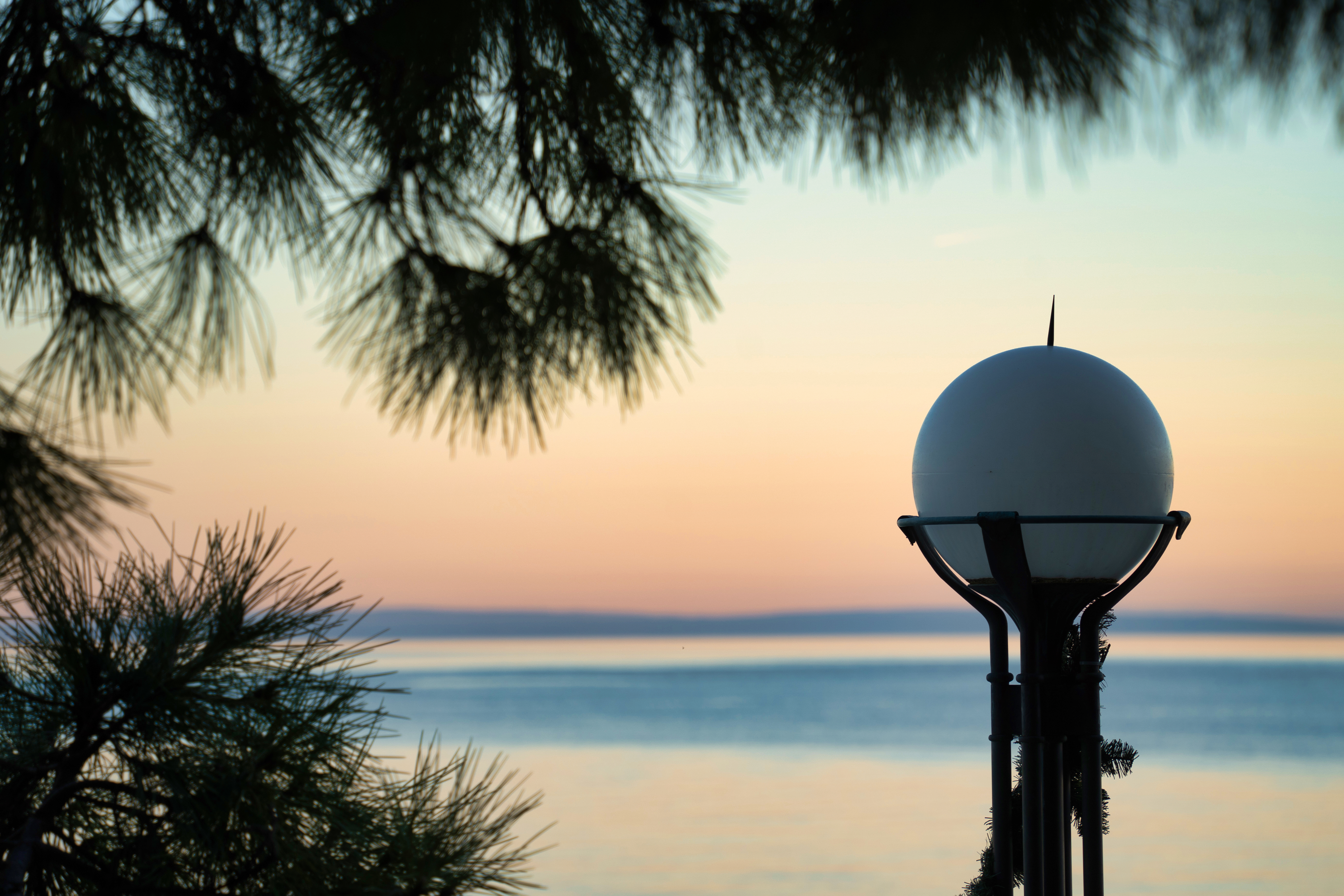
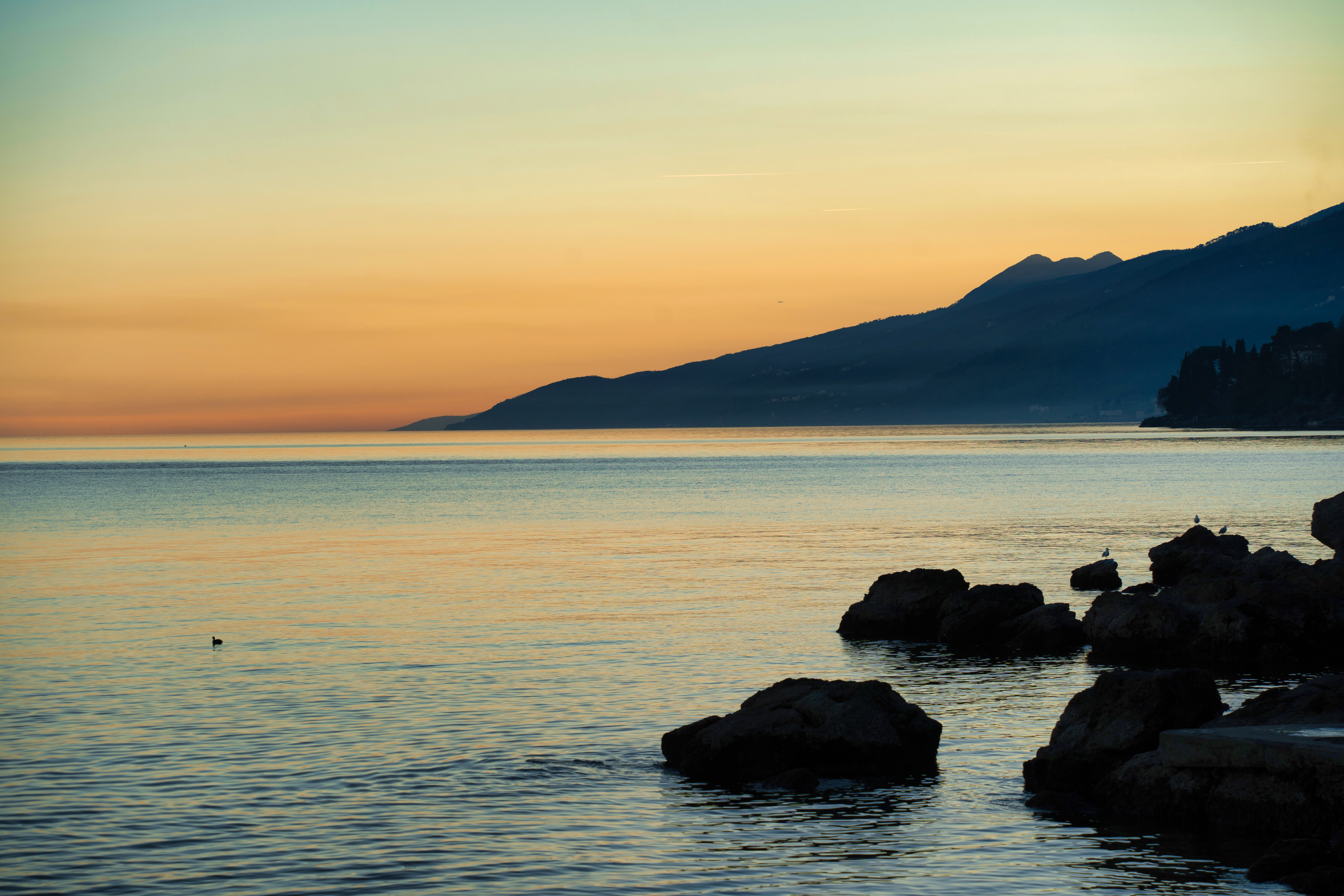
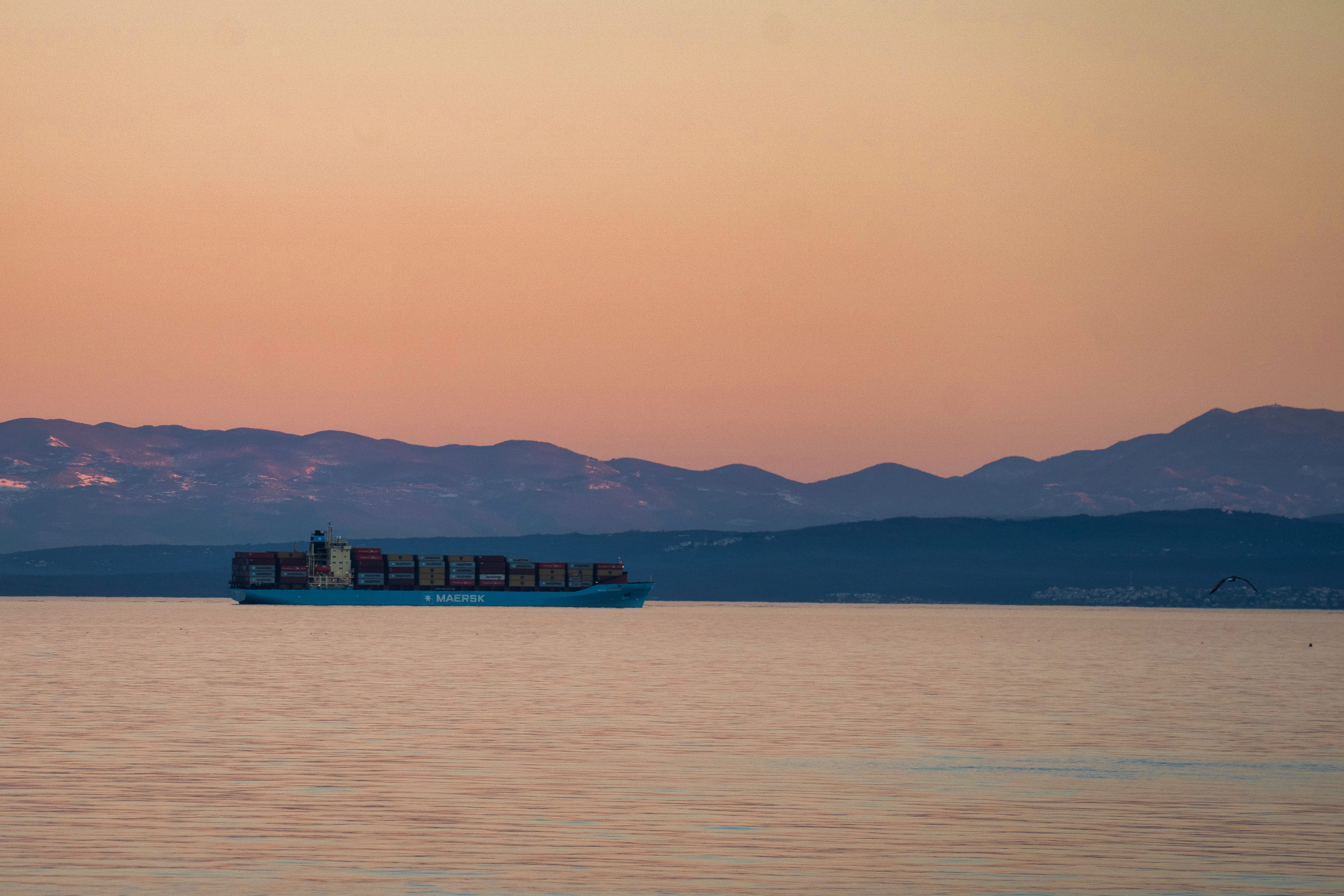
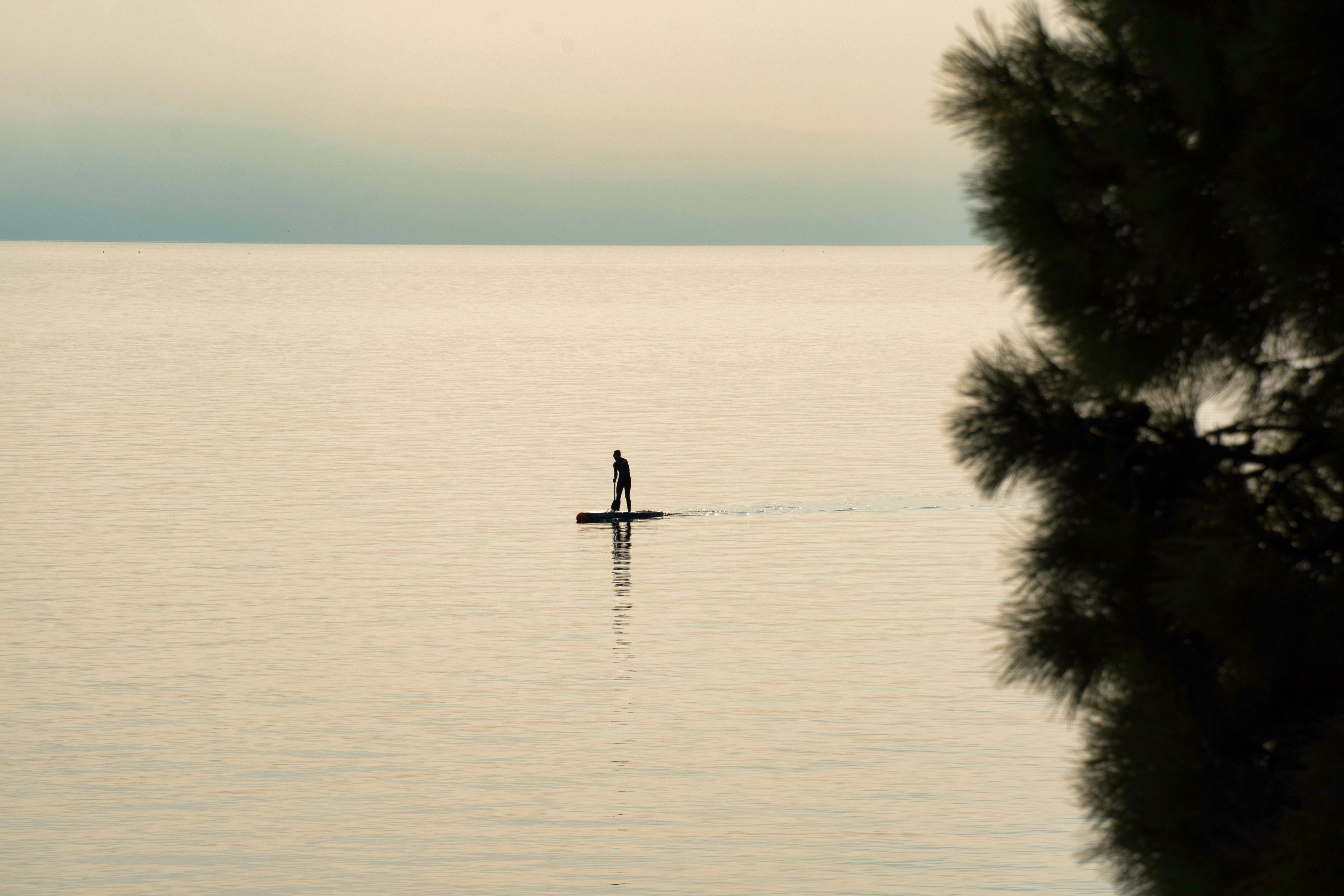
As the day draws to a close, the sunsets over Kvarner Bay in Croatia are nothing short of magical. The sky transforms into a canvas of vibrant hues—golden yellows, fiery oranges, and soft pinks—reflected on the tranquil surface of the Adriatic. These breathtaking vistas can be enjoyed from many vantage points, whether atop a hill, on a coastal terrace, or aboard a boat gently rocking on the water. The islands on the horizon become silhouetted against the colorful sky, creating a serene and unforgettable scene. Watching the sunset here is more than a visual treat; it’s an invitation to pause and savor the timeless beauty of the Kvarner Bay.