Skip to content

Sacral Amman

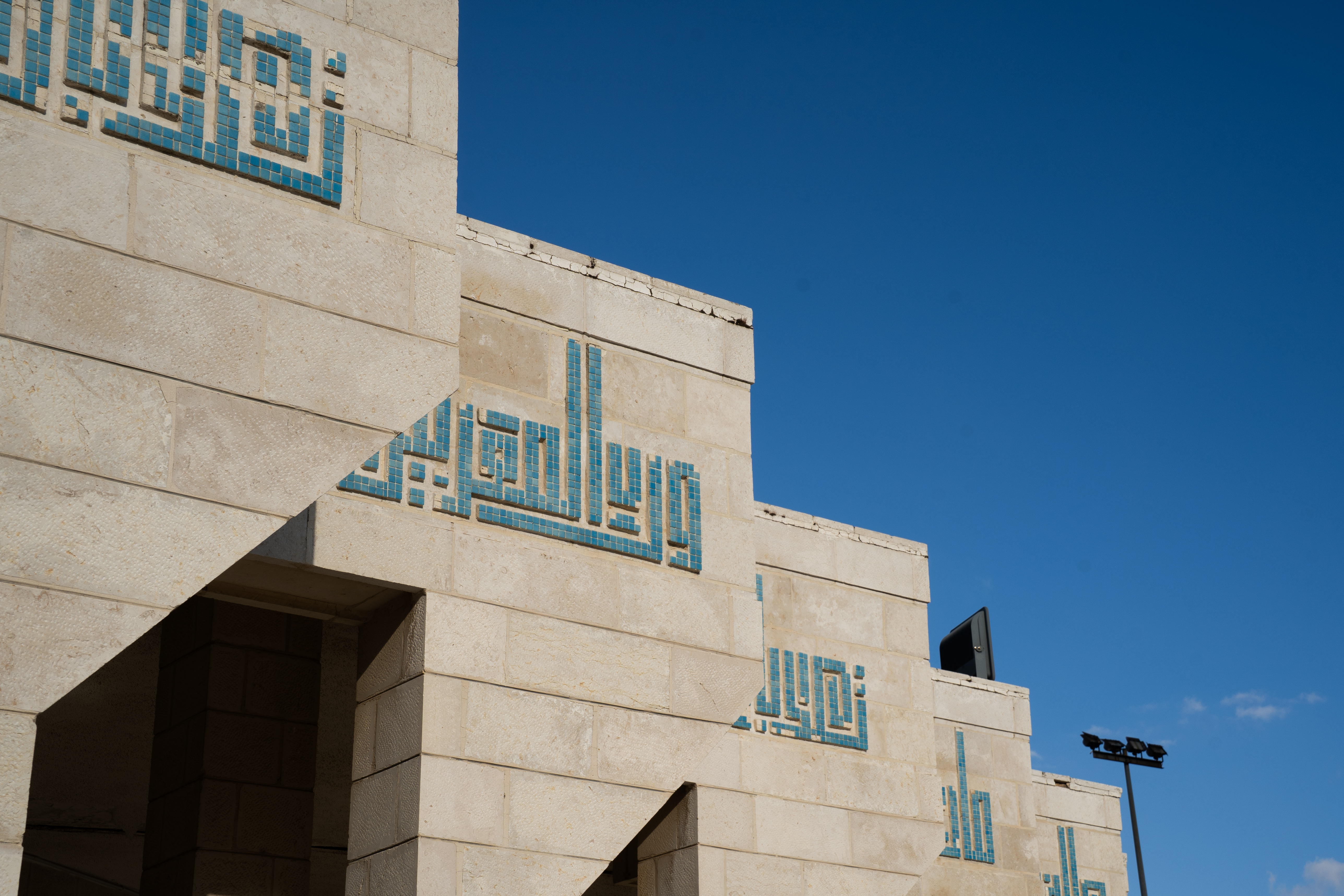
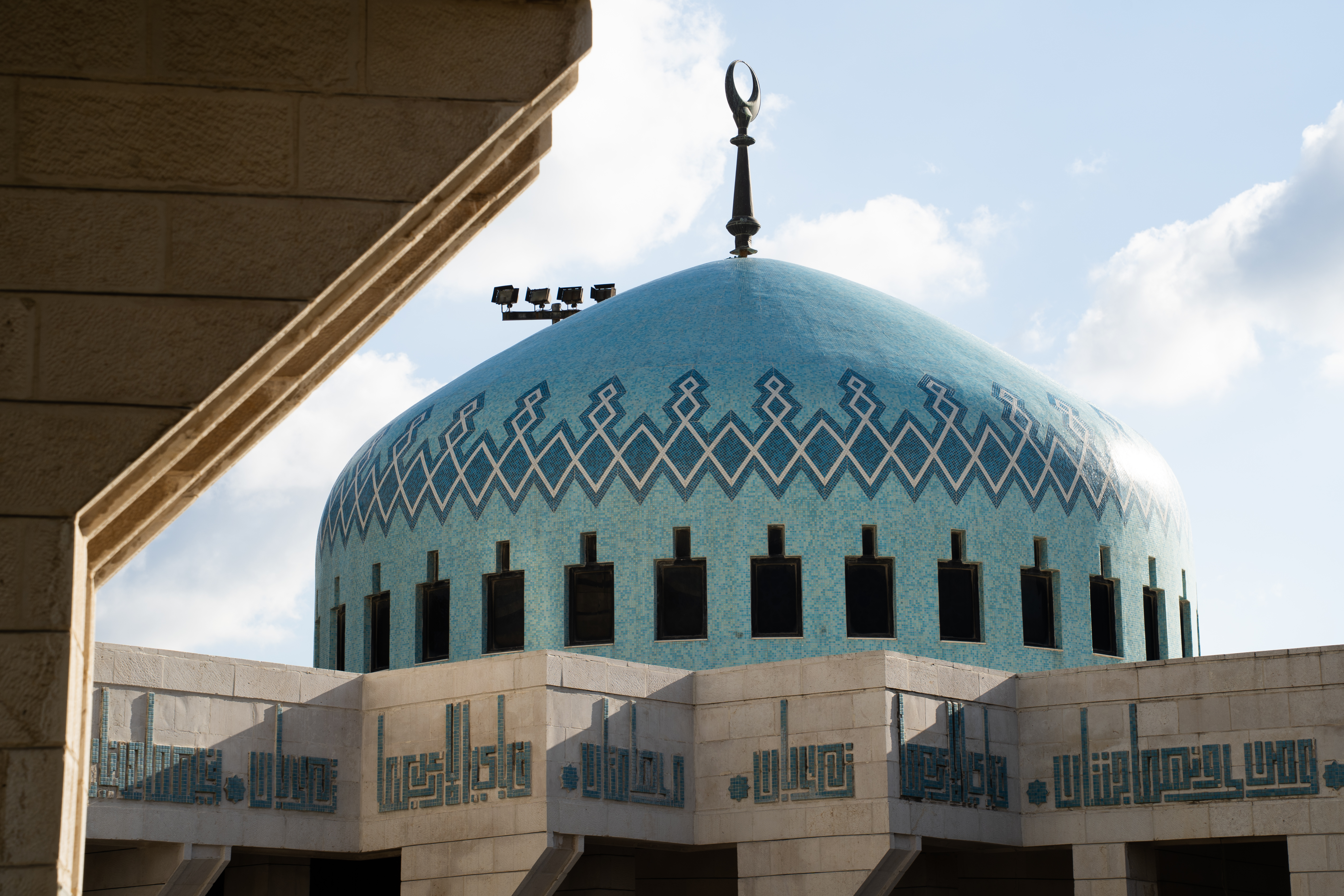
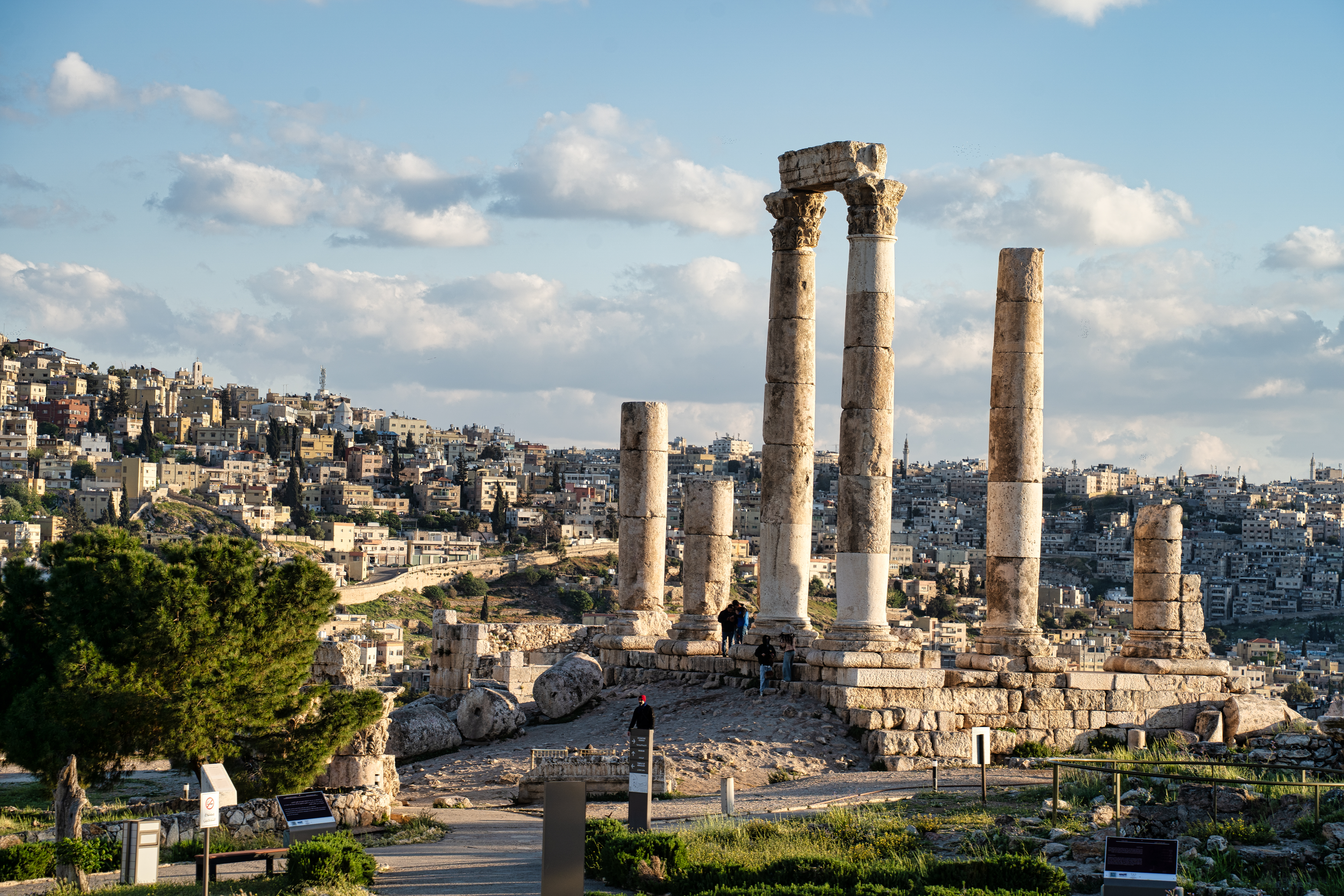
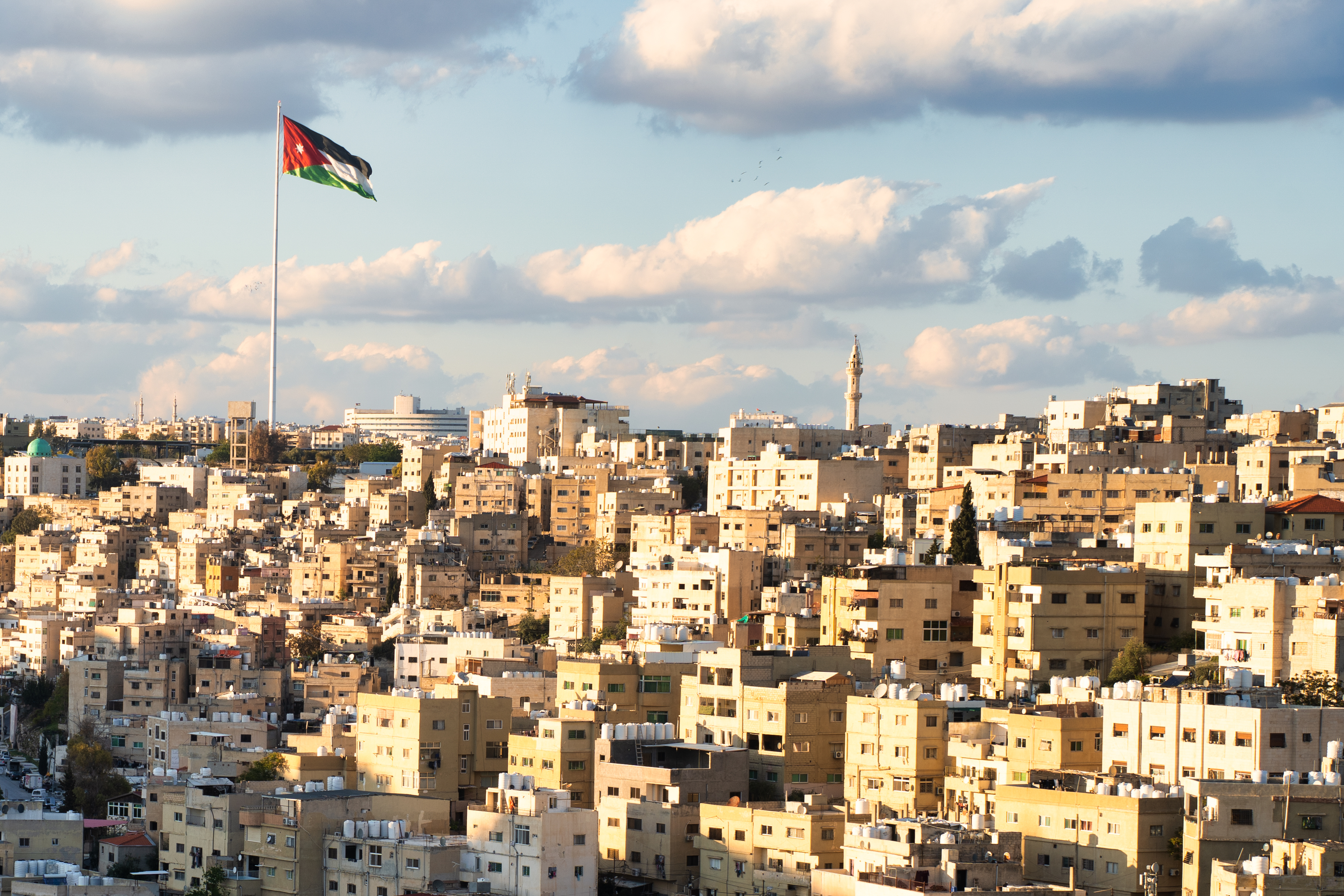
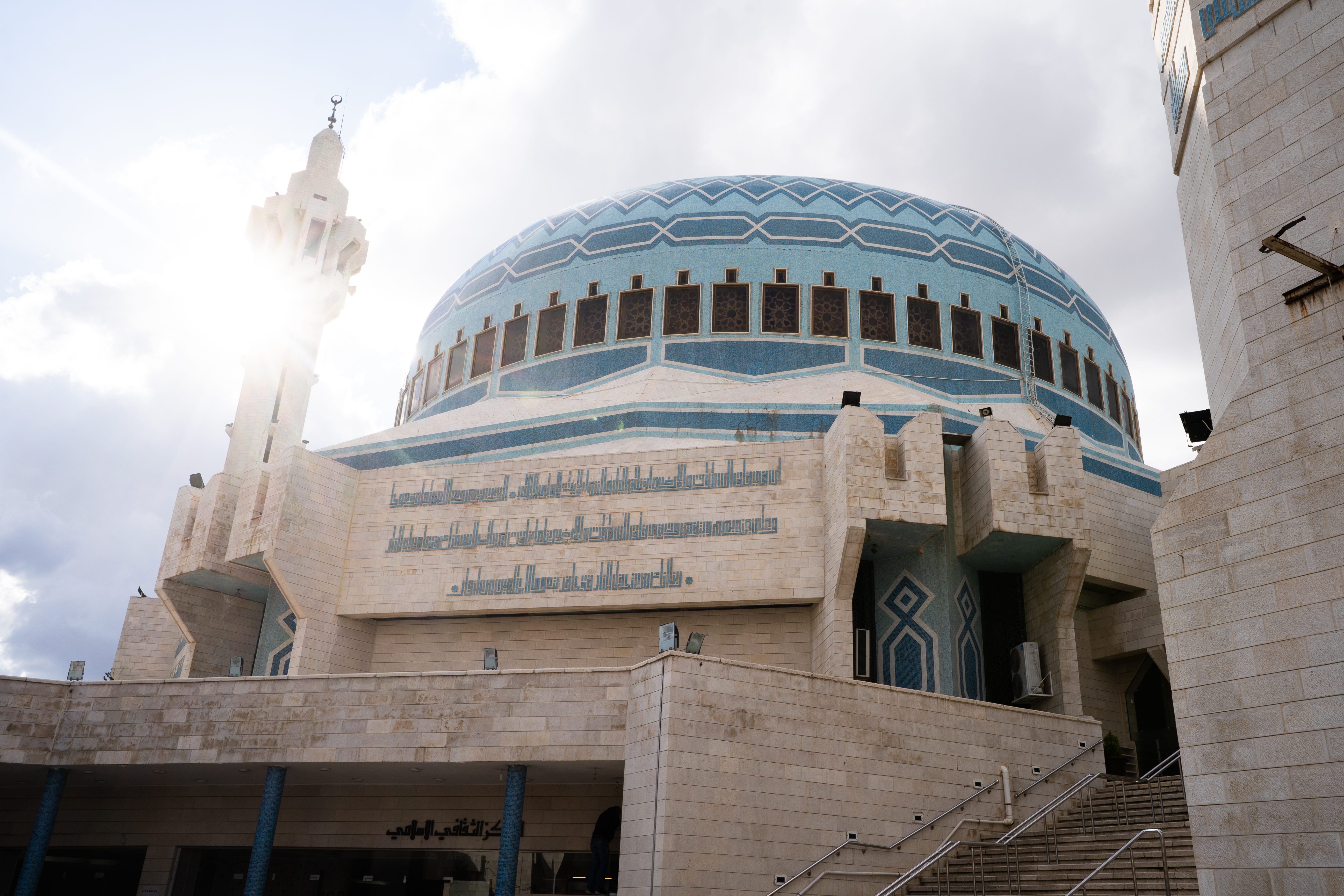
Sacral Amman, the spiritual heart of Jordan’s capital, embodies the deep-rooted religious and cultural traditions of the city. Scattered across its ancient hills are sacred sites from Islamic, Christian, and pre-Abrahamic traditions, revealing a city shaped by centuries of devotion and pilgrimage. Notable among these is the King Abdullah I Mosque with its striking blue dome, a symbol of modern Islamic architecture and a center for religious life. Meanwhile, the ruins of Byzantine churches and Roman temples, such as those found on the Citadel (Jabal al-Qal’a), testify to Amman’s layered past, where faiths overlapped and evolved.

Beyond the grand structures, sacral Amman reveals itself in the quiet rituals of daily life—Friday prayers echoing from neighborhood mosques, incense wafting from Orthodox churches, and the soft murmur of evening supplications. In places like Downtown Amman, faith interweaves seamlessly with commerce, where shopkeepers close their stores briefly for prayer or where passersby pause at shrines nestled between buildings. This living spirituality, not confined to monuments, makes Amman a city where the sacred is not only seen but felt—an ongoing dialogue between past and present, tradition and everyday life.

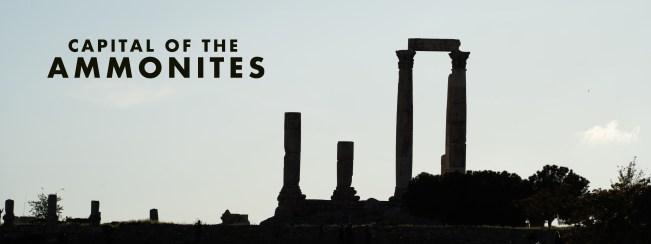
Capital of the Ammonites

In the heart of modern-day Jordan lies Amman, a bustling capital built upon ancient foundations. Once known as Rabbath Ammon, it was the proud capital of the Ammonites, a Semitic people who thrived east of the Jordan River from the 13th to 6th centuries BCE. Their city was a stronghold—both politically and militarily—positioned strategically on the highlands to defend against surrounding powers.

Rabbah features prominently in the Bible, especially in the story of King David. While David remained in Jerusalem, his army laid siege to the Ammonite capital, marking one of the most dramatic chapters in the Old Testament. The city fell and was absorbed into the growing Israelite kingdom, solidifying its place in ancient military and religious history.

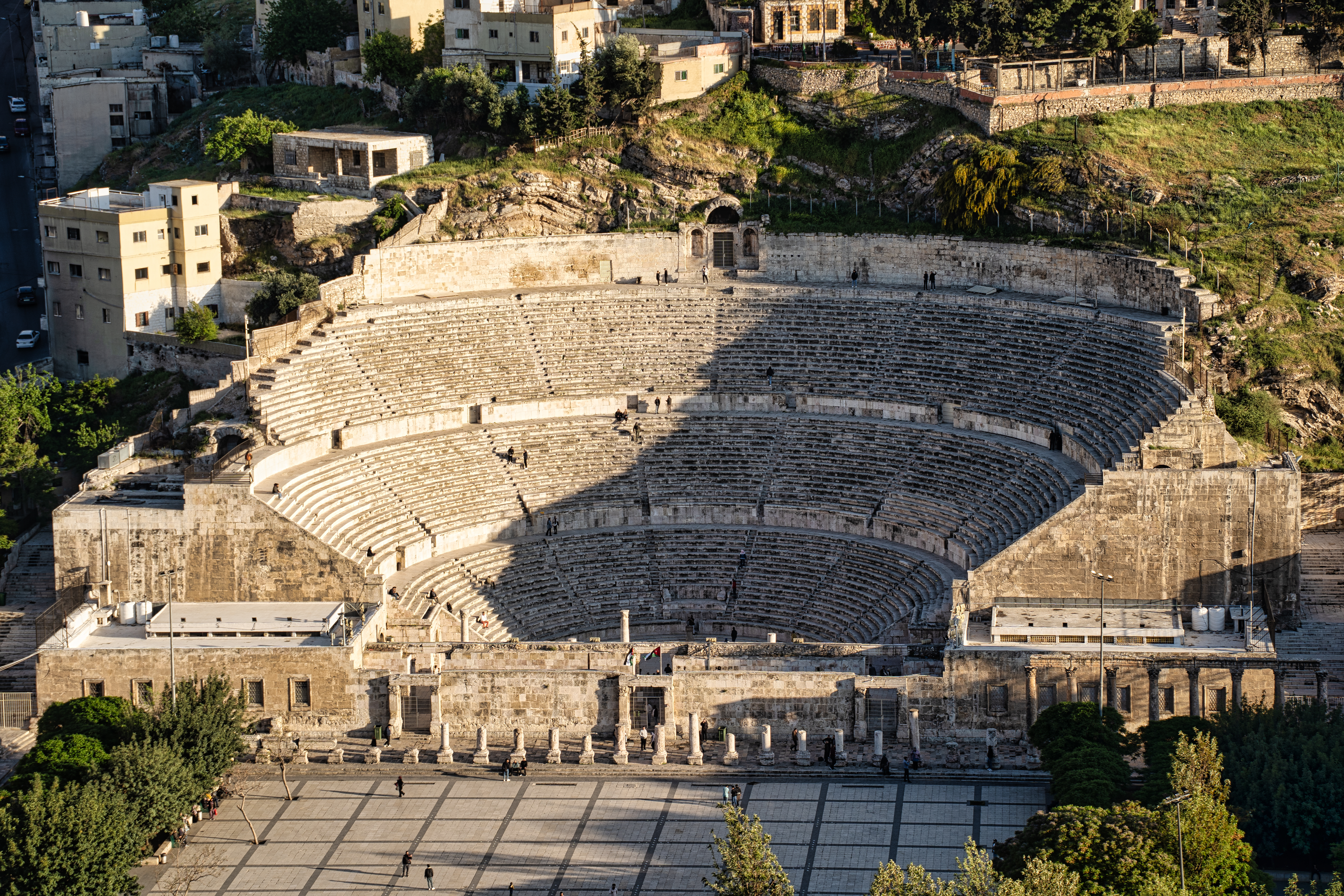
The city transformed over centuries—renamed Philadelphia by the Greeks, developed by Romans, and reshaped by Islamic rulers. Each layer added temples, theaters, and forts, many of which still echo in today’s Amman Citadel, a historic site overlooking the modern city.

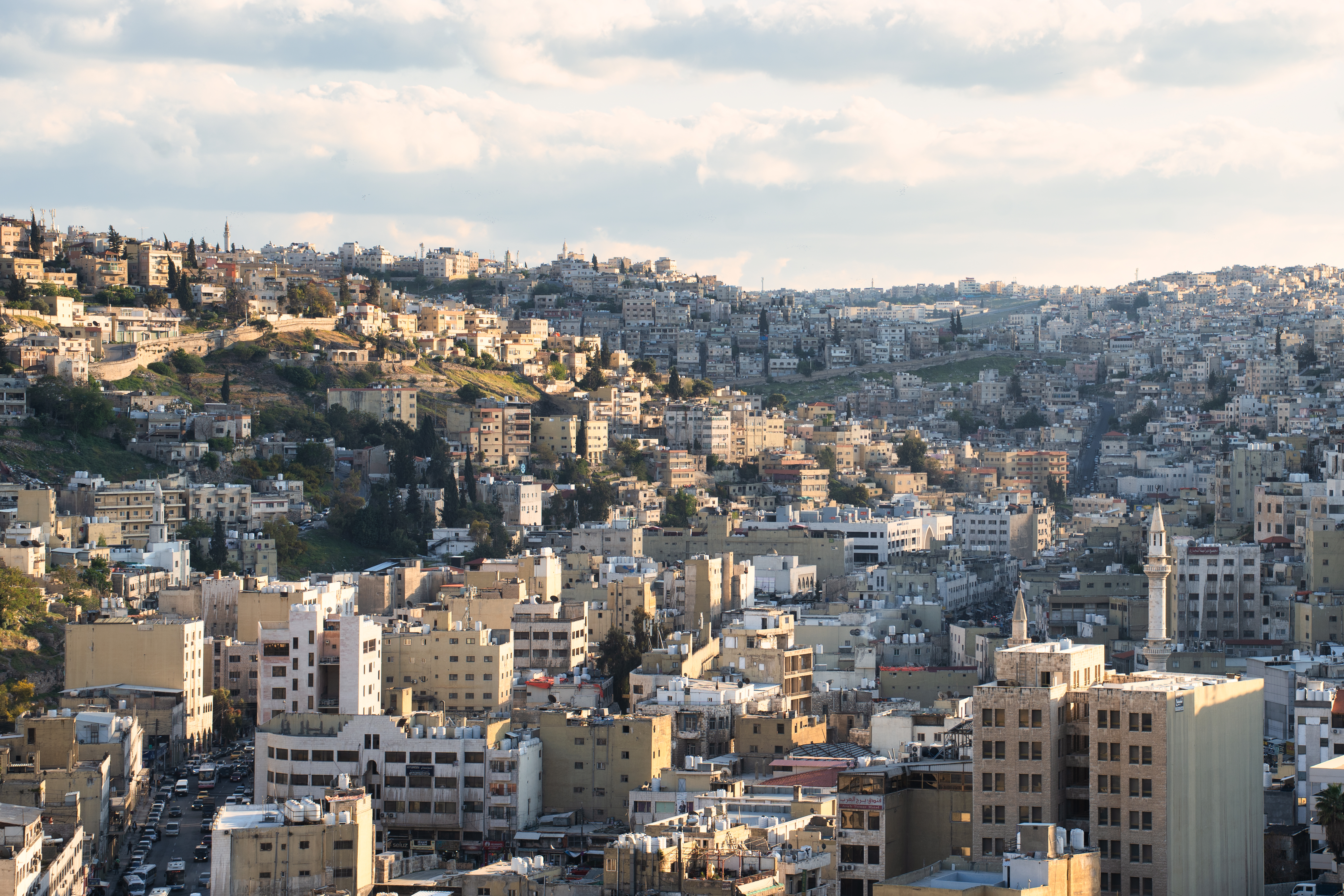
Today’s Amman is a vibrant mix of old and new, where Roman columns and glass towers share the skyline. But beneath it all lies Rabbath Ammon, a reminder that even the most modern cities often stand on the bones of forgotten kingdoms.

Discovering Upper Franconia

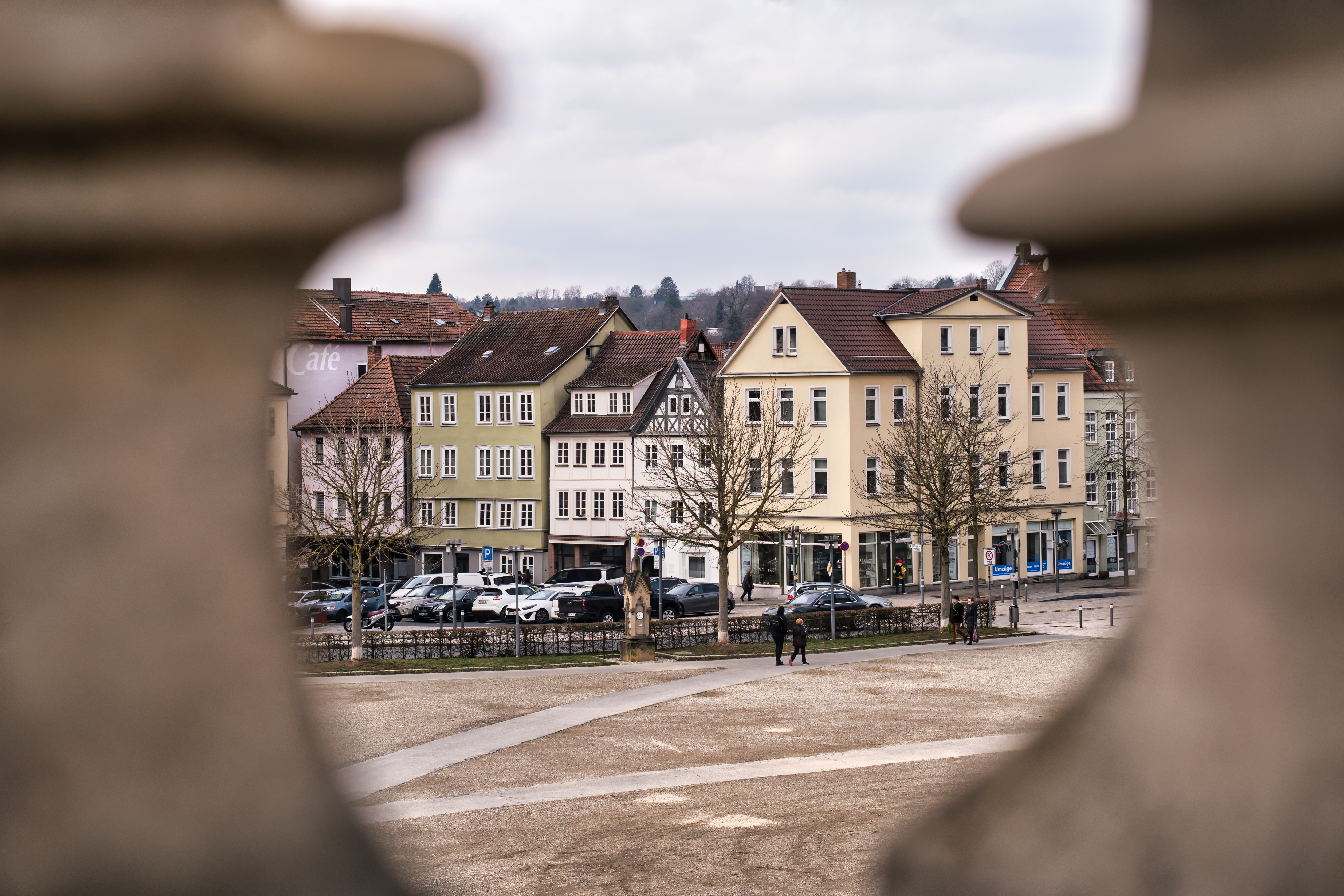
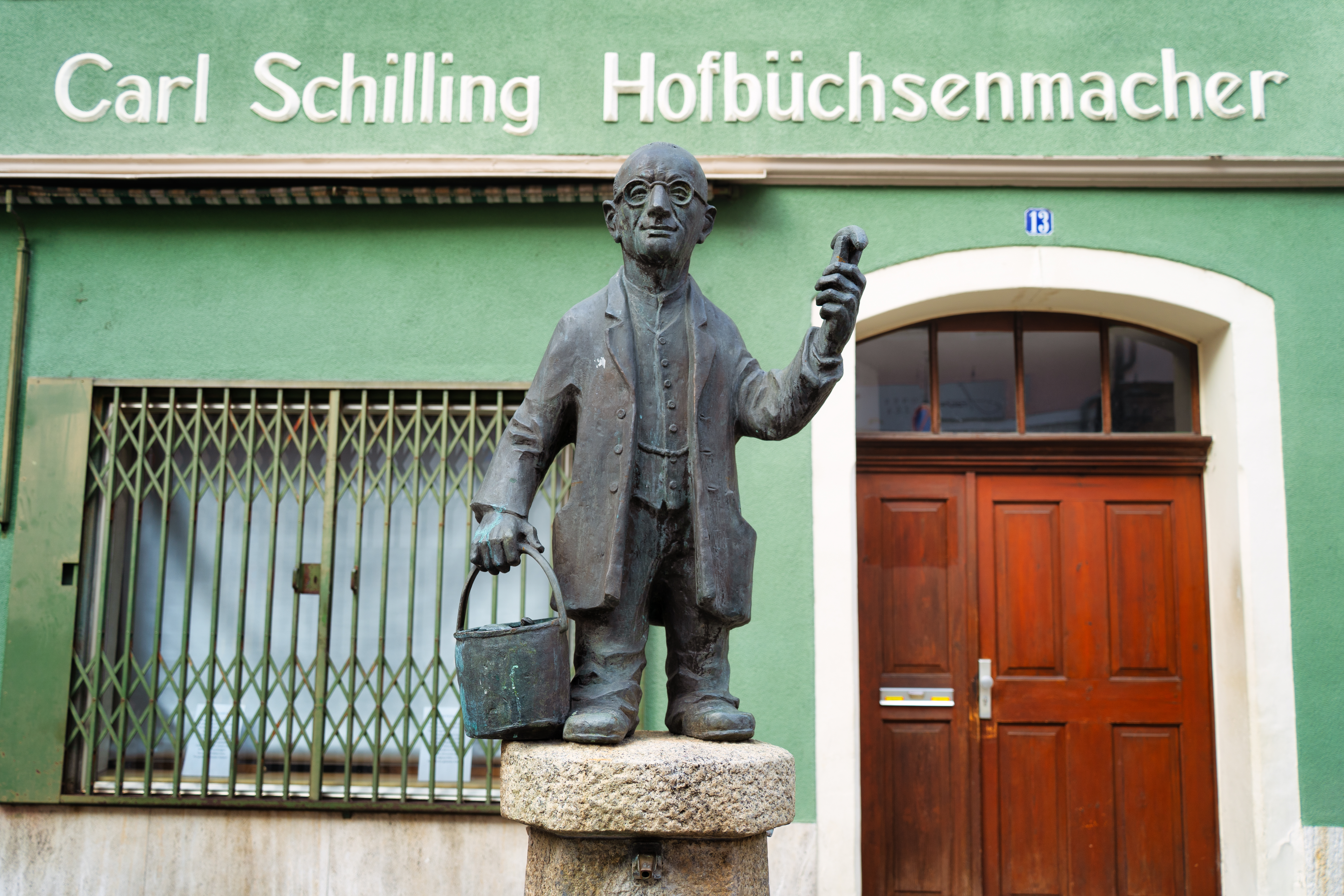
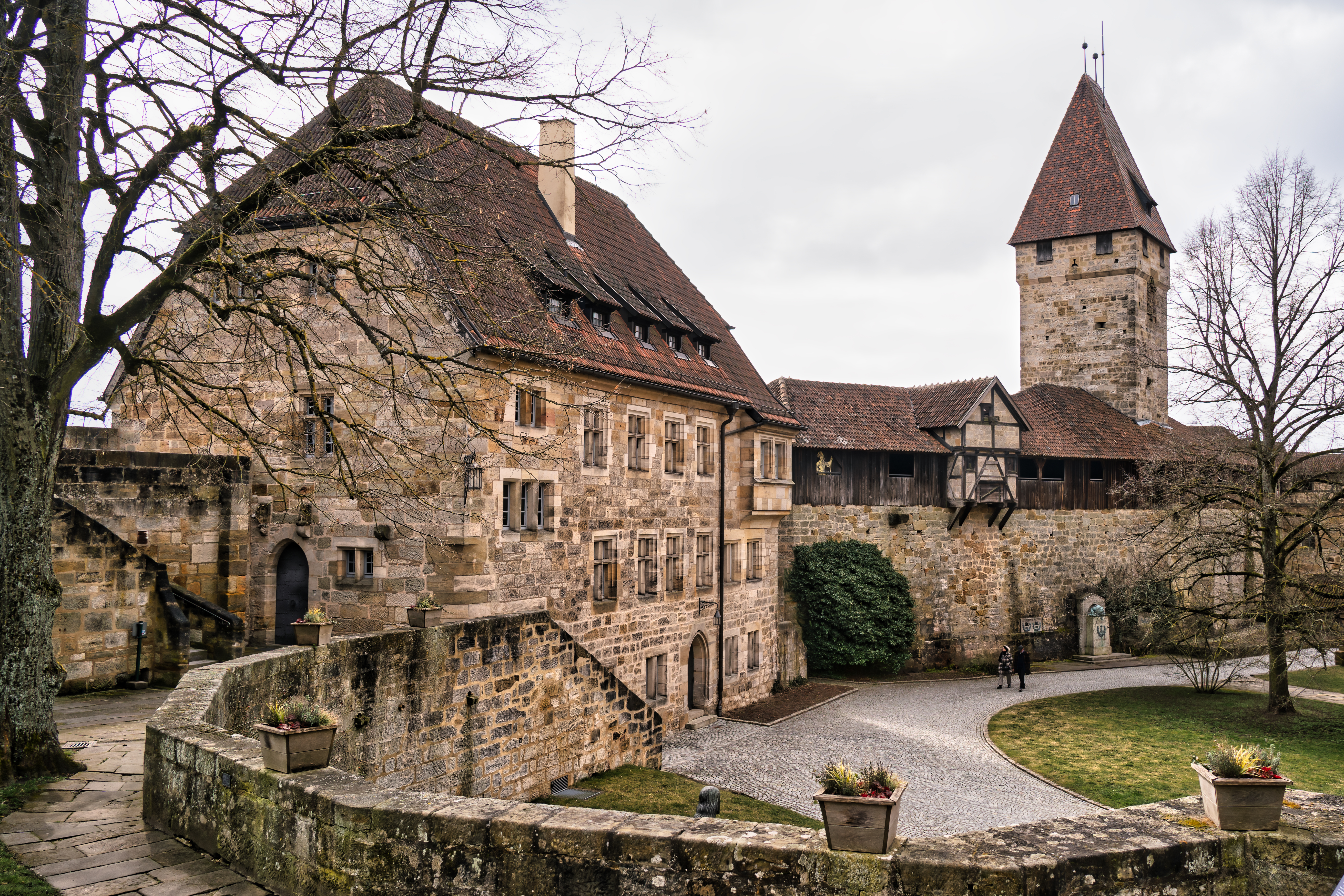
At first glance, Upper Franconia seems unassuming. There are no grand gestures, no rush to impress. But behind the quiet streets and worn facades is a region shaped by long memory and steady hands. Towns feel anchored — built not for display but for living — with buildings that have adapted rather than resisted time.

Life here moves at its own pace. Traditions aren’t revived; they’ve simply never gone away. Breweries, crafts, and local rituals aren’t curated for visitors — they’re just part of the everyday. What defines Upper Franconia is not spectacle, but a quiet confidence in the way things are and have always been.

Colors of Franconia

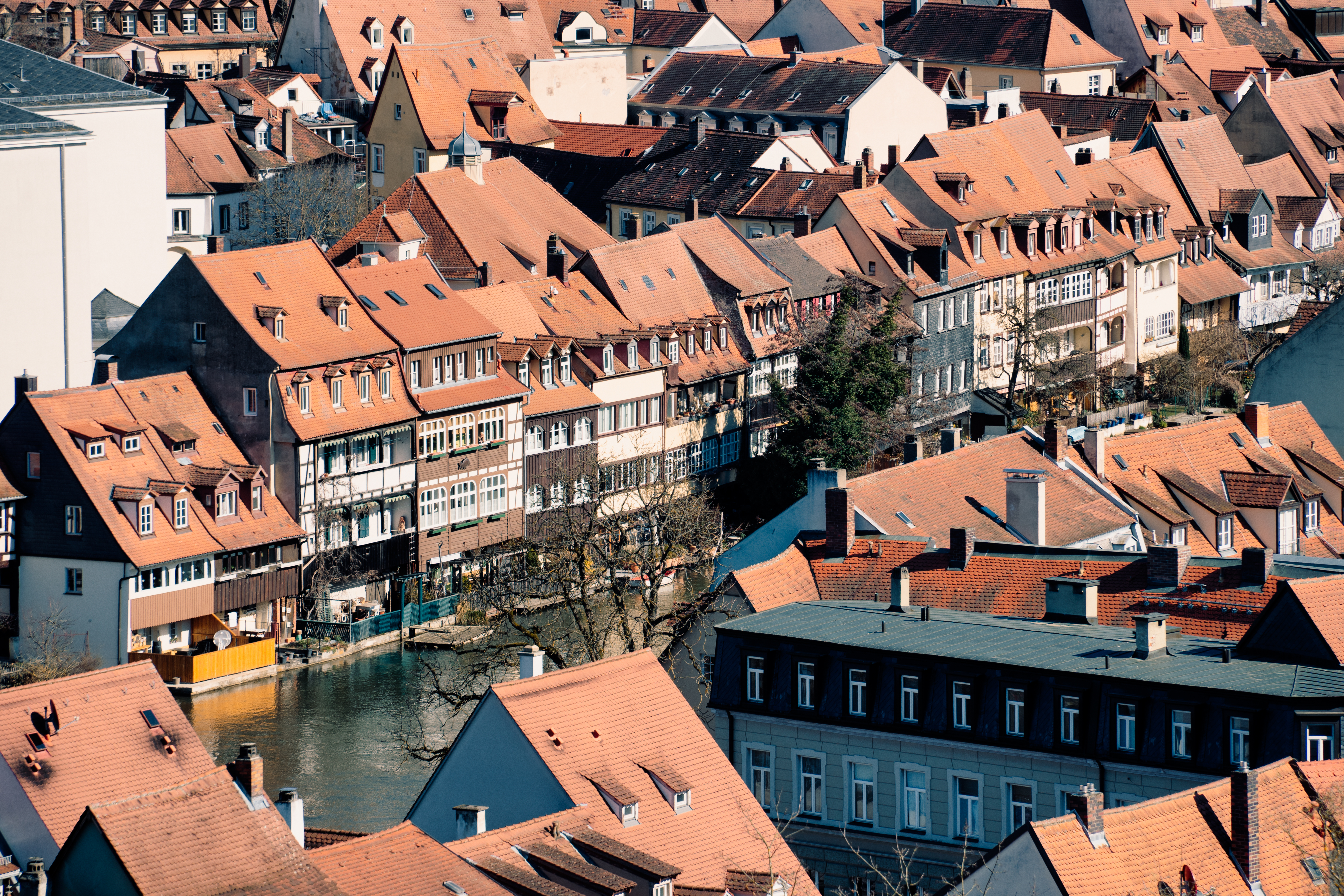
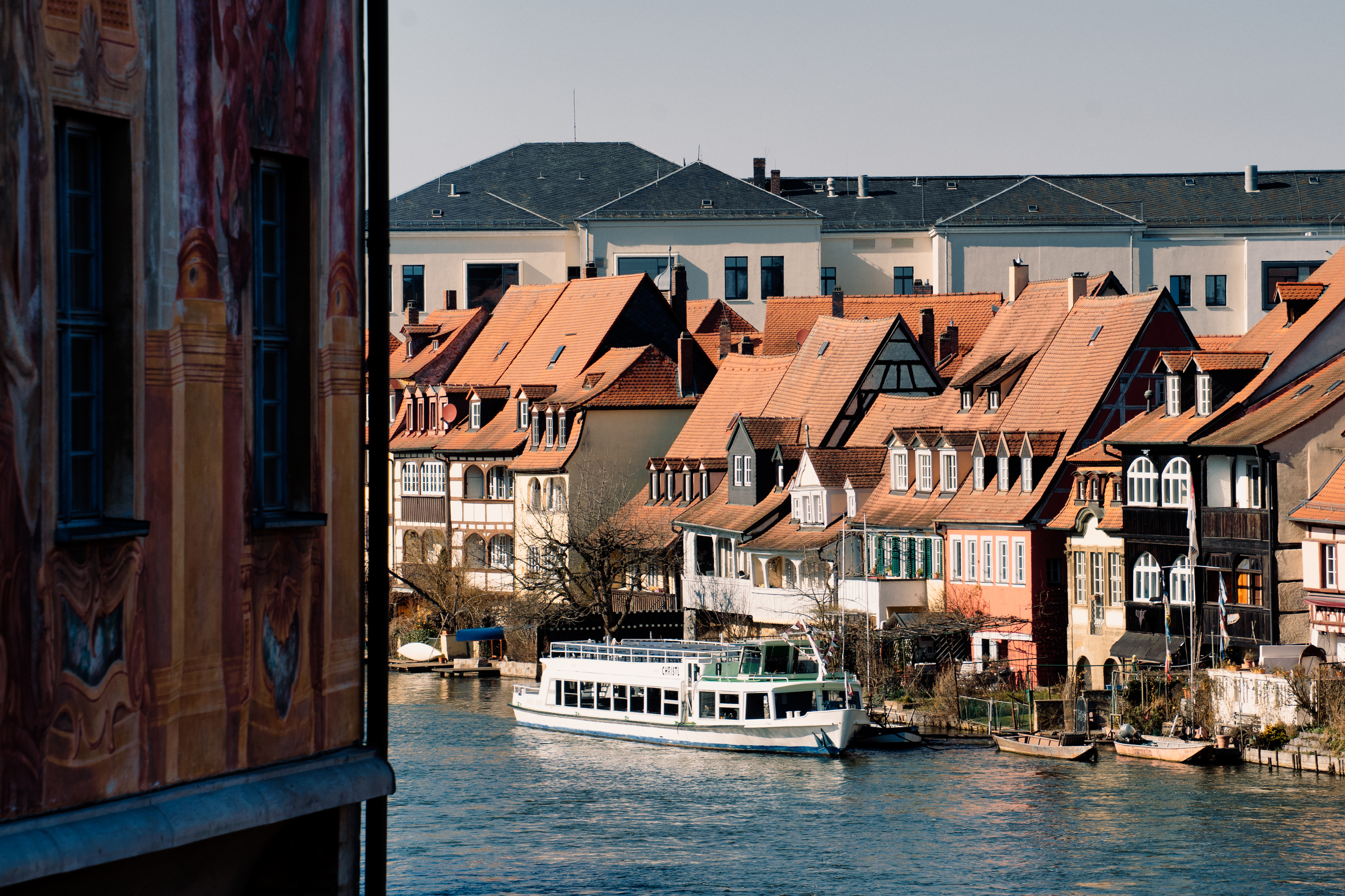
Franconia’s cities are a living canvas where history and culture blend into a rich spectrum of color. In Bamberg, for example, warm ochre facades, red-tiled roofs, and the pastel tones of baroque buildings line narrow alleys and canal-side promenades, earning the city its nickname “Little Venice.” The half-timbered houses seem to tell their own stories, with dark wooden beams cutting through white plaster-like bold brushstrokes.

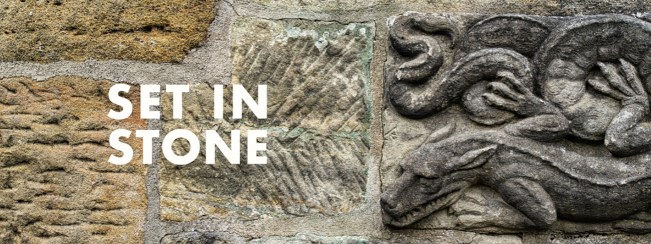
Set in Stone: Monuments of Upper Franconia

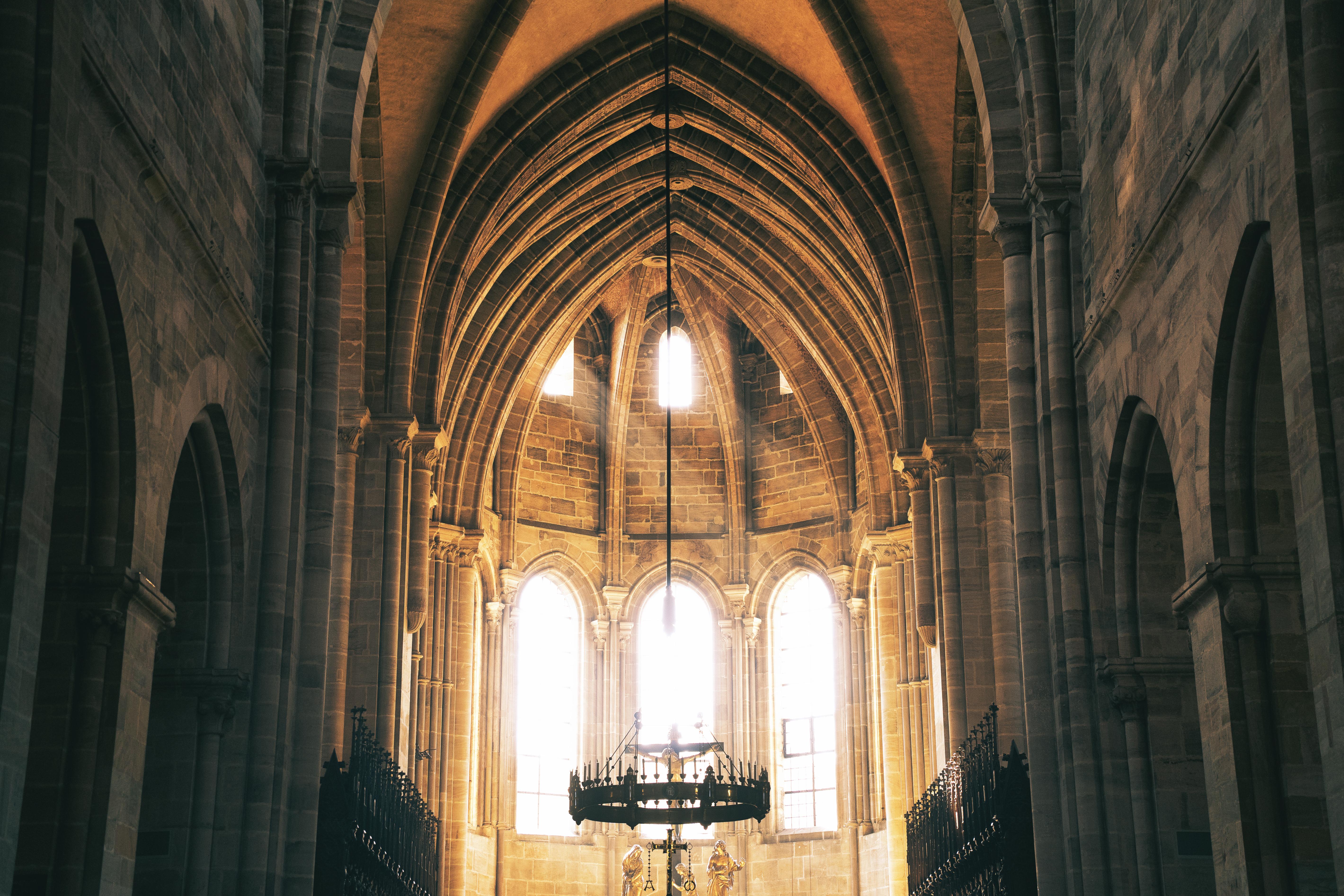
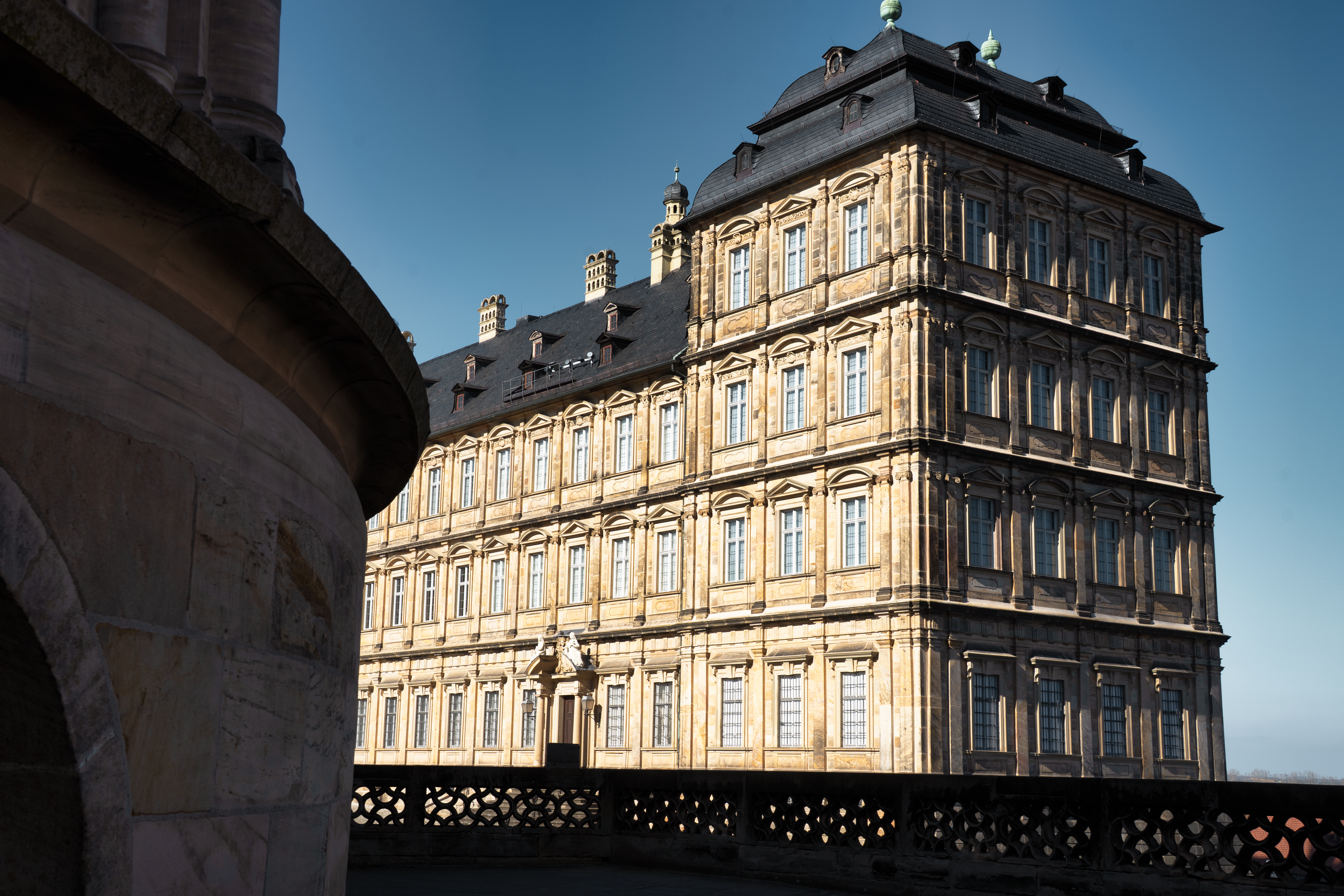
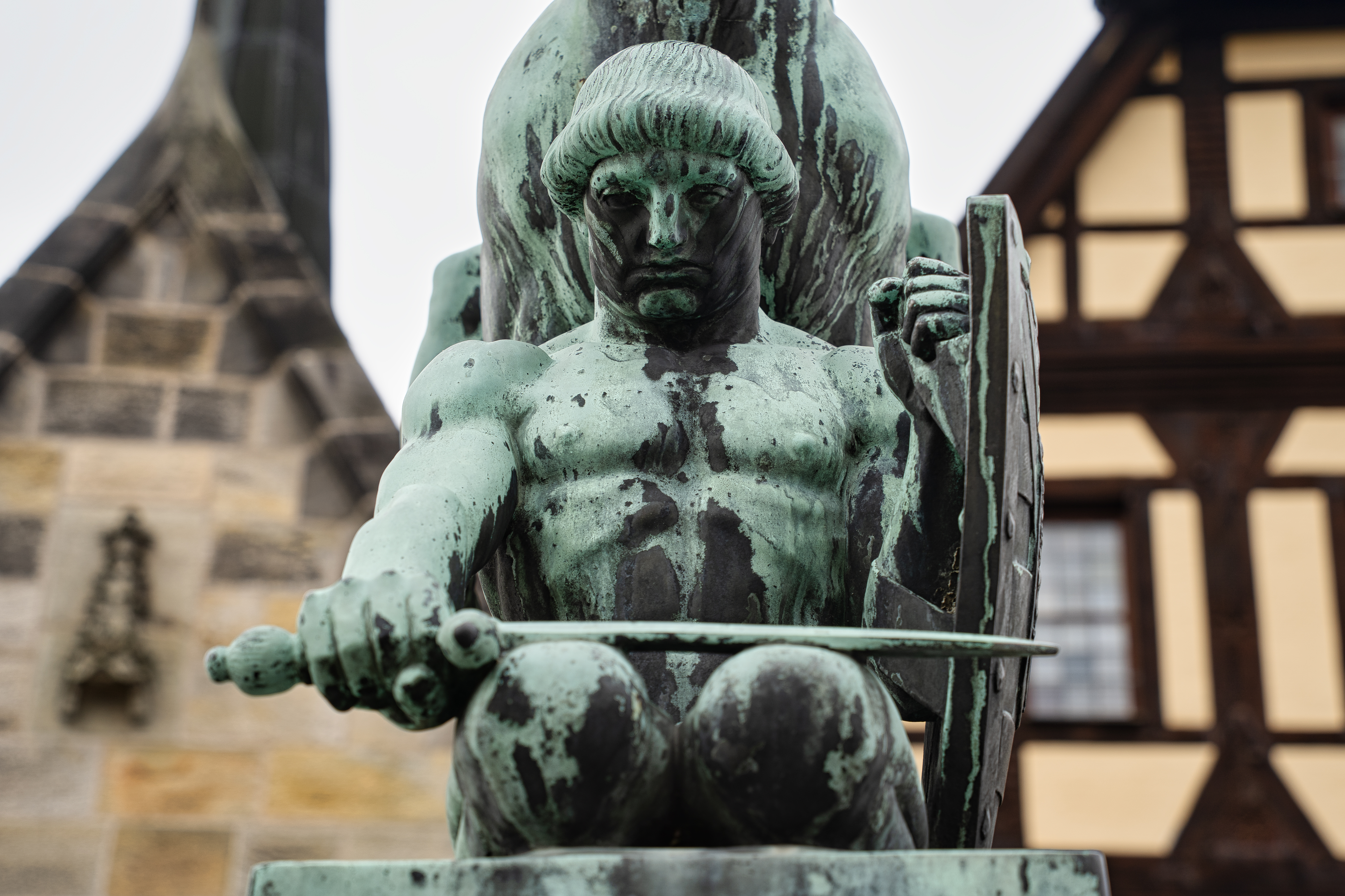
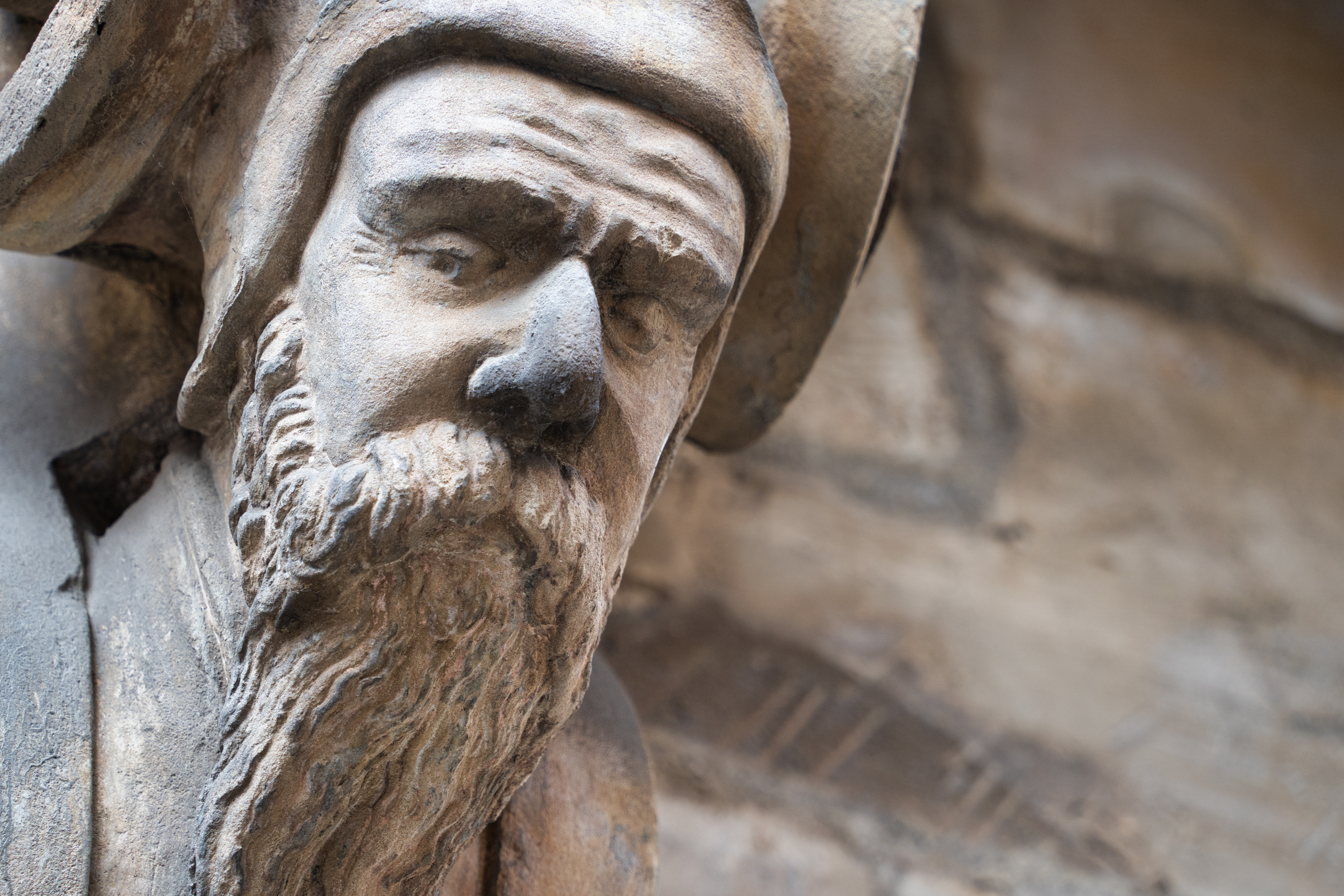
In Upper Franconia, stone speaks. It tells of shifting borders, noble families, monastic traditions, and civic pride. From medieval times to the Baroque period, generations have been built in stone to express power, devotion, and permanence. Whether nestled in quiet villages or rising above bustling town squares, stone buildings form a living archive of regional identity. The weight and texture of stone have long grounded the culture here—solid, resilient, and deeply rooted in its surroundings.