
Treasures of Petra
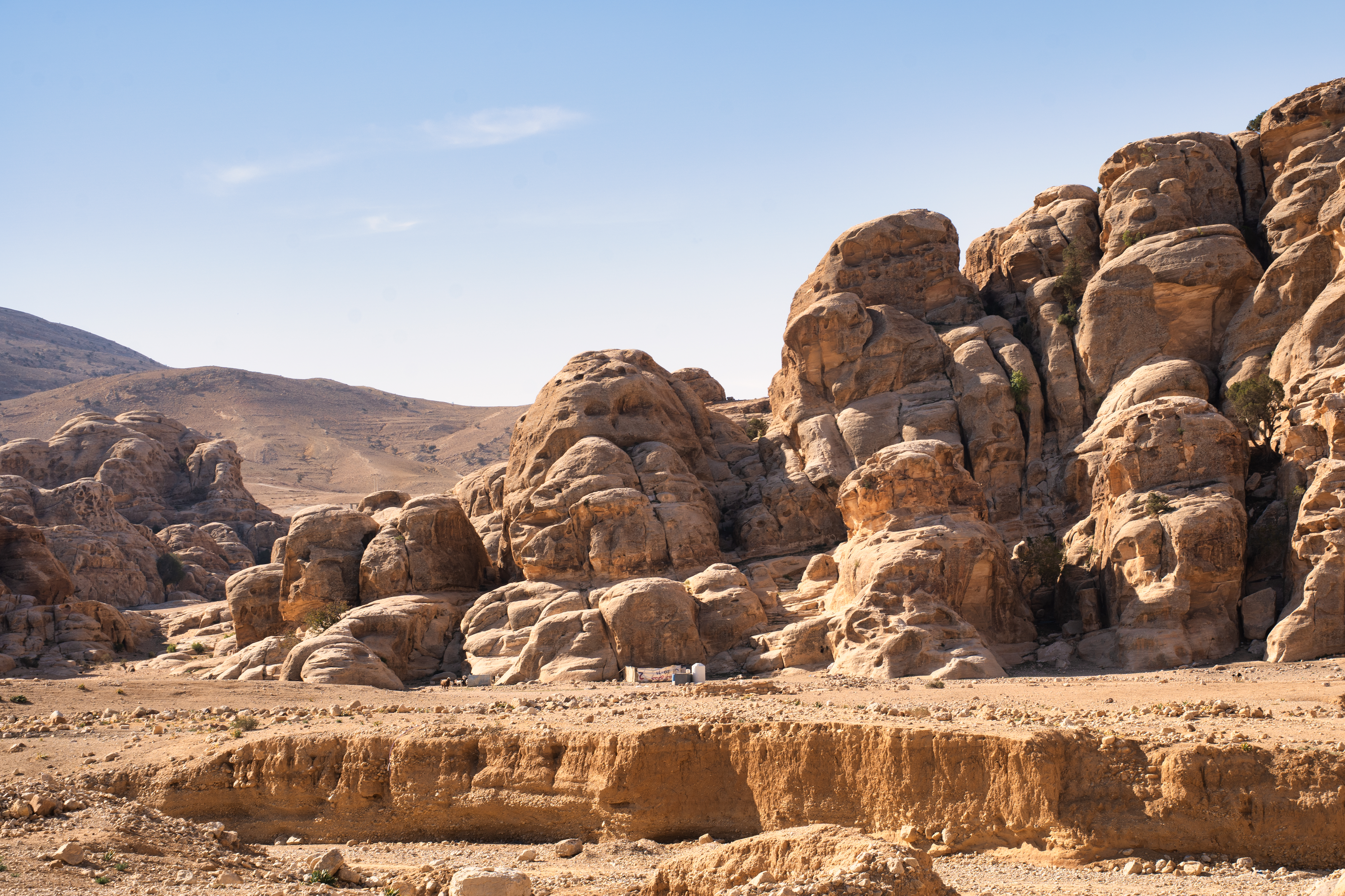
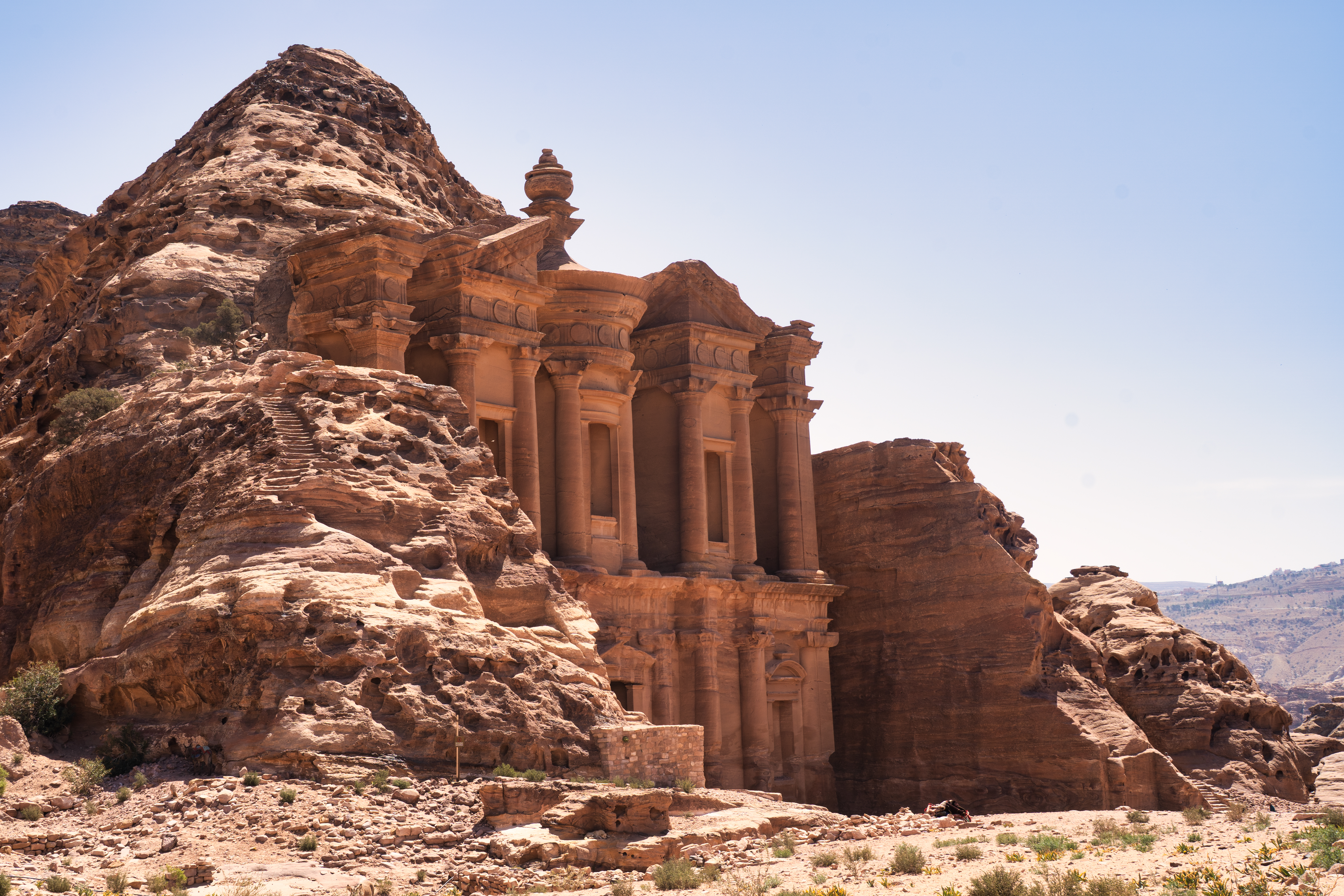
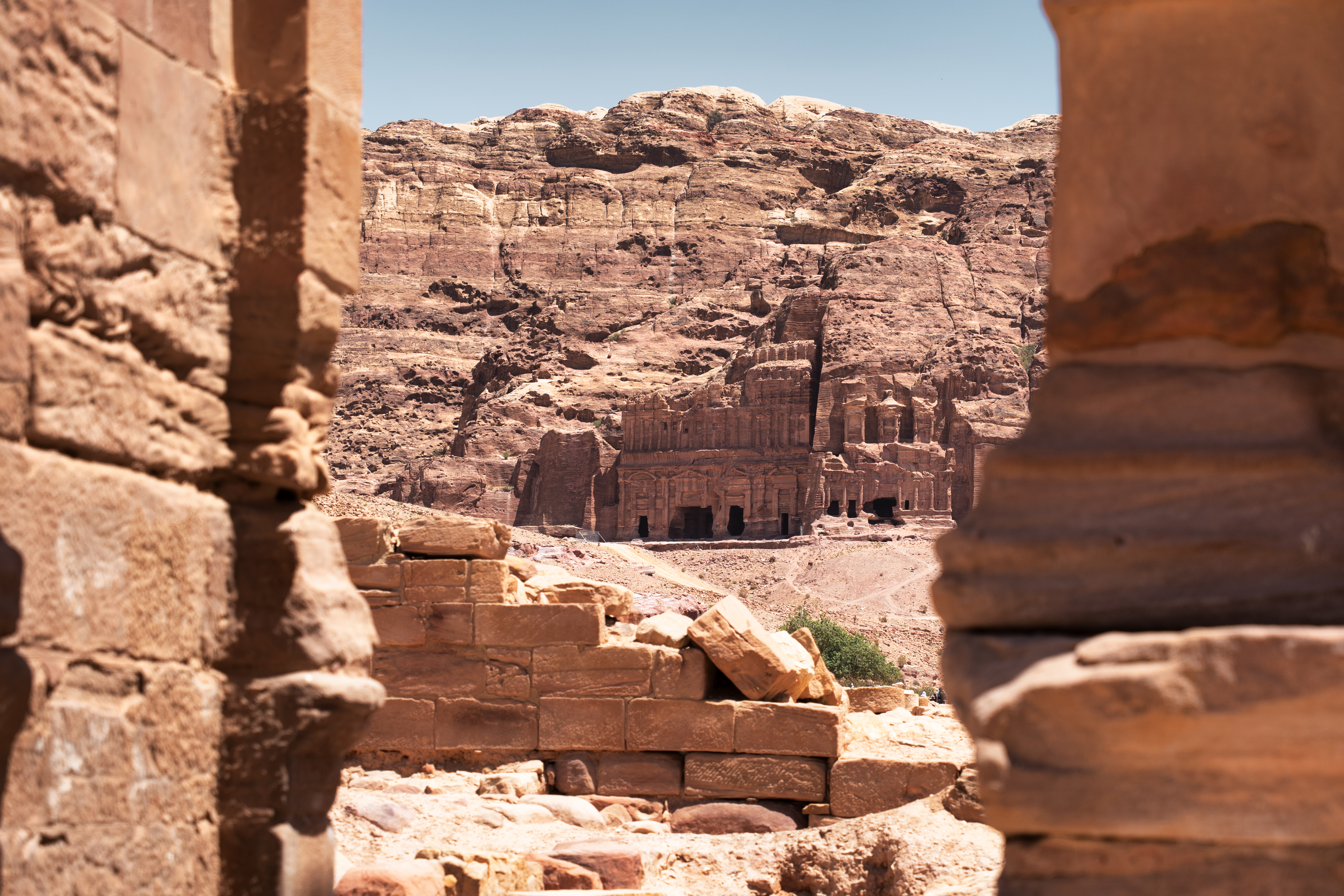
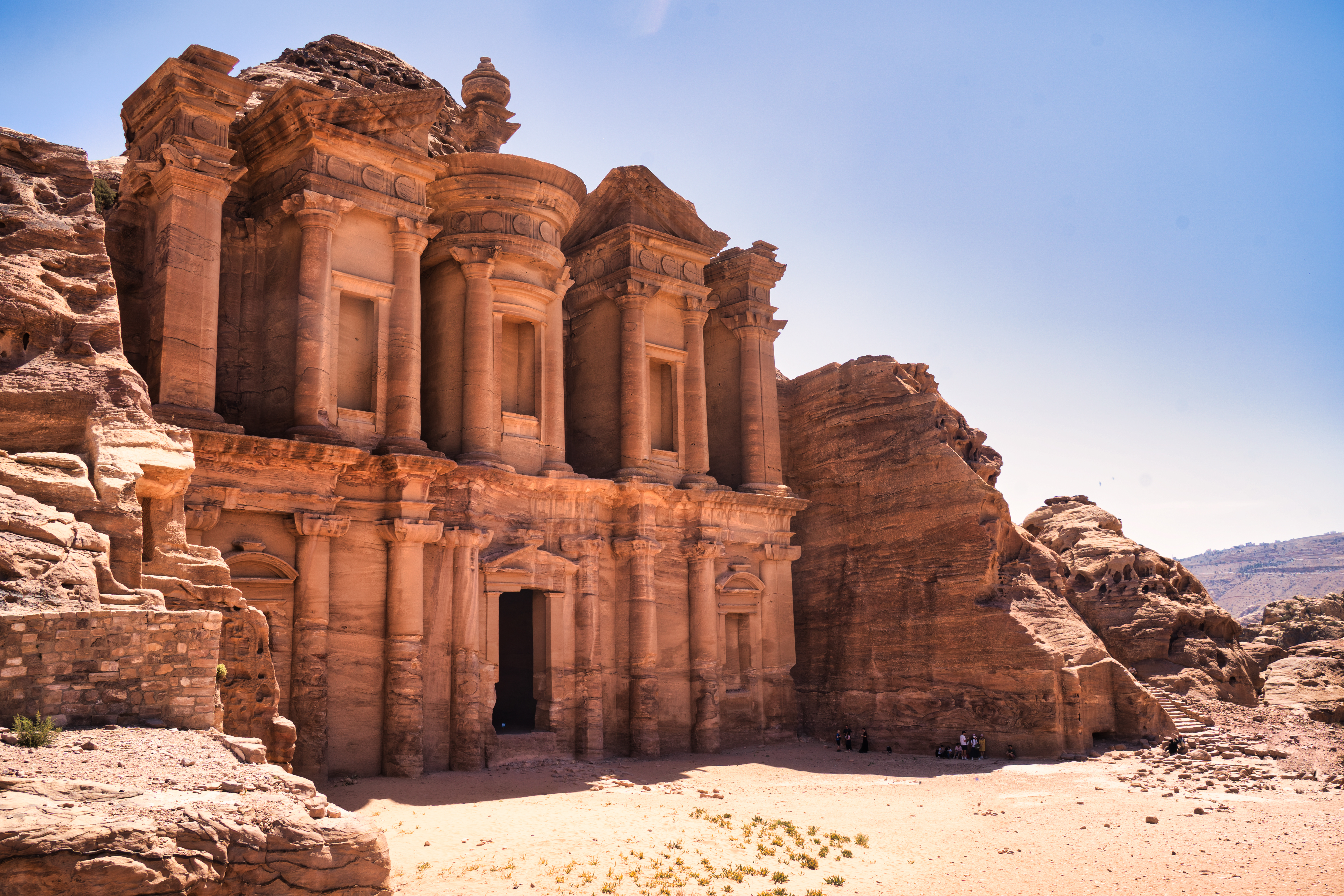
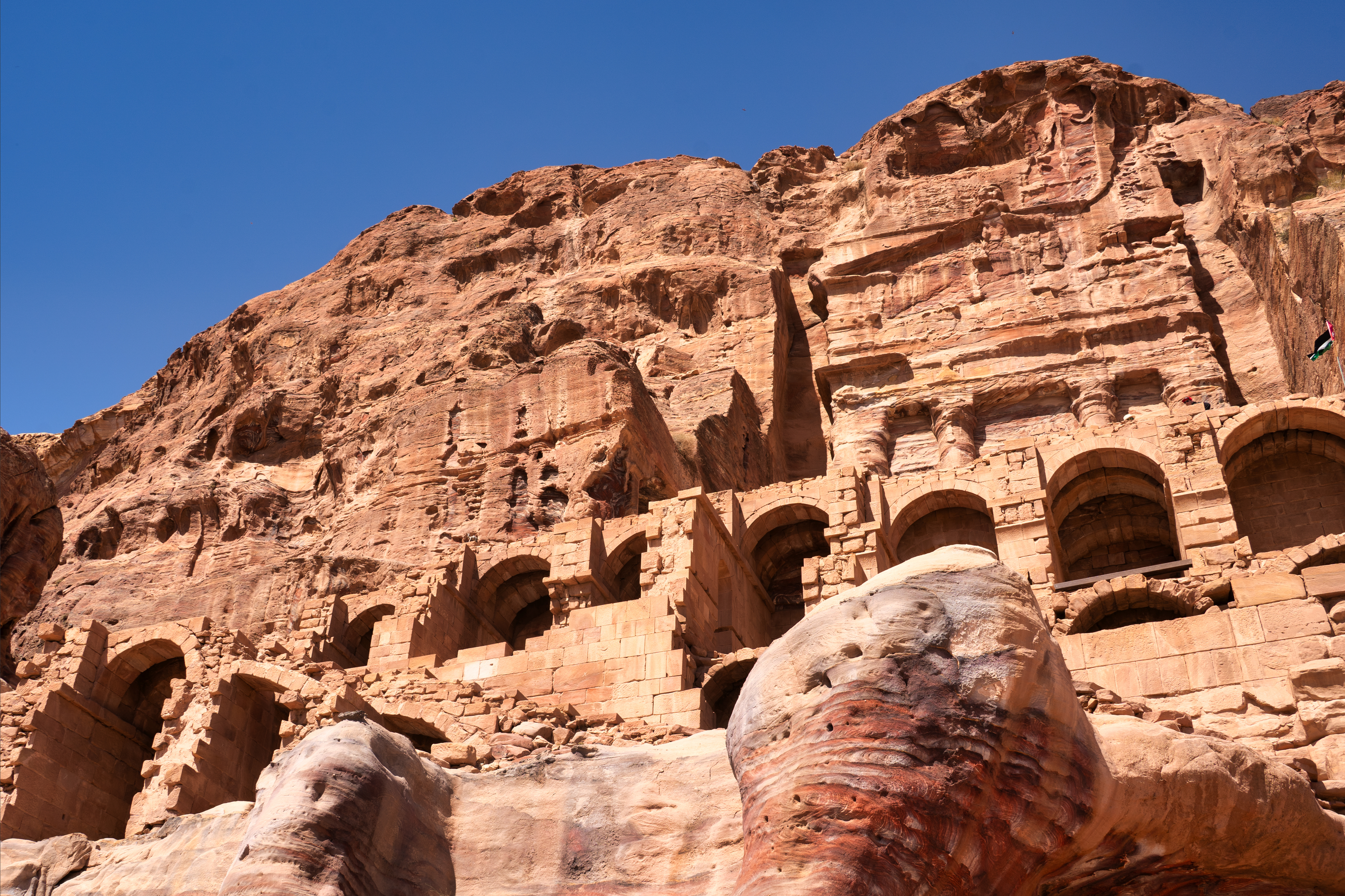
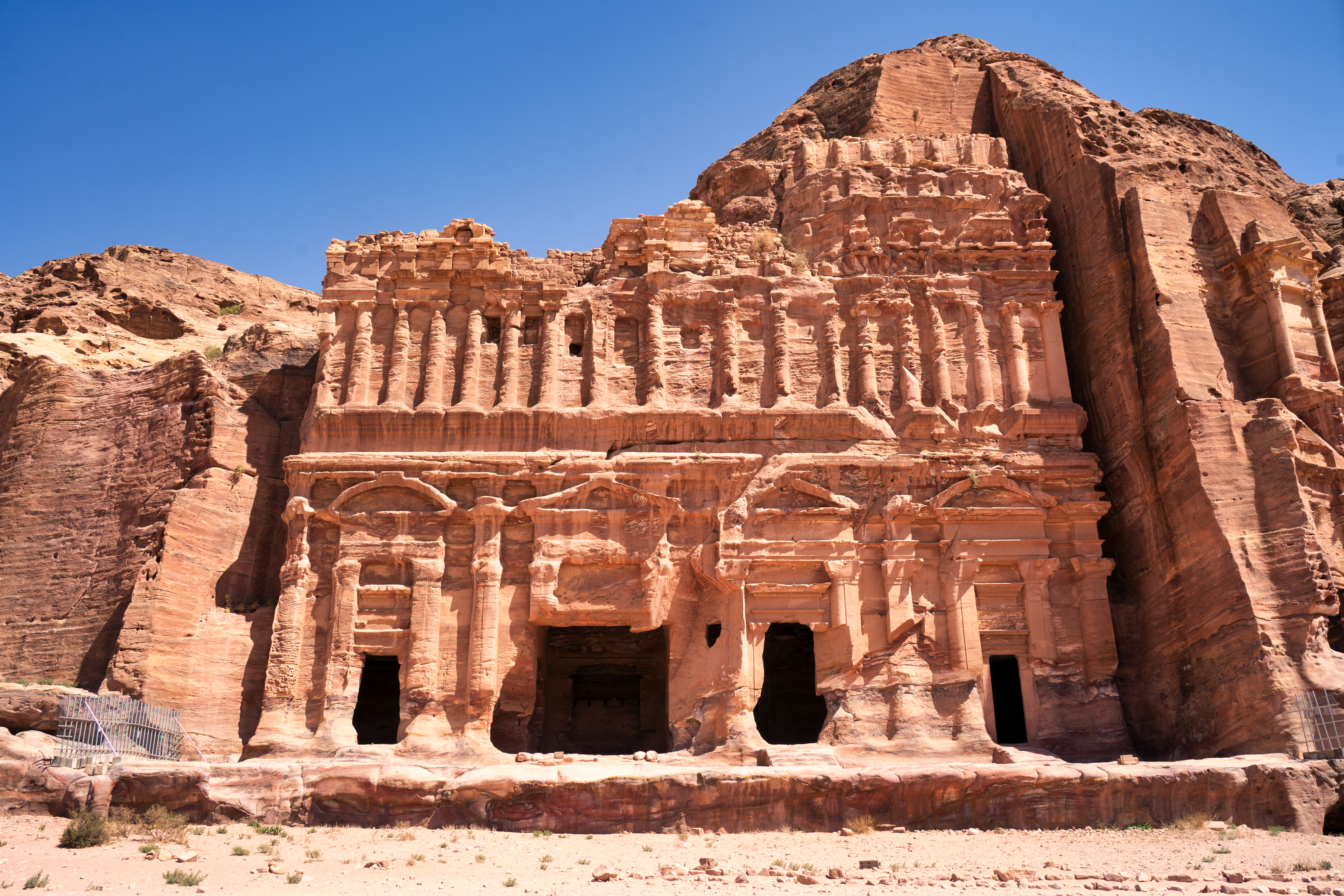
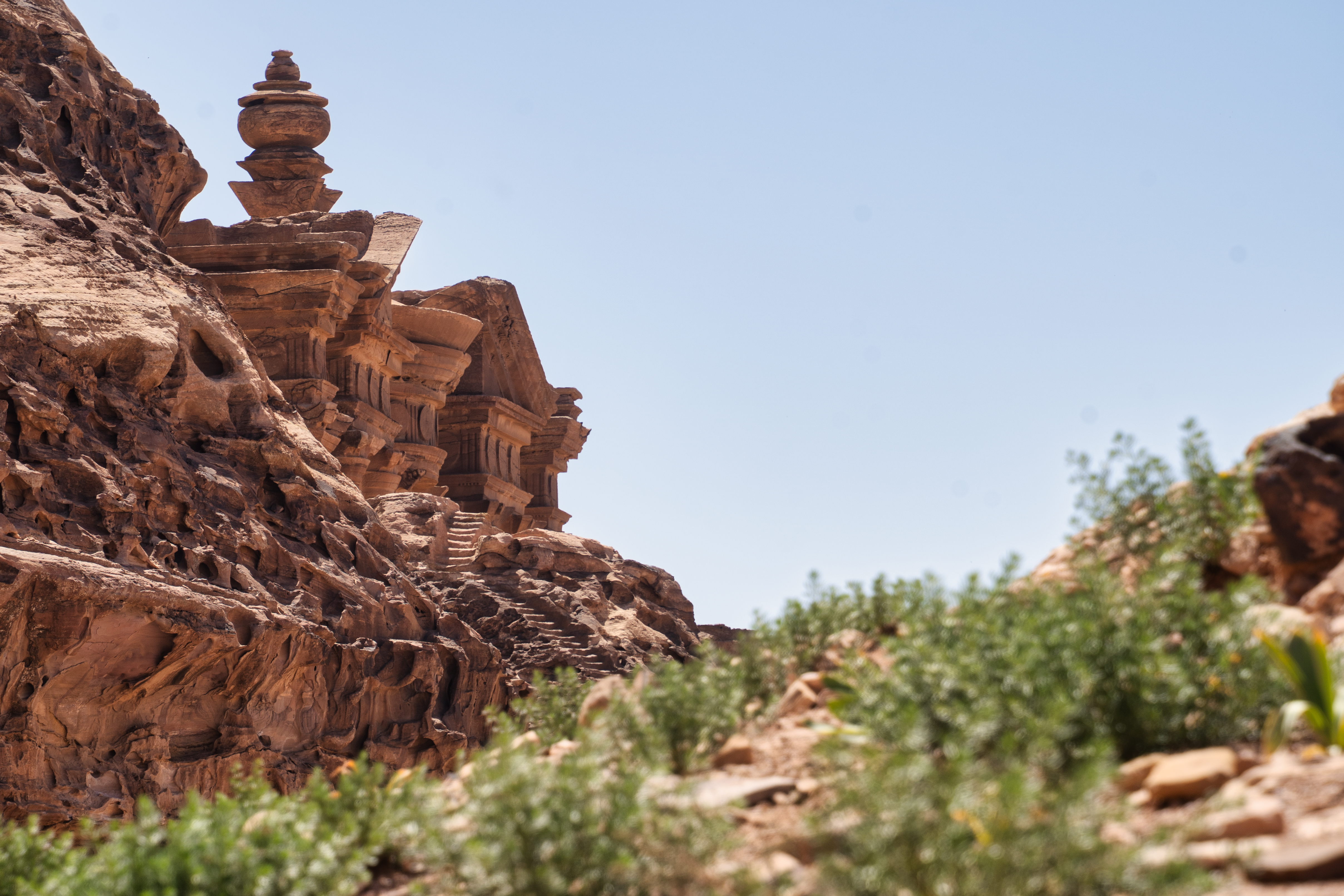
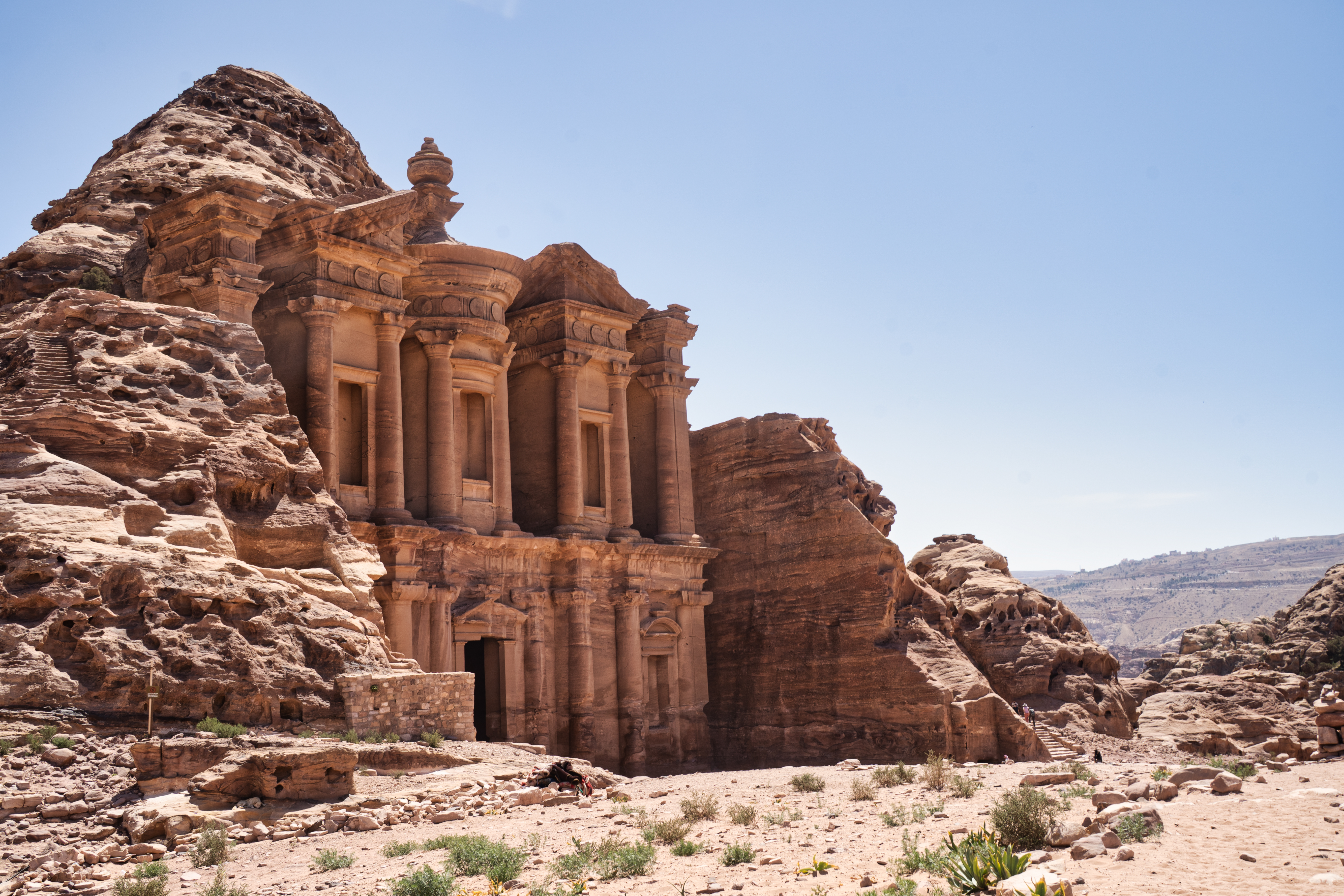
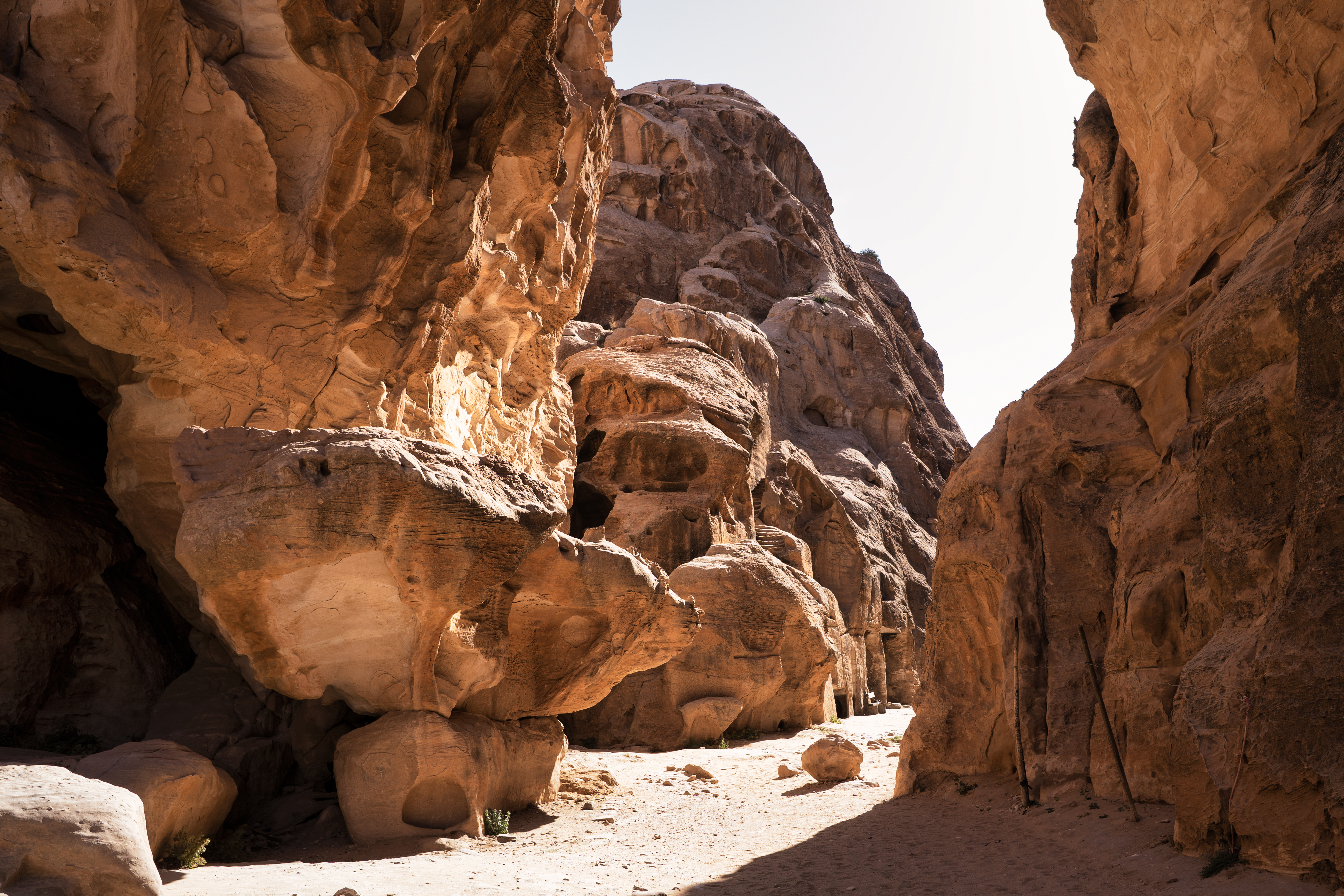
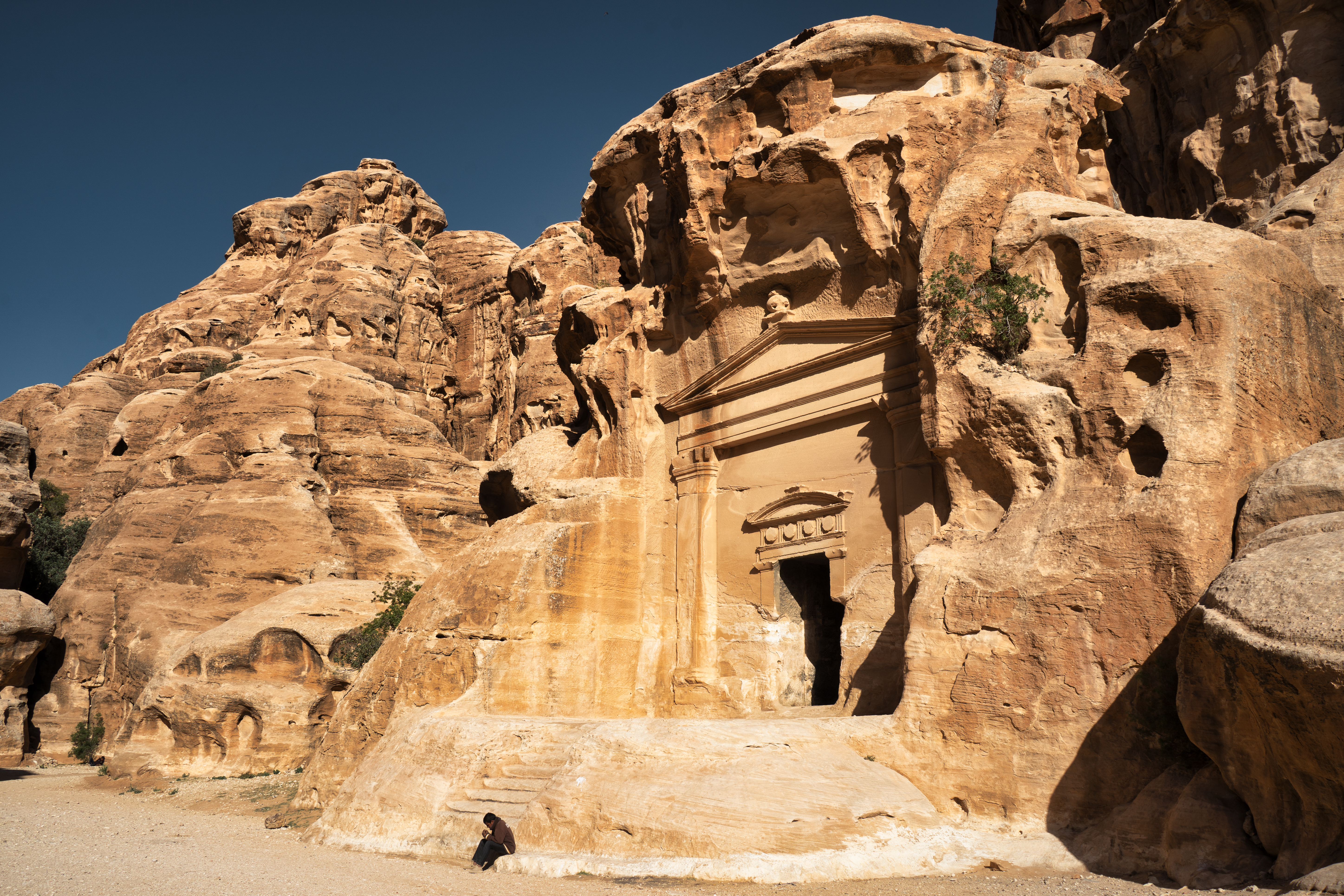
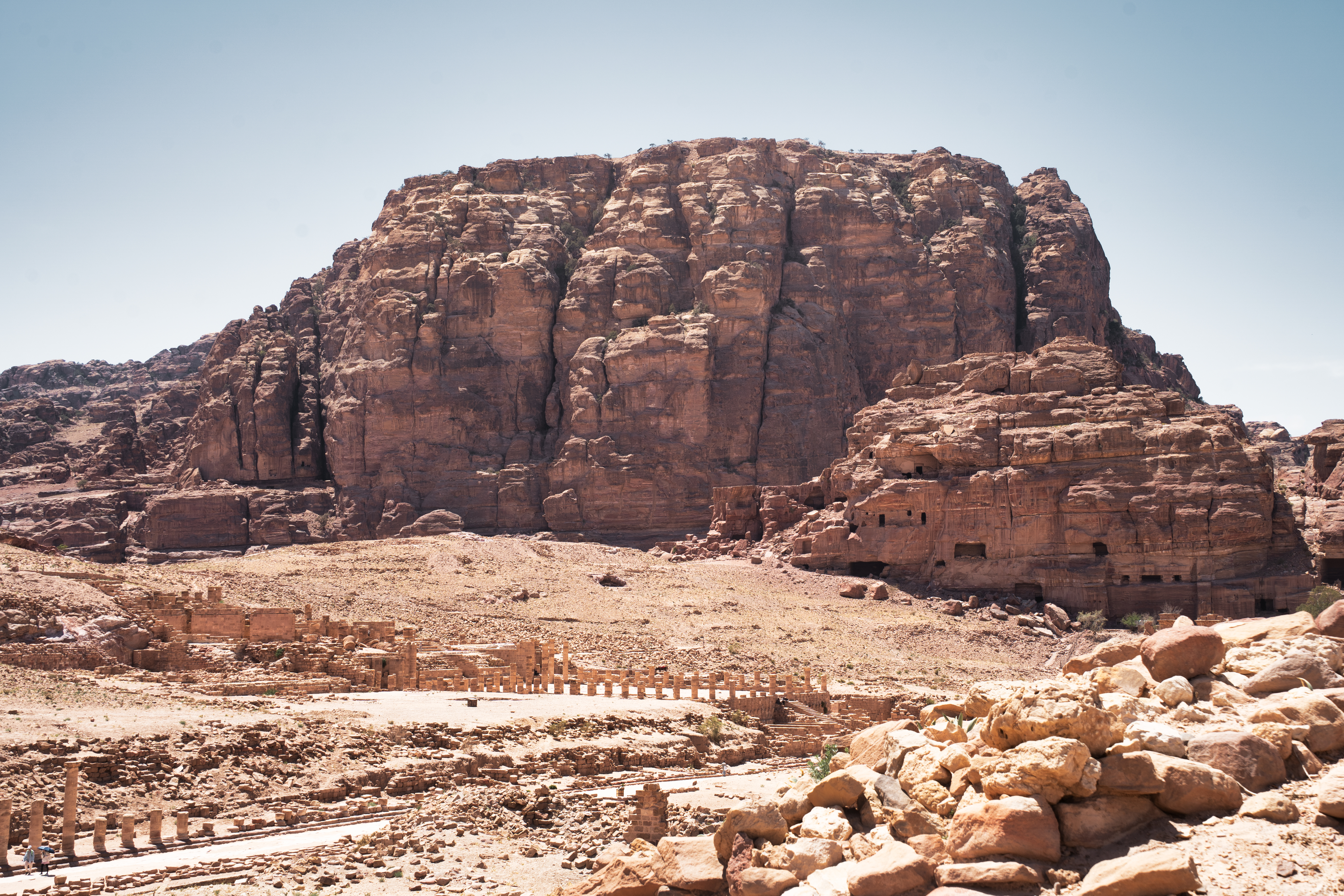
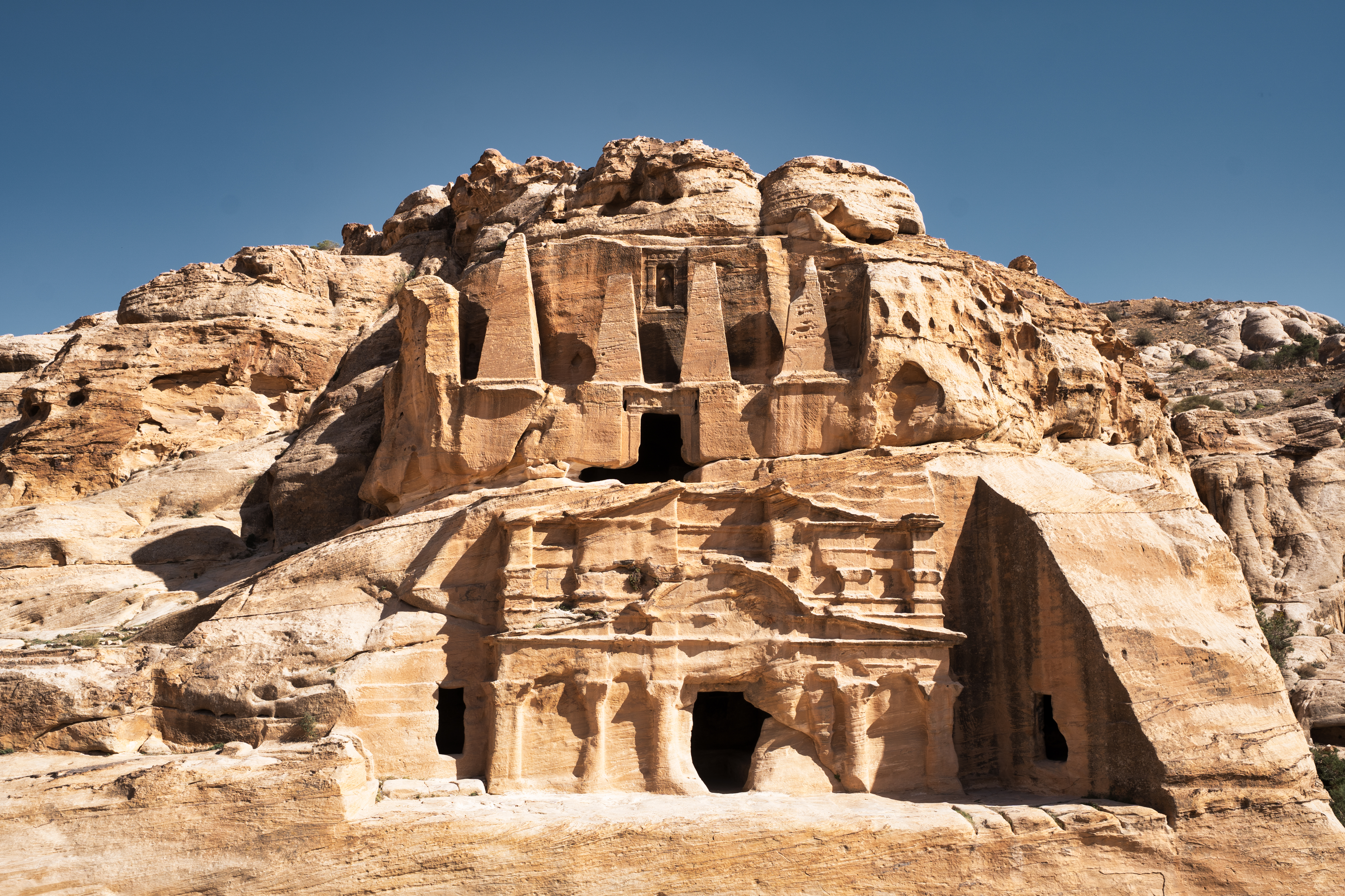
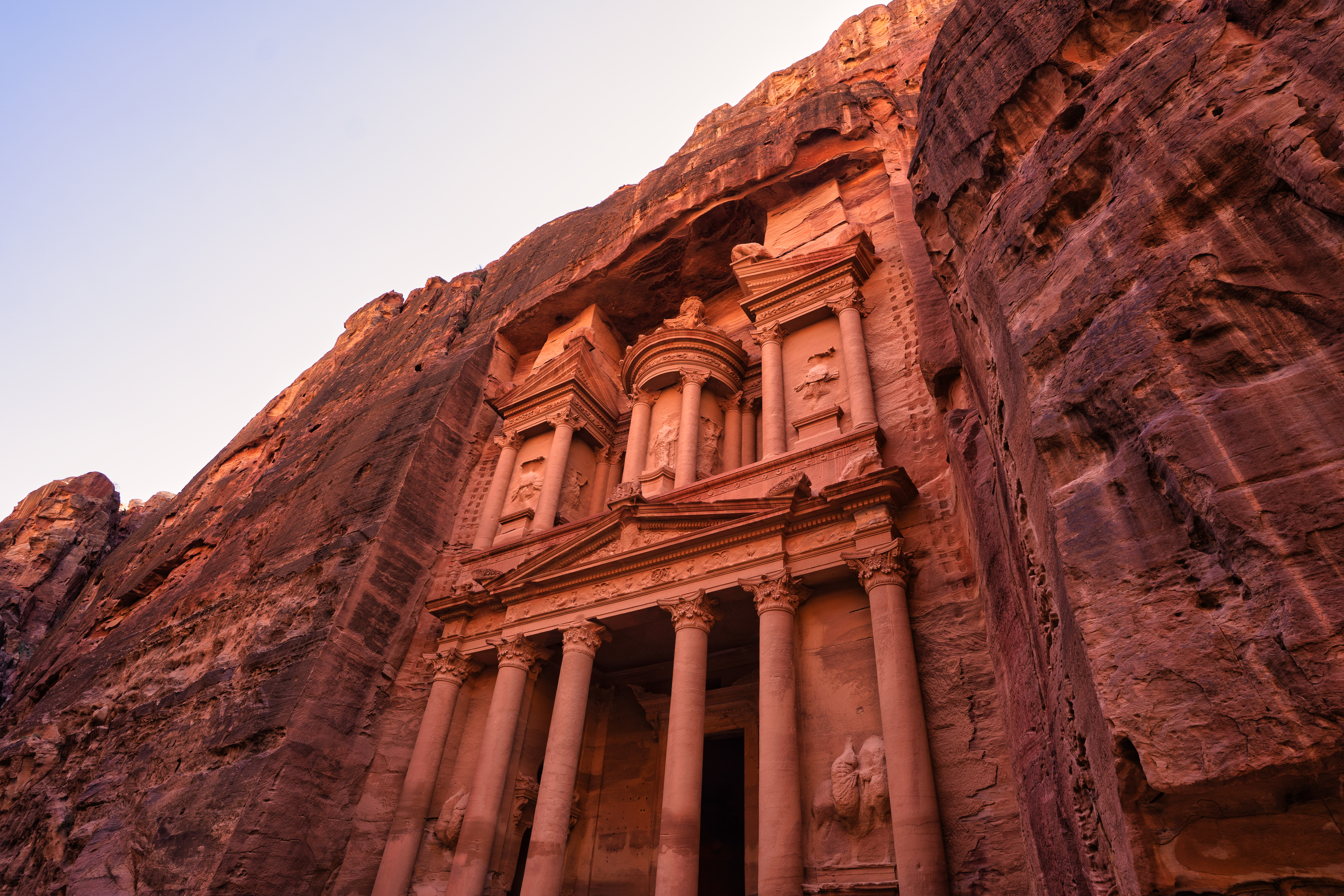
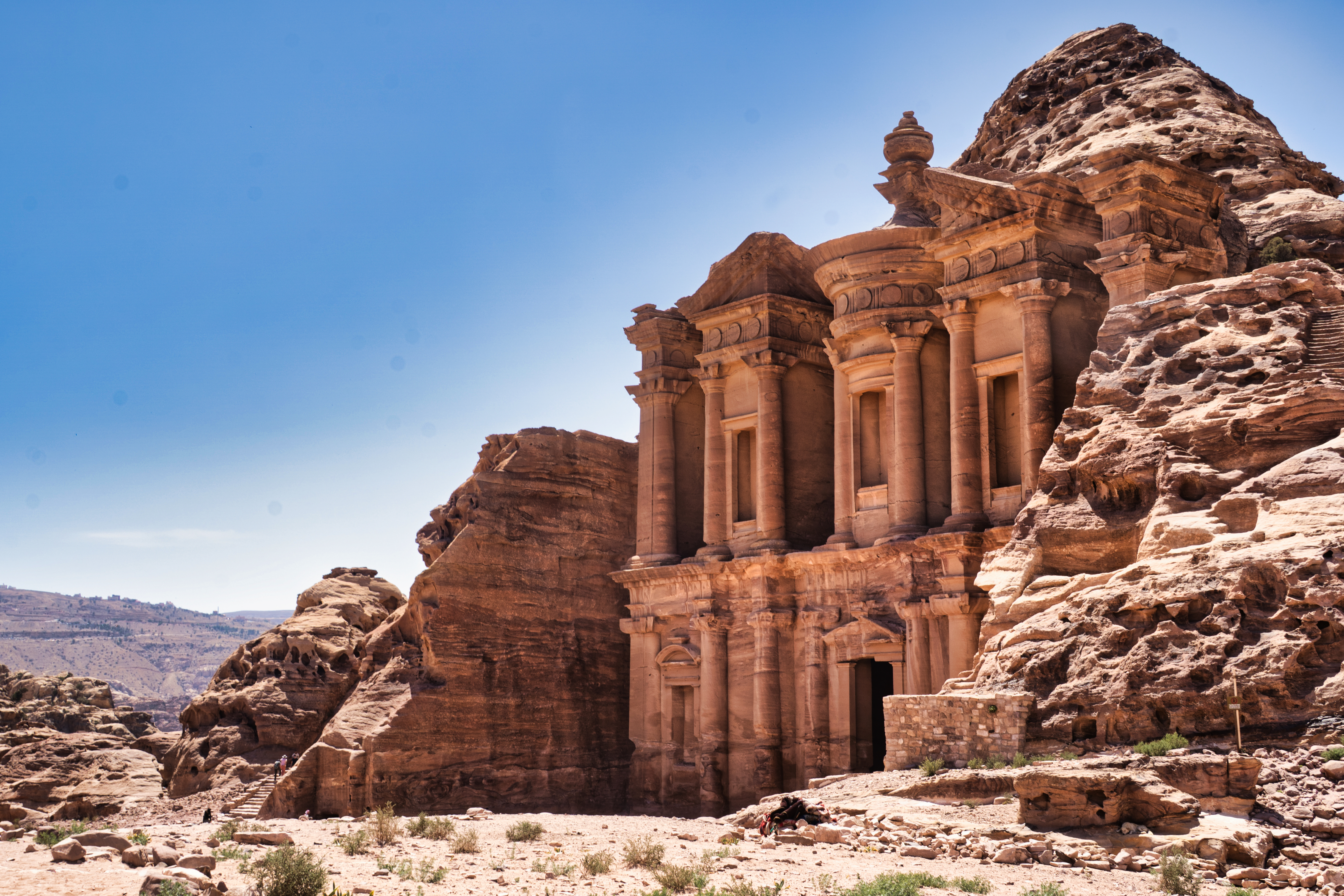
Petra’s true wealth lies in its depth and complexity. Beyond the famous Treasury lies a sprawling network of tombs, temples, stairways, and forgotten dwellings carved into the cliffs. The Royal Tombs stand high above the valley floor, their facades worn yet still majestic, while the Street of Facades hints at the city’s former grandeur. Petra was not merely a place of worship or burial; it was a living city, complete with marketplaces, ceremonial sites, and homes — all crafted in stone.
What sets Petra apart from other archaeological sites is its unique blend of natural environment and human ingenuity. The Nabataeans designed a complex system of dams, reservoirs, and pipelines to control and store water, allowing them to thrive in an otherwise arid landscape. Every carved staircase and hidden cistern adds to the narrative of a people who turned rock into shelter and desert into opportunity. These treasures, both seen and unseen, continue to shape our understanding of ancient urban life and the silent sophistication of those who built it.






 Michael Hoffman Photography