
The Sacred Sea
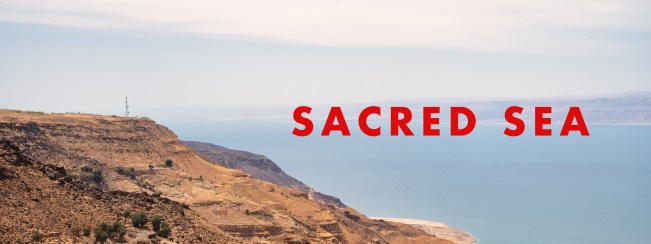
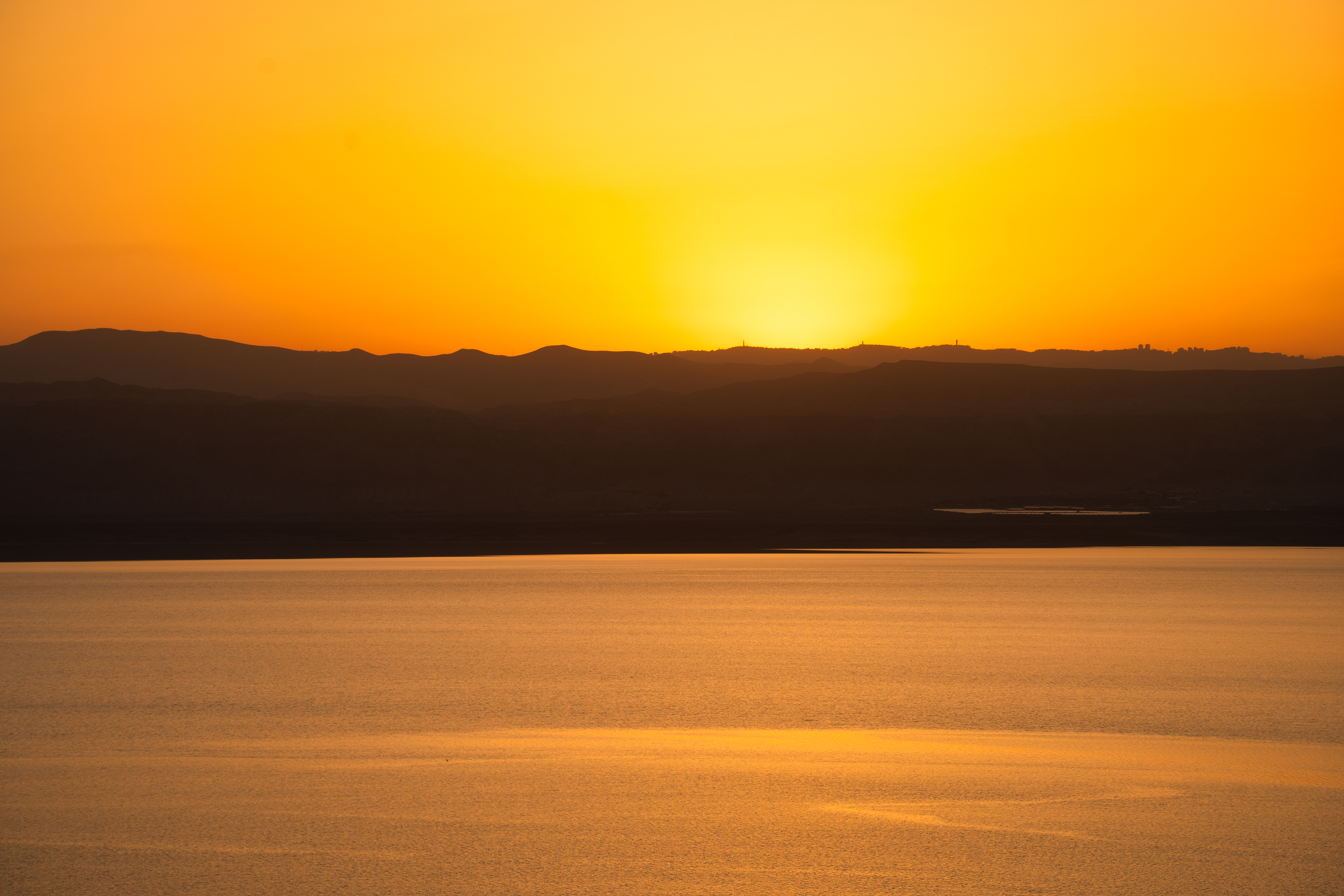
The Dead Sea, resting at the lowest point on Earth, is more than just a natural wonder—it is a place of spiritual stillness and profound historical weight. Revered since ancient times, this hypersaline lake has drawn prophets, pilgrims, and seekers for millennia. Its mineral-rich waters and black mud, long believed to possess healing properties, attract visitors looking for both physical and spiritual renewal. Nearby, the windswept hills of Mount Nebo—where Moses is said to have glimpsed the Promised Land—offer sweeping views of the sea, connecting this landscape to sacred narratives found in the Torah, Bible, and Quran.
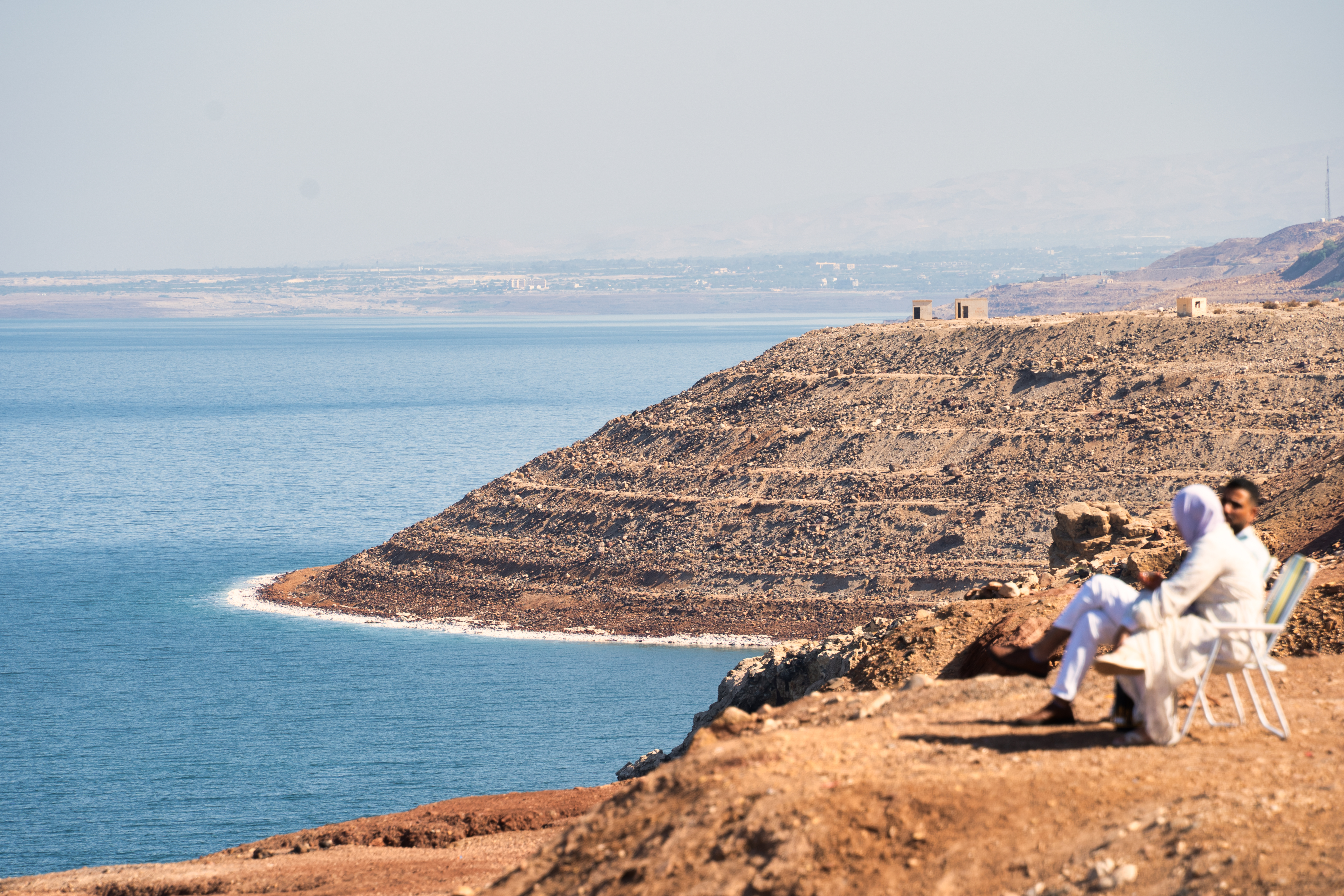
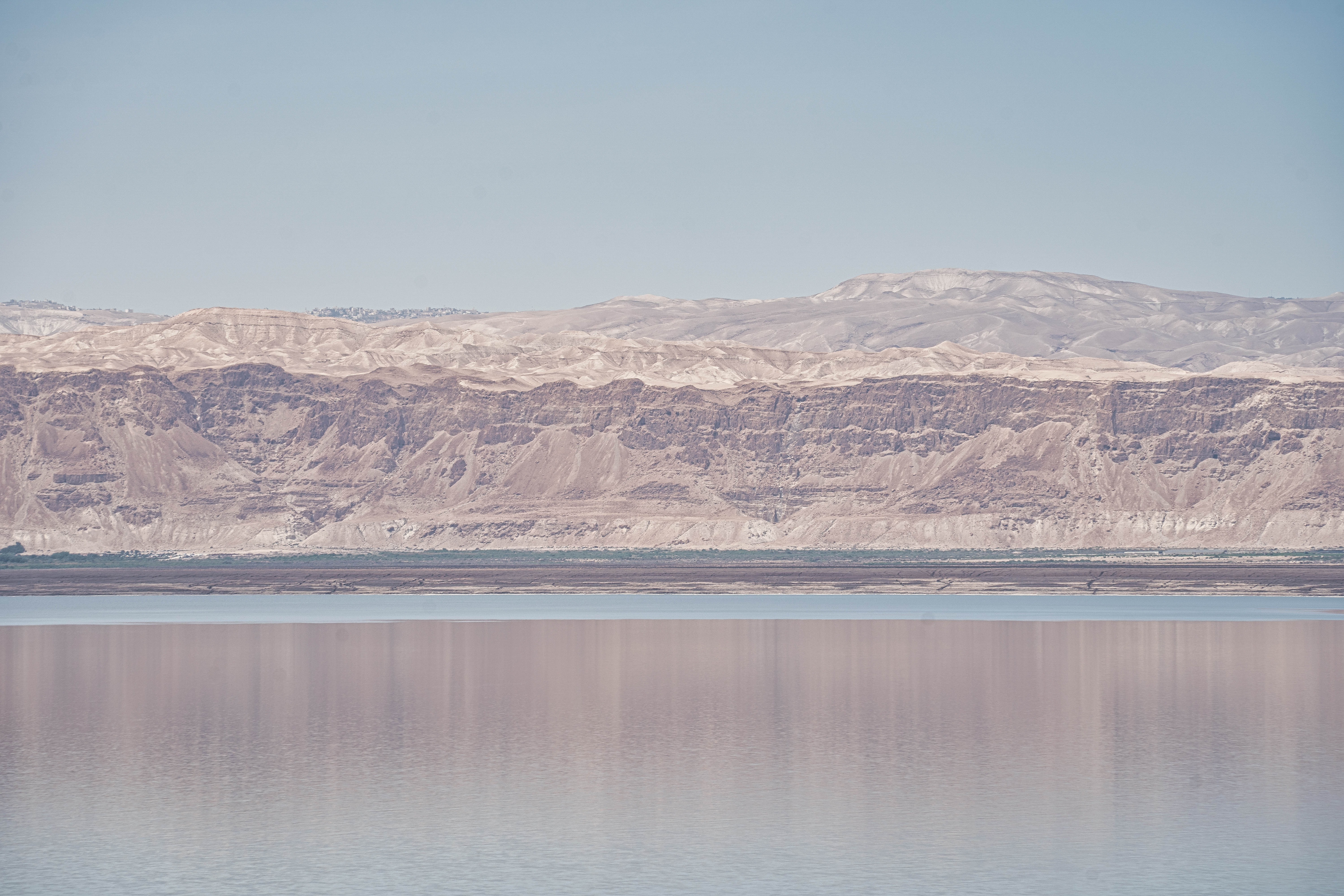
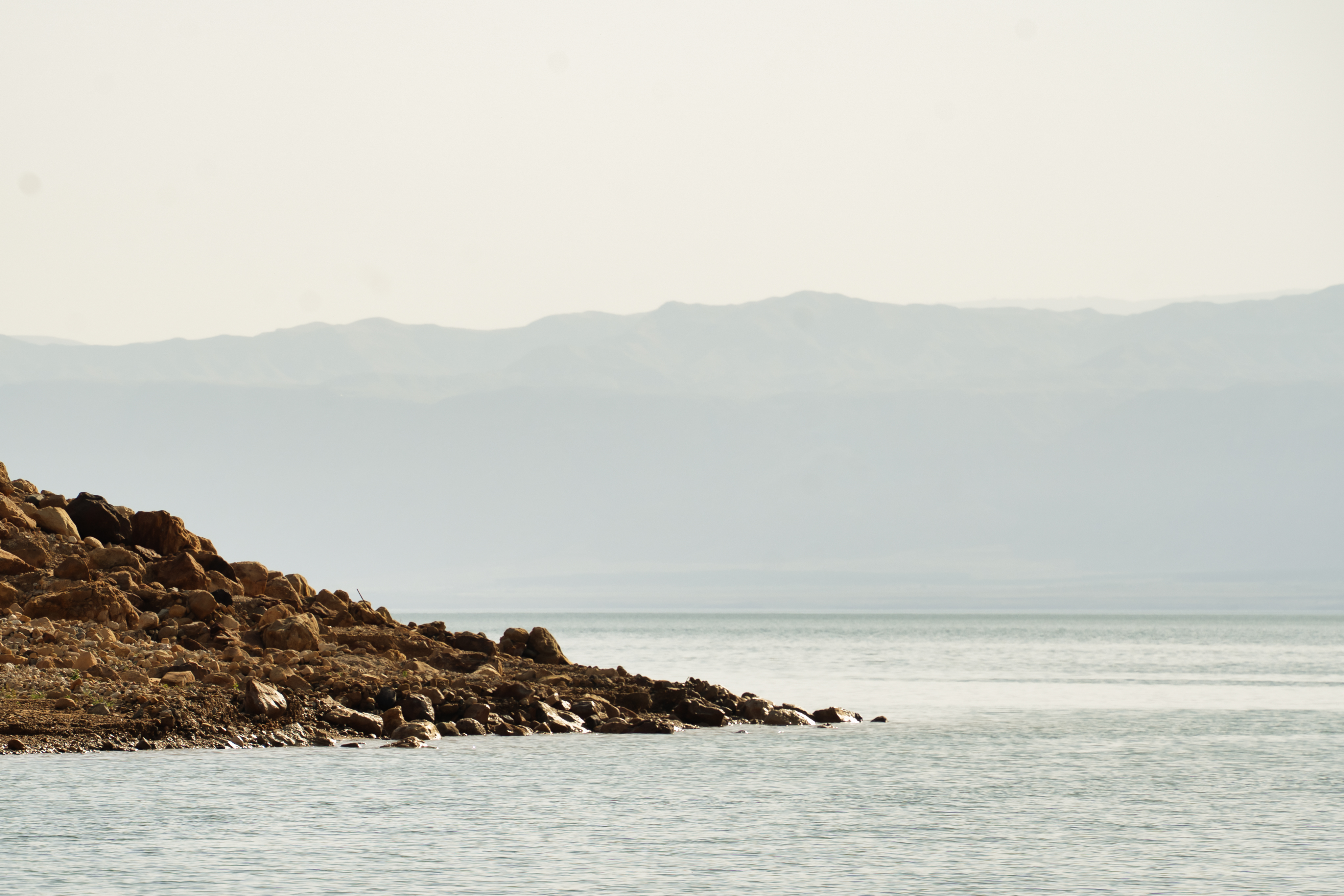
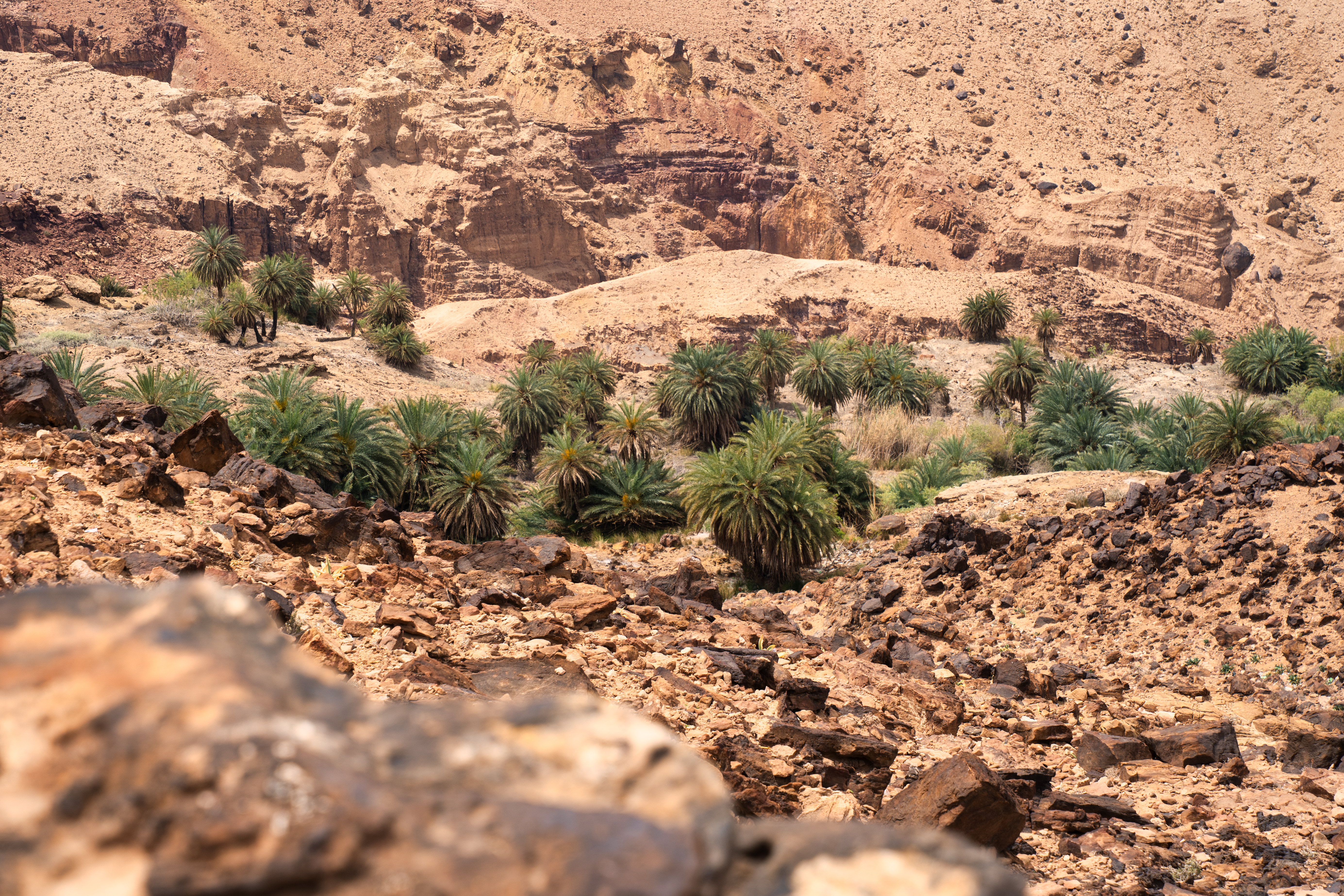
Today, the Jordanian coast of the Dead Sea remains a place where silence speaks volumes. Luxurious spas and wellness resorts line its shores, yet just a short drive away, modest villages and desolate stretches of salt-encrusted rock evoke the timeless, almost otherworldly essence of the place. Many who visit talk of a strange serenity in floating effortlessly on its dense waters, as if cradled by an ancient force. It’s this mix of spiritual heritage, natural extremity, and reflective solitude that makes the Dead Sea more than just a destination—it becomes a quiet sanctuary, where the sacred whispers through salt, stone, and stillness.

 Michael Hoffman Photography