
Temples of Stone
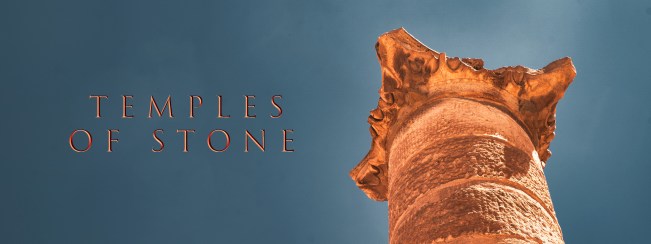
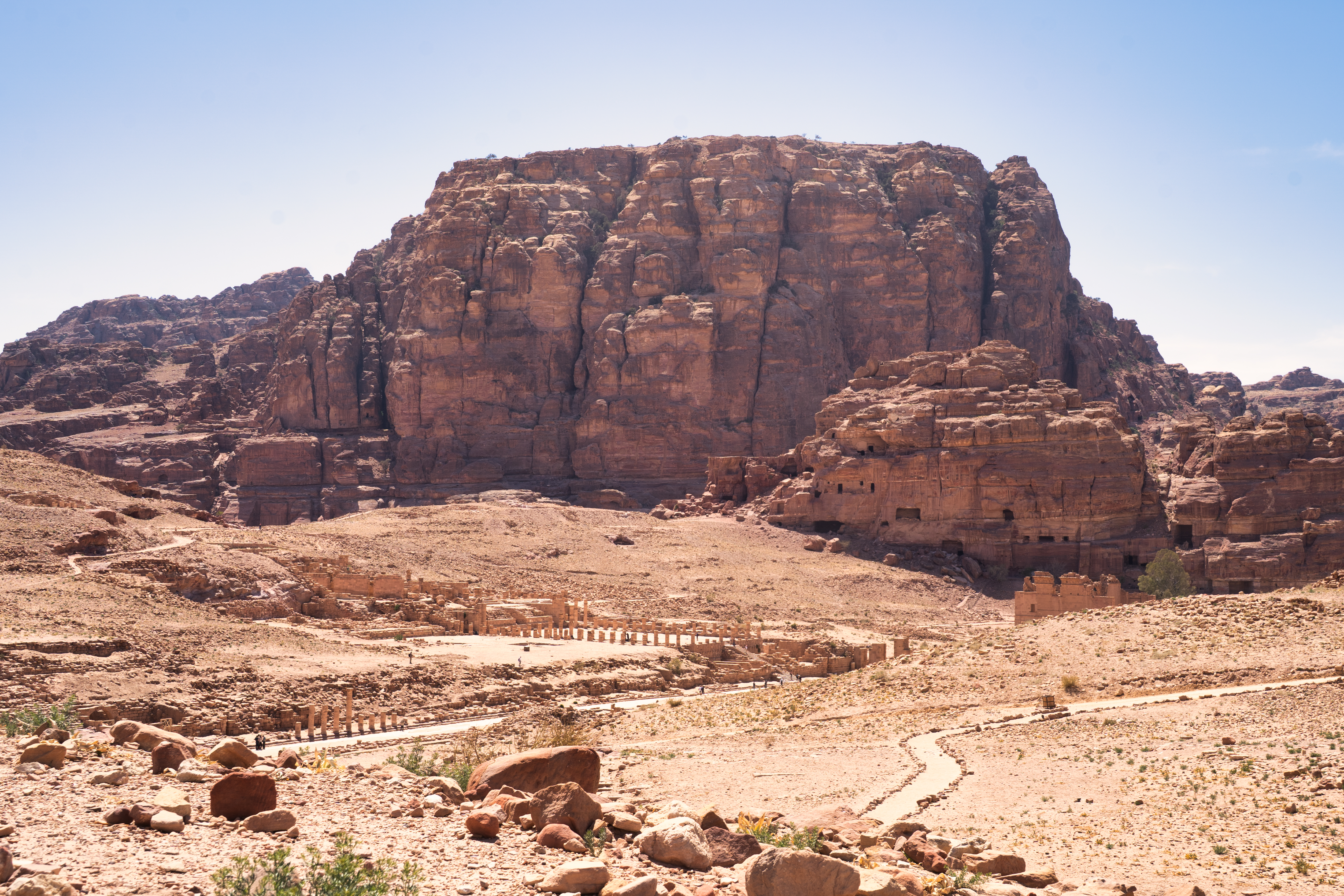
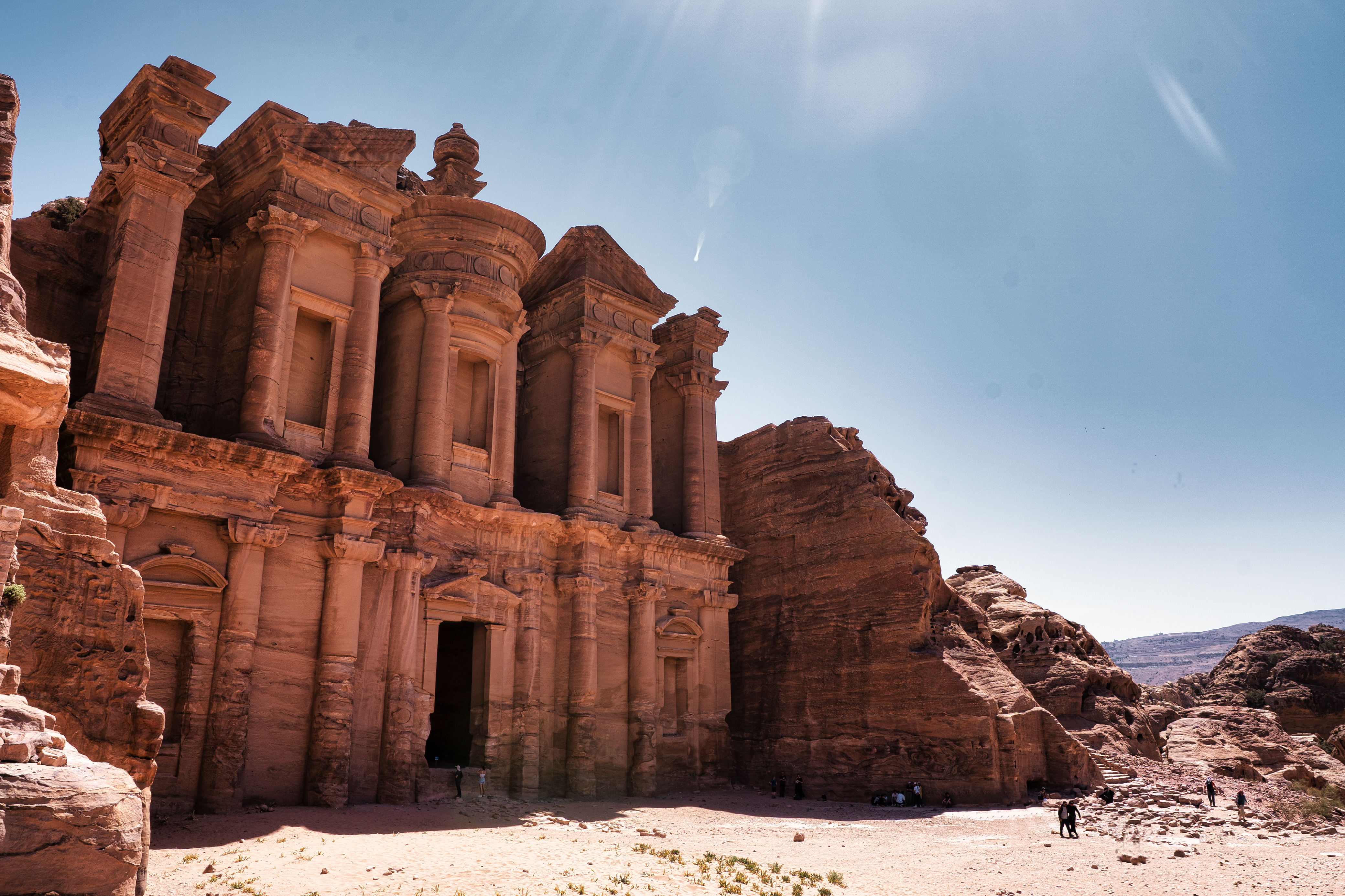
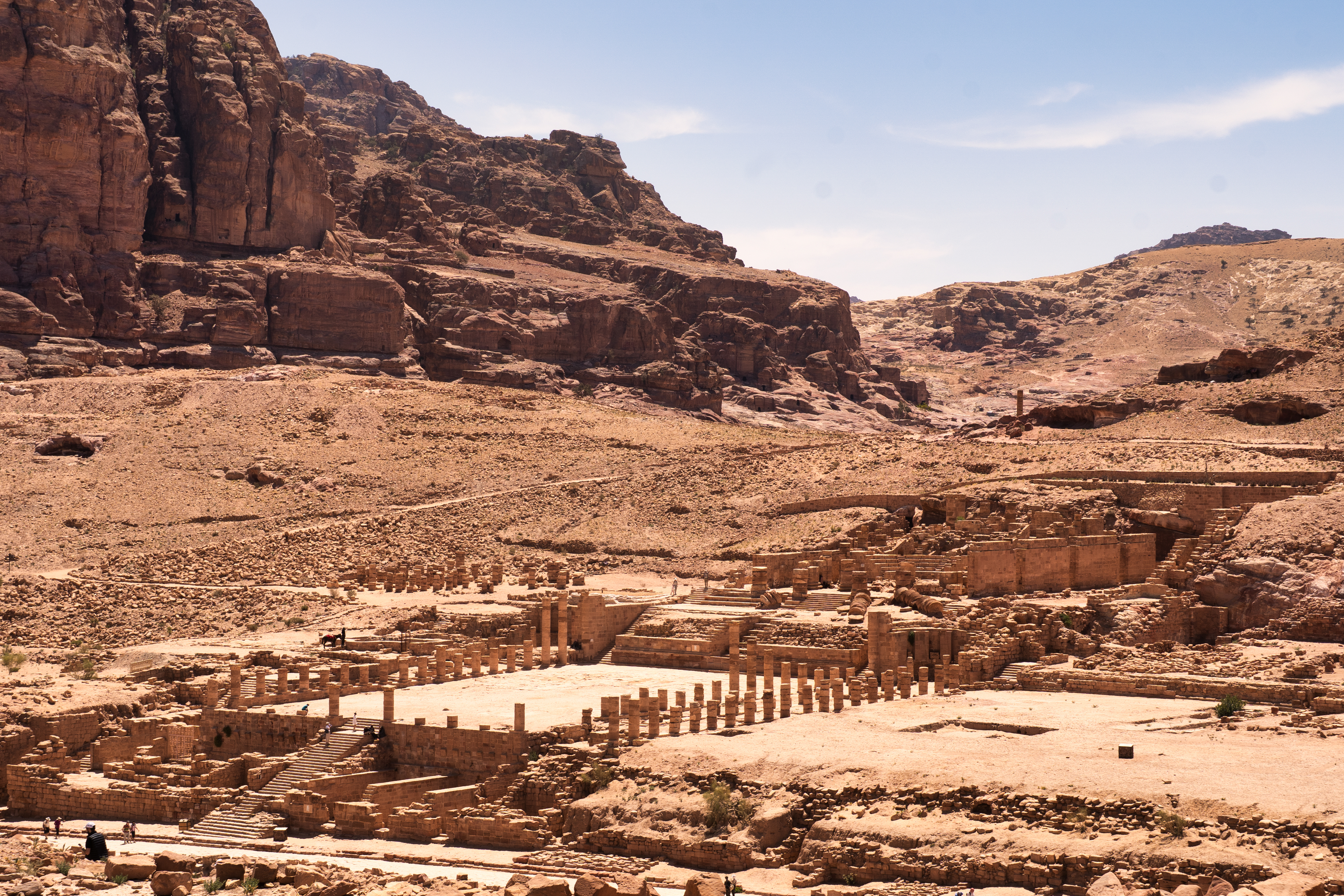
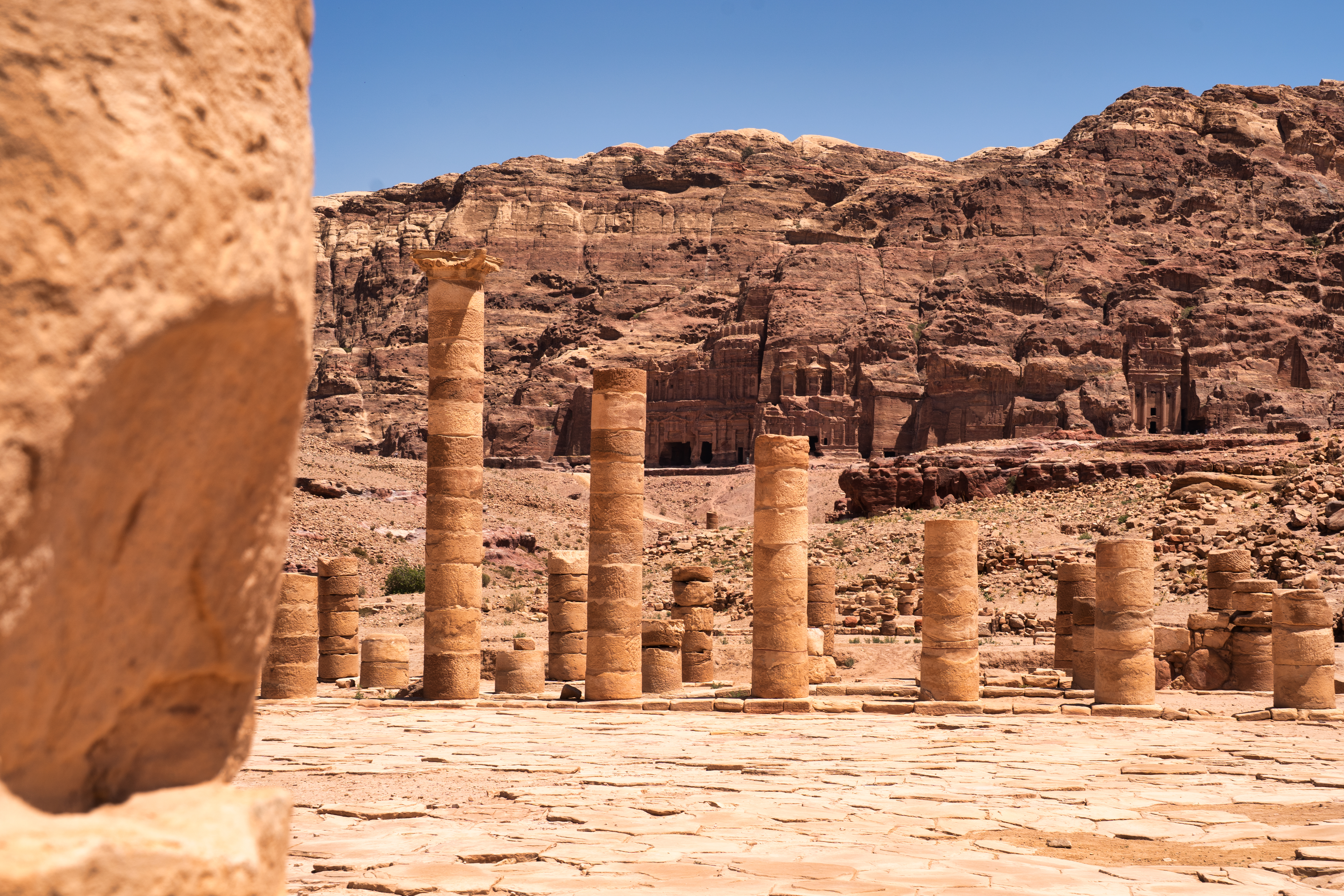
Petra is not only known for its breathtaking setting but also for the extraordinary way its structures were created — not built from the ground up, but carved directly into the rock face. The Nabataeans, skilled in both architecture and engineering, used the soft sandstone cliffs of southern Jordan as their canvas. Starting from the top of the rock and working downward, they chiseled out entire facades, tombs, and temples with remarkable precision. This technique allowed for intricate details to be etched into the stone while maintaining structural stability. Al-Khazneh, the Monastery, and the Royal Tombs all stand as striking examples of this reverse-building method, where architecture emerges from the living rock itself.
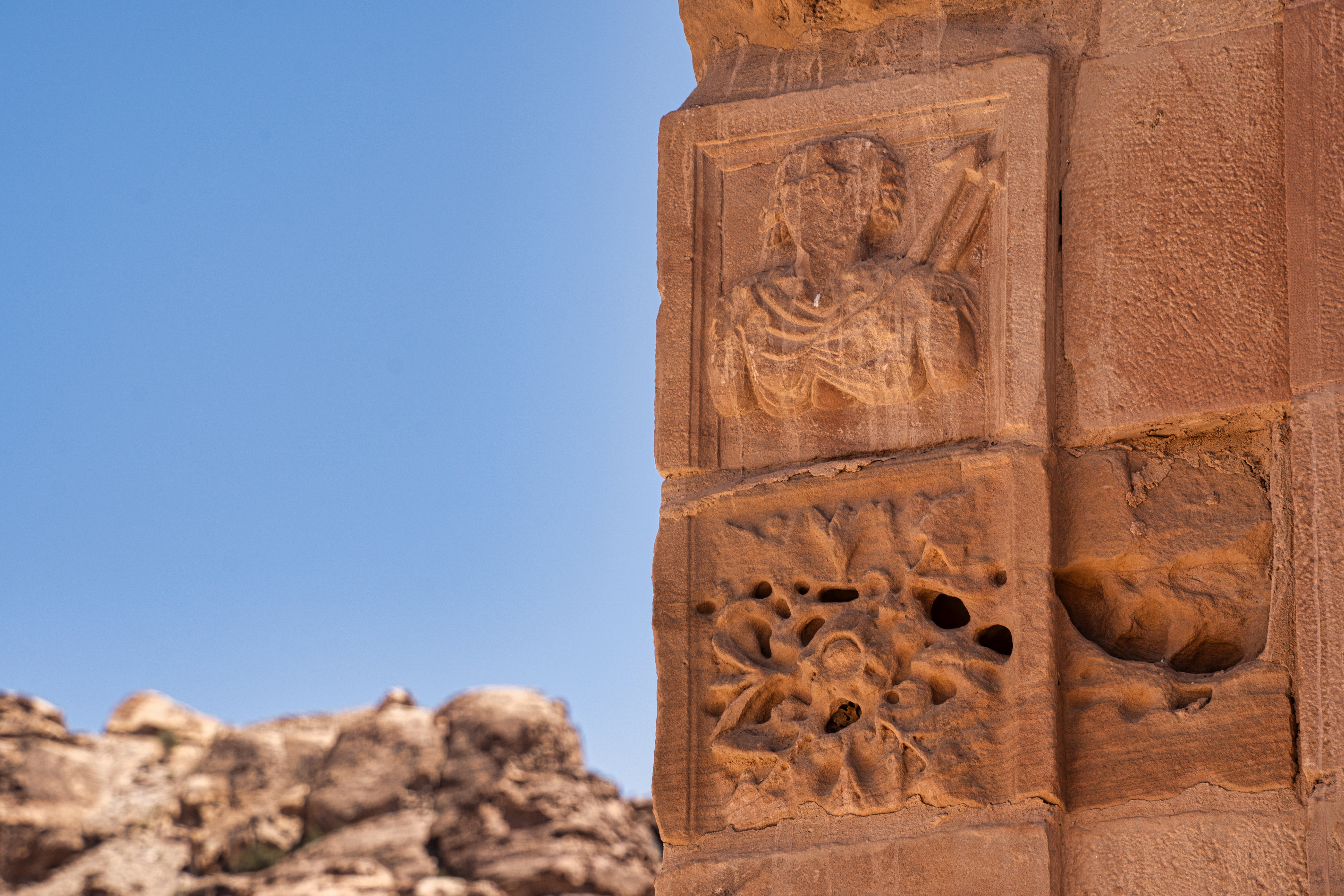
The choice of sandstone was both practical and symbolic. Easy to carve yet sturdy enough to endure centuries, the stone allowed for large-scale creations with flowing columns, niches, and decorative elements influenced by Greek, Roman, and local traditions. The natural color variations of the rock — from deep reds to soft yellows and purples — gave Petra its signature glow, especially at sunrise and sunset. By harmonizing construction with the landscape, the Nabataeans created not only functional spaces but also spiritual and aesthetic landmarks that continue to awe visitors and scholars alike. These stone-carved temples are more than ruins; they are lasting proof of a civilization that turned nature itself into architecture.

 Michael Hoffman Photography