Skip to content

Traces of the Bedouin
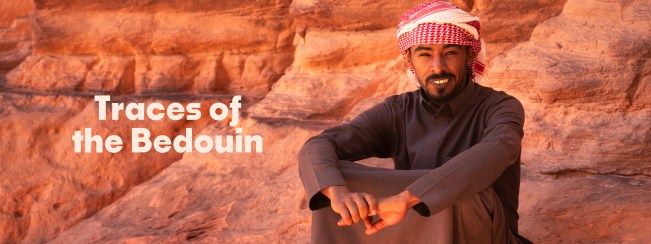
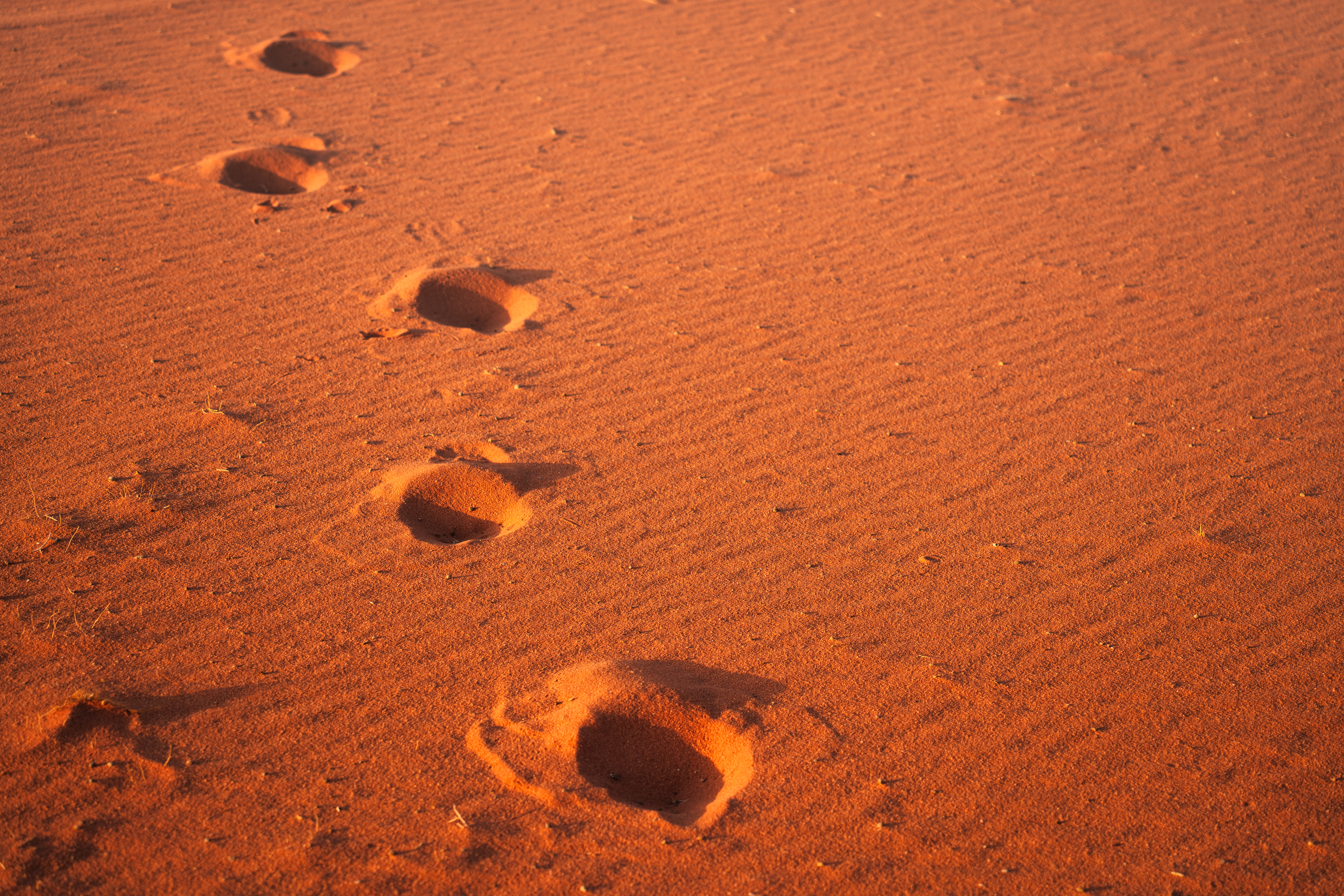
Life in the Wadi Rum desert is shaped by the rhythms of the land — the rising and setting sun, the shifting sands, and the rare but welcome rains. For generations, Bedouin tribes have adapted to this harsh environment, building a culture rooted in resilience, hospitality, and deep knowledge of the desert. Traditionally living in goat-hair tents and moving with their herds, the Bedouins developed skills essential for survival, such as finding water in hidden springs and navigating the open wilderness by the stars. Every mountain, canyon, and rock formation in Wadi Rum carries a story passed down through songs and oral traditions.

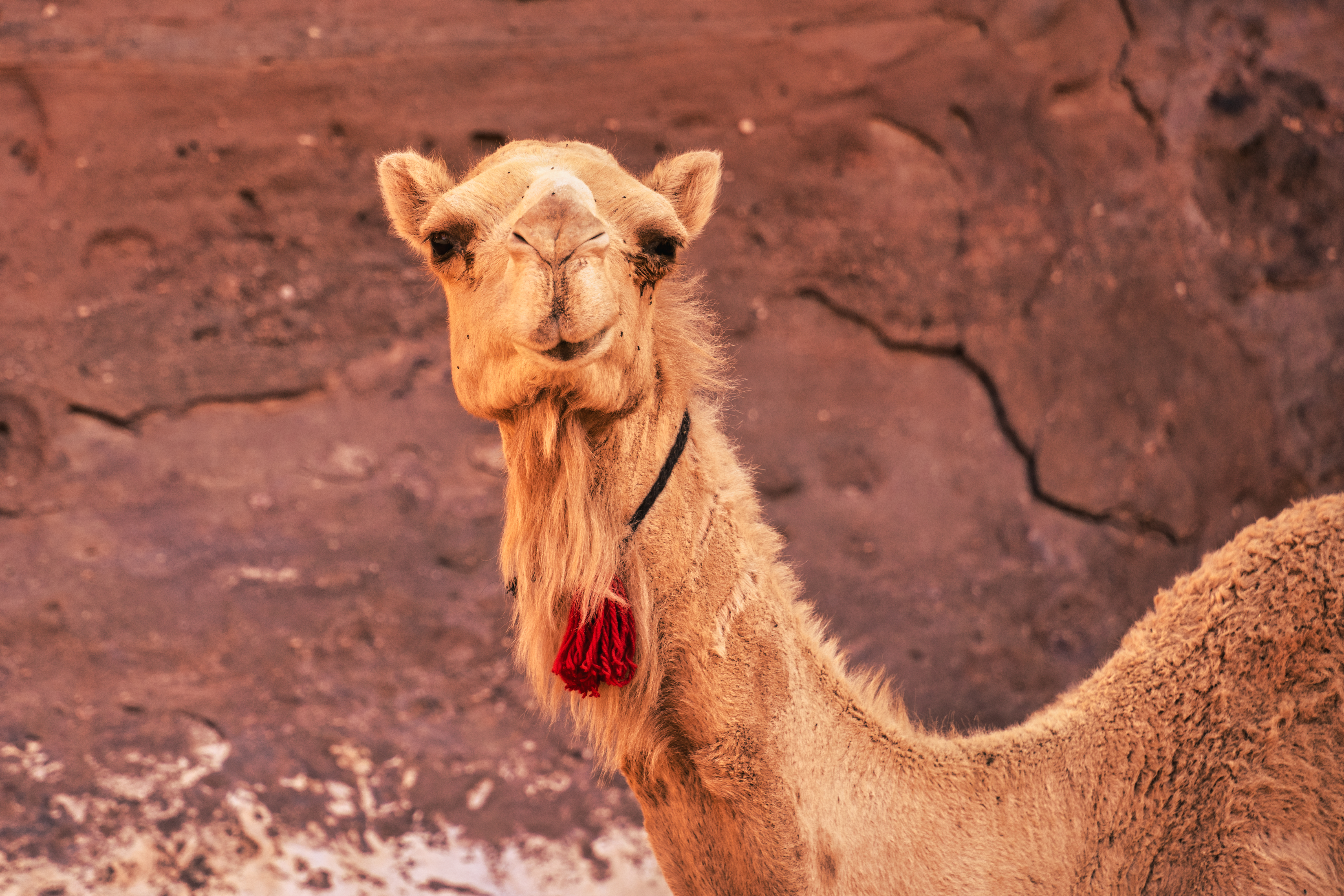
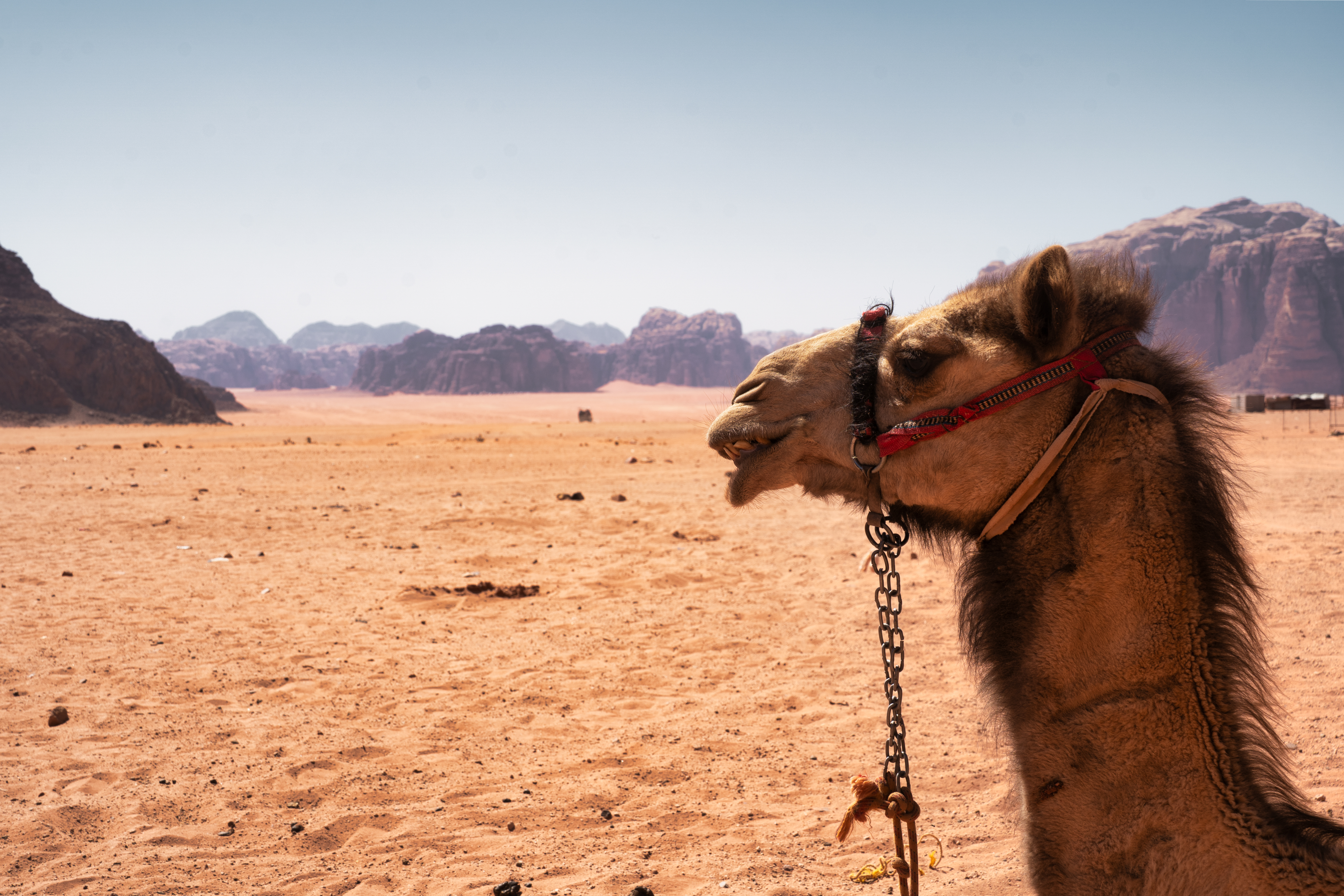
Today, many Bedouins continue to live in Wadi Rum, blending tradition with the realities of the modern world. Some have opened their desert camps to visitors, offering a glimpse into their way of life through shared meals, camel rides, and evenings by the fire under a canopy of stars. Despite changes brought by tourism and technology, the spirit of the Bedouin remains strongly tied to the desert. Their connection to the land, their sense of community, and their respect for the natural world continue to leave traces across Wadi Rum, visible not just in the landscape, but in the enduring customs that have been carried forward through time.

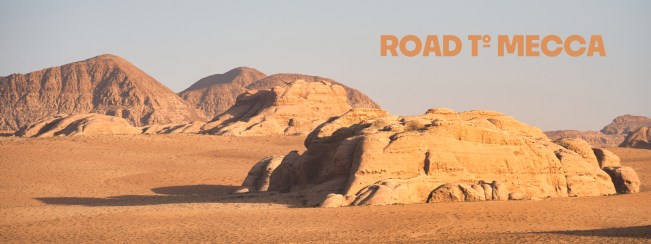
Road to Mecca

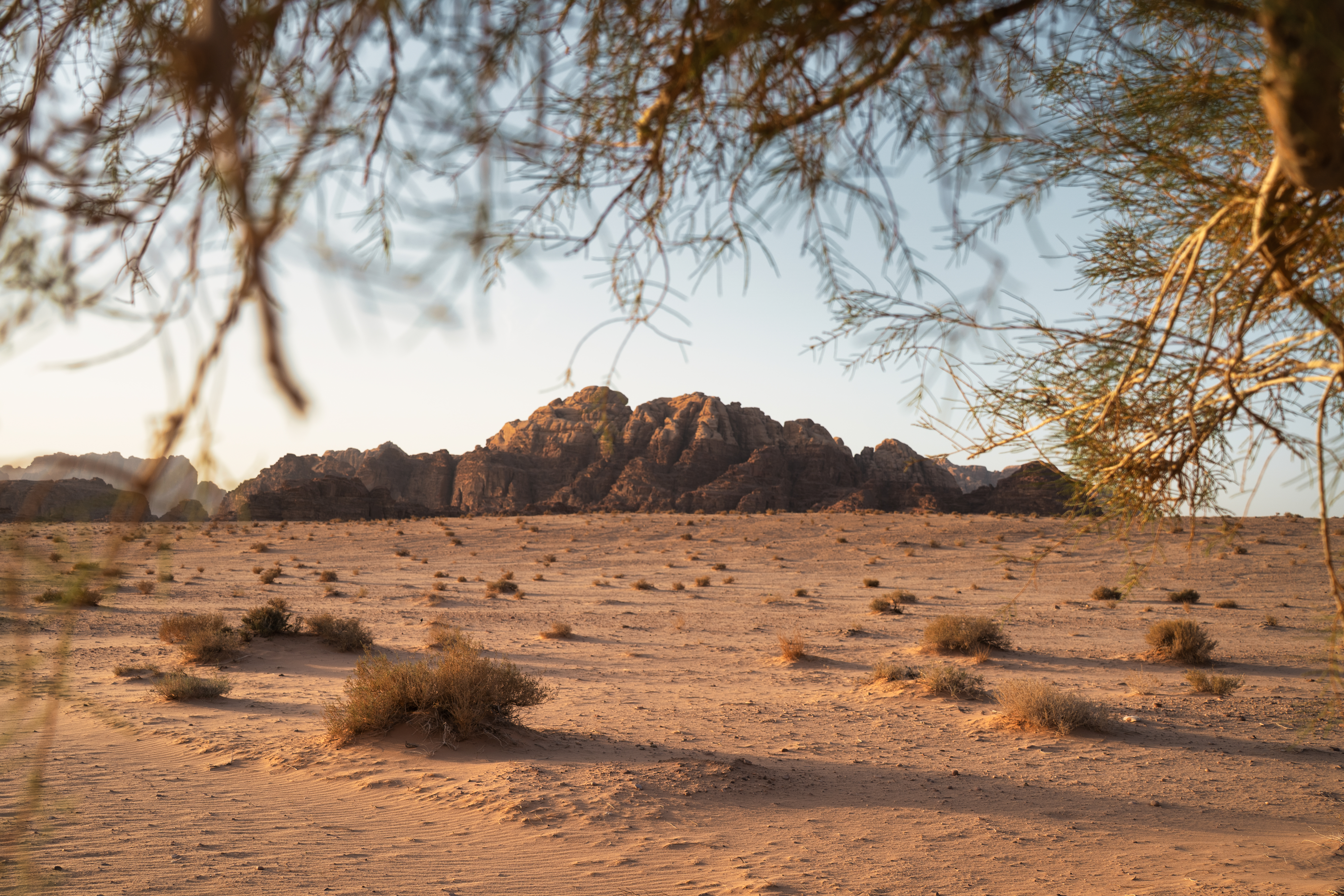
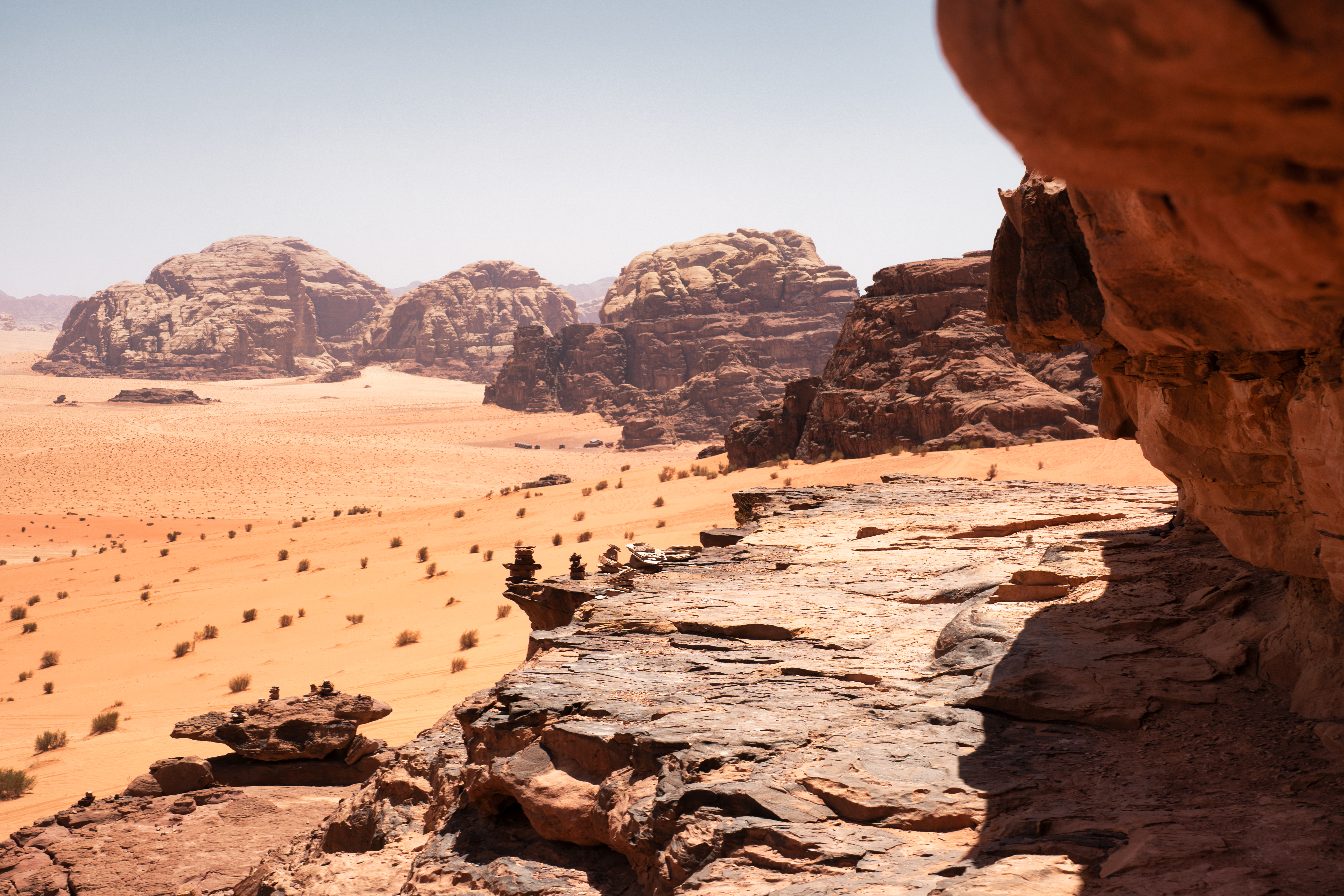
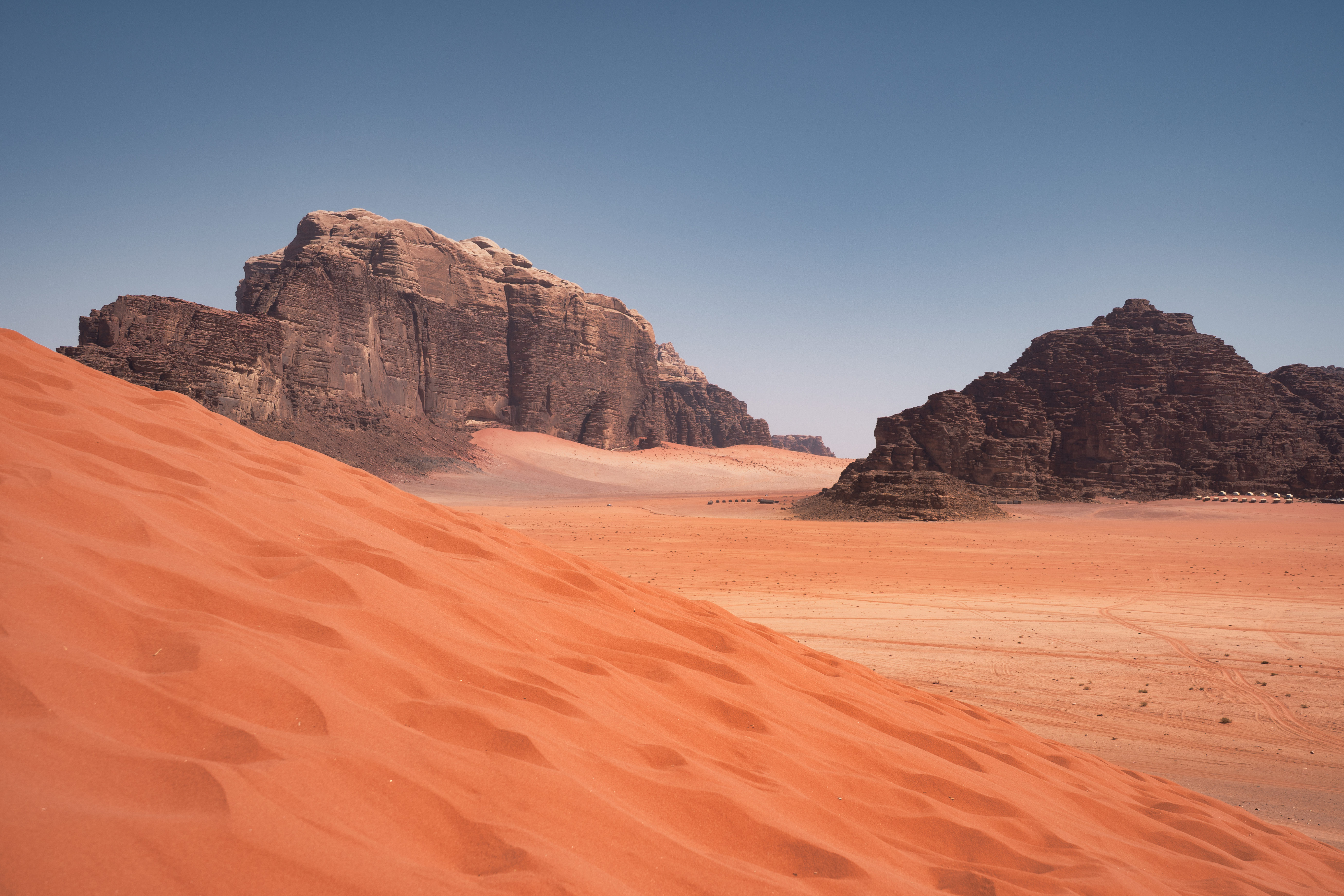
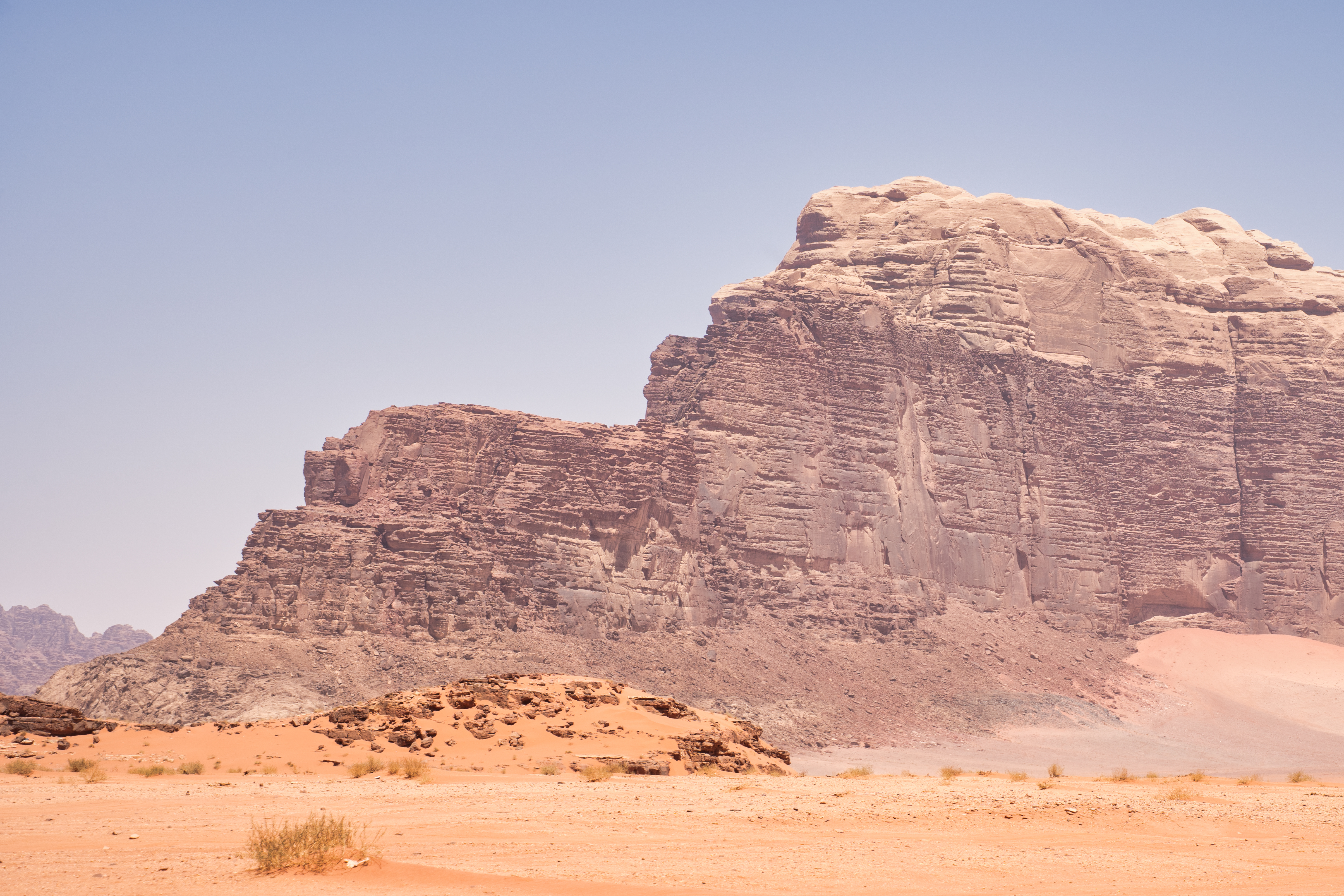
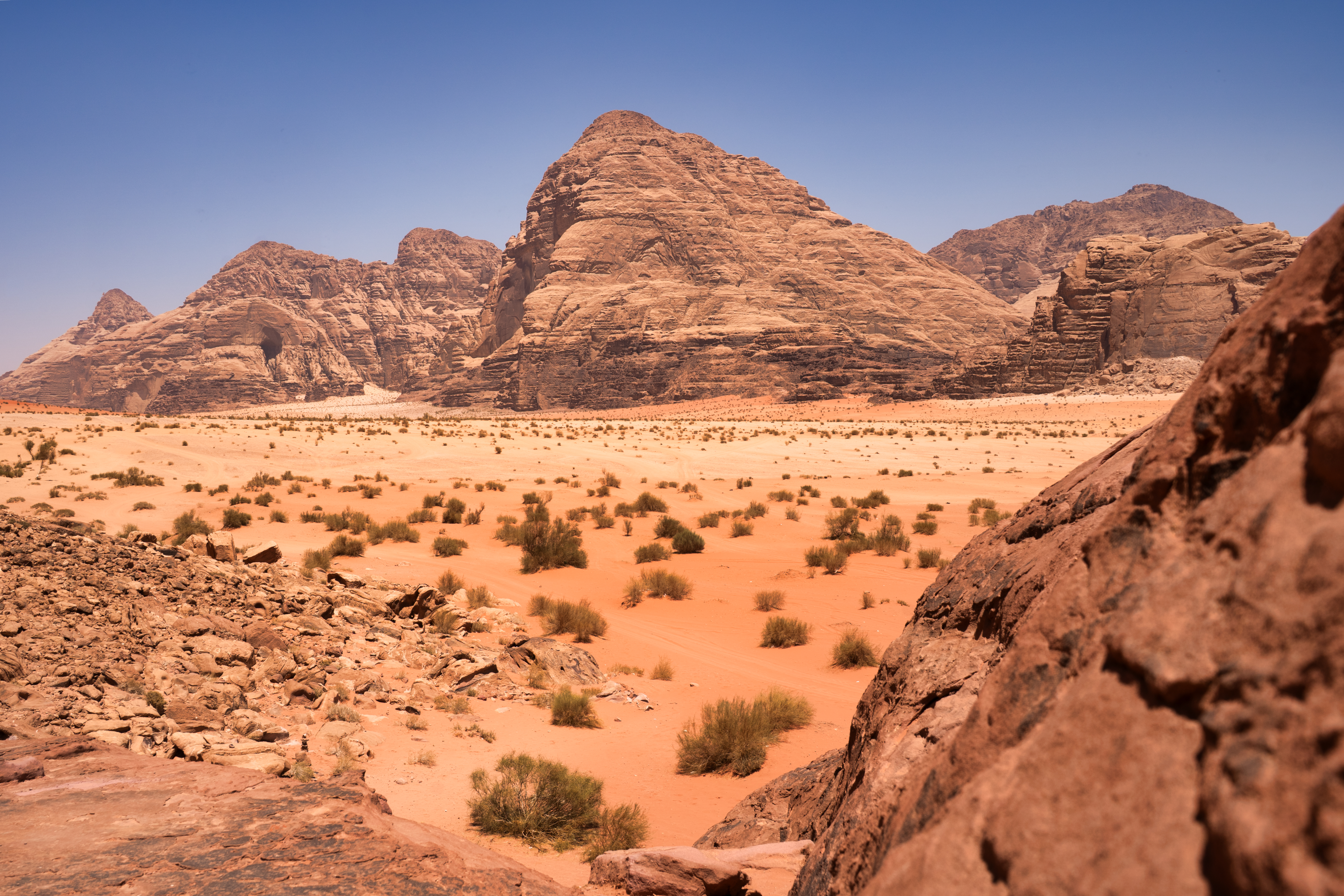
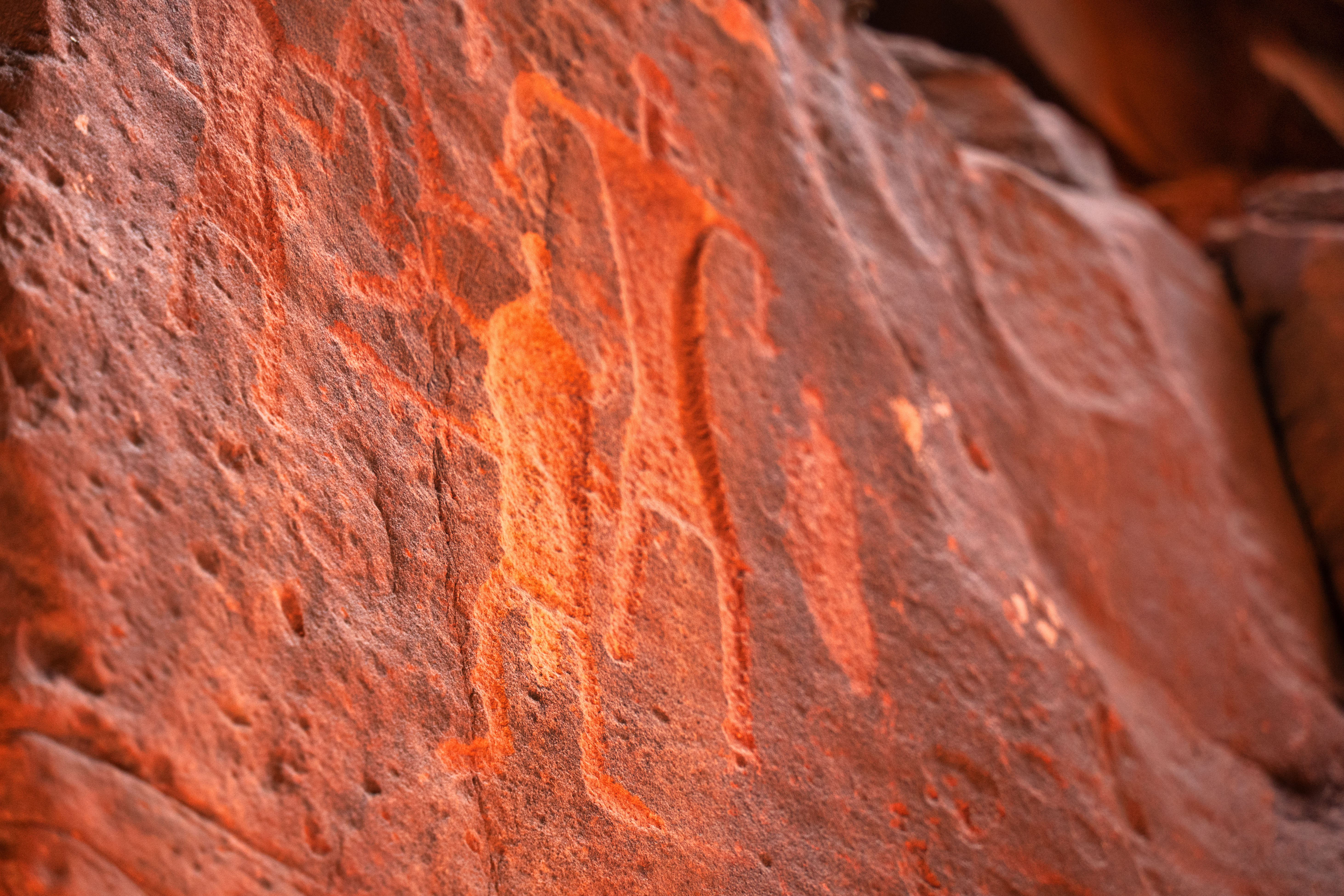
Stretching across southern Jordan, Wadi Rum is a vast desert landscape often called the Valley of the Moon. Towering sandstone mountains, sweeping dunes, and narrow canyons define this ancient region, which has been crossed by traders, pilgrims, and nomads for thousands of years. For many, Wadi Rum was not just a home but a vital part of the road to Mecca, serving as a resting place for caravans heading toward the holy city. Petroglyphs and inscriptions left on the rocks offer silent testimony to the generations who passed through, marking their journeys across one of the harshest yet most beautiful environments on Earth.

Today, Wadi Rum remains a symbol of endurance and movement. Bedouin communities continue to live in the desert, preserving traditions that have guided travelers for centuries. The vast, open spaces and clear night skies evoke a sense of timelessness, where the rhythms of nature dictate life. Though the ancient pilgrimage routes have given way to modern roads and cities, the spirit of the journey endures. In Wadi Rum, the past is etched into every cliff and dune, a reminder of the countless paths that once led onward toward Mecca.

Temples of Stone

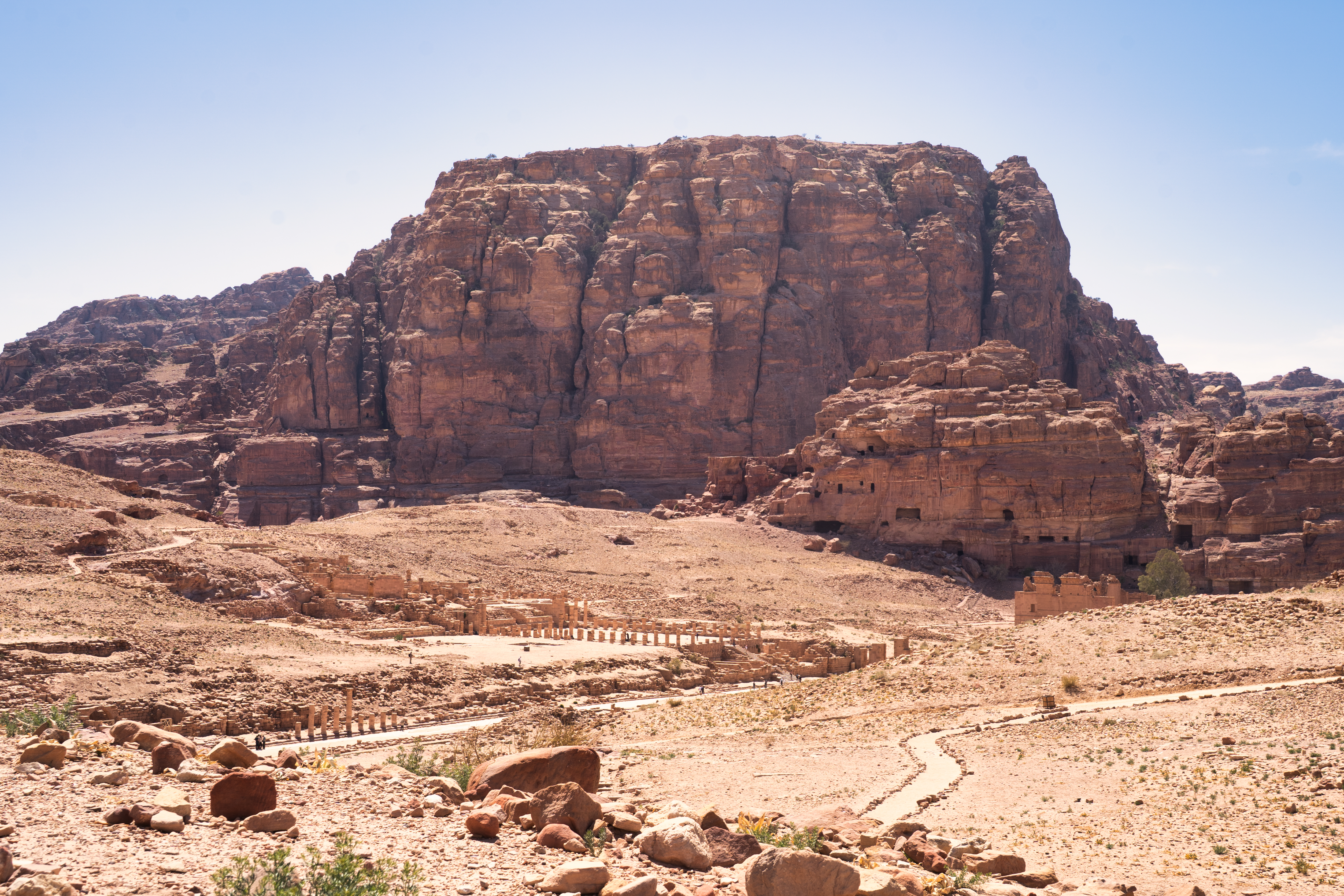
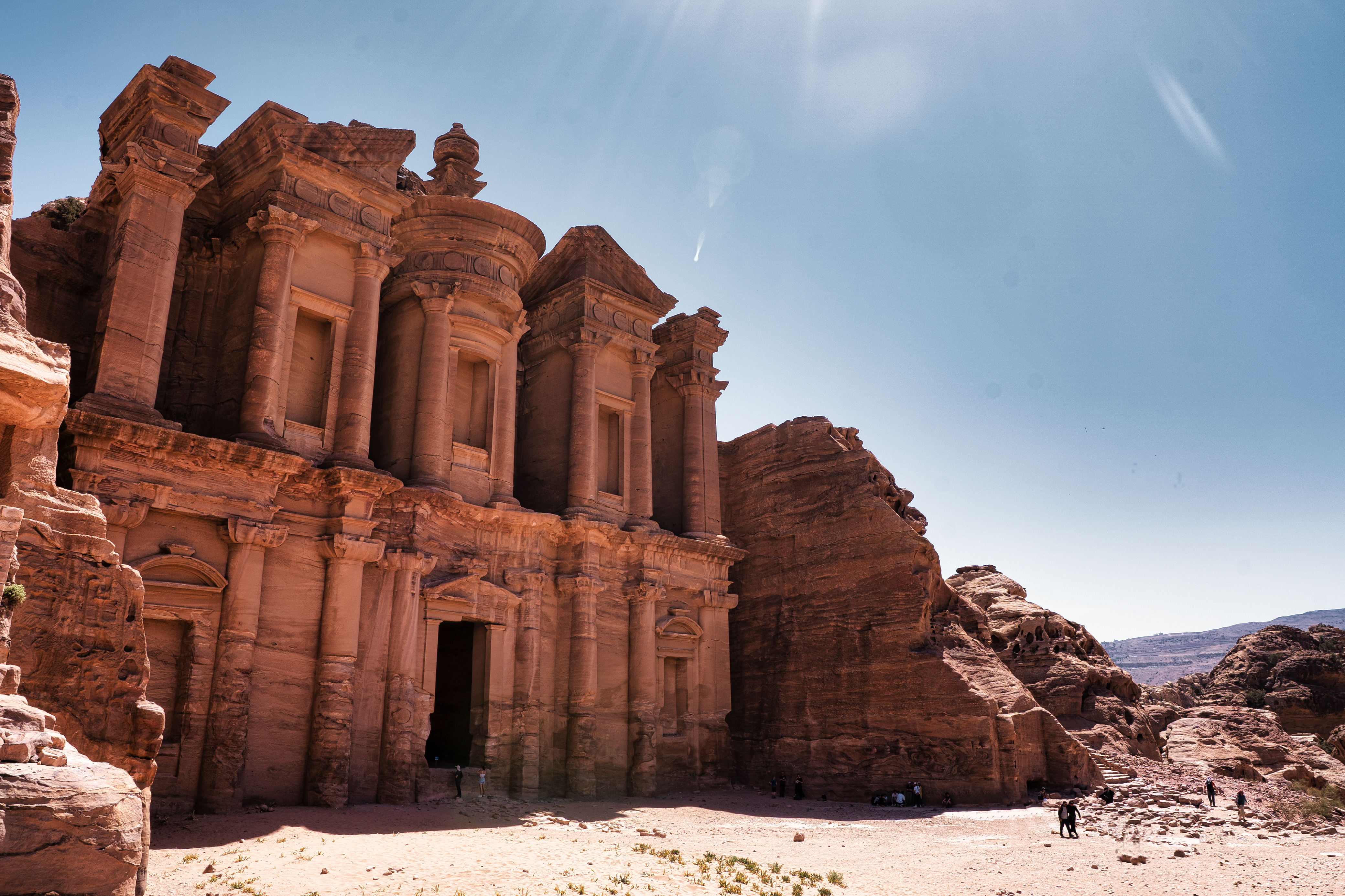
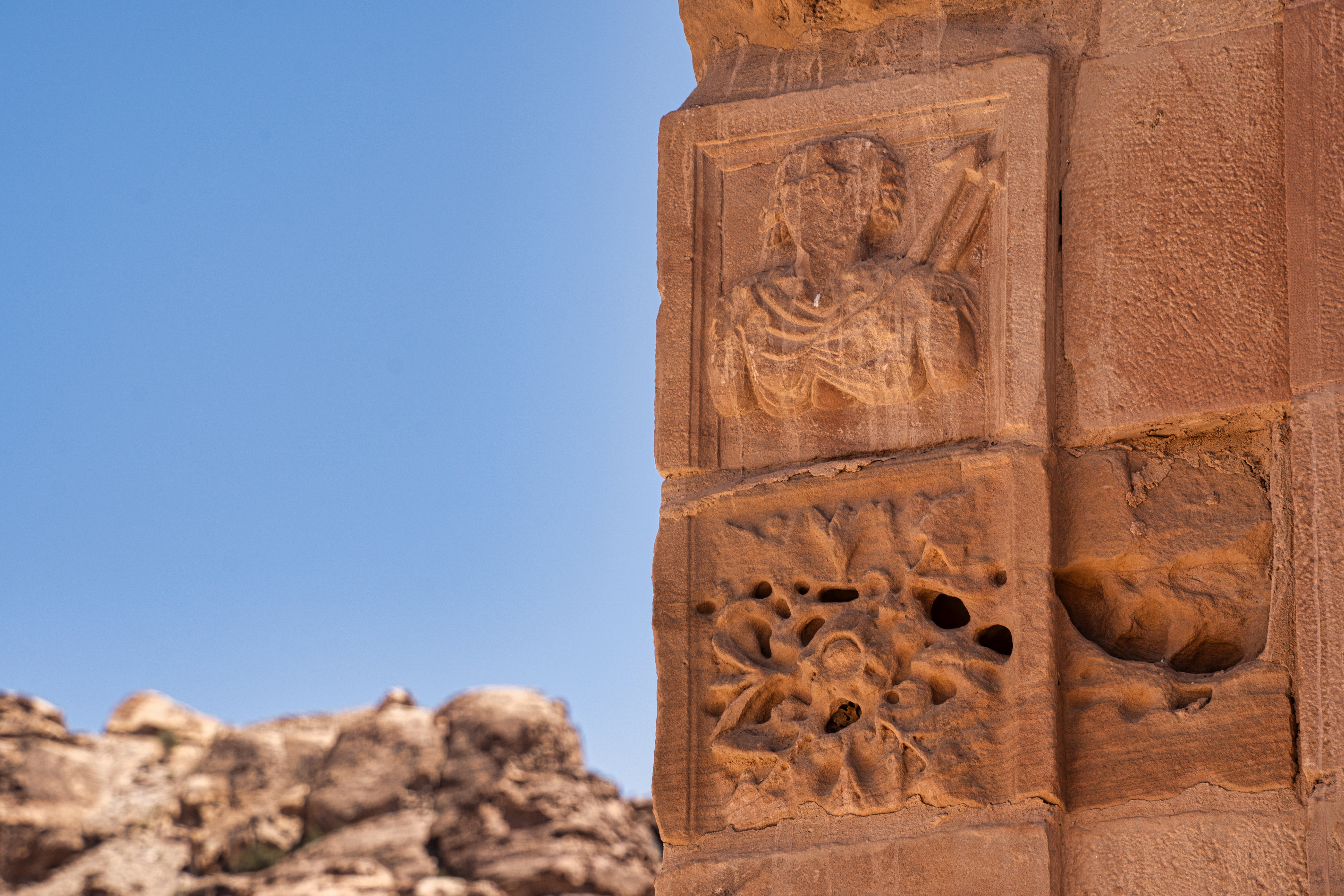
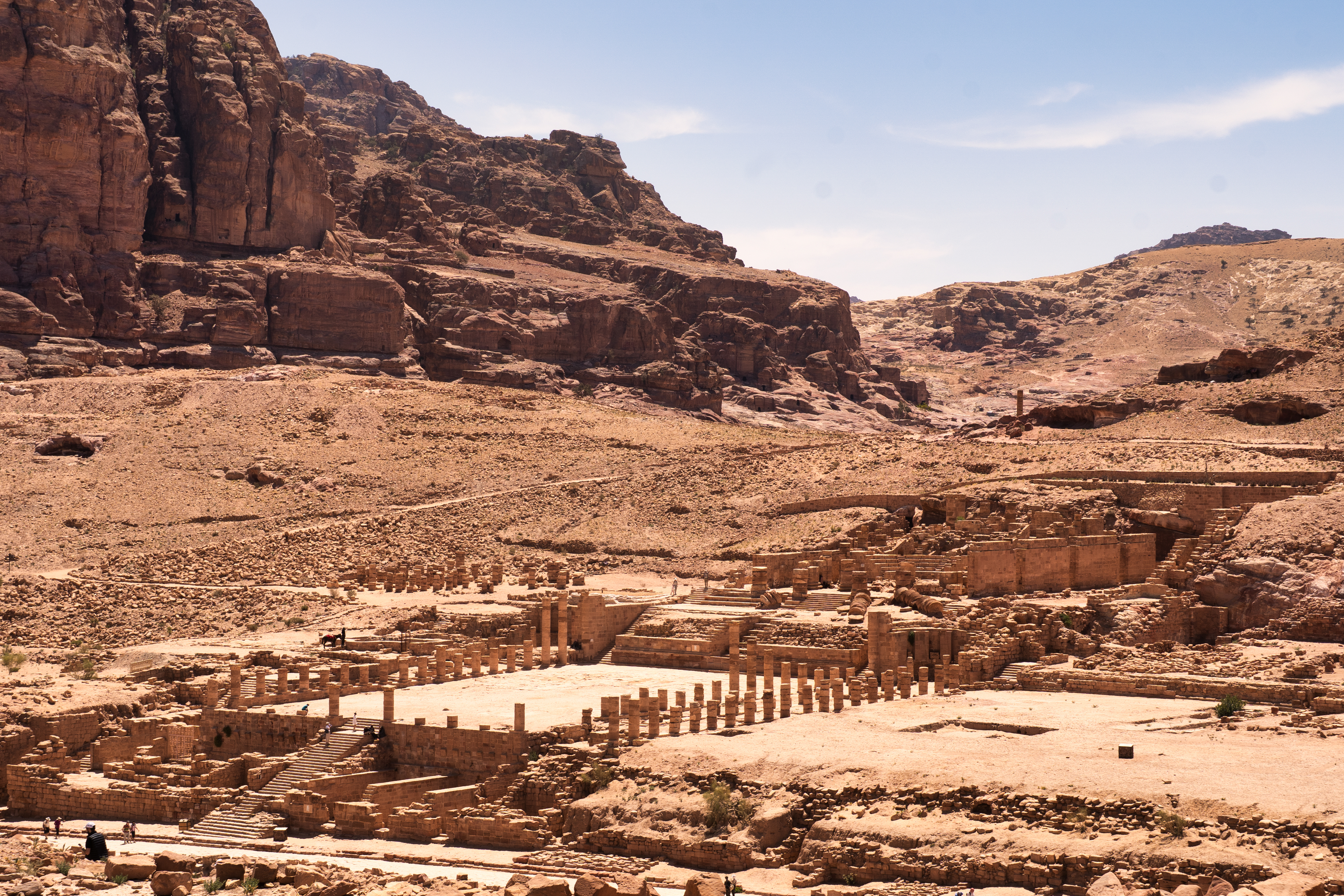
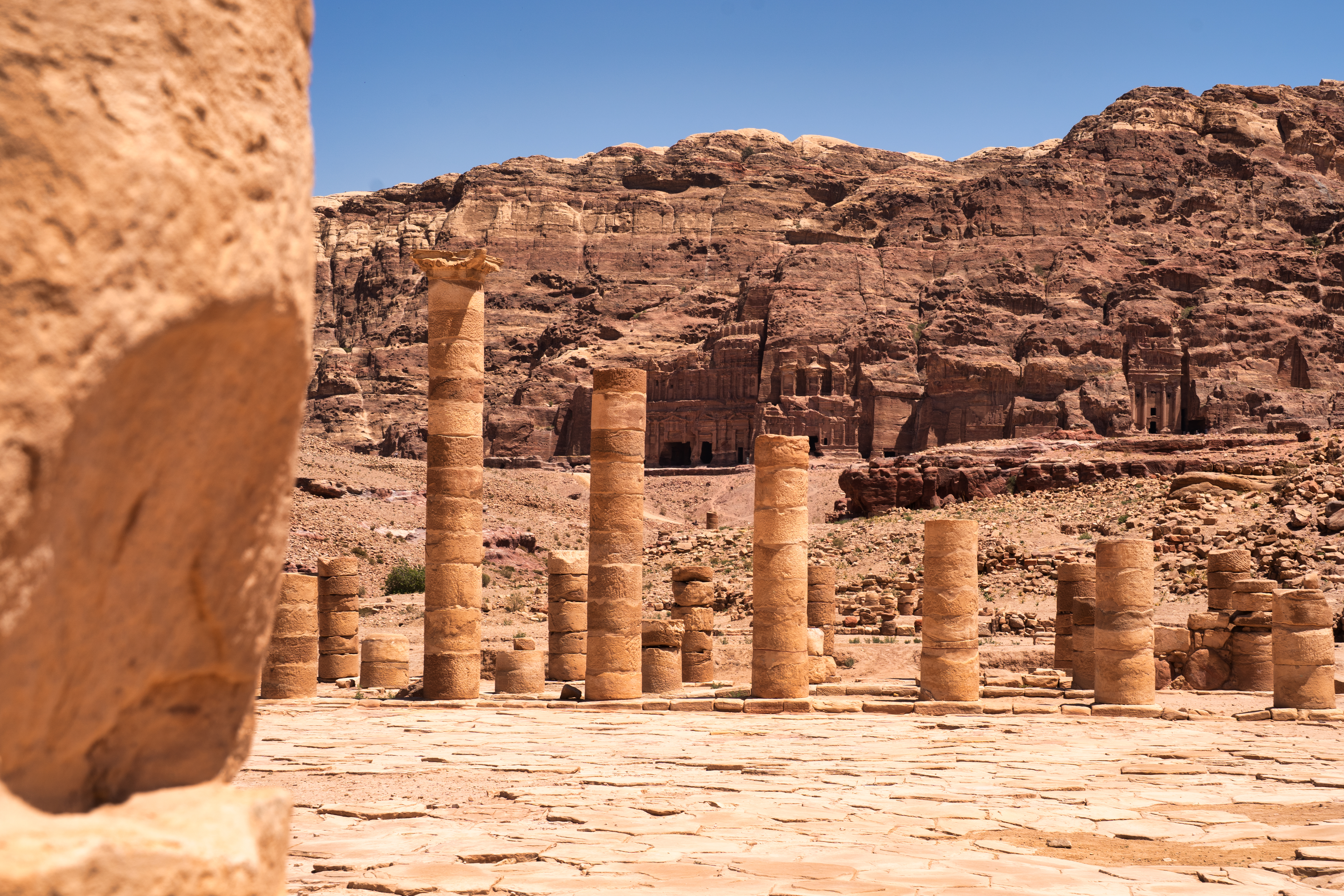
Petra is not only known for its breathtaking setting but also for the extraordinary way its structures were created — not built from the ground up, but carved directly into the rock face. The Nabataeans, skilled in both architecture and engineering, used the soft sandstone cliffs of southern Jordan as their canvas. Starting from the top of the rock and working downward, they chiseled out entire facades, tombs, and temples with remarkable precision. This technique allowed for intricate details to be etched into the stone while maintaining structural stability. Al-Khazneh, the Monastery, and the Royal Tombs all stand as striking examples of this reverse-building method, where architecture emerges from the living rock itself.

The choice of sandstone was both practical and symbolic. Easy to carve yet sturdy enough to endure centuries, the stone allowed for large-scale creations with flowing columns, niches, and decorative elements influenced by Greek, Roman, and local traditions. The natural color variations of the rock — from deep reds to soft yellows and purples — gave Petra its signature glow, especially at sunrise and sunset. By harmonizing construction with the landscape, the Nabataeans created not only functional spaces but also spiritual and aesthetic landmarks that continue to awe visitors and scholars alike. These stone-carved temples are more than ruins; they are lasting proof of a civilization that turned nature itself into architecture.