Skip to content

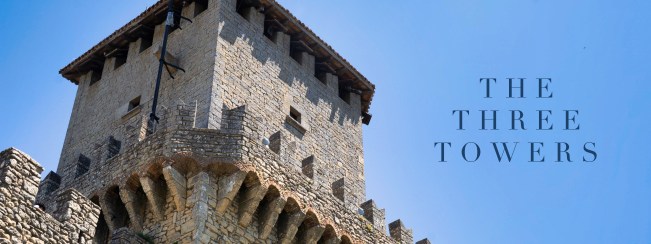
The Three Towers

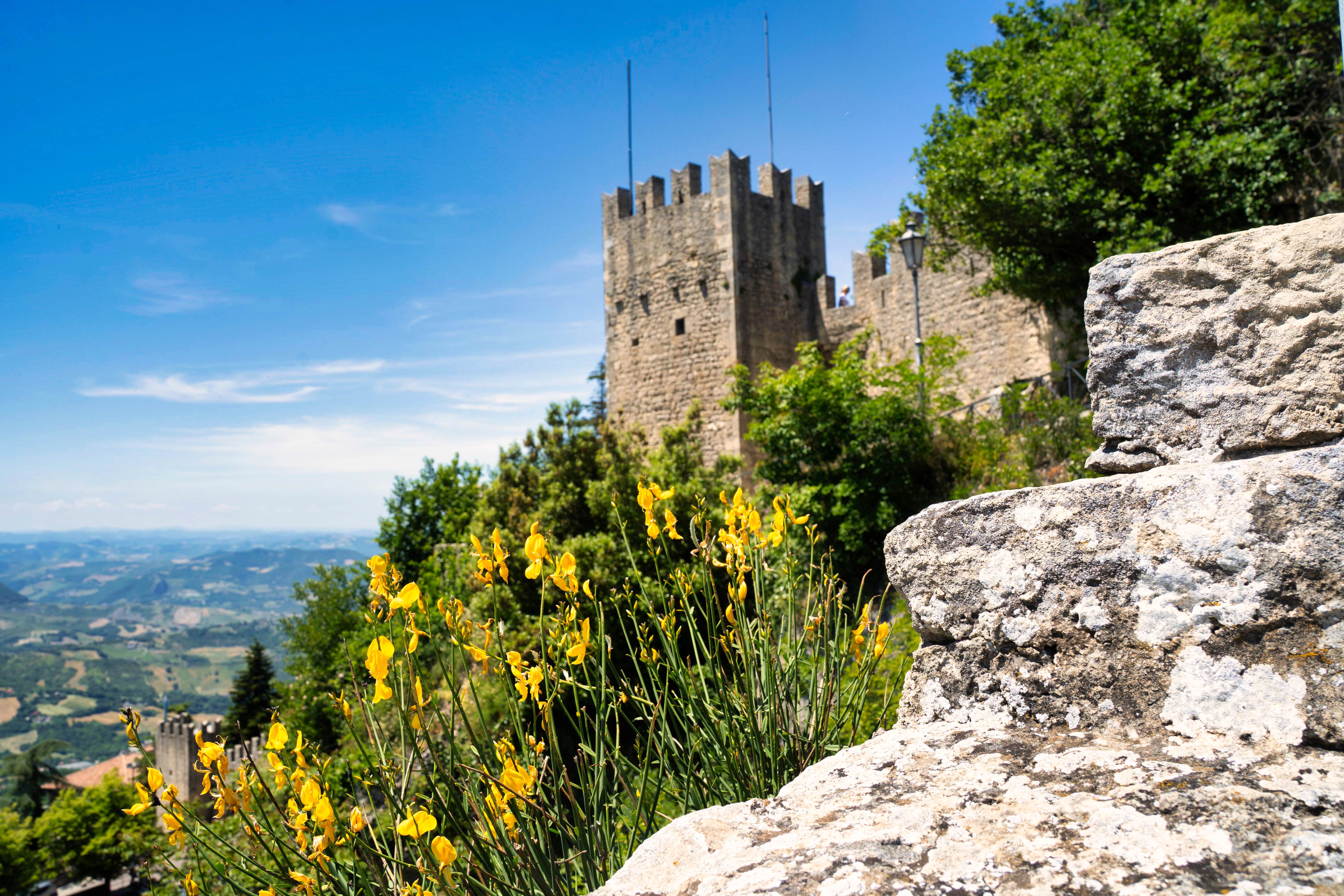
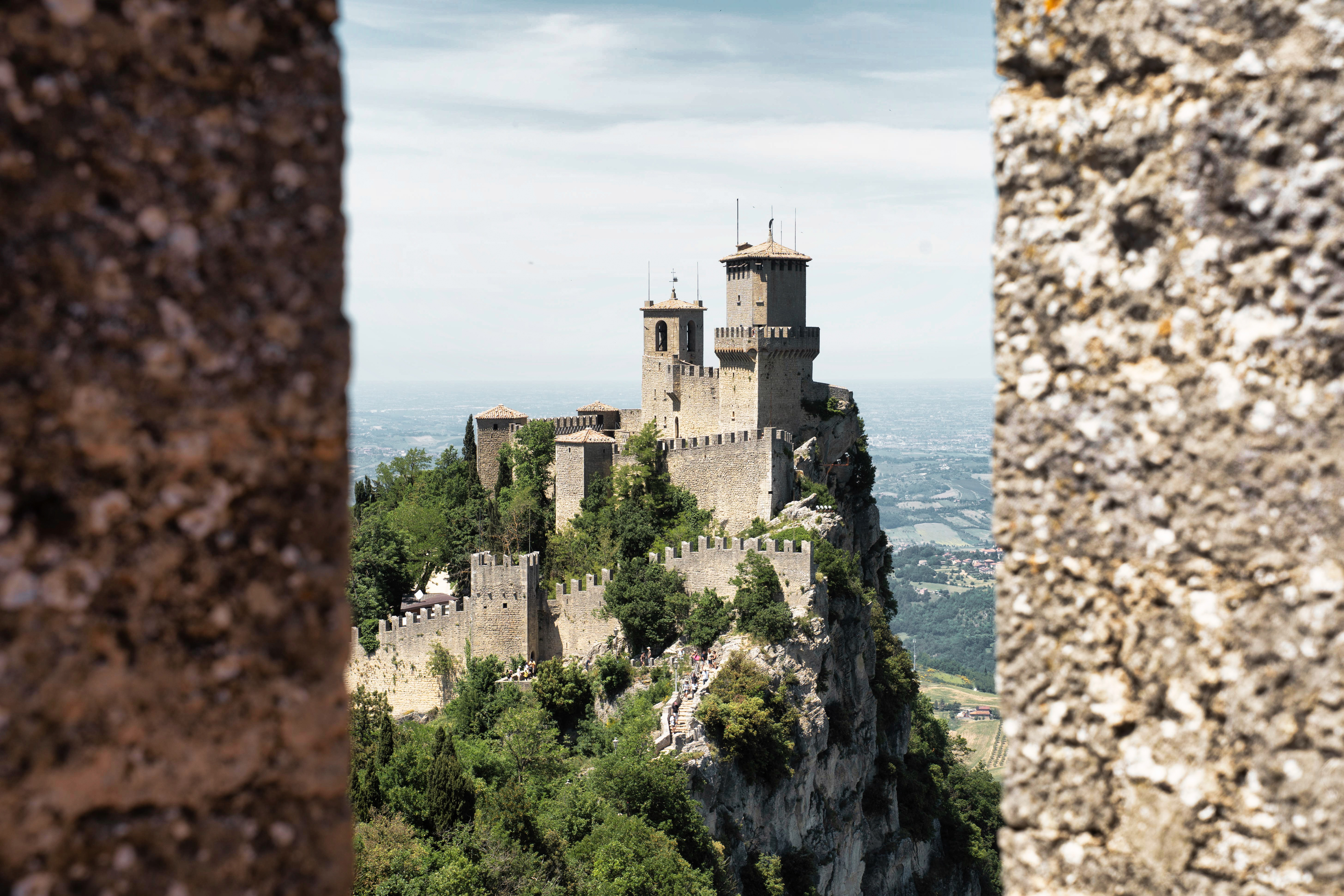
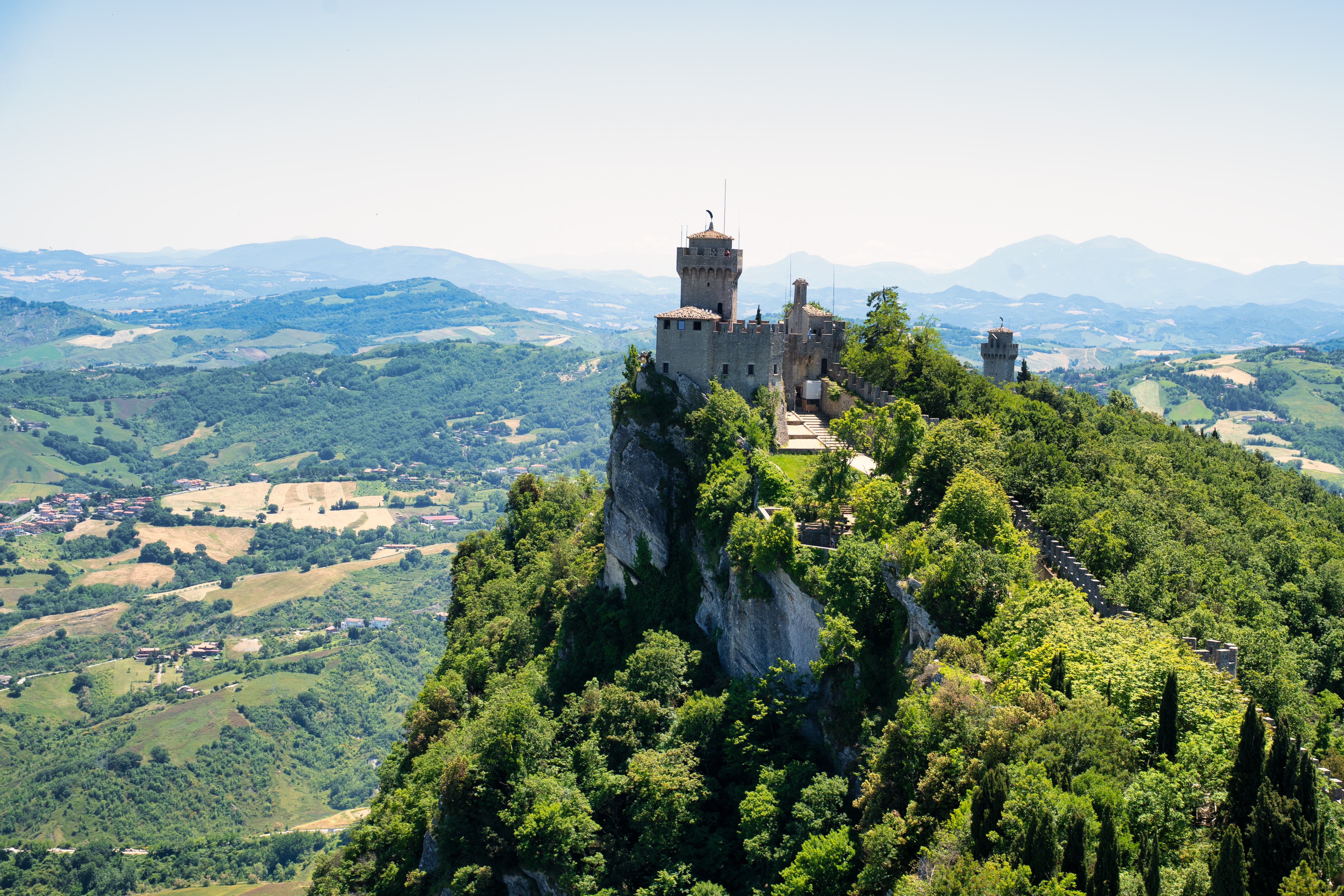
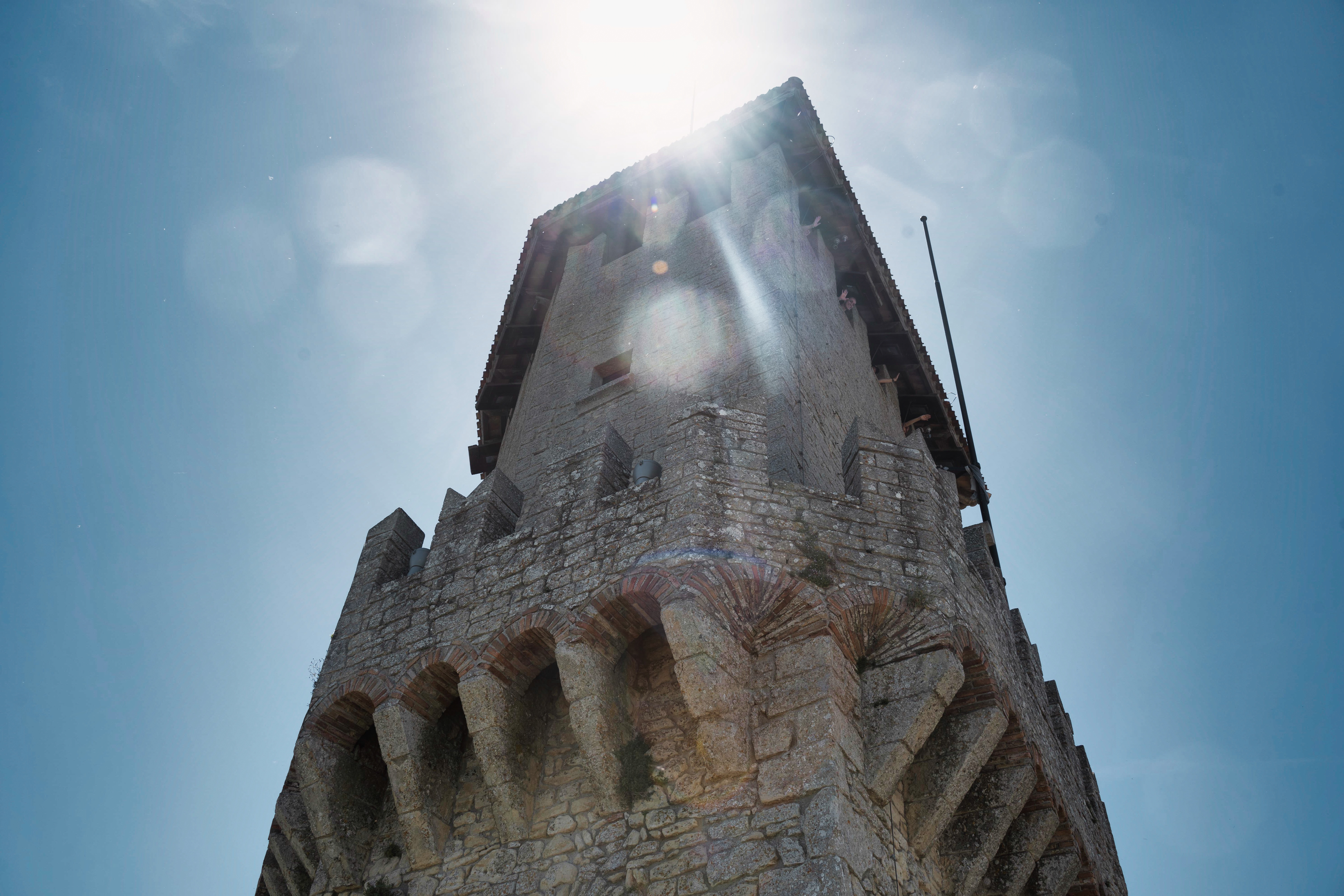
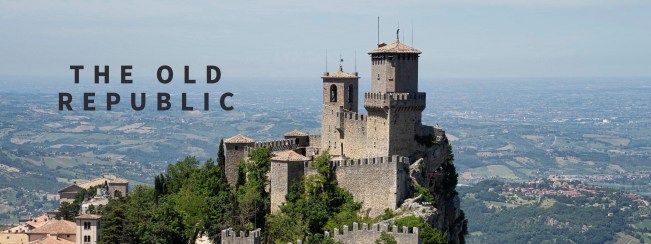
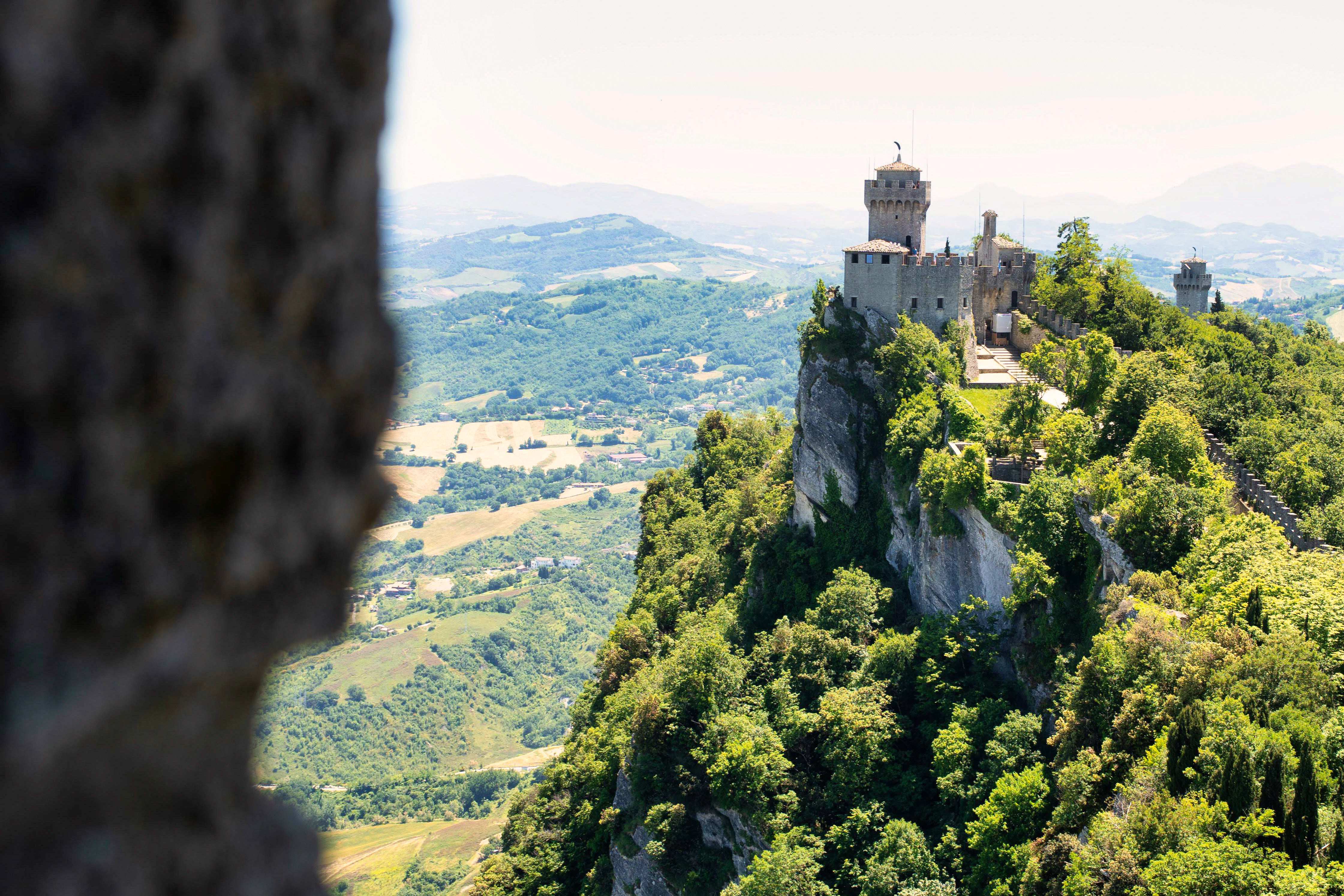
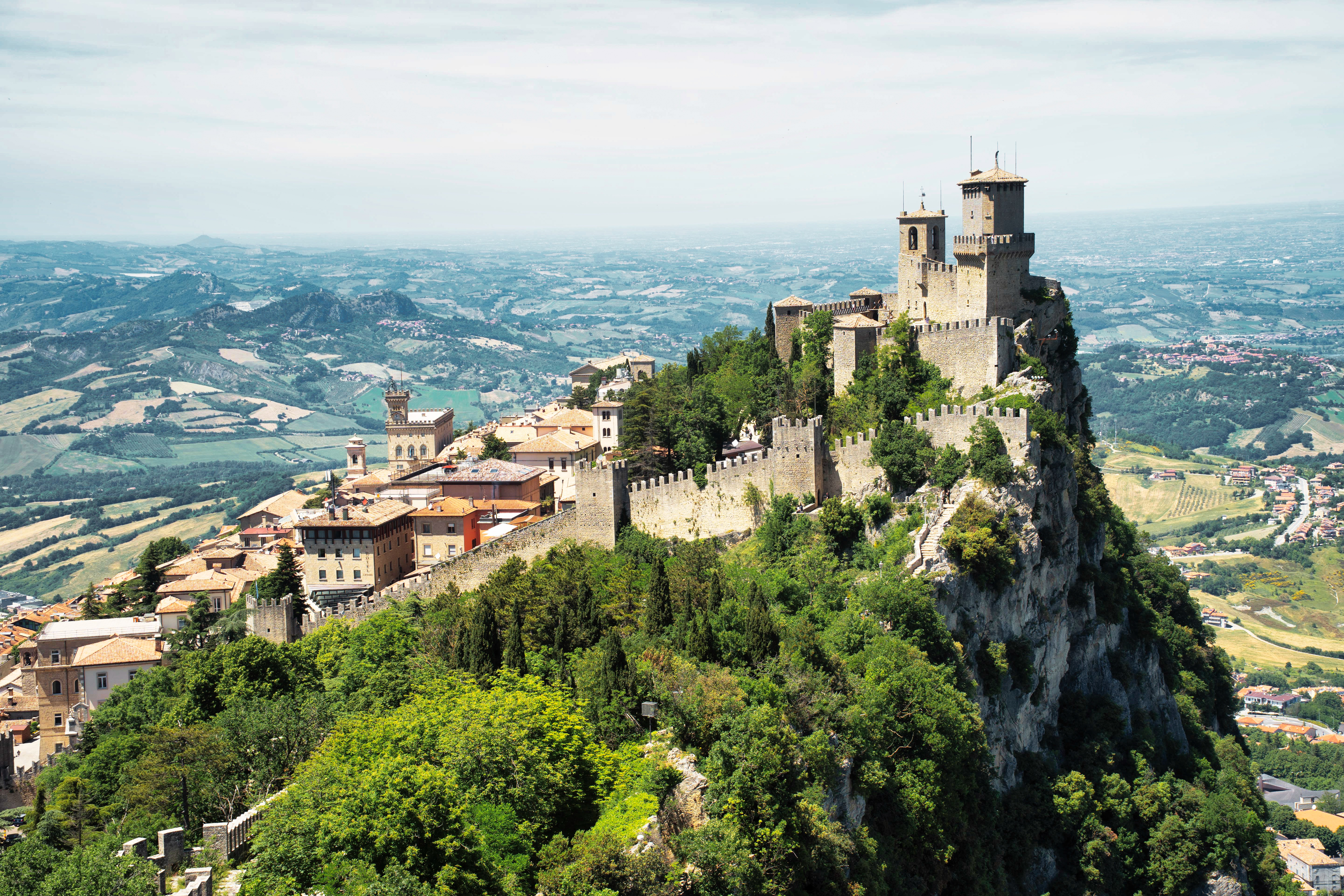
Standing like silent sentinels above the clouds, the Three Towers of San Marino — Guaita, Cesta, and Montale — are more than just symbols of national pride; they are the soul of the republic’s skyline. Each tower has its own distinct character and story: Guaita, the oldest, once served as a fortress and prison; Cesta, perched on the highest peak, now houses a museum of medieval weaponry; and Montale, the smallest and most secluded, is closed to the public, adding a hint of mystery to its silhouette. Linked by rugged trails along the ridge of Monte Titano, these towers invite visitors not only to explore their stone walls but to immerse themselves in the panoramic beauty of the surrounding valleys and Adriatic coast. More than historic relics, the towers represent San Marino’s enduring spirit of vigilance and freedom — a trio of watchful guardians looking out over a country that has never been conquered.

The Old Republic

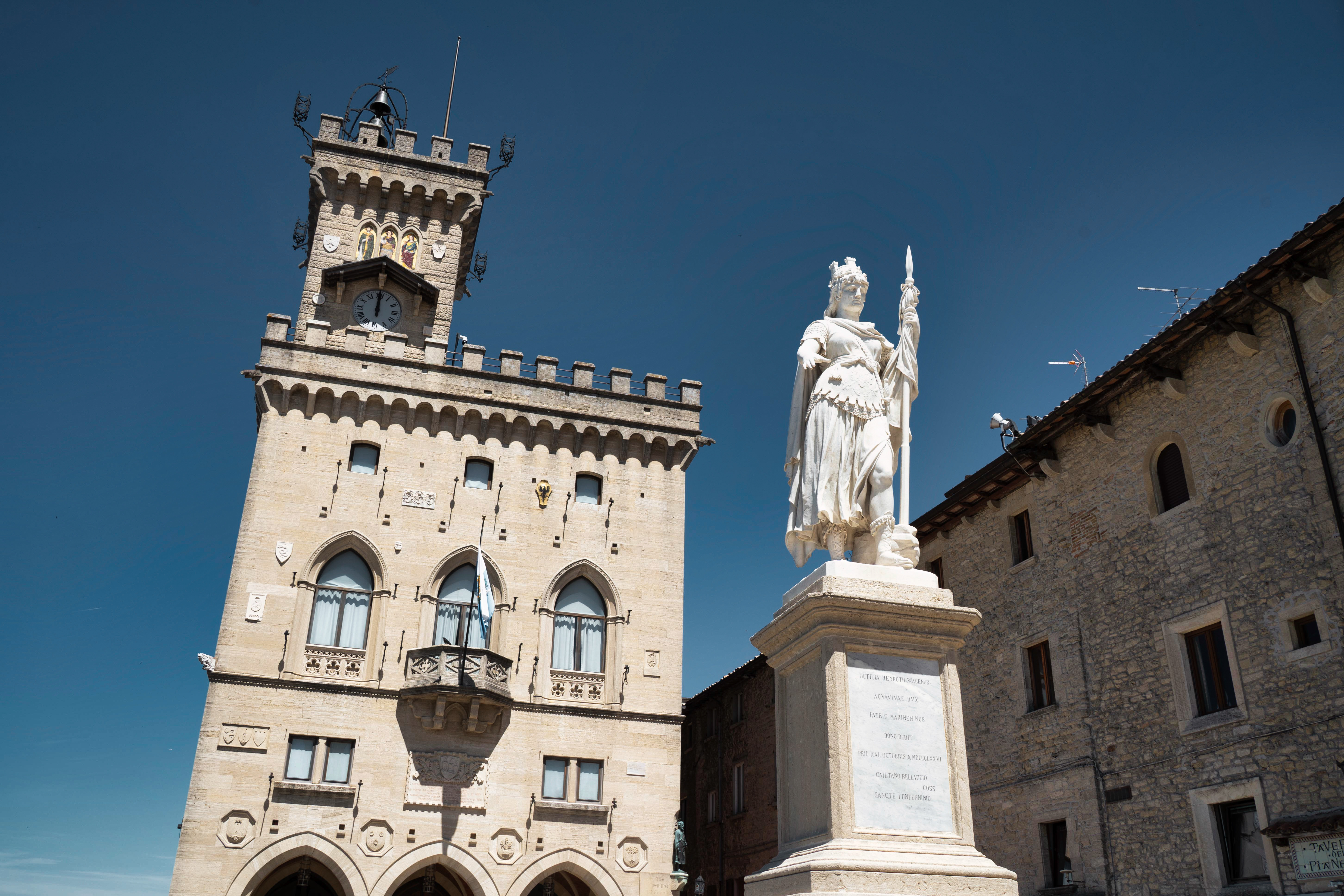
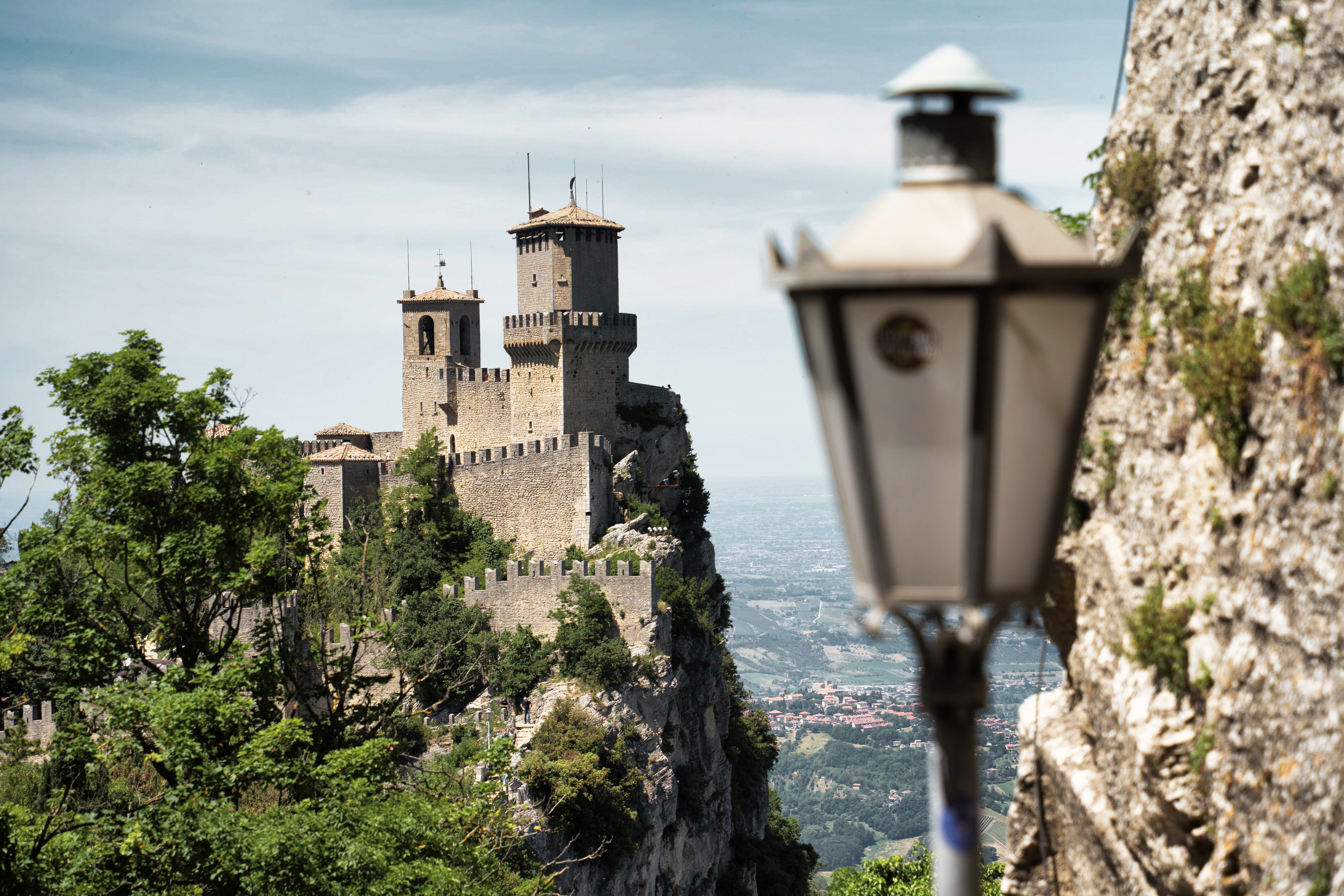
Perched atop the Apennine mountains, San Marino stands as a testament to resilience and independence — the world’s oldest surviving republic, proudly clinging to its sovereignty since 301 AD. Walking through its narrow, winding streets feels like stepping into a living museum, where every stone and tower tells the story of a people who have fiercely guarded their freedom for over 1,700 years. The three iconic towers of Guaita, Cesta, and Montale crown the peaks of Monte Titano, offering sweeping views that once served as strategic defenses and now reward visitors with breathtaking panoramas. Despite its small size, San Marino radiates a powerful sense of national identity, built on democratic principles long before they became the norm elsewhere in Europe. Here, history is not locked away in books or behind glass — it is present in the architecture, the rituals of government, and the quiet pride of its citizens

Photographing Rimini

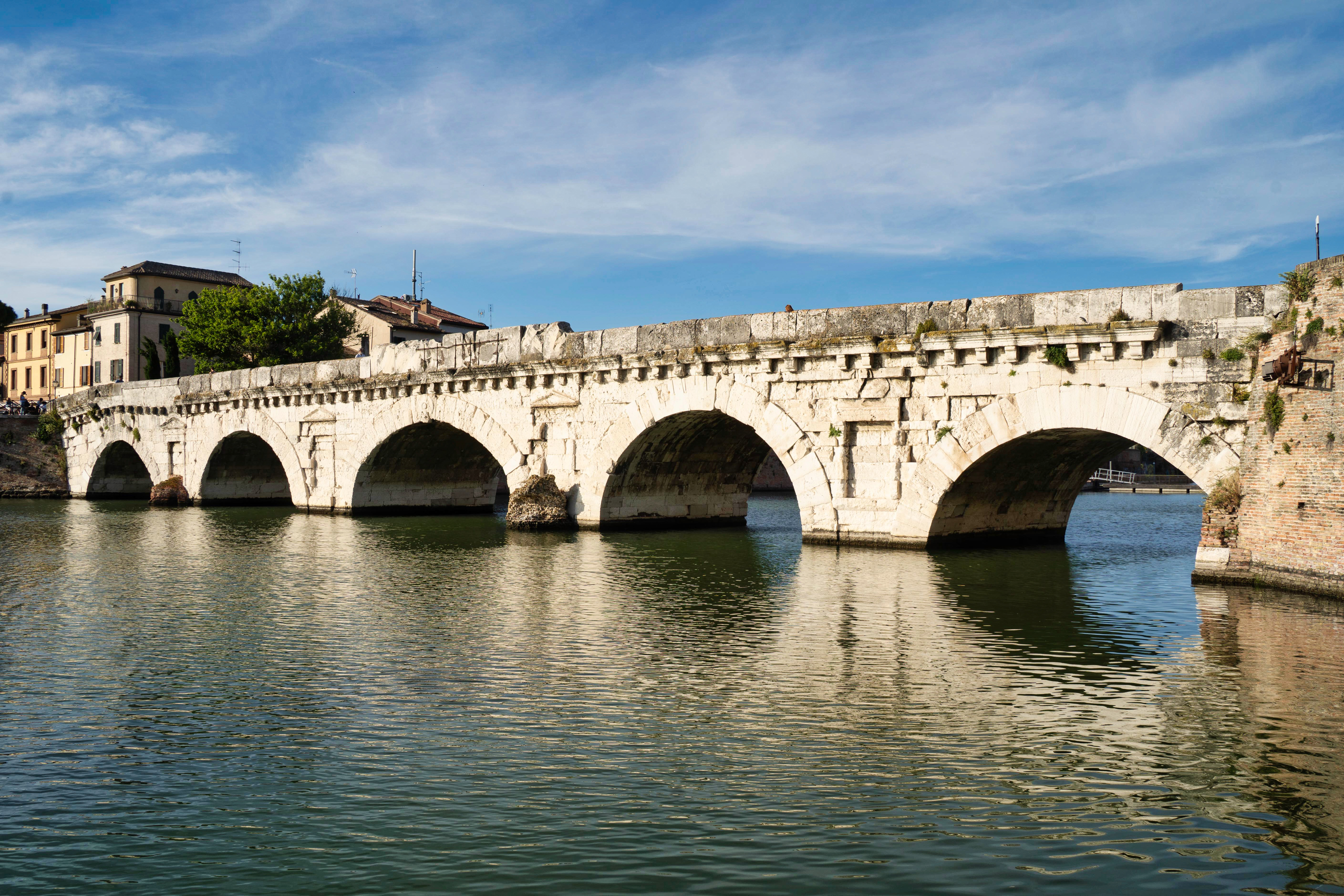
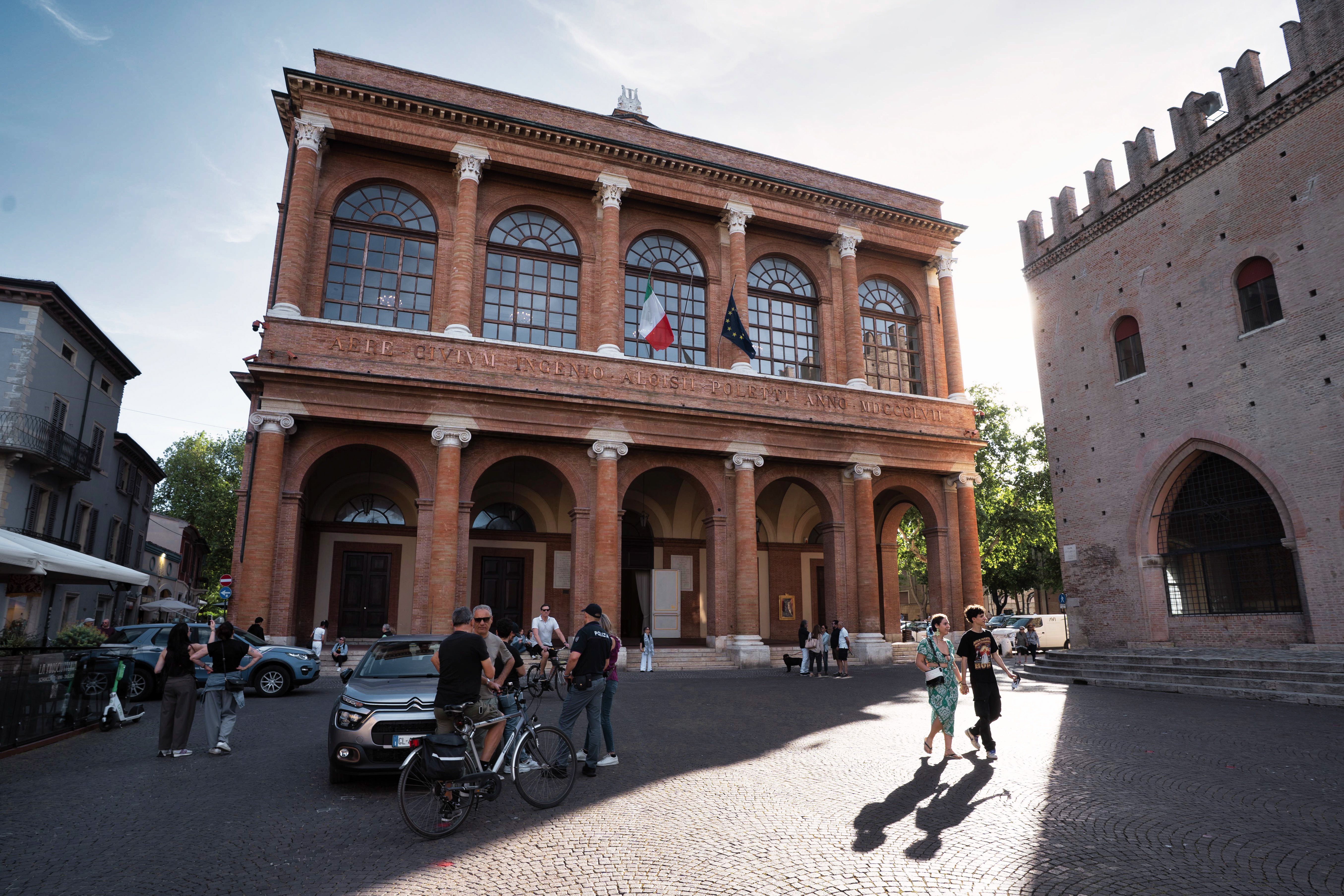
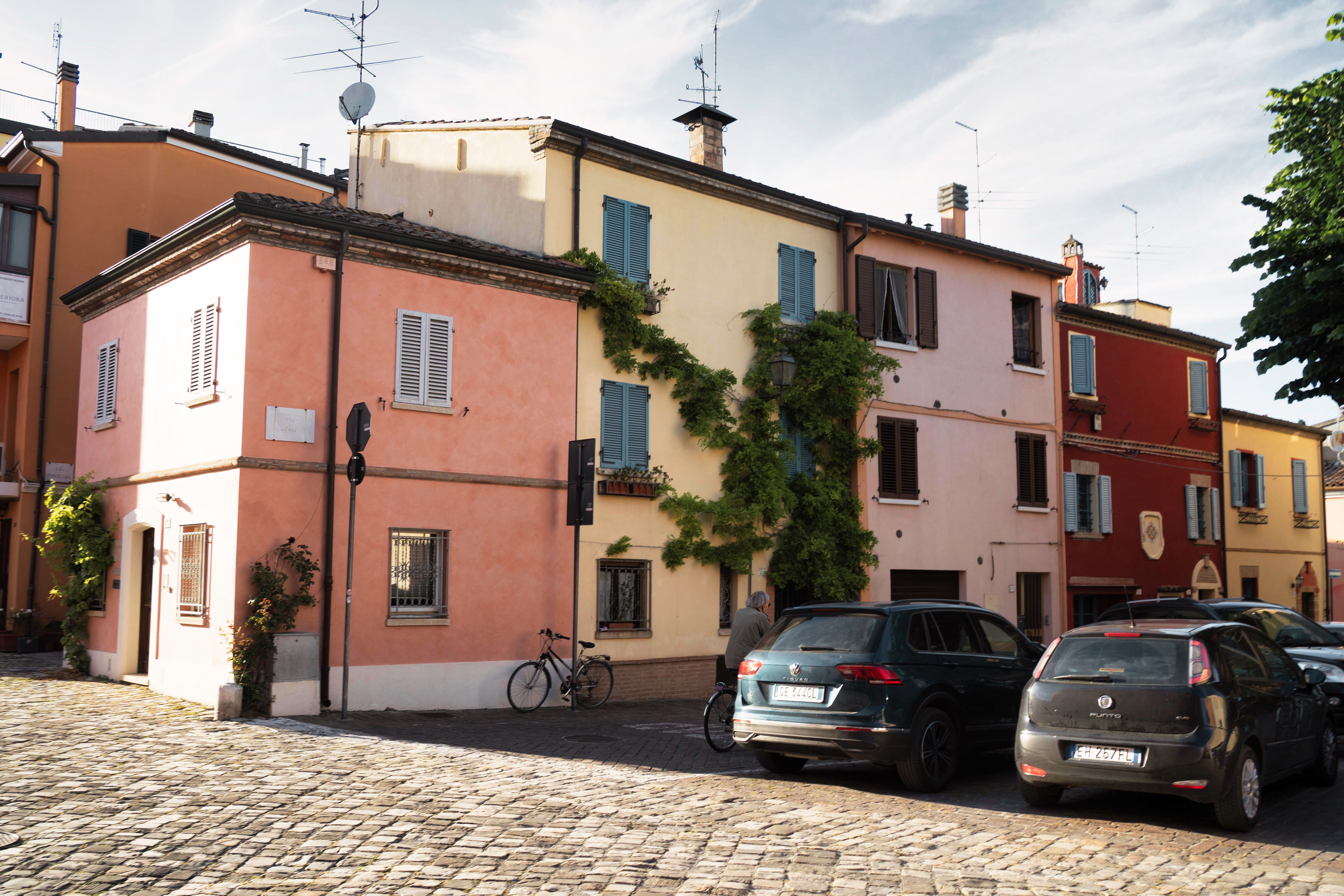
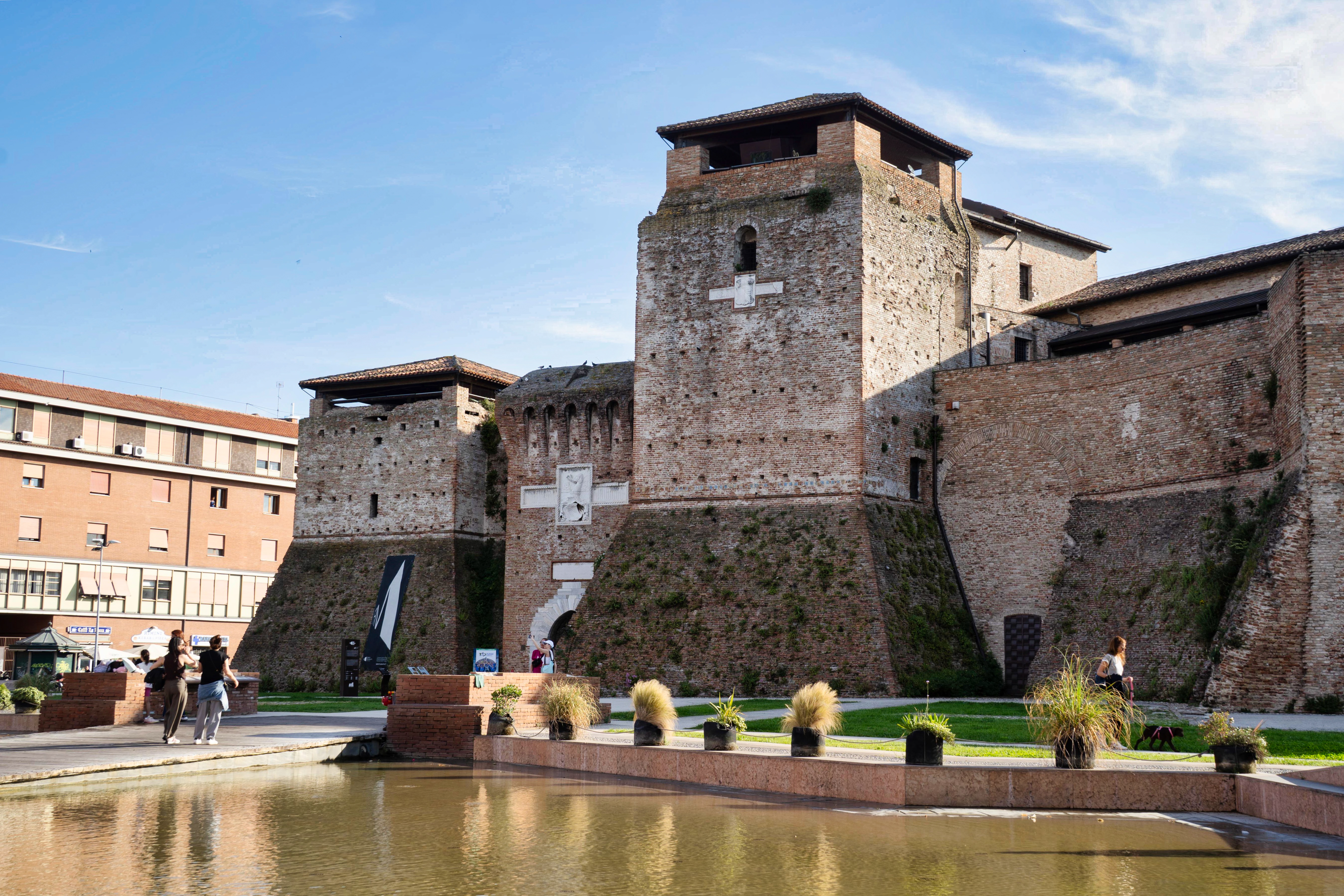
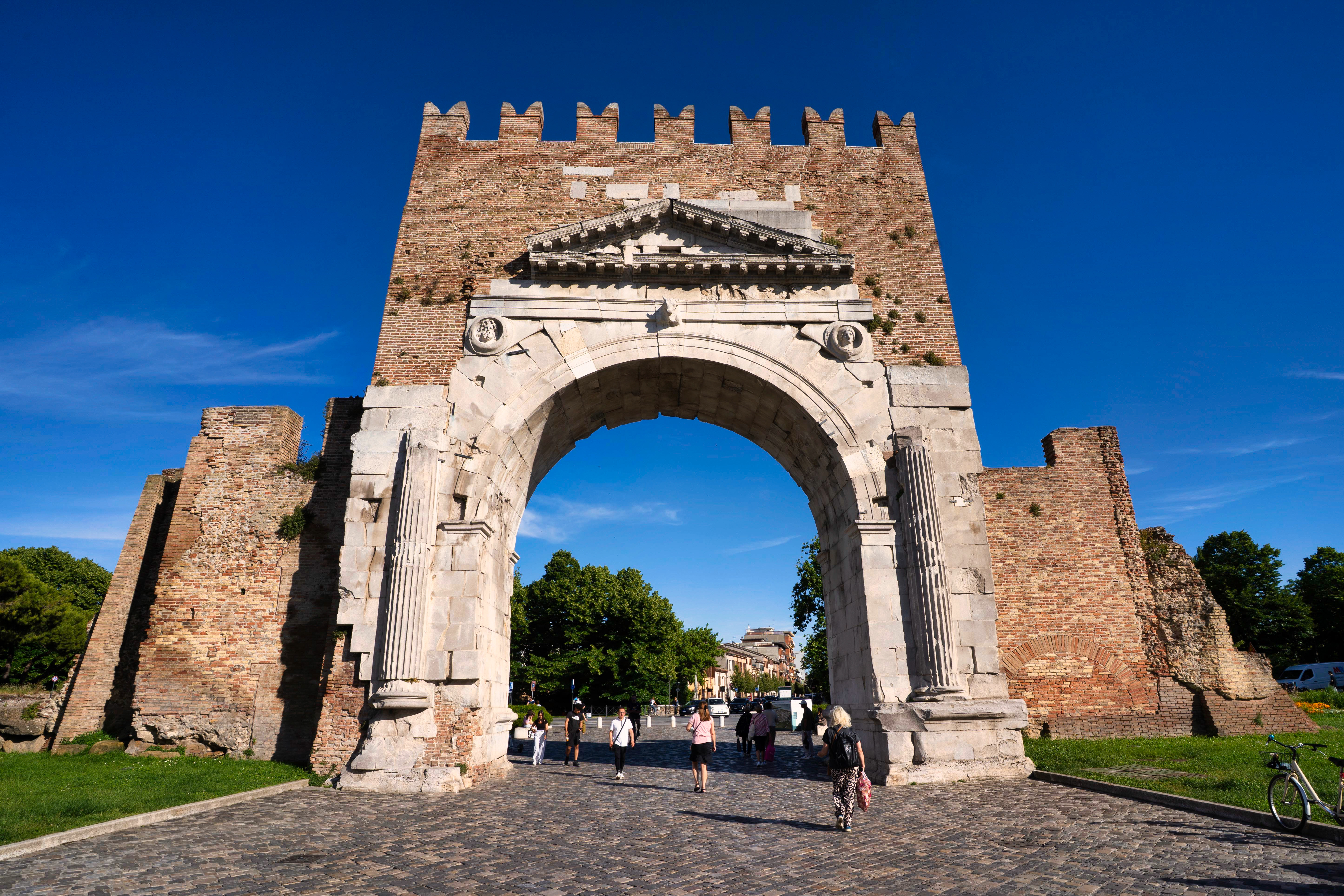
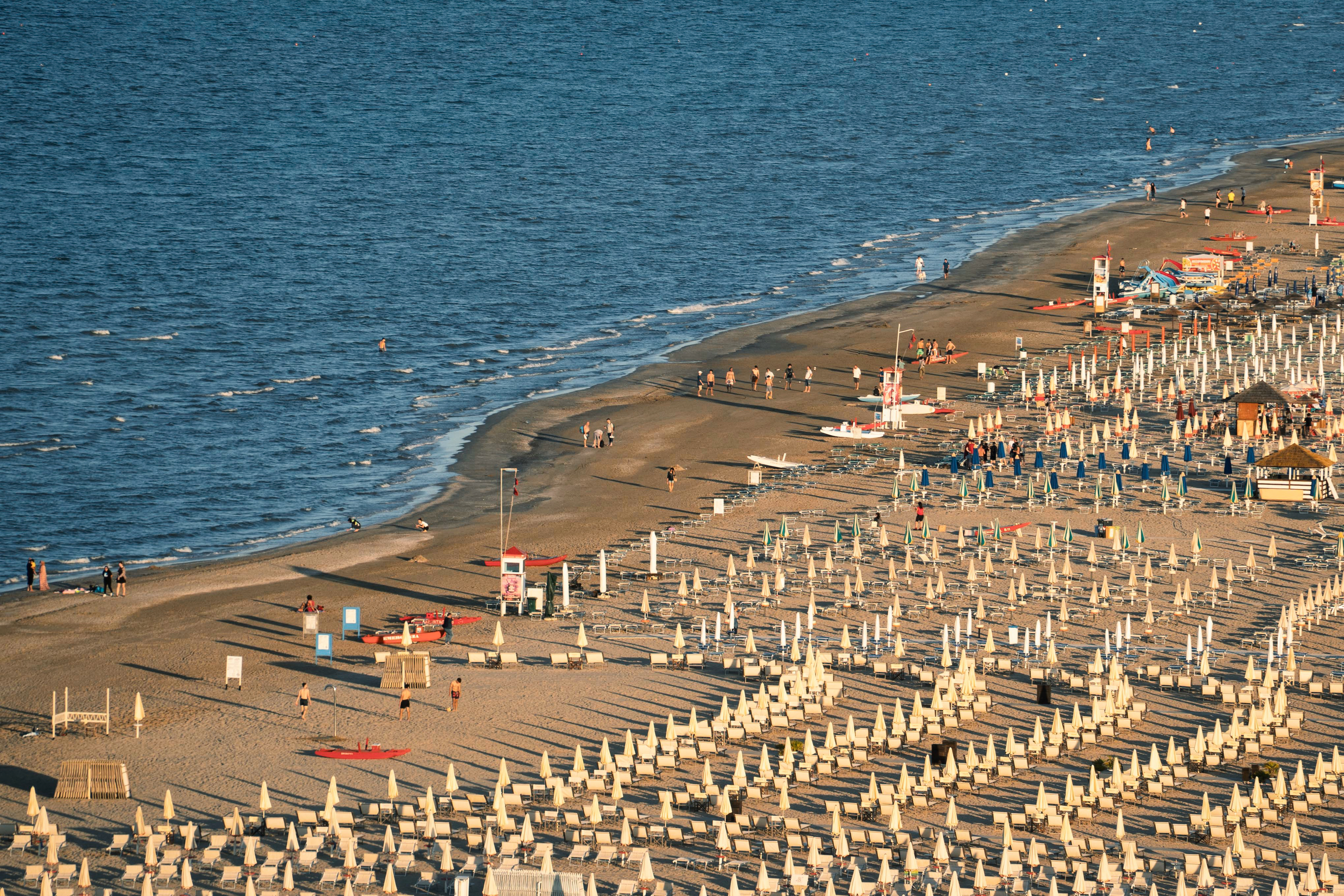
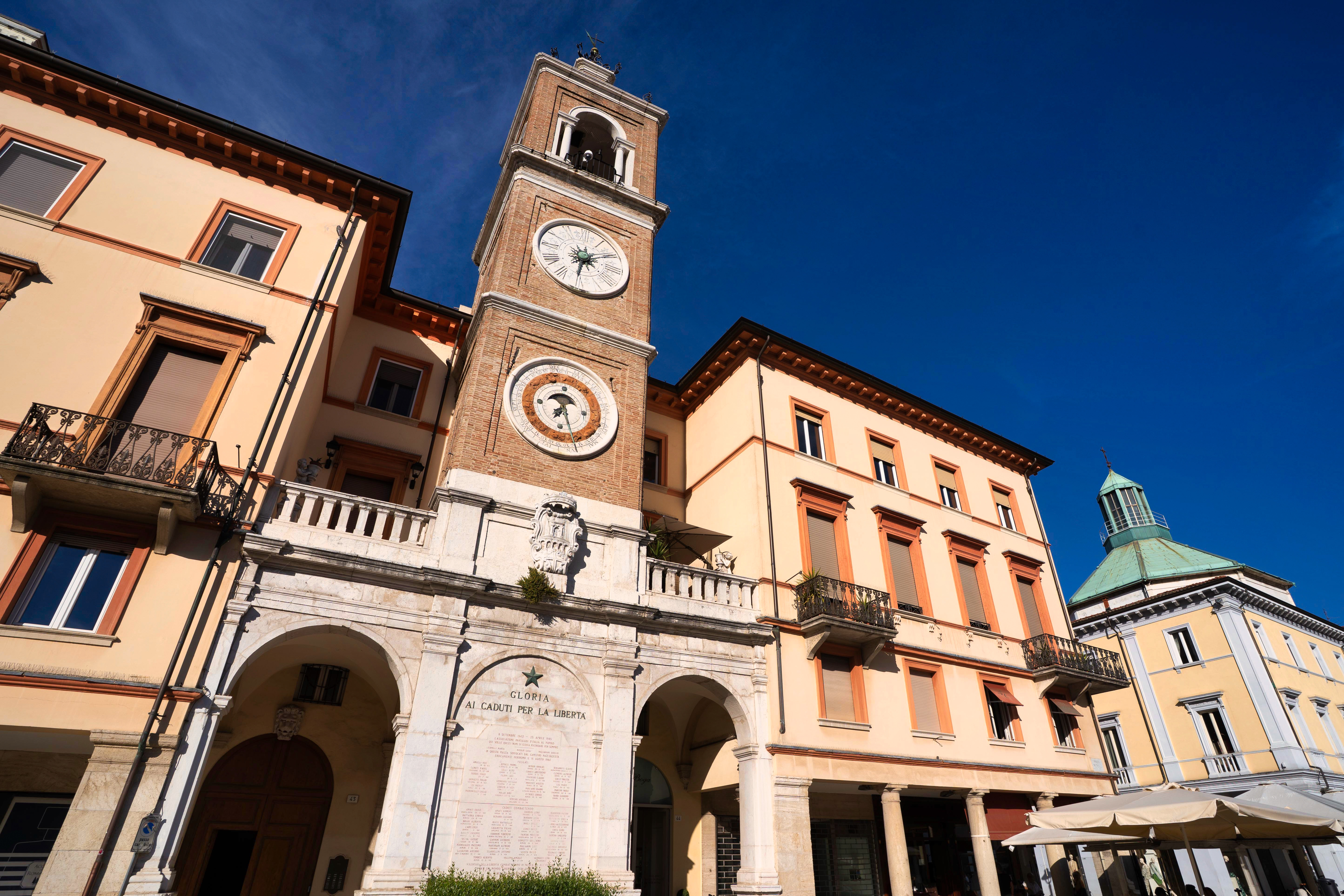
Rimini blends seaside charm with centuries of layered history. Walking through the old town, every corner seems to whisper a story — Roman ruins, medieval piazzas, and faded Renaissance facades coexist in a quiet, photogenic harmony. The Tiberius Bridge, particularly around golden hour, becomes a canvas of reflections and subtle light play, ideal for architectural and landscape photography. But Rimini isn’t only about history — its vibrant street life, colorful markets, and the relaxed rhythm of daily life offer countless candid moments worth capturing.

The Maritime City

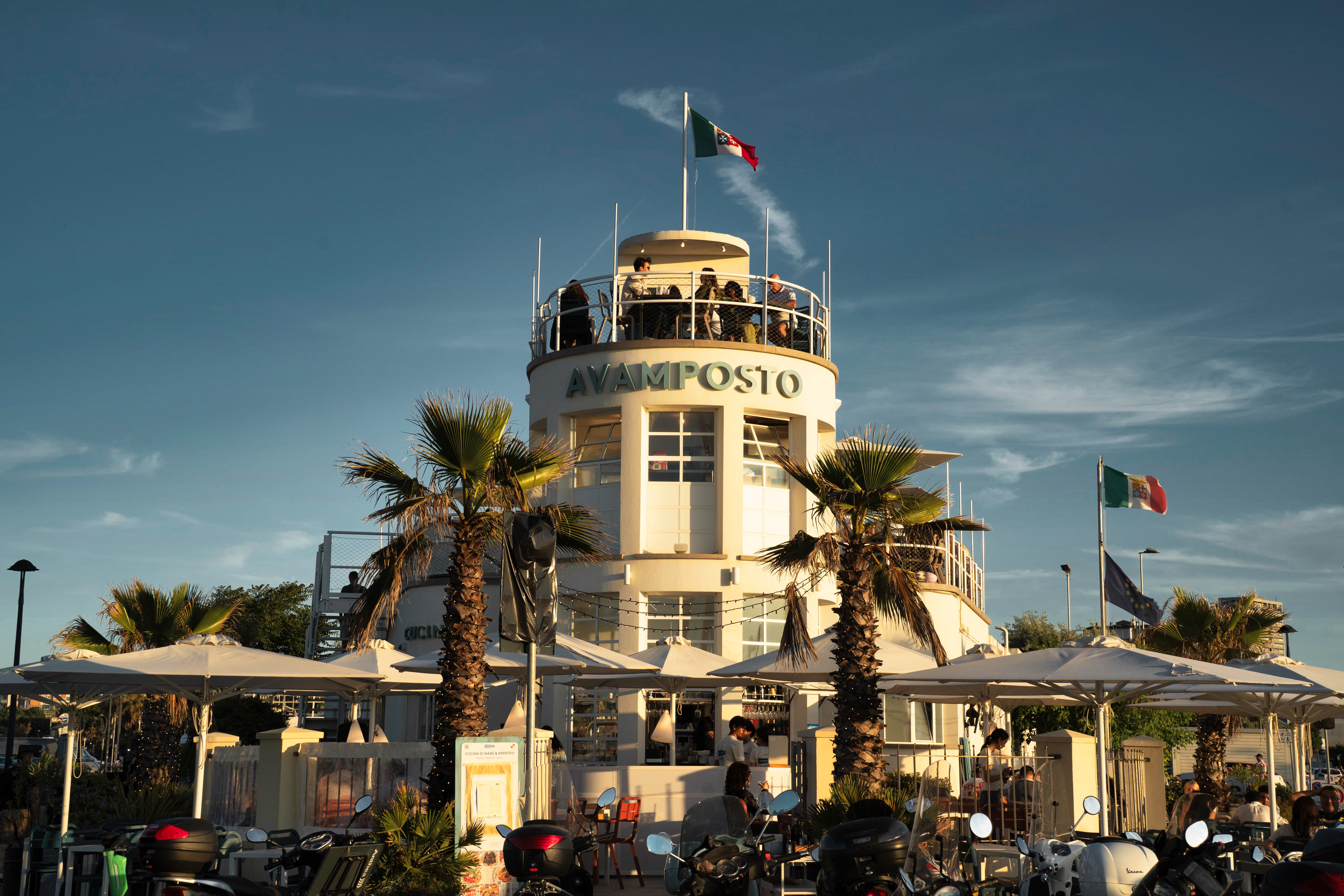
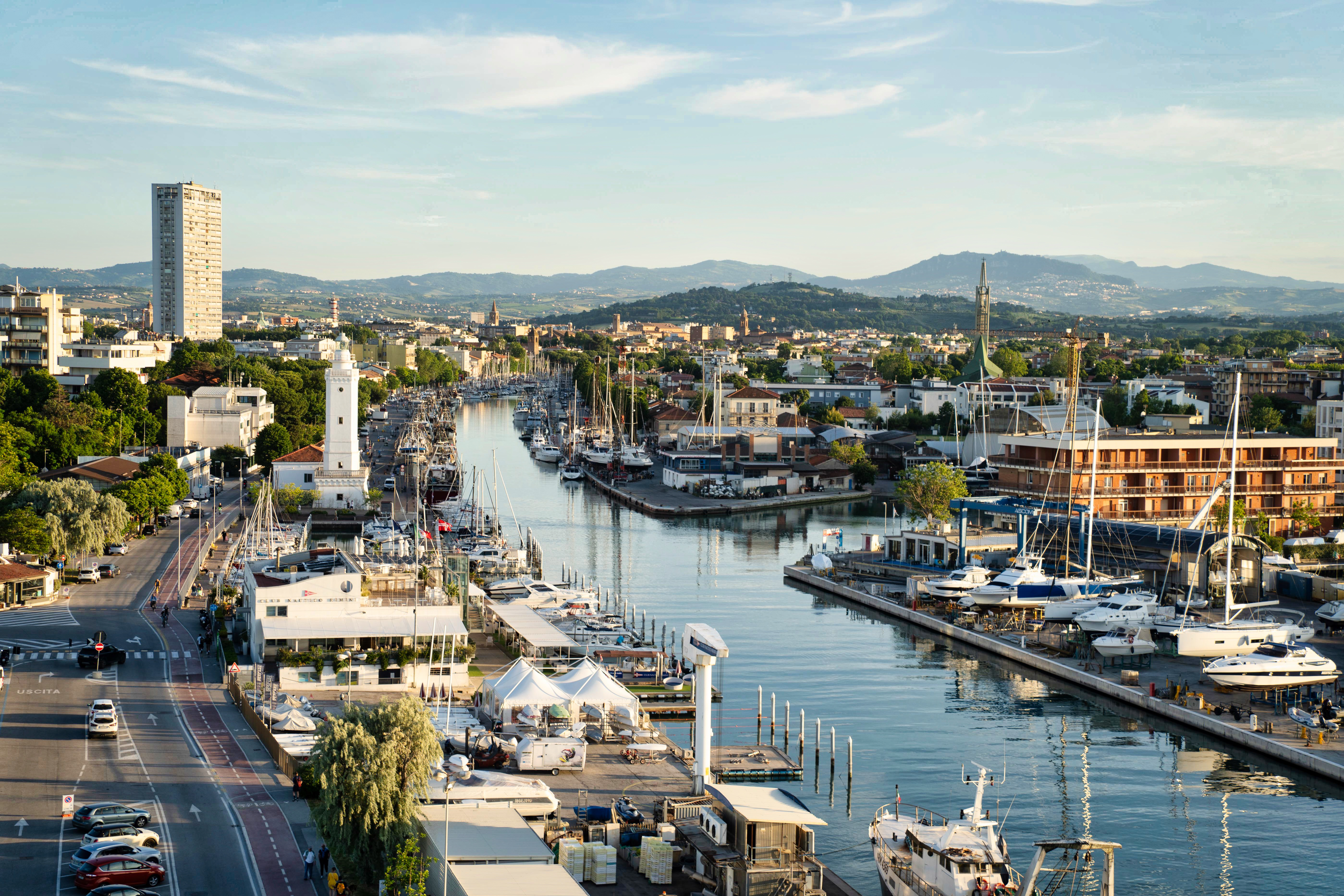
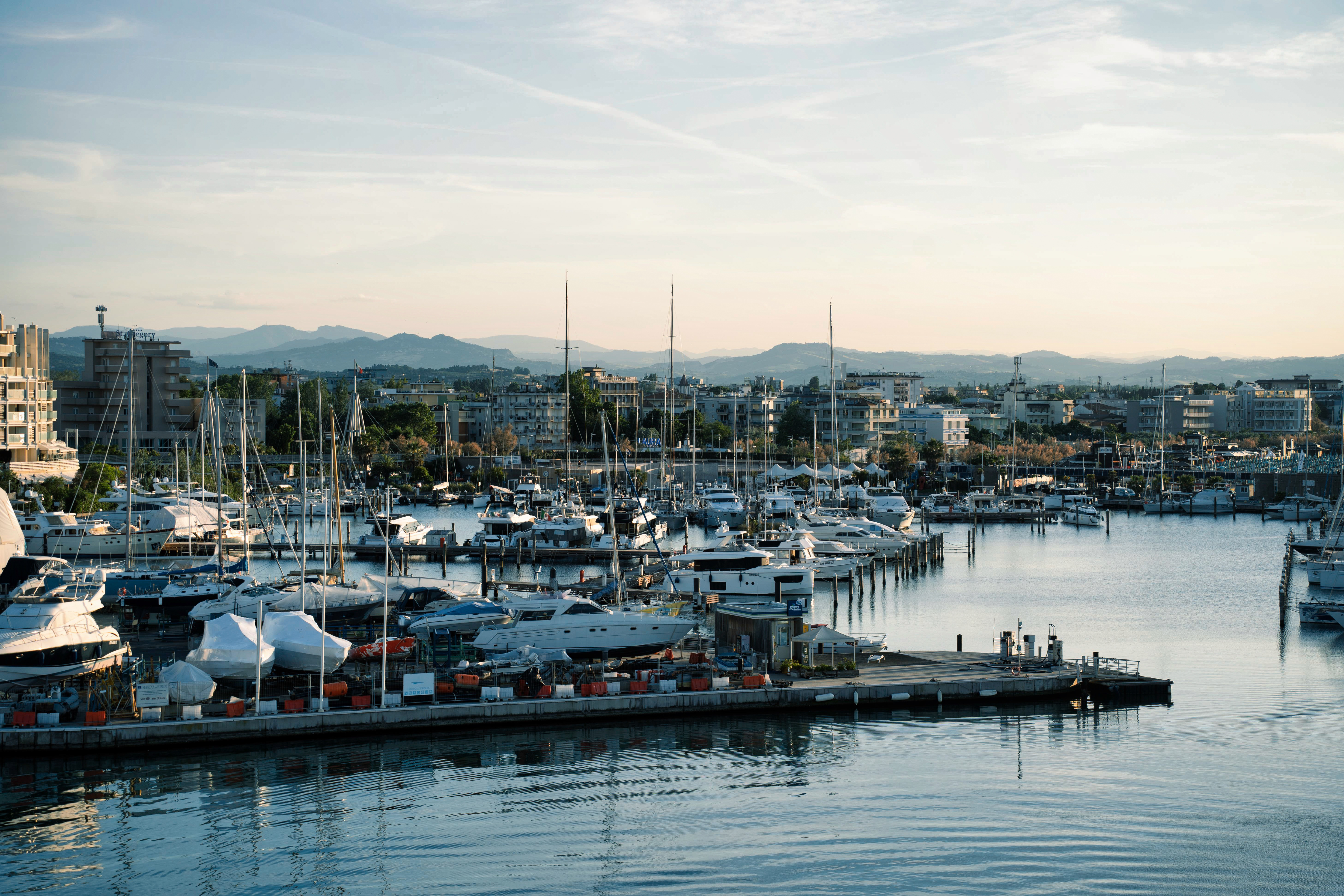
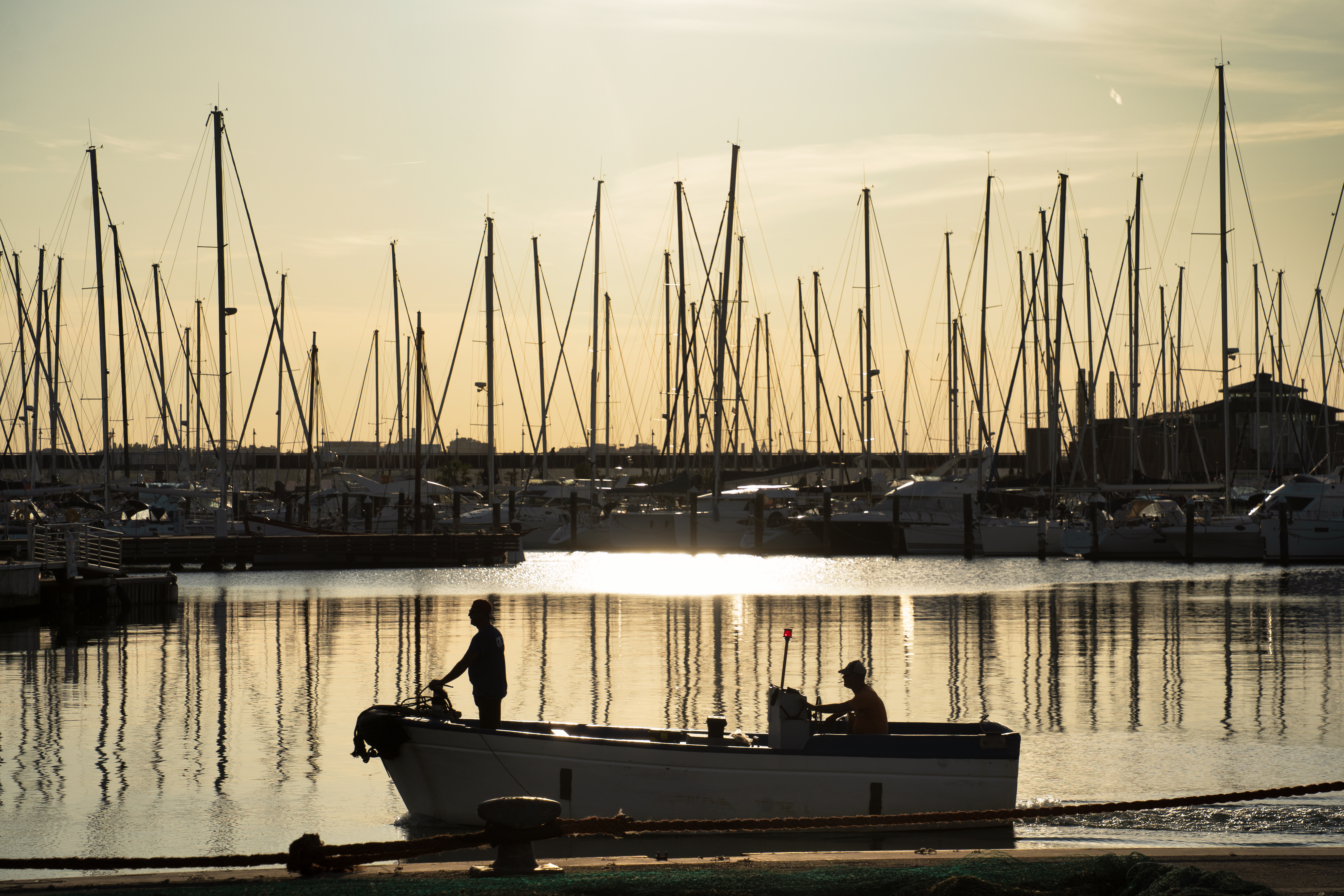
Rimini’s identity is inseparable from the sea — a city shaped by centuries of maritime tradition, coastal culture, and the ever-changing rhythm of the Adriatic. Beyond the sun loungers and beach umbrellas, Rimini reveals a deep connection to its nautical roots. The bustling port, with its fishing boats returning in the early morning light, tells stories of livelihoods built on salt, sea, and storms. The waterfront promenades hum with life, where locals stroll, fish, and gather for seafood meals that taste like the ocean itself. The scent of the sea lingers in the air, mingling with sunscreen in summer and salt spray in winter. Rimini’s maritime character also pulses through its festivals, its cuisine, and its people — warm, proud, and tied to the tides.

The Provinicial Palace

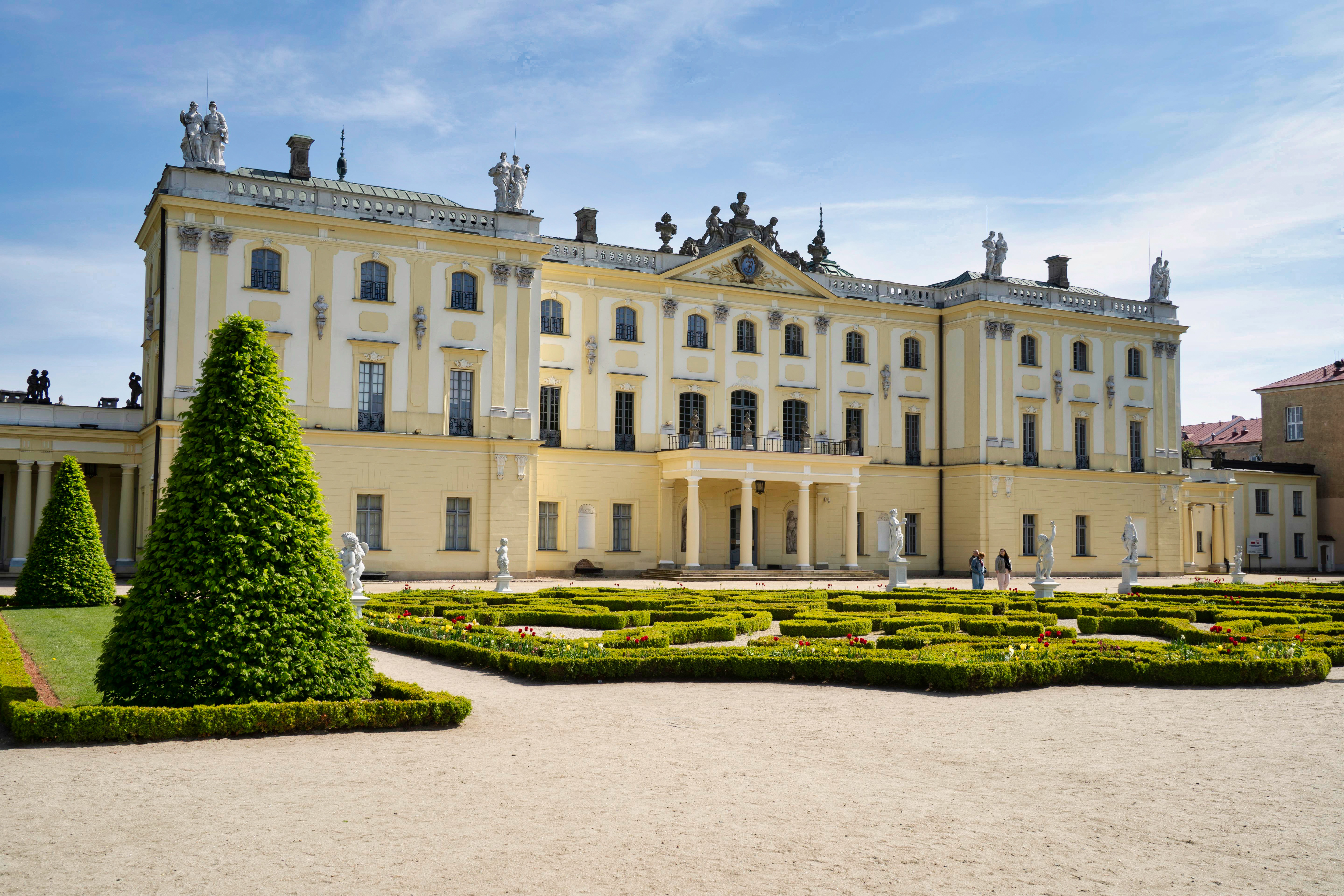
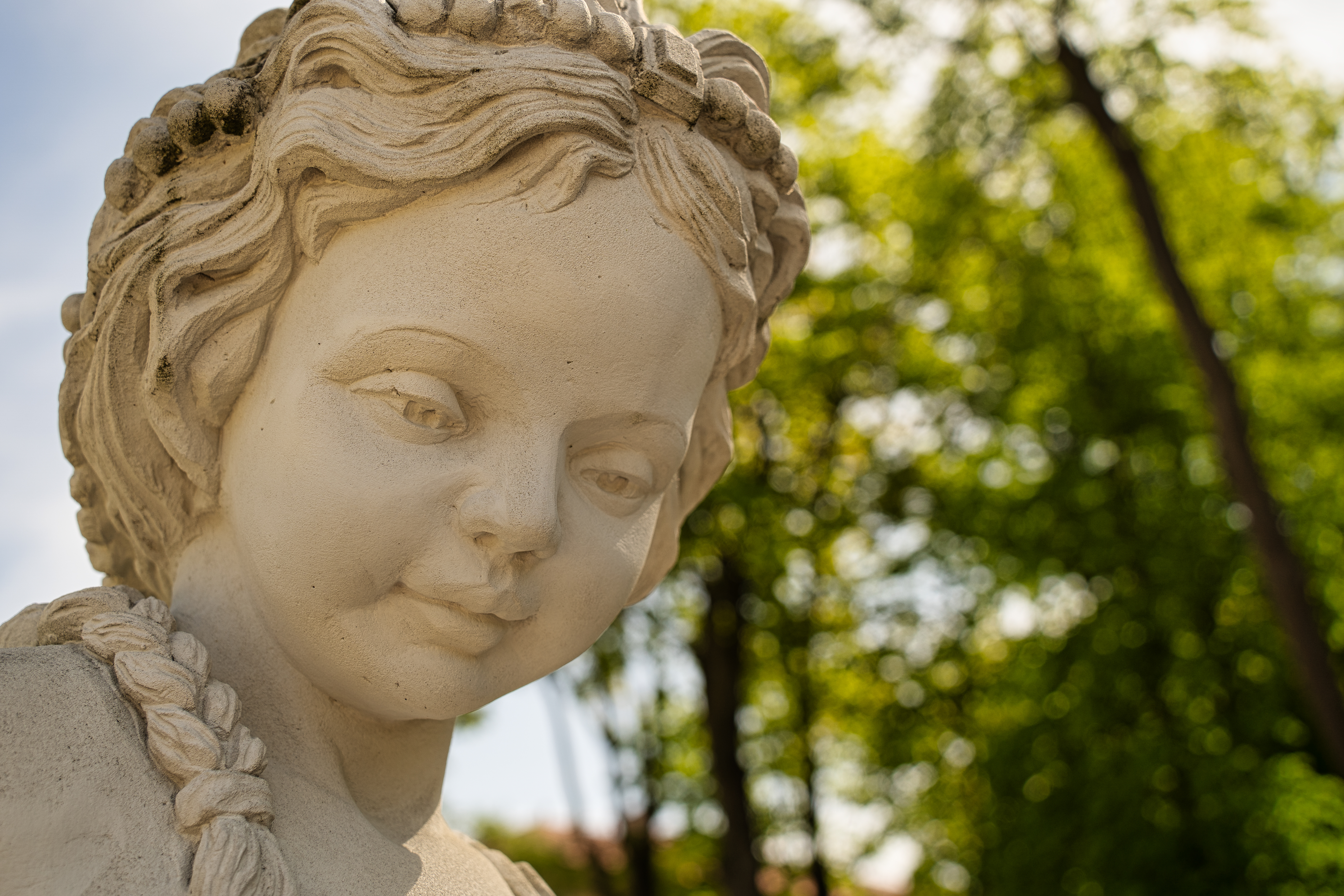
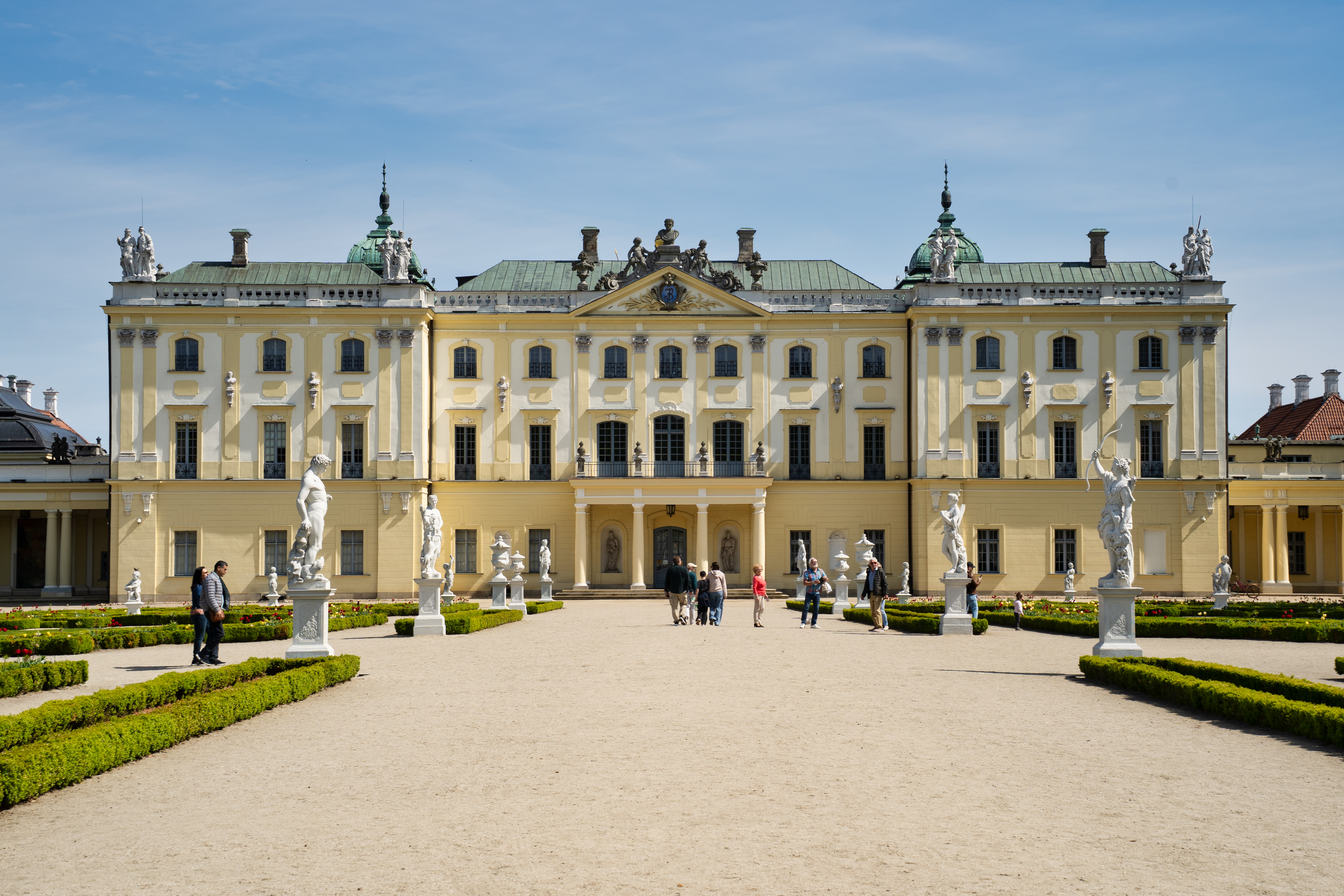
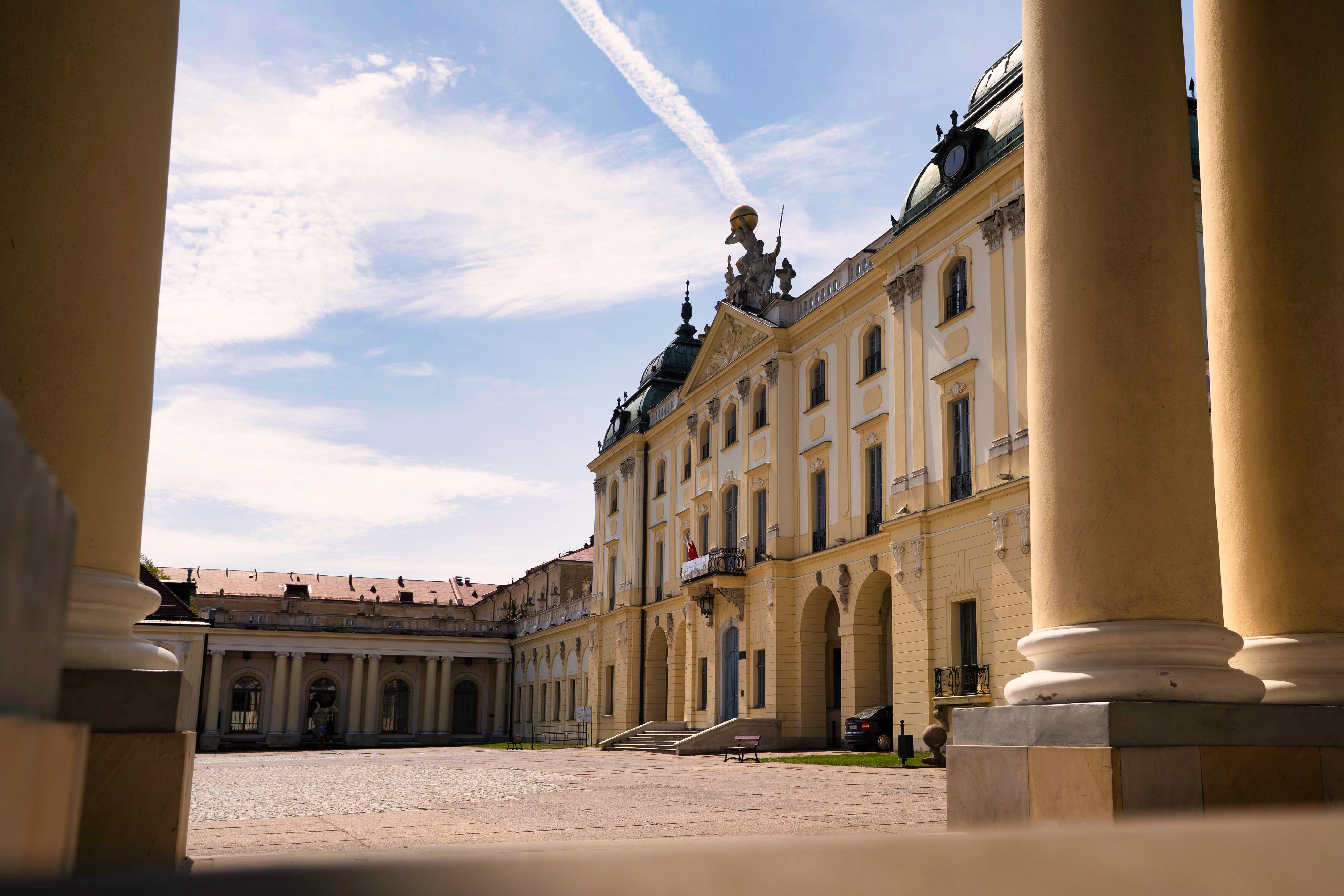
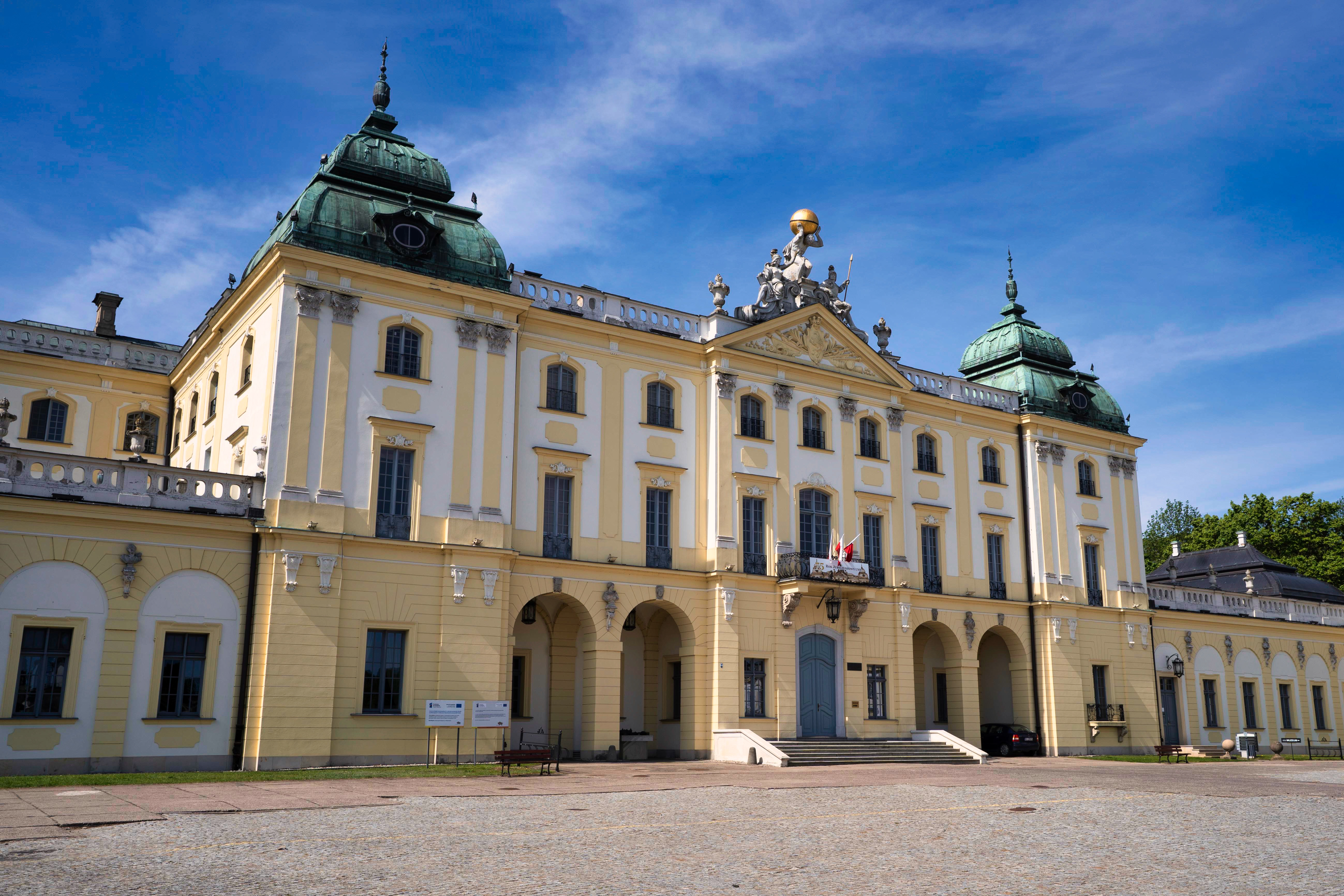
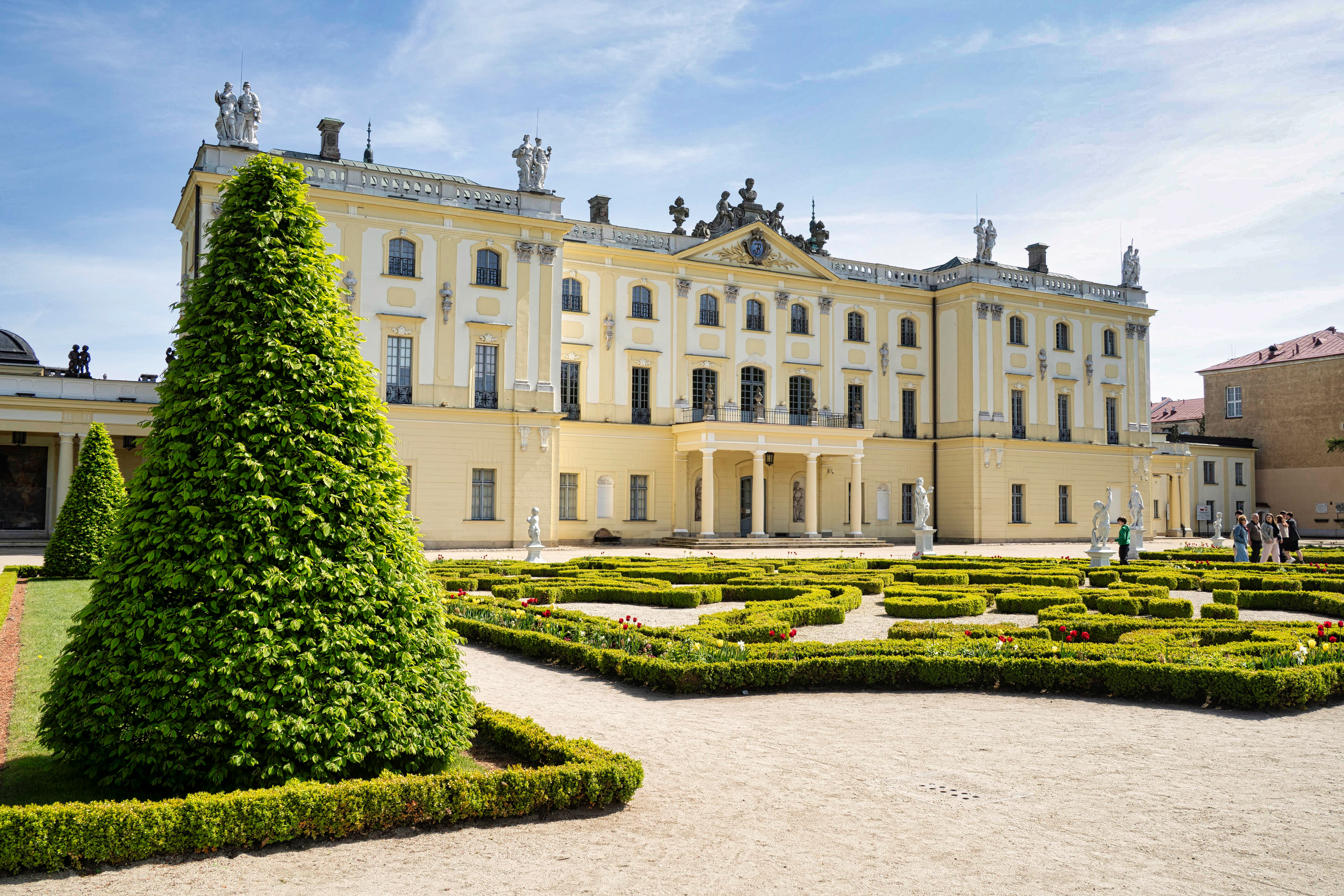
Set far from the grand avenues of Warsaw or Kraków, the Branicki Palace in Białystok wears its elegance with a certain quiet confidence. It doesn’t boast, it beckons—its pale façade reflecting the changing light of the Podlachian sky, its symmetry both formal and strangely inviting. Often nicknamed the “Versailles of the North,” it carries the aura of aristocracy, but not the hauteur. Surrounded by manicured gardens and tree-lined paths, it feels more like a memory than a monument—an echo of a time when ambition reached beyond the capital, and culture flourished in the provinces. In its stillness, the palace holds a story not just of wealth and power, but of regional pride and enduring grace.

Picturing Białystok

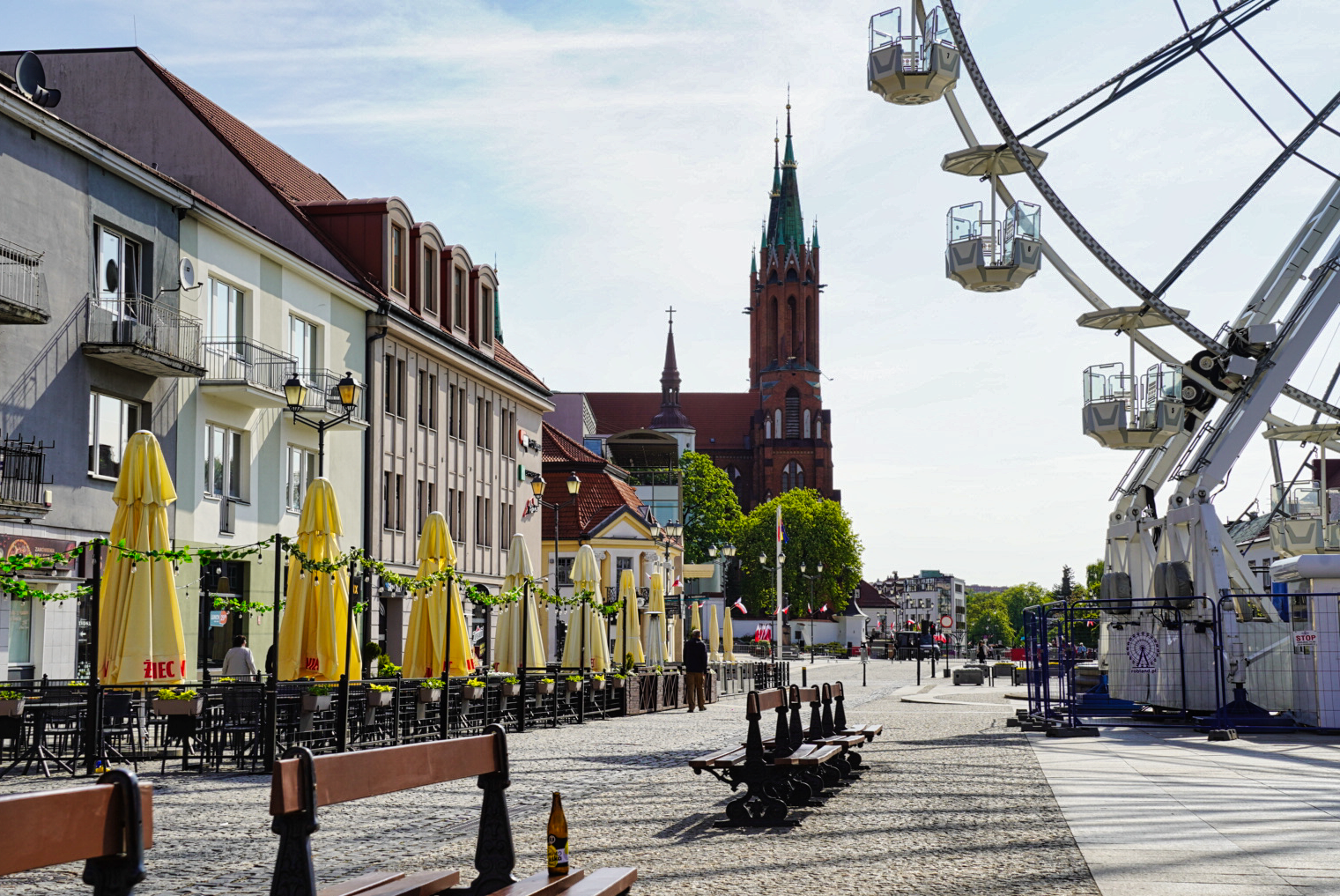
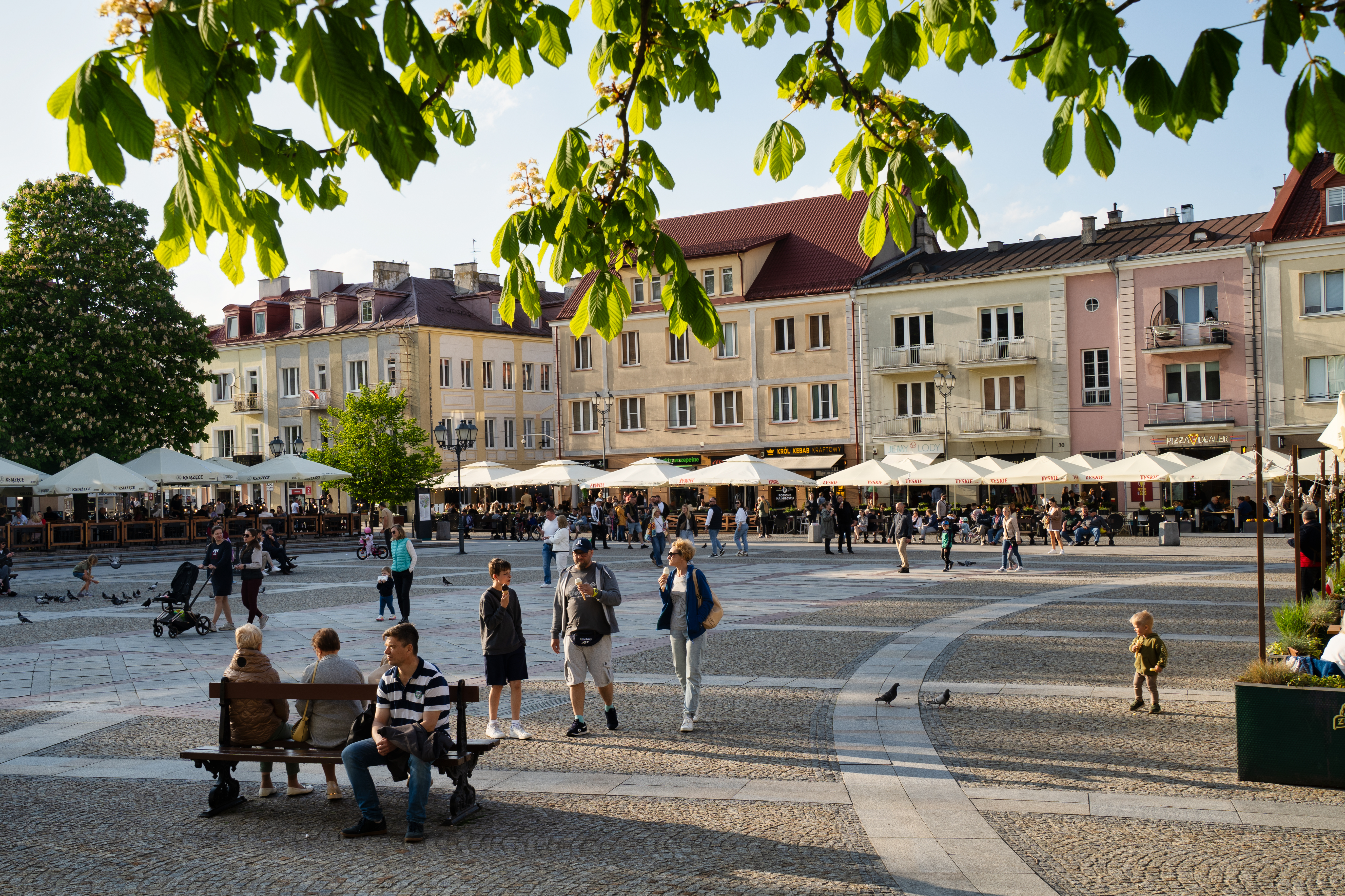
Białystok reveals itself in layers—visually calm yet rich in contrasts. Strolling through the city, one notices how pastel-colored townhouses stand beside remnants of austere Soviet blocks, while modern glass structures peek through canopies of green. The city’s centerpiece, Branicki Palace, gleams in pale yellow and white, its formal gardens unfolding with geometric precision. Orthodox churches with golden domes catch the sunlight, while street art and murals add splashes of bold color to otherwise quiet corners. In spring and summer, parks like Planty burst with blossoms, framing the city in soft, natural tones. Białystok is not loud in its beauty—it invites a slower gaze, rewarding the observant with moments of surprising elegance and balance.