
Perspectives on a Palace
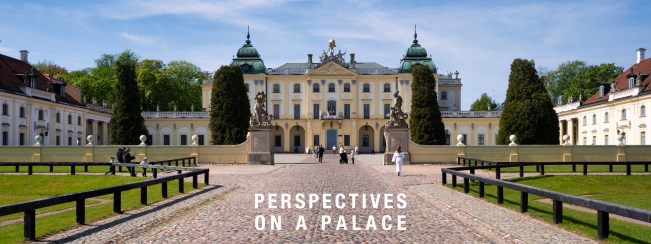
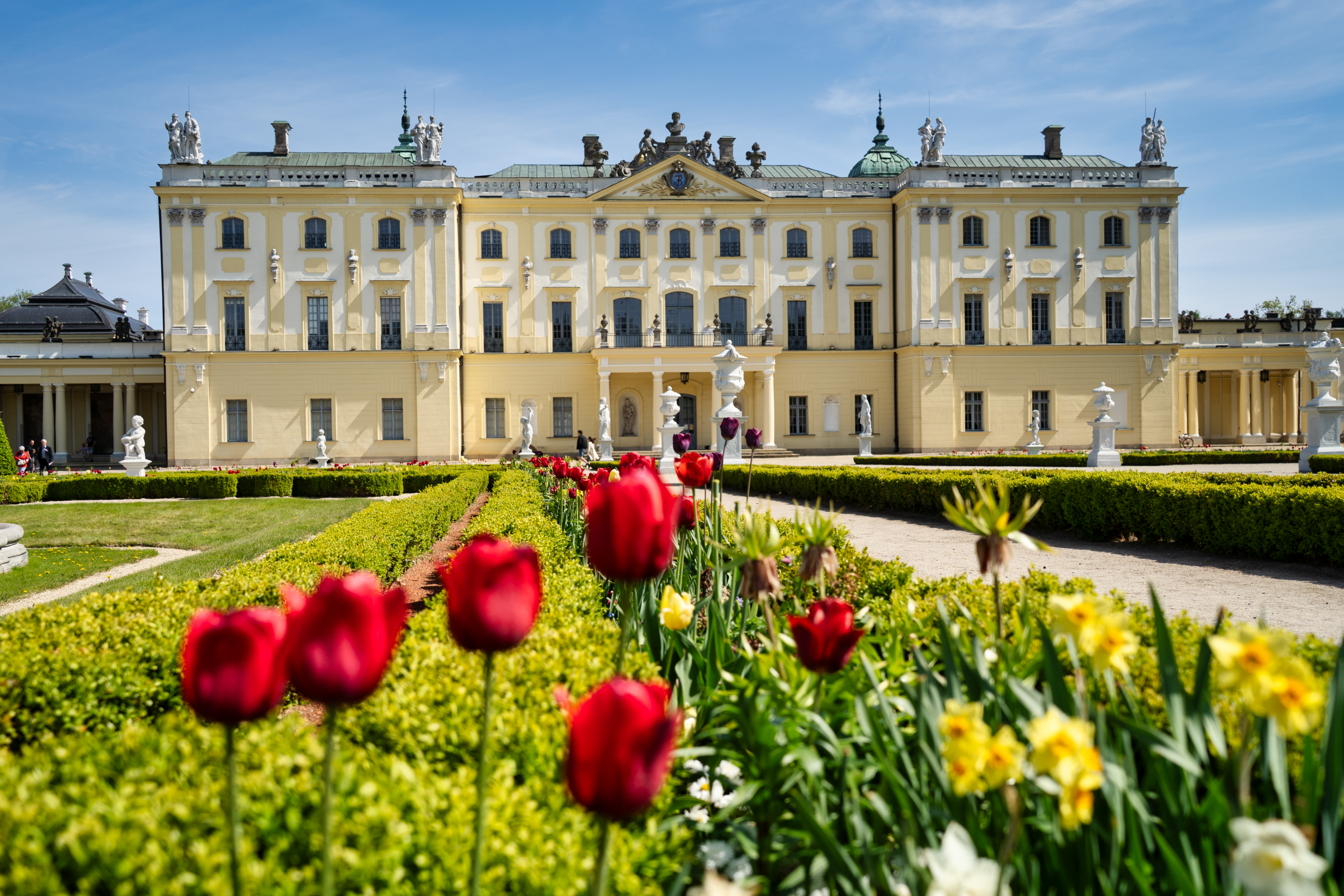
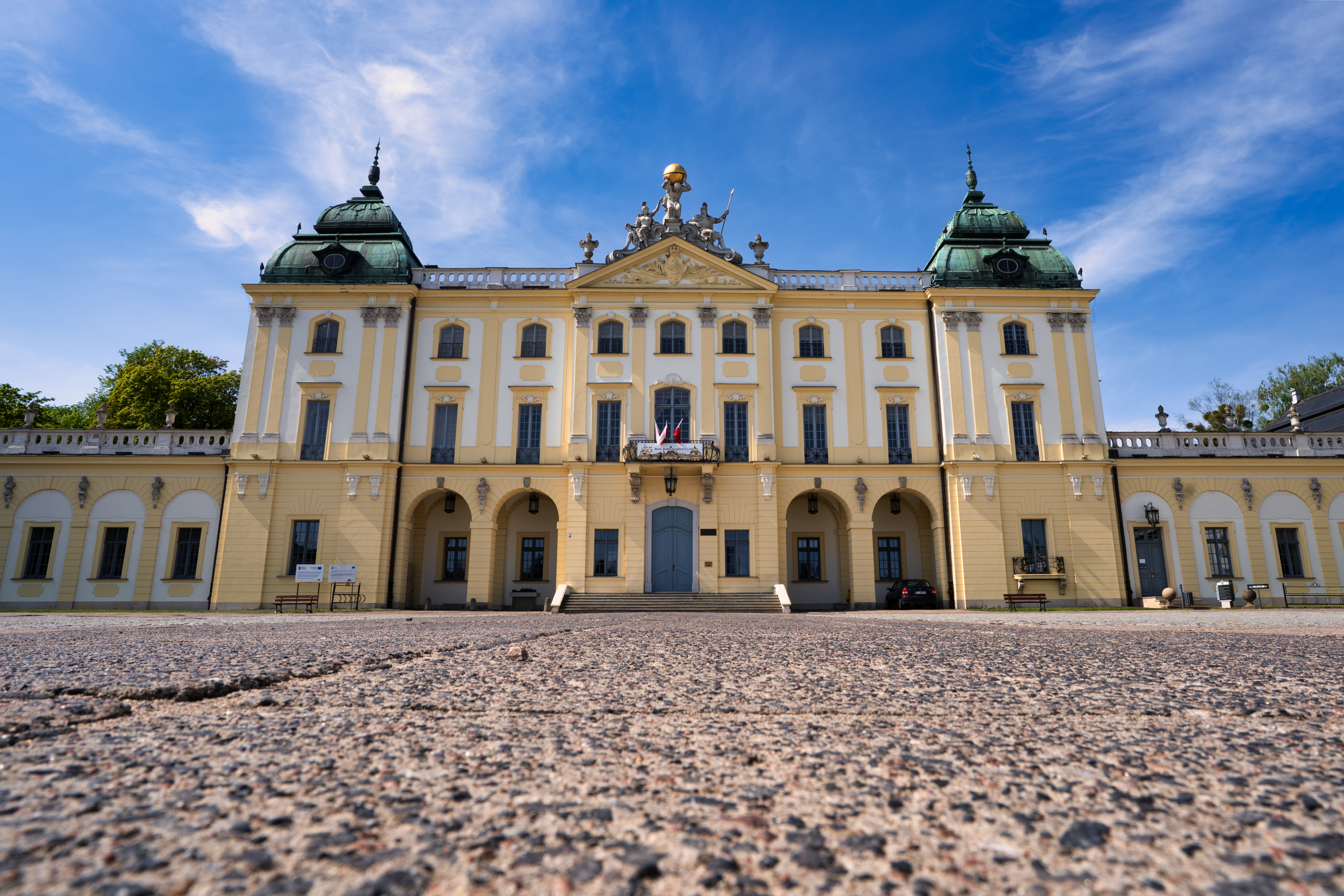
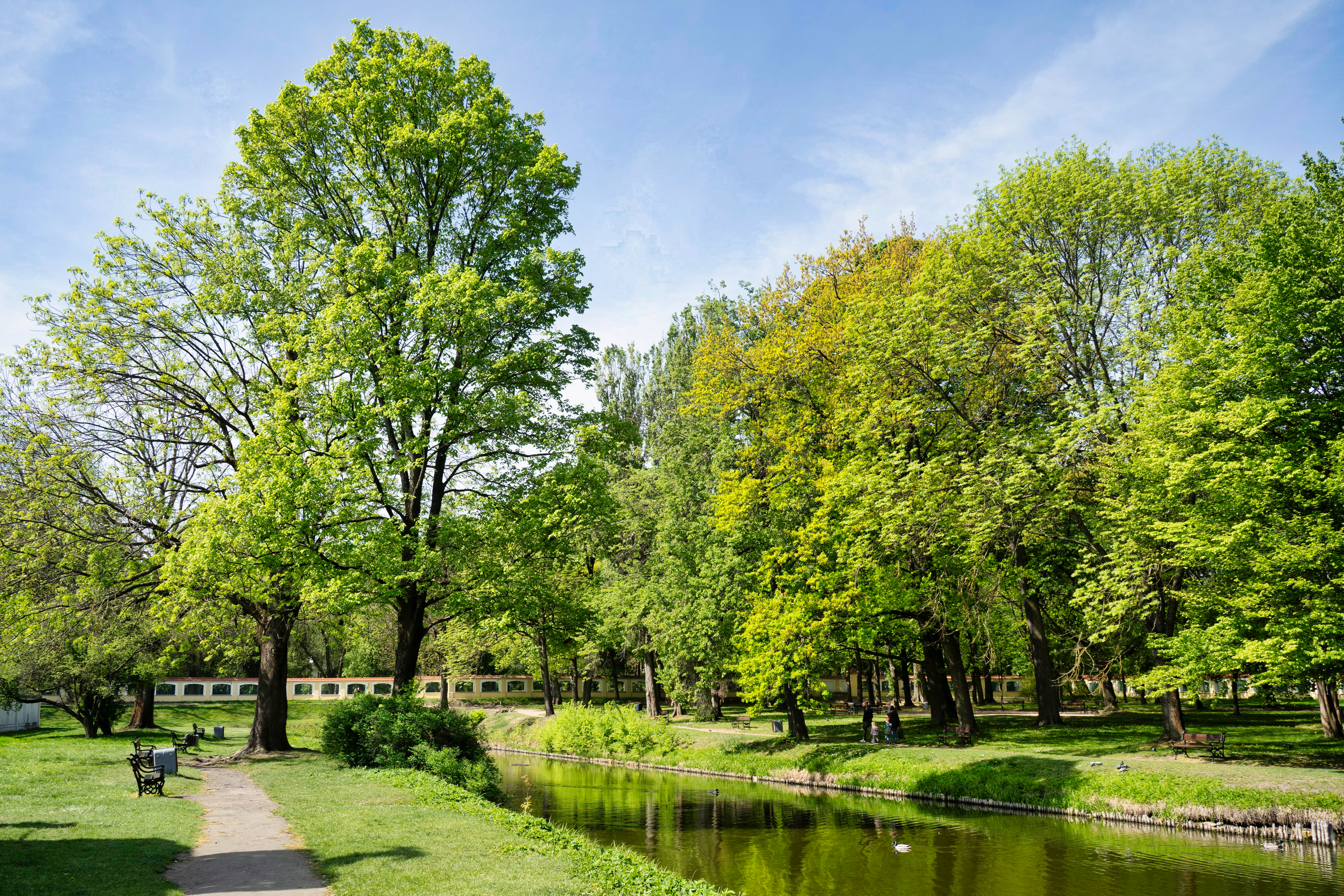
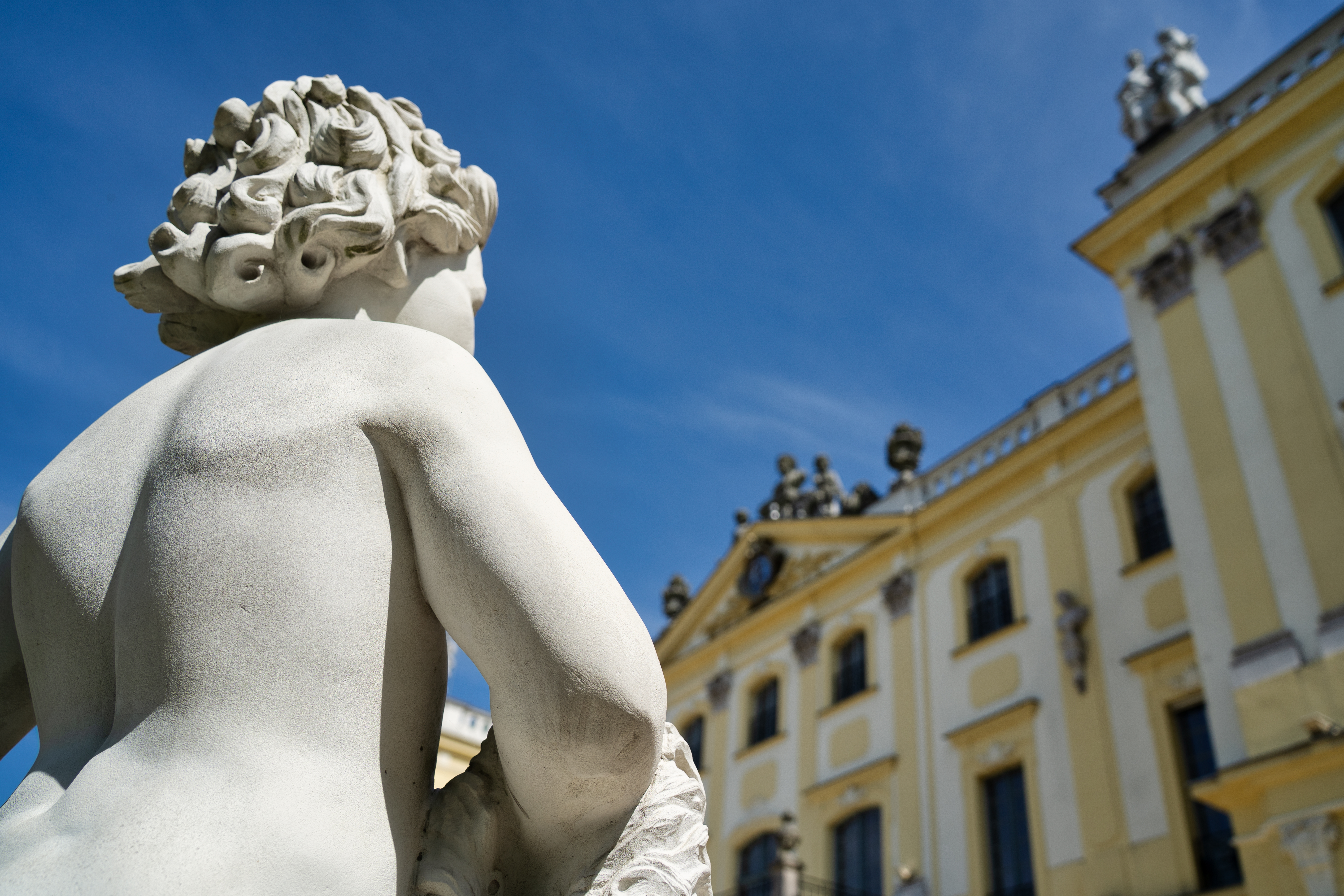
In the heart of Białystok stands the Branicki Palace, a testament to the grandeur of Poland’s aristocratic past. Commissioned in the late 17th century by Stefan Mikołaj Branicki and later expanded by his son, Jan Klemens Branicki, the palace was transformed into a magnificent Baroque residence, earning it the moniker “Versailles of Podlasie.”Designed by prominent architects like Tylman van Gameren and Johann Sigmund Deybel, the palace features a symmetrical façade adorned with Ionic columns and a central pediment displaying the Branicki coat of arms. The surrounding gardens, meticulously restored with EU support, showcase French parterre designs and English landscape elements, offering visitors a glimpse into 18th-century aristocratic life.

 Michael Hoffman Photography