
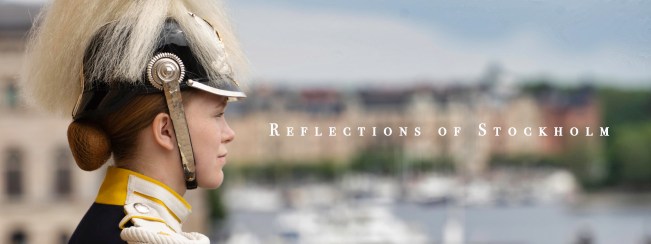
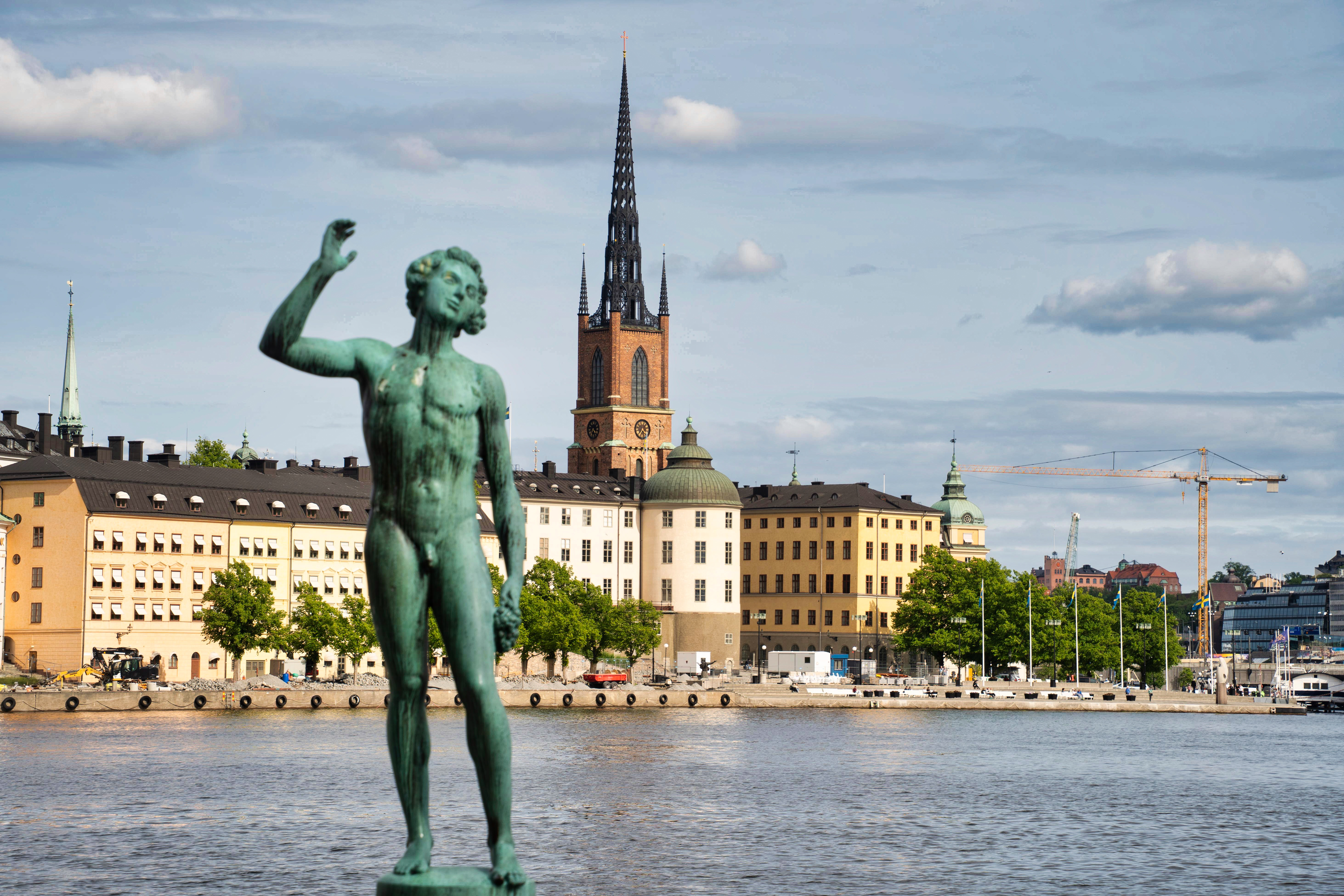
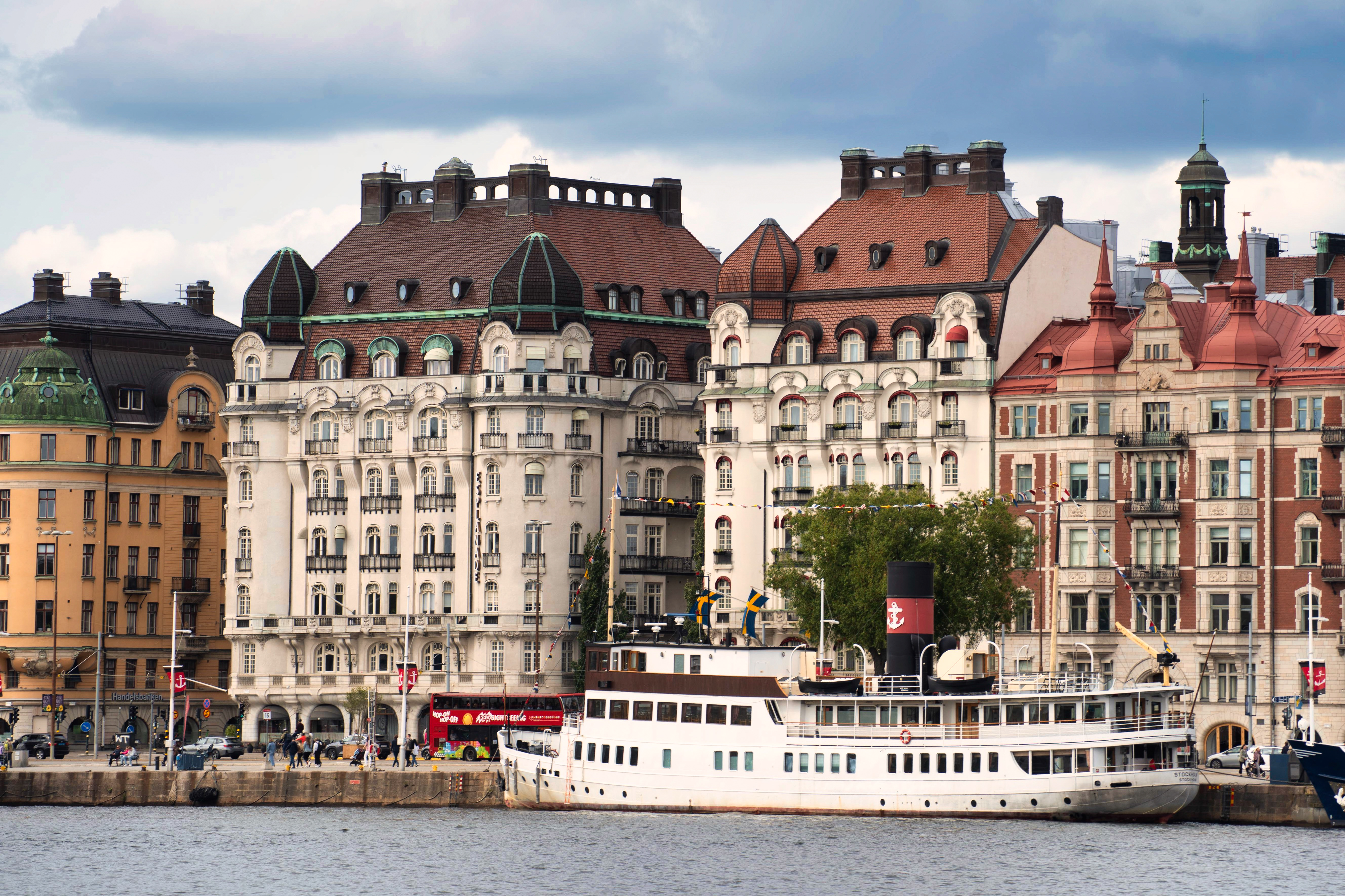
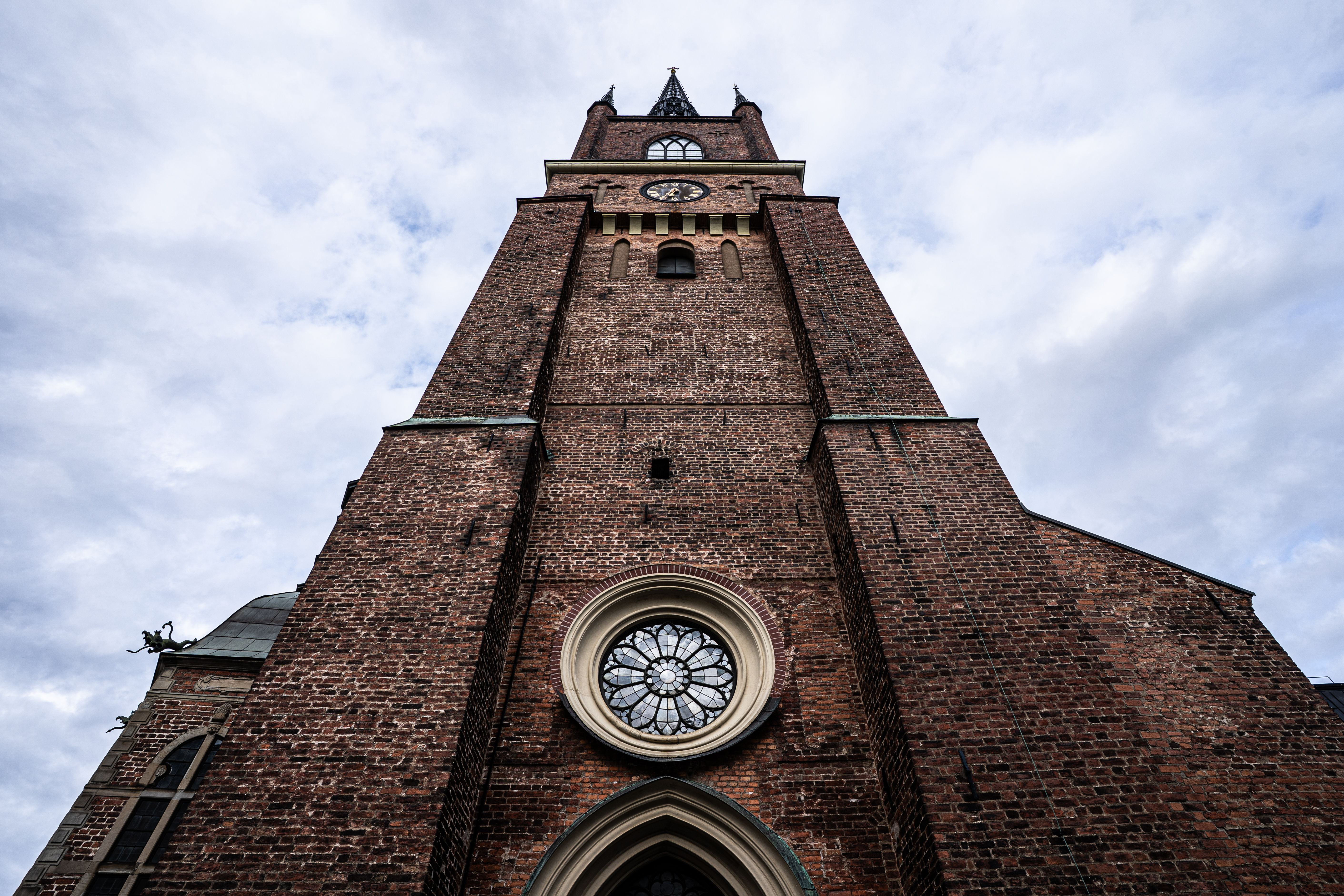
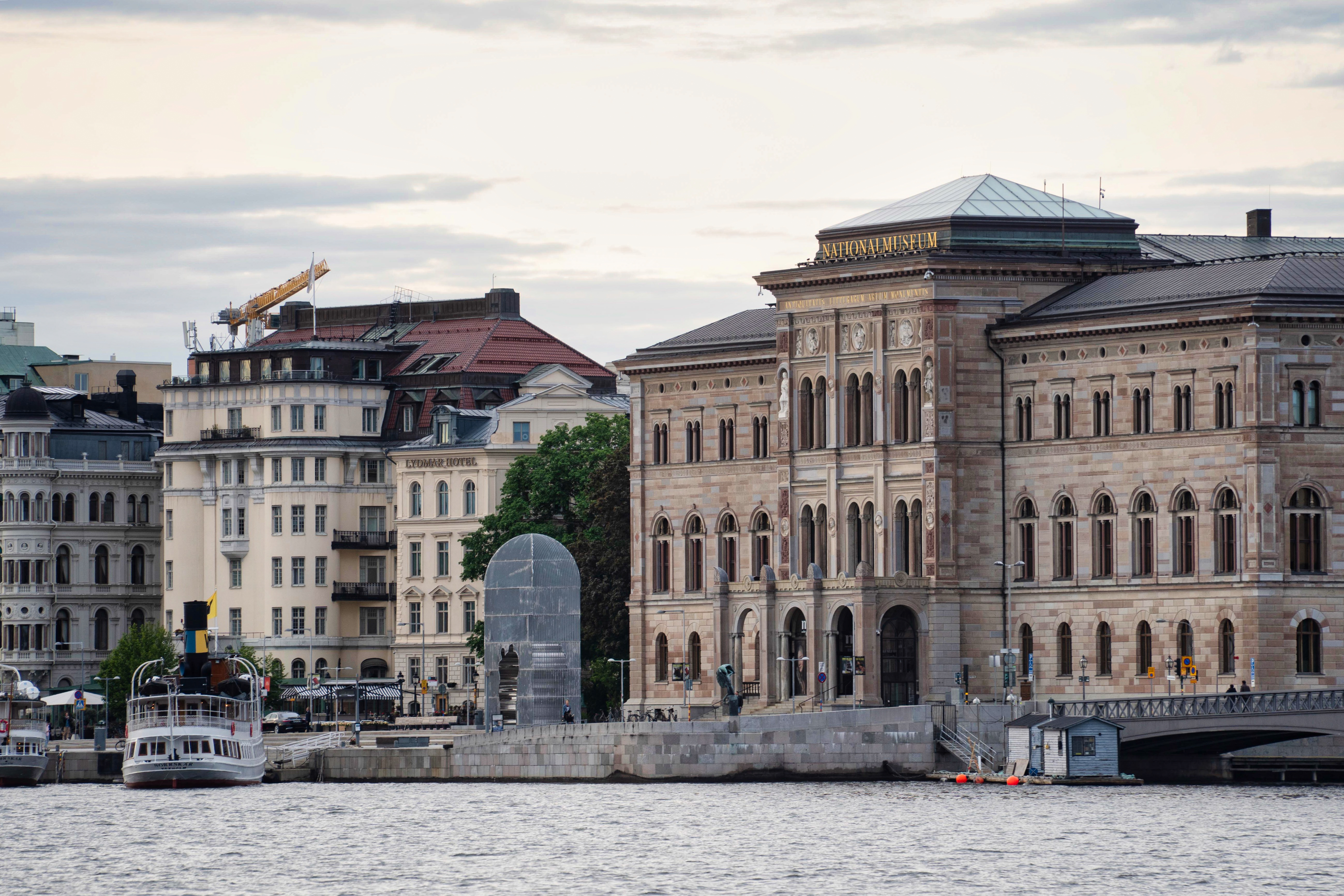
Stockholm, the capital of Sweden, is a city built on fourteen islands connected by over fifty bridges, where water is as much a part of daily life as stone and pavement. Its unique geography has shaped its identity for centuries, from its founding in the 13th century as a strategic trading post to its role today as the political and cultural heart of the nation. The old town, Gamla Stan, with its narrow cobbled streets and well-preserved medieval buildings, stands as a reminder of the city’s long history, while modern districts like Södermalm and Östermalm reflect a vibrant and evolving urban landscape. One of the most iconic landmarks is the Stockholm City Hall, completed in 1923, known for its National Romantic architecture and as the venue for the annual Nobel Prize banquet. Stockholm’s history is deeply tied to its waterways, which once carried goods and merchants, and now serve ferries, kayakers, and locals alike. Walking through the city, you constantly see reflections—of old in new, of buildings in water, and of a capital that balances its royal past with a forward-looking spirit.

 Michael Hoffman Photography