
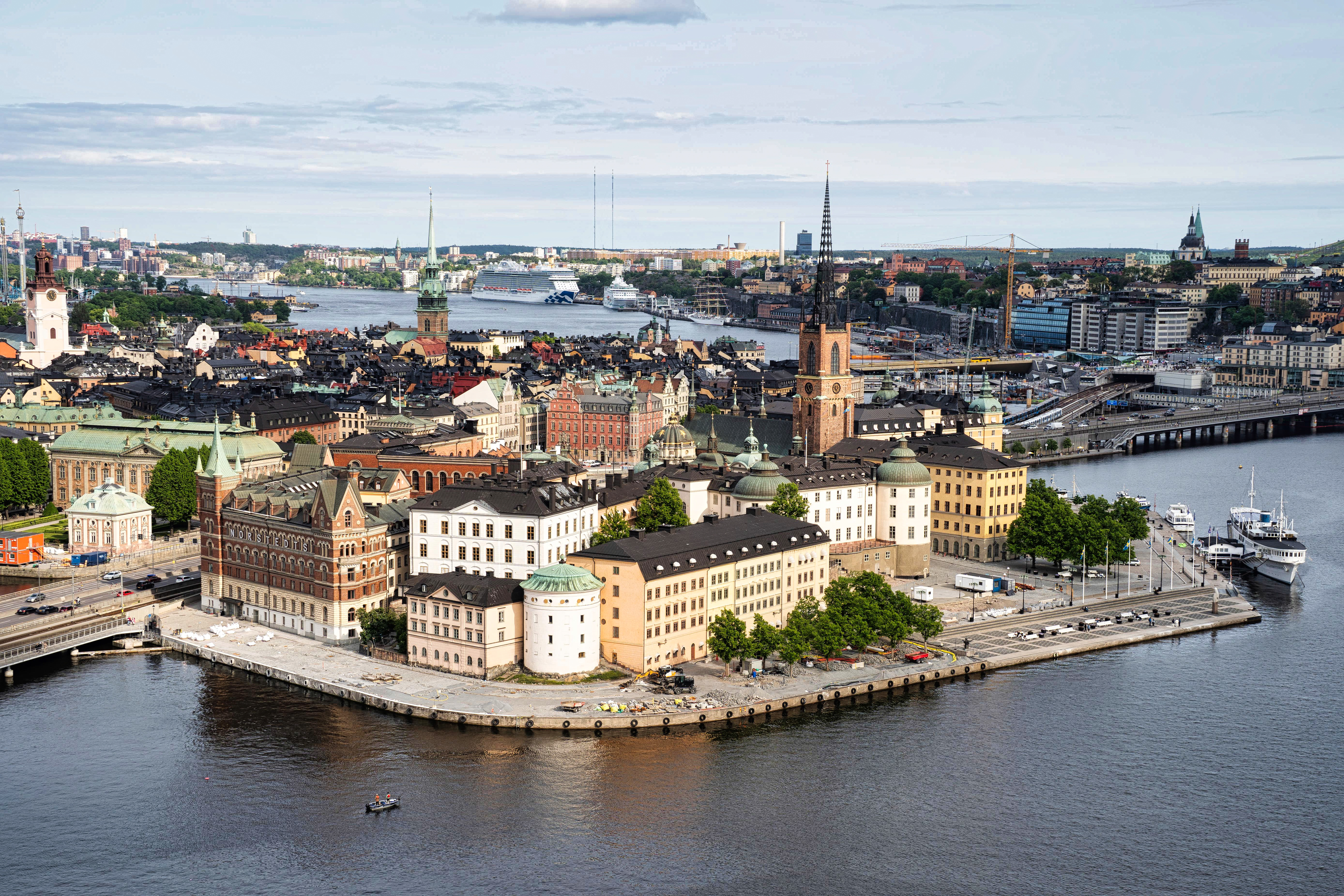
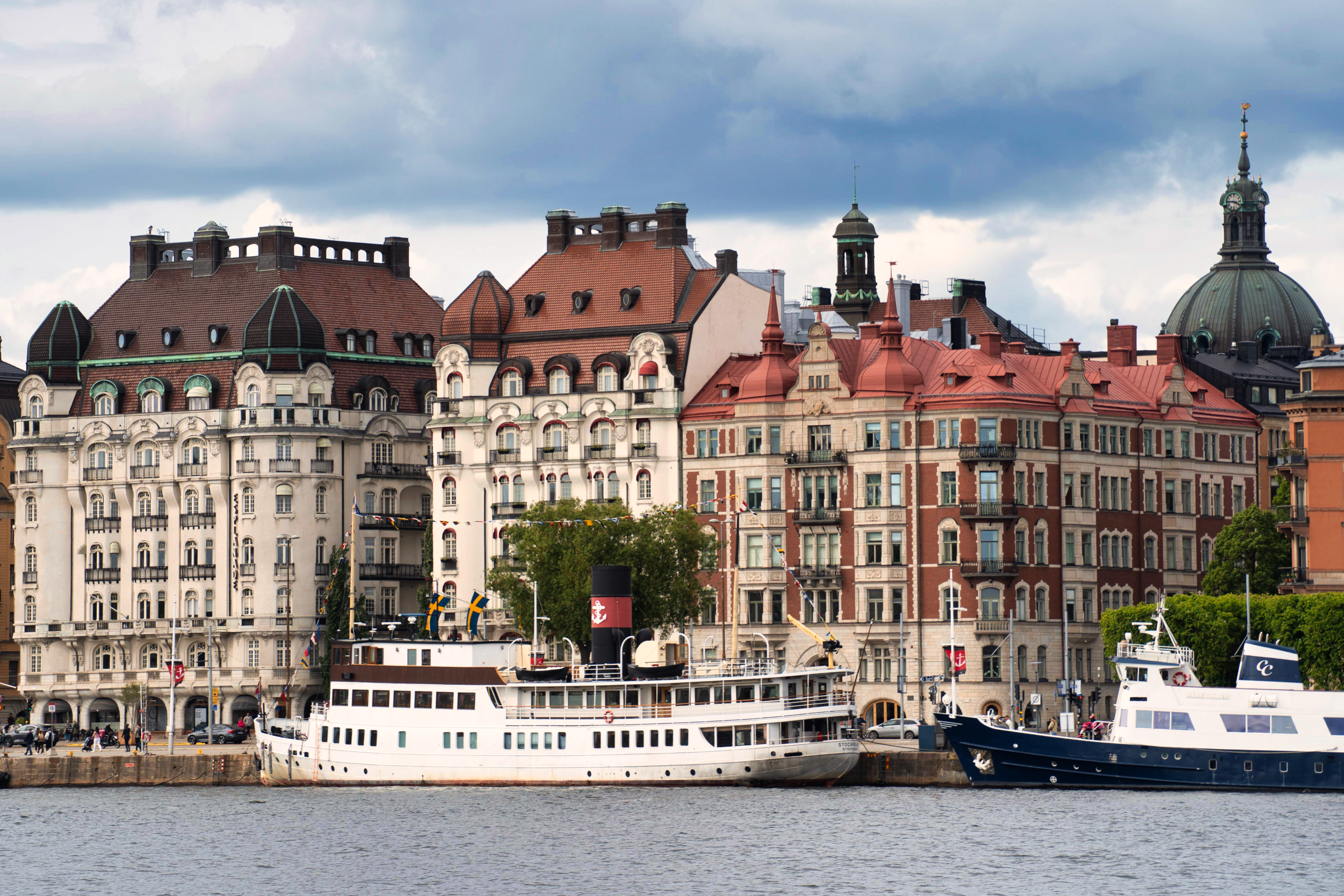
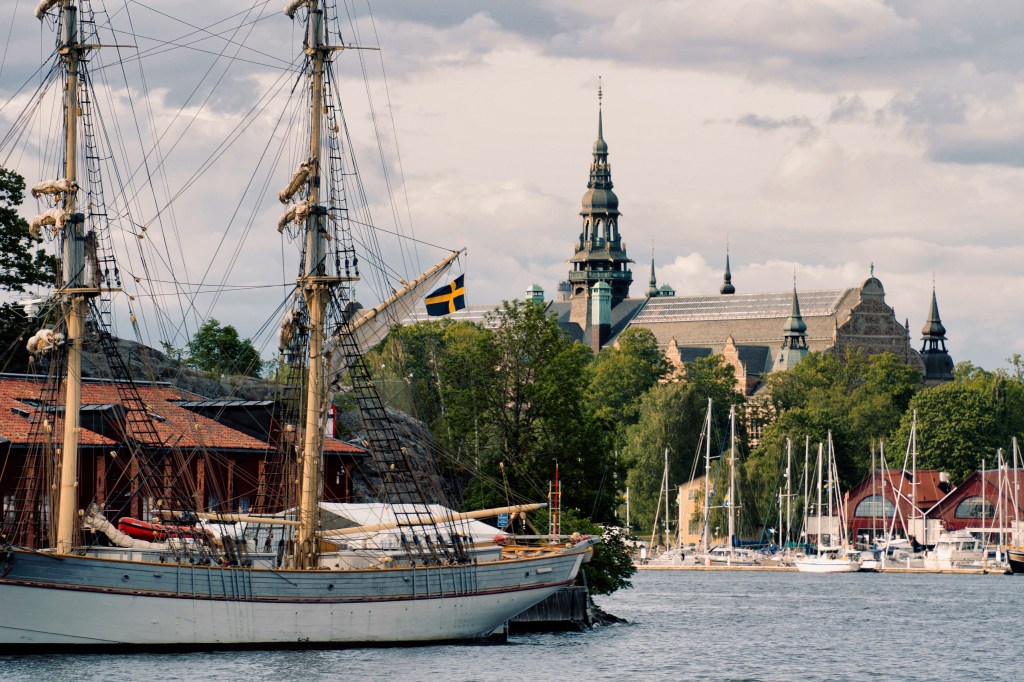
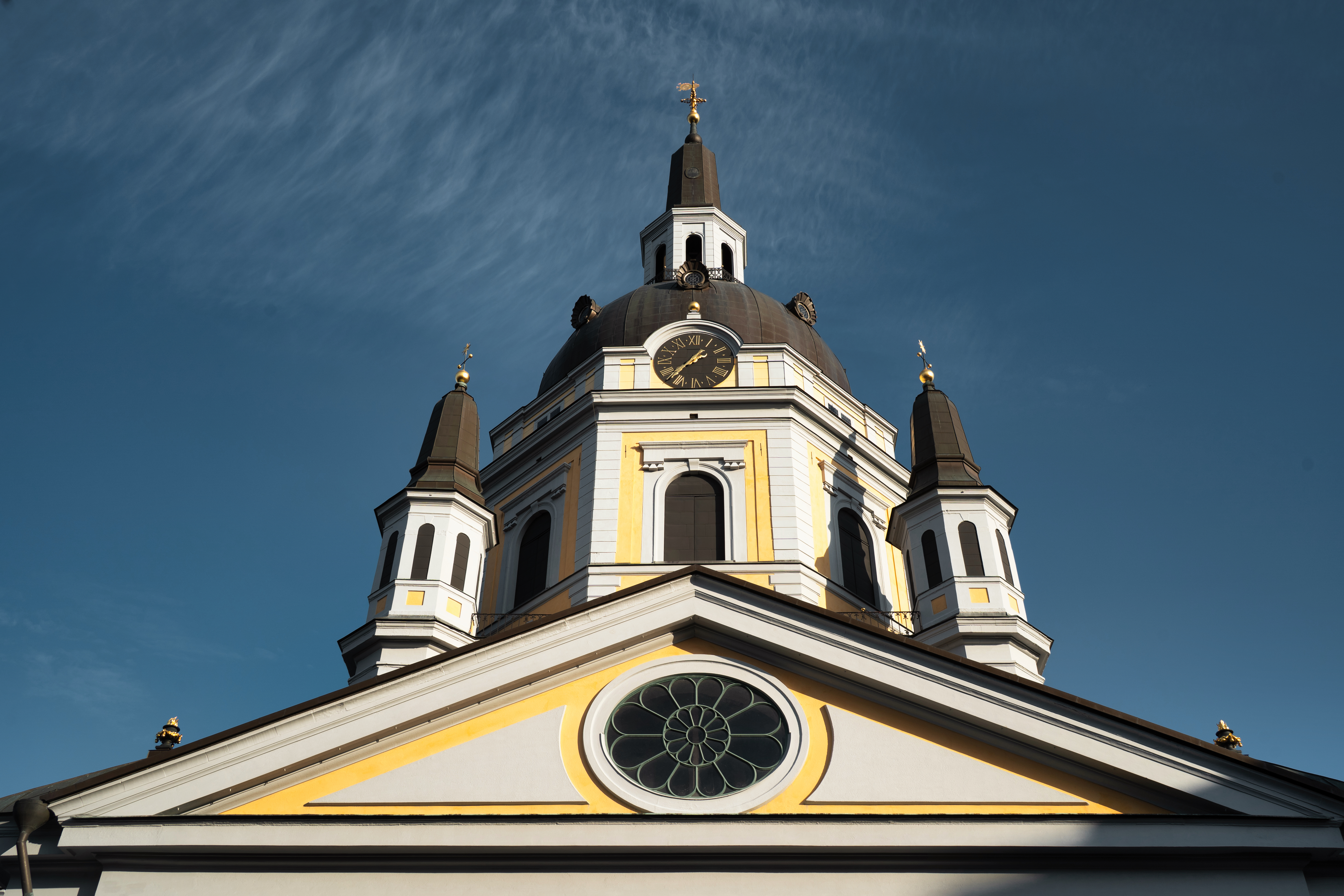
Stockholm is more than a capital city—it’s a collection of living snapshots that together form a uniquely Swedish identity. One moment you’re walking past parliament buildings on Helgeandsholmen, the next you’re standing by the water watching ferries glide between islands. The city is structured but never rigid, shaped by its geography yet open to change. Its neighborhoods feel distinct but connected, each with its own rhythm: Vasastan’s cafés and bookstores hum with daily life, while Hammarby Sjöstad reflects modern urban planning with a focus on sustainability. History is present but not overwhelming—visible in preserved architecture, quiet courtyards, and longstanding traditions that coexist with contemporary culture. Institutions like the Royal Opera, the National Museum, and Stockholm University all speak to the city’s role as a cultural and intellectual hub. Yet Stockholm never feels too grand or distant; it is a city that functions well, feels safe, and invites people to participate.

 Michael Hoffman Photography