Skip to content

Stockholm in Frames

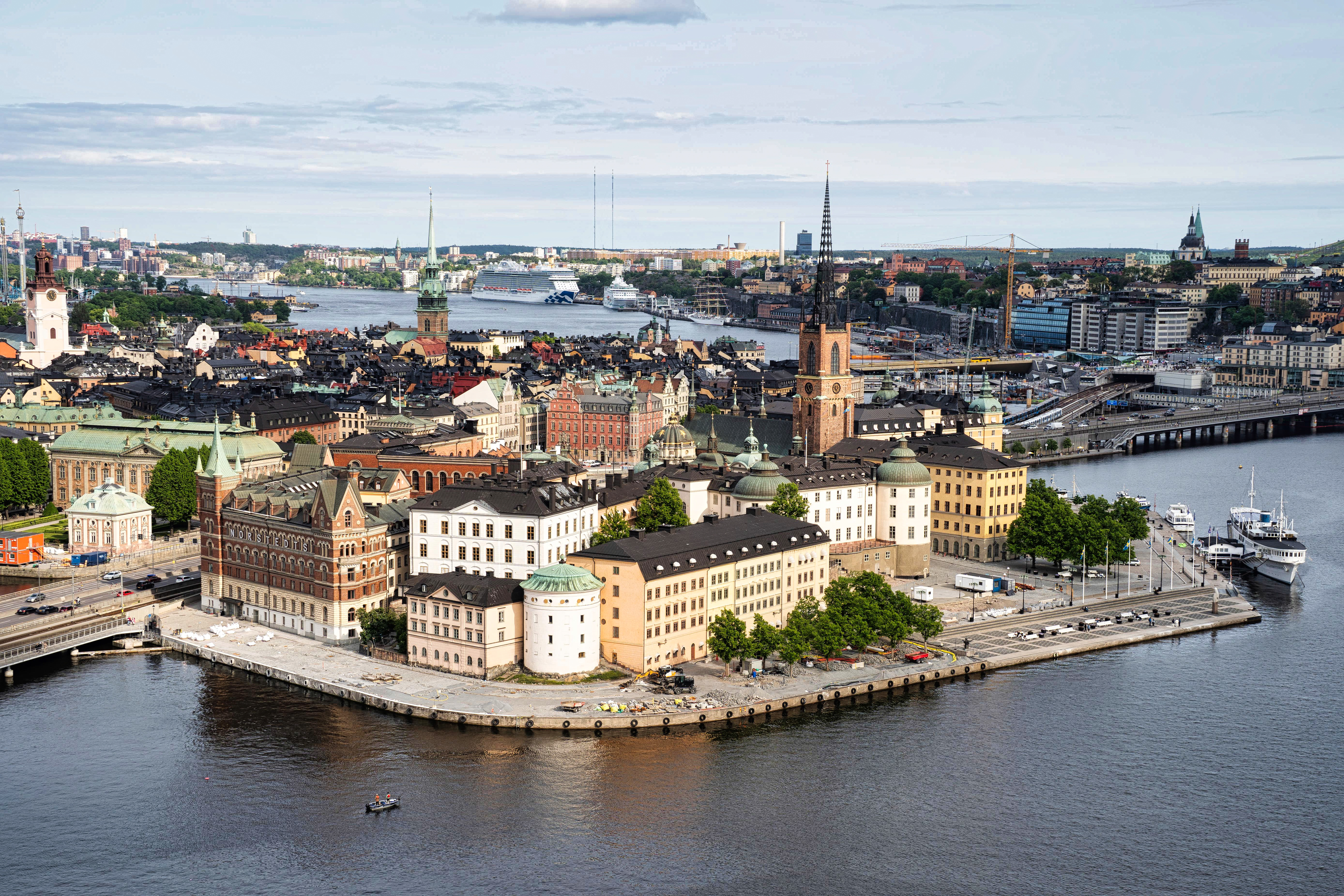
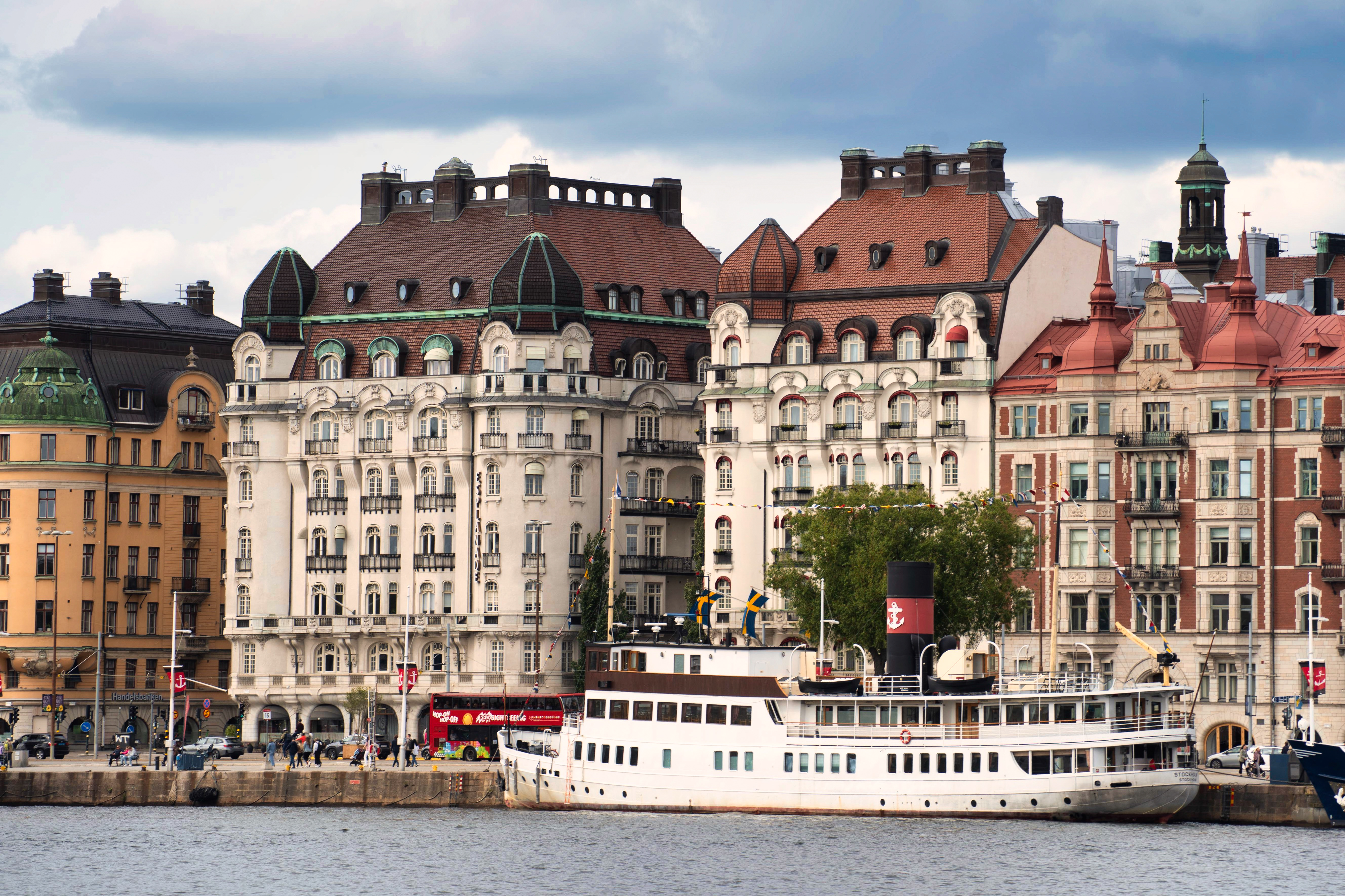
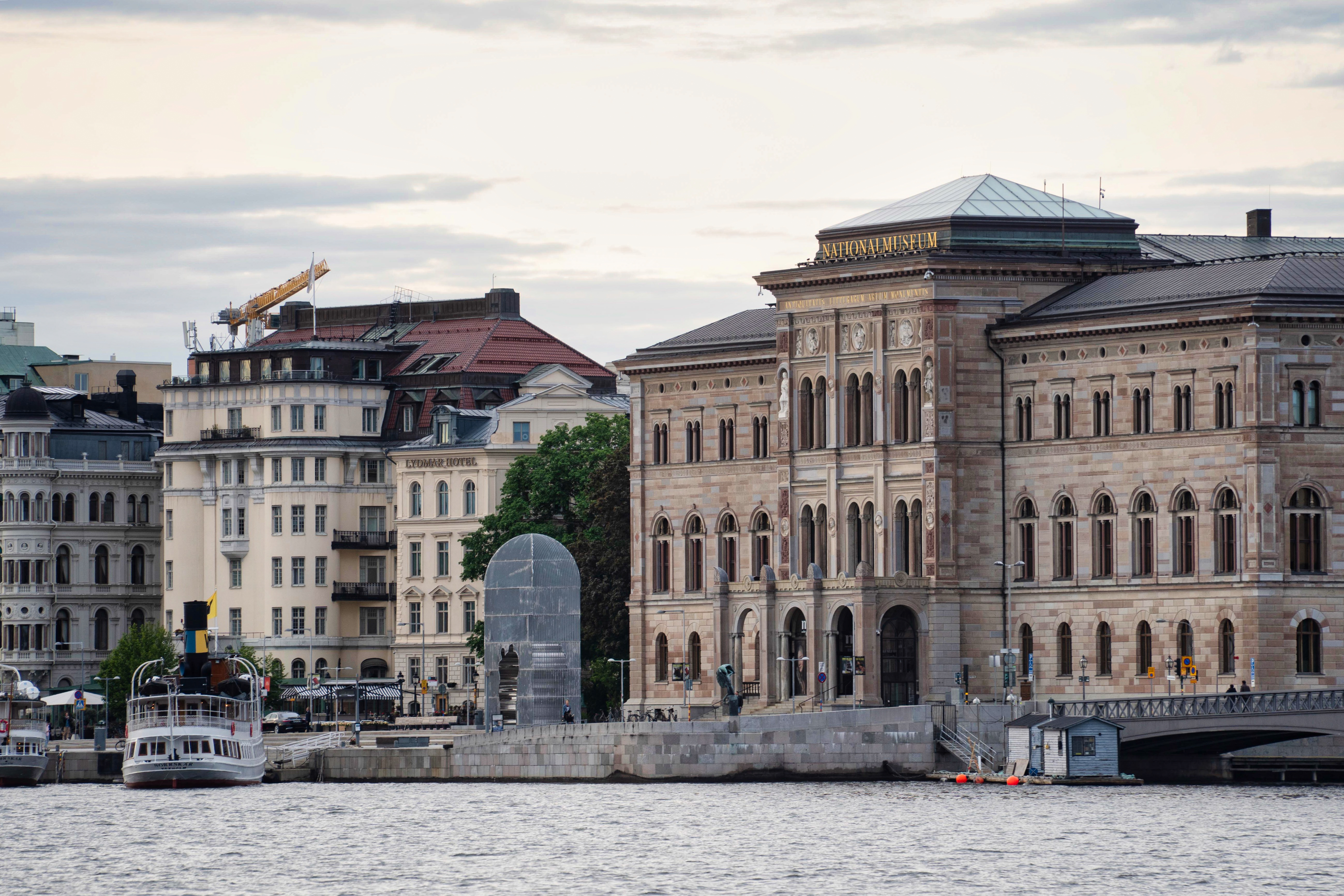
Stockholm is more than a capital city—it’s a collection of living snapshots that together form a uniquely Swedish identity. One moment you’re walking past parliament buildings on Helgeandsholmen, the next you’re standing by the water watching ferries glide between islands. The city is structured but never rigid, shaped by its geography yet open to change. Its neighborhoods feel distinct but connected, each with its own rhythm: Vasastan’s cafés and bookstores hum with daily life, while Hammarby Sjöstad reflects modern urban planning with a focus on sustainability. History is present but not overwhelming—visible in preserved architecture, quiet courtyards, and longstanding traditions that coexist with contemporary culture. Institutions like the Royal Opera, the National Museum, and Stockholm University all speak to the city’s role as a cultural and intellectual hub. Yet Stockholm never feels too grand or distant; it is a city that functions well, feels safe, and invites people to participate. 

Nordic Icon: Stockholm City Hall

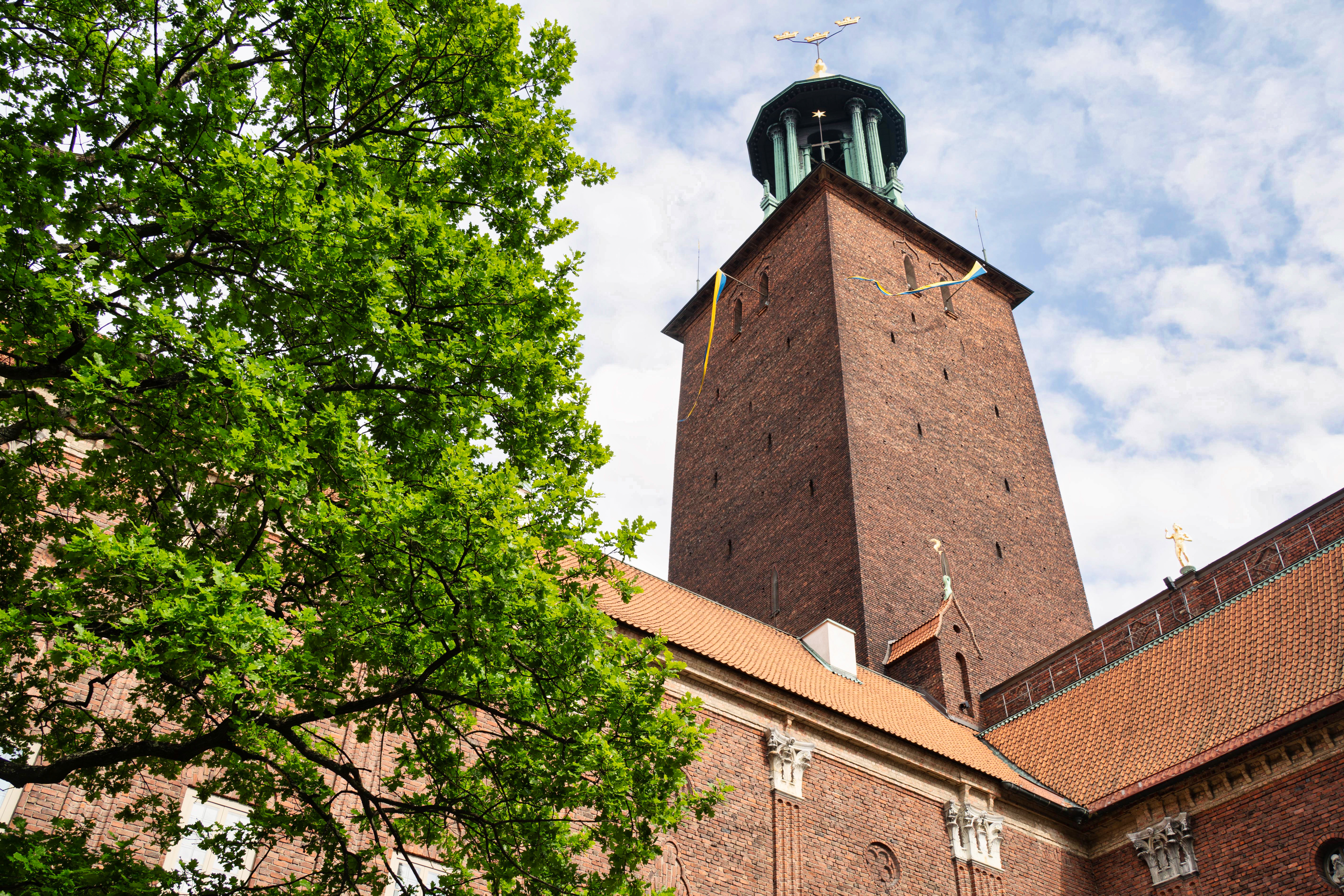
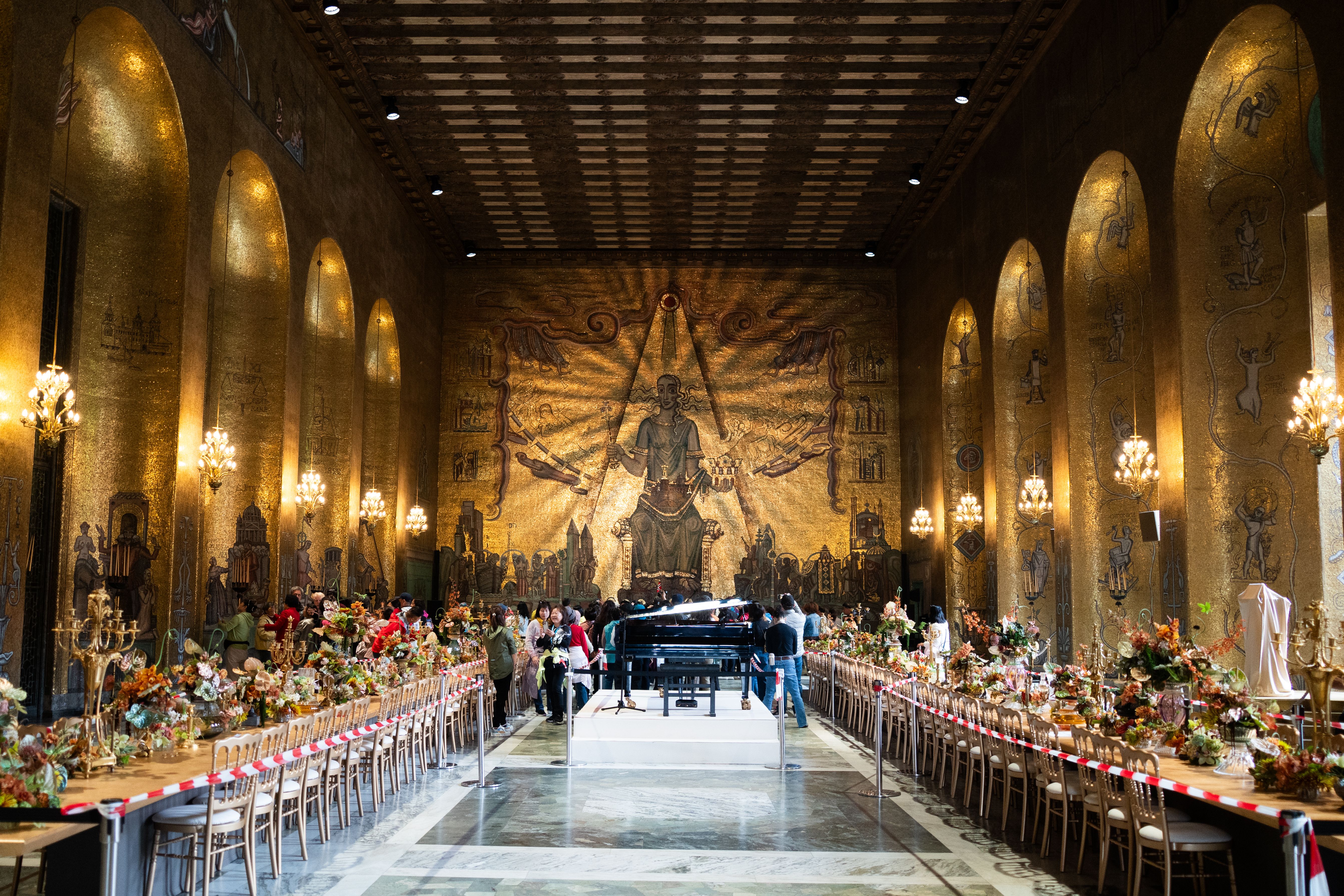
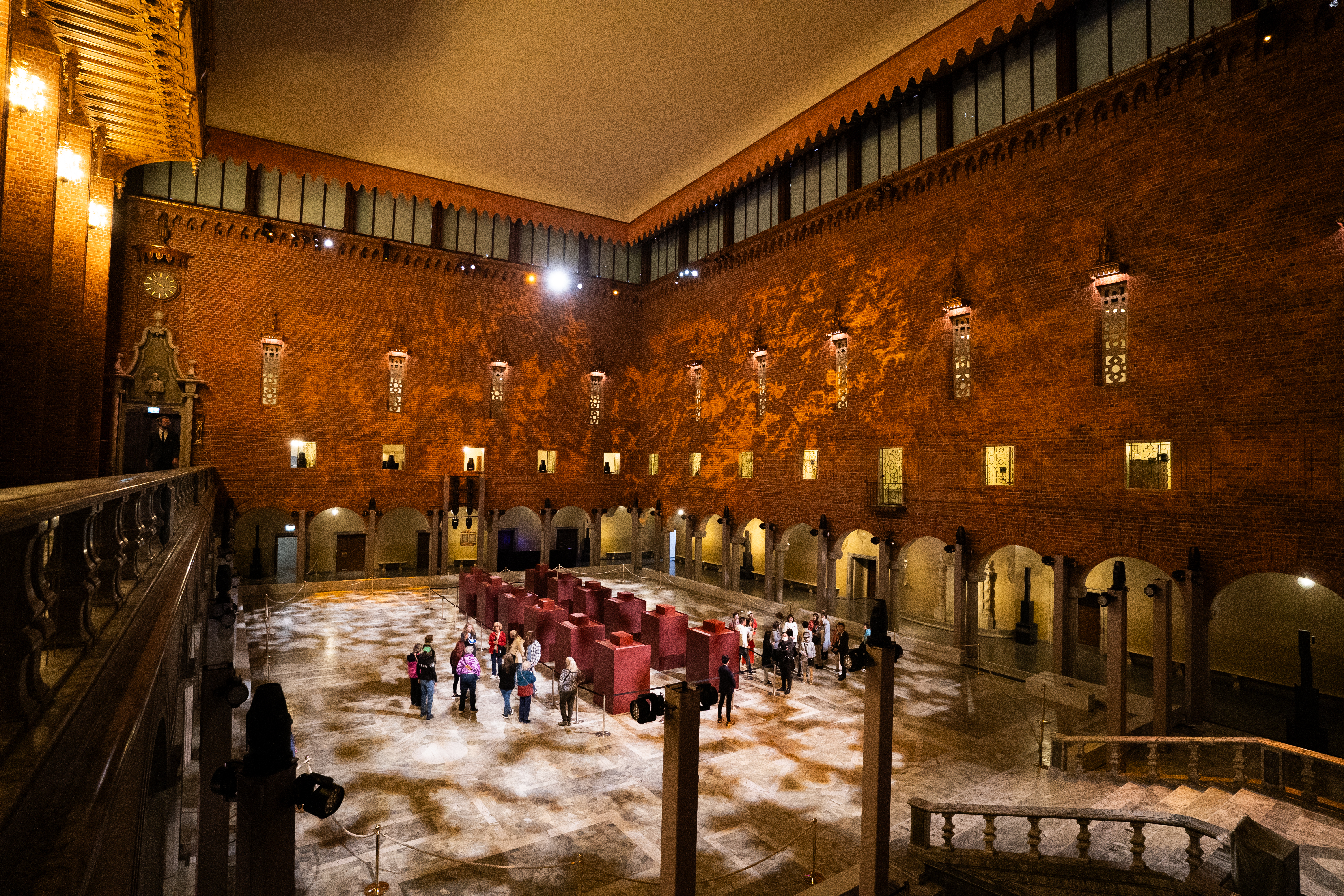
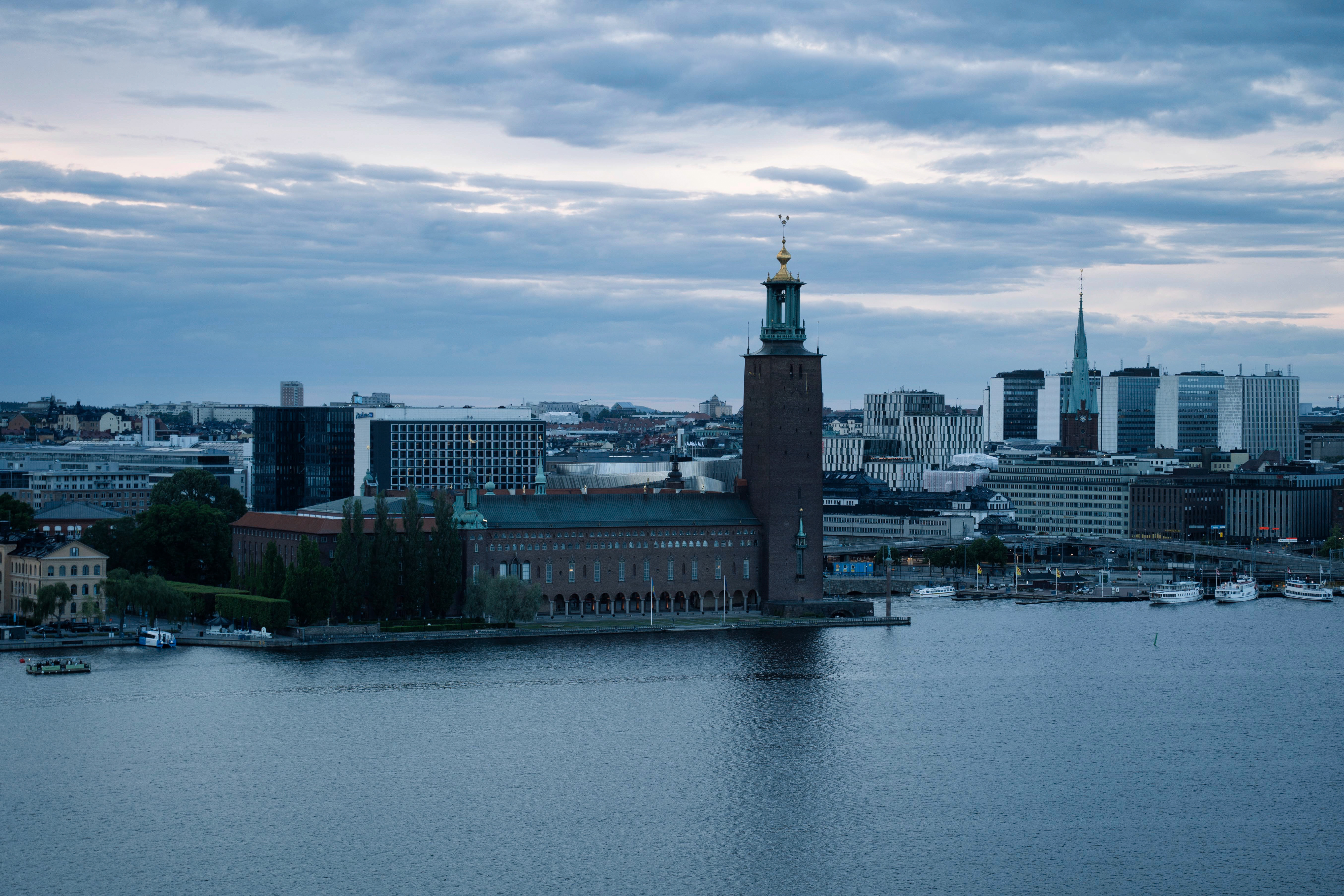
Stockholm City Hall, or Stadshuset, is one of Sweden’s most recognizable buildings and a powerful symbol of the country’s architectural and cultural identity. Located on the eastern tip of Kungsholmen island, it was completed in 1923 after twelve years of construction, designed by architect Ragnar Östberg in the National Romantic style. The building’s red brick façade, massive tower topped with three golden crowns (a symbol of Sweden), and waterfront location make it a striking landmark, both from land and from the water. More than just a seat of political administration, the City Hall is internationally famous as the venue for the annual Nobel Prize banquet, held in the magnificent Blue Hall. Inside, the Golden Hall glitters with over 18 million mosaic tiles depicting Swedish history and mythology. With its blend of traditional Scandinavian design and modern national pride, Stockholm City Hall stands not only as an architectural achievement but also as a living piece of Sweden’s cultural legacy.

Reflections of Stockholm

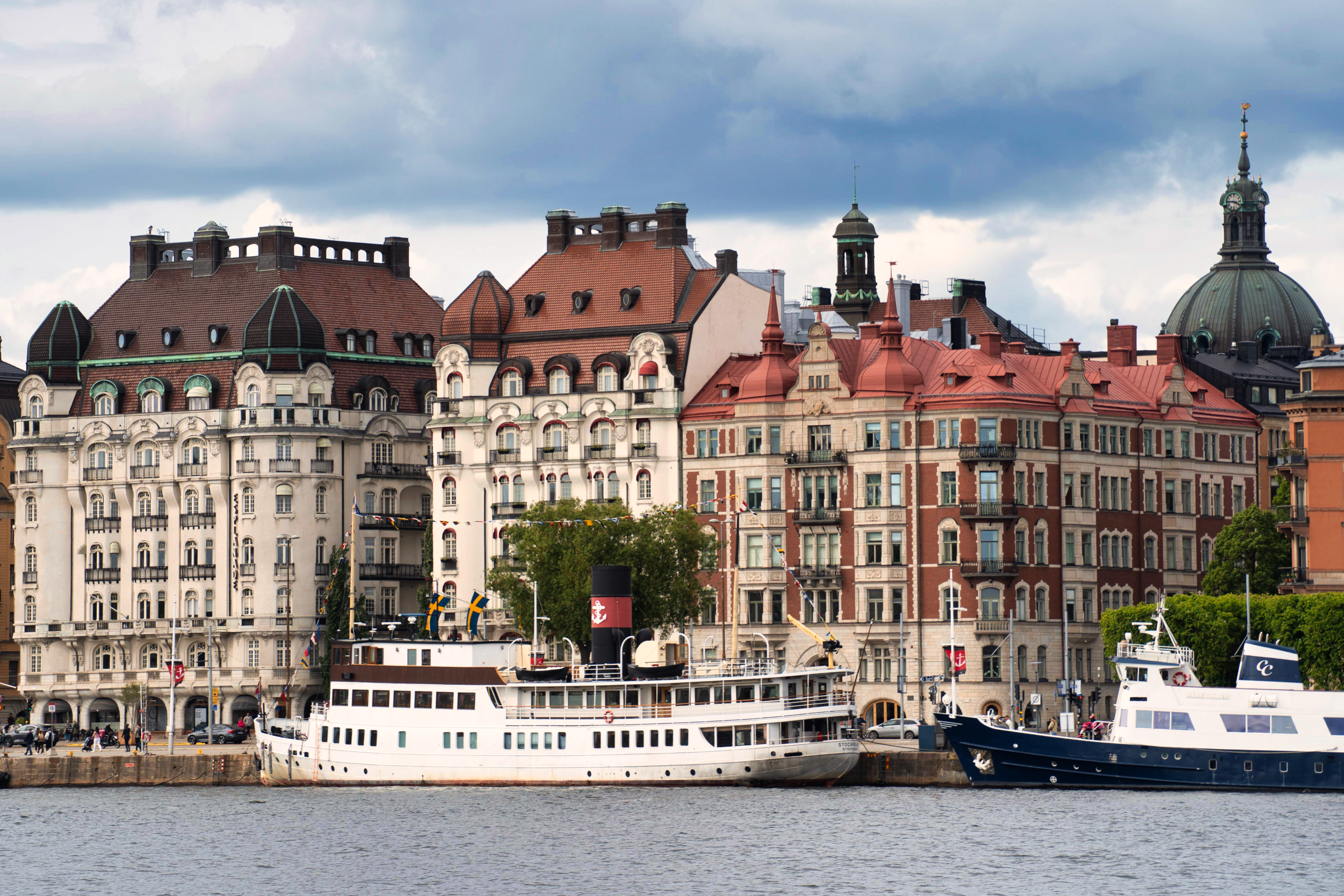
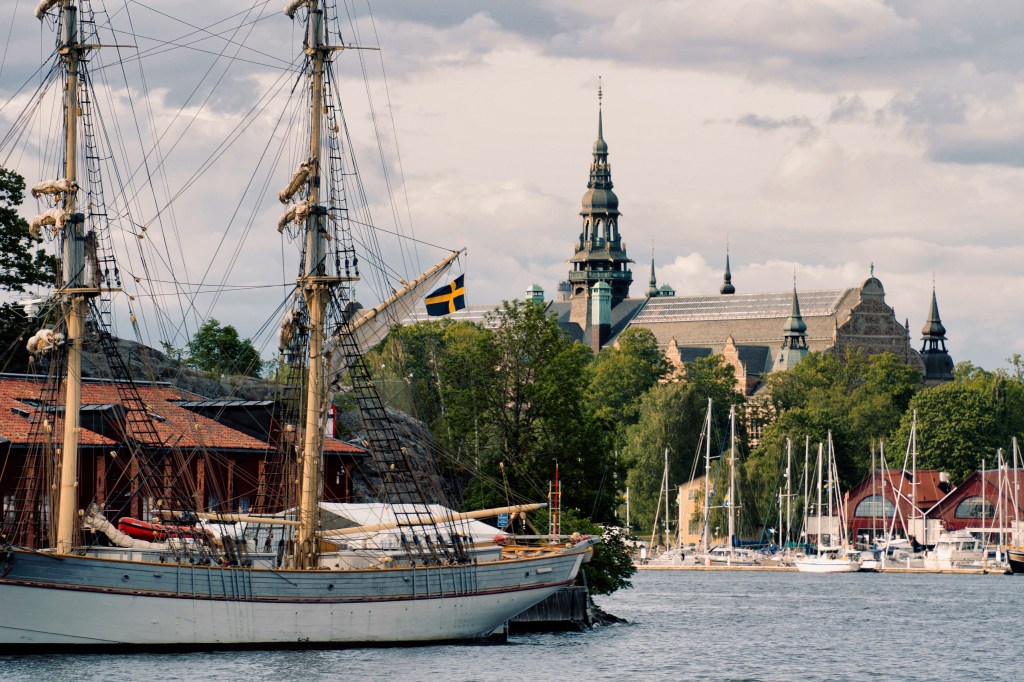
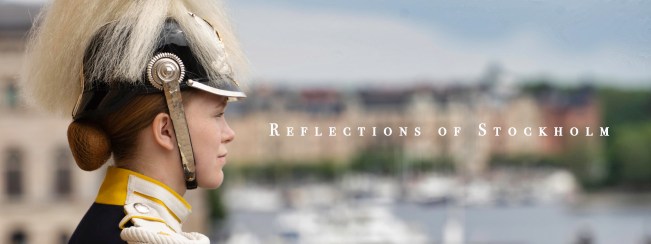
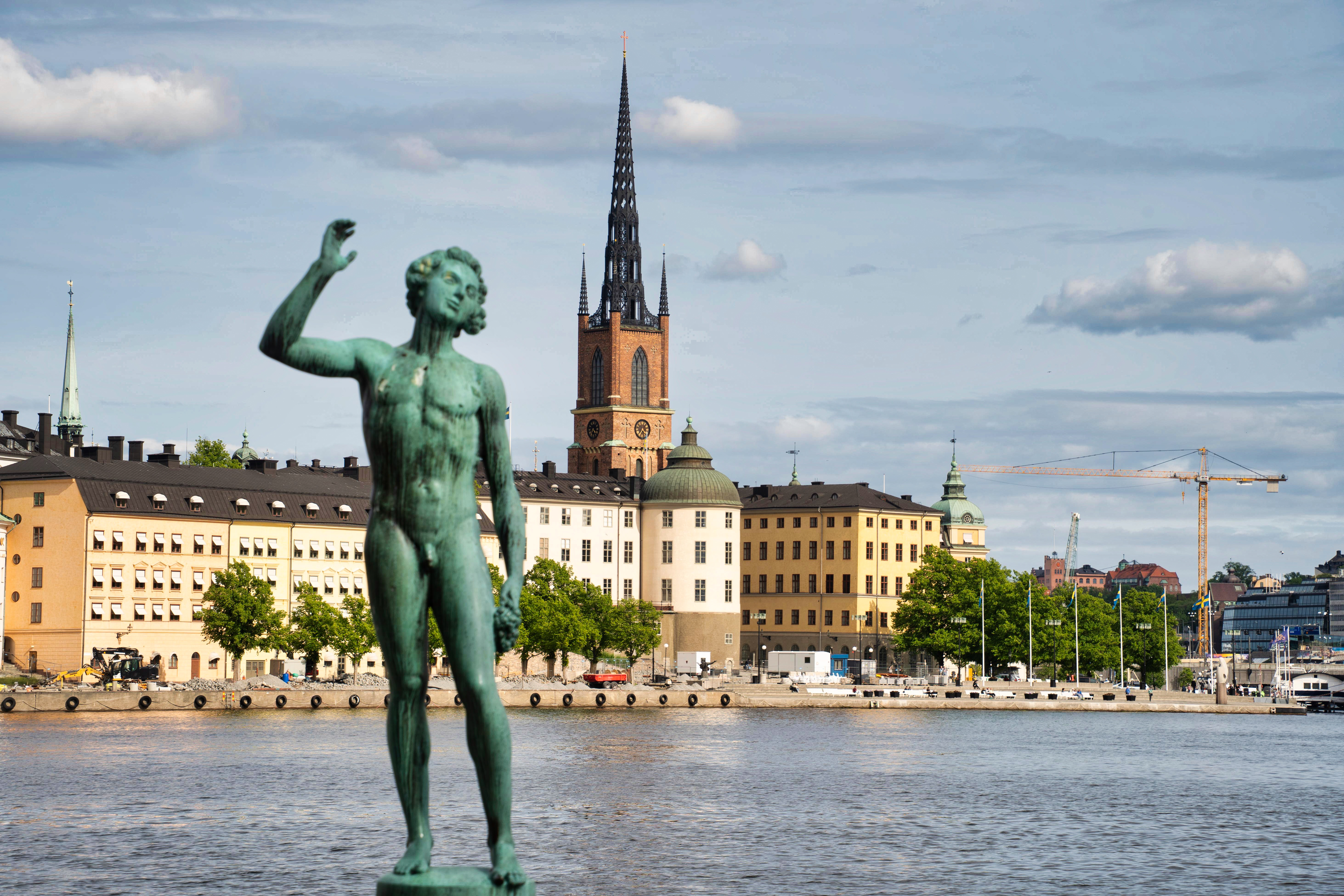
Stockholm, the capital of Sweden, is a city built on fourteen islands connected by over fifty bridges, where water is as much a part of daily life as stone and pavement. Its unique geography has shaped its identity for centuries, from its founding in the 13th century as a strategic trading post to its role today as the political and cultural heart of the nation. The old town, Gamla Stan, with its narrow cobbled streets and well-preserved medieval buildings, stands as a reminder of the city’s long history, while modern districts like Södermalm and Östermalm reflect a vibrant and evolving urban landscape. One of the most iconic landmarks is the Stockholm City Hall, completed in 1923, known for its National Romantic architecture and as the venue for the annual Nobel Prize banquet. Stockholm’s history is deeply tied to its waterways, which once carried goods and merchants, and now serve ferries, kayakers, and locals alike. Walking through the city, you constantly see reflections—of old in new, of buildings in water, and of a capital that balances its royal past with a forward-looking spirit.

Hills and Plains of San Marino

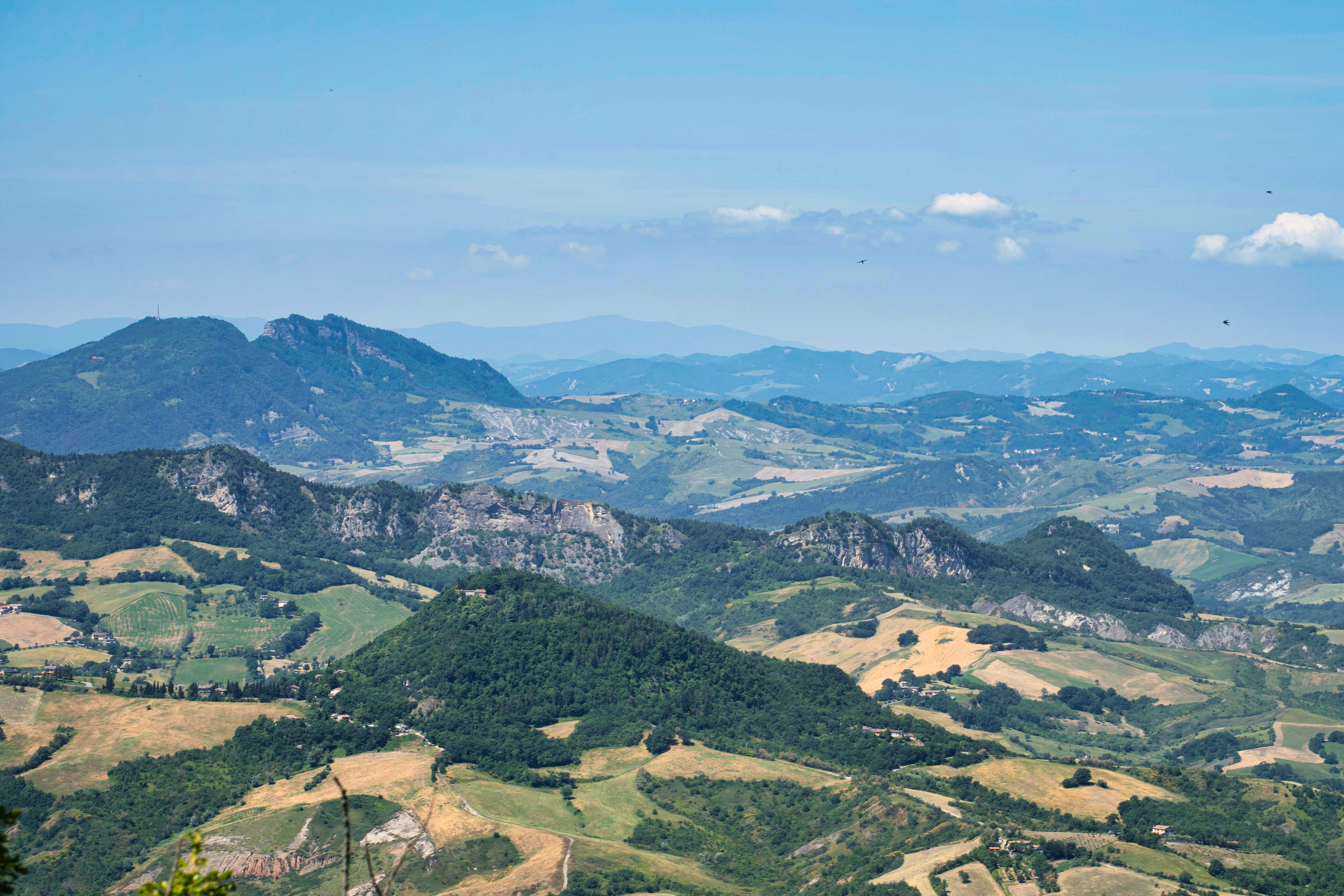
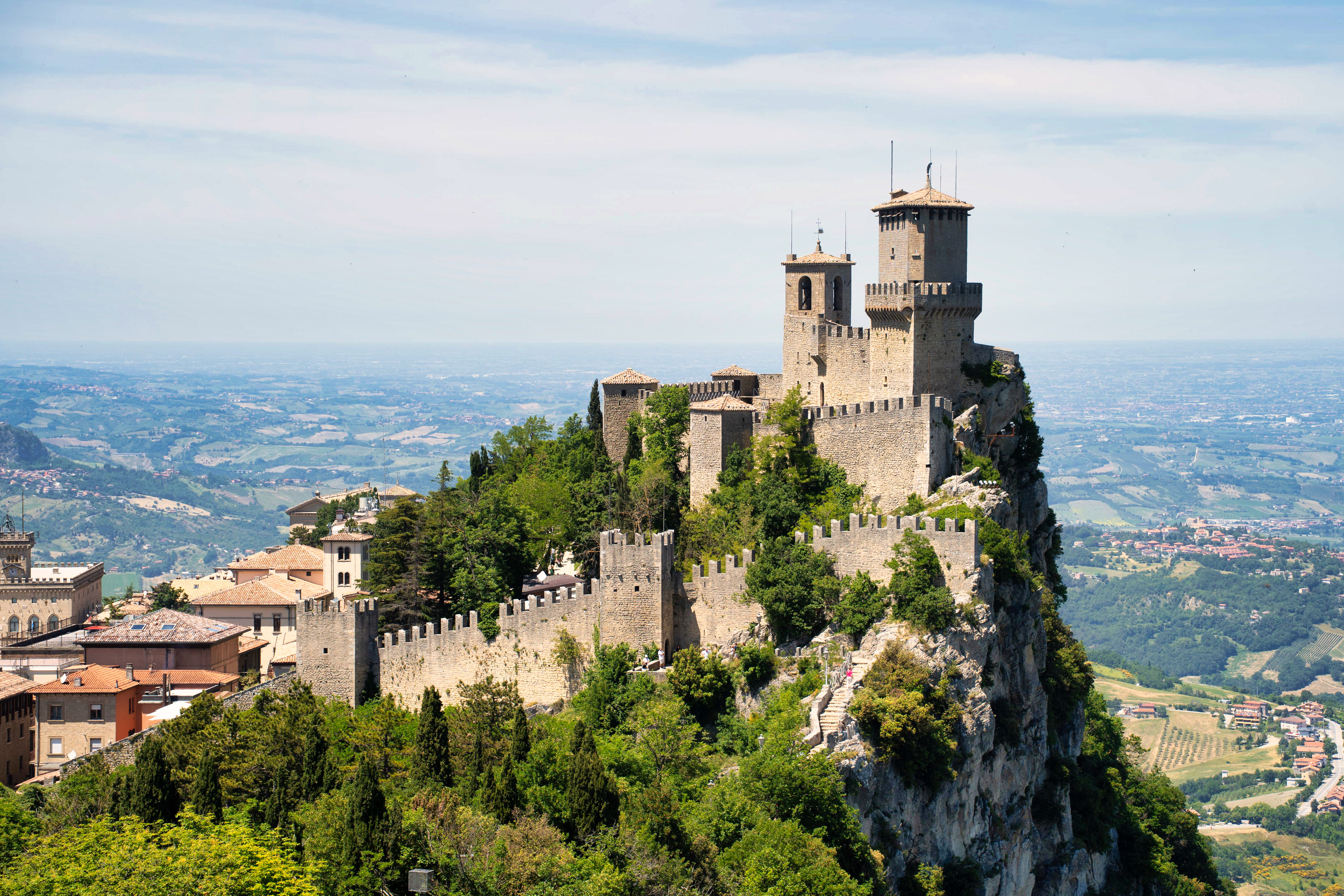
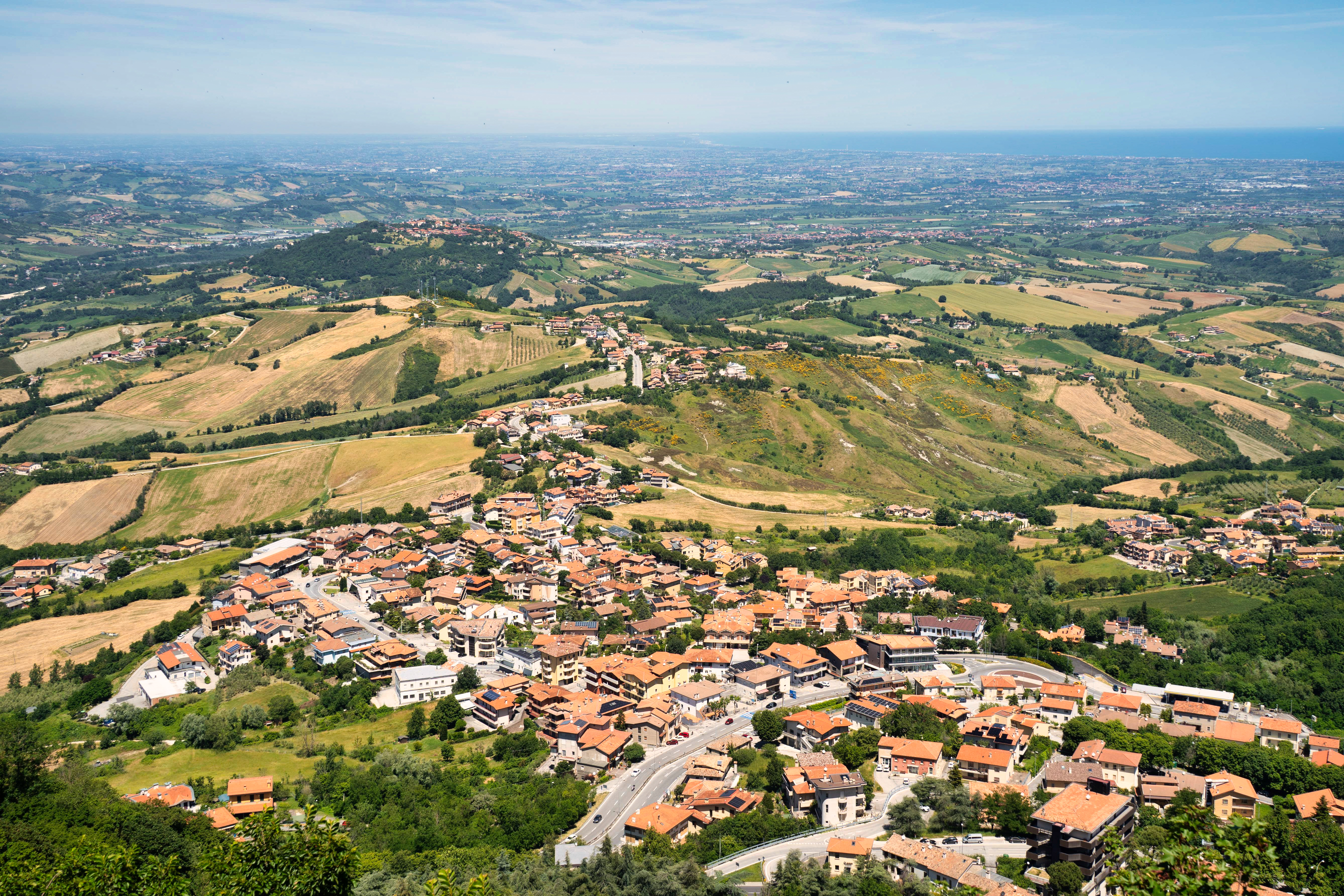
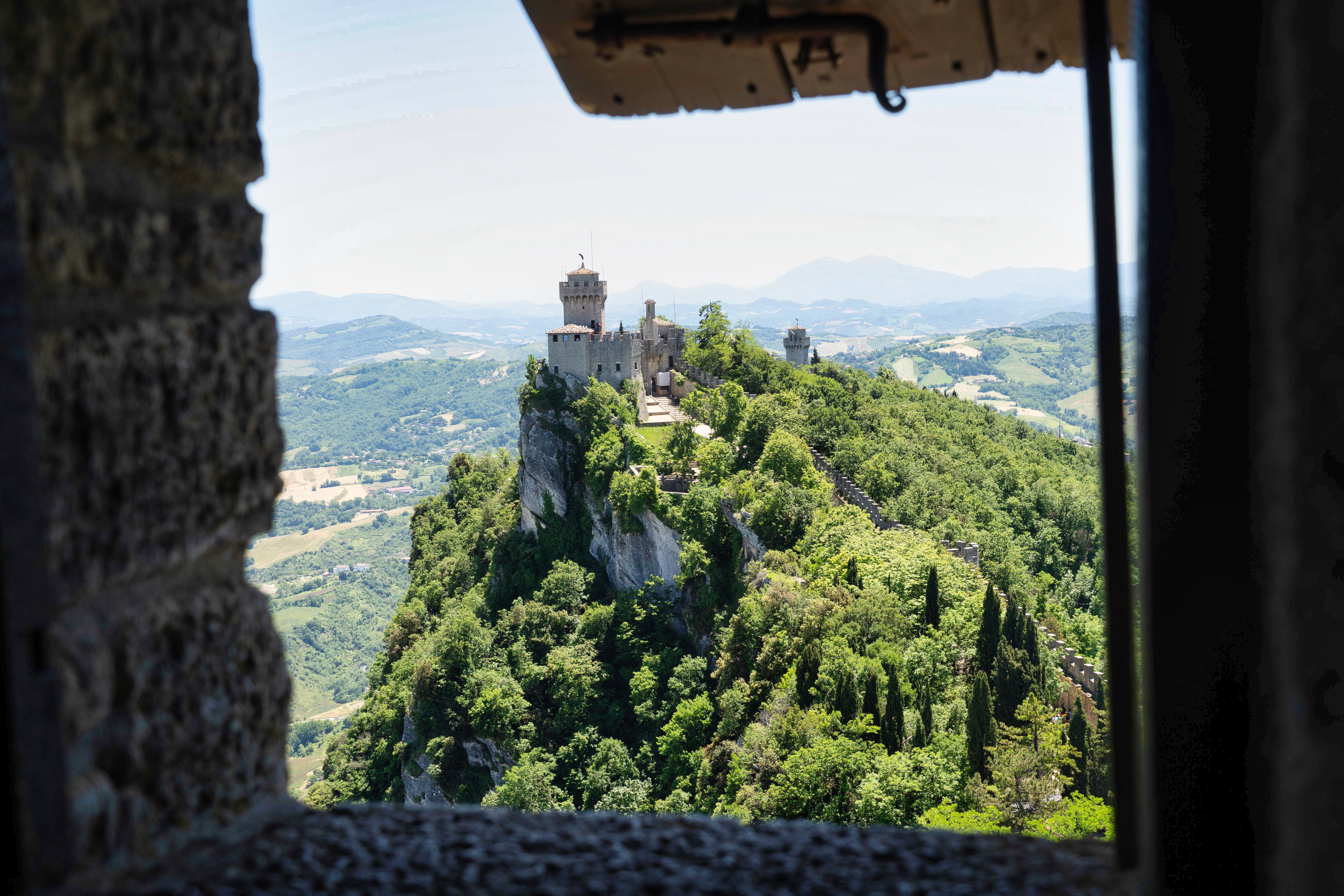
San Marino may be famed for its mountaintop capital, but beyond the steep climbs and fortified walls lies a landscape of surprising variety and quiet beauty. Rolling hills spill gently into fertile plains, dotted with vineyards, olive groves, and family-run farms that have shaped the republic’s rural character for generations. These lower regions, often overlooked by tourists rushing to the peaks, offer a slower, more intimate glimpse of San Marino — where winding country roads lead to sleepy villages, and locals greet you with a nod and a story. The contrast between the dramatic heights of Monte Titano and the soft, sunlit fields below mirrors San Marino’s unique balance between historic grandeur and humble, lived-in charm. Here, the republic reveals itself not just in stone and legend, but in the rhythm of the land and the enduring connection between people and place.