Skip to content

Kelvingrove

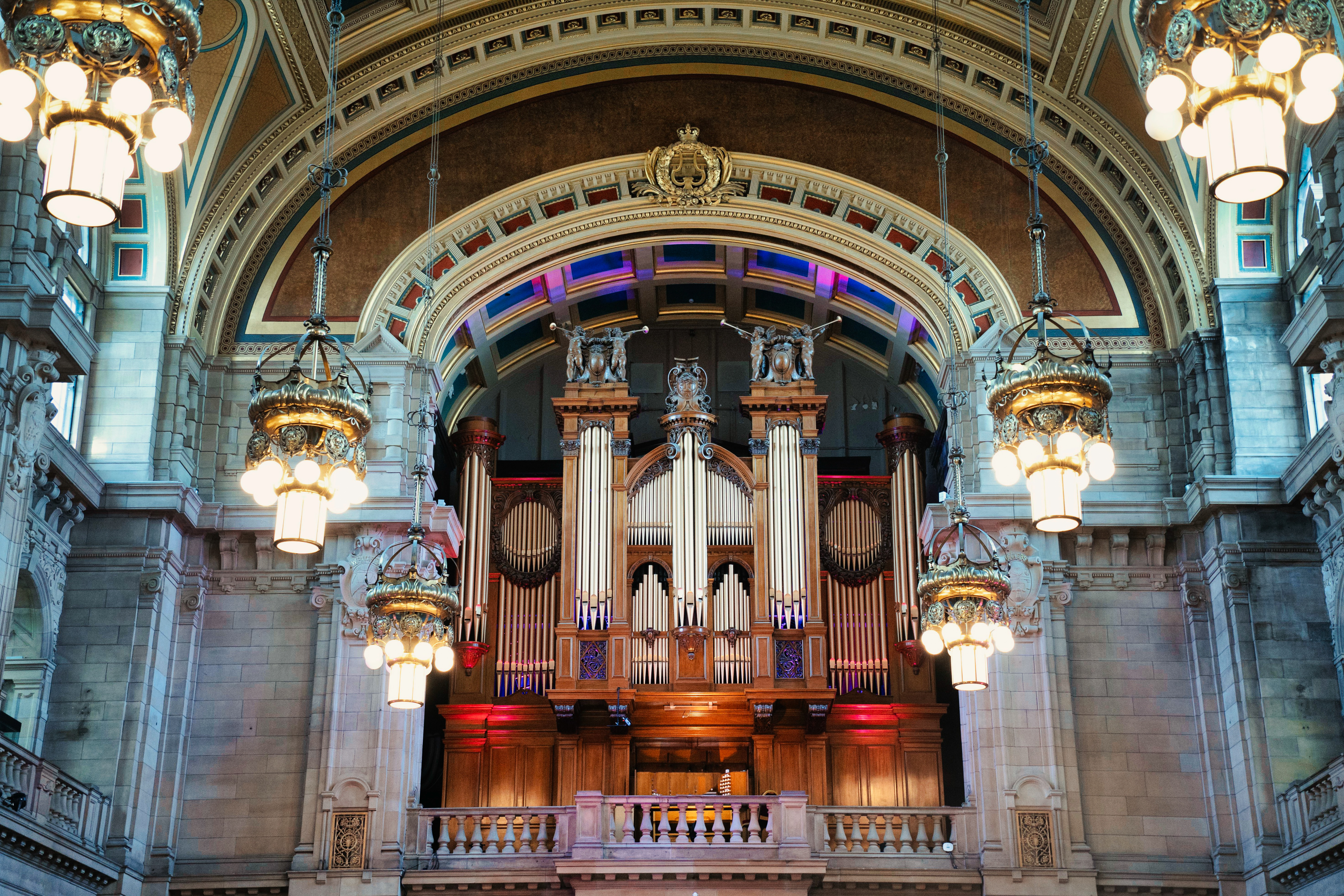
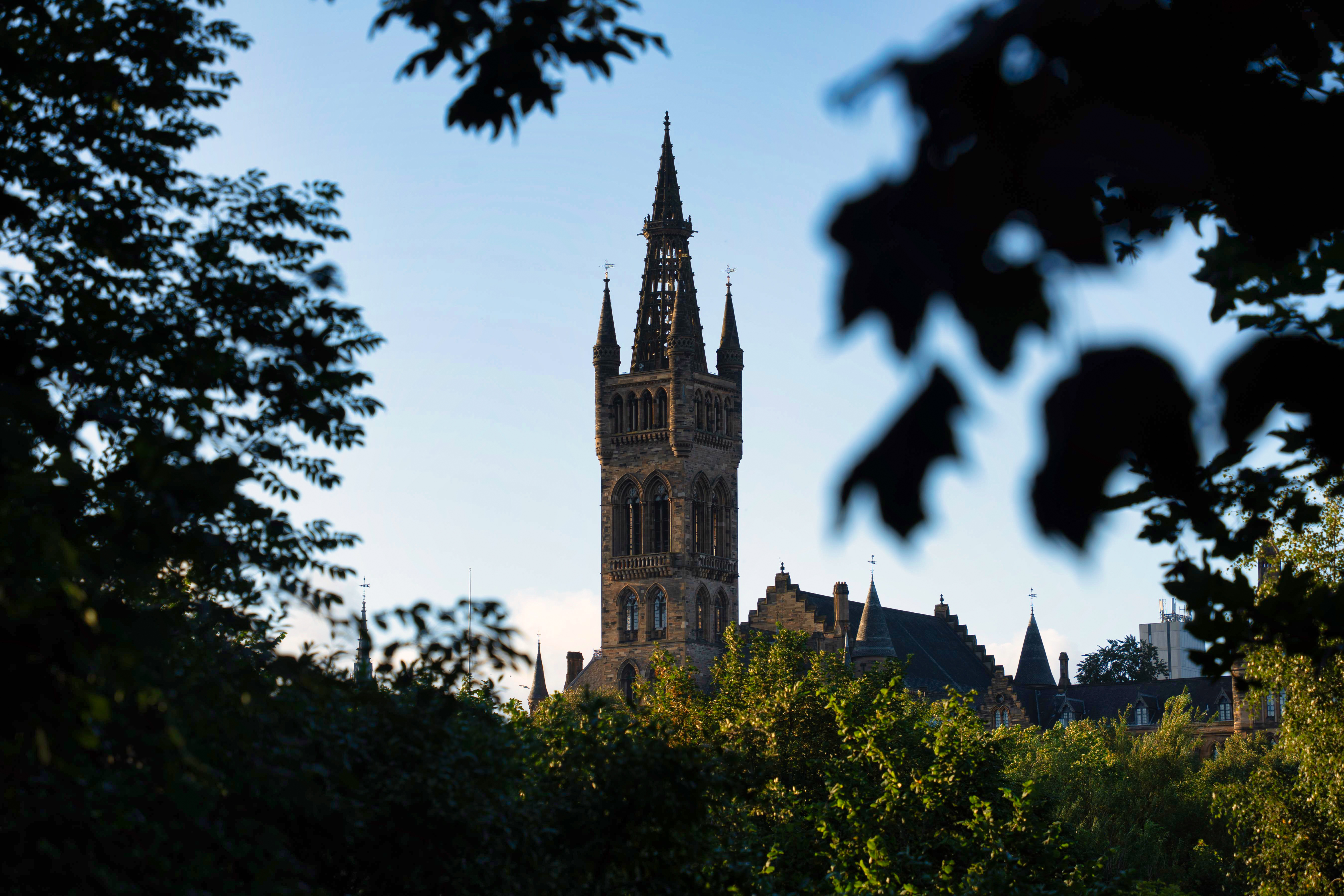
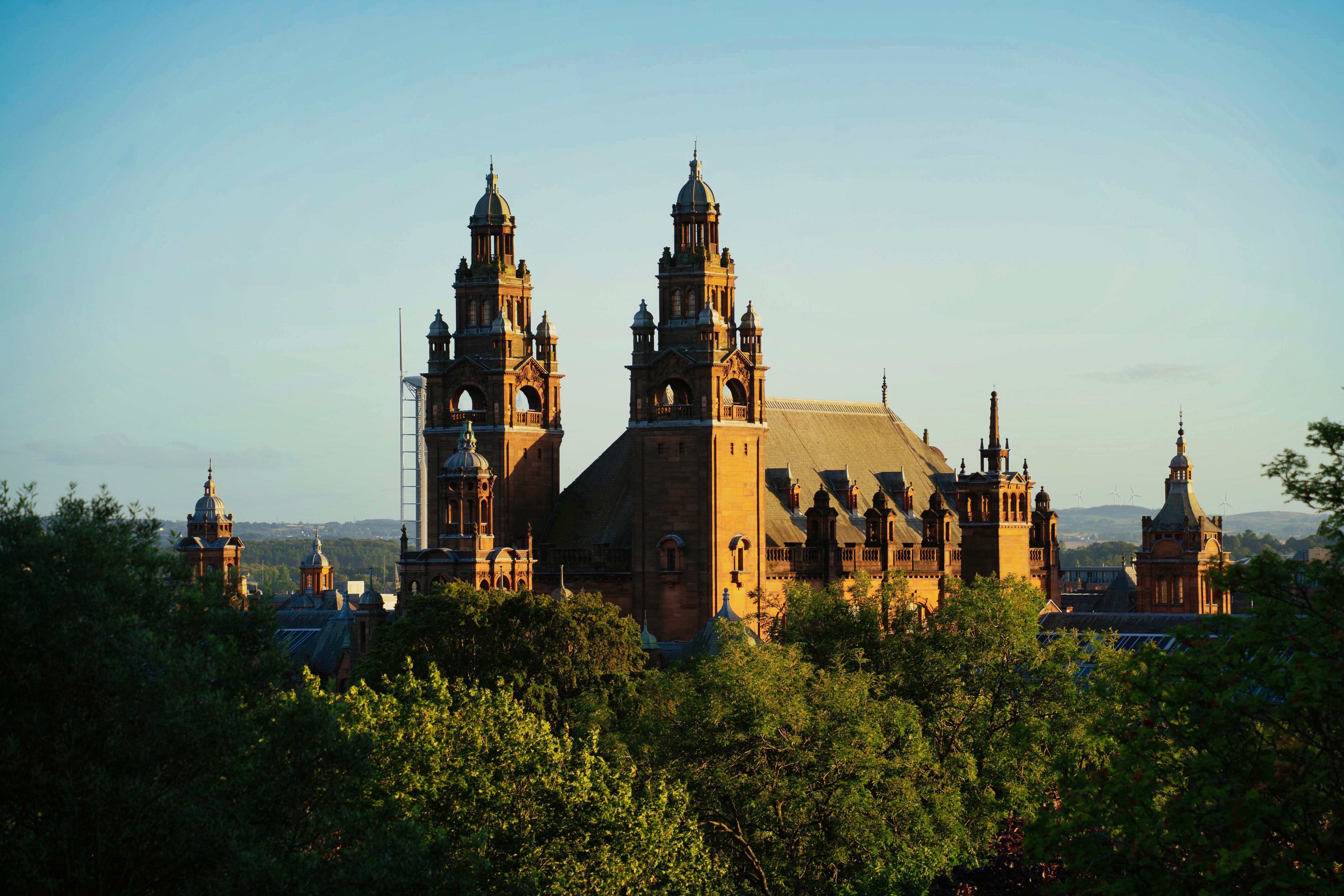
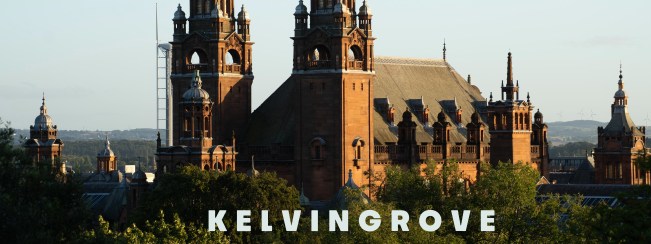
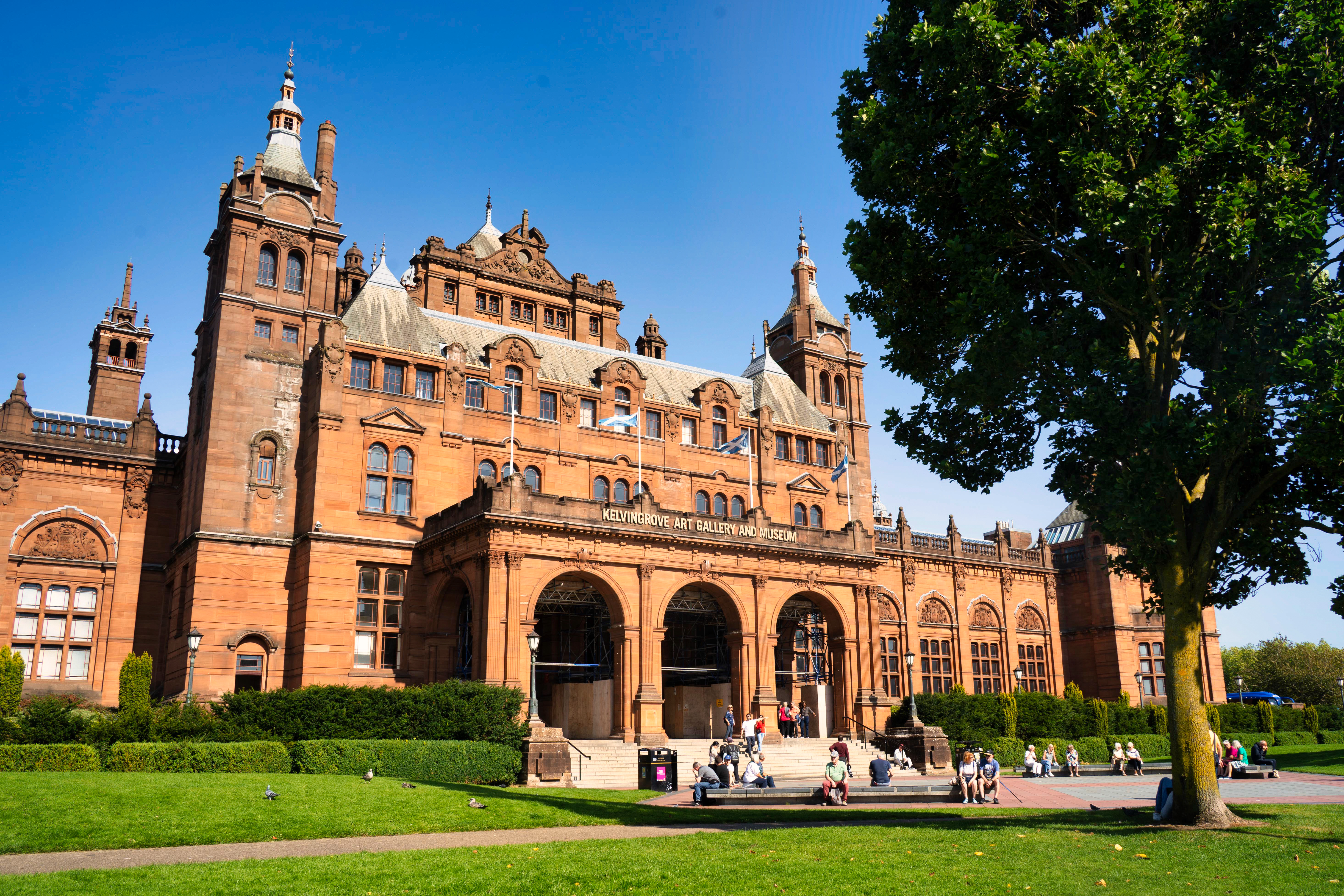
Kelvingrove is more than a museum of grand red sandstone and echoing halls—it is a place where Glasgow seems to breathe in color and history. Inside, light falls on paintings and relics that span centuries, while outside the museum stands rooted in Kelvingrove Park, its towers rising like guardians over the River Kelvin. From the lawns, the eye is drawn upward to the gothic spire of the University of Glasgow on the hill, a silhouette that glows golden at sunset, framed by trees and sky. Here, art, nature, and architecture fold into one another, offering views as memorable as the treasures kept within.

The Architecture of Scotland

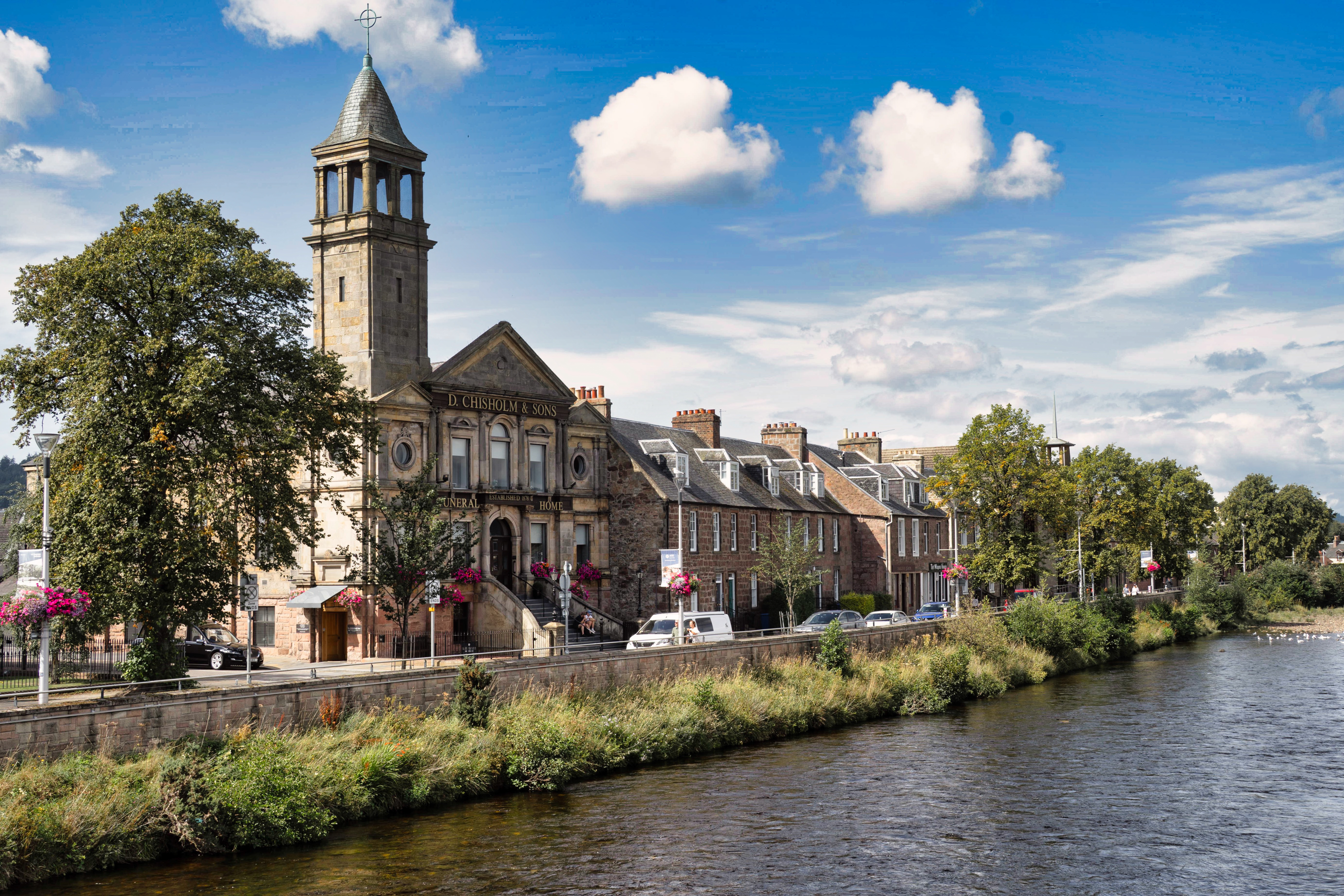
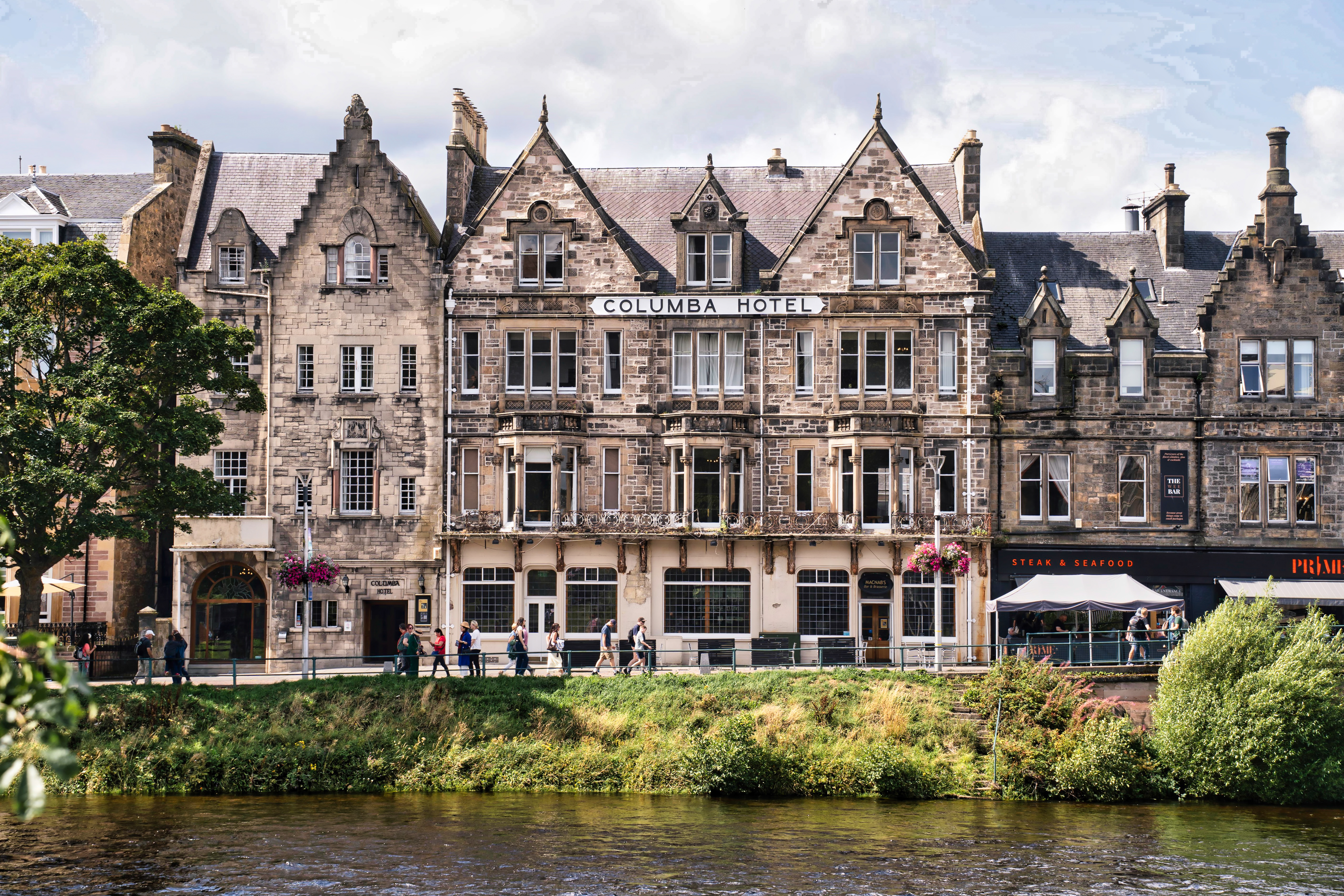
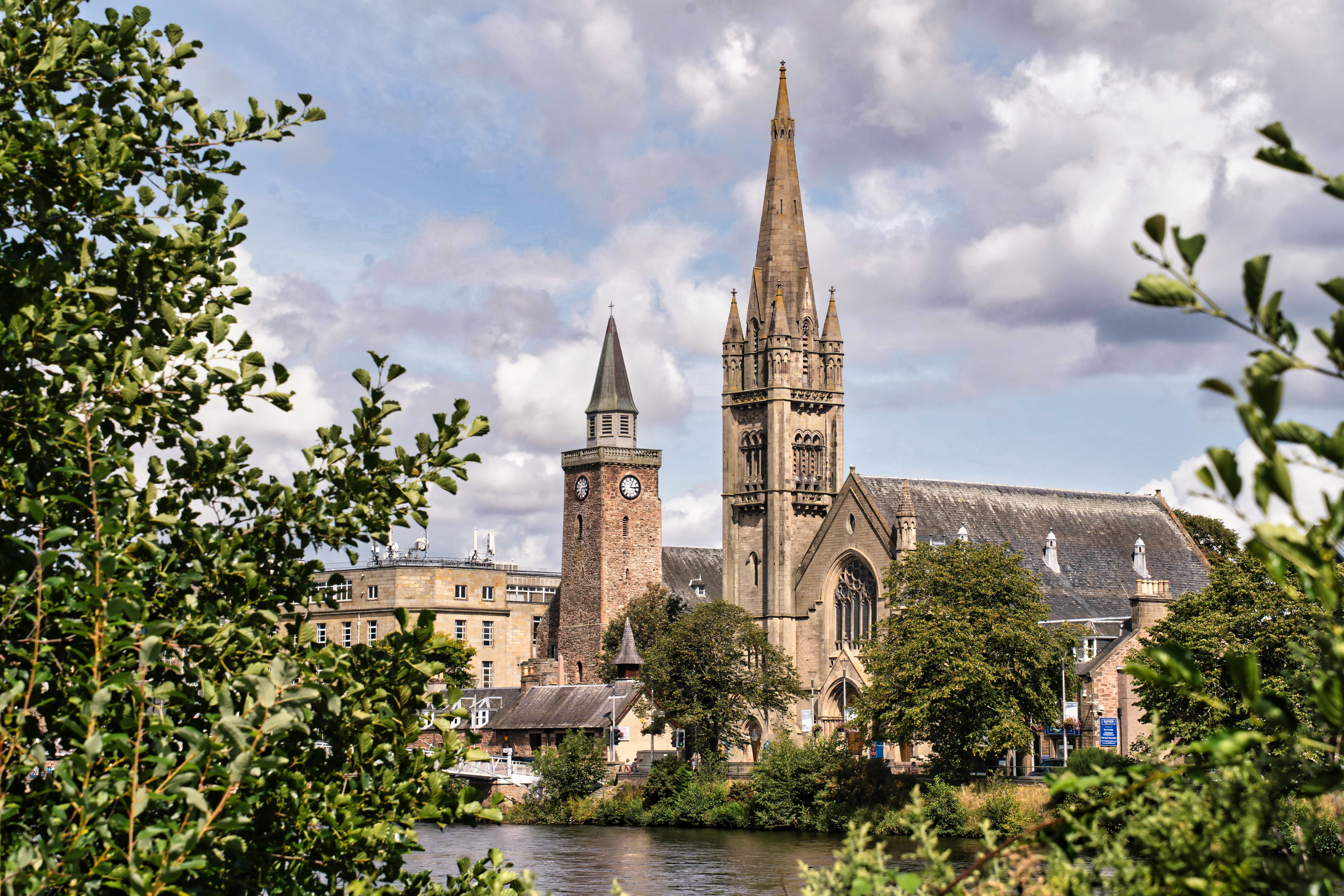
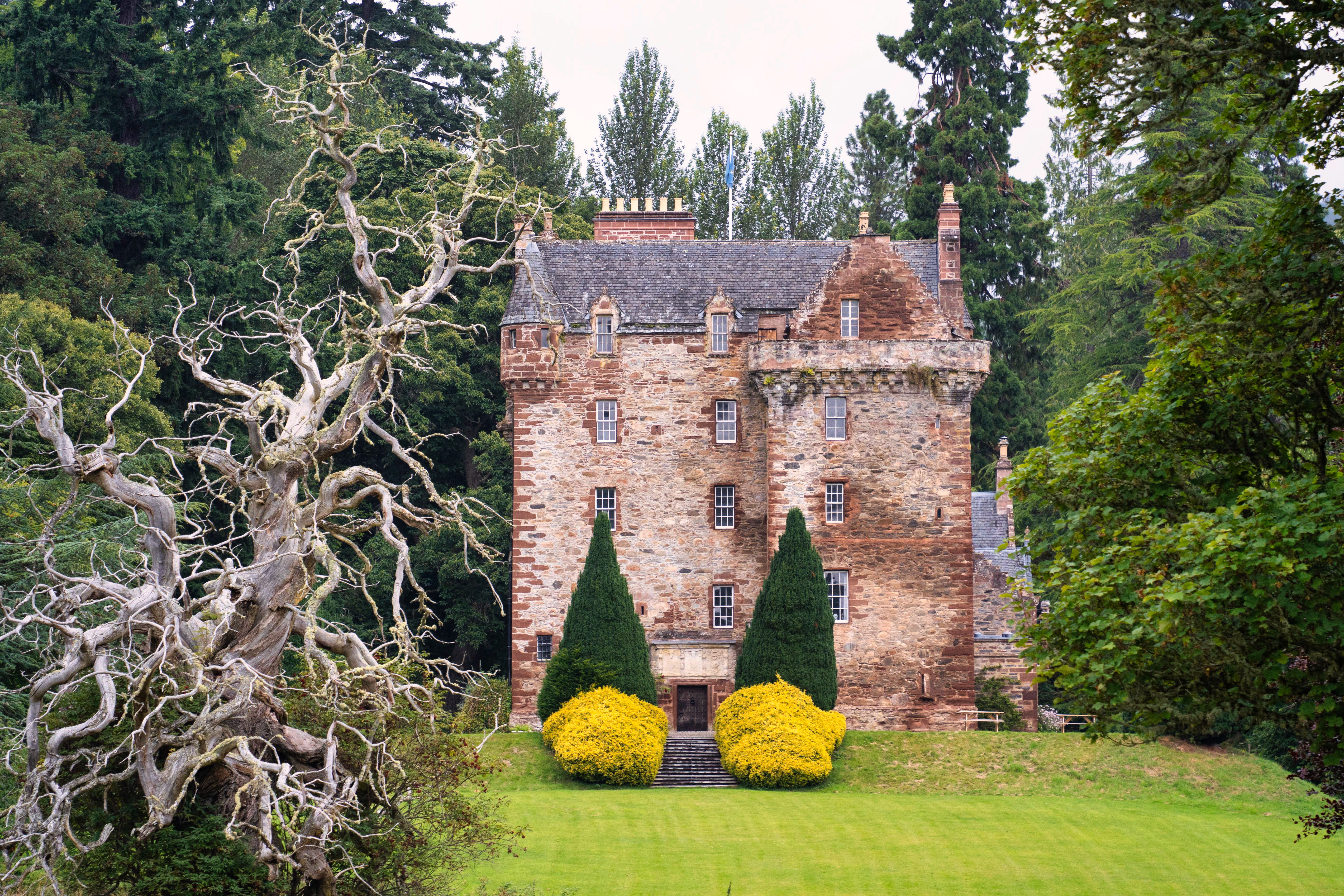
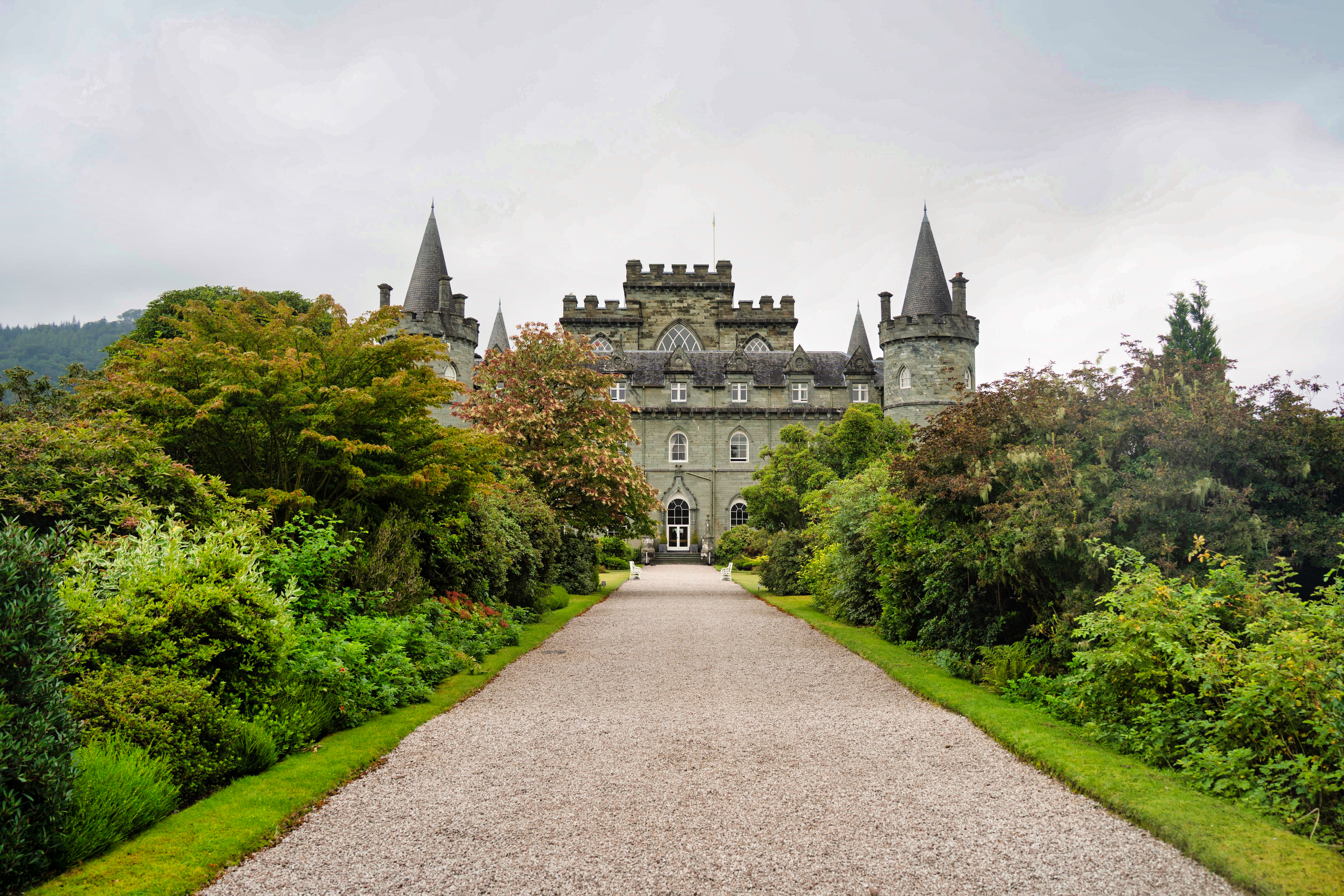
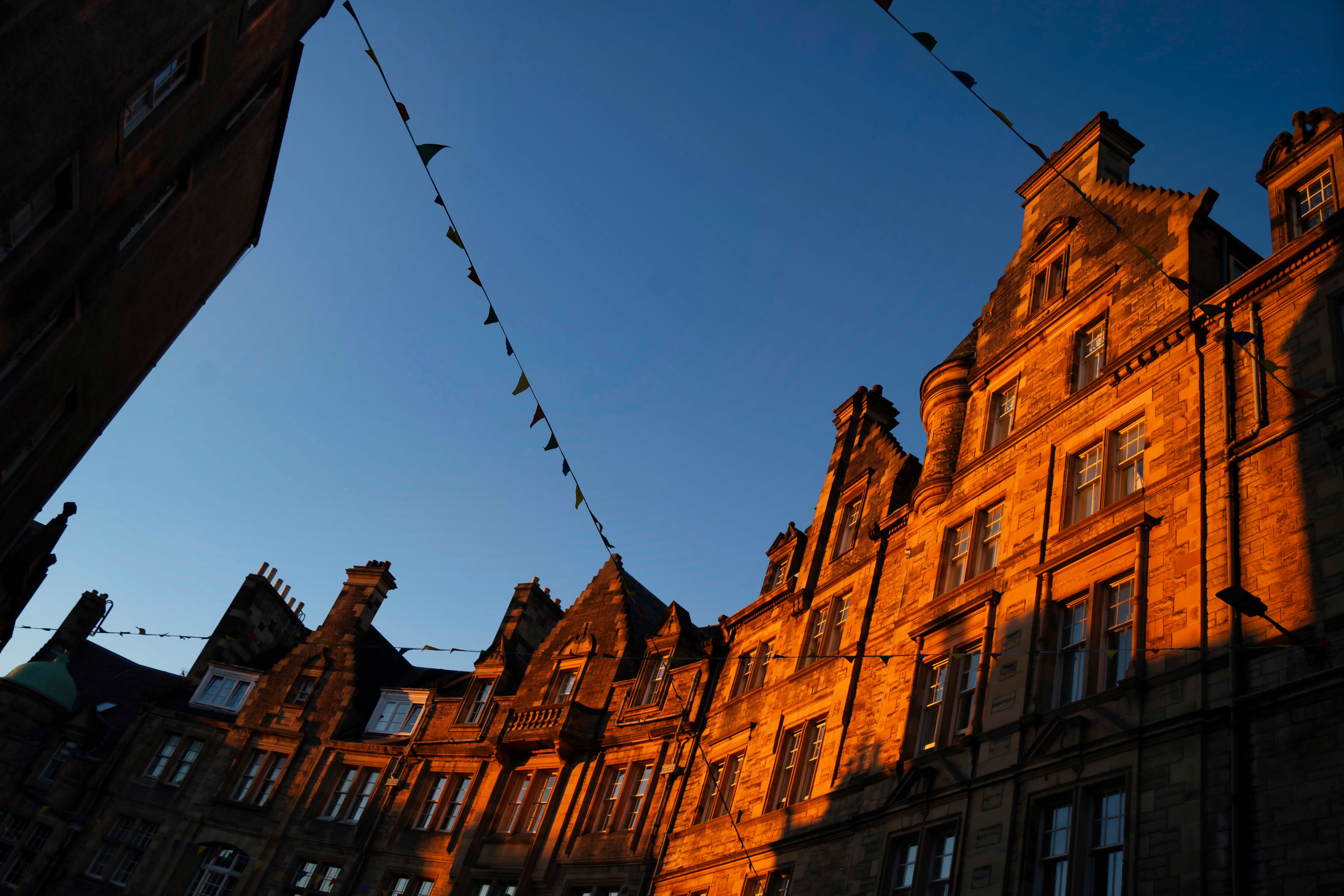
The architecture of Scotland reflects a rich history shaped by geography, politics, and culture. Ancient standing stones and Neolithic villages such as Skara Brae illustrate some of the earliest forms of settlement in Europe. Medieval castles, from the fortress of Edinburgh Castle to the romantic ruins of Dunnottar, embody centuries of defense and clan rivalry. In contrast, the Renaissance brought refinement through palaces like Stirling and Holyrood, where French and continental influences blended with local tradition. The Georgian era left its mark most visibly in Edinburgh’s New Town, with elegant symmetry, wide streets, and neoclassical facades that continue to define the city’s skyline. The industrial age transformed Glasgow into a hub of Victorian architecture, marked by ornate public buildings and the creativity of Charles Rennie Mackintosh. Today, Scotland balances preservation with innovation: modern structures such as the Scottish Parliament in Edinburgh stand alongside centuries-old stonework, reflecting a country where heritage and contemporary design coexist. From prehistoric stone circles to bold modernist projects, Scotland’s architecture tells the story of a nation evolving across time.

Across the Highlands

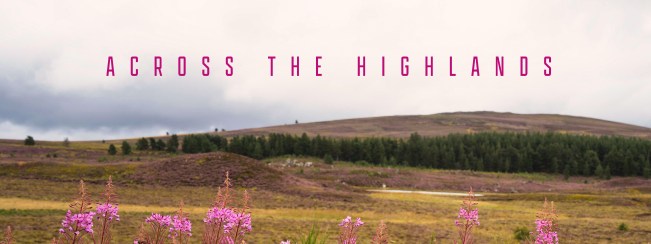
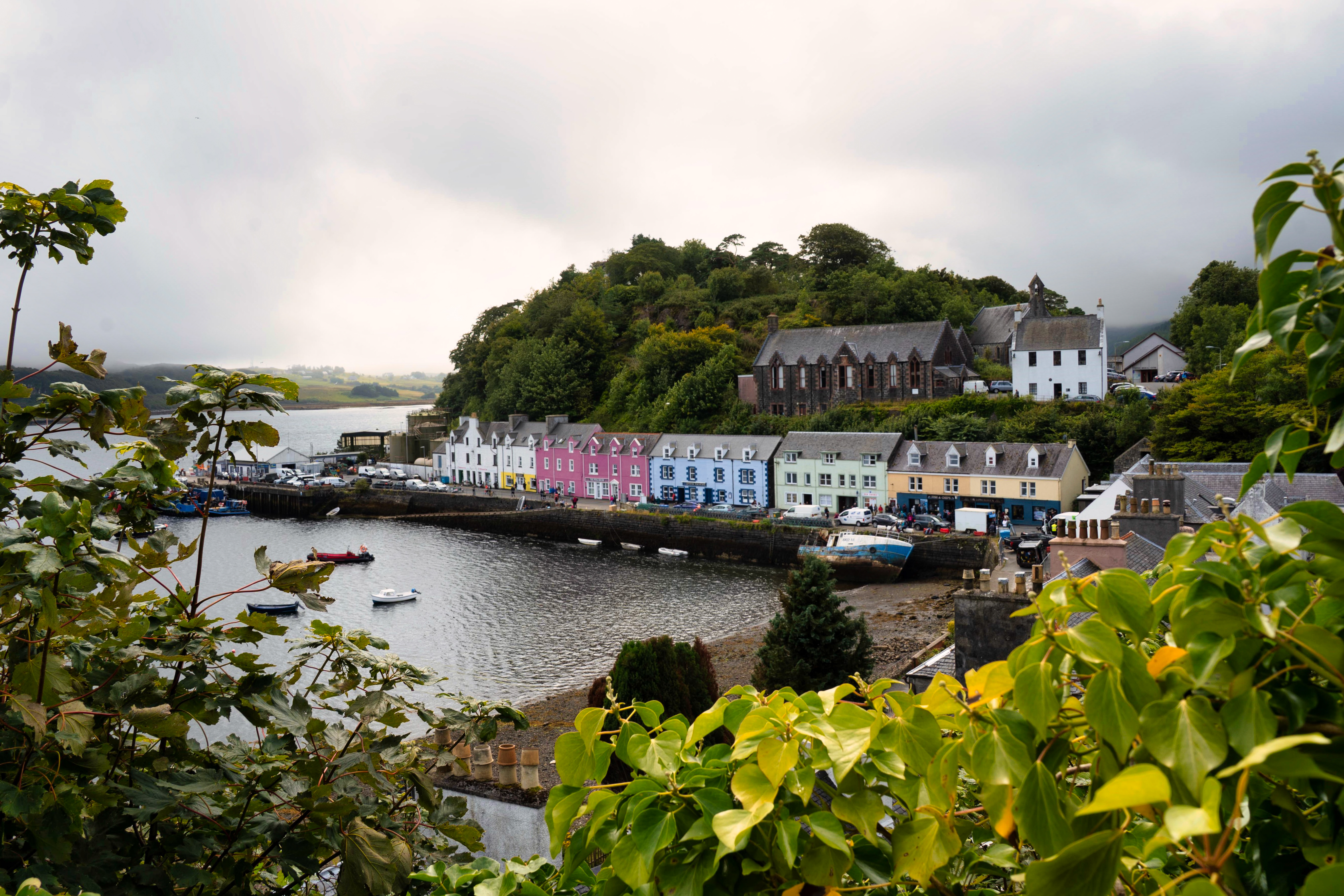
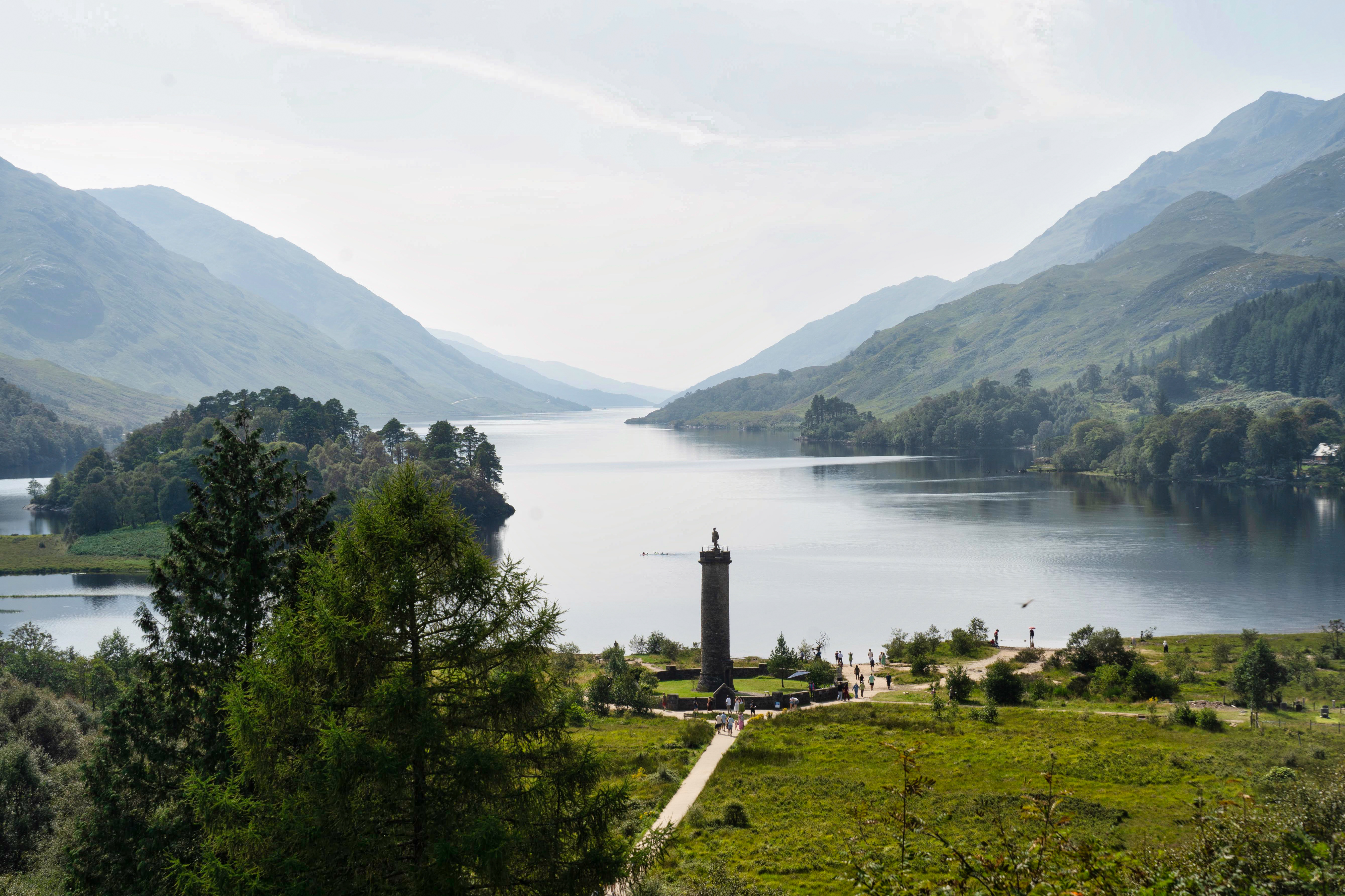
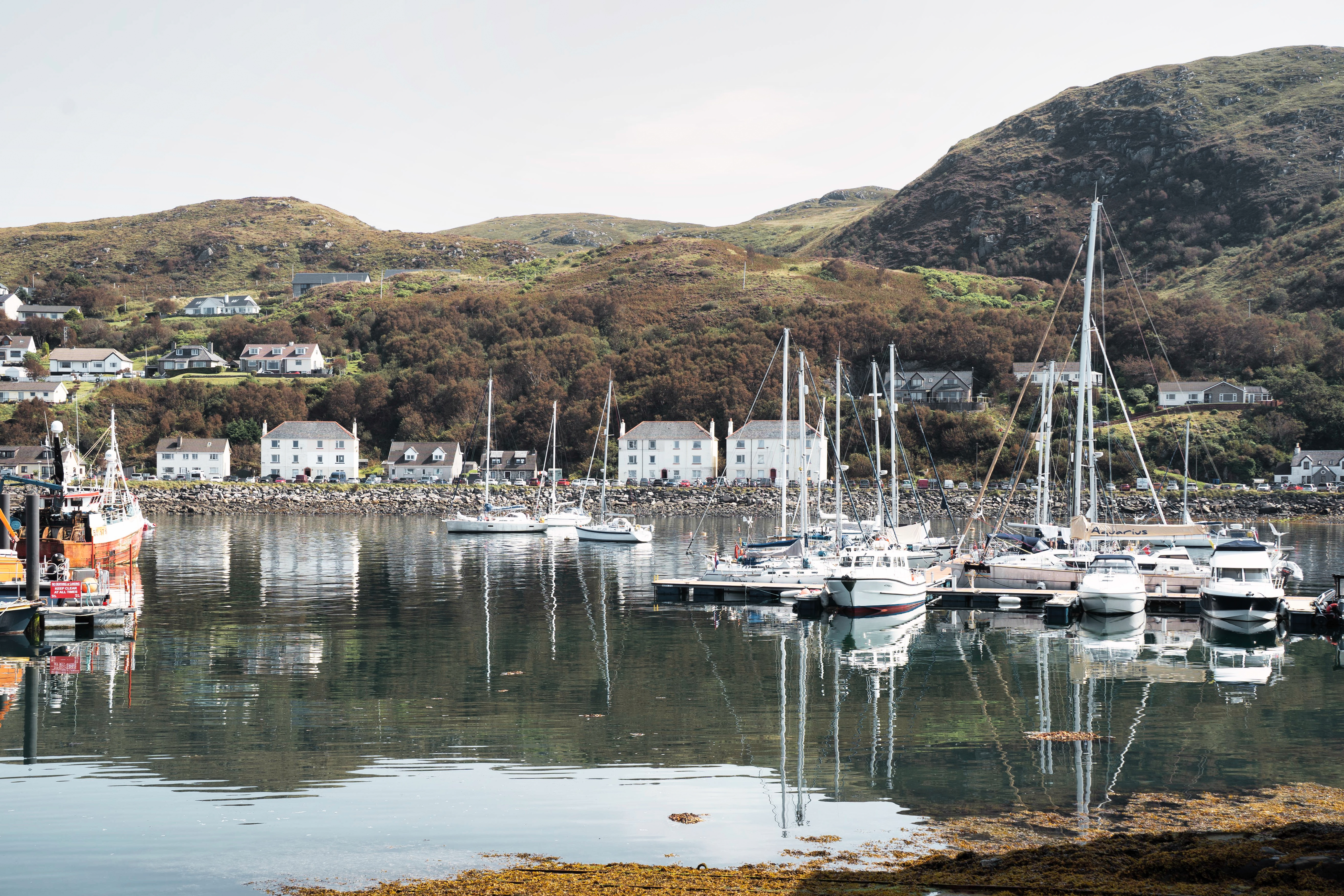
The Scottish Highlands stretch across a vast and rugged landscape, defined by mountains, glens, and lochs that have shaped both history and imagination. Traveling through this region reveals scenes of dramatic contrasts: sharp peaks rising against wide skies, valleys carved by ancient glaciers, and waters that shift from deep blue to silver with the changing light. Small villages punctuate the wilderness, their stone houses and whitewashed cottages standing resilient against the elements. Castles—some preserved, others in ruins—emerge from the hillsides as reminders of a turbulent past. Wildlife, from red deer on the moors to golden eagles soaring above, adds movement to the stillness of the land. The Highlands are not only a place of natural beauty but also a cultural stronghold, where Gaelic heritage, music, and tradition continue to leave their mark. 

The Auld Country

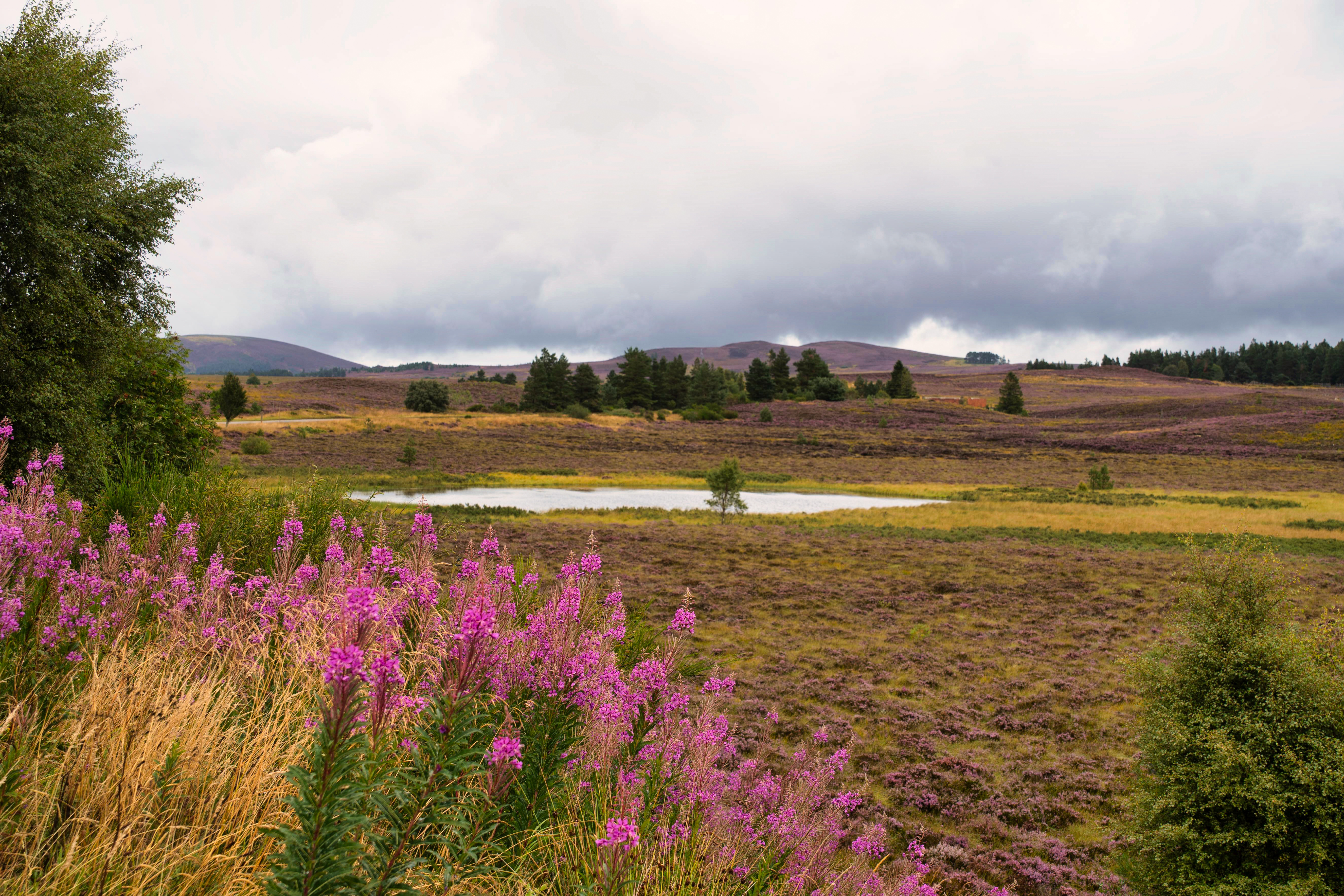
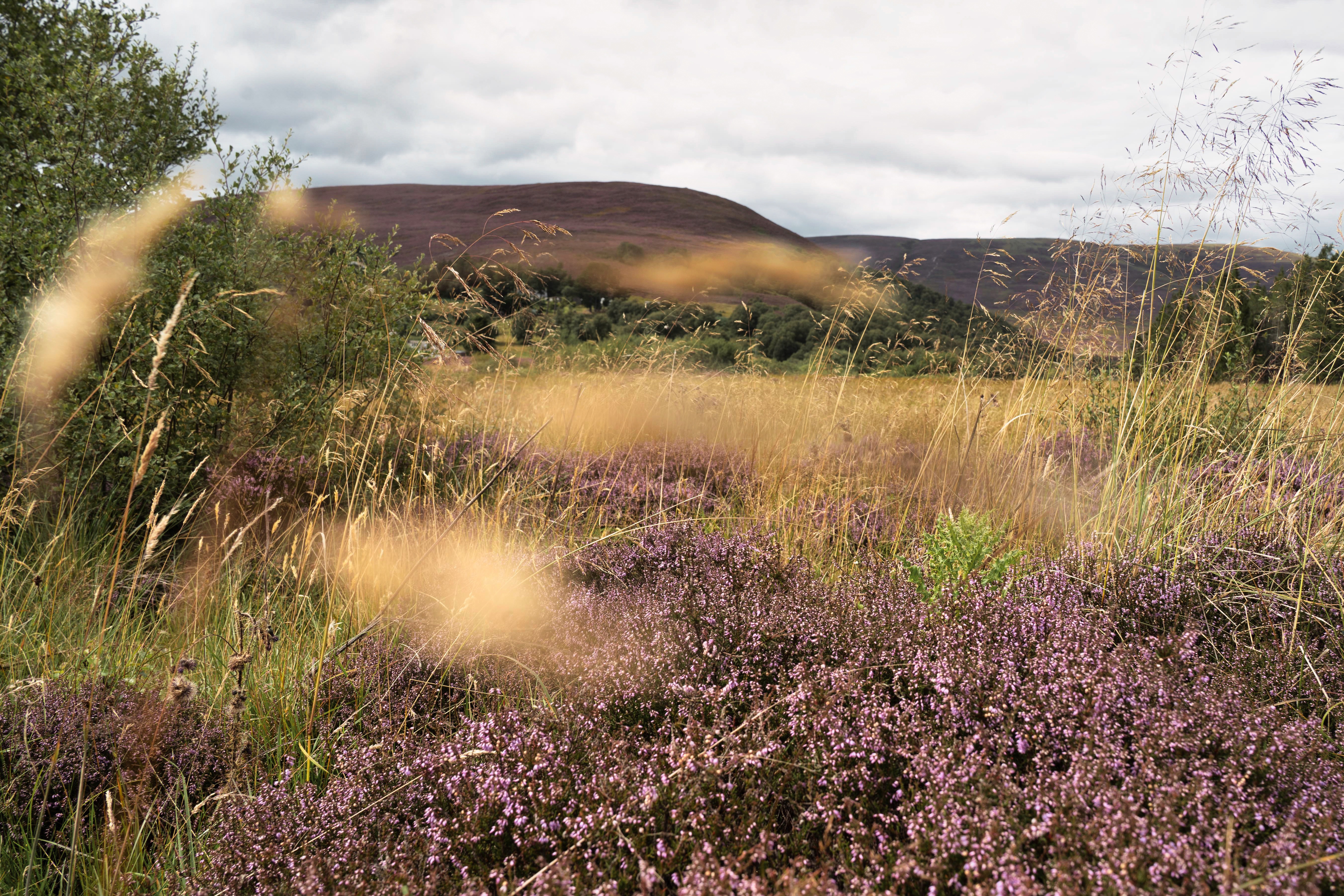
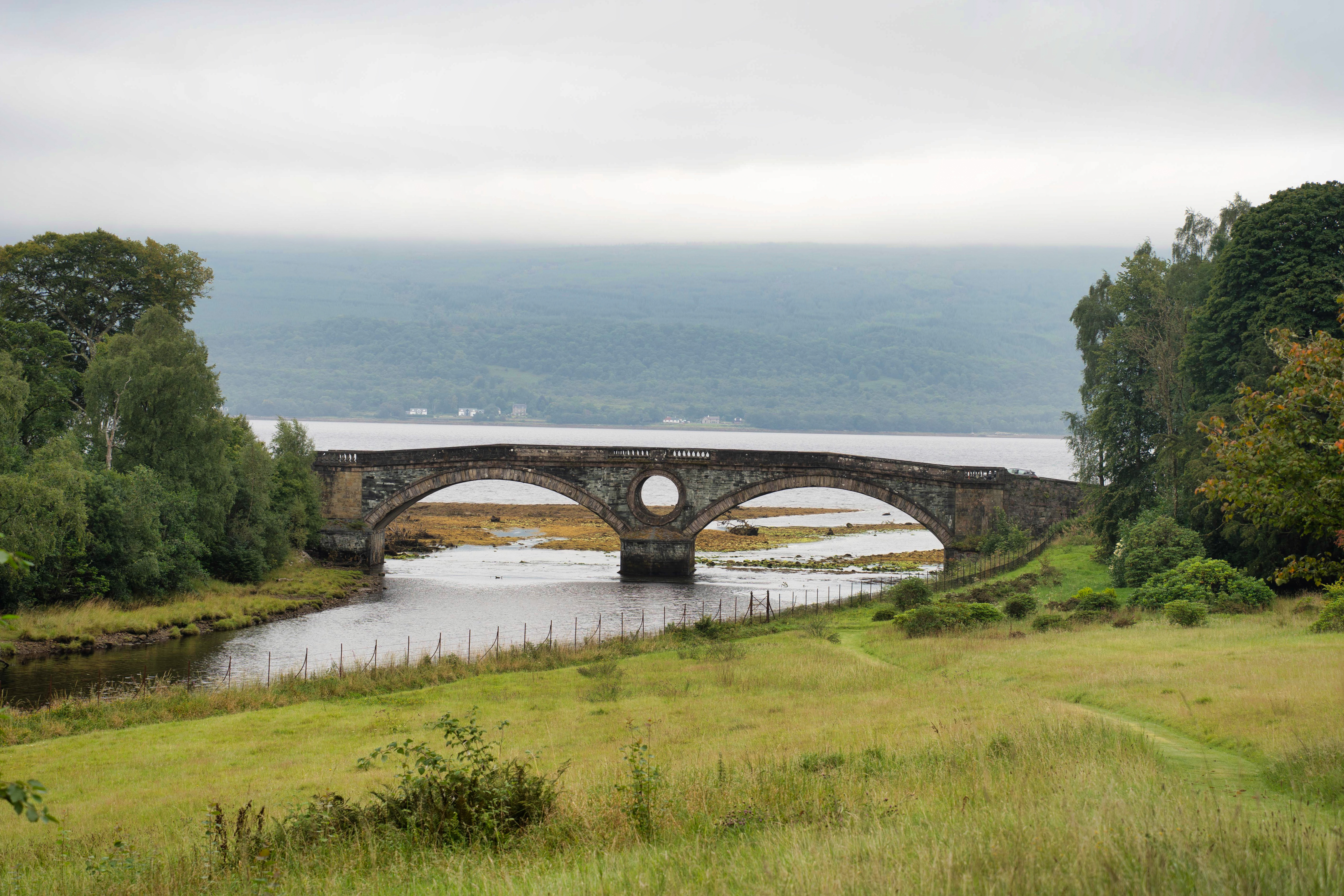
Scotland offers a landscape shaped as much by history as by nature. The Highlands rise in dramatic peaks, often cloaked in mist, while vast lochs reflect skies that shift quickly from bright sunlight to brooding clouds. Rolling Lowland hills give way to green pastures, dotted with stone cottages and ancient ruins. Along the coasts, cliffs drop steeply to restless seas, framed by lighthouses and fishing villages painted in soft, weathered colors. Cities like Edinburgh and Glasgow add striking contrasts—medieval streets and Gothic spires beside bold Victorian architecture and modern design. From purple heather in late summer to snow-dusted glens in winter, Scotland’s scenery changes with the seasons, offering endless subjects for the eye and the lens.

Twilight Over Scotland

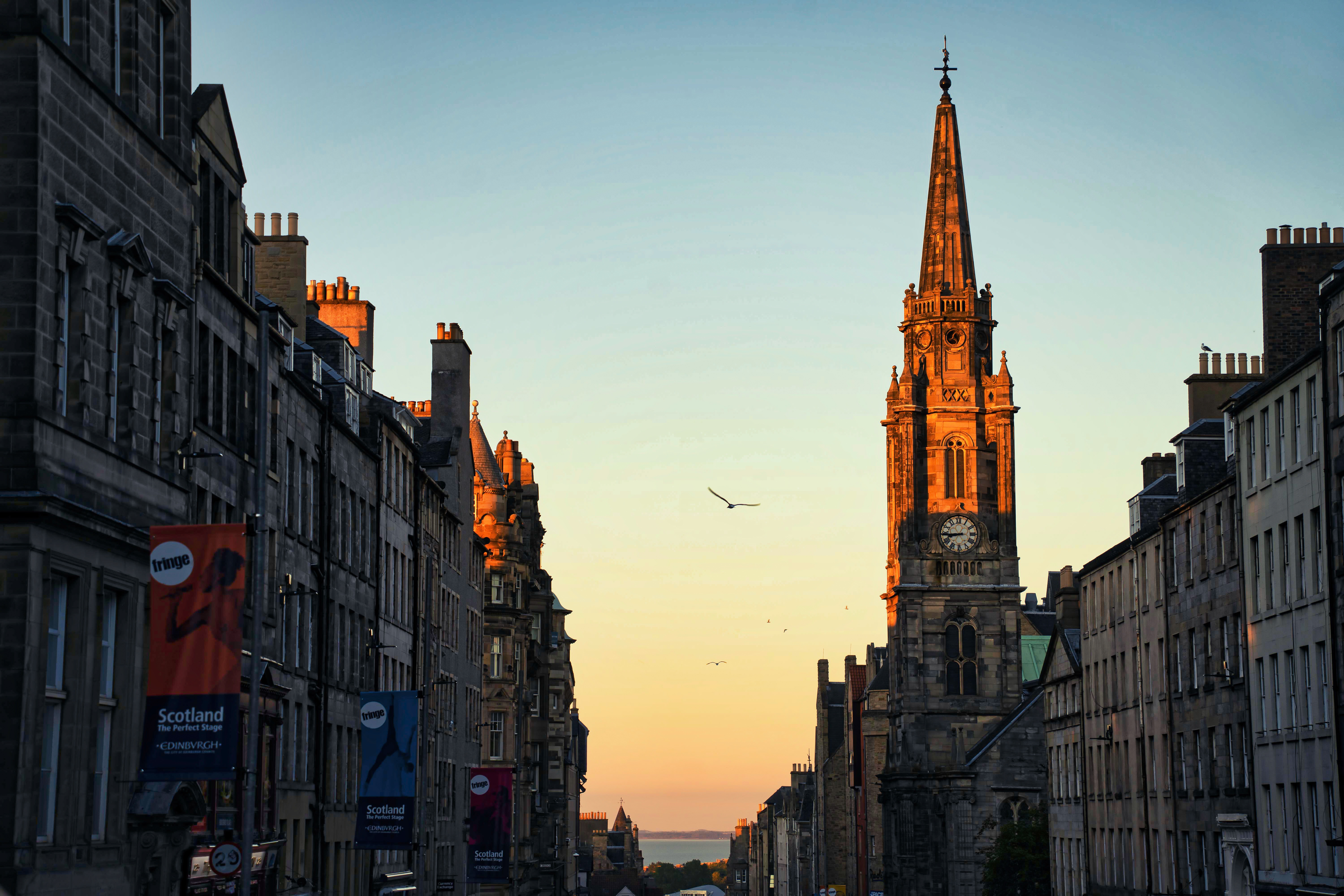
As twilight settles over Scotland, the landscape transforms into a realm of quiet magic. The last golden rays of the sun fade behind rugged mountains and rolling moors, casting long shadows over lochs that glimmer like polished glass. Heather-covered hills glow in muted purples, while ancient castles and stone villages take on a timeless silhouette against the darkening sky. Along the coast, the sea reflects hues of deep blue and silver, merging with drifting clouds as if sky and water were one. In this fleeting hour between day and night, Scotland reveals its most poetic face — a land where history, nature, and mystery blend into a single, haunting beauty.

Alpine Explorations

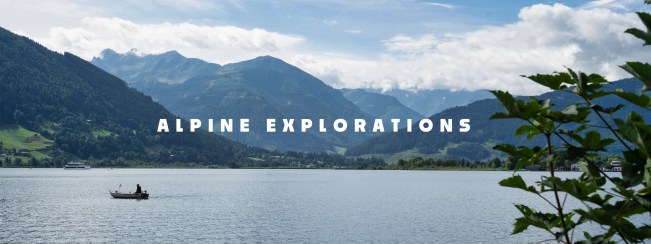
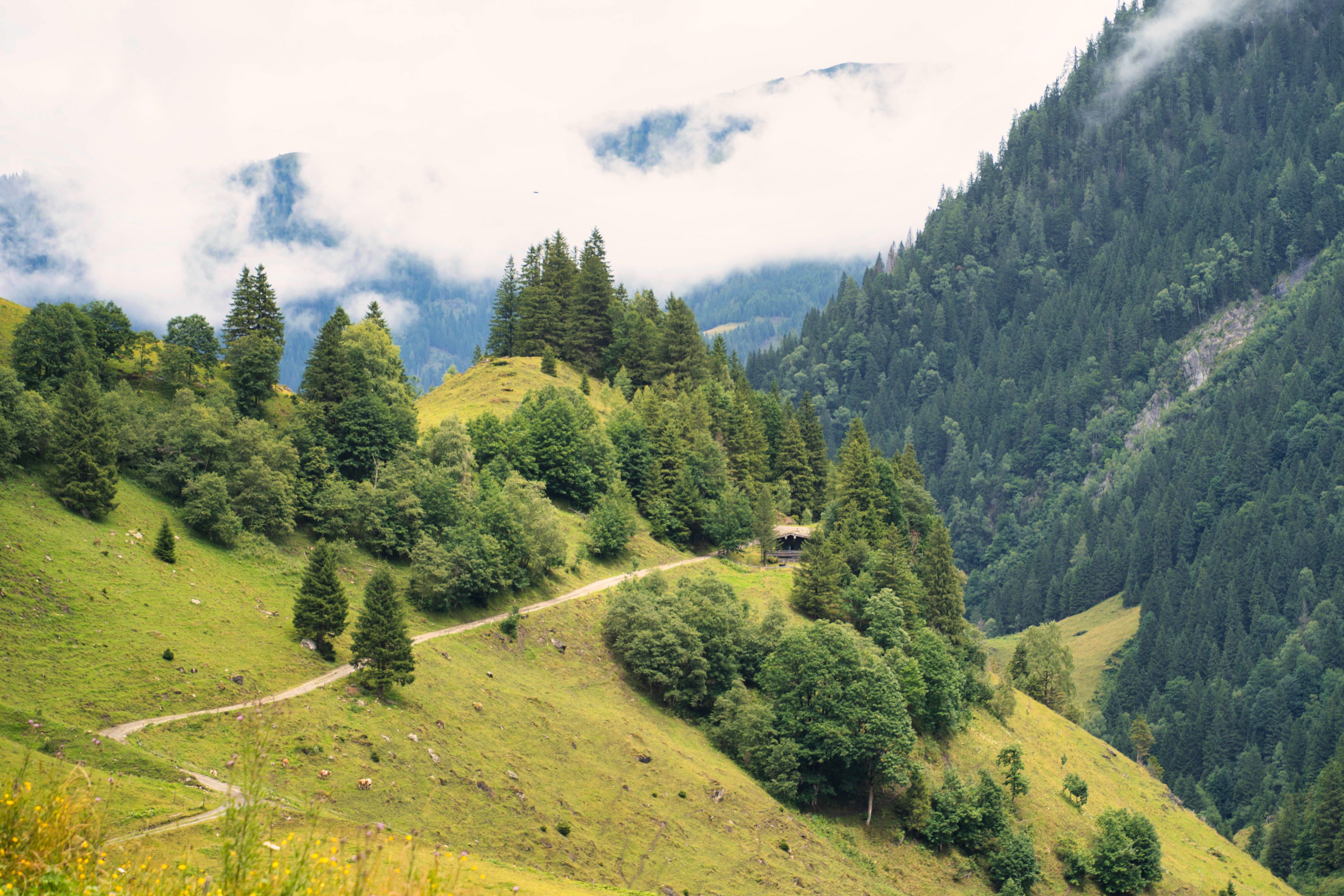
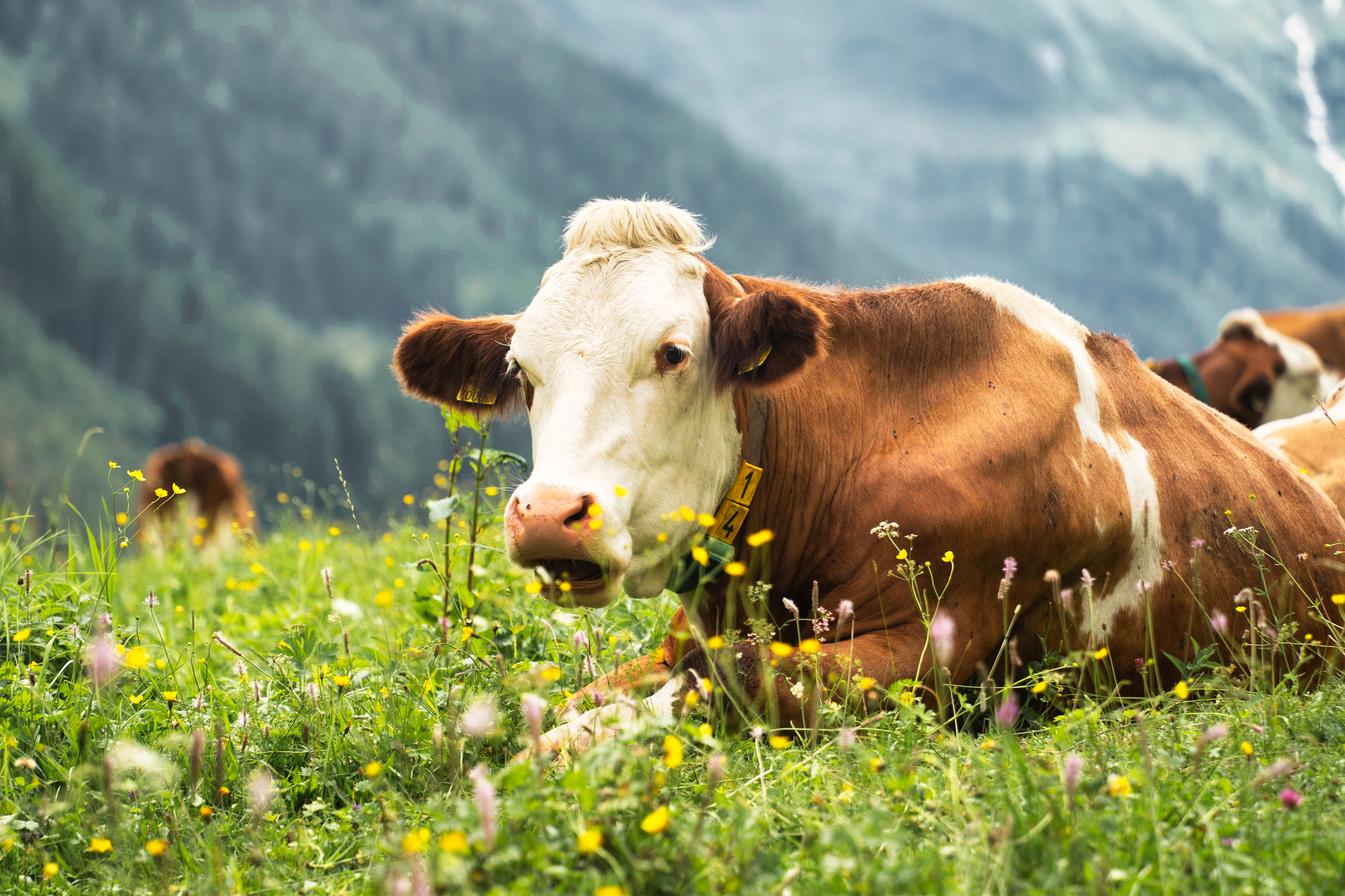
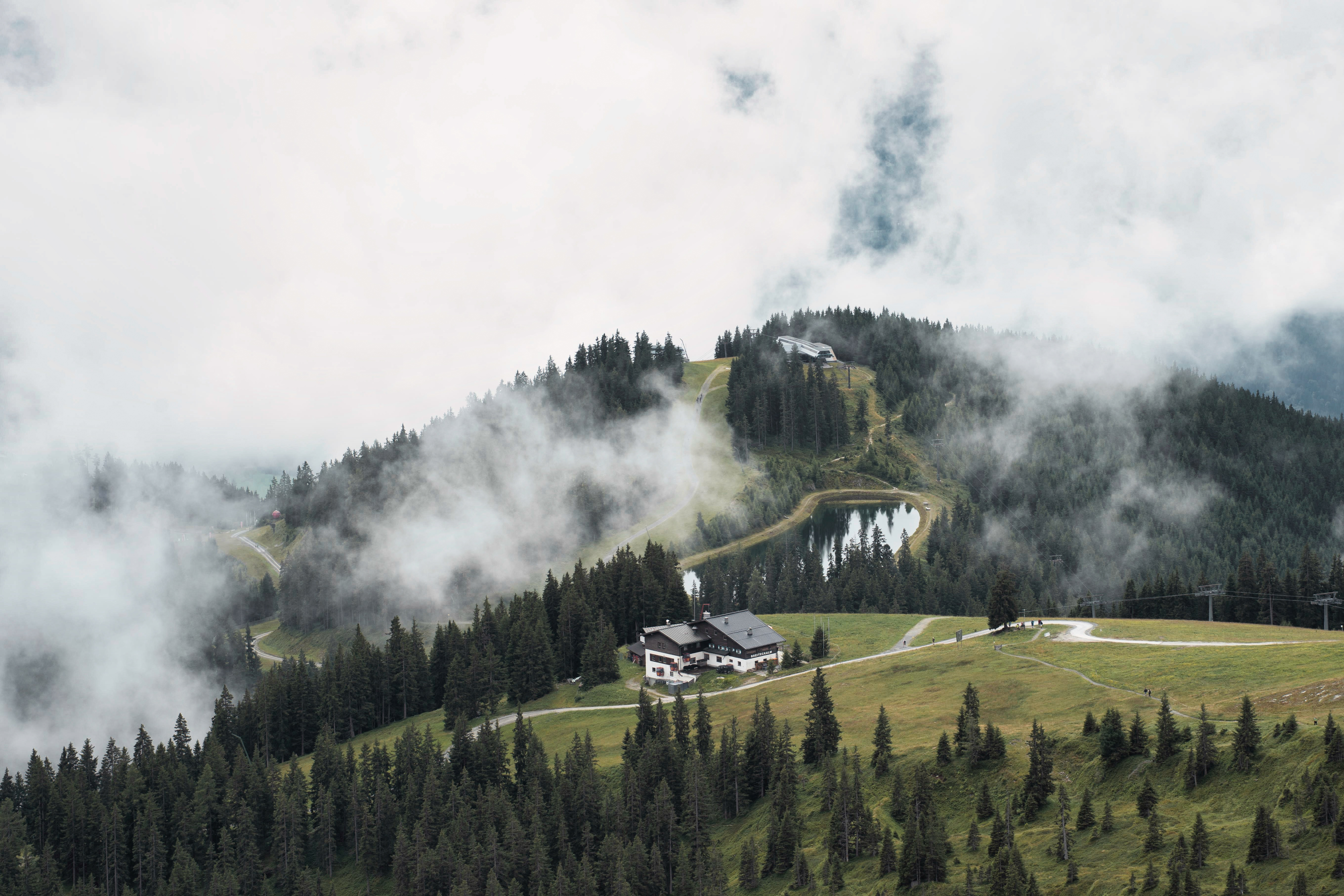
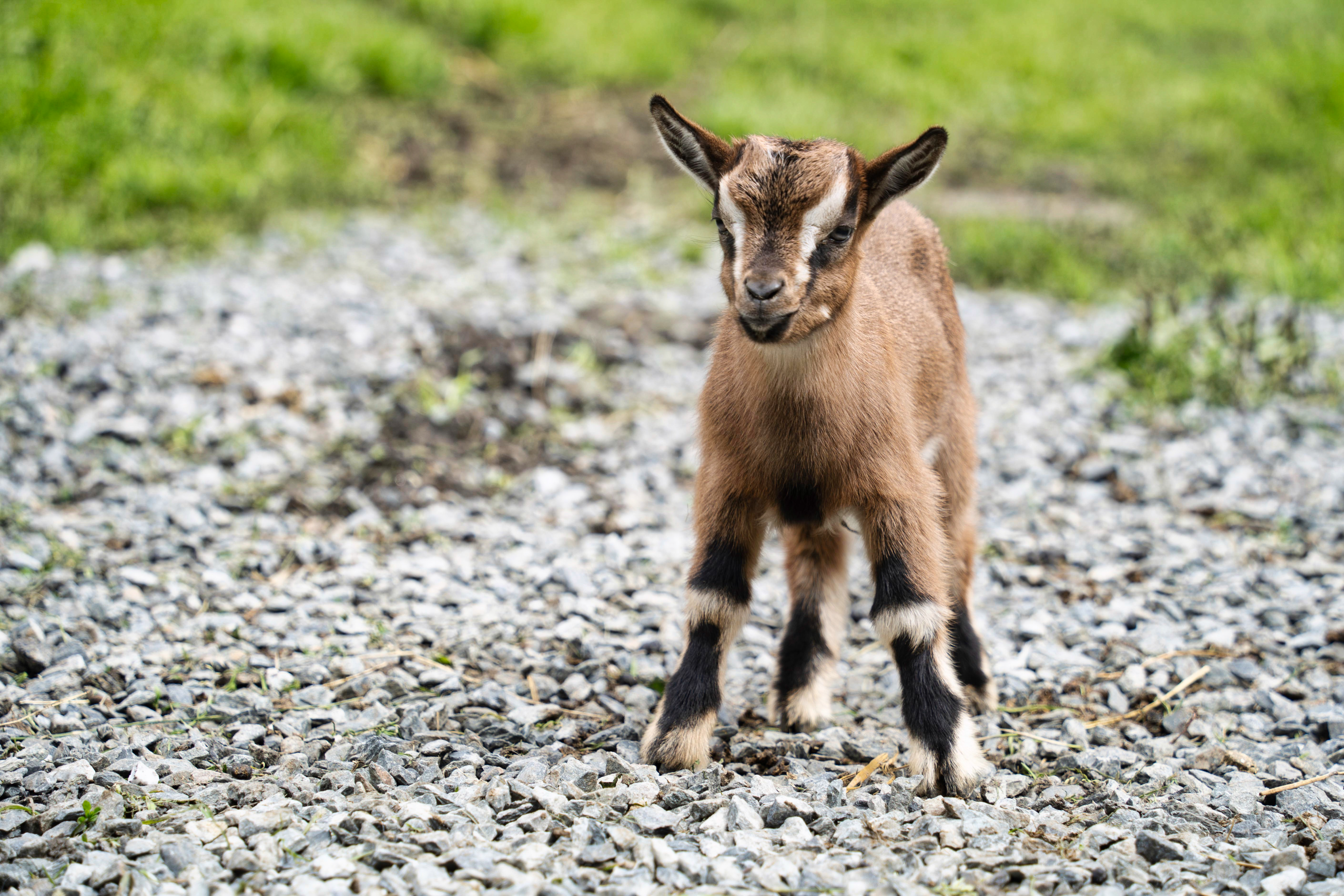
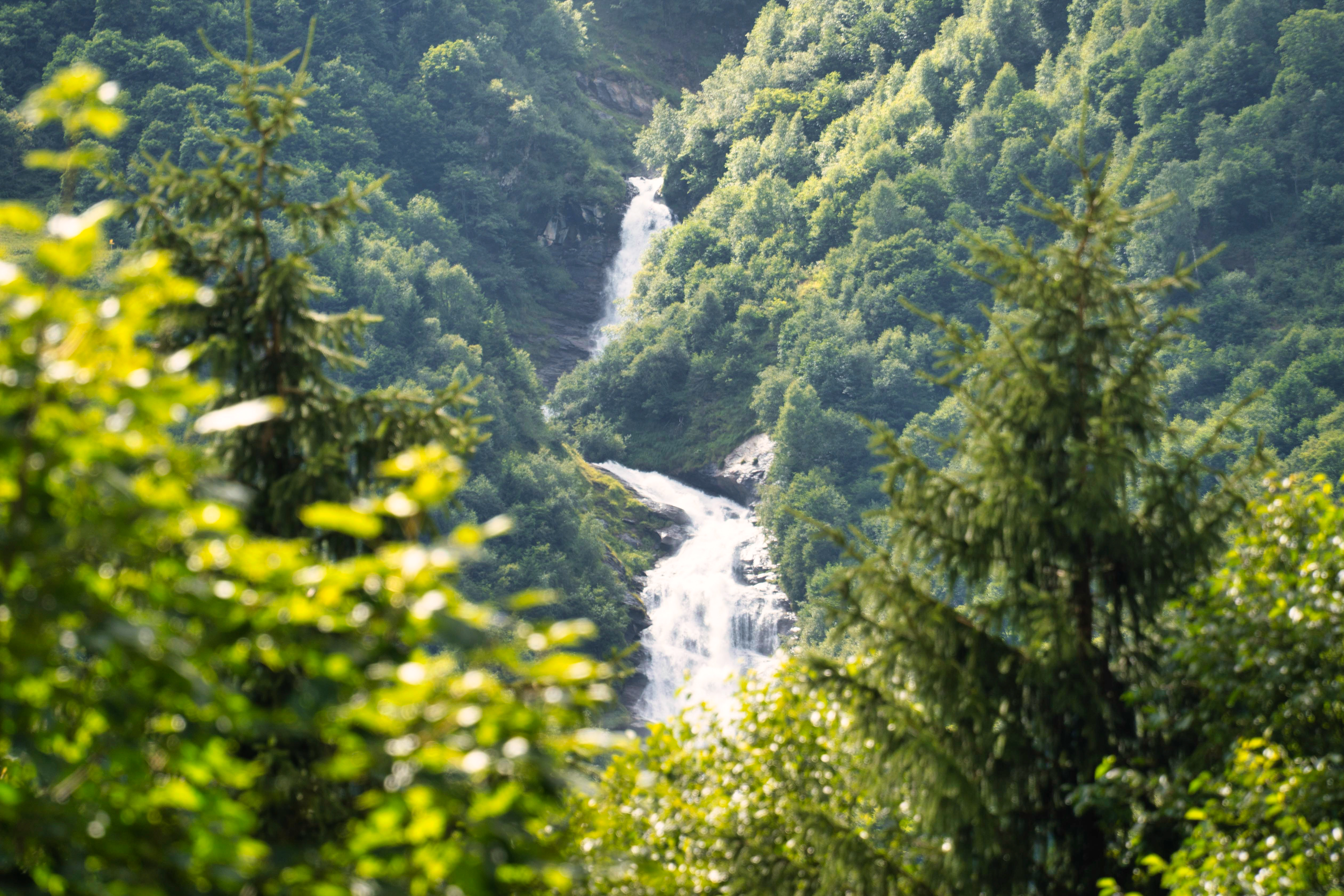
When most people think of the Alps, images of snow, skiing, and winter holidays come to mind. Yet in summer, Europe’s most famous mountain range transforms into a landscape of wildflower meadows, glacial lakes, and sunlit valleys, offering endless opportunities for exploration. Stretching across eight countries — from France and Switzerland to Austria and Slovenia — the Alps cover approximately 1,200 kilometers and form one of the most diverse ecosystems in Europe. The following pictures were shot in Austria in summer 2025.