
The architecture of Scotland reflects a rich history shaped by geography, politics, and culture. Ancient standing stones and Neolithic villages such as Skara Brae illustrate some of the earliest forms of settlement in Europe. Medieval castles, from the fortress of Edinburgh Castle to the romantic ruins of Dunnottar, embody centuries of defense and clan rivalry. In contrast, the Renaissance brought refinement through palaces like Stirling and Holyrood, where French and continental influences blended with local tradition. The Georgian era left its mark most visibly in Edinburgh’s New Town, with elegant symmetry, wide streets, and neoclassical facades that continue to define the city’s skyline. The industrial age transformed Glasgow into a hub of Victorian architecture, marked by ornate public buildings and the creativity of Charles Rennie Mackintosh. Today, Scotland balances preservation with innovation: modern structures such as the Scottish Parliament in Edinburgh stand alongside centuries-old stonework, reflecting a country where heritage and contemporary design coexist. From prehistoric stone circles to bold modernist projects, Scotland’s architecture tells the story of a nation evolving across time.

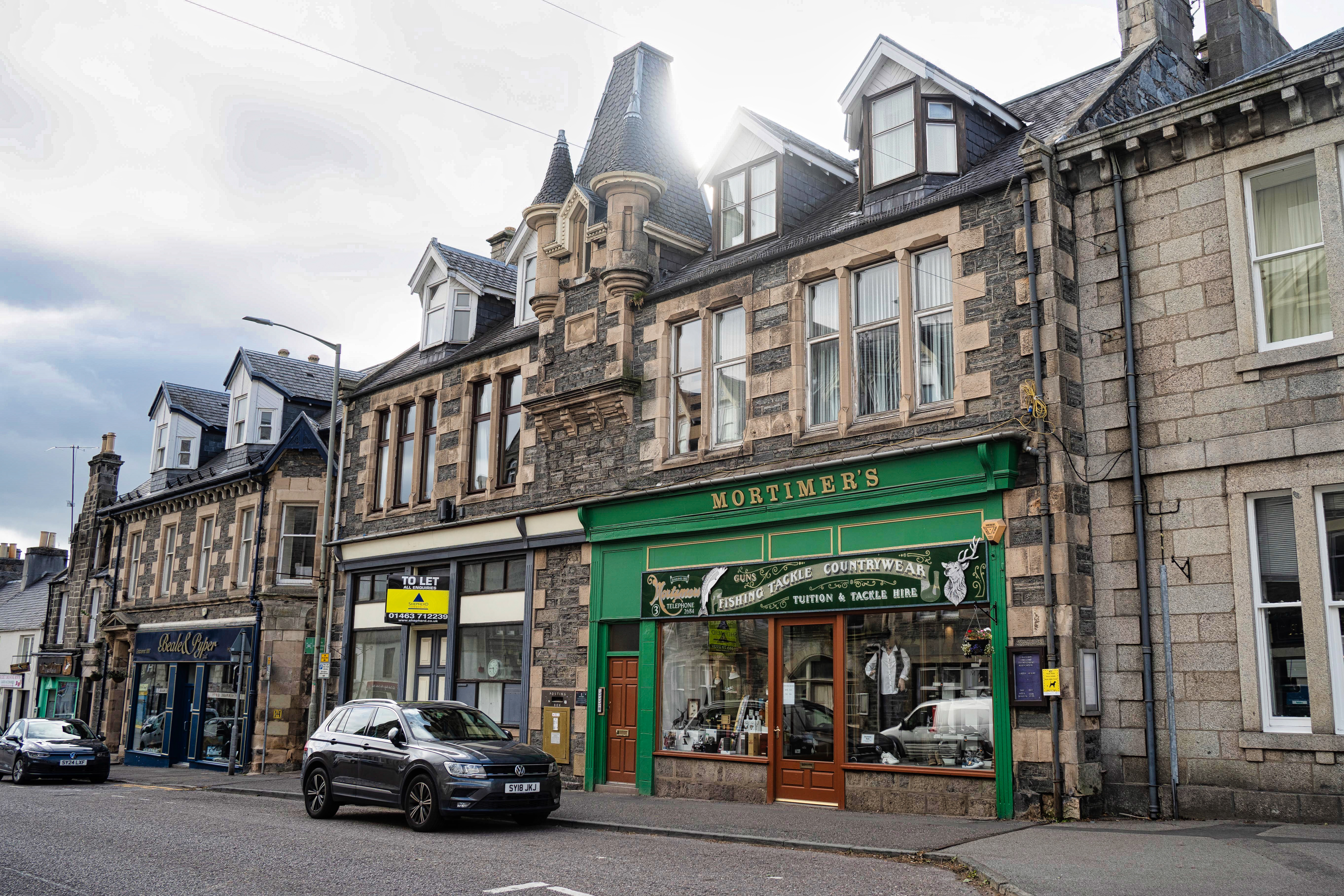
 Michael Hoffman Photography