
Culture of Japan

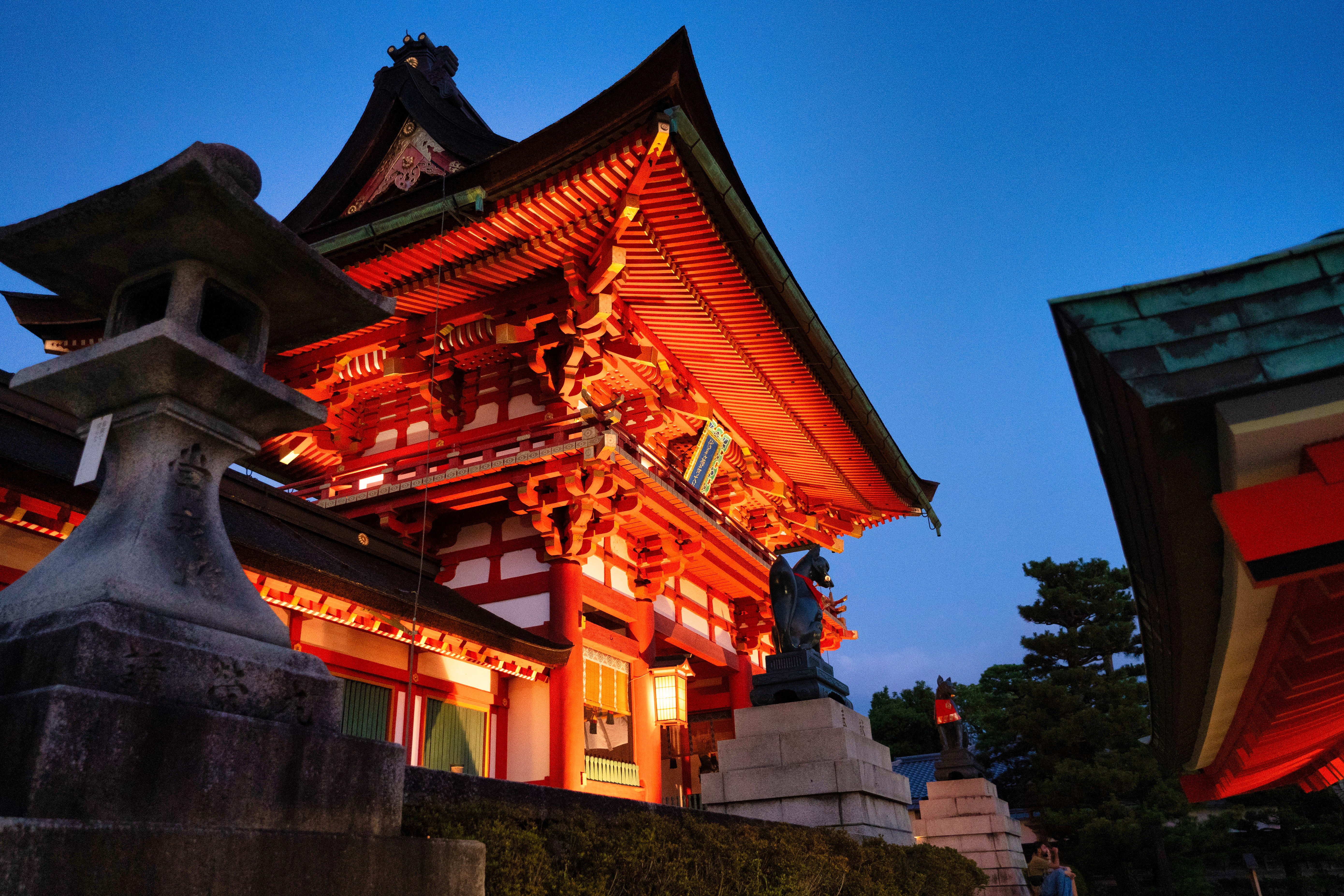
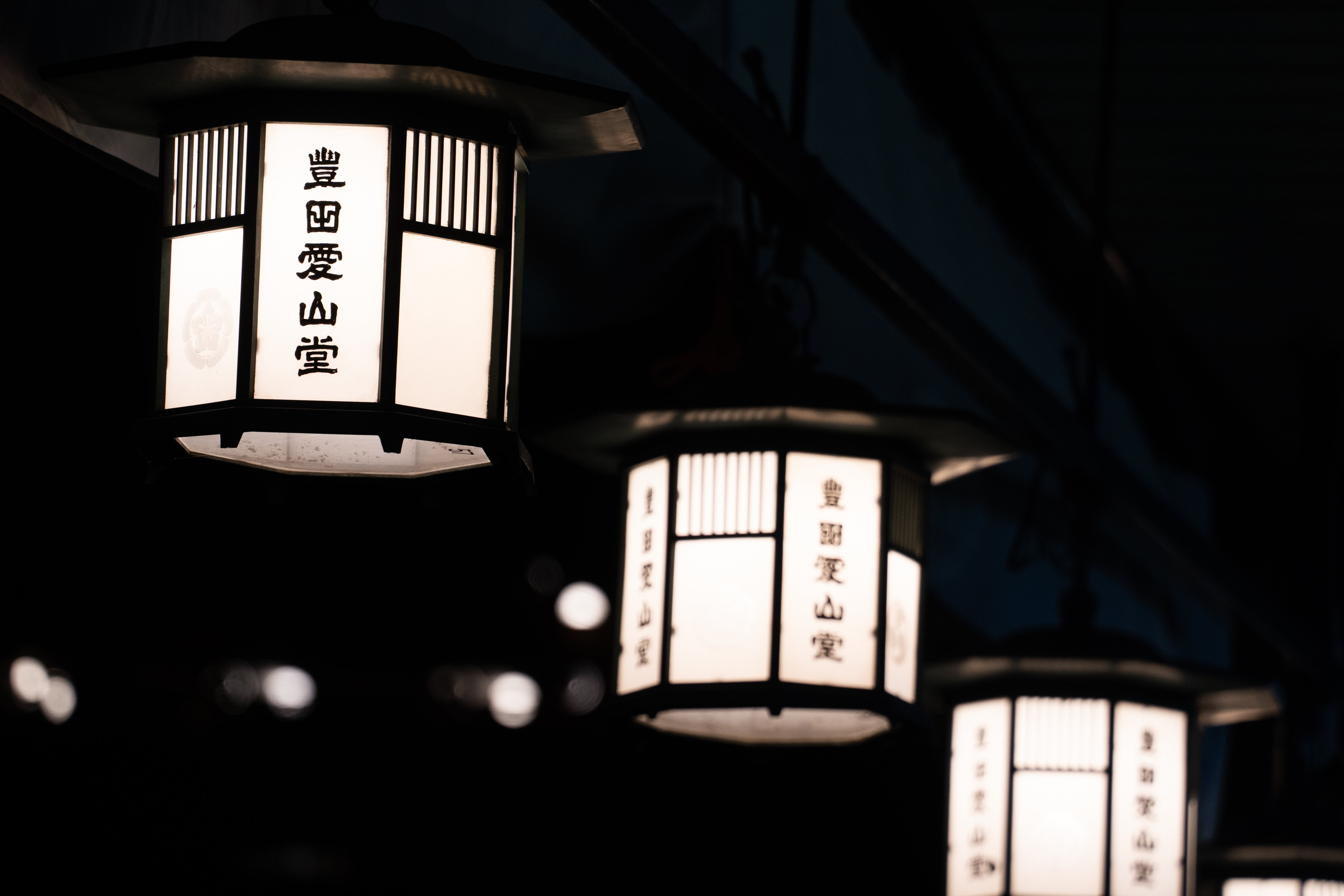
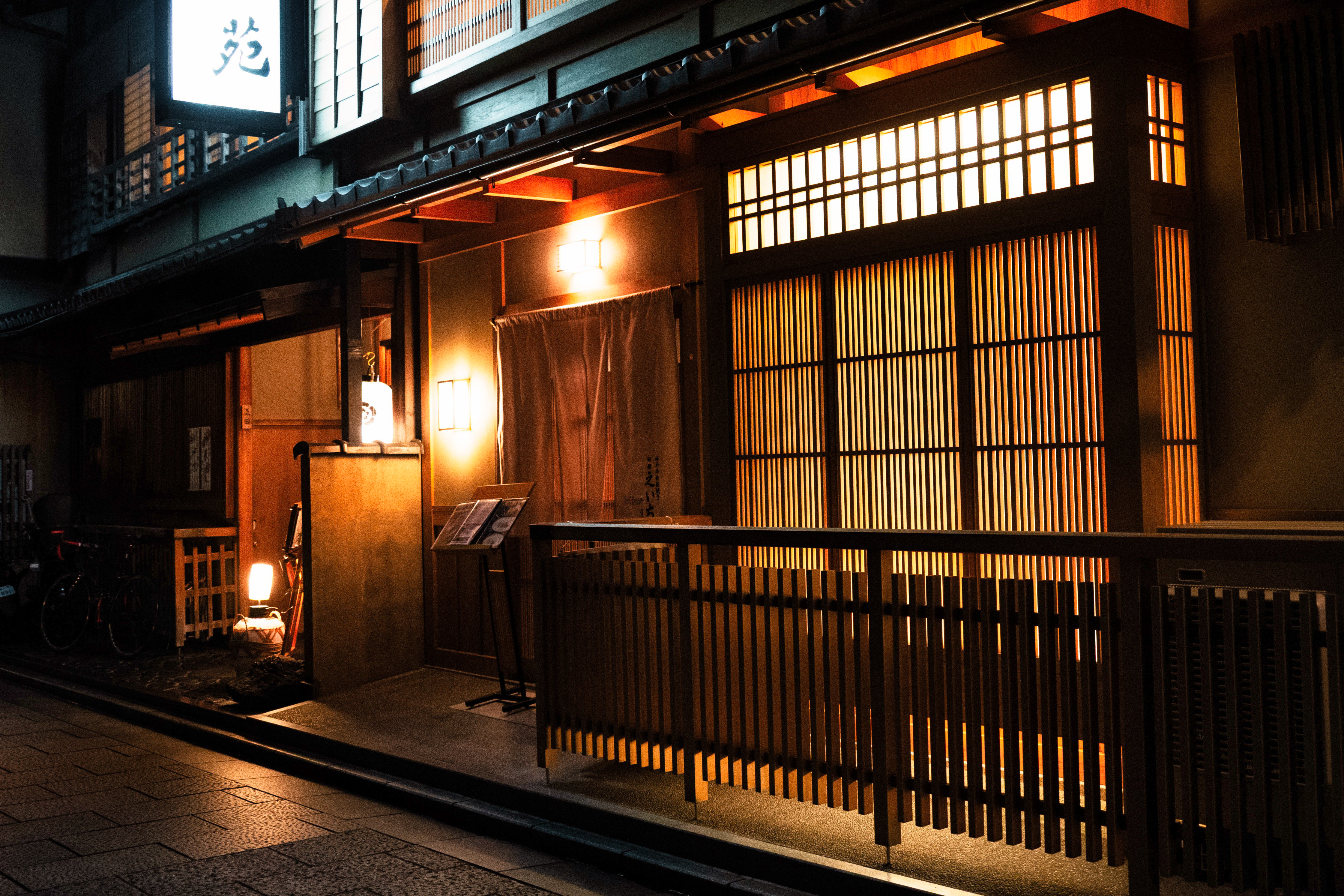
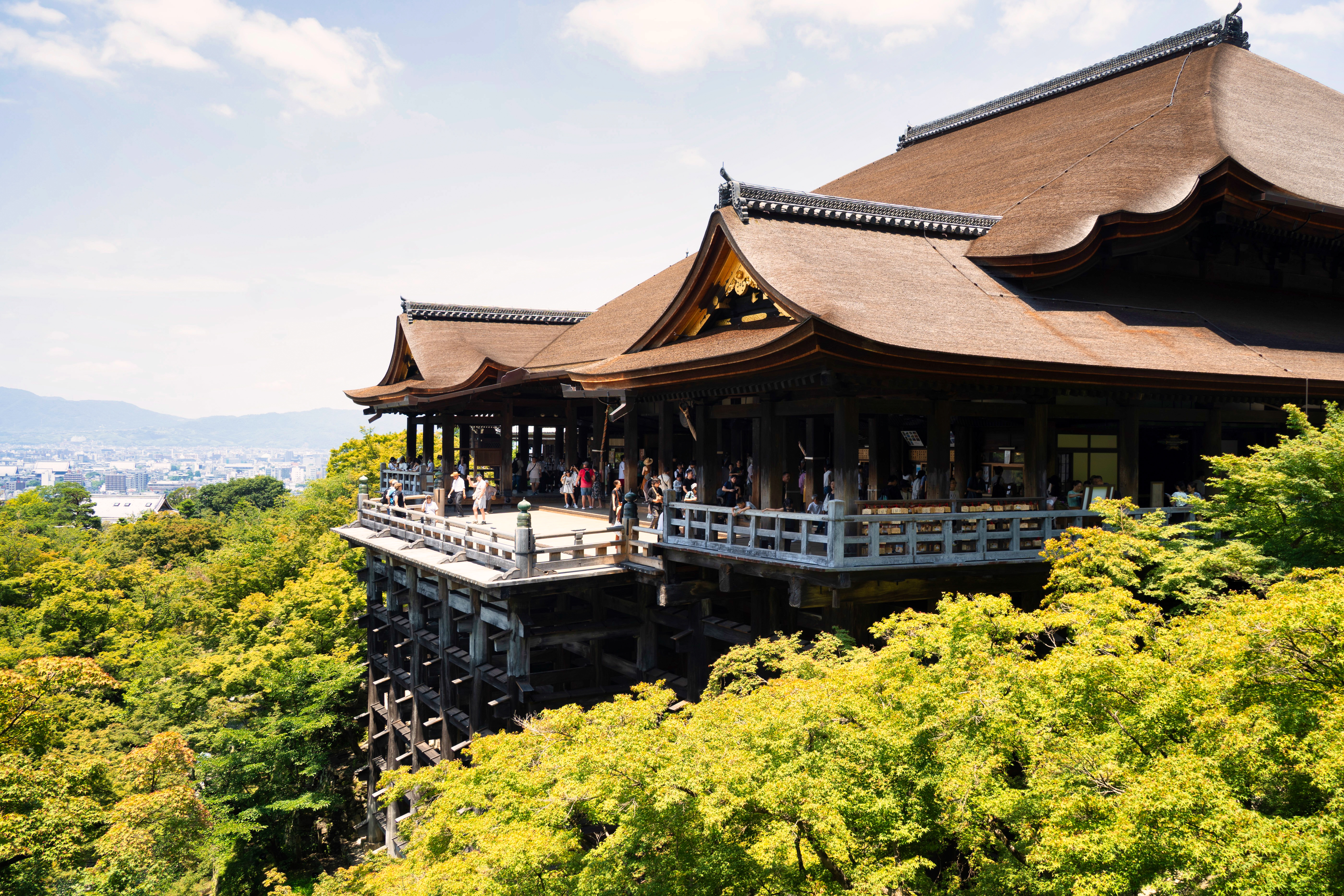
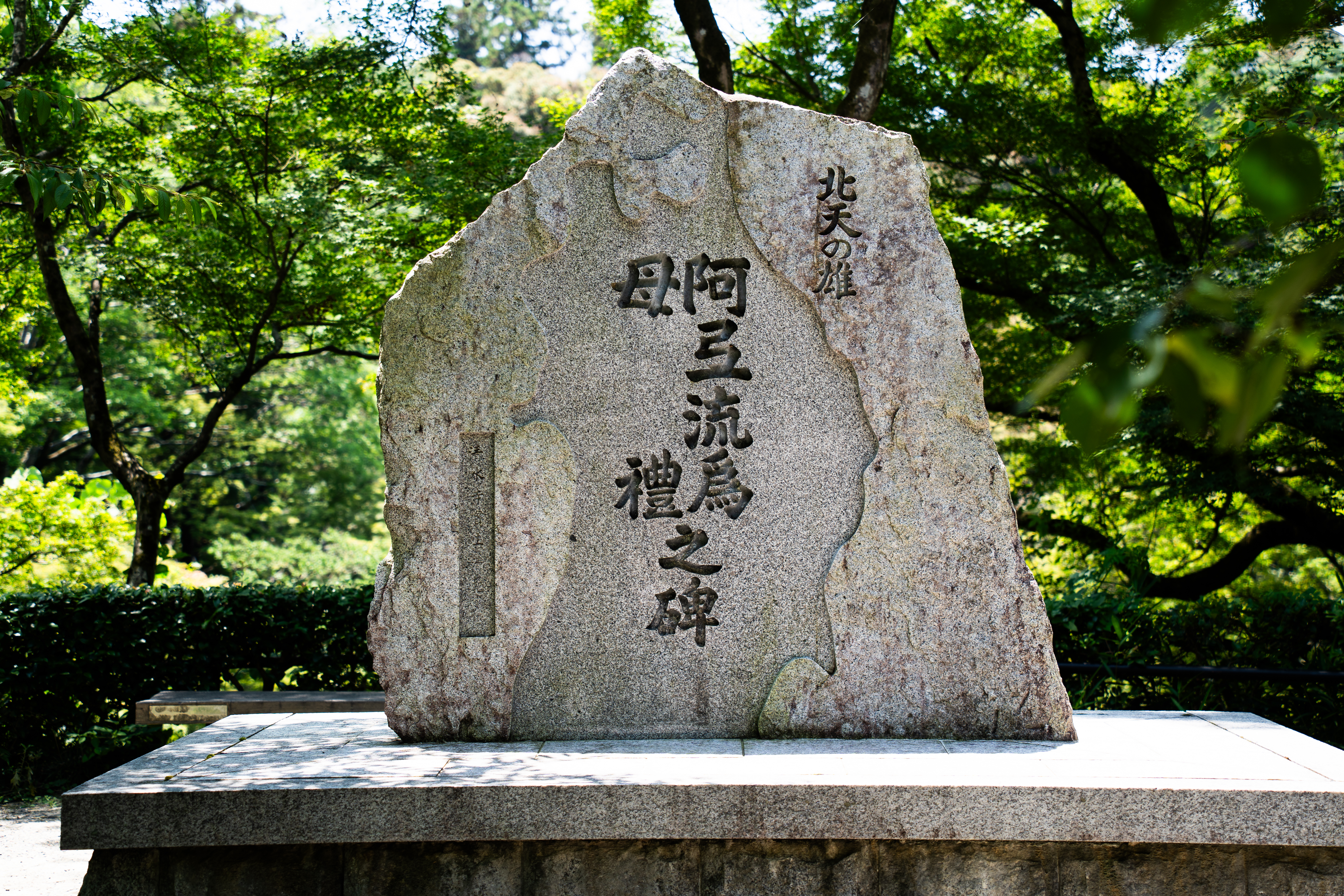
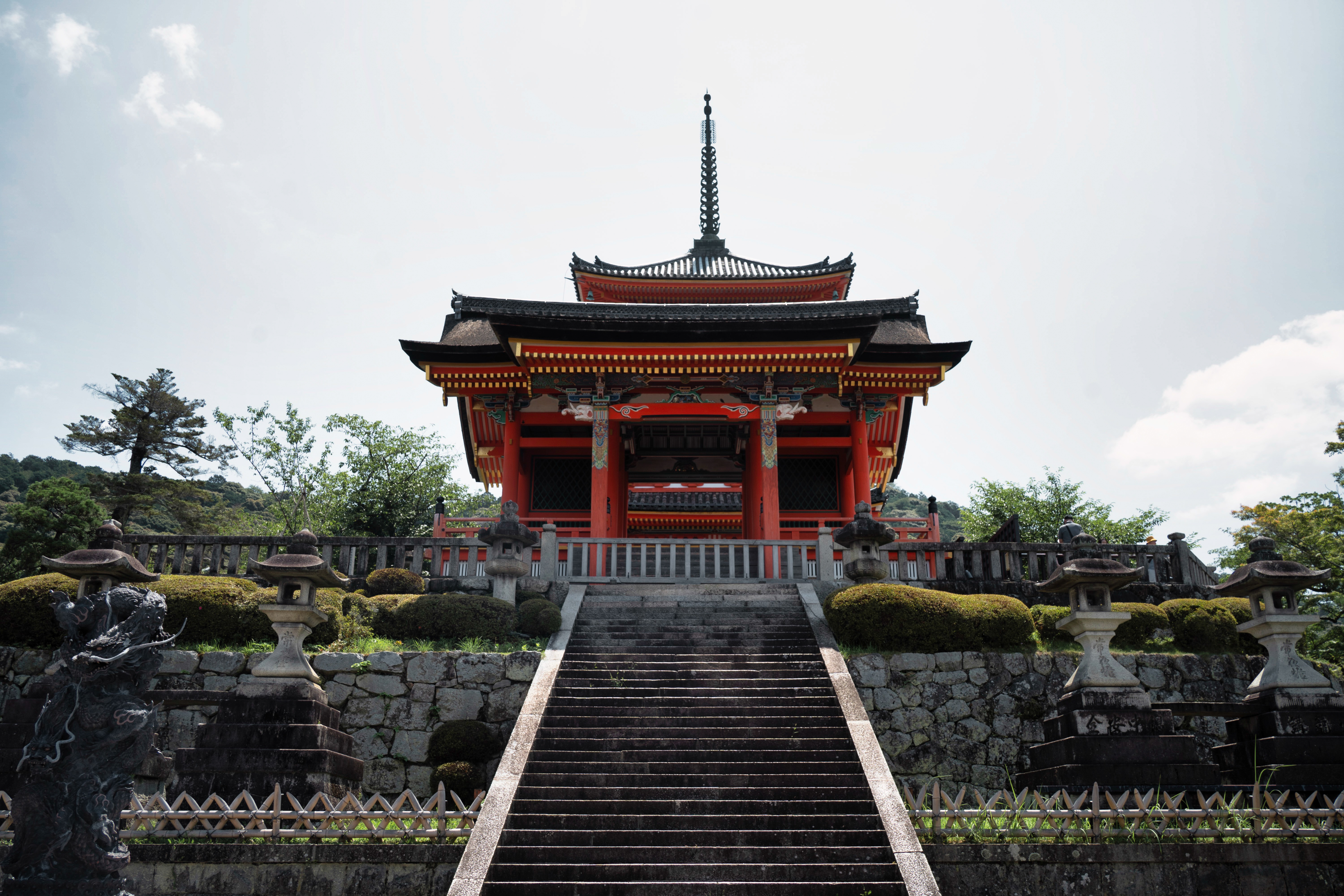
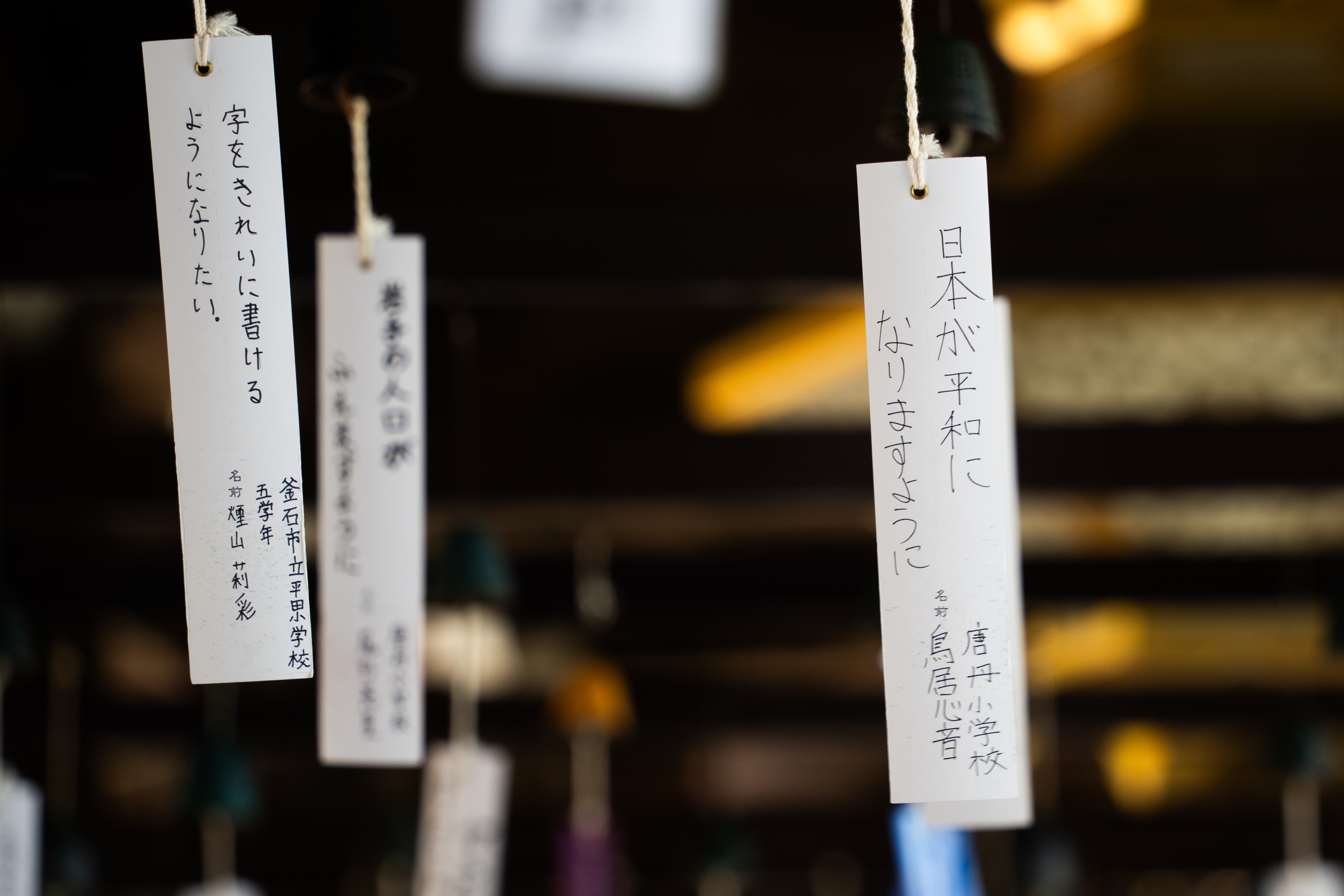
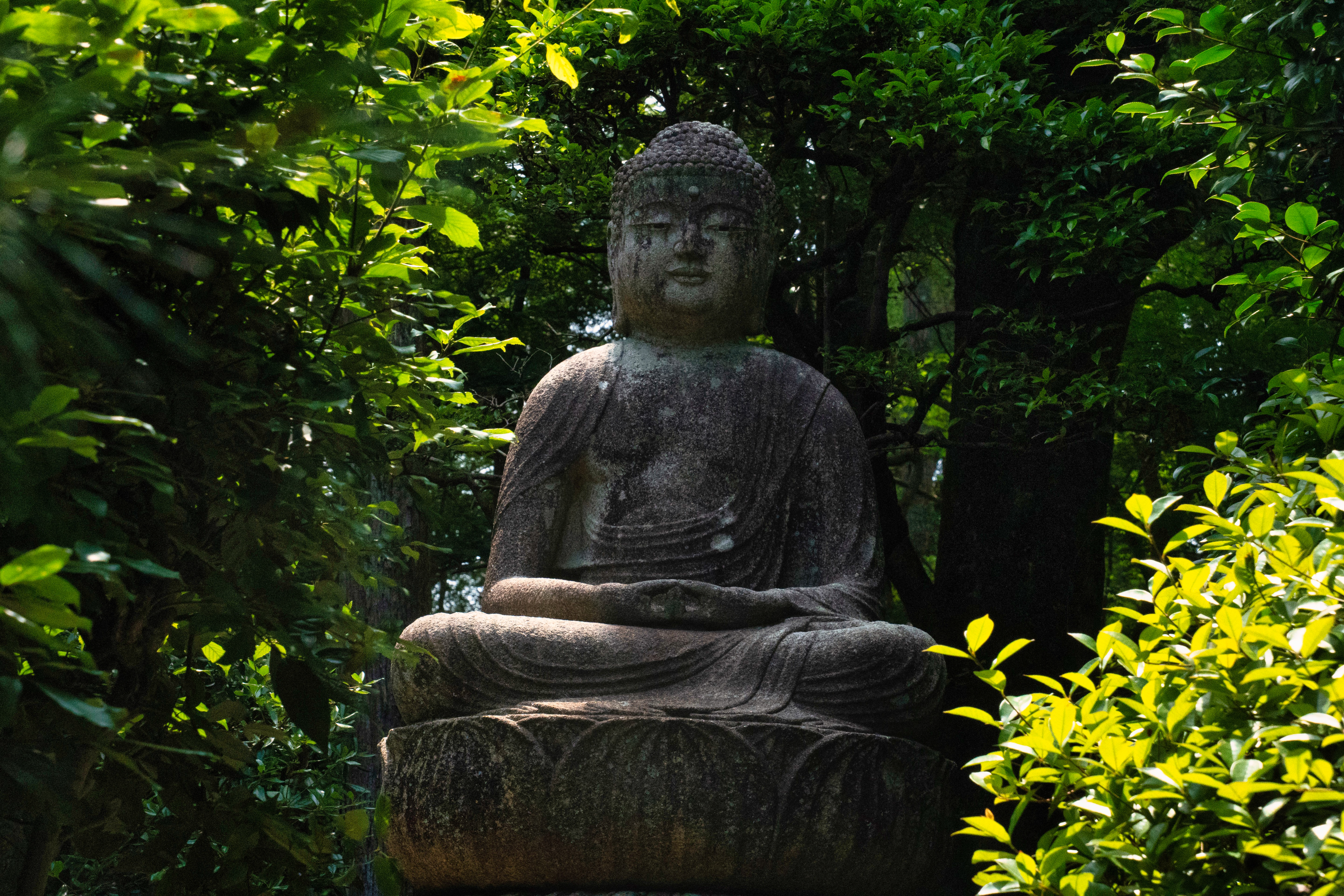
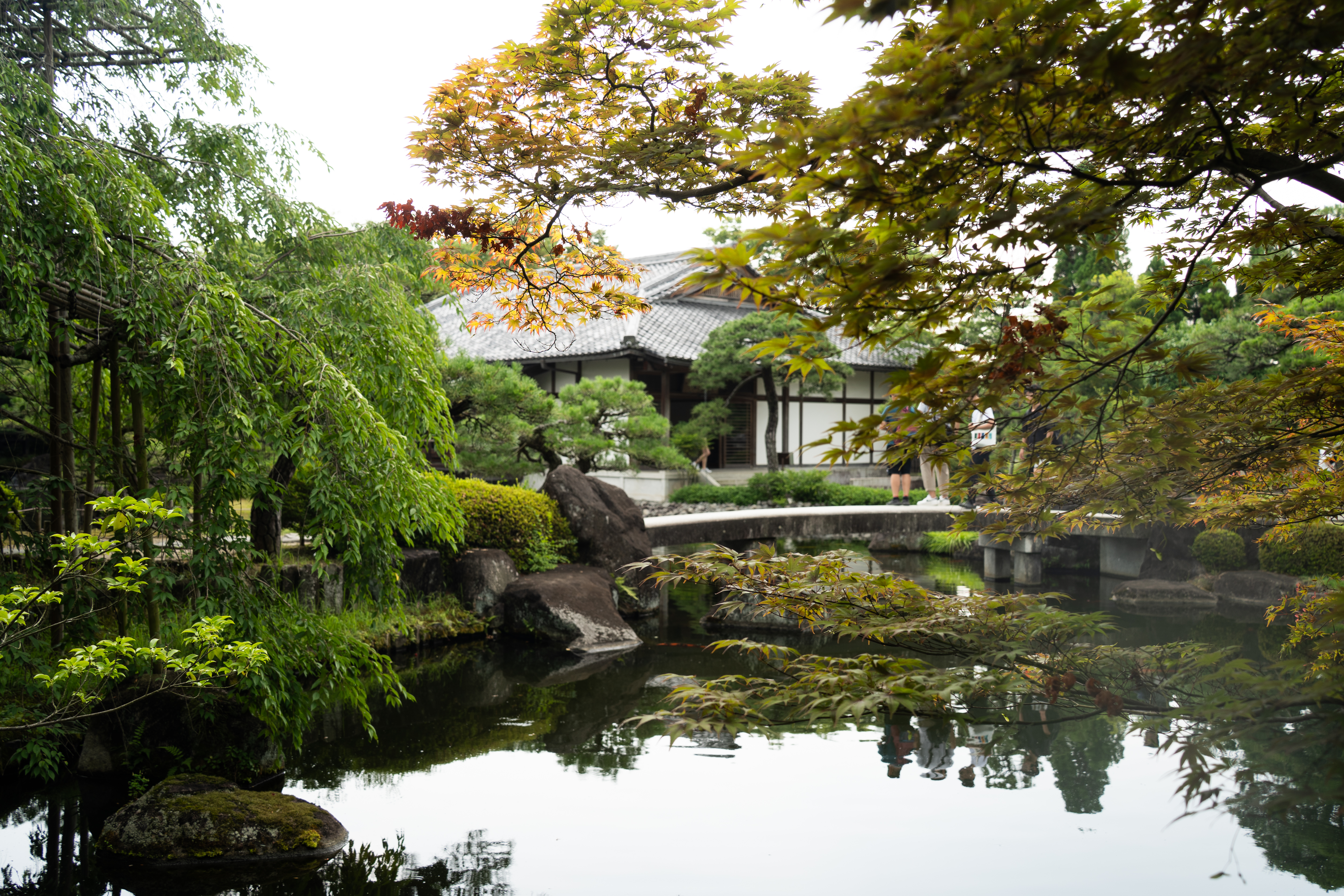
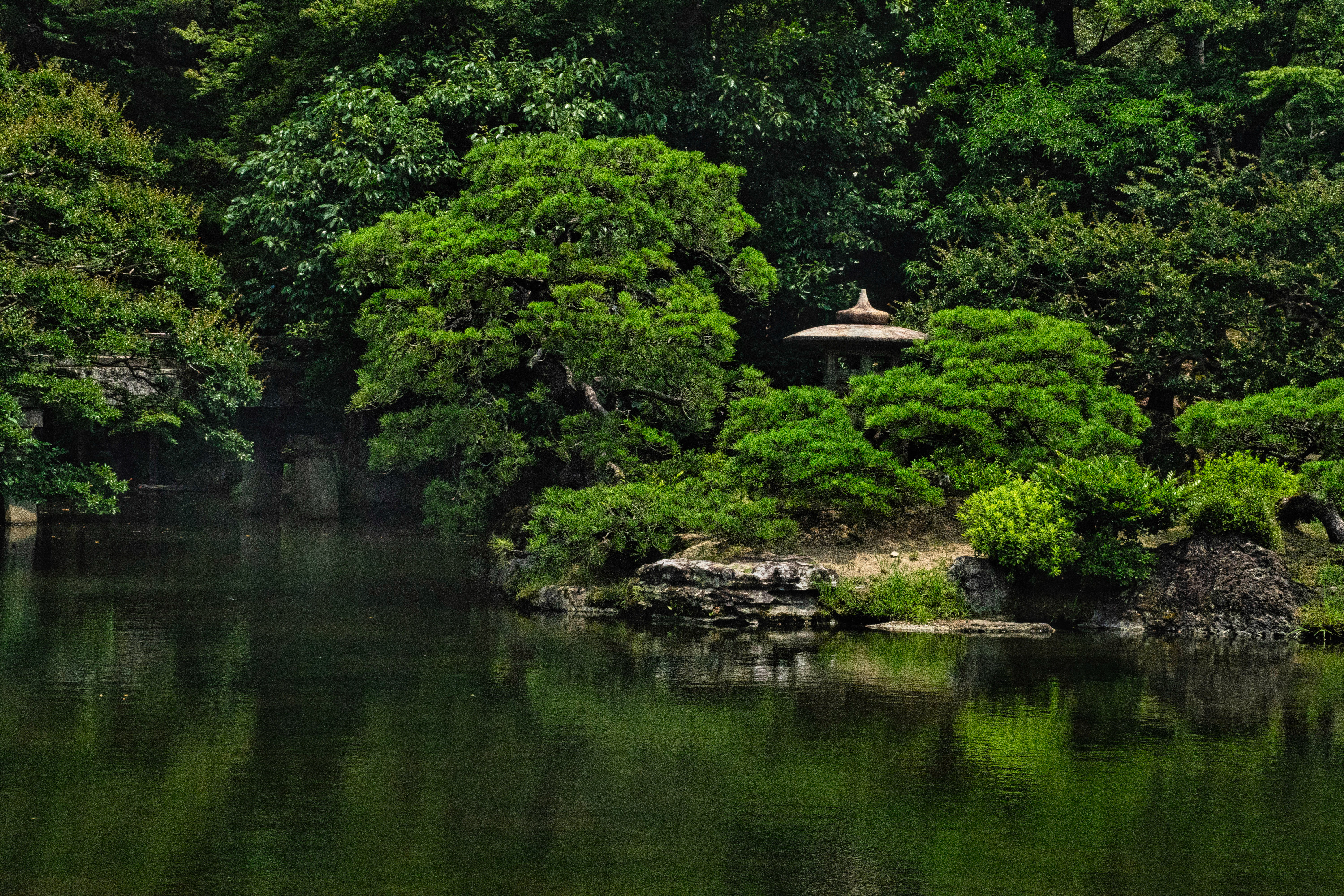
The culture of Japan is shaped by contrasts that coexist in quiet balance — refinement and simplicity, tradition and innovation, formality and warmth. It values precision without rigidity and beauty without excess. From seasonal festivals to daily rituals, there is an awareness of time, of transience, and of the connections between people and nature. Art, food, and manners all reflect the same sensibility: that meaning is often found in what is subtle, deliberate, and sincere. It is a culture that reveals itself not through grand gestures, but through attention to the smallest details.





















 Michael Hoffman Photography