
Skip to content

Tokyo 3

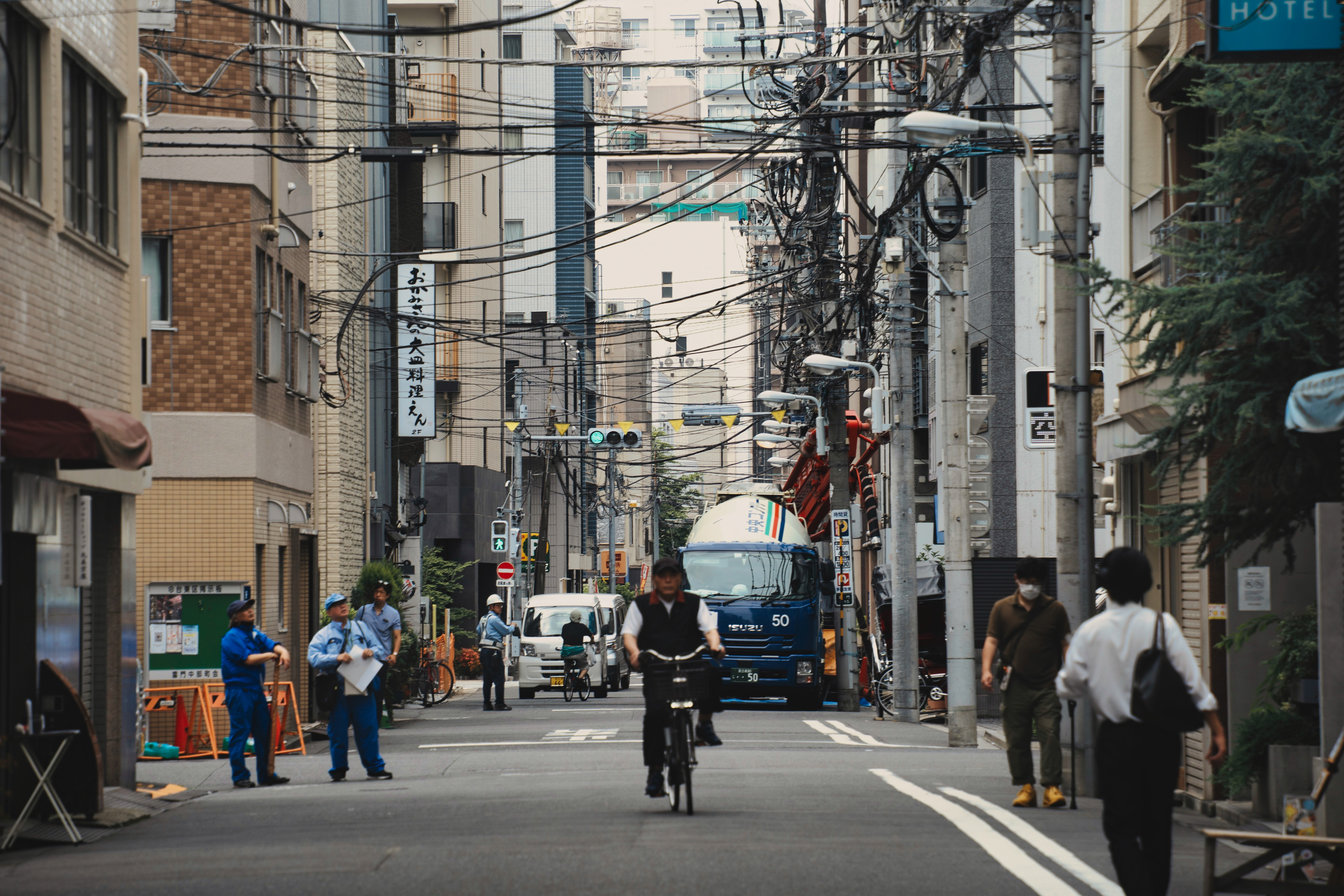
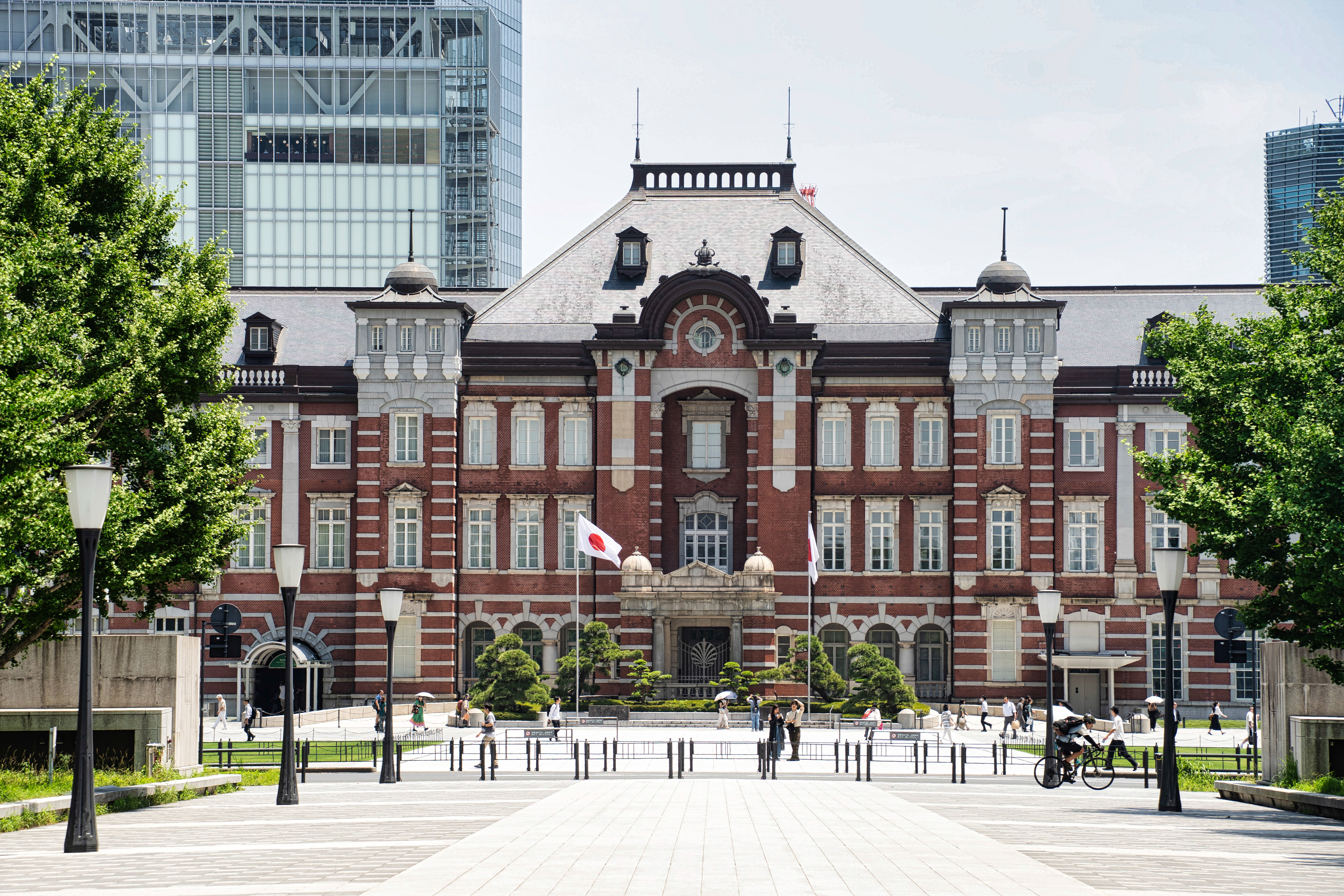
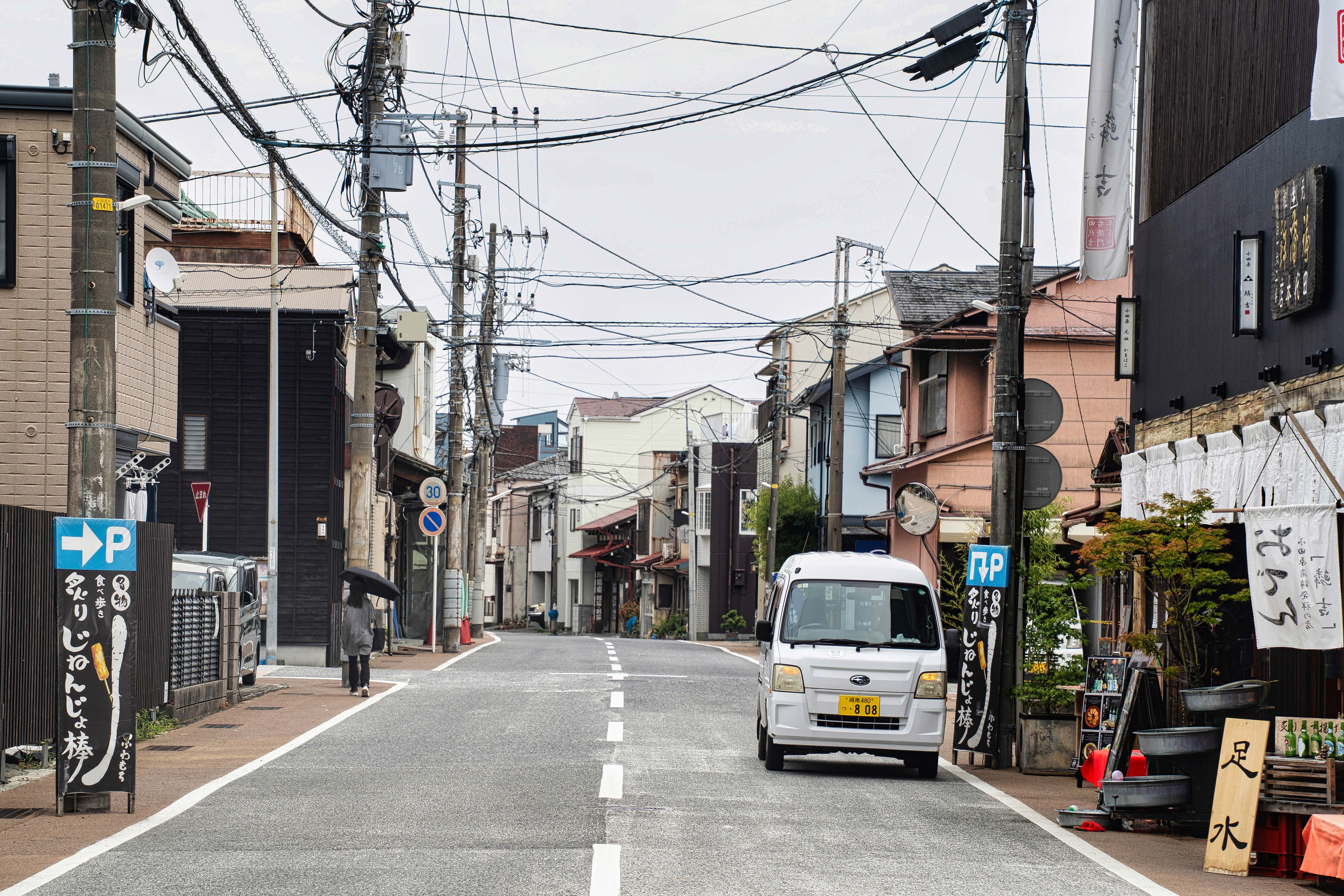
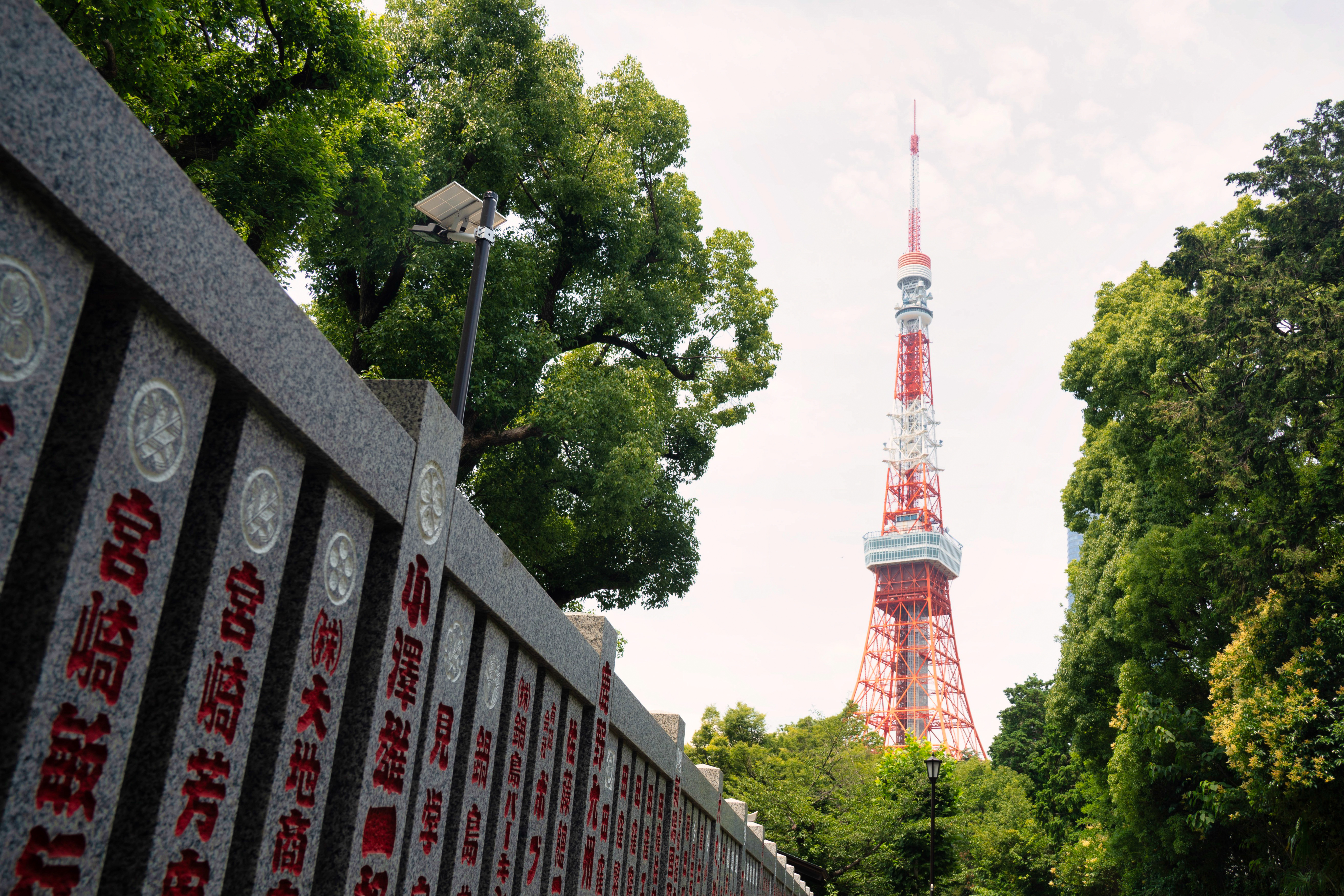
Precision and spontaneity, restraint and exuberance, silence and movement — all coexist in a quiet equilibrium in Japan. It is a society built on consideration, where order allows creativity to flourish, and where beauty often lies in what is left unsaid or unseen. Modernity here does not overwrite the past but grows from it, like new branches from ancient roots. This seamless dialogue between eras and ideas is what gives Japan its distinct sense of balance — a reminder that harmony is not the absence of difference, but its perfect arrangement.

Gardens of Japan

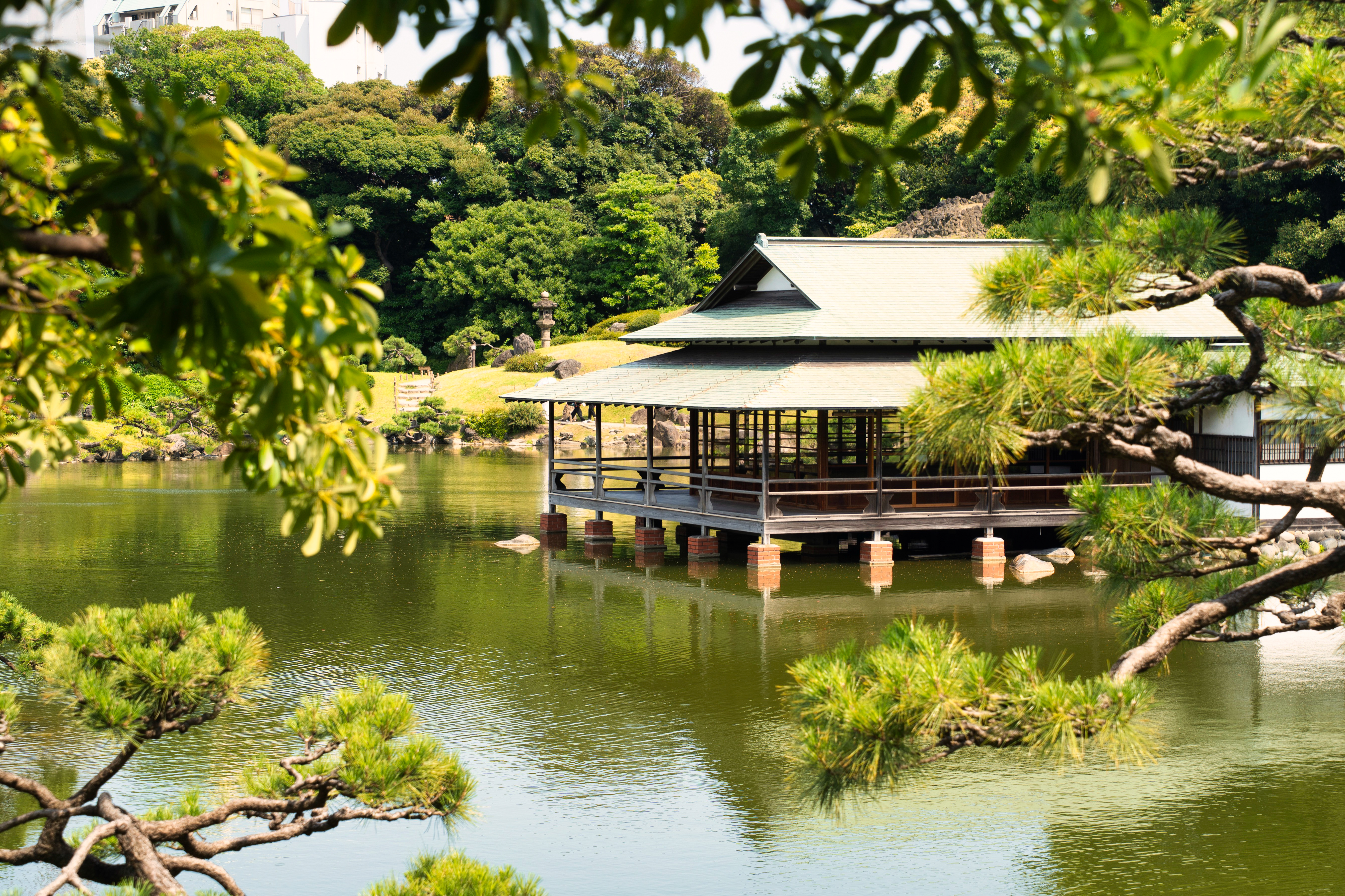
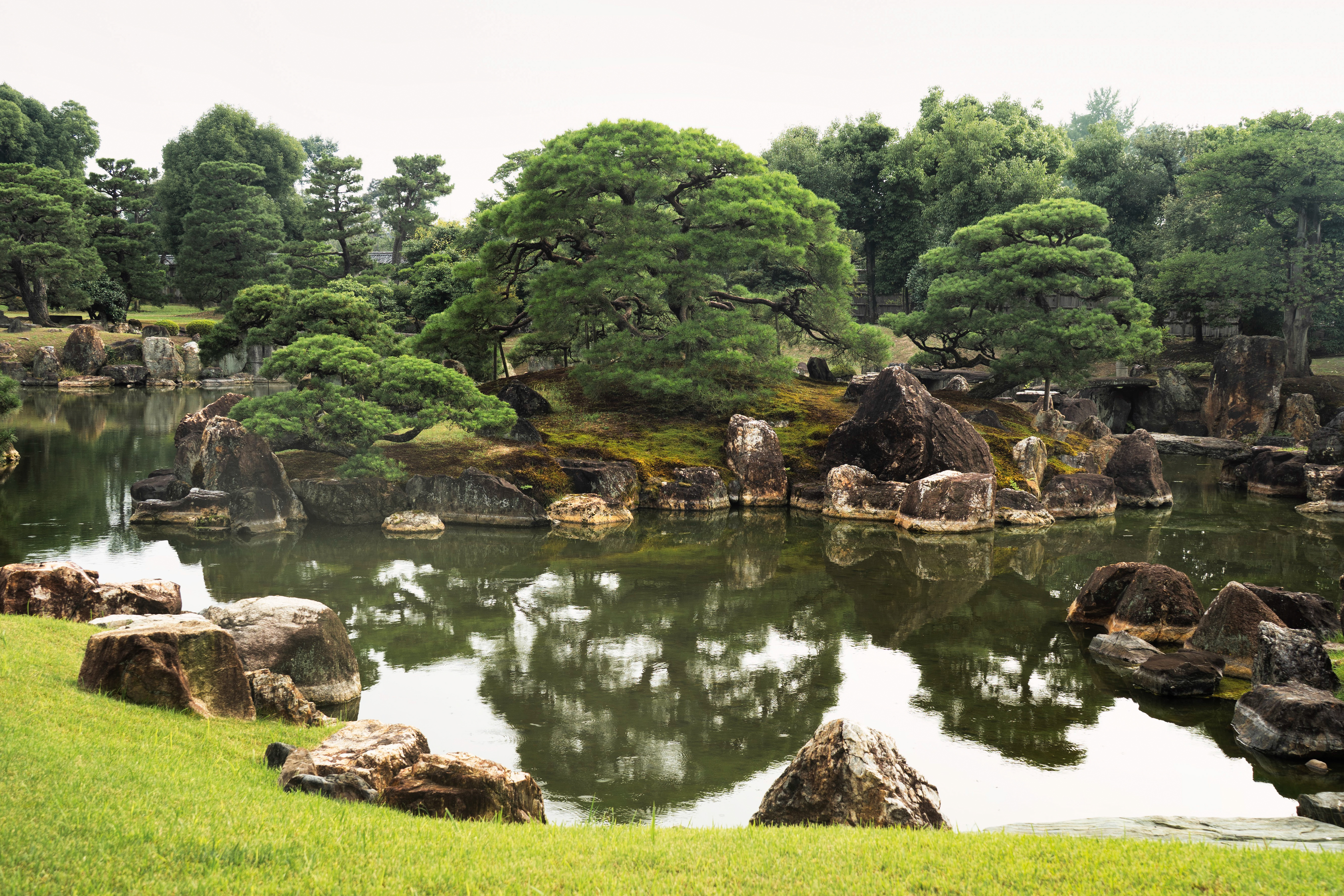
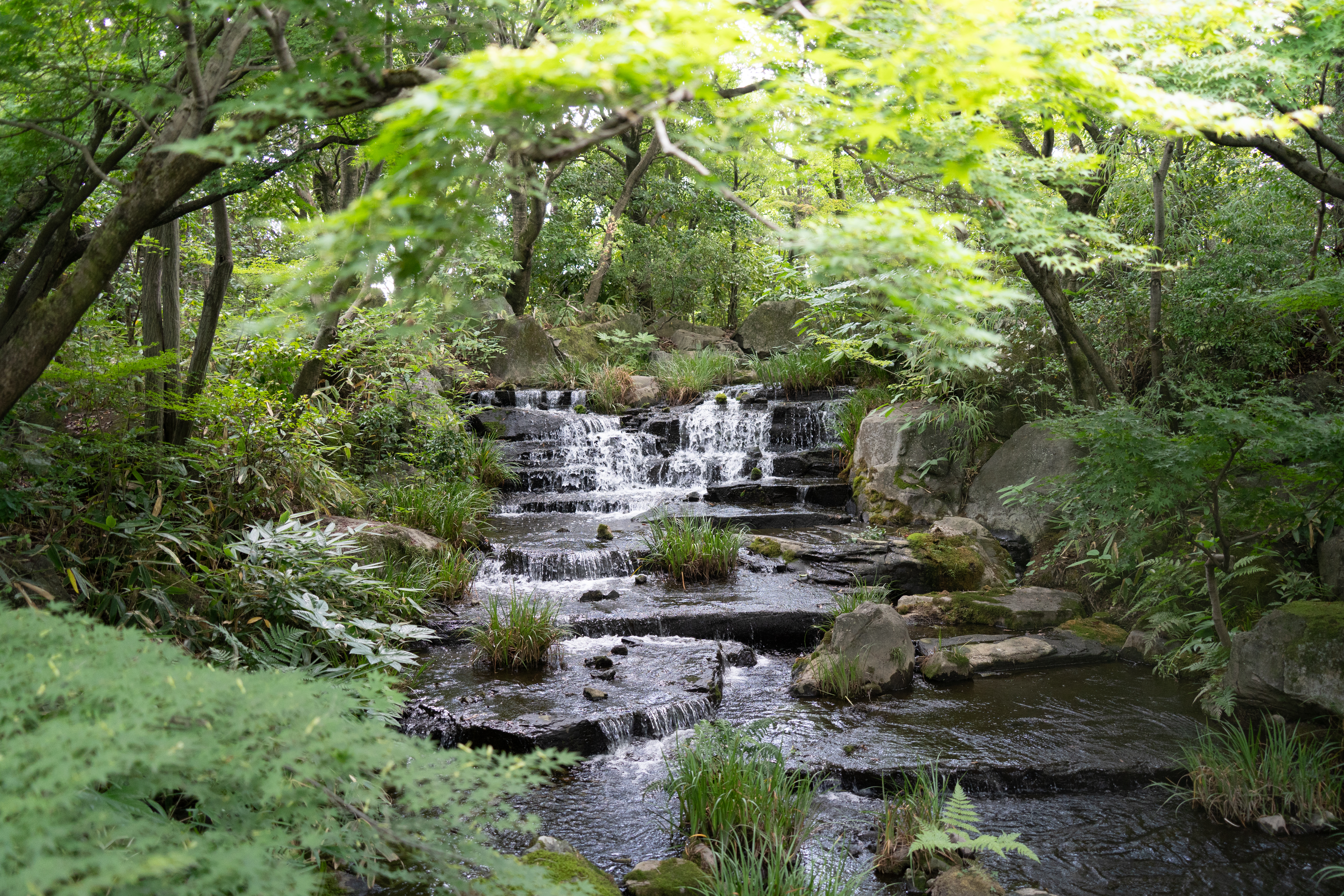
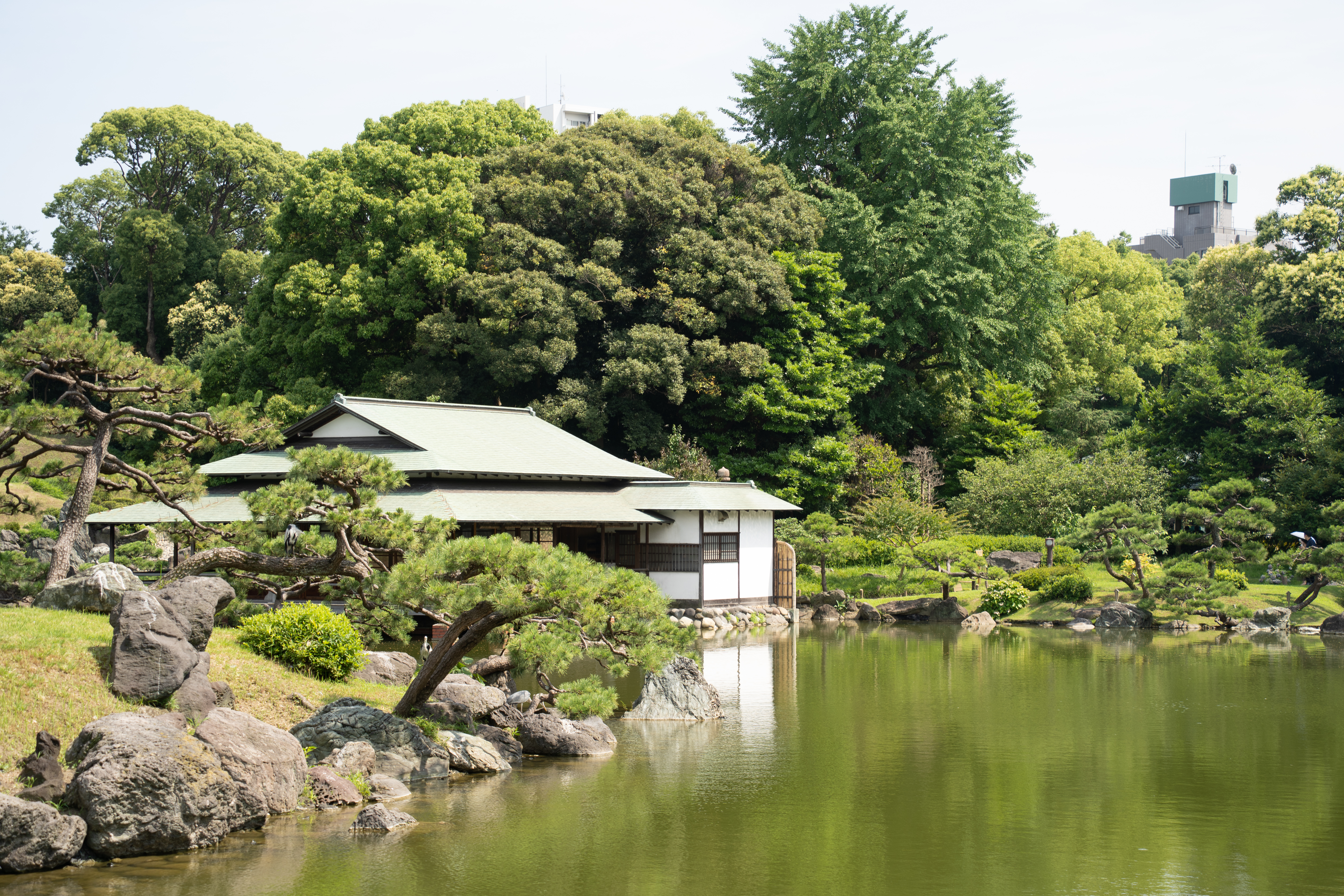
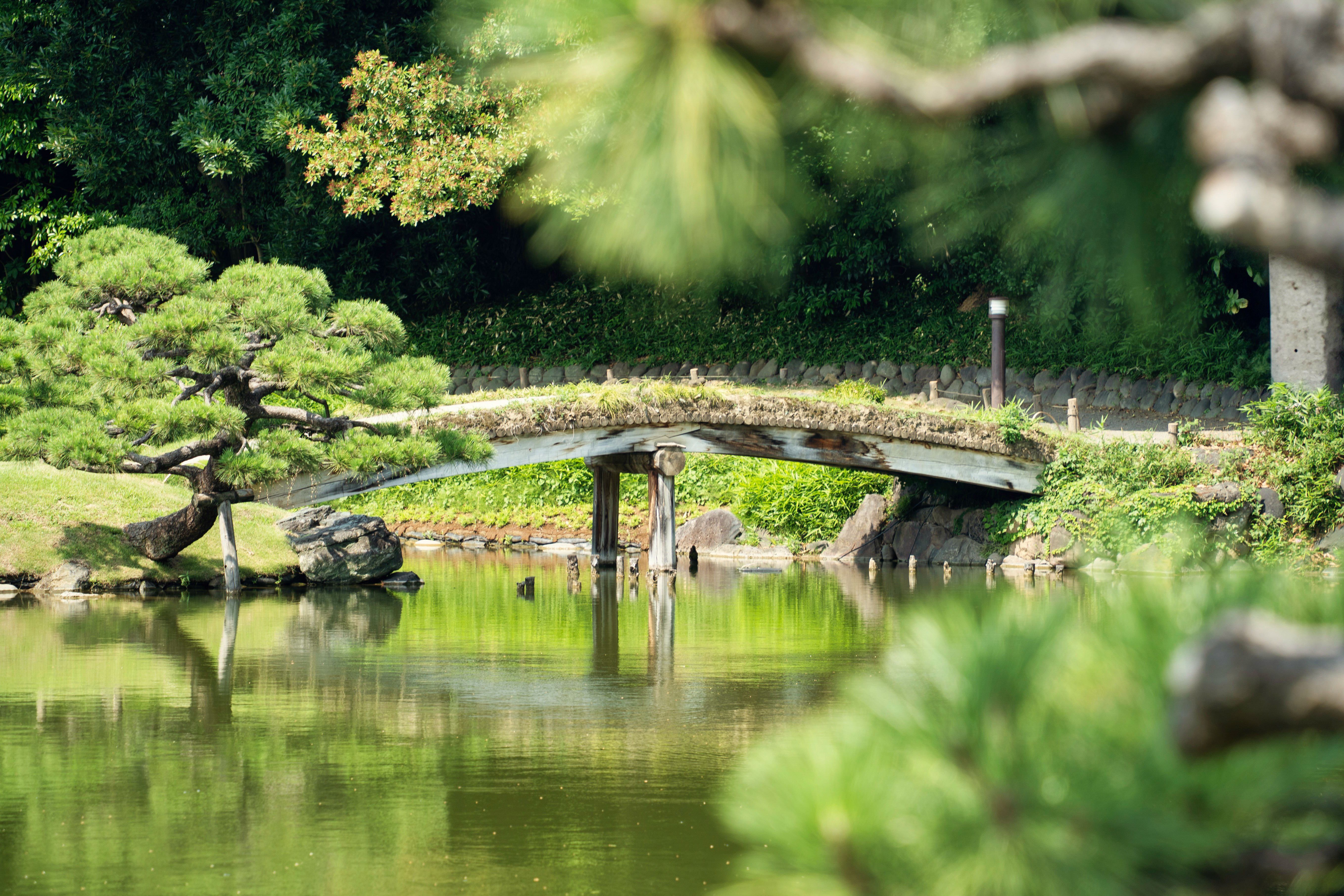
Japanese gardens are spaces of quiet precision, where nature and human intention meet in subtle balance. Every element — water, stone, sand, and tree — is placed to create a sense of movement within stillness. Nothing feels accidental, yet nothing seems forced. These gardens reflect a way of seeing rather than a way of building, where beauty lies in proportion, emptiness, and the passing of time. They do not demand attention; they invite it gently, offering a moment to pause and observe how simplicity can hold depth and meaning.

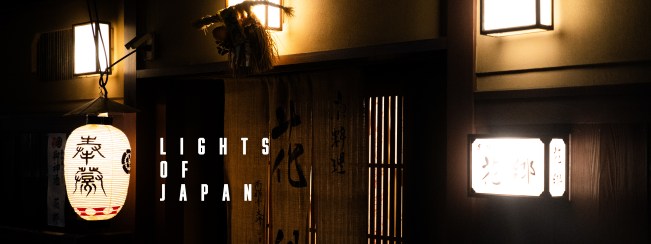
Lights of Japan

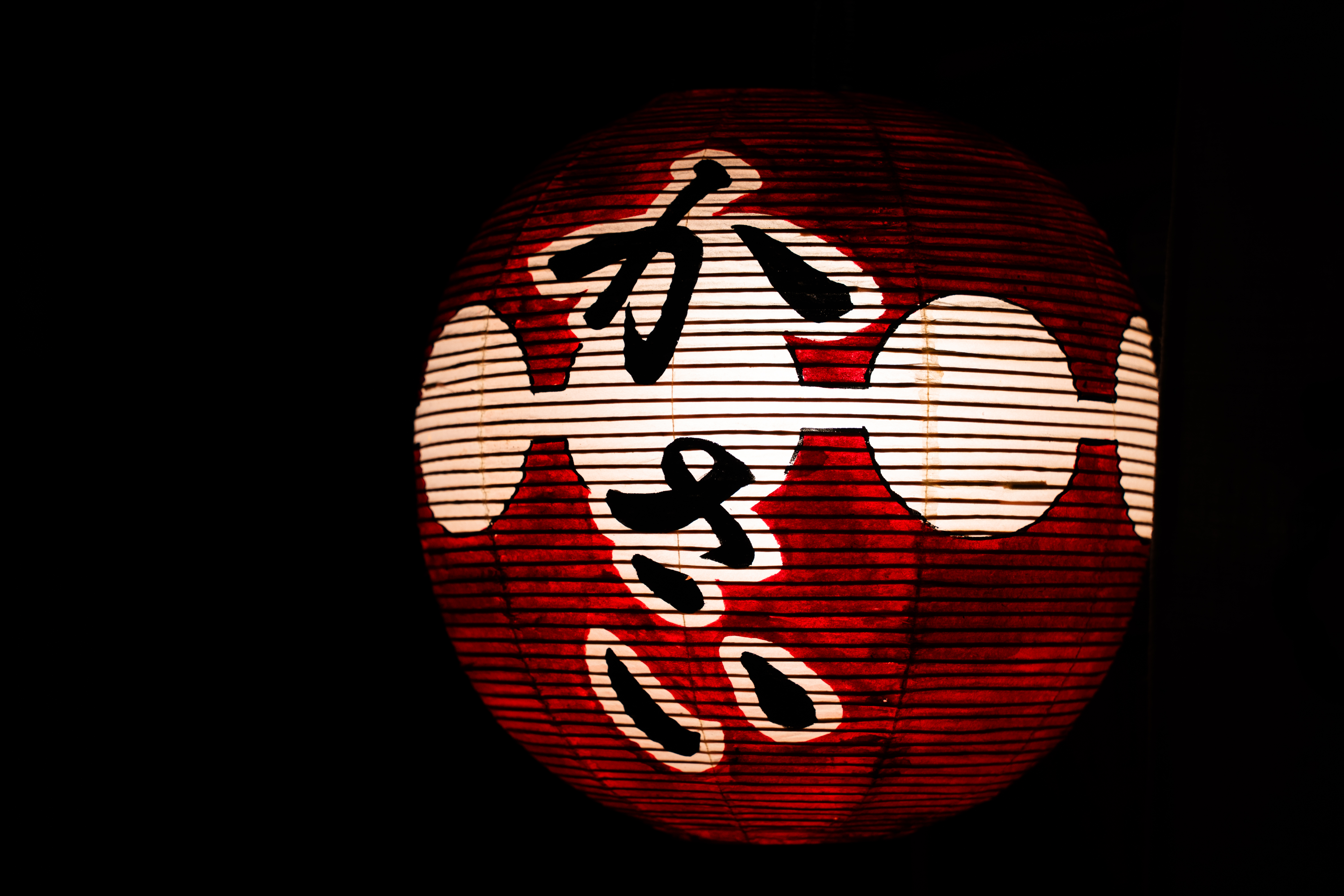
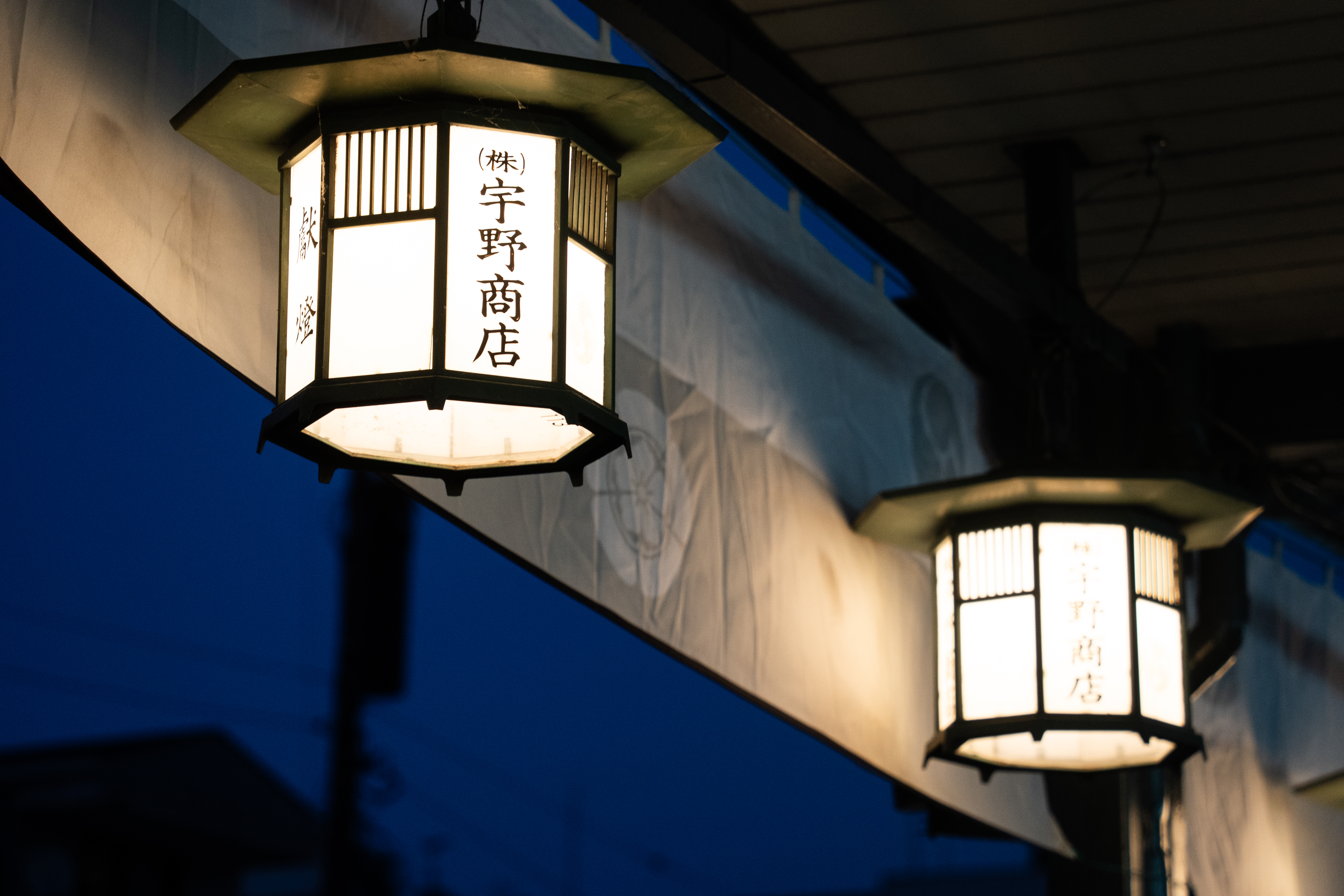
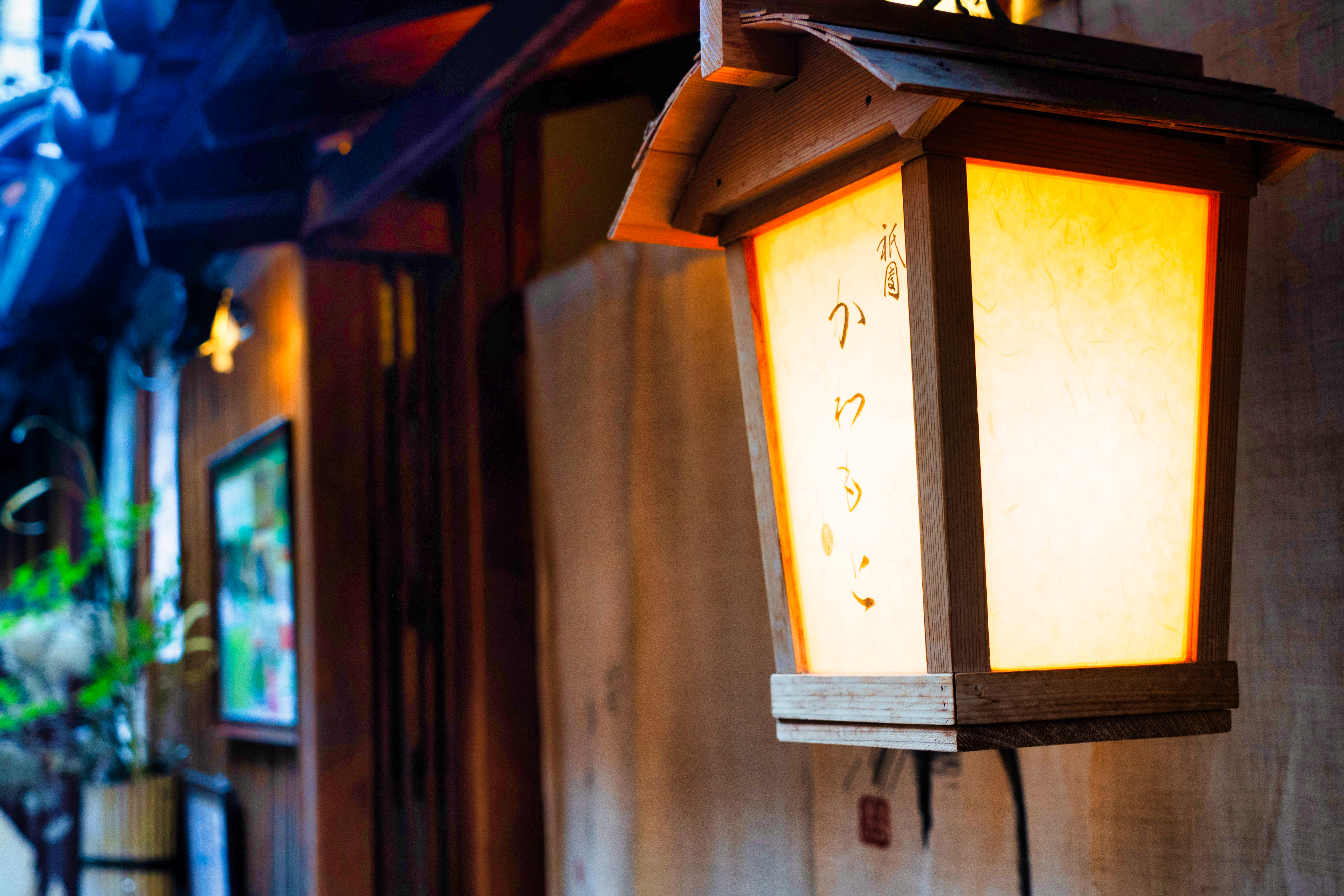
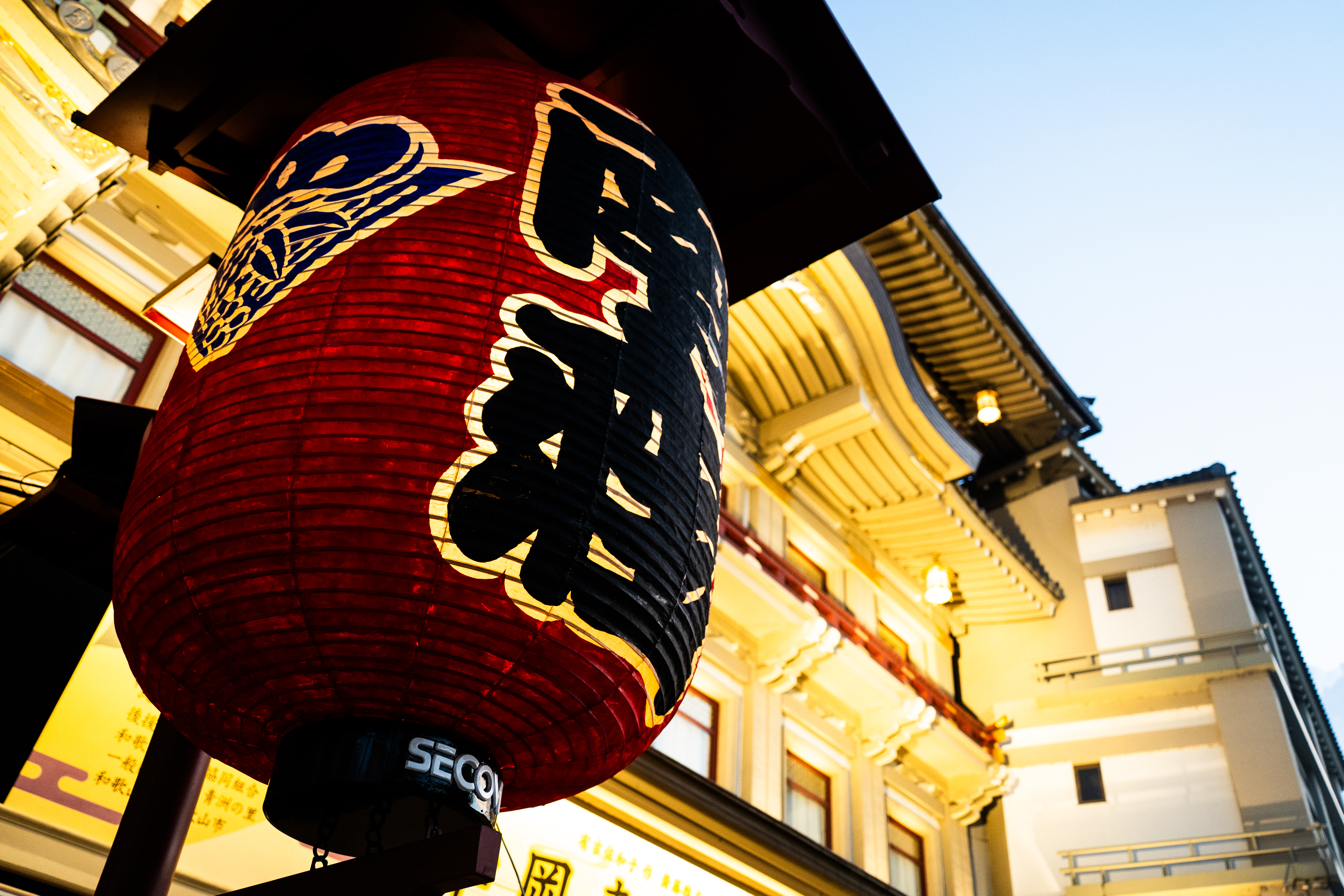
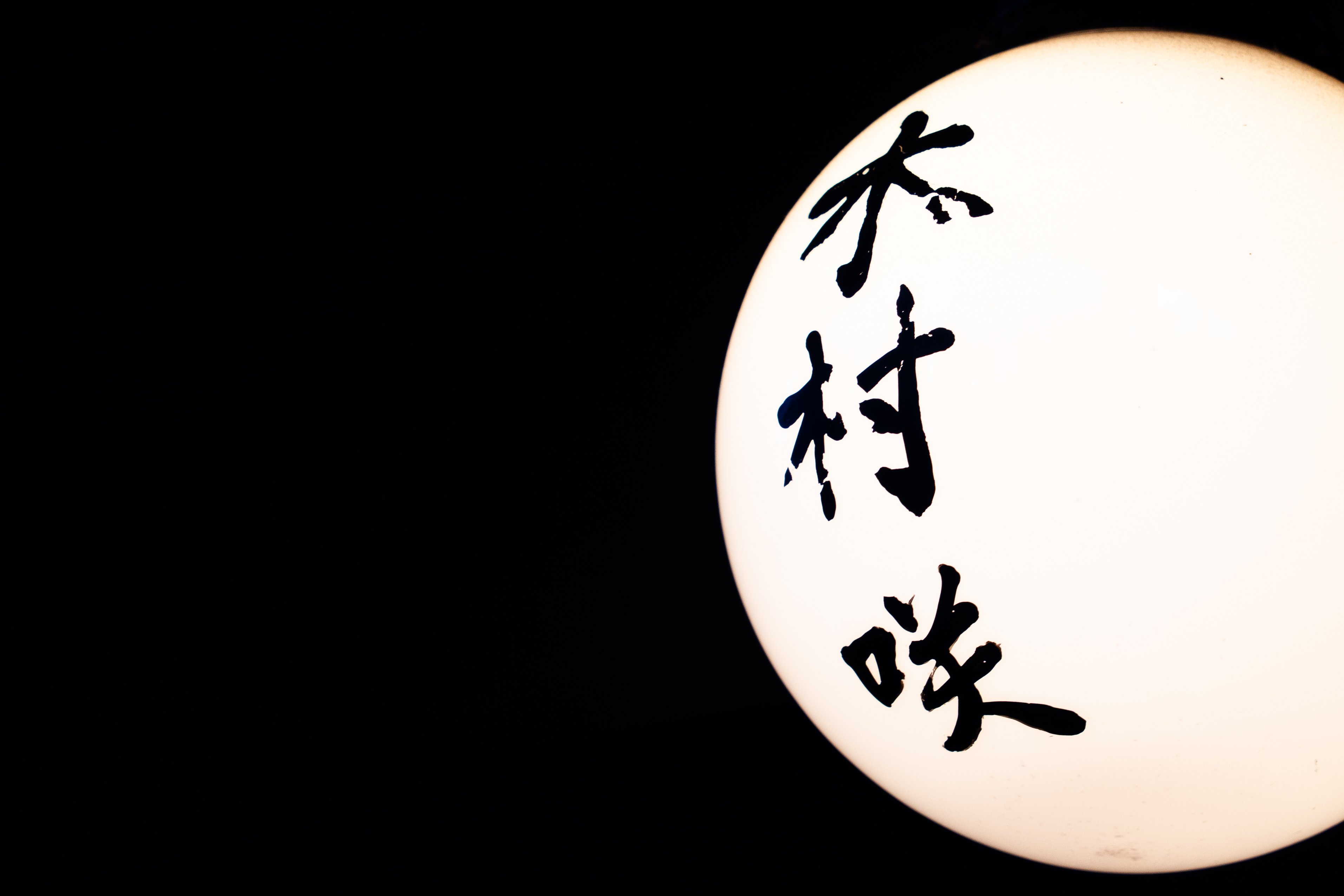
The soft glow of Japanese lanterns carries a quiet kind of poetry. Whether made of paper, silk, or wood, these lights — known as chōchin — have long illuminated temples, streets, and festivals with a warmth that feels both human and timeless. Their light is never harsh; it flickers gently, revealing more shadow than brightness. Each lantern marks a meeting point between craft and spirit, a symbol of guidance and celebration. In their simplicity, they express the Japanese way of honoring impermanence — a brief light against the dark, beautiful precisely because it does not last.