Skip to content

Photographing Tower Bridge
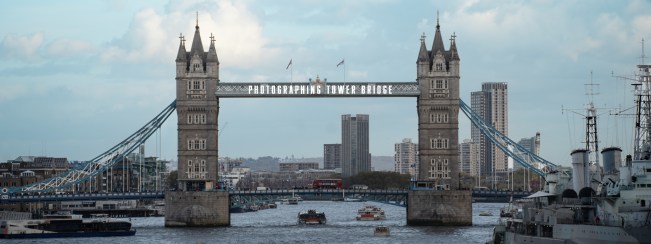
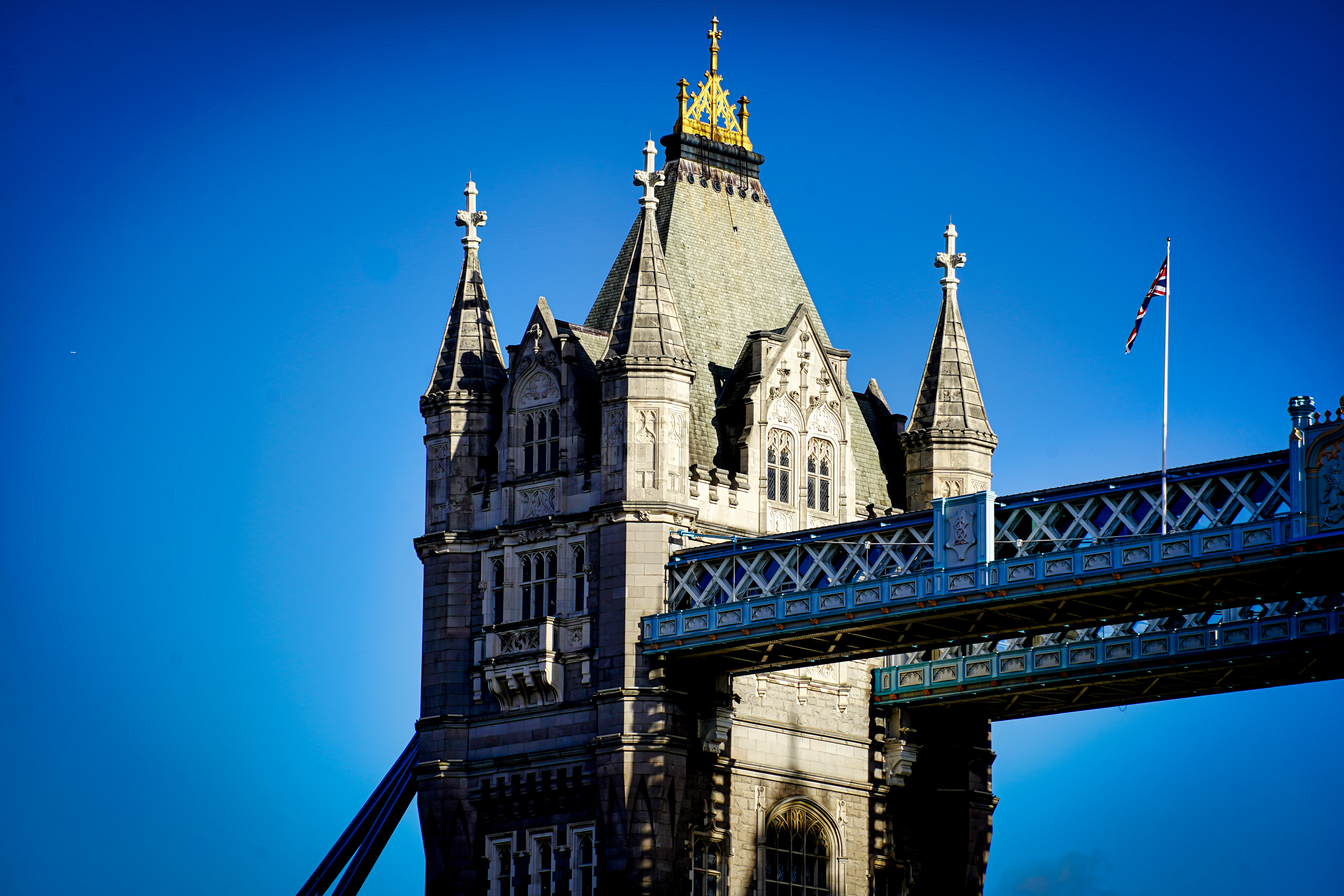
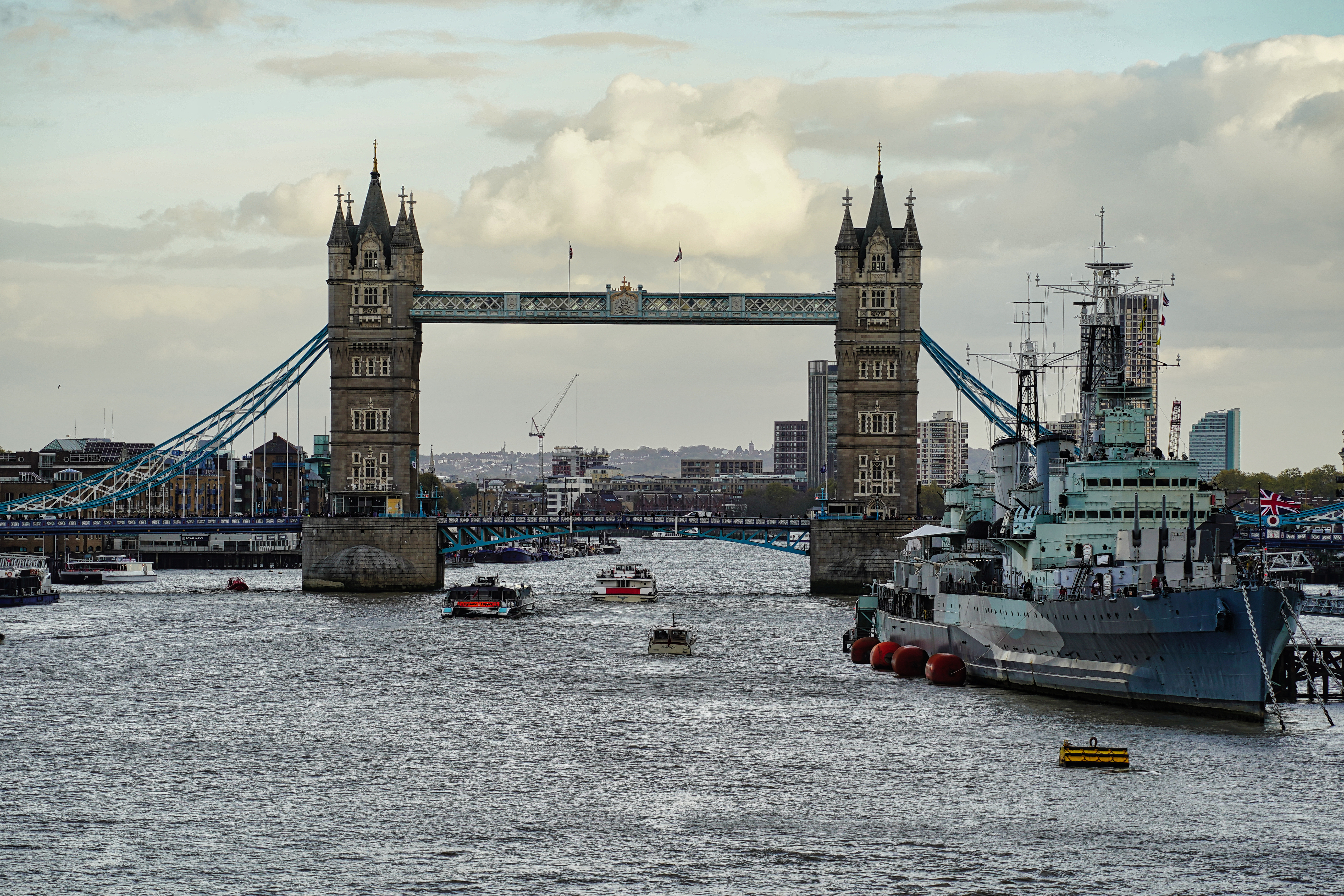
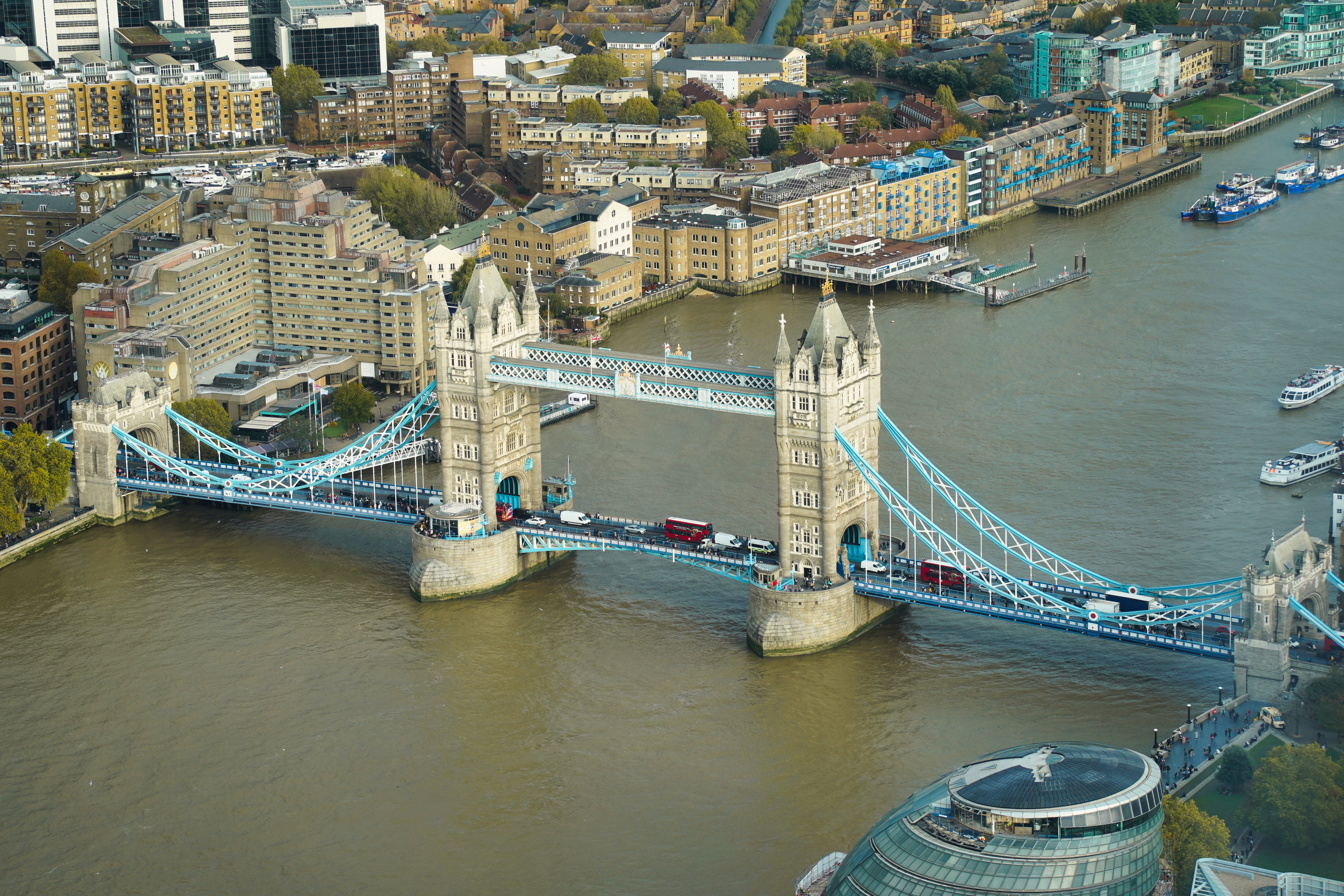
Tower Bridge presents a striking balance of stone and steel, where Gothic Revival towers meet exposed industrial structure. Its symmetry invites carefully centered compositions, while the interplay of cables, rivets, and walkways rewards closer attention to detail. Light transforms the surface throughout the day, revealing texture in the masonry and sharp lines in the steel framework, and at night the illumination isolates the bridge as a sculptural form. Stripped of surrounding context, Tower Bridge stands as an object of design and engineering, defined by rhythm, proportion, and material rather than by the city that surrounds it.

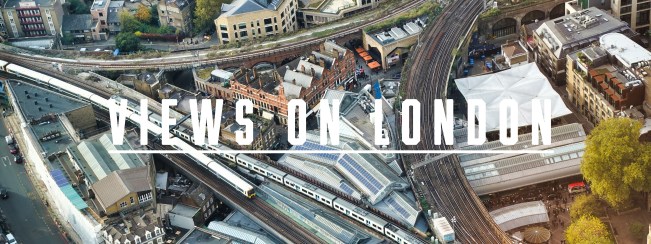
Views on London

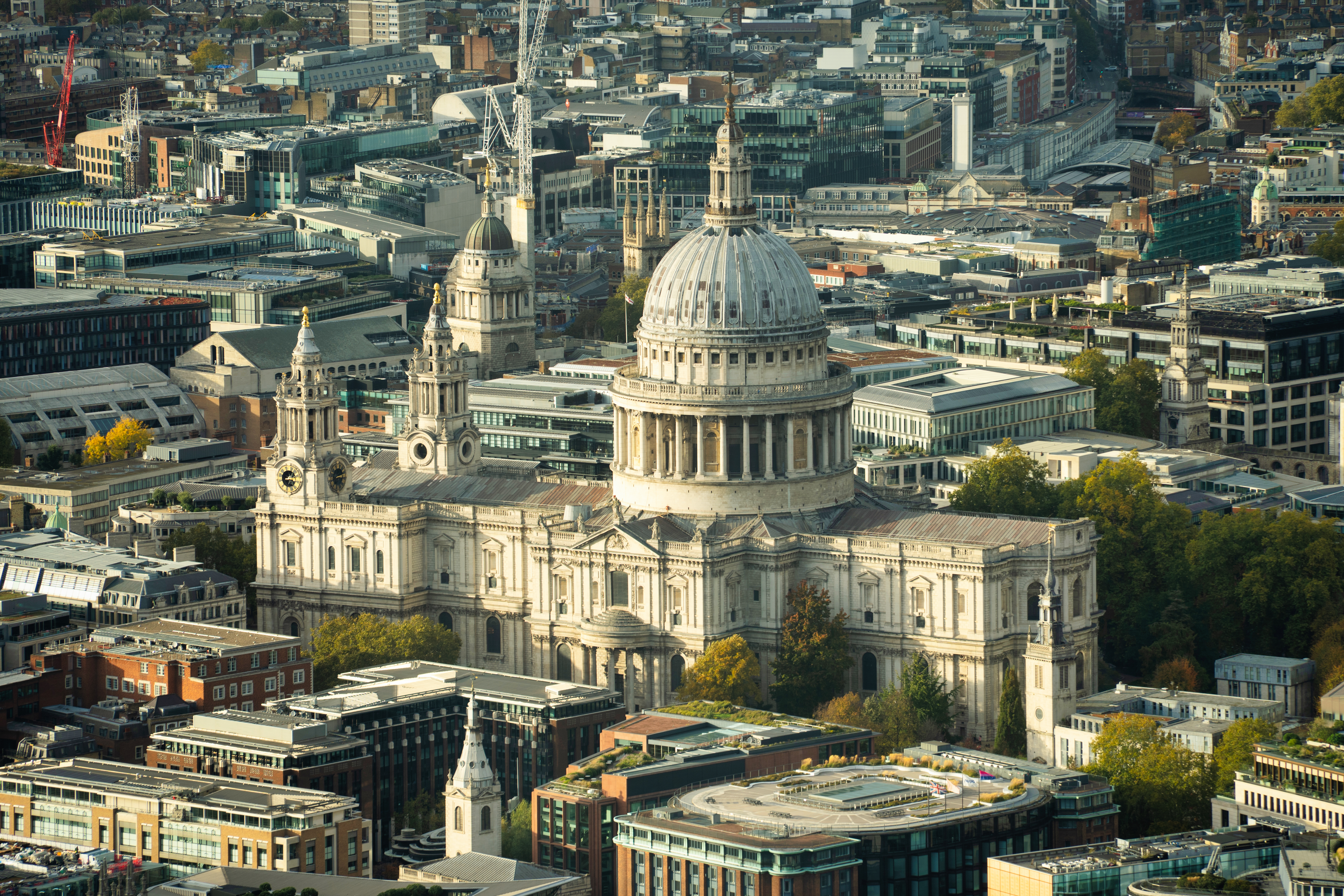
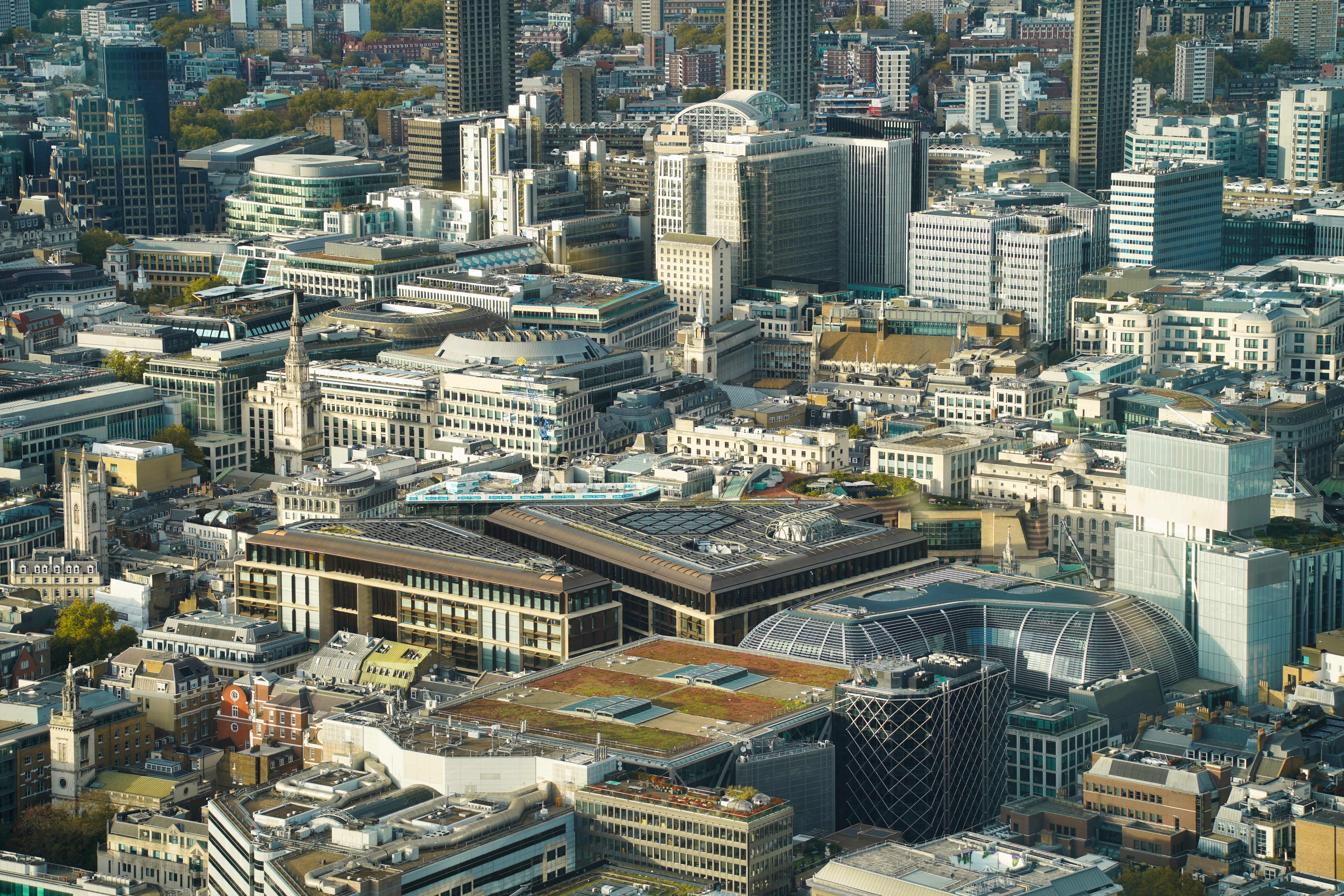
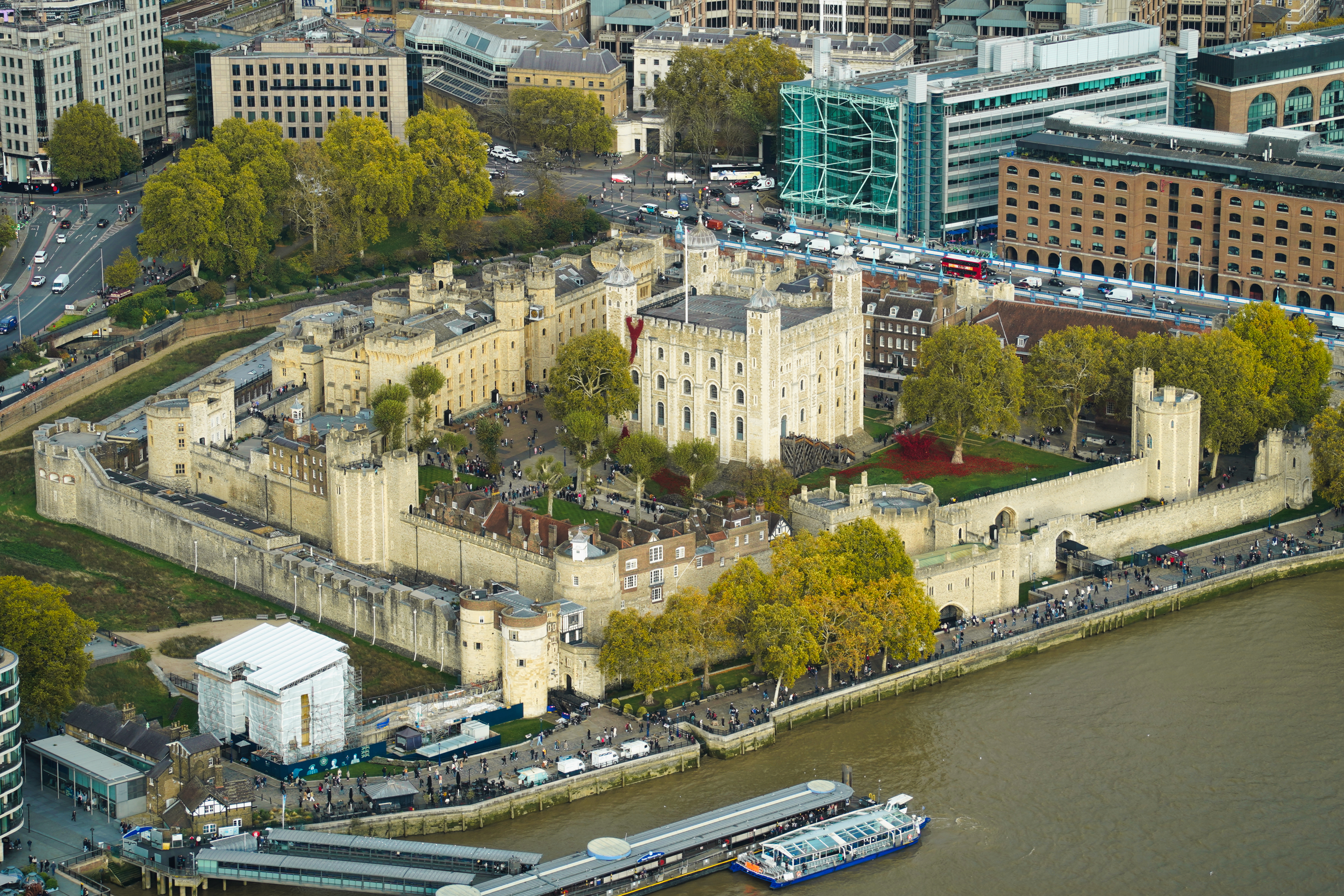
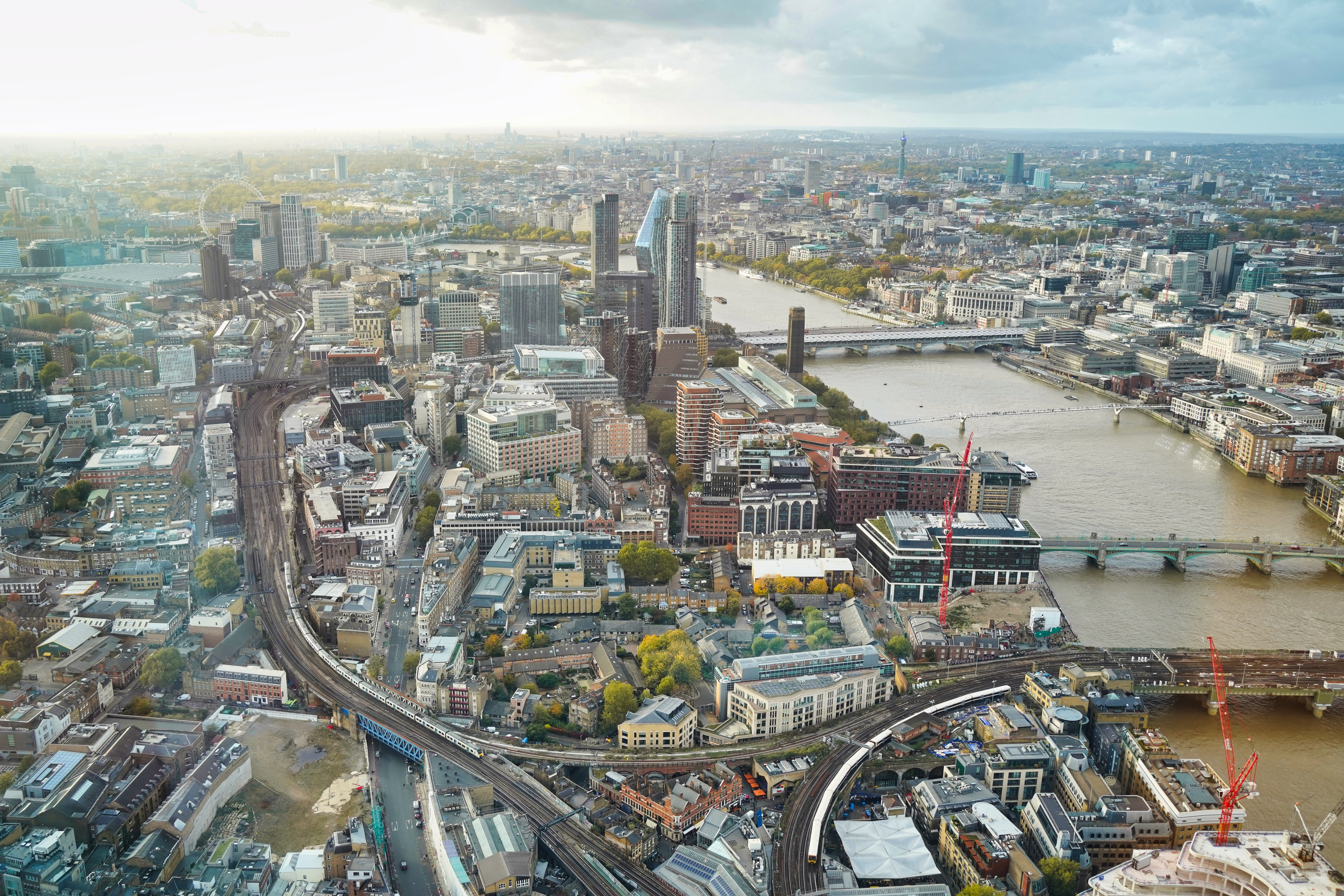
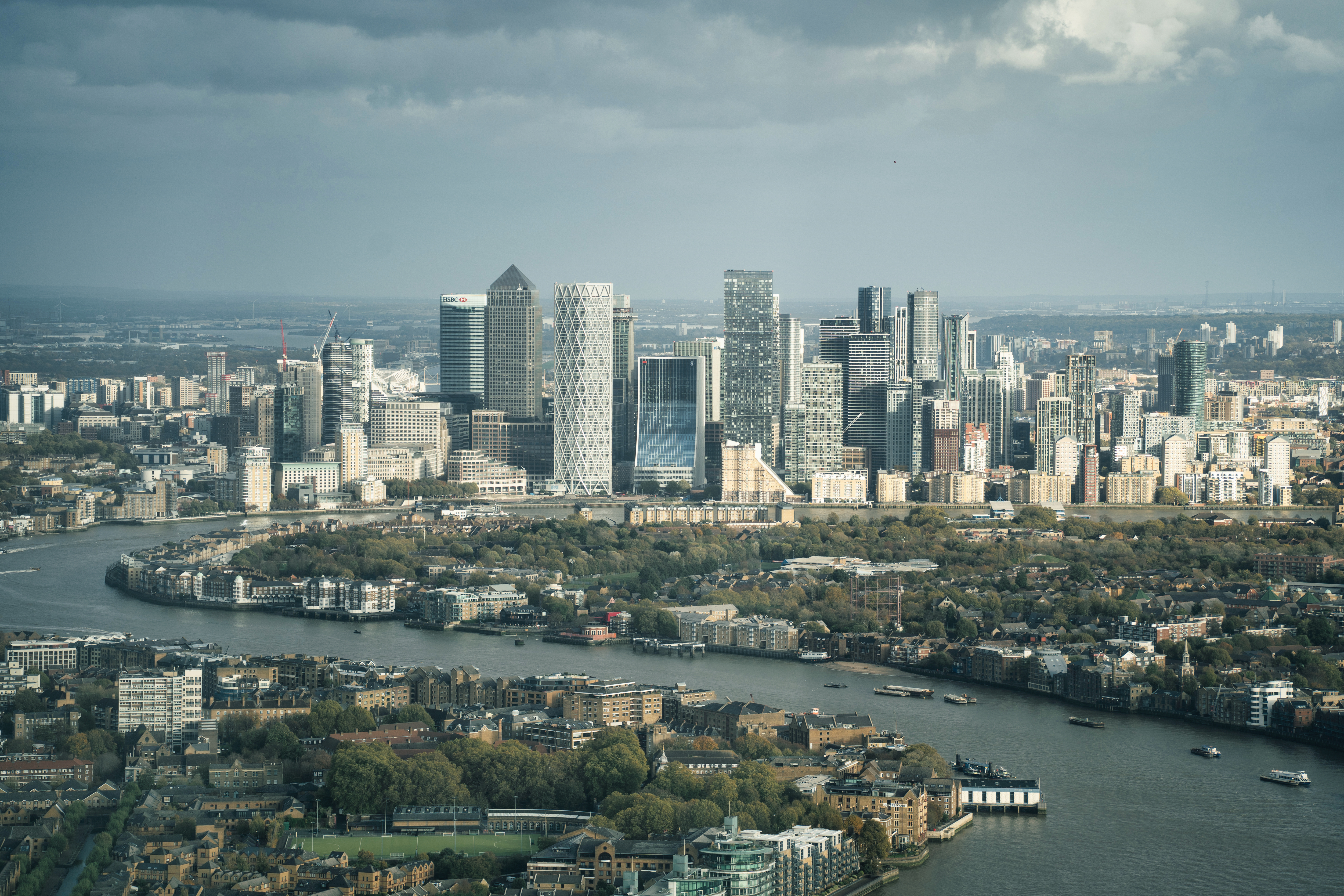
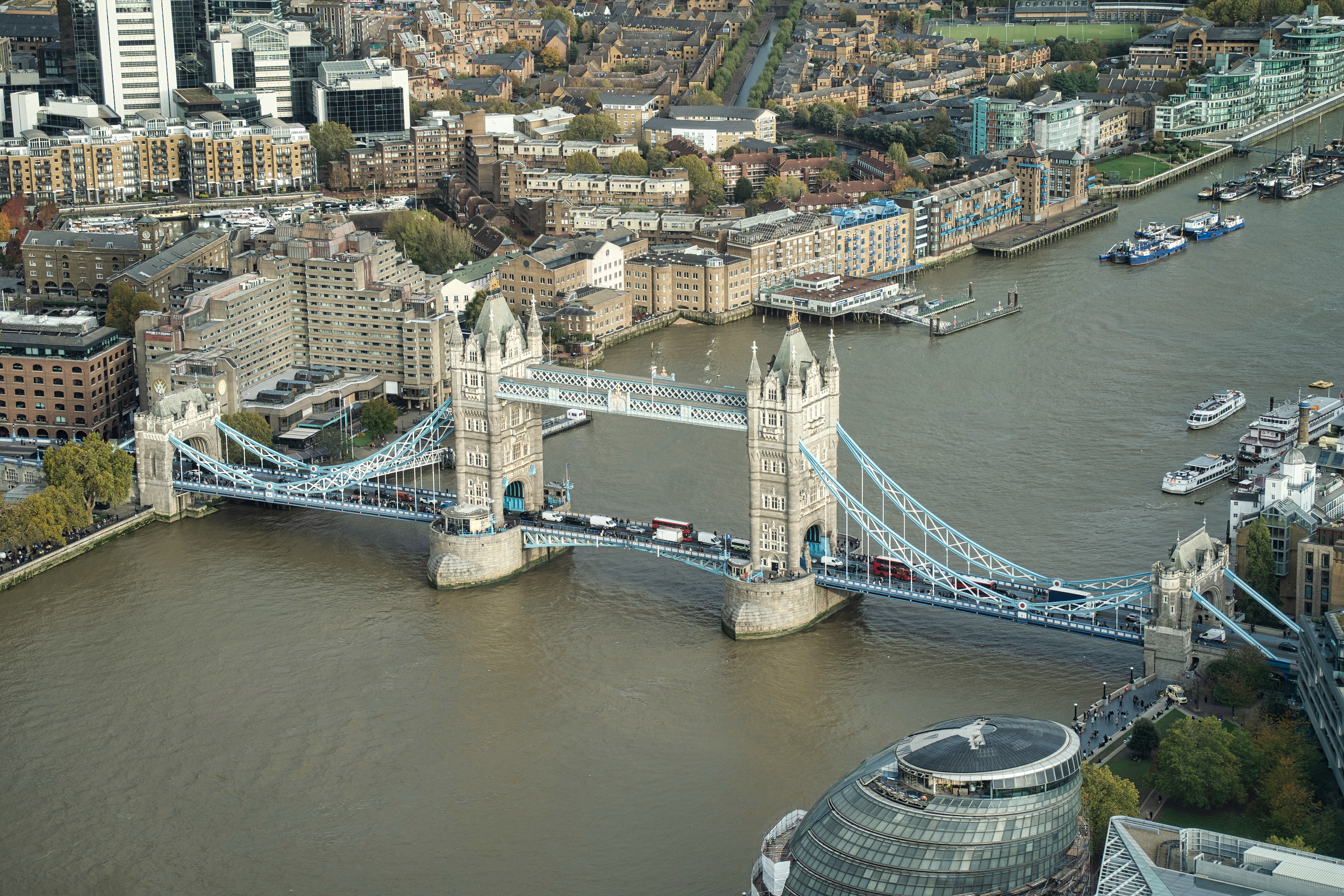
From atop the capital of the UK unfolds as a vast, layered city where history and modernity sit side by side. The River Thames curves through the skyline like a slow-moving ribbon, catching the light between bridges and rooftops, while landmarks rise subtly from a dense sea of streets. Glass towers reflect shifting clouds, older stone buildings anchor the view with a sense of permanence, and the sheer scale of the city becomes tangible. Seen from this height, London feels both immense and coherent, a living map where centuries of growth can be read in a single glance.

West of London

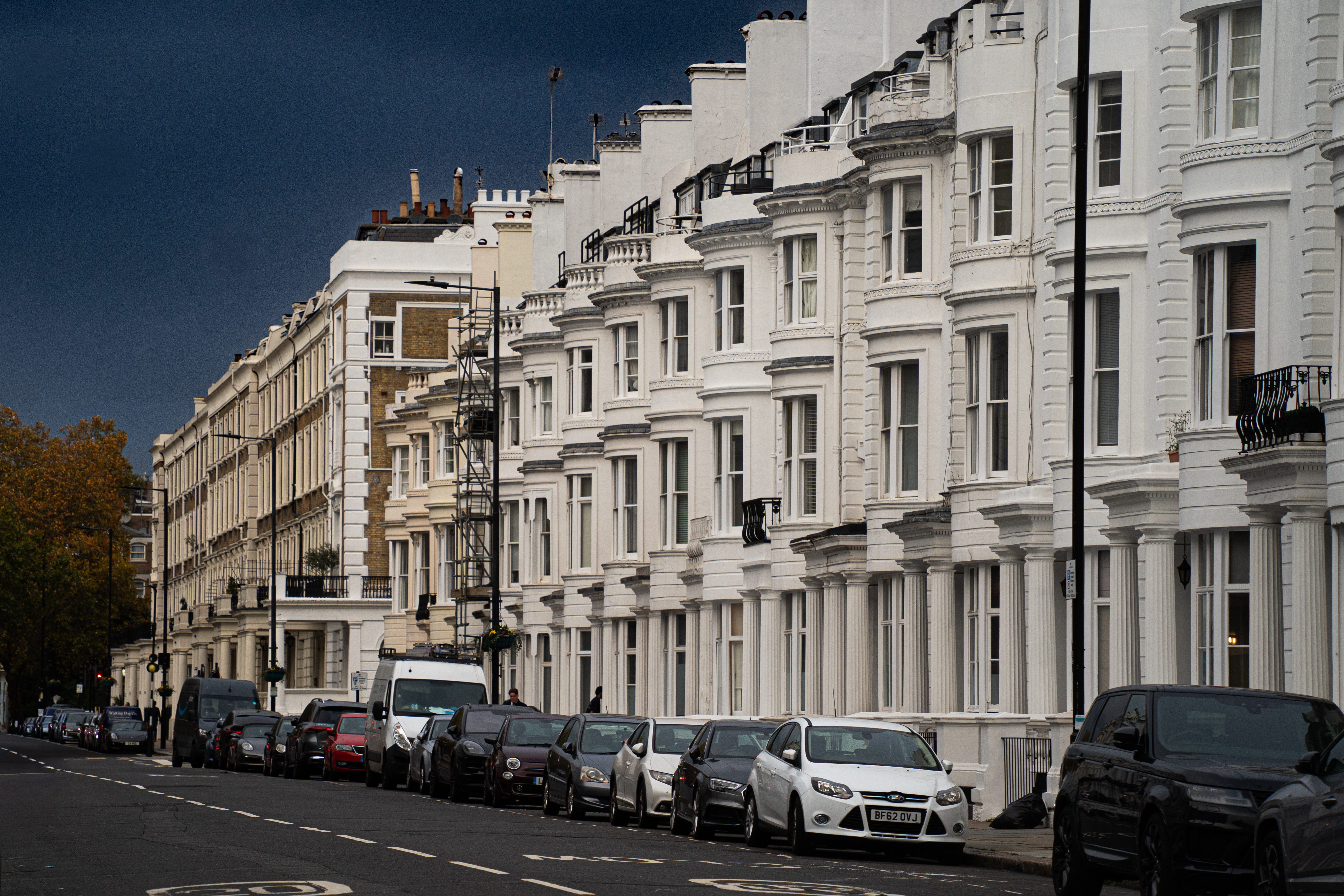
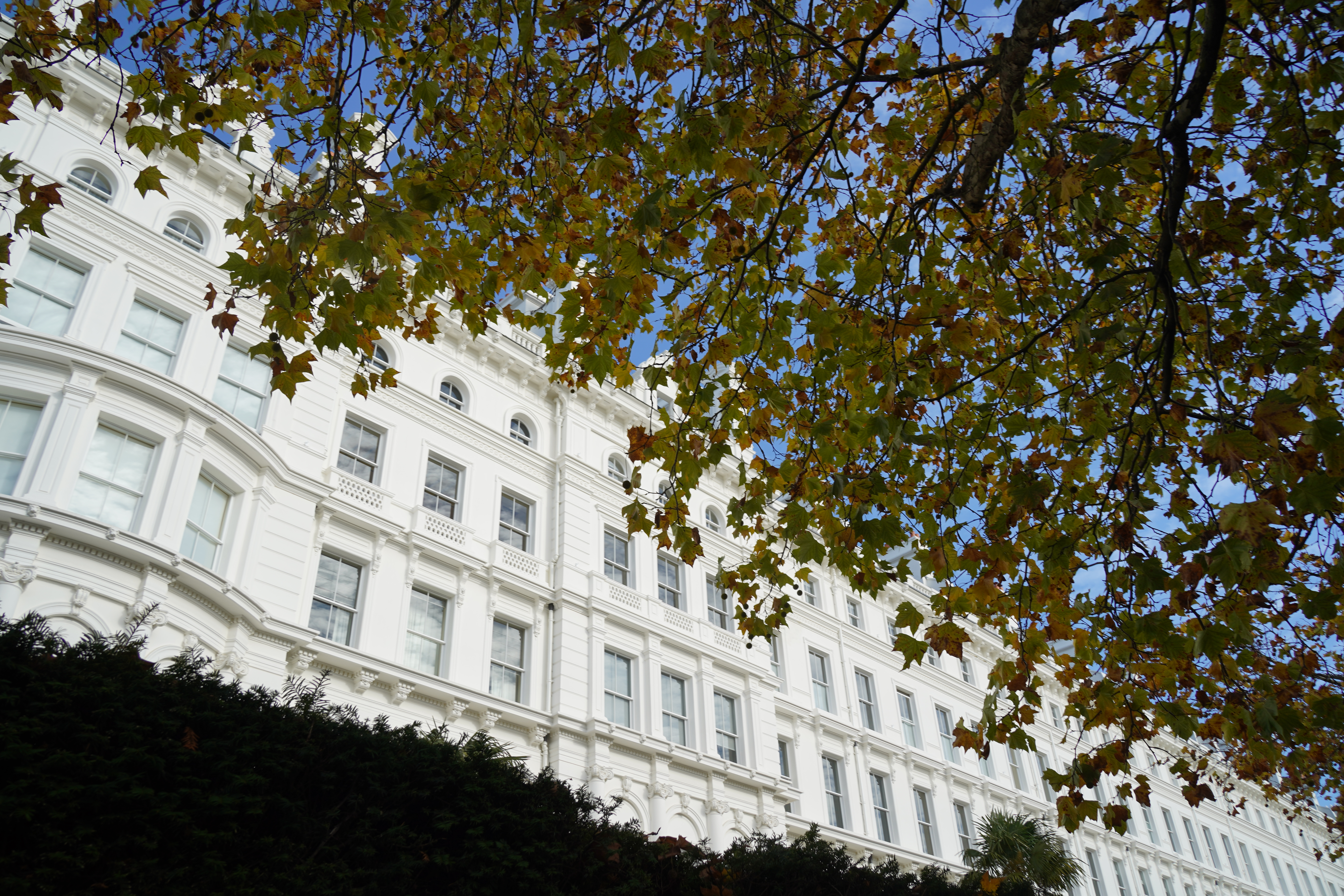
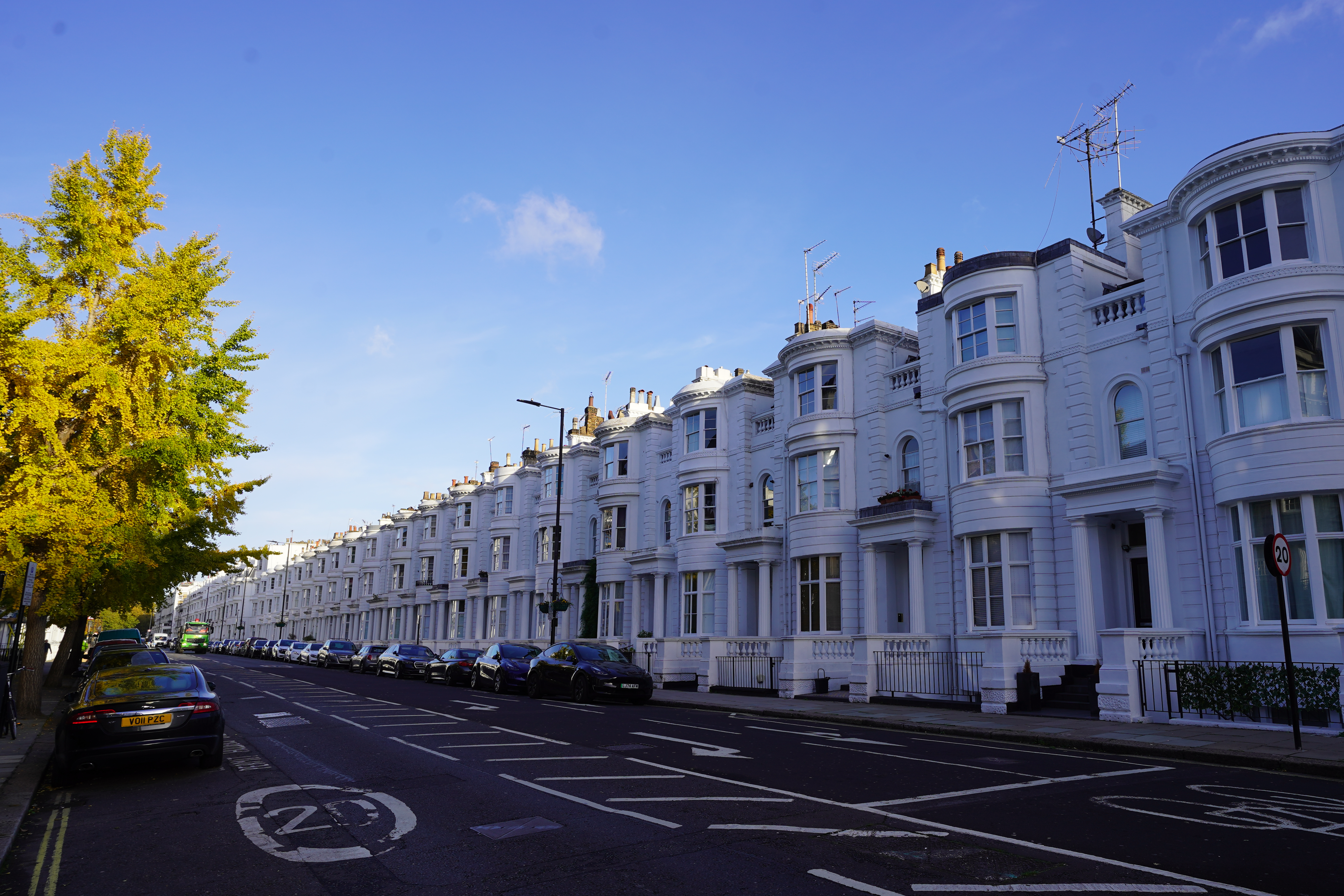
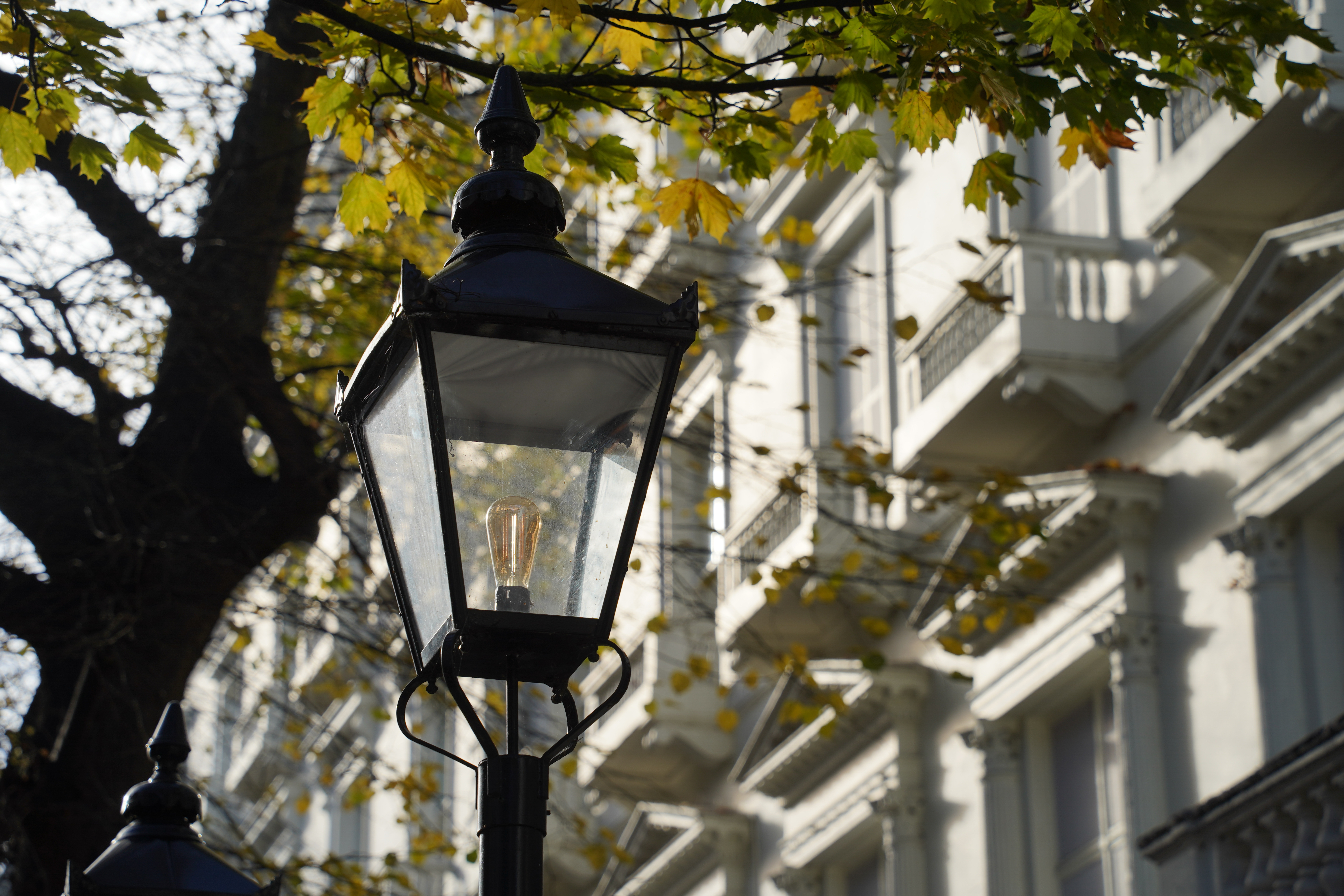
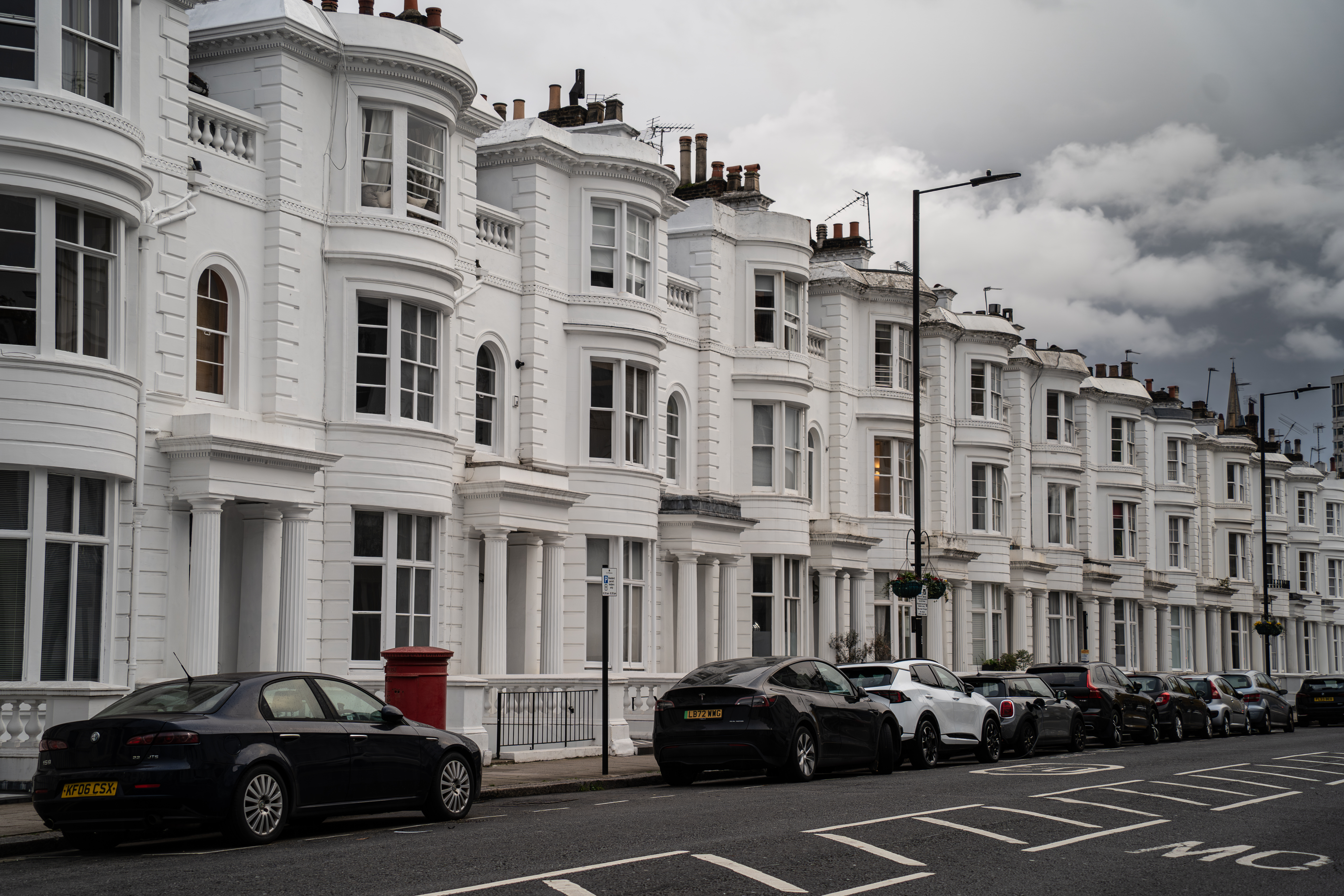
Endless rows of white Victorian and Georgian buildings stretch along the streets in the London Westside with a quiet confidence, their pale façades catching the light and giving the city a sense of order and continuity. Repeating windows, iron railings, and carefully proportioned doors create a rhythm that feels both grand and restrained, where individuality exists only in subtle details like a fanlight, a balcony, or a splash of color on a front door. Together they form an architectural backdrop that speaks of another age, elegant yet practical, lending the streets a timeless calm amid the movement of modern life.