Skip to content

The White Castle

Himeji Castle, often called The White Heron Castle, seems to float above the city with its bright, shimmering walls. The white plaster that covers its wooden structure isn’t just beautiful — it also served a practical purpose, protecting the castle from fire and weather. In sunlight, the walls glow almost silver, while on cloudy days they take on a soft, misty tone. This ever-changing whiteness gives the castle an elegance that feels both delicate and strong — a perfect balance that has made it Japan’s most beloved and enduring fortress.

Around Laki Aishi

Lake Ashi is the heart of Hakone — calm, scenic, and framed by rolling hills that seem to change colour with every hour of the day. Small boats glide quietly across the water, and the lakeside paths invite slow walks past shrines, tea houses, and little harbours. Whether you arrive by boat, bus, or cable car, there’s a gentle rhythm to life here: time stretches, the air feels lighter, and the reflections on the lake make it easy to forget everything beyond its shores.

Perspectives on Himeji

Himeji Castle offers a lesson in perspectives. From afar, its white walls rise gracefully above the city, almost floating against the sky — a vision of perfection and harmony. Up close, the details tell a different story: steep stairways, narrow passages, and wooden beams worn smooth by centuries of footsteps. Every angle reveals something new — strength, elegance, and the quiet endurance of one of Japan’s most beloved castle.

Hakone in Summer

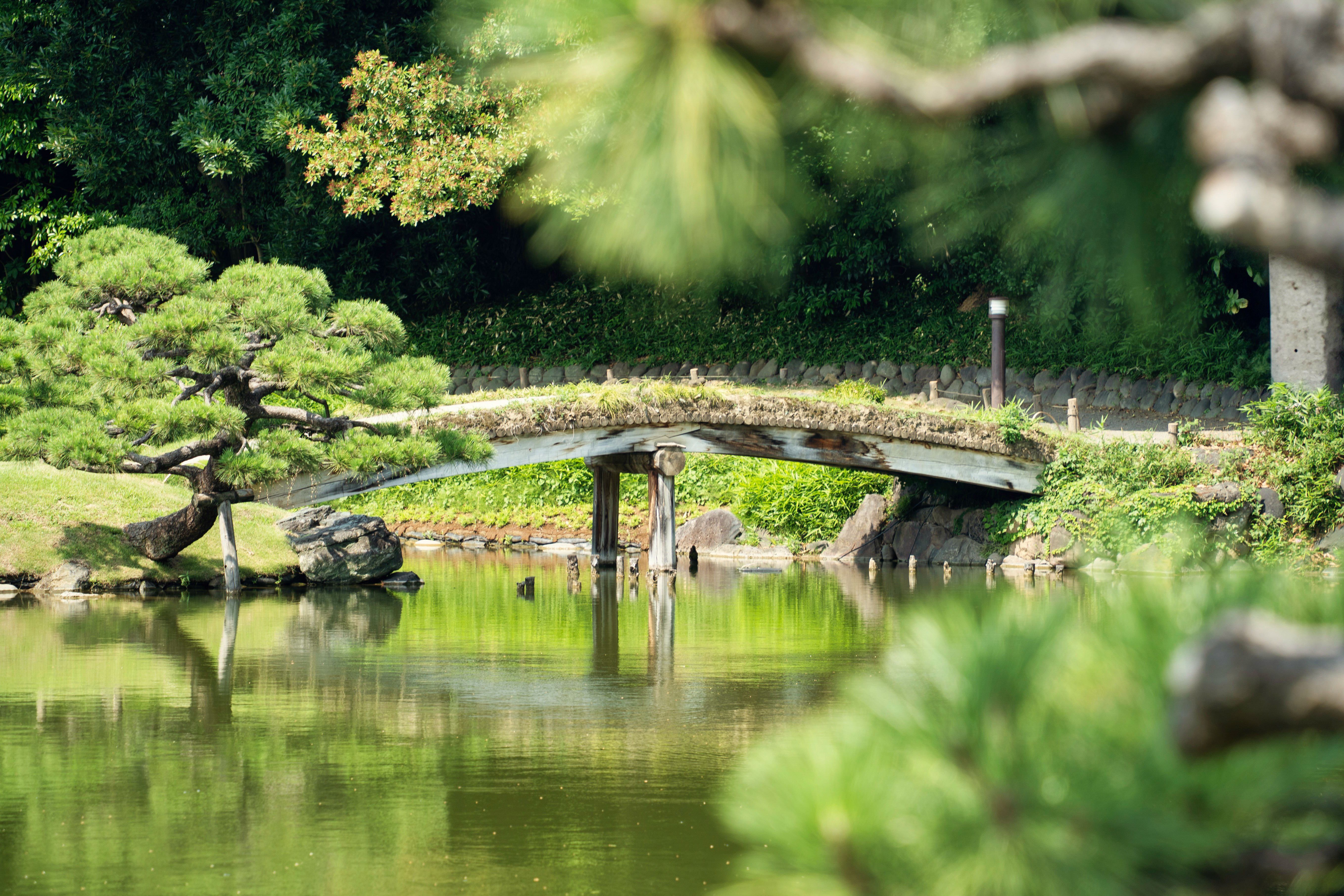
Nestled in the mountains southwest of Tokyo, Hakone is a region known for its hot springs, peaceful lakes, and lush green hills. It’s a favourite escape for city dwellers looking to slow down and reconnect with nature. And while it usually tends to be rainy in this part of Japan in early July, the weather was fabulous while we were there — warm, calm, and beautifully clear. We made the most of it, taking long walks around Lake Ashi, enjoying the quiet atmosphere, and simply letting the days drift by at a slower pace.

Castle of the White Heron

Situated gracefully above the city of Himeji, the Castle of the White Heron (Shirasagi-jō) embodies centuries of Japanese elegance and resilience. Its white walls and soaring roofs evoke the image of a heron taking flight, untouched by time despite wars and earthquakes. Built in the early 1600s, this masterpiece of defensive design hides strength within beauty — a maze of winding paths, steep wooden stairs, and watchful towers. Today, it stands not only as Japan’s most perfectly preserved castle, but as a symbol of quiet endurance and refined harmony.

Rituals of Kyoto

Kyoto in July pulses with ancient rhythm as the Gion Matsuri unfolds—a festival rooted in centuries of purification and community spirit. While famous for its grand floats, the deeper soul of the celebration reveals itself in the smaller, more visceral rituals that ignite the city’s backstreets. One of the most striking scenes is the nighttime procession where men carry taimatsu—enormous burning torches made from bundled bamboo. The fire crackles as it’s hoisted high, illuminating the narrow lanes and casting shadows on the old wooden townhouses of Gion.

This ritual is more than spectacle—it’s a powerful act of devotion and cleansing. As the bearers chant and march through the humid summer night, sparks fall like brief stars onto the pavement. The heat, the smoke, and the physical exertion create a trance-like atmosphere, both for the participants and those watching. In this elemental moment, fire becomes a bridge between Kyoto’s past and present—a symbol of protection, transformation, and enduring tradition woven into the fabric of the Gion Matsuri.