Skip to content

Akihabara: Electric Town

With beginnings as a marketplace for electronics after World War II, today Akihabara is known as a hotspot for anime and gaming culture around the world; here you’ll find five-story high Sega arcades, as well as gaming stores that still sell Super Nintendo consoles and comic book shops with every anime figure in existence for display. You wander through streets with shining towers and giant advertisements of virtual characters while girls dressed as Anime figures invite you to themed restaurants. For relaxation, you can also go to one of the cat cafes to drink your Matcha coffee and play with pets. Japanese people, though, prefer to go to Pachinko places where they gamble for physical prices. Officially, gambling is forbidden in Japan, so close to the Pachinko stores, there are always small vendors where you can sell your prices and transform them into cash. Yes, it is a weird place and very much corresponds with the picture of Japan’s weirdness. At the same time, it seems unreal, like something out of a Blade Runner movie. Though Akihabara certainly doesn’t represent the whole of Japan, it is a physical manifestation of its modern popular culture and thus should be planned for your Japan trip.
test

img_7748 img_7828 img_1892 img_1823 img_7917 img_1904 img_7945 img_8363 img_7764

Perspectives on Japan

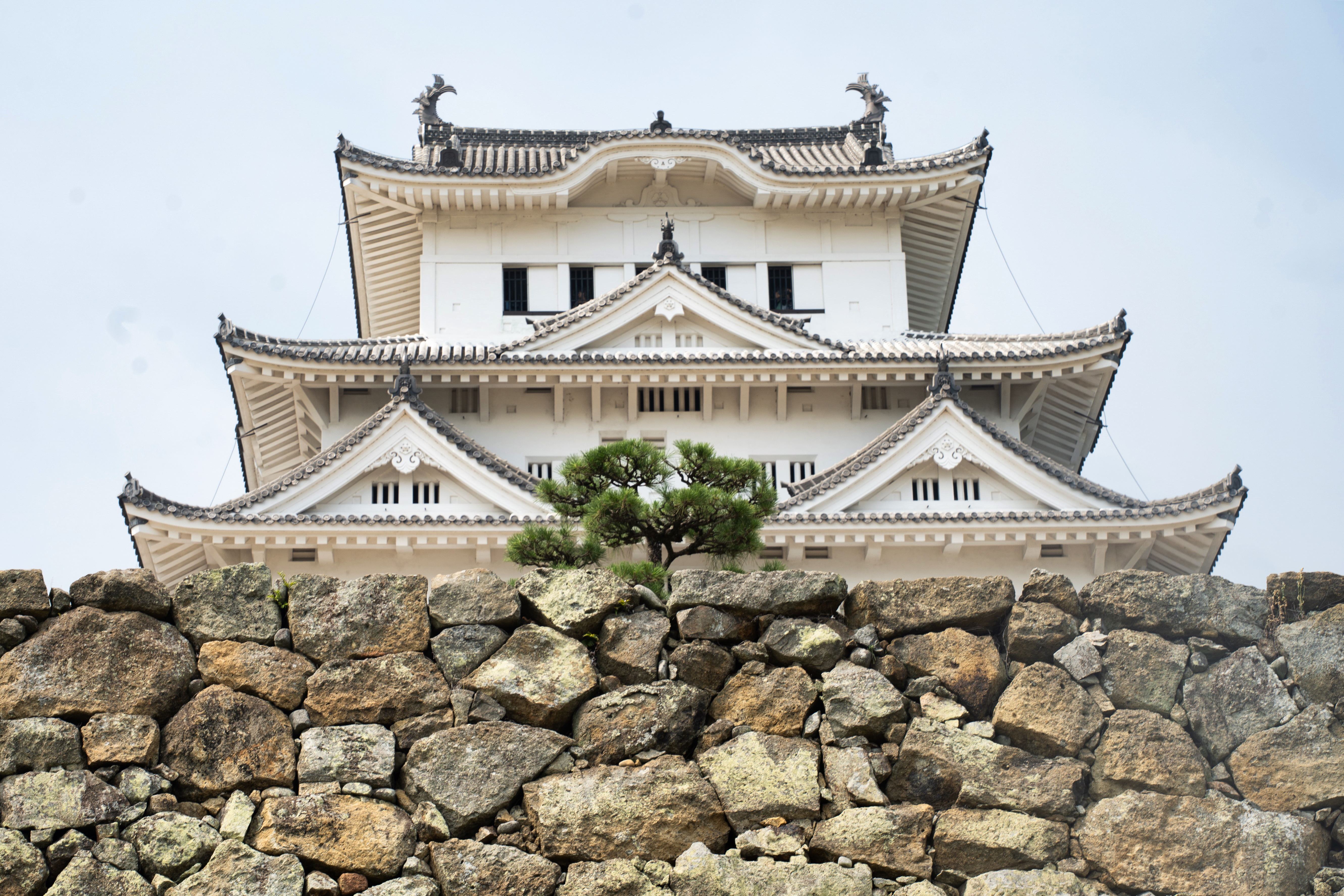
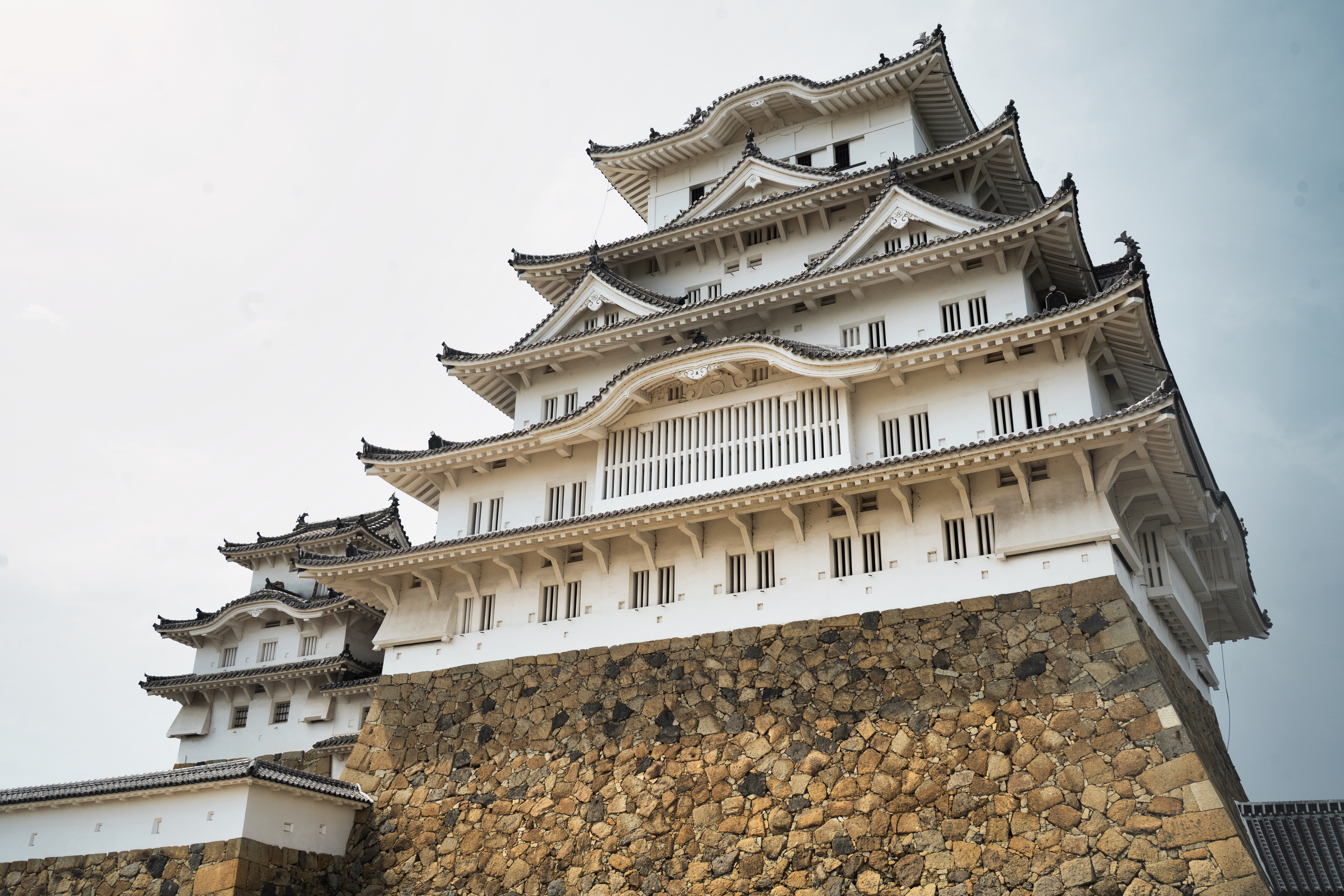
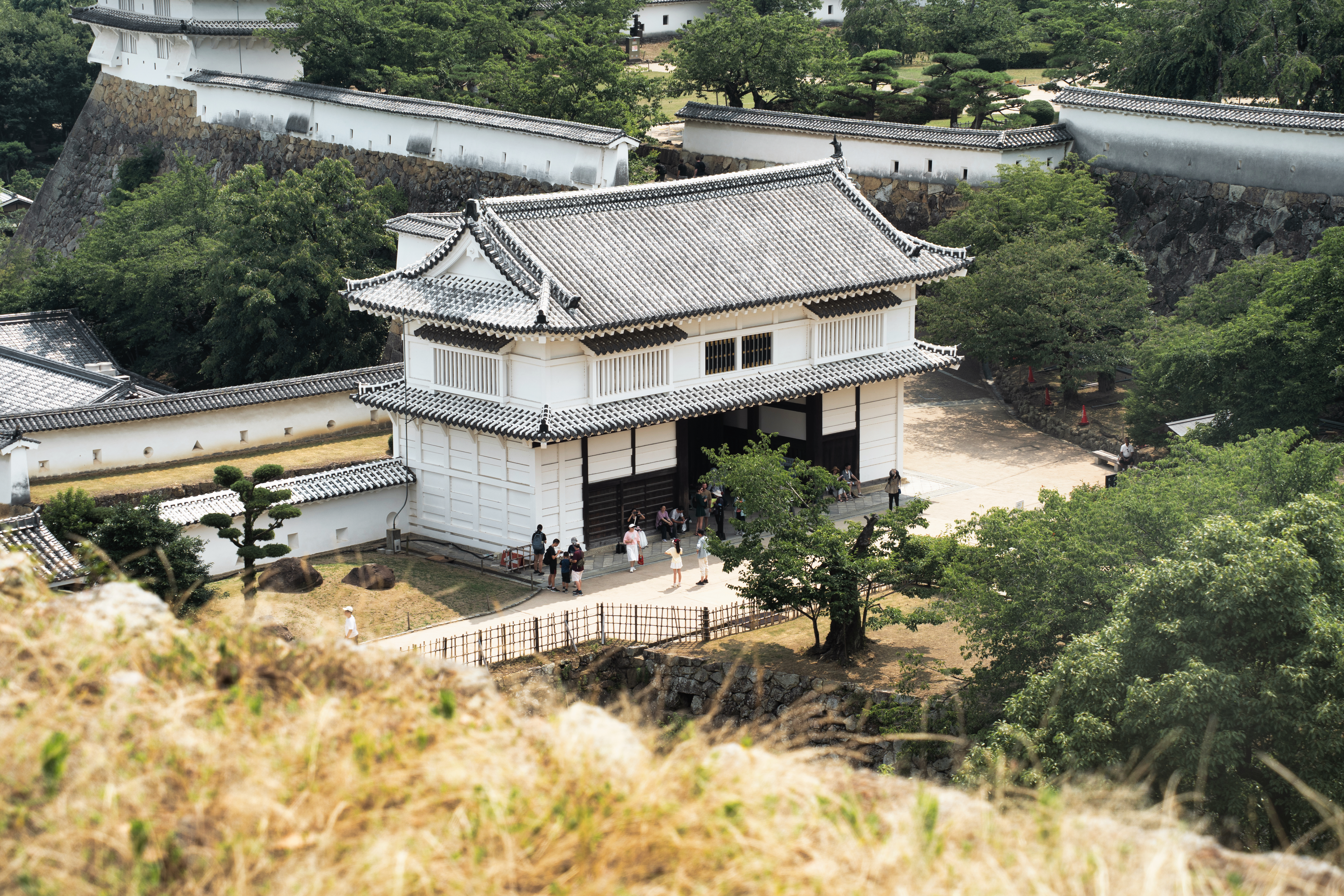
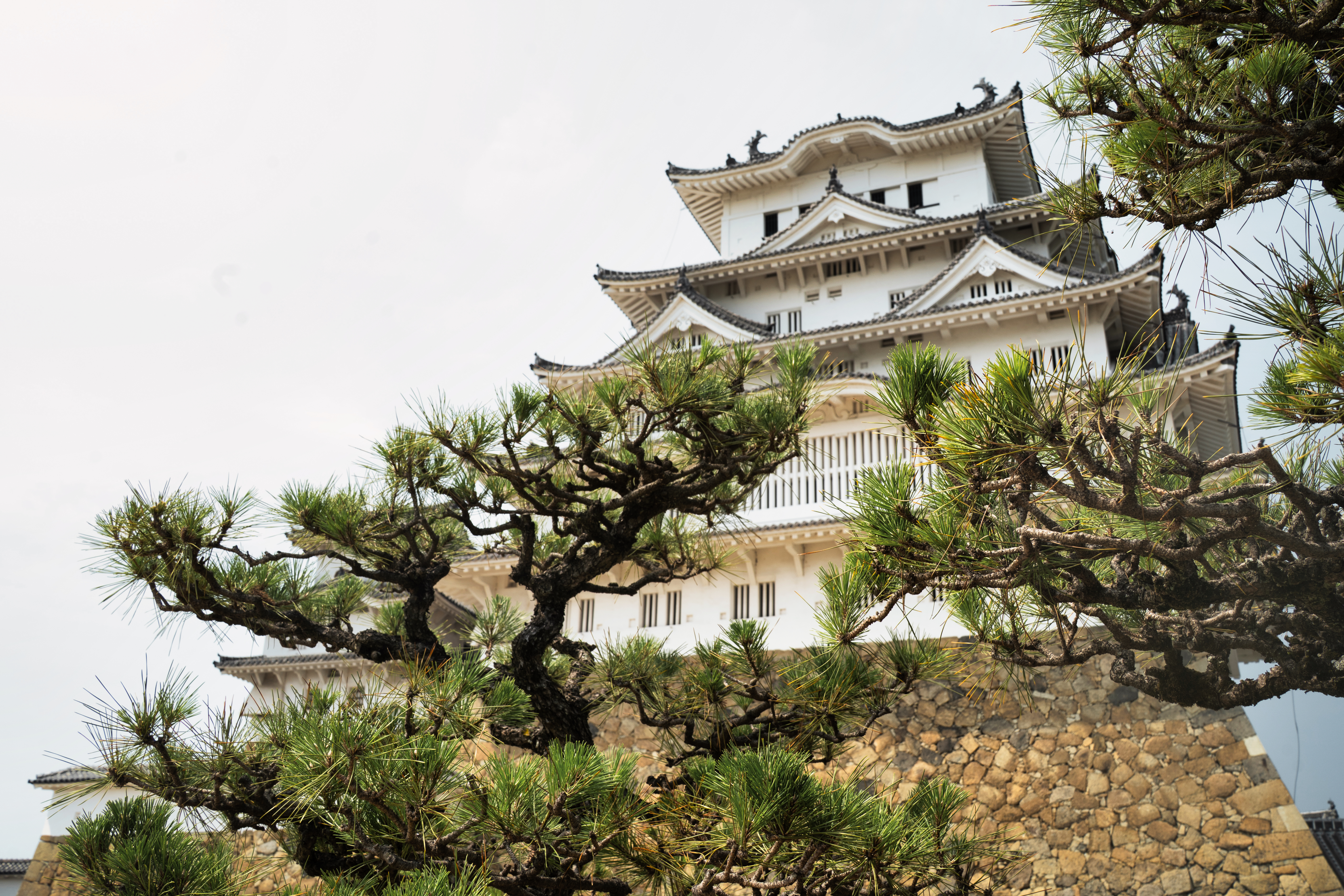
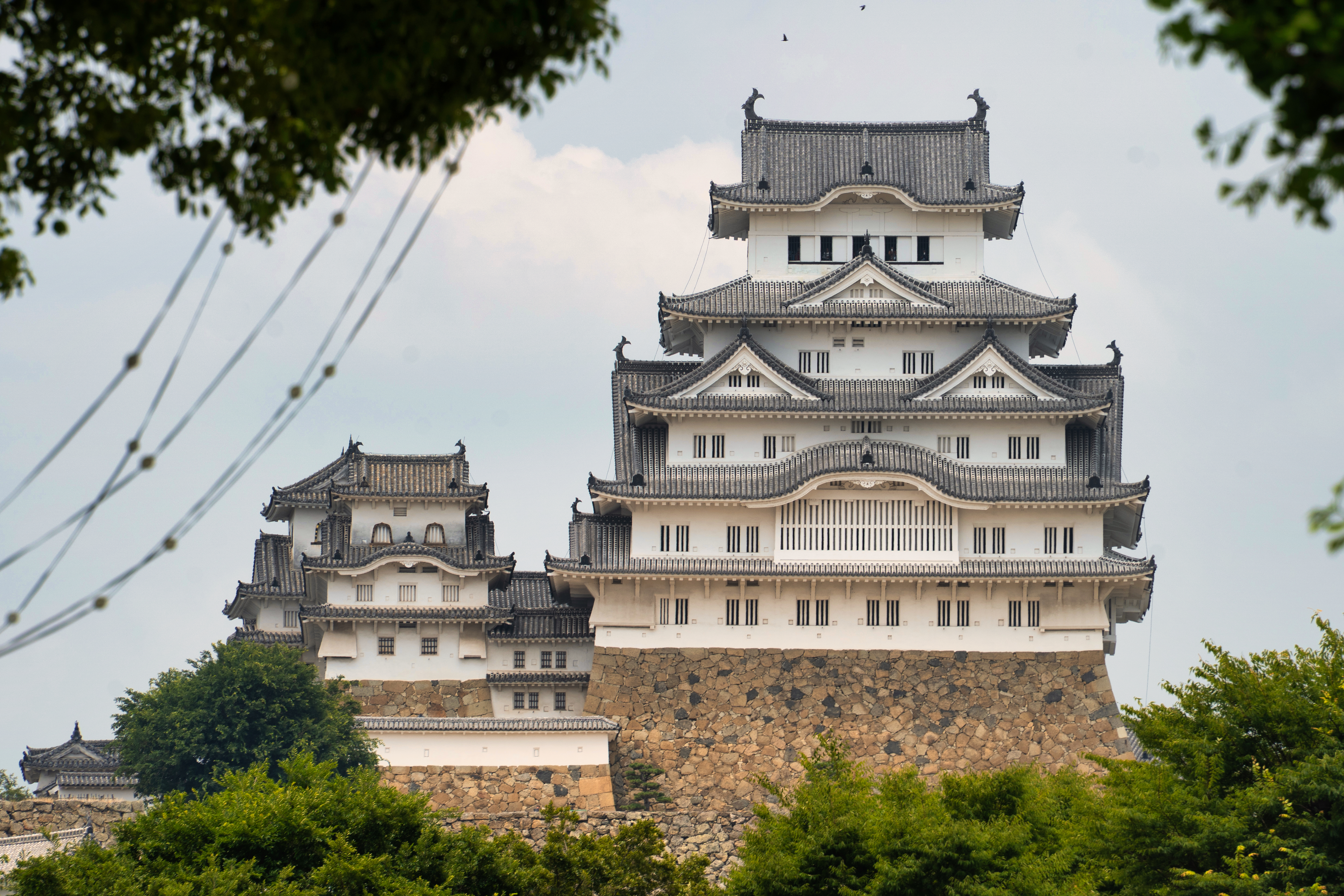
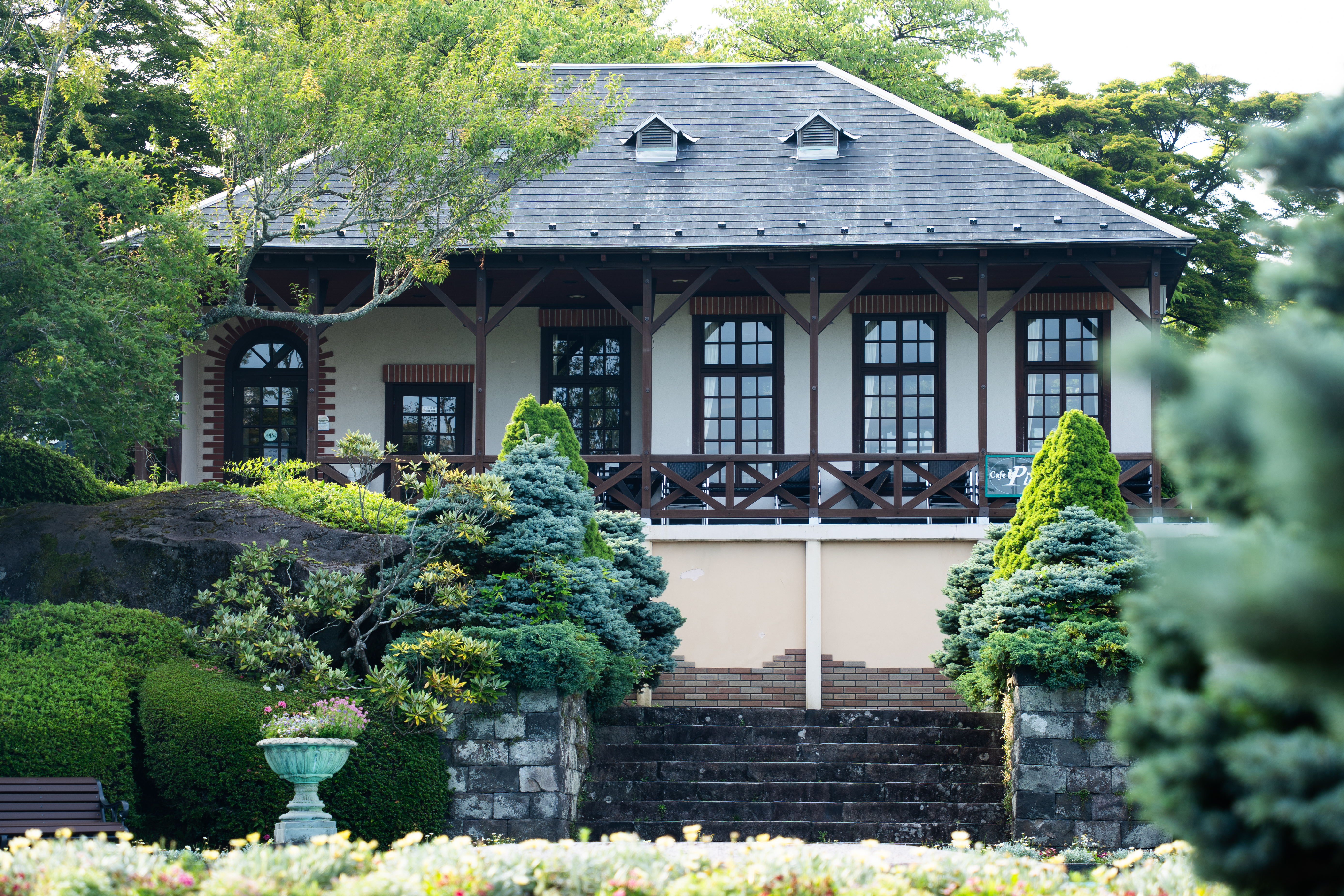
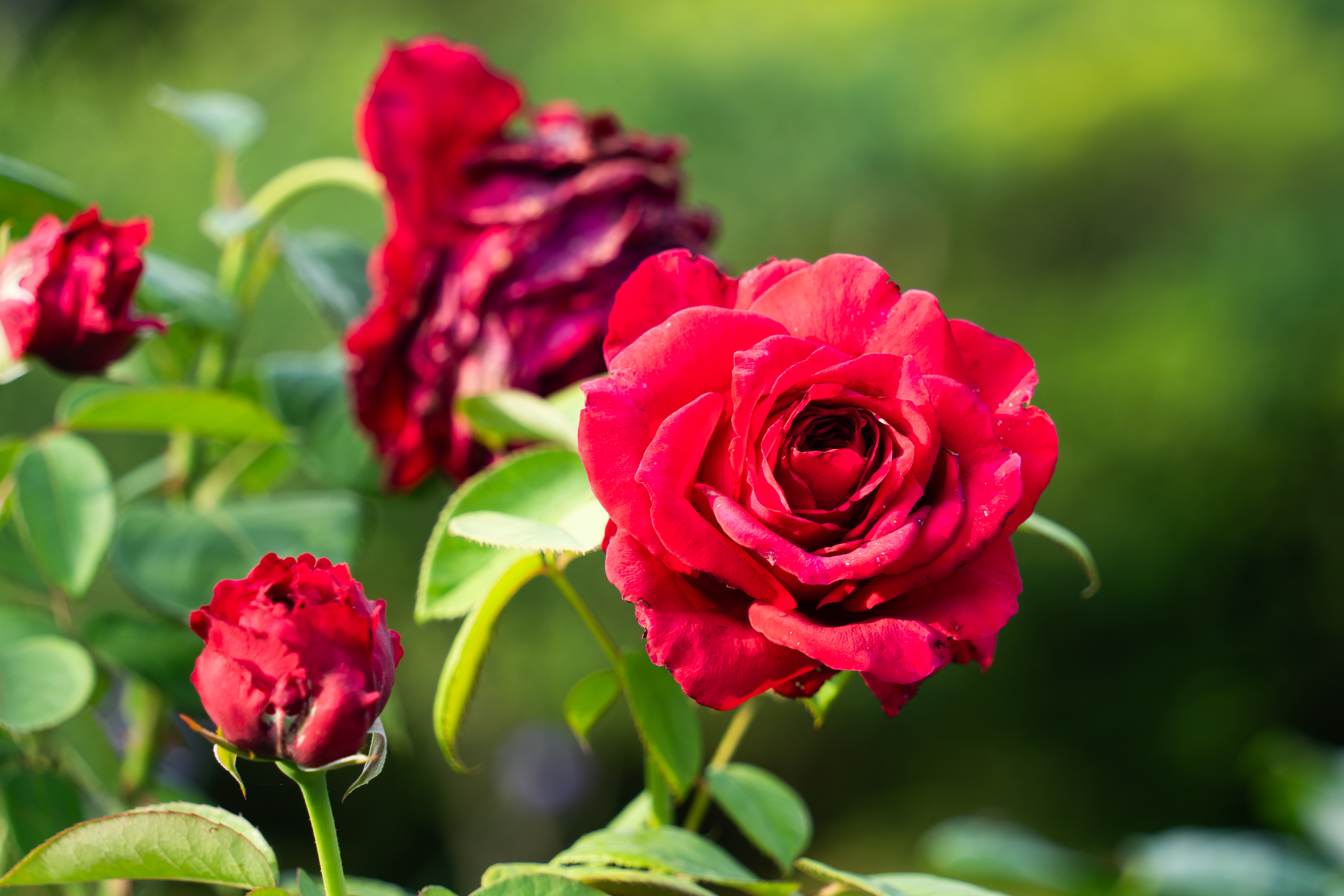
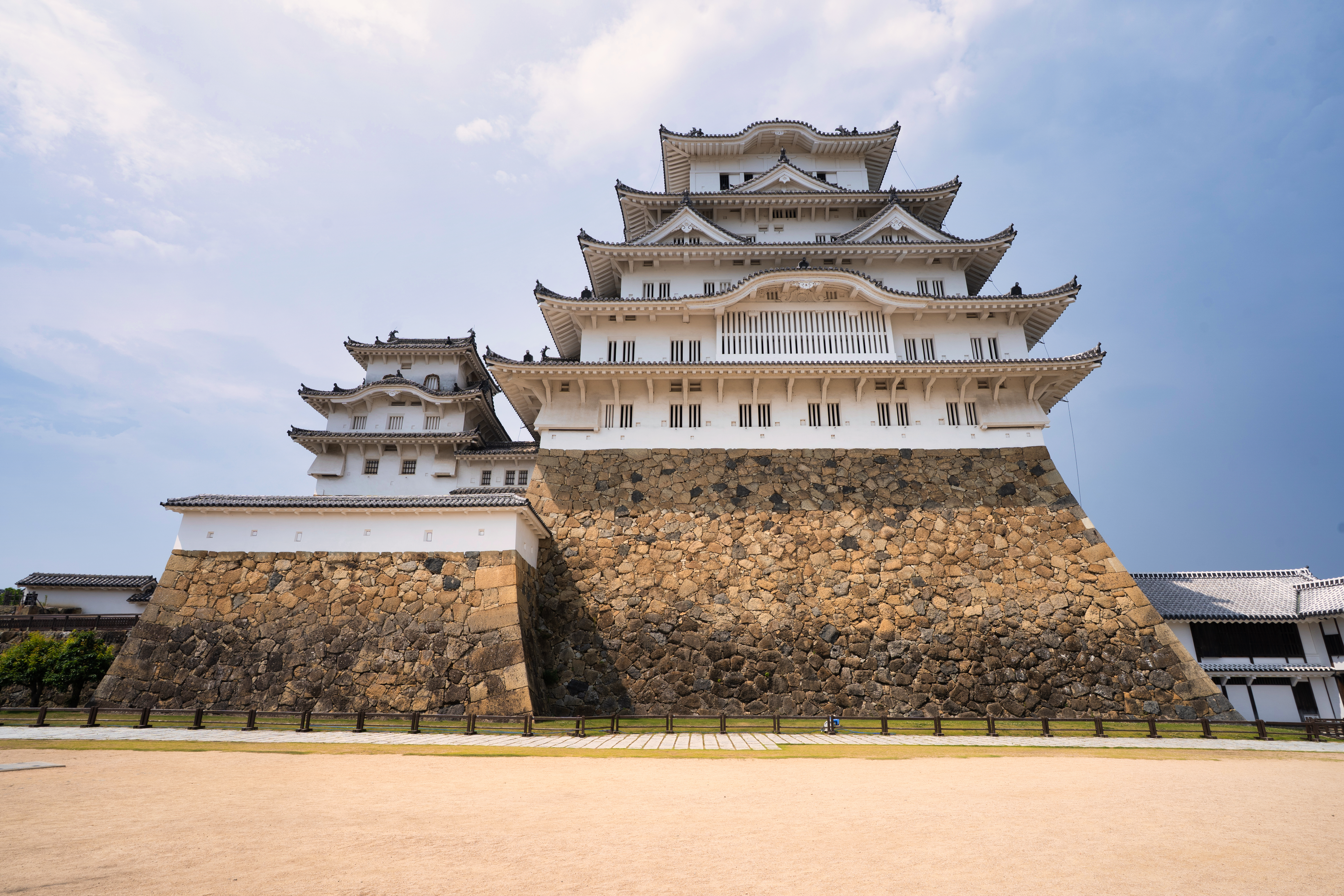
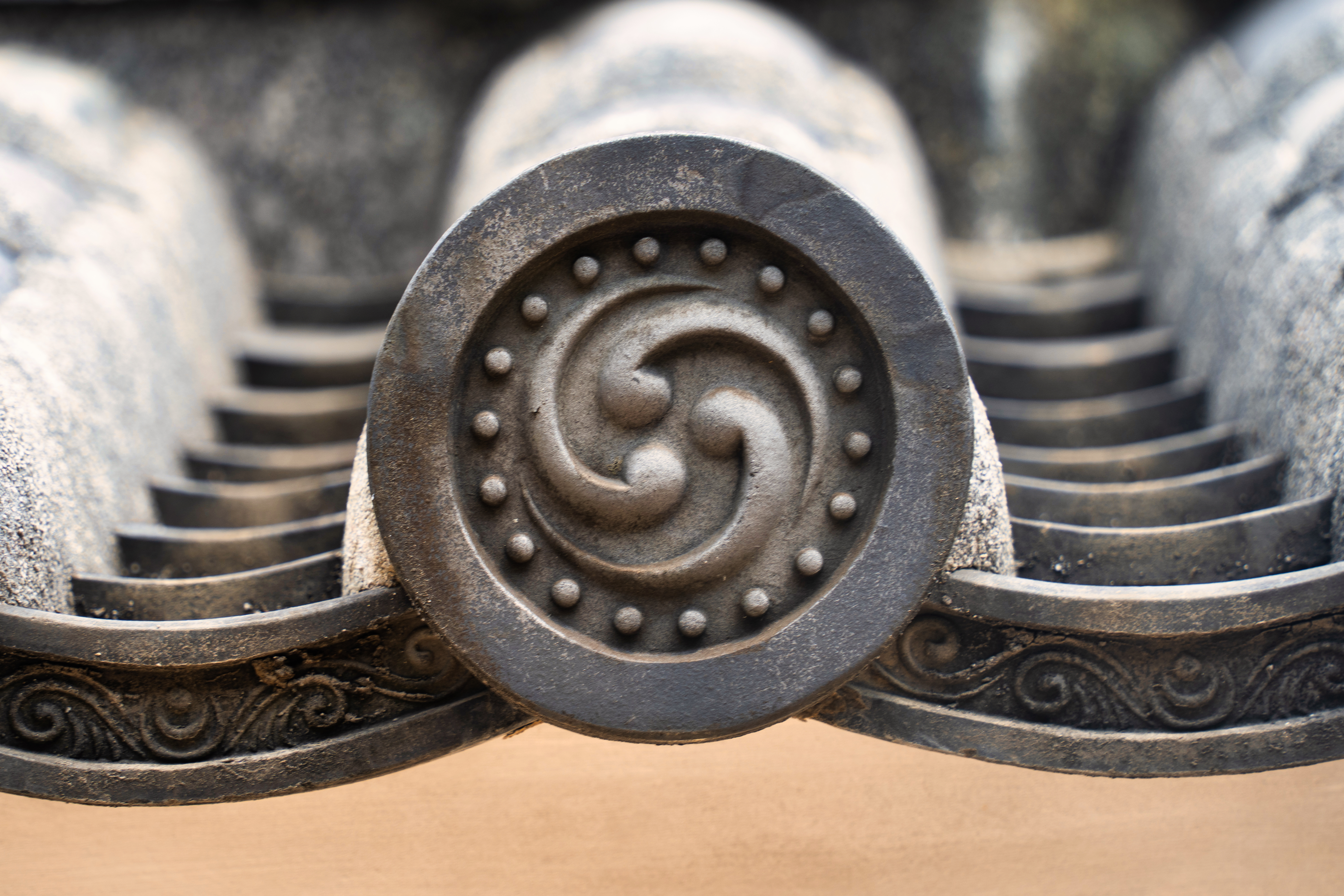
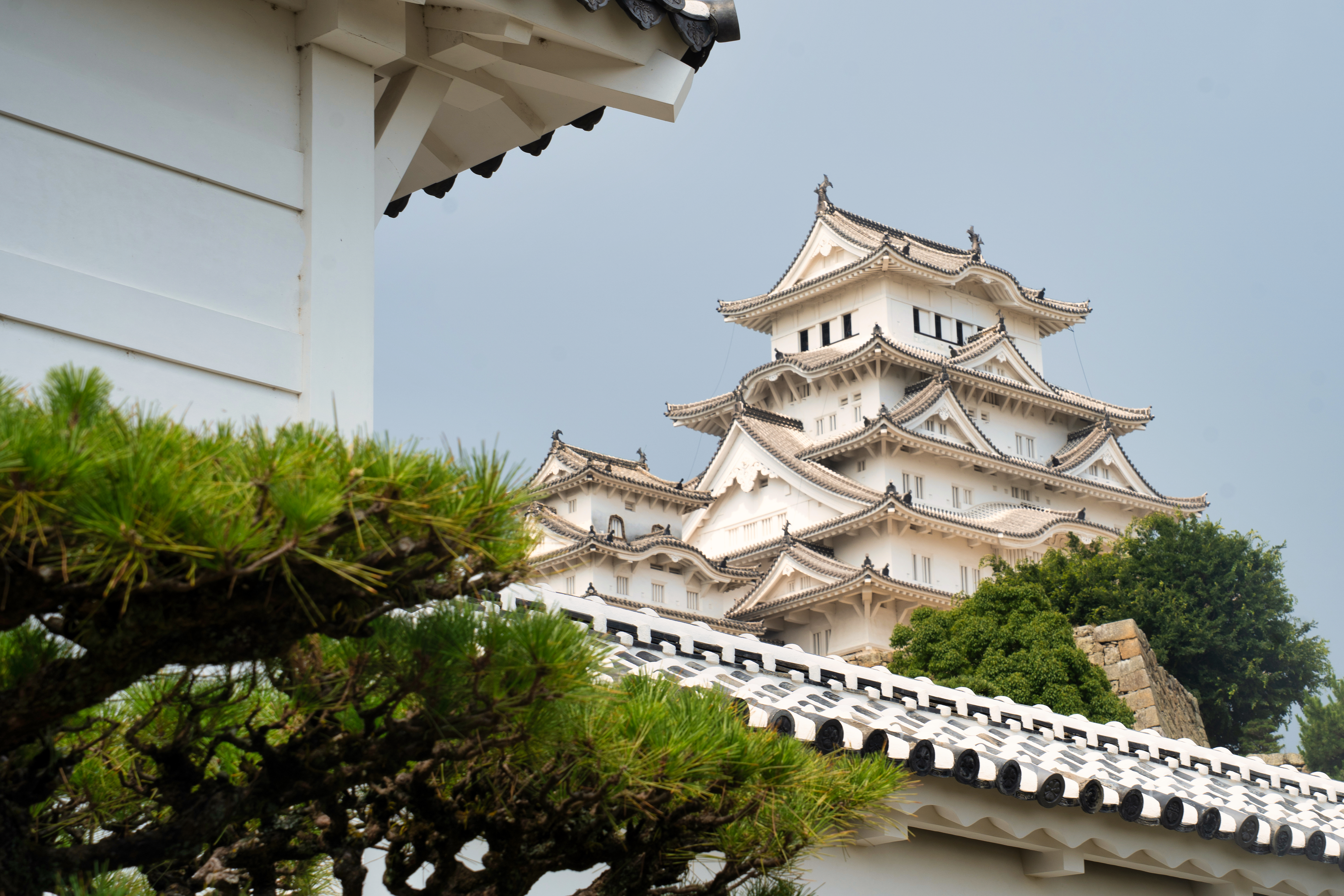
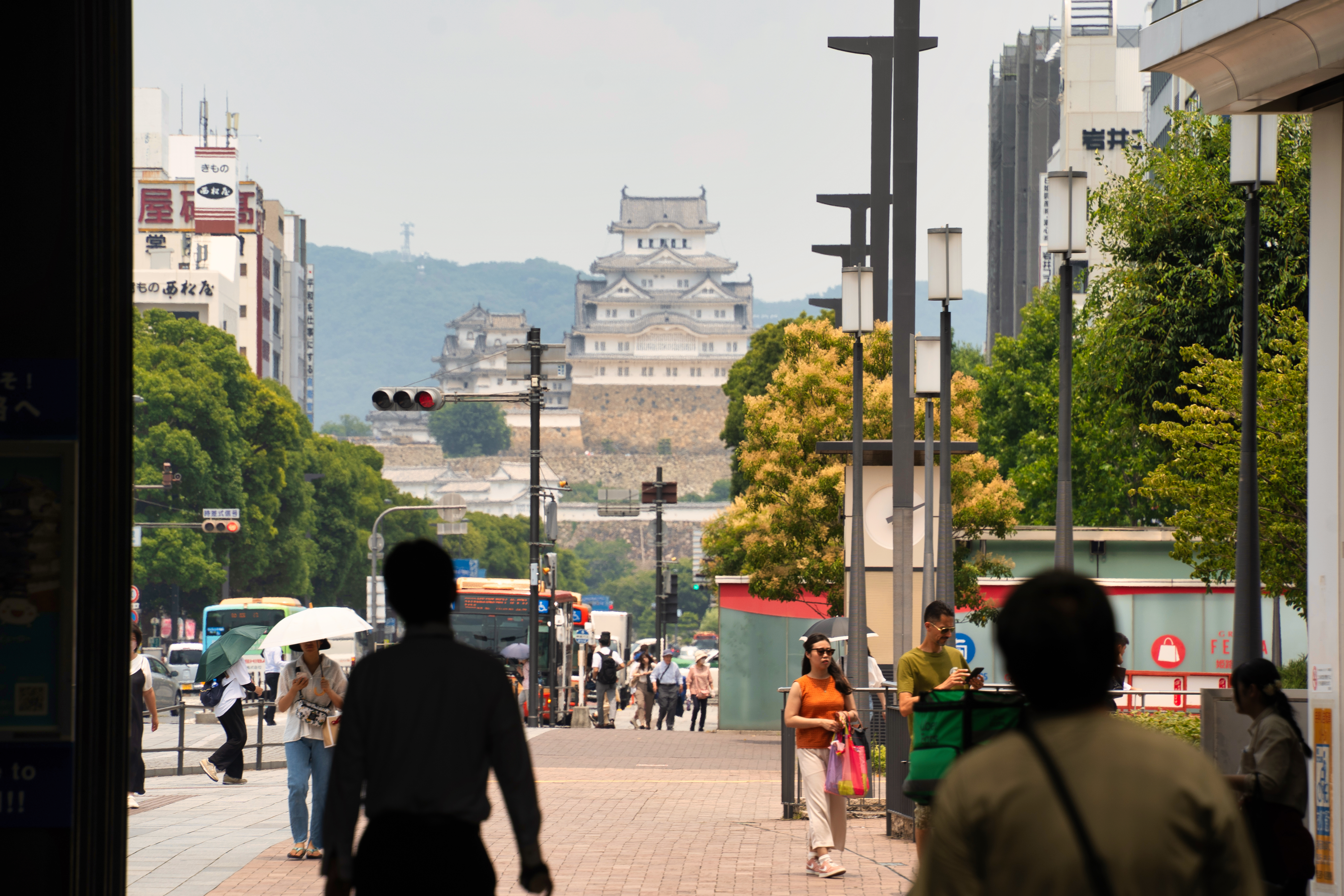
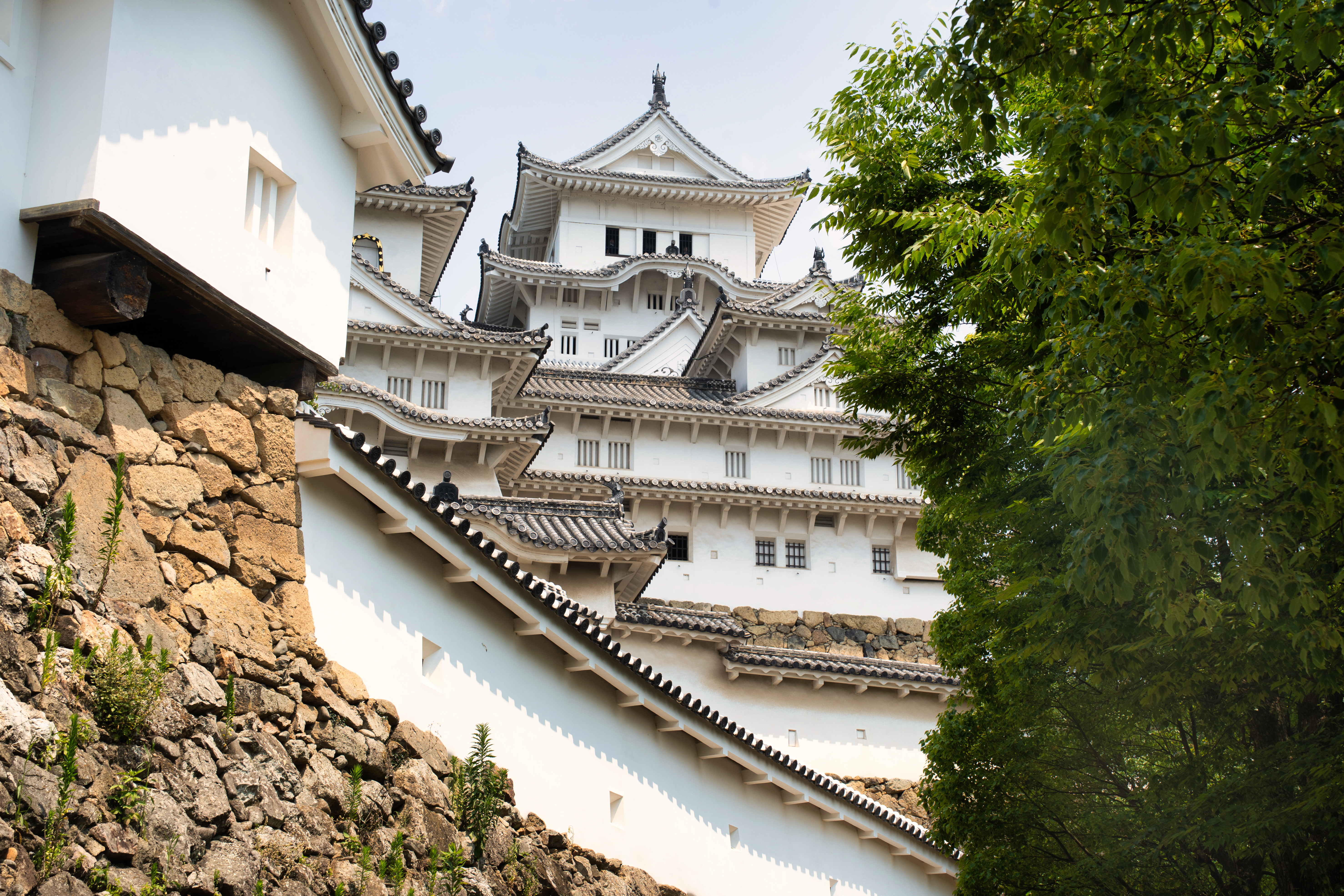
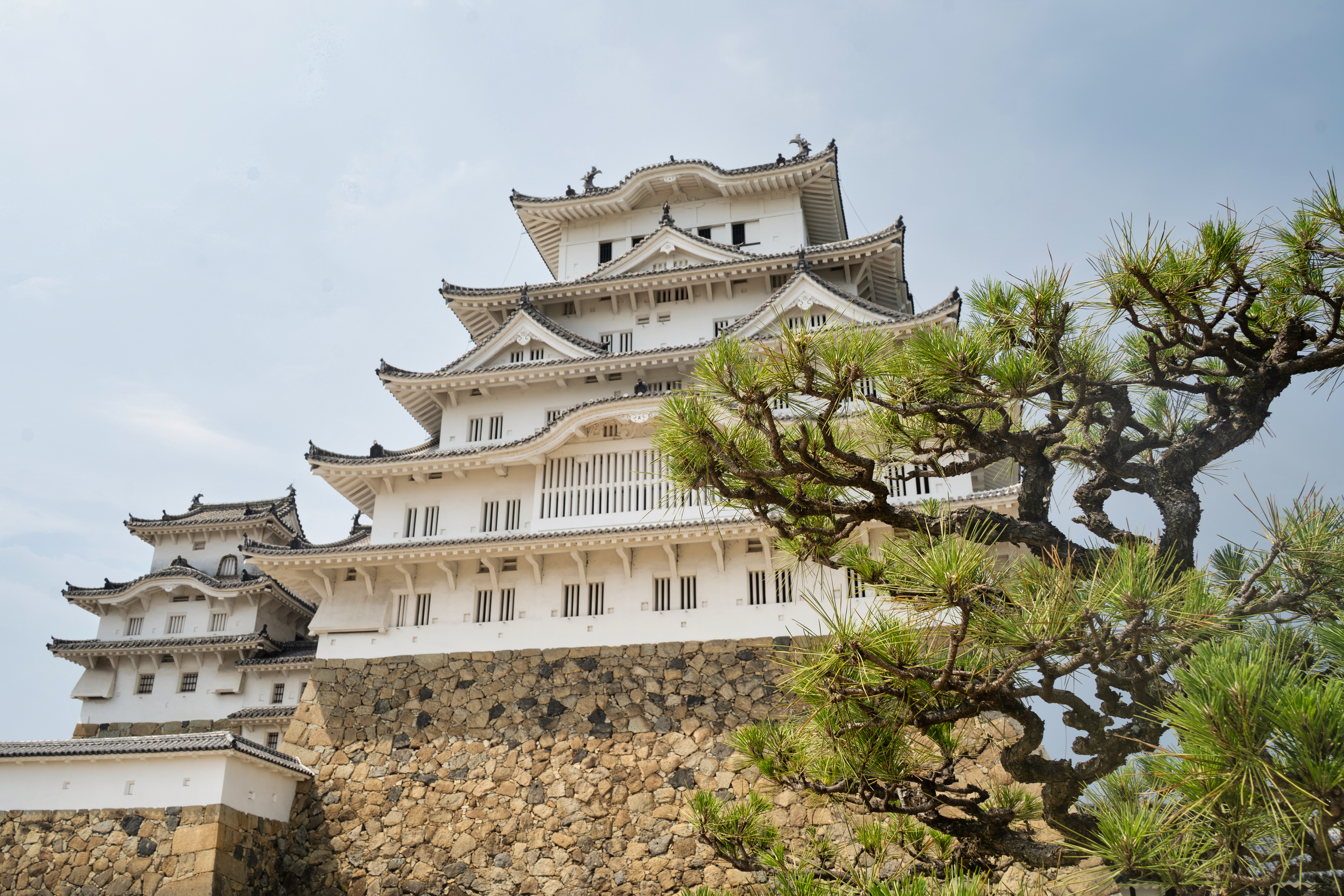
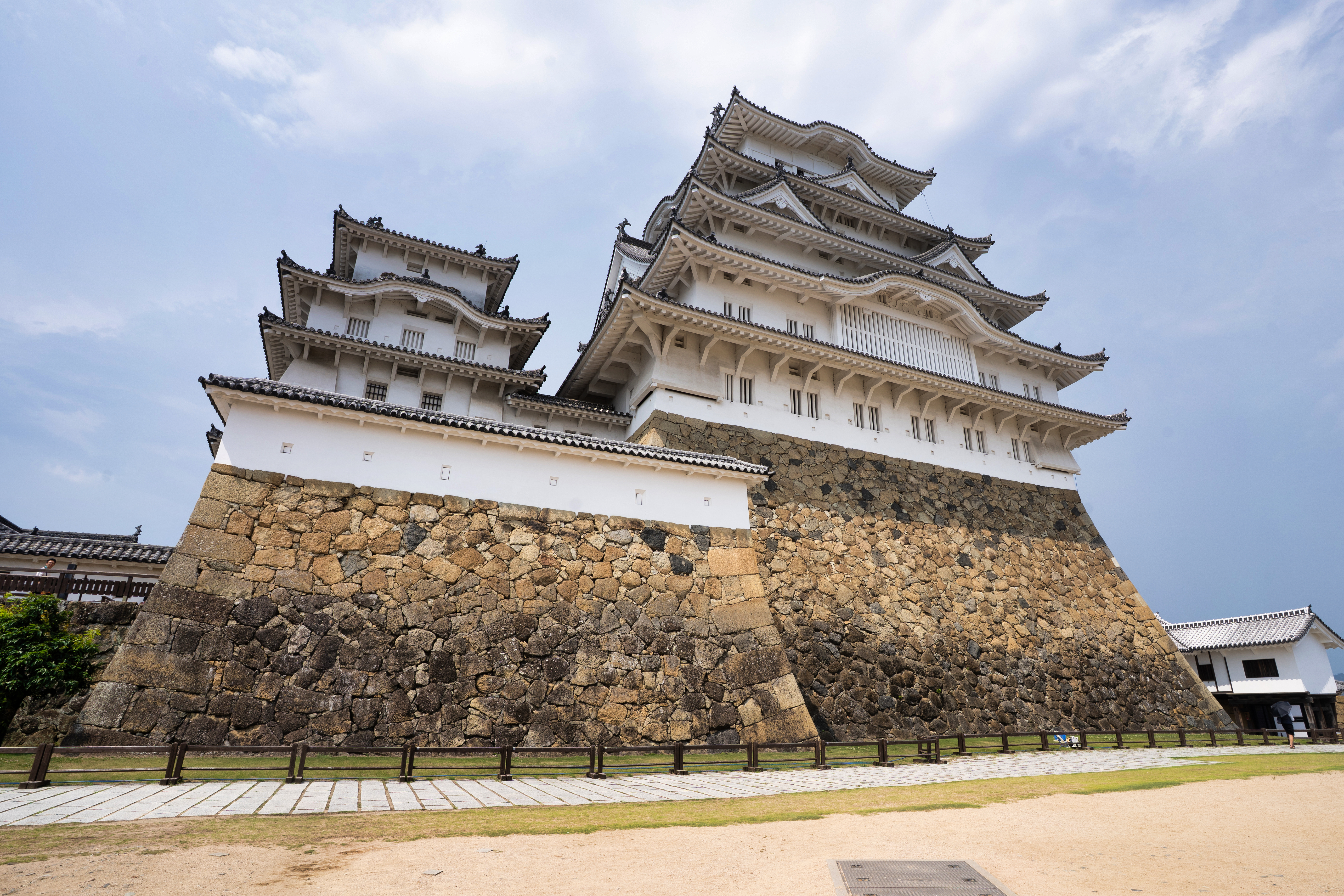
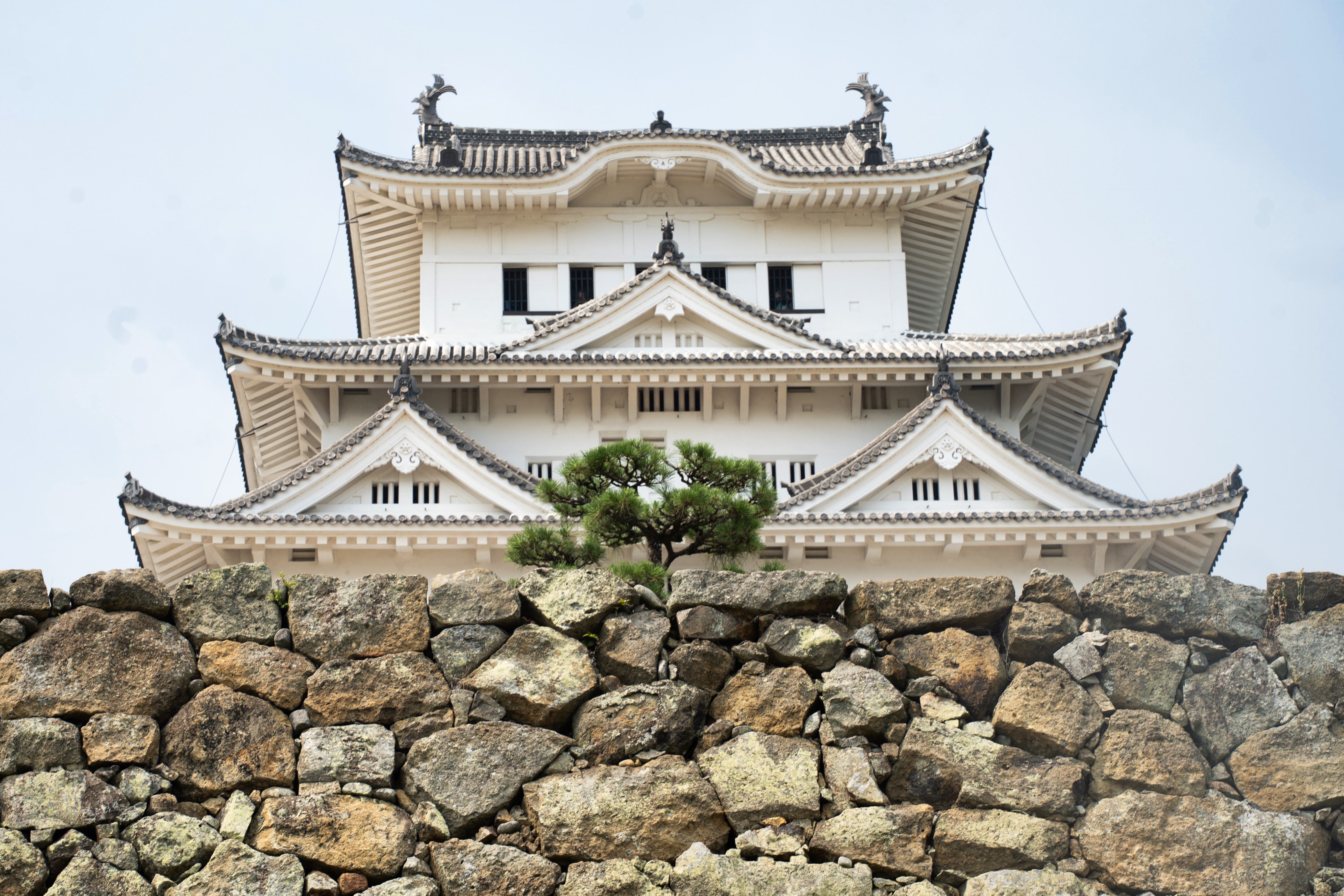
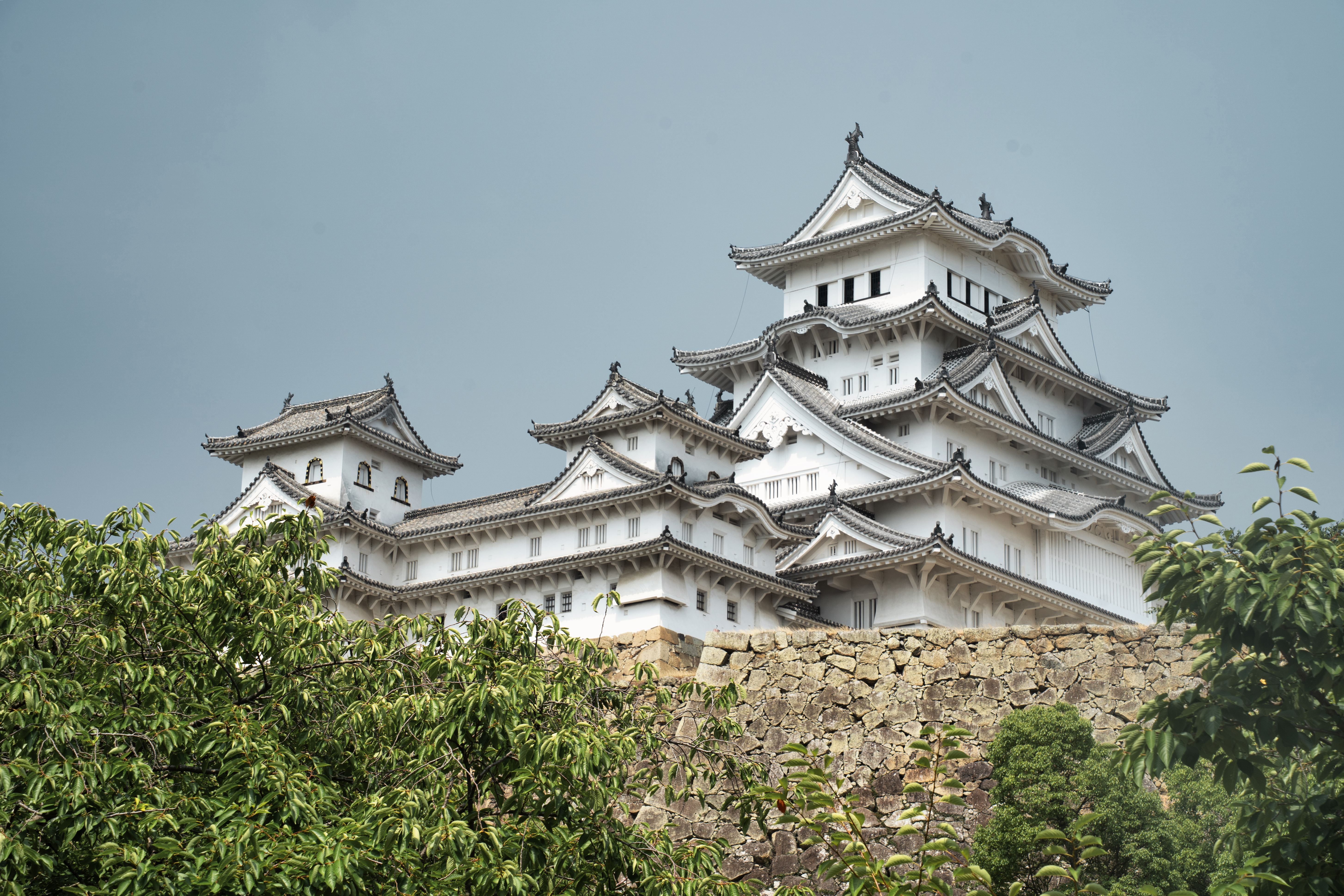
Traveling through Japan, one notices specific reoccurring shapes and symmetries mirrored in nature. Some are more obvious, like the traditional roof shapes (pictures 1,2,3), which resemble the country’s most famous mountain, Fuji-san, and others are hidden and must be found by the foreign visitor. While the Japanese prefer solid lines and square patterns over round ones, the curated gardens often feature soft and oval shapes, creating a relaxing and pleasant atmosphere (pictures 4,5,6).

test

img_9342img_0148img_1582img_0200img_0161img_0188

Bicycles of Japan

Sure, in terms of bicycles, there are far more crazy places worldwide, like Amsterdam, Kopenhagen, and some other Asian spots. But still, Japanese people seem to love their bikes; you see businessmen, older people, and teenagers alike riding the streets with style and grace (although they are tired sometimes). A collage.
test

img_0317 img_7427 img_8138 img_8085 img_1808

Kyoto Shrines

The city of Kyoto is well known as the country’s former imperial capital, also titled the thousand-year capital. Also, it is a religious epicenter of Japan with over 2,000 places of worship, including Shinto shrines and Buddhist temples. Kyoto was on the American target list as a possible detonation site for the first range of atomic bombs that destroyed Nagasaki and Hiroshima but was saved at the last minute by a diplomat who knew the city and wanted to keep it as a cultural treasure for humanity. If you plan a Japan trip, make sure to stop in Kyoto. There is a lot; if you have time, you can easily spend four or five full days here.

test

img_9566img_9750img_9001img_9619 img_9629
img_9707
img_9568 img_9597

The Art of Sumo

Sumo is a Japanese form of ring fighting where one massive wrestler tries to force the other one out of the ring. The fight is part of the Japanese cultural heritage, and the Sumo ringers are regarded as stars and national heroes in the country. The Sumo Ring Hall of Ryogkoku is commonly understood as the birthplace of the sport and is still the most critical competition site. Once a year, on the day of the Tenno on April 29th, the hall is open to the public free of charge. On this day, it is possible to watch the most famous Sumo ringers of the country in training. The following pictures were taken in 2016.

test

img_7015

img_7083img_7118img_7086img_7067img_7058img_7104img_7102img_7081