Skip to content

Oriental Discoveries
Traveling through Jordan reveals a country where nature and hospitality come together in ways that leave a lasting impression. From the deep, echoing silence of Wadi Rum’s red deserts to the lush, hidden valleys of the north, the landscapes are as varied as they are breathtaking. The country’s natural beauty stretches from the salty shores of the Dead Sea to the dramatic cliffs of Dana Biosphere Reserve, offering scenes that shift with each turn in the road. Amid ancient ruins and vast open spaces, there is a strong sense of connection to the land, where traditions and respect for nature are deeply rooted.

What truly defines a journey through Jordan, however, are its people. In cities, towns, and small desert camps, Jordanians welcome visitors with a warmth that feels immediate and sincere. Sharing tea, stories, or simply a smile, they open a window into a culture where generosity is not a formality but a way of life. Whether sitting with Bedouins under a star-filled sky or chatting with shopkeepers in a bustling market, travelers often find that the most memorable discoveries are not marked on any map. In Jordan, every meeting and every landscape becomes part of a larger story — one of kindness, resilience, and timeless beauty.

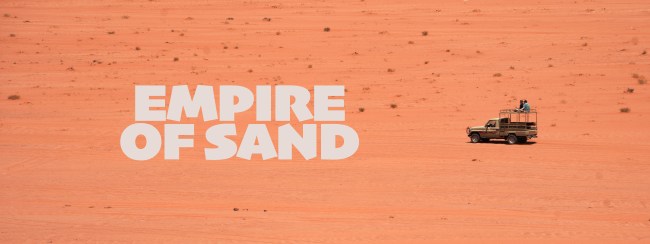
Empire of Sand

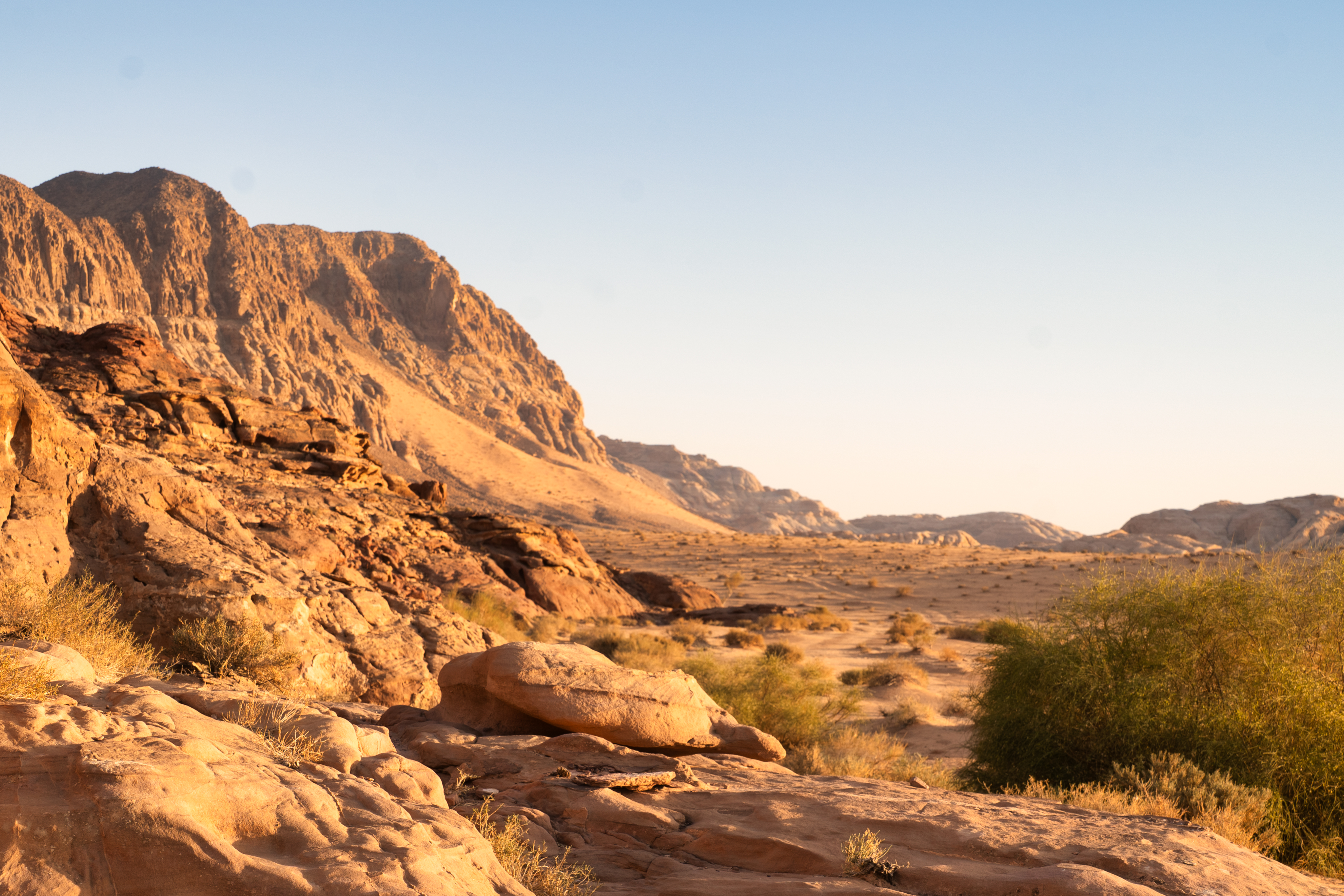
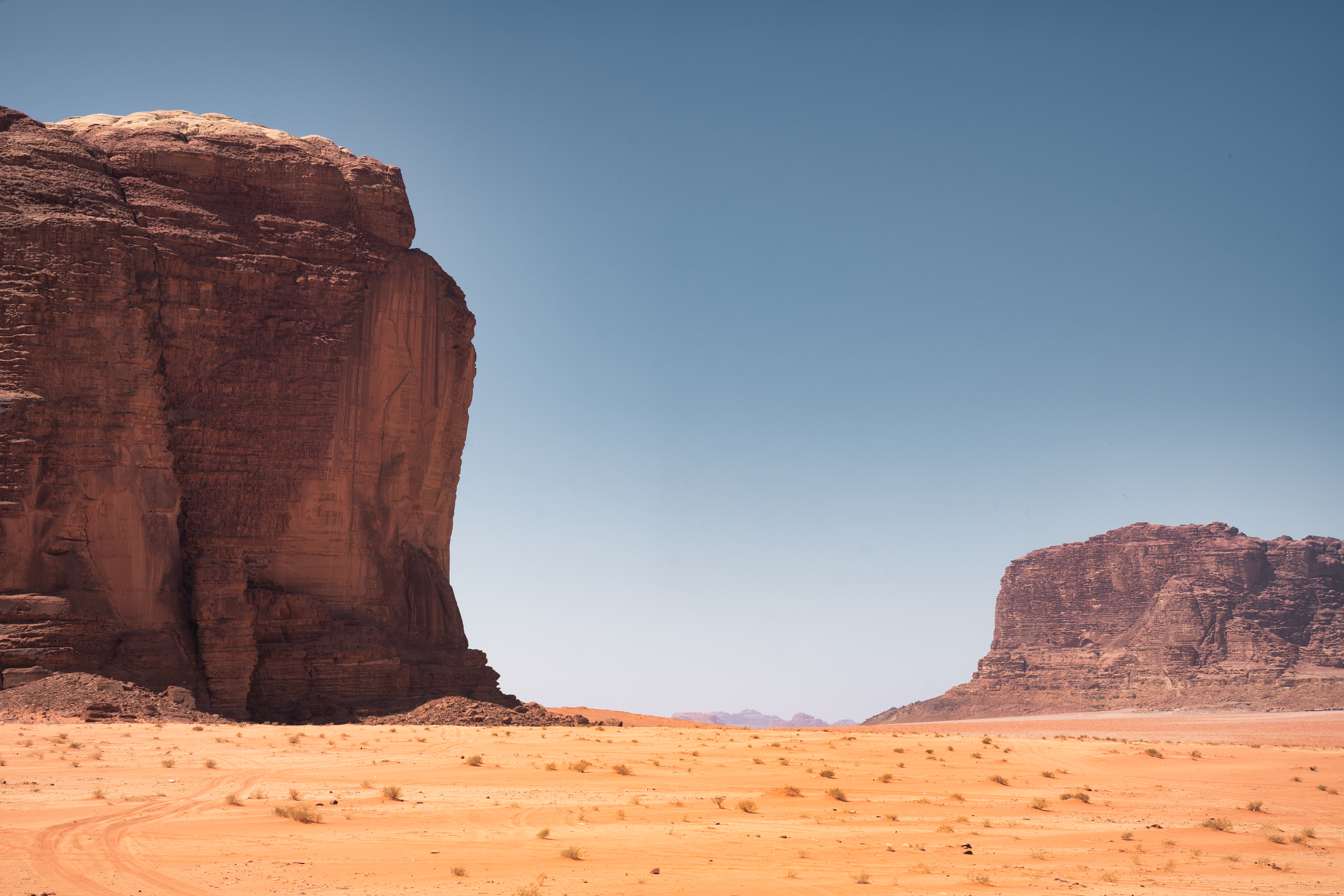
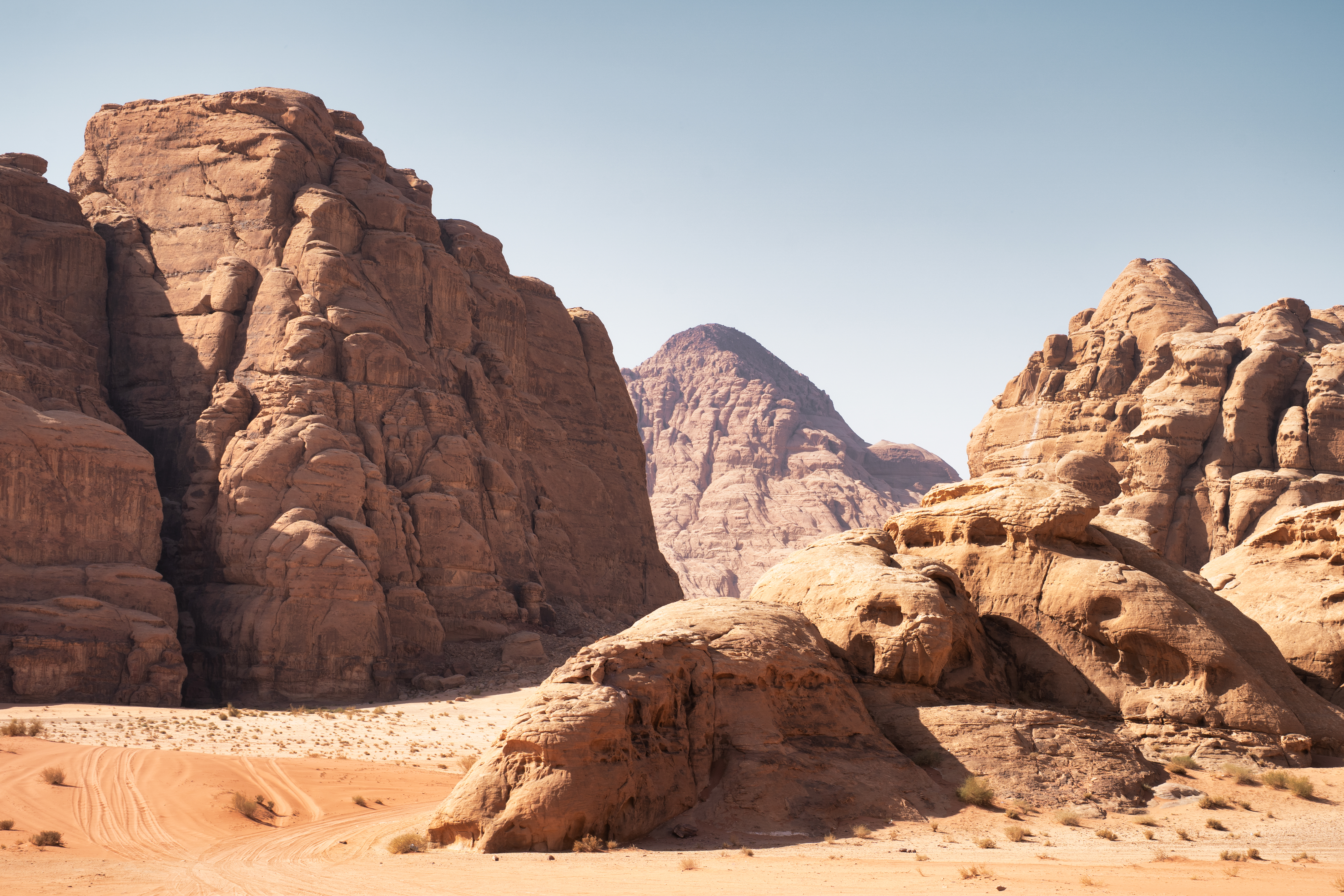
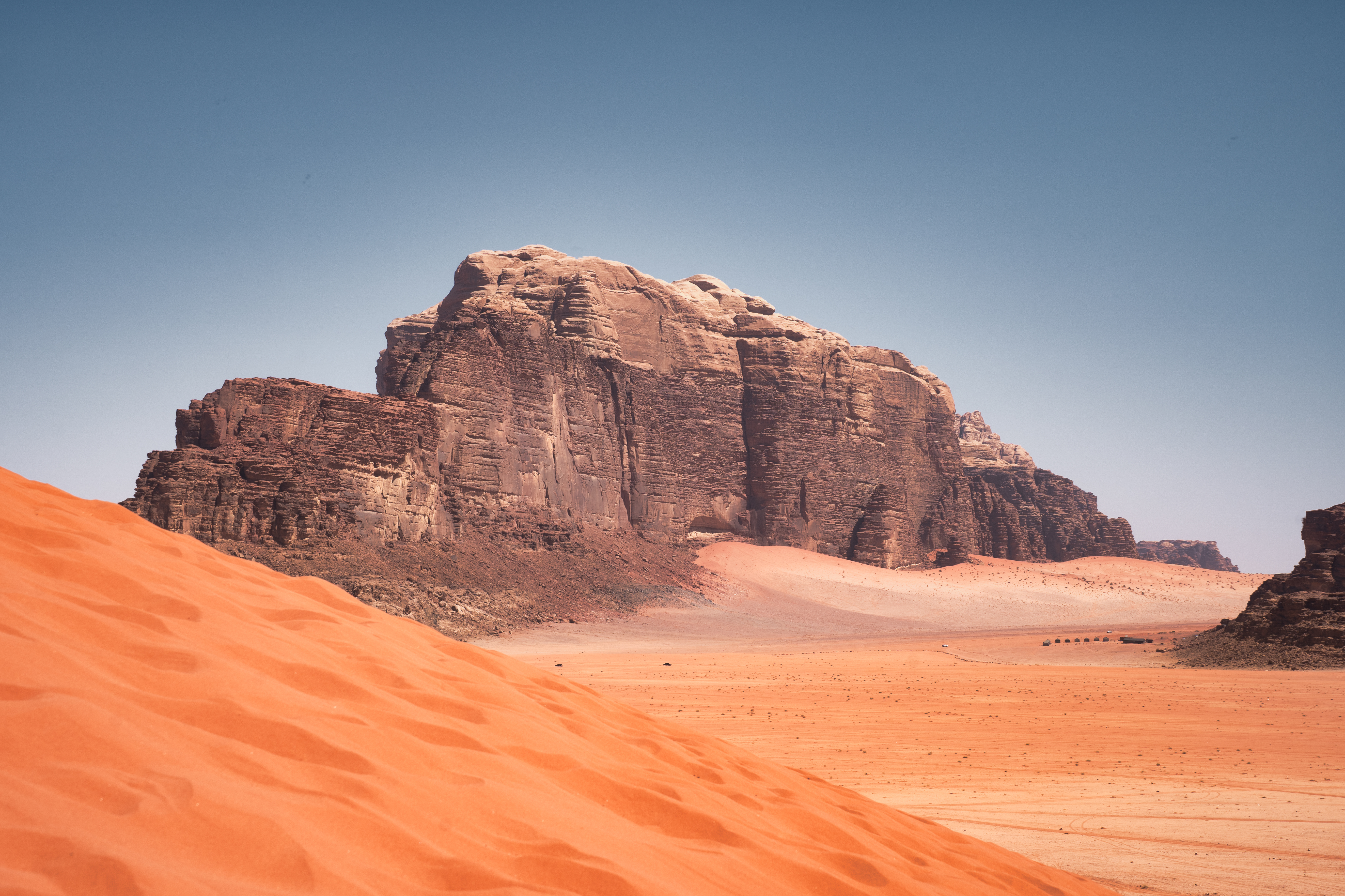
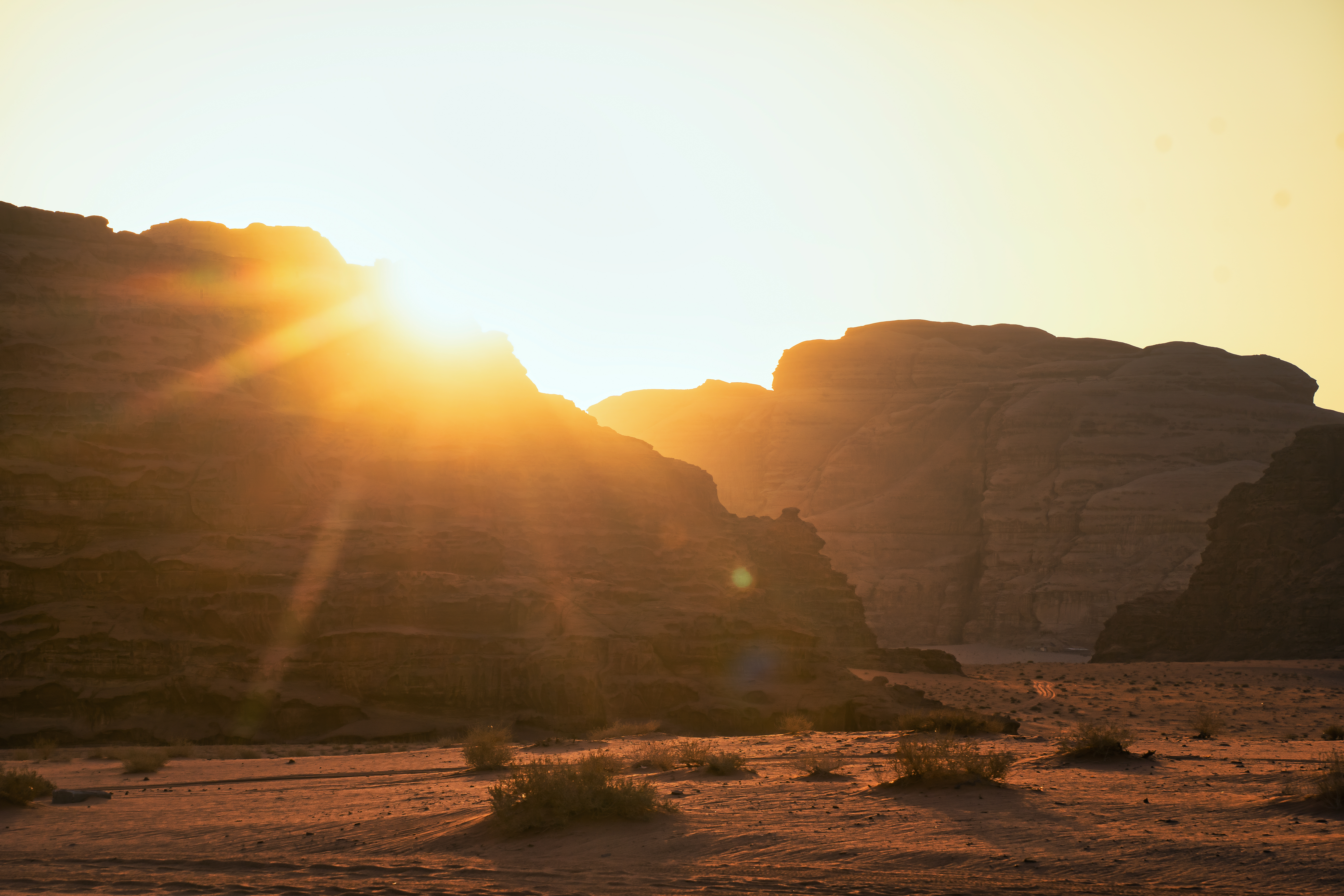
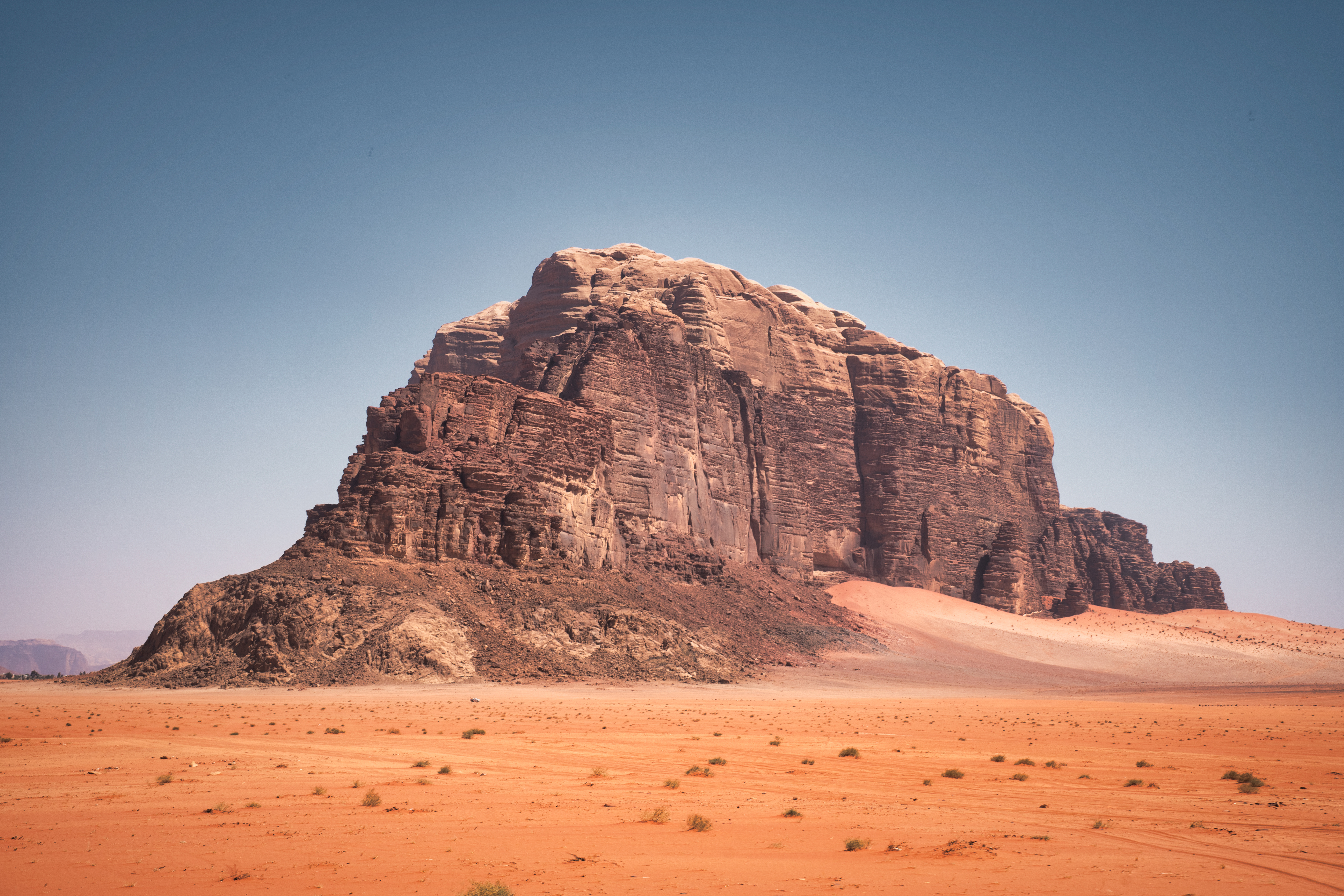
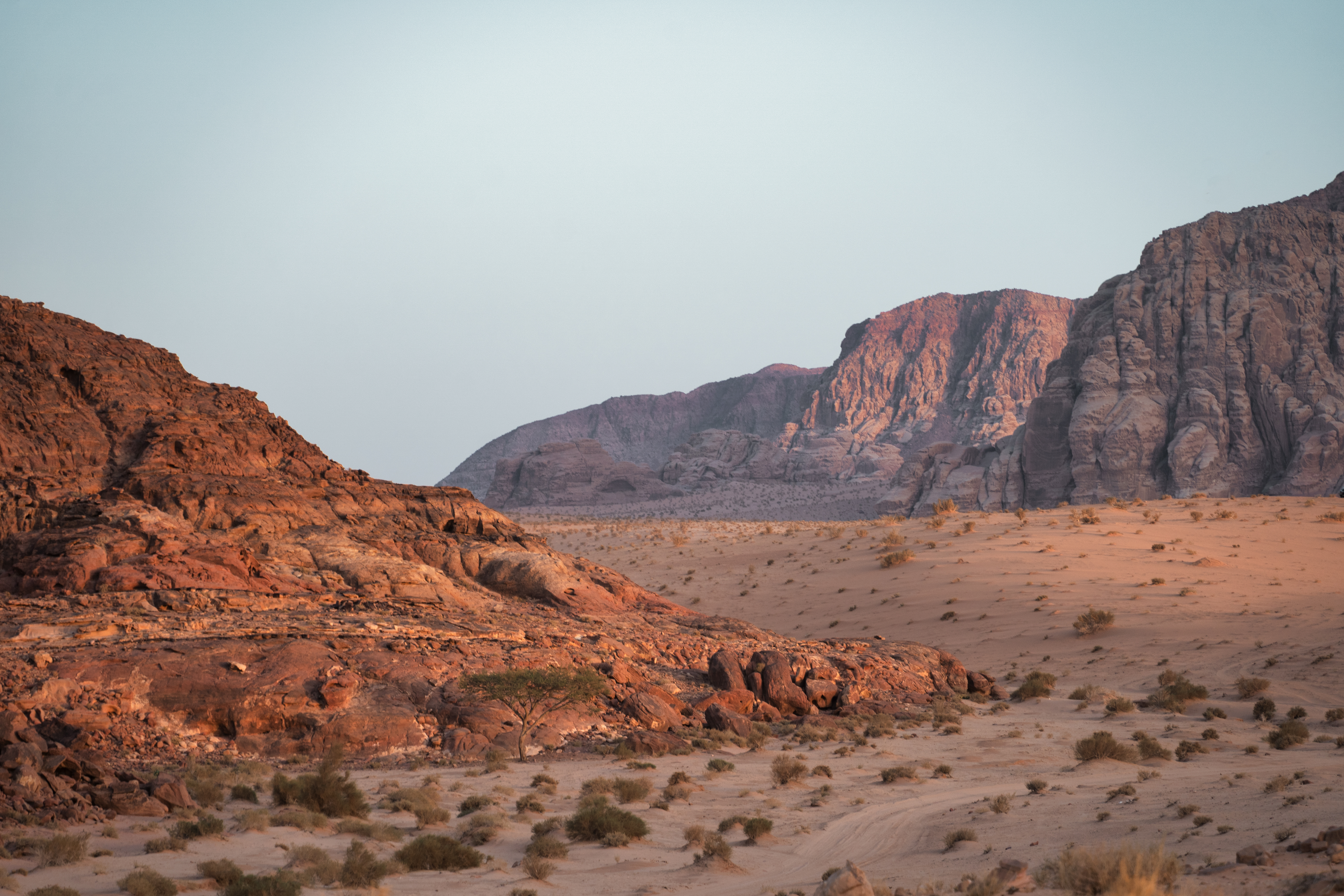
Wadi Rum stretches across southern Jordan like a vast, open kingdom shaped by wind and time. Towering sandstone cliffs rise from the desert floor, their surfaces smoothed and sculpted into natural monuments. Valleys open into endless plains of red and gold sand, and narrow gorges hide springs and ancient carvings left by travelers from forgotten eras. Though no single empire ever ruled Wadi Rum in the traditional sense, the desert itself has always been the true master, commanding respect and shaping the lives of those who pass through its shifting landscapes.

In this empire of sand, survival depends on understanding the land’s rhythms and hidden resources. For centuries, Bedouin tribes have navigated the wide expanses by reading the stars, the winds, and the movement of the dunes. Their way of life, adapted perfectly to the harsh environment, stands as a living tradition in a place where little else remains unchanged. Wadi Rum’s vast silence and sweeping beauty remind visitors that power does not always come with stone walls or crowns — sometimes it is found in the enduring strength of nature itself.

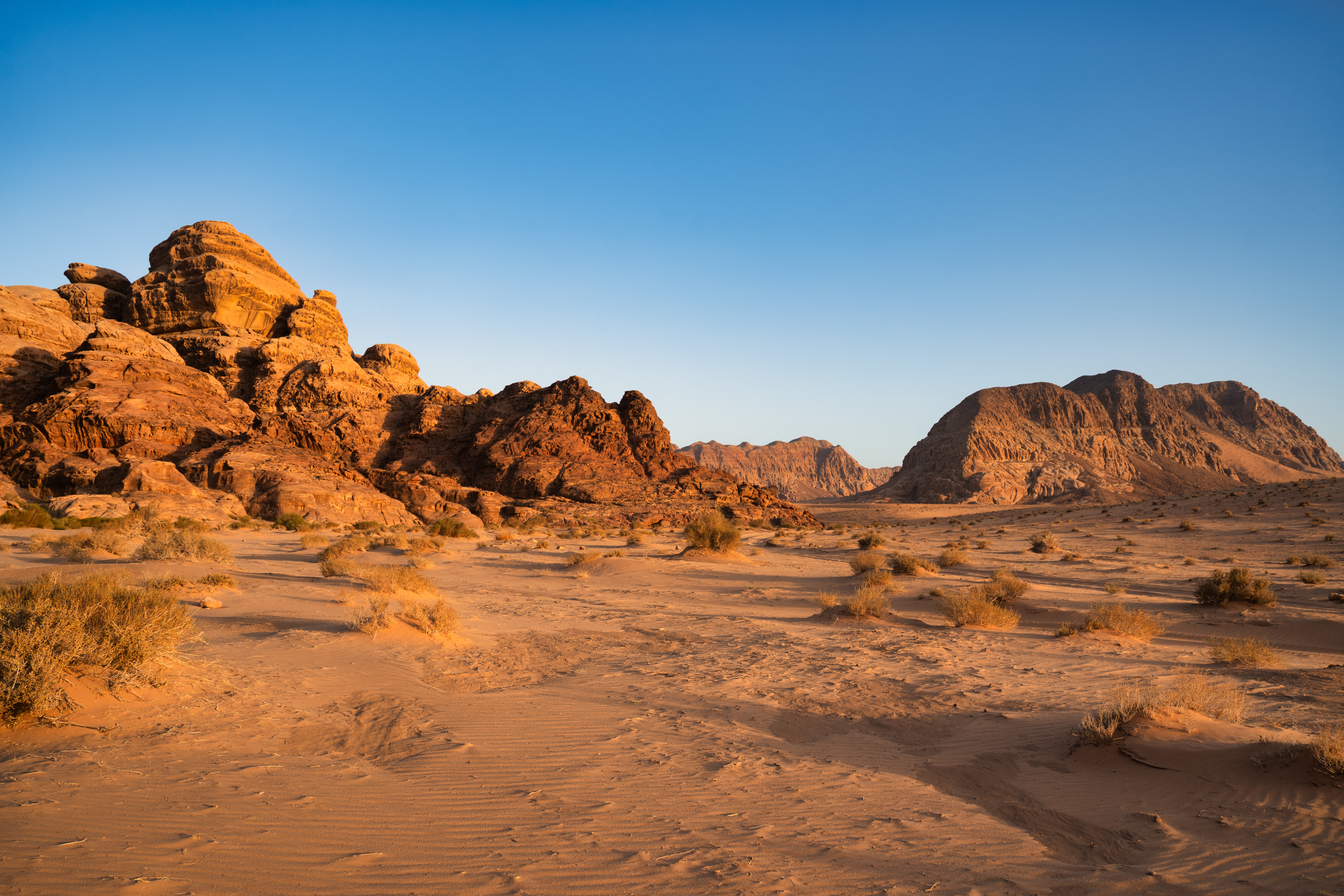
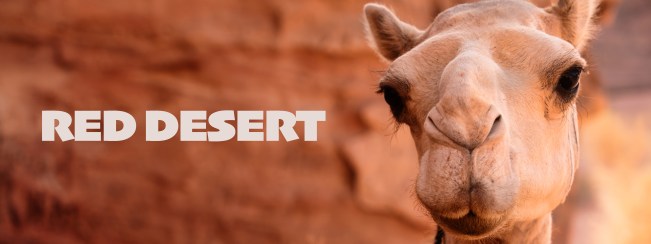
Red Desert

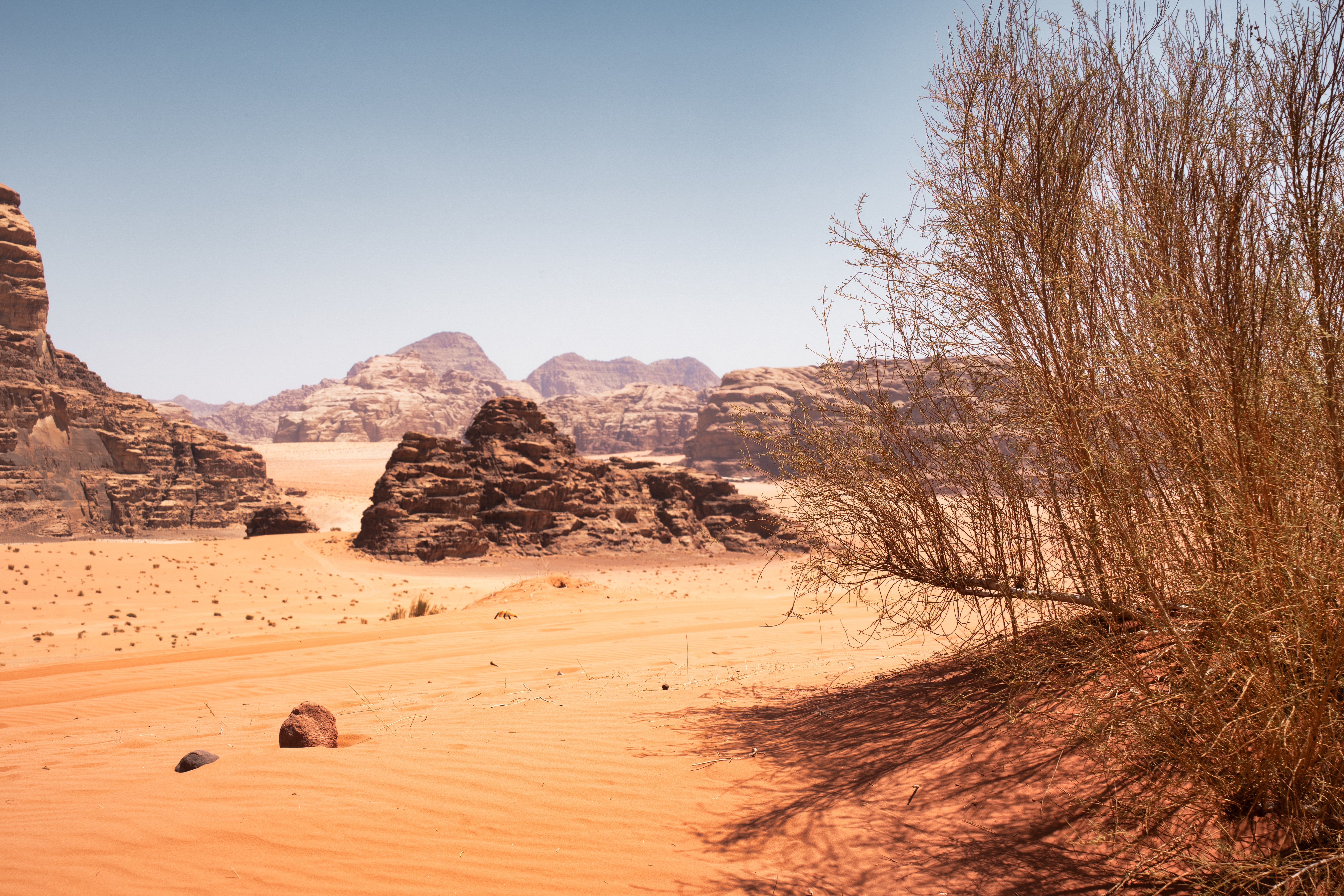
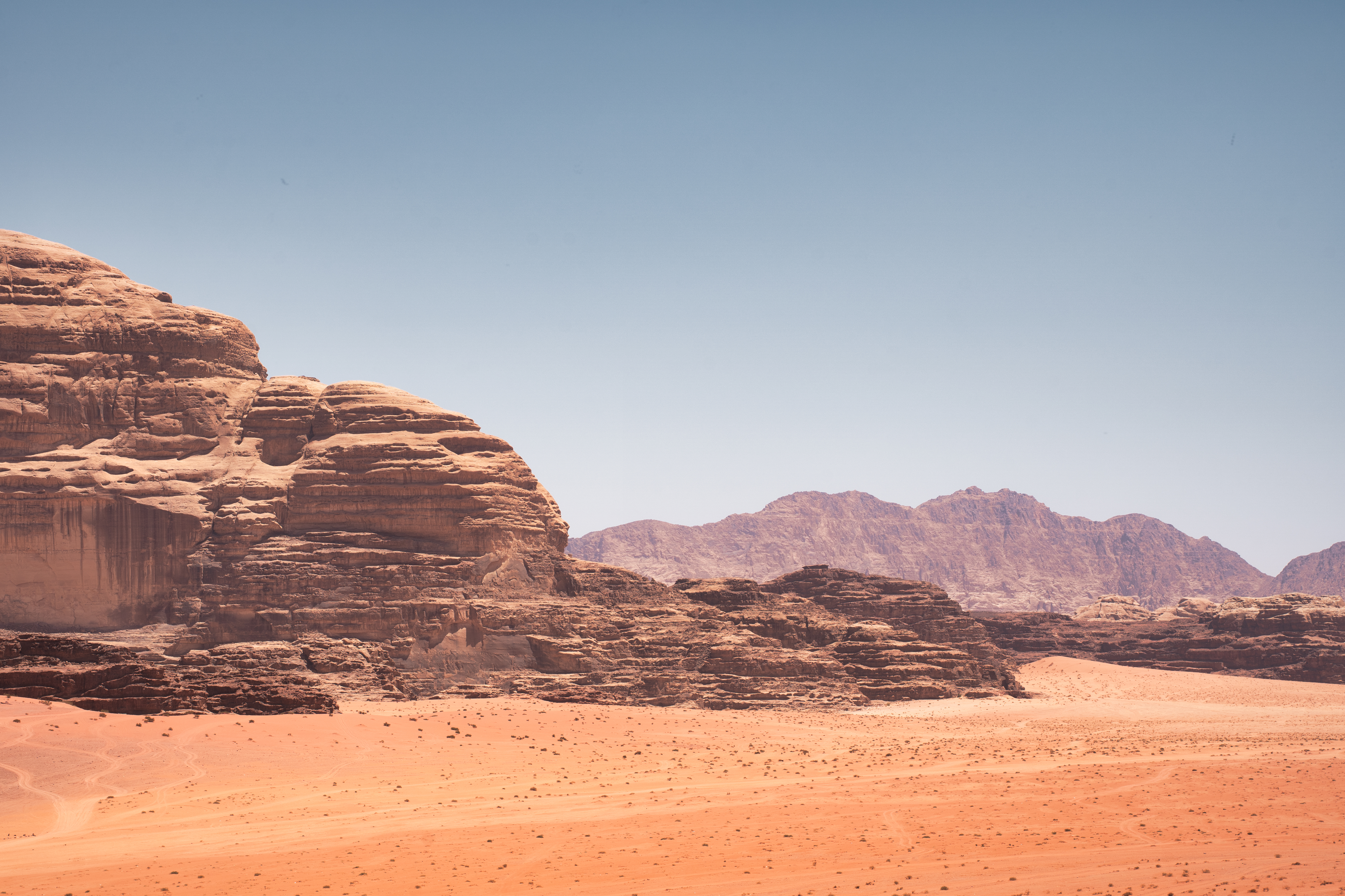
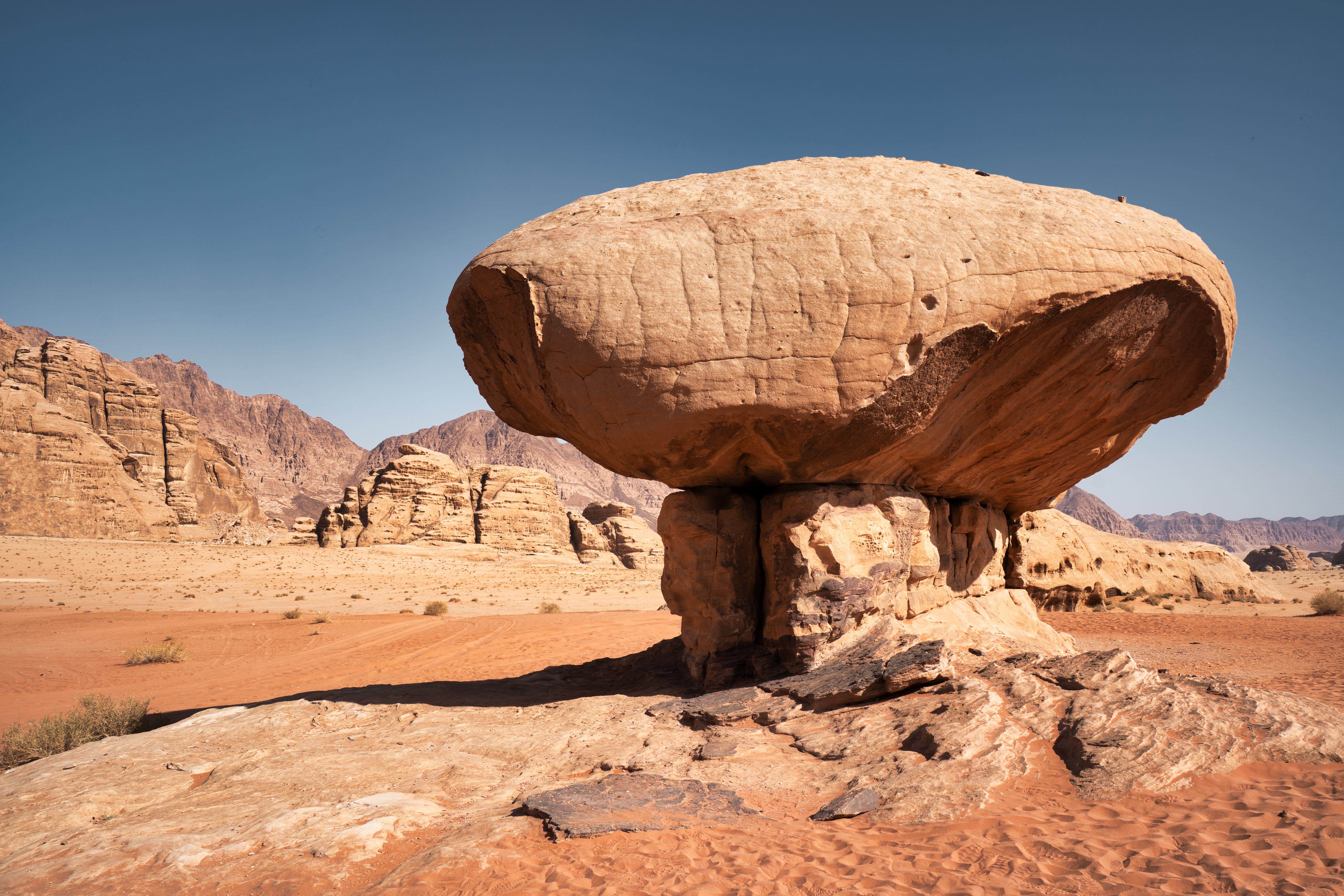
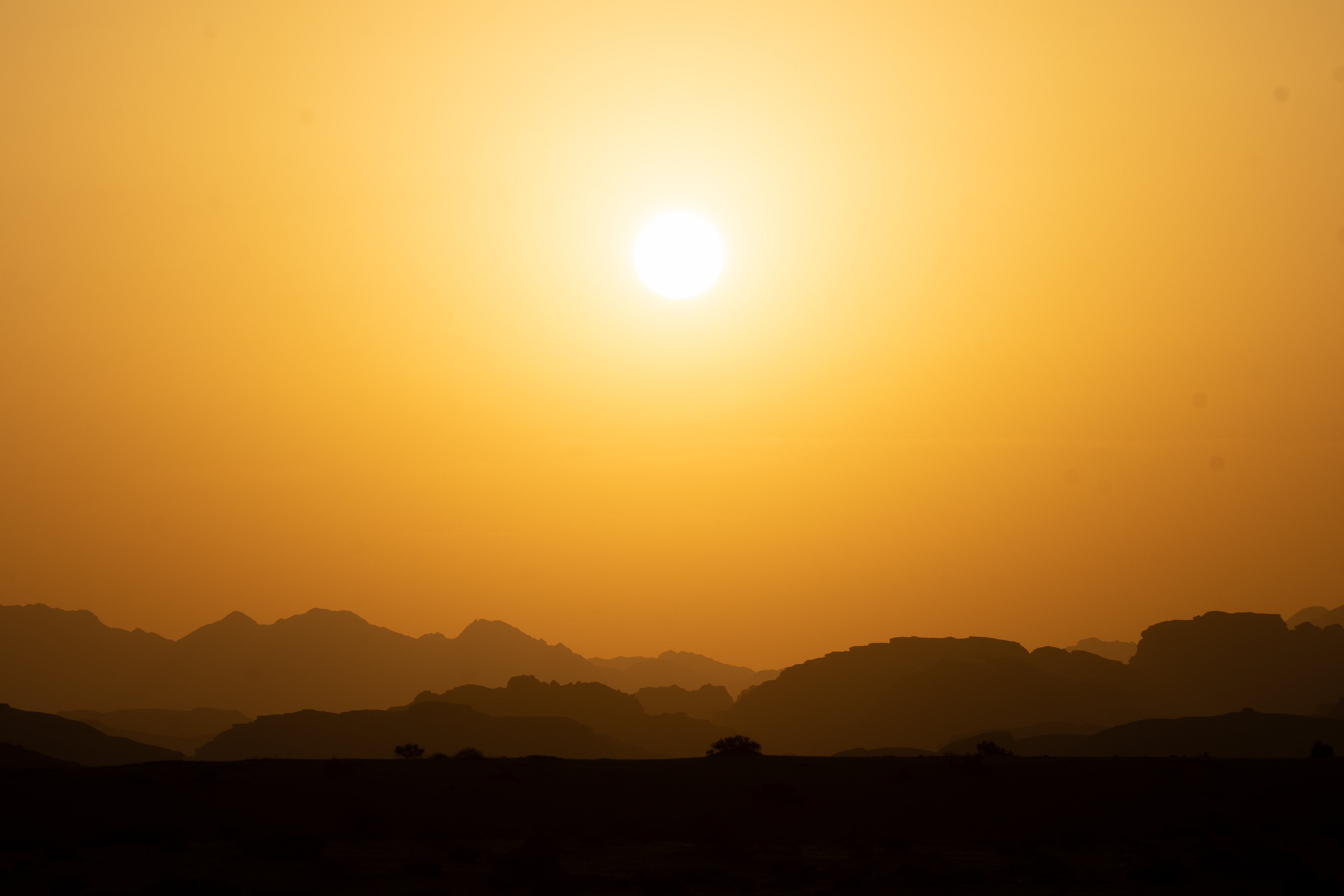
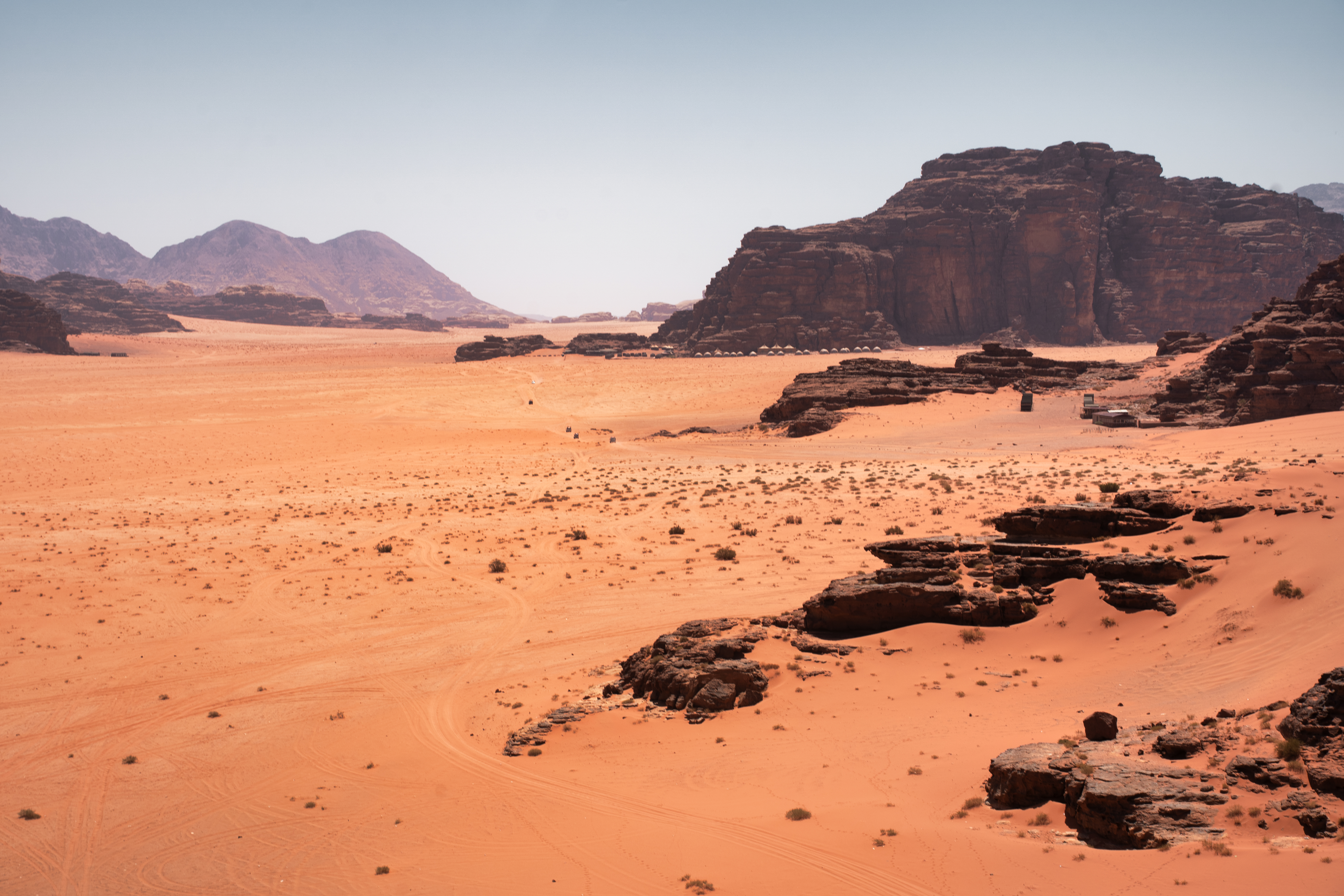
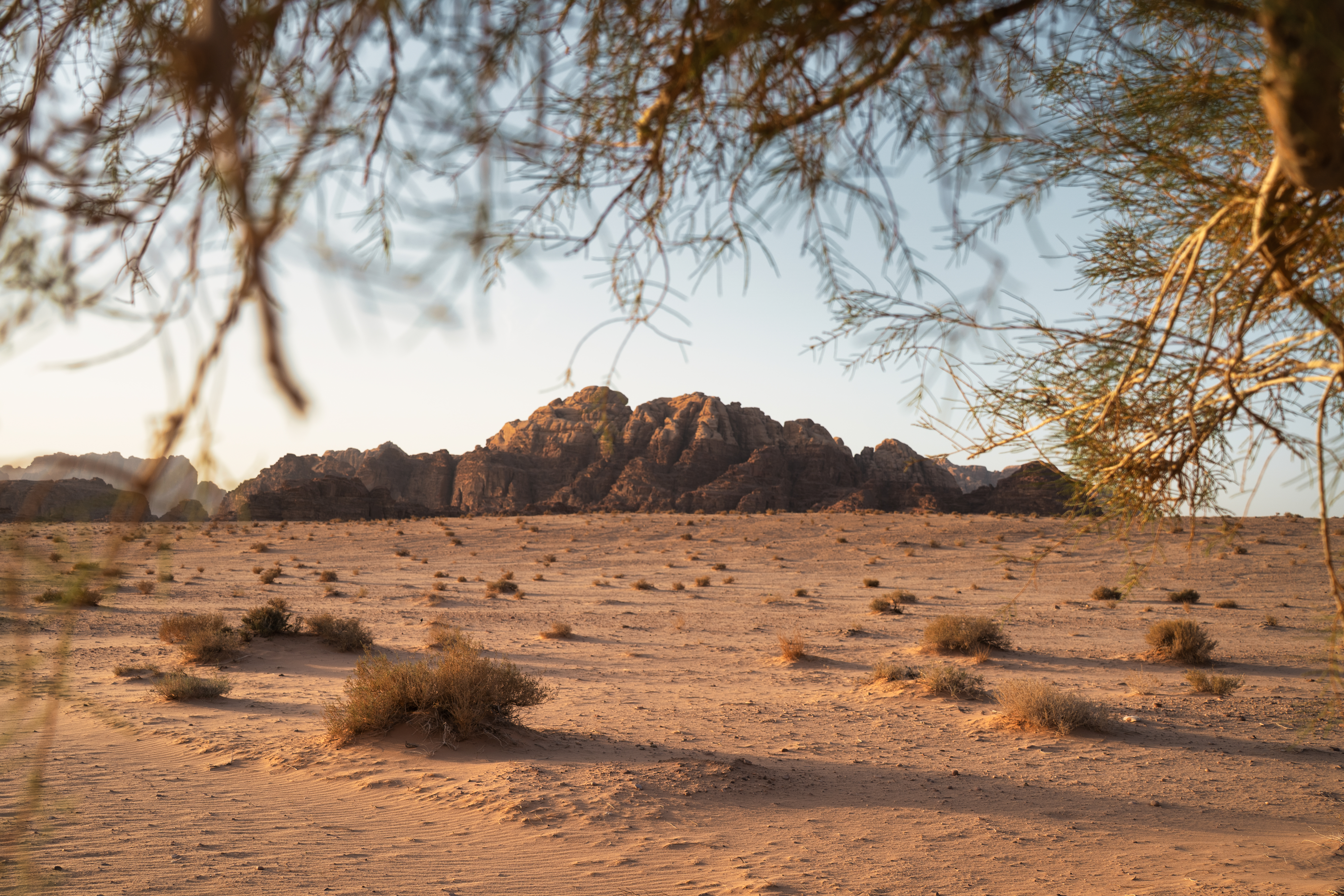
The landscape of Wadi Rum feels more like another world than a corner of Earth. Its towering sandstone mountains, deep craters, and endless red sands create a setting so surreal that it has often been compared to the surface of Mars. Filmmakers have chosen Wadi Rum as a stand-in for alien worlds, but its real beauty lies in the way it blurs the line between the familiar and the extraordinary. Here, the ground shifts from gold to deep rust under the changing light, and the silence is so complete that even footsteps seem out of place. It is a place where the imagination runs free, shaped by wind, time, and the raw forces of nature.
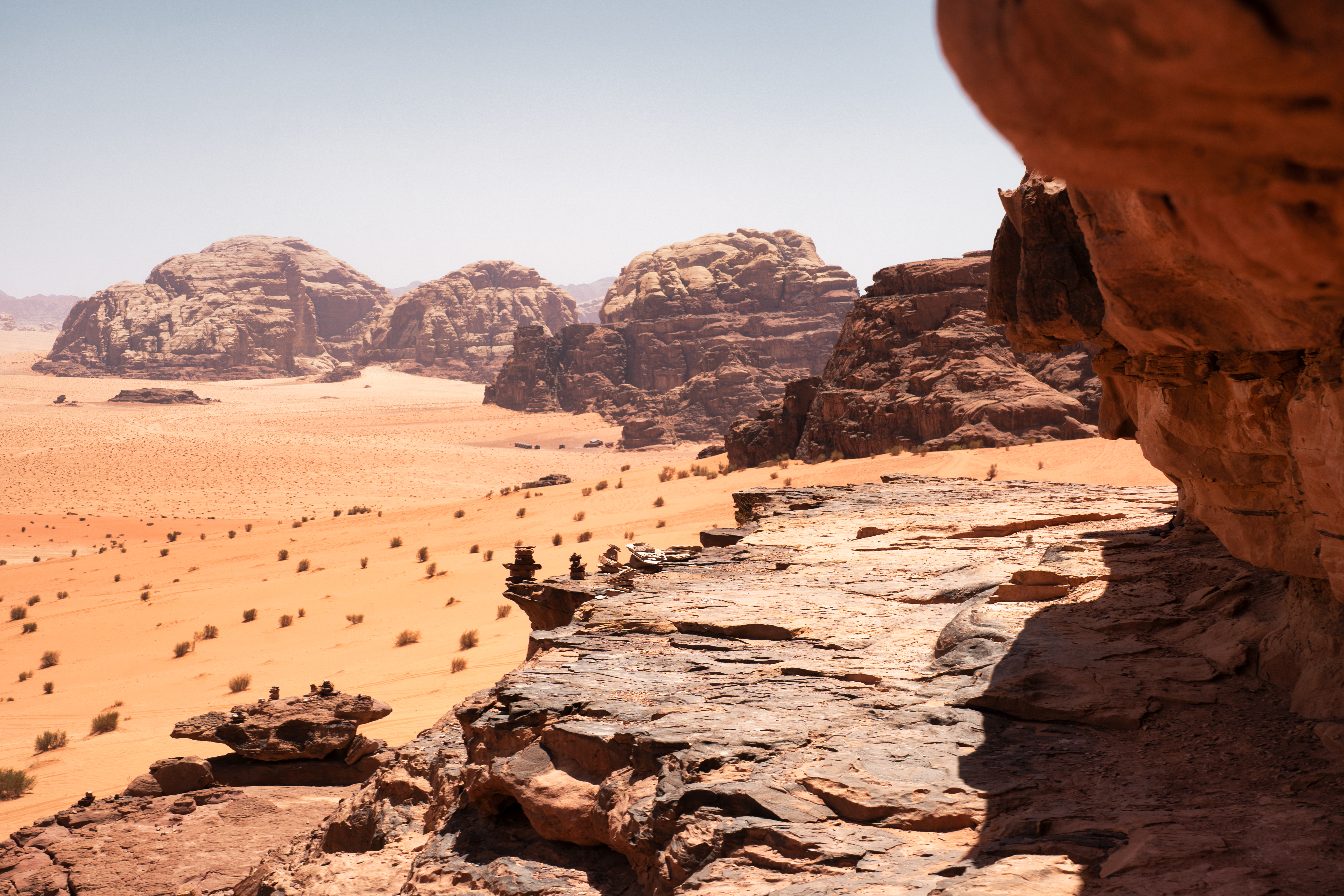
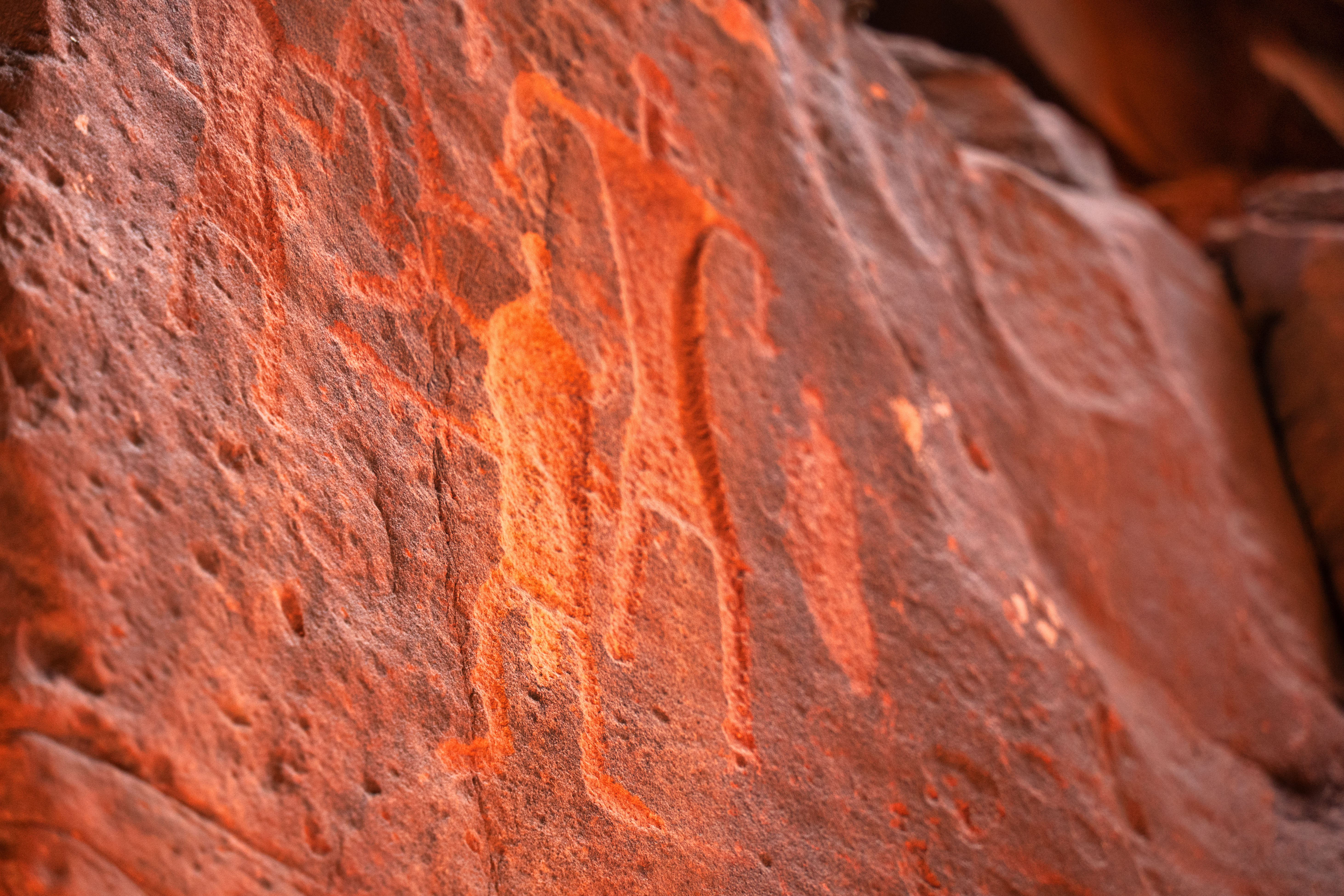
Despite its otherworldly appearance, Wadi Rum is full of stories rooted in Earth’s history. Ancient inscriptions cover the canyon walls, left by peoples who crossed the desert long before modern times. Bedouin camps, blending into the landscape, show how life adapts even in the most extreme environments. The “Red Desert” of Wadi Rum is not just a landscape of isolation; it is a living space where nature, history, and tradition quietly coexist. It reminds visitors that while it may look like another planet, it is deeply connected to human life and endurance.

Details of the Desert

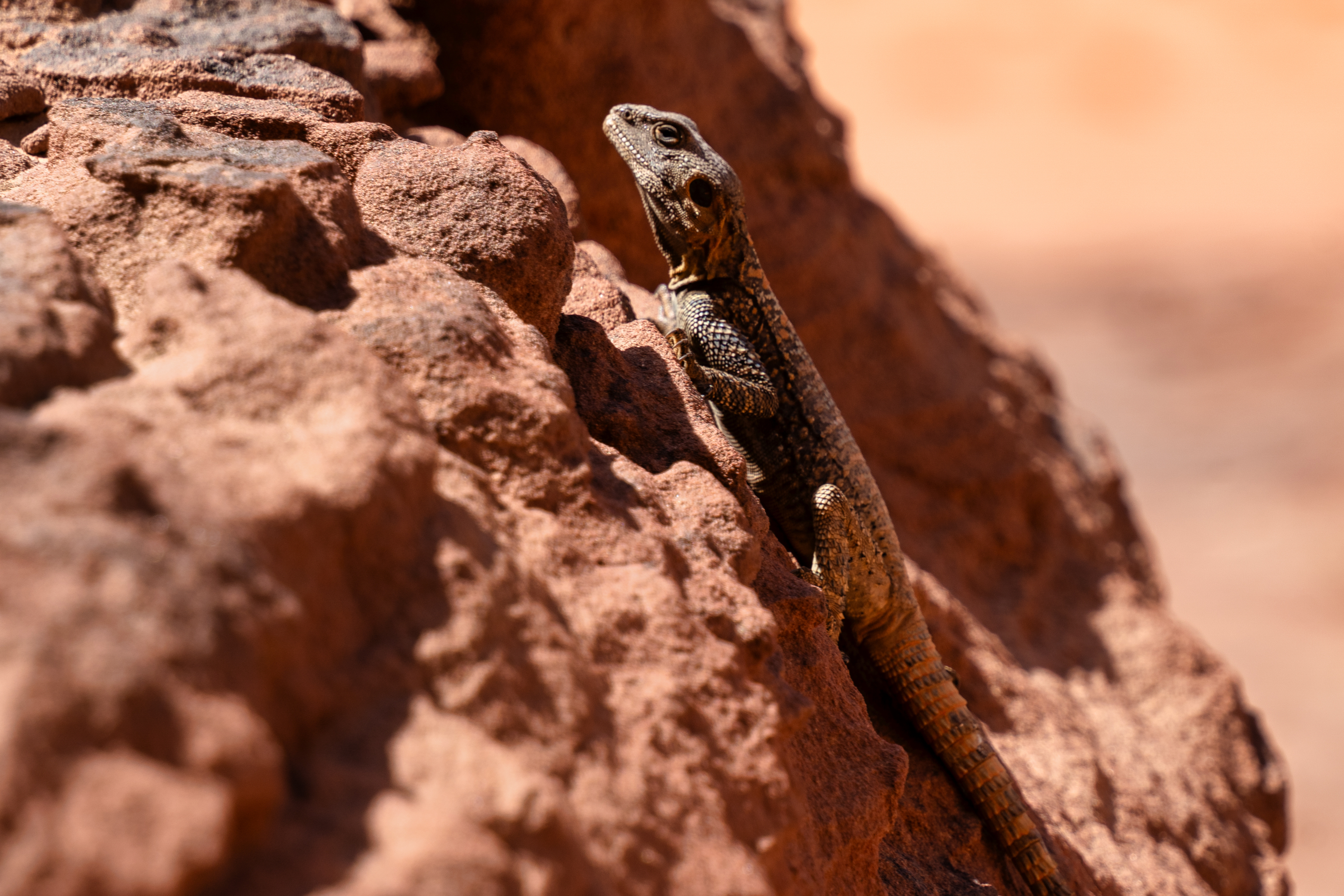
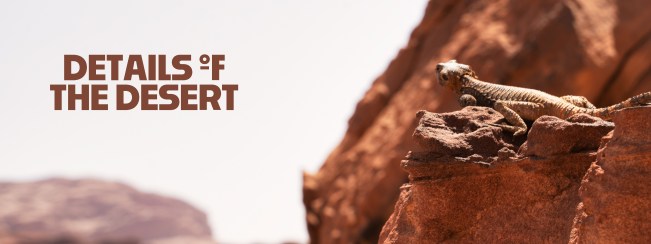
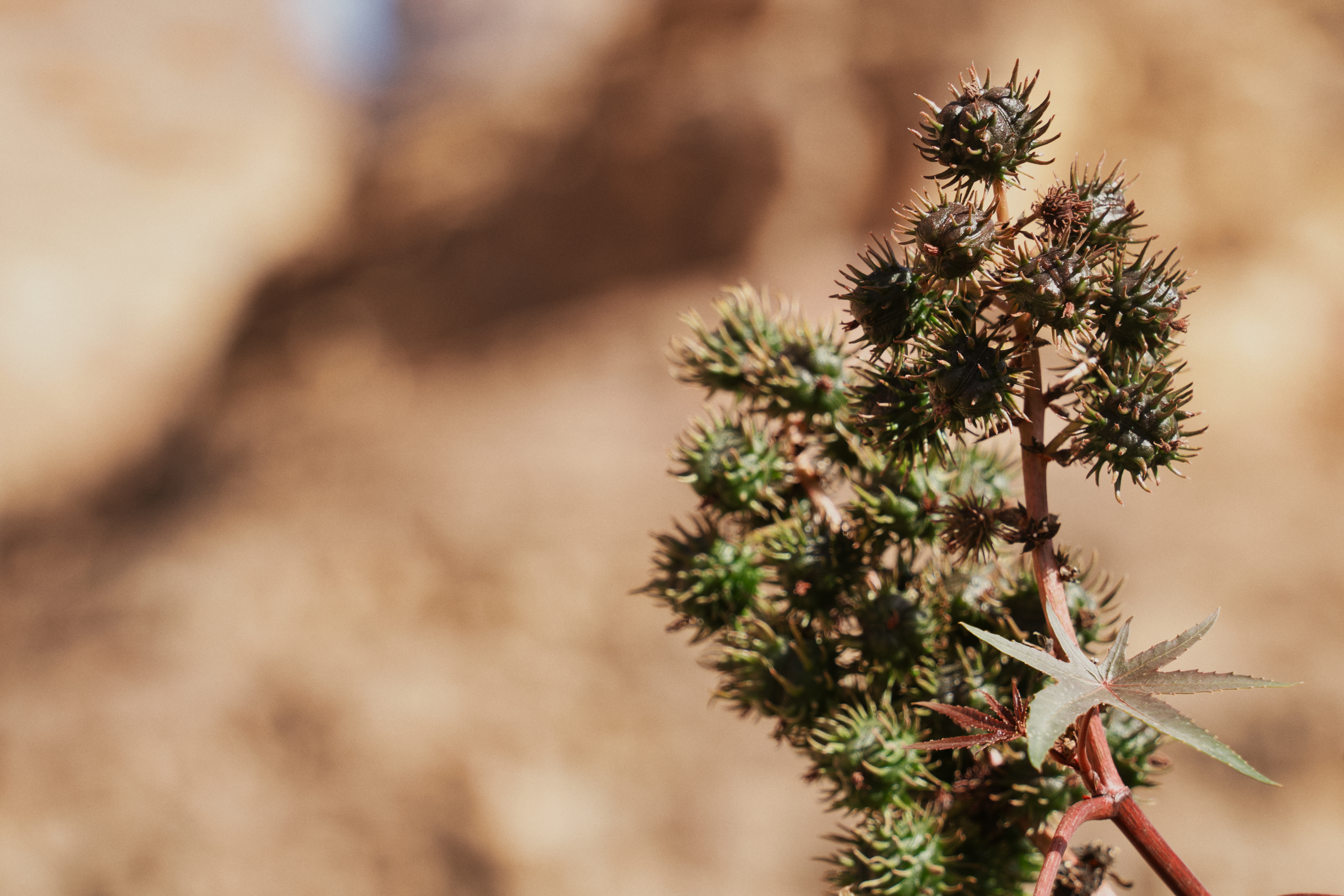
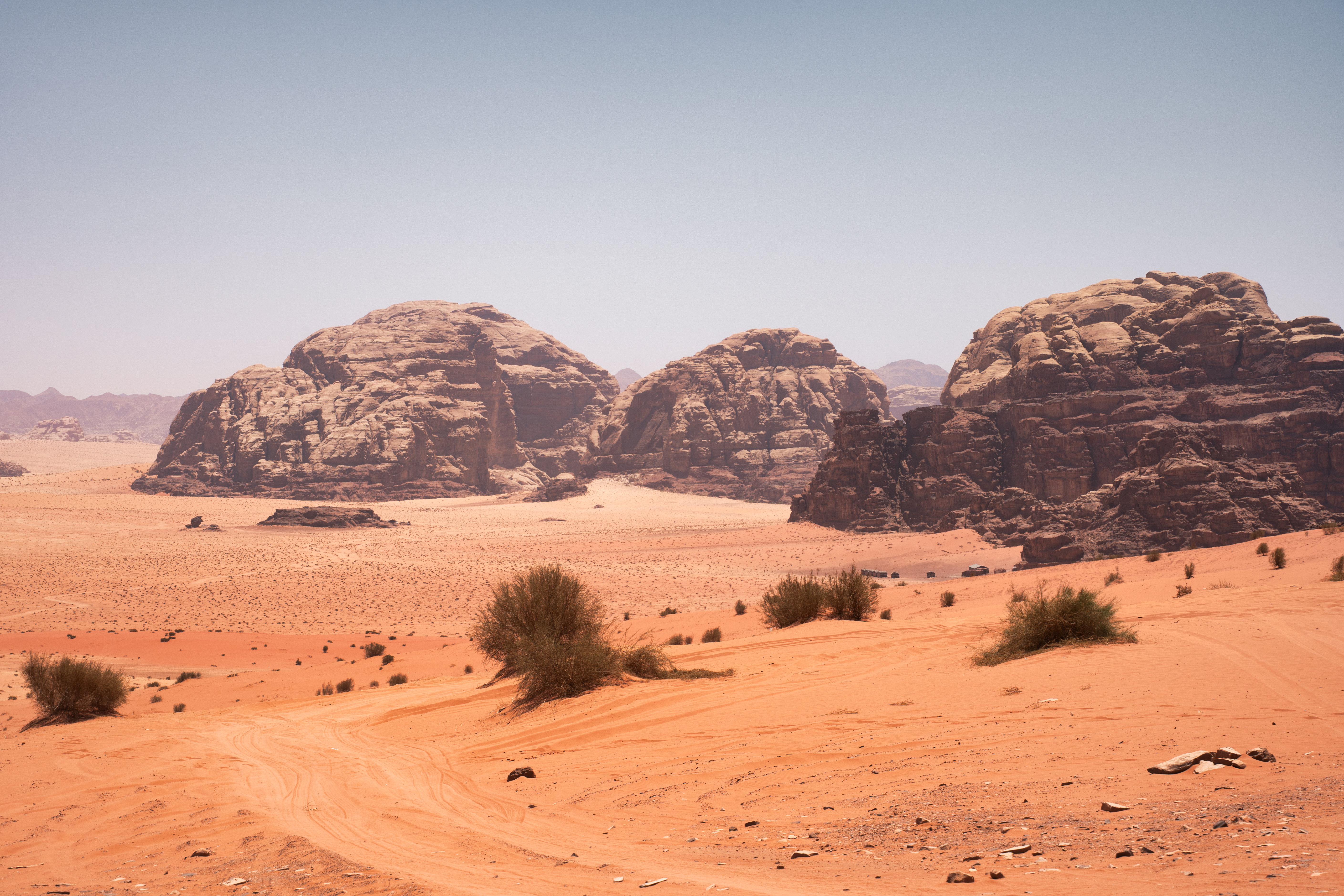
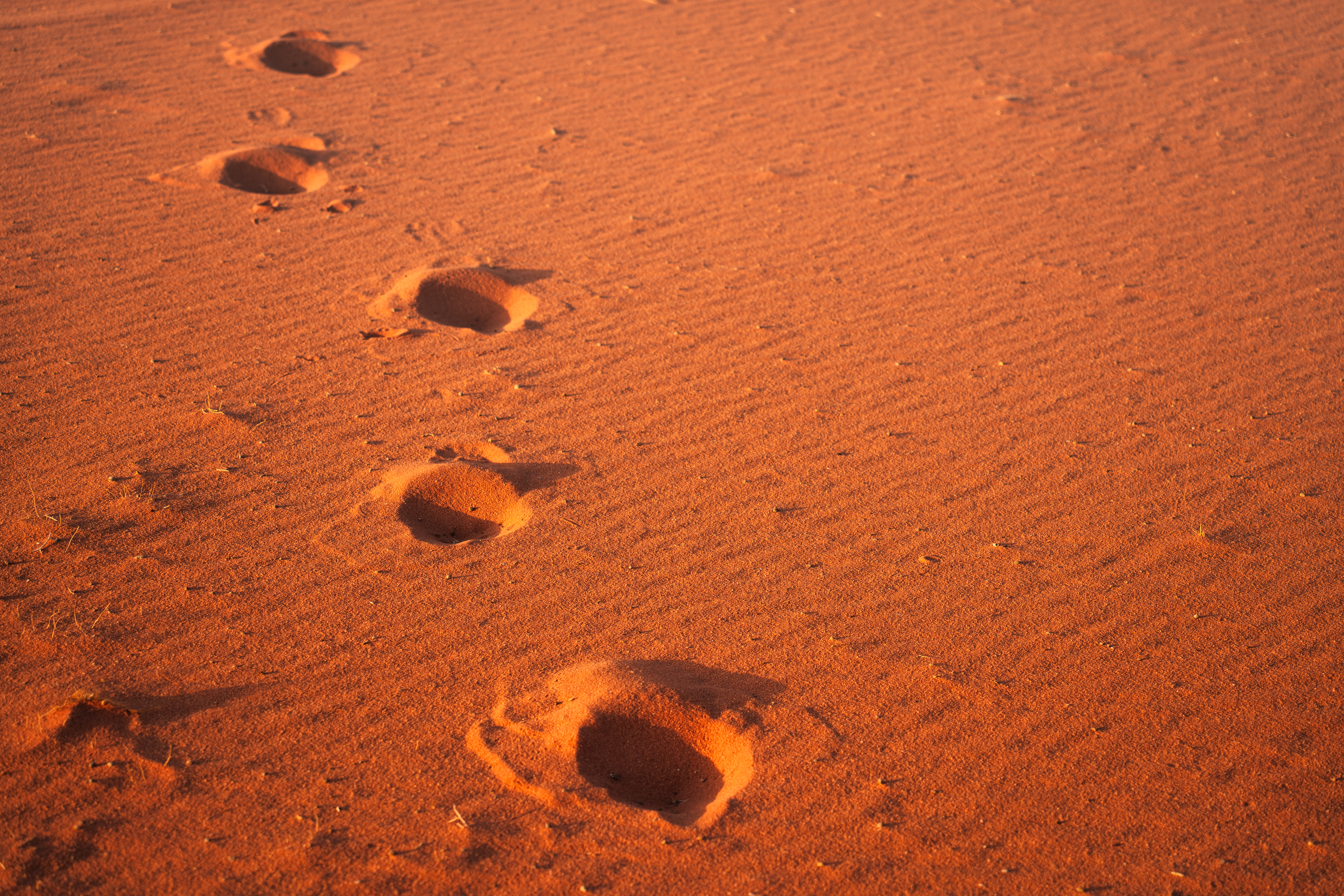
At first glance, Wadi Rum overwhelms with its grand landscapes, but it is in the smaller details that the desert’s true character comes to life. Tiny plants push through cracks in the rocks, surviving against all odds in the dry sand. Delicate tracks left by beetles, lizards, and small mammals weave intricate patterns across the dunes, telling silent stories of life hidden from the harsh midday sun. In shaded canyons, ancient petroglyphs carved into the stone reveal the presence of travelers and traders who passed through long before modern times. Even the texture of the sandstone, worn smooth by centuries of wind, offers a quiet testament to the endless patience of nature.

These small moments often go unnoticed but give Wadi Rum its living, breathing soul. A sudden burst of green after a rare rainstorm, the faint scent of herbs crushed underfoot, or the deep blue of the sky contrasting with the warm earth tones create an experience far richer than the vastness alone suggests. The desert is not empty; it is full of subtle signs and enduring life, each detail forming a piece of a greater, timeless story that continues to unfold in silence across the endless sands.

Wandering the Desert

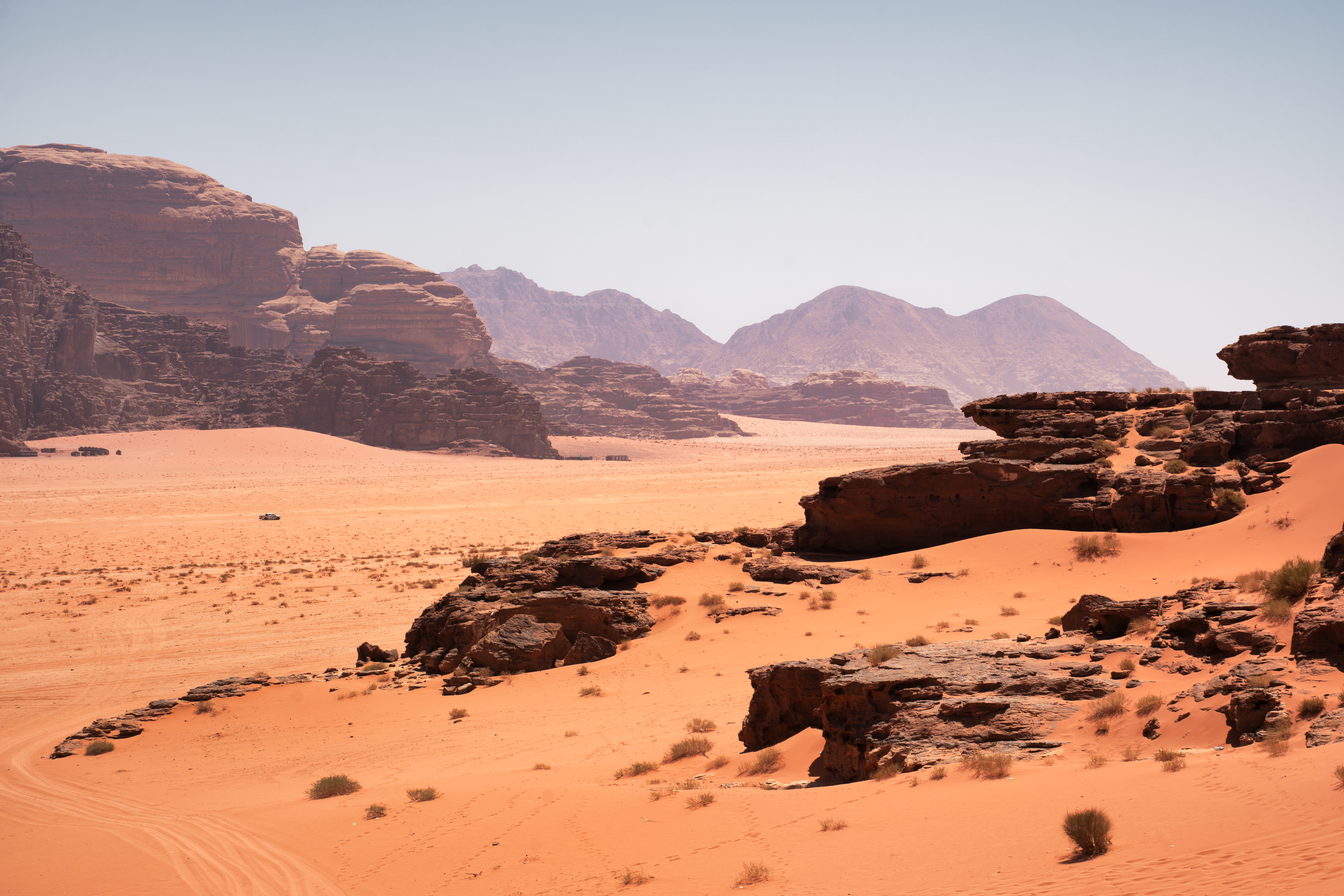
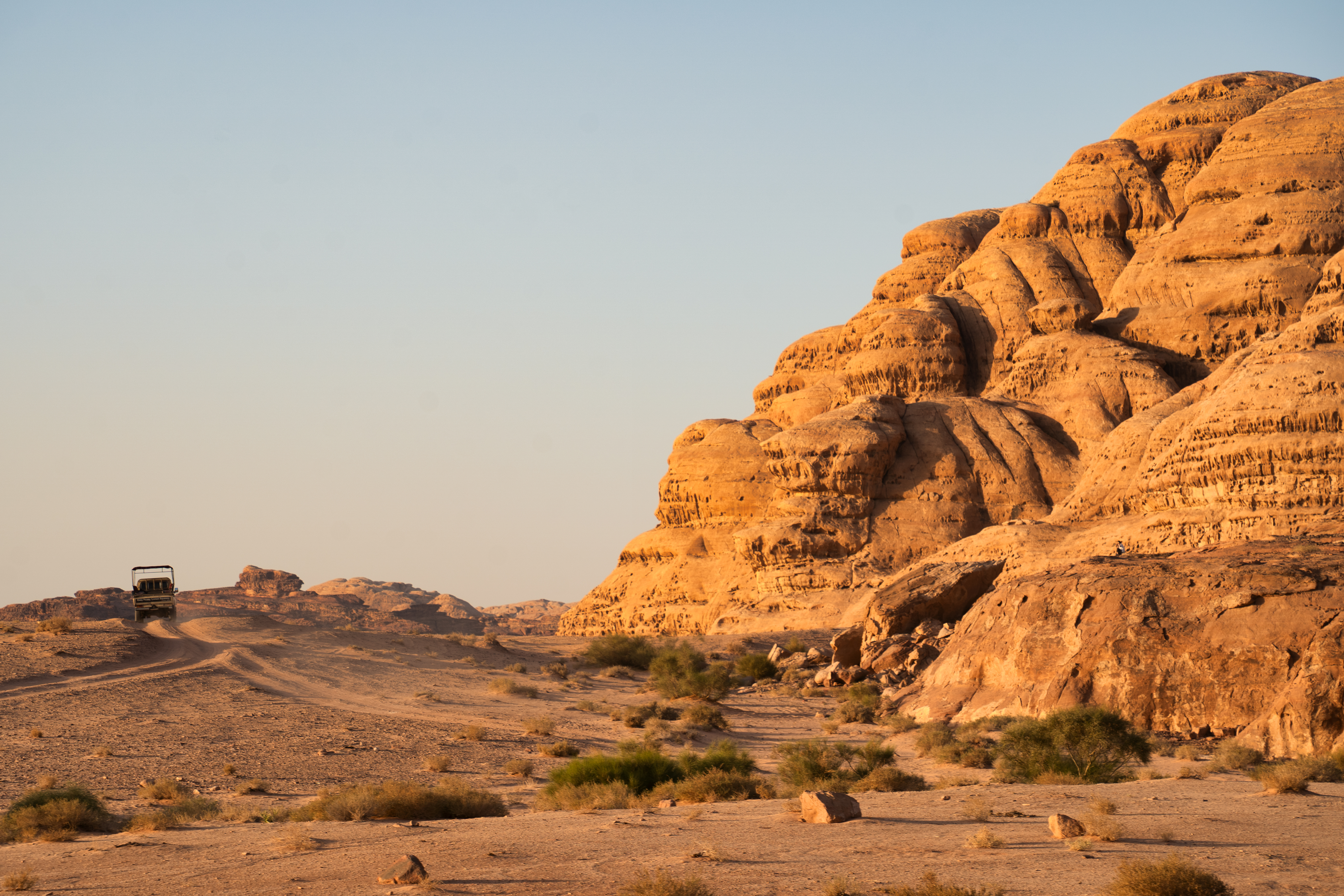
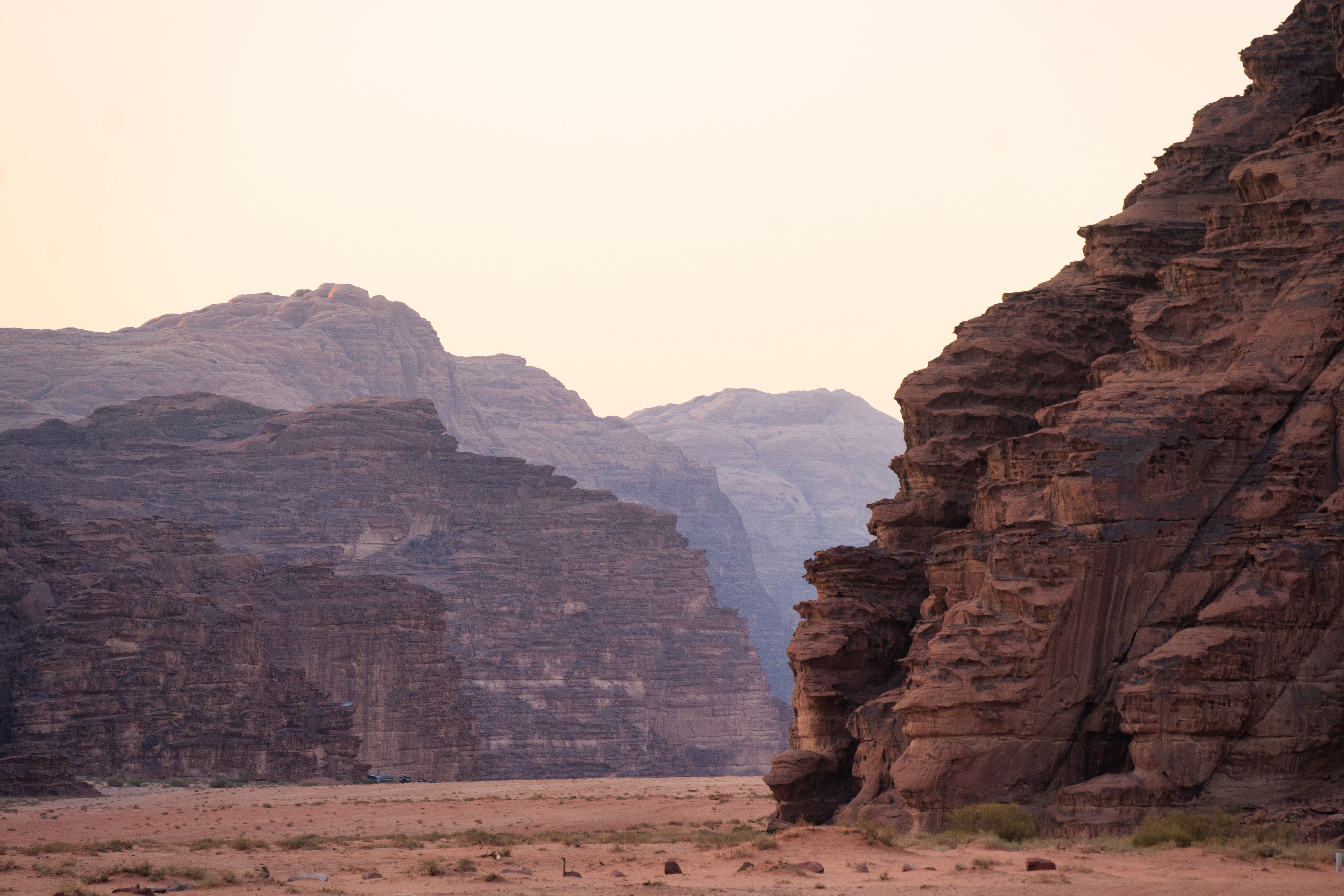
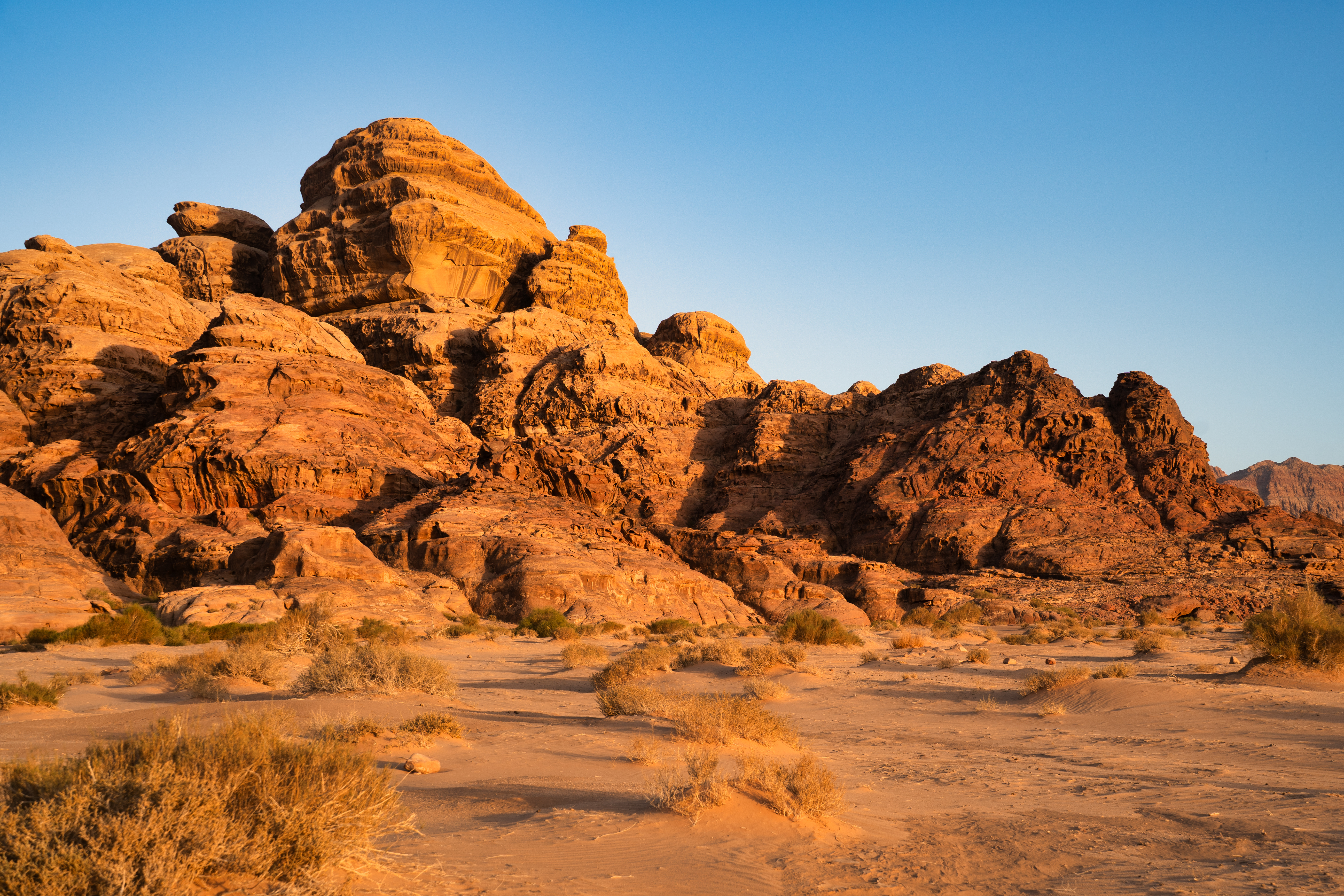
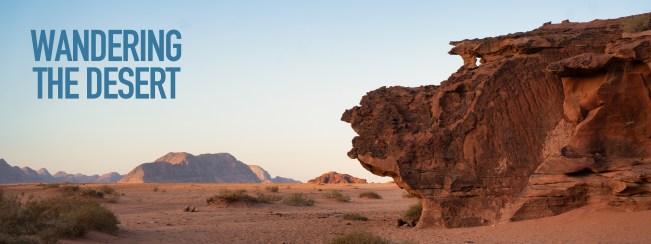
Wadi Rum stretches out like an endless, silent ocean of sand and stone. Its towering cliffs, narrow canyons, and sweeping valleys create a landscape that feels almost untouched by time. Wandering through this desert means moving through a place where nature has shaped every curve and color. The wind carves patterns into the sand, the sun paints the rocks in shades of gold and crimson, and at night, the sky becomes a deep tapestry of stars. Each step across the open land reveals a new perspective, from ancient inscriptions hidden on canyon walls to unexpected springs that gave life to travelers long before roads were drawn on maps.

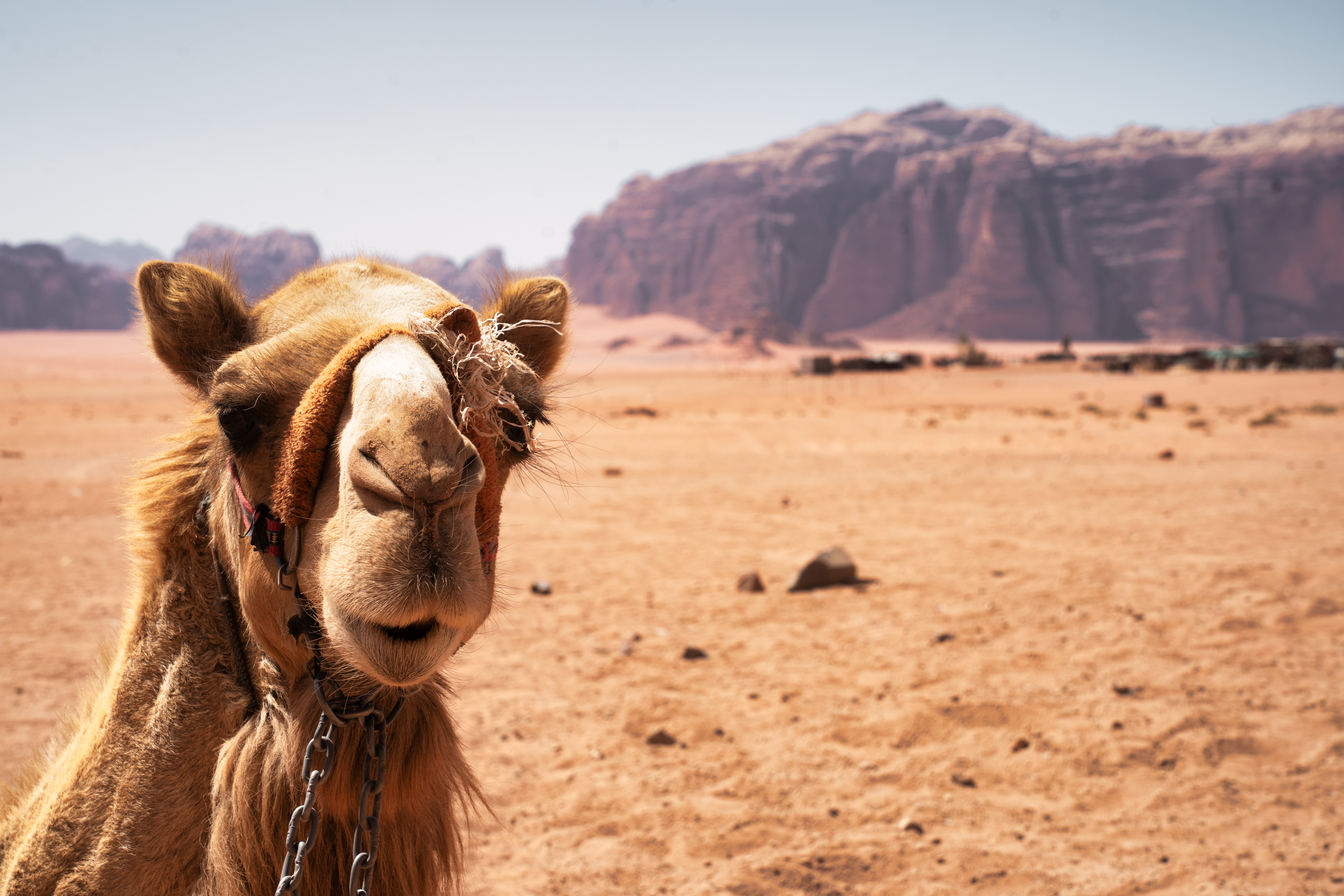
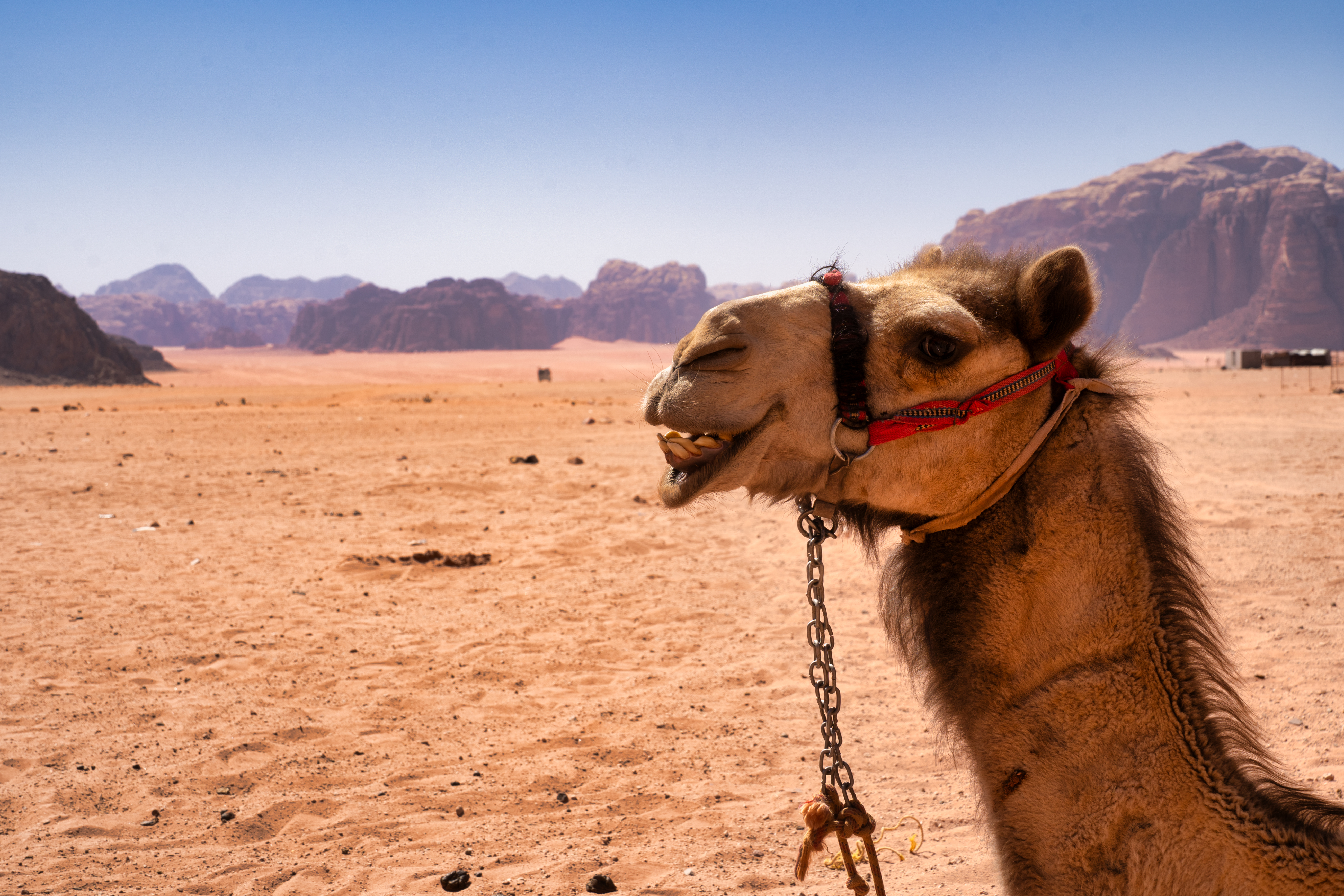
The beauty of Wadi Rum lies not just in its dramatic scenery, but in its feeling of absolute freedom. There are no cities here, no noise beyond the whisper of the wind and the tread of camels across the dunes. Bedouin camps offer simple shelter and warm hospitality, carrying on traditions that have lasted for centuries. Whether crossing the desert by foot, jeep, or camel, the journey through Wadi Rum is not about reaching a destination. It is about the experience of moving through vast, open spaces where the modern world feels distant and the connection to nature and history feels close at hand.

Traces of the Bedouin

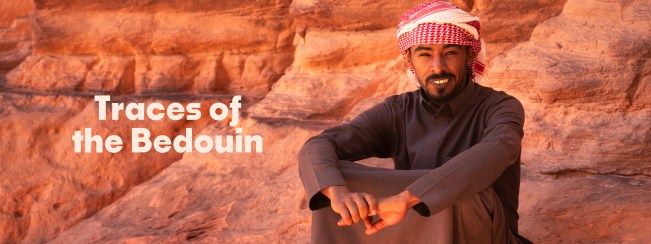
Life in the Wadi Rum desert is shaped by the rhythms of the land — the rising and setting sun, the shifting sands, and the rare but welcome rains. For generations, Bedouin tribes have adapted to this harsh environment, building a culture rooted in resilience, hospitality, and deep knowledge of the desert. Traditionally living in goat-hair tents and moving with their herds, the Bedouins developed skills essential for survival, such as finding water in hidden springs and navigating the open wilderness by the stars. Every mountain, canyon, and rock formation in Wadi Rum carries a story passed down through songs and oral traditions.

Today, many Bedouins continue to live in Wadi Rum, blending tradition with the realities of the modern world. Some have opened their desert camps to visitors, offering a glimpse into their way of life through shared meals, camel rides, and evenings by the fire under a canopy of stars. Despite changes brought by tourism and technology, the spirit of the Bedouin remains strongly tied to the desert. Their connection to the land, their sense of community, and their respect for the natural world continue to leave traces across Wadi Rum, visible not just in the landscape, but in the enduring customs that have been carried forward through time.

1 2 4