Skip to content

Road to Mecca

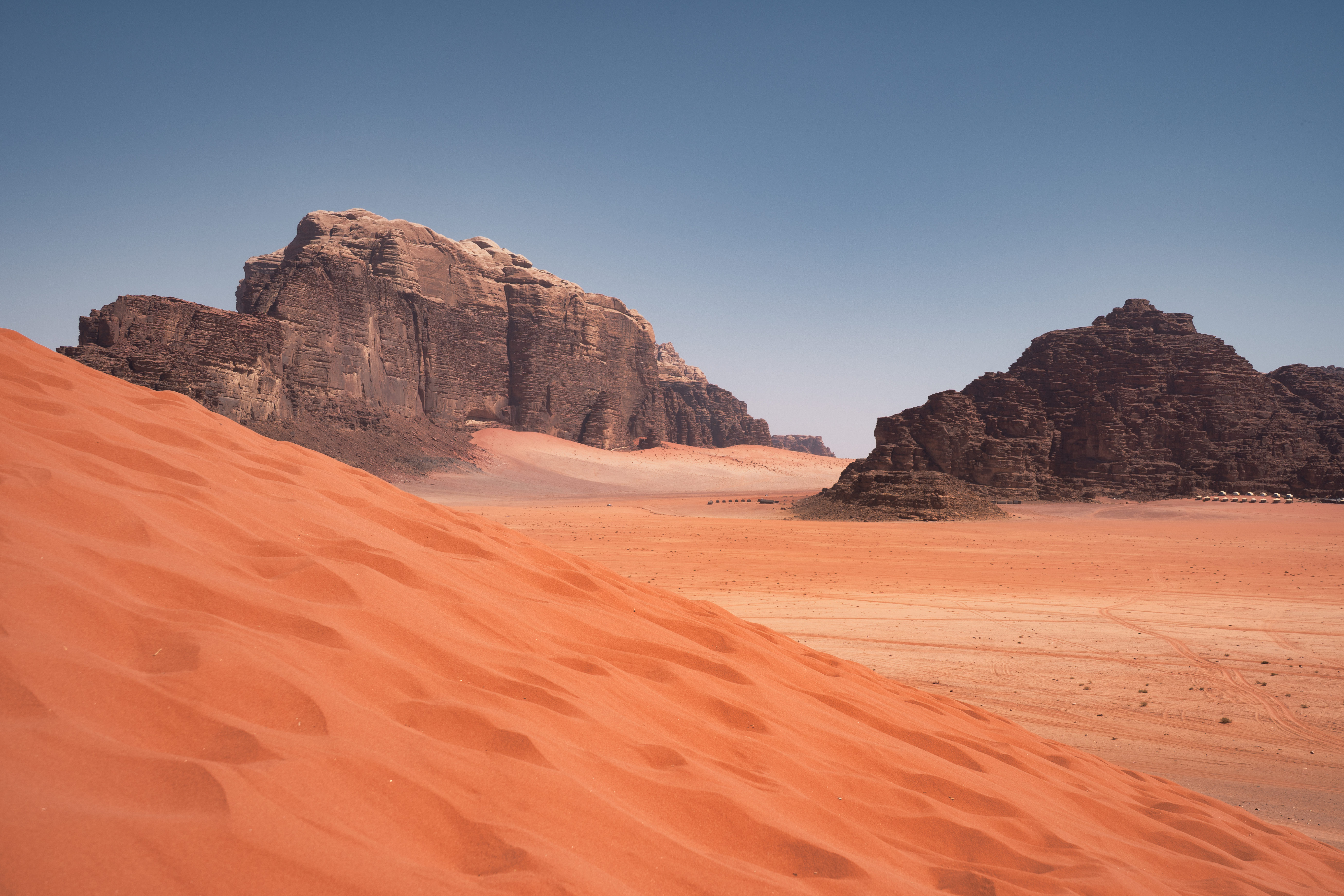
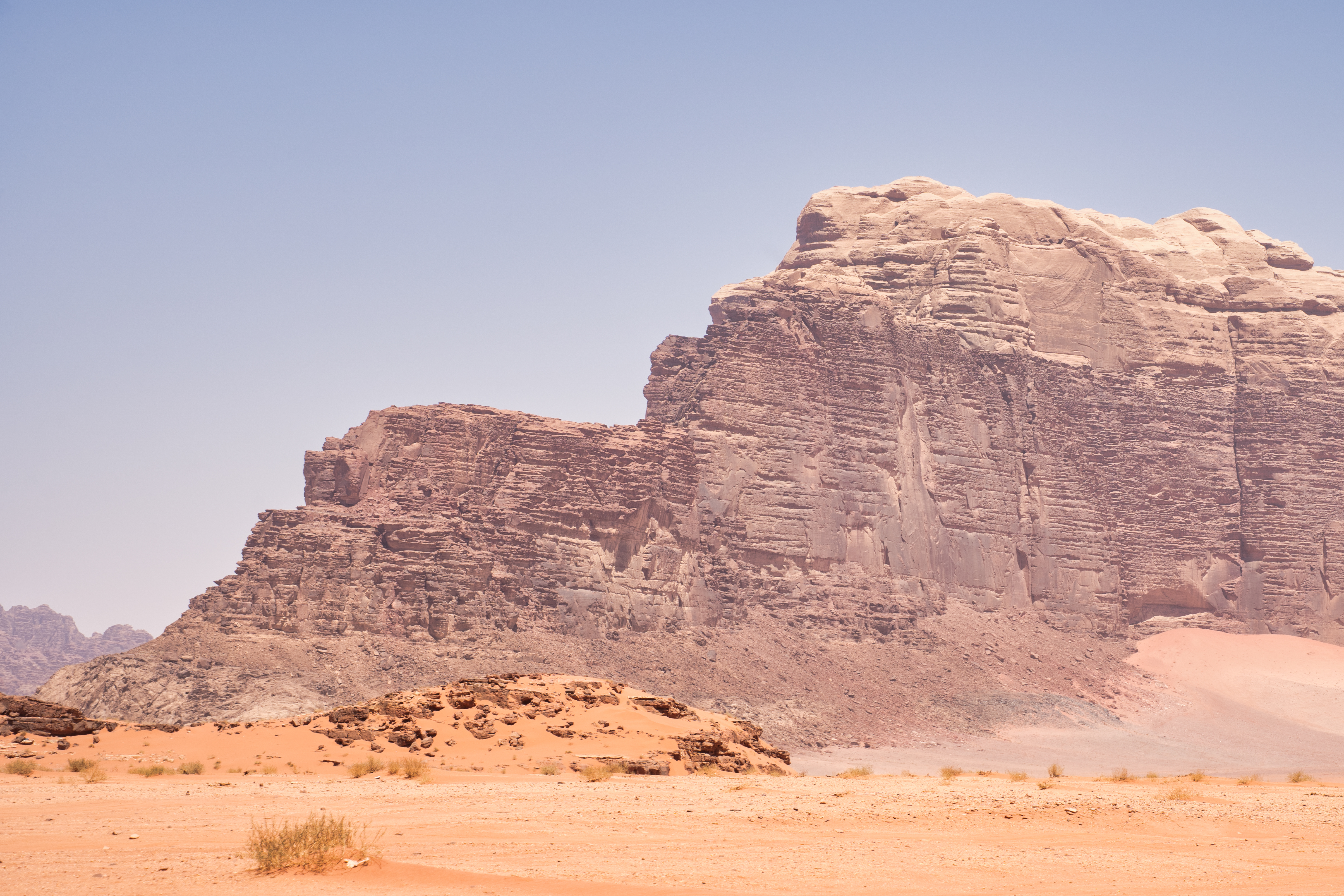
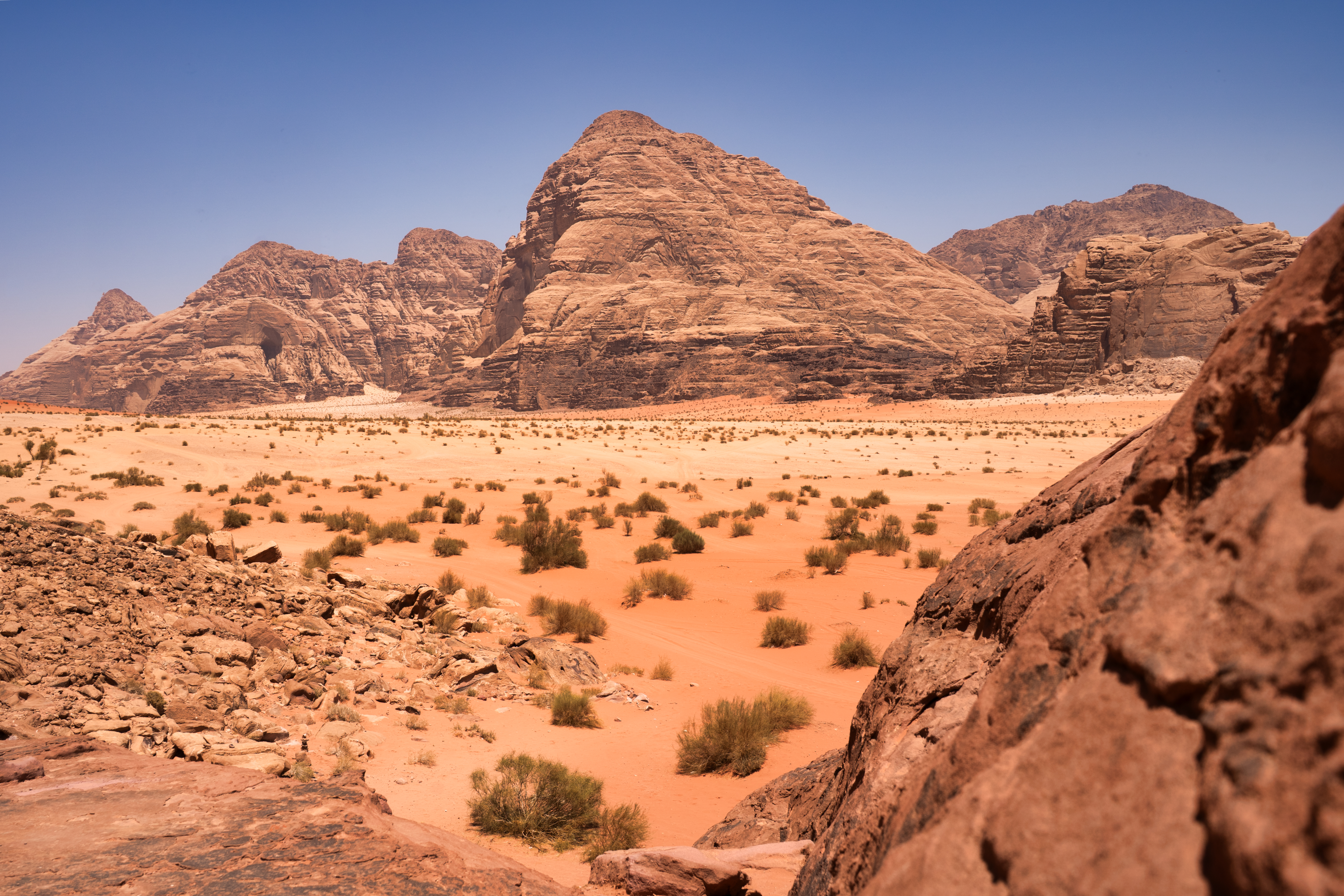
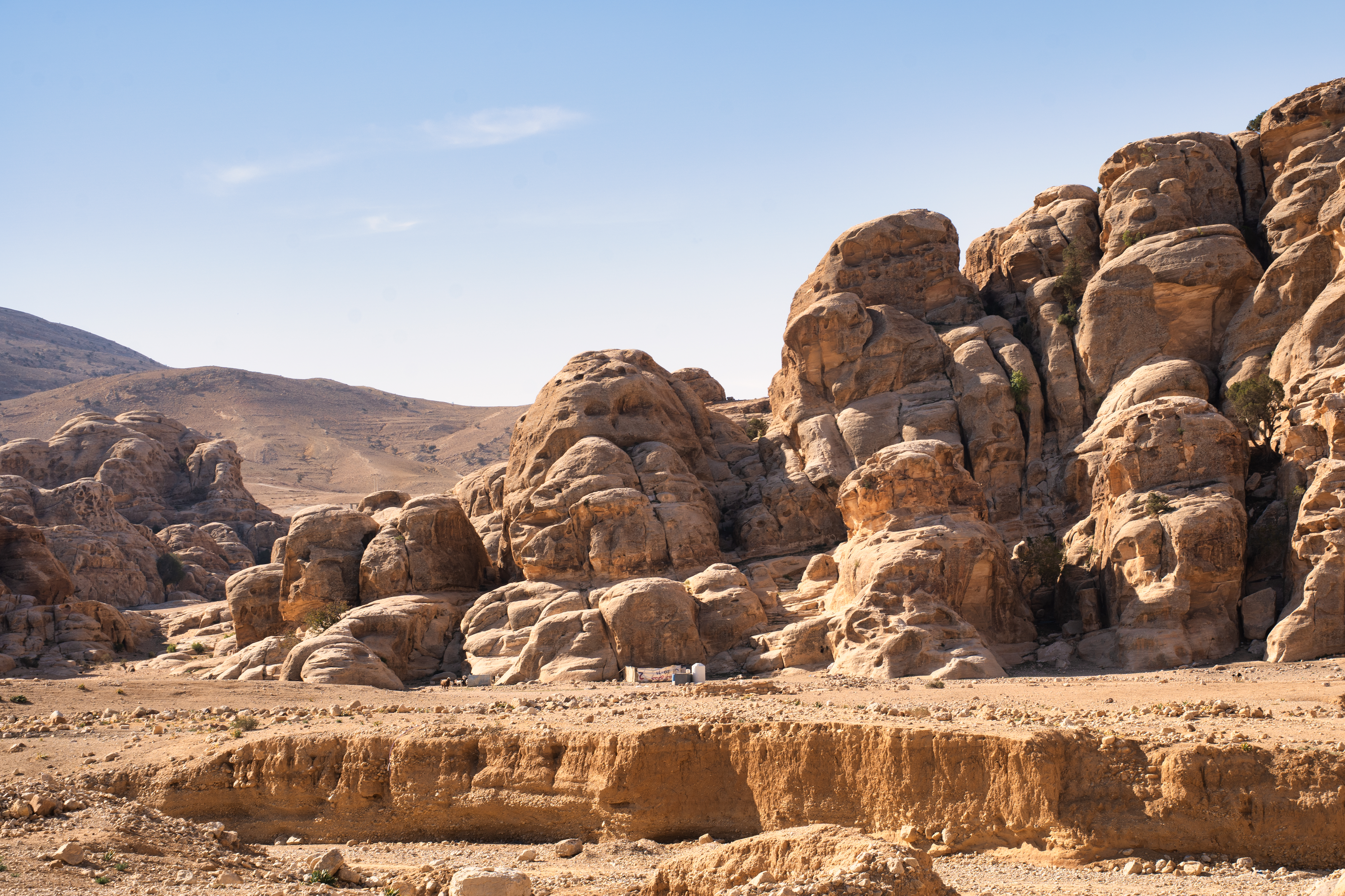
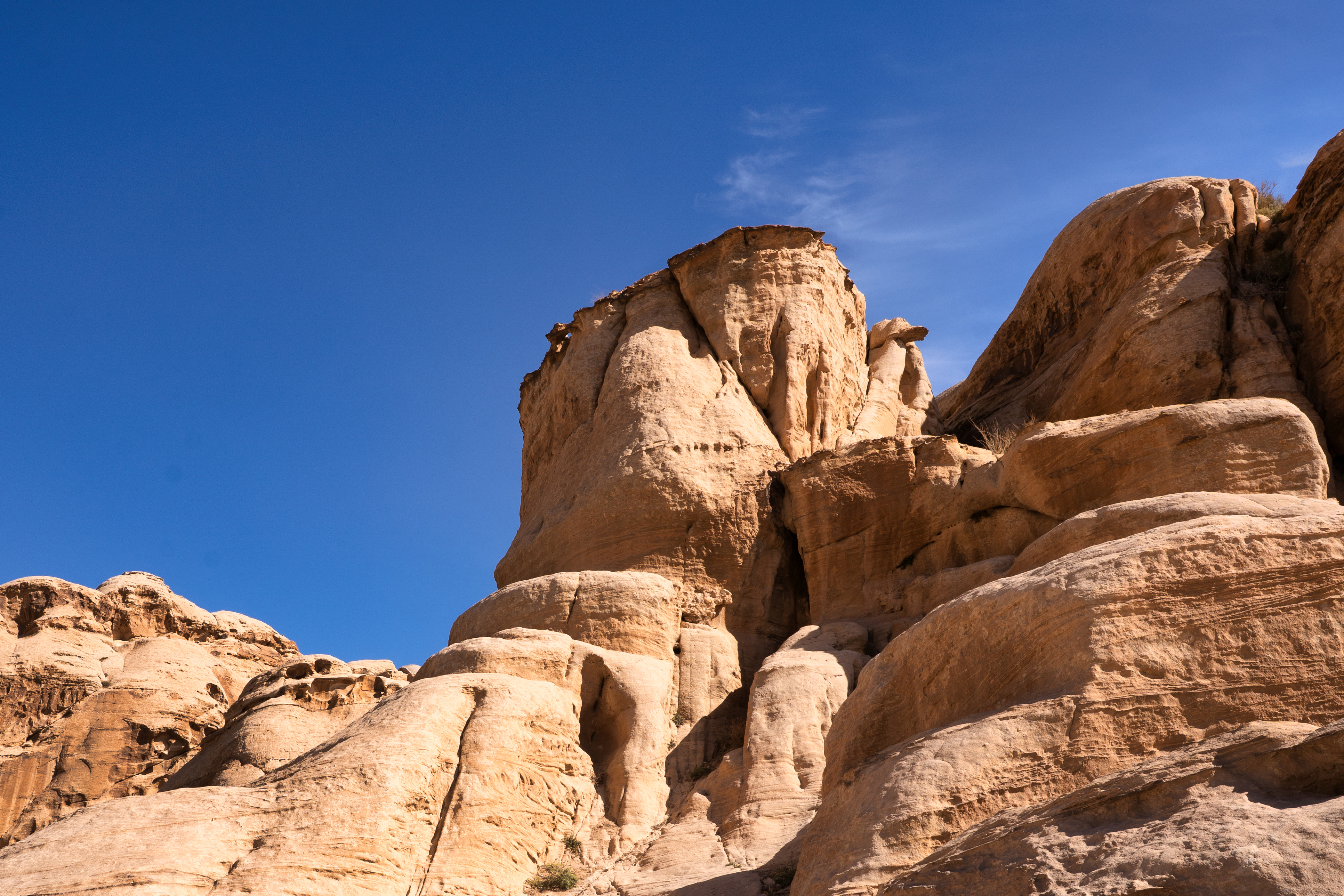
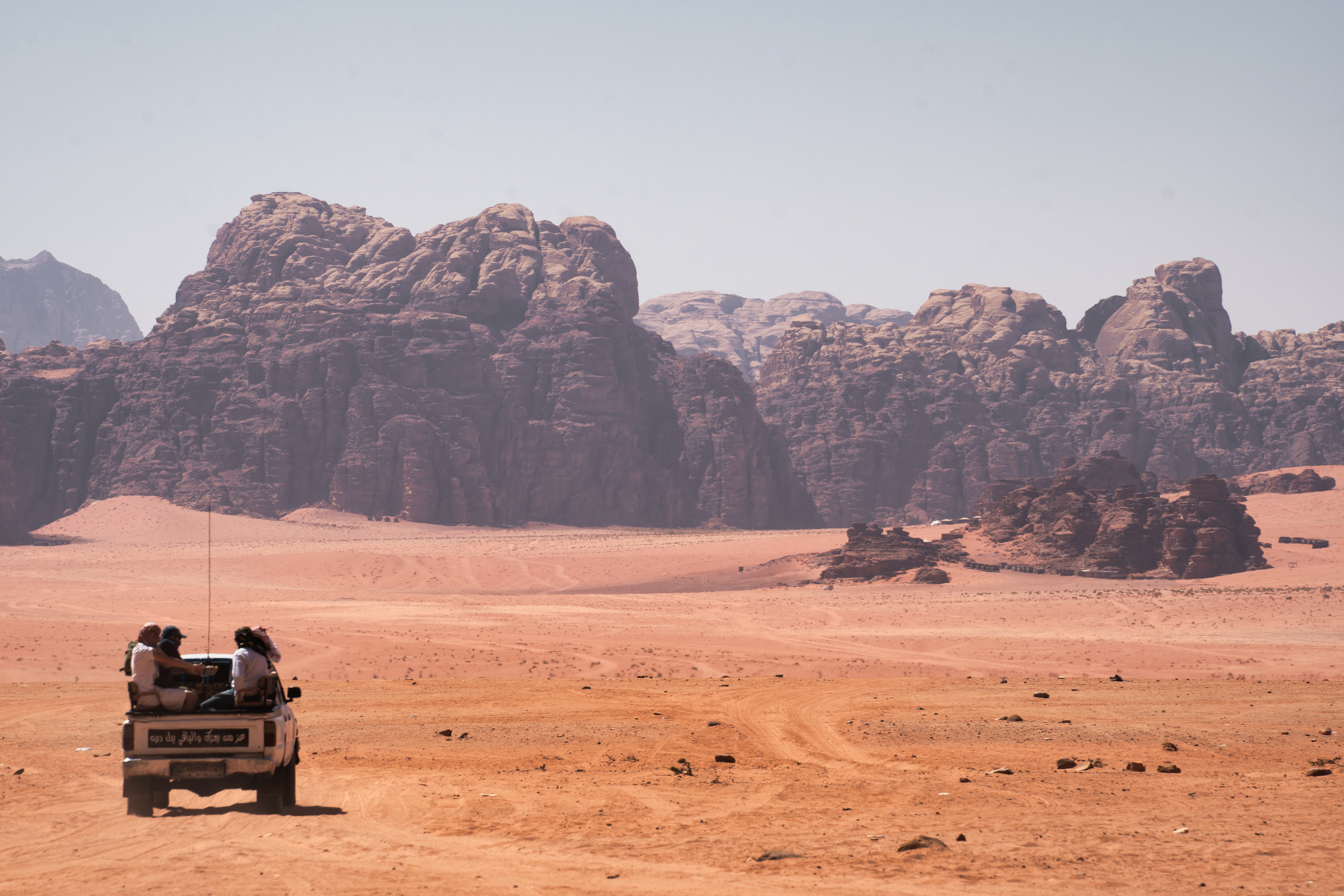
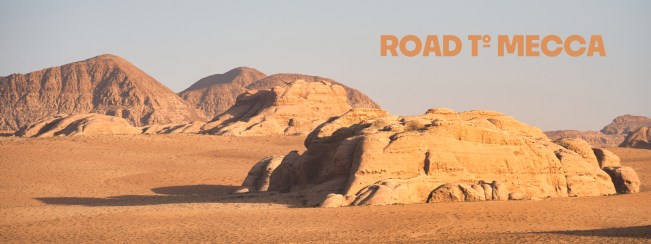
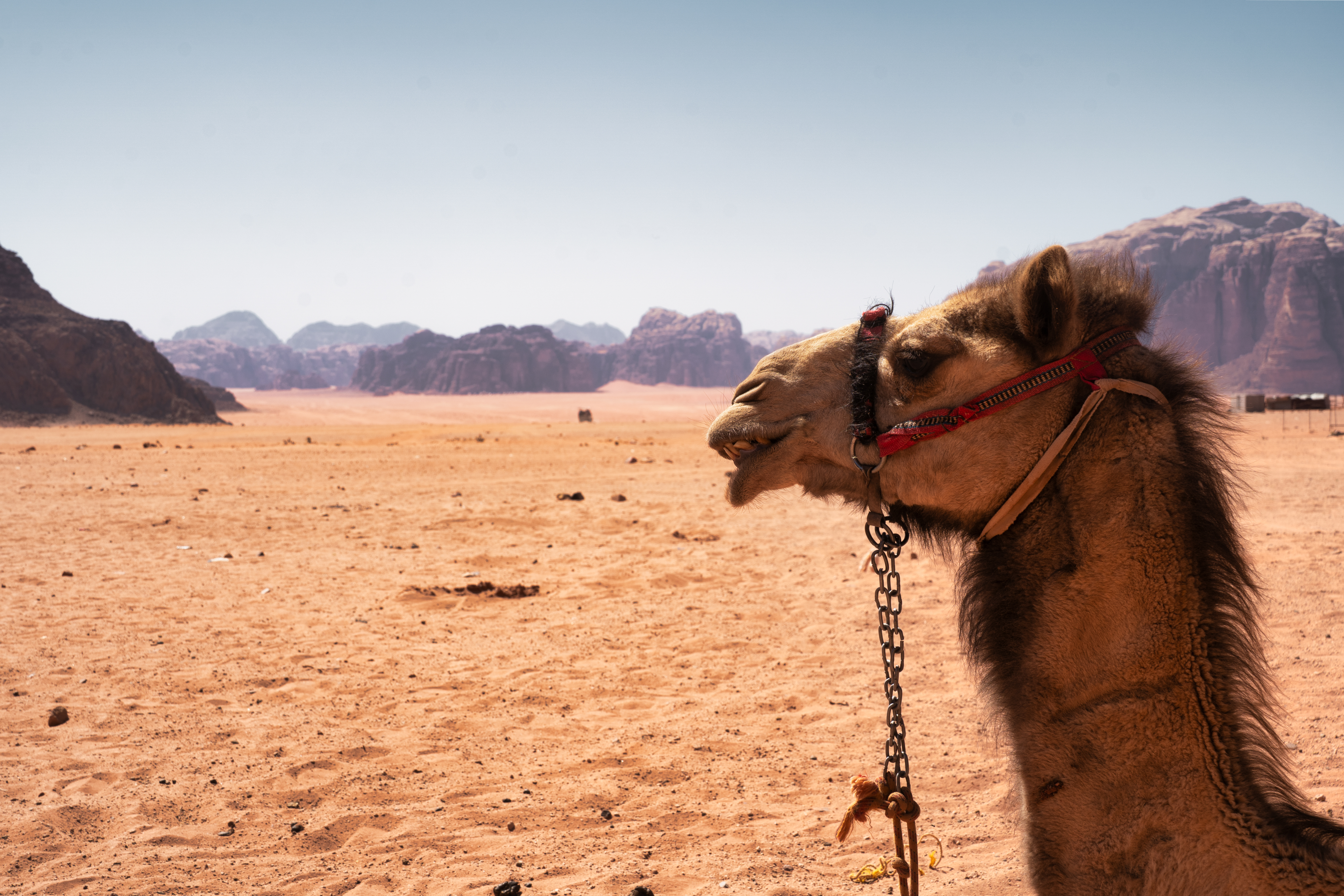
Stretching across southern Jordan, Wadi Rum is a vast desert landscape often called the Valley of the Moon. Towering sandstone mountains, sweeping dunes, and narrow canyons define this ancient region, which has been crossed by traders, pilgrims, and nomads for thousands of years. For many, Wadi Rum was not just a home but a vital part of the road to Mecca, serving as a resting place for caravans heading toward the holy city. Petroglyphs and inscriptions left on the rocks offer silent testimony to the generations who passed through, marking their journeys across one of the harshest yet most beautiful environments on Earth.

Today, Wadi Rum remains a symbol of endurance and movement. Bedouin communities continue to live in the desert, preserving traditions that have guided travelers for centuries. The vast, open spaces and clear night skies evoke a sense of timelessness, where the rhythms of nature dictate life. Though the ancient pilgrimage routes have given way to modern roads and cities, the spirit of the journey endures. In Wadi Rum, the past is etched into every cliff and dune, a reminder of the countless paths that once led onward toward Mecca.

Temples of Stone

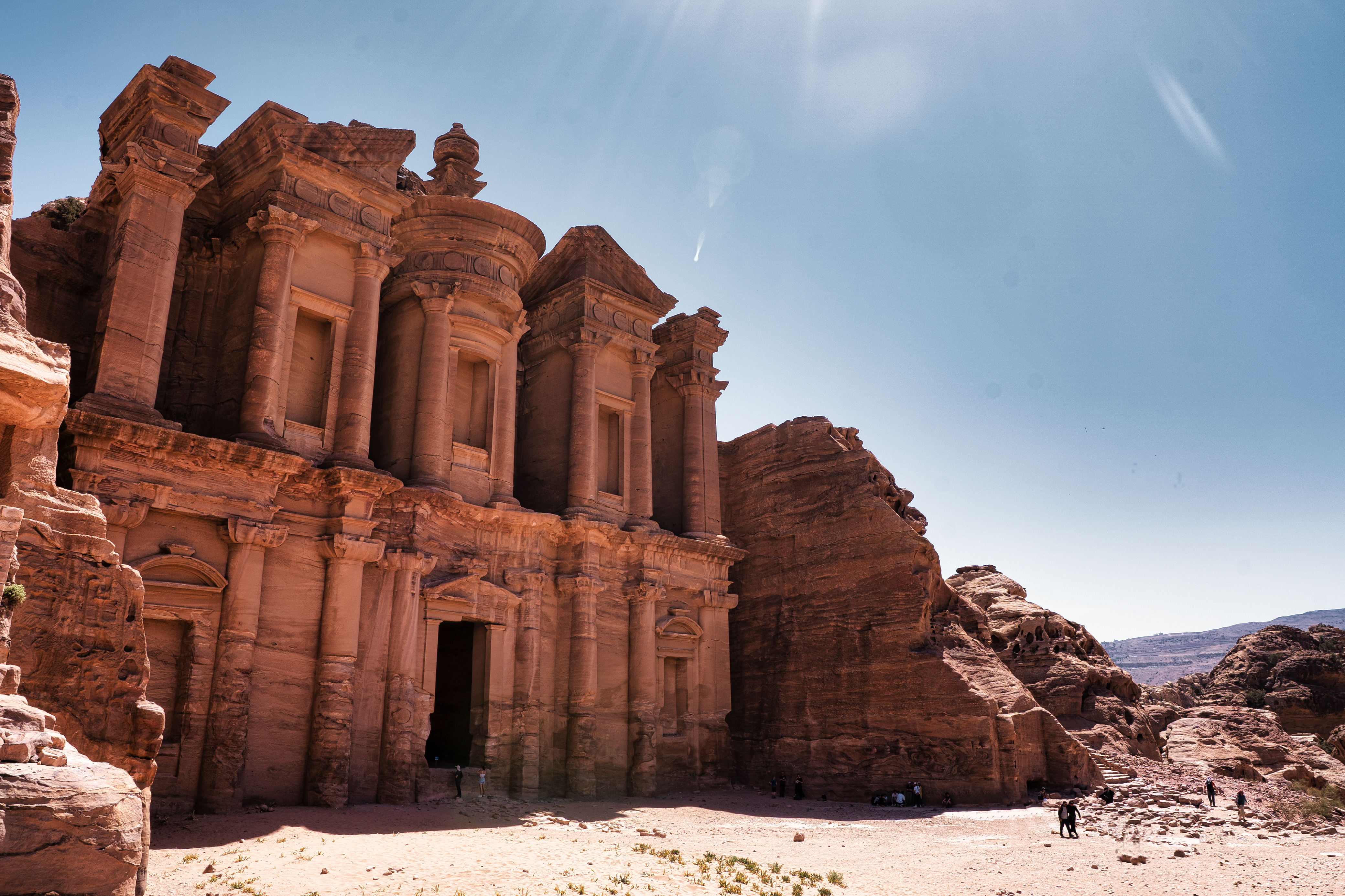
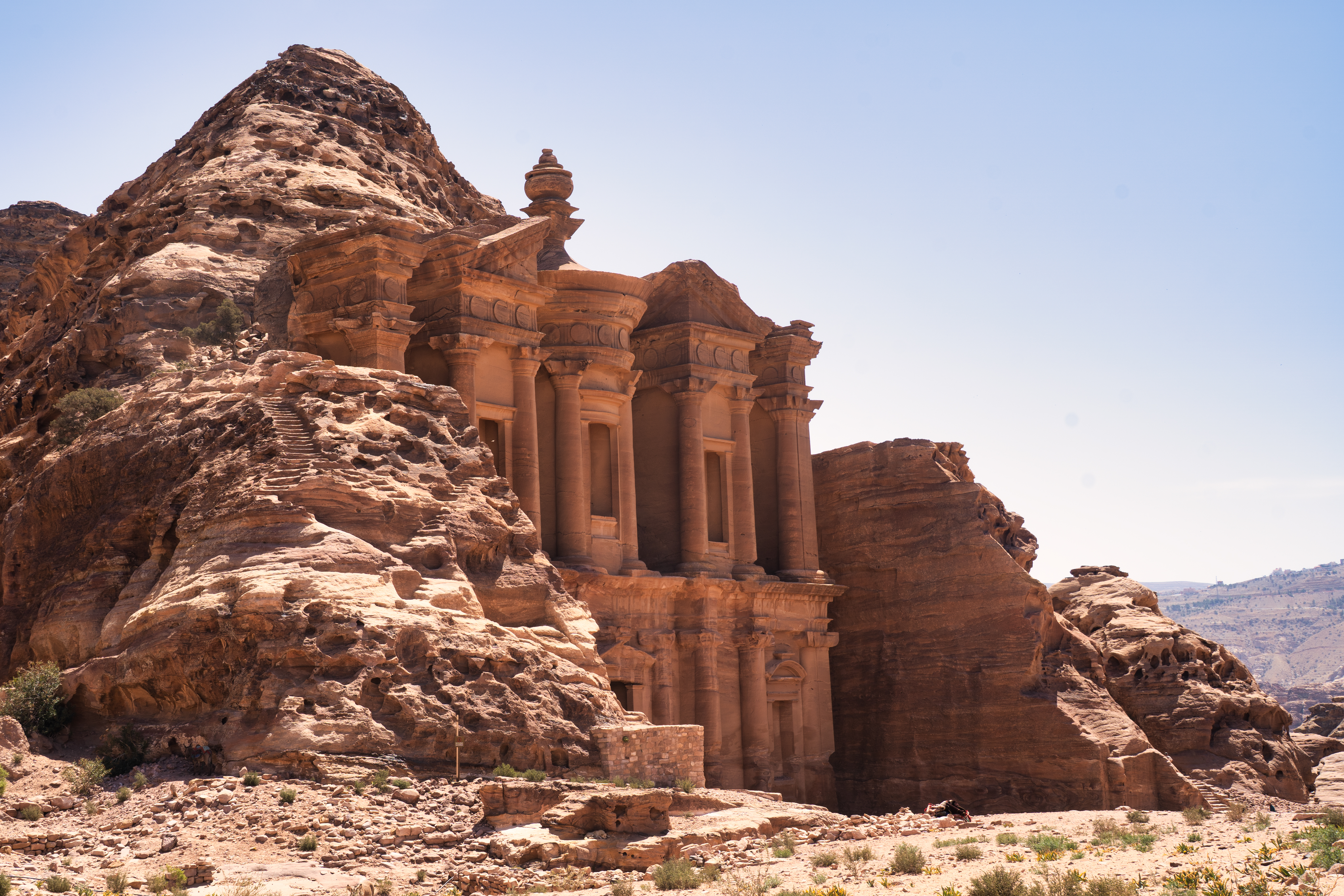
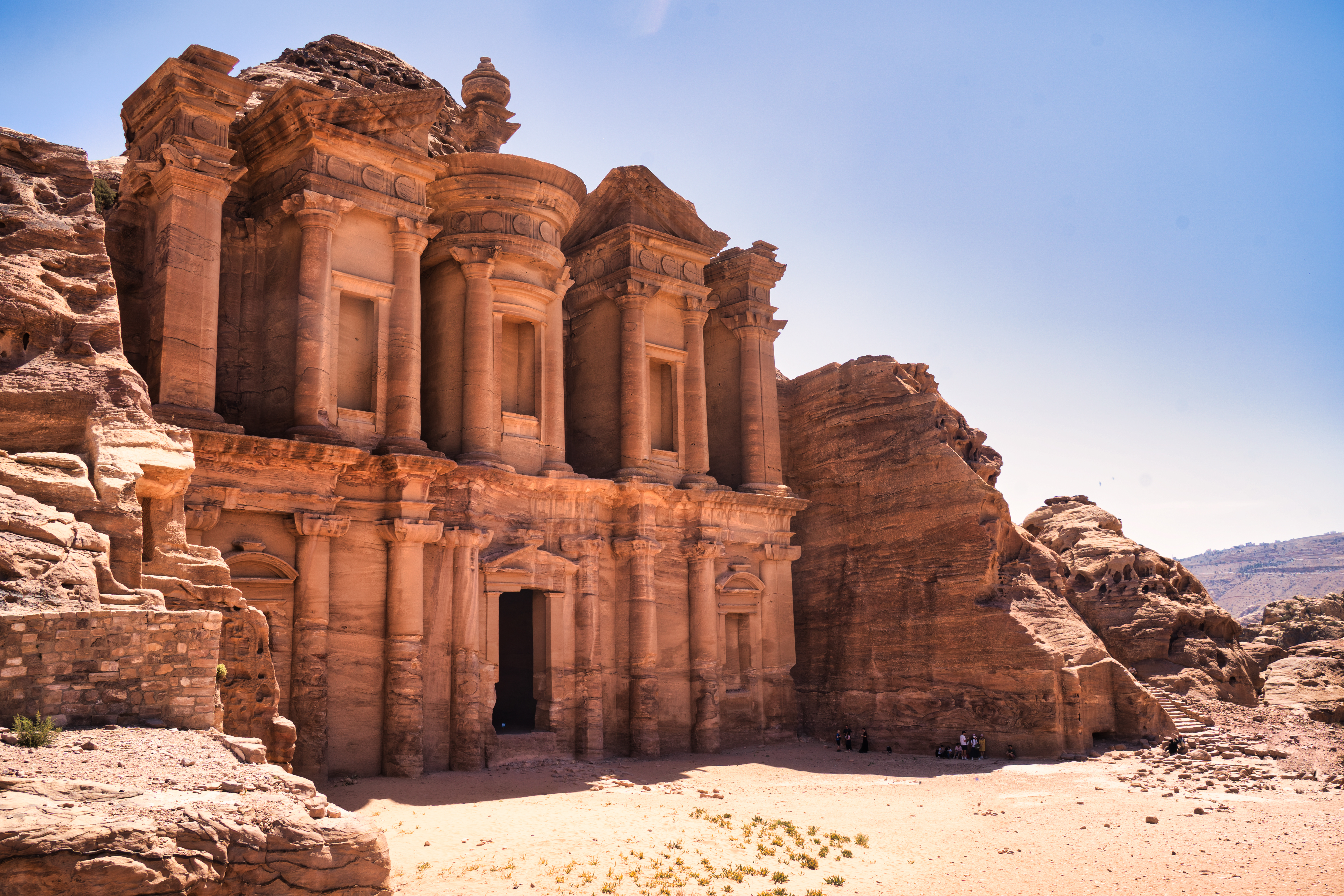
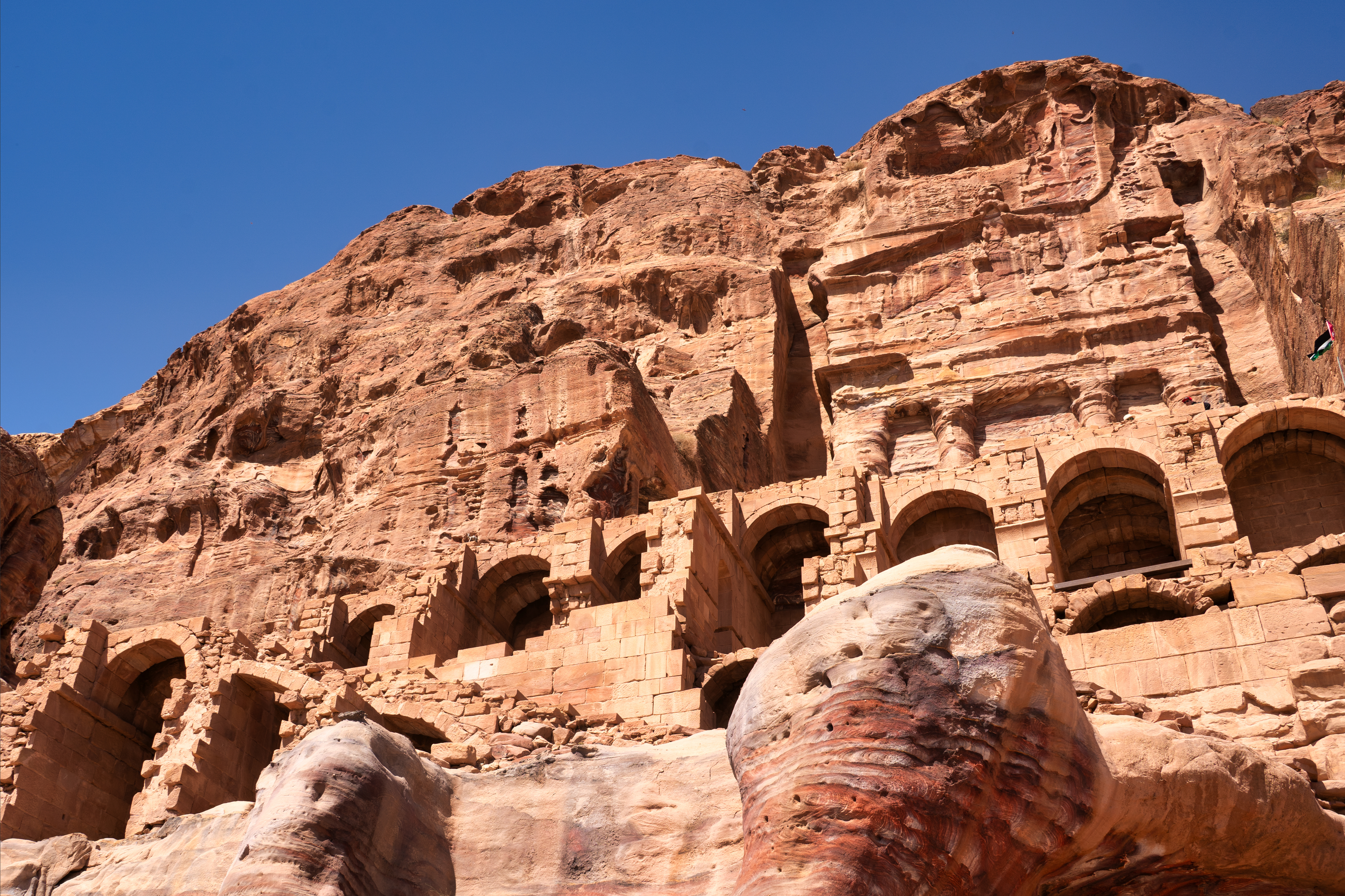
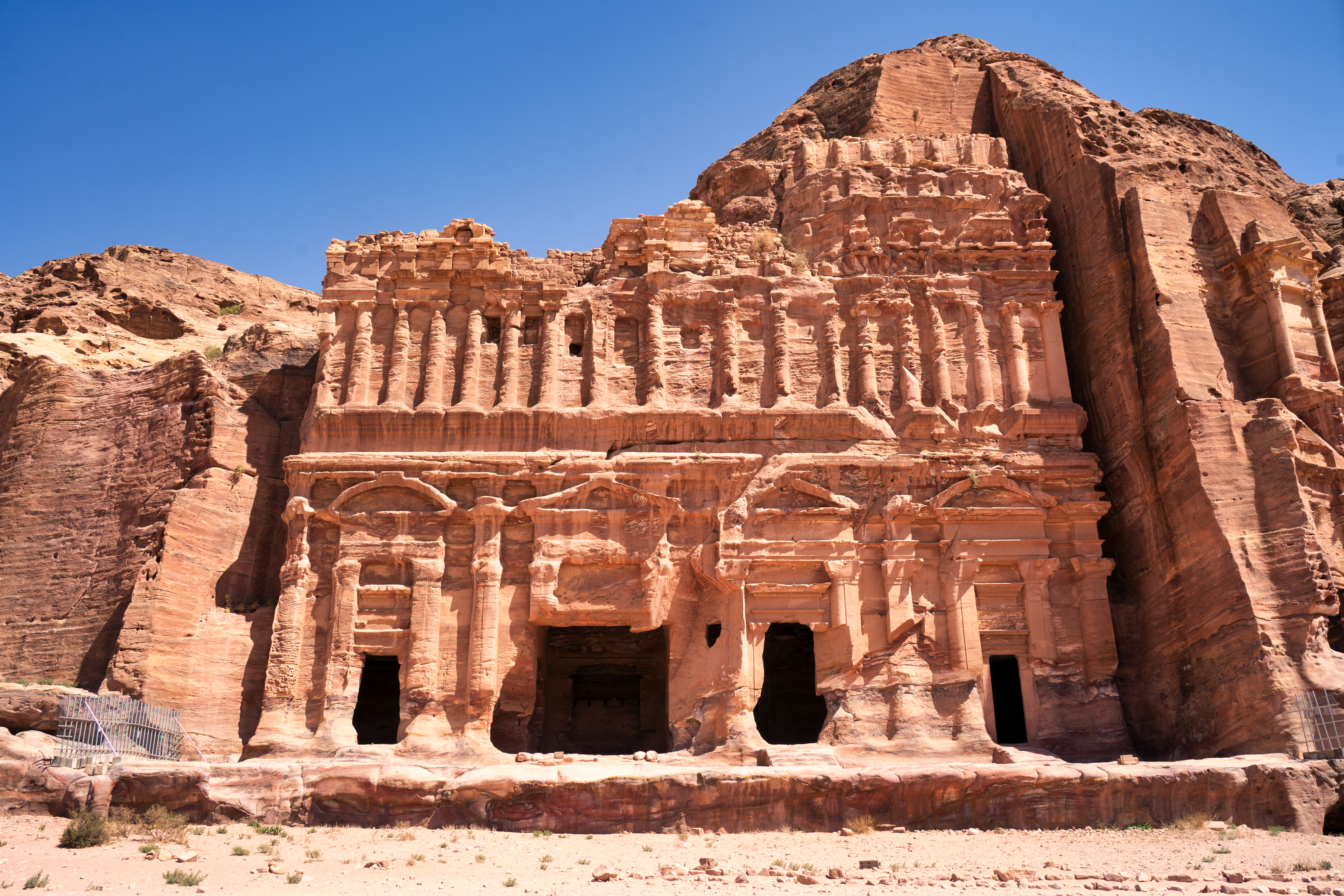
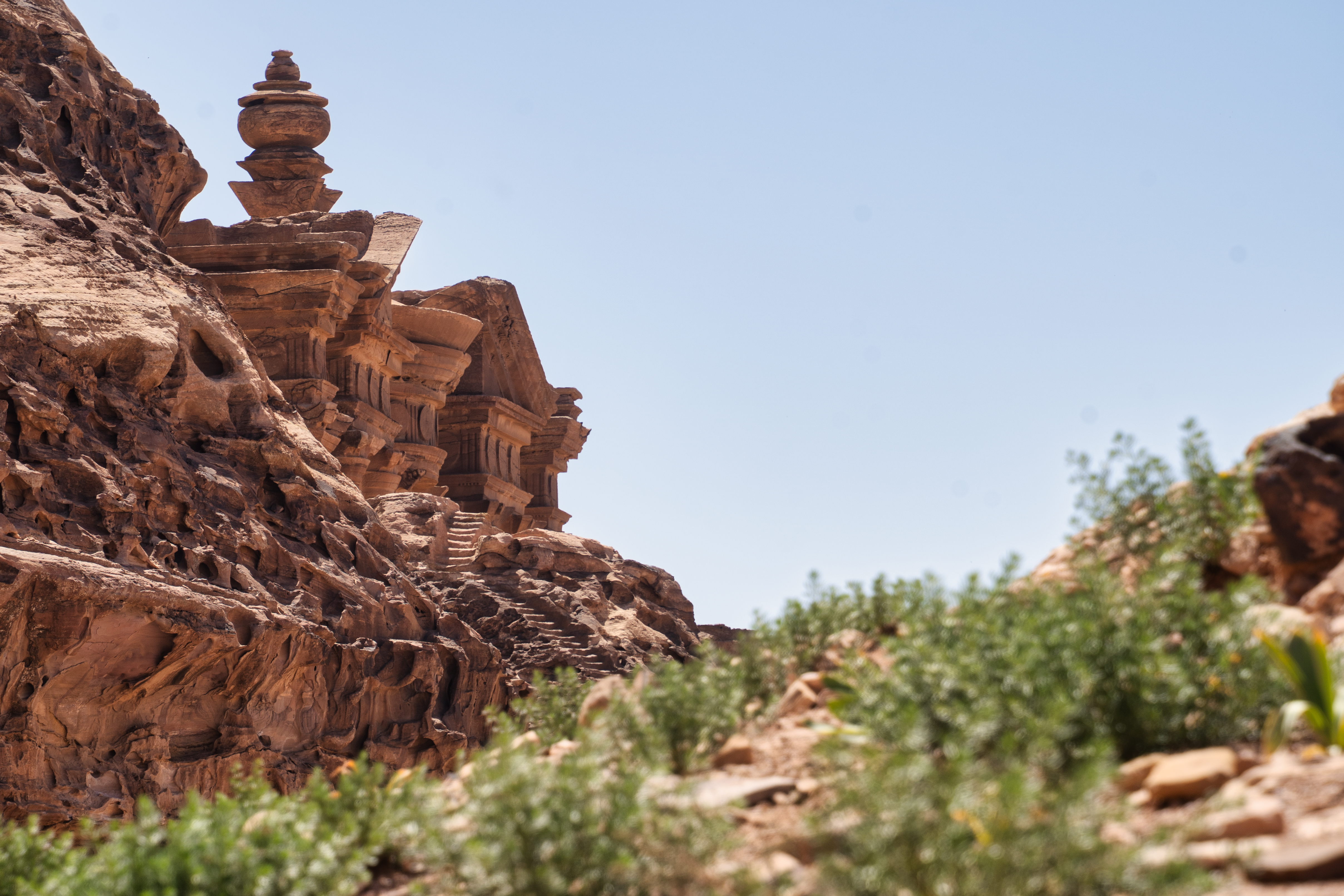
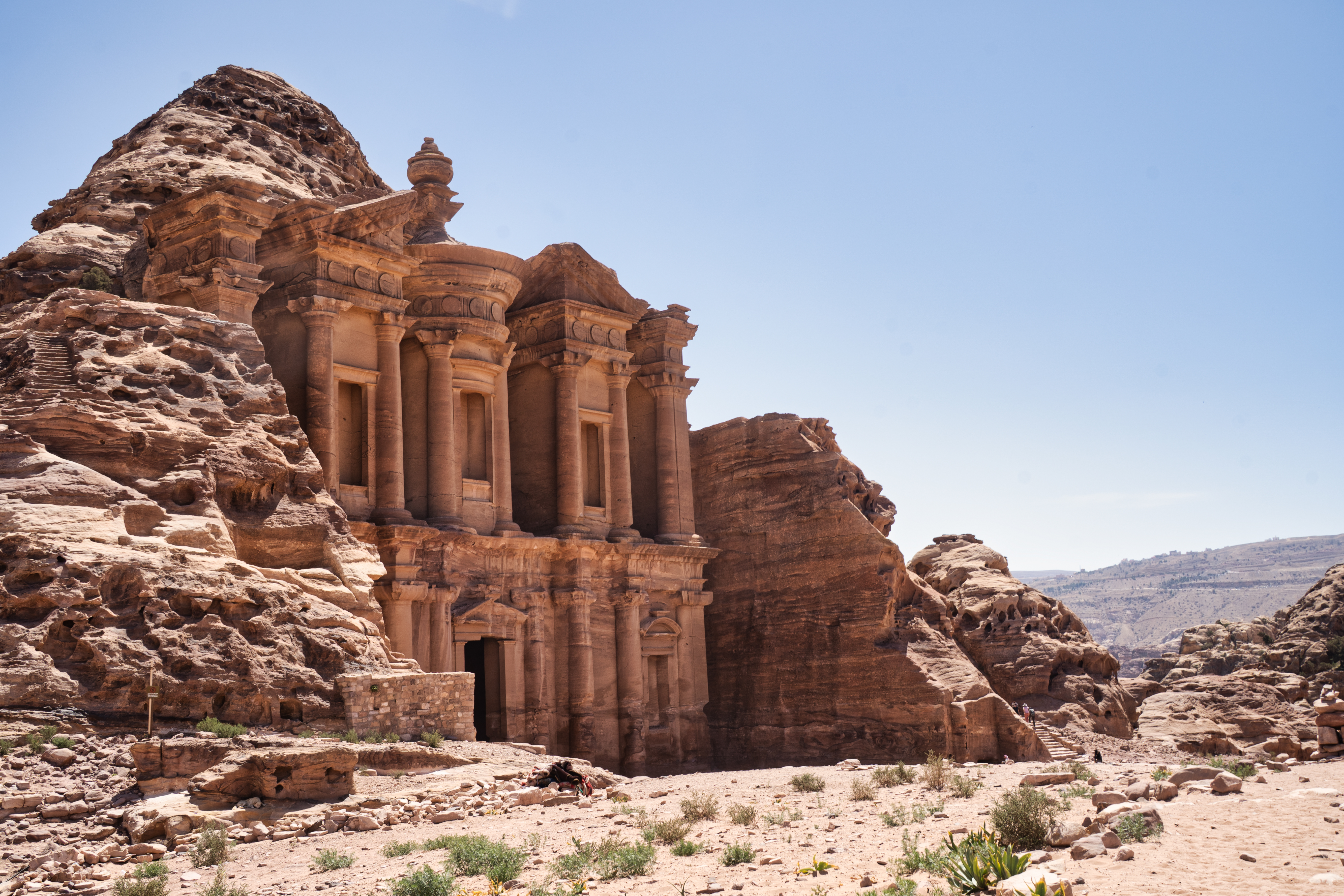
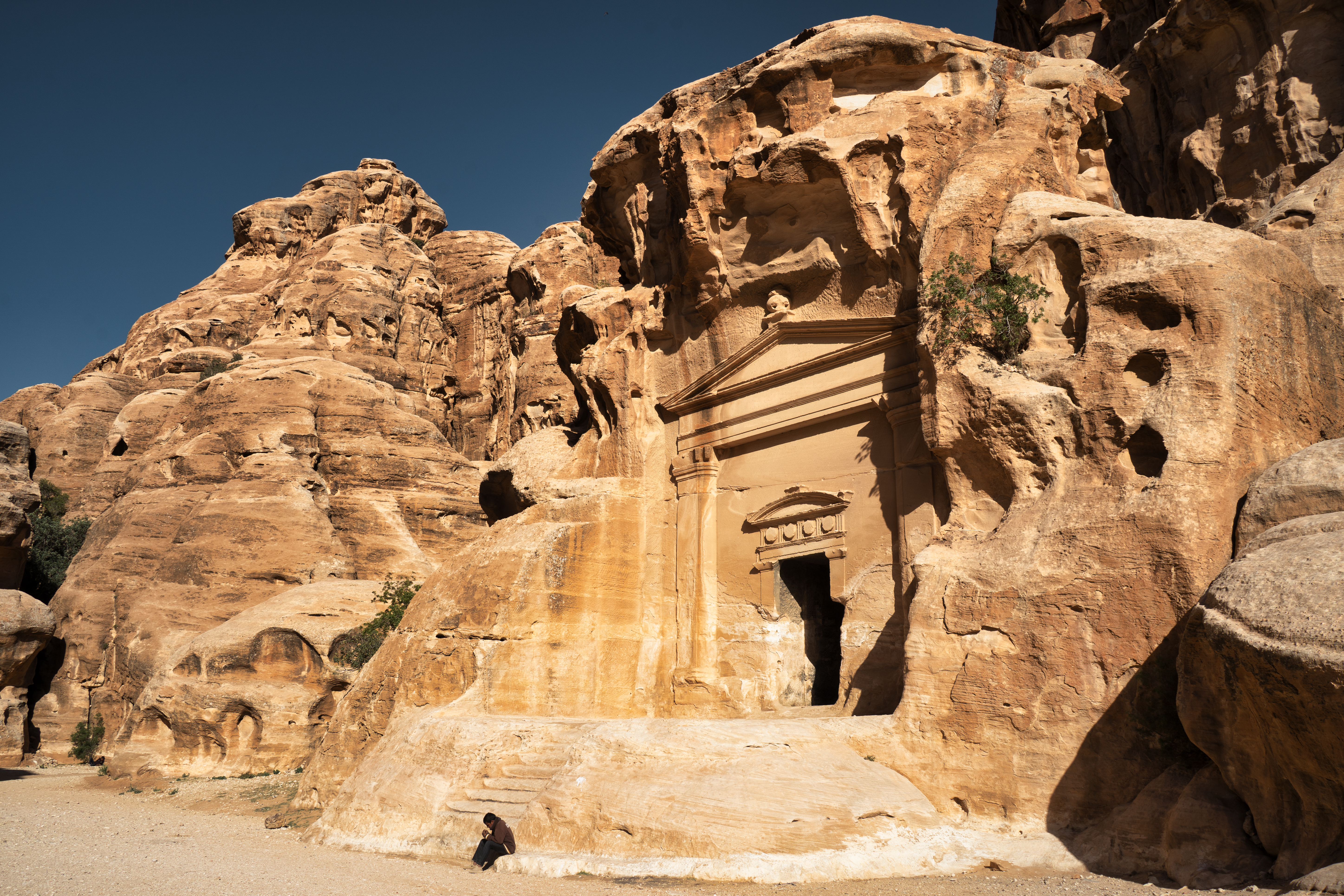
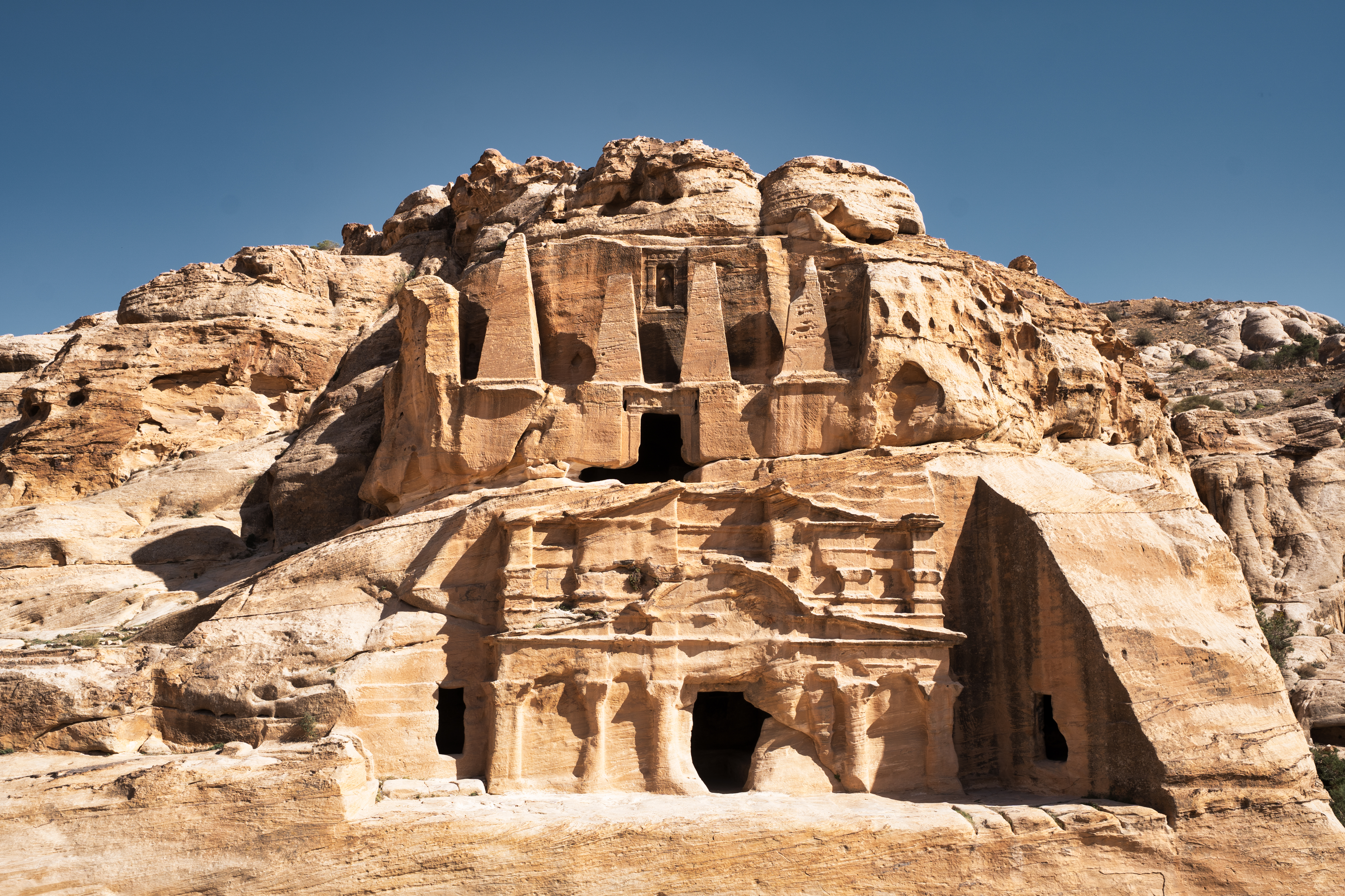
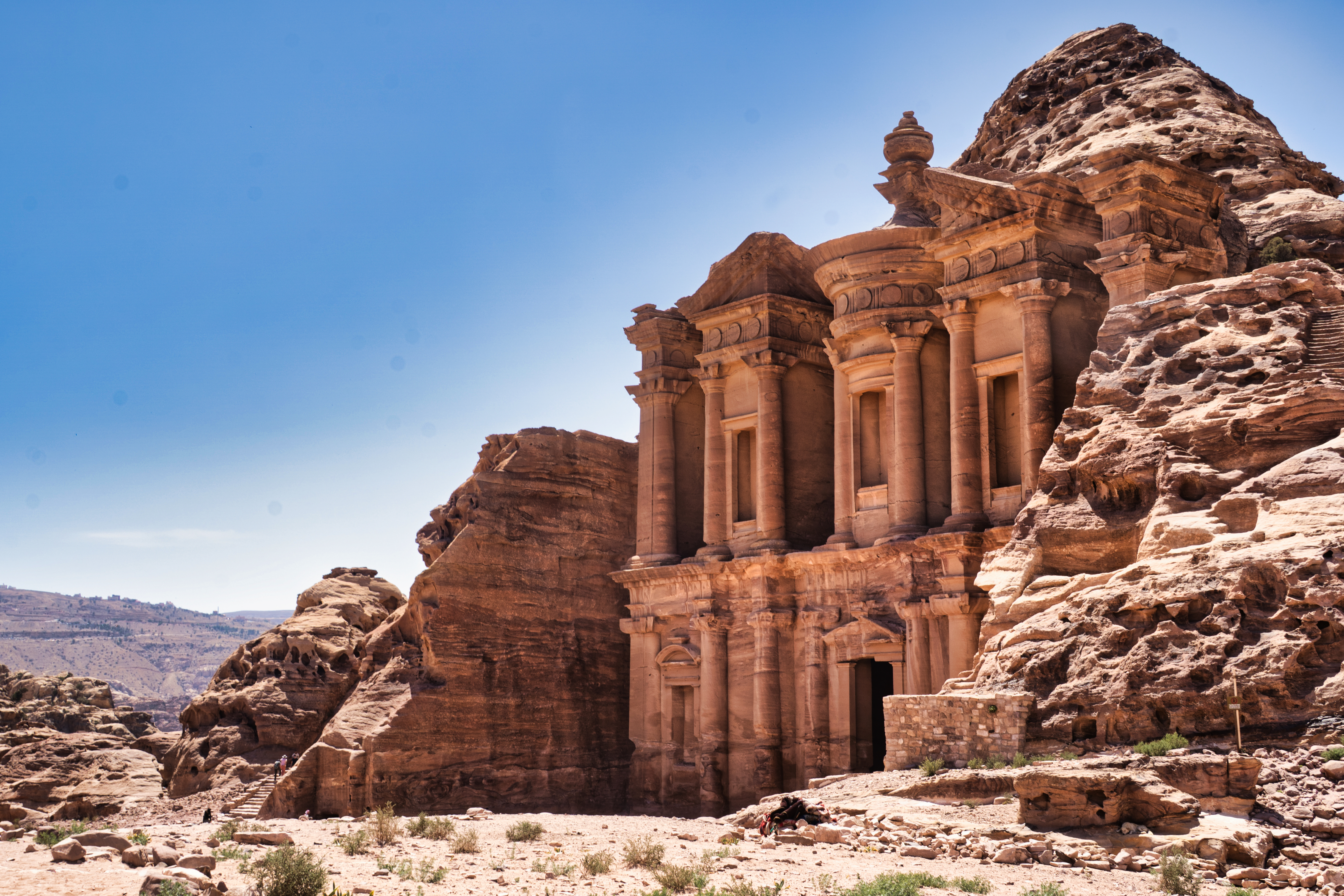
Petra is not only known for its breathtaking setting but also for the extraordinary way its structures were created — not built from the ground up, but carved directly into the rock face. The Nabataeans, skilled in both architecture and engineering, used the soft sandstone cliffs of southern Jordan as their canvas. Starting from the top of the rock and working downward, they chiseled out entire facades, tombs, and temples with remarkable precision. This technique allowed for intricate details to be etched into the stone while maintaining structural stability. Al-Khazneh, the Monastery, and the Royal Tombs all stand as striking examples of this reverse-building method, where architecture emerges from the living rock itself.

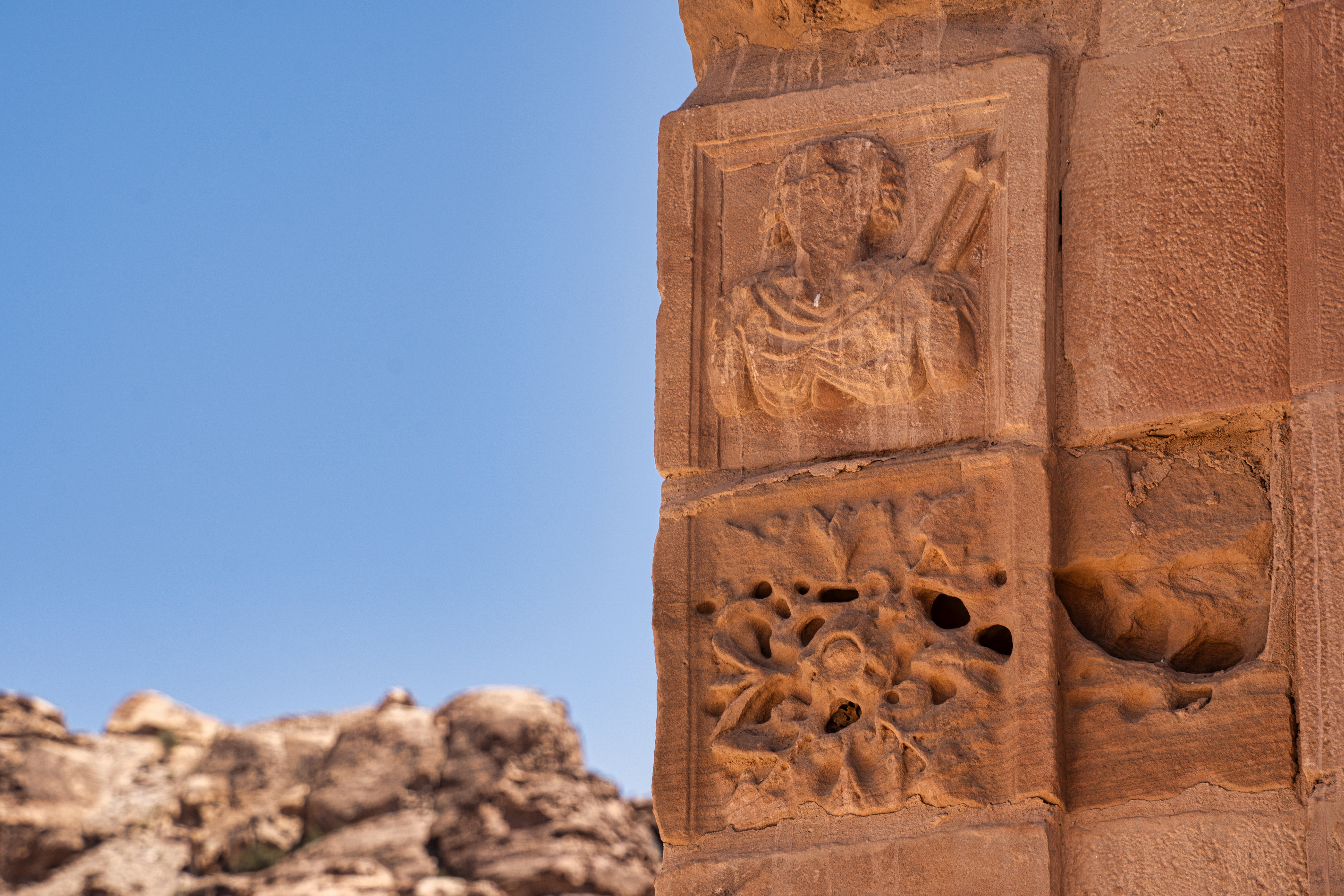
The choice of sandstone was both practical and symbolic. Easy to carve yet sturdy enough to endure centuries, the stone allowed for large-scale creations with flowing columns, niches, and decorative elements influenced by Greek, Roman, and local traditions. The natural color variations of the rock — from deep reds to soft yellows and purples — gave Petra its signature glow, especially at sunrise and sunset. By harmonizing construction with the landscape, the Nabataeans created not only functional spaces but also spiritual and aesthetic landmarks that continue to awe visitors and scholars alike. These stone-carved temples are more than ruins; they are lasting proof of a civilization that turned nature itself into architecture.

Treasures of Petra

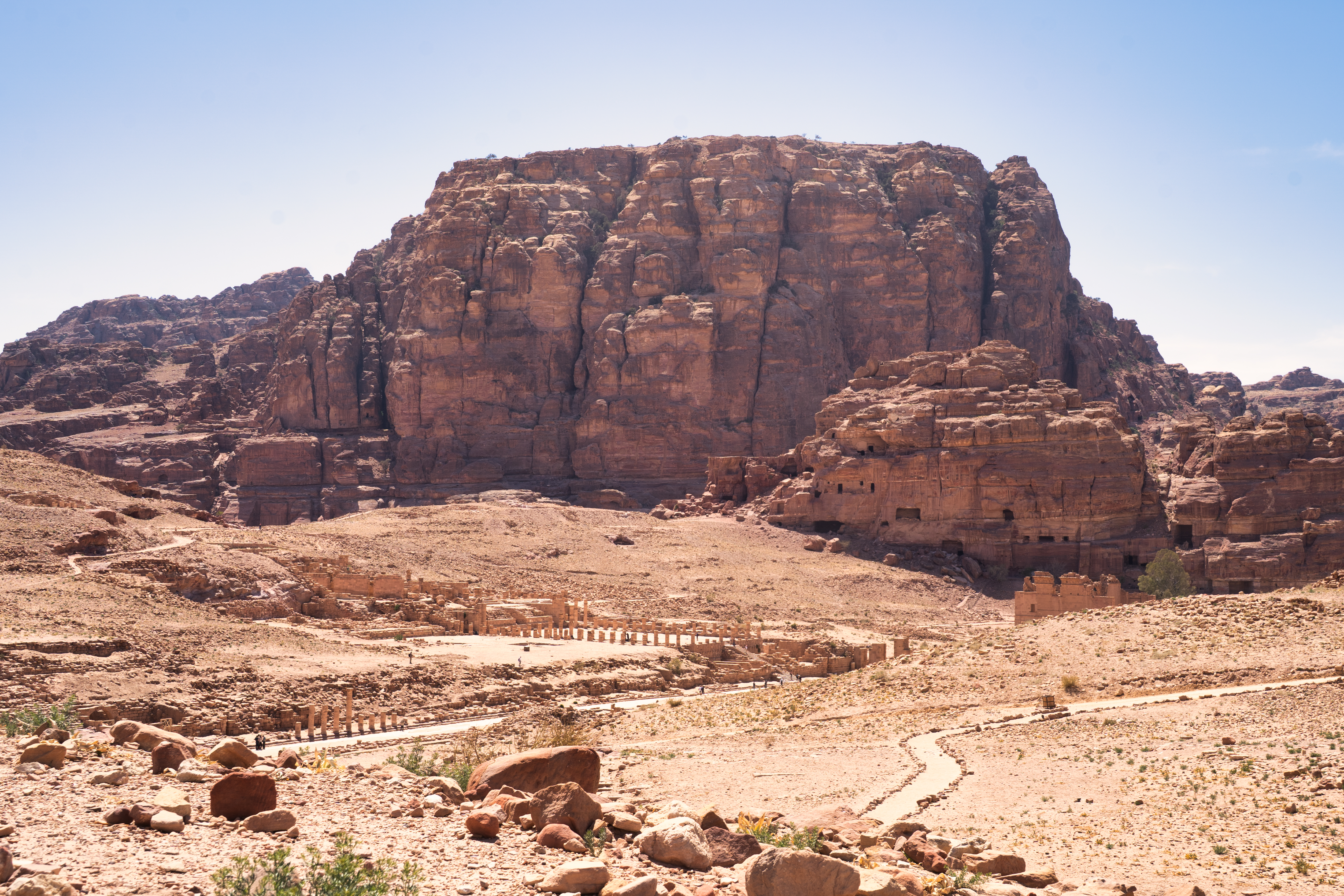
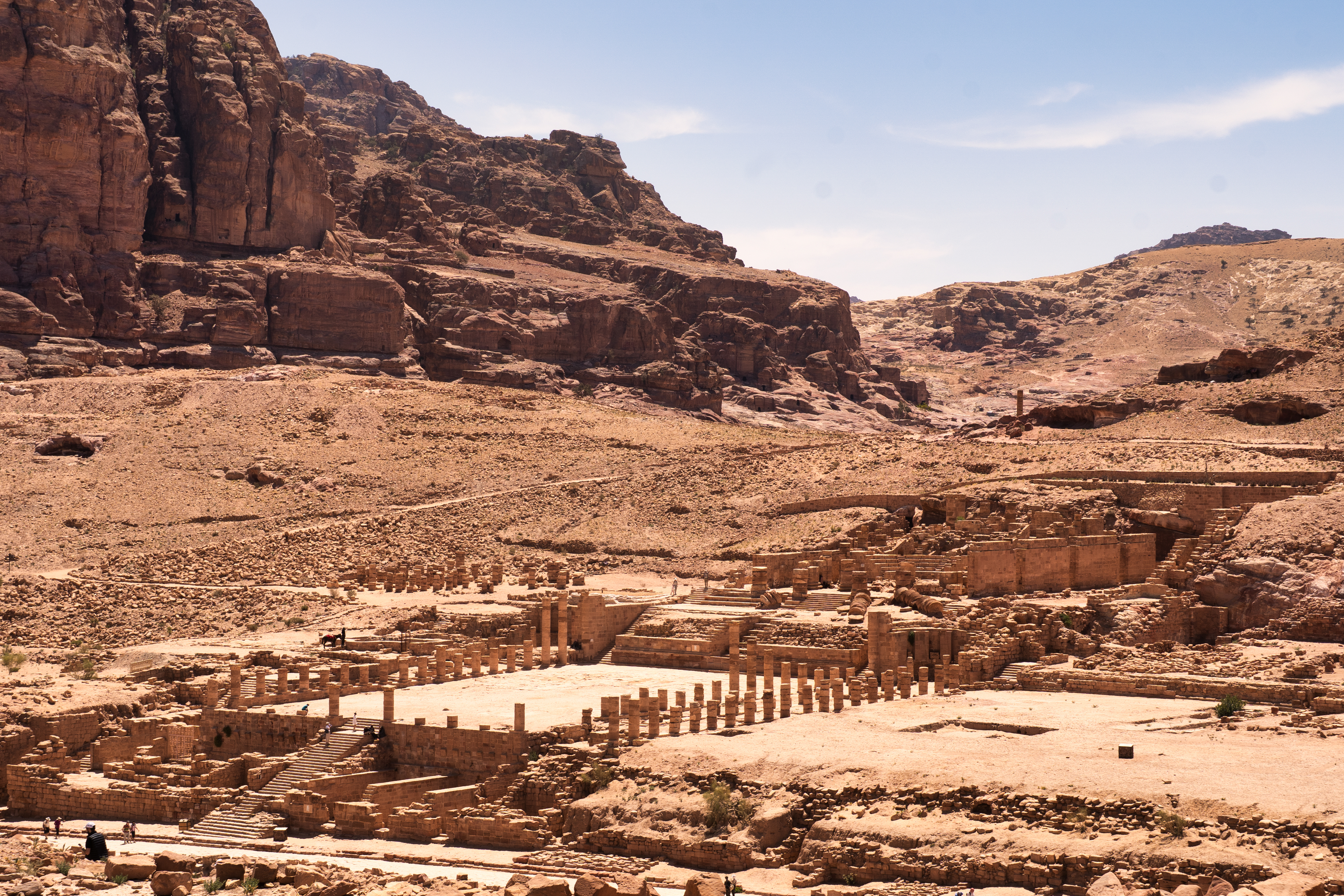
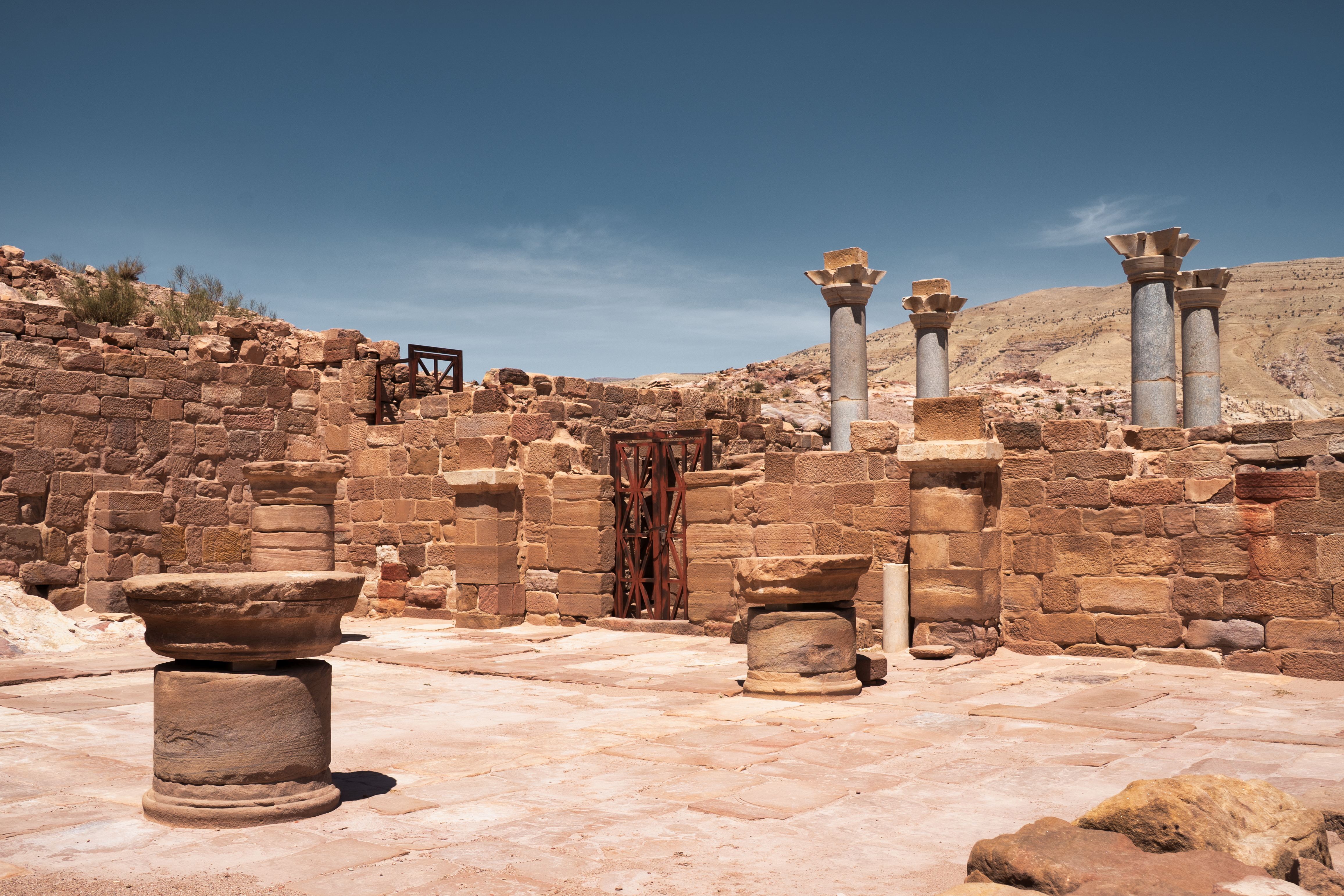
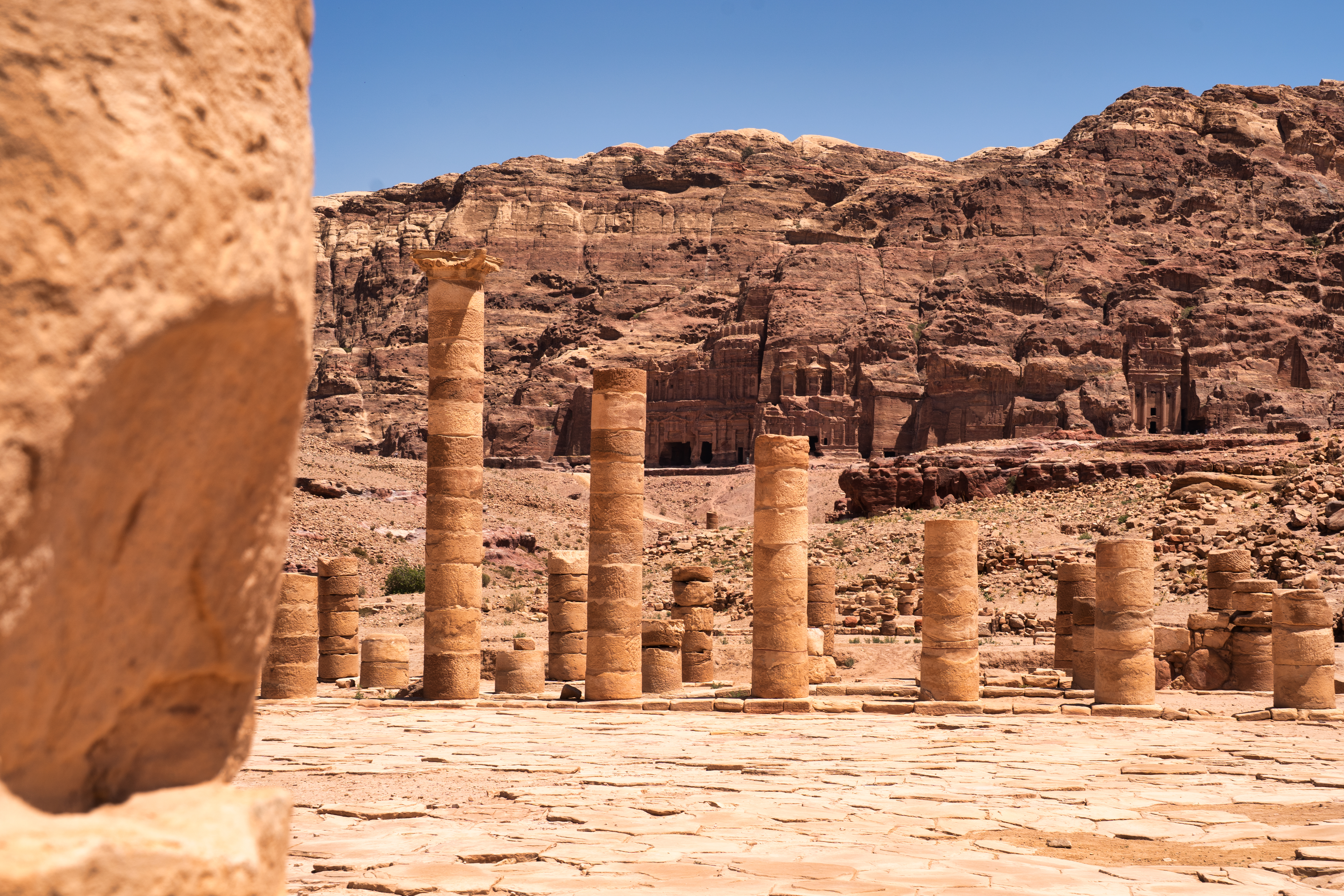
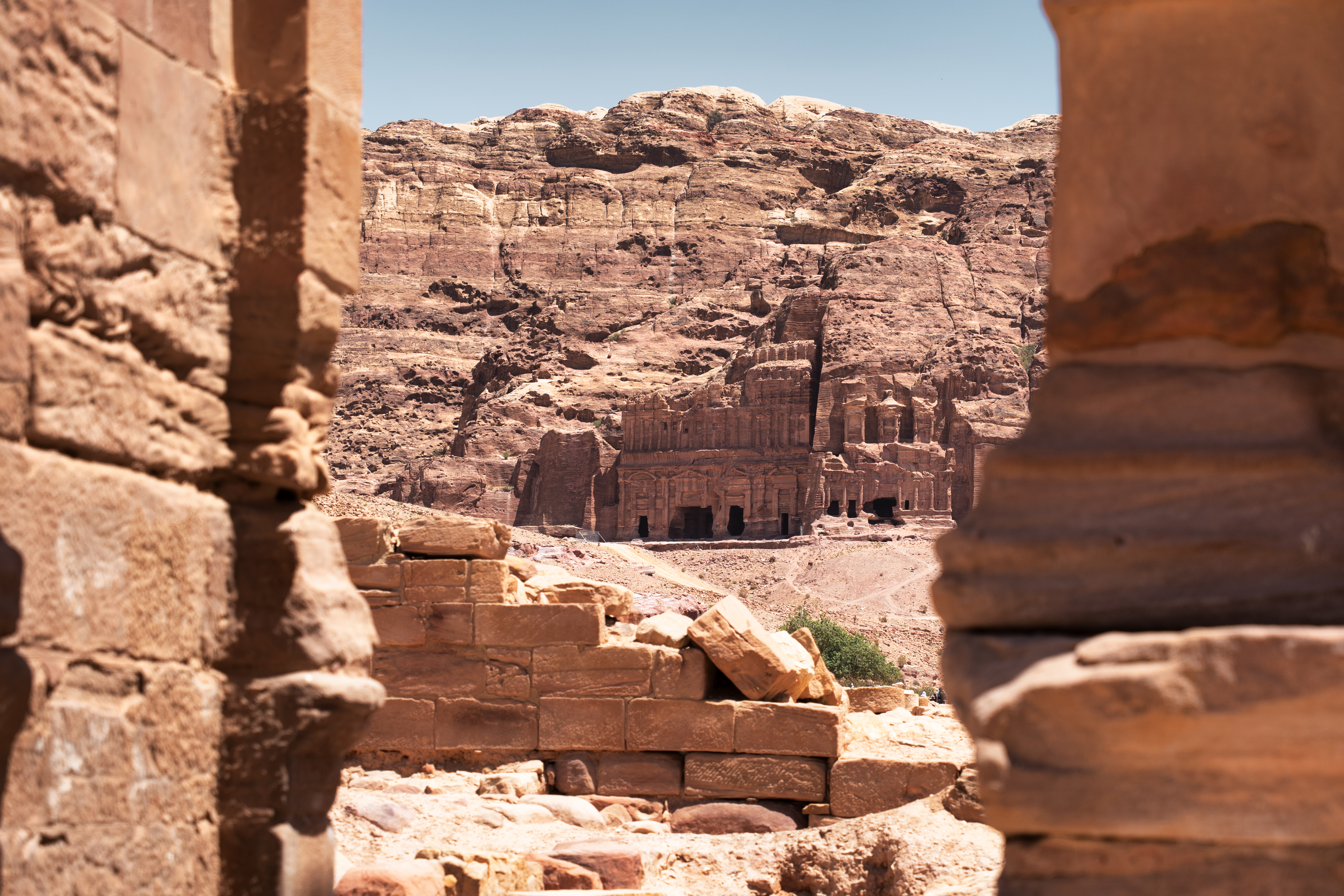
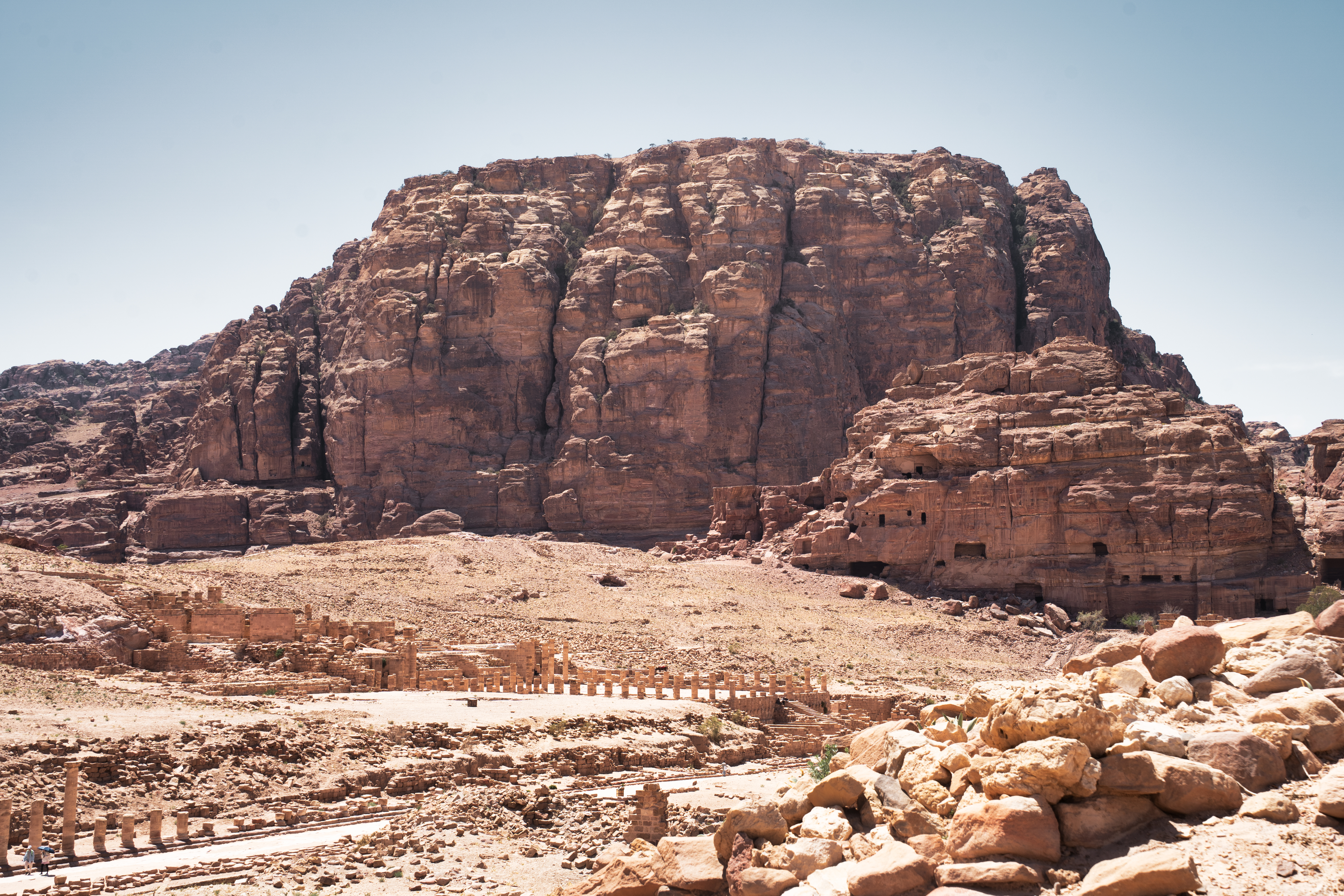
Petra’s true wealth lies in its depth and complexity. Beyond the famous Treasury lies a sprawling network of tombs, temples, stairways, and forgotten dwellings carved into the cliffs. The Royal Tombs stand high above the valley floor, their facades worn yet still majestic, while the Street of Facades hints at the city’s former grandeur. Petra was not merely a place of worship or burial; it was a living city, complete with marketplaces, ceremonial sites, and homes — all crafted in stone.

What sets Petra apart from other archaeological sites is its unique blend of natural environment and human ingenuity. The Nabataeans designed a complex system of dams, reservoirs, and pipelines to control and store water, allowing them to thrive in an otherwise arid landscape. Every carved staircase and hidden cistern adds to the narrative of a people who turned rock into shelter and desert into opportunity. These treasures, both seen and unseen, continue to shape our understanding of ancient urban life and the silent sophistication of those who built it.

Forgotten Kingdom

Hidden within the rugged mountains of southern Jordan lies Petra, the ancient capital of the Nabataean Kingdom. For centuries, it remained lost to the outside world, buried beneath layers of time and sand. Built by a people known for their skill in trade and engineering, Petra thrived as a crossroads between Arabia, Egypt, and the Mediterranean. Its temples, tombs, and dwellings were carved directly into the rose-colored cliffs, blending human craftsmanship with the raw beauty of nature. At its peak, Petra was a vibrant city powered by innovation, especially in water management, which allowed it to flourish in a harsh desert environment.

Today, Petra stands as a reminder of a civilization that quietly vanished but left behind a legacy carved in stone. Though abandoned for centuries, it was never truly forgotten by the Bedouins who lived nearby and guarded its secrets. Rediscovered by Western explorers in the 19th century, Petra has since become a symbol of Jordan’s rich cultural heritage. Its story is not only one of loss, but also of survival — of a kingdom that defied the desert, and of a city that continues to inspire awe long after its rulers faded into history.

Lost in Time: Petra

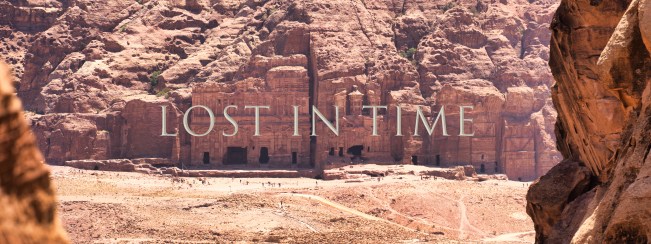
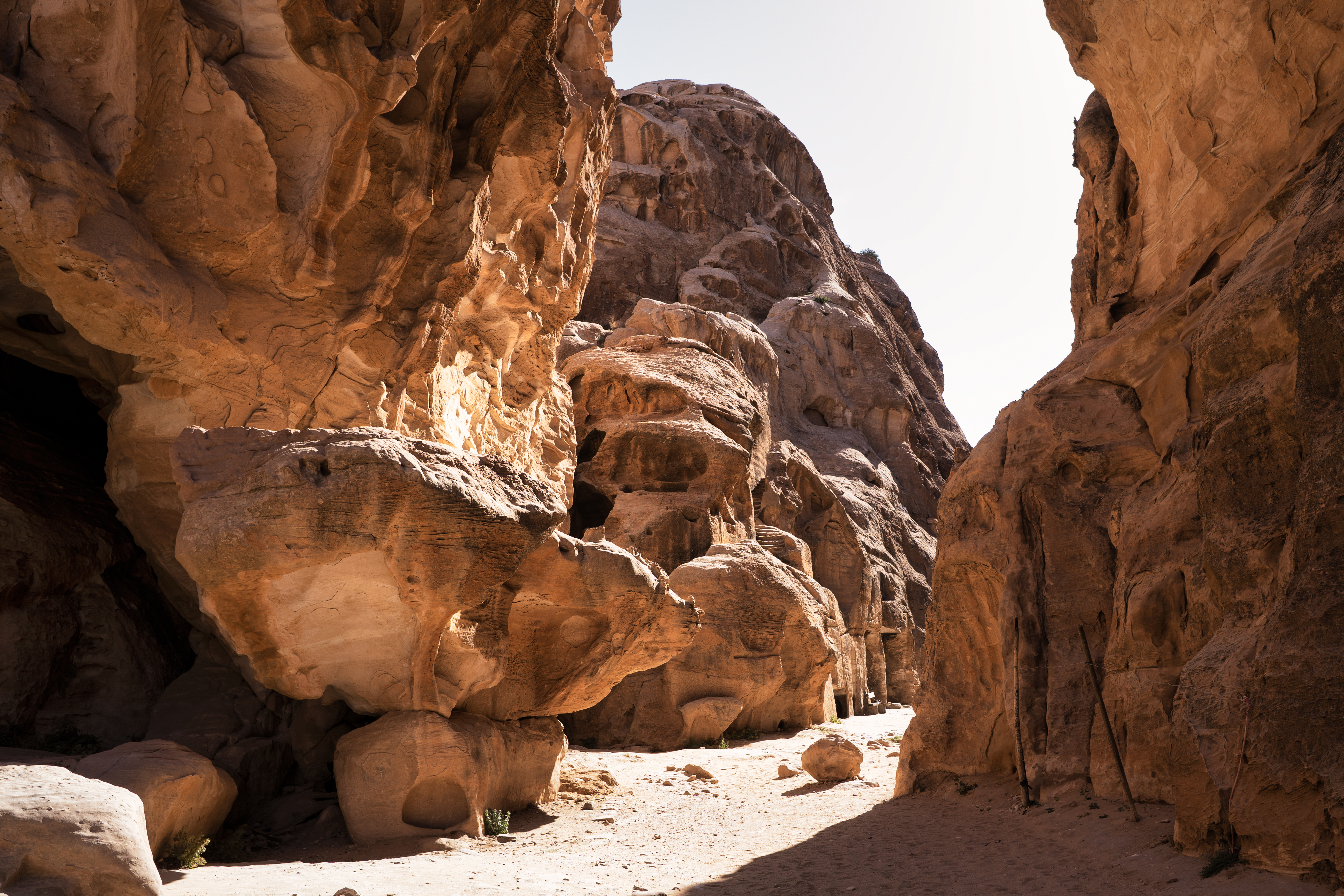
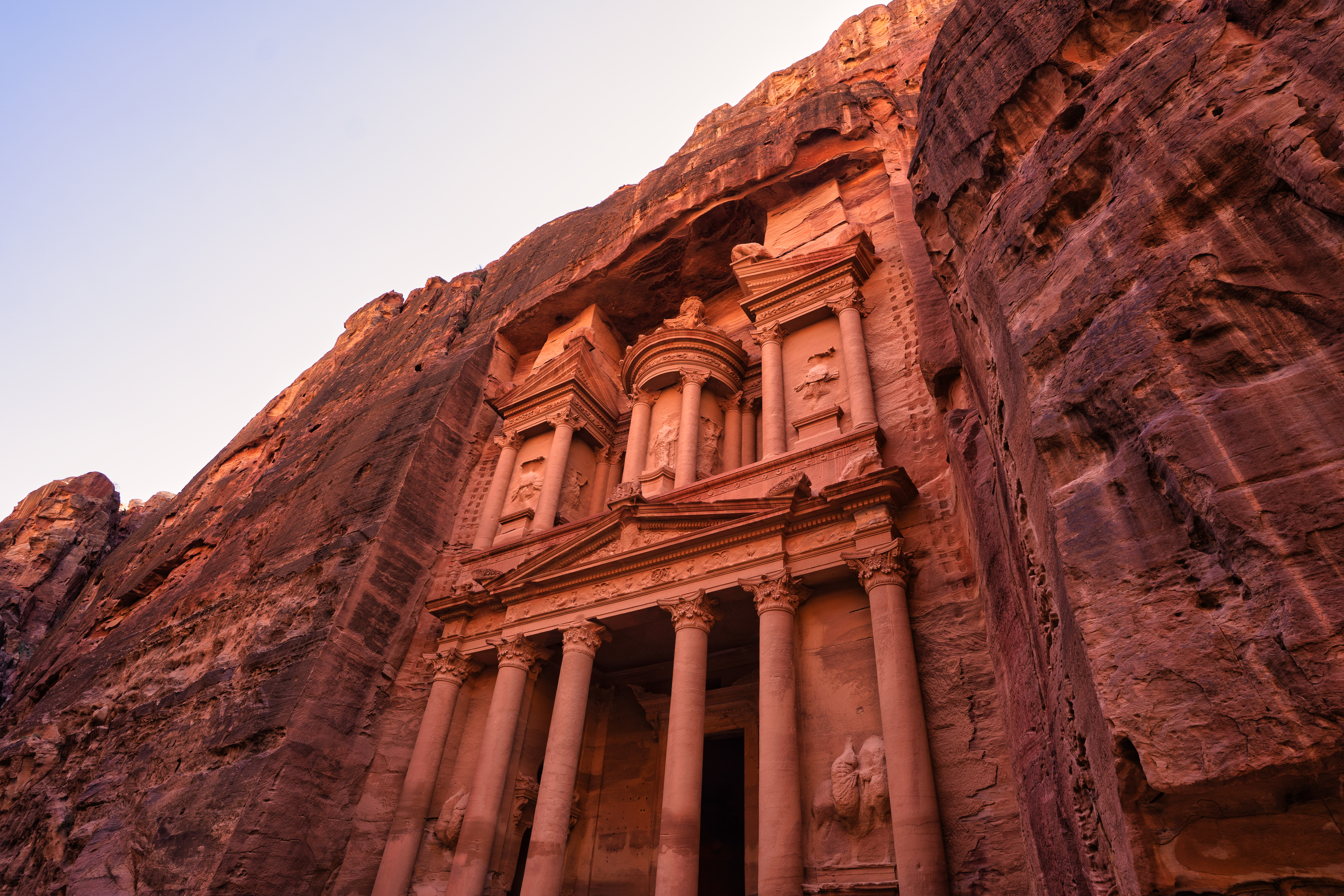
Through the narrow gorge of the Siq, the ancient city of Petra slowly reveals itself, hidden within the cliffs of southern Jordan. At its end stands Al-Khazneh, the iconic Treasury, carved into the rose-red rock with astonishing precision. Petra, once a bustling trade center of the Nabataean Kingdom, showcases a remarkable blend of architectural mastery and cultural exchange. Tombs, temples, and intricate water systems speak to a society that once thrived in the middle of the desert, shaping the landscape to meet its needs.

Despite its popularity, Petra retains an atmosphere of quiet mystery. The vast scale of the site, the shifting colors of the stone, and the remote trails beyond the main monuments create a sense of timelessness. Local Bedouins still pass down stories connected to the site, offering a living link to its history. Petra stands not just as a monument of the past, but as a place where history and myth seem to coexist, echoing through the mountains and canyons long after the sun has set.

Beyond the Jordan

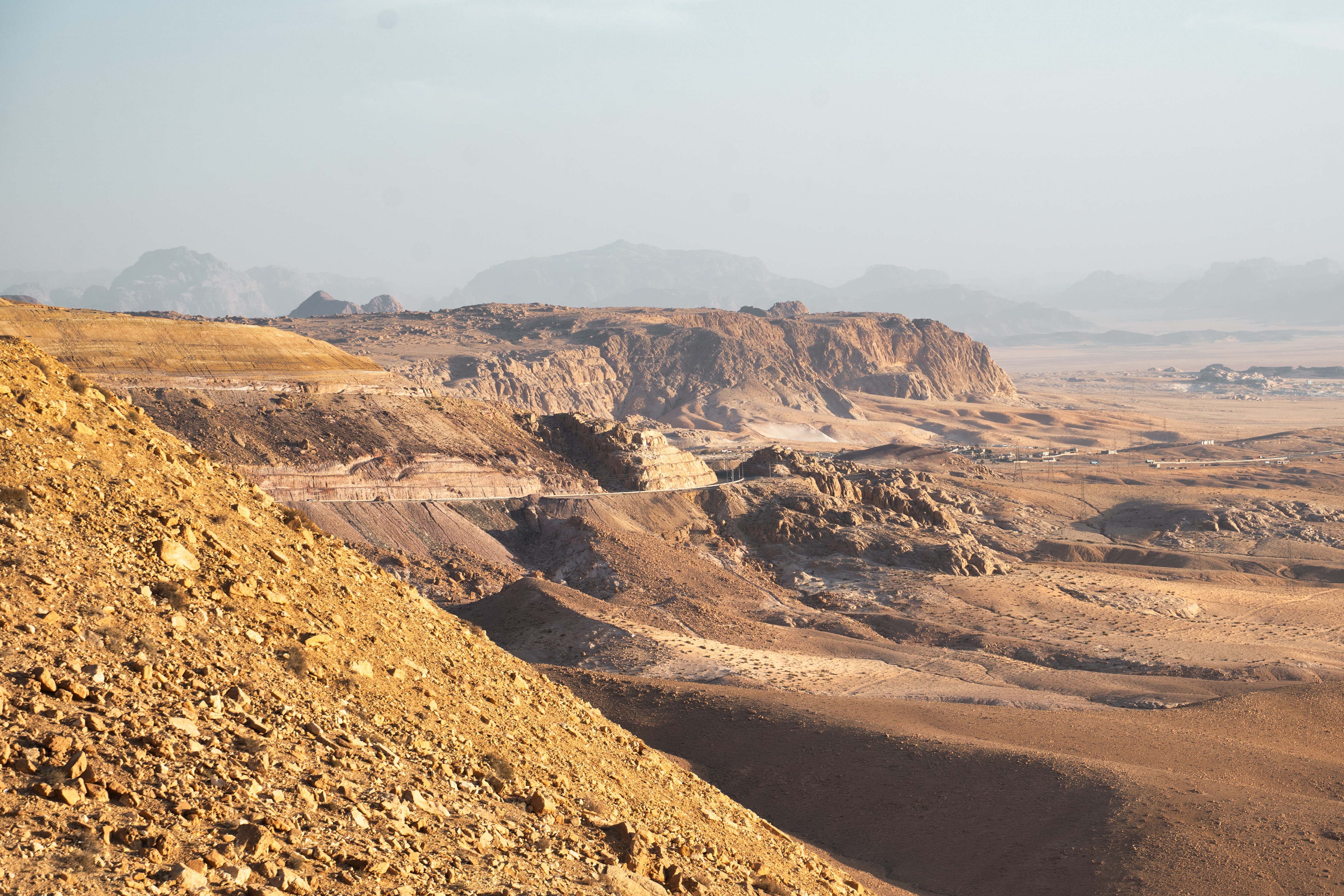
Beyond the river of Jordan lies the Kingdom of the Hashemites, a country with a long and complex history. Jordan is home to some of the world’s most famous archaeological sites, including the ancient city of Petra and the Roman ruins of Jerash. It borders the Dead Sea, the lowest point on Earth, and is known for its diverse landscapes, from vast deserts to green highlands. Throughout its history, Jordan has been a crossroads of cultures, religions, and trade routes, and this diversity continues to shape its identity today.

At the same time, Jordan is a modern country facing the challenges of the present. In cities like Amman, traditional markets stand alongside modern shopping malls and tech startups. Refugees from neighboring countries have added to the social fabric, and the Hashemite leadership plays a central role in maintaining stability in a turbulent region. Whether you are exploring a historic site or chatting with locals in a café, you’ll find that Jordan is a place where the past and present come together in everyday life.