Skip to content

Kingdom of the Hashemites

The Hashemite Kingdom of Jordan, founded in 1921 and officially established as a sovereign nation in 1946, is ruled by the Hashemite dynasty, descendants of the Prophet Muhammad through his great-grandfather Hashim. This royal lineage gives the monarchy deep historical and religious significance in the Arab and Islamic world. Under Hashemite leadership, Jordan has navigated a complex regional landscape, maintaining relative stability despite being surrounded by conflict zones.

Today, King Abdullah II continues the legacy of modernization and diplomacy begun by his father, King Hussein. Jordan balances tradition with progress, acting as a bridge between East and West. Though small in size and lacking major oil resources, the Hashemite Kingdom plays an outsized role in regional politics, peace efforts, and interfaith dialogue—making it a key player in the Middle East’s ever-evolving story.

Path of the Ancients

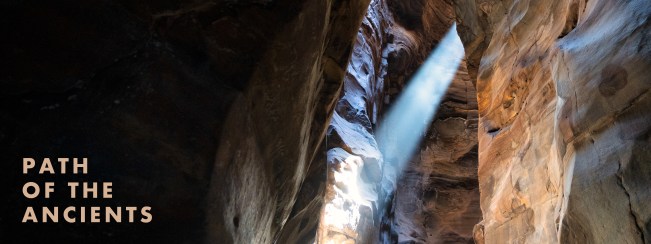
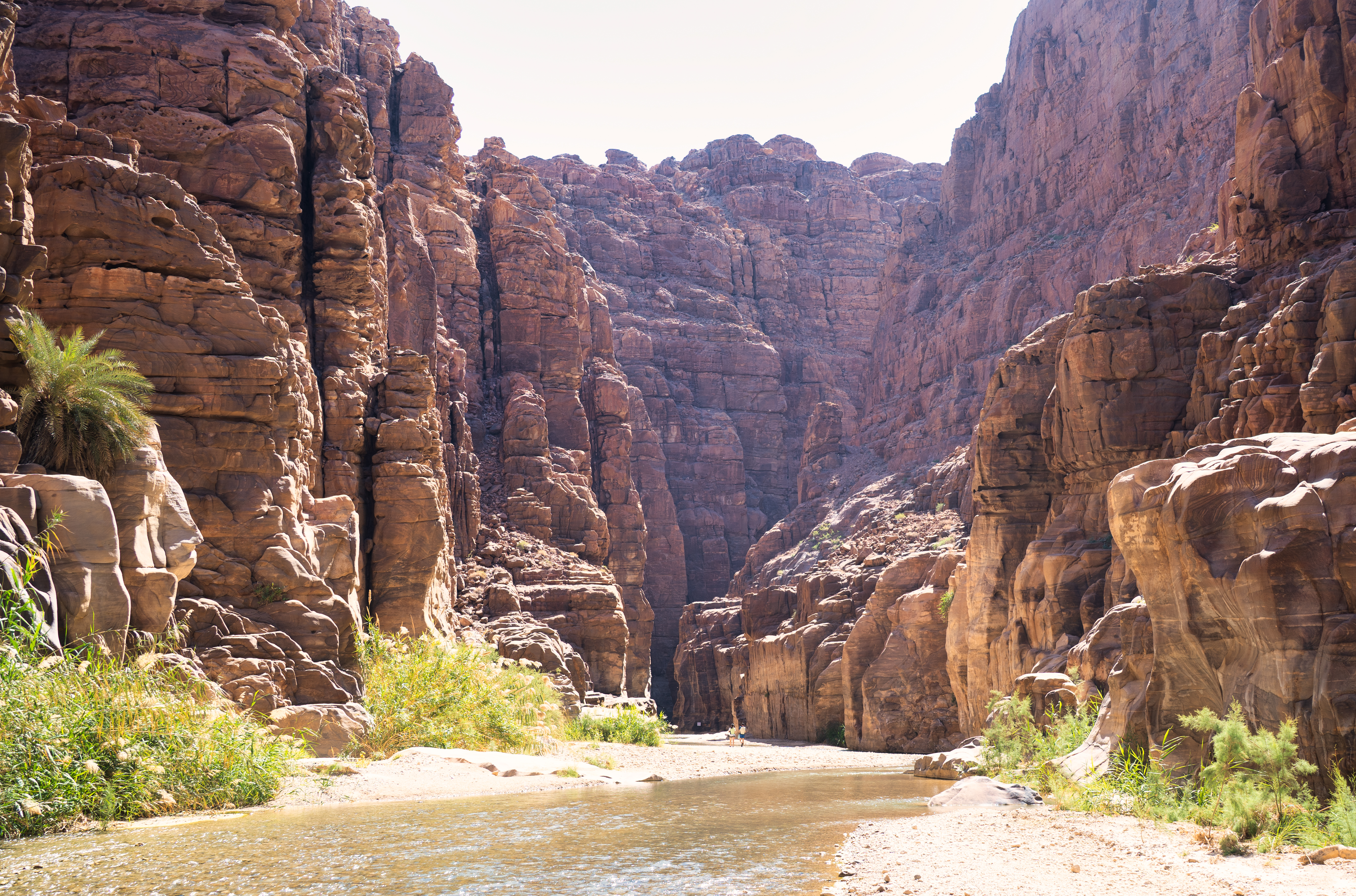
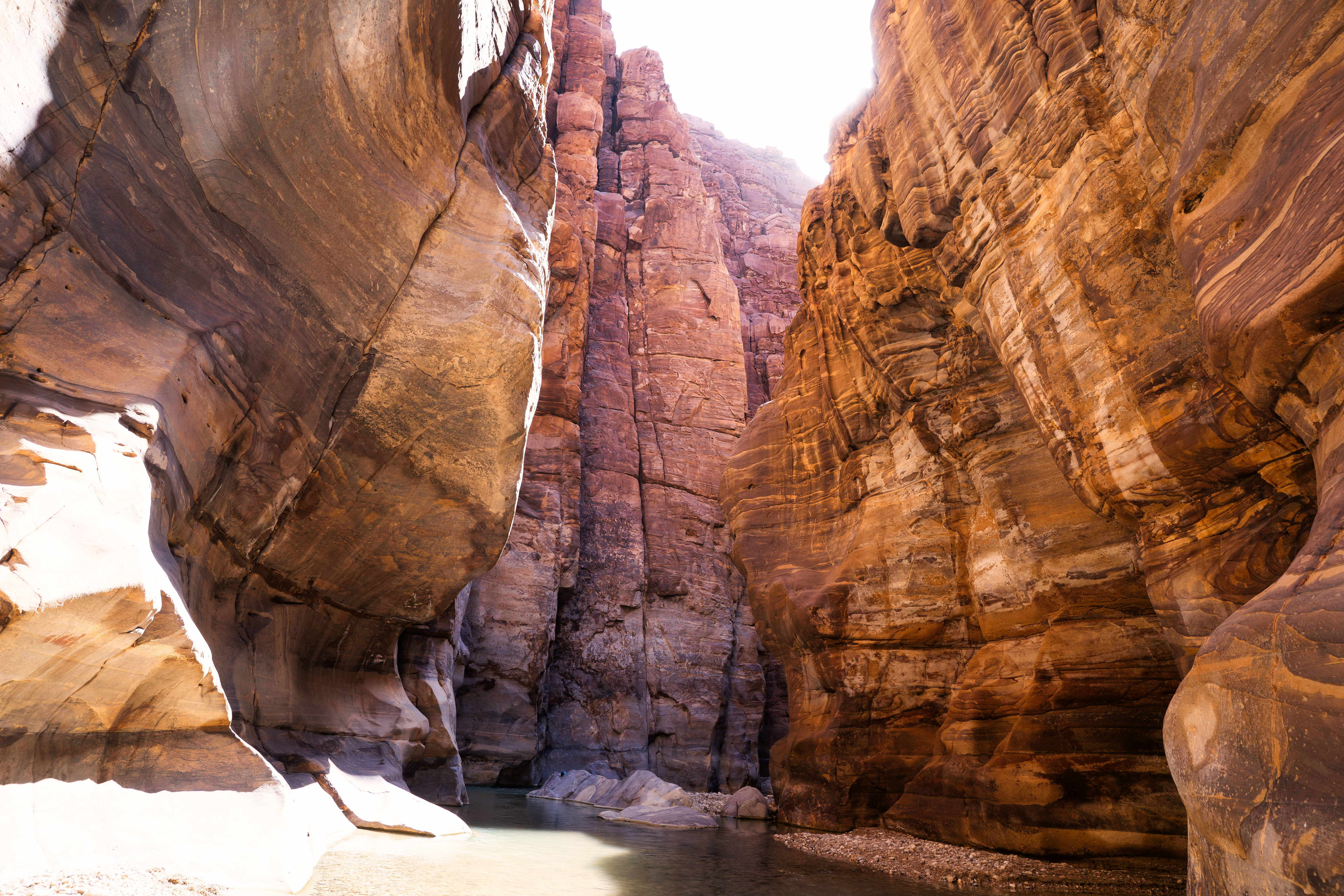
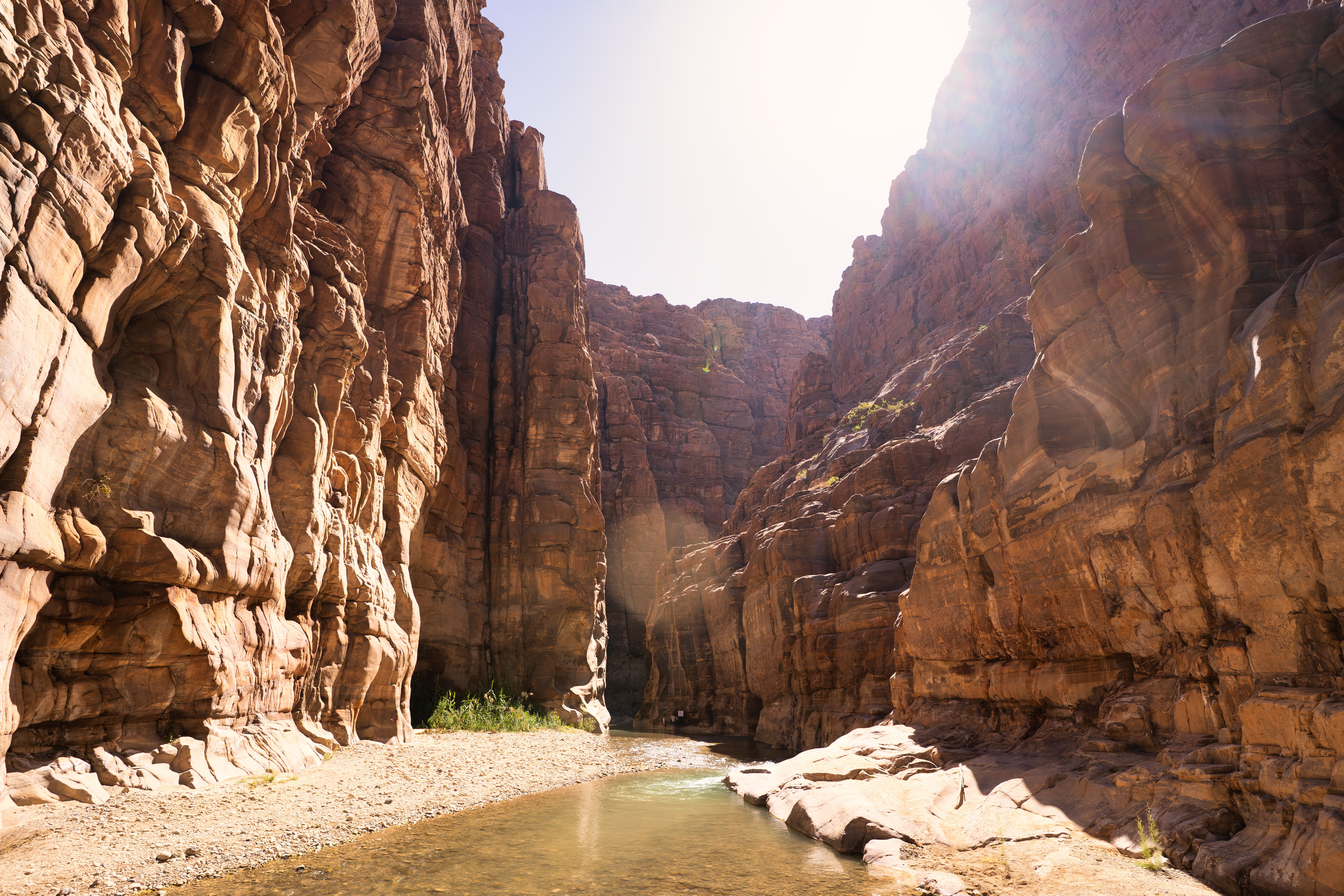
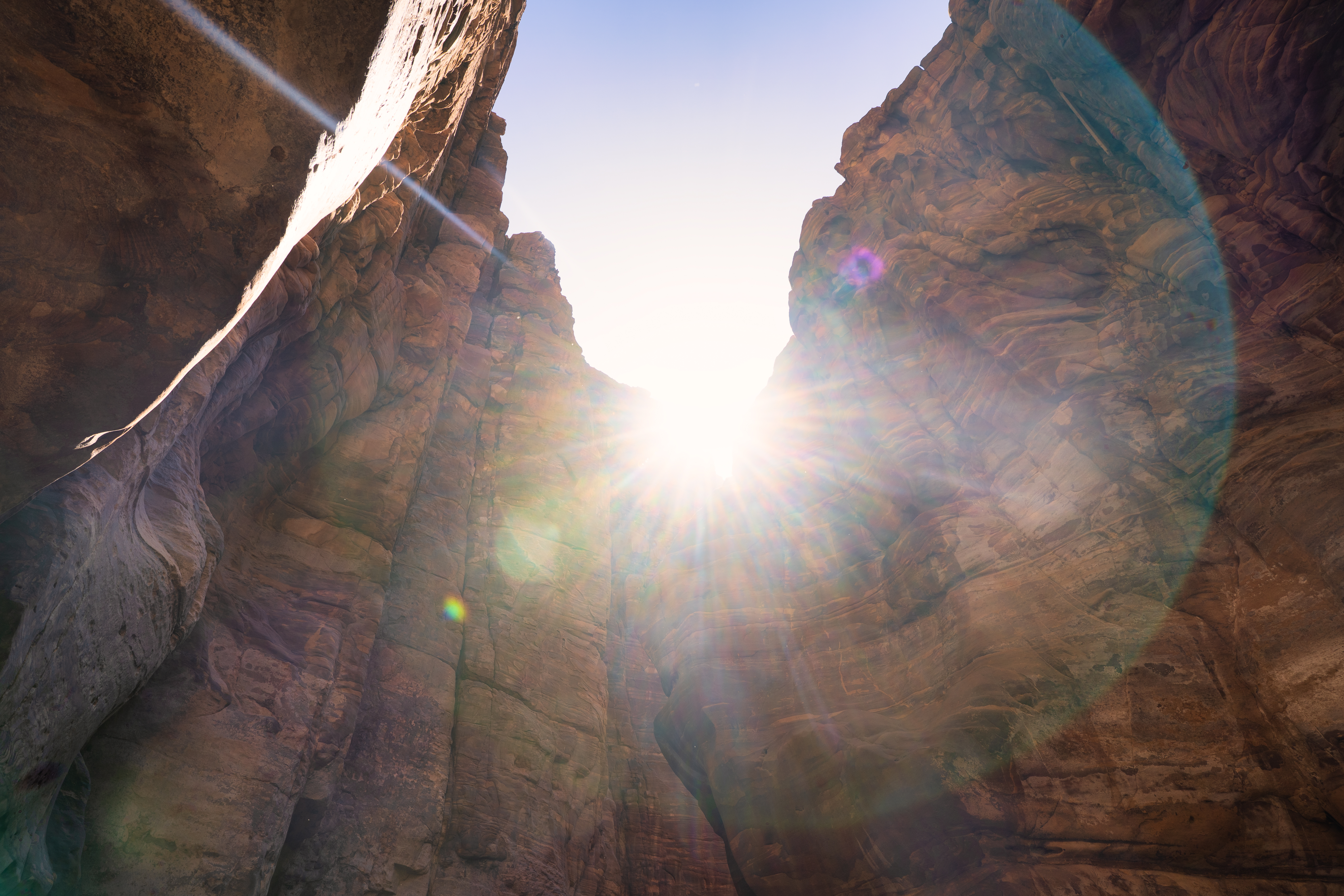
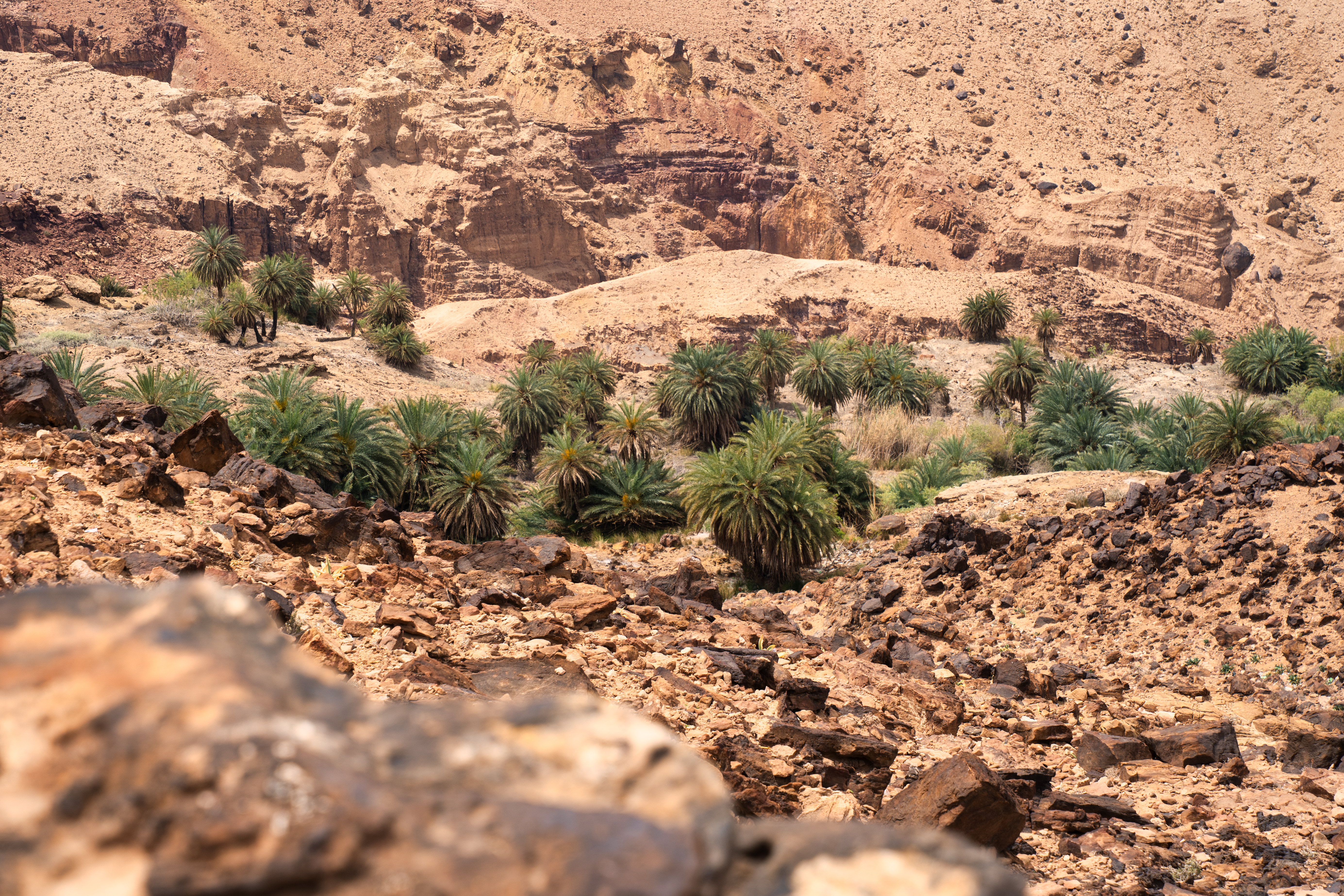
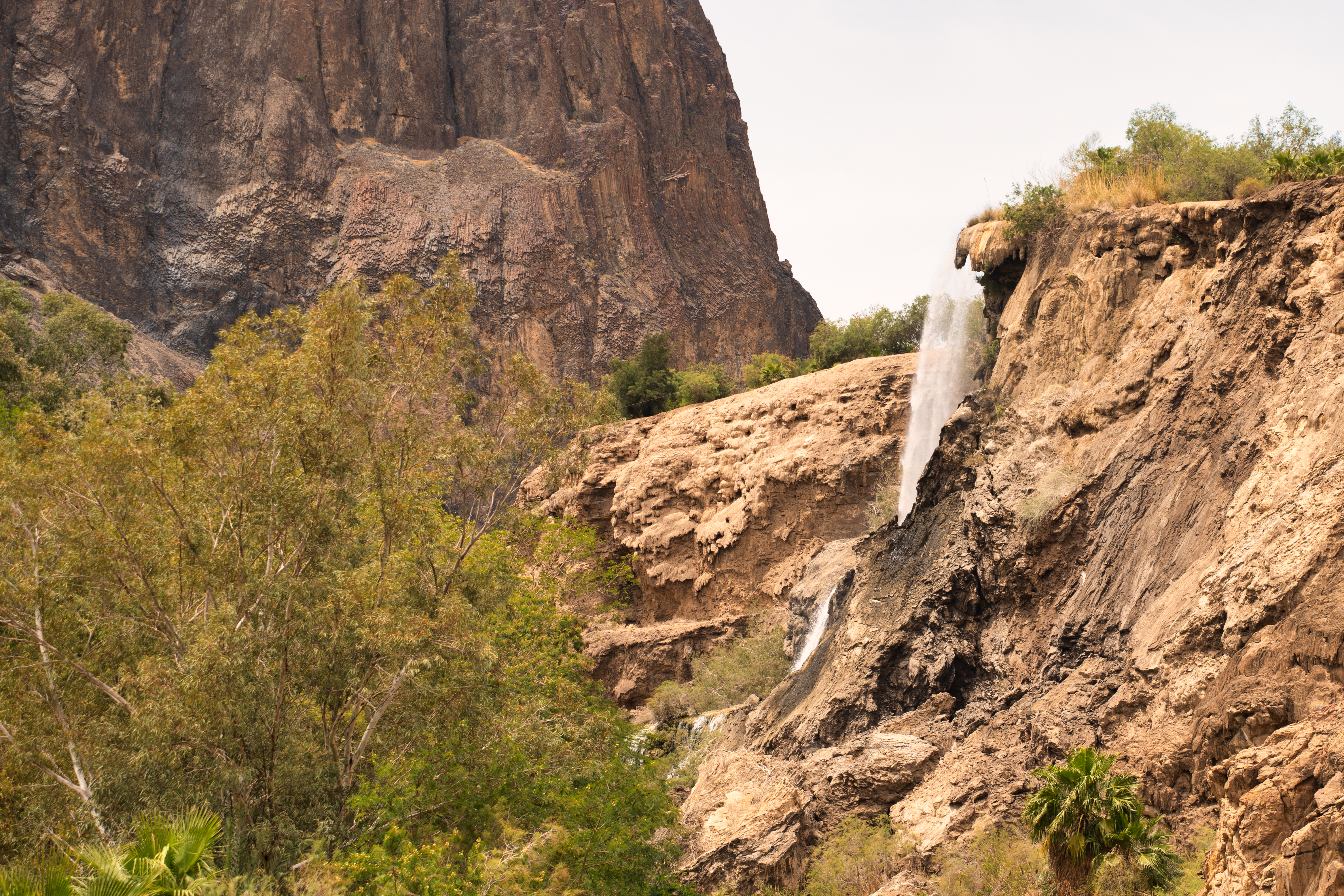
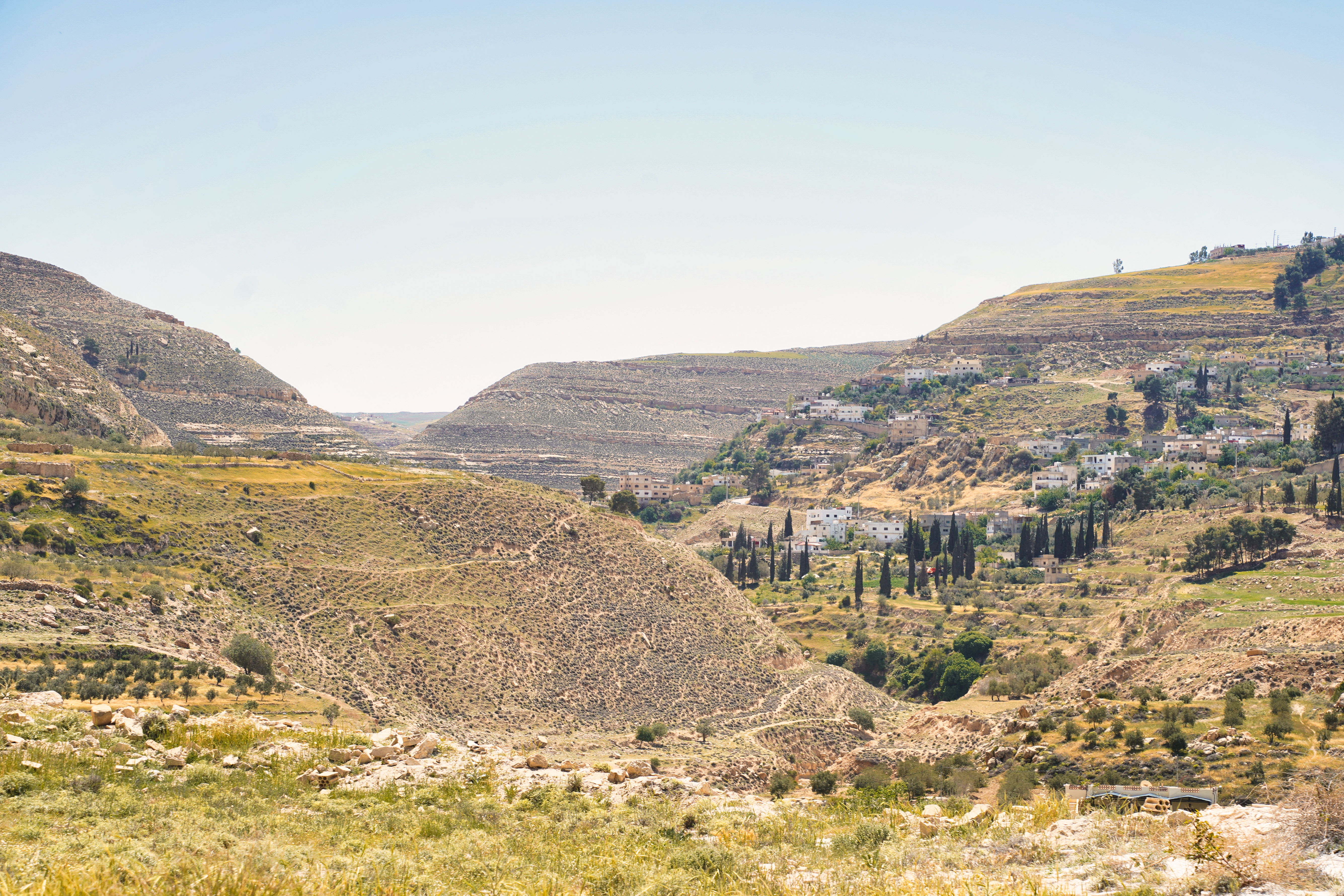
Deep in the heart of Jordan, where rugged cliffs tower above rushing waters, lies a trail etched not just into stone, but into history. Wadi Mujib, known in ancient times as the Arnon River, is a place where nature and legend intertwine. For millennia, this dramatic canyon carved into the edge of the Dead Sea Rift has served as both a geographical border and a spiritual threshold. It was once the boundary between the kingdoms of Moab and the Amorites, and its name echoes through biblical verses and forgotten scrolls. Today, the gorge is part of a UNESCO Biosphere Reserve, teeming with rare plants and elusive animals. 
The Sacred Sea

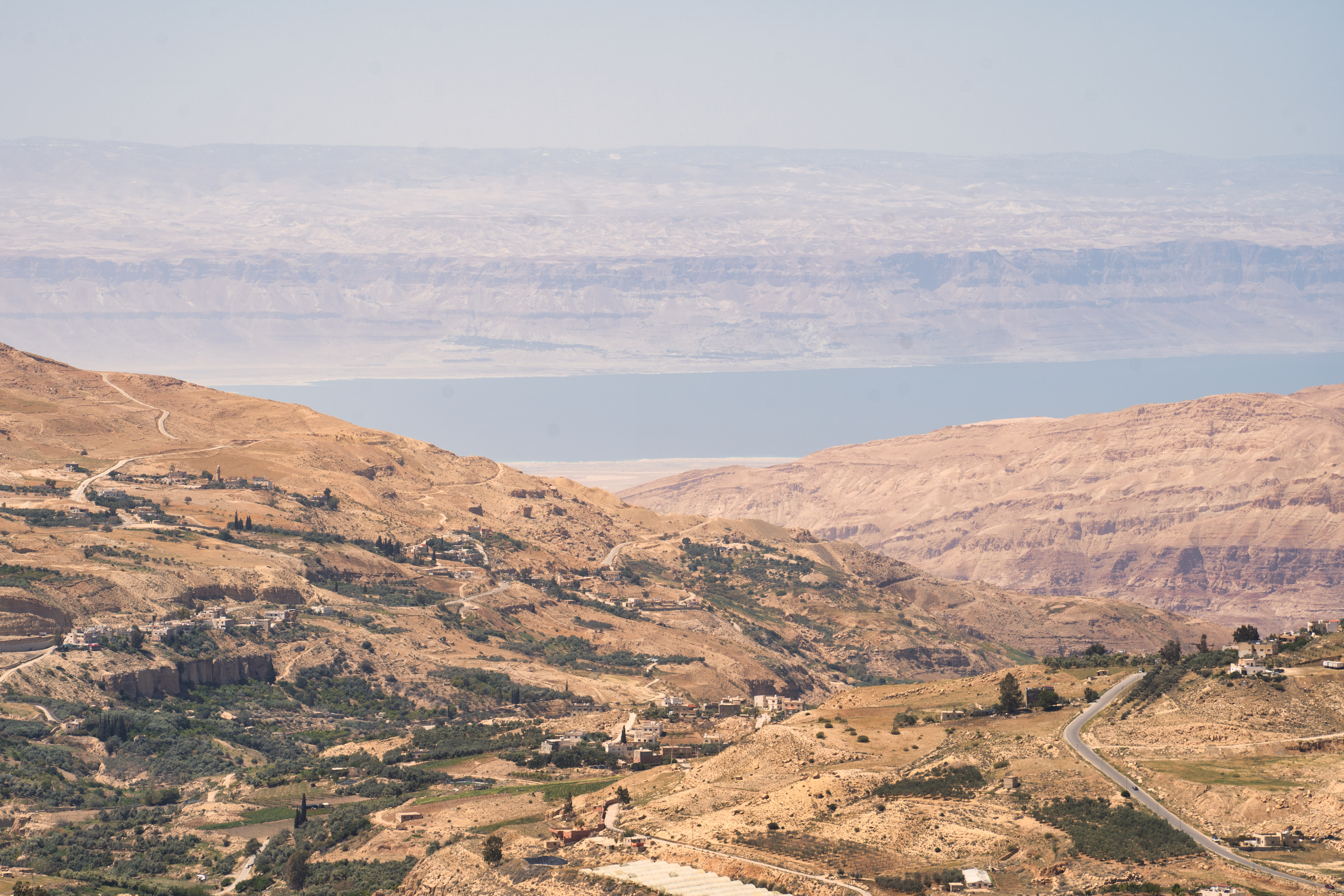
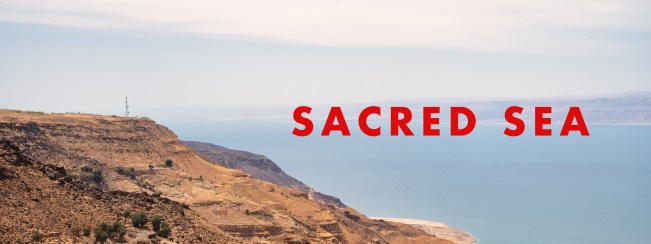
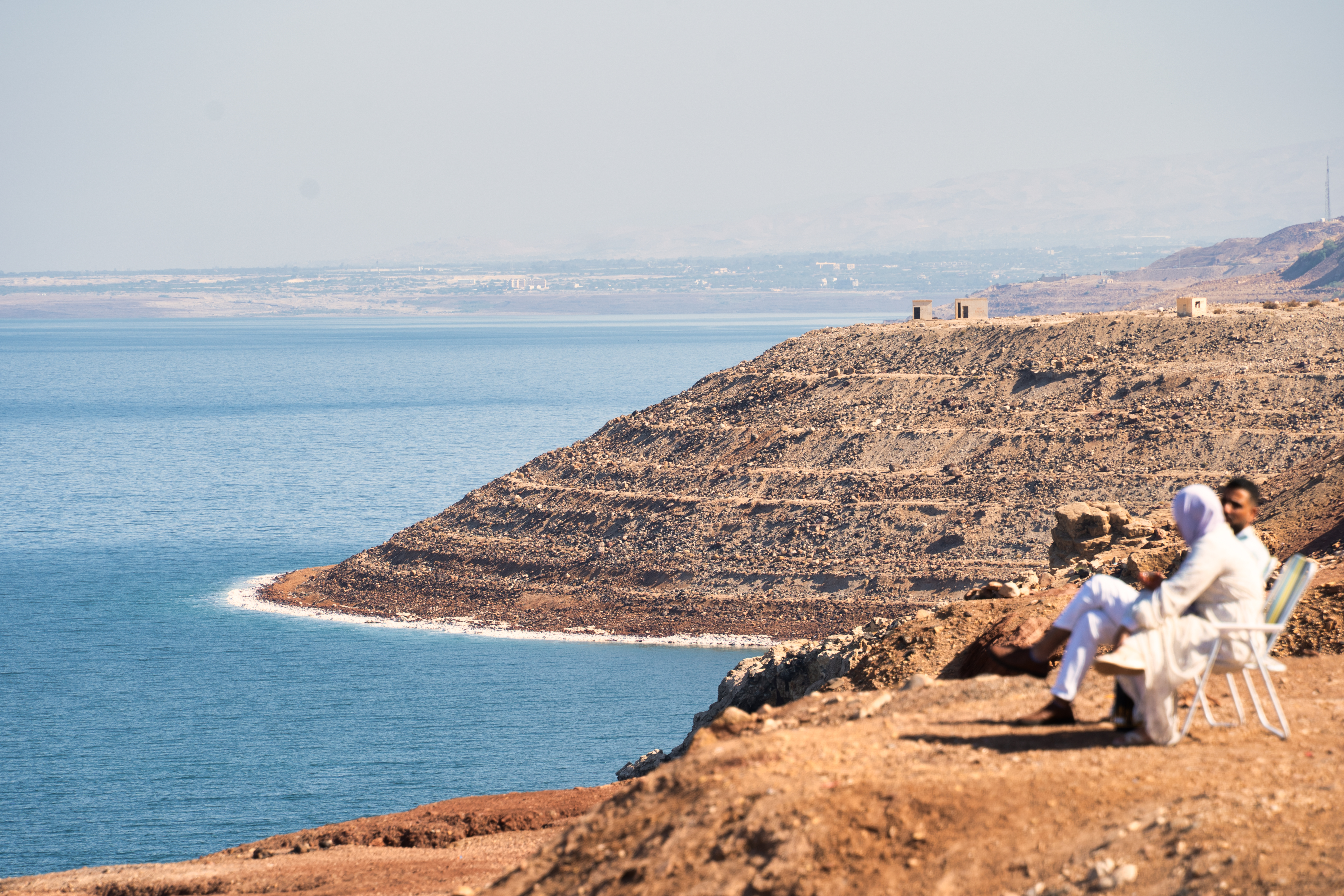
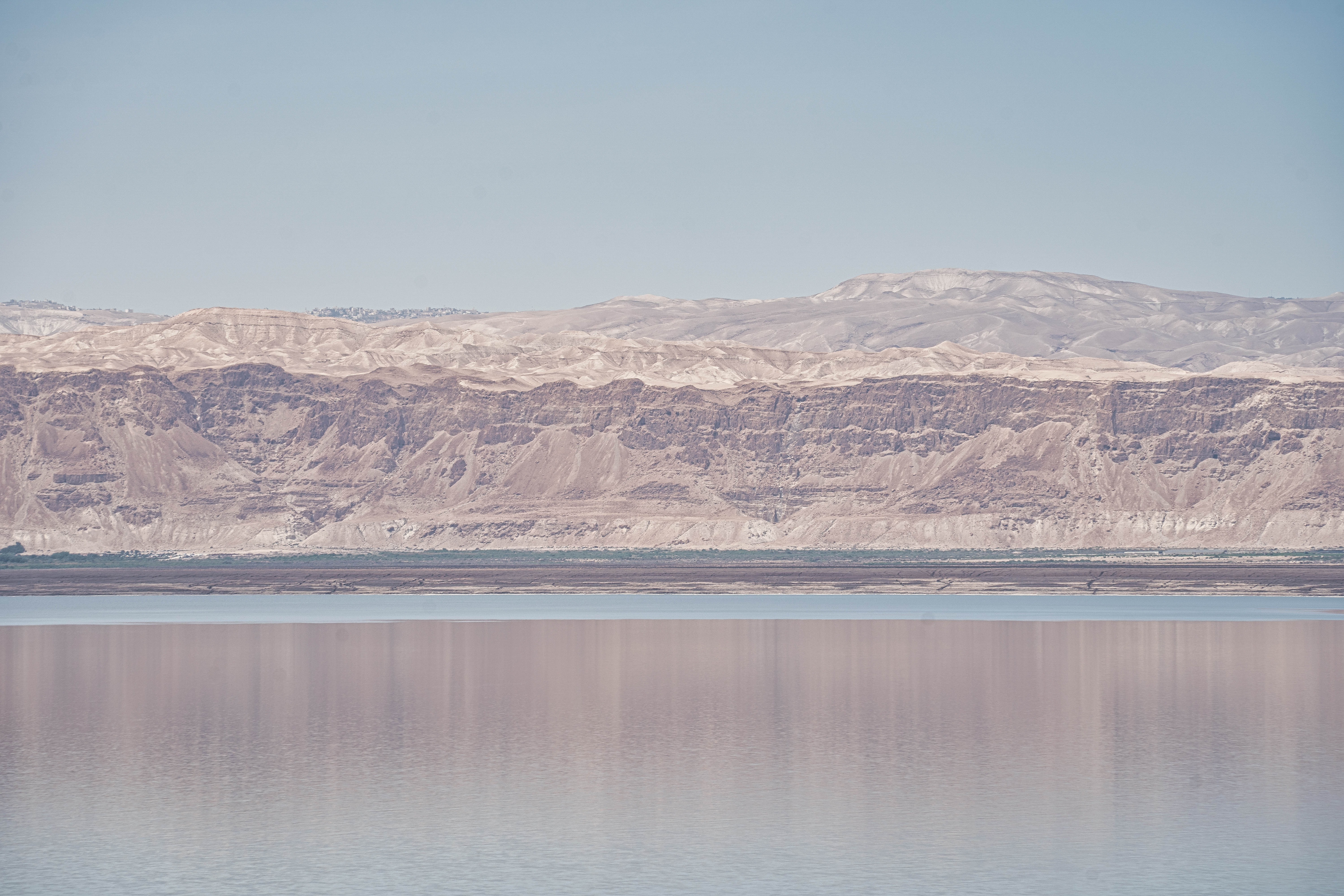
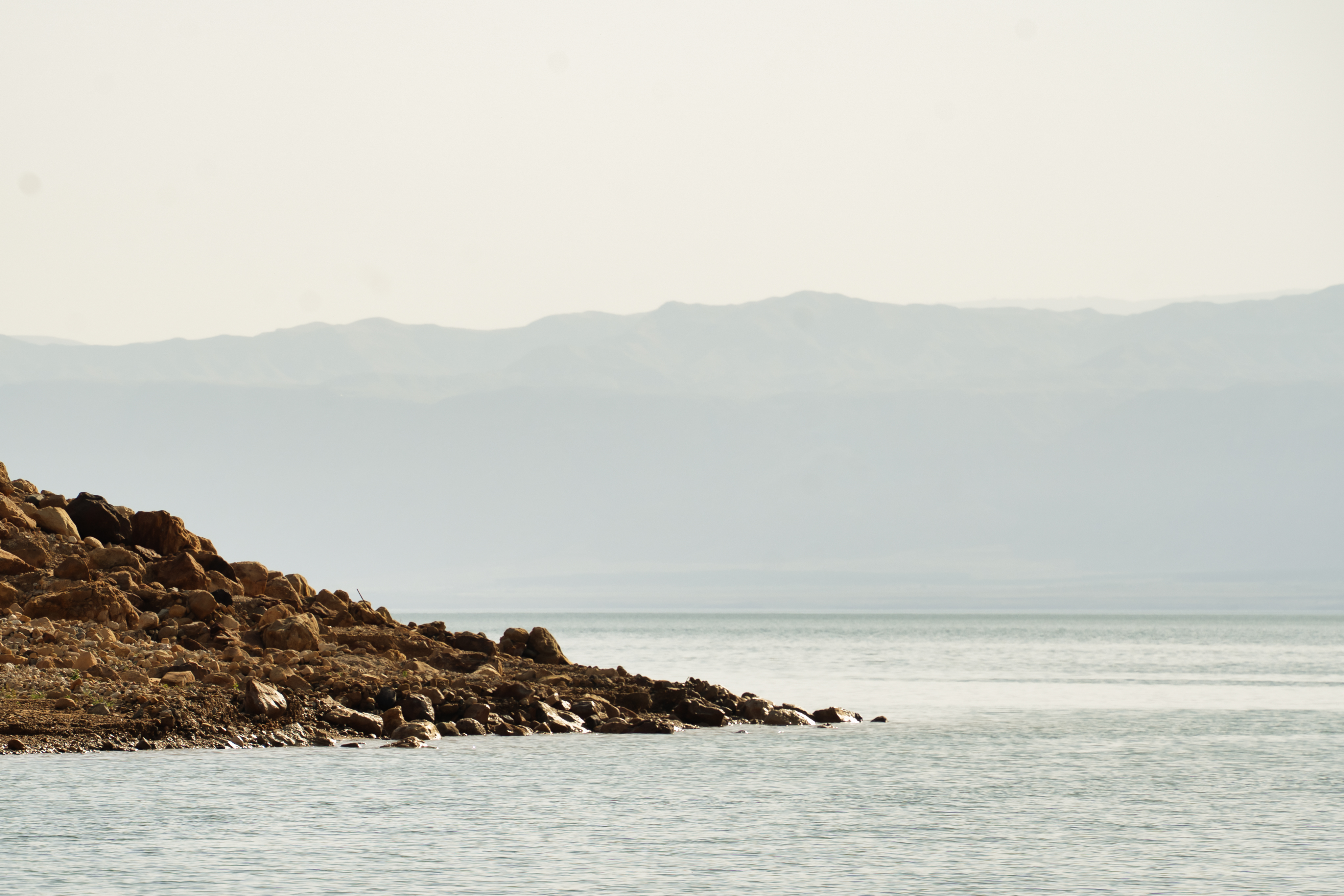
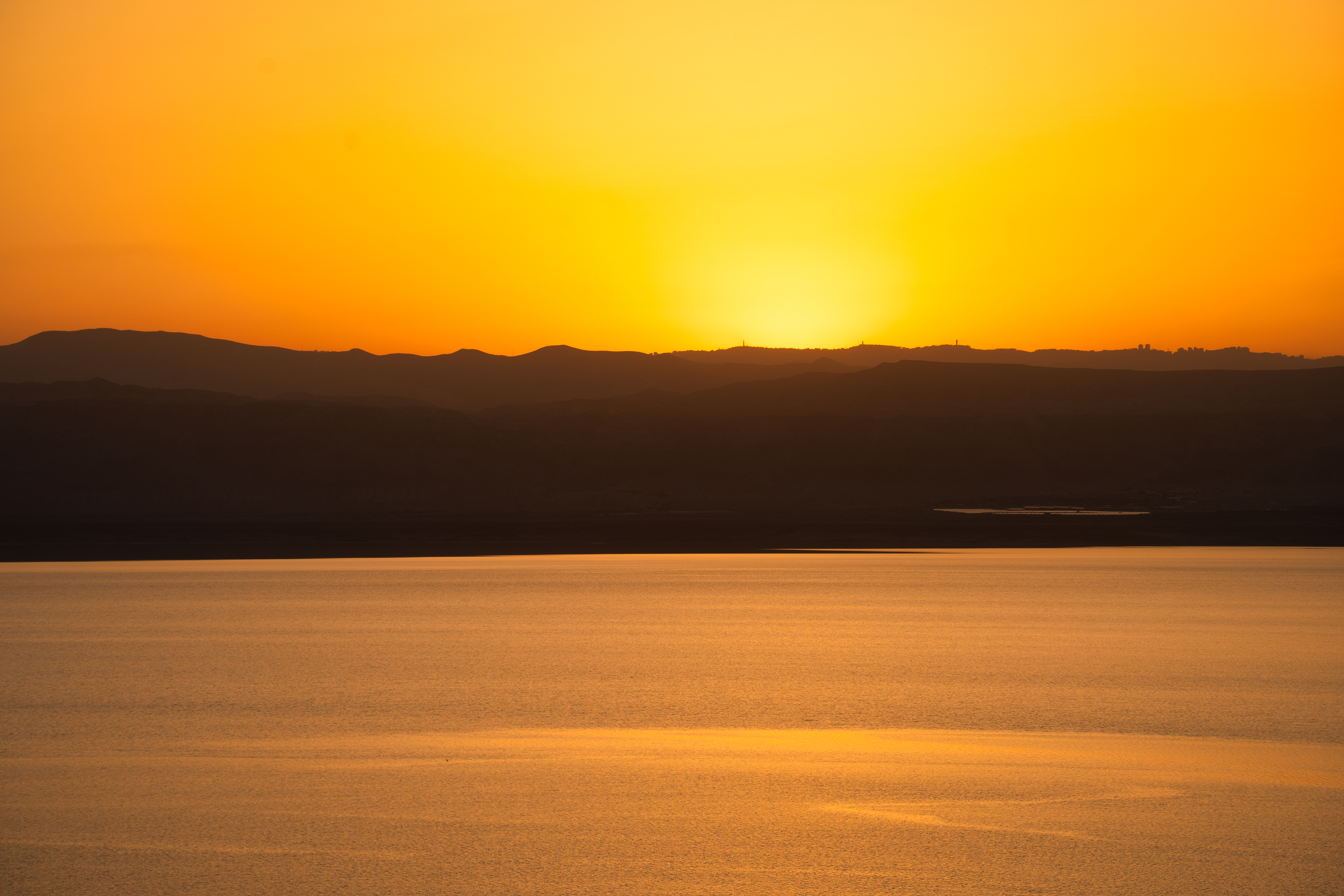
The Dead Sea, resting at the lowest point on Earth, is more than just a natural wonder—it is a place of spiritual stillness and profound historical weight. Revered since ancient times, this hypersaline lake has drawn prophets, pilgrims, and seekers for millennia. Its mineral-rich waters and black mud, long believed to possess healing properties, attract visitors looking for both physical and spiritual renewal. Nearby, the windswept hills of Mount Nebo—where Moses is said to have glimpsed the Promised Land—offer sweeping views of the sea, connecting this landscape to sacred narratives found in the Torah, Bible, and Quran.

Today, the Jordanian coast of the Dead Sea remains a place where silence speaks volumes. Luxurious spas and wellness resorts line its shores, yet just a short drive away, modest villages and desolate stretches of salt-encrusted rock evoke the timeless, almost otherworldly essence of the place. Many who visit talk of a strange serenity in floating effortlessly on its dense waters, as if cradled by an ancient force. It’s this mix of spiritual heritage, natural extremity, and reflective solitude that makes the Dead Sea more than just a destination—it becomes a quiet sanctuary, where the sacred whispers through salt, stone, and stillness.

Streets of Amman

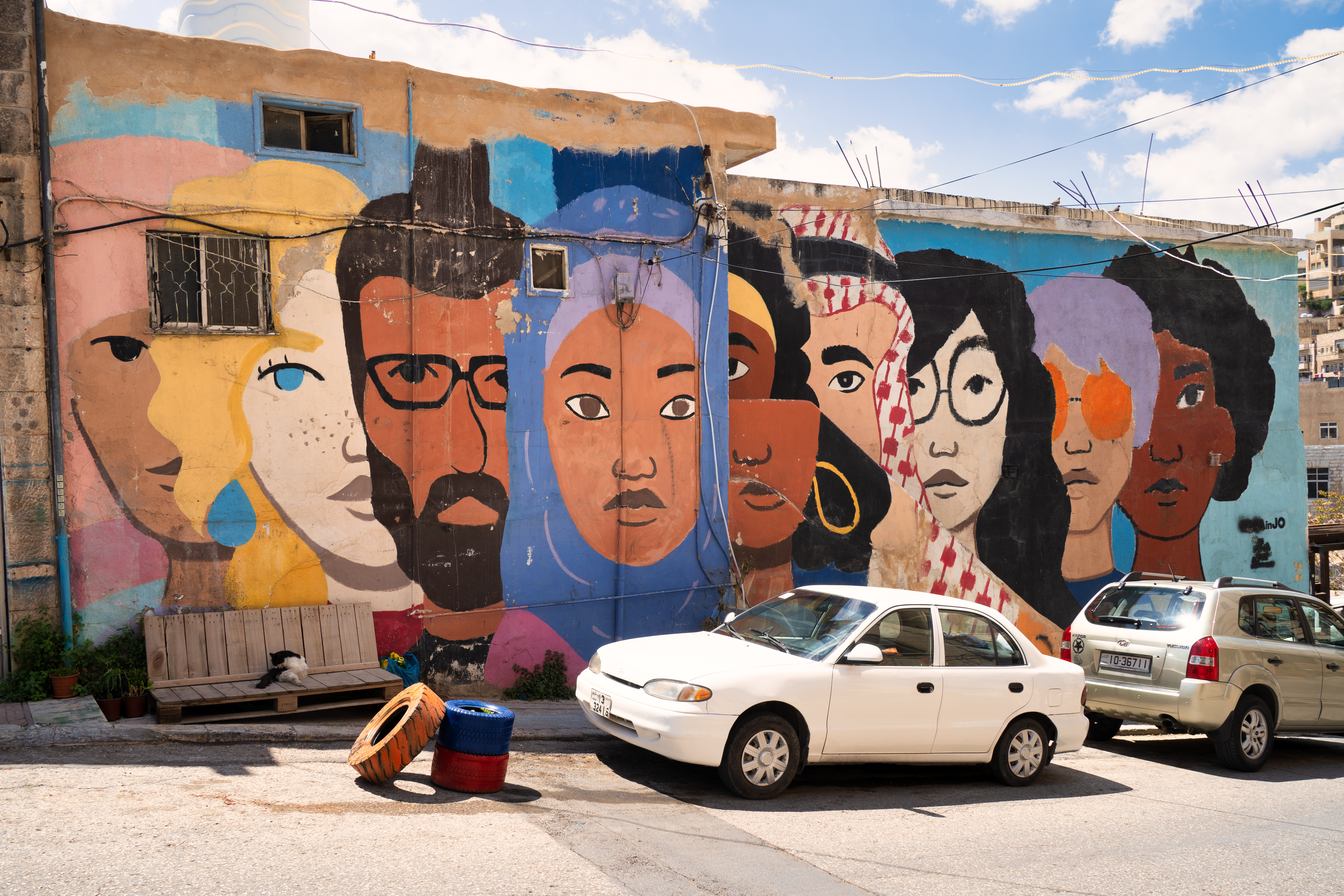
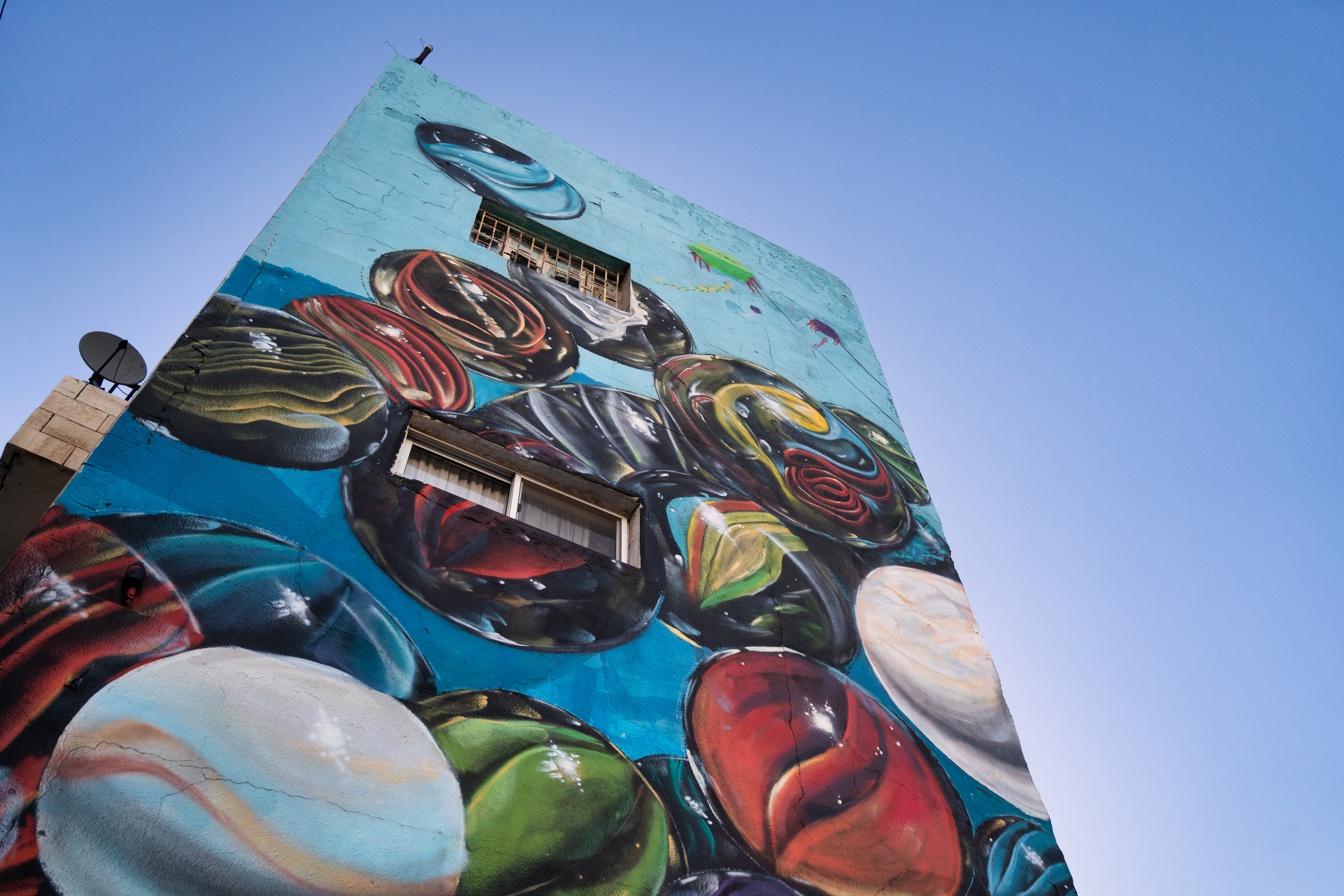
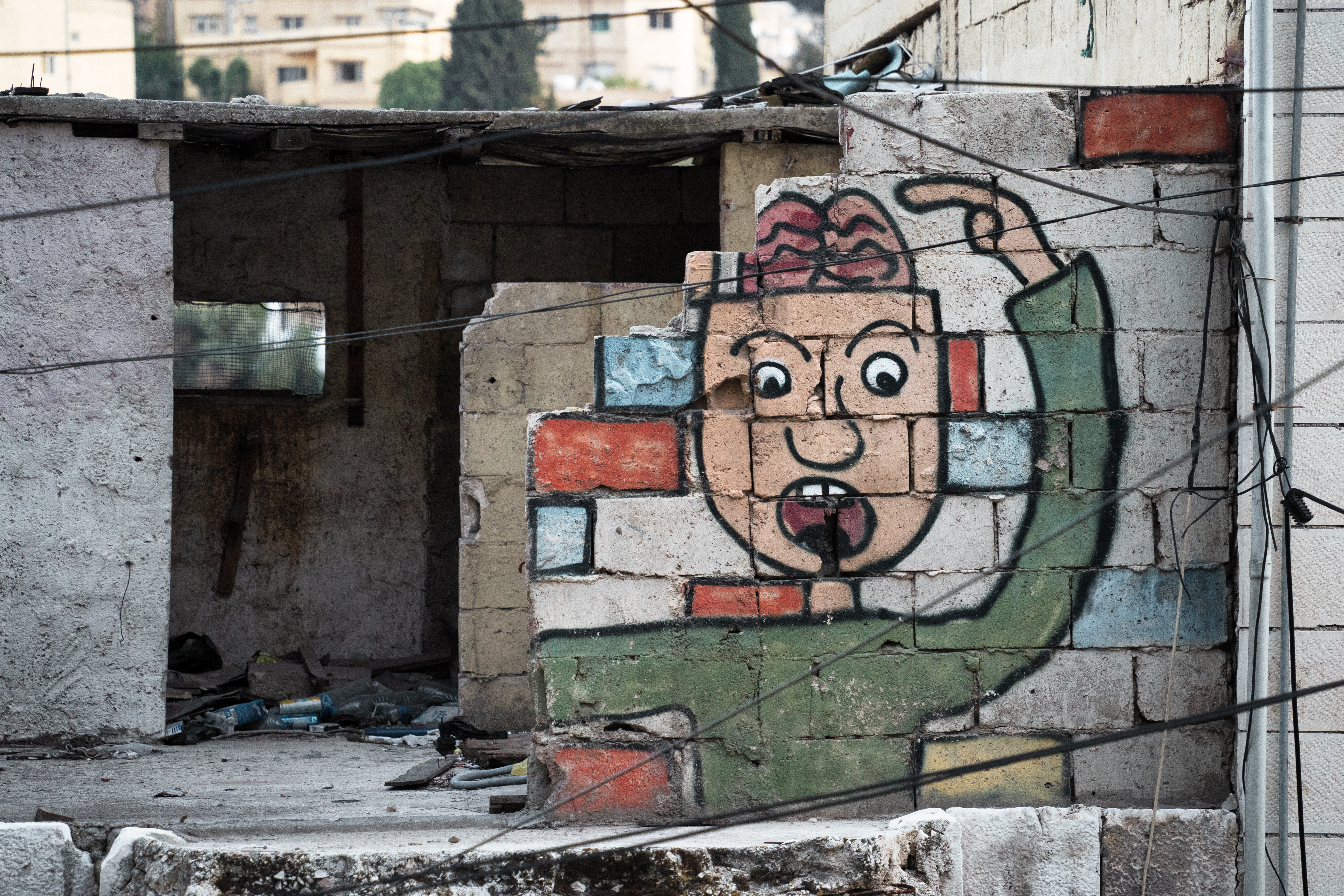
​Amman’s streets are alive with vibrant murals and graffiti that reflect the city’s dynamic culture and evolving identity.From towering murals that span entire buildings to intricate designs on staircases and alleyways, the city’s street art scene has flourished, especially since the Arab Spring, when public walls became canvases for political expression and resistance. Neighborhoods like Jabal al-Weibdeh and downtown Amman are particularly rich in street art, showcasing works by both local and international artists.

Ammon & Amman

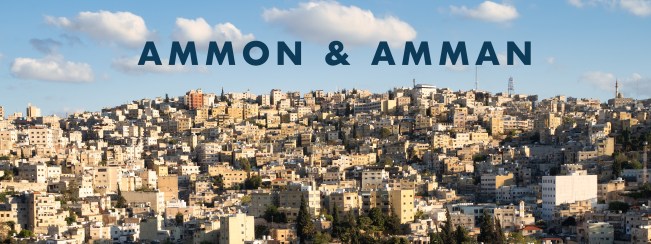
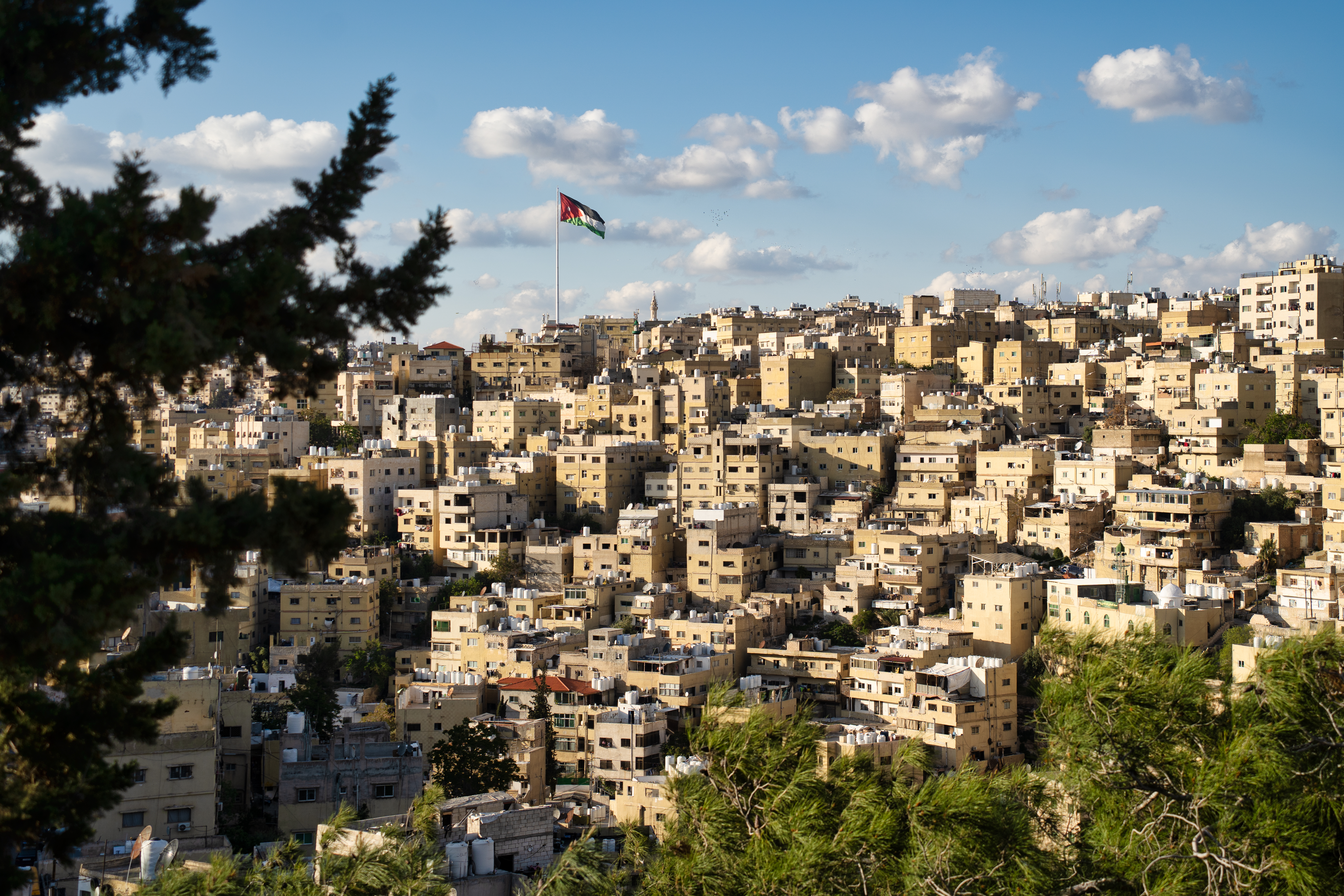
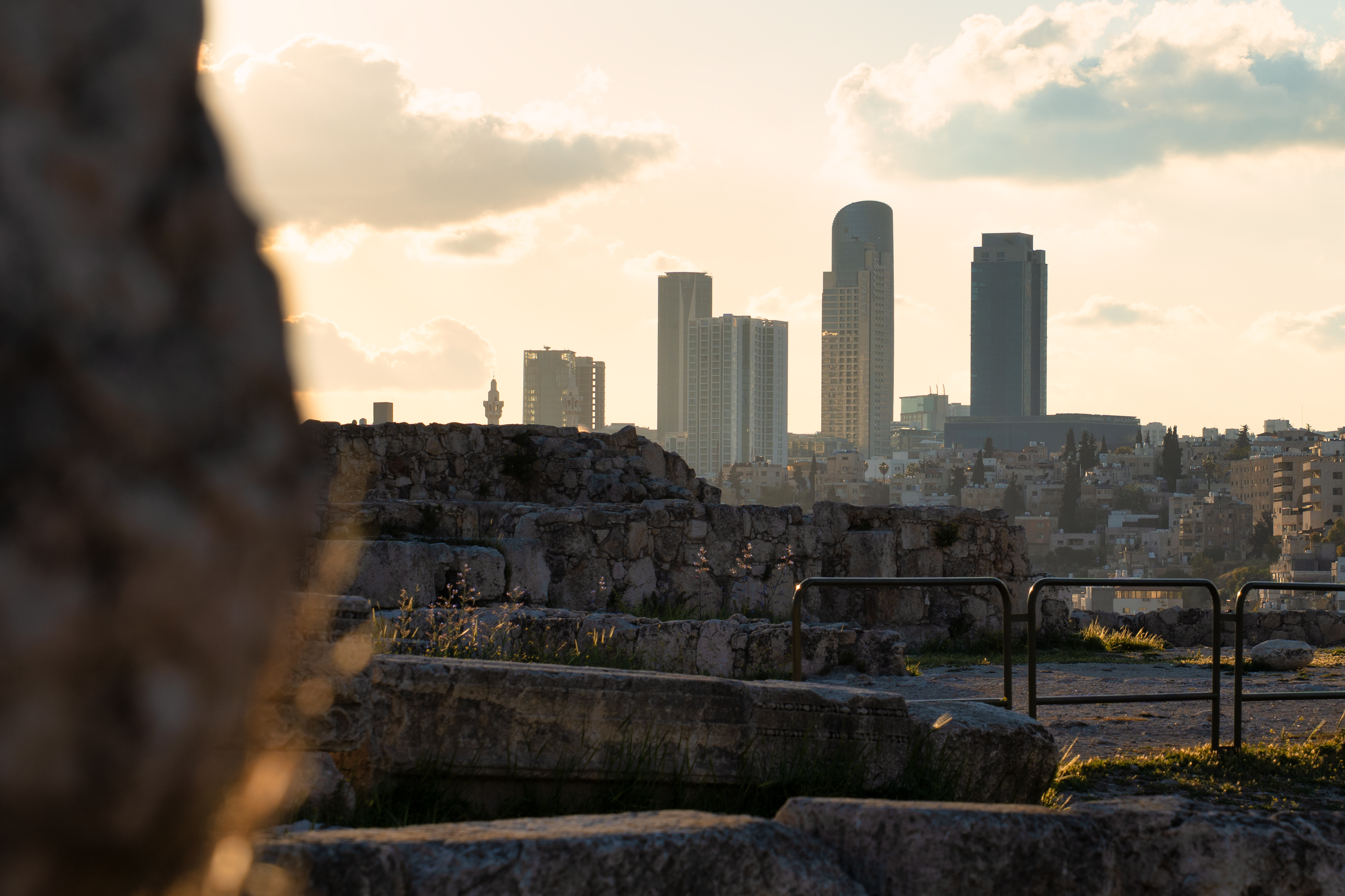
Long before Amman became the modern capital of Jordan, it was known as Rabbath Ammon, the stronghold of the ancient Ammonite kingdom. Located east of the Jordan River, Ammon was a powerful biblical-era state, often at odds with neighboring Israel. Its capital was both a military fortress and a cultural center, and its legacy still echoes in ancient ruins found in today’s city.

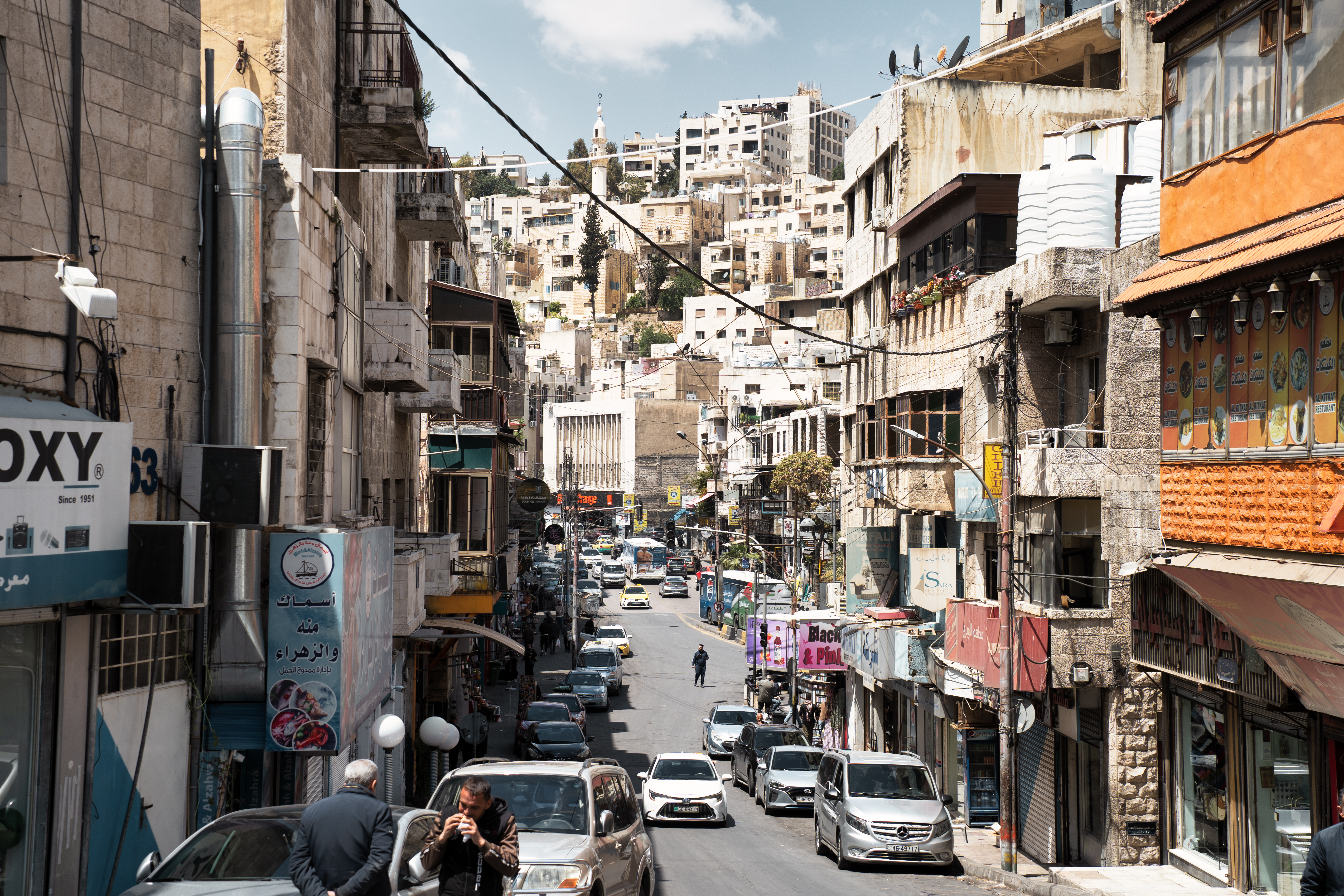
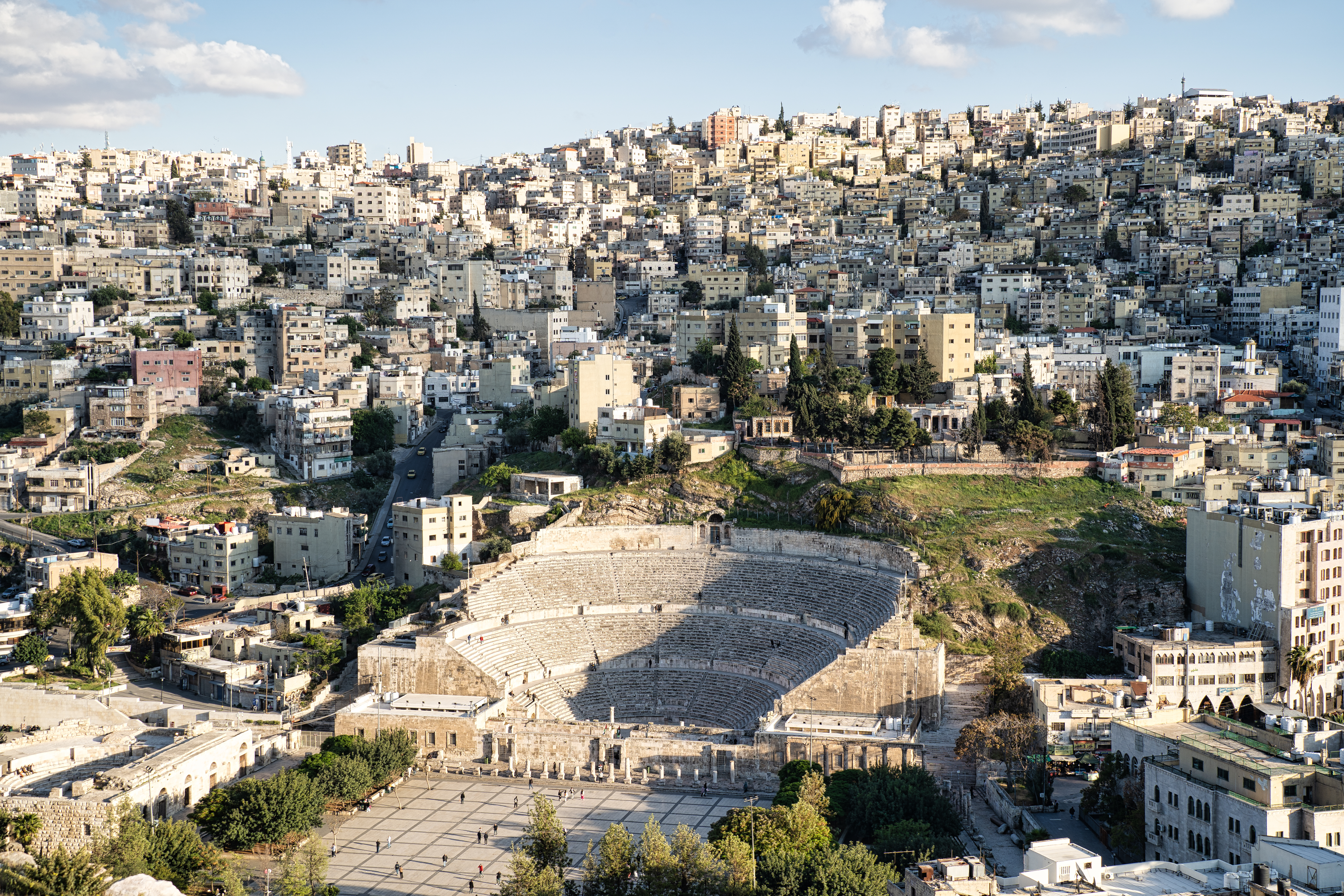
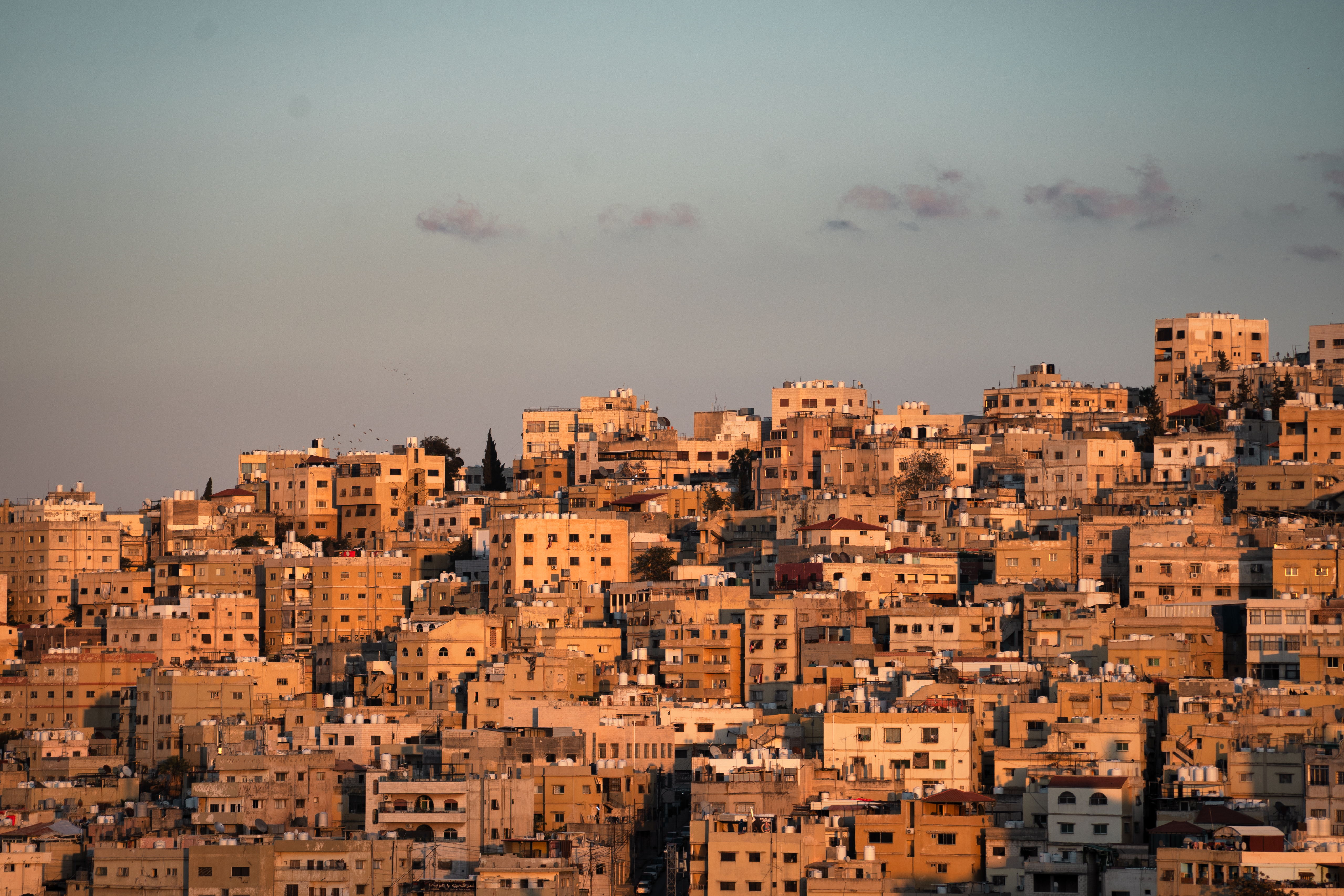
Over centuries, Rabbath Ammon transformed—renamed Philadelphia by the Greeks, expanded by the Romans, and eventually evolving into Amman. Today’s bustling metropolis blends its ancient roots with modern life. The name change may be slight, but it reflects a deep, continuous story—one of resilience and reinvention from the days of Ammon to the streets of Amman.

Sacral Amman

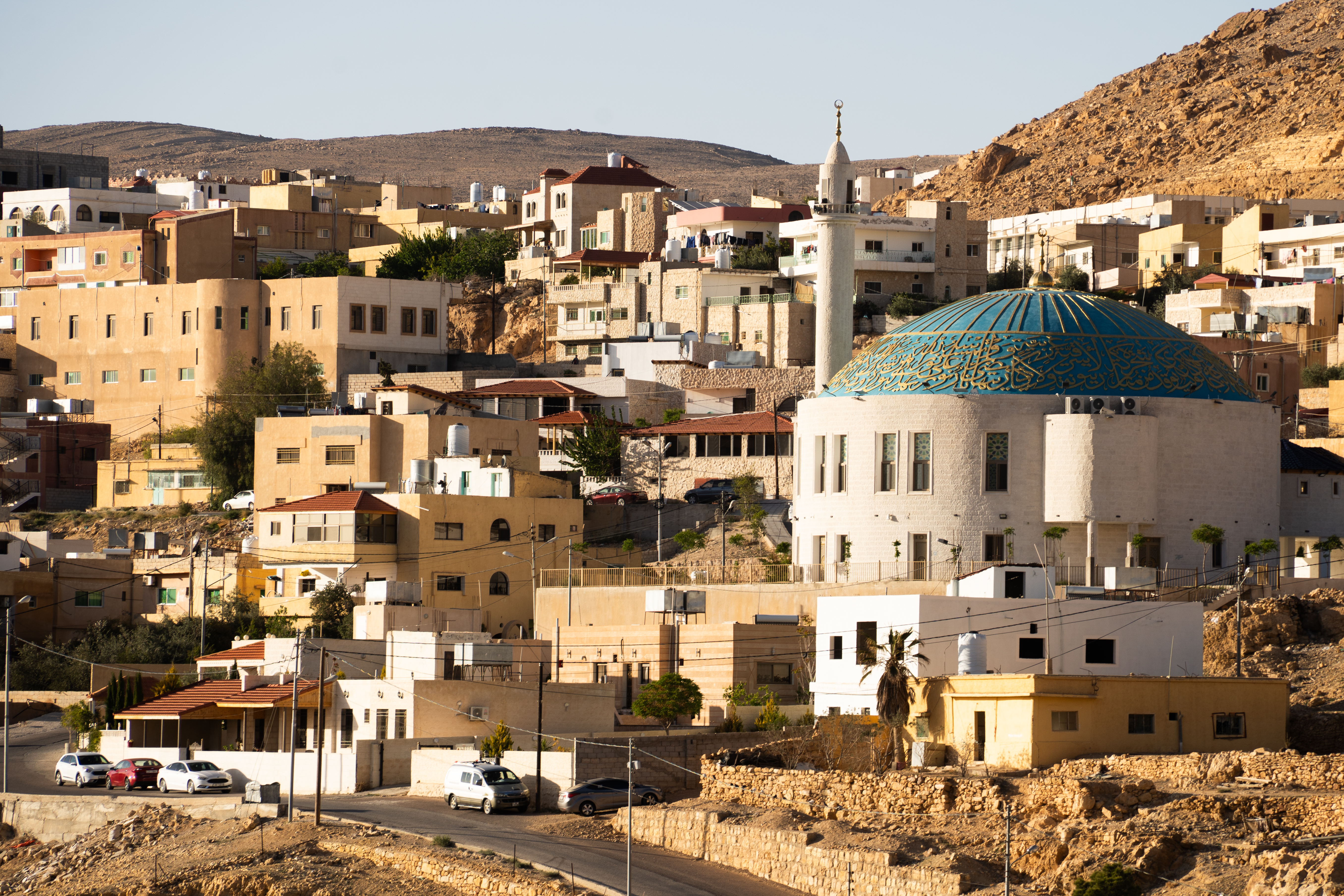
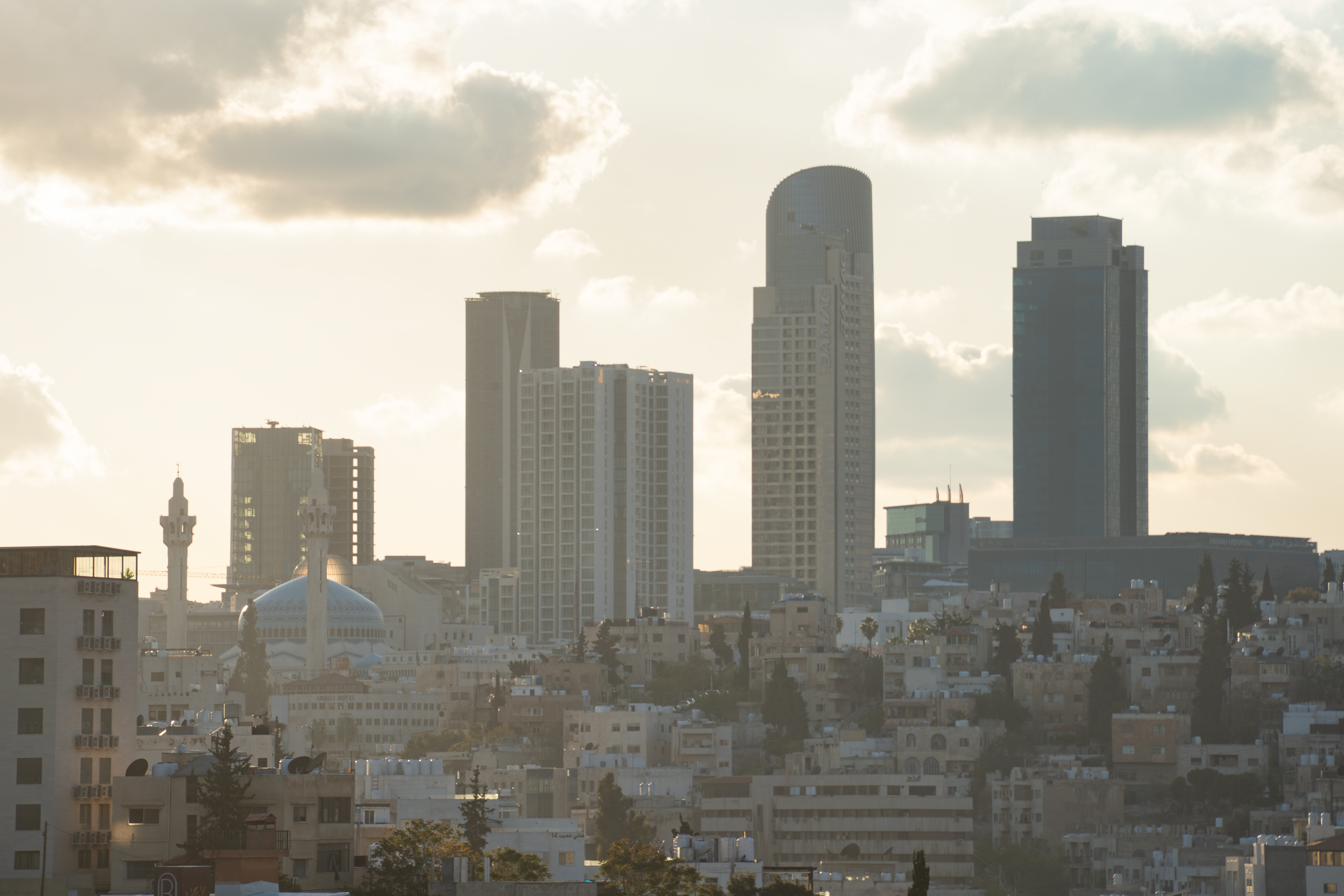
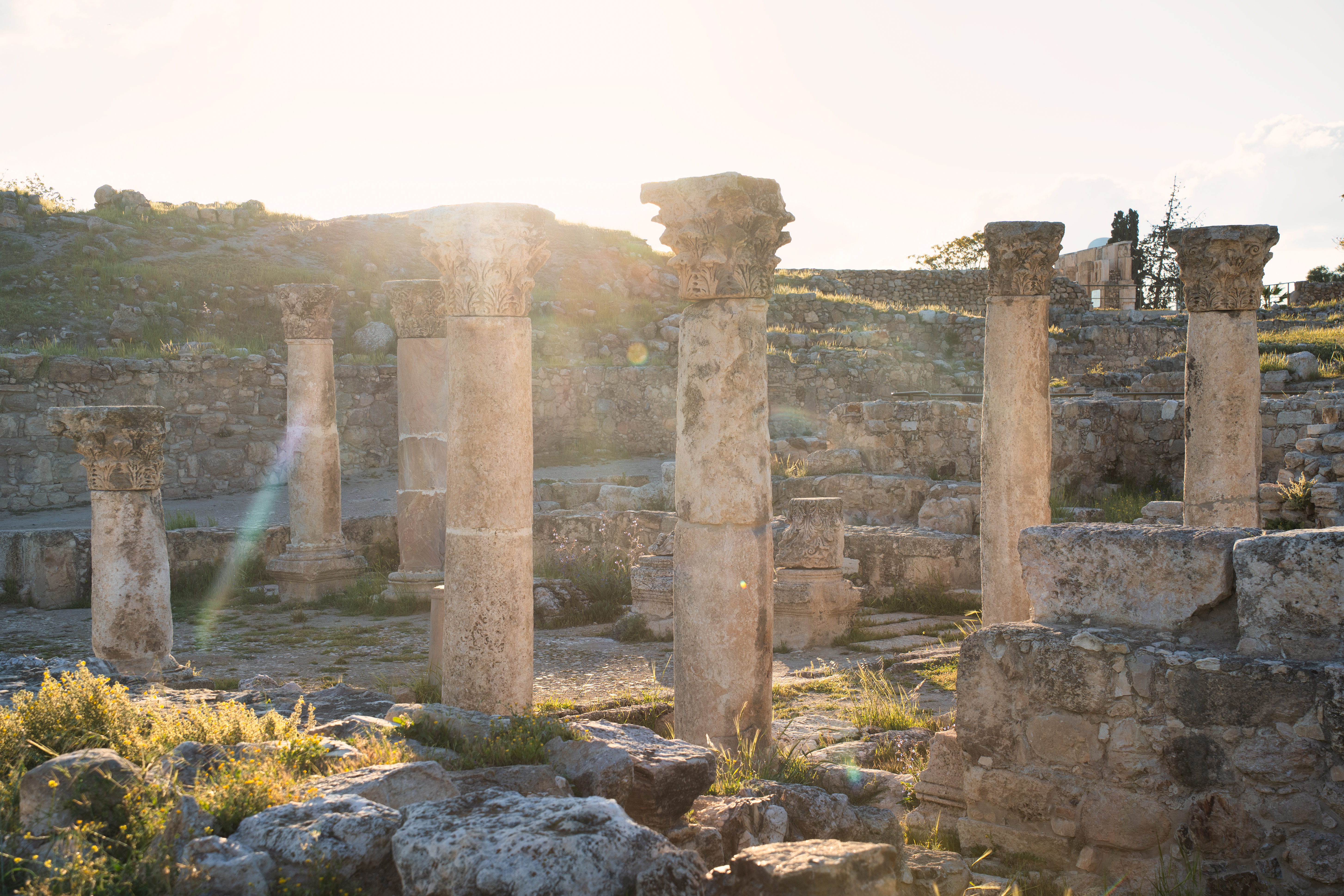
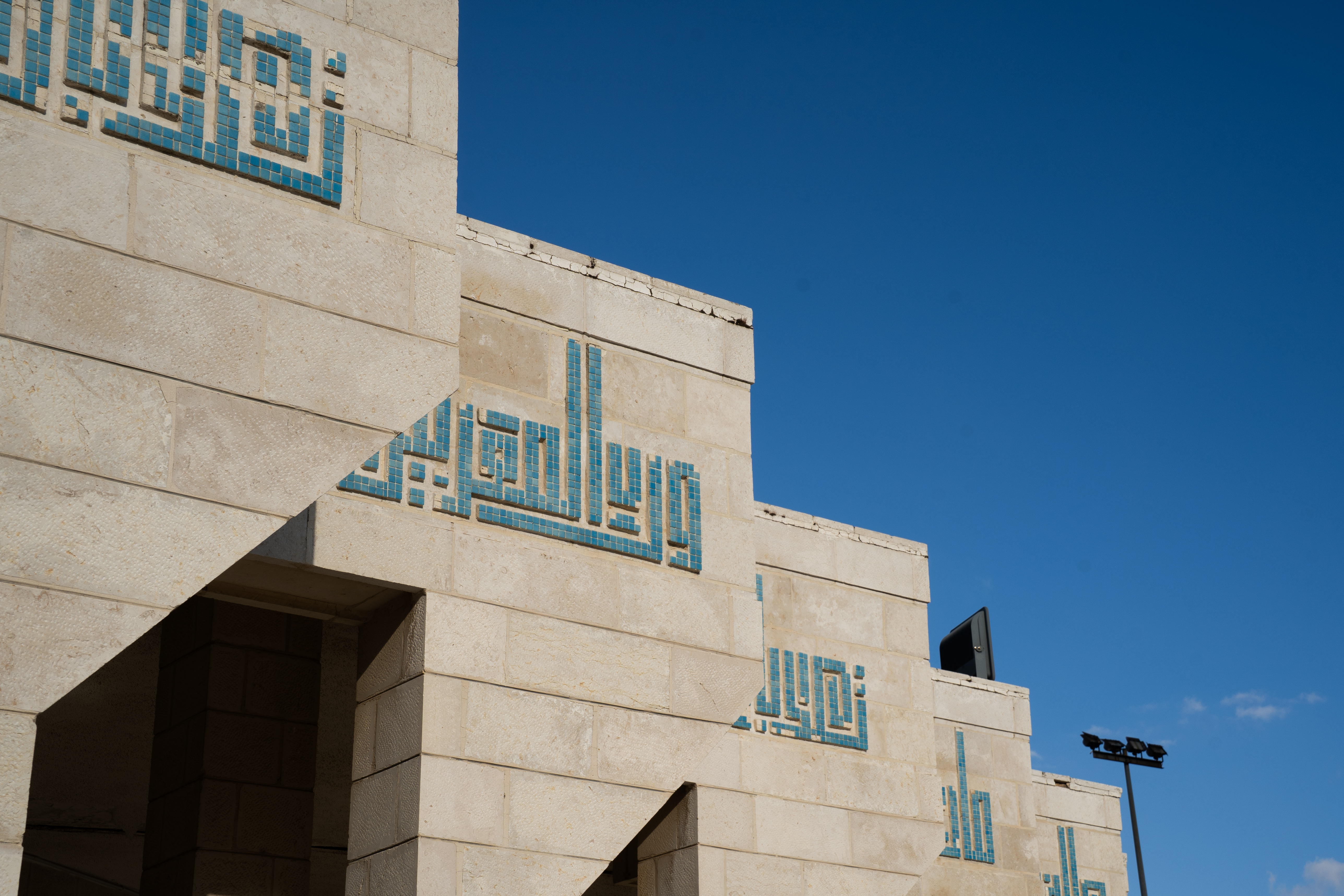
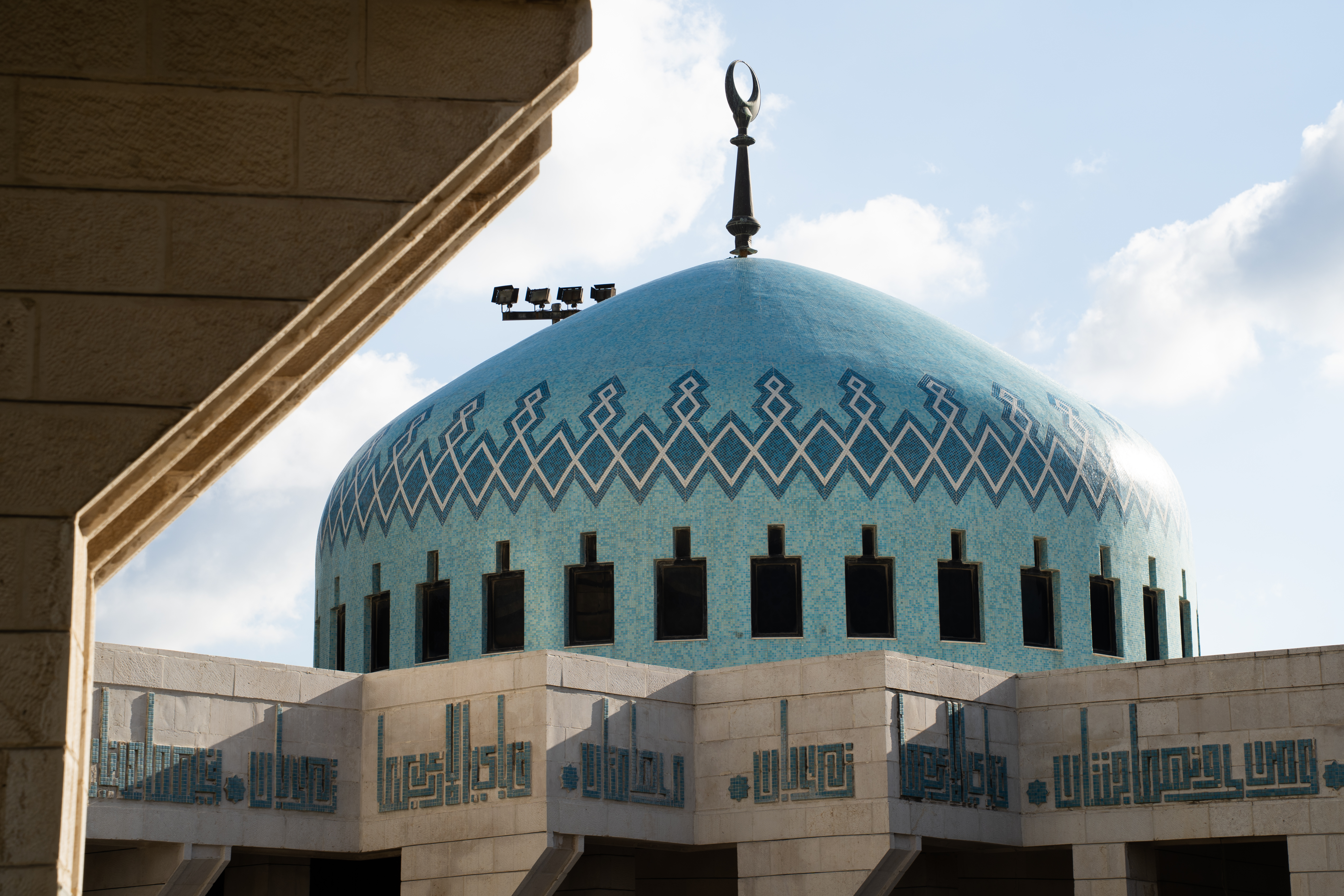
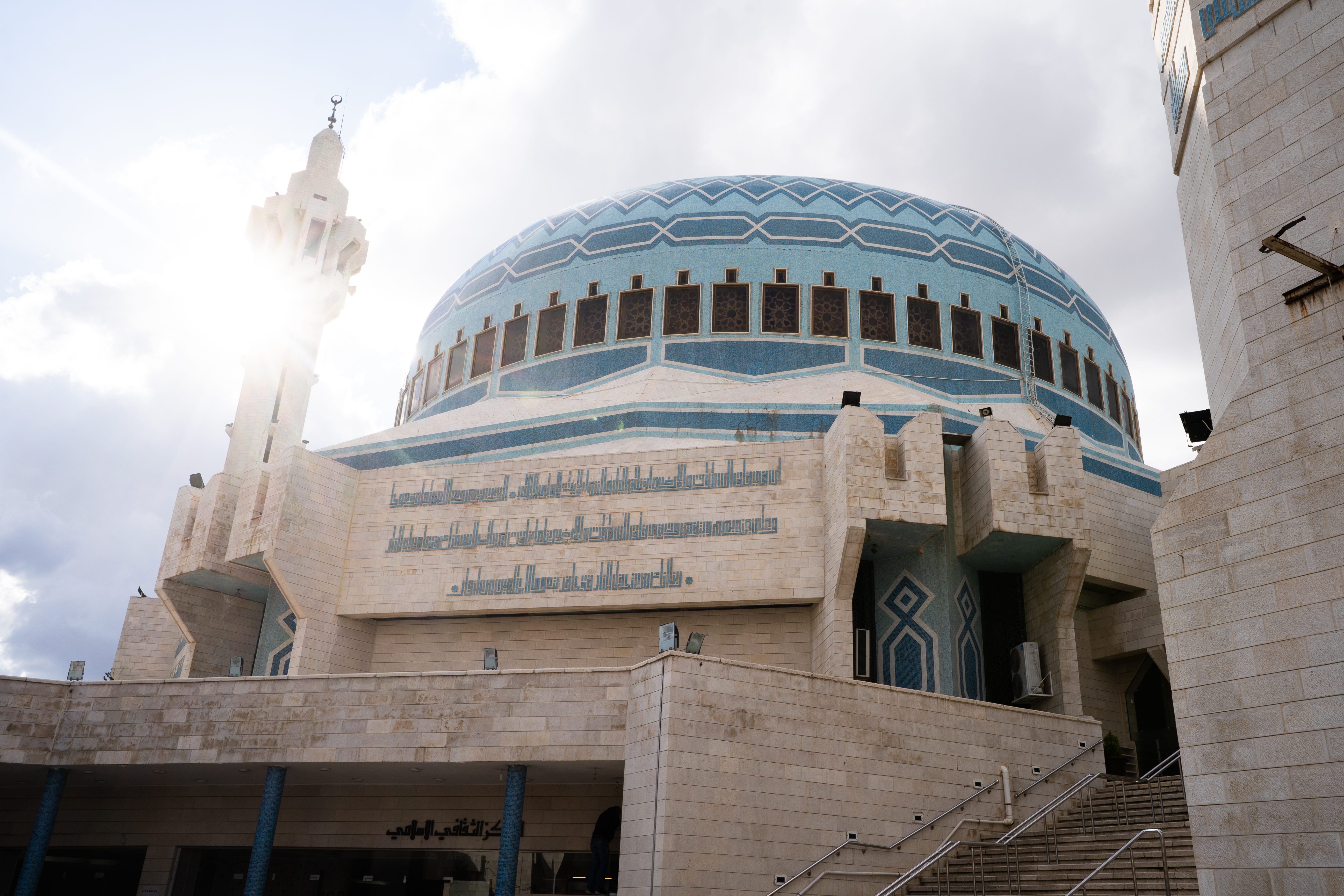
Sacral Amman, the spiritual heart of Jordan’s capital, embodies the deep-rooted religious and cultural traditions of the city. Scattered across its ancient hills are sacred sites from Islamic, Christian, and pre-Abrahamic traditions, revealing a city shaped by centuries of devotion and pilgrimage. Notable among these is the King Abdullah I Mosque with its striking blue dome, a symbol of modern Islamic architecture and a center for religious life. Meanwhile, the ruins of Byzantine churches and Roman temples, such as those found on the Citadel (Jabal al-Qal’a), testify to Amman’s layered past, where faiths overlapped and evolved.

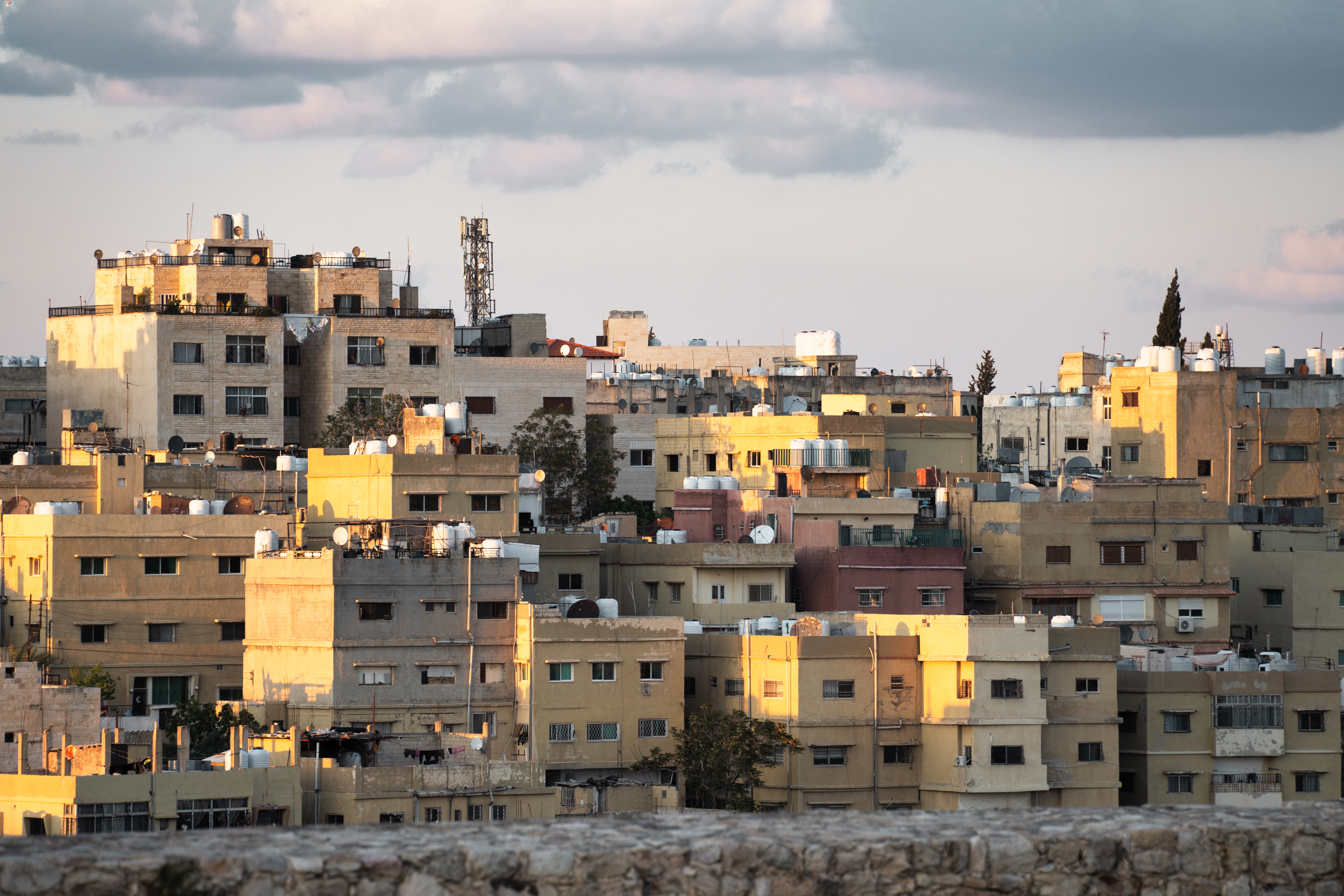
Beyond the grand structures, sacral Amman reveals itself in the quiet rituals of daily life—Friday prayers echoing from neighborhood mosques, incense wafting from Orthodox churches, and the soft murmur of evening supplications. In places like Downtown Amman, faith interweaves seamlessly with commerce, where shopkeepers close their stores briefly for prayer or where passersby pause at shrines nestled between buildings. This living spirituality, not confined to monuments, makes Amman a city where the sacred is not only seen but felt—an ongoing dialogue between past and present, tradition and everyday life.