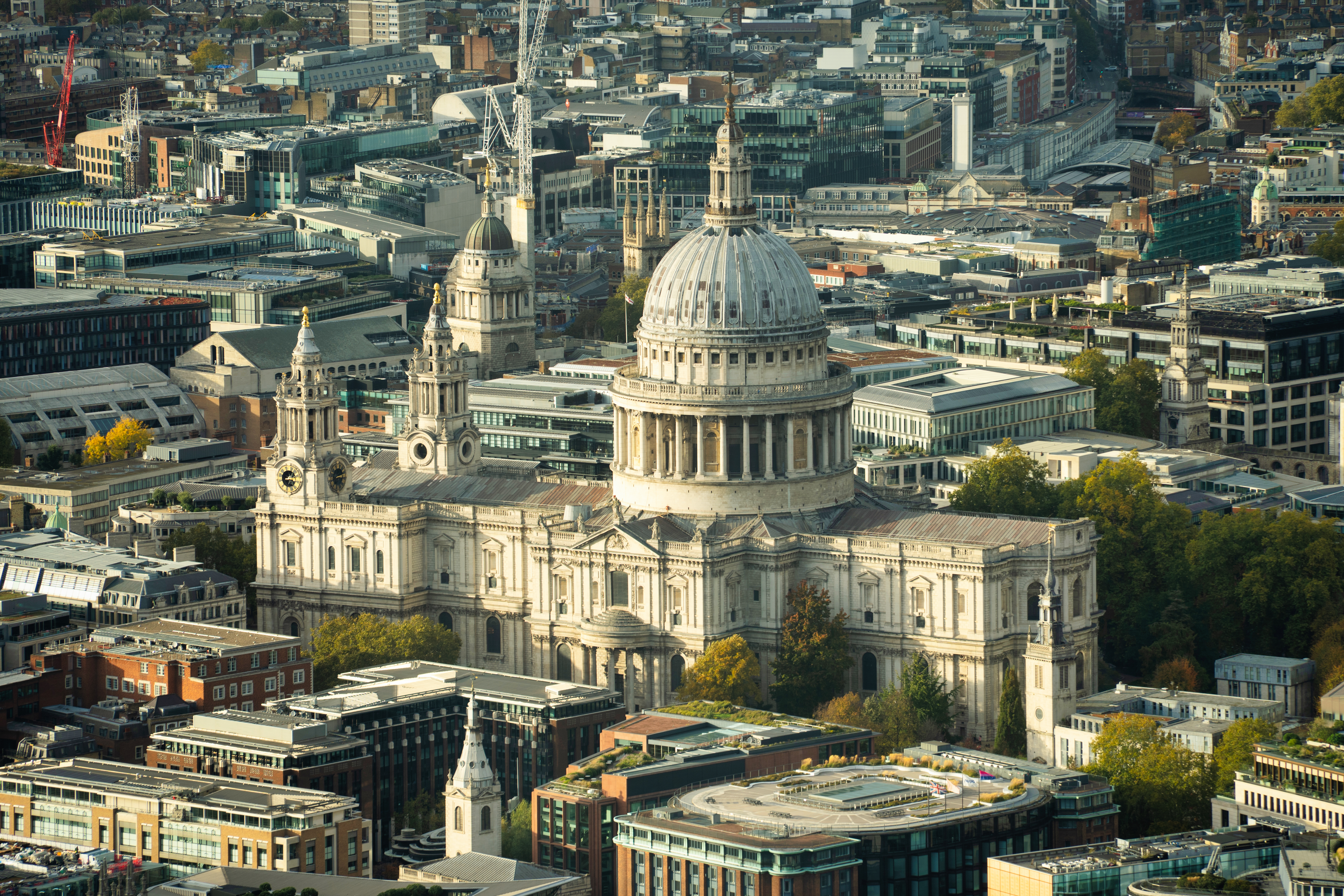
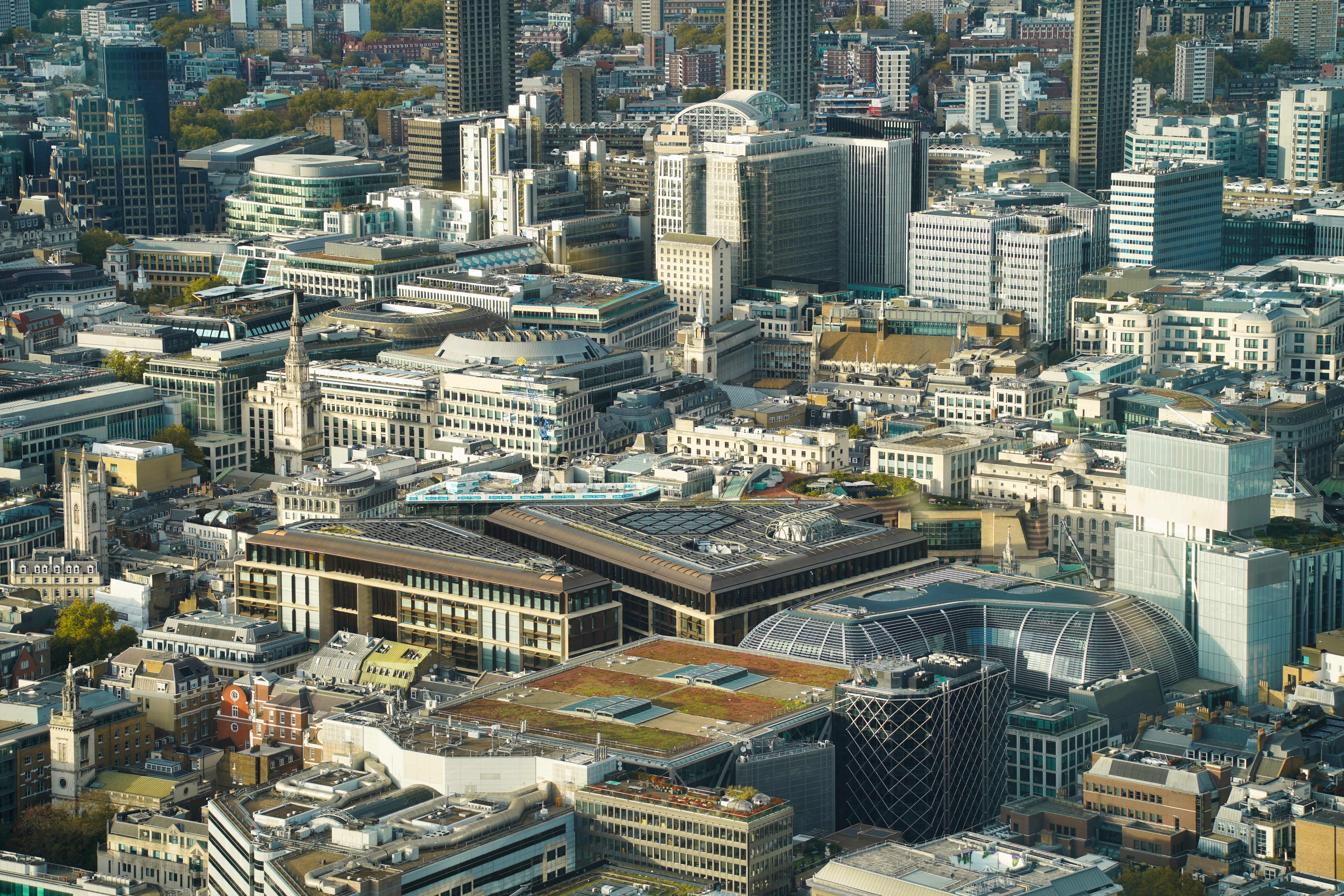
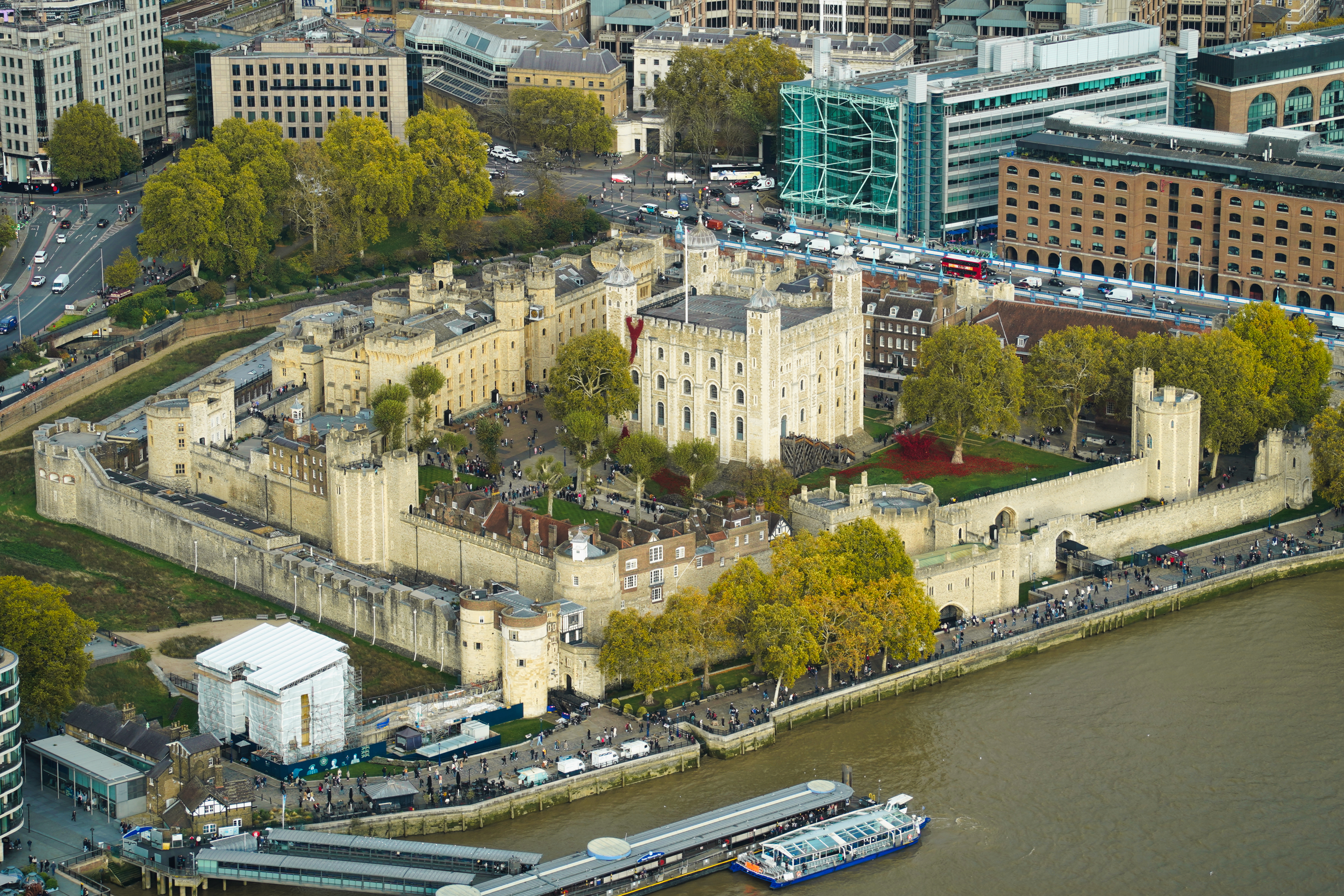
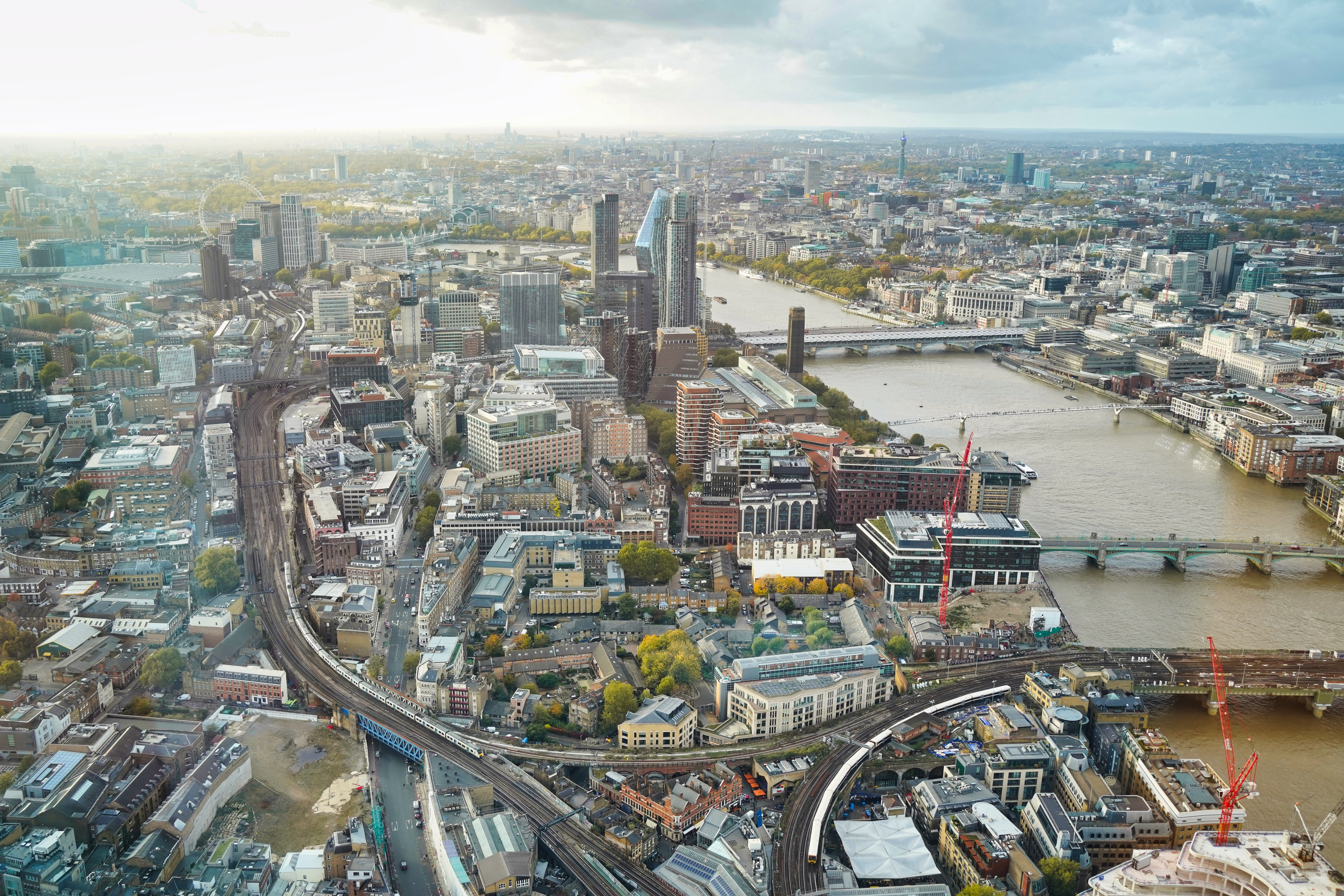
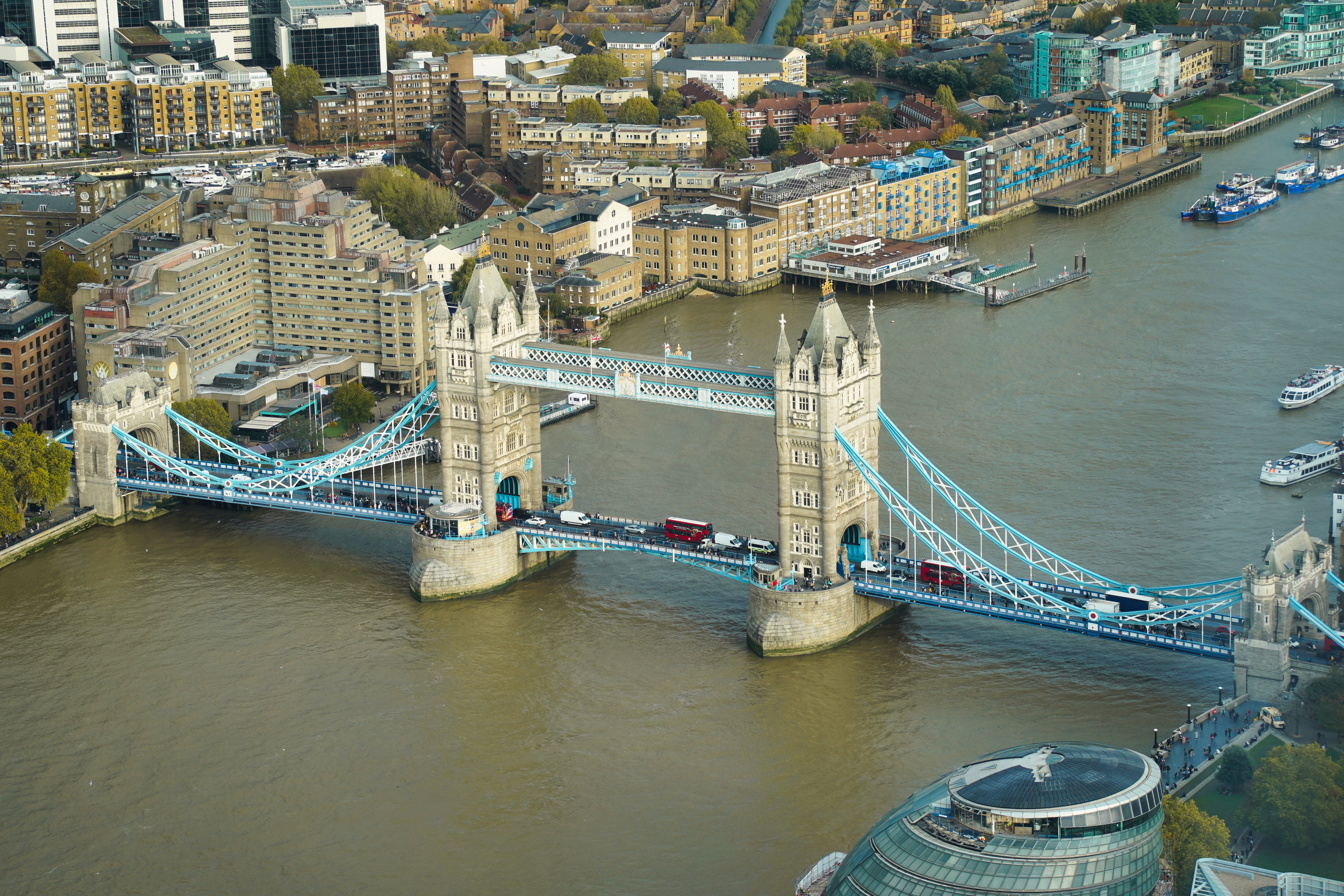
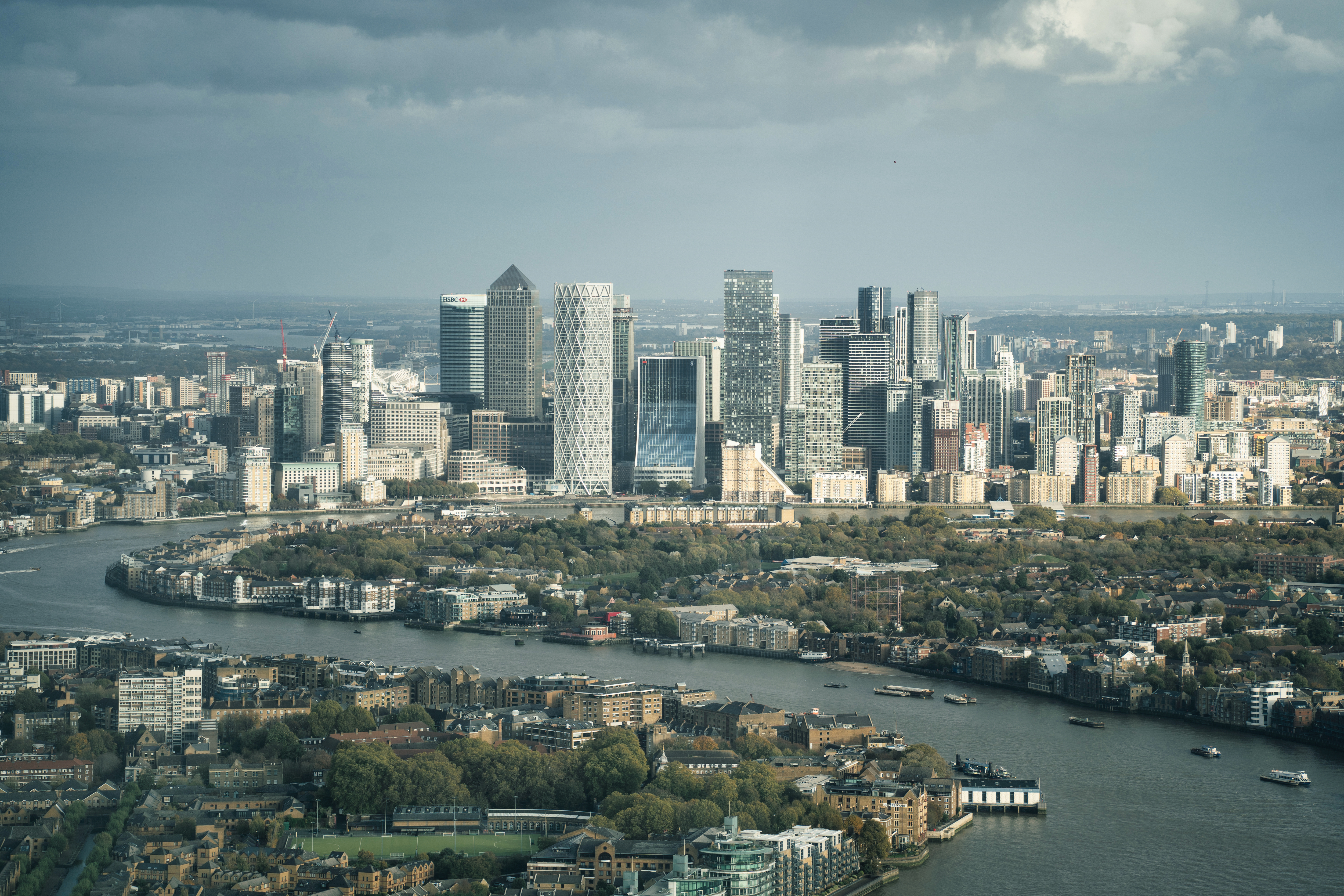
From atop the capital of the UK unfolds as a vast, layered city where history and modernity sit side by side. The River Thames curves through the skyline like a slow-moving ribbon, catching the light between bridges and rooftops, while landmarks rise subtly from a dense sea of streets. Glass towers reflect shifting clouds, older stone buildings anchor the view with a sense of permanence, and the sheer scale of the city becomes tangible. Seen from this height, London feels both immense and coherent, a living map where centuries of growth can be read in a single glance.
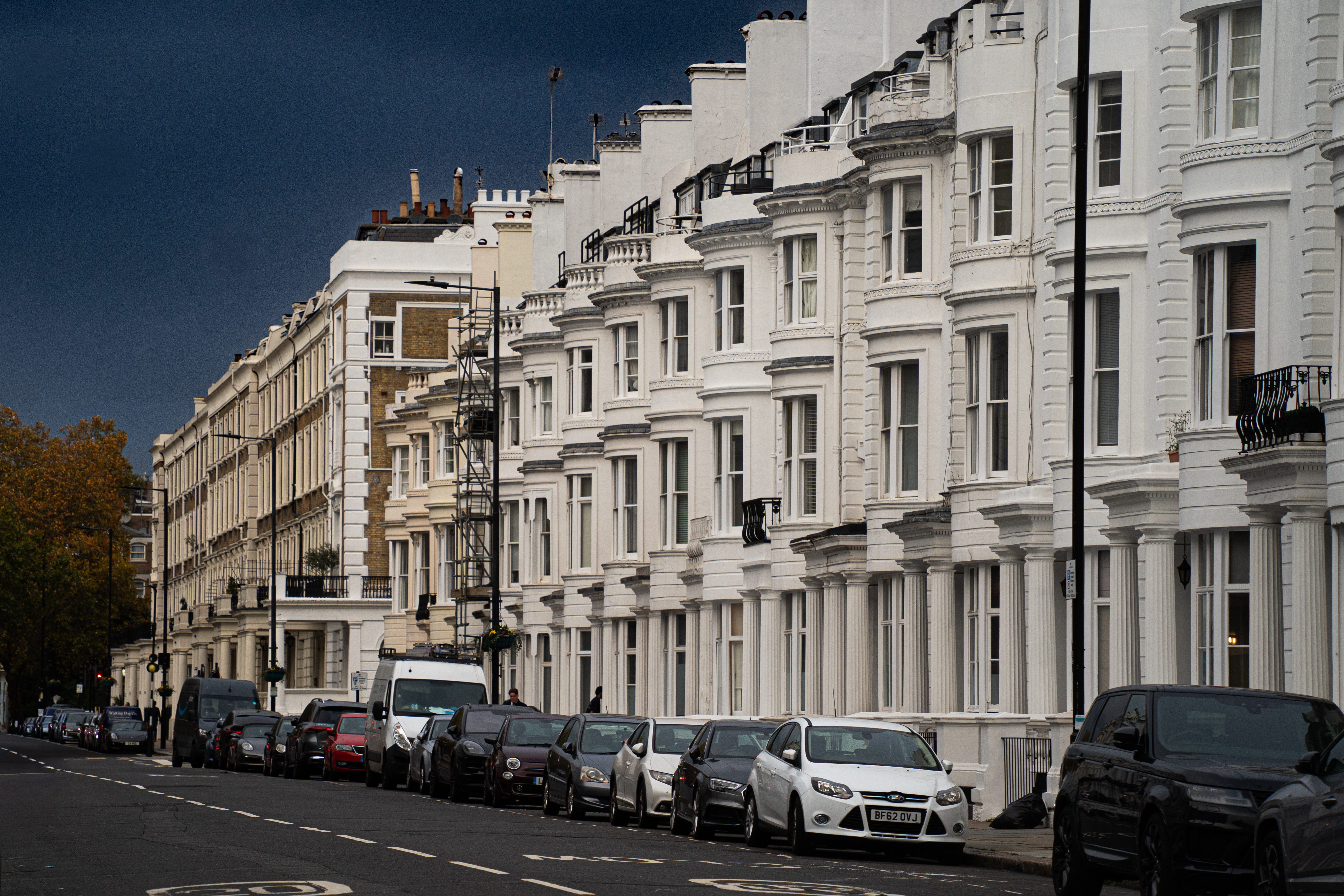
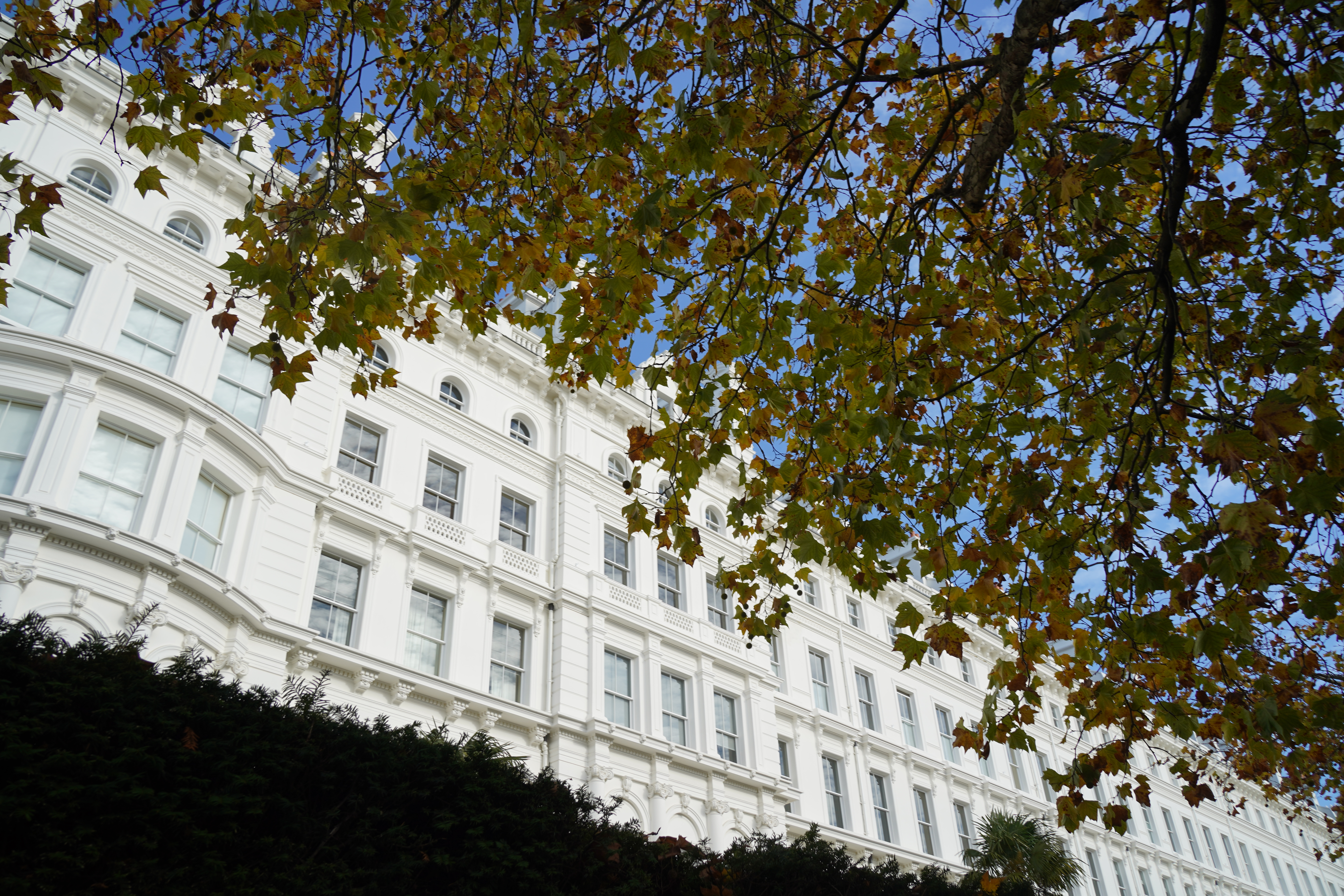
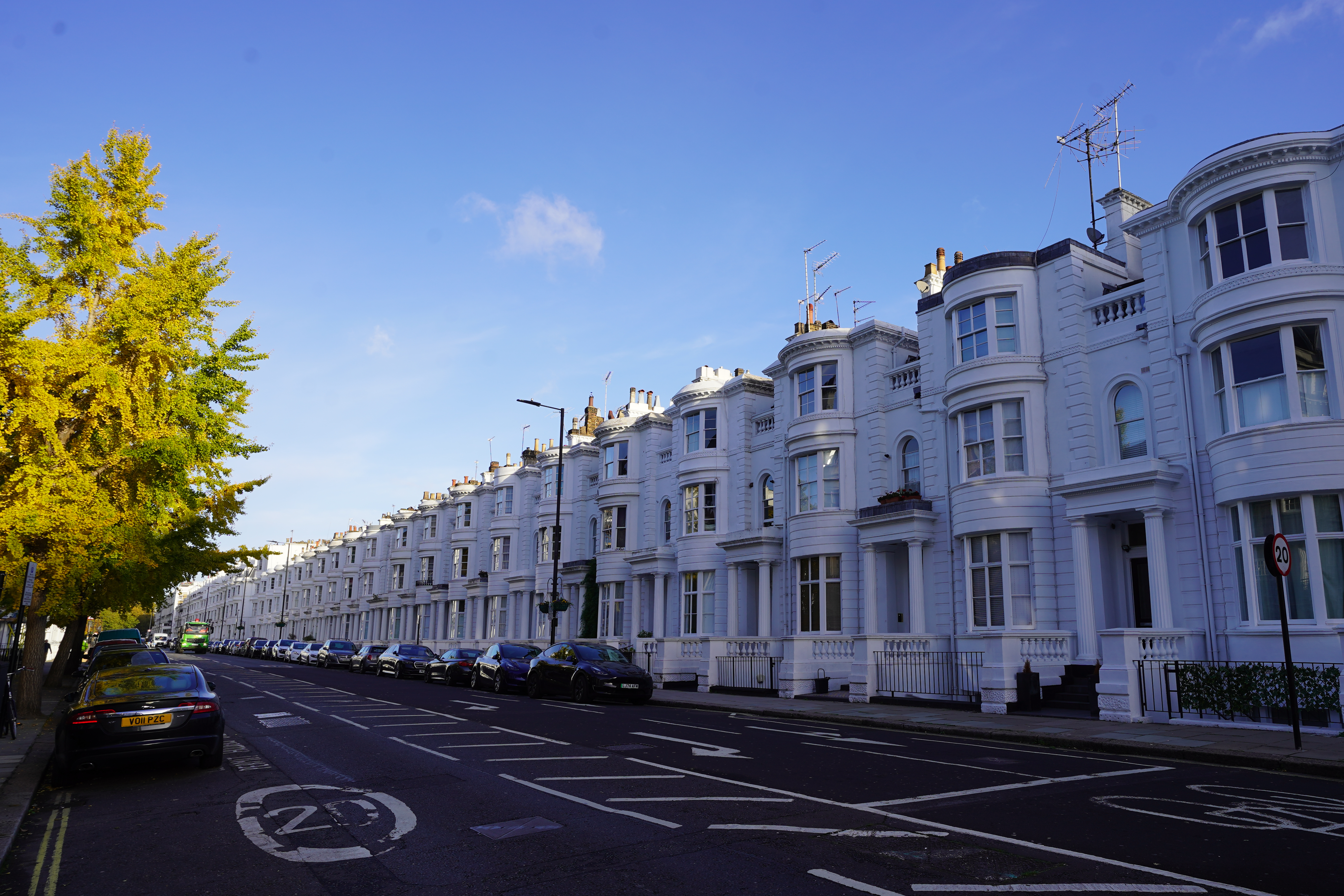
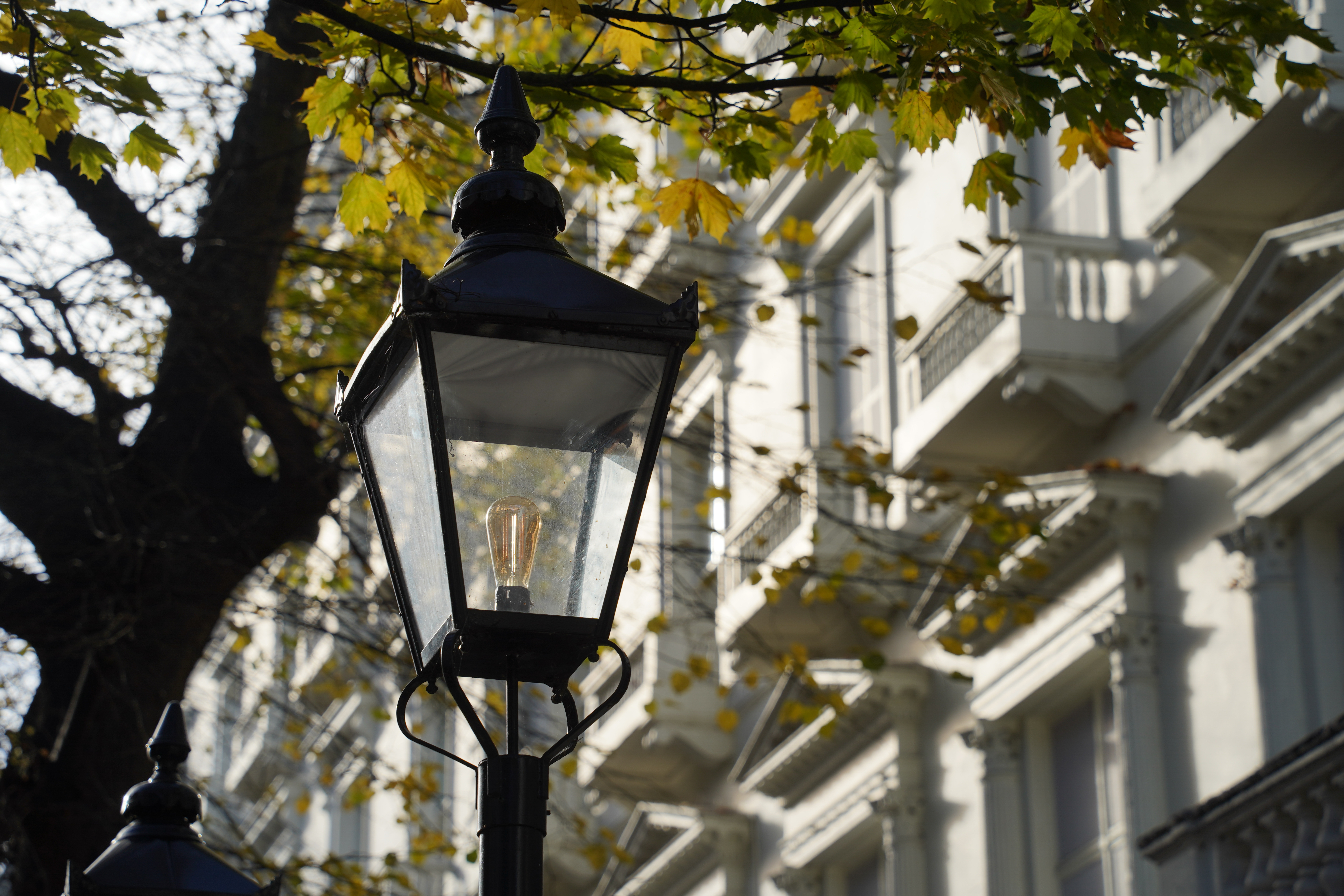
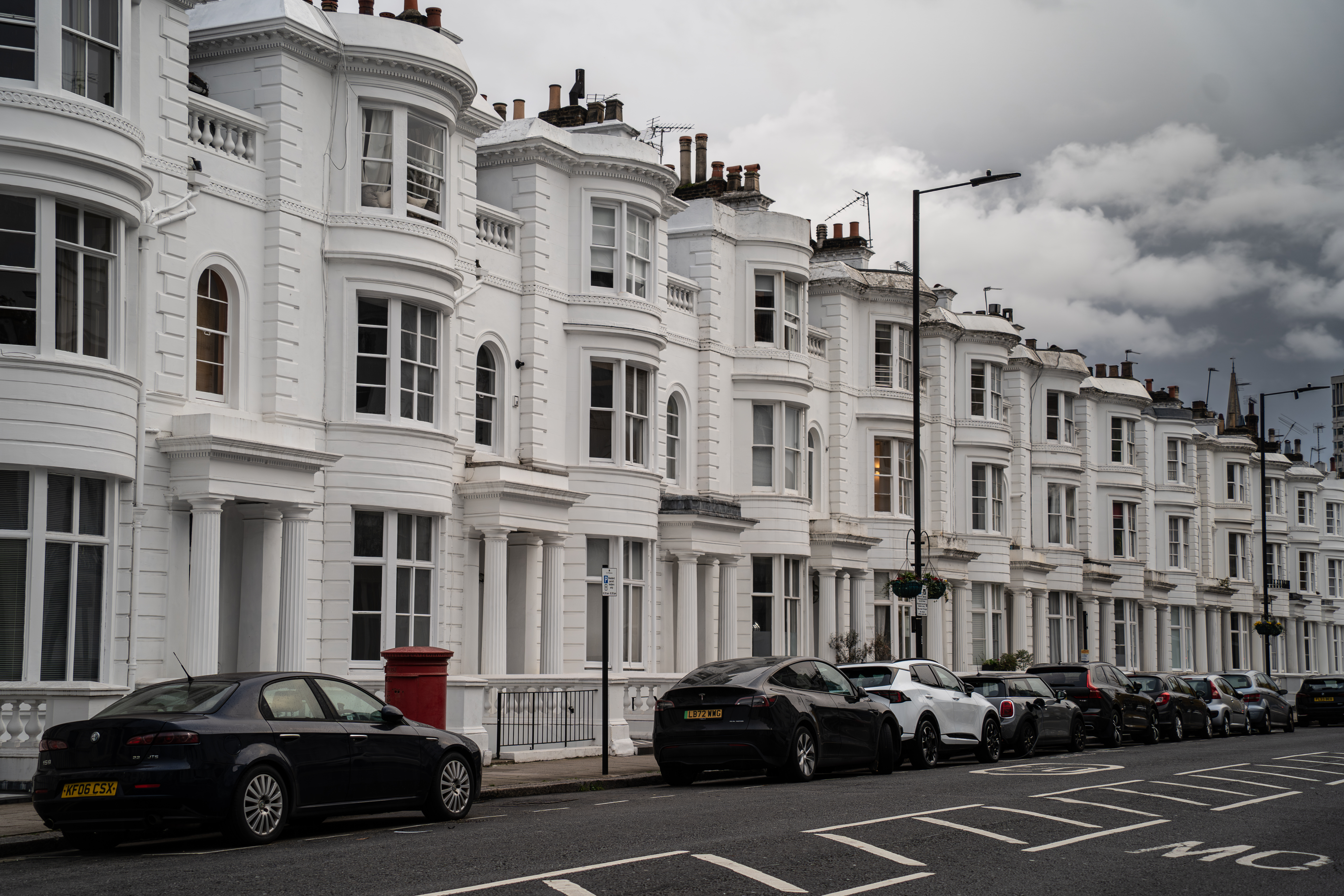
Endless rows of white Victorian and Georgian buildings stretch along the streets in the London Westside with a quiet confidence, their pale façades catching the light and giving the city a sense of order and continuity. Repeating windows, iron railings, and carefully proportioned doors create a rhythm that feels both grand and restrained, where individuality exists only in subtle details like a fanlight, a balcony, or a splash of color on a front door. Together they form an architectural backdrop that speaks of another age, elegant yet practical, lending the streets a timeless calm amid the movement of modern life.
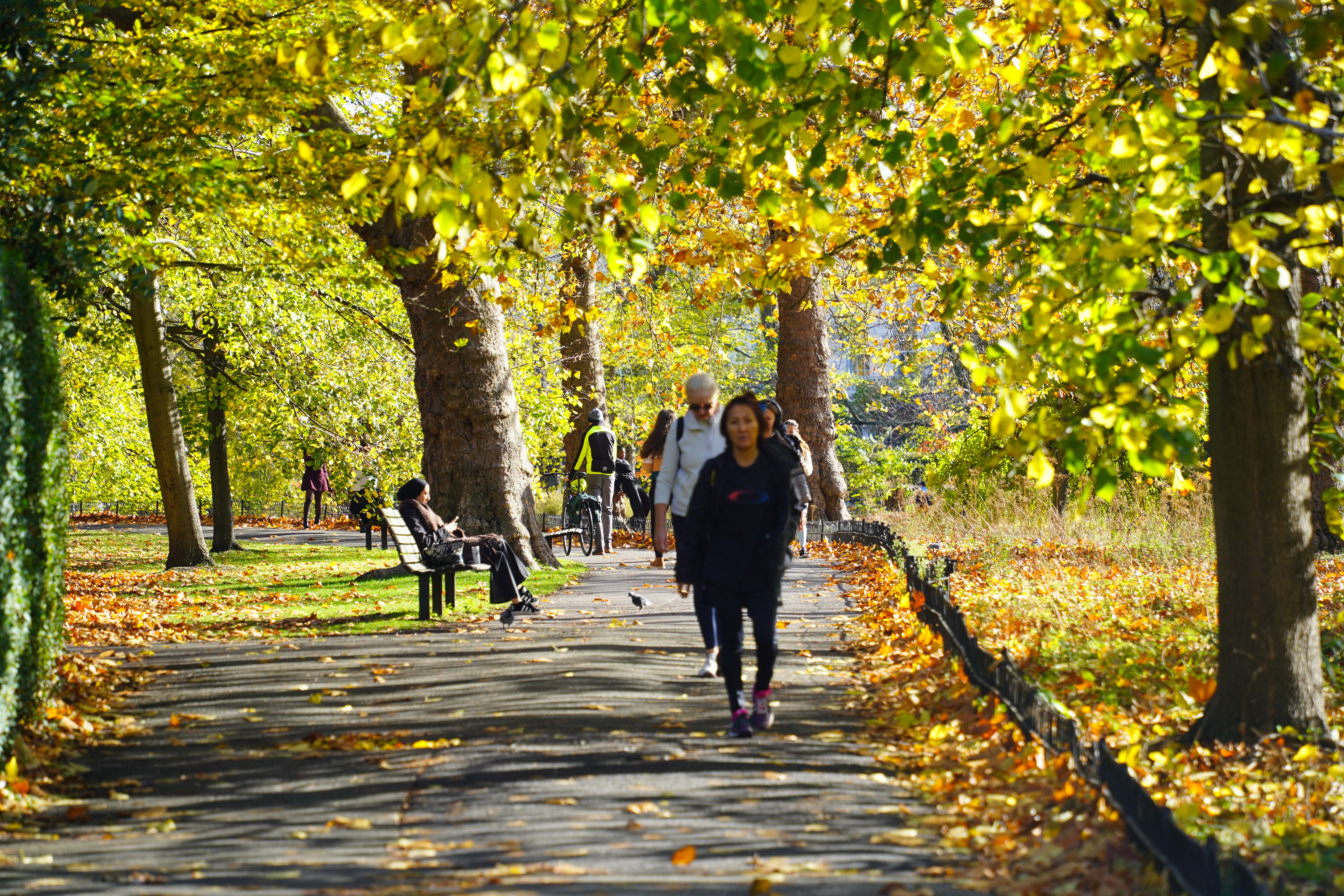
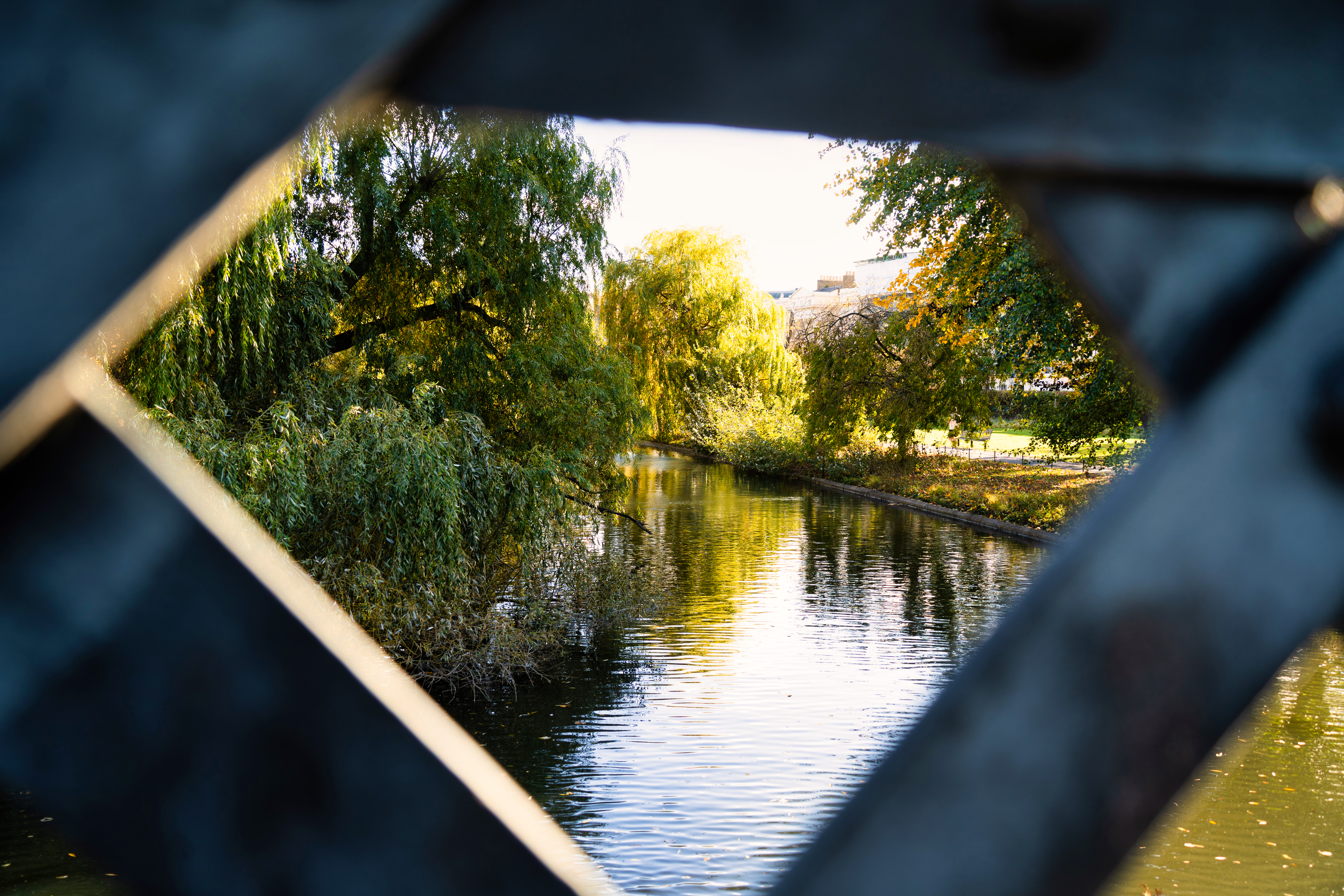
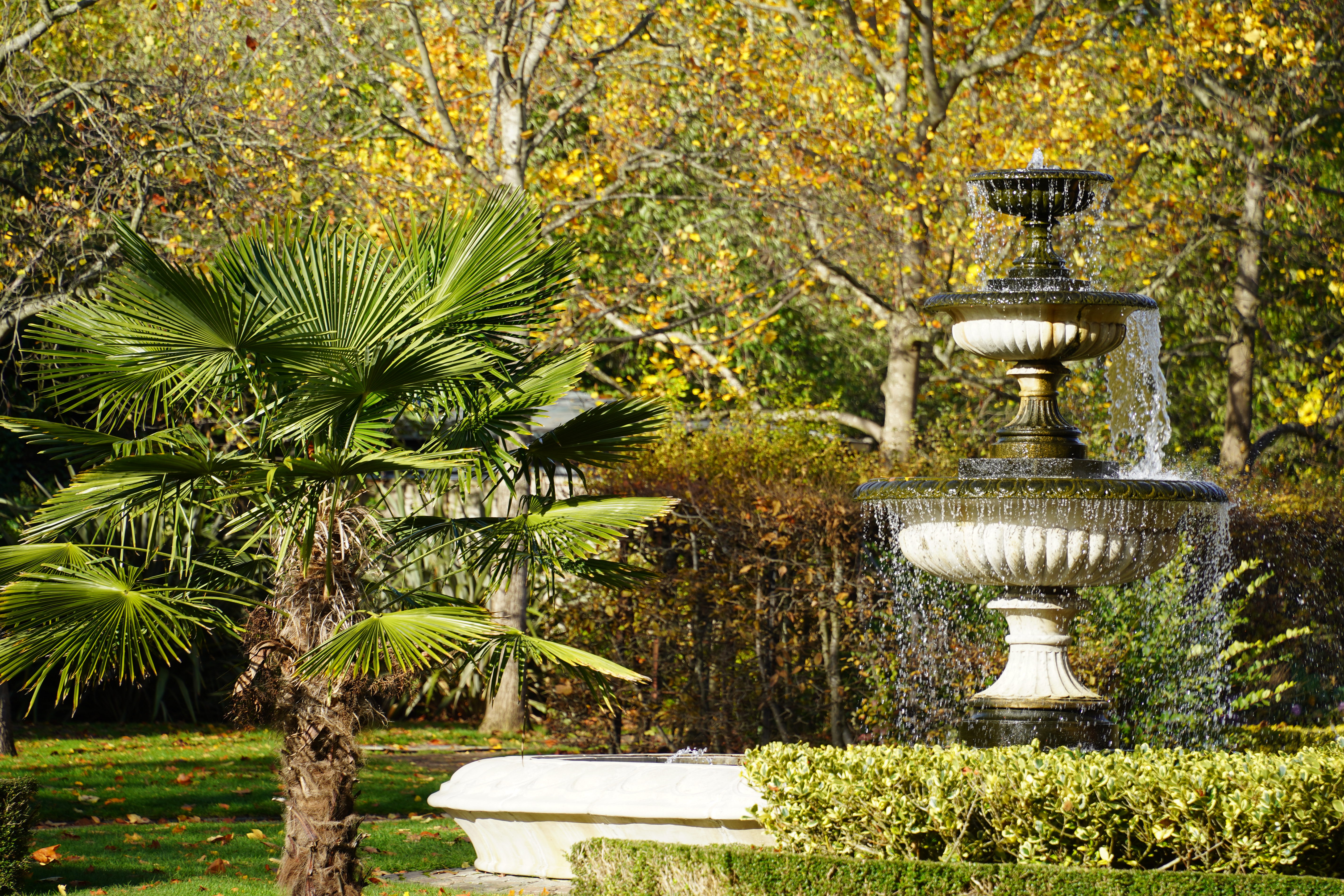
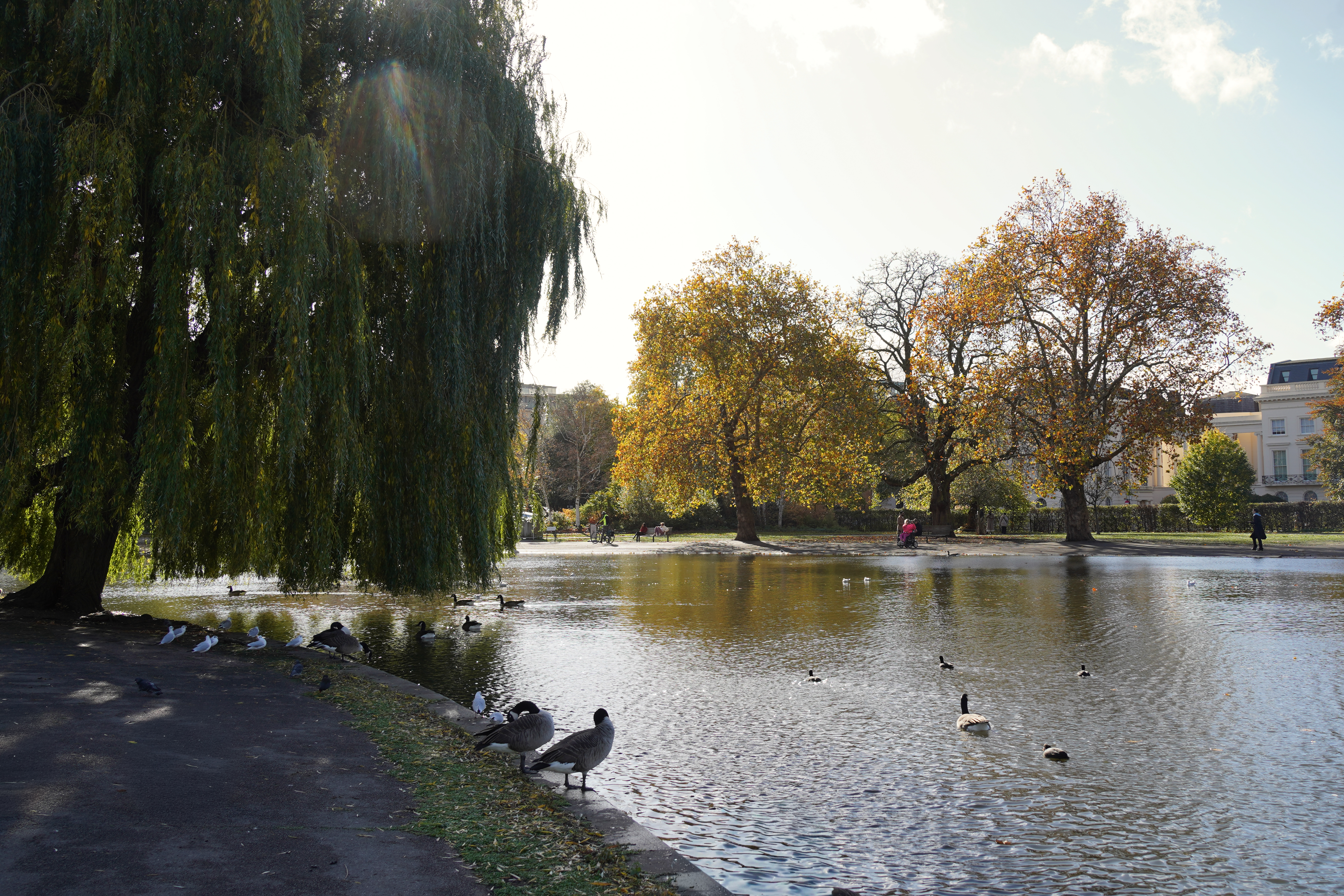
In Regent’s Park, autumn is the most evocative season, when the park slows and turns inward. The trees shift to deep golds, burnt orange, and fading green, leaves gathering along winding paths as the air grows cooler and sharper. Fewer crowds linger, replaced by quiet walkers, runners, and the soft rustle of branches overhead. Morning mist hangs low over the grass, and late afternoon light stretches long shadows across the lawns, giving the park a reflective, almost contemplative atmosphere. In the heart of London, Regent’s Park in fall feels calmer and more intimate, a brief, beautiful pause before winter arrives.
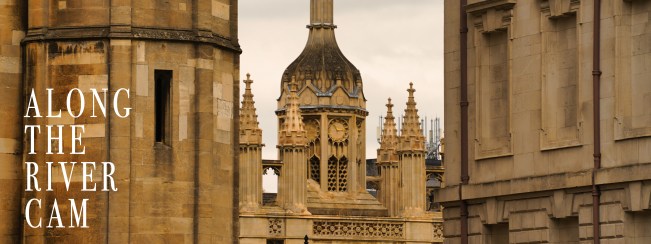
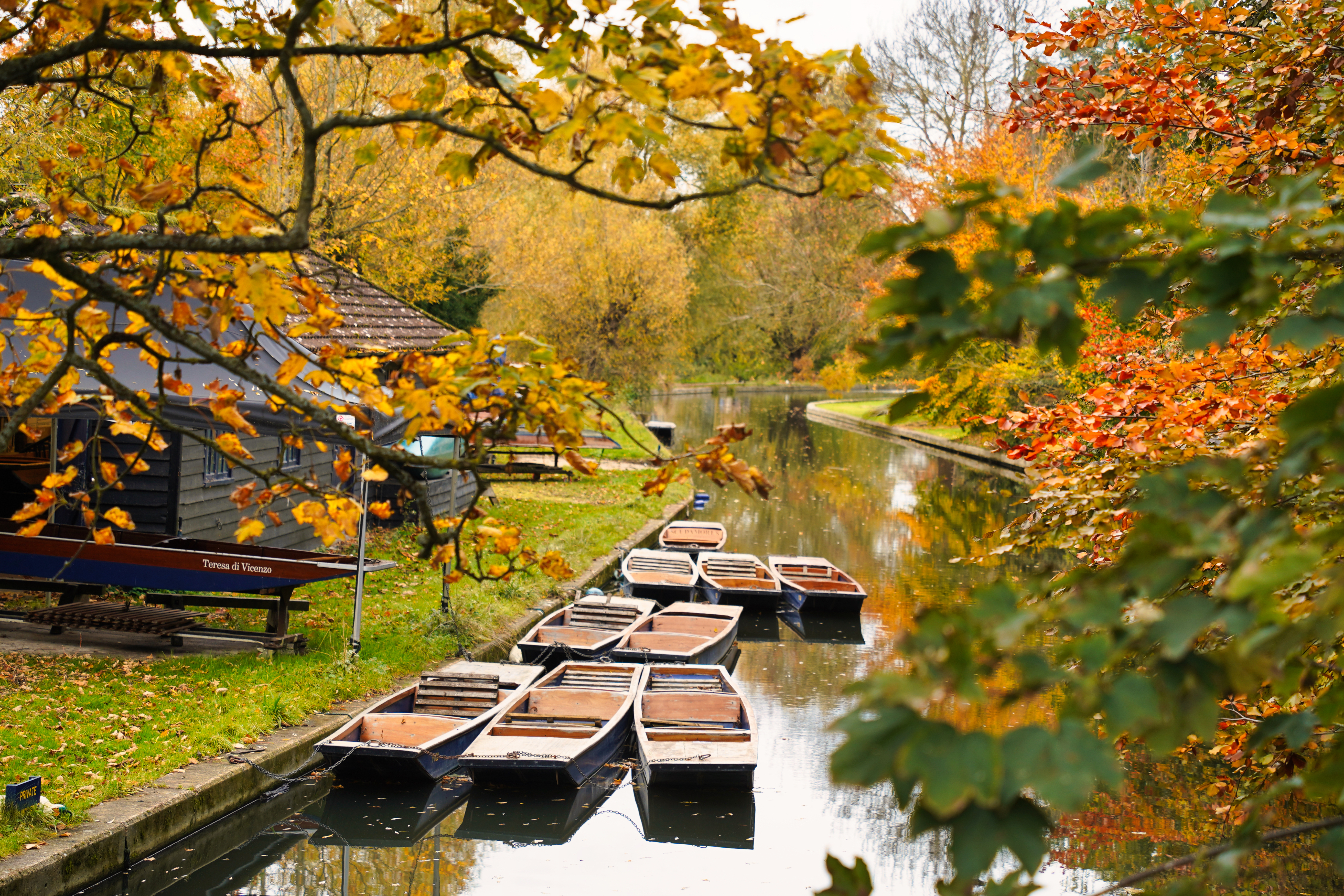
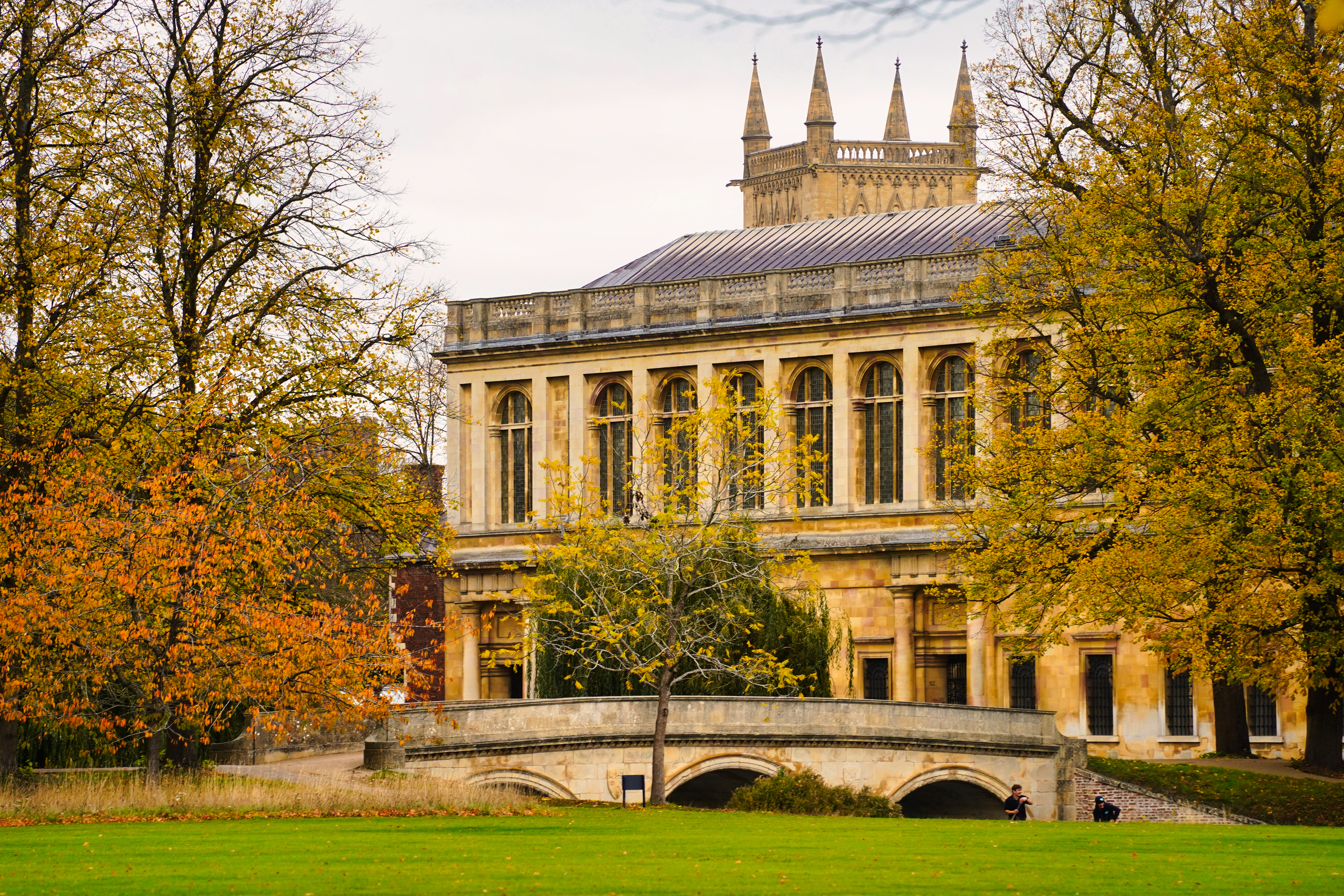
Along the river, the city of Cambridge reveals its most tranquil side, where college backs, willow trees, and narrow footpaths meet the slow, reflective water. Punts drift quietly beneath low bridges, carrying students and visitors past centuries-old stone walls and carefully kept lawns, while the river mirrors shifting skies and the steady rhythm of academic life, shaping the calm and character of the city itself.
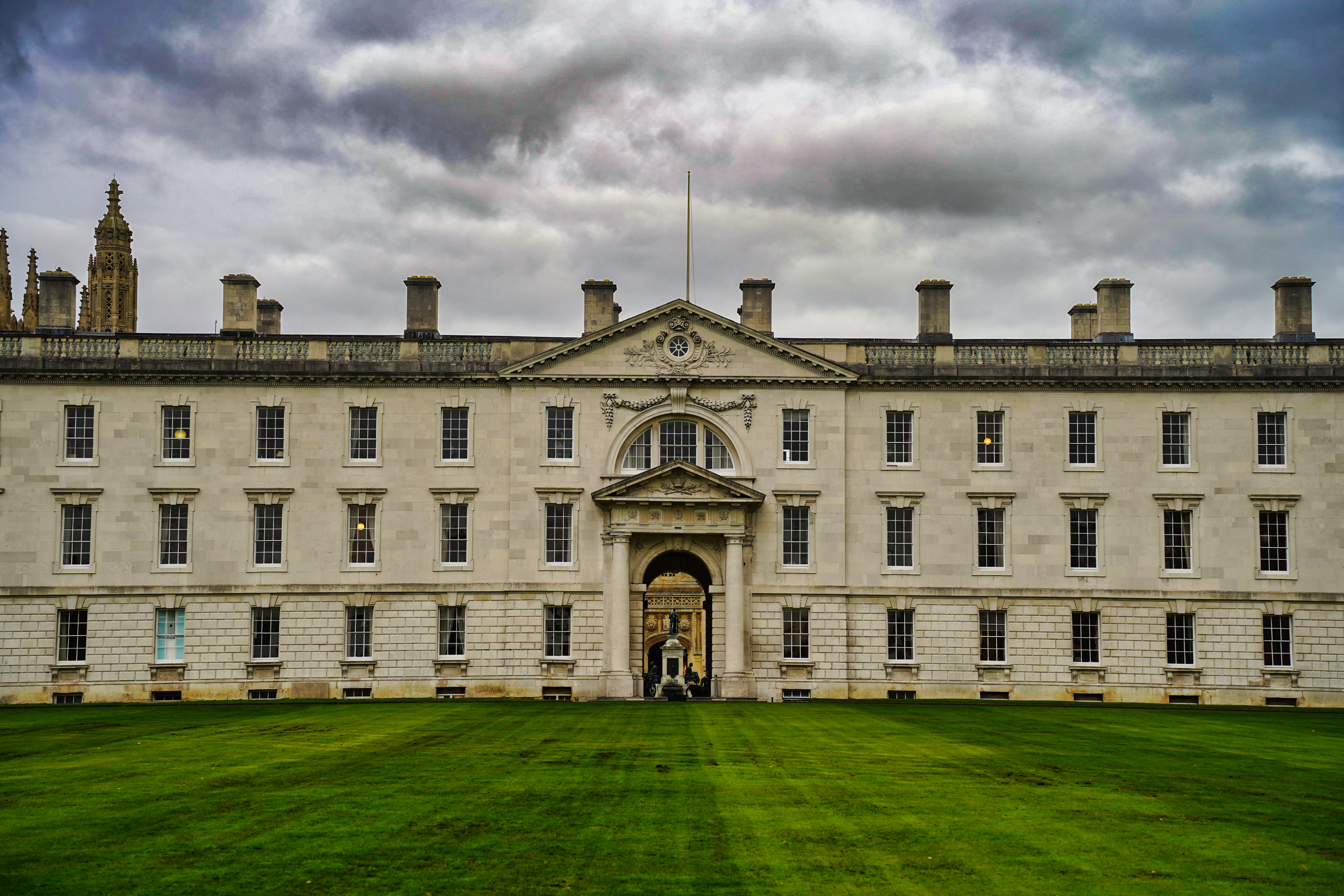
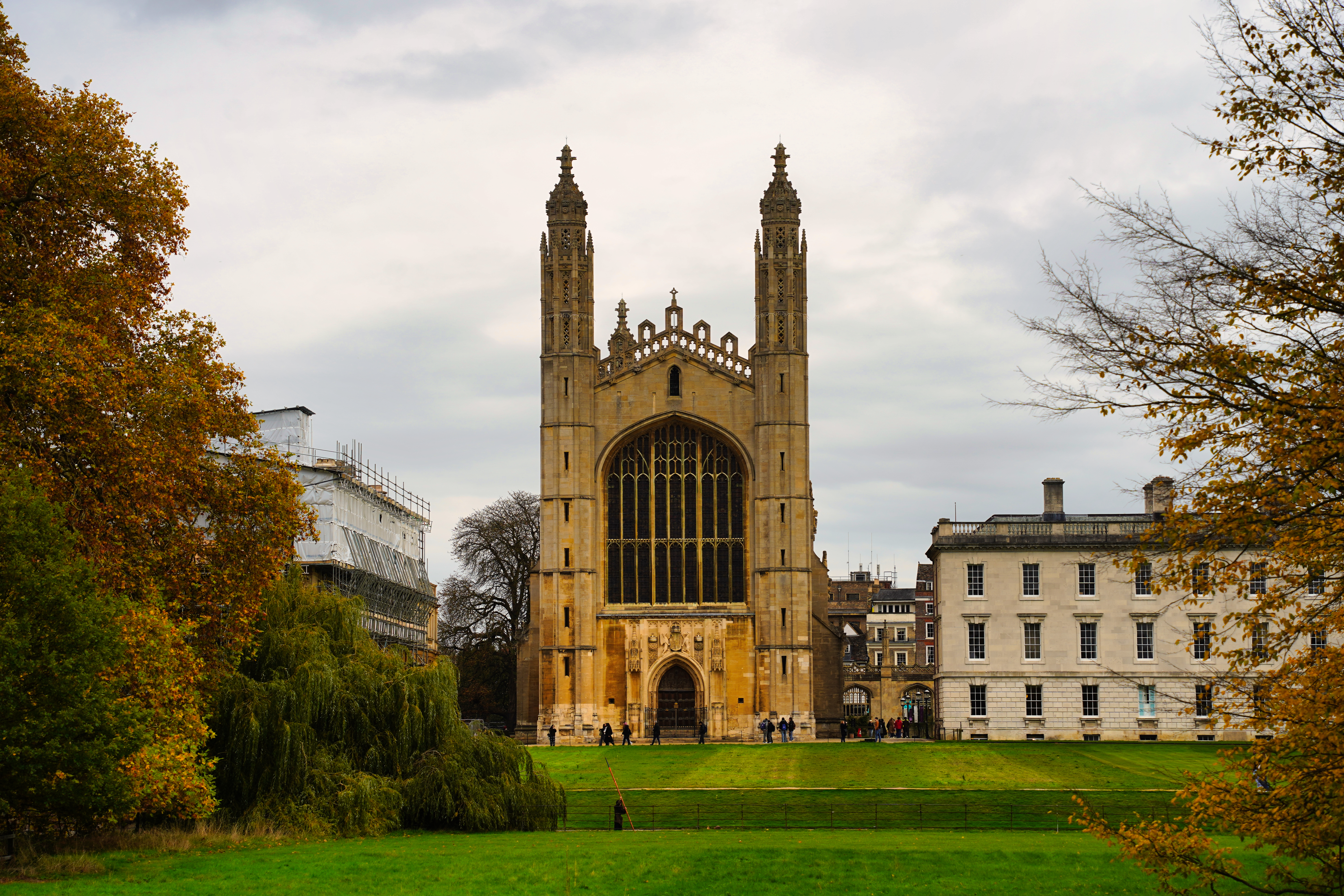
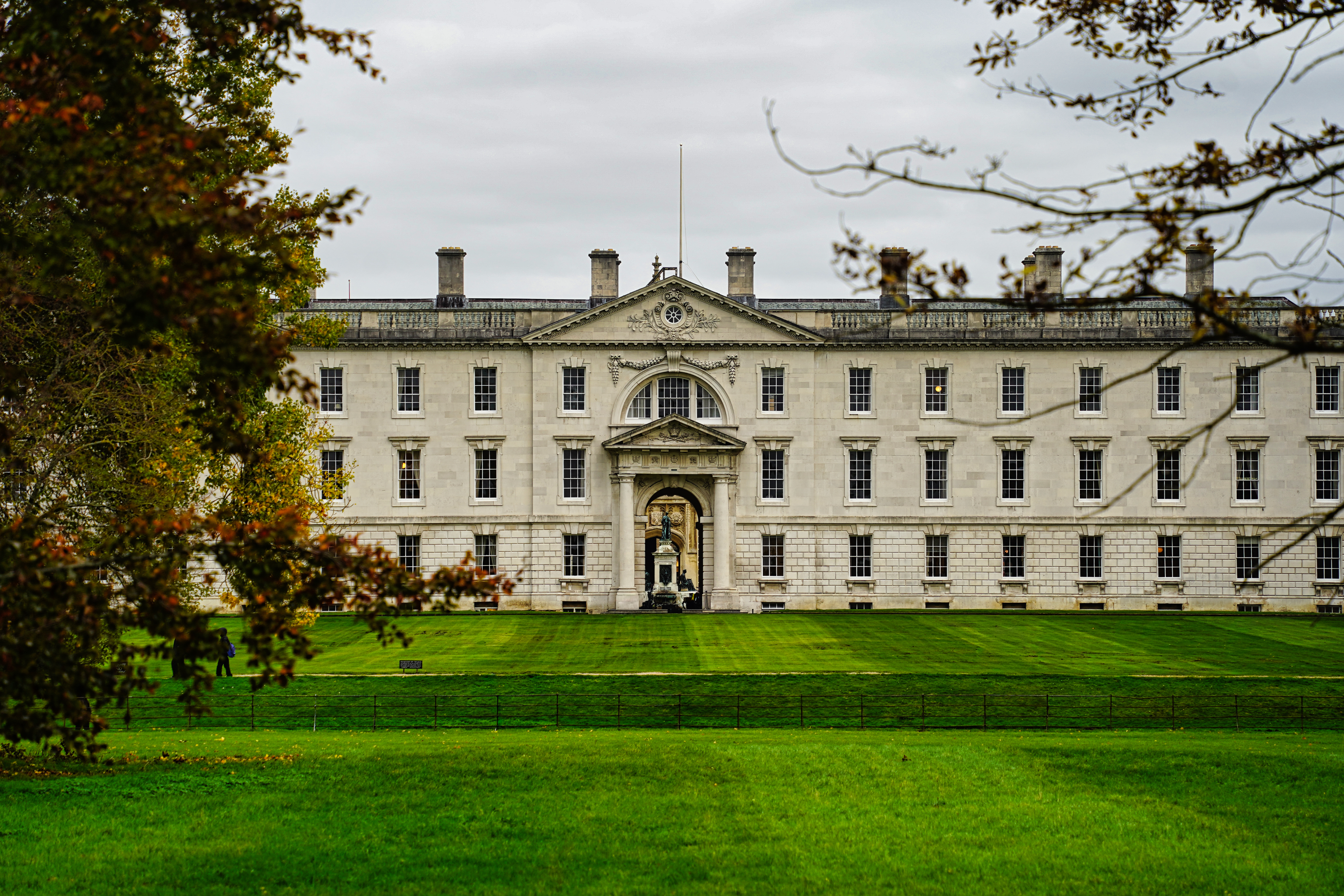
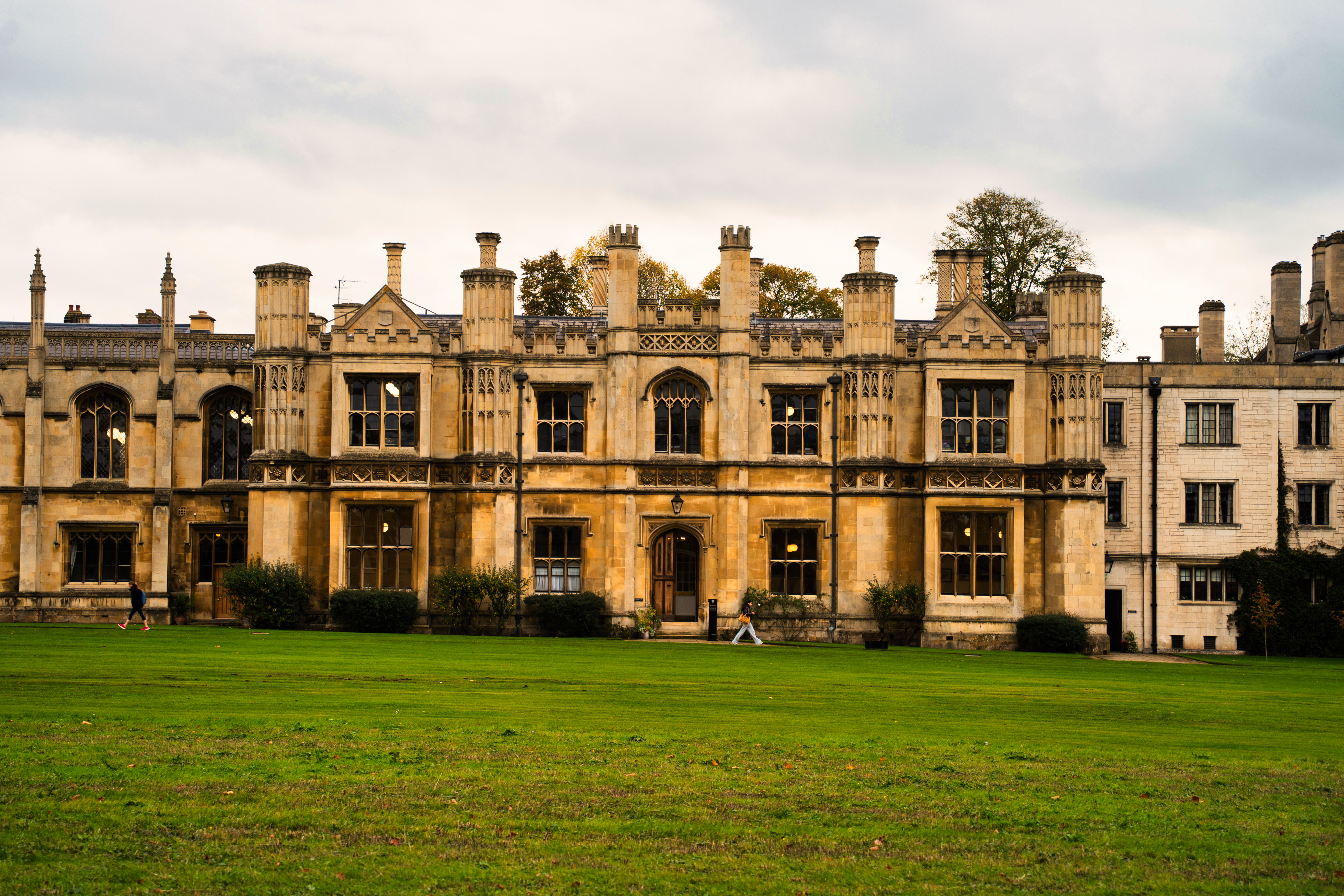
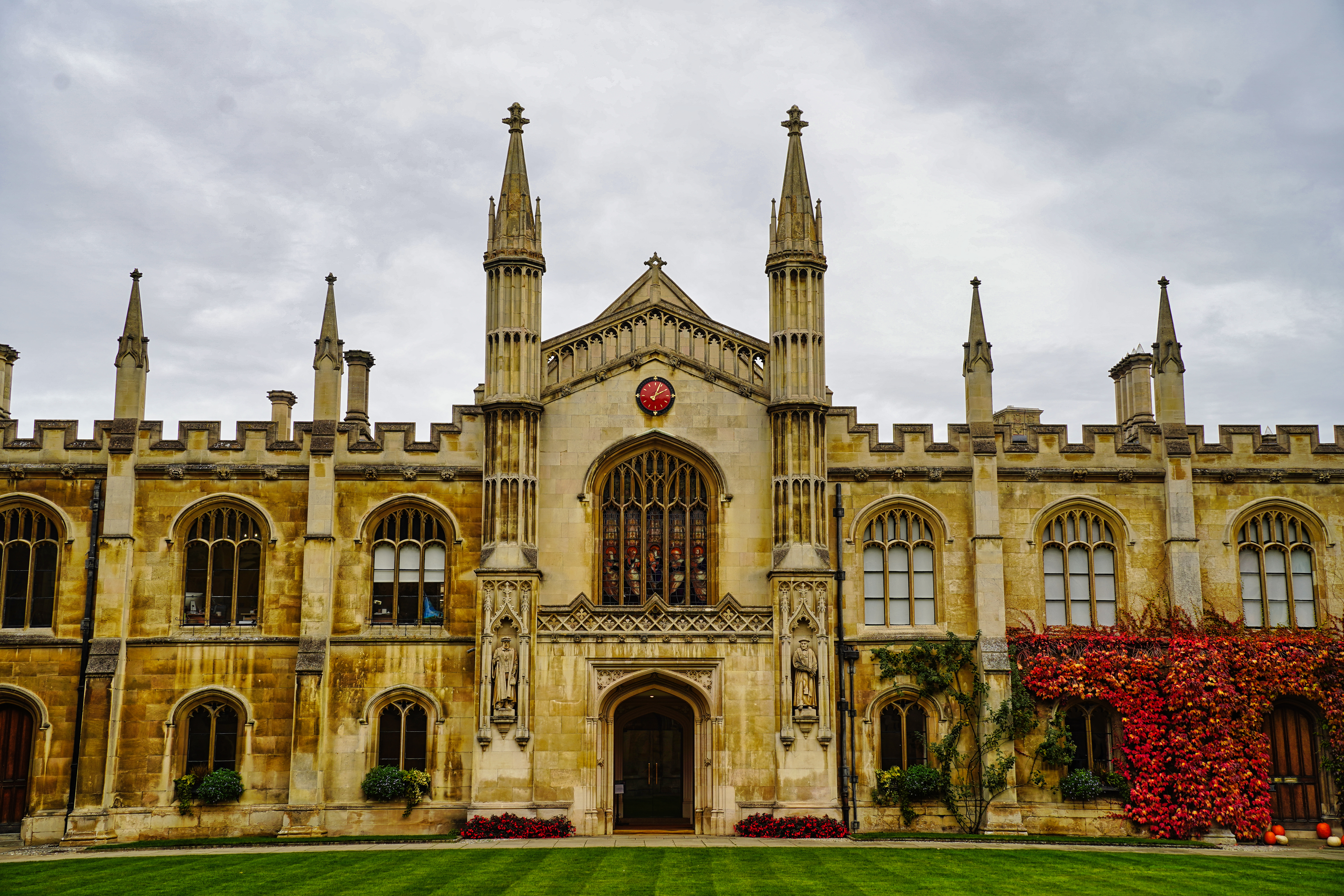
Cambridge is a city defined by its colleges, each one a self-contained world of learning, tradition, and architectural splendour. Founded over the course of eight centuries, colleges like King’s, Trinity, and St John’s are more than academic institutions – they are living monuments where generations of scholars have shaped modern science, literature, and philosophy. Behind ancient gates and ivy-covered walls lie chapels that echo with choirs, libraries filled with rare manuscripts, and courtyards where students debate ideas that once transformed the world. The colleges function as intellectual sanctuaries, nurturing curiosity and excellence in an environment where medieval cloisters stand comfortably alongside cutting-edge research labs. In Cambridge, the pursuit of knowledge becomes almost sacred, and its colleges truly deserve to be called temples of wisdom.
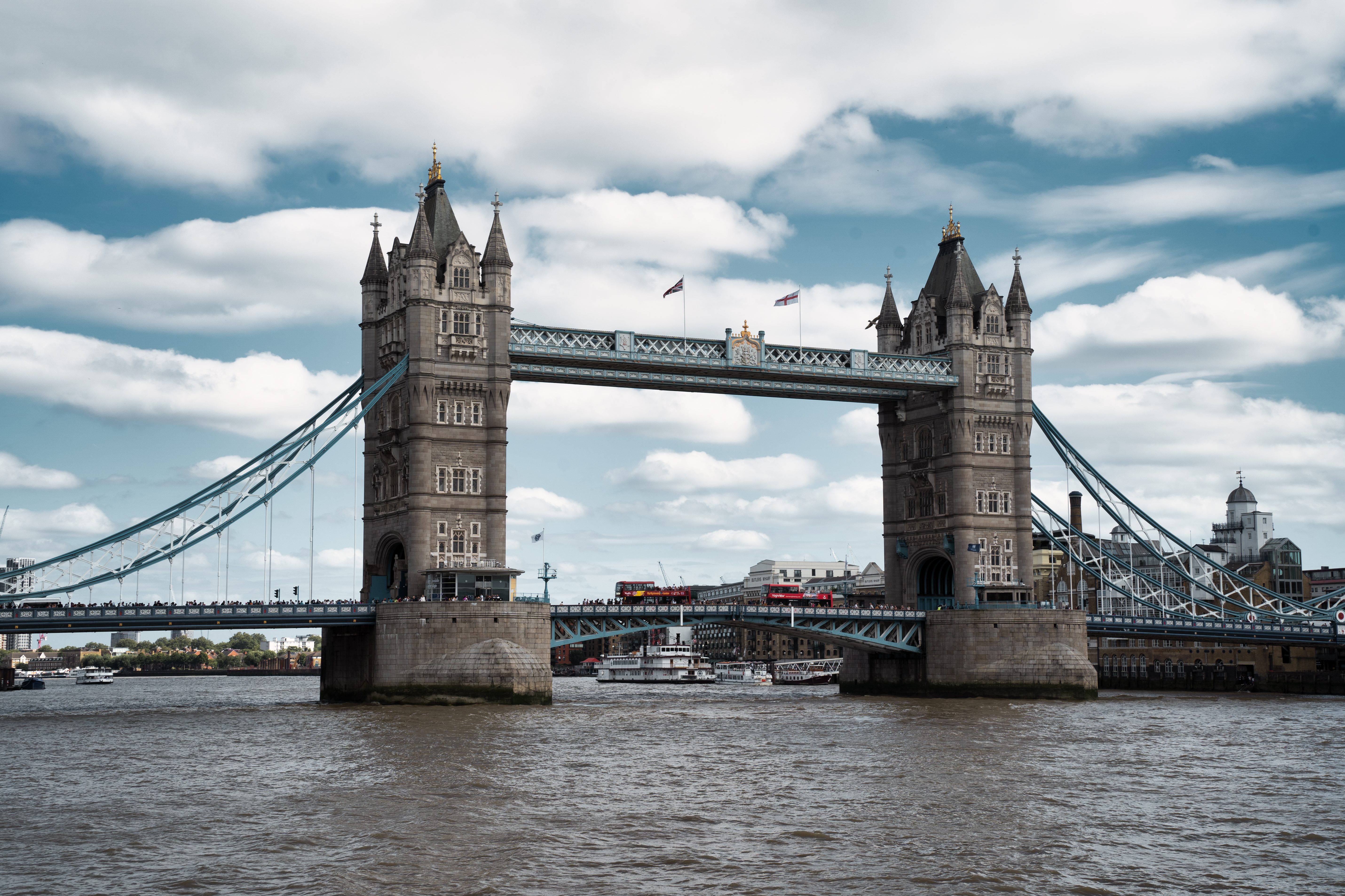
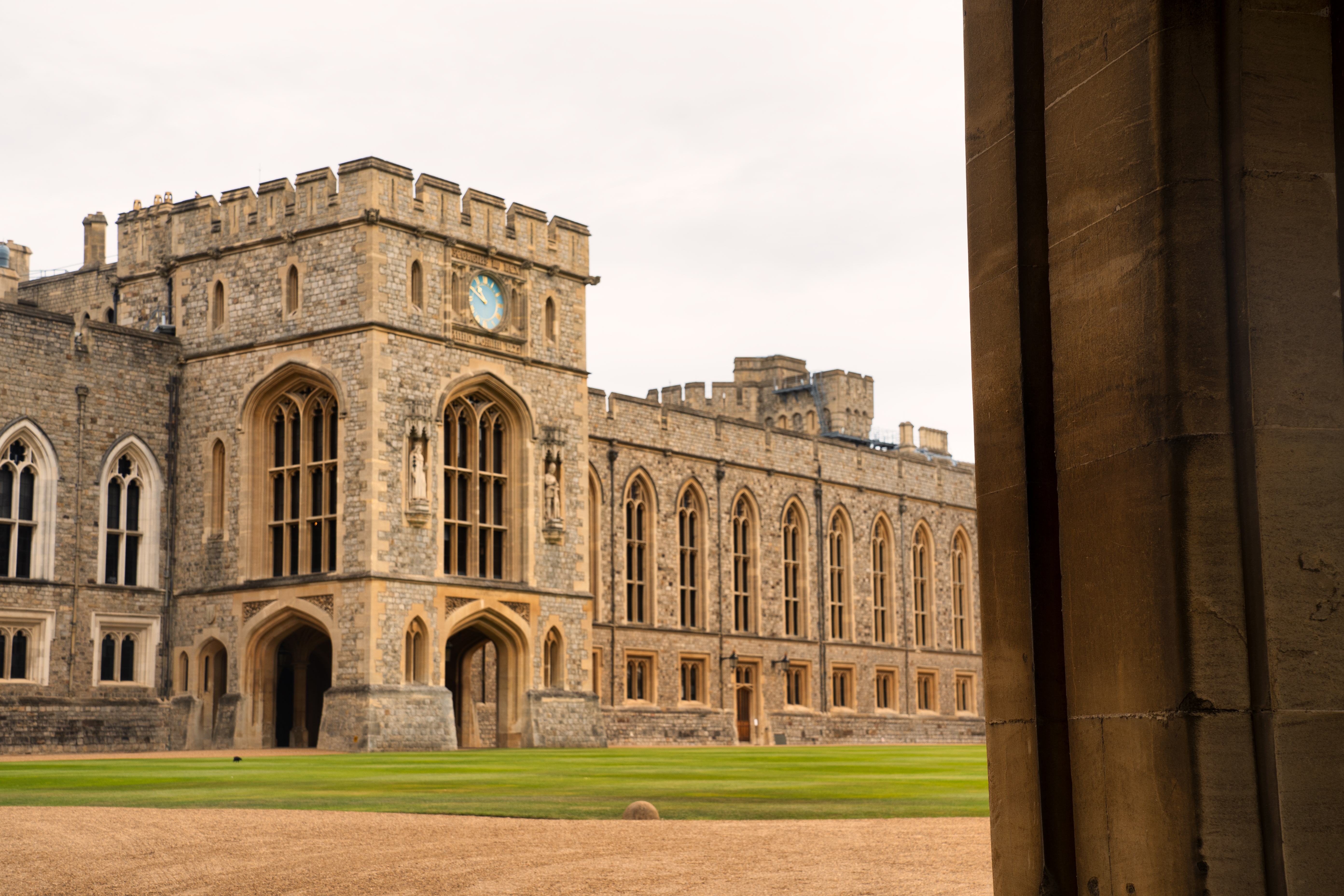
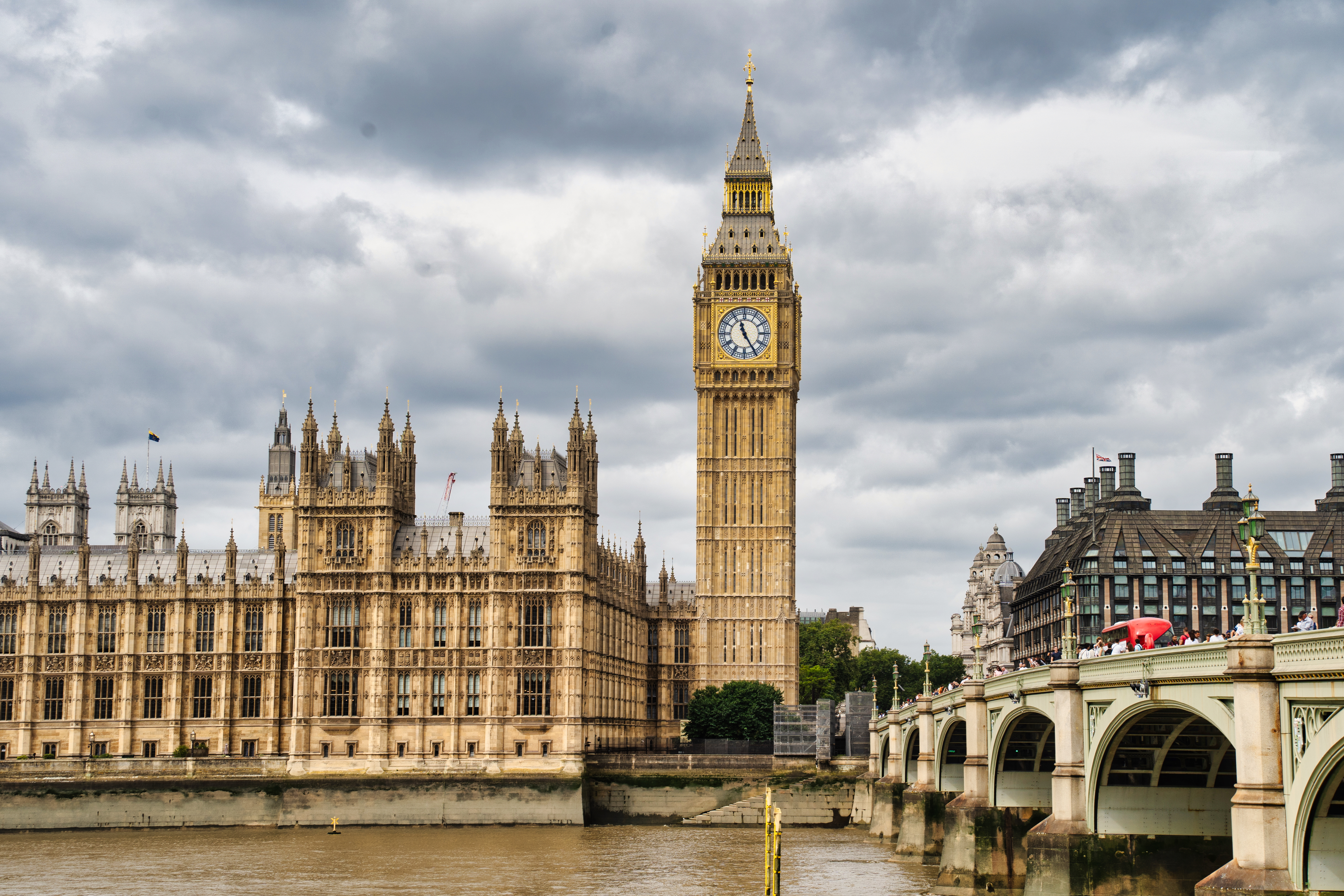
England is a land of remarkable monuments that span centuries, telling the story of a nation through its architecture and landmarks. In the heart of London, the iconic Tower Bridge stands as a symbol of the city’s industrial heritage and architectural ingenuity. Its distinctive twin towers and bascule design, which allows the bridge to lift and accommodate passing ships, have made it an instantly recognizable symbol on the River Thames since its completion in 1894. Nearby, the Houses of Parliament and Big Ben—the great clock tower that chimes the hours—embody the grandeur of Victorian Gothic architecture and remain central to the nation’s political life. To the west of London, Windsor Castle, the oldest and largest occupied castle in the world, serves as a testament to England’s royal history, a sprawling fortress that has housed monarchs for nearly a thousand years.
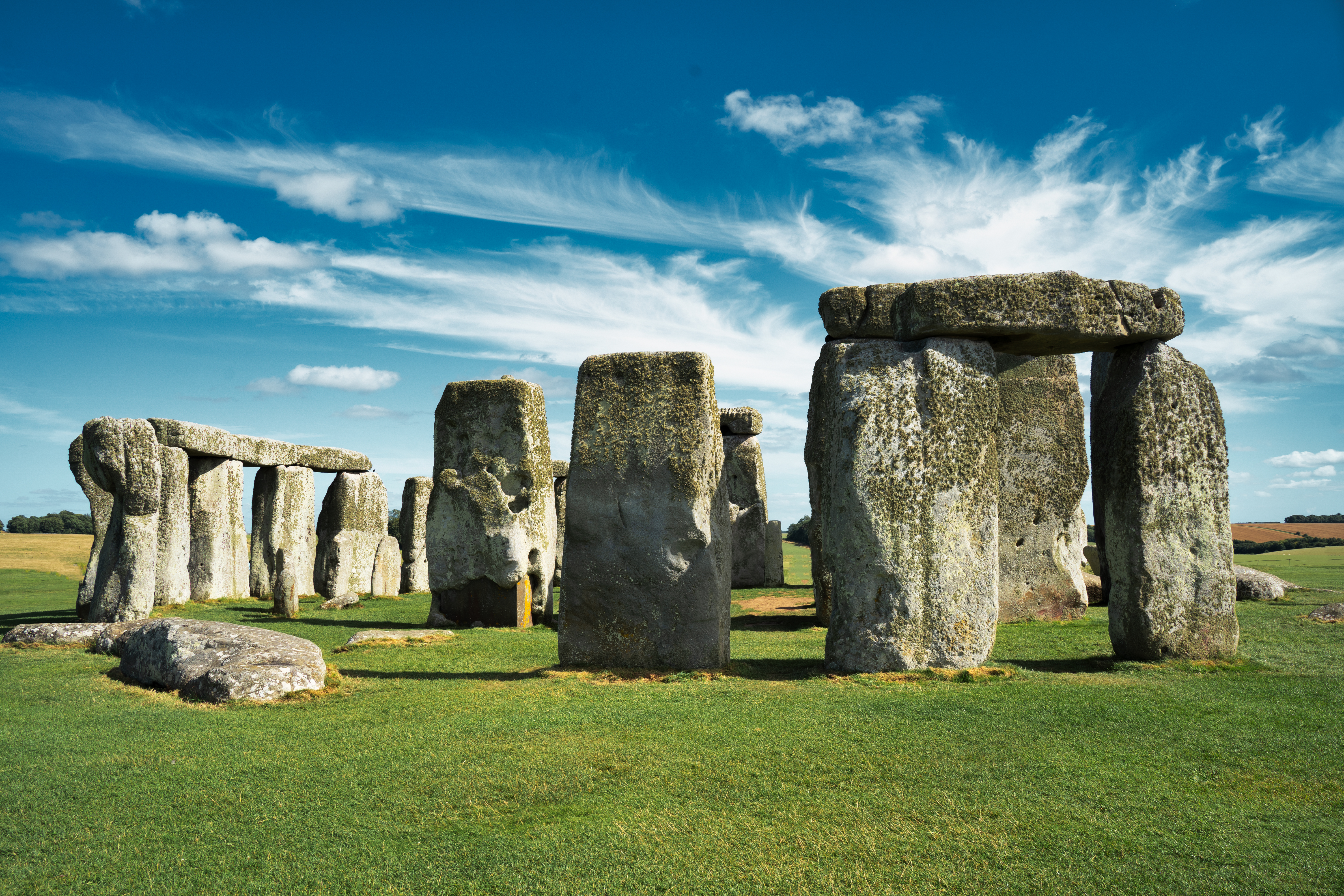
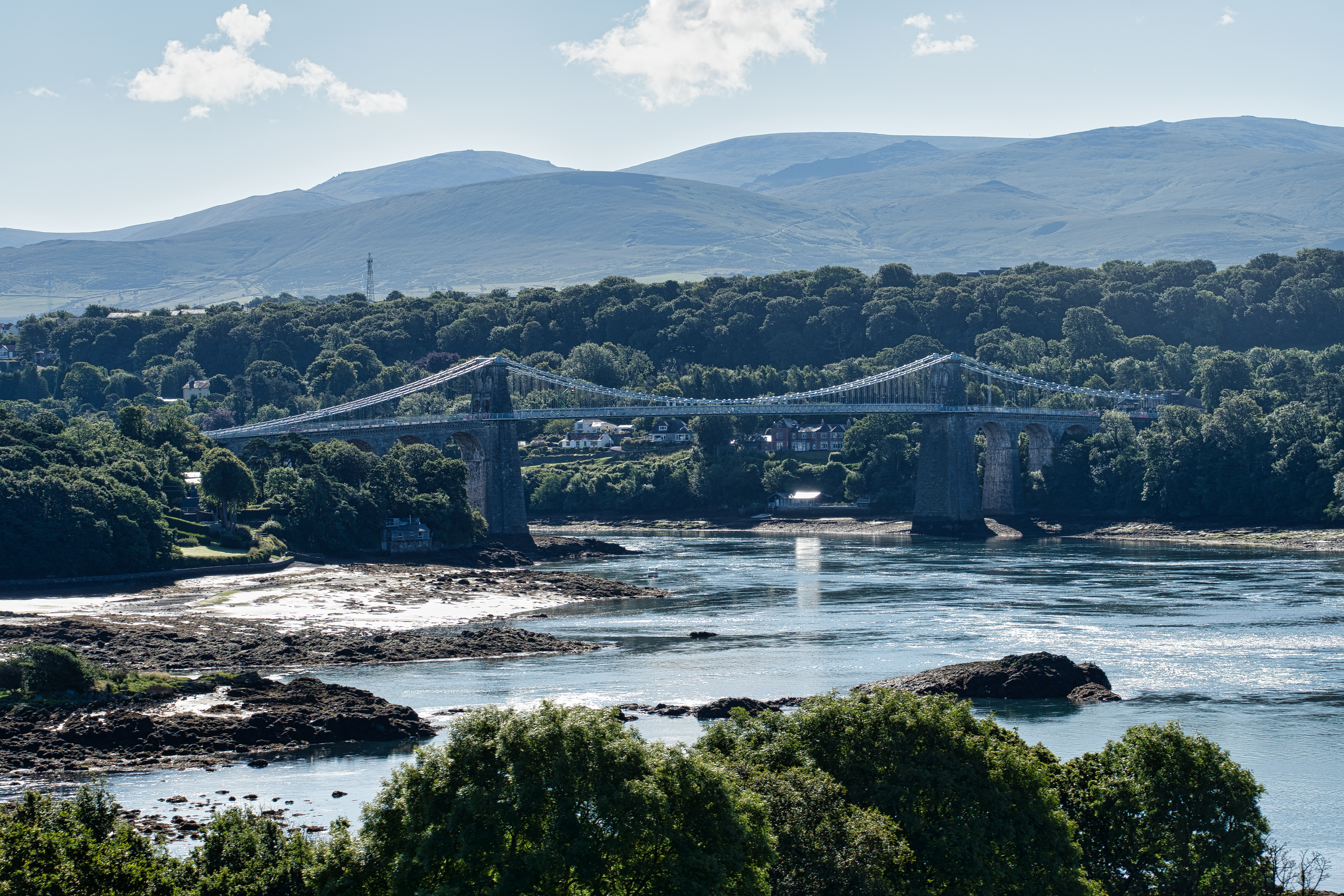
Beyond the capital, England’s monuments reflect its deep-rooted history and engineering prowess. Stonehenge, with its prehistoric stone circle on Salisbury Plain, stands as one of the most mysterious and awe-inspiring monuments in the world, drawing visitors and scholars alike to ponder its origins and purpose. In contrast, the Menai Suspension Bridge in North Wales, though often less celebrated, represents a leap into modernity, a marvel of 19th-century engineering that connected the island of Anglesey to the mainland for the first time. These monuments, from the ancient stones of Stonehenge to the soaring spans of the Menai Bridge, reveal England’s diverse heritage, where the ancient and modern coexist in a landscape rich with stories and innovation.









 Michael Hoffman Photography