Skip to content

The Cotswolds

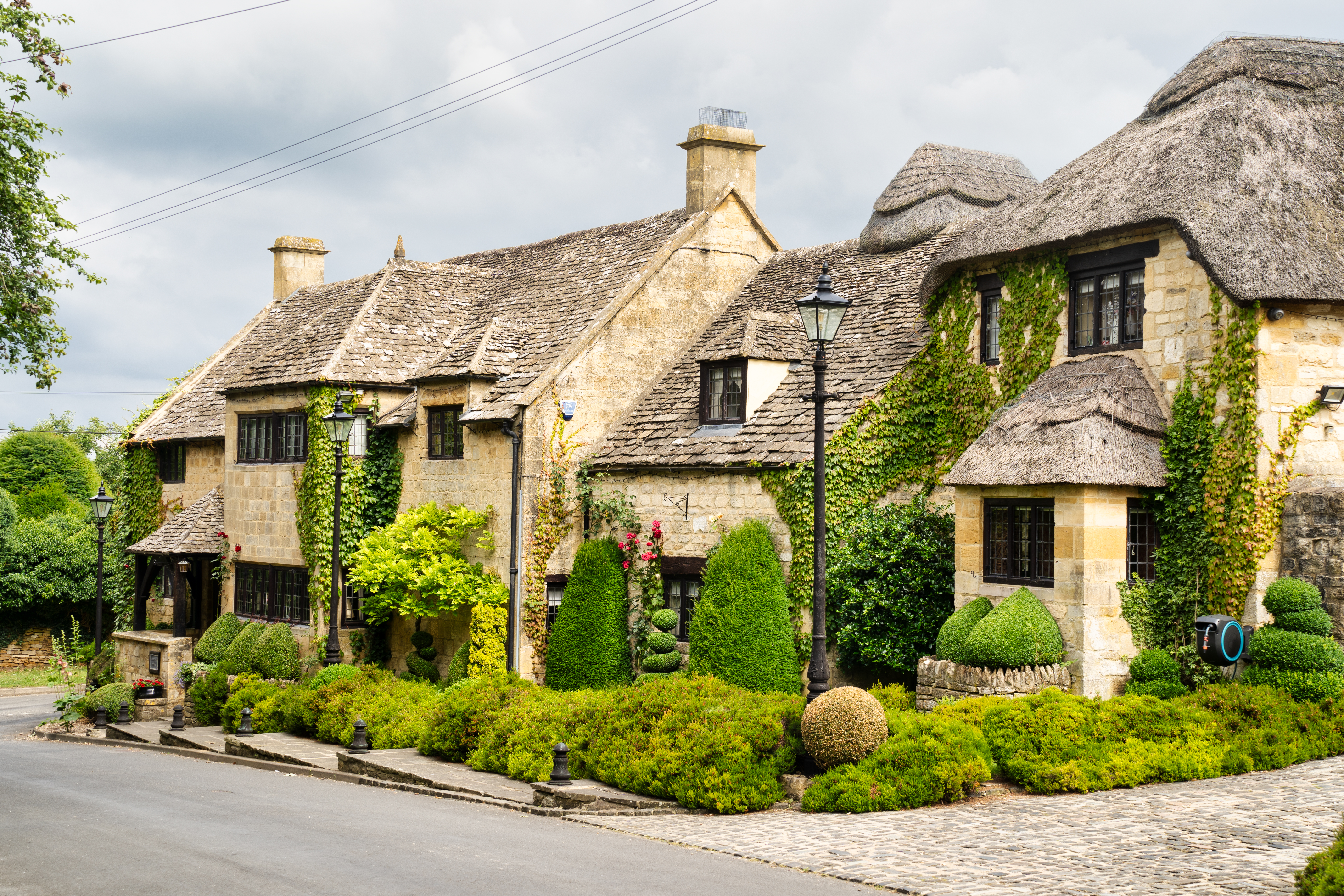
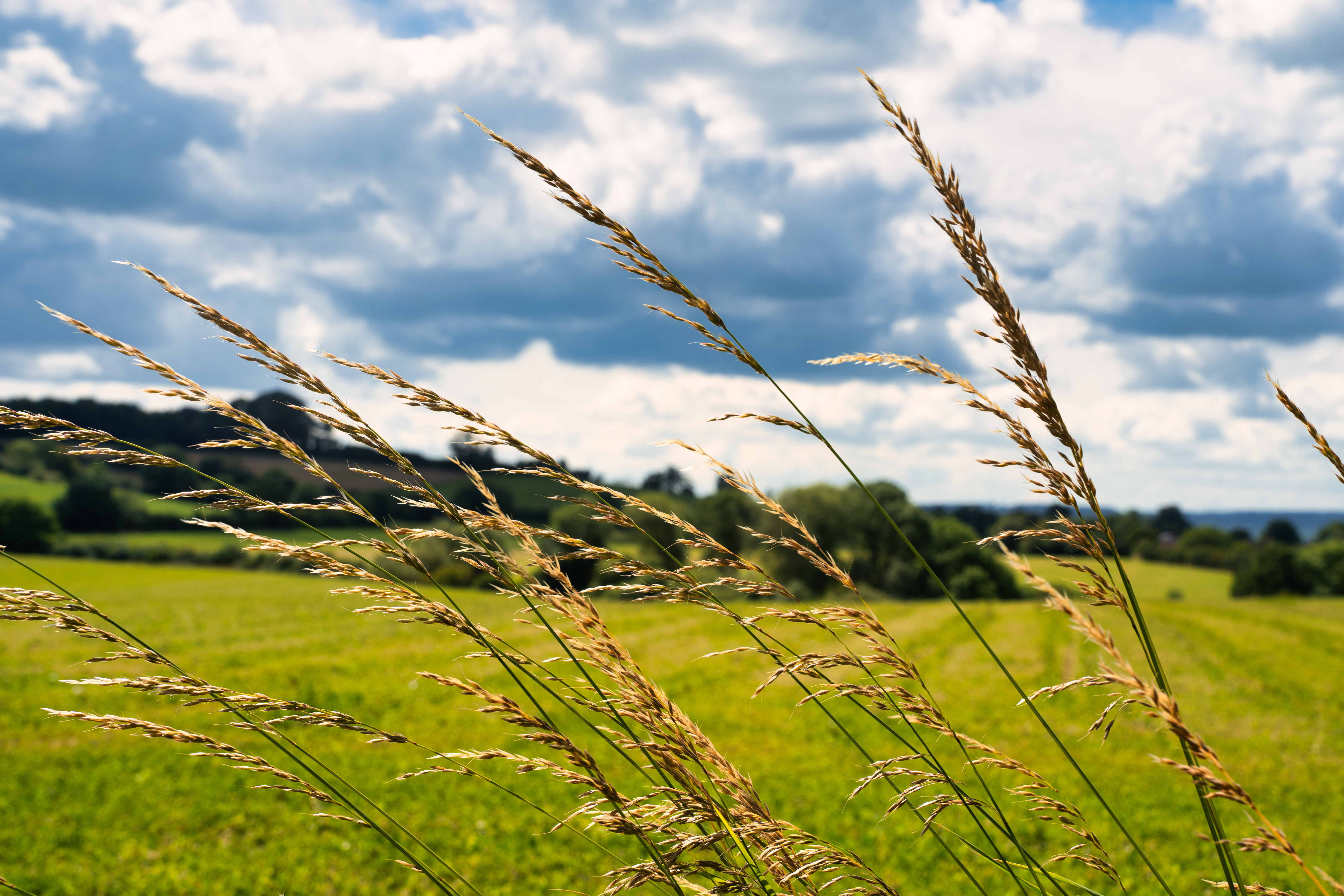
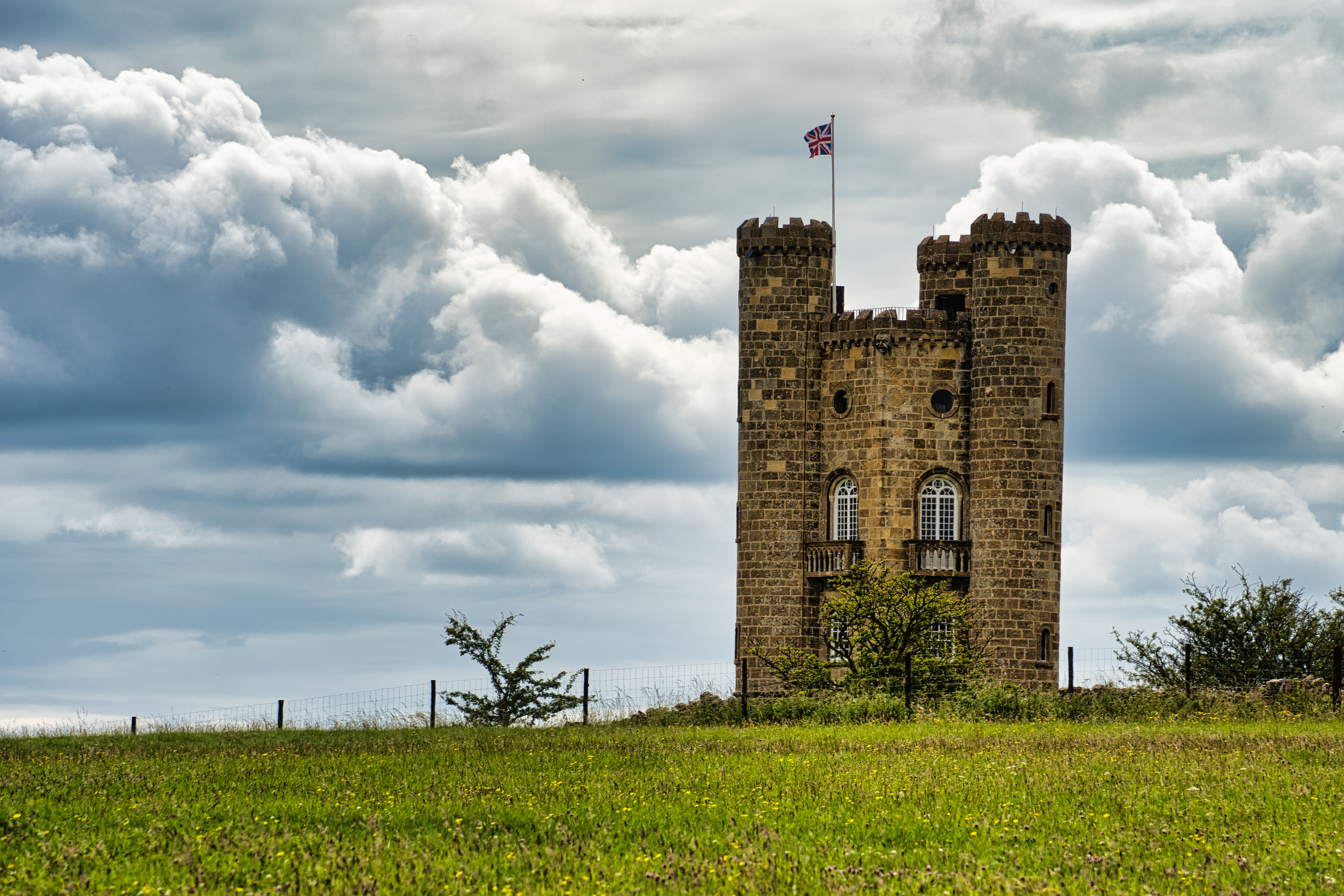
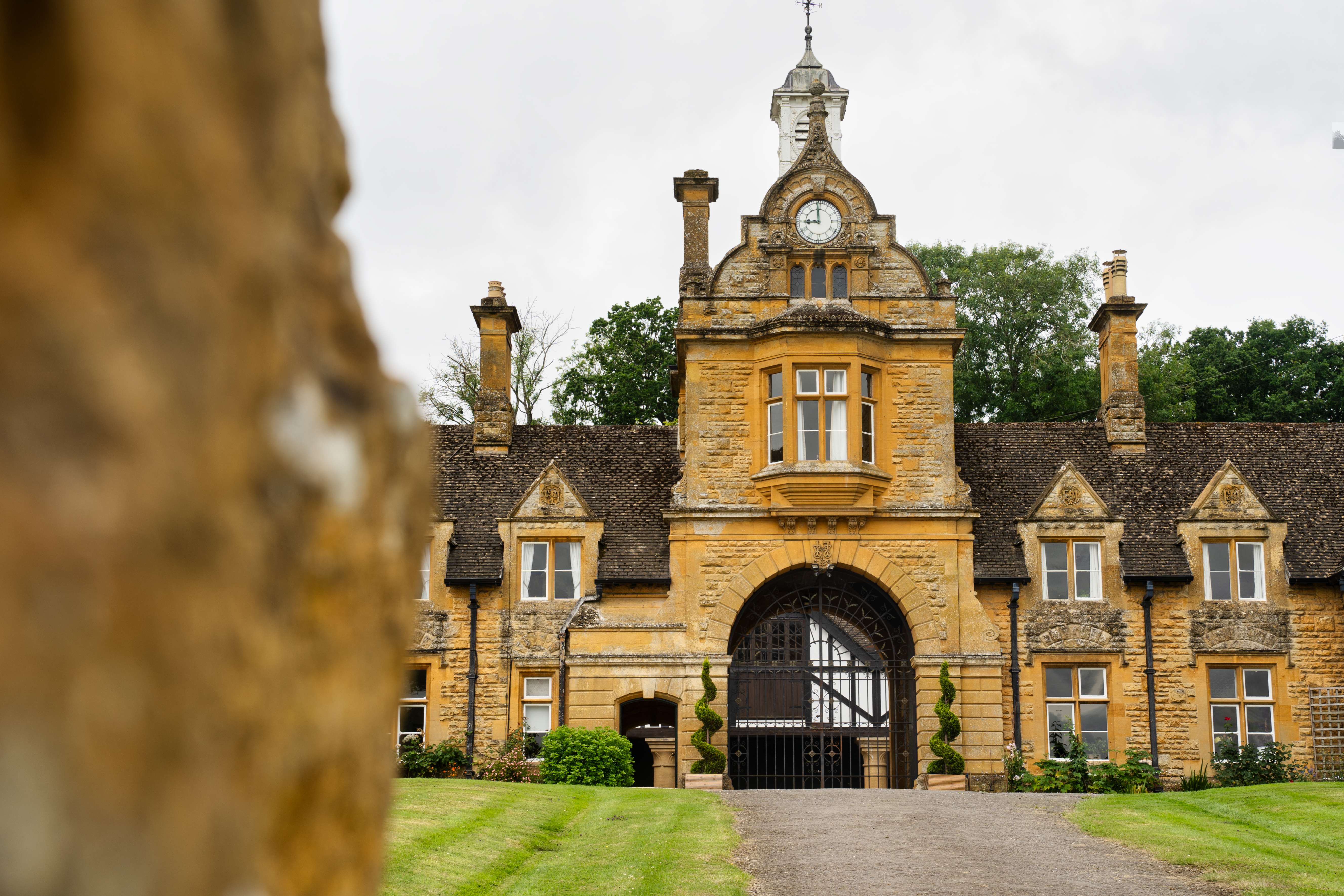
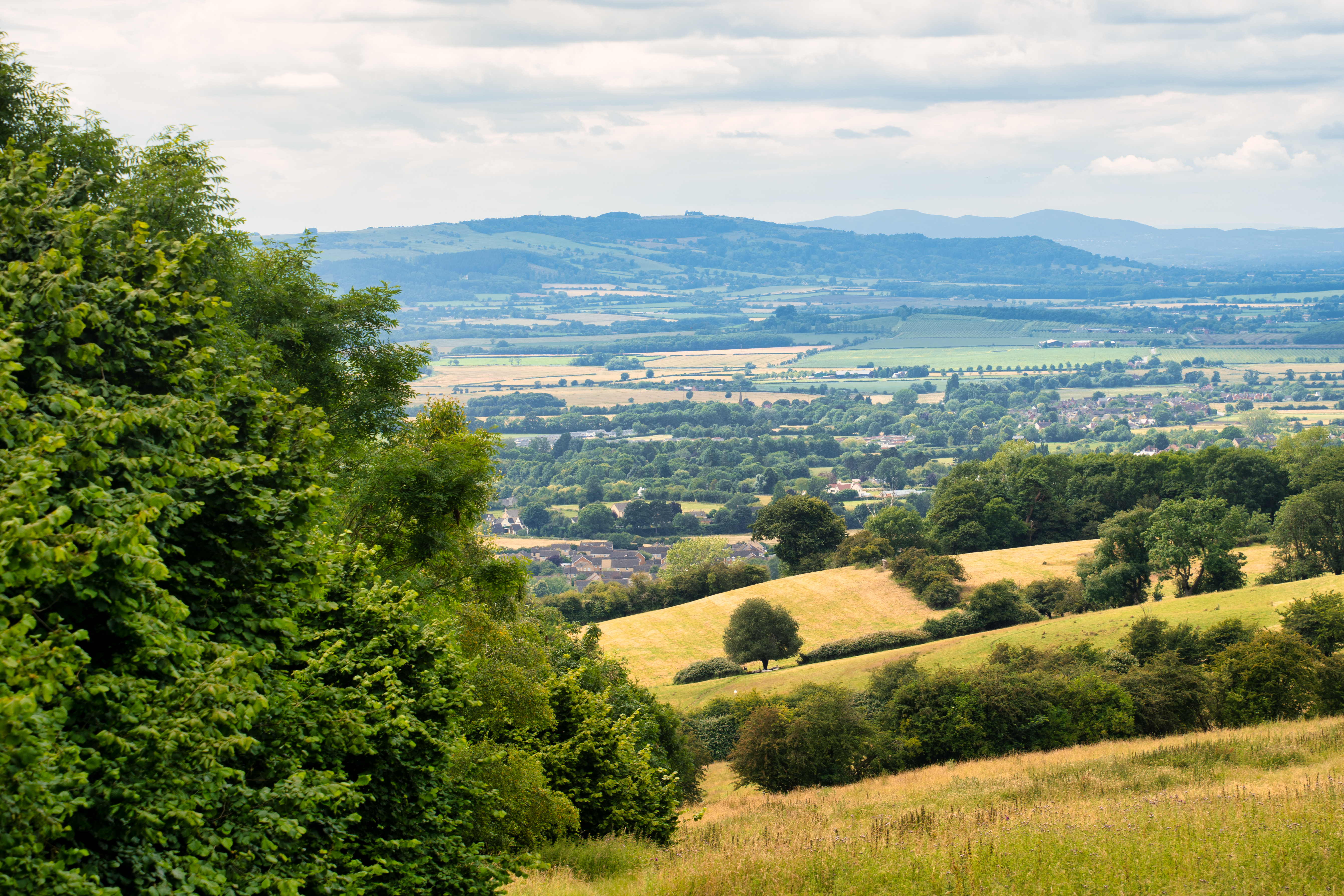
The Cotswolds, with its gently rolling hills and distinctive honey-colored stone cottages, offers a picture-perfect slice of the English countryside. This region is renowned for its idyllic villages, where narrow lanes wind past centuries-old buildings and the pace of life feels refreshingly slow. It’s a place where you can wander for hours, discovering charming shops, cozy pubs, and historic churches, all set against a backdrop of lush meadows and quiet woodlands.

Beyond its picturesque appearance, the Cotswolds is a place of genuine character and tradition. The landscape is crisscrossed with walking trails that lead you through fields, forests, and along rivers, revealing the natural beauty of the area. Local craftspeople keep age-old skills alive, from weaving to pottery, giving visitors a true taste of the region’s cultural heritage. In the Cotswolds, every path seems to offer a new discovery, making it an enchanting destination for anyone seeking the timeless charm of rural England.

Historic England

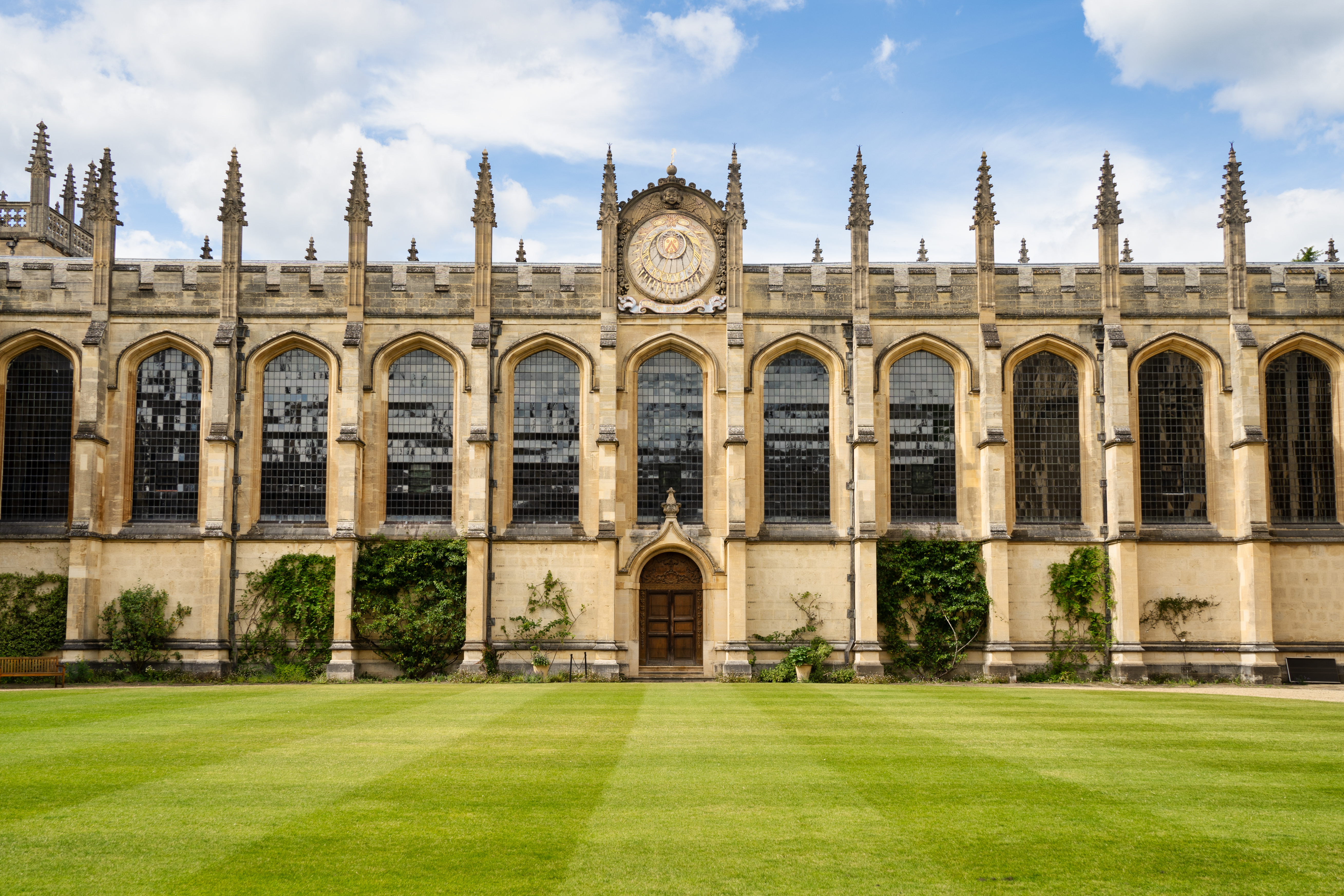
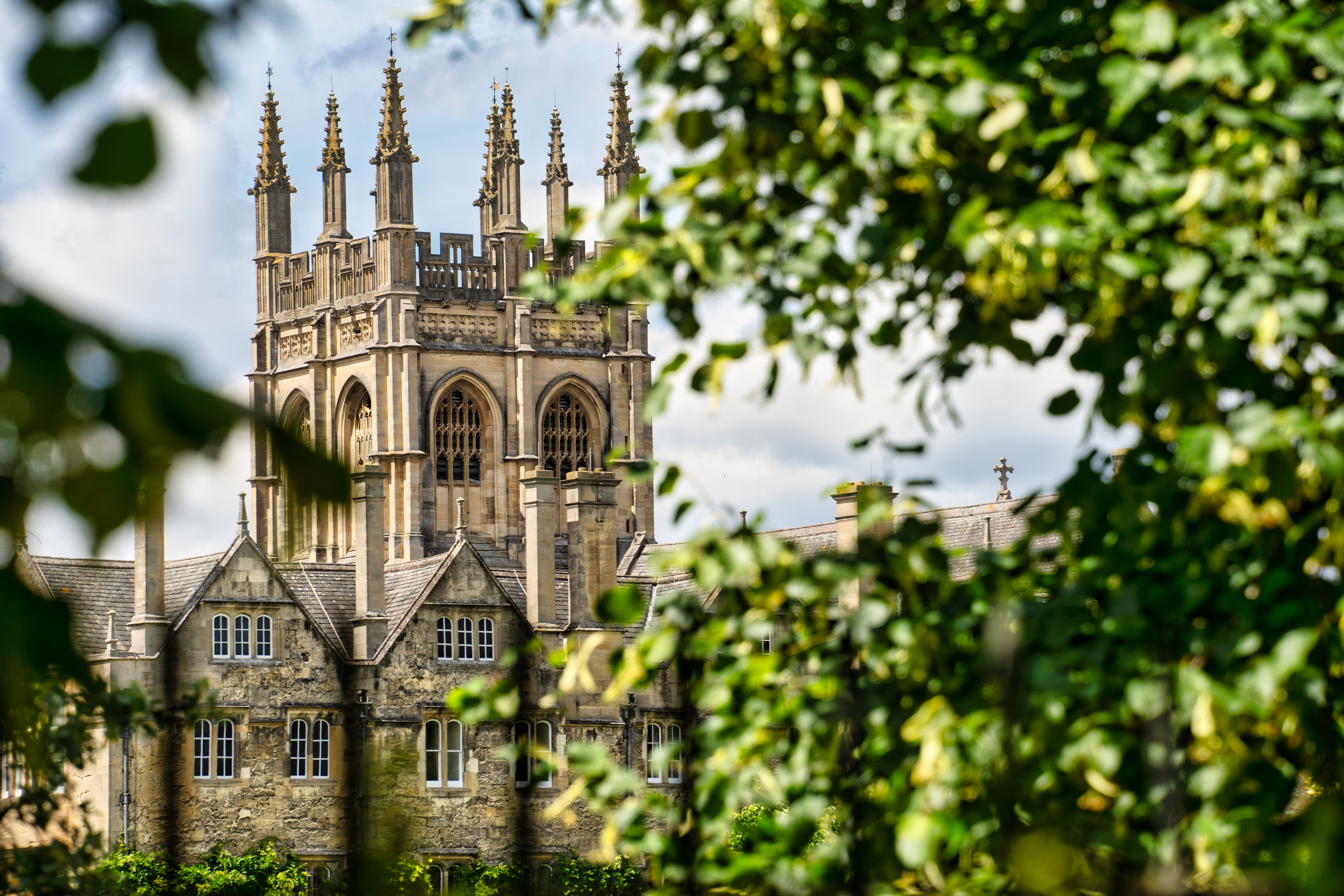
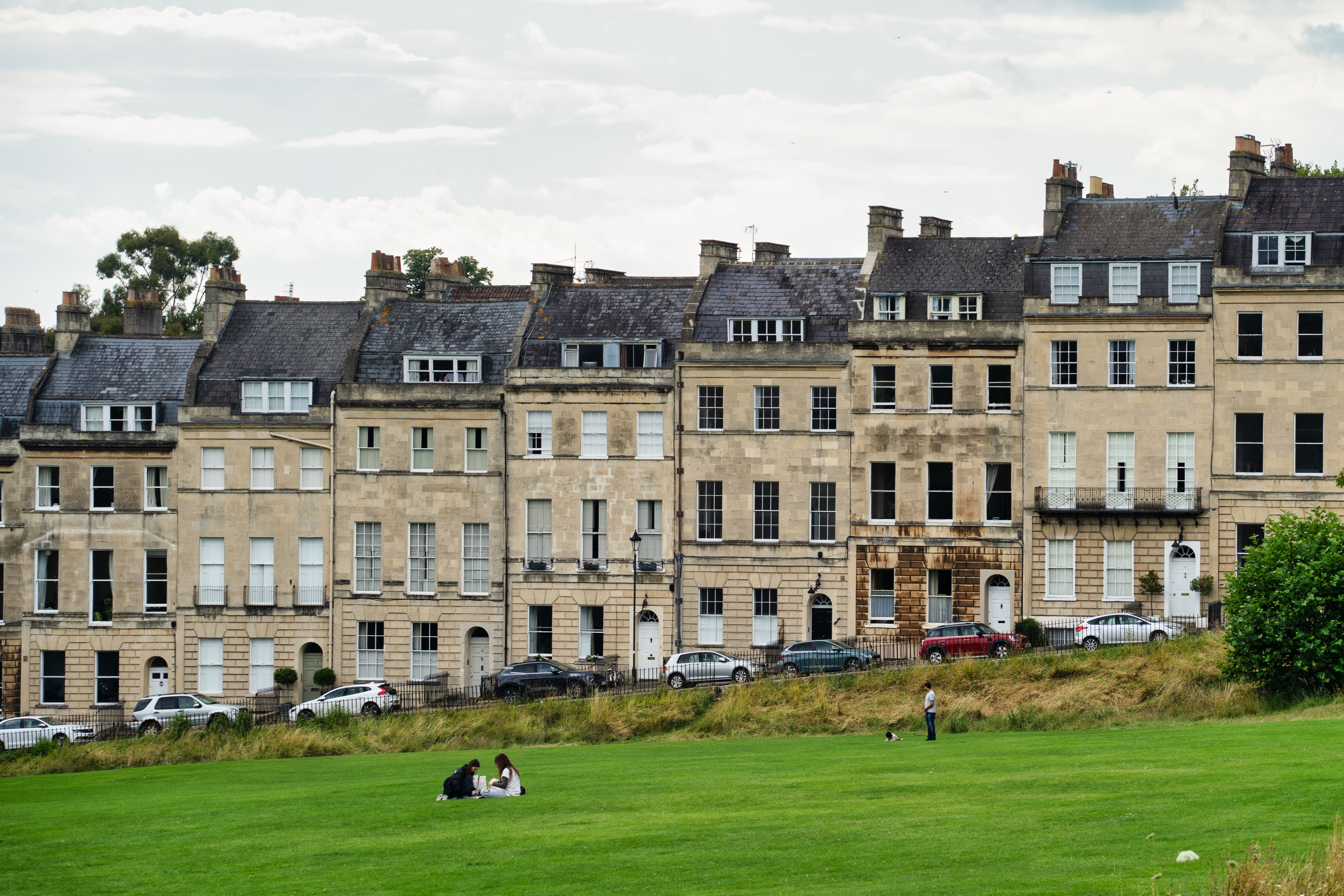
England is a land where history comes alive at every turn, offering a rich tapestry of experiences for those eager to explore its past. From ancient Roman ruins to grand medieval cathedrals, the country’s landscape is filled with relics of different eras. In Oxford, for example, visitors can wander through centuries-old university buildings and imagine the intellectual debates that shaped the course of history. The picturesque countryside is equally steeped in stories, with quaint villages, stately homes, and winding roads that have witnessed the comings and goings of countless generations.

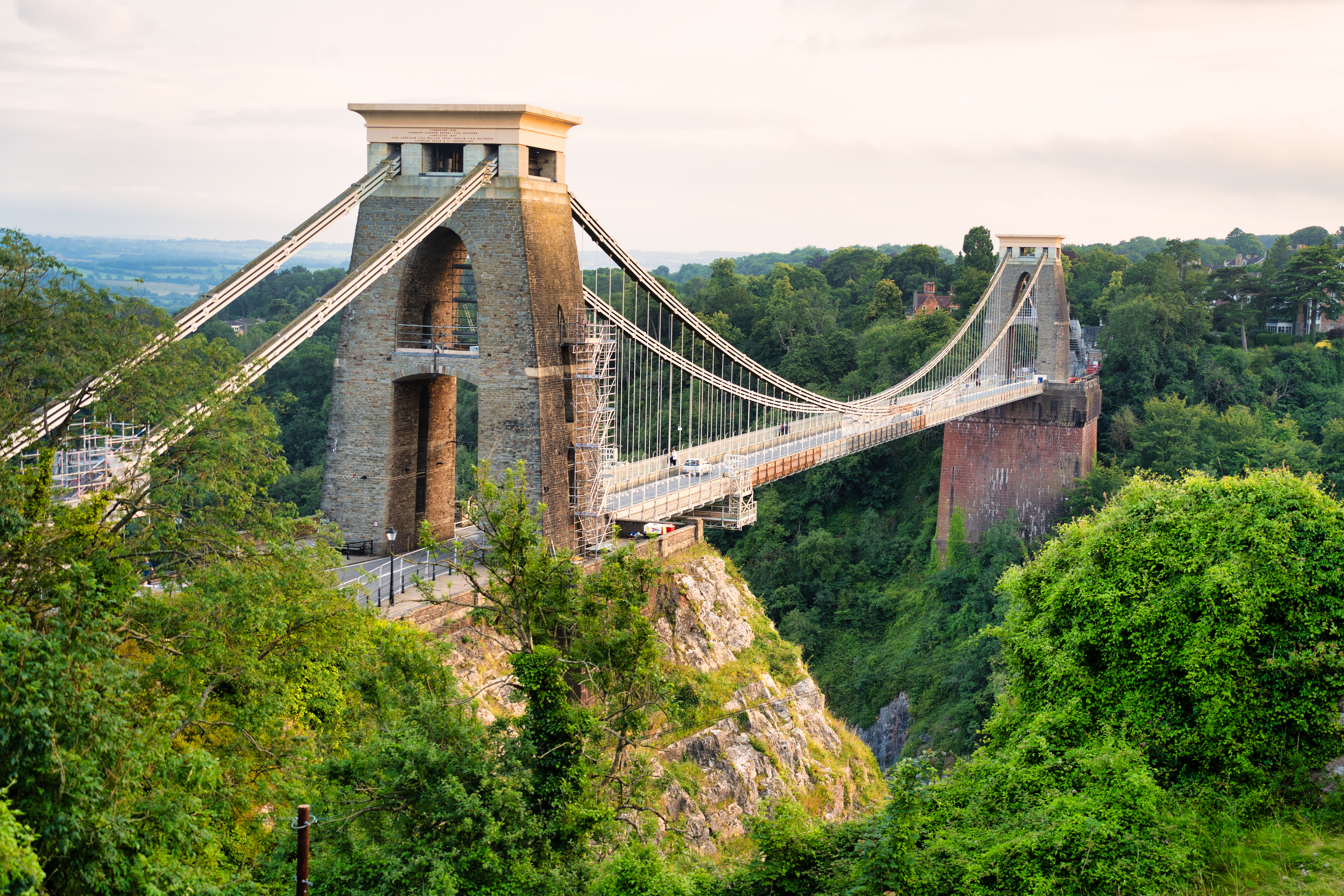
The nation’s heritage is not only found in its famous cities but also in its engineering marvels and lesser-known landmarks. The Clifton Suspension Bridge, spanning the Avon Gorge in Bristol, stands as a testament to the Victorian era’s spirit of innovation and ambition. Throughout England, museums, historic houses, and preserved sites provide unique insights into the social and cultural evolution of the country. Whether one is captivated by the intrigue of medieval castles, the elegance of Georgian architecture, or the remnants of industrial might, England offers a boundless journey through its layered and vibrant history.

Land of the Gaels

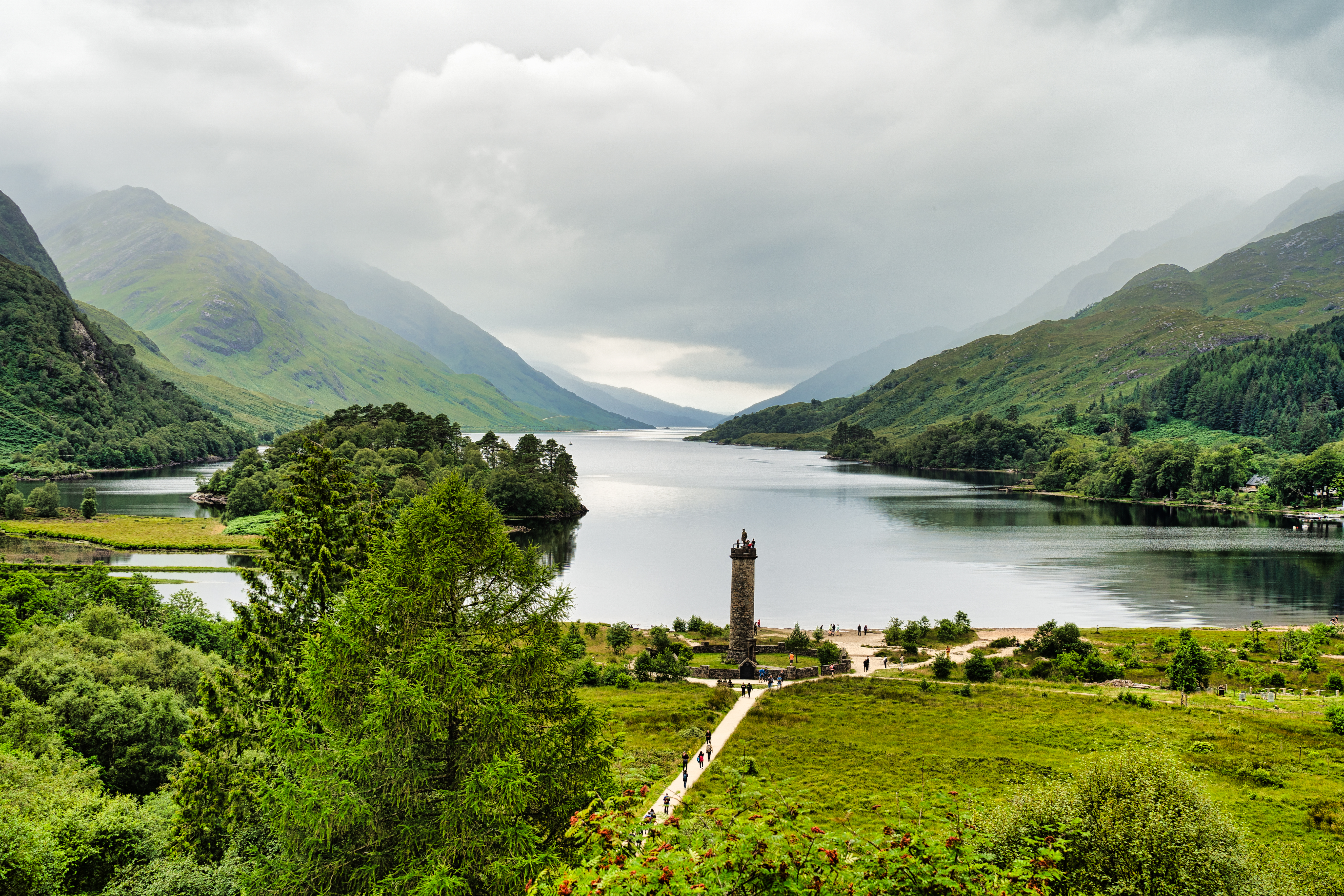
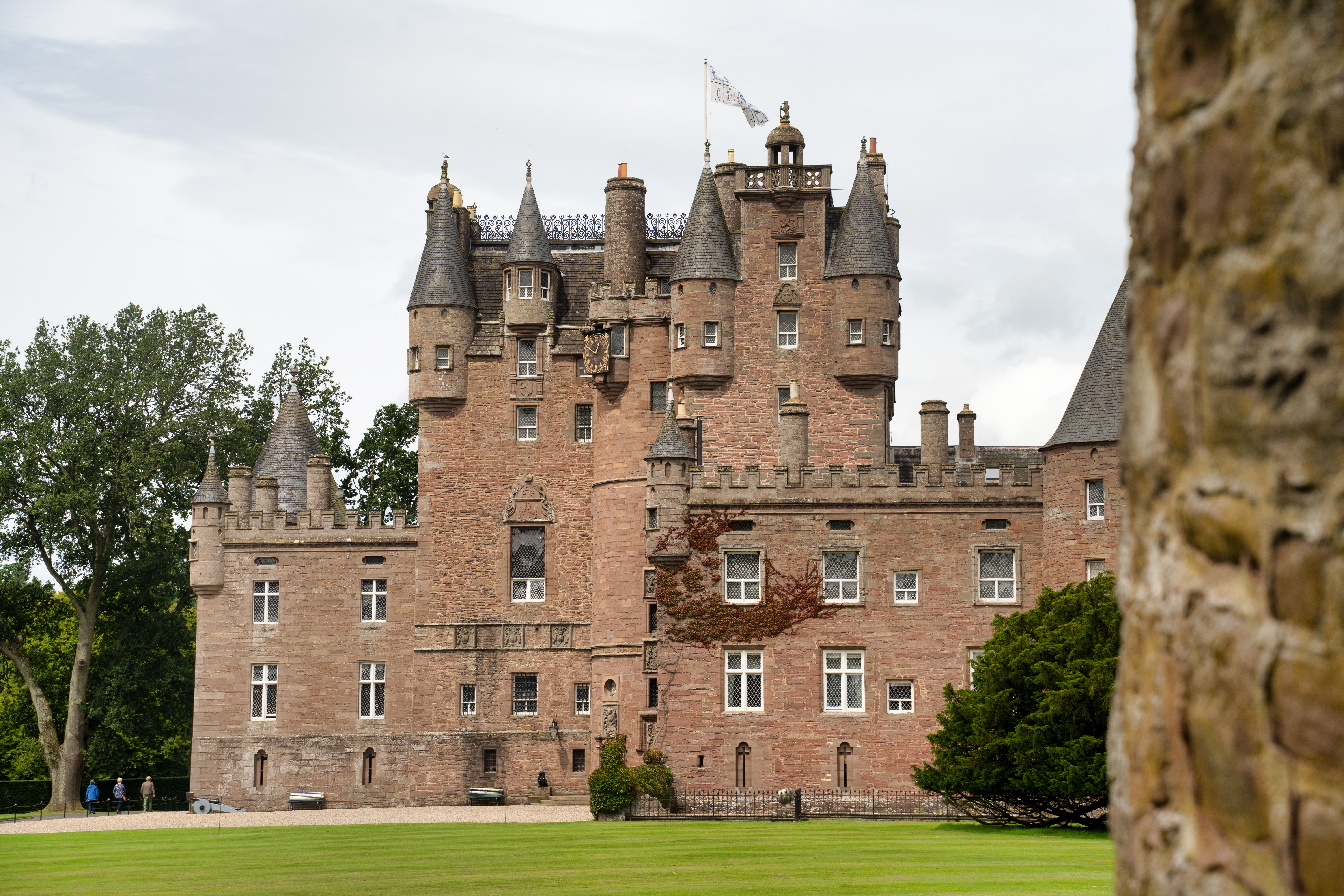
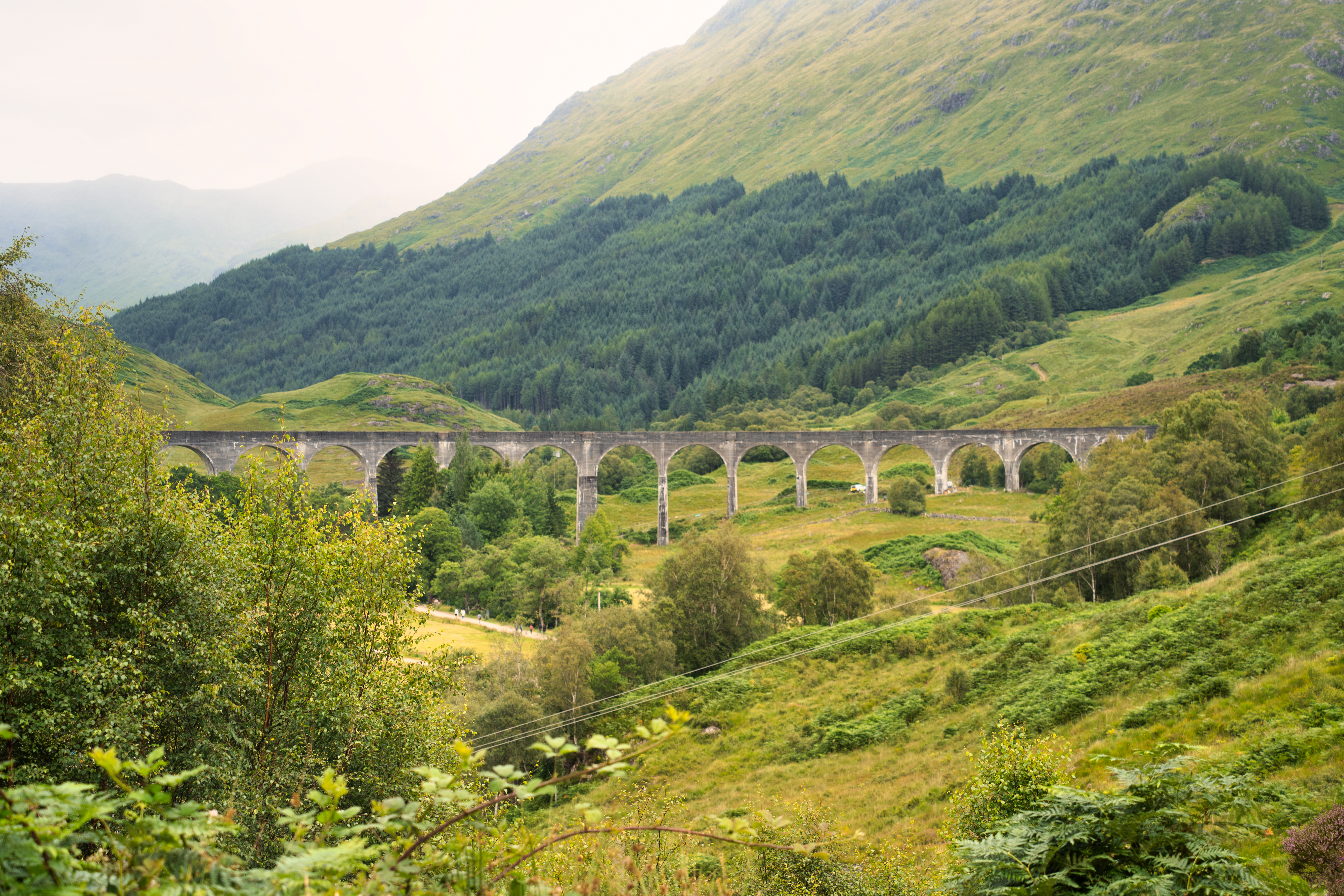
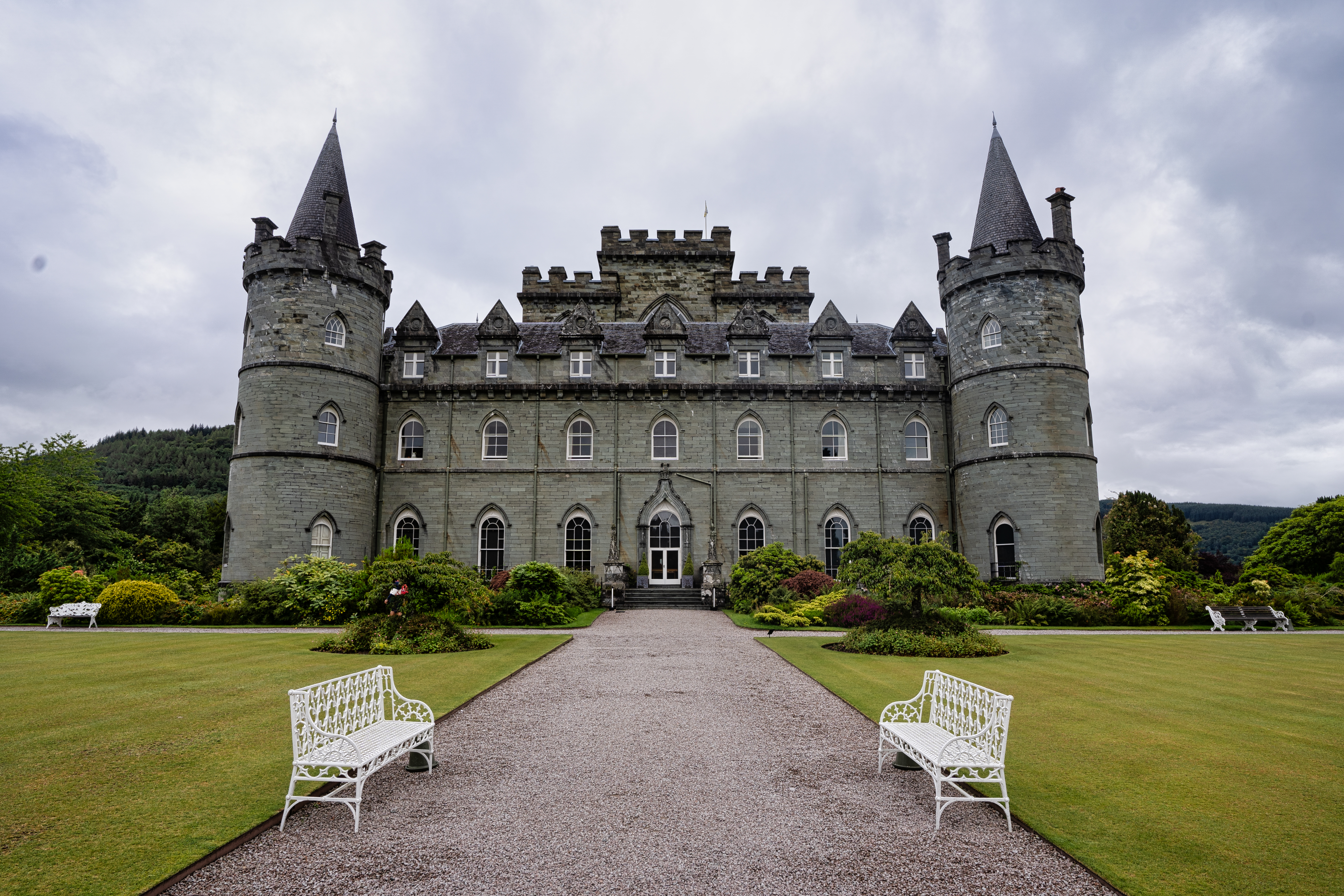
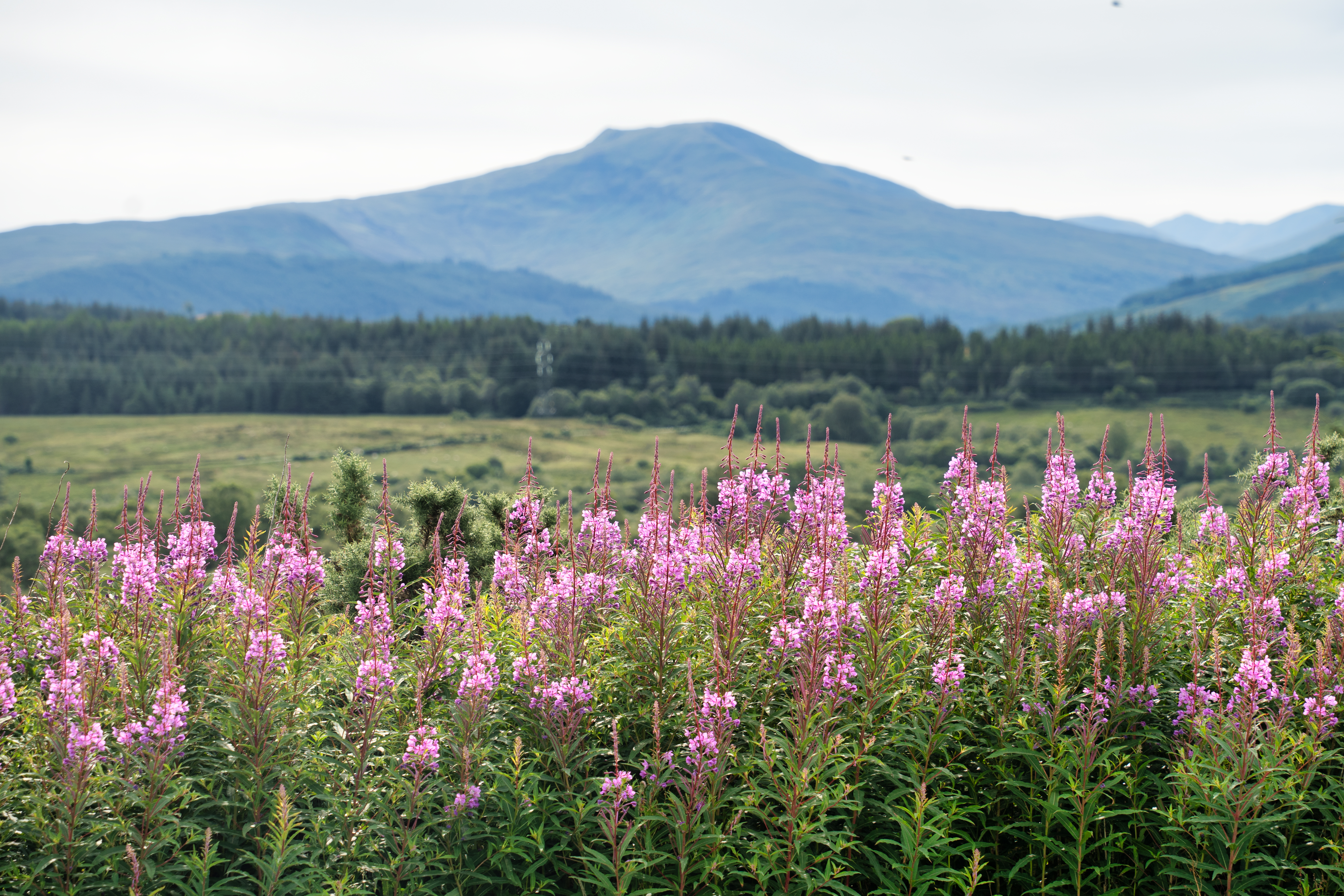
The Scottish Highlands — a place where the land feels alive with stories whispered by the wind. Here, in the Land of the Gaels, mountains like Ben Nevis rise majestically against a sky that shifts from mist to sunlight in the blink of an eye. The rolling heather-covered hills are dotted with the ruins of old castles and ancient stone circles, each with its own tale to tell. As you wander along quiet loch shores, you might hear the distant echo of a lone piper or catch sight of a red stag, its silhouette stark against the moorland. There’s a wild, untamed spirit here that gets into your bones, urging you to explore deeper, to seek out hidden glens and forgotten paths.
Away from the well-trodden routes, the Highlands offer a sense of solitude that is both humbling and inspiring. In places like Glencoe, with its dark, brooding mountains, you can almost feel the weight of history in the air. The remote villages, where Gaelic is still spoken, provide a glimpse into a way of life that has endured for centuries. Stay awhile, and you’ll be welcomed with warmth by locals who carry the traditions of their ancestors in their music, their stories, and their everyday lives. Here, in the Land of the Gaels, it’s easy to lose track of time — to feel that, just for a moment, you are part of something timeless and true.

Avignon

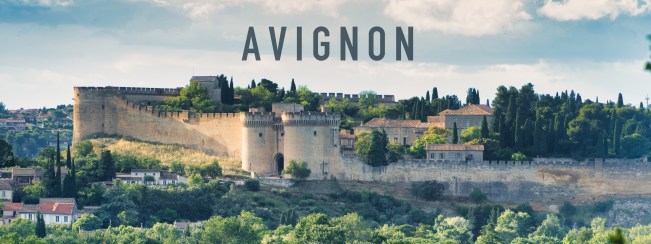
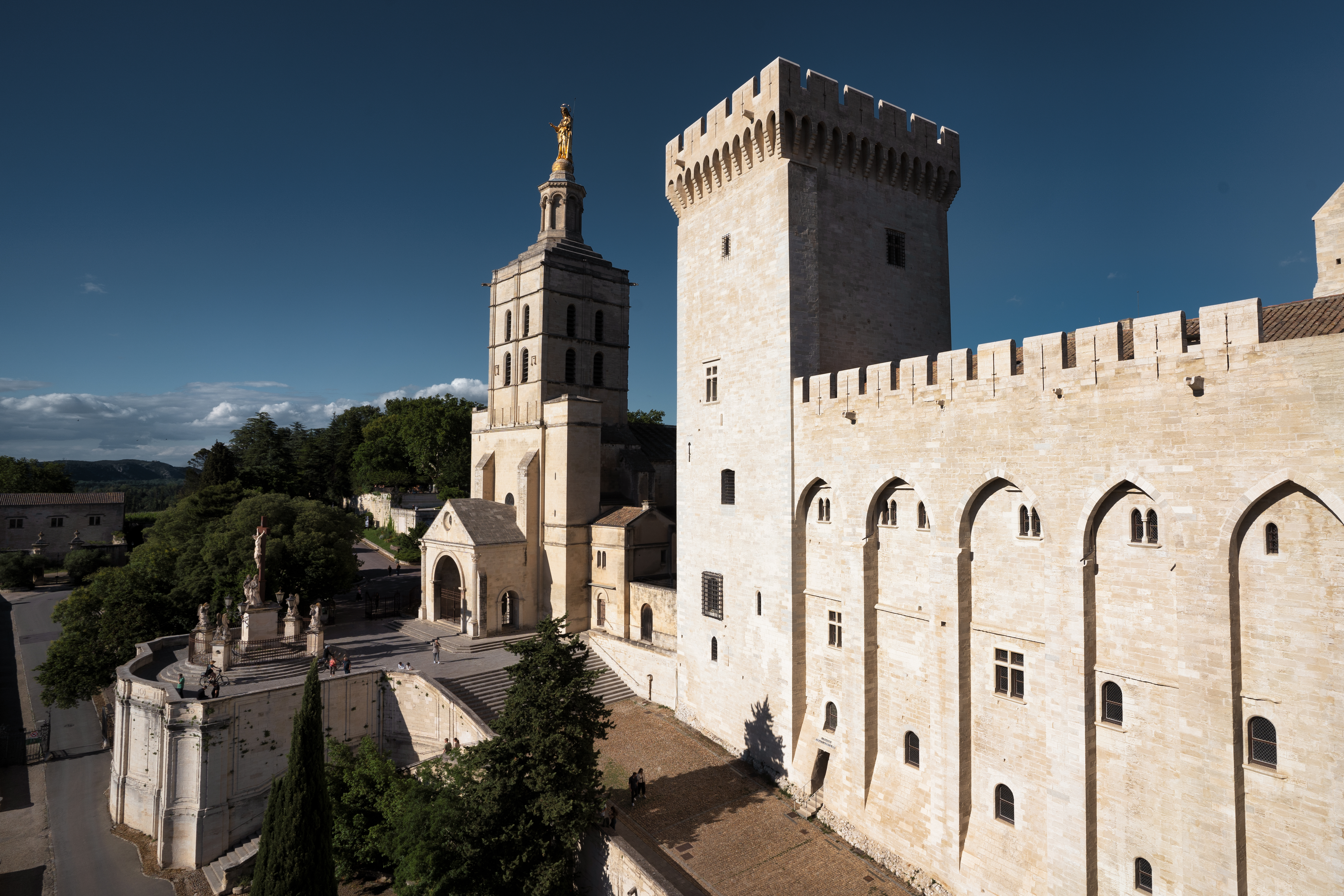
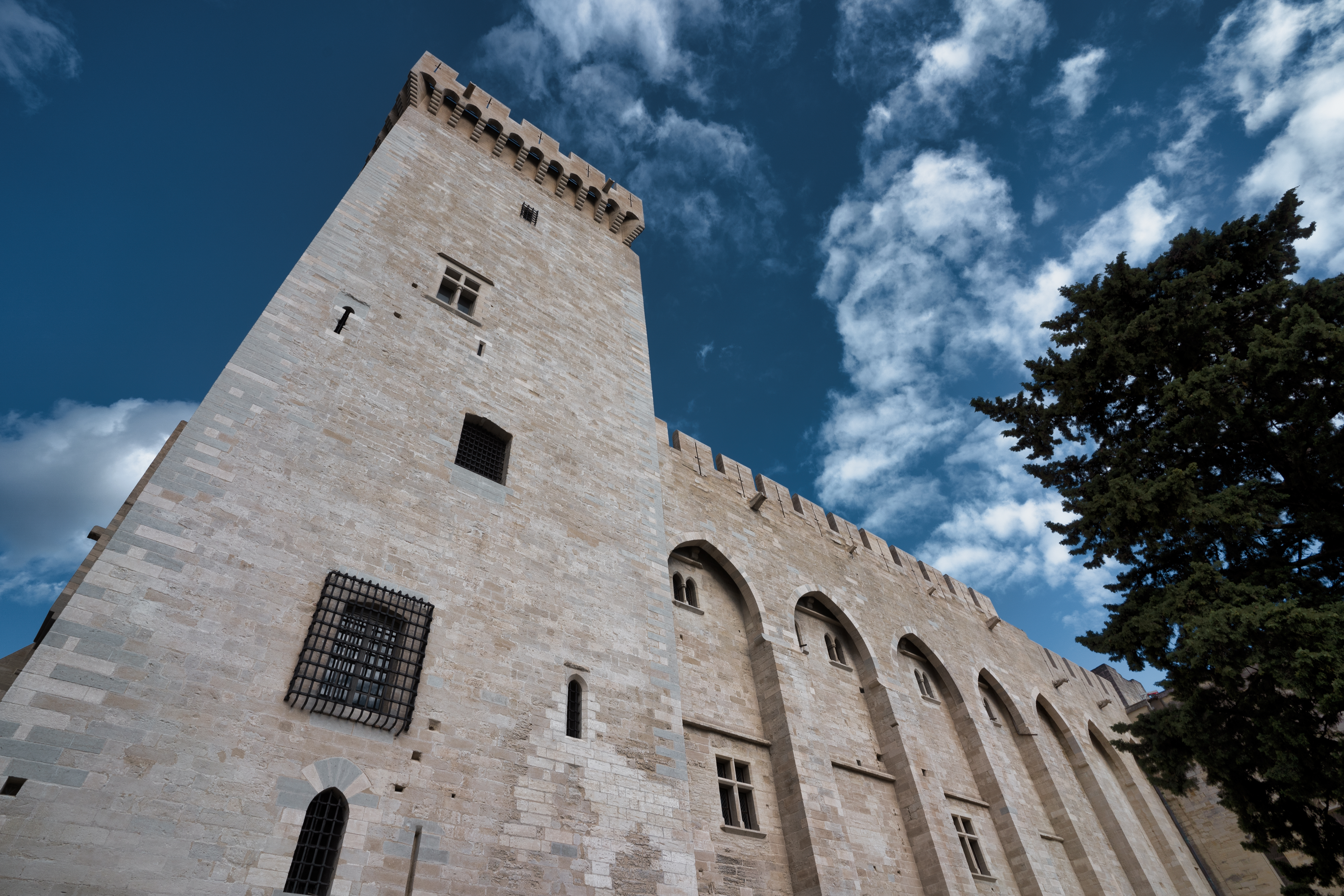
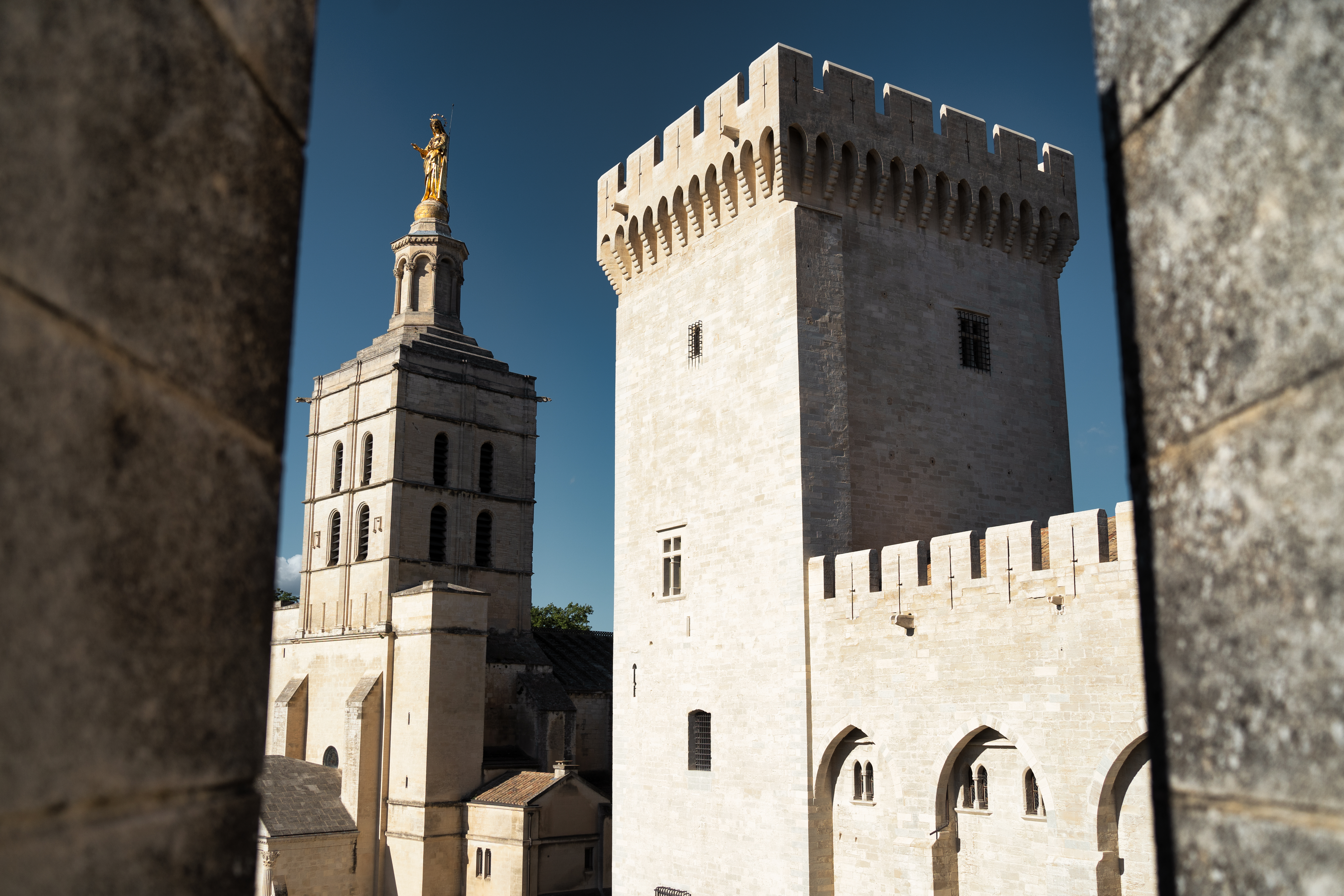
Avignon, a historic city in southeastern France, is famed for its medieval architecture and cultural heritage. Located on the Rhône River, it was the papal seat from 1309 to 1377. Its iconic Palais des Papes is a UNESCO World Heritage site. Avignon hosts the annual Festival d’Avignon, a key event in contemporary performing arts. The old town, with its cobblestone streets and vibrant squares, offers a charming array of cafes, shops, and historical sites.

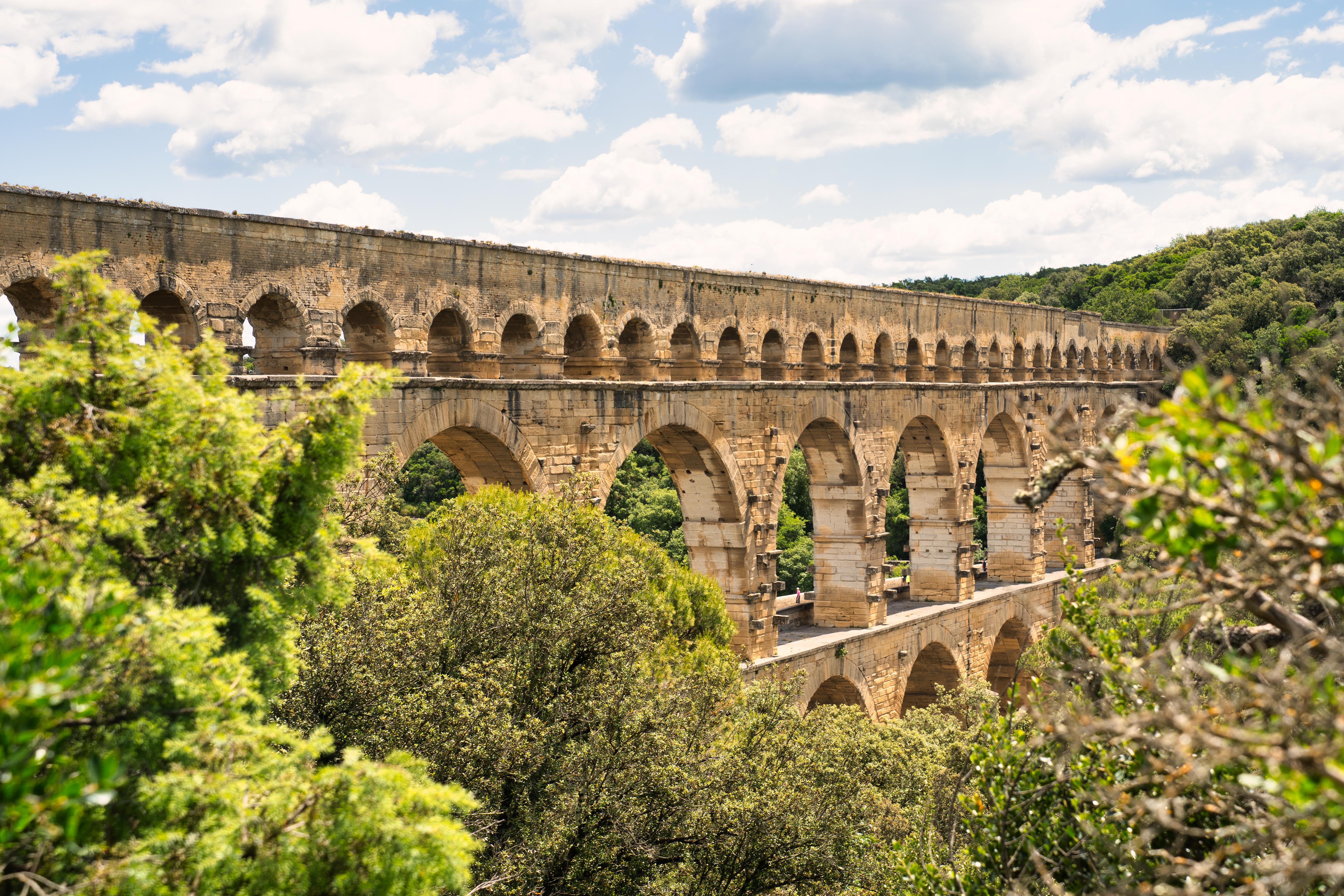
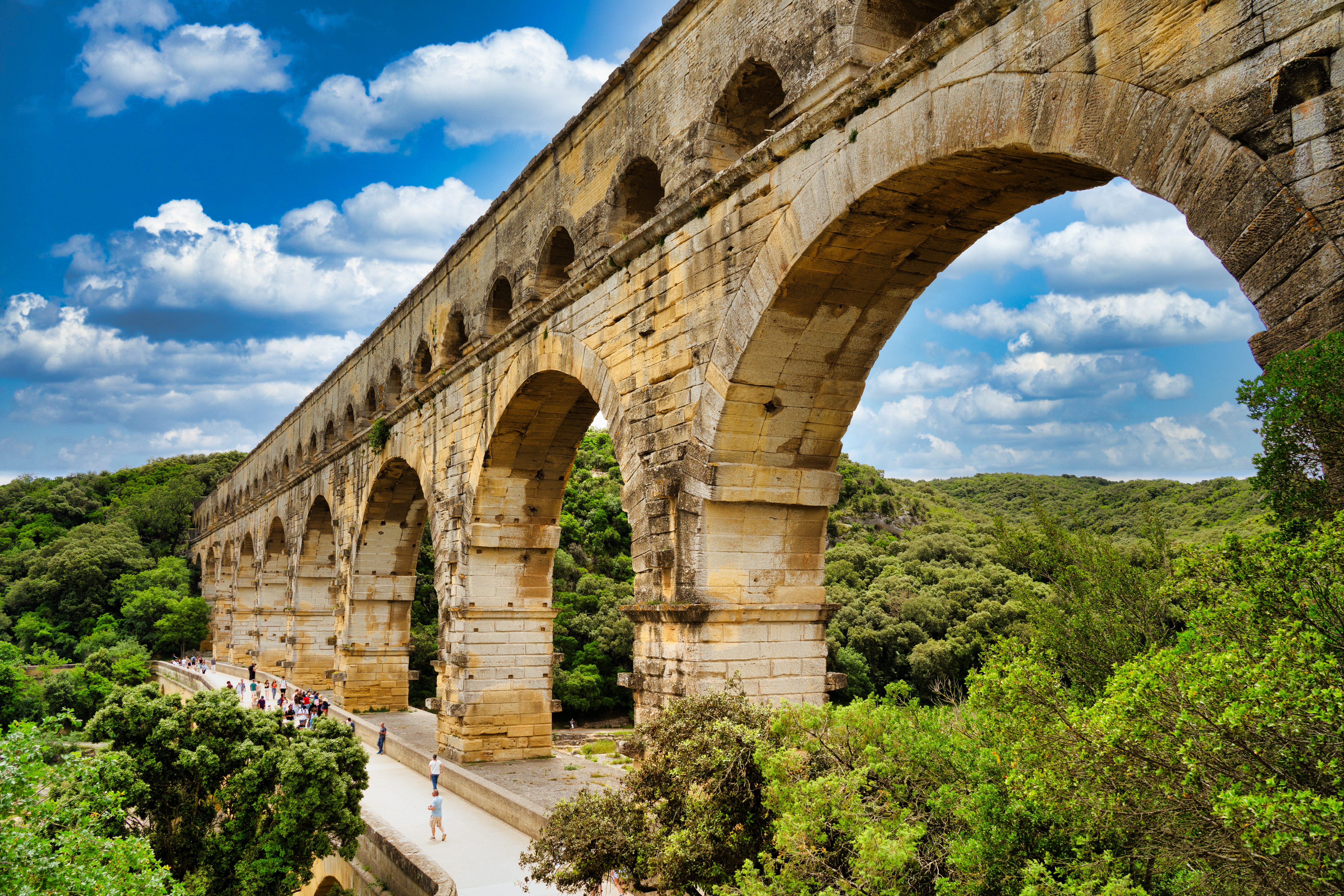
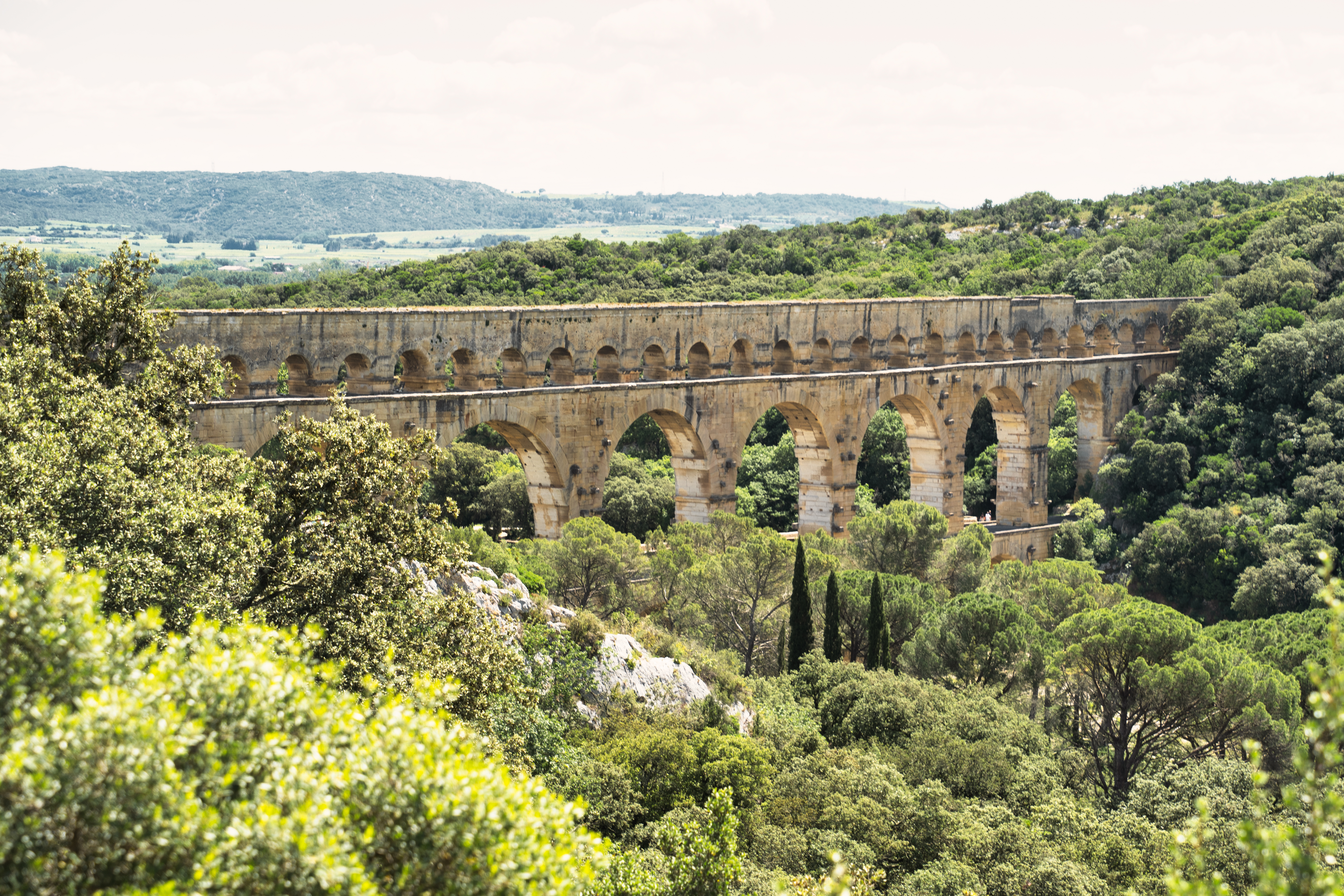
Located near Avignon, the Pont du Gard is a remarkable ancient Roman aqueduct bridge, built in the first century AD. Spanning the Gardon River, this impressive structure stands as a testament to Roman engineering prowess. It is a UNESCO World Heritage site and one of the best-preserved Roman aqueducts in the world. The Pont du Gard, with its towering arches, not only supplied water to the Roman colony of Nemausus (now Nîmes) but also attracts numerous visitors for its historical significance and stunning natural setting.
Details of Marseille

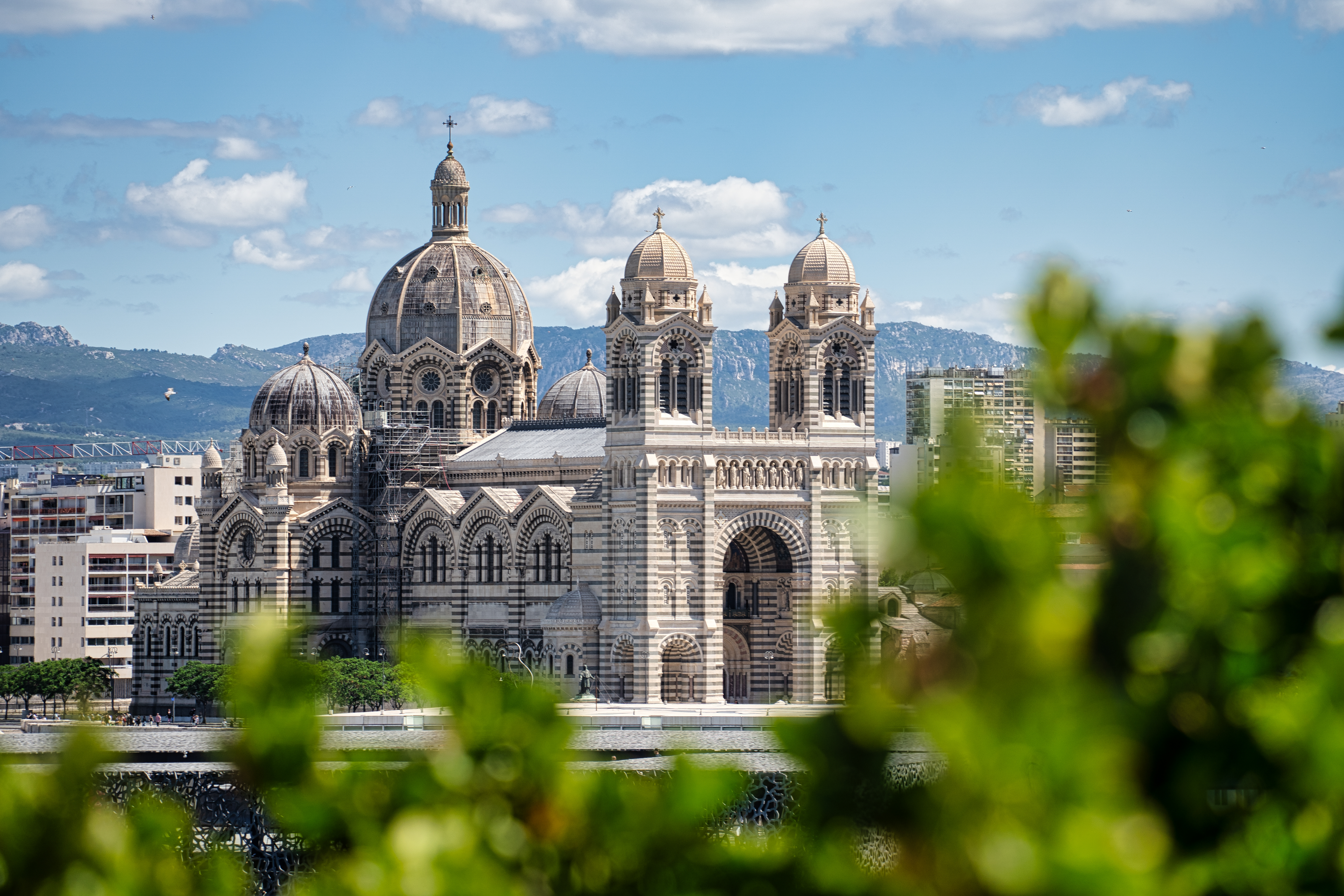
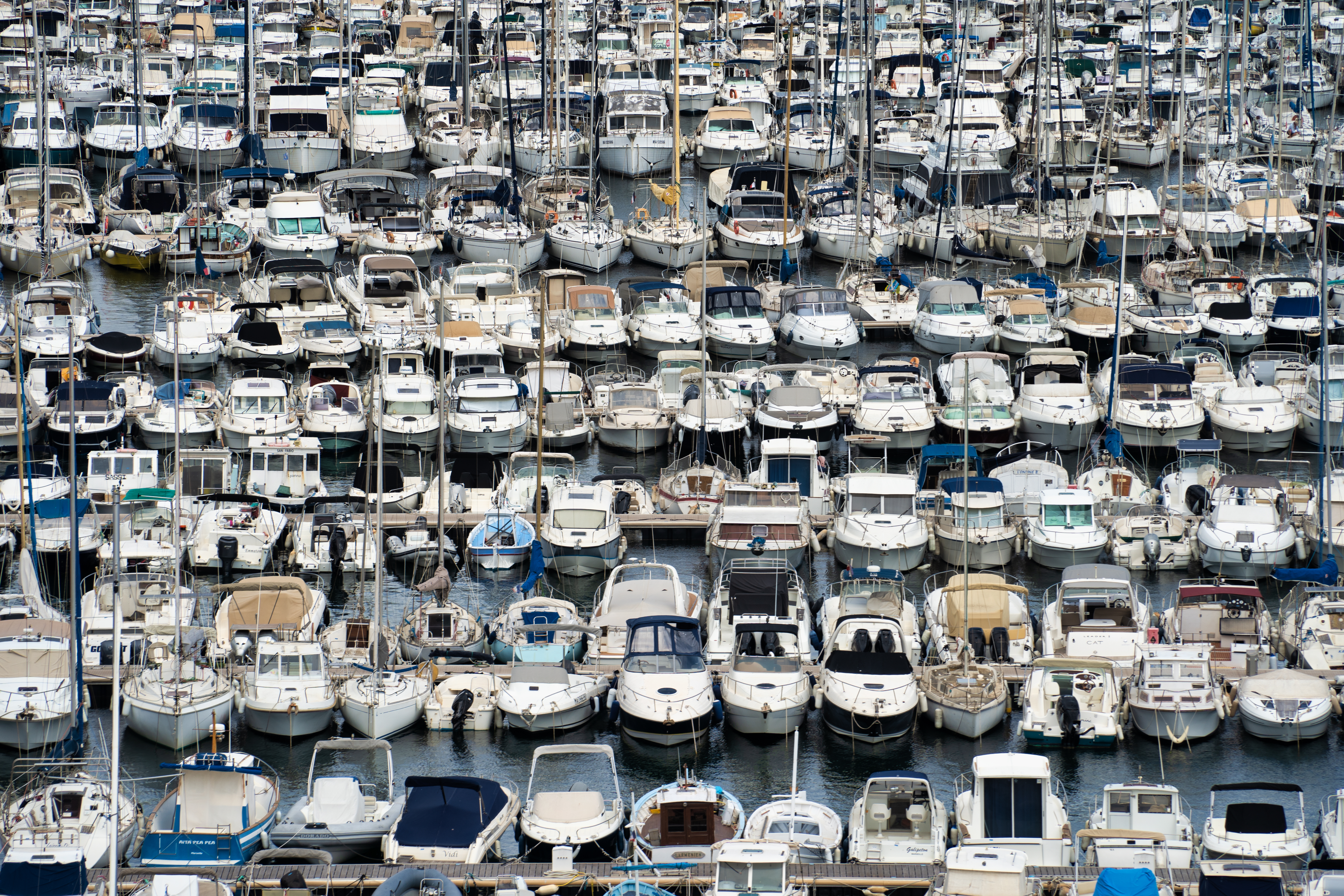
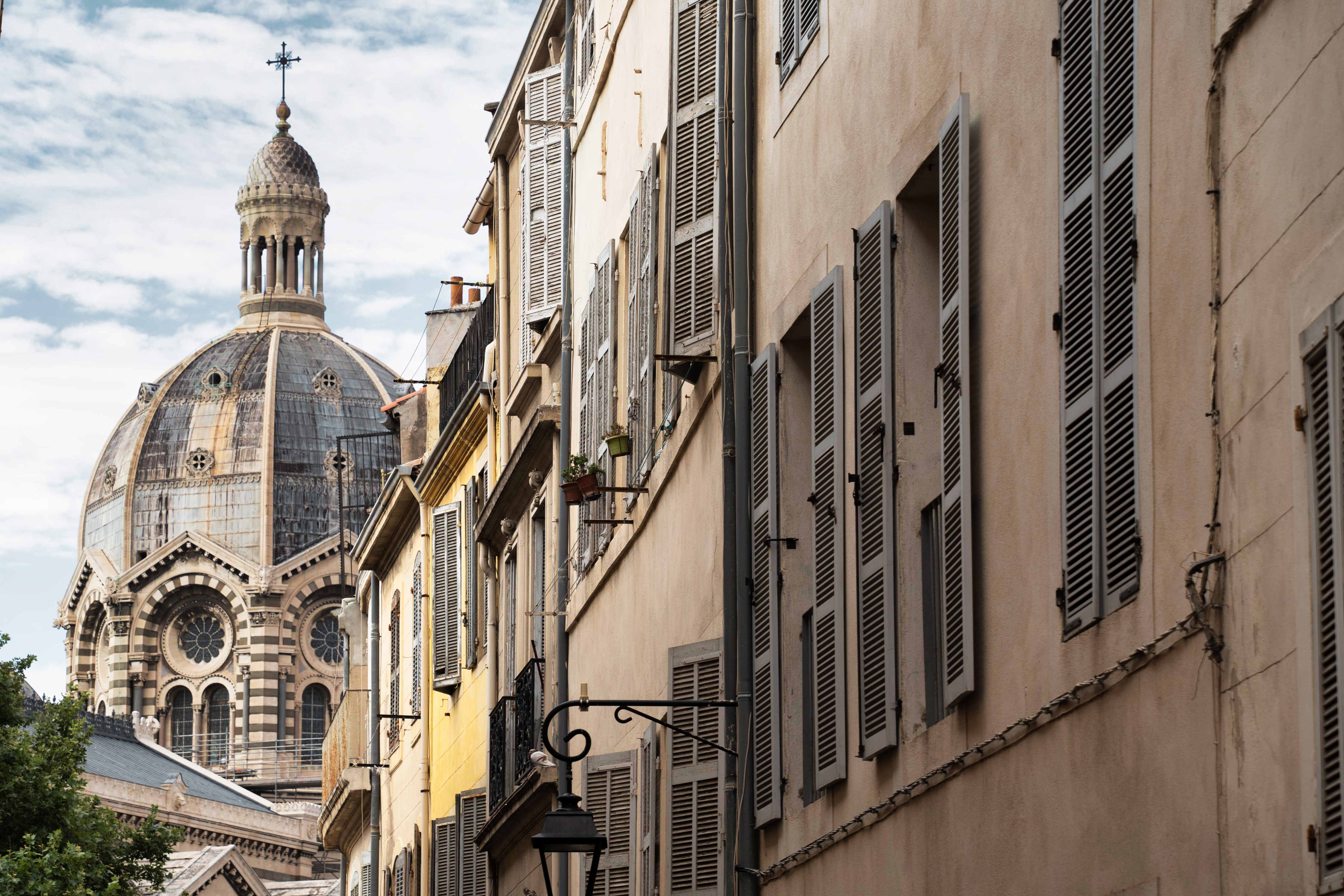
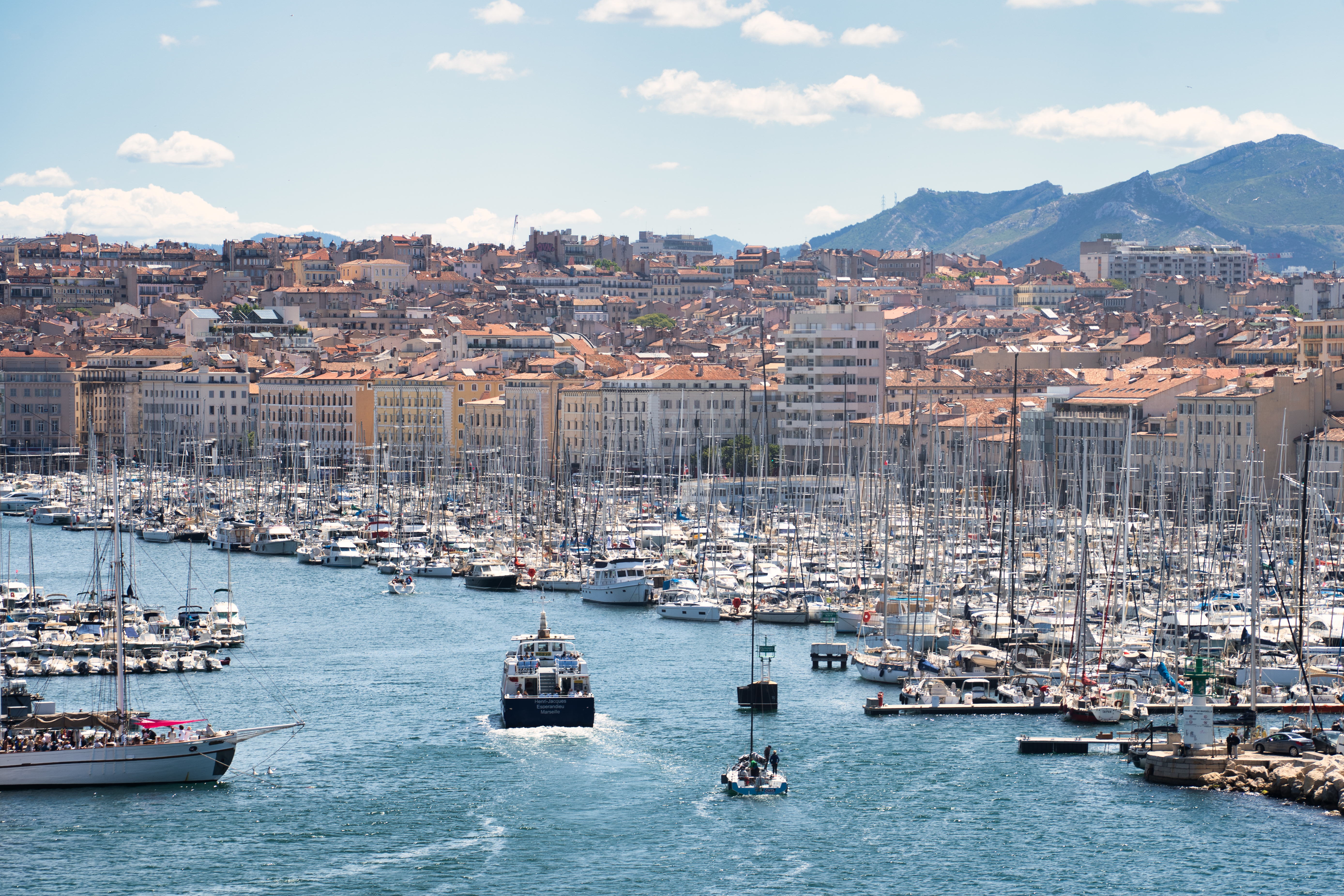
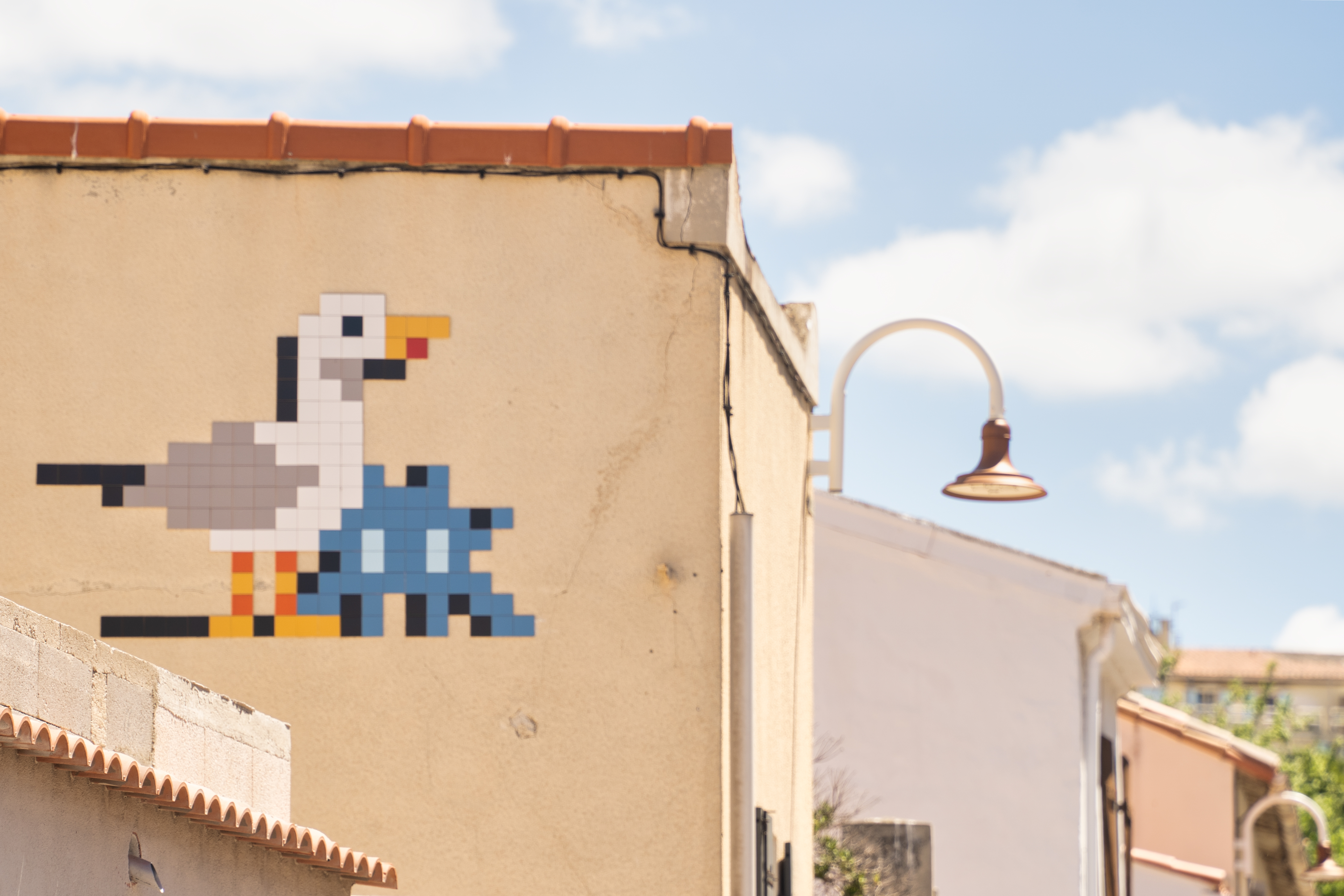
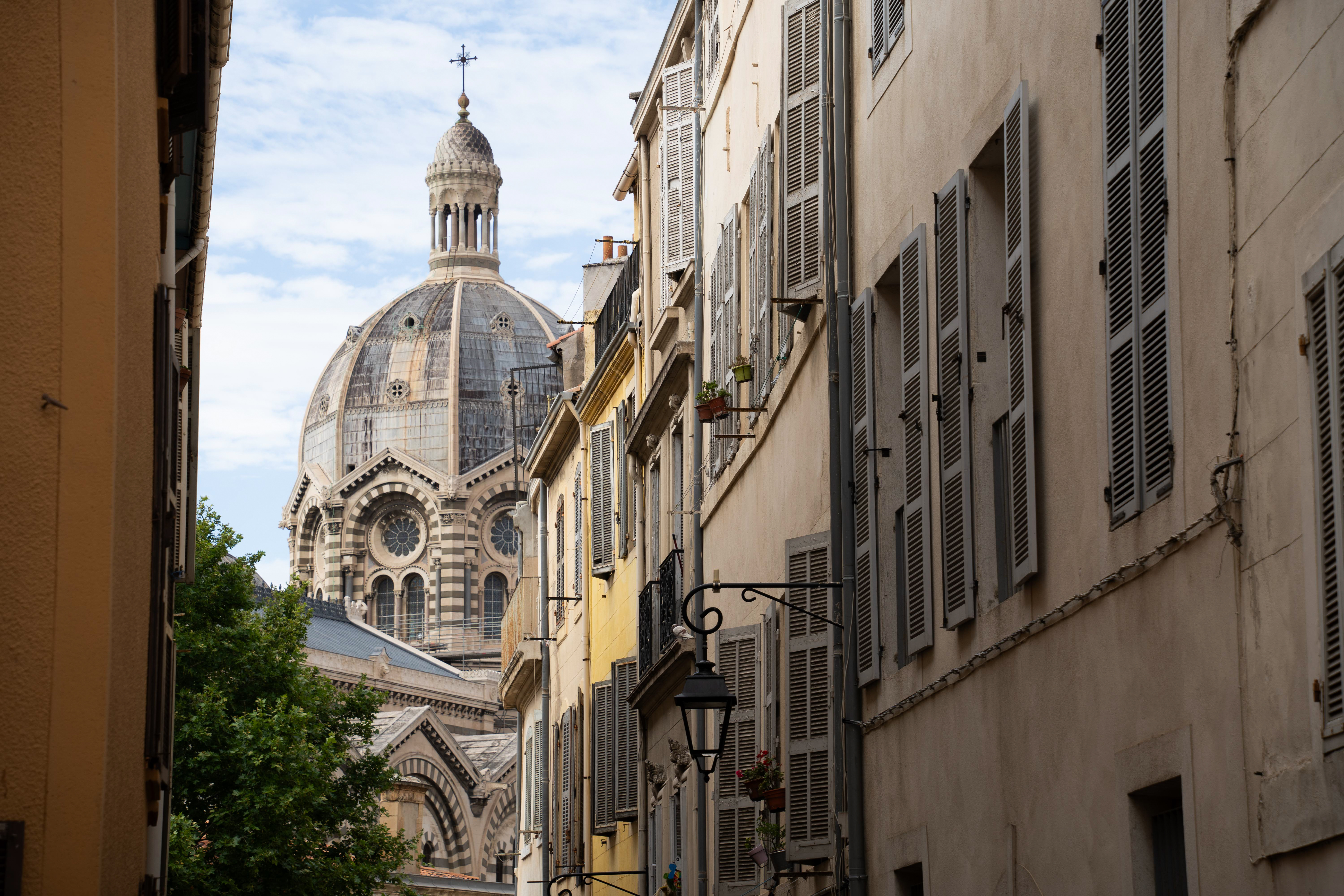
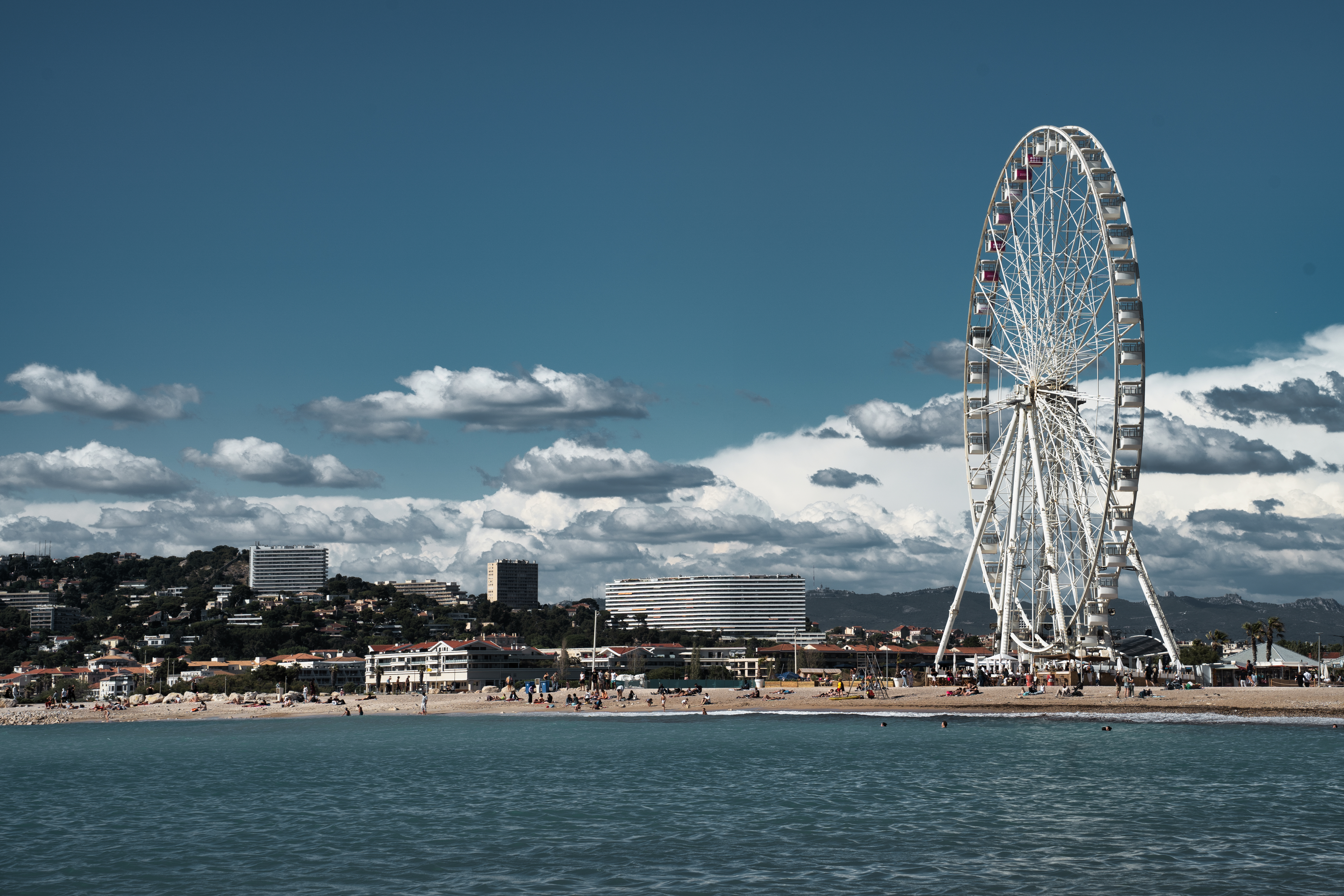
Marseille, France’s oldest city, captivates with its unique blend of history and vibrant urban life. The Vieux-Port, the city’s historic heart, is always bustling with fishermen and visitors, offering a lively atmosphere surrounded by seafood restaurants and cafes. Le Panier, the oldest district, charms with its narrow, winding streets, colorful buildings, and artisanal shops. The Basilique Notre-Dame de la Garde, perched on a hill, provides breathtaking views of the city and the Mediterranean Sea. Marseille’s multicultural essence is evident in its diverse neighborhoods, local markets, and varied cuisine, from traditional bouillabaisse to North African dishes. The city’s coastal location also makes it a gateway to stunning natural sites, known for its dramatic cliffs and clear waters.

Travelling the Provence


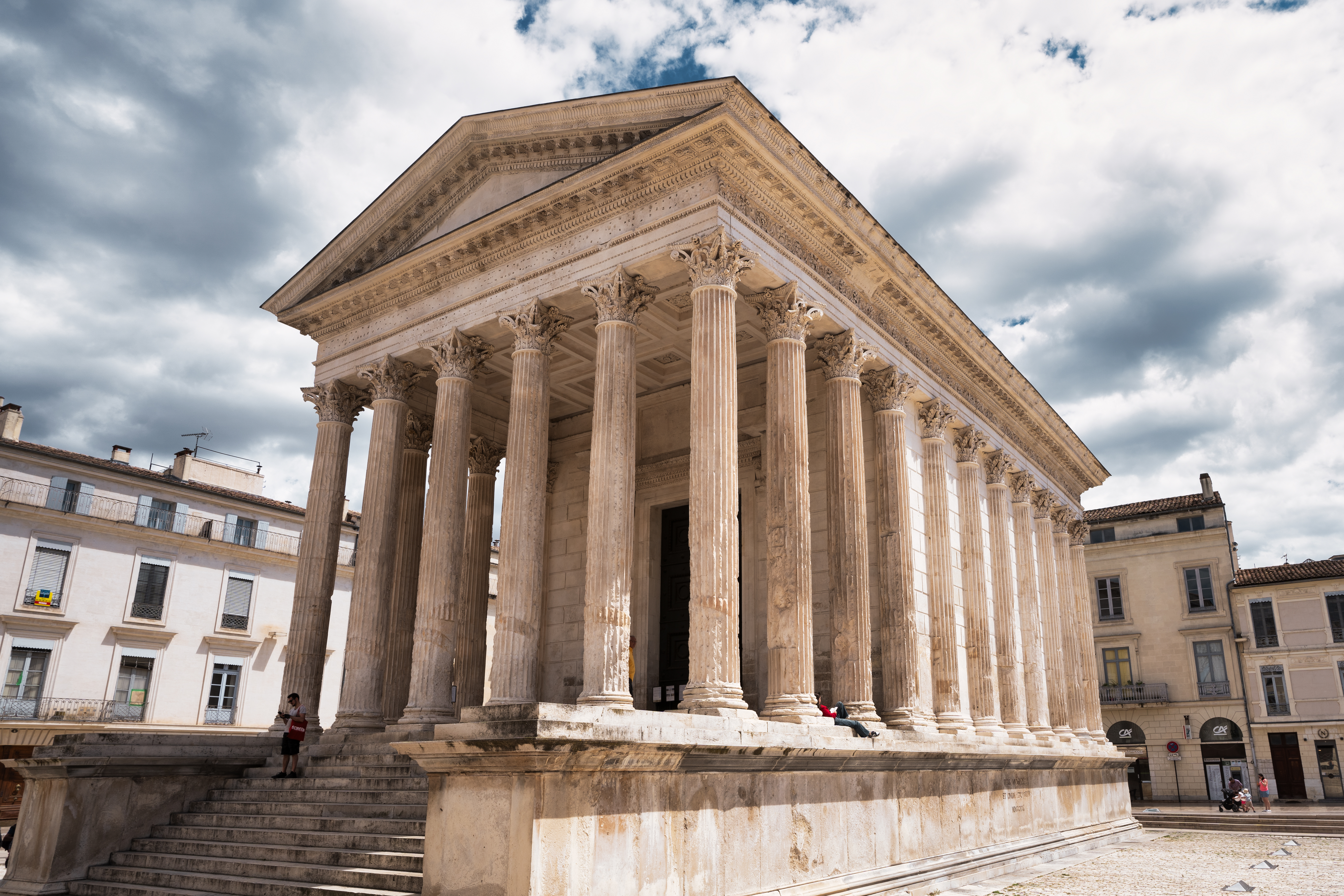
The region of Provence, in southeastern France, is famous for its beautiful landscapes, charming villages, and rich history. In summer, lavender fields turn the hills purple, while olive groves and vineyards produce top-quality oils and wines. Historic towns like Avignon, with its Papal Palace, and Nimes, with its markets and ancient architecture, showcase the region’s past. The Mediterranean coast adds to Provence’s charm with its blue waters and sunny beaches. Whether exploring Roman ruins like the Pont du Gard and the Maison Carré, enjoying local food, or hiking in the Luberon Mountains, Provence is a place of timeless beauty and charm.

1 20 21 22 98