Skip to content

Colors of Franconia

Franconia’s cities are a living canvas where history and culture blend into a rich spectrum of color. In Bamberg, for example, warm ochre facades, red-tiled roofs, and the pastel tones of baroque buildings line narrow alleys and canal-side promenades, earning the city its nickname “Little Venice.” The half-timbered houses seem to tell their own stories, with dark wooden beams cutting through white plaster-like bold brushstrokes.

Set in Stone: Monuments of Upper Franconia

In Upper Franconia, stone speaks. It tells of shifting borders, noble families, monastic traditions, and civic pride. From medieval times to the Baroque period, generations have been built in stone to express power, devotion, and permanence. Whether nestled in quiet villages or rising above bustling town squares, stone buildings form a living archive of regional identity. The weight and texture of stone have long grounded the culture here—solid, resilient, and deeply rooted in its surroundings.

Jubilant Baroque: Vierzehnheiligen

Set amidst the rolling hills of Franconia, the Basilica of Vierzehnheiligen rises like a hymn in stone — a masterwork of jubilant Baroque architecture. Designed by the famed architect Balthasar Neumann in the mid-18th century, the church was built as a pilgrimage site in honor of the Fourteen Holy Helpers, based on a reported apparition in the area in the 15th century. Its layout follows Neumann’s signature use of dynamic, centralized space, emphasizing movement and fluidity over rigid axial design. The interior features richly decorated stucco work, altars with gilded detailing, and a bright, light-filled nave that contrasts with the heavier atmosphere of many Baroque churches. The use of white and pastel tones enhances the open and uplifting spatial impression. Sculptures and ceiling frescoes contribute to the overall visual rhythm without overwhelming the architectural clarity.

Vierzehnheiligen remains one of the most important examples of German Rococo and late Baroque religious architecture. It is both an active place of worship and a popular destination for travellers. The church’s dynamic spatial layout, abundant natural light, and decorative richness convey a sense of celebration rather than solemnity. These qualities make it a prime example of what can be described as Jubilant Baroque—a style that expresses joy, movement, and spiritual openness.

Bari and the Sea

Bari, the heart of Italy’s Puglia region, is a city shaped by the sea. Even in winter, when the beaches are quiet and the air carries a crisp breeze, the Adriatic remains a constant presence. Waves crash against the old stone walls of the Lungomare, where fishermen mend their nets and locals take slow, thoughtful walks. The sea reflects the soft winter light, casting a dreamy glow over Bari’s historic port and the white facades of the old town. In the colder months, the coastline feels more intimate, a place for quiet moments and unhurried gazes over the endless blue.

Historic Cracow

Cracow is one of the most historic cities in Poland, known for its well-preserved medieval architecture and vibrant cultural scene. The Old Town, a UNESCO World Heritage Site, is home to the impressive Main Market Square, St. Mary’s Basilica, and the Cloth Hall. Walking through its cobbled streets, you can see traces of the city’s long history, from Gothic churches to Renaissance palaces.

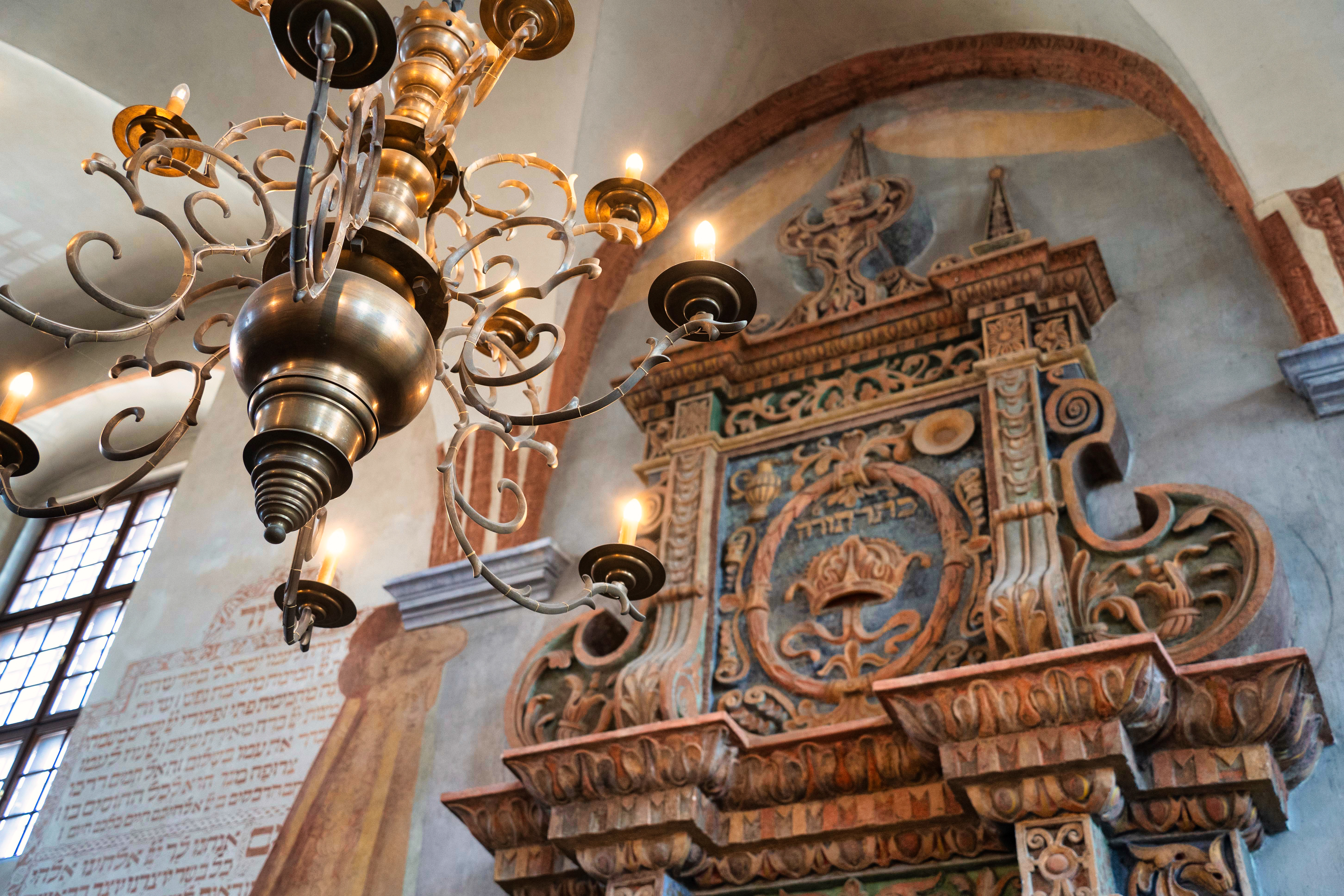
Just a short walk from the center is Wawel Castle, once the residence of Polish kings. Overlooking the Vistula River, this castle complex is a mix of architectural styles, reflecting centuries of Polish history. Another important part of Cracow is Kazimierz, the former Jewish district, which today is full of synagogues, museums, and lively cafes. This area tells the story of Cracow’s Jewish heritage and its revival in modern times.

Winter at the Bay

Winter at the Kvarner Bay in Croatia offers a serene experience, distinct from the bustling summer months. The region, known for its mild Mediterranean climate, boasts cooler but rarely freezing temperatures, making it a comfortable destination for a winter getaway. Coastal towns like Opatija, Rijeka, and Crikvenica take on a quieter charm, with fewer crowds and a peaceful ambiance. The Adriatic Sea remains a captivating sight, reflecting the crisp winter sunlight, while the surrounding Učka Mountain and nearby Gorski Kotar region often receive a dusting of snow, perfect for hiking or even some light winter sports. Festivals and cultural events, such as Rijeka’s vibrant Carnival in late winter, bring warmth and excitement to the season. Therefore, winter at Kvarner Bay is a blend of coastal tranquility and festive cheer, offering a unique perspective on this beautiful region.
1 10 11 12 53