Skip to content

Tokyo Skies

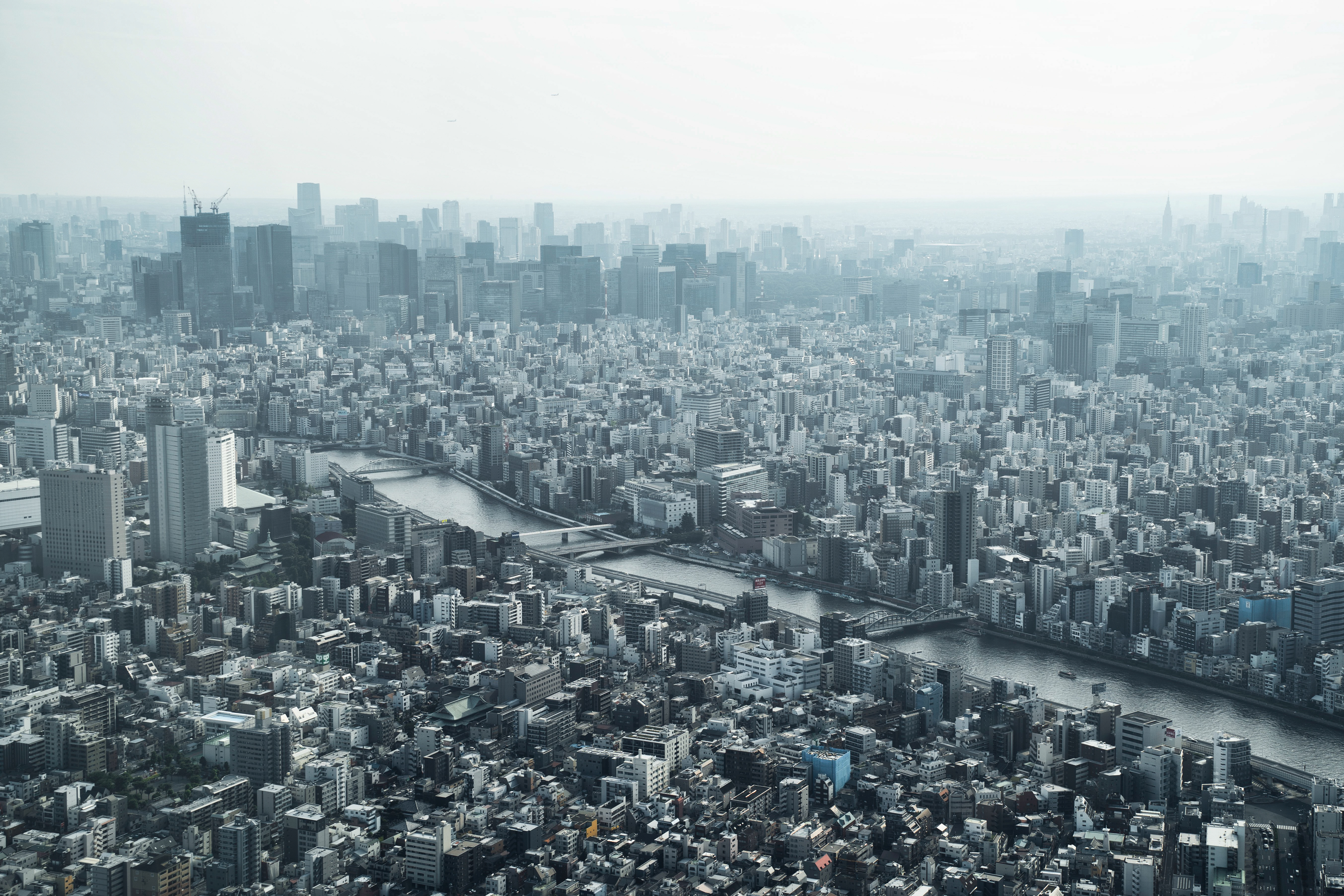
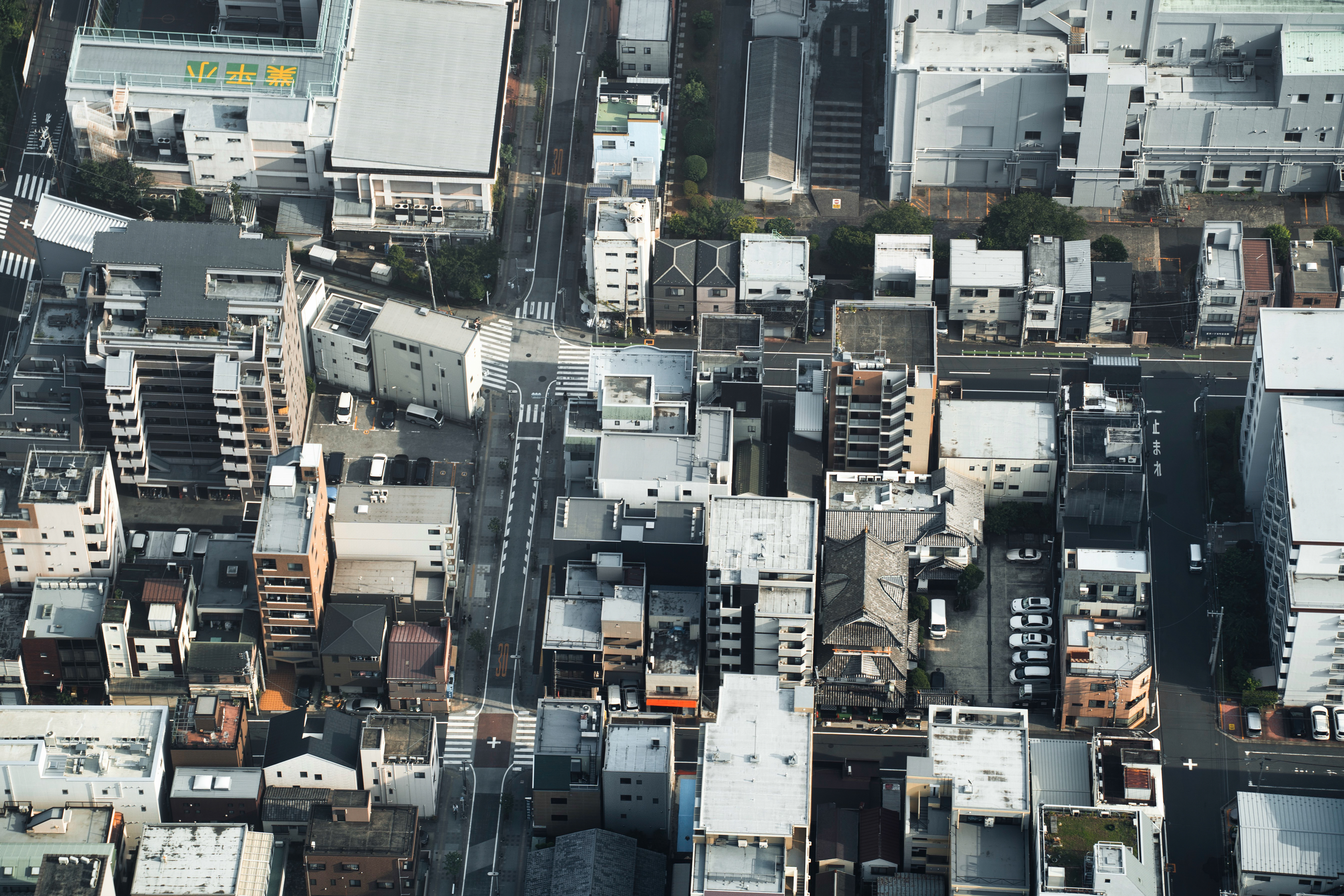
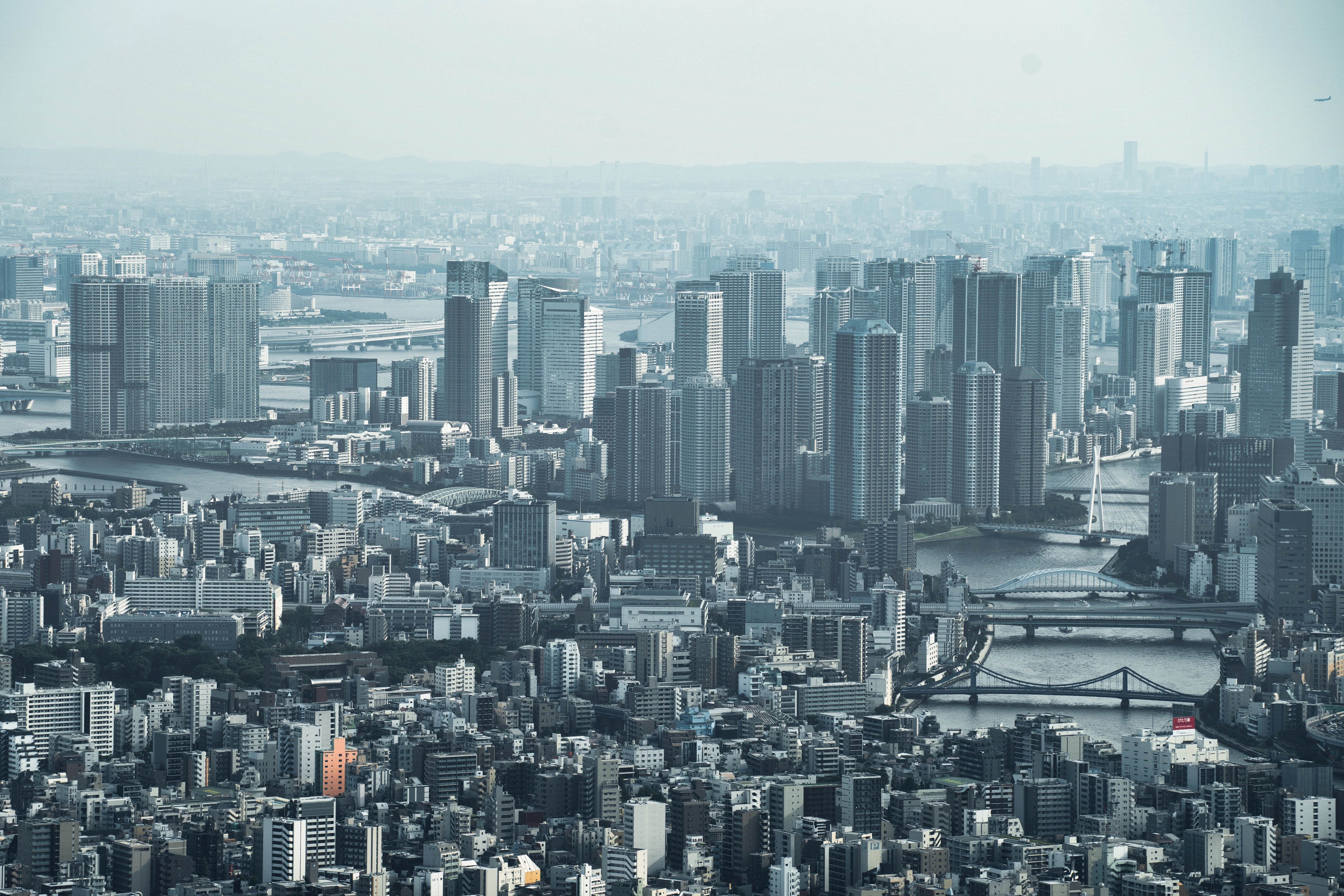
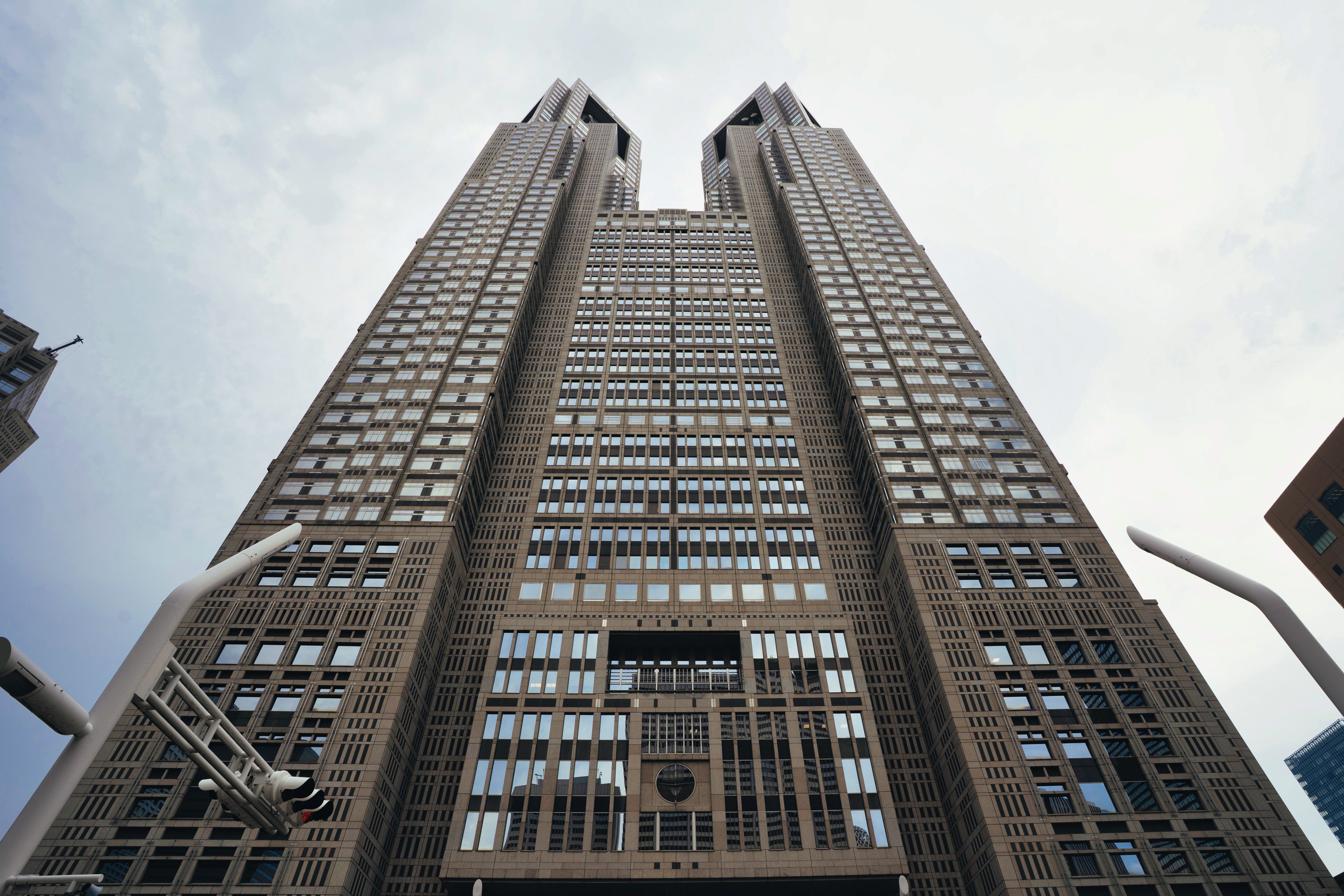
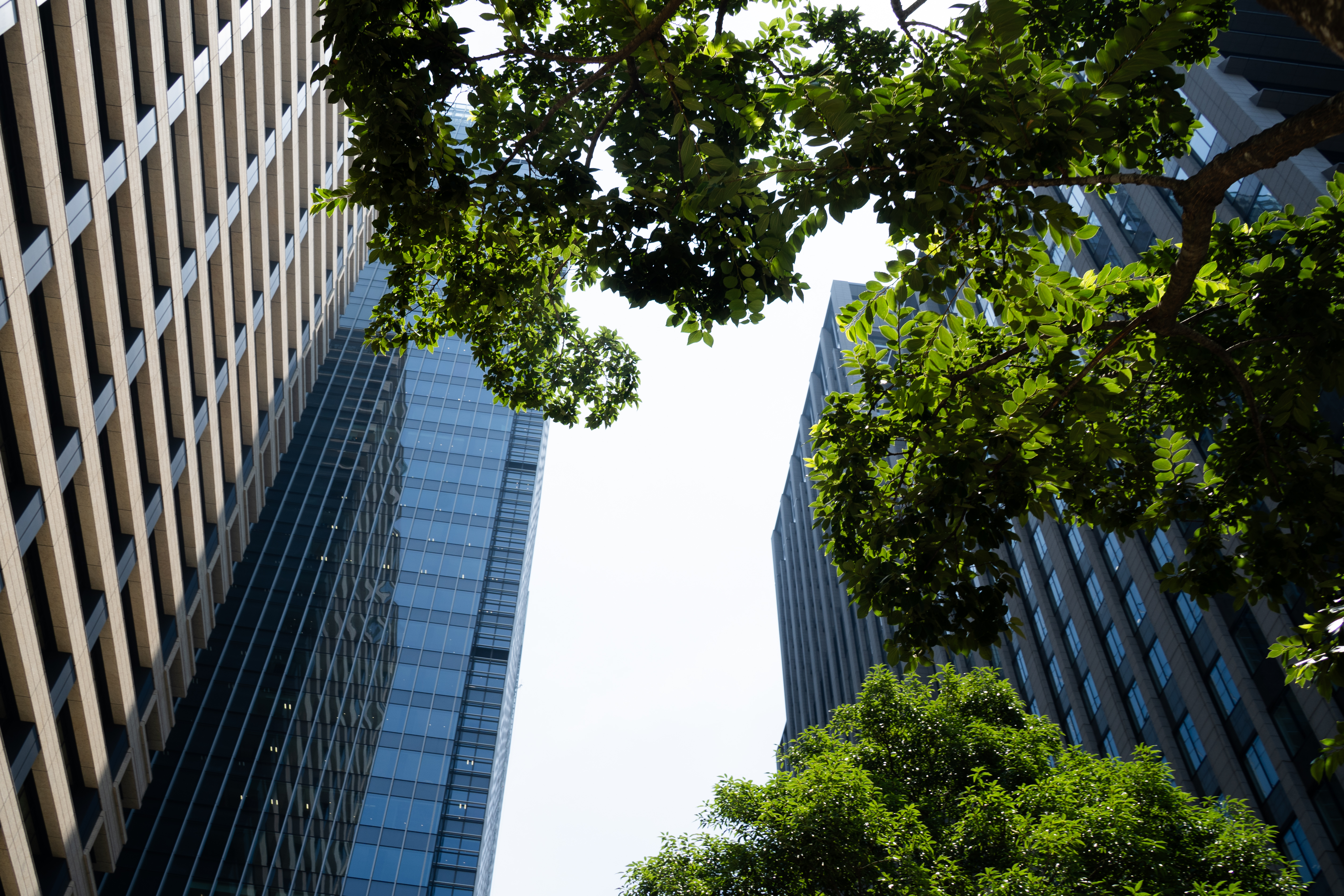
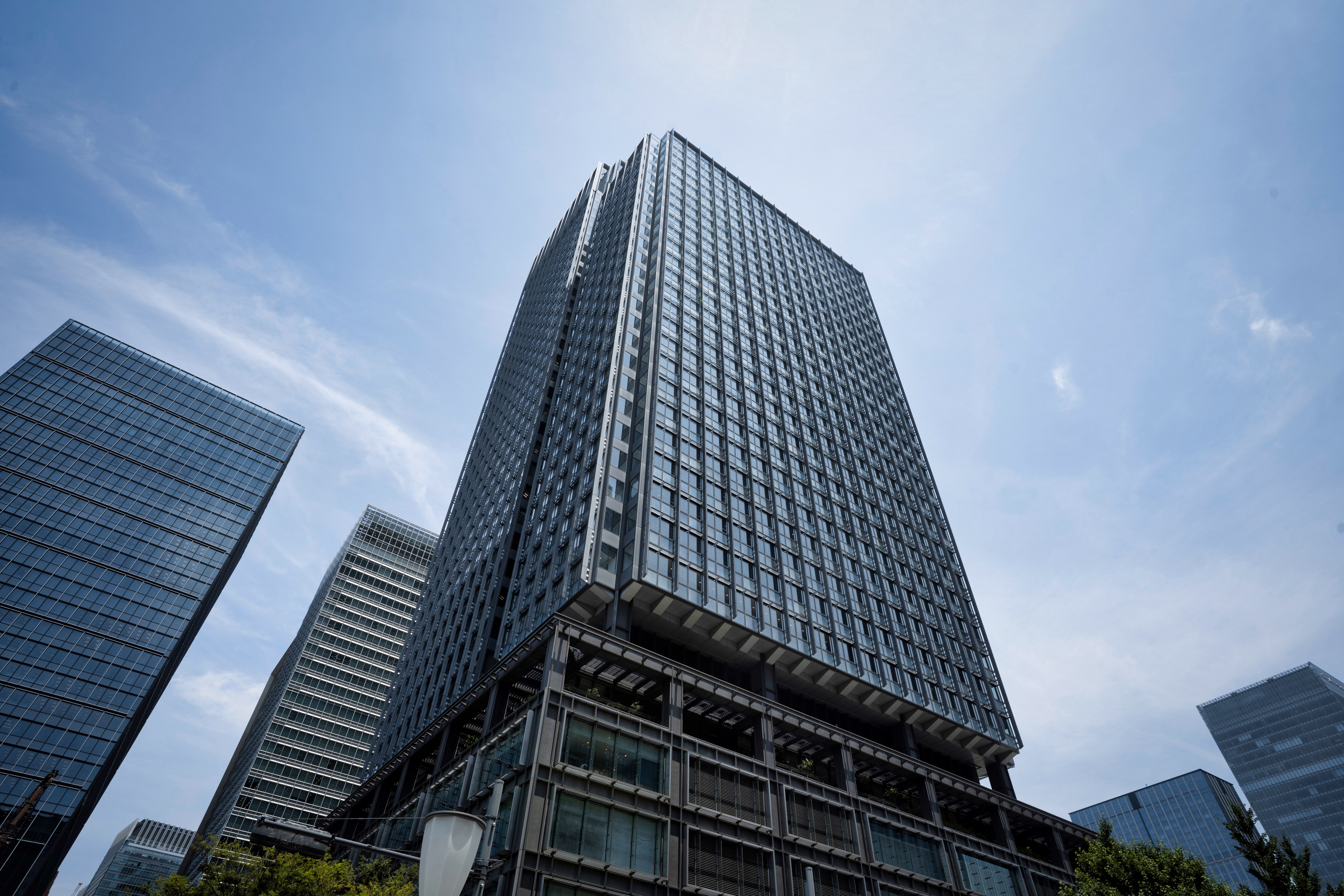
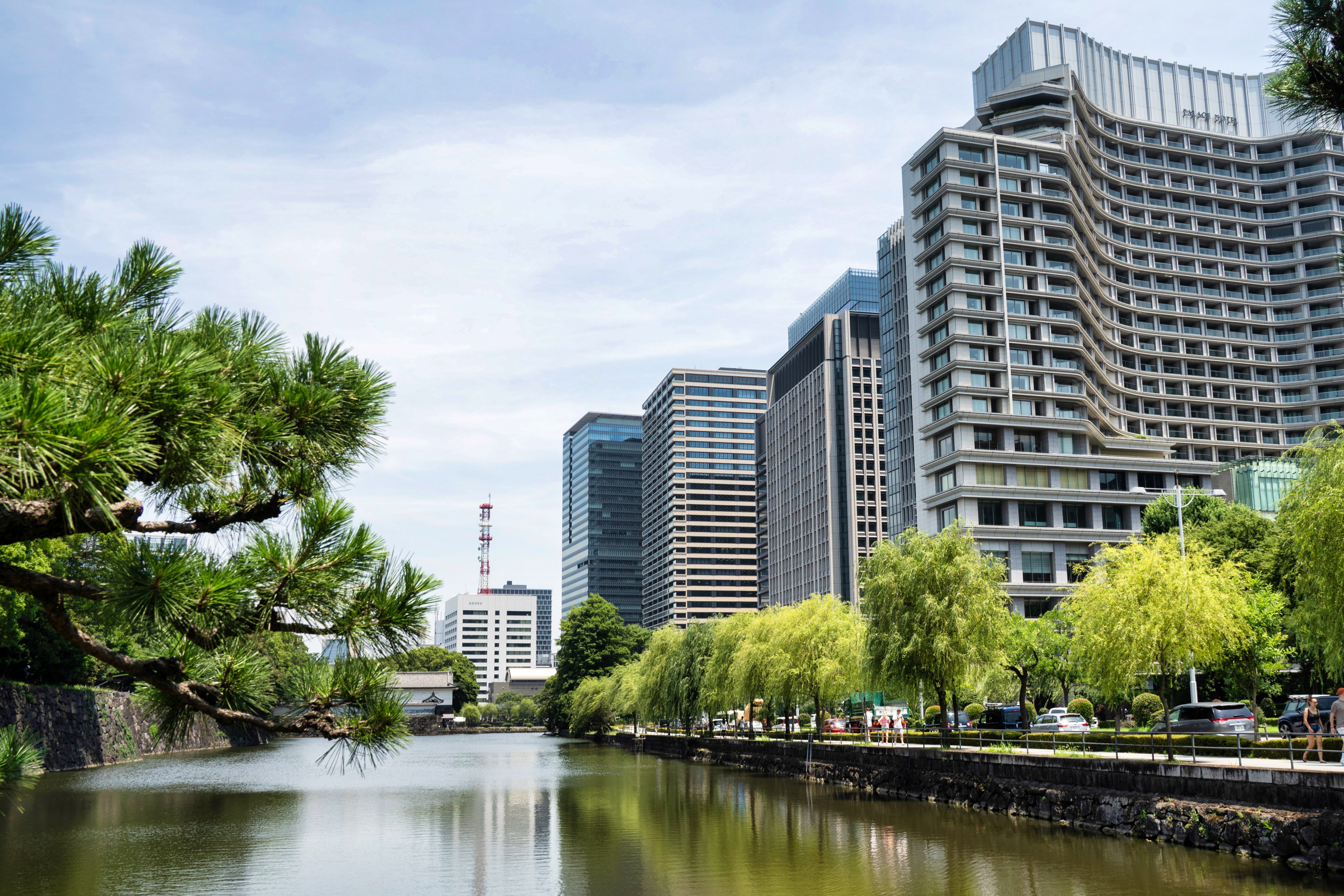
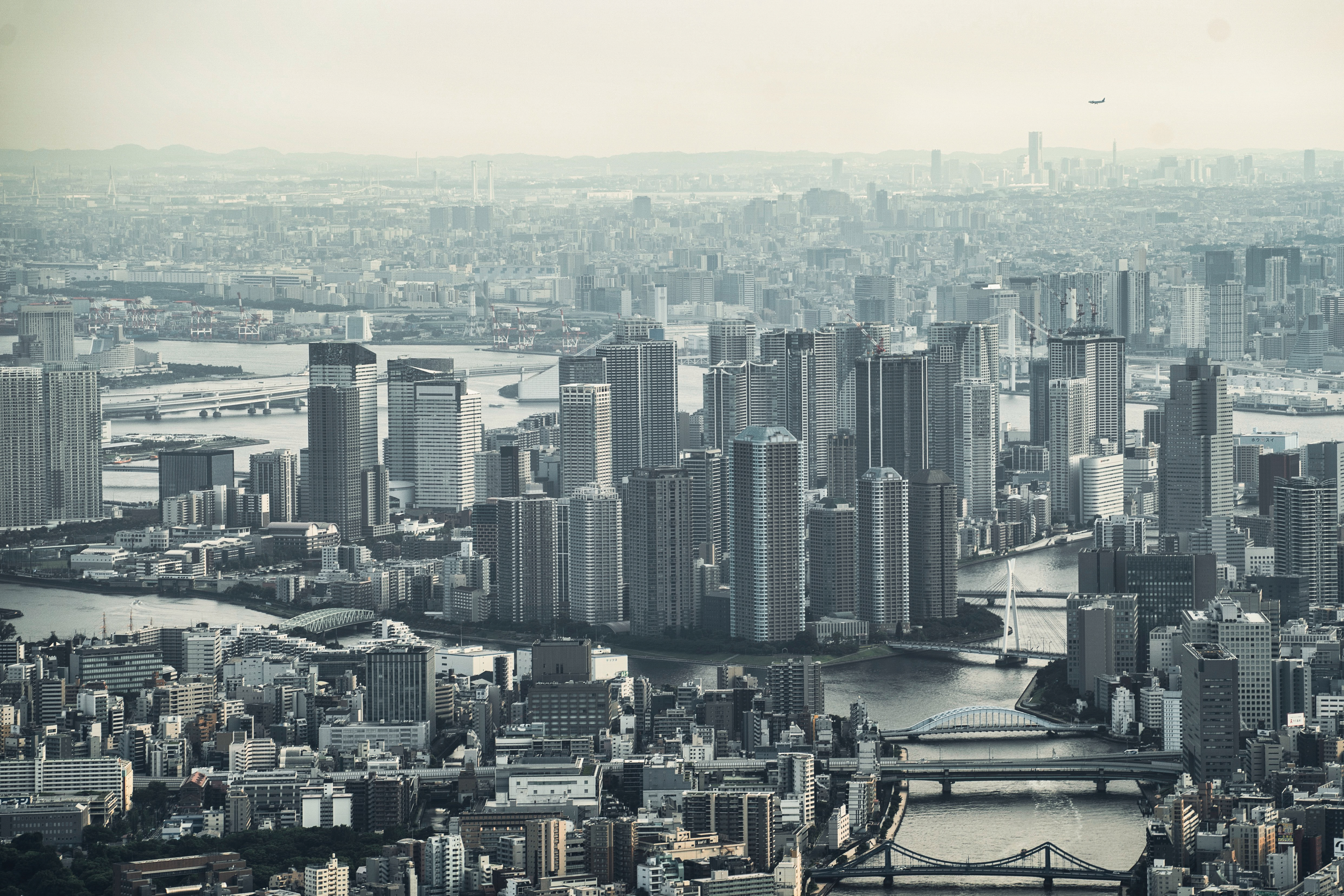
Tokyo’s skyline unfolds like an endless composition of light and structure. Glass towers, narrow rooftops, and glowing signs form a landscape that feels both ordered and chaotic, precise yet alive. It changes with every hour — sharp and metallic in the morning, diffused and luminous at night. There is no single view that defines it; the city reveals itself in fragments, reflections, and shifting perspectives. The skyline stands as a quiet expression of movement itself — a portrait of a city always becoming.

Gardens of Japan 2

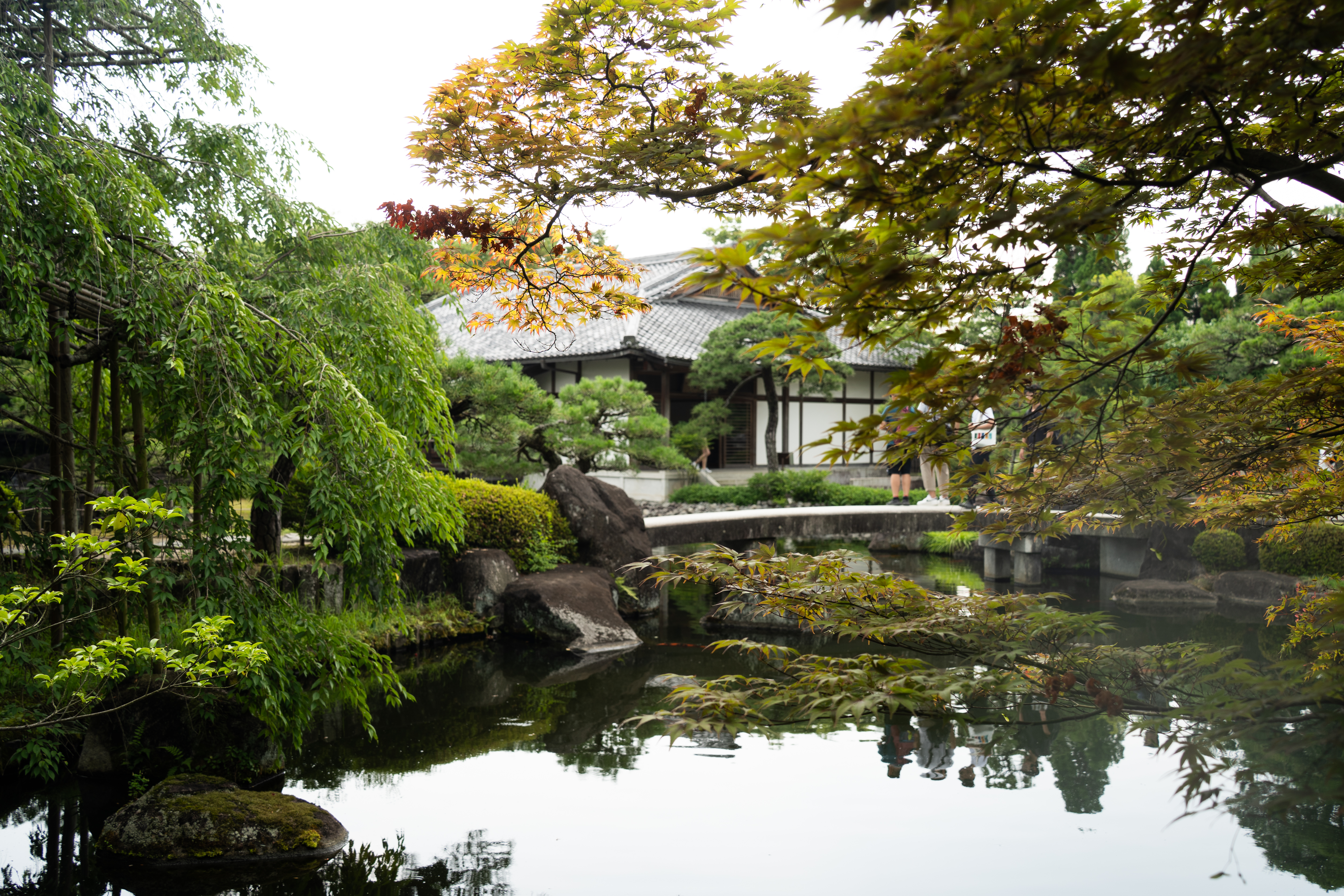
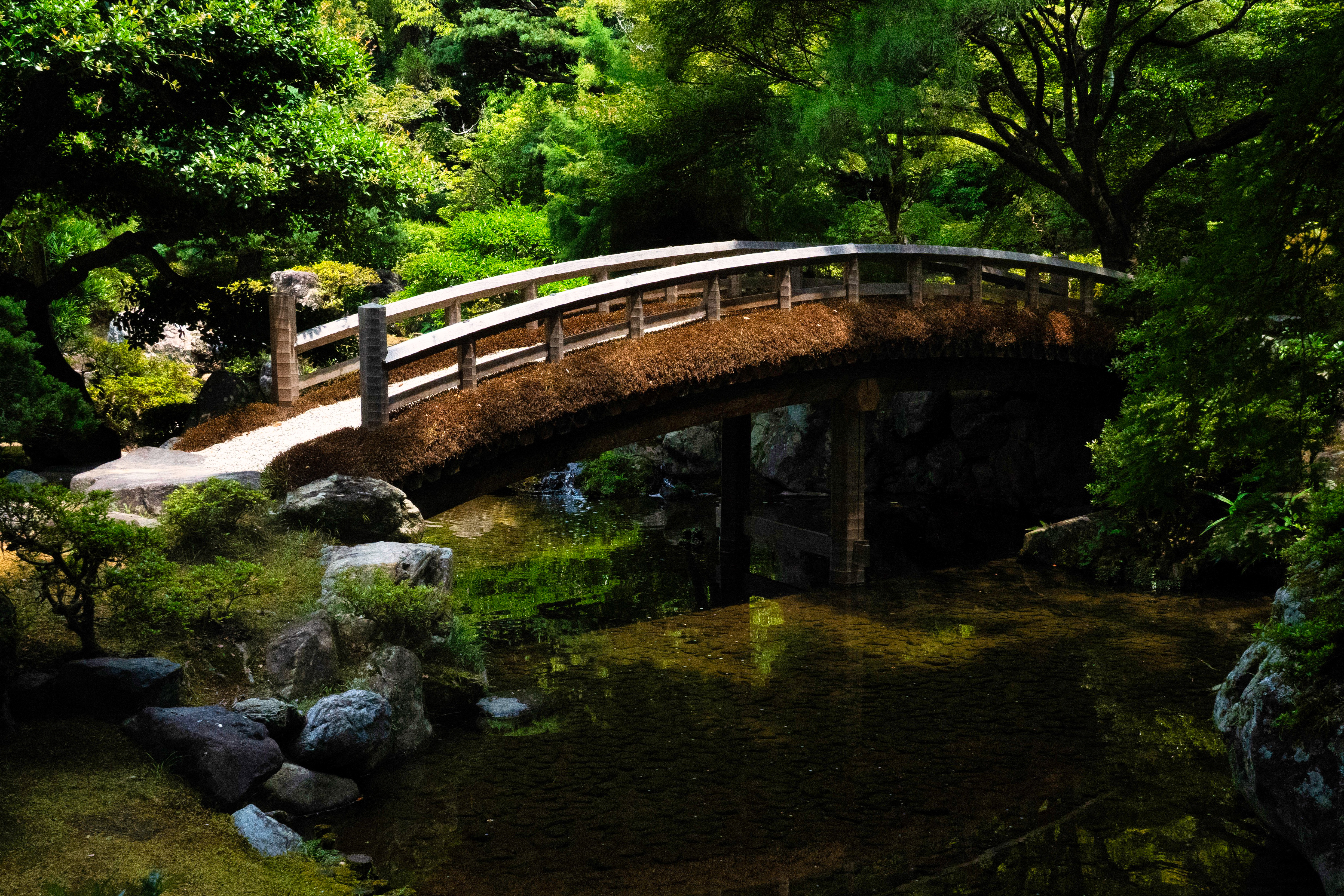
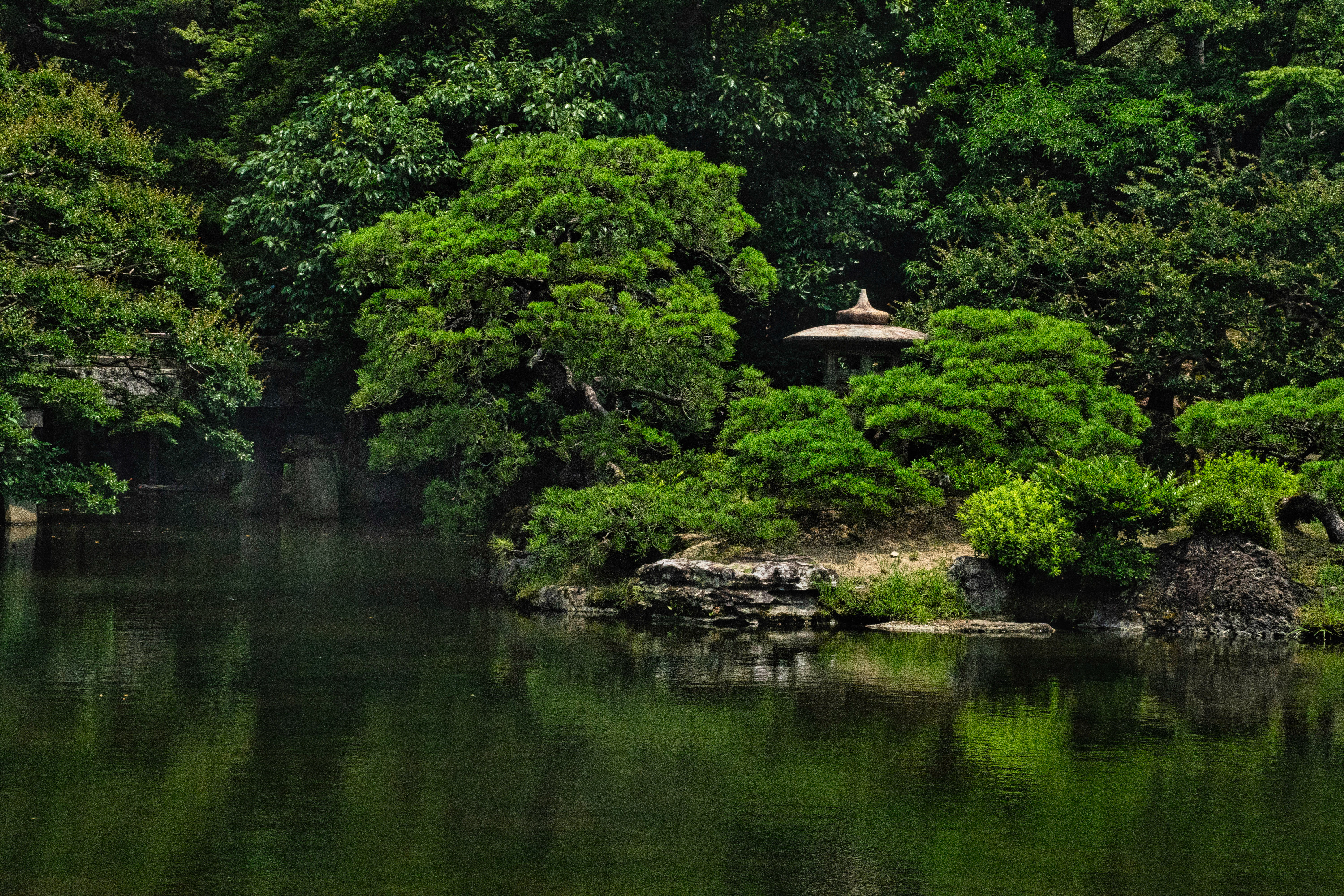
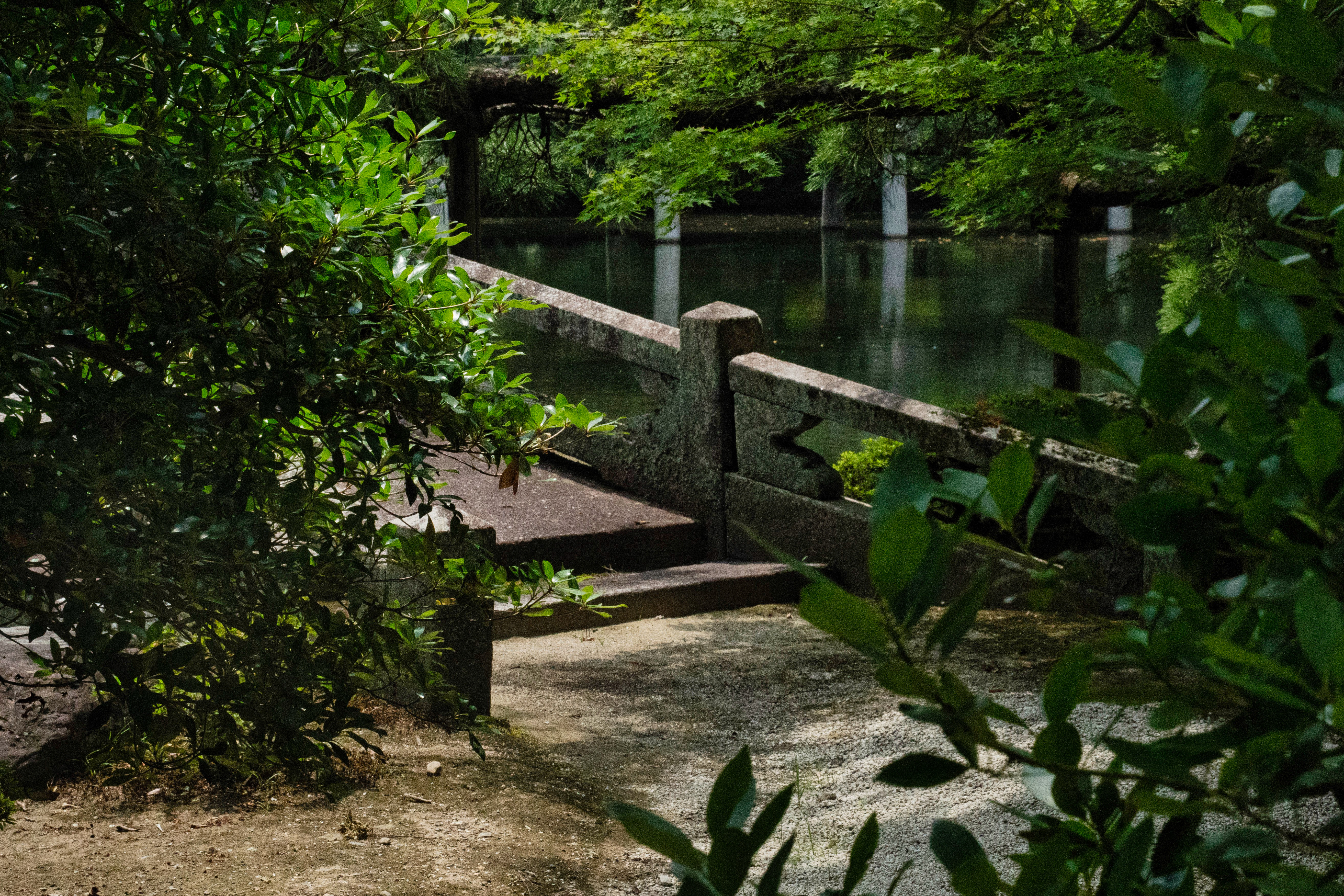
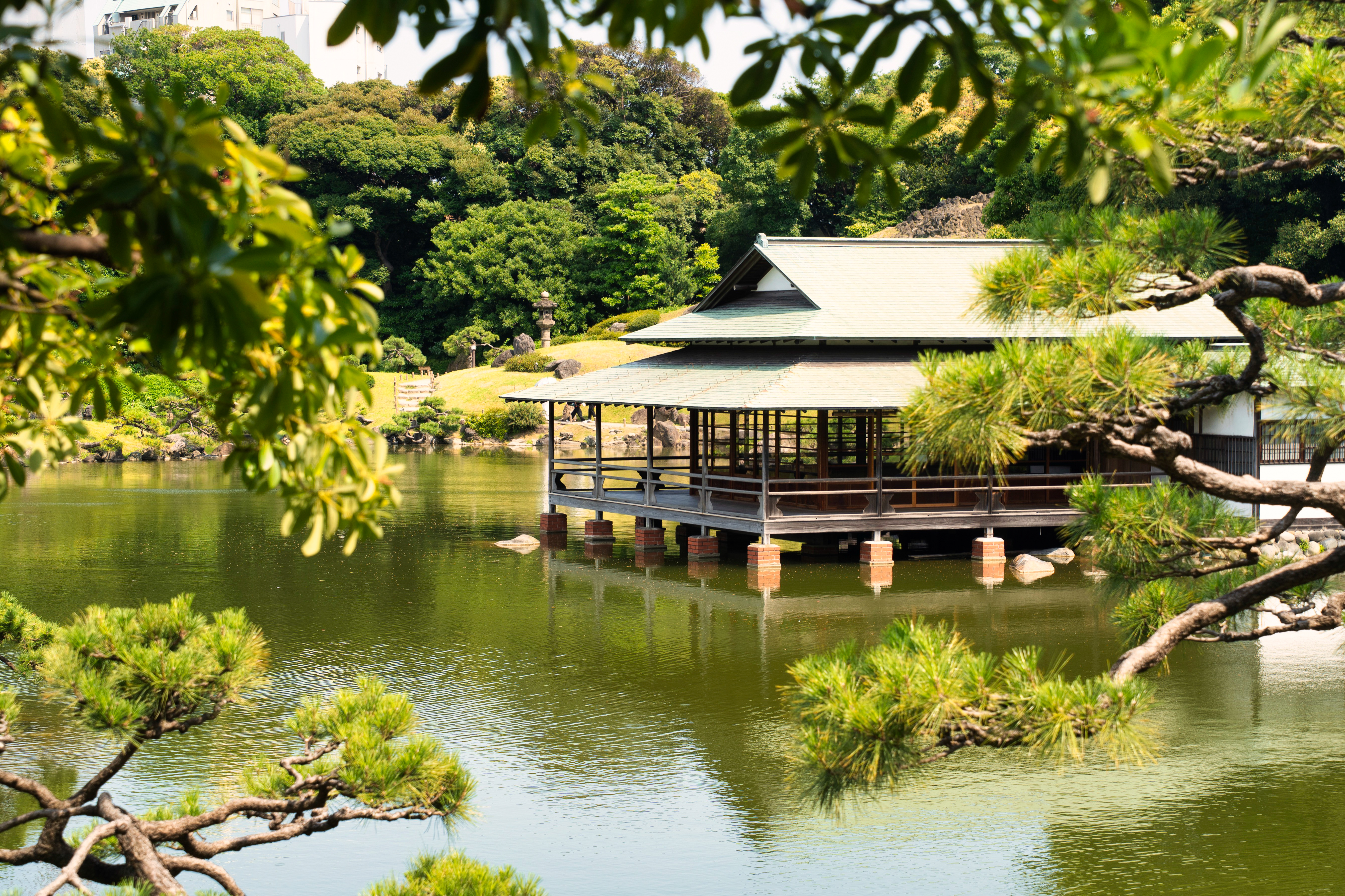
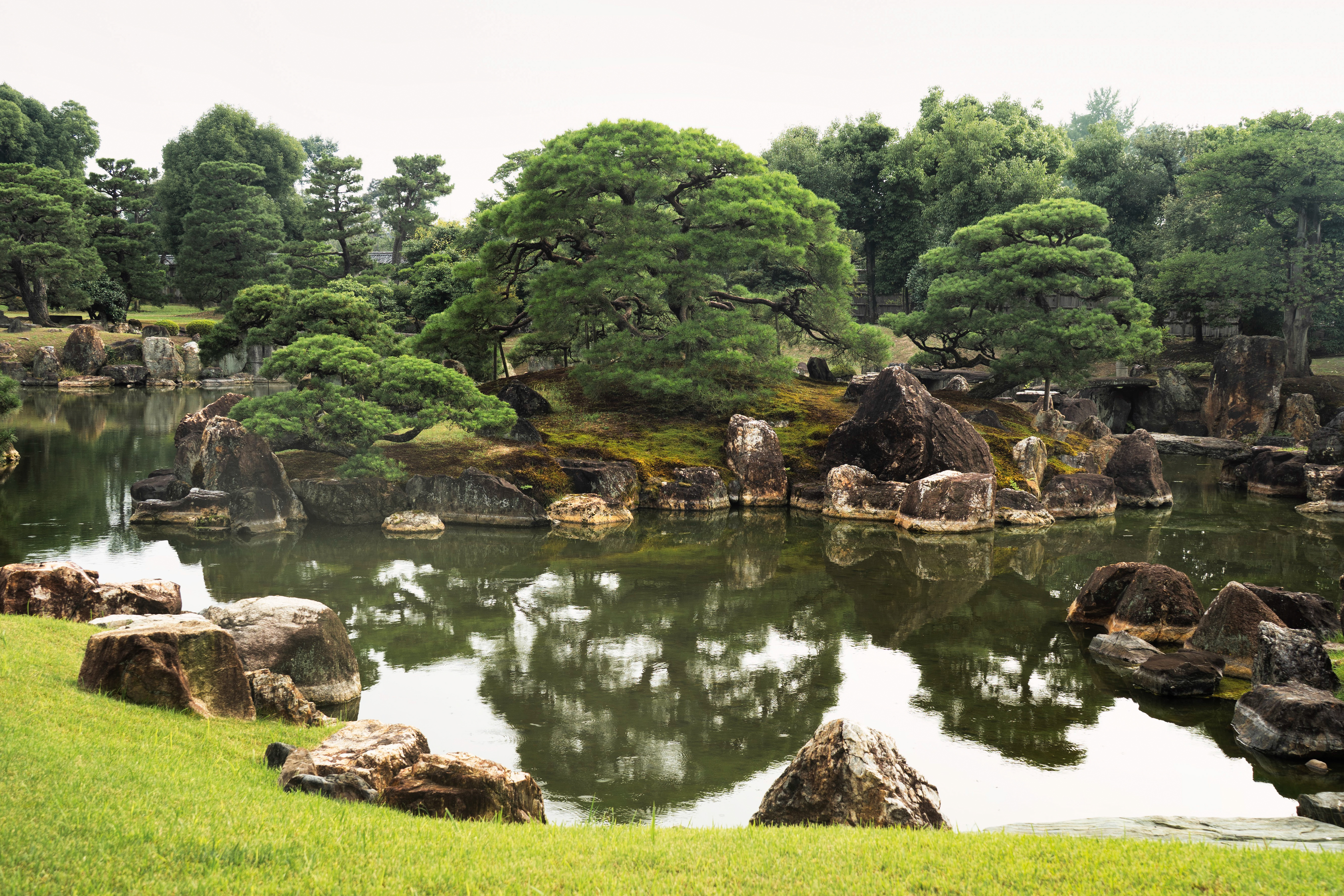
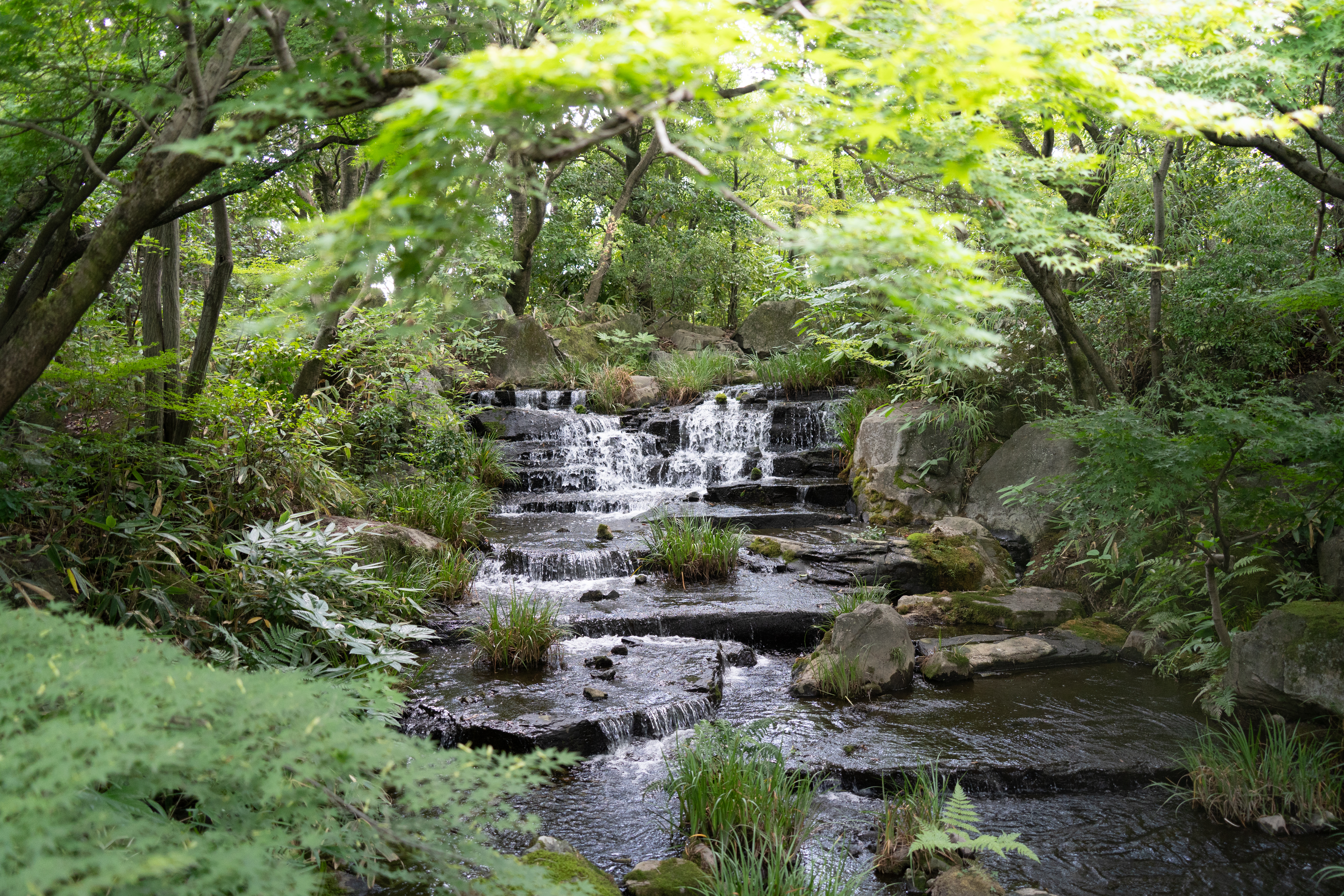
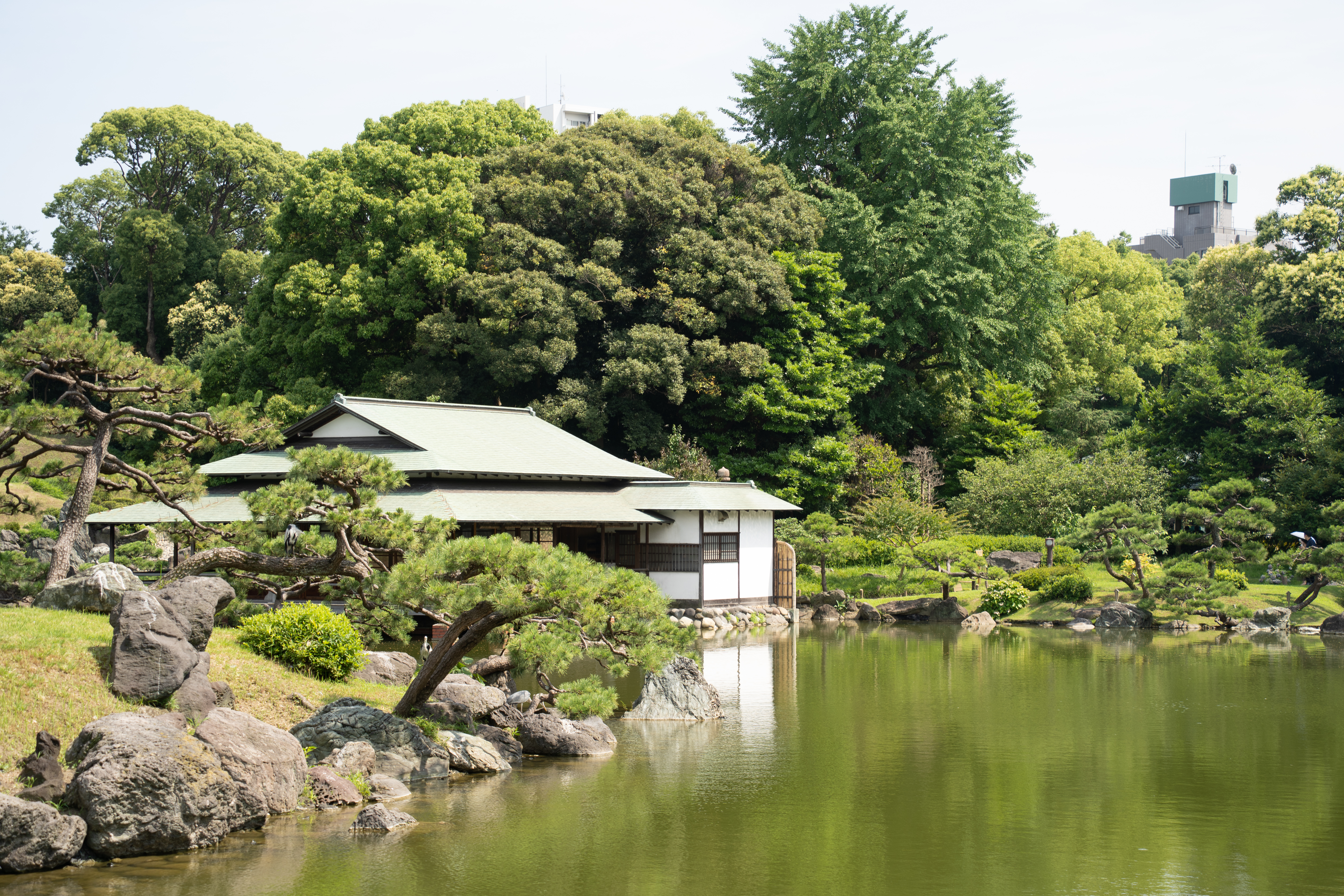
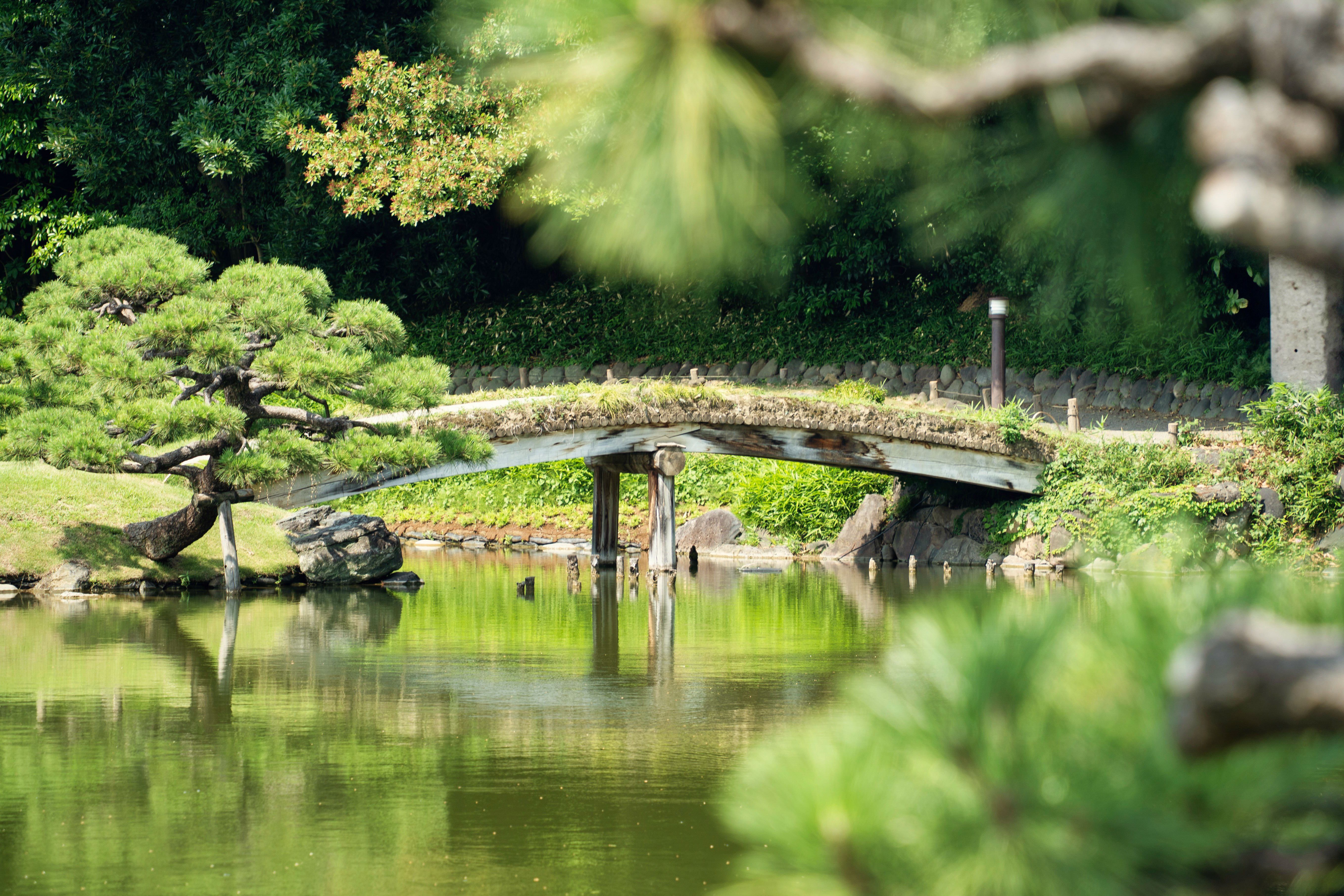
Japanese garden art is guided by a philosophy that values harmony, impermanence, and restraint. It is not about recreating nature, but about revealing its essence. Every stone, branch, and patch of moss is chosen with care, arranged to suggest balance without symmetry. The beauty lies in what is left unsaid — in the empty space between elements, in the quiet reflection of water, in the way light shifts across a raked pattern of sand. Time is an invisible presence; seasons, decay, and renewal are all part of the design. Ultimately, however, the garden does not ask to be understood — only to be seen, and quietly felt.

Gardens of Japan

Japanese gardens are spaces of quiet precision, where nature and human intention meet in subtle balance. Every element — water, stone, sand, and tree — is placed to create a sense of movement within stillness. Nothing feels accidental, yet nothing seems forced. These gardens reflect a way of seeing rather than a way of building, where beauty lies in proportion, emptiness, and the passing of time. They do not demand attention; they invite it gently, offering a moment to pause and observe how simplicity can hold depth and meaning.

Lights of Japan

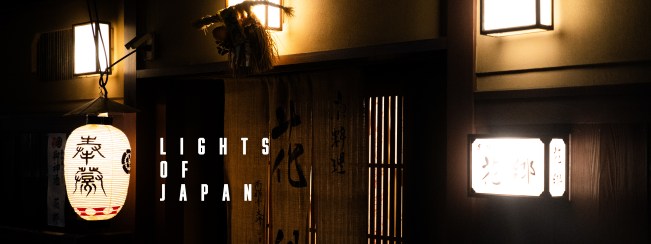
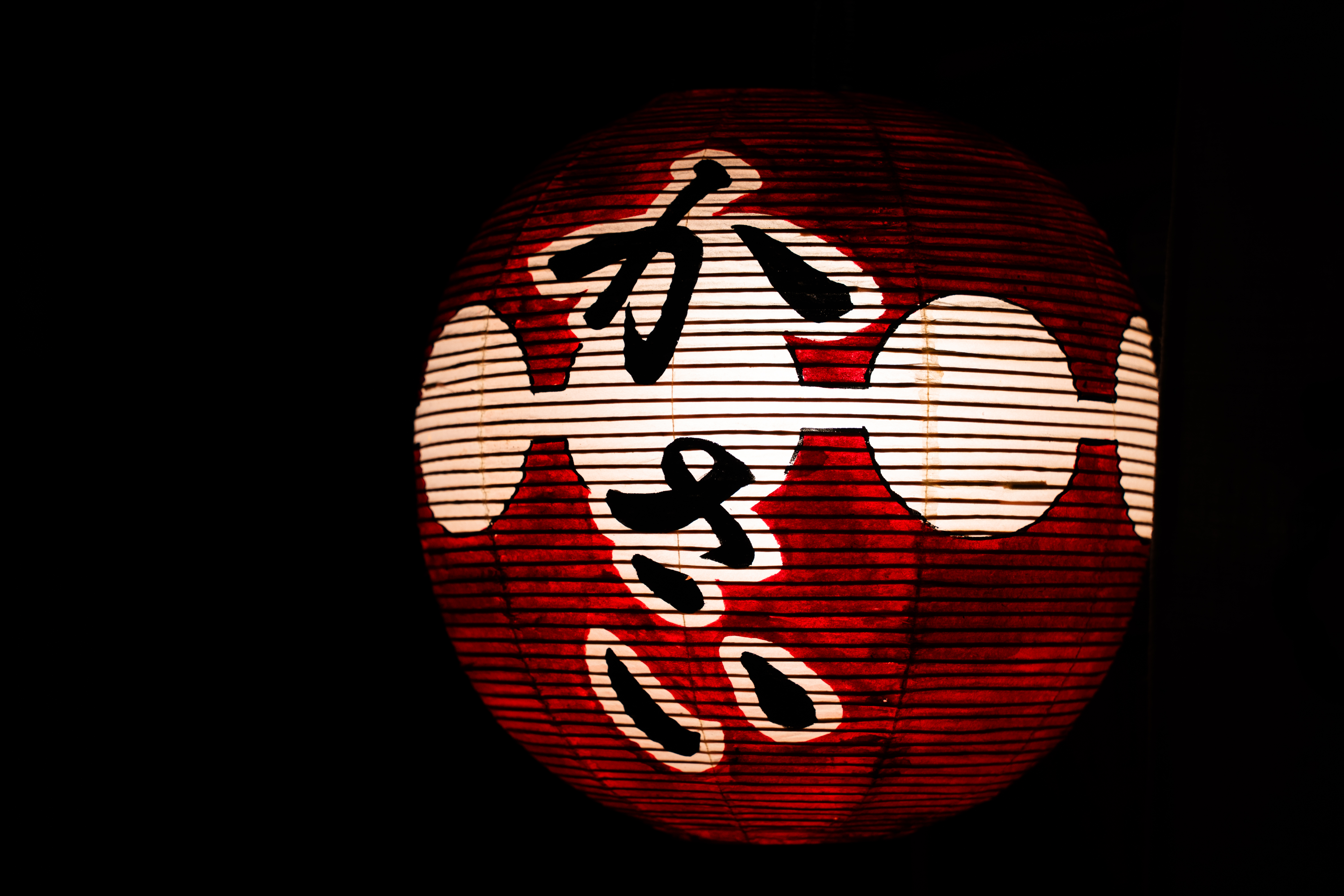
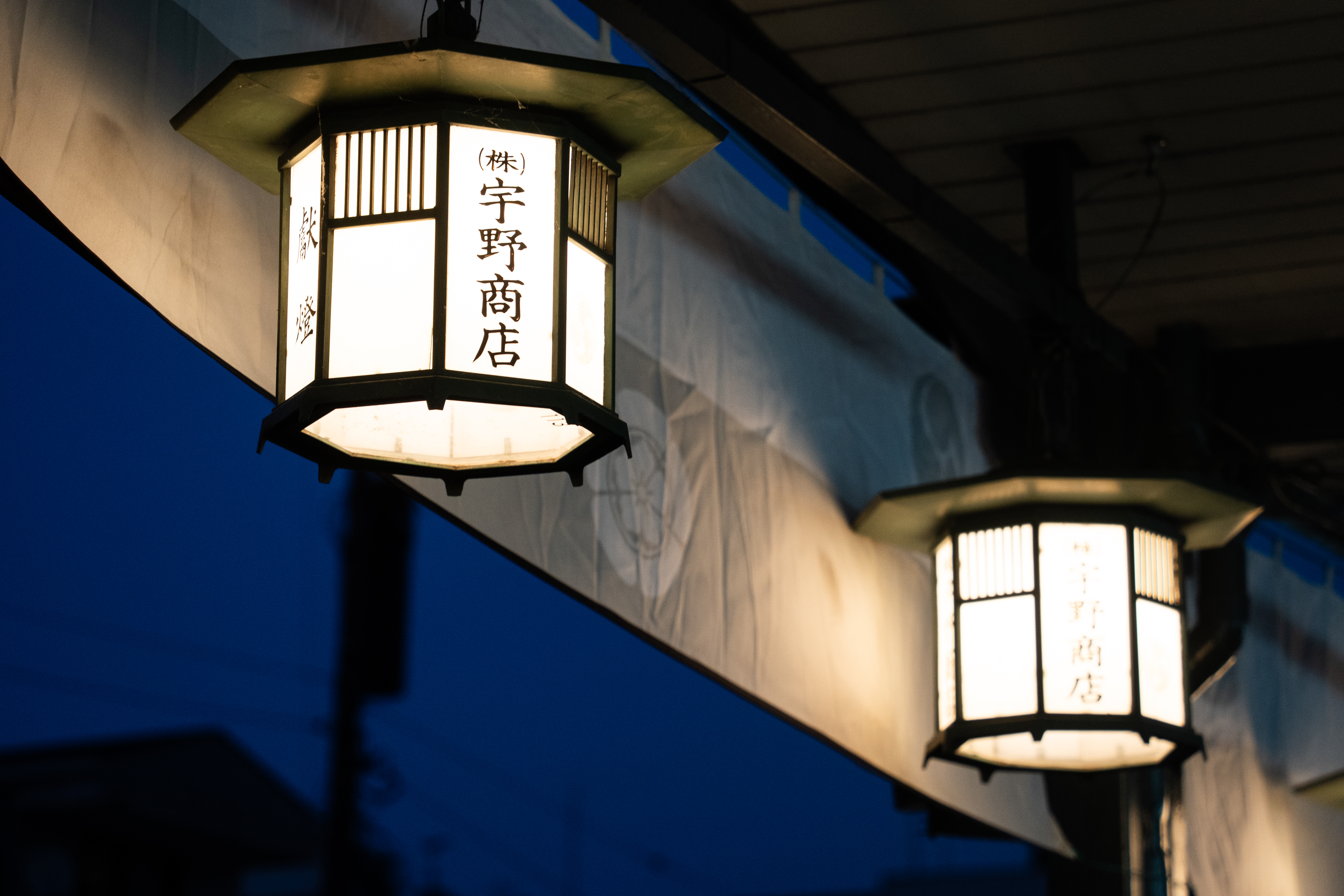
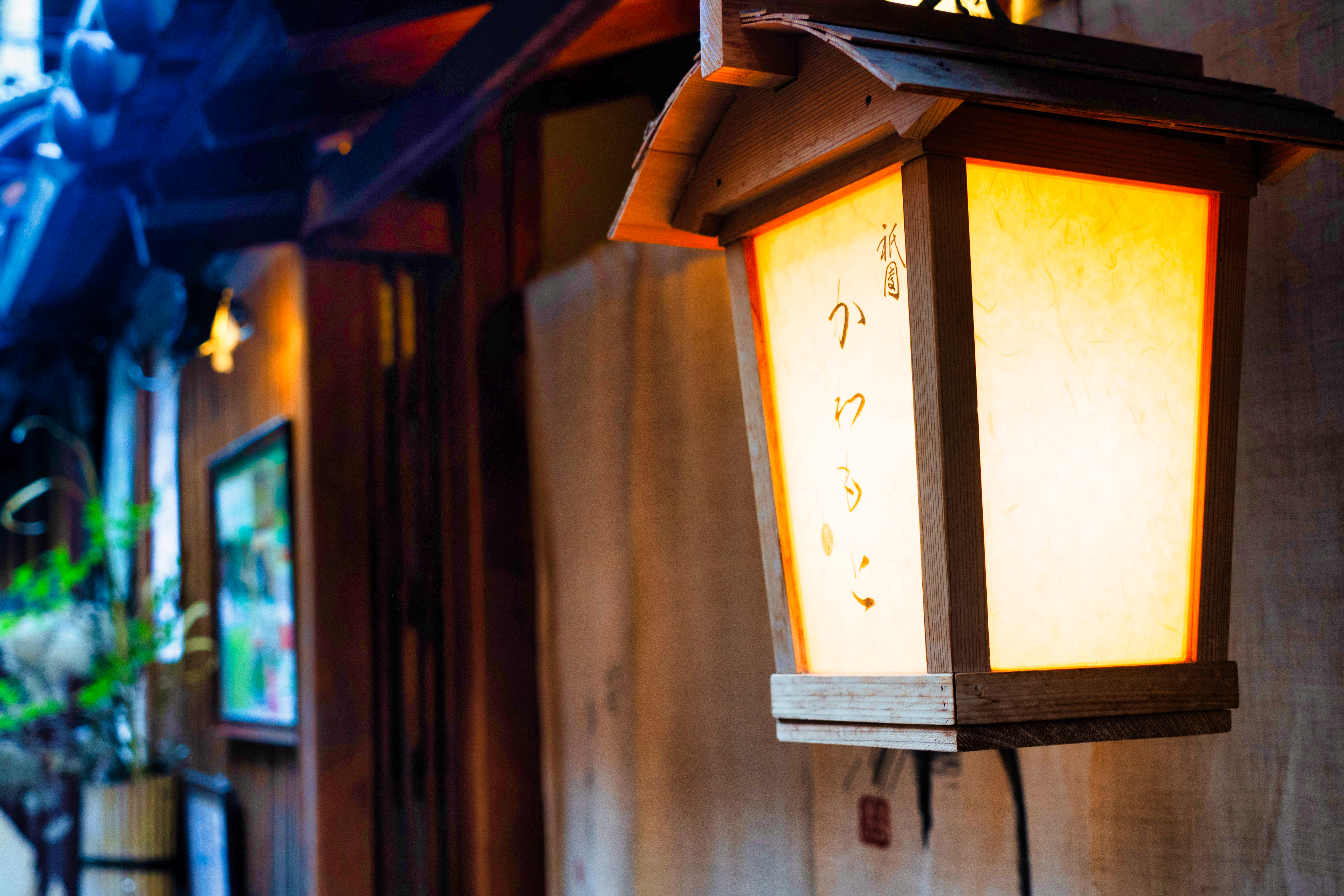
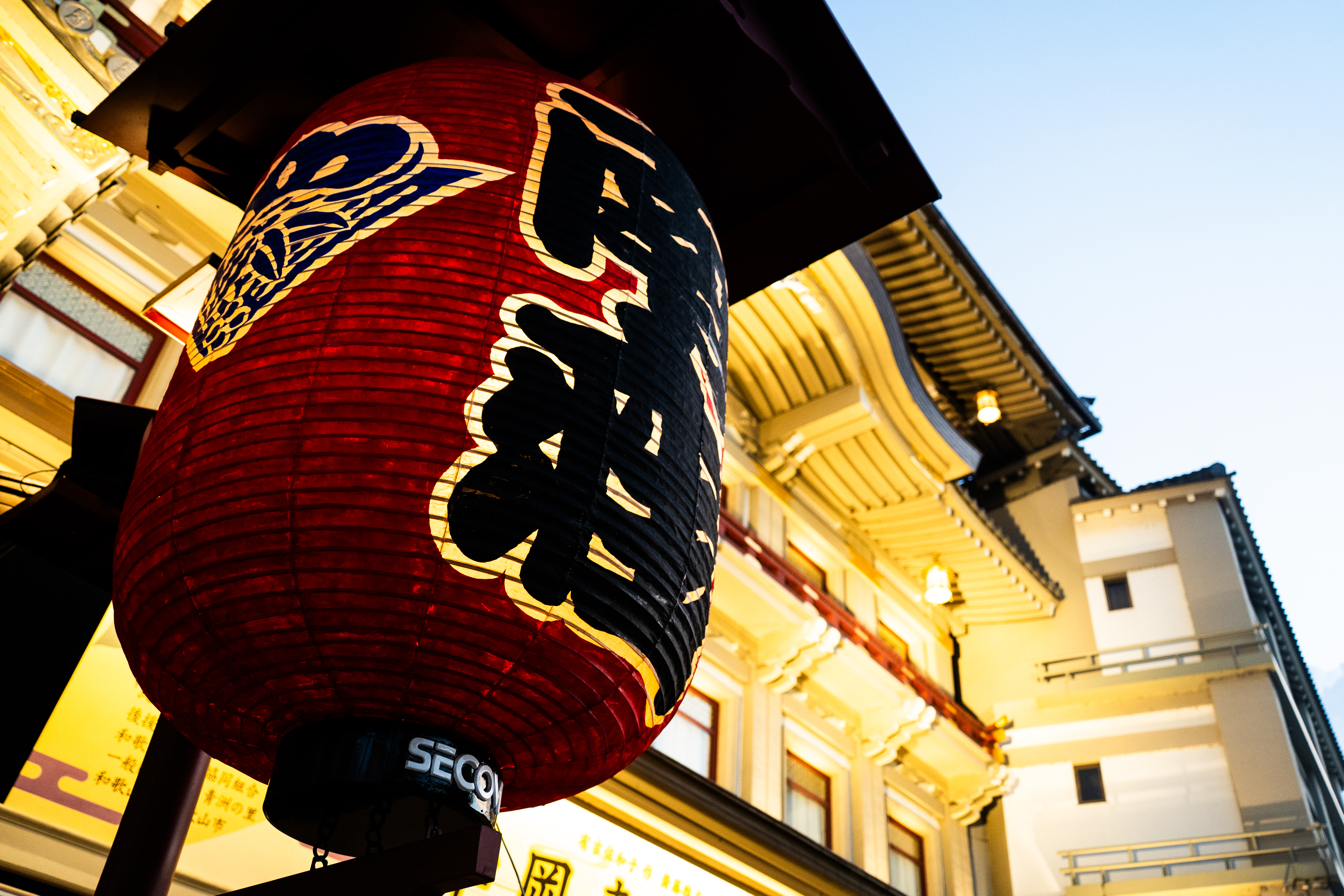
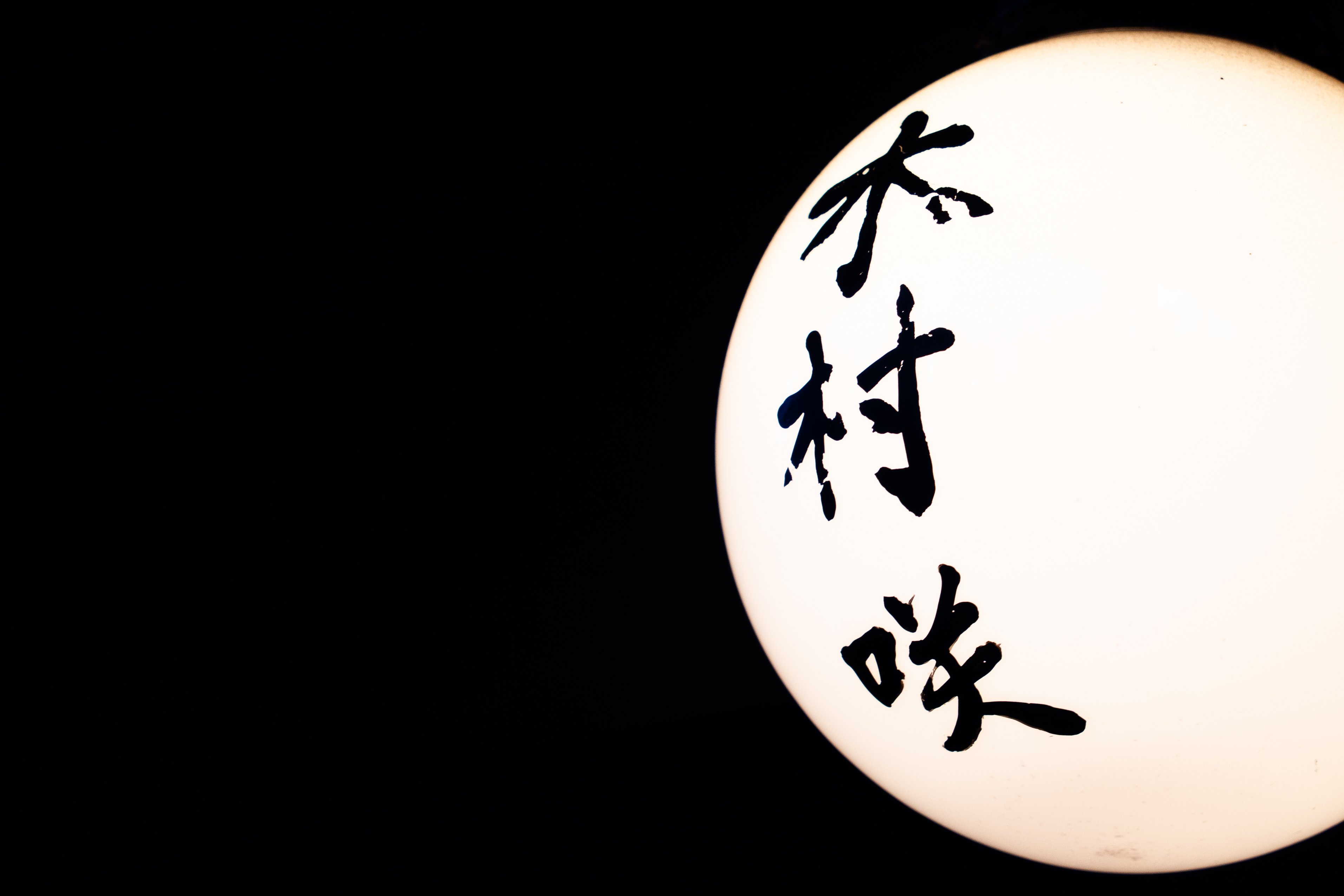
The soft glow of Japanese lanterns carries a quiet kind of poetry. Whether made of paper, silk, or wood, these lights — known as chōchin — have long illuminated temples, streets, and festivals with a warmth that feels both human and timeless. Their light is never harsh; it flickers gently, revealing more shadow than brightness. Each lantern marks a meeting point between craft and spirit, a symbol of guidance and celebration. In their simplicity, they express the Japanese way of honoring impermanence — a brief light against the dark, beautiful precisely because it does not last.

Metropolis

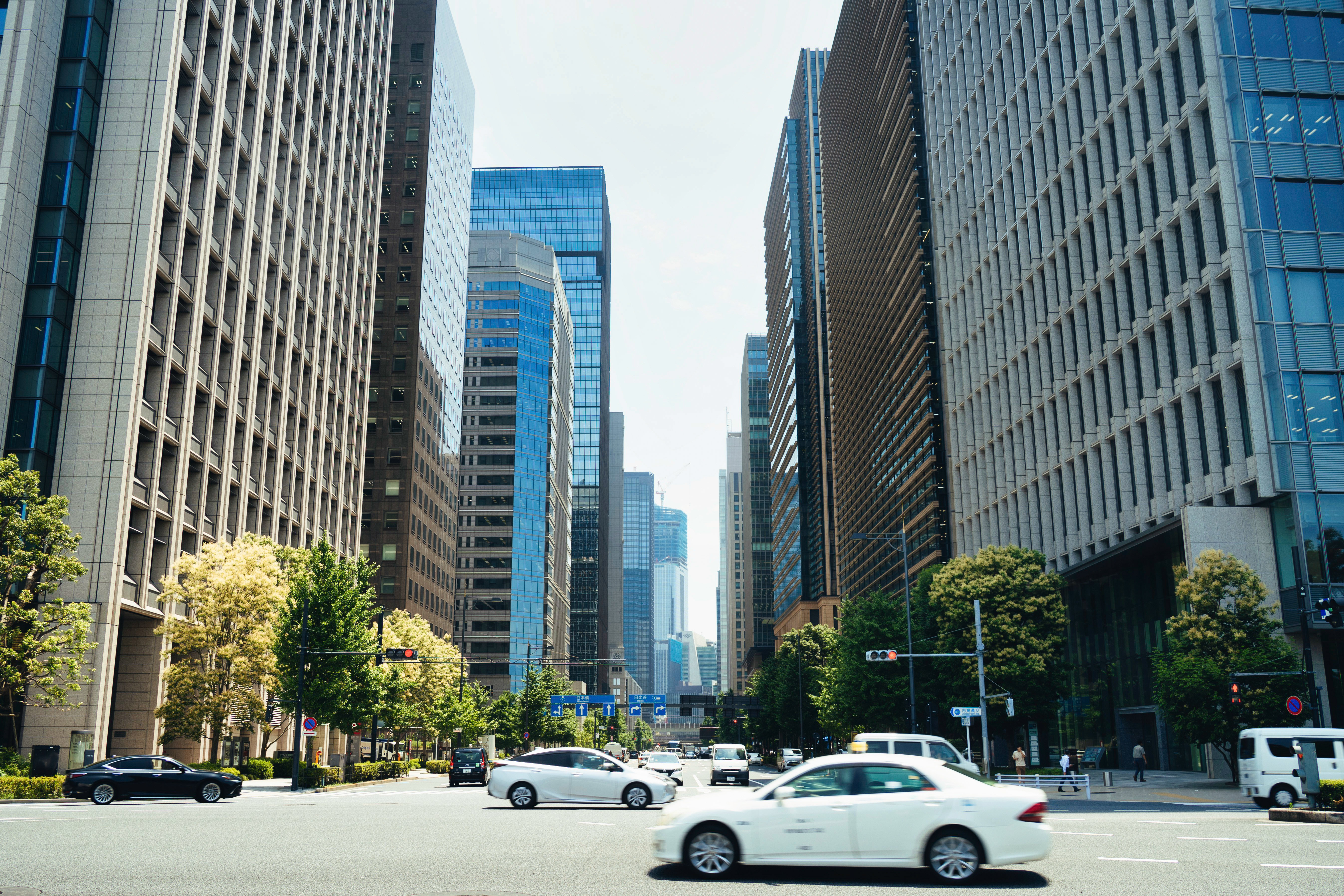
Tokyo moves with the precision of a heartbeat. Every train, light, and signal seems to pulse in time with the people who fill its streets. The city never stops adjusting — elevators glide, doors open, and escalators hum in perfect rhythm. From the underground malls to the high-rise towers, everything is designed for motion and connection. Offices, cafés, and stations form an endless network of activity, each part supporting the next. Yet within this mechanical grace, there is warmth: shopkeepers greeting customers, workers sharing lunch, students rushing to class. Tokyo may move like a machine, but it lives and breathes through the people who keep it in motion.

1 3 4 5 55