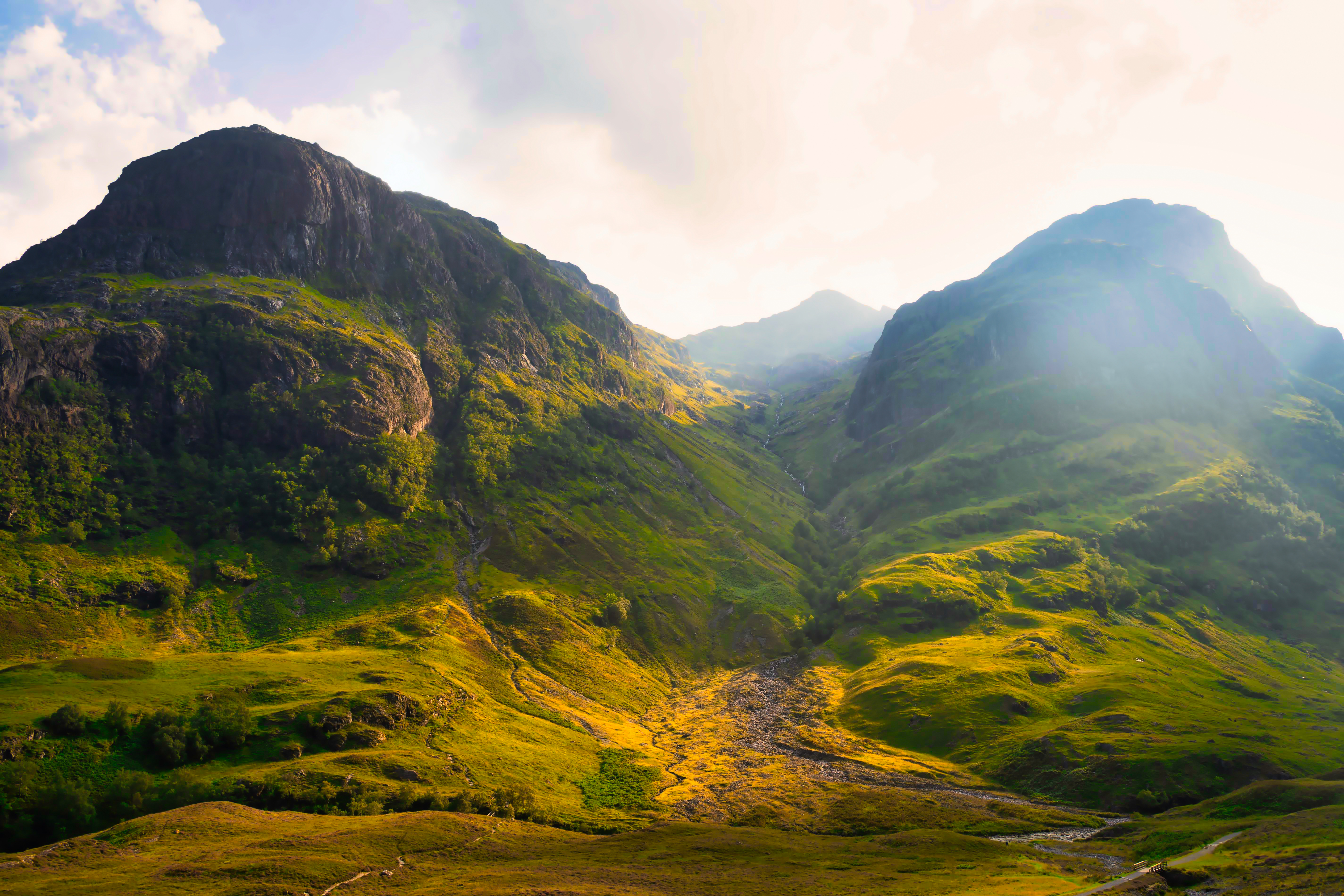
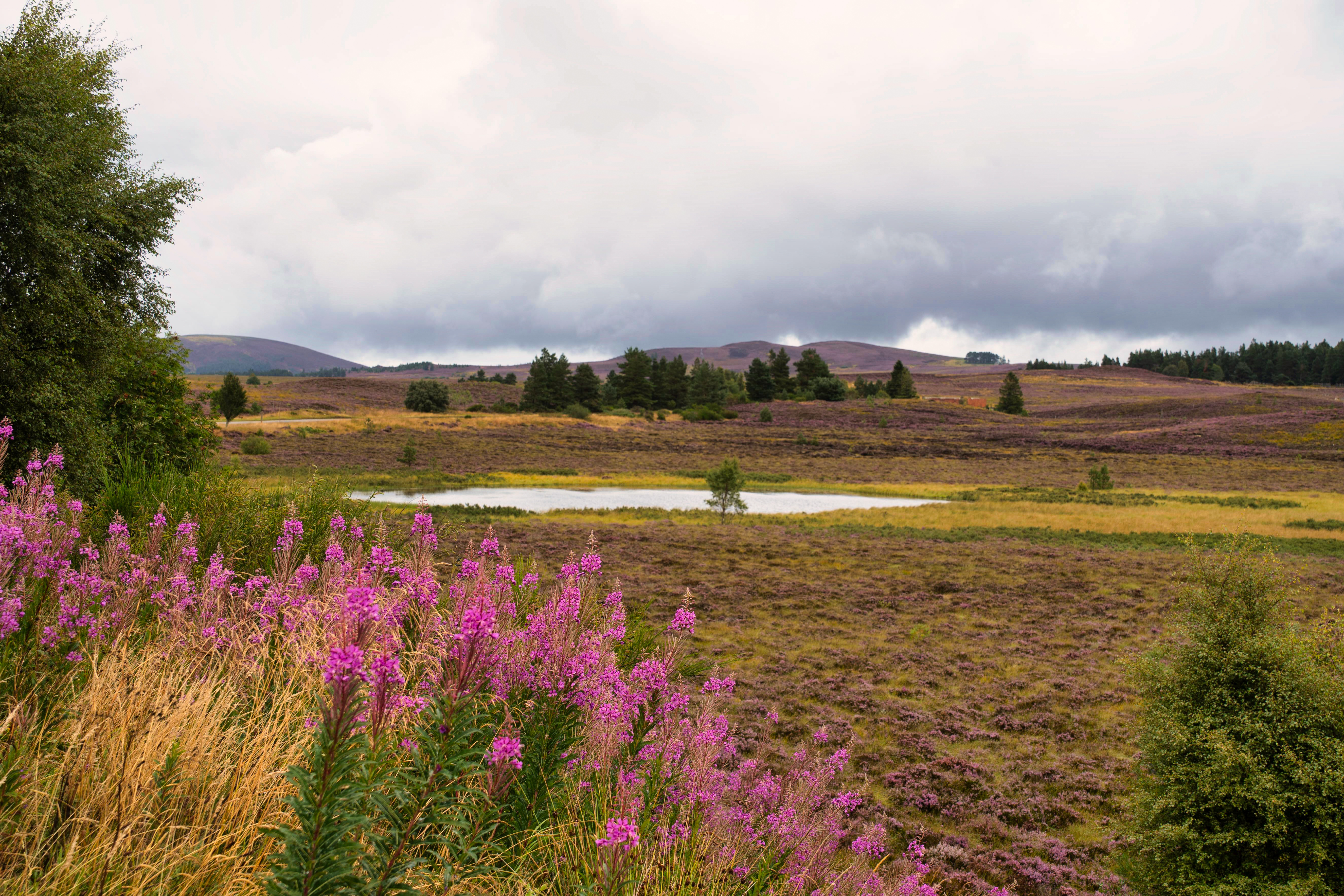
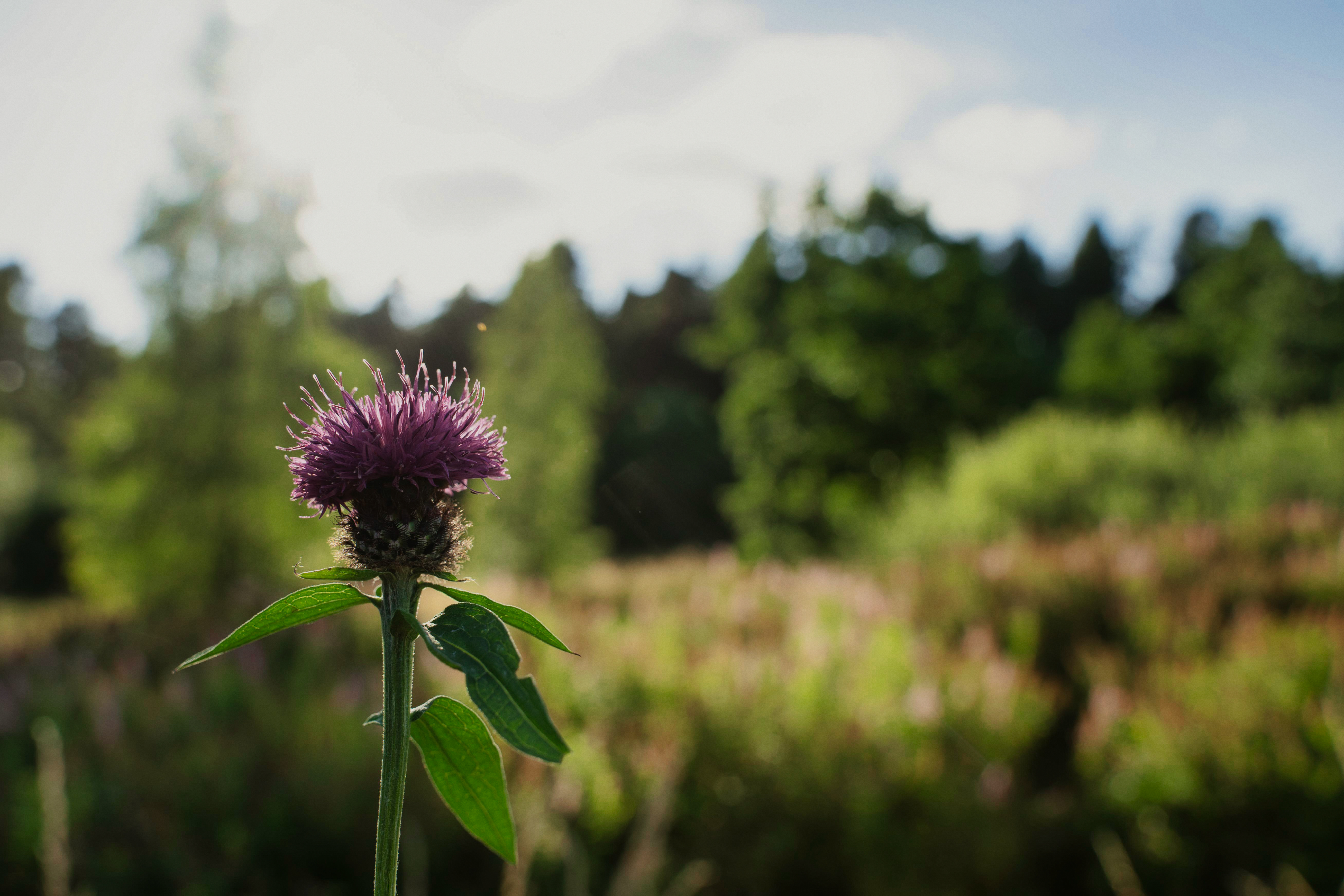
The light in the Scottish Highlands carries a rare clarity, shifting from silver mist to golden blaze within the span of a single breath. It spills over rugged hills, grazes the heather, and sets lochs shimmering like glass. At dawn, it softens the contours of the land into dreamlike silhouettes, while at dusk it sharpens every ridge and stone into quiet drama. This ever-changing light is not just a backdrop—it is the Highlands’ own language, painting moods across the landscape for the camera to catch only in fleeting moments.
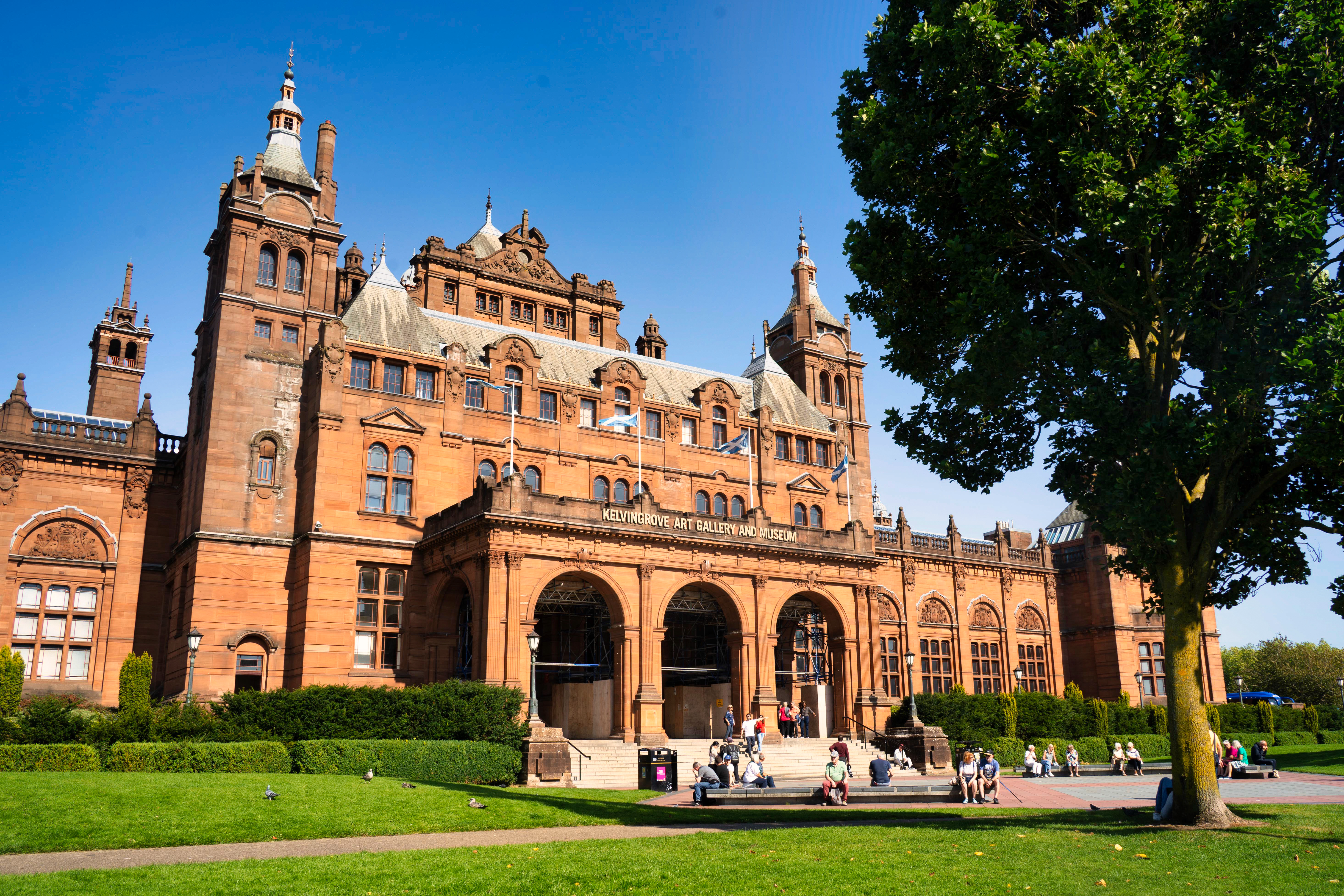
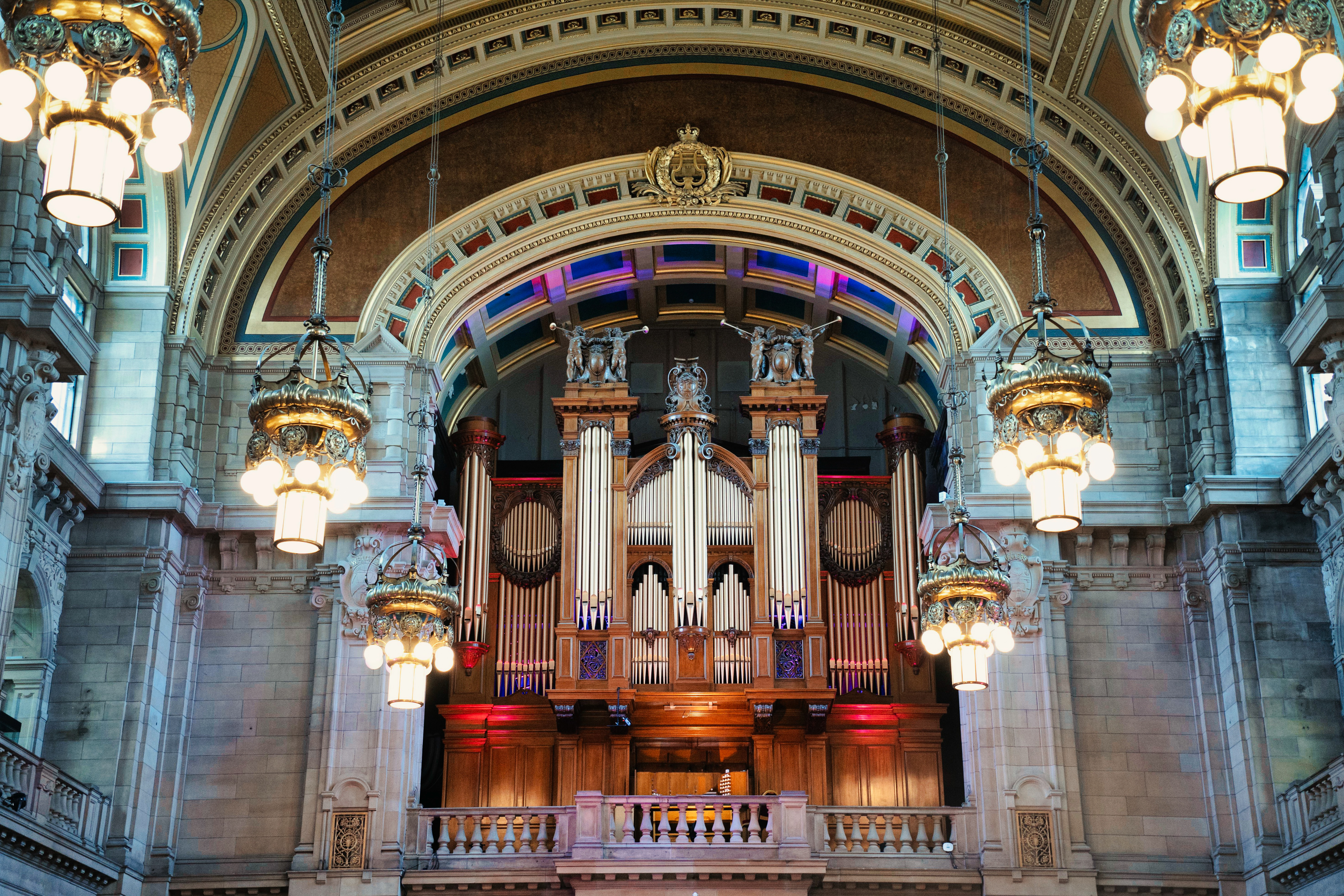
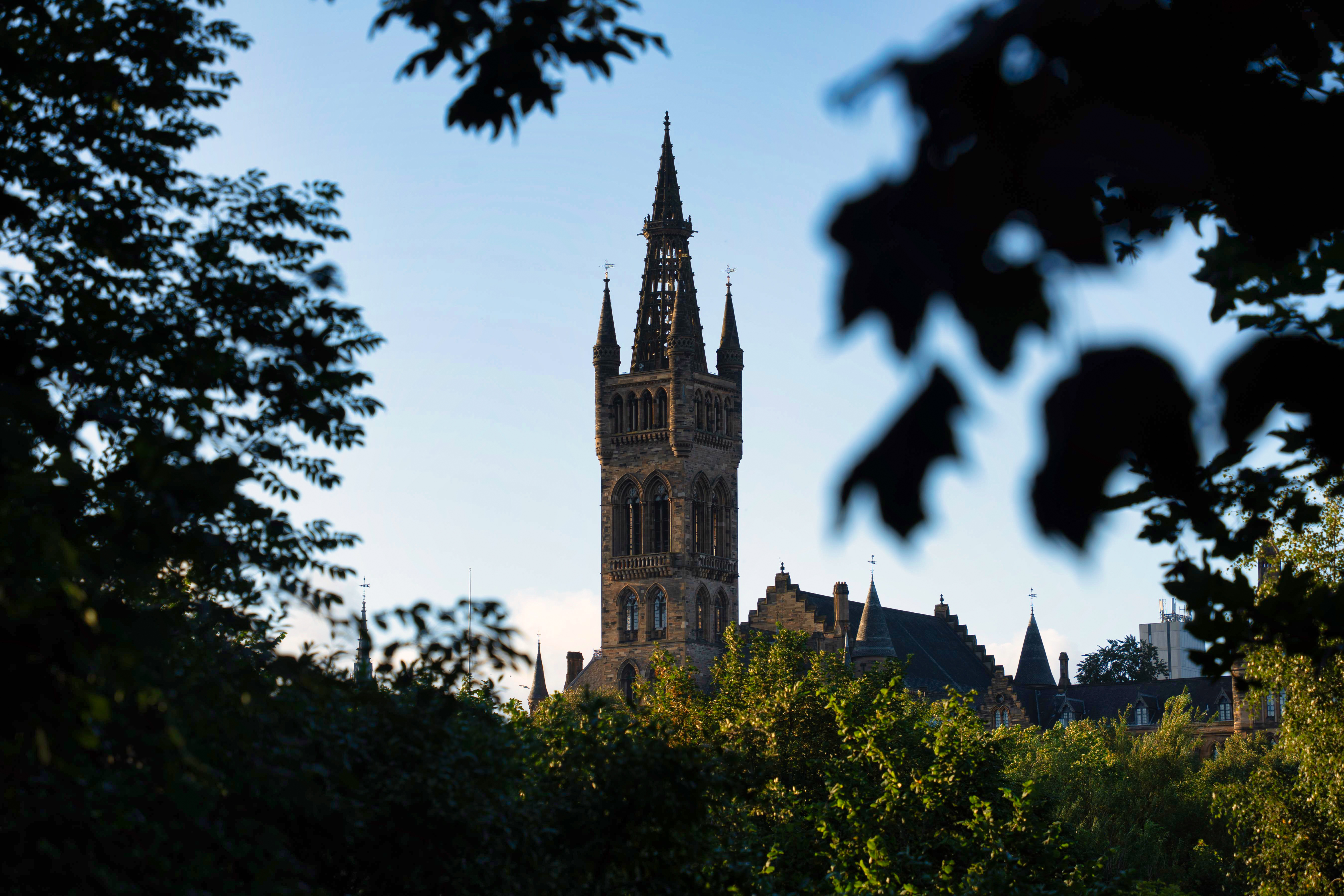
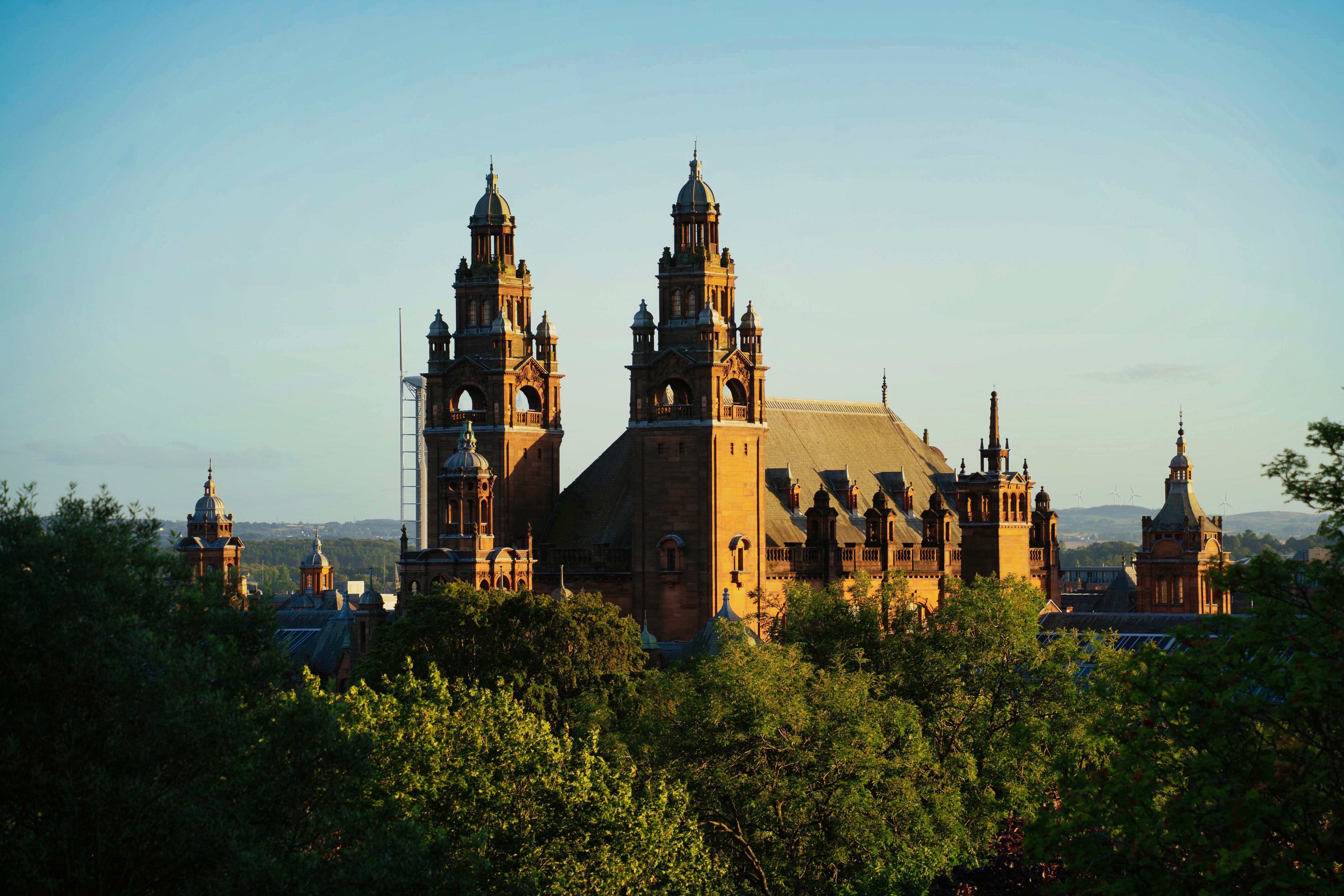
Kelvingrove is more than a museum of grand red sandstone and echoing halls—it is a place where Glasgow seems to breathe in color and history. Inside, light falls on paintings and relics that span centuries, while outside the museum stands rooted in Kelvingrove Park, its towers rising like guardians over the River Kelvin. From the lawns, the eye is drawn upward to the gothic spire of the University of Glasgow on the hill, a silhouette that glows golden at sunset, framed by trees and sky. Here, art, nature, and architecture fold into one another, offering views as memorable as the treasures kept within.
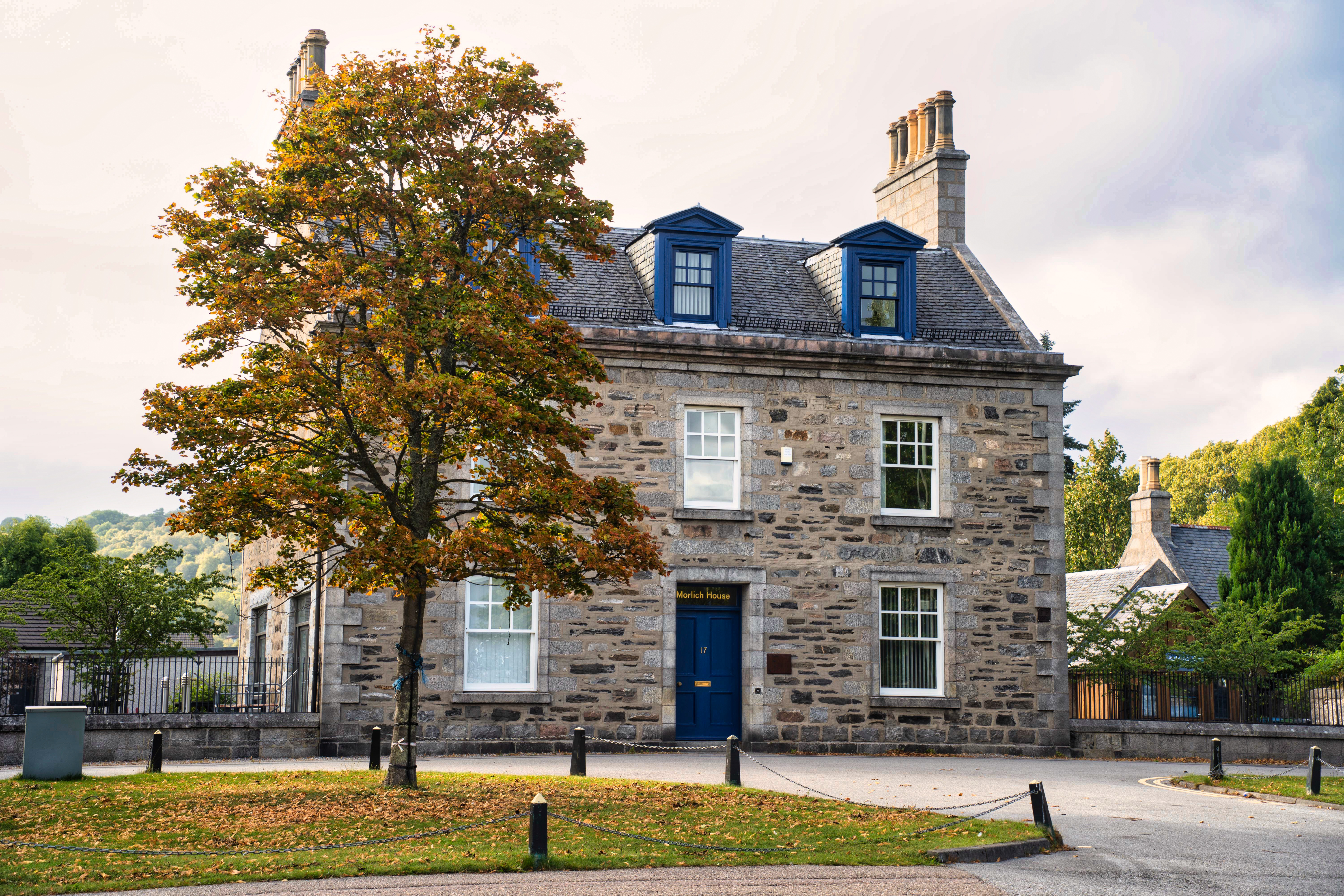
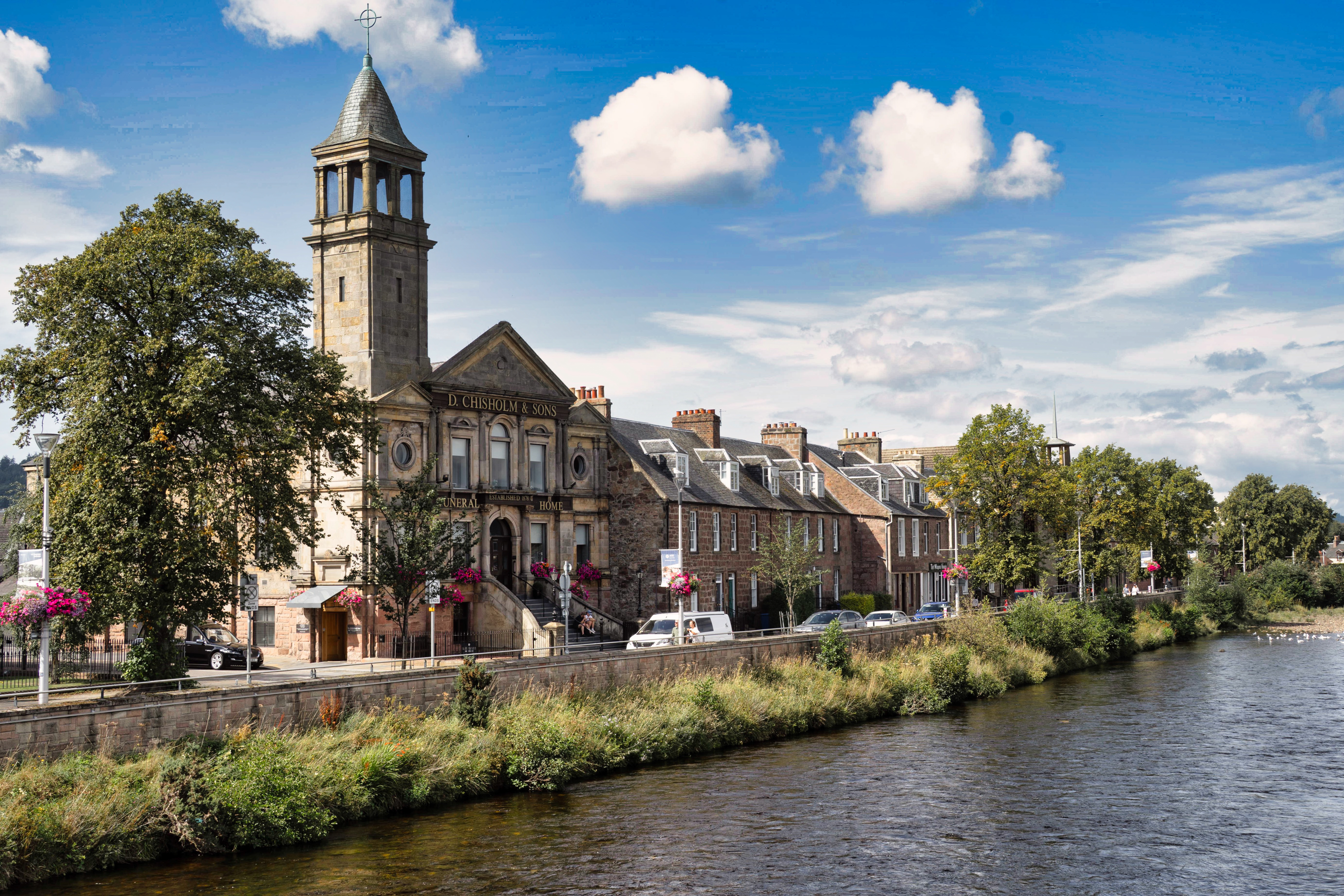
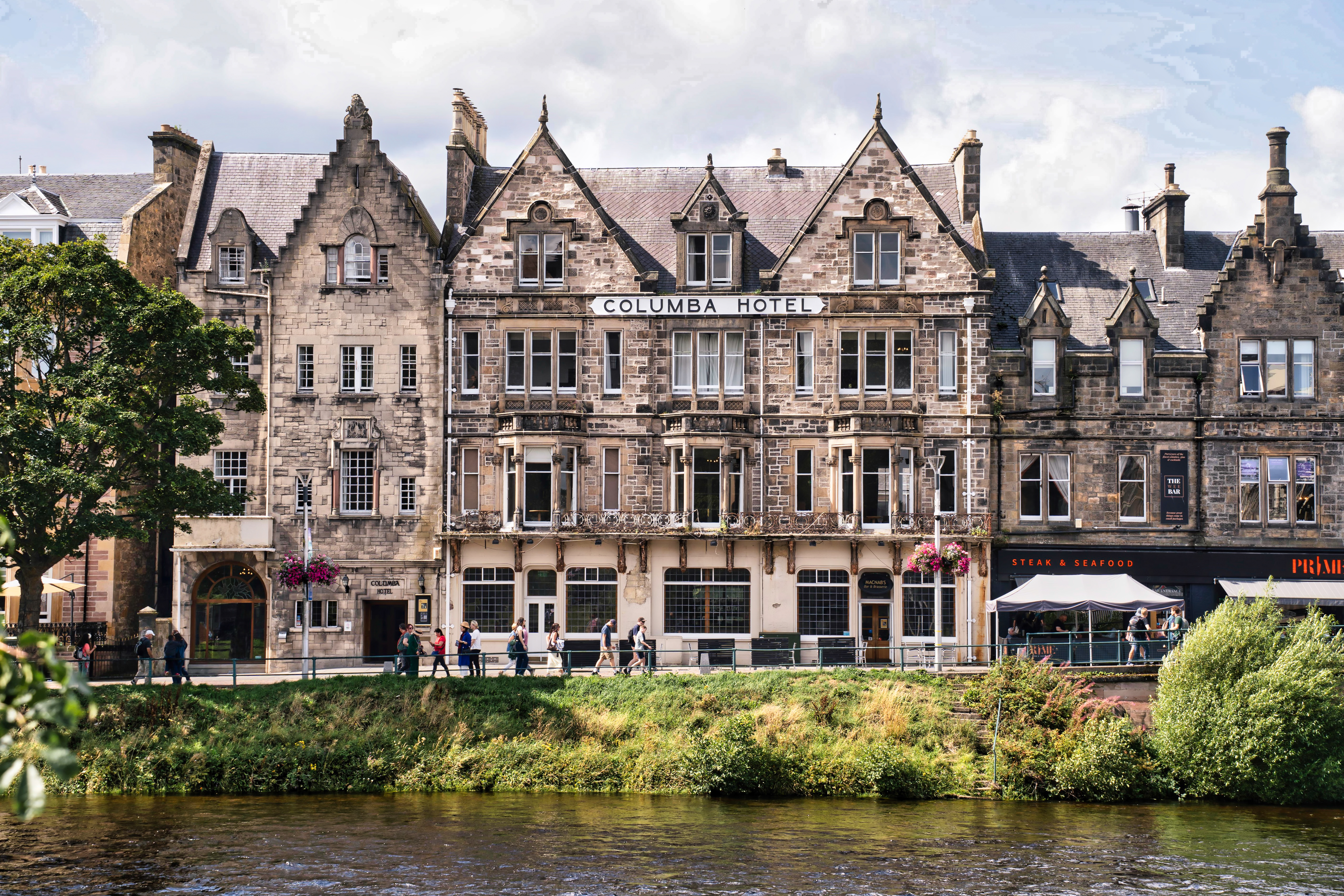
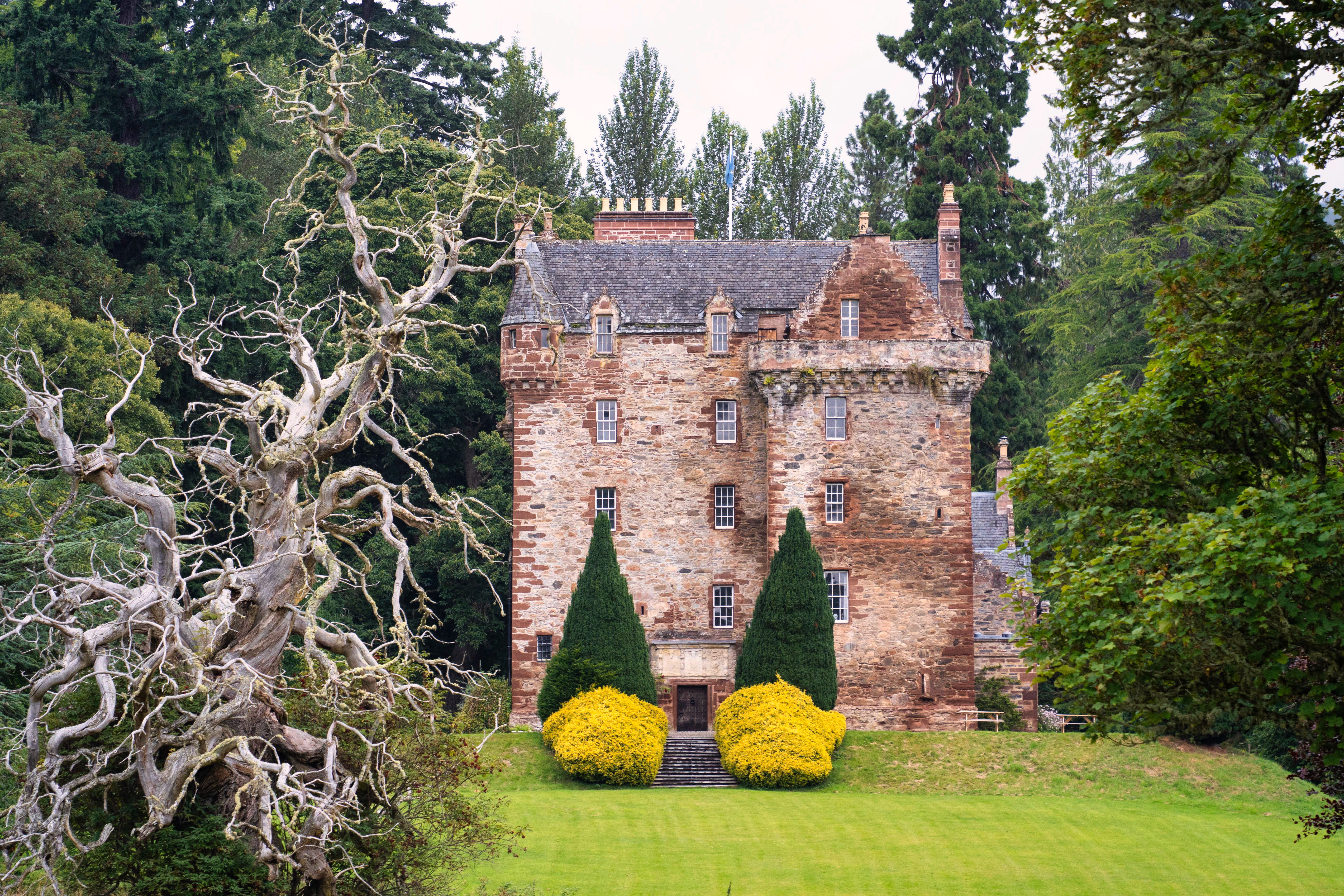
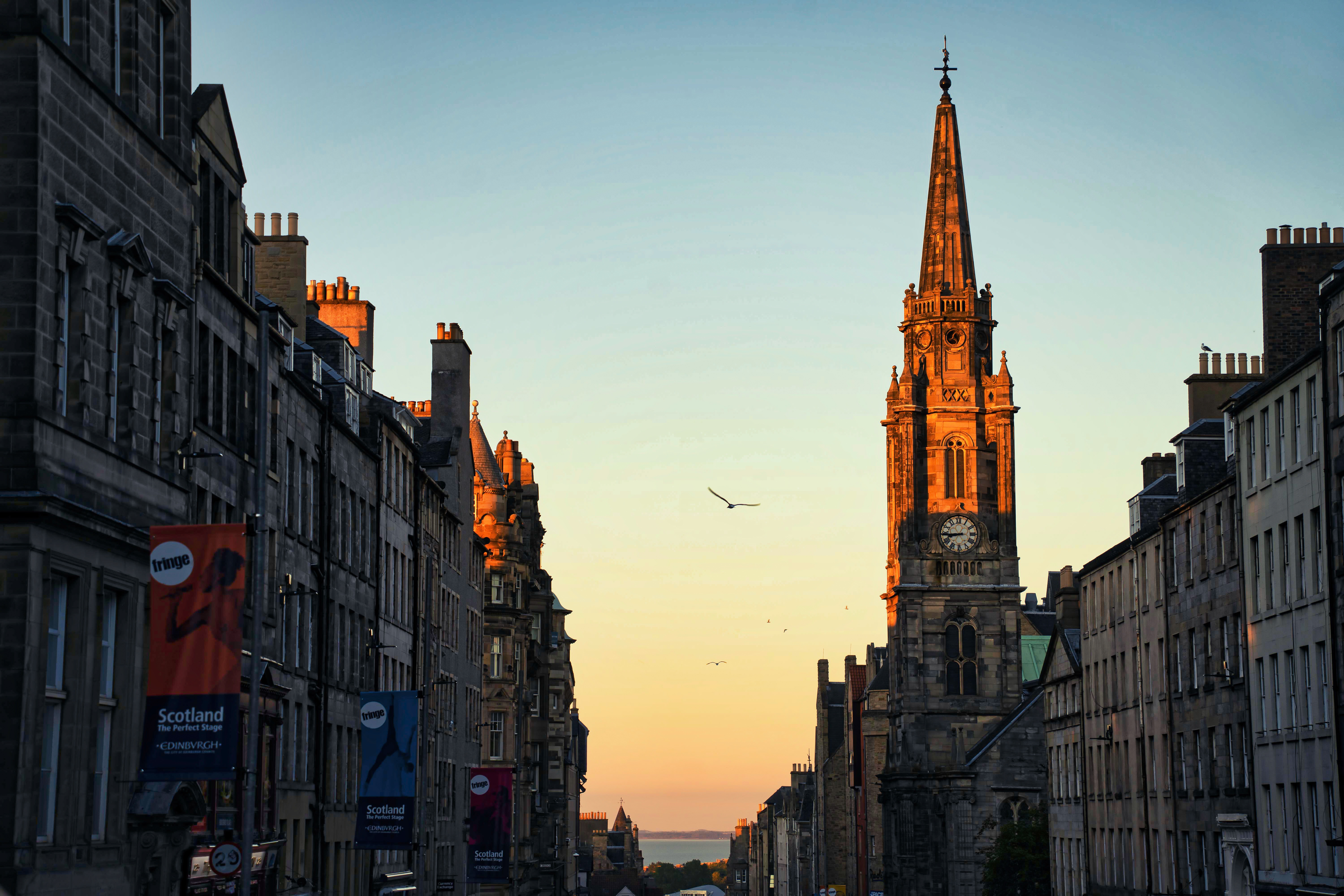
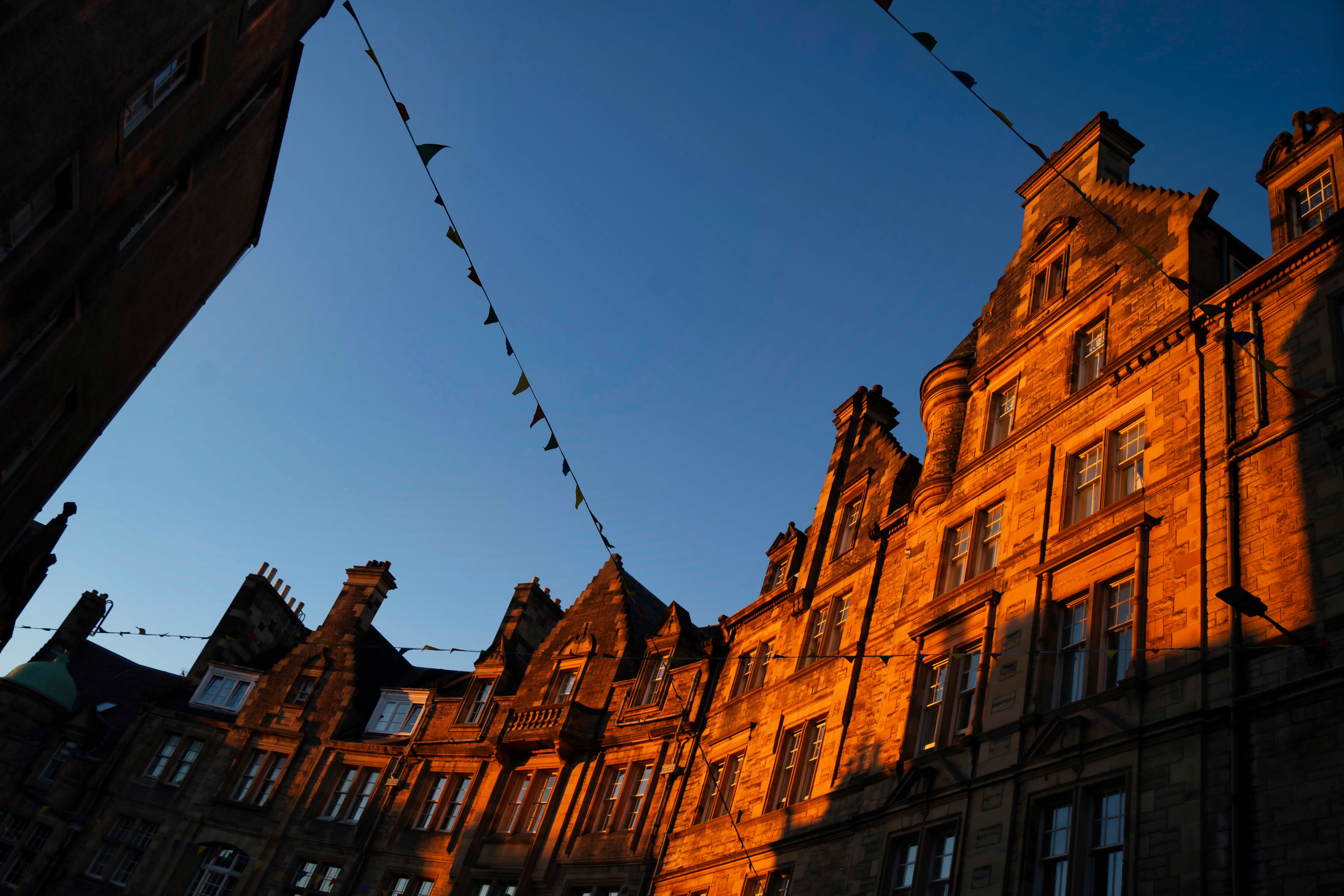
The architecture of Scotland reflects a rich history shaped by geography, politics, and culture. Ancient standing stones and Neolithic villages such as Skara Brae illustrate some of the earliest forms of settlement in Europe. Medieval castles, from the fortress of Edinburgh Castle to the romantic ruins of Dunnottar, embody centuries of defense and clan rivalry. In contrast, the Renaissance brought refinement through palaces like Stirling and Holyrood, where French and continental influences blended with local tradition. The Georgian era left its mark most visibly in Edinburgh’s New Town, with elegant symmetry, wide streets, and neoclassical facades that continue to define the city’s skyline. The industrial age transformed Glasgow into a hub of Victorian architecture, marked by ornate public buildings and the creativity of Charles Rennie Mackintosh. Today, Scotland balances preservation with innovation: modern structures such as the Scottish Parliament in Edinburgh stand alongside centuries-old stonework, reflecting a country where heritage and contemporary design coexist. From prehistoric stone circles to bold modernist projects, Scotland’s architecture tells the story of a nation evolving across time.
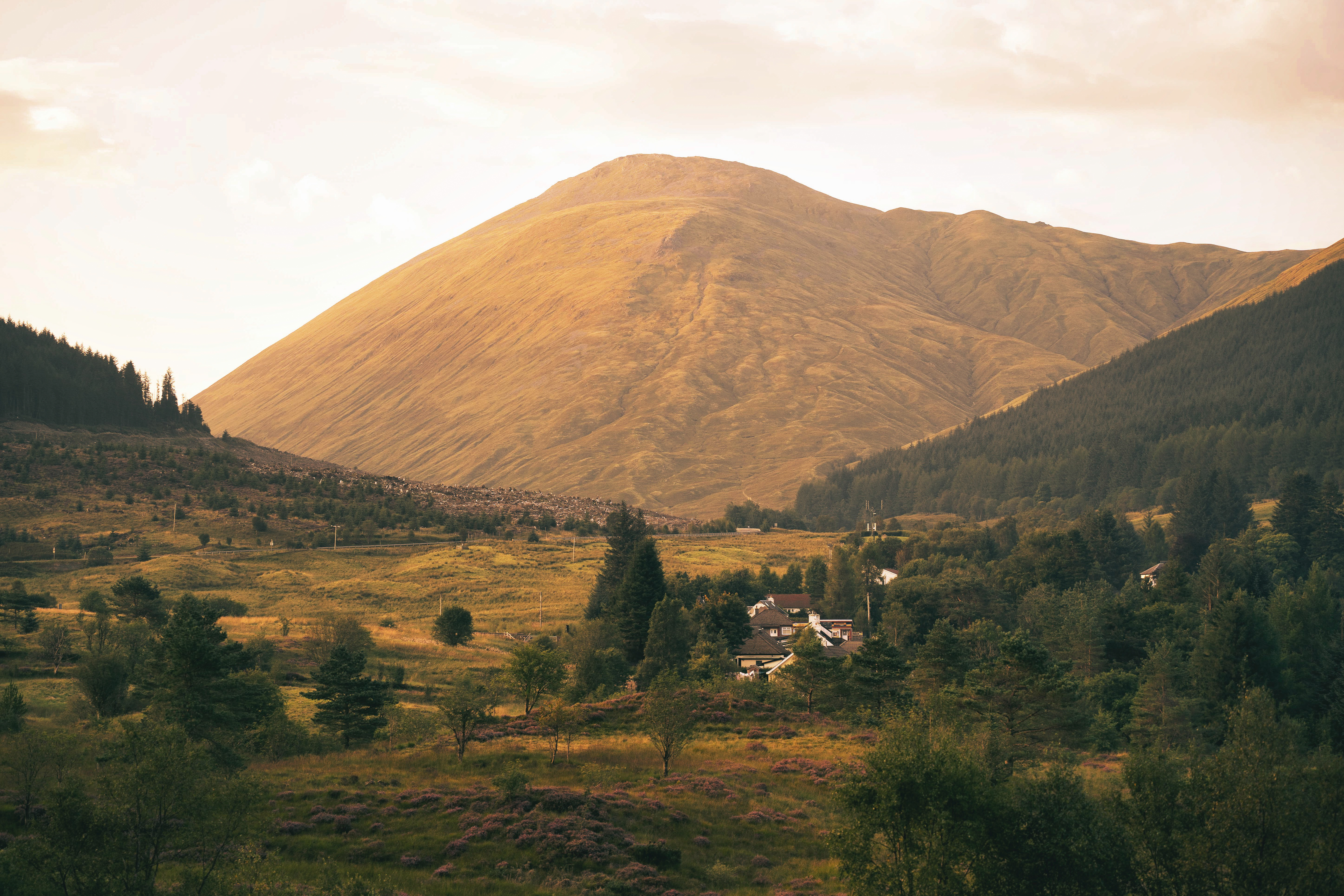
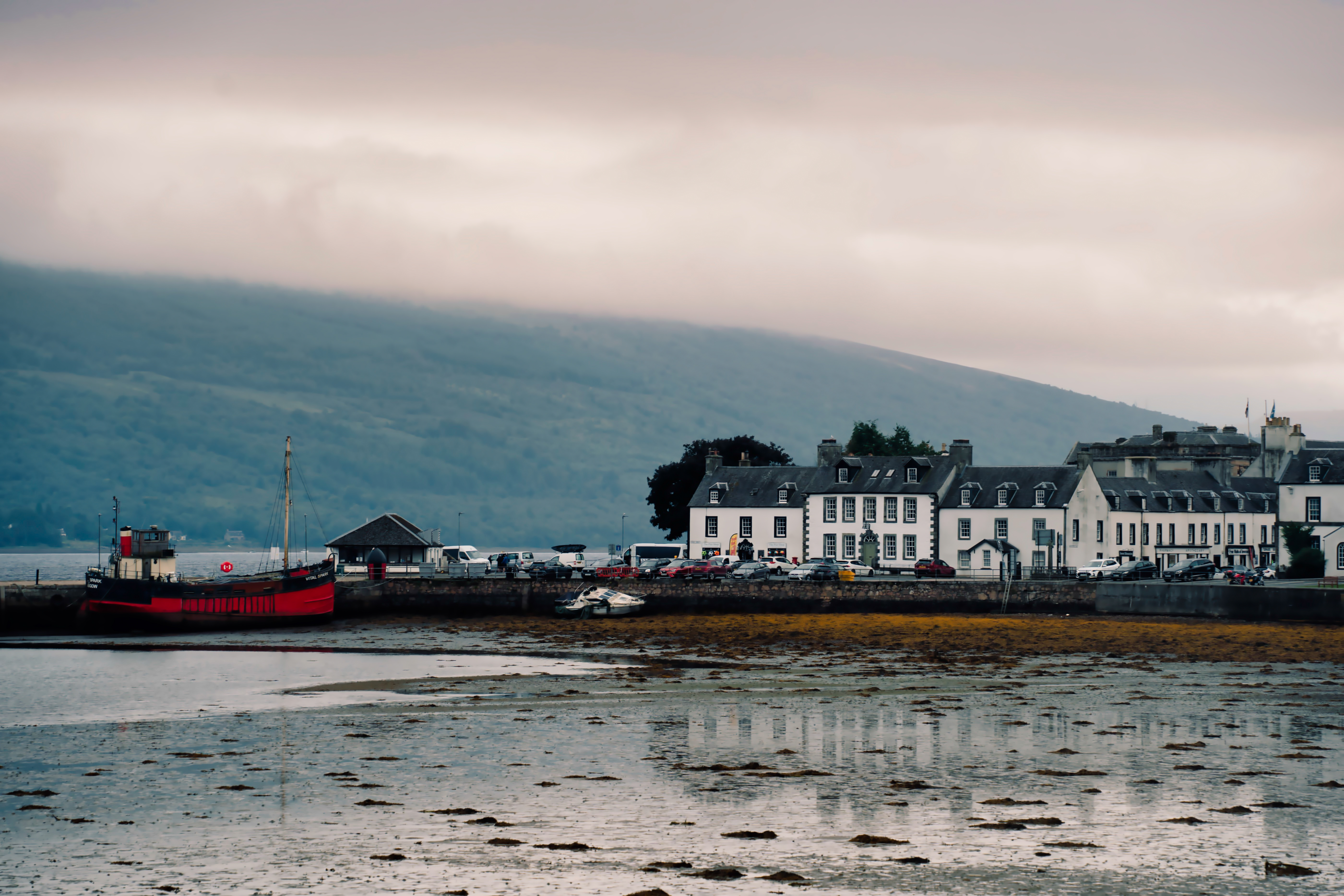
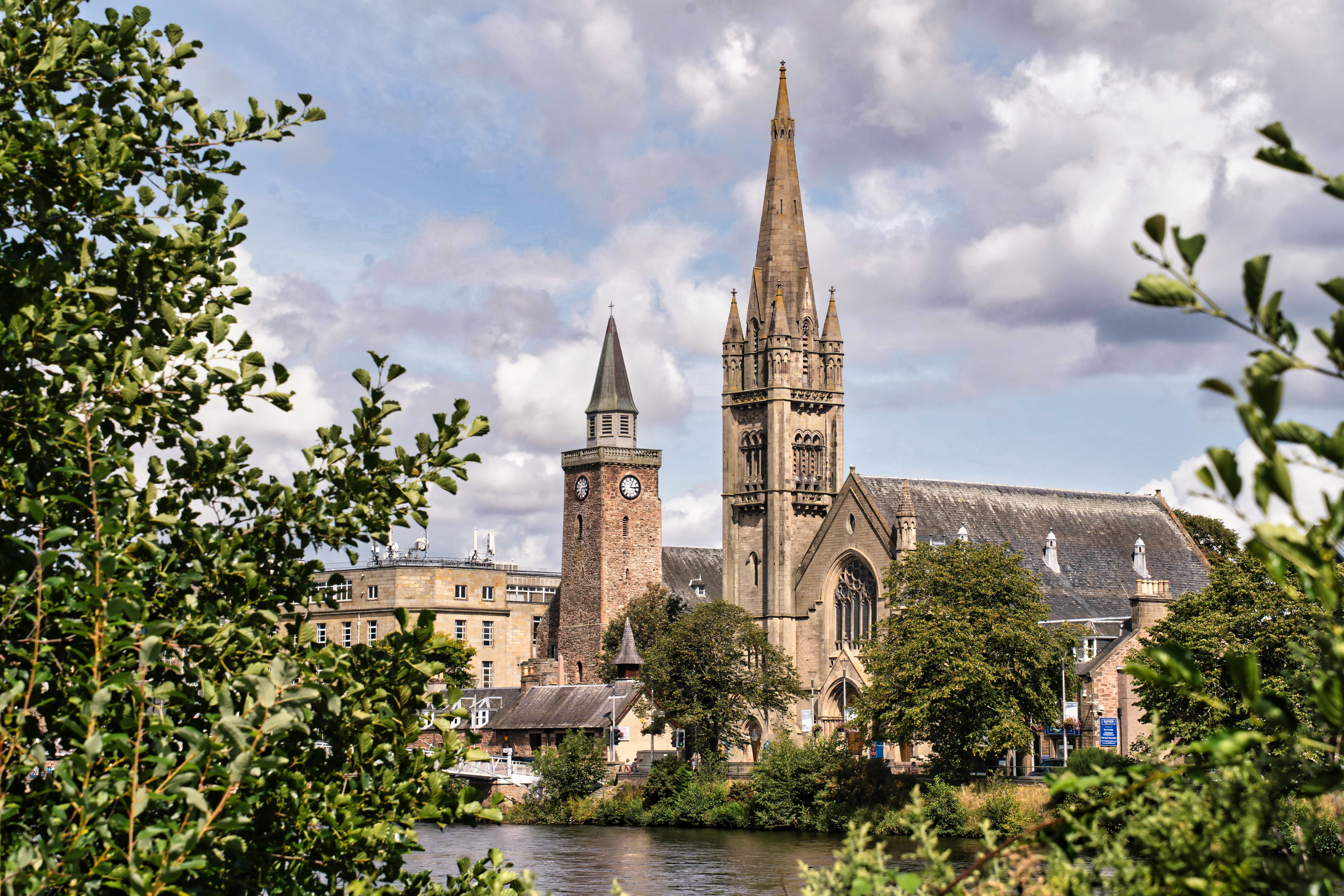
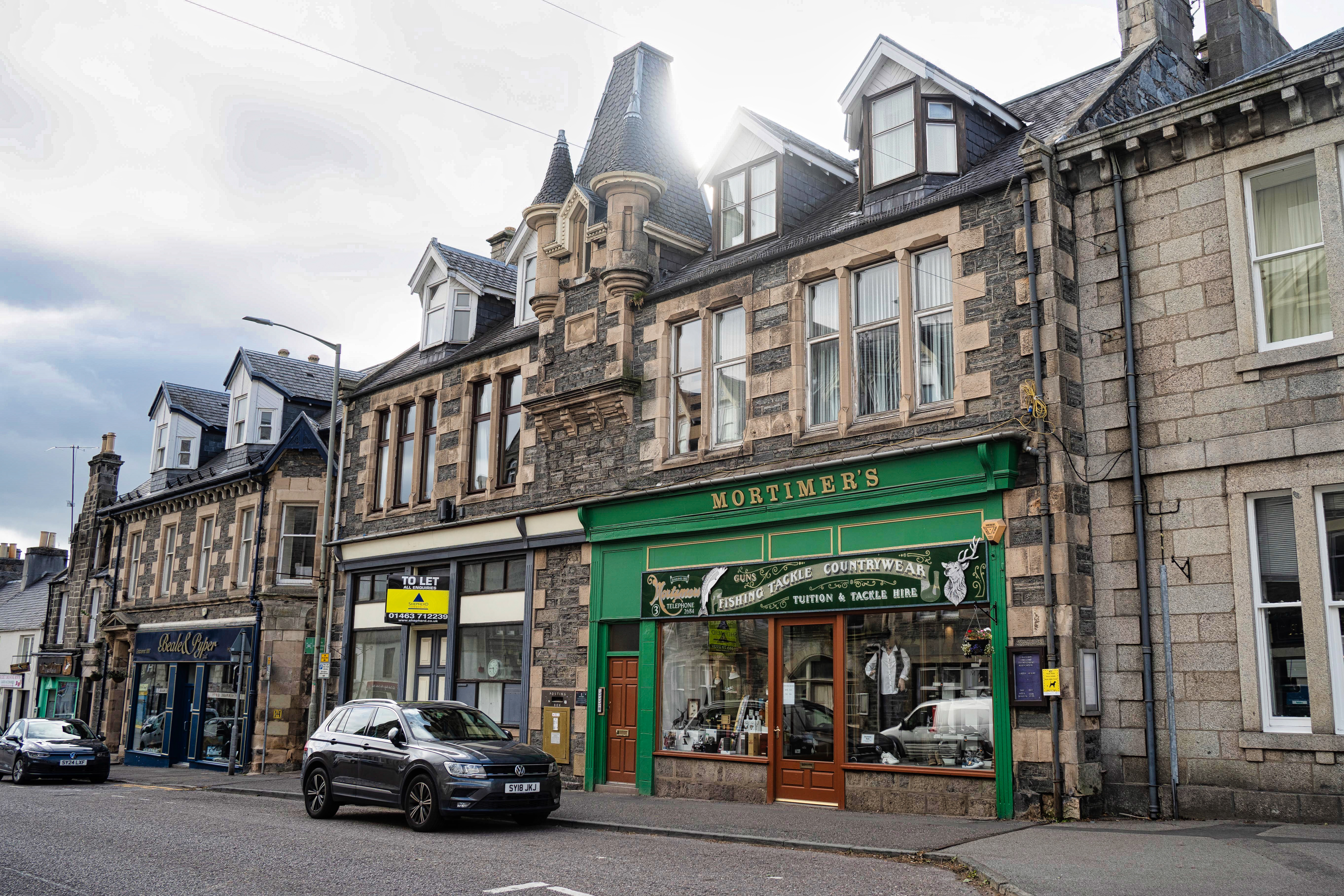
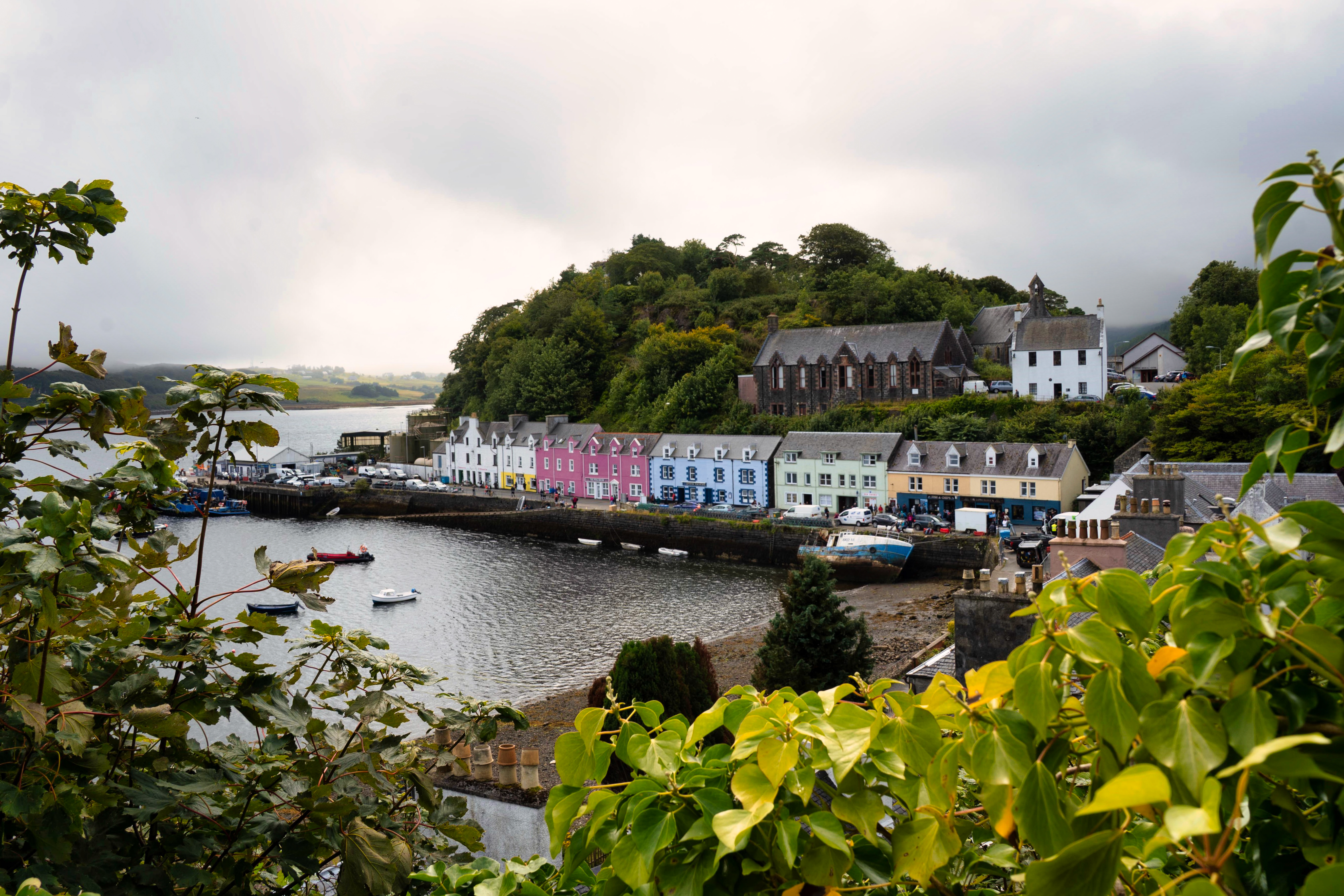
The Scottish Highlands stretch across a vast and rugged landscape, defined by mountains, glens, and lochs that have shaped both history and imagination. Traveling through this region reveals scenes of dramatic contrasts: sharp peaks rising against wide skies, valleys carved by ancient glaciers, and waters that shift from deep blue to silver with the changing light. Small villages punctuate the wilderness, their stone houses and whitewashed cottages standing resilient against the elements. Castles—some preserved, others in ruins—emerge from the hillsides as reminders of a turbulent past. Wildlife, from red deer on the moors to golden eagles soaring above, adds movement to the stillness of the land. The Highlands are not only a place of natural beauty but also a cultural stronghold, where Gaelic heritage, music, and tradition continue to leave their mark.
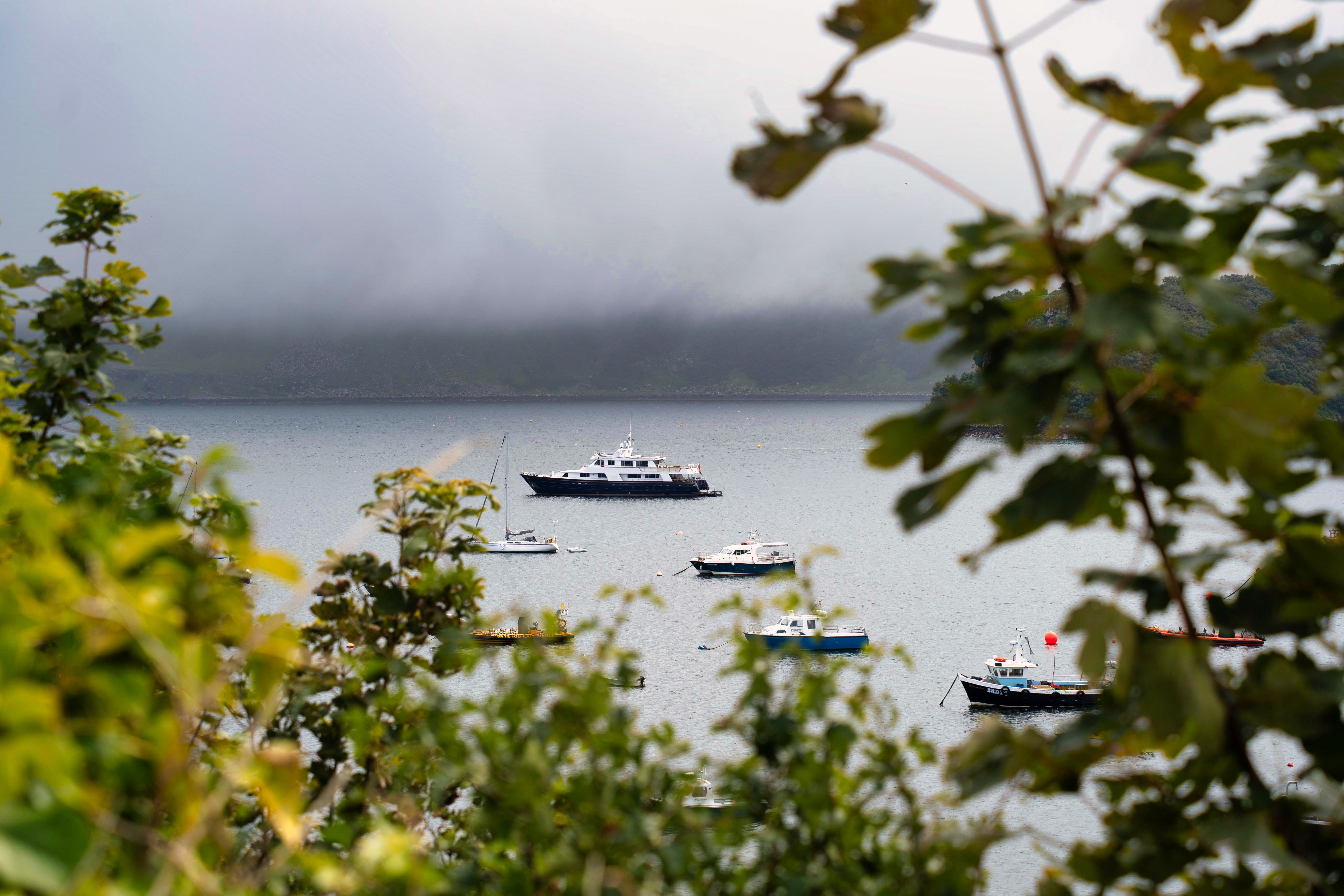
As twilight settles over Scotland, the landscape transforms into a realm of quiet magic. The last golden rays of the sun fade behind rugged mountains and rolling moors, casting long shadows over lochs that glimmer like polished glass. Heather-covered hills glow in muted purples, while ancient castles and stone villages take on a timeless silhouette against the darkening sky. Along the coast, the sea reflects hues of deep blue and silver, merging with drifting clouds as if sky and water were one. In this fleeting hour between day and night, Scotland reveals its most poetic face — a land where history, nature, and mystery blend into a single, haunting beauty.
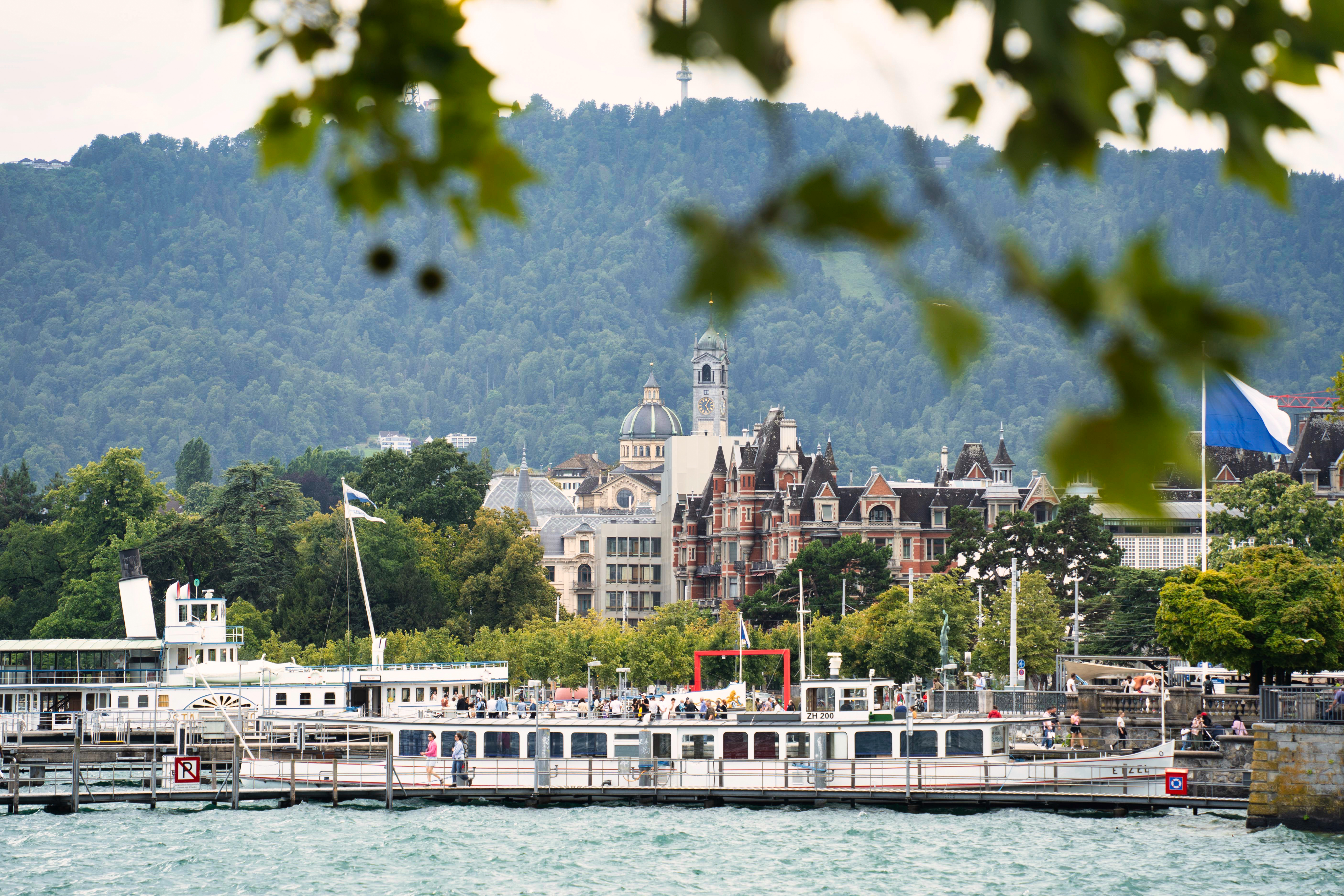
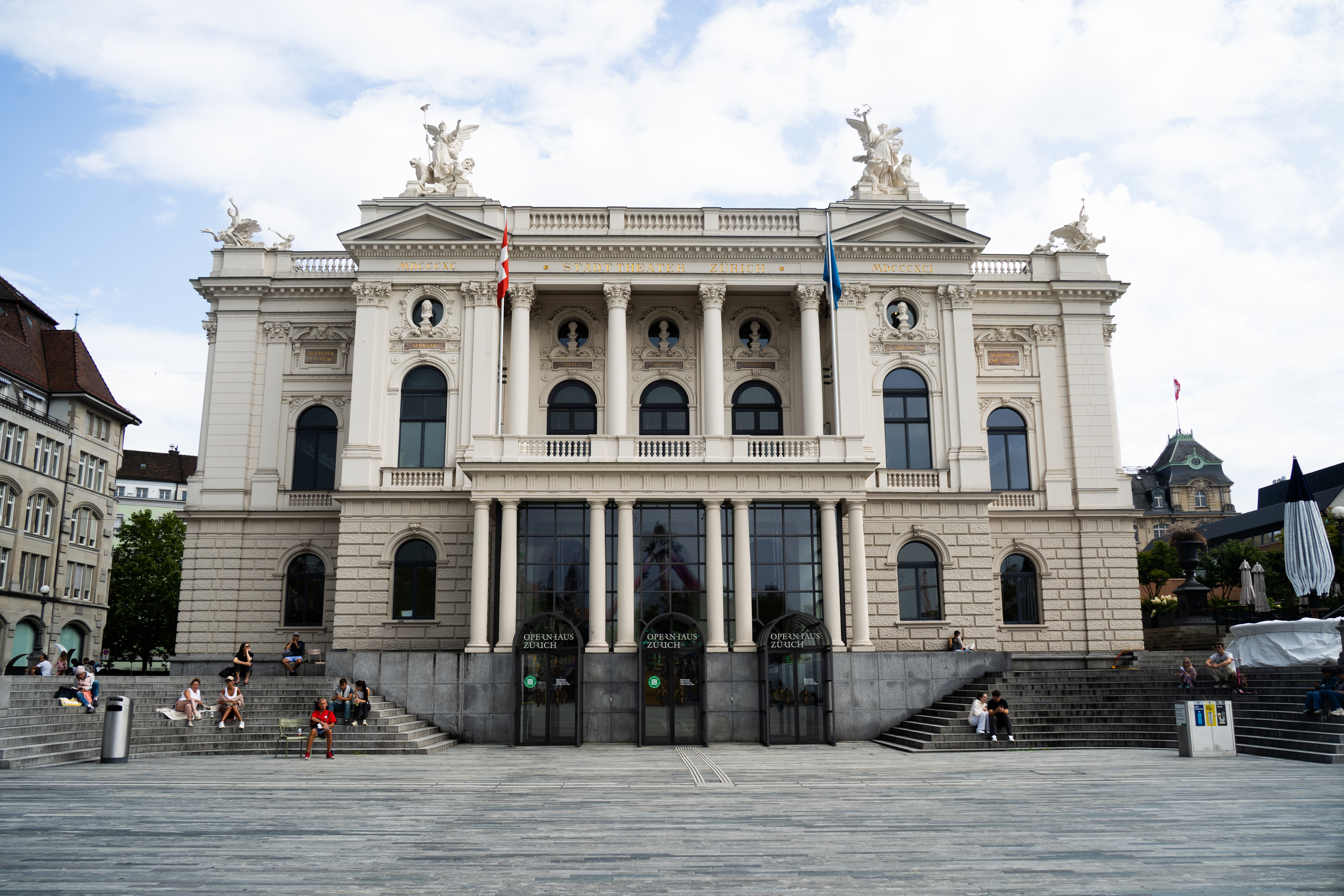
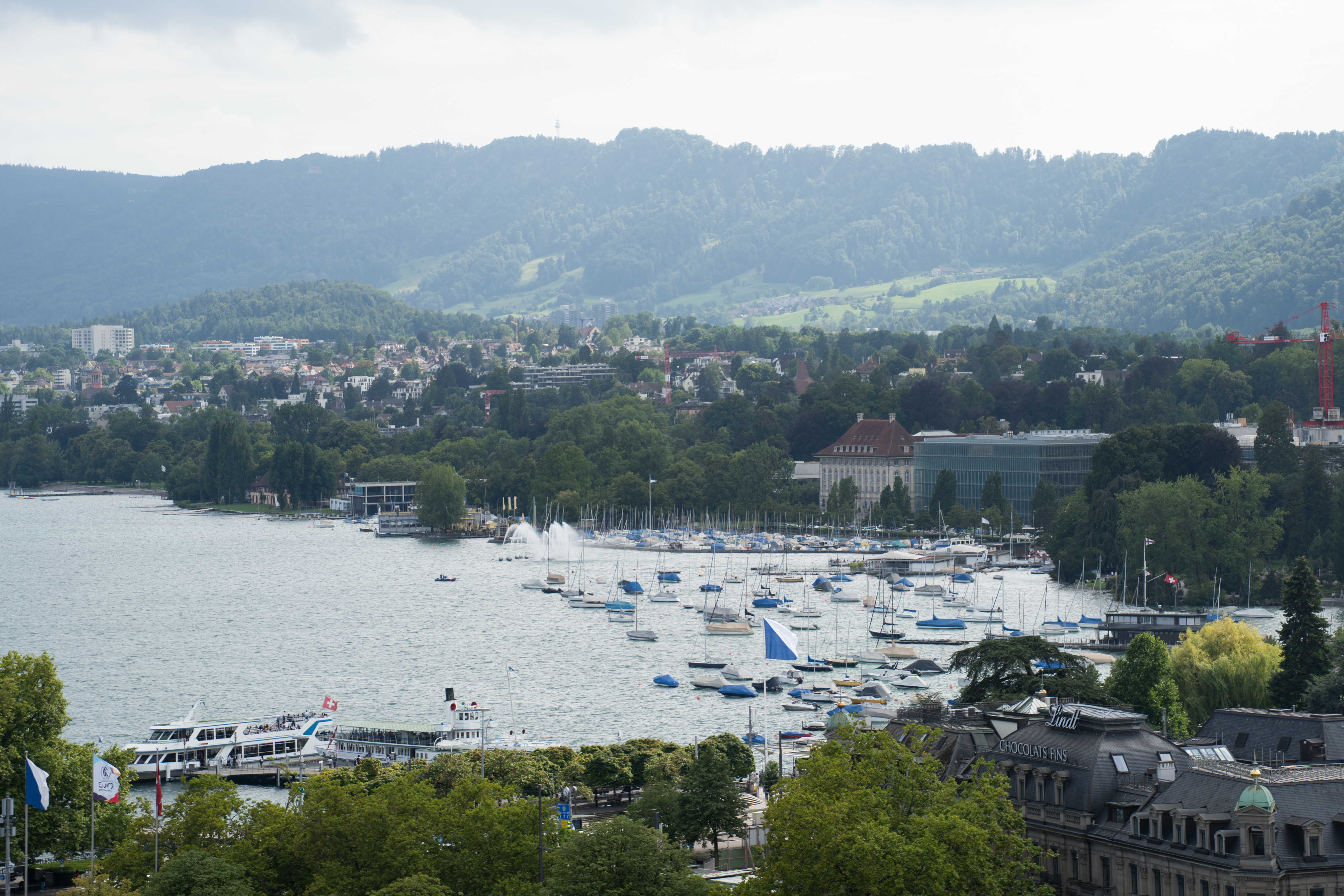
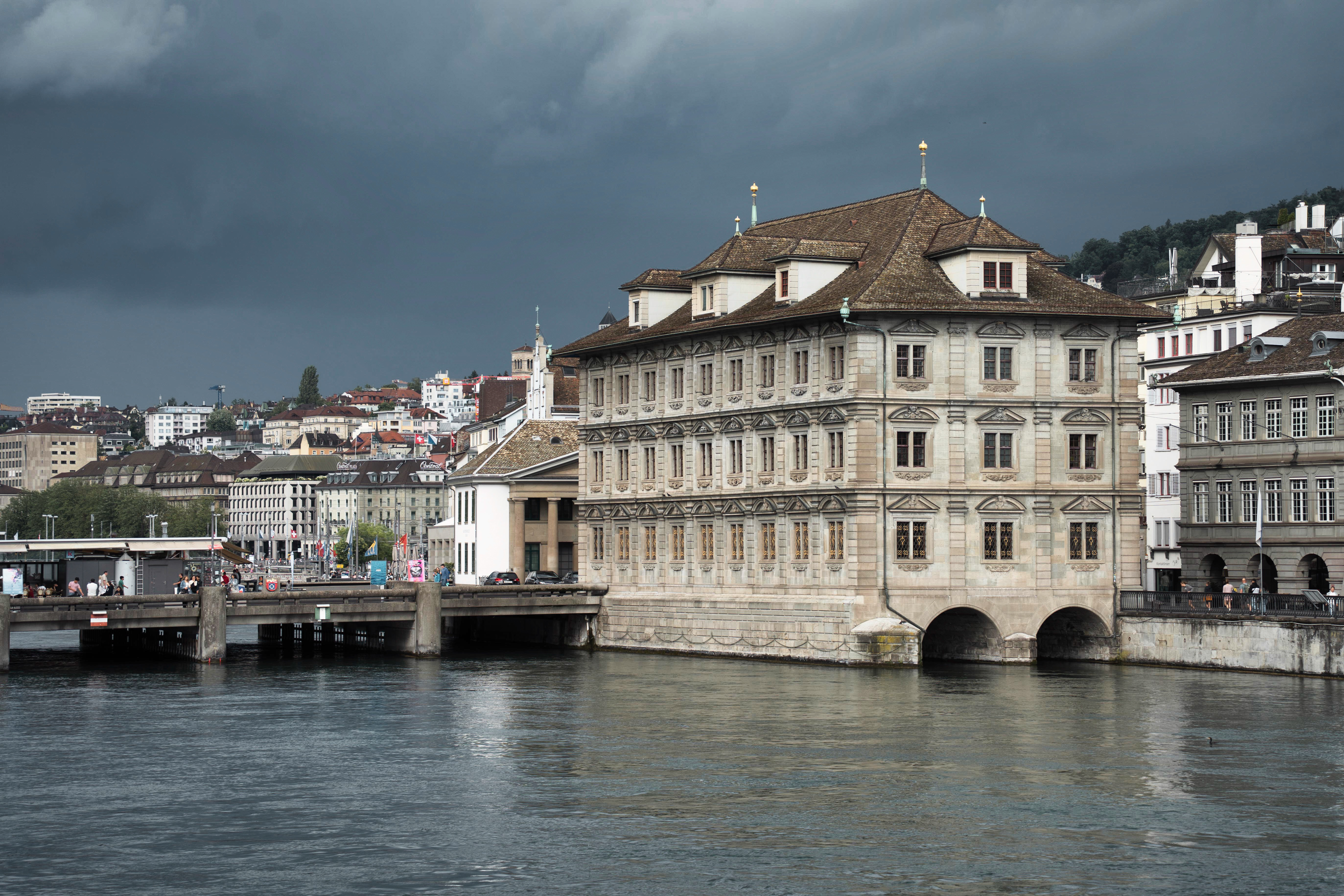
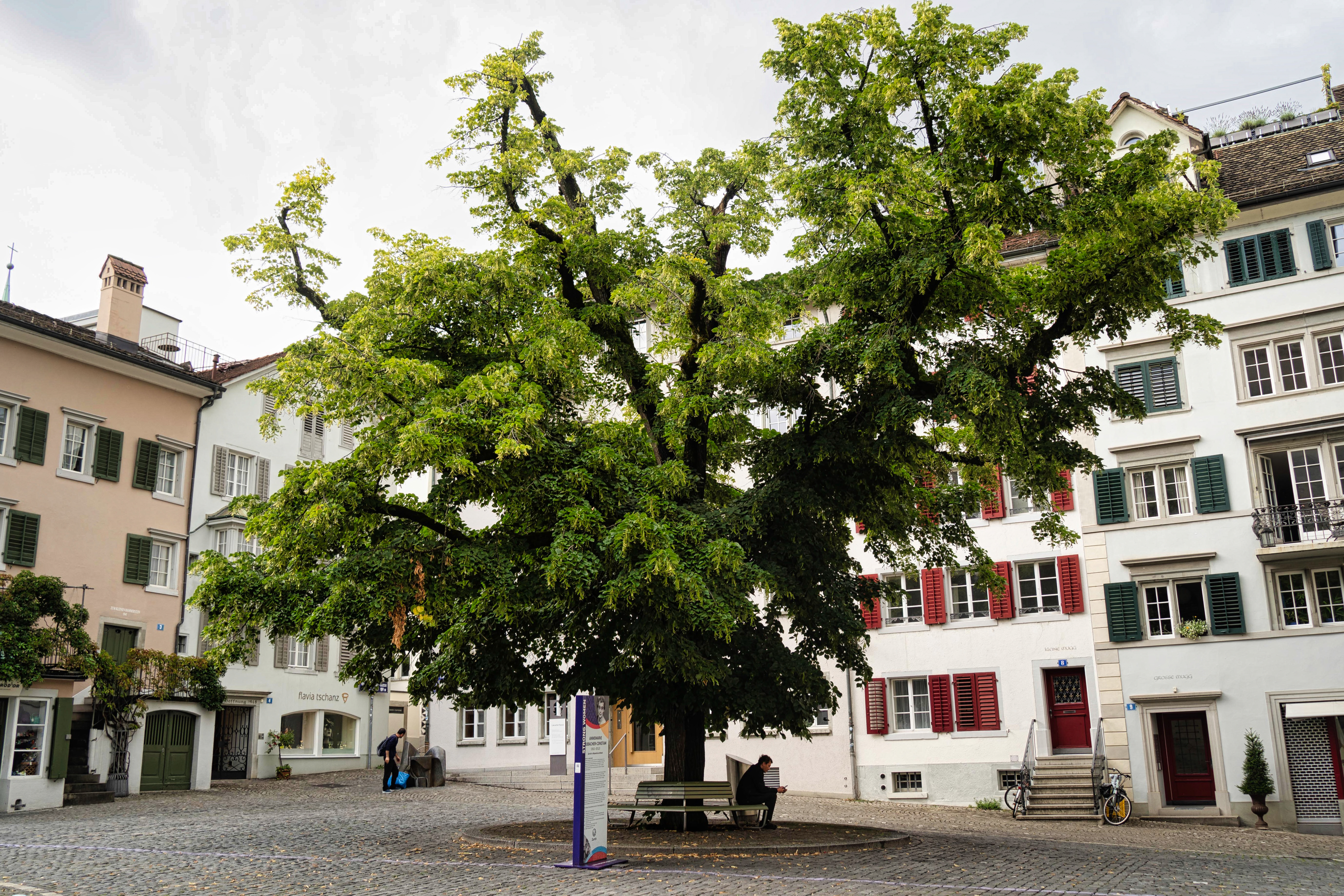
Zürich is often described as Switzerland’s financial powerhouse, yet it is far more than a city of banks and business. From the moment you stroll along Bahnhofstrasse, one of the world’s most famous shopping streets, you sense the city’s polished elegance. But just a few steps away, the historic Old Town reveals a different perspective—narrow lanes lined with medieval houses, quiet courtyards, and cozy cafés that tell the story of centuries past. This contrast between sleek modernity and timeless tradition is what gives Zürich its unique character.







 Michael Hoffman Photography