Skip to content

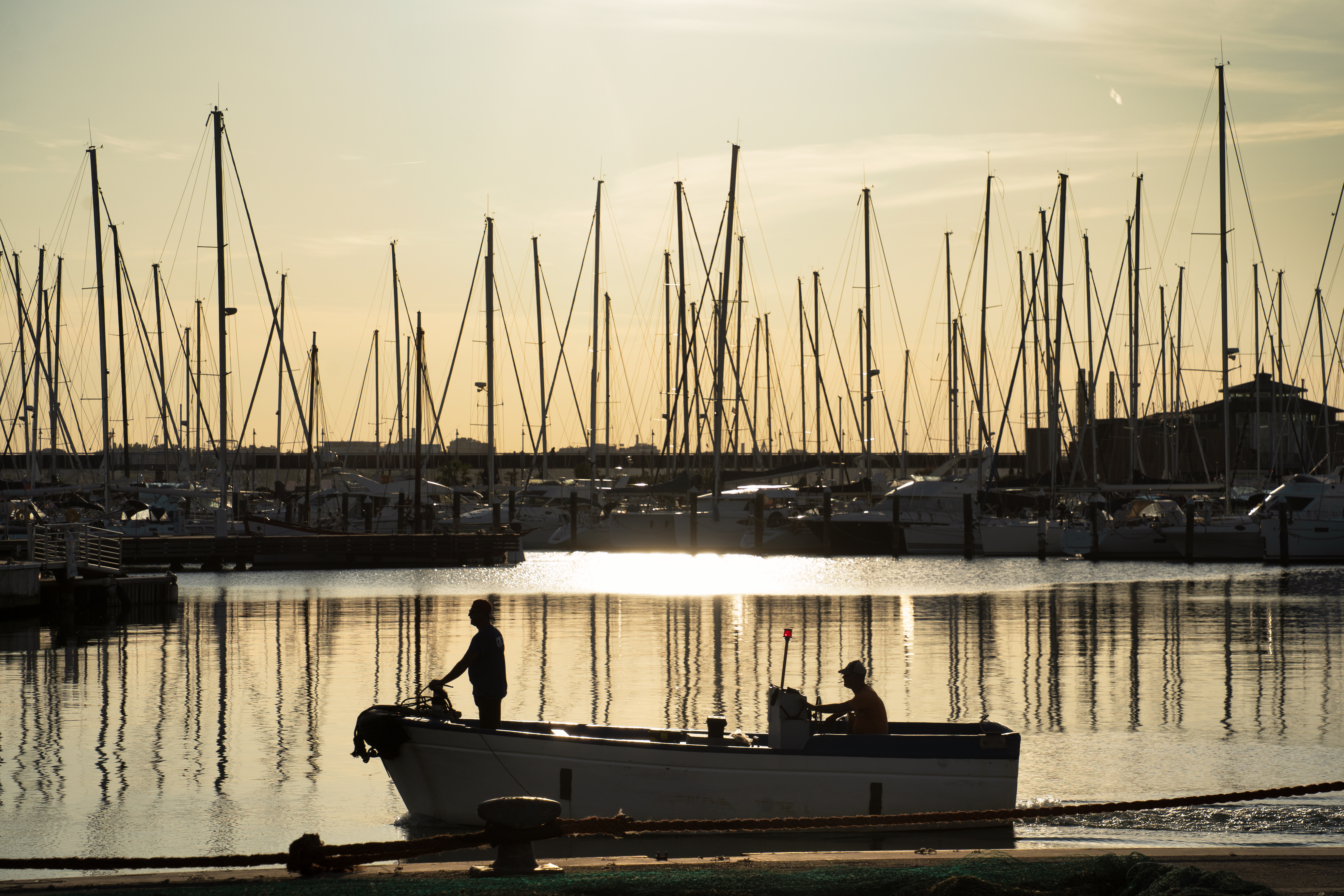
The Maritime City

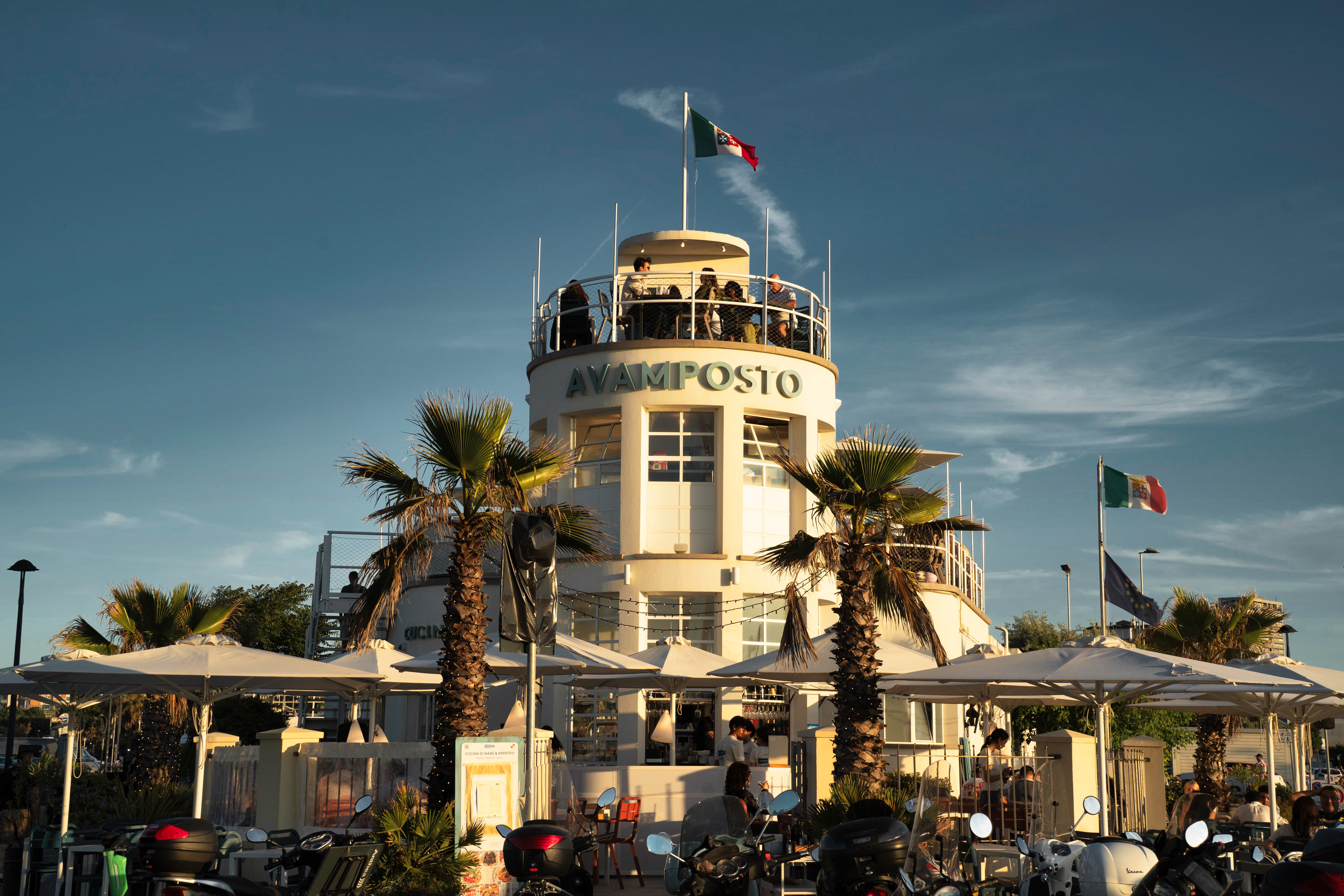
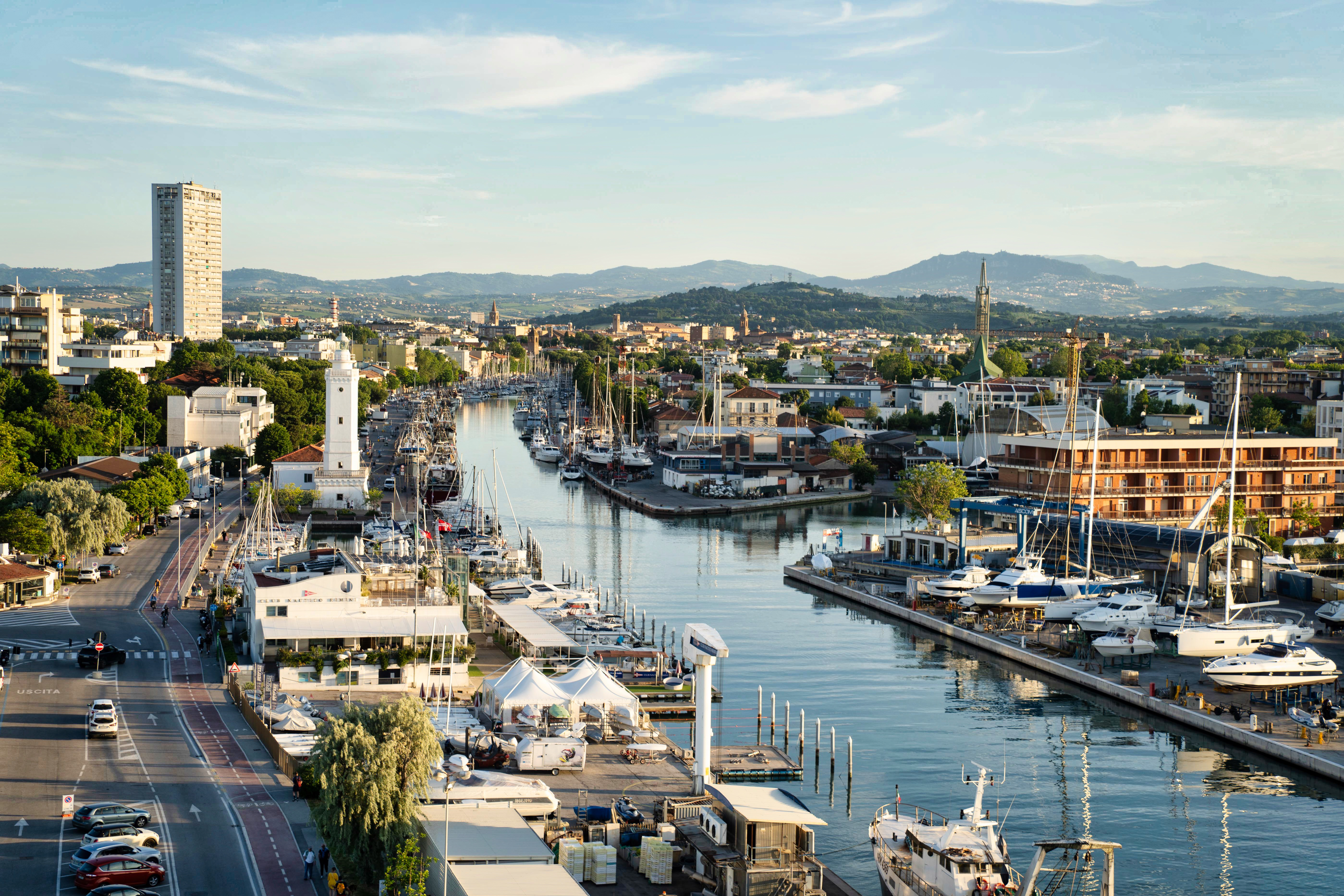
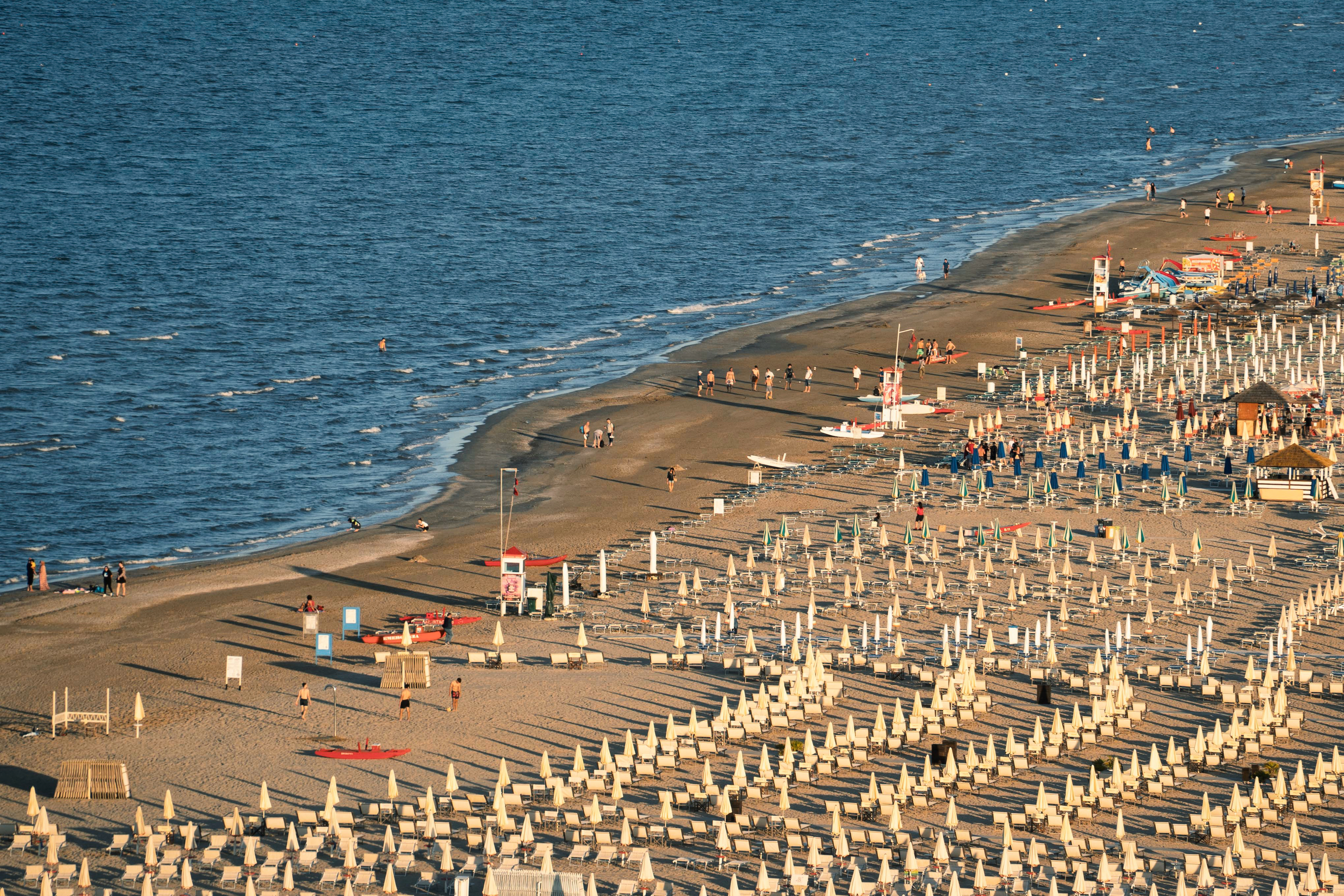
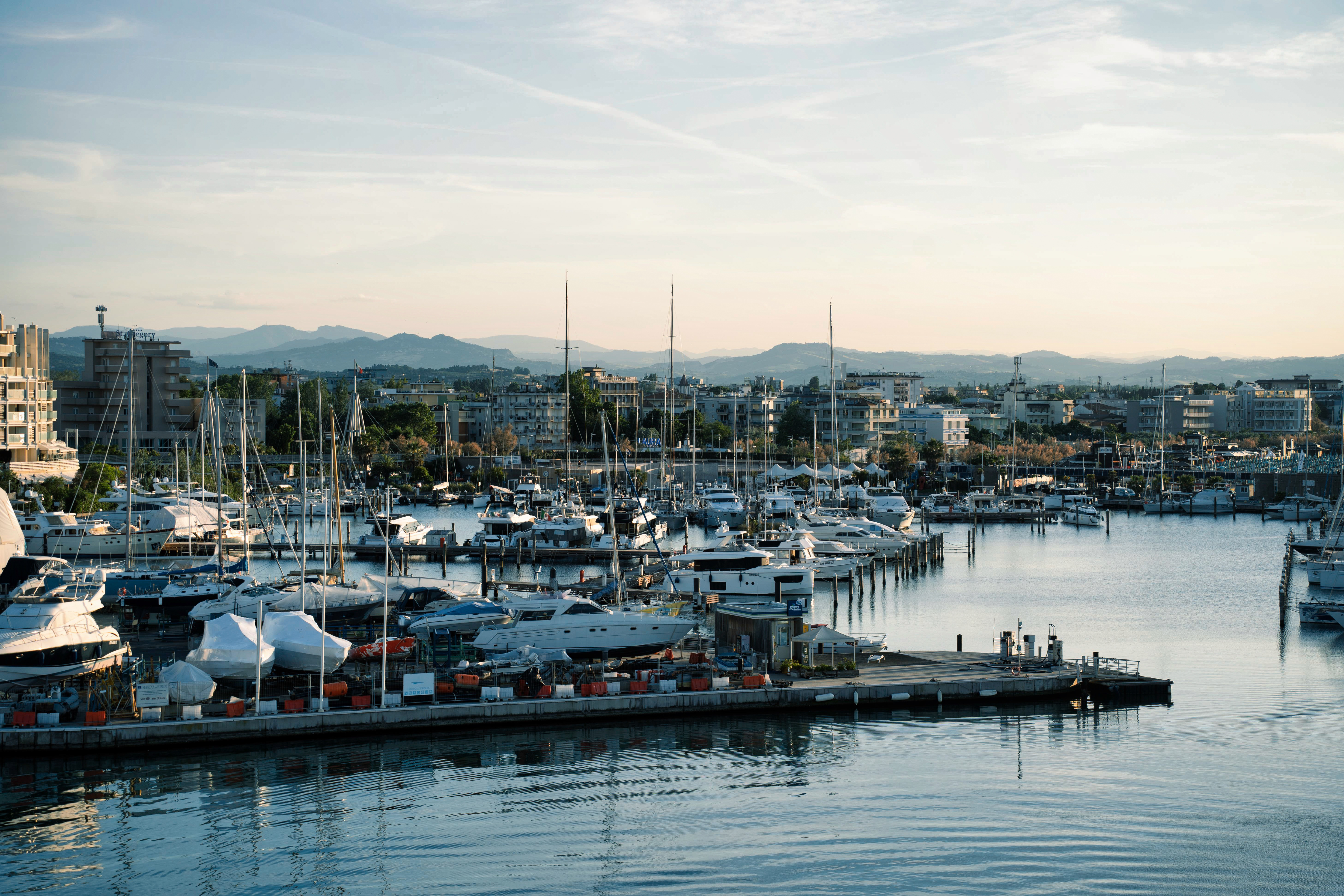
Rimini’s identity is inseparable from the sea — a city shaped by centuries of maritime tradition, coastal culture, and the ever-changing rhythm of the Adriatic. Beyond the sun loungers and beach umbrellas, Rimini reveals a deep connection to its nautical roots. The bustling port, with its fishing boats returning in the early morning light, tells stories of livelihoods built on salt, sea, and storms. The waterfront promenades hum with life, where locals stroll, fish, and gather for seafood meals that taste like the ocean itself. The scent of the sea lingers in the air, mingling with sunscreen in summer and salt spray in winter. Rimini’s maritime character also pulses through its festivals, its cuisine, and its people — warm, proud, and tied to the tides.
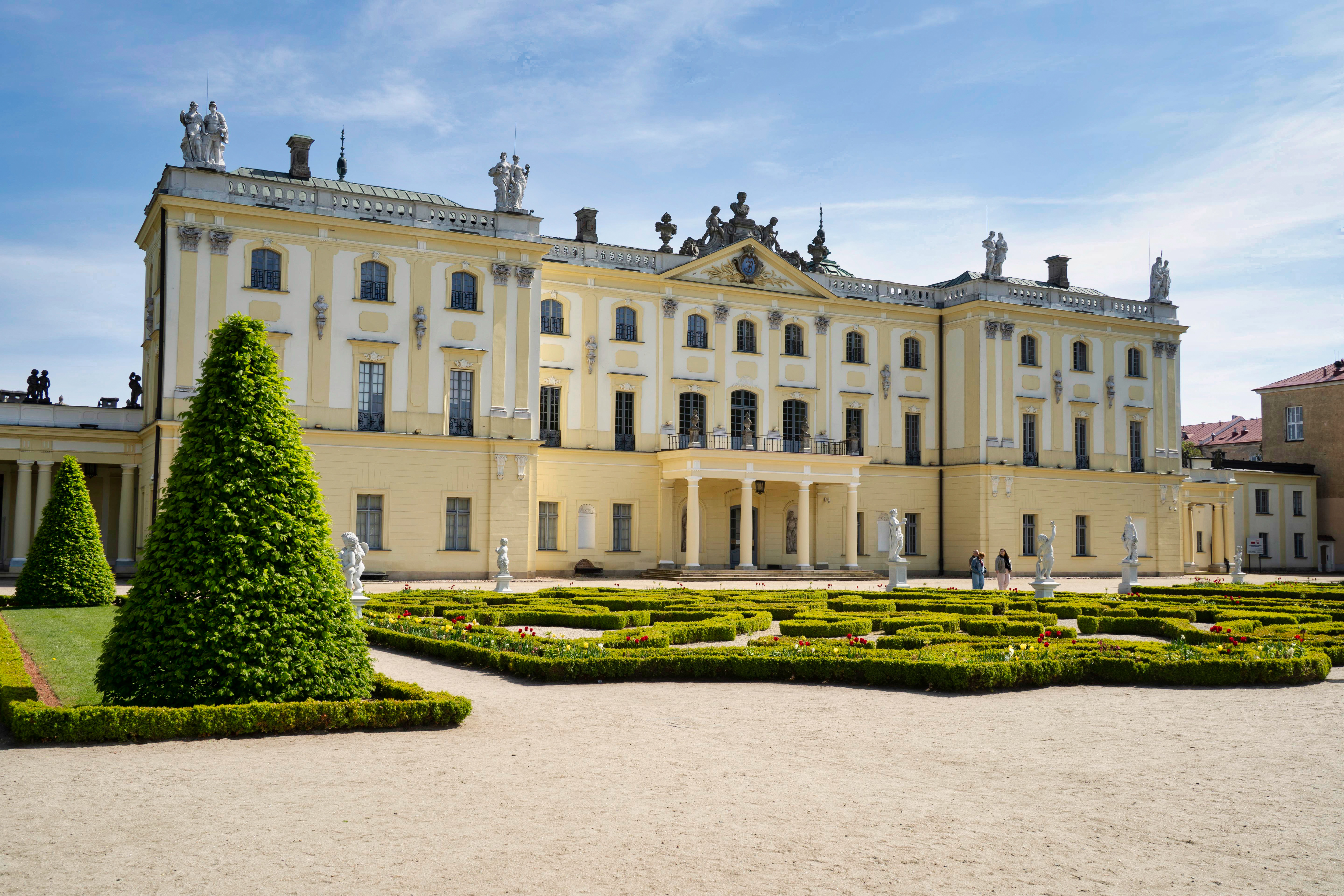
The Provinicial Palace

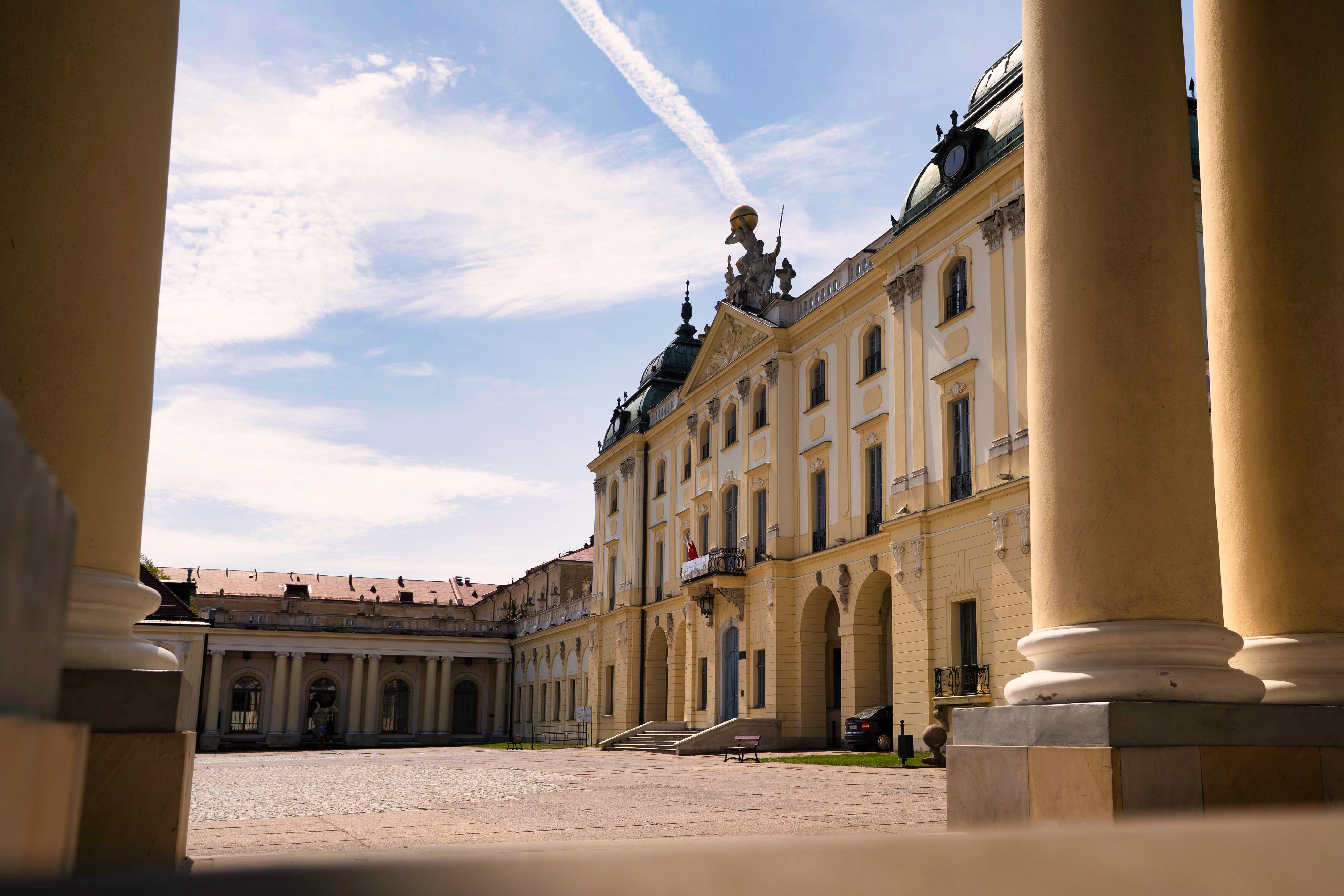
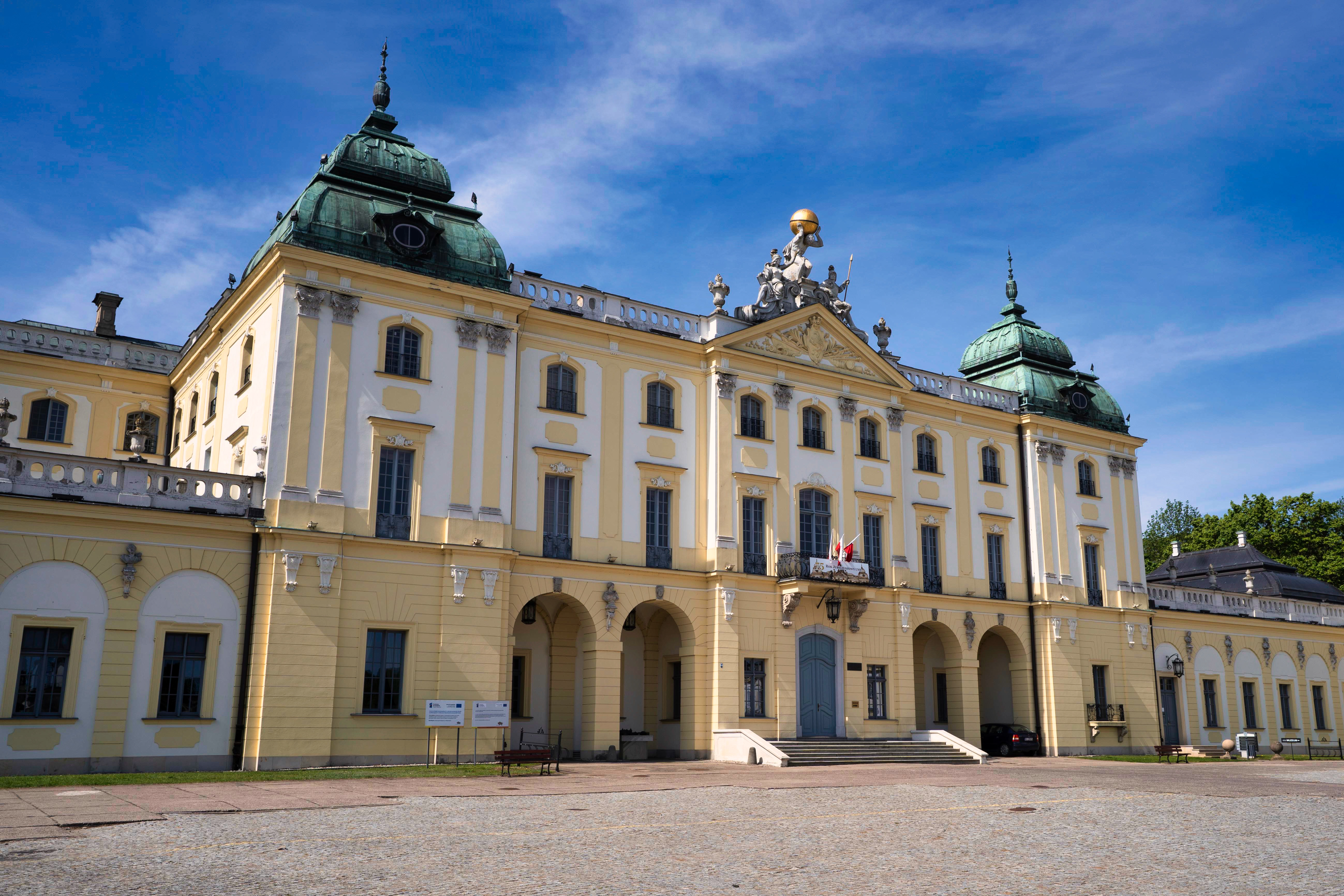
Set far from the grand avenues of Warsaw or Kraków, the Branicki Palace in Białystok wears its elegance with a certain quiet confidence. It doesn’t boast, it beckons—its pale façade reflecting the changing light of the Podlachian sky, its symmetry both formal and strangely inviting. Often nicknamed the “Versailles of the North,” it carries the aura of aristocracy, but not the hauteur. Surrounded by manicured gardens and tree-lined paths, it feels more like a memory than a monument—an echo of a time when ambition reached beyond the capital, and culture flourished in the provinces. In its stillness, the palace holds a story not just of wealth and power, but of regional pride and enduring grace.

Picturing Białystok

Białystok reveals itself in layers—visually calm yet rich in contrasts. Strolling through the city, one notices how pastel-colored townhouses stand beside remnants of austere Soviet blocks, while modern glass structures peek through canopies of green. The city’s centerpiece, Branicki Palace, gleams in pale yellow and white, its formal gardens unfolding with geometric precision. Orthodox churches with golden domes catch the sunlight, while street art and murals add splashes of bold color to otherwise quiet corners. In spring and summer, parks like Planty burst with blossoms, framing the city in soft, natural tones. Białystok is not loud in its beauty—it invites a slower gaze, rewarding the observant with moments of surprising elegance and balance.

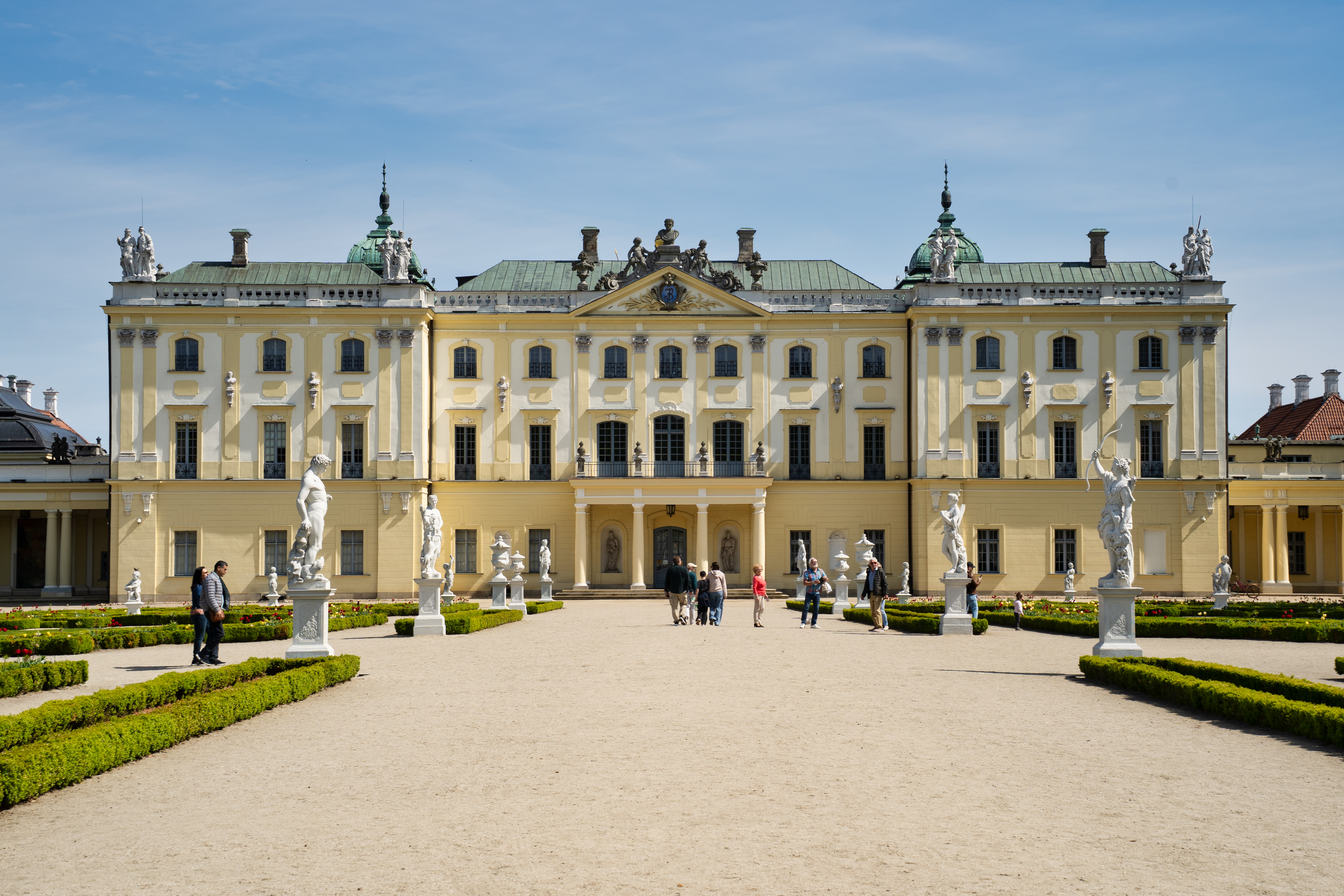
Perspectives on a Palace

In the heart of Białystok stands the Branicki Palace, a testament to the grandeur of Poland’s aristocratic past. Commissioned in the late 17th century by Stefan Mikołaj Branicki and later expanded by his son, Jan Klemens Branicki, the palace was transformed into a magnificent Baroque residence, earning it the moniker “Versailles of Podlasie.”Designed by prominent architects like Tylman van Gameren and Johann Sigmund Deybel, the palace features a symmetrical façade adorned with Ionic columns and a central pediment displaying the Branicki coat of arms. The surrounding gardens, meticulously restored with EU support, showcase French parterre designs and English landscape elements, offering visitors a glimpse into 18th-century aristocratic life.

Warsaw in Spring

Warsaw in spring feels like a city awakening from a long slumber—parks bloom with fresh colors, outdoor cafés buzz with life, and the Vistula River becomes a magnet for walkers, cyclists, and sunseekers. The city sheds its grey winter coat and reveals a lighter, more playful side. In Łazienki Park, peacocks strut among flowering trees, while students gather on the grass with guitars and picnic blankets. Along Nowy Świat and Krakowskie Przedmieście, the cafés spill out onto the pavements, inviting long conversations over coffee. Spring in Warsaw isn’t just a change in season—it’s a collective exhale, a moment when the city feels young, hopeful, and full of promise.

Discovering Podlachia

Podlachia’s heart beats in Białystok, the region’s largest city and cultural hub. Once a center of textile industry and multicultural life, Białystok today blends modern energy with traces of its layered past. The influence of Jewish, Polish, and Russian communities is still visible in its architecture, cuisine, and atmosphere. The city’s wide boulevards and green parks invite relaxed wandering, while its growing creative scene reflects a youthful, forward-looking spirit. Despite its urban size, Białystok retains a calm, almost provincial charm that makes it both accessible and welcoming.

Just a short drive away lies Tykocin, a small town that feels like a living museum. With its cobbled streets, baroque church, and quiet riverside, Tykocin preserves the memory of a once-thriving Jewish community that shaped its identity for centuries. Unlike the bustling rhythm of Białystok, Tykocin moves slowly, inviting reflection. The contrast between the two towns—one vibrant and evolving, the other steeped in stillness and history—captures the essence of Podlachia: a region where the past is never far from the present.