Skip to content

Capital of the Ammonites

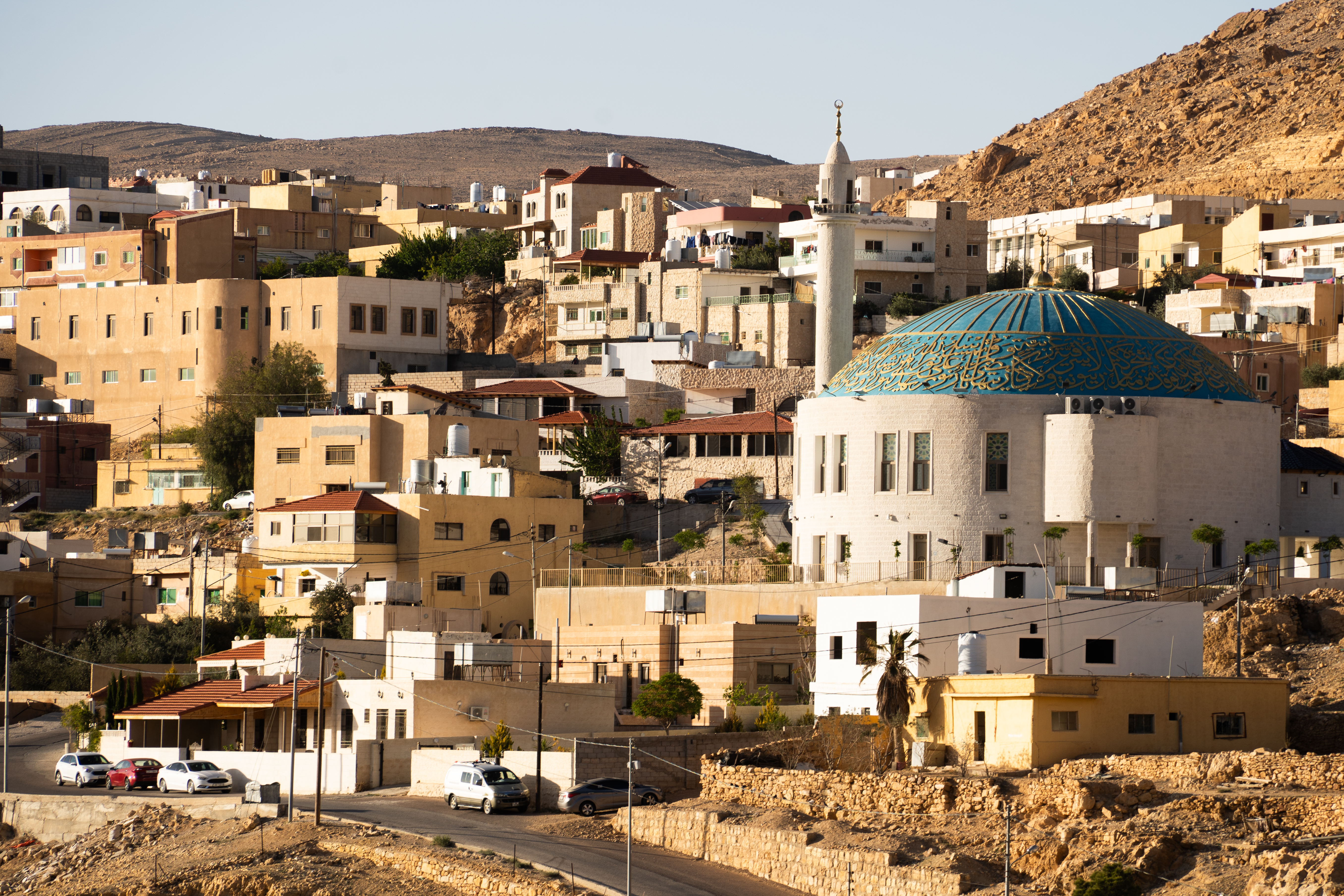
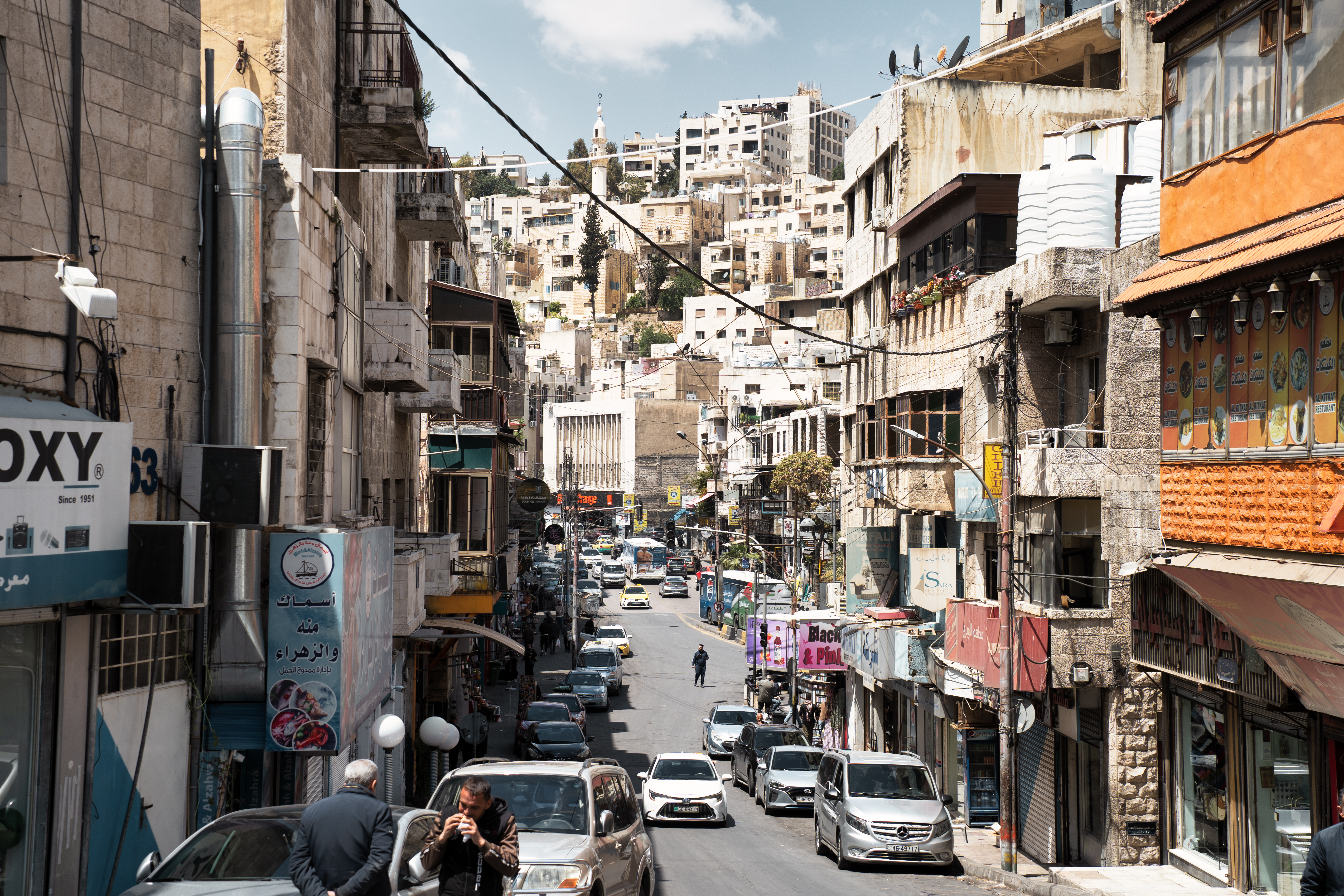
In the heart of modern-day Jordan lies Amman, a bustling capital built upon ancient foundations. Once known as Rabbath Ammon, it was the proud capital of the Ammonites, a Semitic people who thrived east of the Jordan River from the 13th to 6th centuries BCE. Their city was a stronghold—both politically and militarily—positioned strategically on the highlands to defend against surrounding powers.

Rabbah features prominently in the Bible, especially in the story of King David. While David remained in Jerusalem, his army laid siege to the Ammonite capital, marking one of the most dramatic chapters in the Old Testament. The city fell and was absorbed into the growing Israelite kingdom, solidifying its place in ancient military and religious history.
The city transformed over centuries—renamed Philadelphia by the Greeks, developed by Romans, and reshaped by Islamic rulers. Each layer added temples, theaters, and forts, many of which still echo in today’s Amman Citadel, a historic site overlooking the modern city.

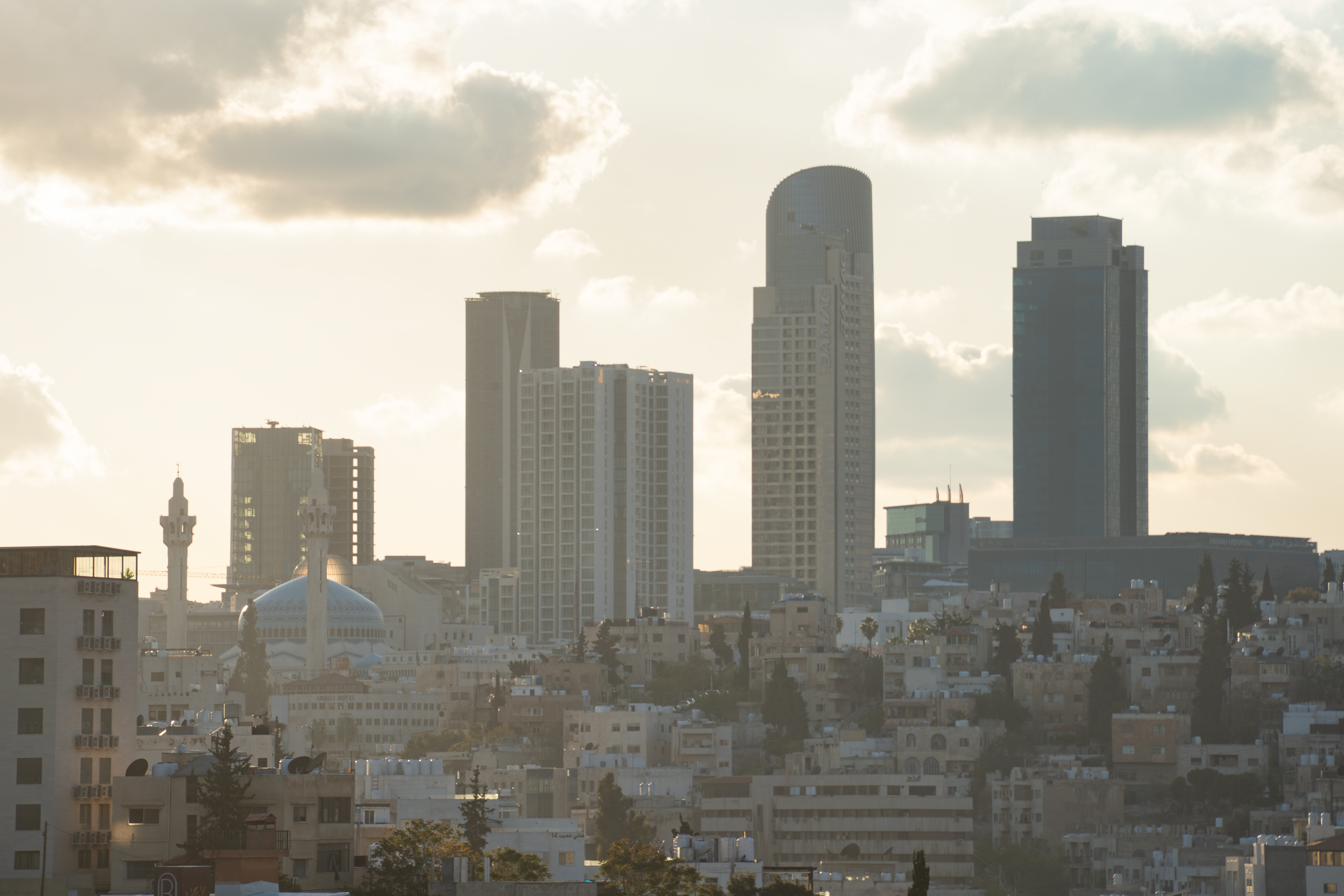
Today’s Amman is a vibrant mix of old and new, where Roman columns and glass towers share the skyline. But beneath it all lies Rabbath Ammon, a reminder that even the most modern cities often stand on the bones of forgotten kingdoms.

Discovering Upper Franconia

At first glance, Upper Franconia seems unassuming. There are no grand gestures, no rush to impress. But behind the quiet streets and worn facades is a region shaped by long memory and steady hands. Towns feel anchored — built not for display but for living — with buildings that have adapted rather than resisted time.

Life here moves at its own pace. Traditions aren’t revived; they’ve simply never gone away. Breweries, crafts, and local rituals aren’t curated for visitors — they’re just part of the everyday. What defines Upper Franconia is not spectacle, but a quiet confidence in the way things are and have always been.

Colors of Franconia

Franconia’s cities are a living canvas where history and culture blend into a rich spectrum of color. In Bamberg, for example, warm ochre facades, red-tiled roofs, and the pastel tones of baroque buildings line narrow alleys and canal-side promenades, earning the city its nickname “Little Venice.” The half-timbered houses seem to tell their own stories, with dark wooden beams cutting through white plaster-like bold brushstrokes.

Set in Stone: Monuments of Upper Franconia

In Upper Franconia, stone speaks. It tells of shifting borders, noble families, monastic traditions, and civic pride. From medieval times to the Baroque period, generations have been built in stone to express power, devotion, and permanence. Whether nestled in quiet villages or rising above bustling town squares, stone buildings form a living archive of regional identity. The weight and texture of stone have long grounded the culture here—solid, resilient, and deeply rooted in its surroundings.

Jubilant Baroque: Vierzehnheiligen

Set amidst the rolling hills of Franconia, the Basilica of Vierzehnheiligen rises like a hymn in stone — a masterwork of jubilant Baroque architecture. Designed by the famed architect Balthasar Neumann in the mid-18th century, the church was built as a pilgrimage site in honor of the Fourteen Holy Helpers, based on a reported apparition in the area in the 15th century. Its layout follows Neumann’s signature use of dynamic, centralized space, emphasizing movement and fluidity over rigid axial design. The interior features richly decorated stucco work, altars with gilded detailing, and a bright, light-filled nave that contrasts with the heavier atmosphere of many Baroque churches. The use of white and pastel tones enhances the open and uplifting spatial impression. Sculptures and ceiling frescoes contribute to the overall visual rhythm without overwhelming the architectural clarity.

Vierzehnheiligen remains one of the most important examples of German Rococo and late Baroque religious architecture. It is both an active place of worship and a popular destination for travellers. The church’s dynamic spatial layout, abundant natural light, and decorative richness convey a sense of celebration rather than solemnity. These qualities make it a prime example of what can be described as Jubilant Baroque—a style that expresses joy, movement, and spiritual openness.

Bari in Winter

Winter in Bari brings a different kind of charm, far from the summer crowds. The narrow streets of the Old Town feel calmer, with locals going about their daily routines at a slower pace. Cafés serve steaming espresso to those seeking warmth, while the scent of freshly baked focaccia drifts through the air. Along the harbor, fishing boats bob gently on the water, their bright colors standing out against the gray-blue sea. Even in the colder months, life in Bari remains connected to the outdoors, whether it’s a quiet walk along the Lungomare or a visit to the bustling markets filled with seasonal produce and fresh seafood.

1 14 15 16 86