Skip to content

Port of the Aristocrats

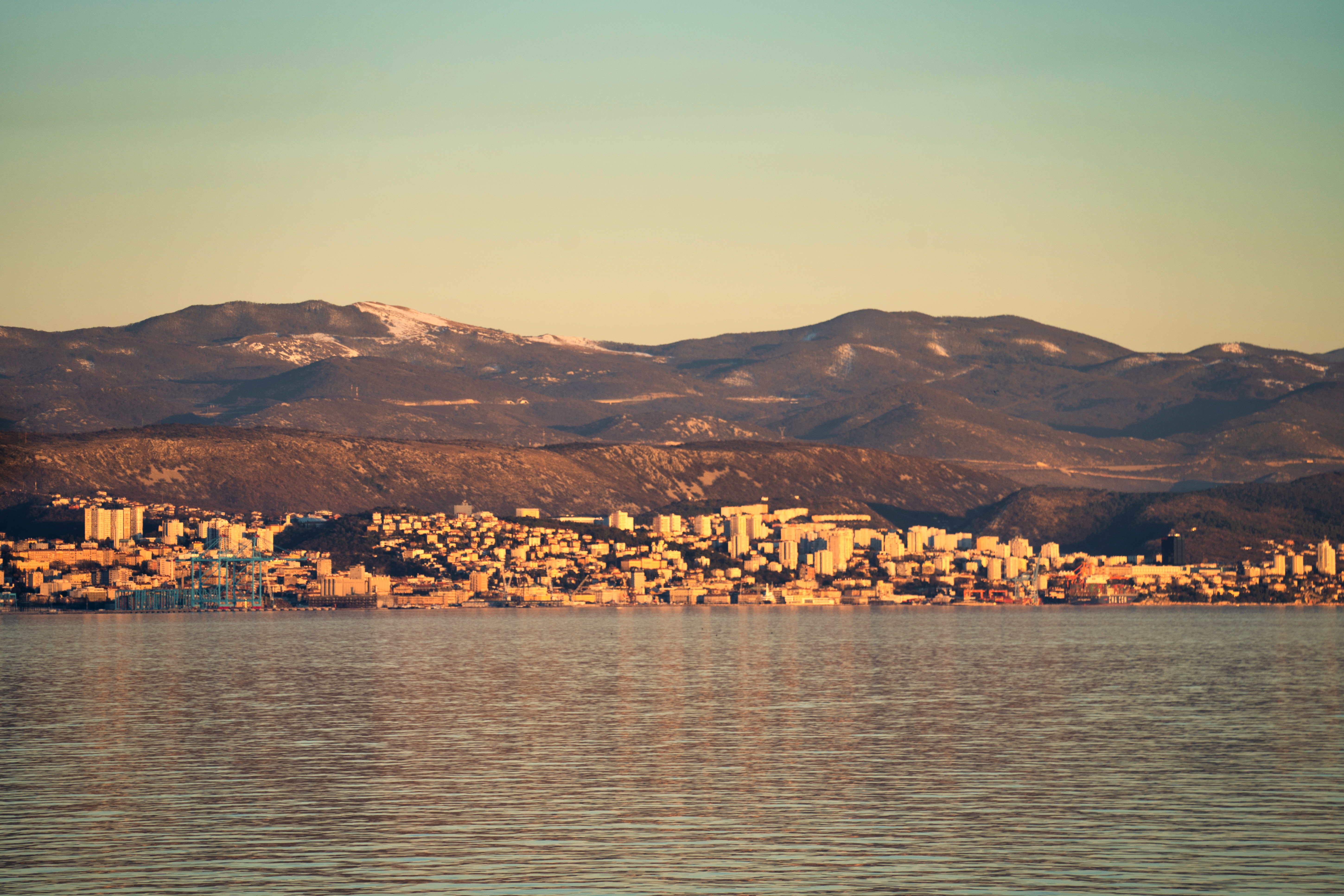
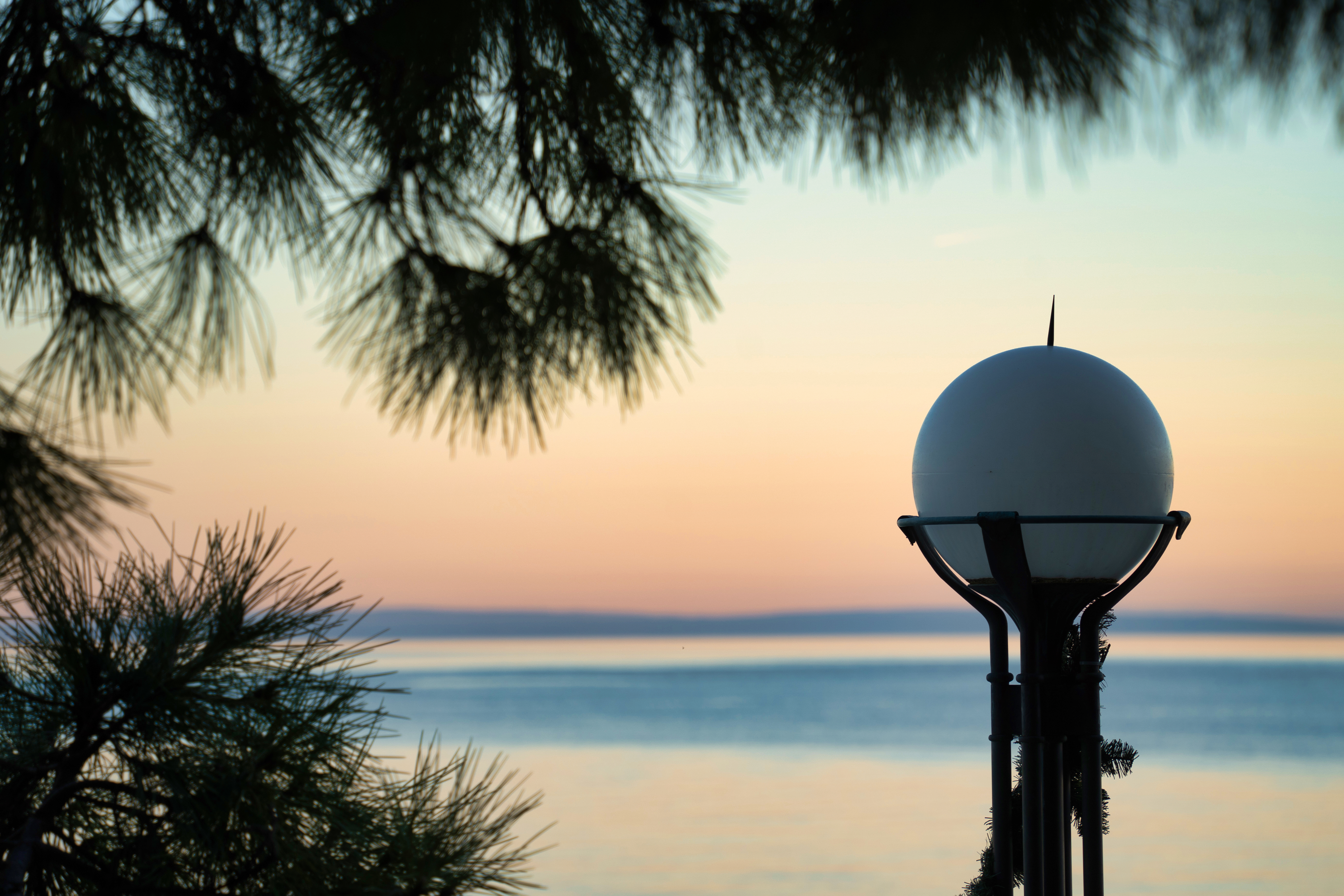
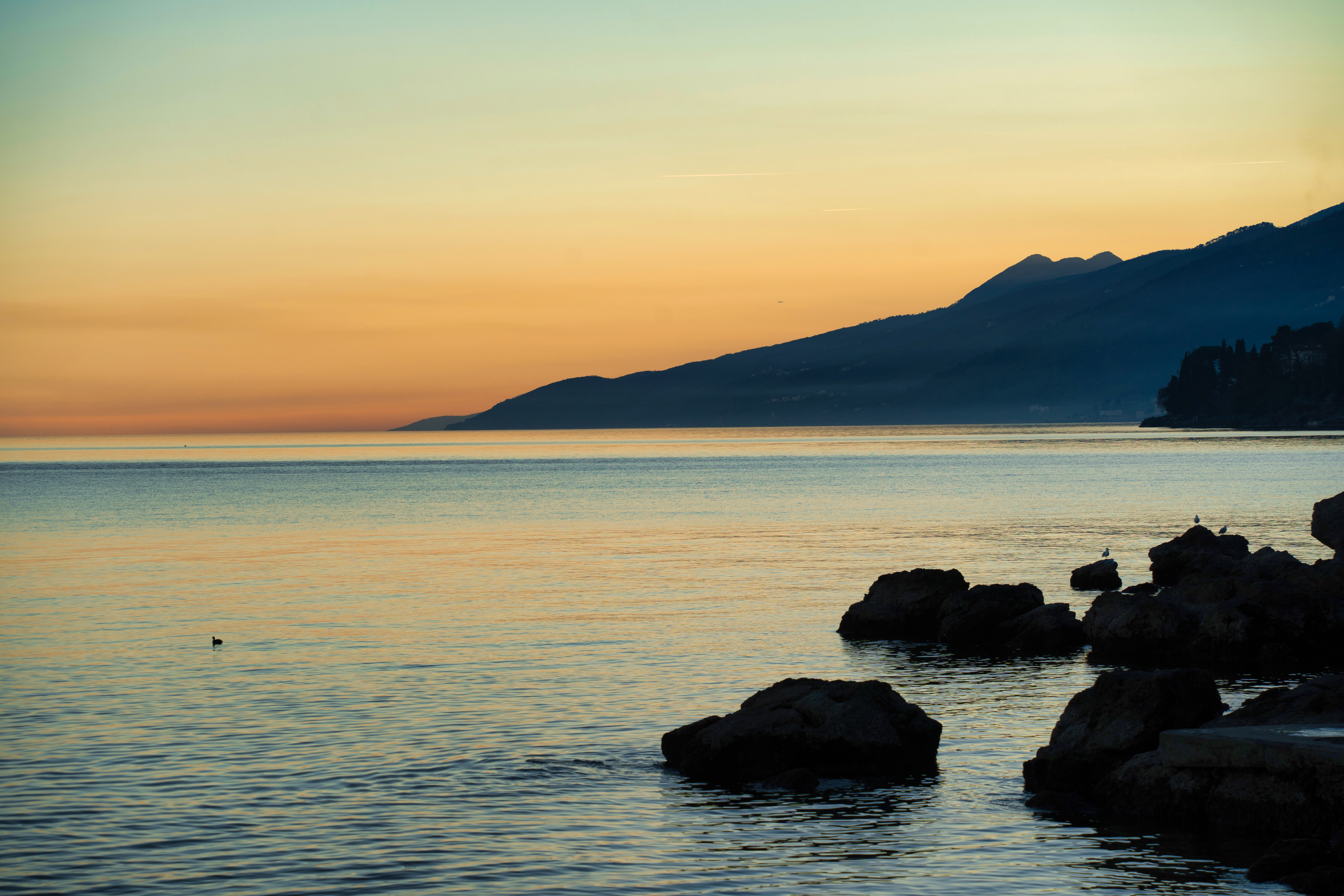
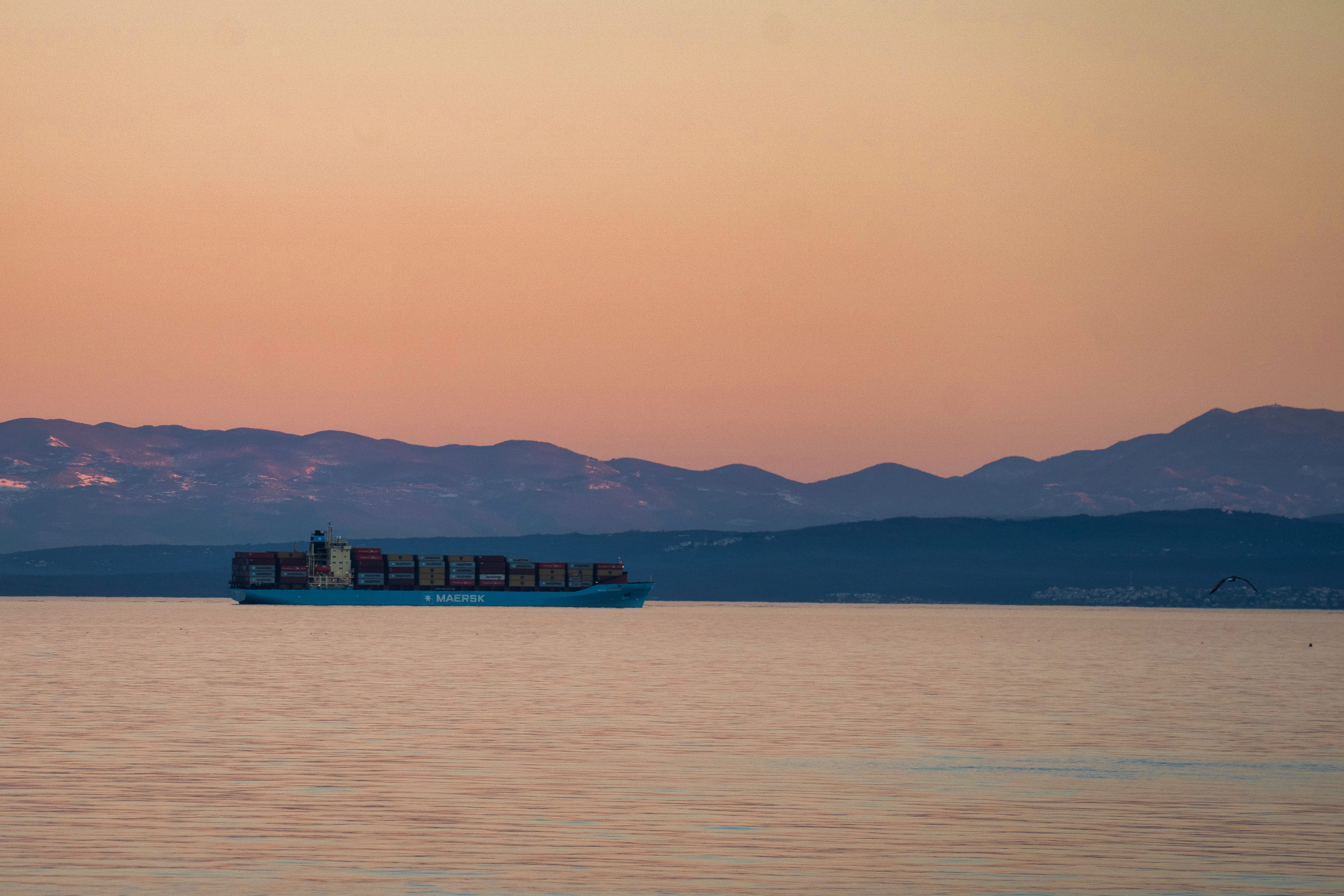
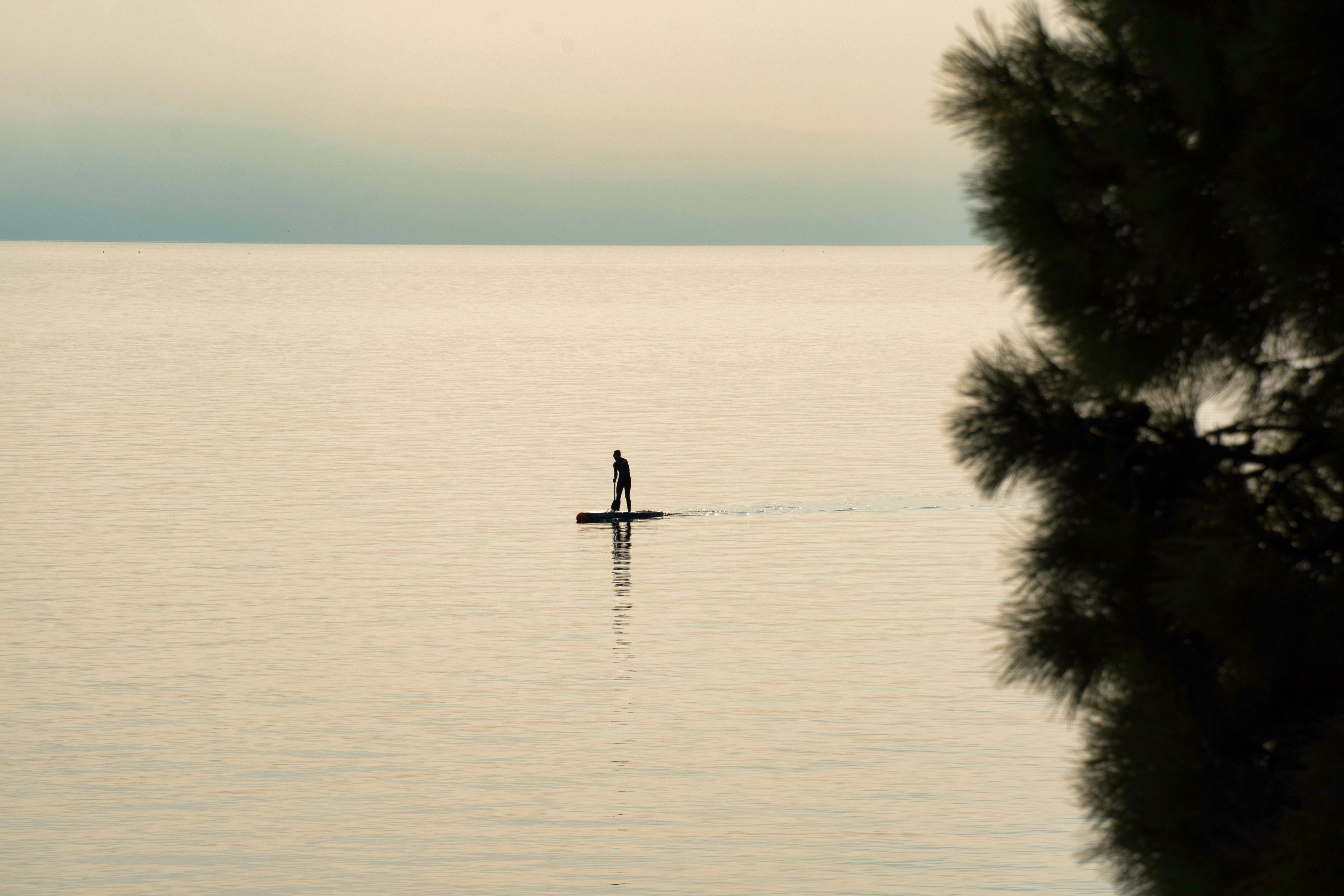
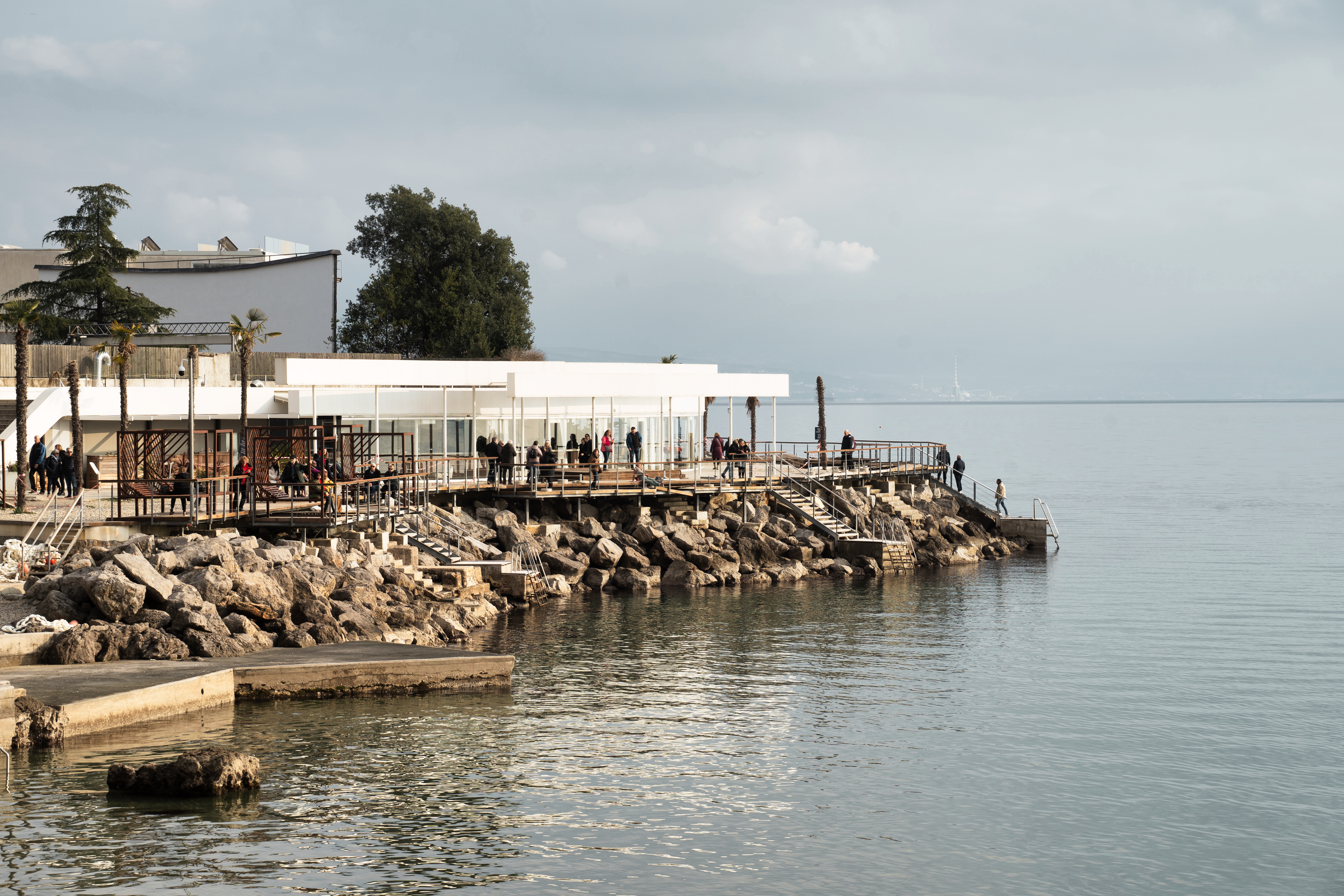
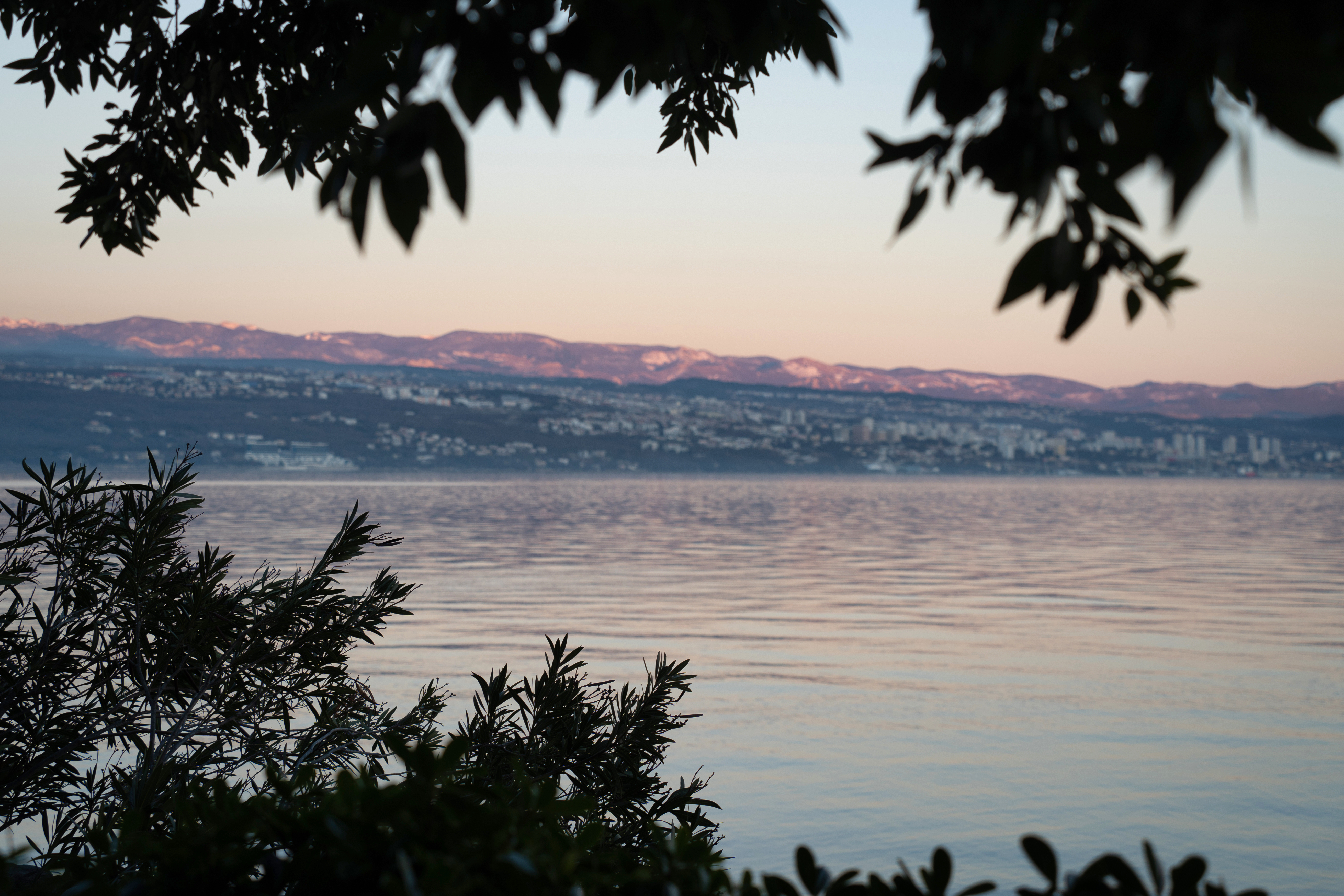
Nestled along the shimmering Adriatic coastline of Croatia, Opatija has long been a beacon of elegance and sophistication. Known as the “Pearl of the Adriatic,” this picturesque town gained fame in the 19th century as a retreat for European aristocracy and royalty. Its strategic location between the sea and lush forested hills made it an idyllic escape for those seeking tranquility and rejuvenation. Grand villas and luxury hotels, such as the iconic Hotel Kvarner, the first of its kind on the Adriatic, sprang up to cater to the elite. Today, these architectural gems, with their ornate facades and manicured gardens, still stand as a testament to Opatija’s golden age.

Still today the Lungomare promenade, a scenic coastal path stretching over 12 kilometers, provides stunning views of the azure sea and leads to quaint neighboring villages. The town is adorned with vibrant parks, such as St. James Park, which bursts with Mediterranean and exotic plant species. Cafés, boutiques, and fine dining restaurants line the streets, continuing the tradition of refined leisure.

Colors of Santorini

Santorini is a kaleidoscope of colors that truly brings it to life. Picture the blinding white walls of cliffside homes contrasting against the deep cobalt domes of its churches, all set against a backdrop of endless blue sea and sky. The island’s volcanic origin adds even more drama to the palette, with the red and black sands of beaches like Kamari and Perissa standing out against the turquoise waters. Everywhere you look, there’s a burst of color — from the pink bougainvillea draped over doorways to the vibrant fishing boats bobbing in the harbors. Each hue tells a story, blending together in a way that feels both effortlessly natural and deeply intentional.

But Santorini’s colors aren’t just about the landscape; they are woven into the fabric of daily life. You’ll see it in the lively markets, where fresh tomatoes and oranges pile high, and in the local tavernas, where rich reds of wine and the golden tones of fresh-baked bread invite you to savor each moment. As the day turns to dusk, the island undergoes another transformation. The light softens, and the colors change with the setting sun, casting a warm, amber glow over everything. It’s in these moments that you truly feel the magic of Santorini — a place where the colors are not just seen, but felt, deep in your bones.

Santorini Sunsets

There’s a reason Santorini sunsets are famous worldwide, pulling in travelers who want to experience their magic firsthand. As the sun starts to dip toward the caldera, a warm, golden light spills across the island, turning the whitewashed buildings of Oia and Fira into glowing jewels against the deep blue of the sea. The sky becomes a canvas of pinks, oranges, and purples, each shade blending into the next like a painting that never stays the same. Whether you’re watching from a cozy clifftop bar with a glass of local wine or sitting on the beach with your toes in the sand, seeing the sun disappear below the horizon feels like being let in on a beautiful secret that somehow feels fresh and unforgettable every single day.

The White Island

Known as “The White Island” for its iconic, whitewashed buildings that gleam under the Greek sun, Santorini is a place where beauty and mystery go hand in hand. Perched high above the blue waters of the Aegean, the island’s towns — from the lively Fira to the quieter, picture-perfect Oia — seem to cling to the cliffs as if defying gravity itself. Strolling through these labyrinthine streets, you’ll find bougainvillea spilling over balconies, narrow staircases winding between stone houses, and friendly local tavernas where the scent of fresh seafood fills the air. It’s a scene that feels almost timeless, and yet, every moment on this island is unique, painted in ever-changing shades of blue and white.

But there’s more to the “White Island” than its sun-soaked terraces and postcard-perfect views. Santorini holds stories written in the layers of its volcanic rock and whispered by the waves that lap its shores. It’s a place shaped by a dramatic past — from the cataclysmic eruption that carved its famous caldera to the quiet resilience of its people, who have turned the island’s rugged landscape into a haven of hospitality and culture. Here, under the spell of sunsets that set the sky ablaze and the distant hum of the sea, Santorini invites you to discover not just its stunning scenery but also the spirit of an island that, despite its challenges, stands proud and beautiful, a white jewel in the heart of the Aegean.

Thera Unveiled

Floating like a jewel in the deep blue of the Aegean, Thera — the island we often call Santorini — is a place where ancient history and stunning landscapes meet. This crescent-shaped wonder was born from one of the largest volcanic eruptions in history, over 3,600 years ago. The explosion created not just the dramatic caldera that visitors marvel at today, but also preserved the remains of an advanced Minoan civilization beneath layers of ash. Walking through the island, you can almost hear echoes from the past: the voices of traders in bustling Bronze Age ports, the splashes of waves against ships that once connected Thera to the ancient world.

Yet, Thera is more than just its volcanic past. It’s a vibrant mosaic of experiences that come together to create something truly unique. Wander through the sun-soaked streets of Oia and Fira, where every corner reveals a postcard-perfect view, or step back in time at the ancient ruins of Akrotiri, sometimes called the “Minoan Pompeii.” With its cliffside villages, legendary sunsets, and deep-rooted myths, Thera isn’t just a place you visit; it’s a place that invites you to linger, to explore, and to uncover its secrets one by one.

Monuments of England

England is a land of remarkable monuments that span centuries, telling the story of a nation through its architecture and landmarks. In the heart of London, the iconic Tower Bridge stands as a symbol of the city’s industrial heritage and architectural ingenuity. Its distinctive twin towers and bascule design, which allows the bridge to lift and accommodate passing ships, have made it an instantly recognizable symbol on the River Thames since its completion in 1894. Nearby, the Houses of Parliament and Big Ben—the great clock tower that chimes the hours—embody the grandeur of Victorian Gothic architecture and remain central to the nation’s political life. To the west of London, Windsor Castle, the oldest and largest occupied castle in the world, serves as a testament to England’s royal history, a sprawling fortress that has housed monarchs for nearly a thousand years.

Beyond the capital, England’s monuments reflect its deep-rooted history and engineering prowess. Stonehenge, with its prehistoric stone circle on Salisbury Plain, stands as one of the most mysterious and awe-inspiring monuments in the world, drawing visitors and scholars alike to ponder its origins and purpose. In contrast, the Menai Suspension Bridge in North Wales, though often less celebrated, represents a leap into modernity, a marvel of 19th-century engineering that connected the island of Anglesey to the mainland for the first time. These monuments, from the ancient stones of Stonehenge to the soaring spans of the Menai Bridge, reveal England’s diverse heritage, where the ancient and modern coexist in a landscape rich with stories and innovation.
1 17 18 19 87