Skip to content

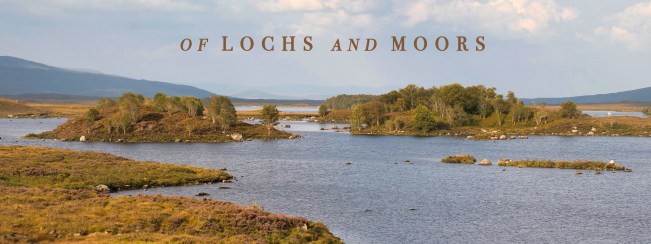
Of Lochs and Moors

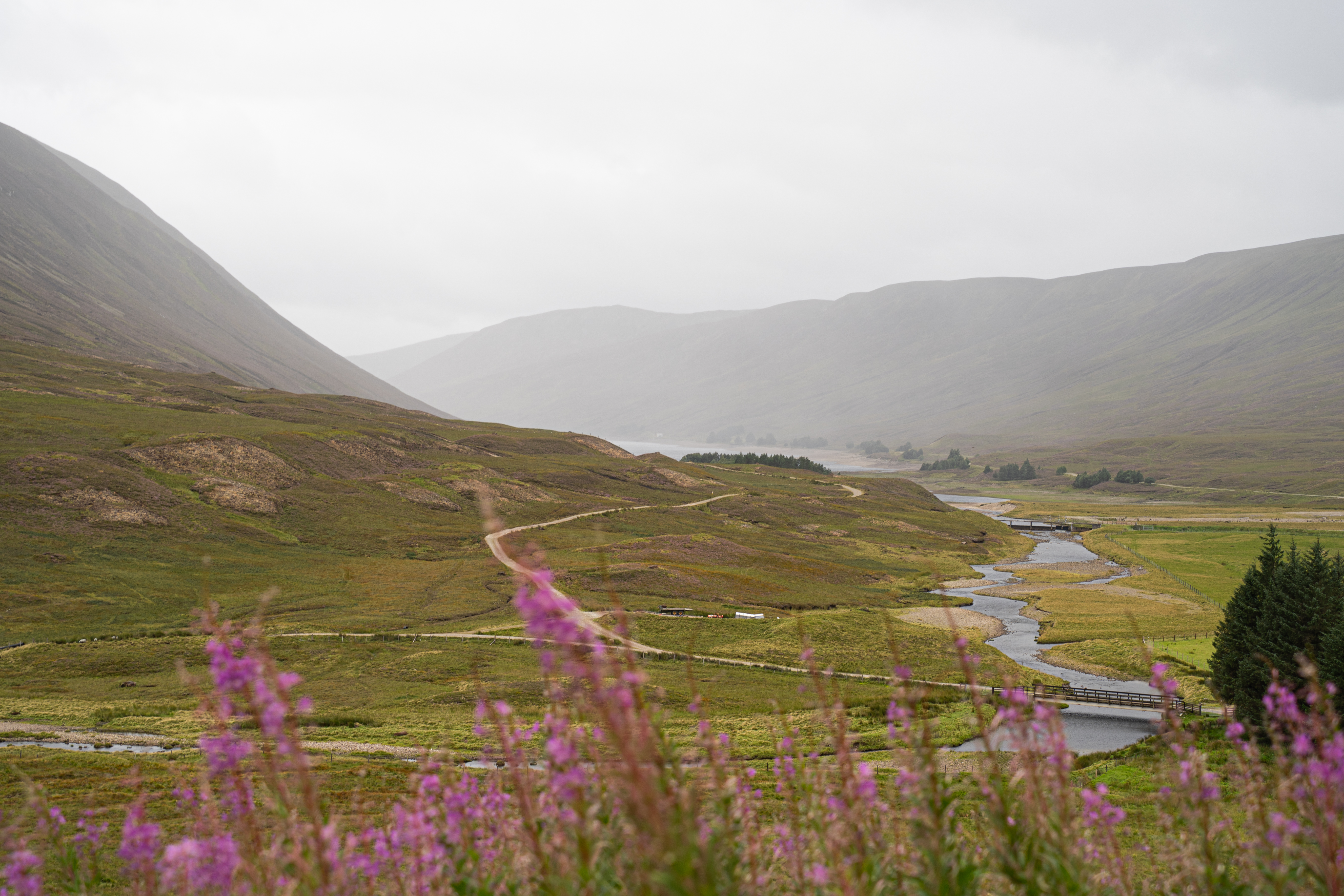
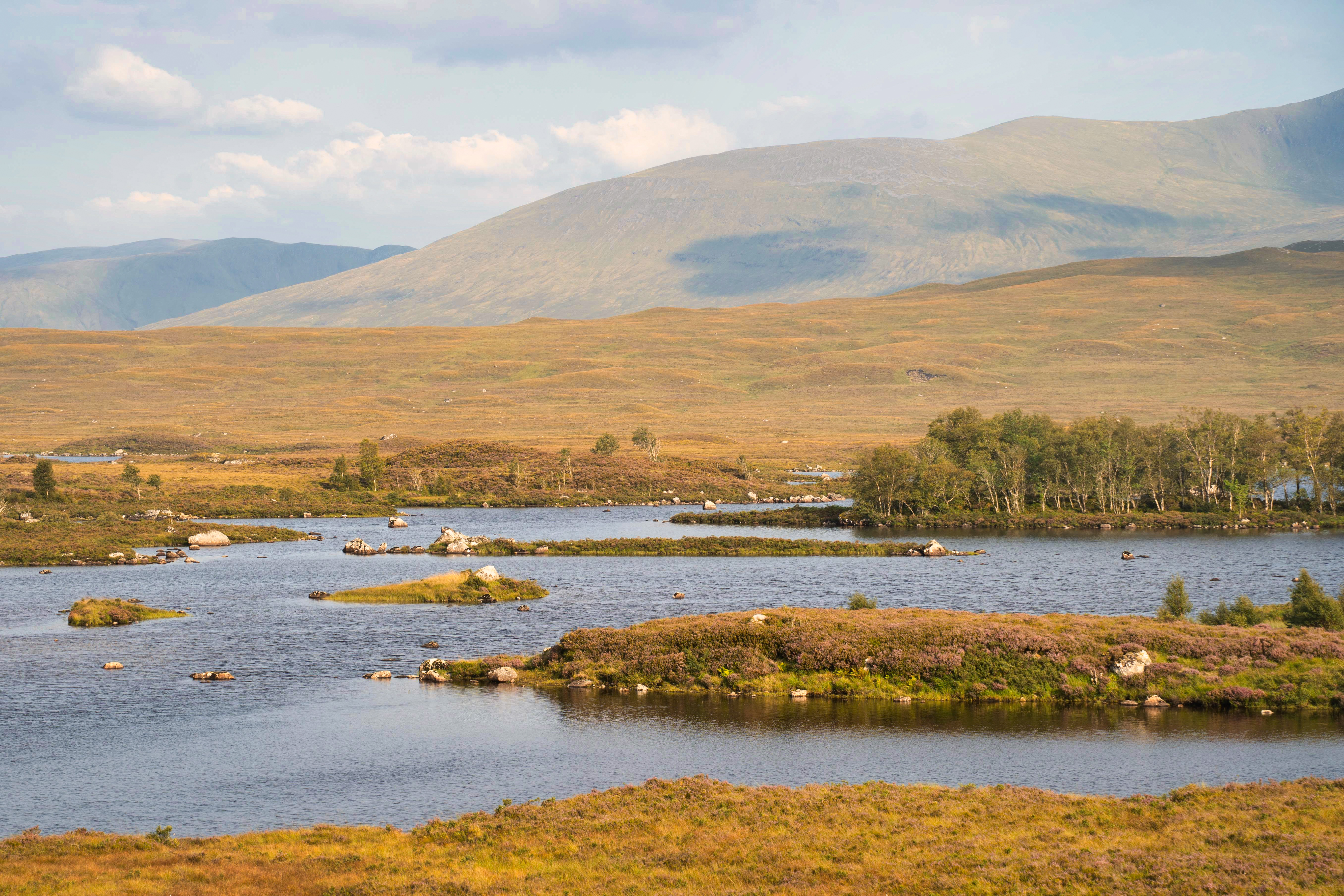
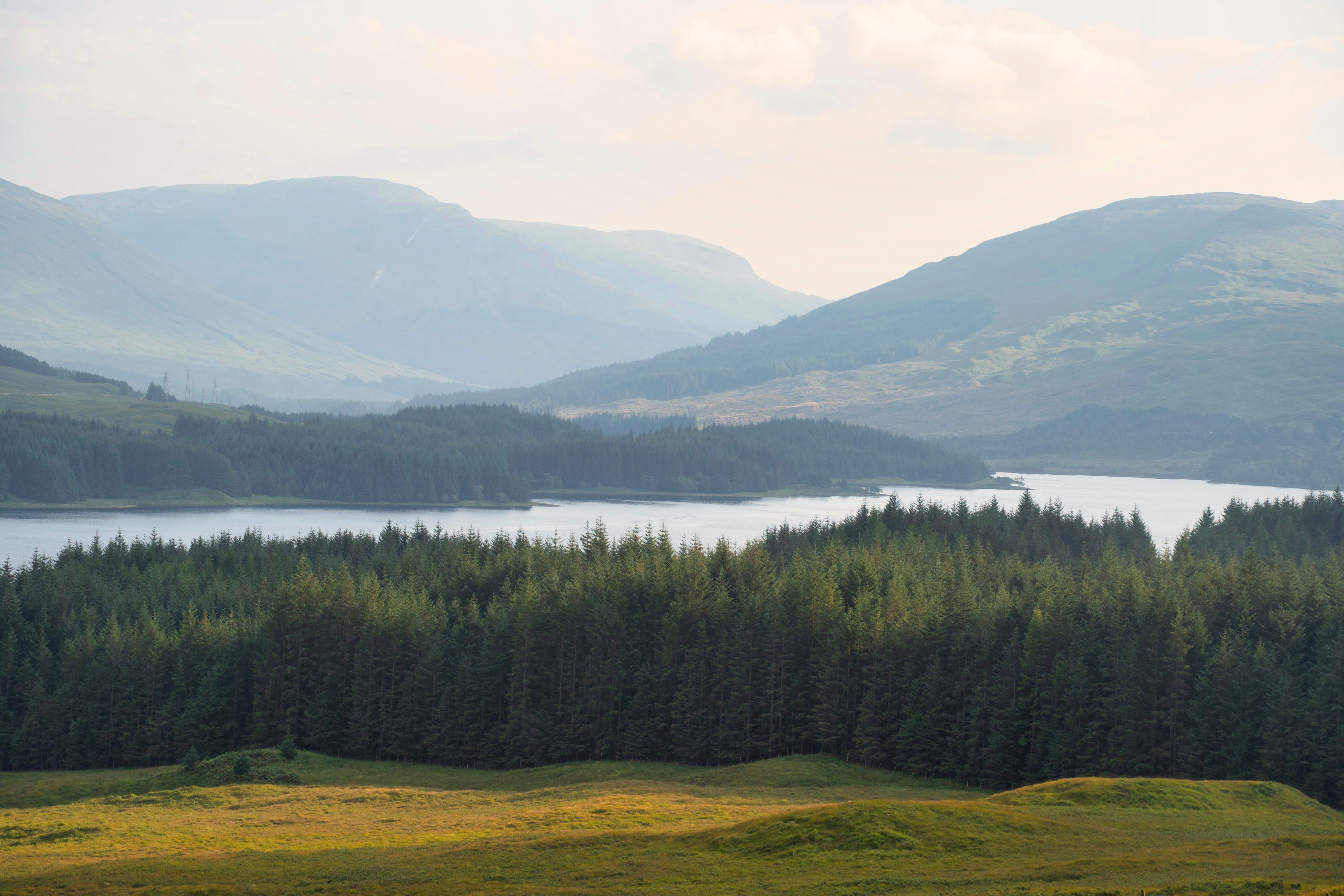
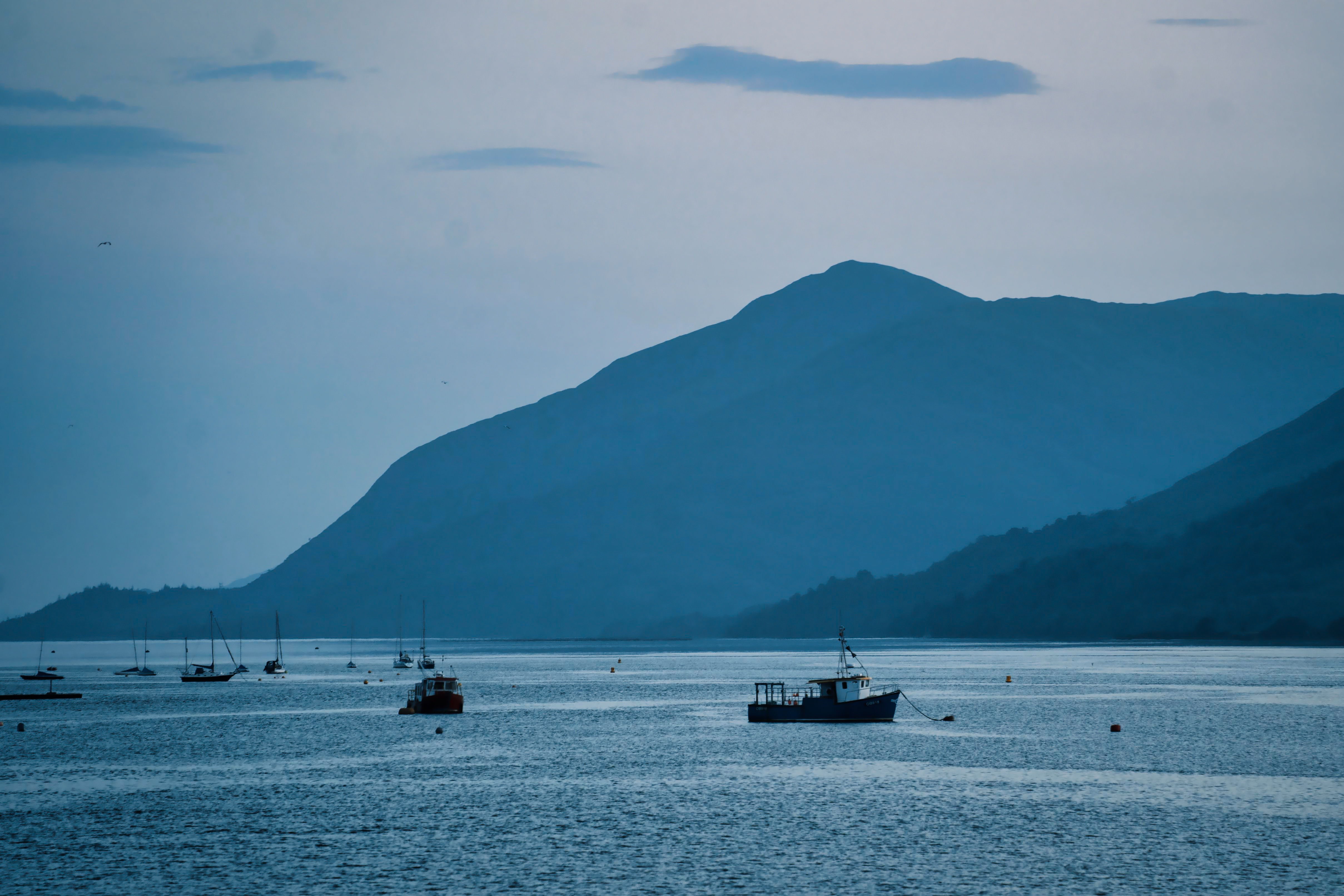
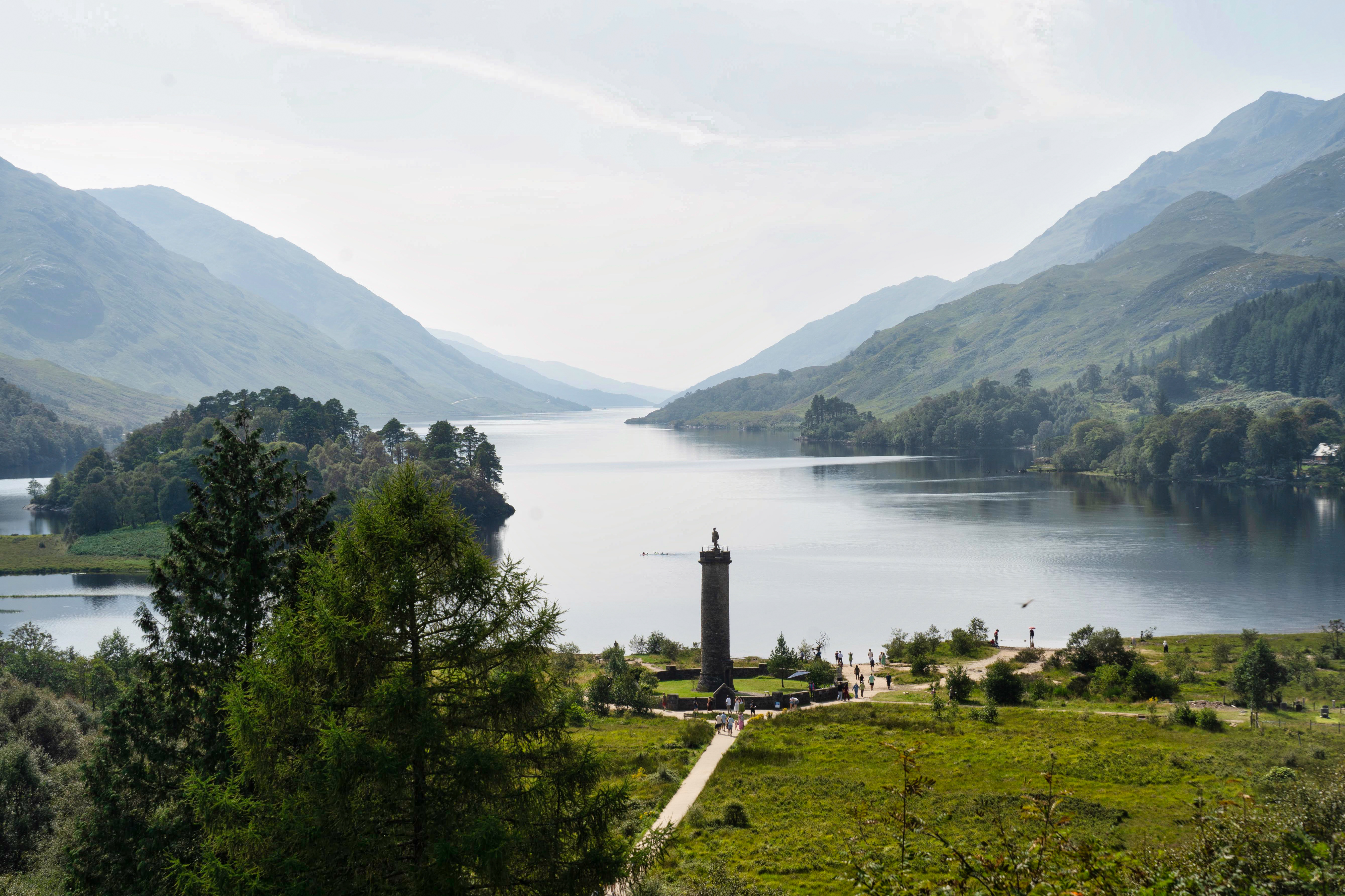
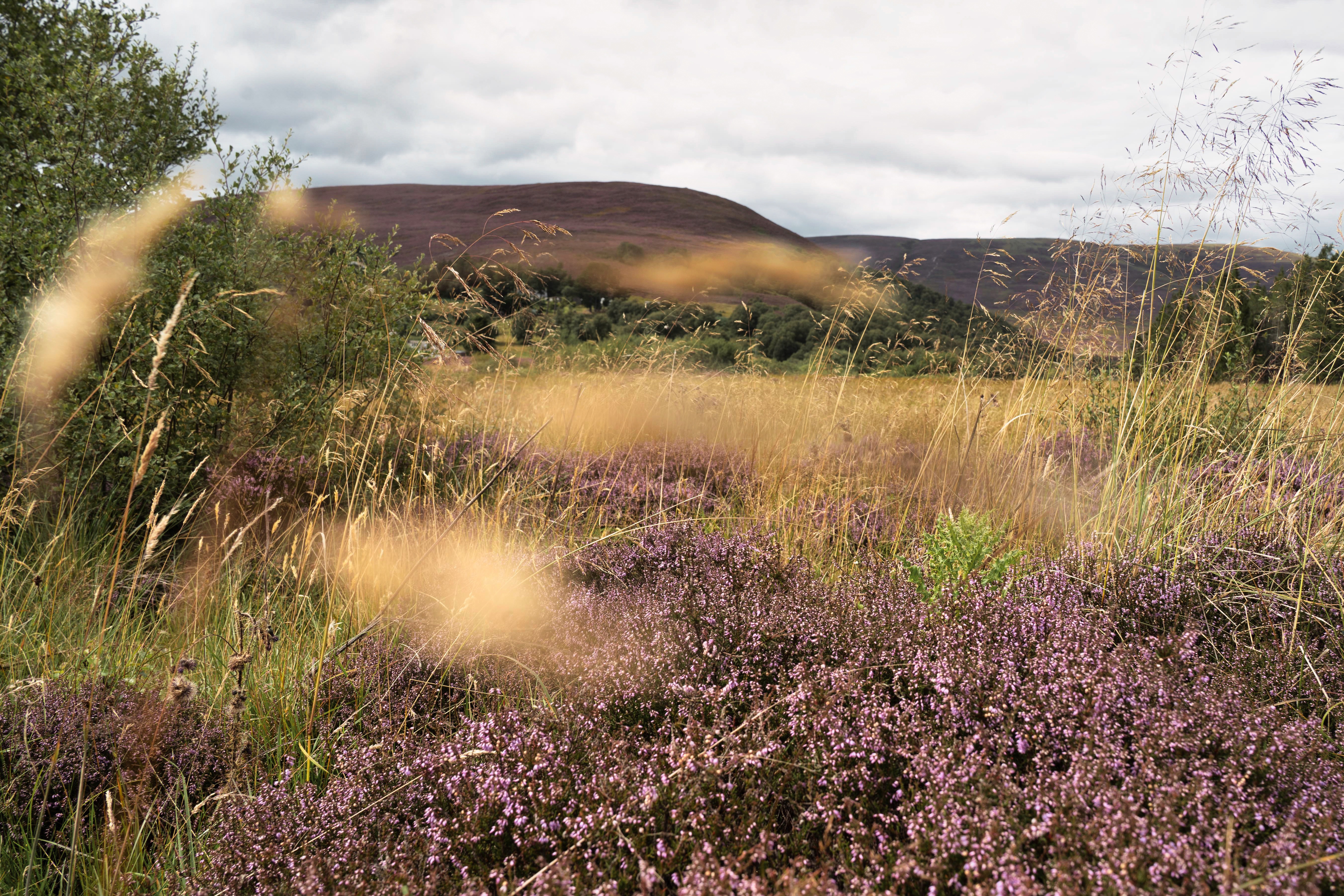
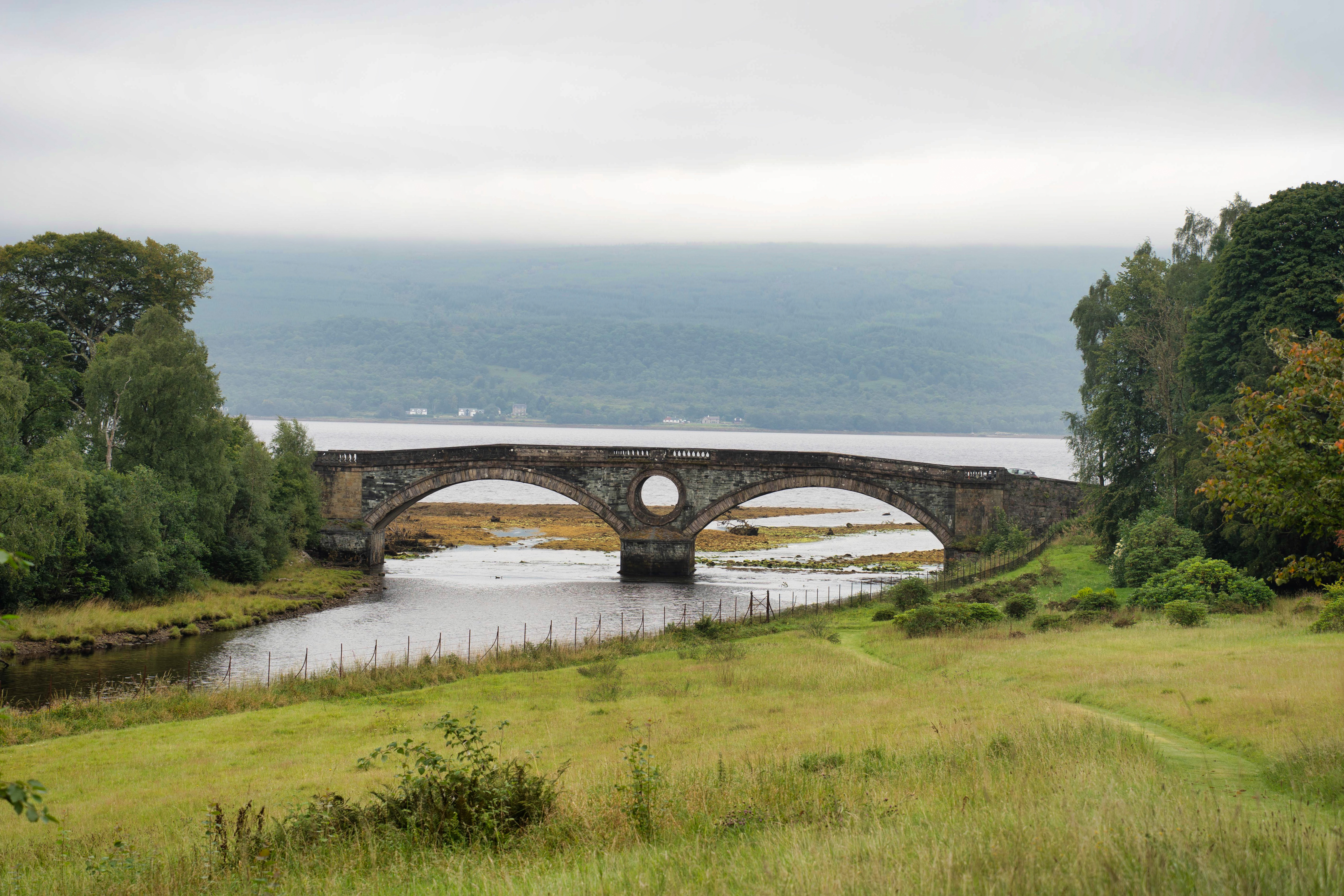
Scotland’s landscapes are shaped by water and wilderness, where deep, still lochs mirror the ever-changing skies and the moors stretch endlessly in windswept browns, purples, and greens. The silence of the peatlands is broken only by the call of a curlew or the rustle of heather in the breeze, while the lochs, glinting silver or shadowed in mist, hold stories as old as the land itself. Together, they form a landscape both stark and poetic, a place where solitude feels vast yet alive.

Colors of Scotland

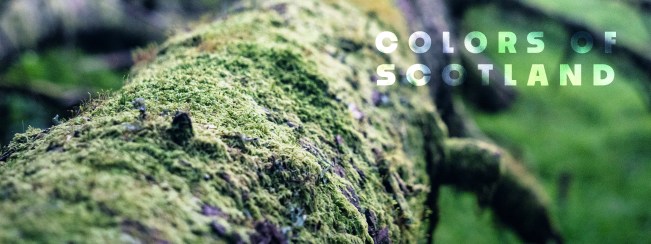
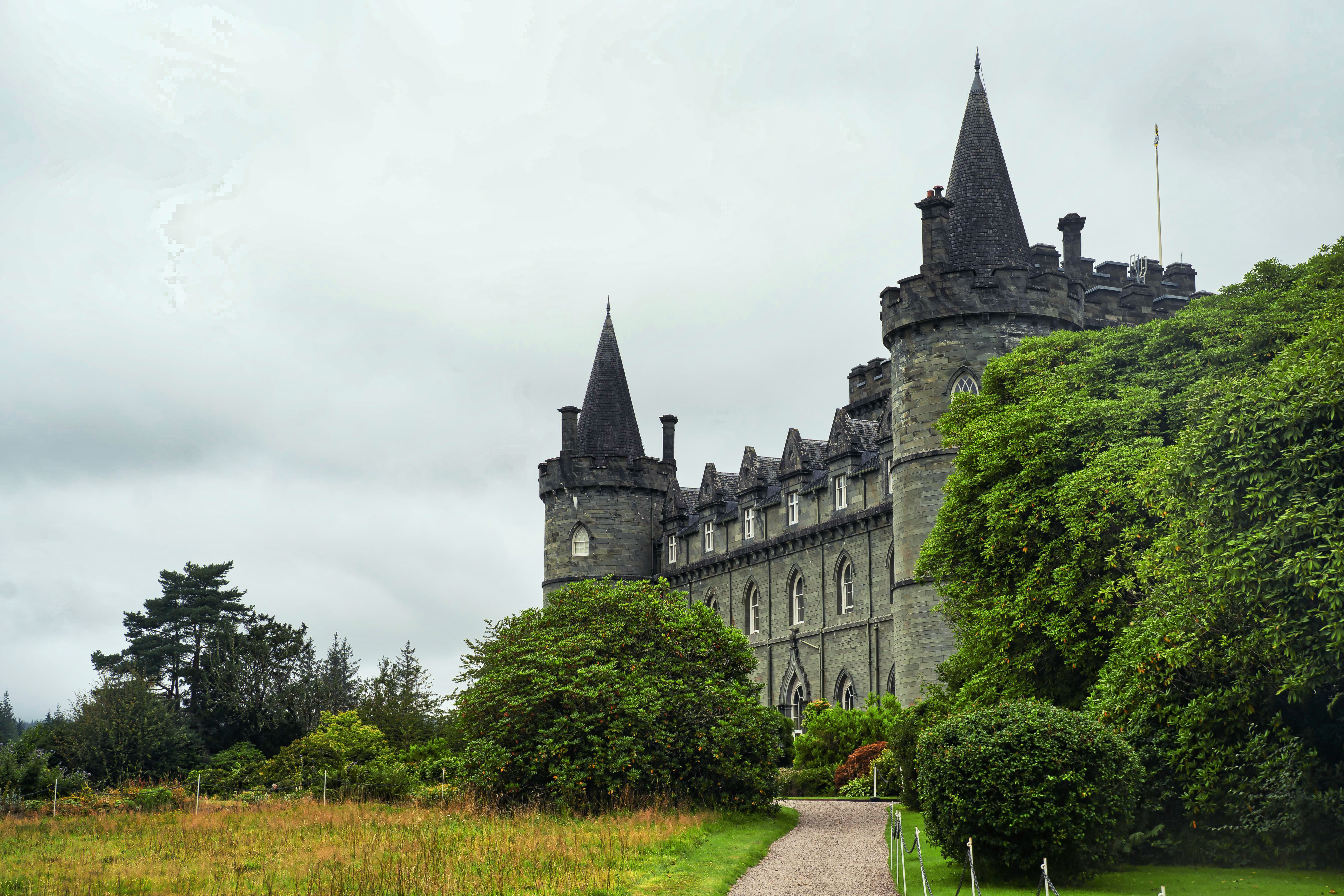
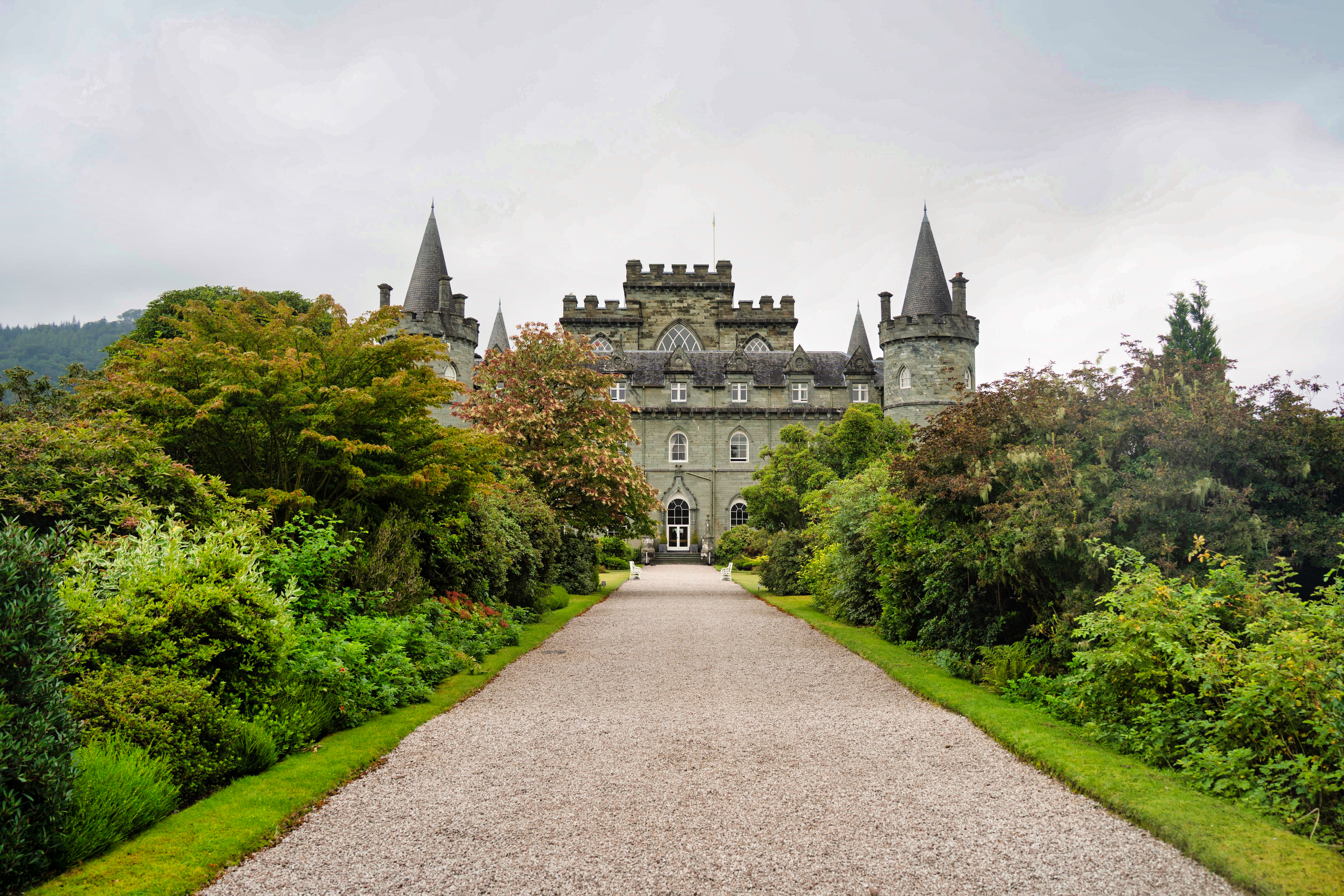
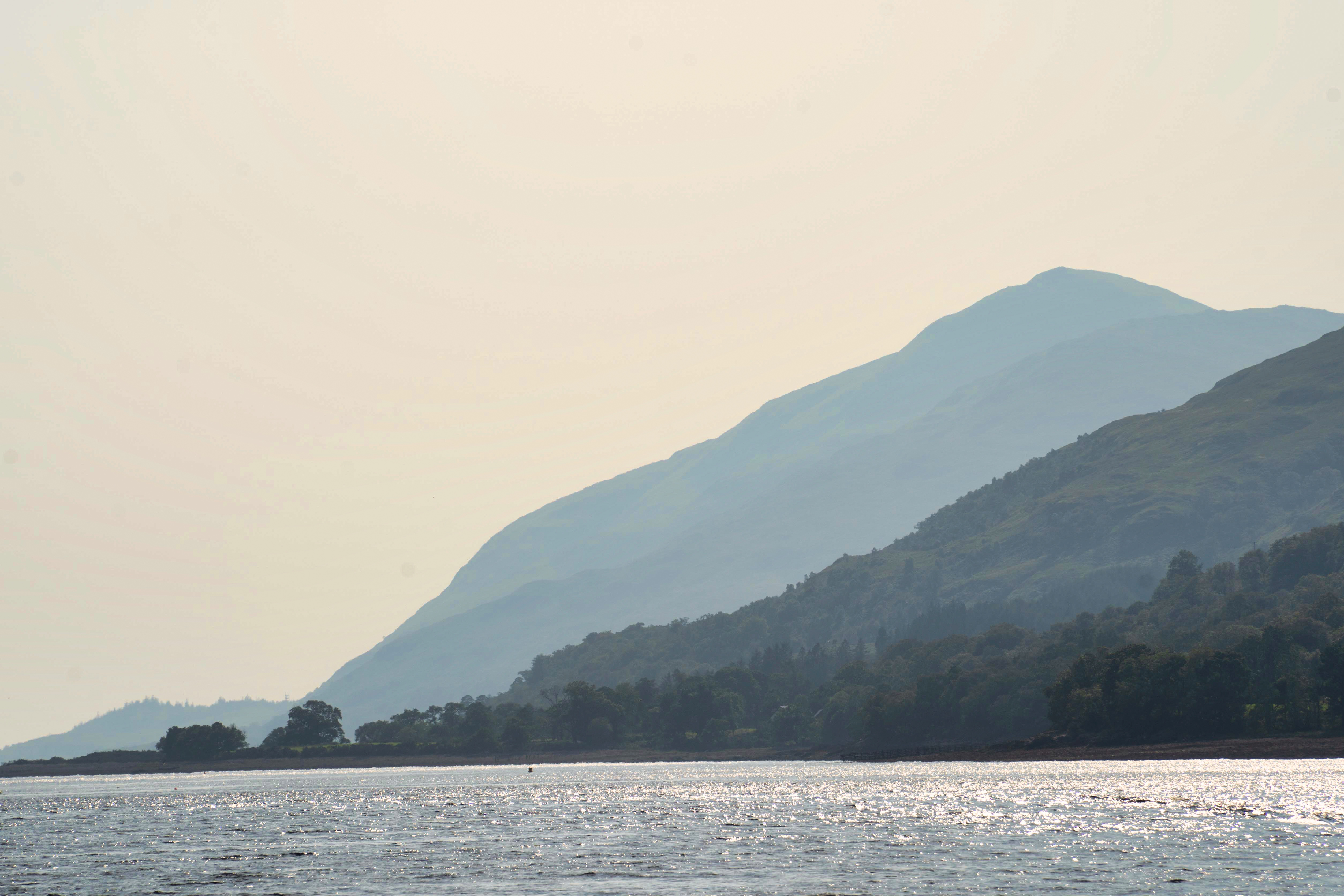
The colors of Scotland reveal themselves in layers—purple heather sweeping across the Highlands, deep green glens carved by rivers, and the shifting blues and silvers of lochs that mirror the sky. In autumn, the hills burn with amber and gold, while winter lays a soft white hush over the land. Along the coasts, the gray stone of castles stands stark against the emerald grass and the restless, steel-gray sea. And when the sun breaks through the clouds, even for a moment, the whole landscape seems to glow, as if painted in shades both bold and fleeting.

The Auld Country

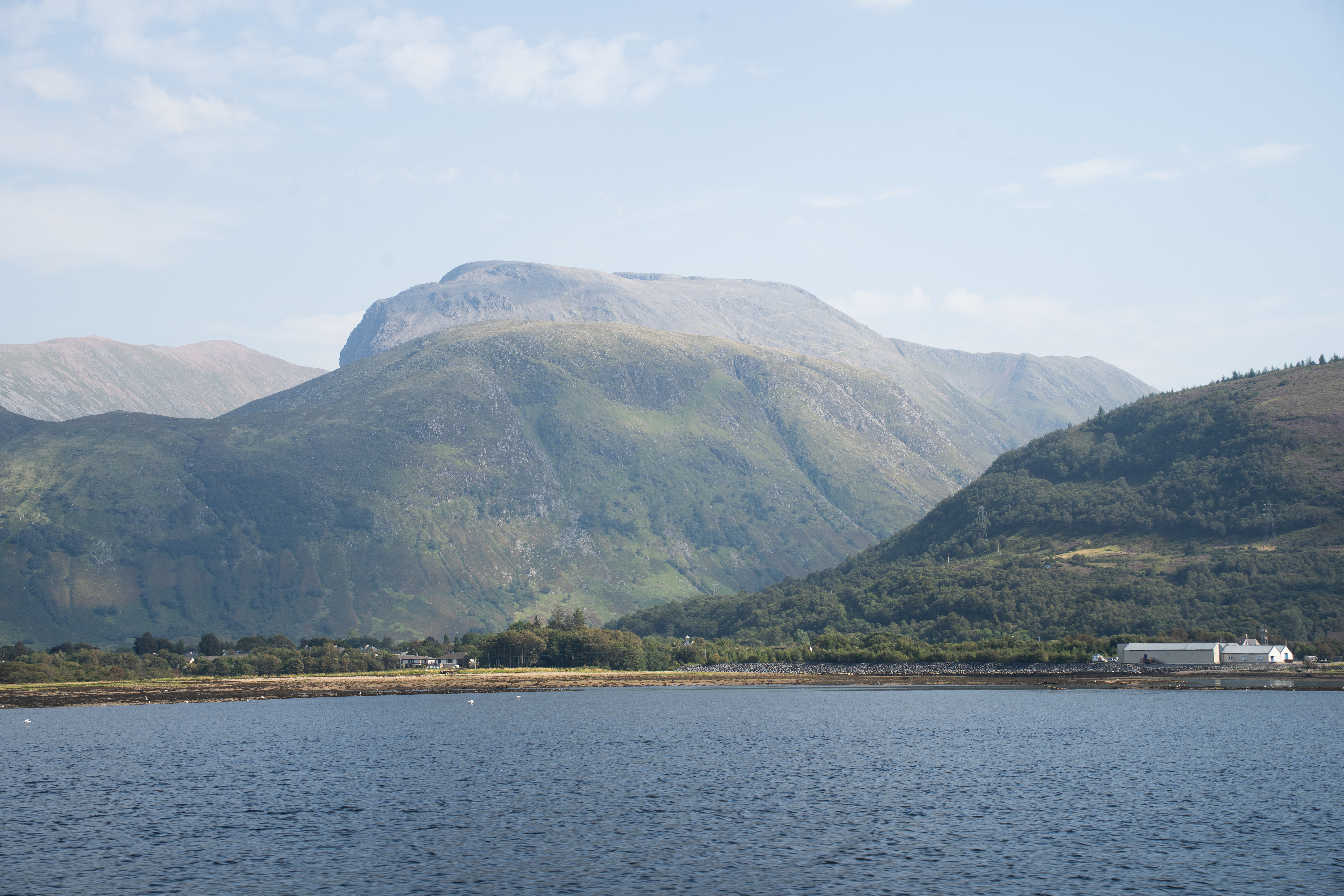
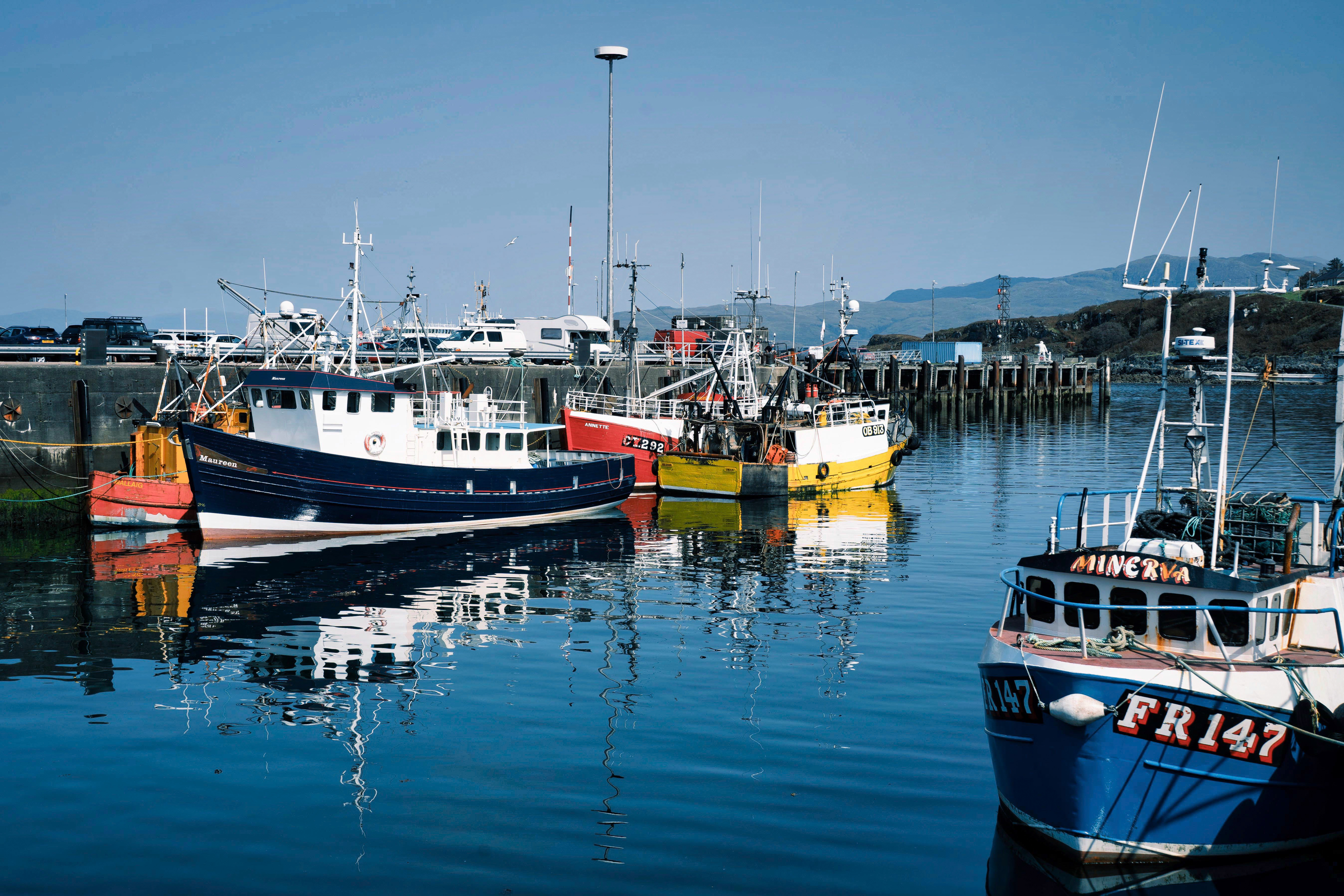
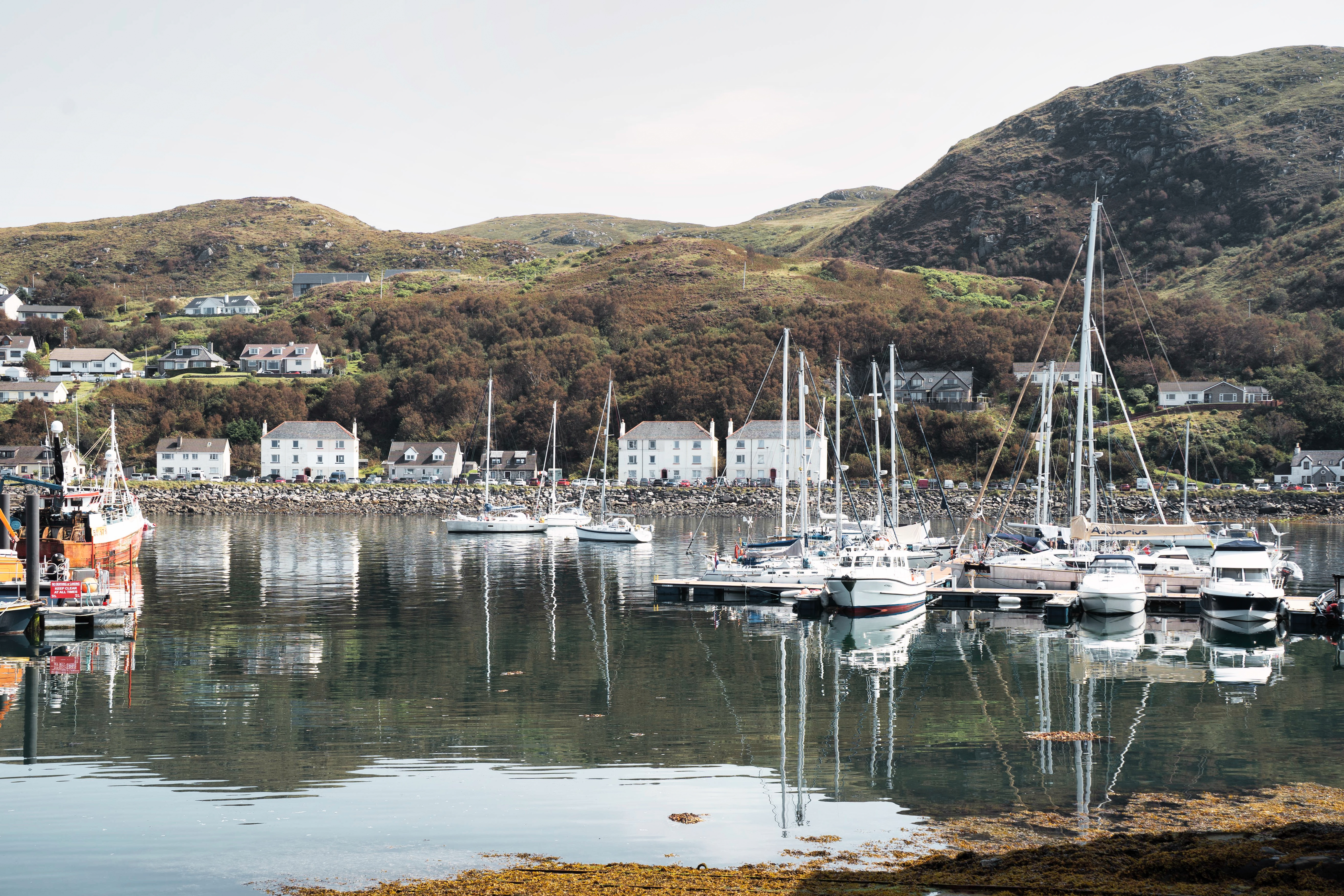
Scotland offers a landscape shaped as much by history as by nature. The Highlands rise in dramatic peaks, often cloaked in mist, while vast lochs reflect skies that shift quickly from bright sunlight to brooding clouds. Rolling Lowland hills give way to green pastures, dotted with stone cottages and ancient ruins. Along the coasts, cliffs drop steeply to restless seas, framed by lighthouses and fishing villages painted in soft, weathered colors. Cities like Edinburgh and Glasgow add striking contrasts—medieval streets and Gothic spires beside bold Victorian architecture and modern design. From purple heather in late summer to snow-dusted glens in winter, Scotland’s scenery changes with the seasons, offering endless subjects for the eye and the lens.

Alpine Explorations

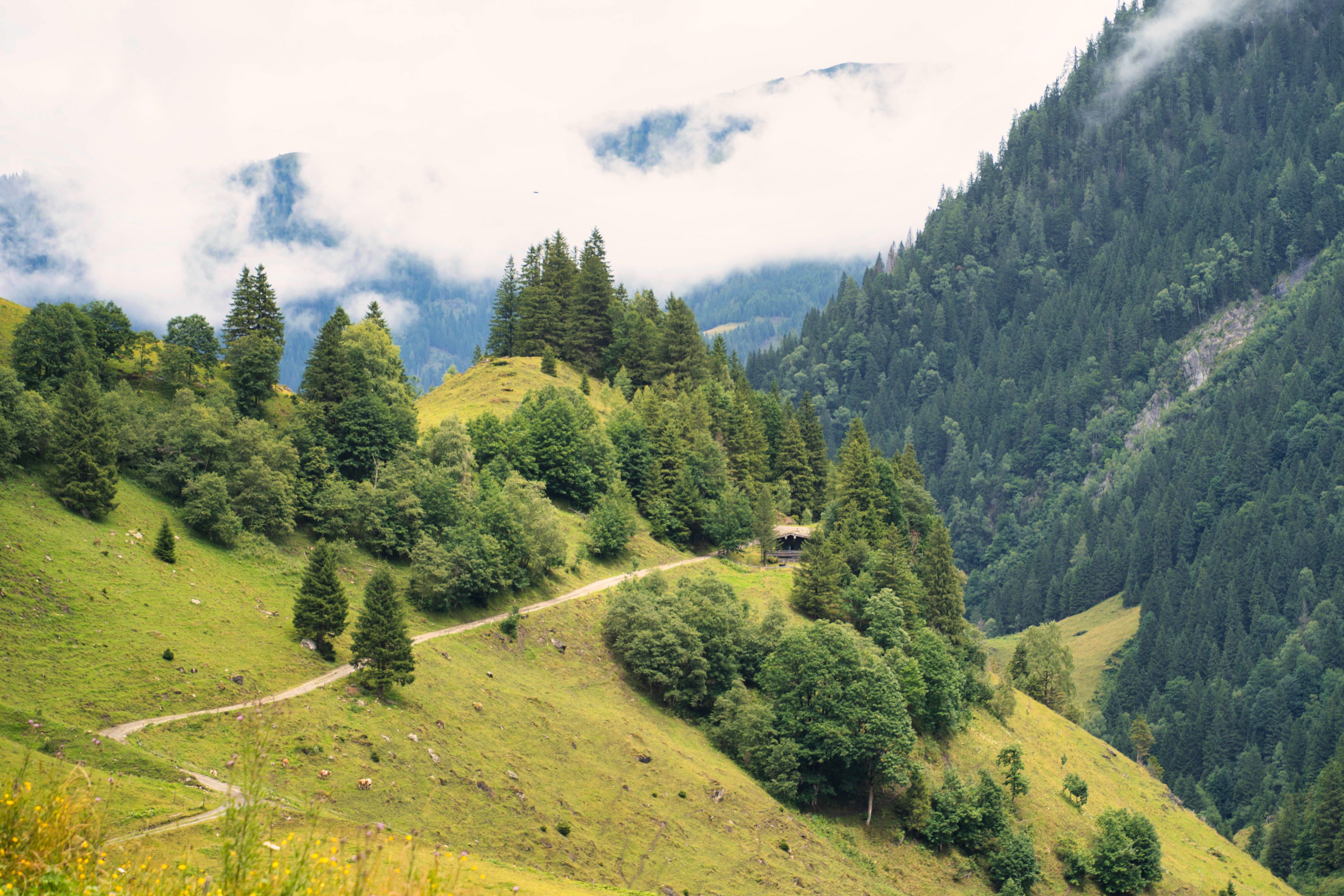
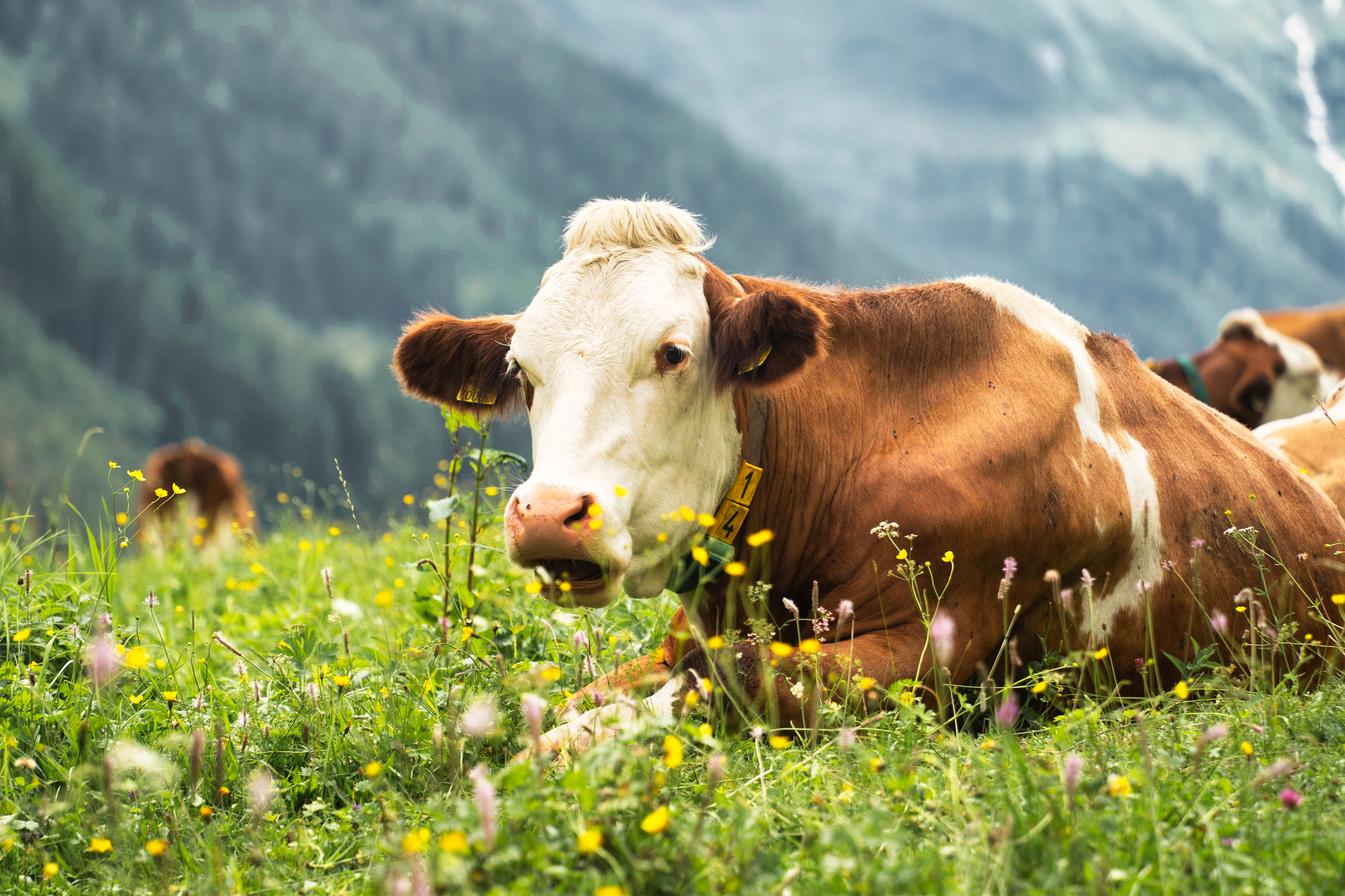
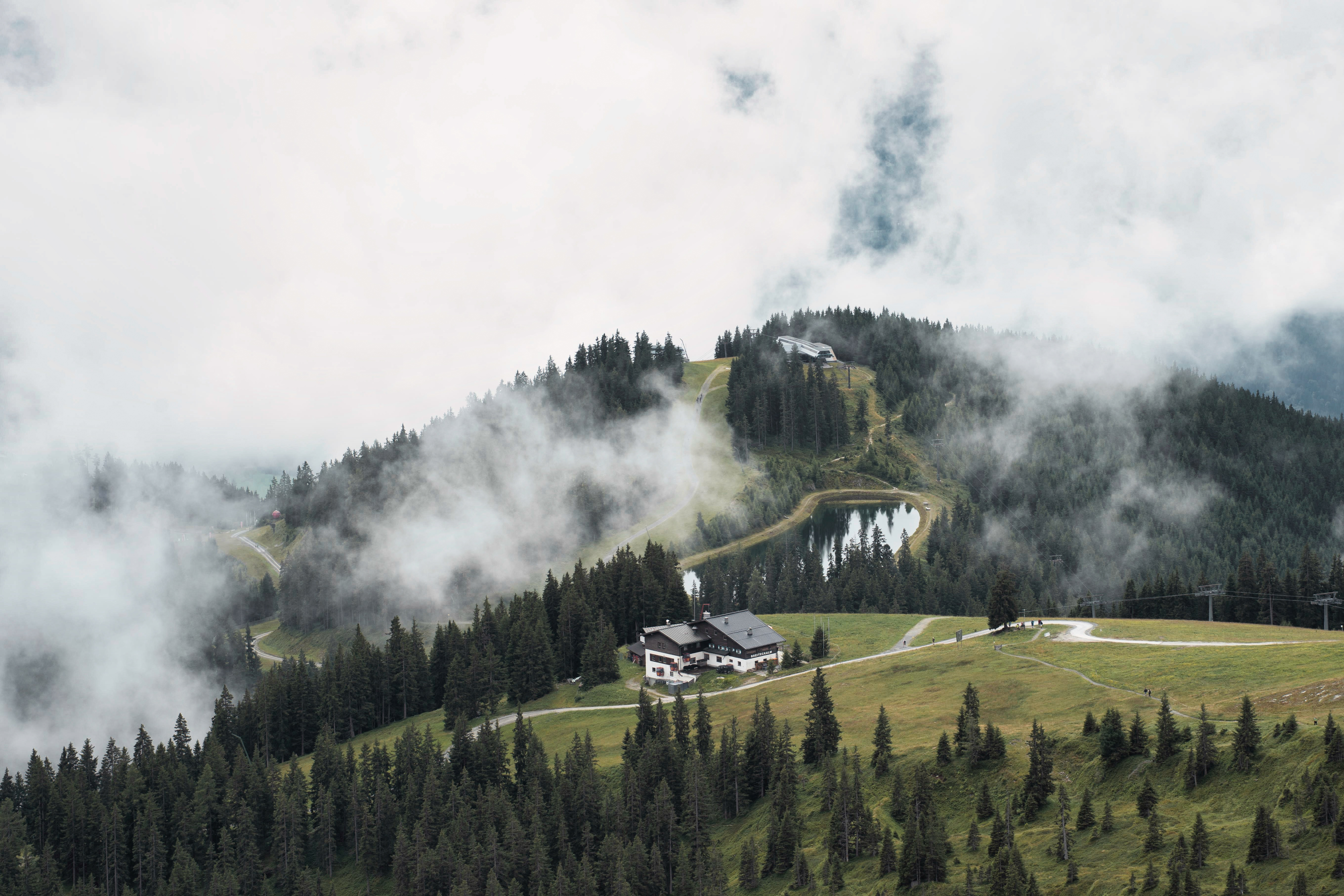
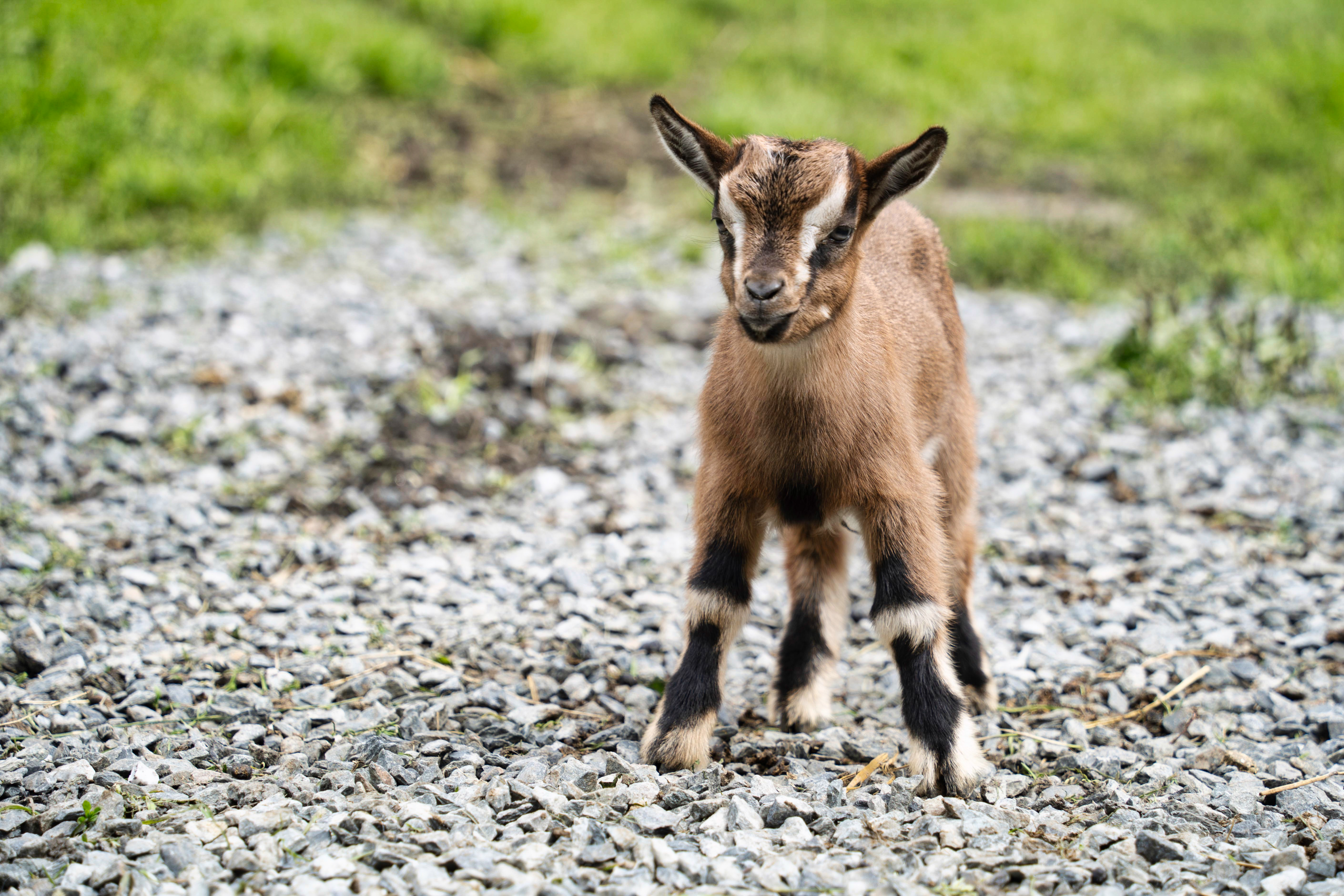
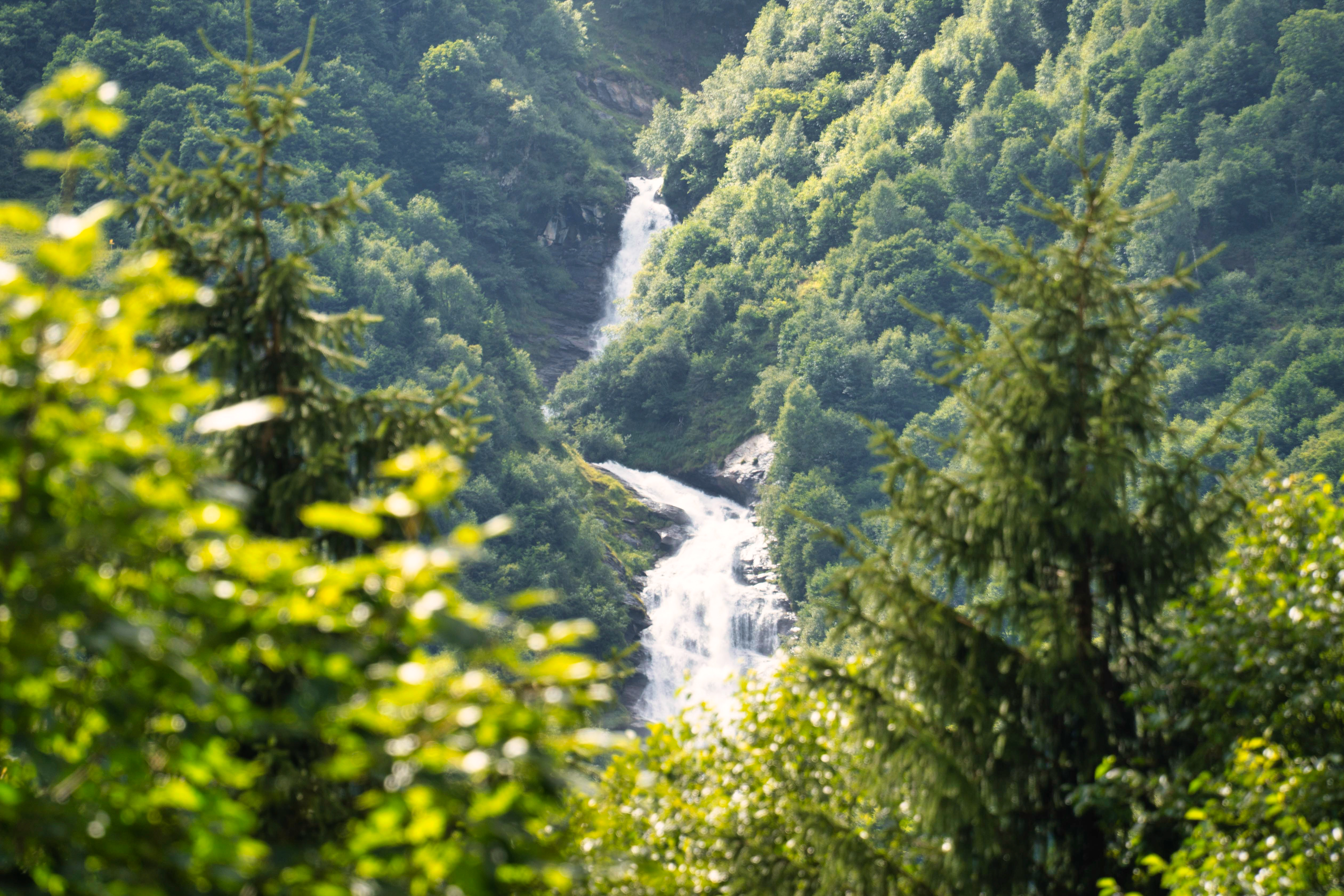
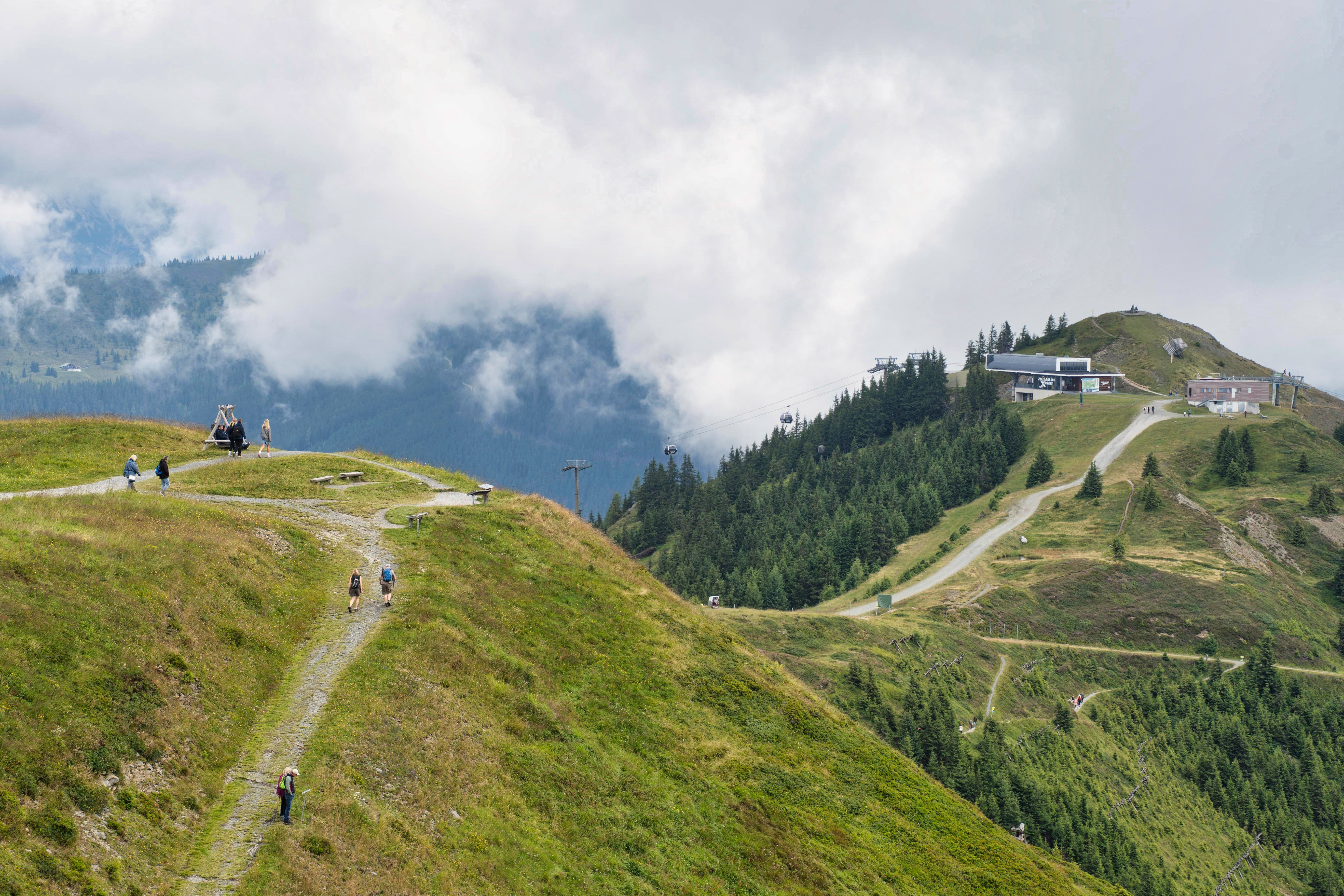
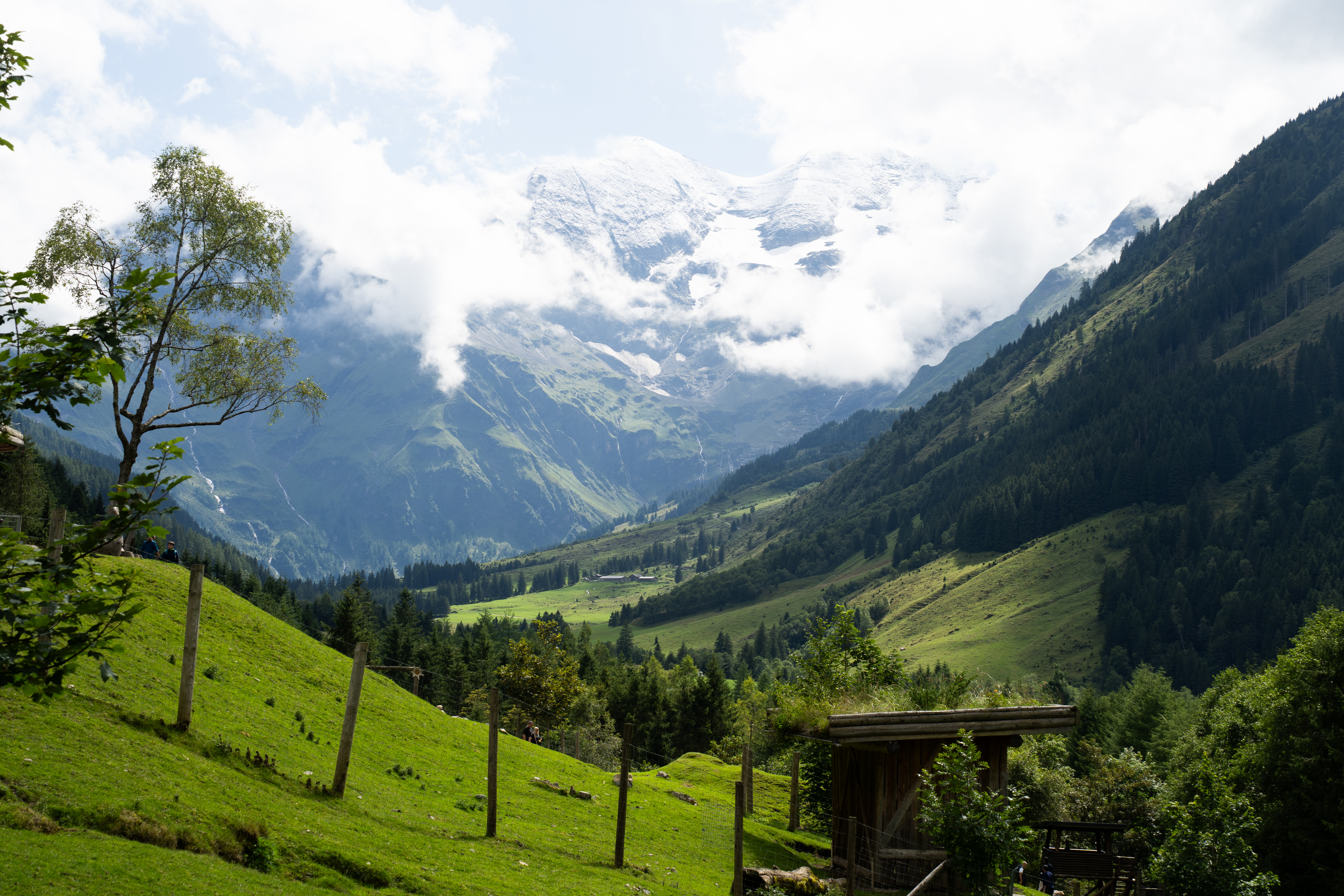
When most people think of the Alps, images of snow, skiing, and winter holidays come to mind. Yet in summer, Europe’s most famous mountain range transforms into a landscape of wildflower meadows, glacial lakes, and sunlit valleys, offering endless opportunities for exploration. Stretching across eight countries — from France and Switzerland to Austria and Slovenia — the Alps cover approximately 1,200 kilometers and form one of the most diverse ecosystems in Europe. The following pictures were shot in Austria in summer 2025.

The Alps in 2025

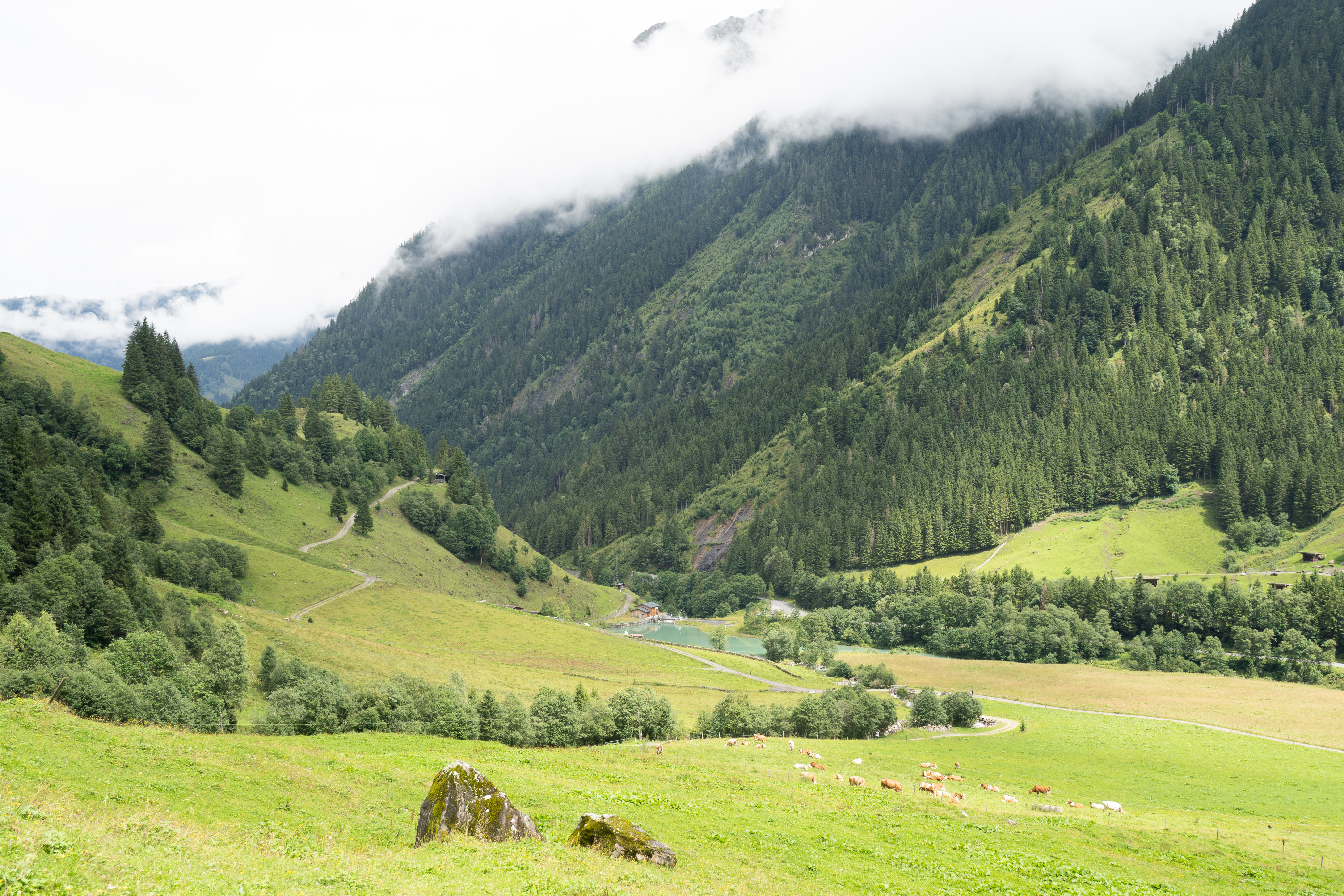
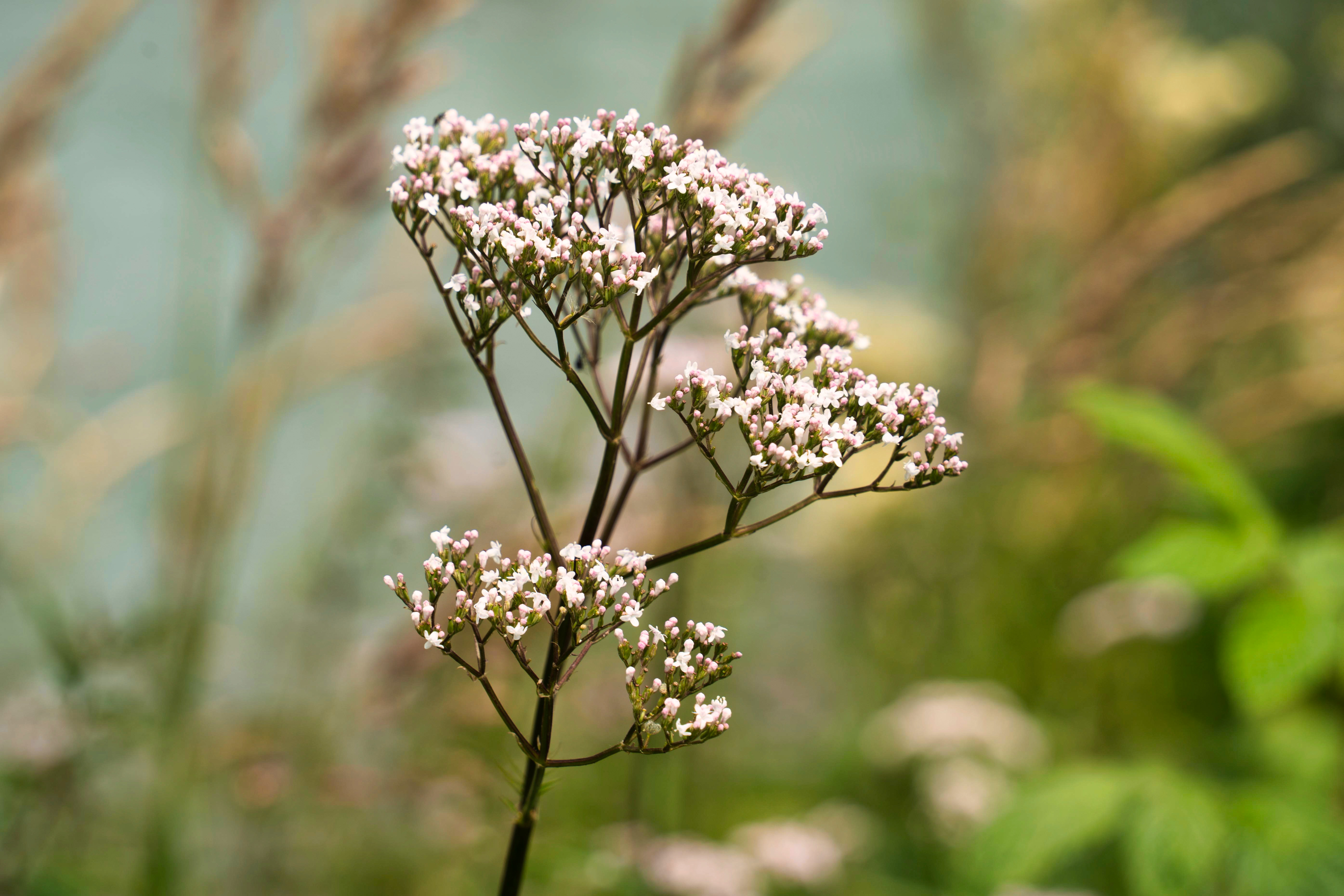
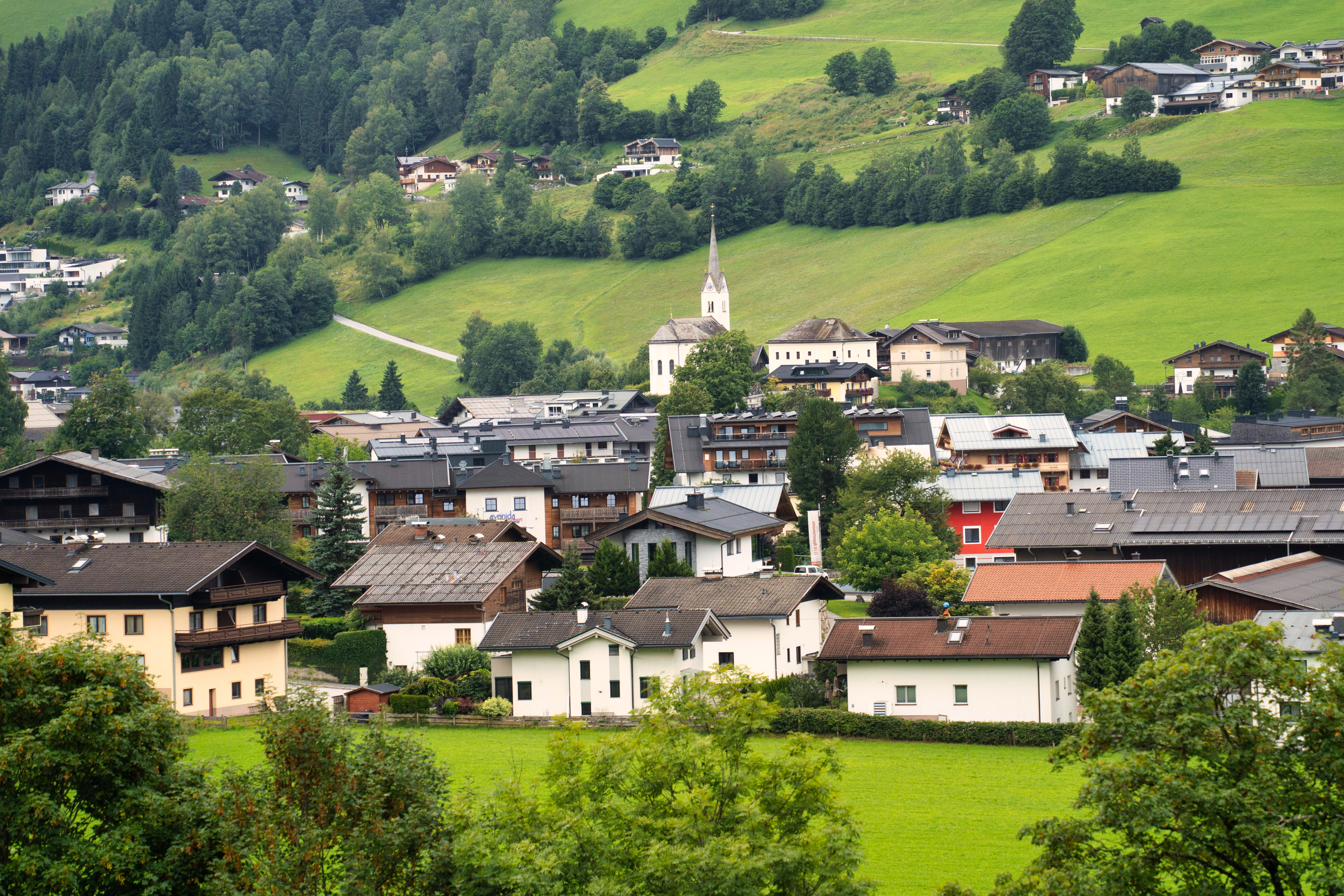
In Austria, the Alps in summer show their gentle side. Green valleys open between high peaks, lakes shine in clear light, and meadows fill with color. Villages rest quietly at the foot of the mountains, where traditions are still alive. For anyone with a camera, simple moments become lasting images — morning mist, bright skies, and the warm glow of sunset. The Austrian Alps remain a place of calm beauty, unchanged in their power to inspire. Photographed in August 2025 around Zell am See in Austria.
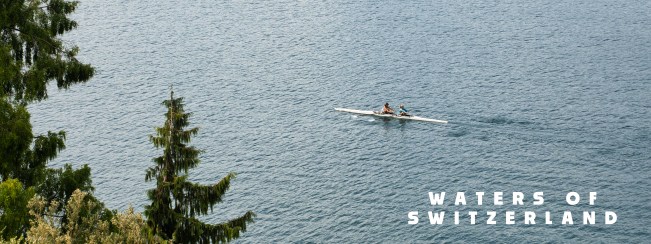
Waters of Switzerland

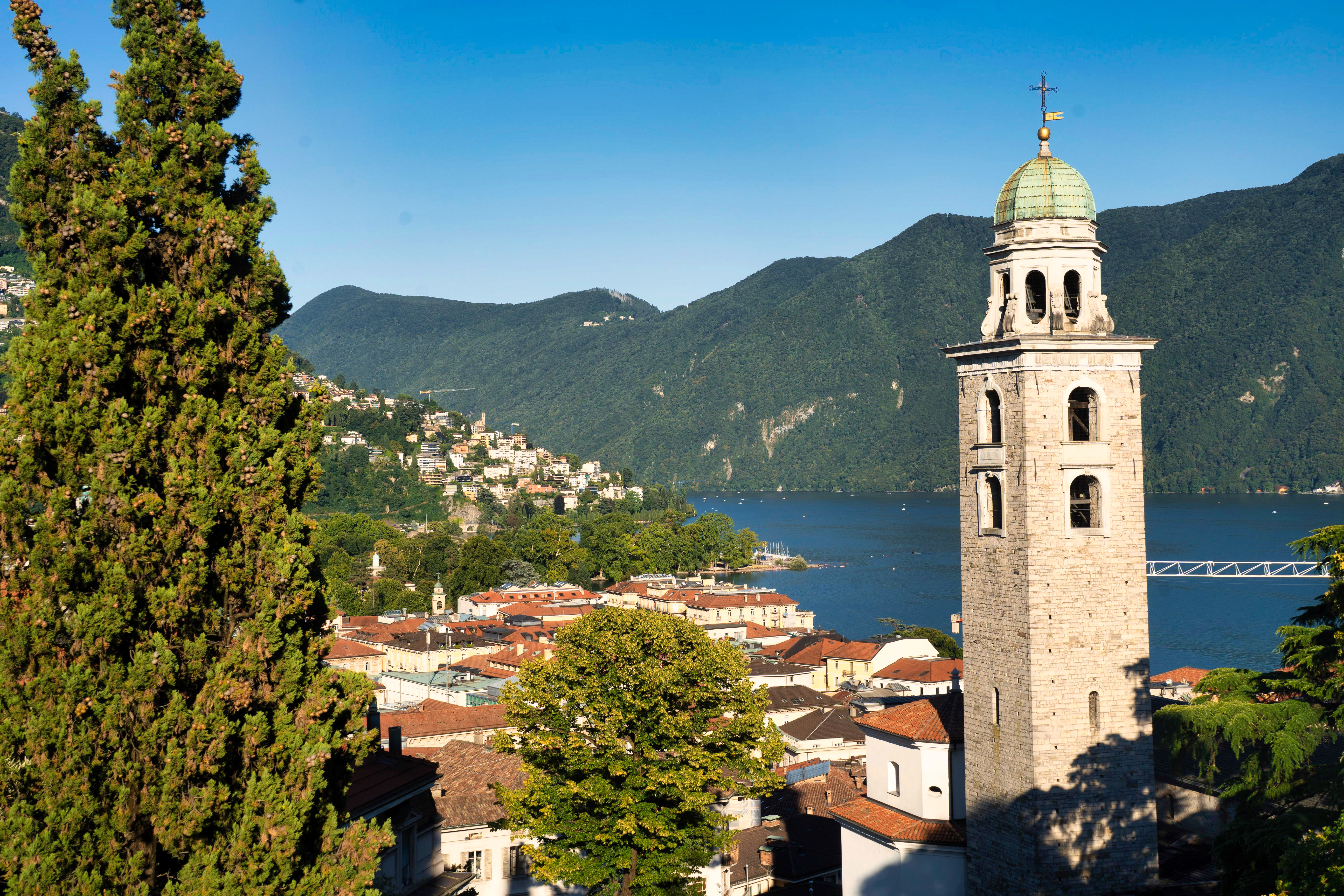
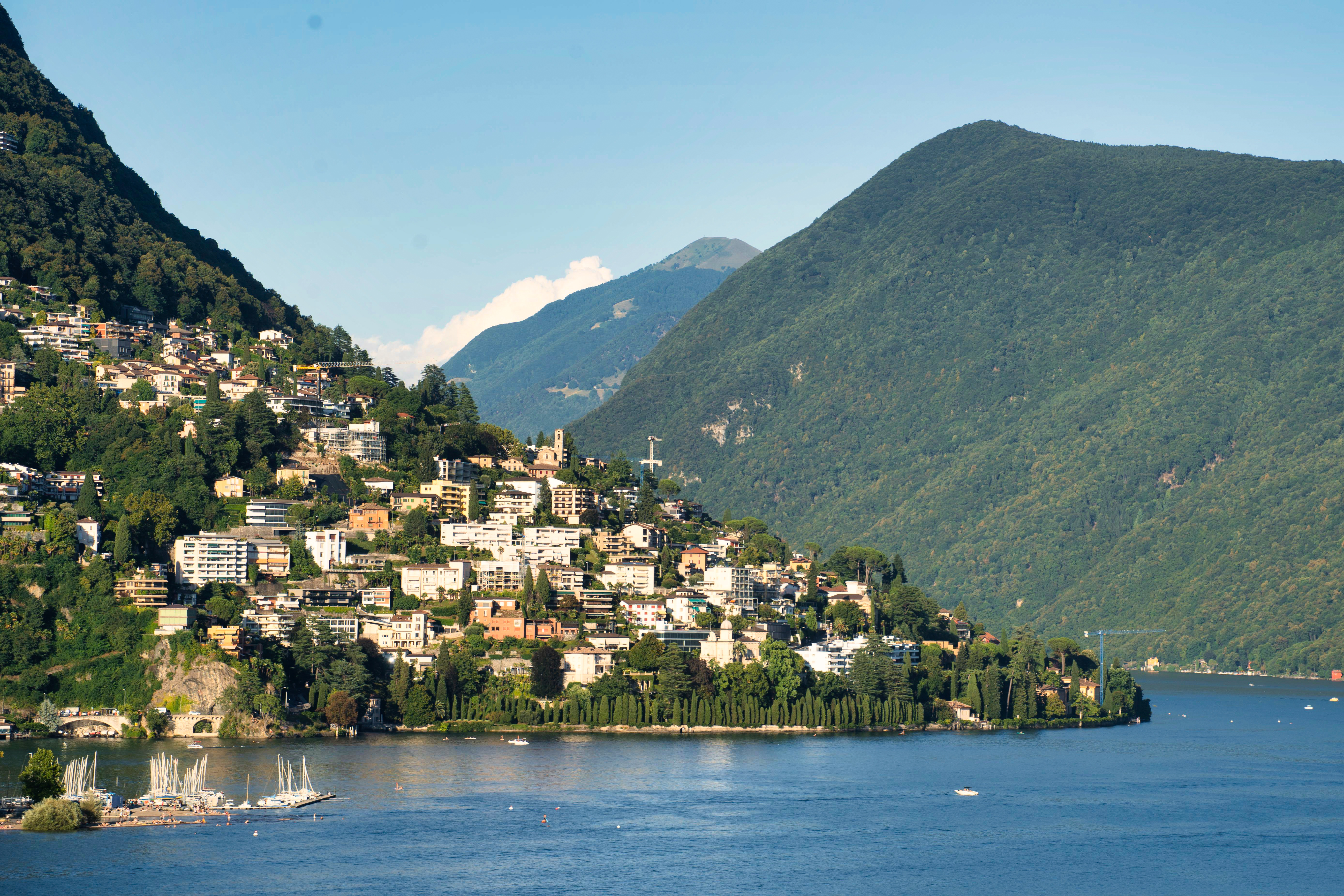
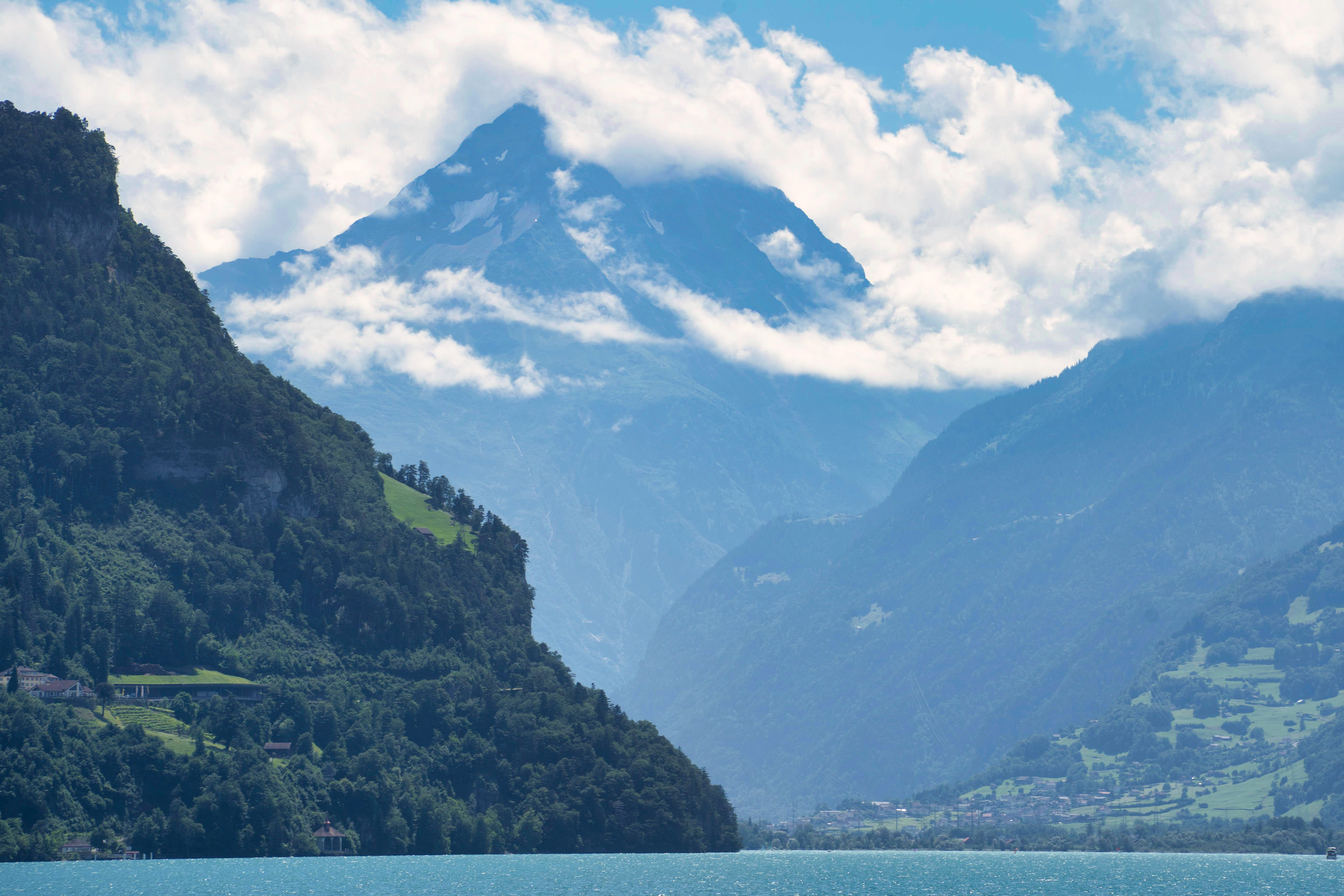
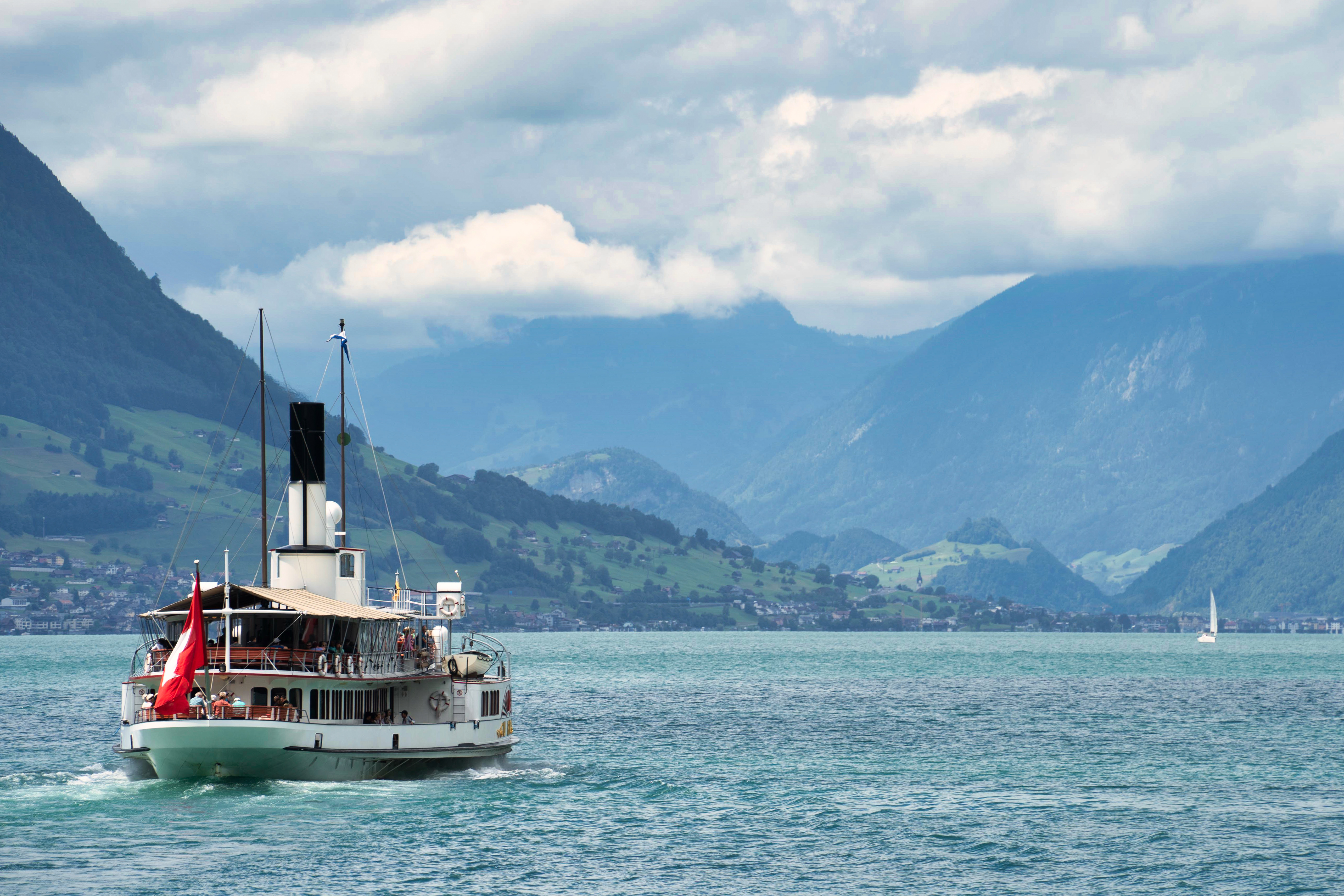
Switzerland’s lakes are as defining as its mountains, offering both breathtaking scenery and cultural richness. Lake Lucerne (Vierwaldstättersee), with its winding arms framed by alpine peaks, reflects centuries of legend and history in towns like Lucerne. To the west, vast Lake Geneva (Lac Léman) blends natural beauty with cosmopolitan life, from the vineyards of Lavaux to the international atmosphere of Geneva. In the south, Lake Lugano adds a Mediterranean touch, with palm-lined shores, Italian-Swiss culture, and mountains plunging directly into the water. Together, these lakes reveal the country’s diversity—alpine drama, urban elegance, and southern charm—all united by the pure, shimmering waters that make Switzerland unforgettable.