Skip to content

Details of the Desert
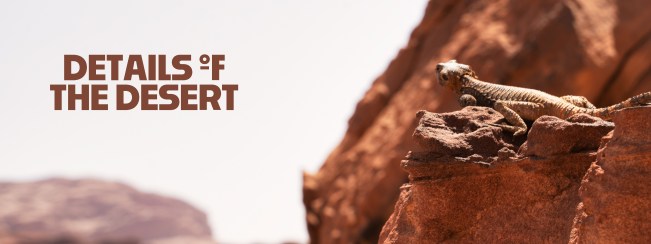
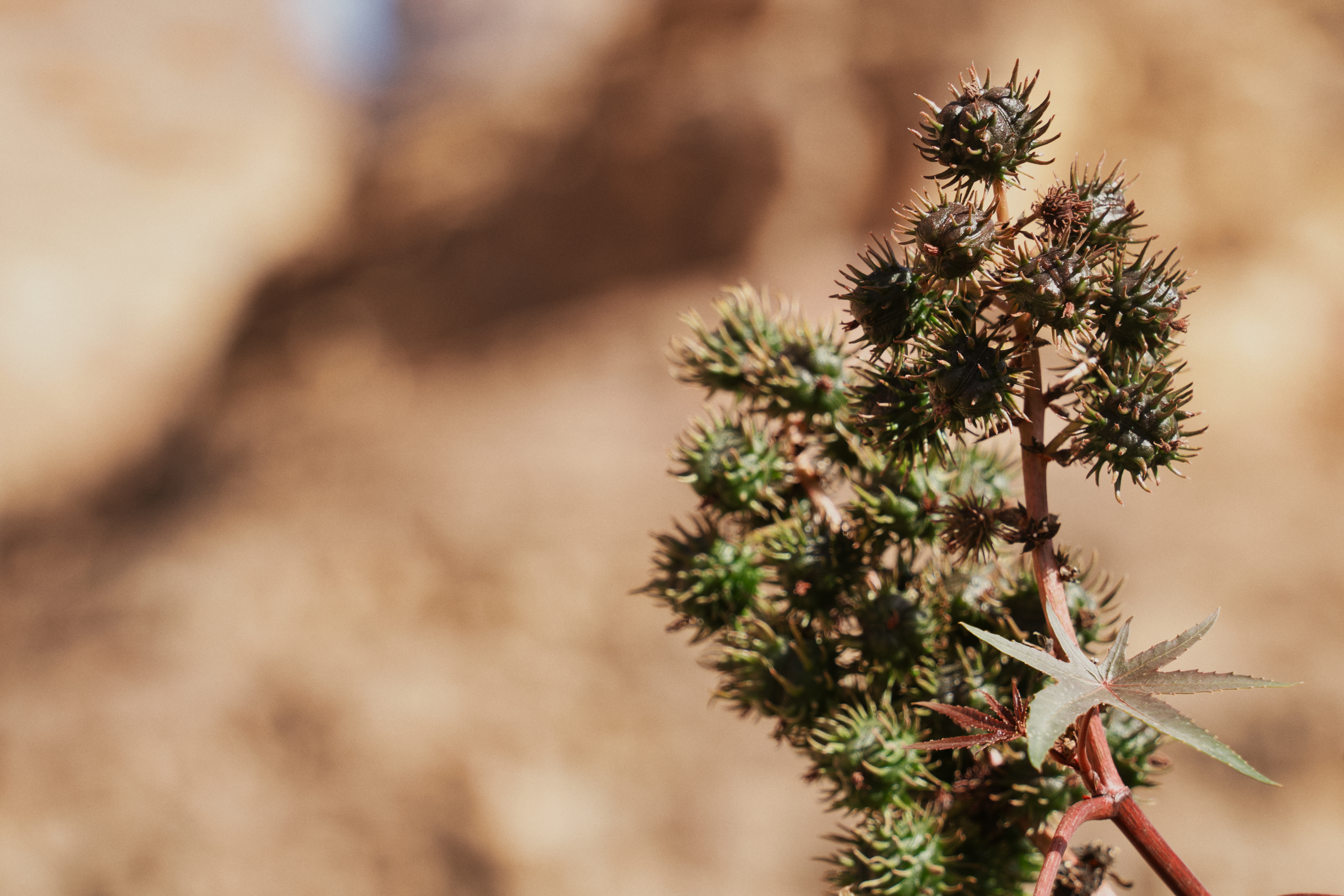
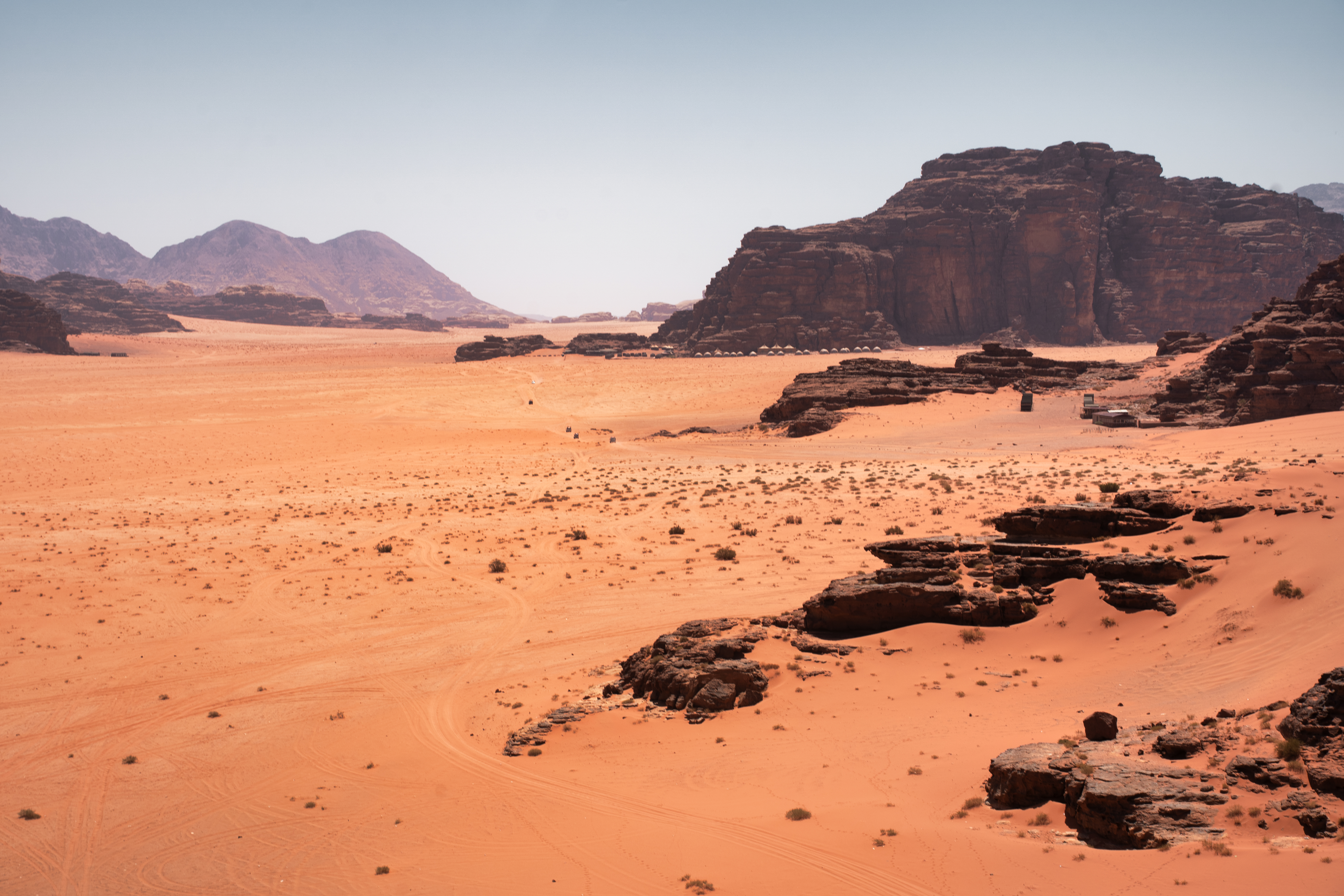
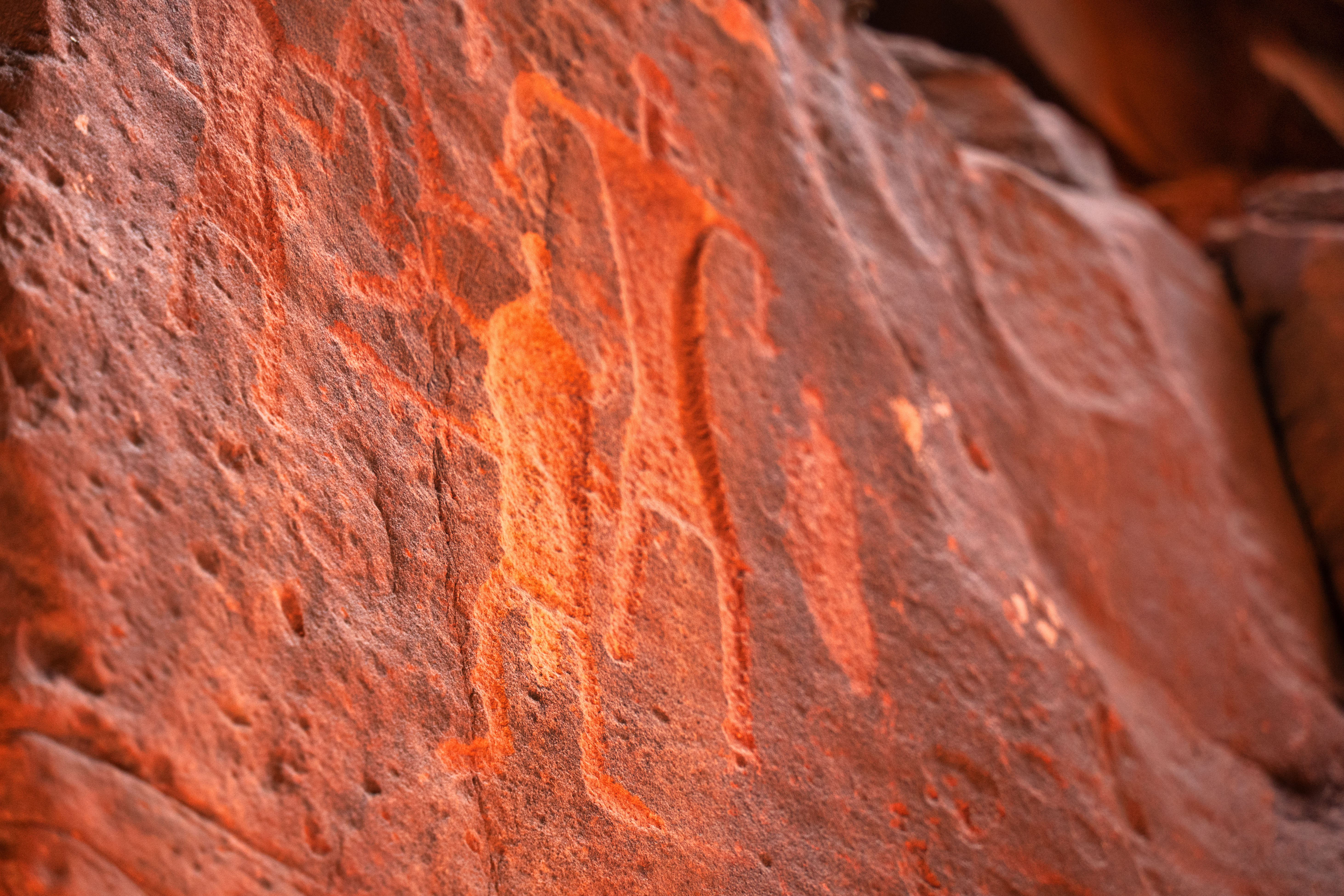
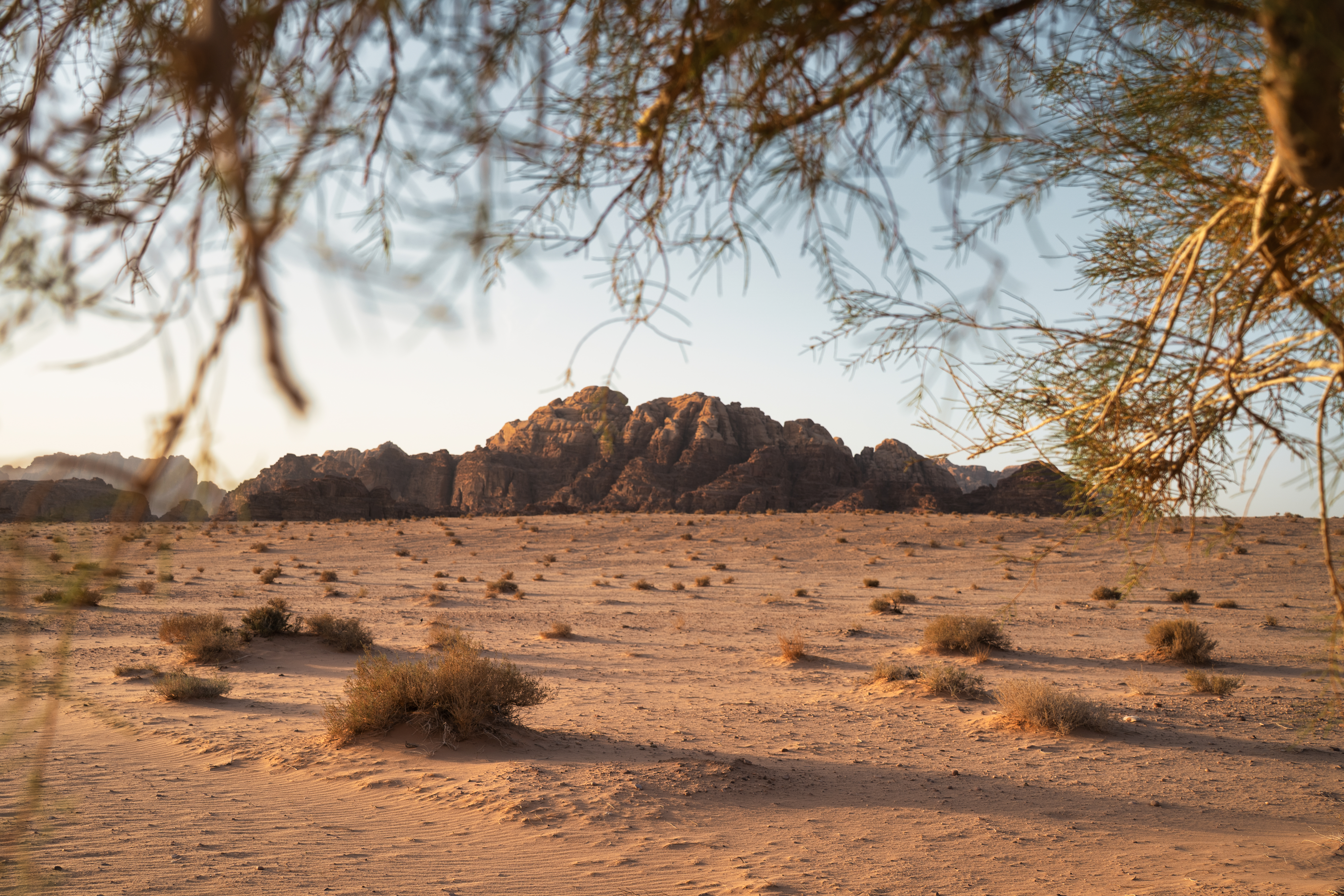
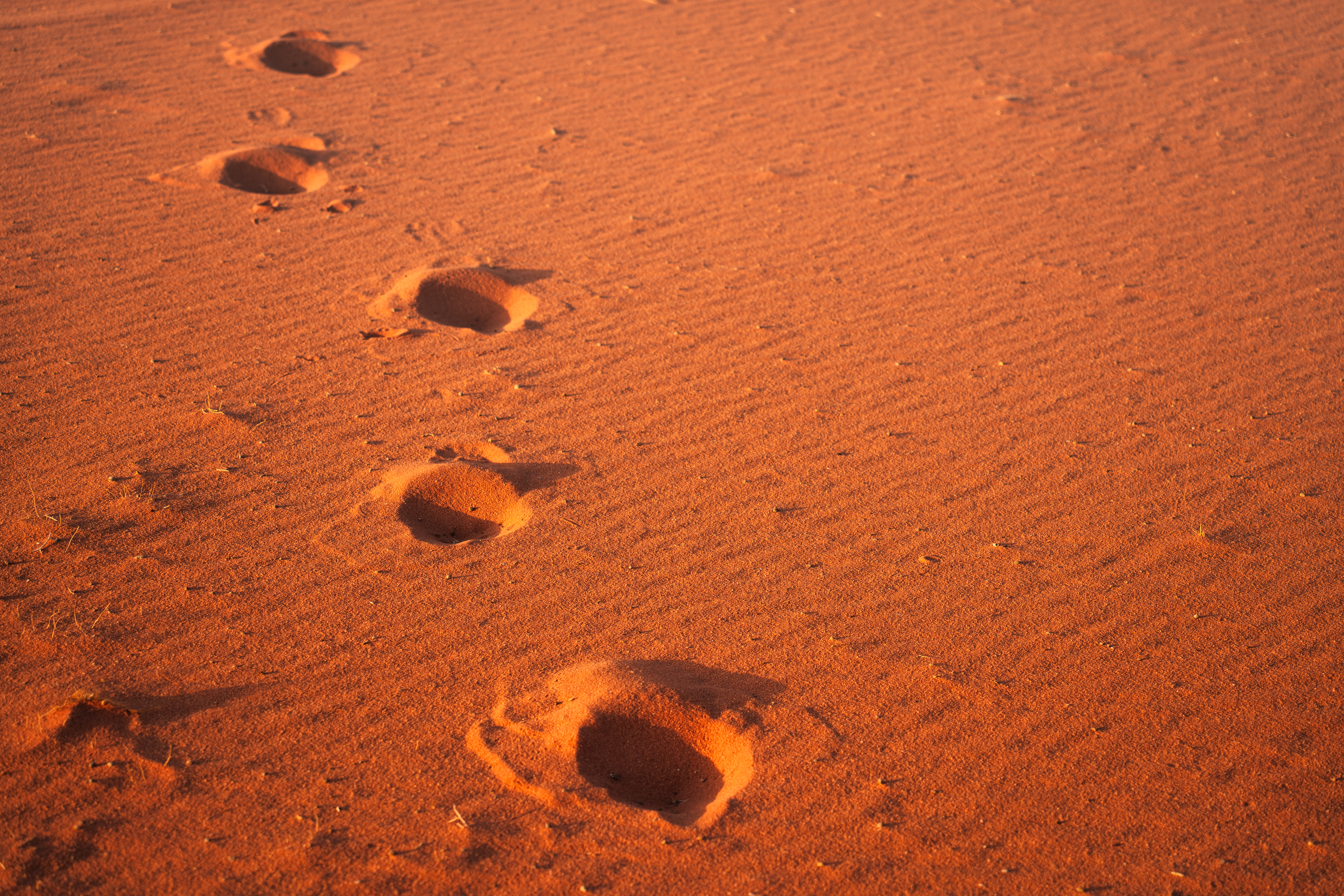
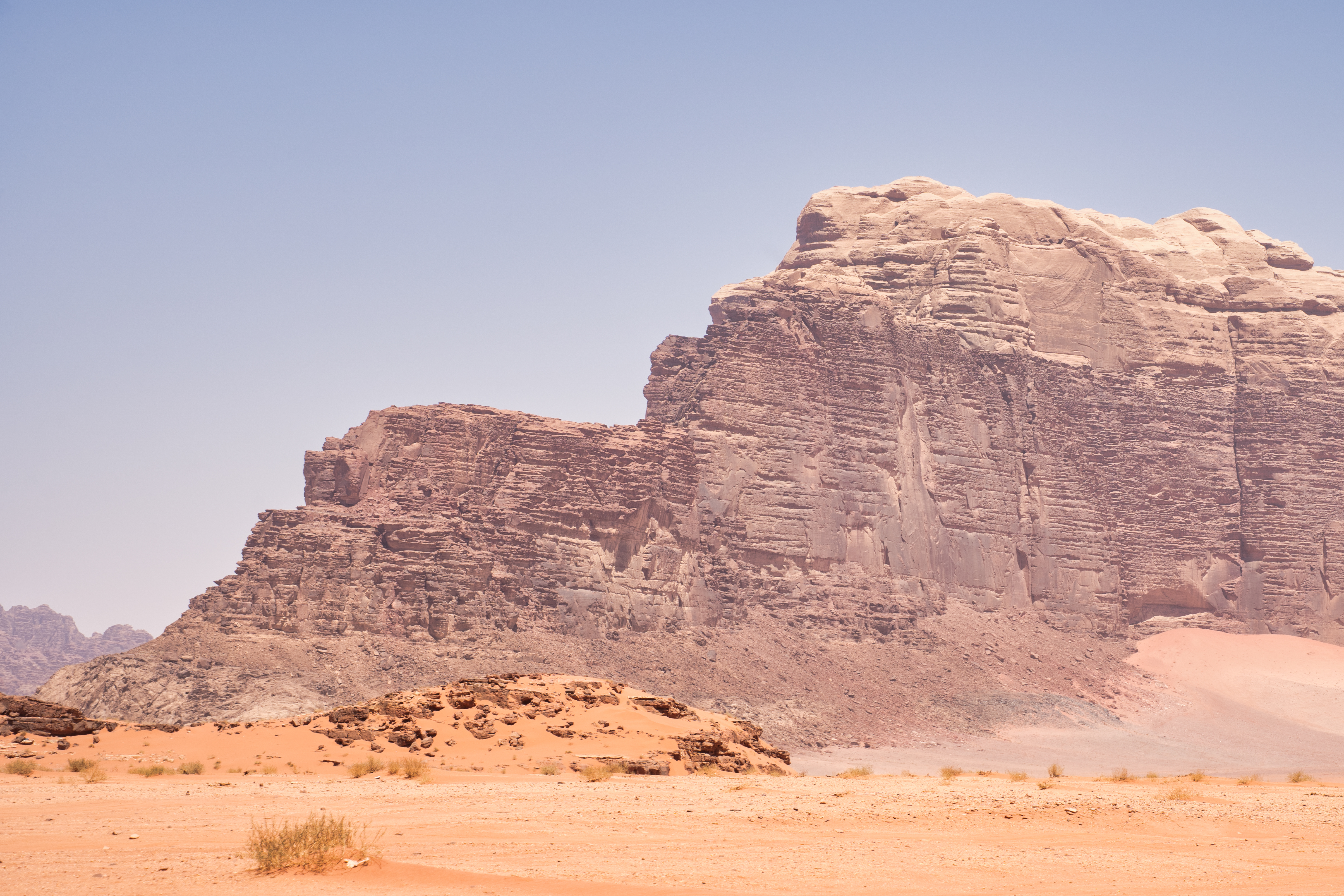
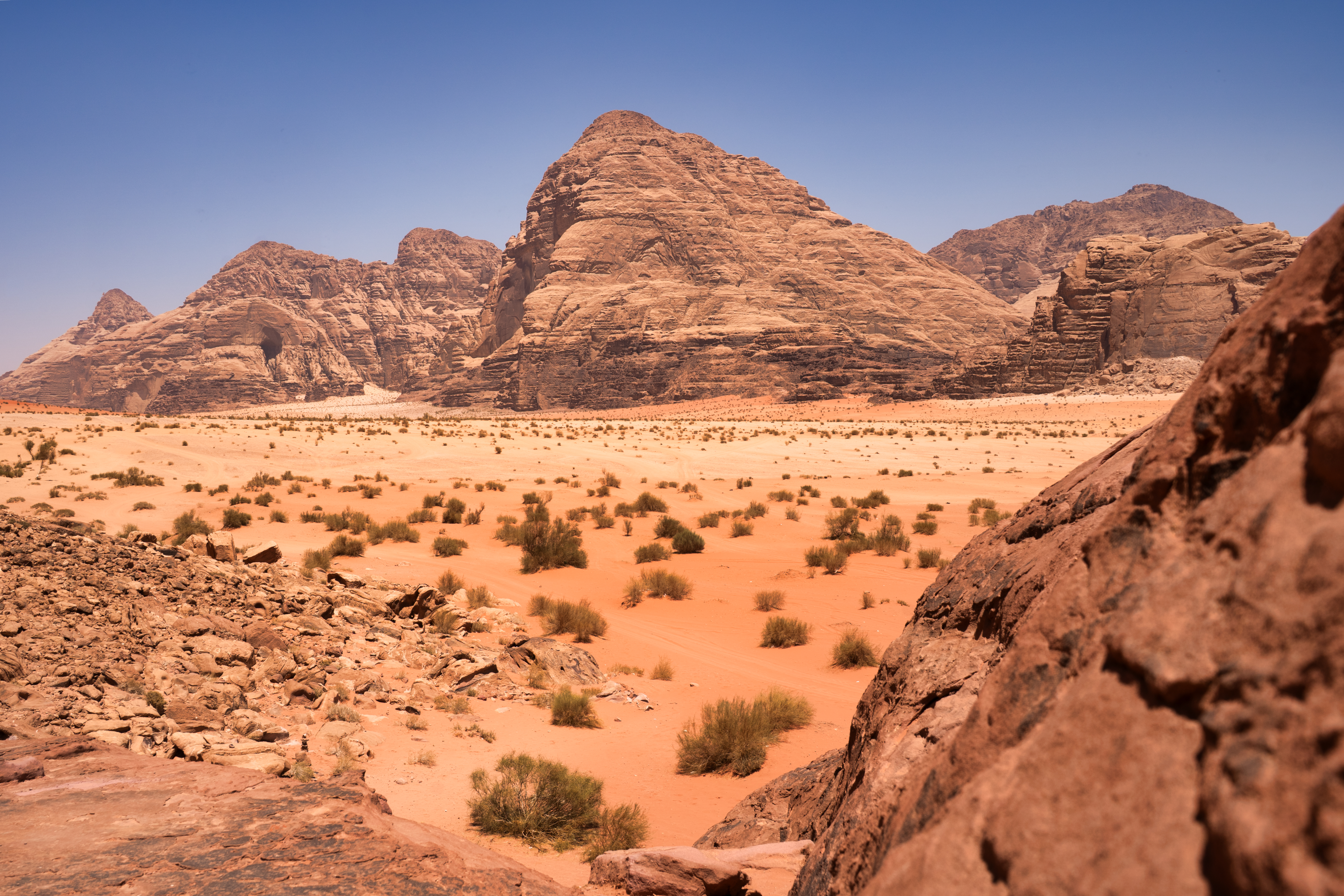
At first glance, Wadi Rum overwhelms with its grand landscapes, but it is in the smaller details that the desert’s true character comes to life. Tiny plants push through cracks in the rocks, surviving against all odds in the dry sand. Delicate tracks left by beetles, lizards, and small mammals weave intricate patterns across the dunes, telling silent stories of life hidden from the harsh midday sun. In shaded canyons, ancient petroglyphs carved into the stone reveal the presence of travelers and traders who passed through long before modern times. Even the texture of the sandstone, worn smooth by centuries of wind, offers a quiet testament to the endless patience of nature.

These small moments often go unnoticed but give Wadi Rum its living, breathing soul. A sudden burst of green after a rare rainstorm, the faint scent of herbs crushed underfoot, or the deep blue of the sky contrasting with the warm earth tones create an experience far richer than the vastness alone suggests. The desert is not empty; it is full of subtle signs and enduring life, each detail forming a piece of a greater, timeless story that continues to unfold in silence across the endless sands.

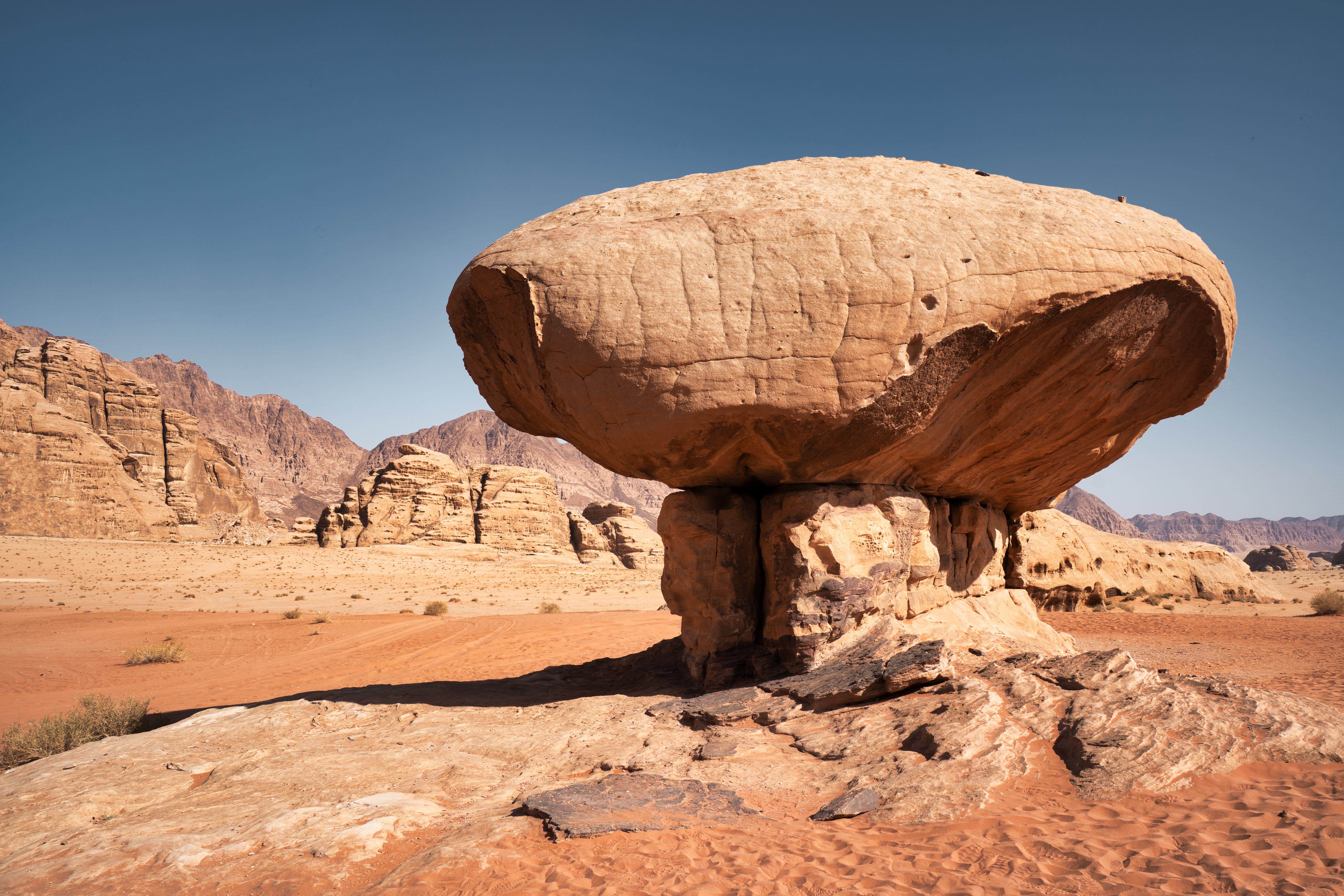
Wandering the Desert

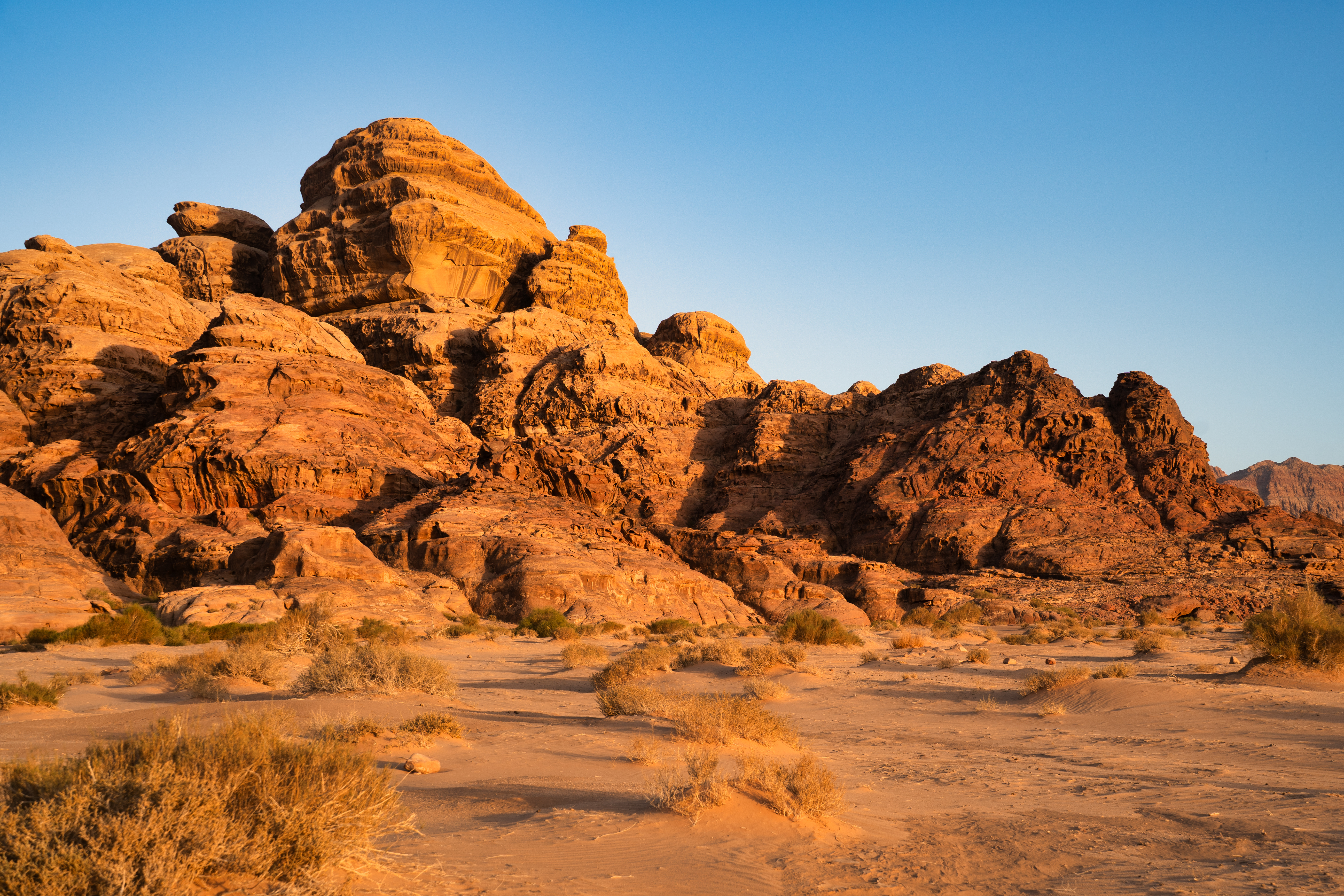
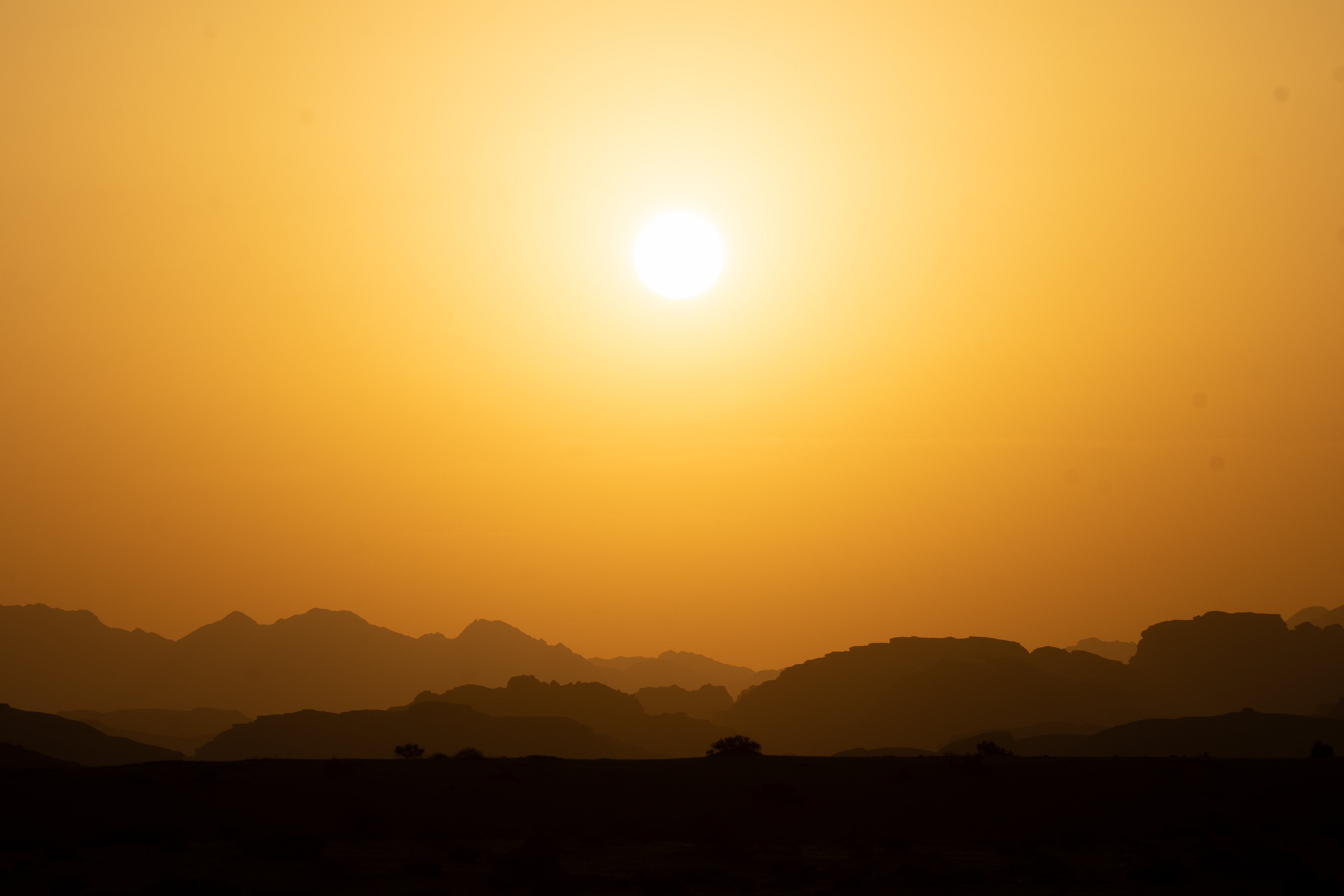
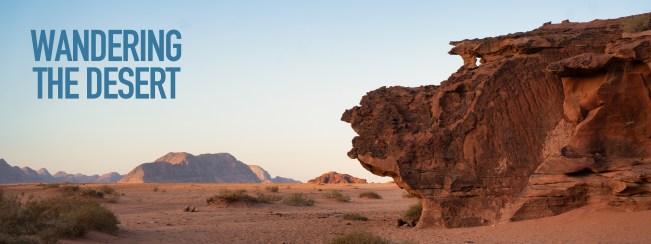
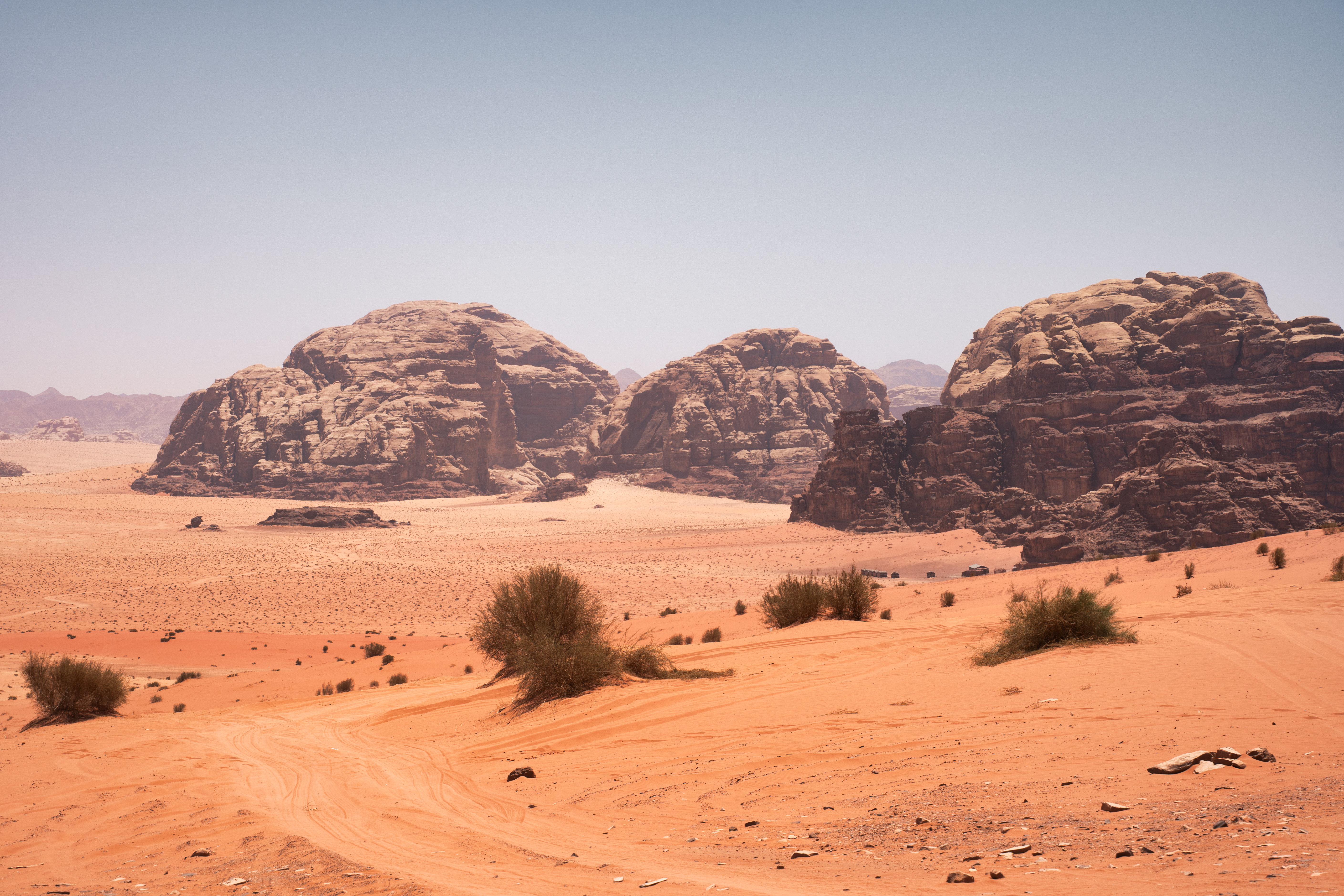
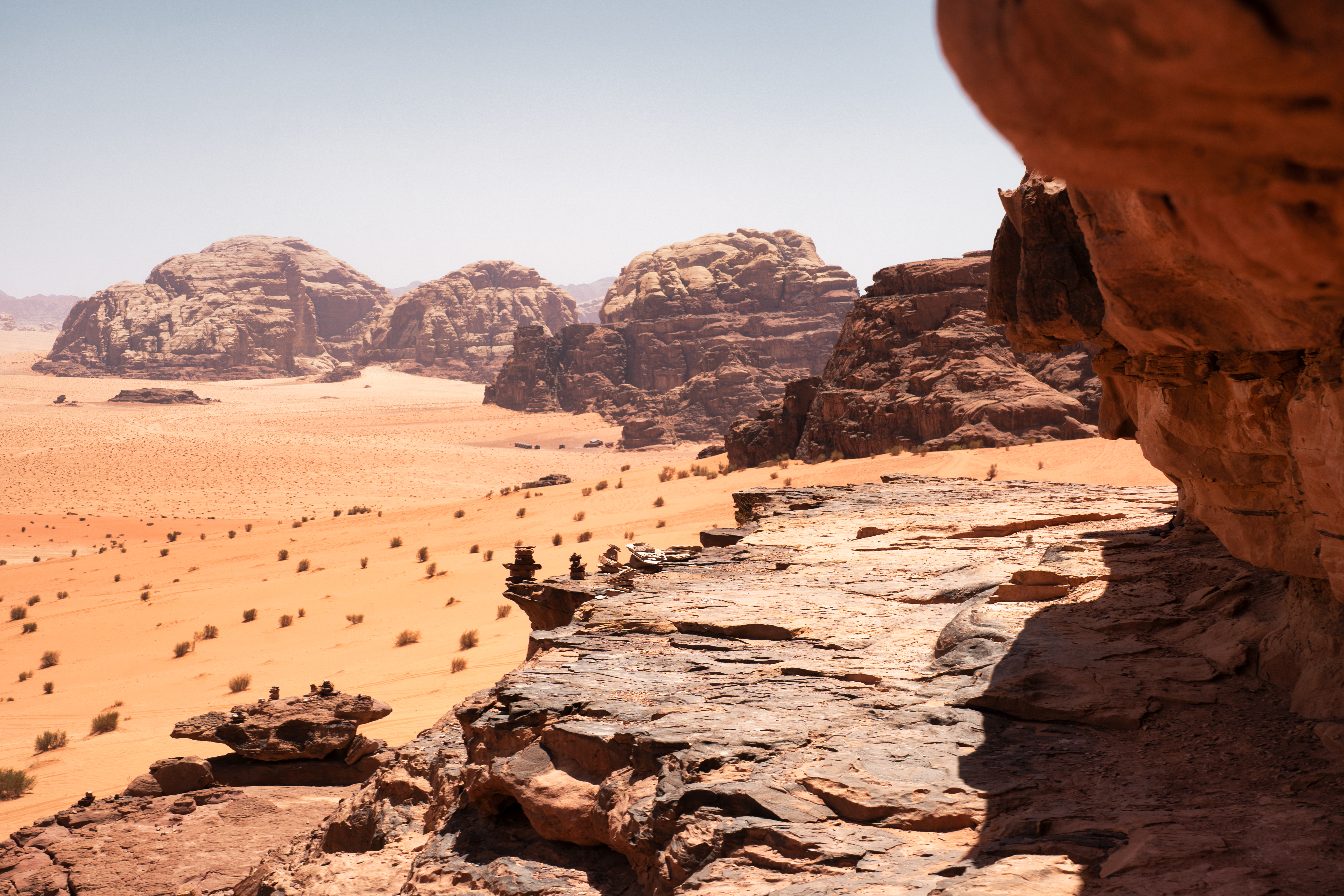
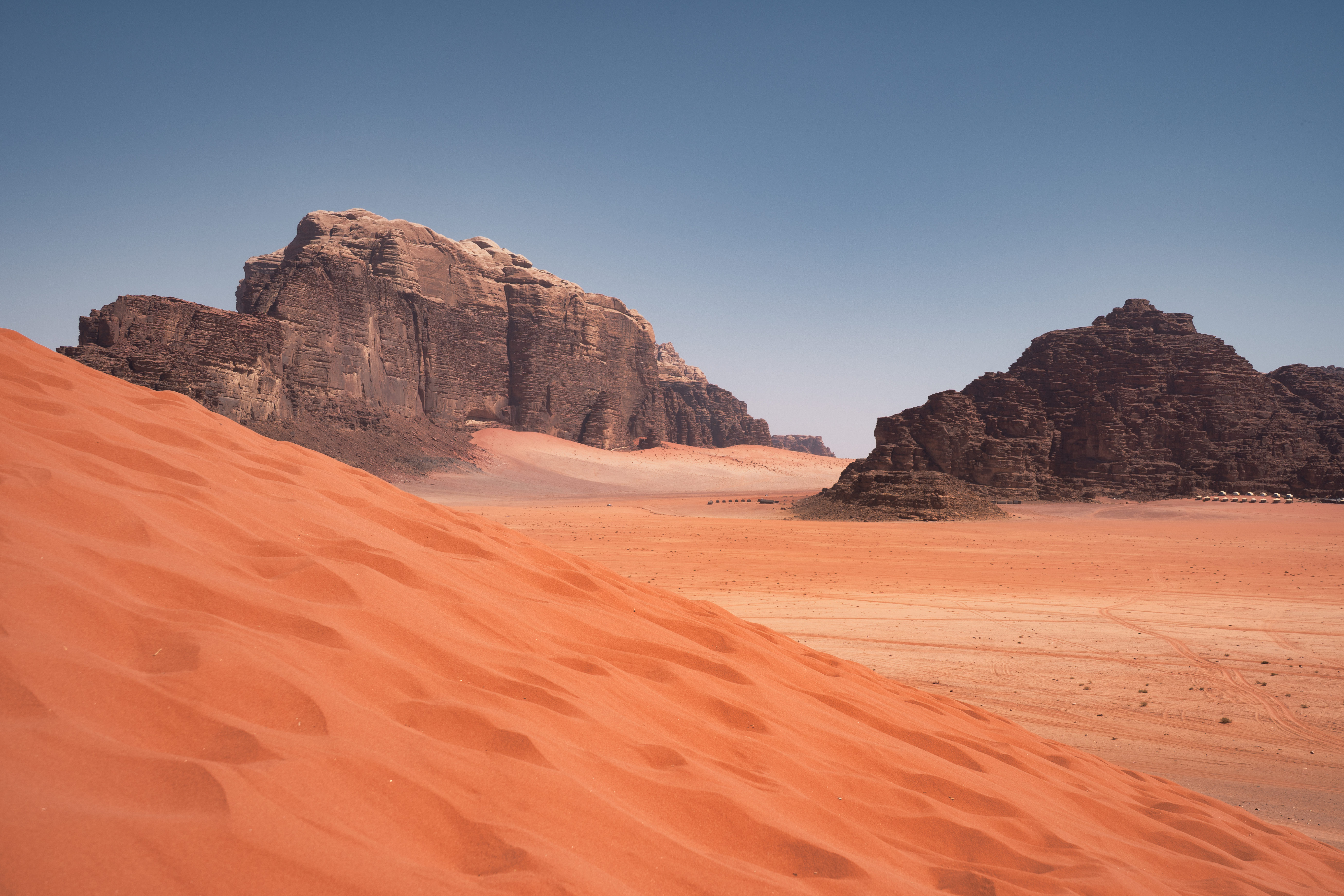
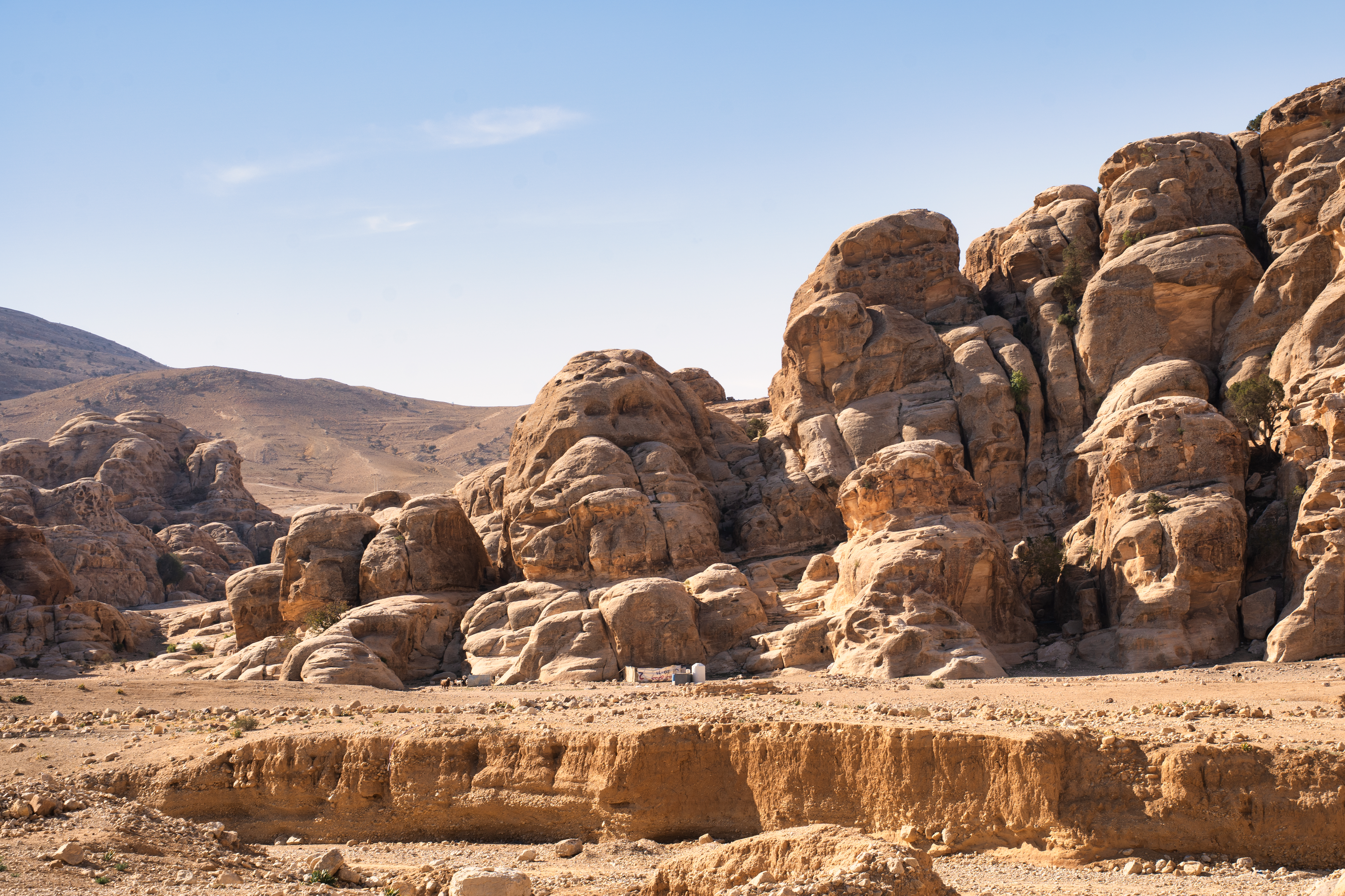
Wadi Rum stretches out like an endless, silent ocean of sand and stone. Its towering cliffs, narrow canyons, and sweeping valleys create a landscape that feels almost untouched by time. Wandering through this desert means moving through a place where nature has shaped every curve and color. The wind carves patterns into the sand, the sun paints the rocks in shades of gold and crimson, and at night, the sky becomes a deep tapestry of stars. Each step across the open land reveals a new perspective, from ancient inscriptions hidden on canyon walls to unexpected springs that gave life to travelers long before roads were drawn on maps.
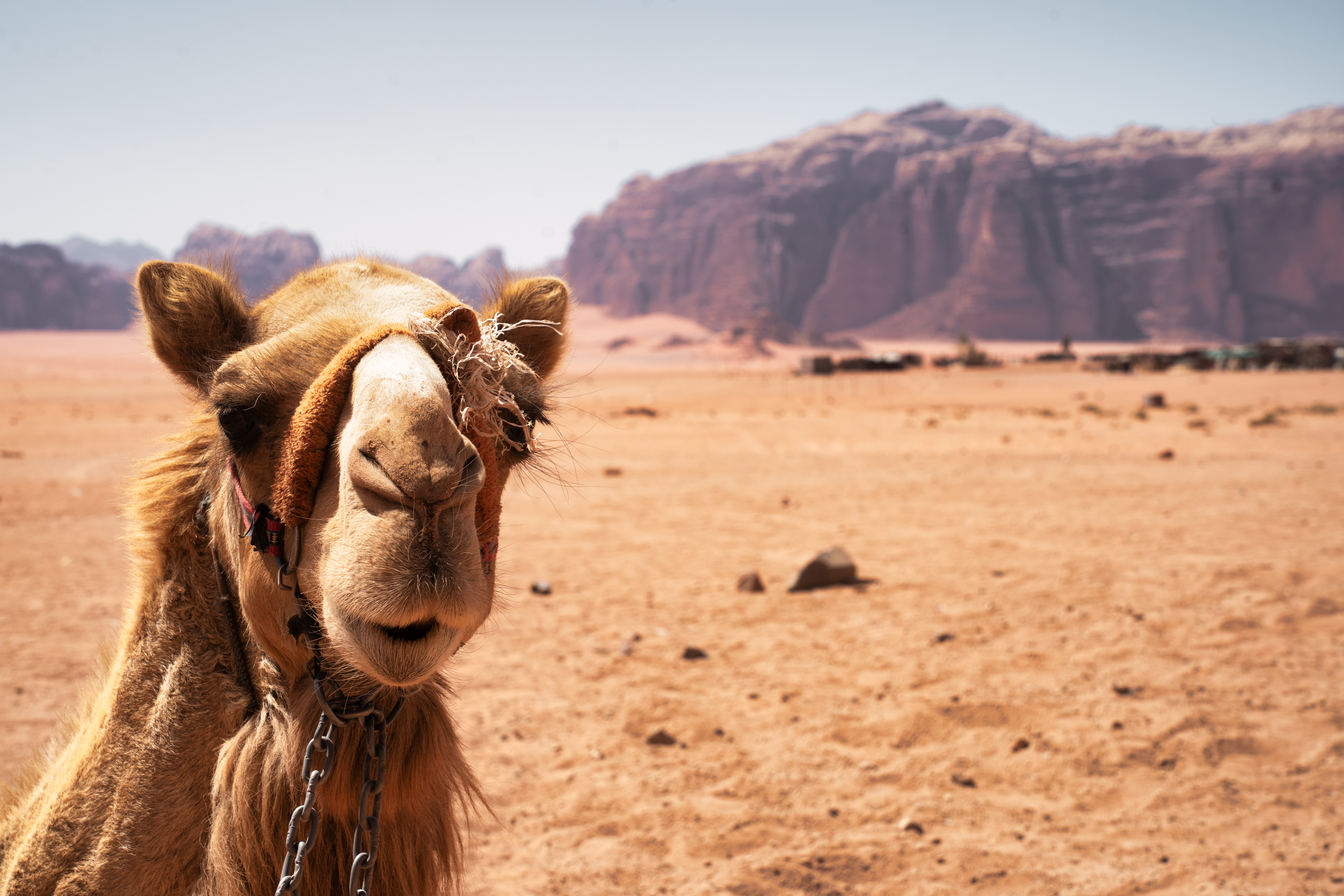
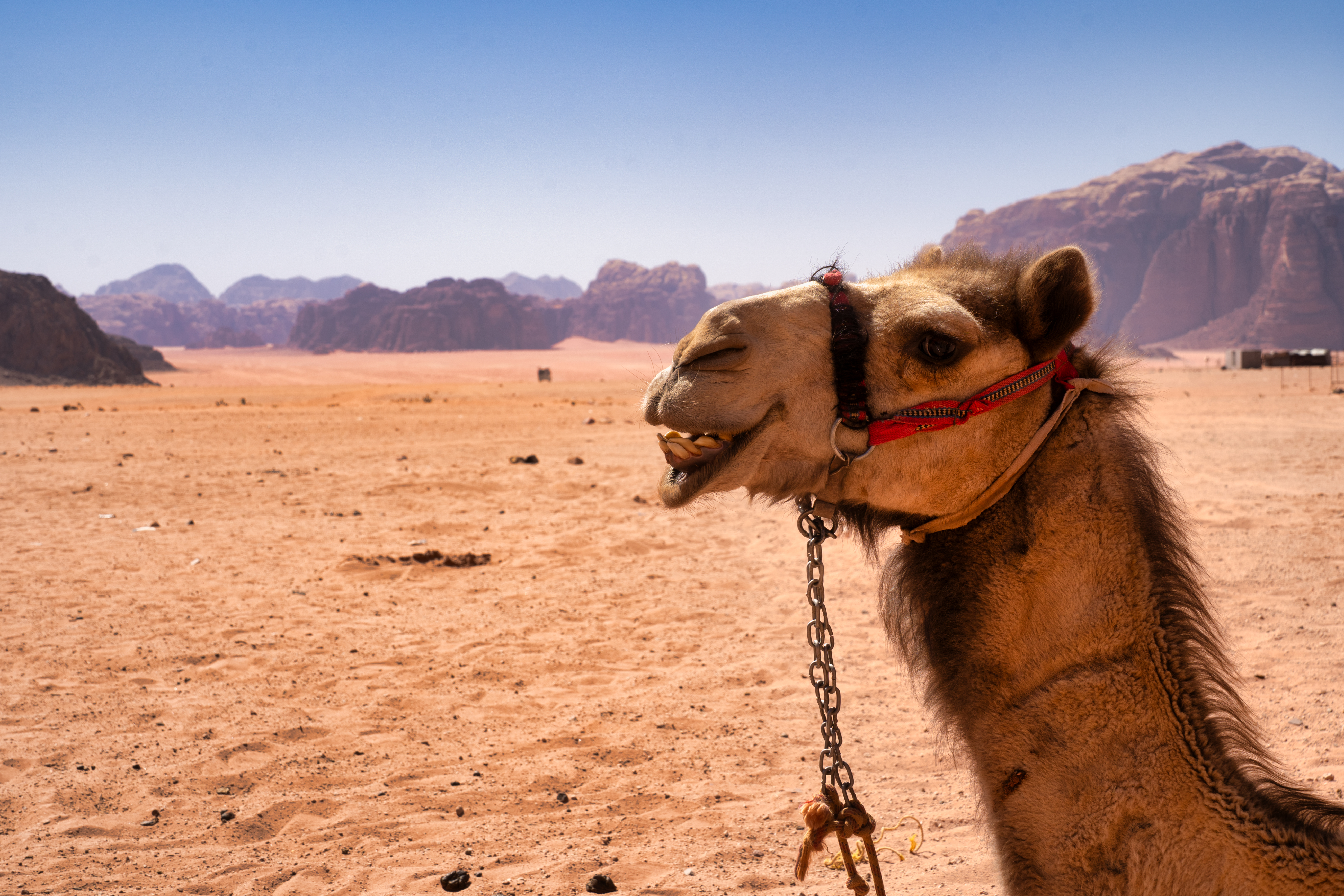
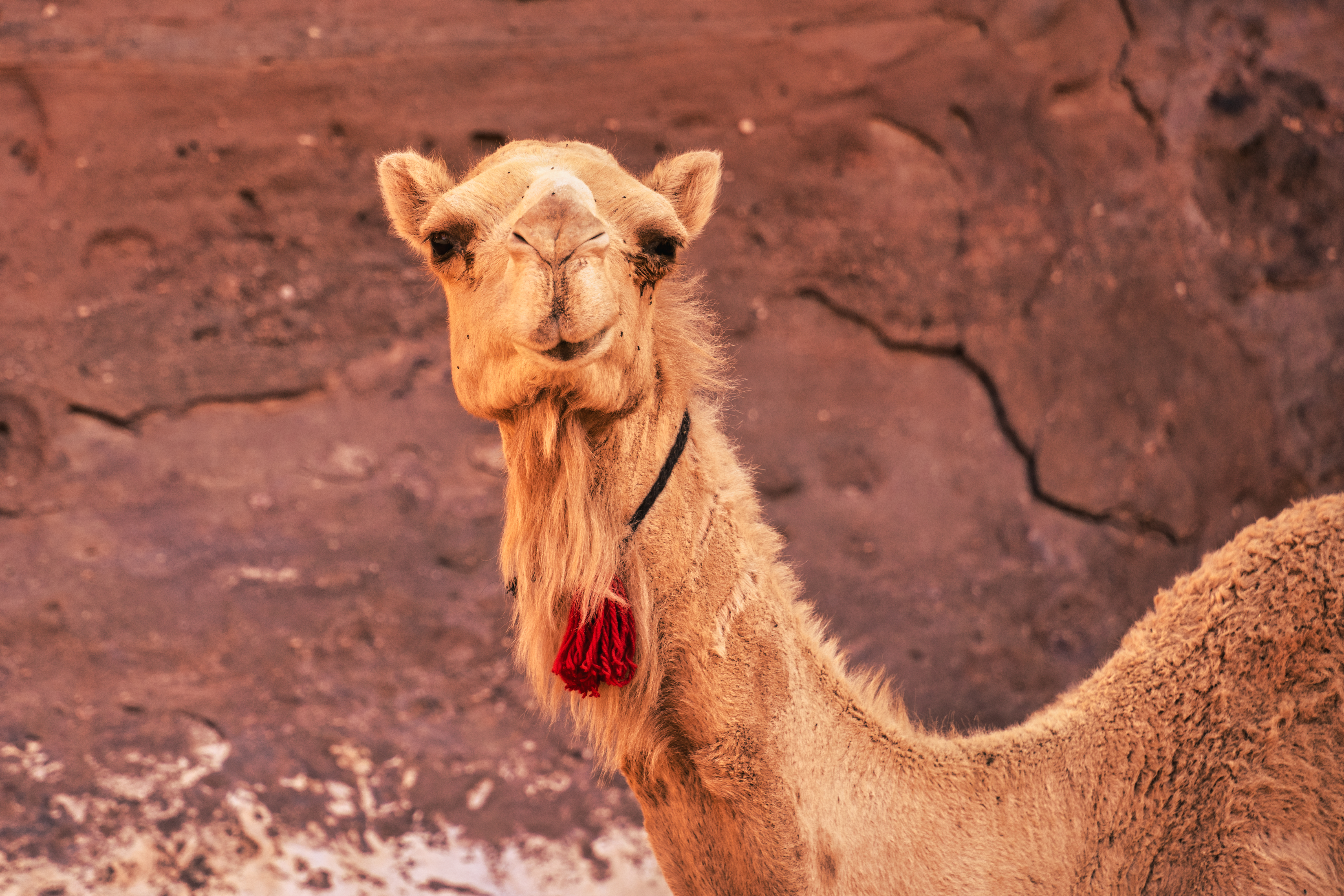
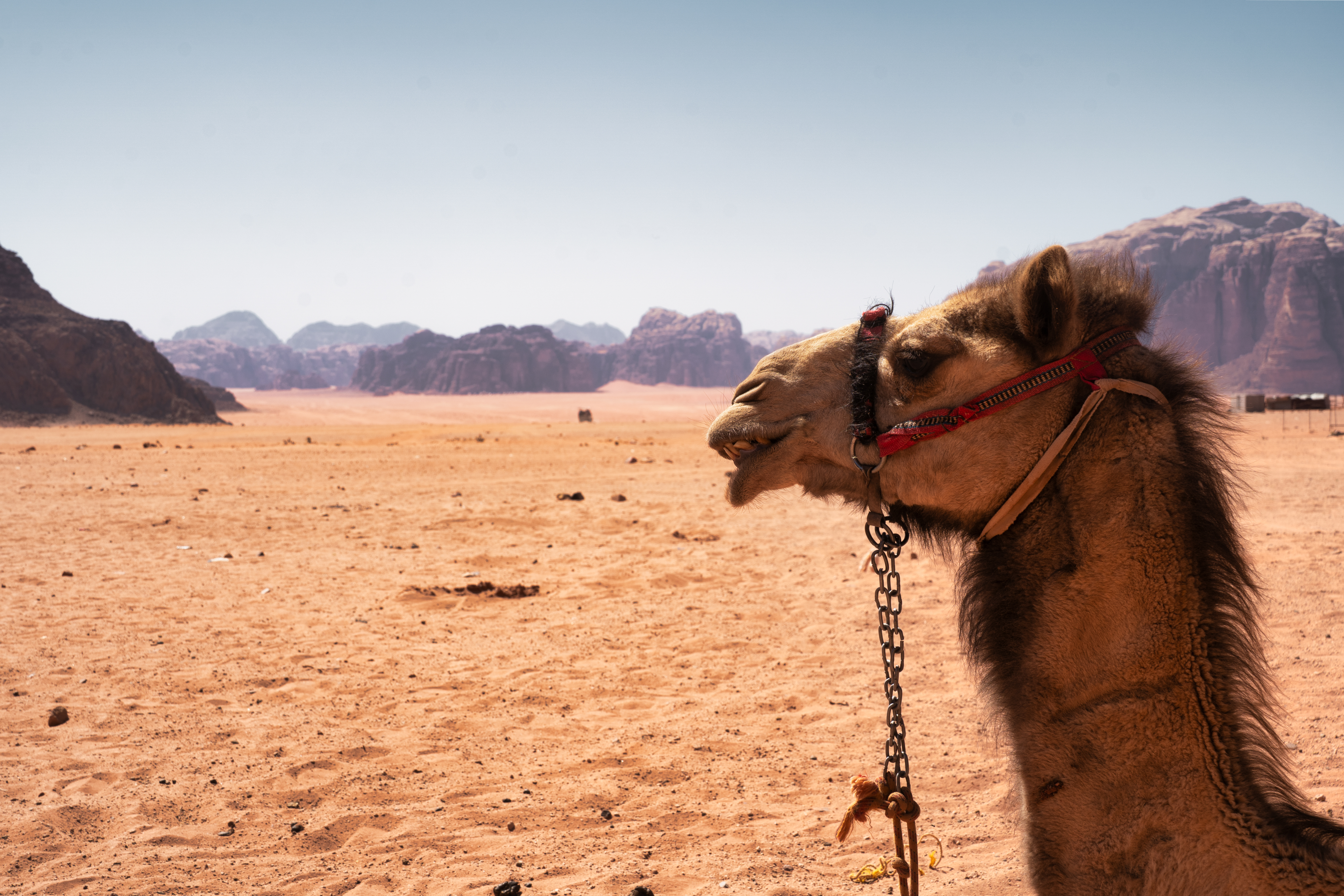
The beauty of Wadi Rum lies not just in its dramatic scenery, but in its feeling of absolute freedom. There are no cities here, no noise beyond the whisper of the wind and the tread of camels across the dunes. Bedouin camps offer simple shelter and warm hospitality, carrying on traditions that have lasted for centuries. Whether crossing the desert by foot, jeep, or camel, the journey through Wadi Rum is not about reaching a destination. It is about the experience of moving through vast, open spaces where the modern world feels distant and the connection to nature and history feels close at hand.

Traces of the Bedouin

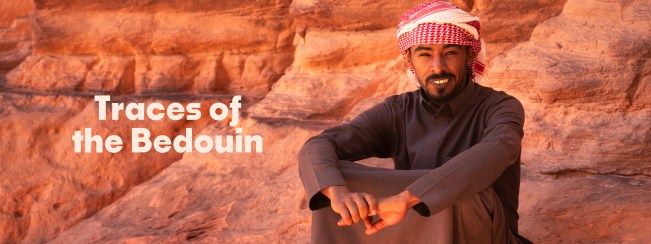
Life in the Wadi Rum desert is shaped by the rhythms of the land — the rising and setting sun, the shifting sands, and the rare but welcome rains. For generations, Bedouin tribes have adapted to this harsh environment, building a culture rooted in resilience, hospitality, and deep knowledge of the desert. Traditionally living in goat-hair tents and moving with their herds, the Bedouins developed skills essential for survival, such as finding water in hidden springs and navigating the open wilderness by the stars. Every mountain, canyon, and rock formation in Wadi Rum carries a story passed down through songs and oral traditions.

Today, many Bedouins continue to live in Wadi Rum, blending tradition with the realities of the modern world. Some have opened their desert camps to visitors, offering a glimpse into their way of life through shared meals, camel rides, and evenings by the fire under a canopy of stars. Despite changes brought by tourism and technology, the spirit of the Bedouin remains strongly tied to the desert. Their connection to the land, their sense of community, and their respect for the natural world continue to leave traces across Wadi Rum, visible not just in the landscape, but in the enduring customs that have been carried forward through time.

Road to Mecca

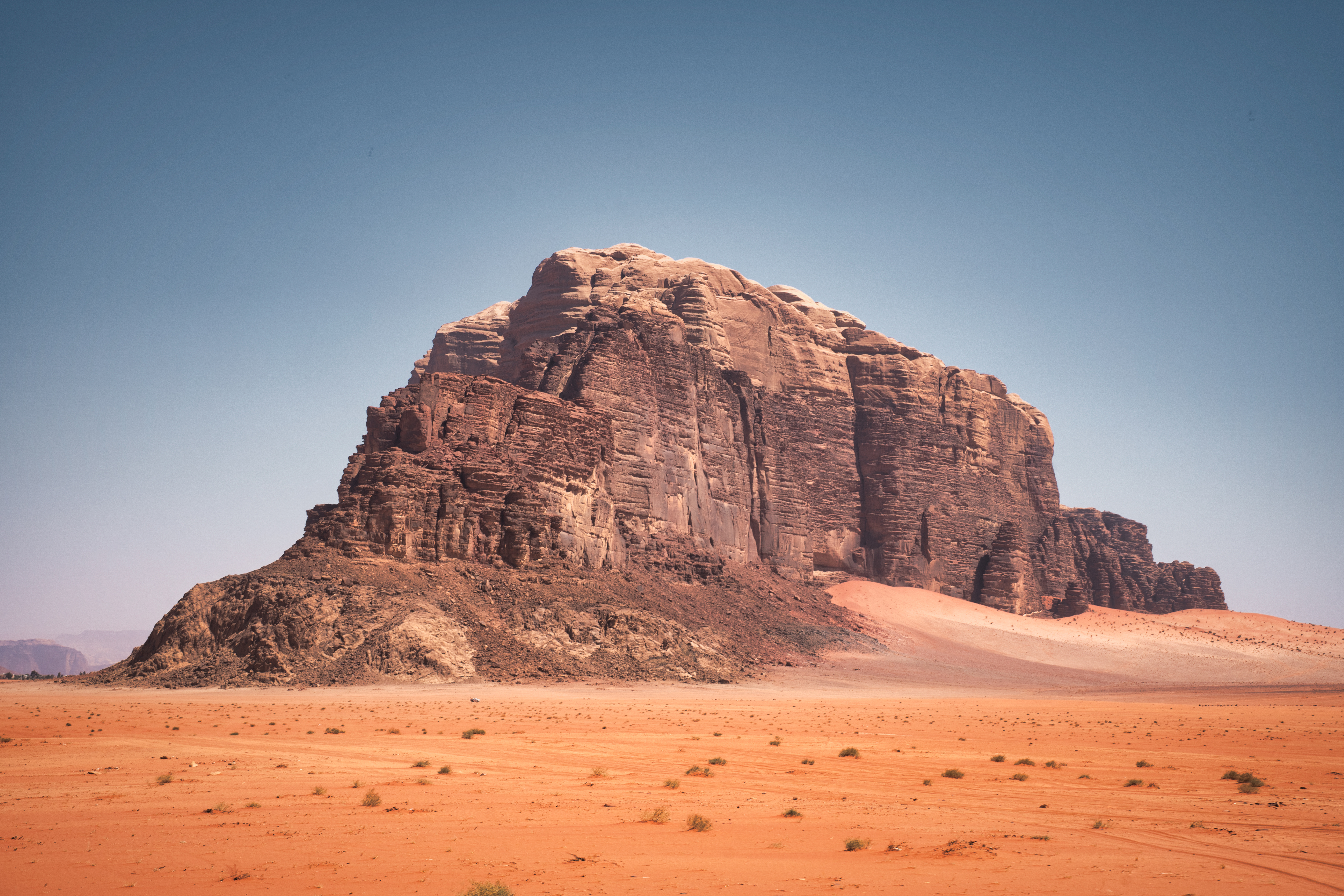
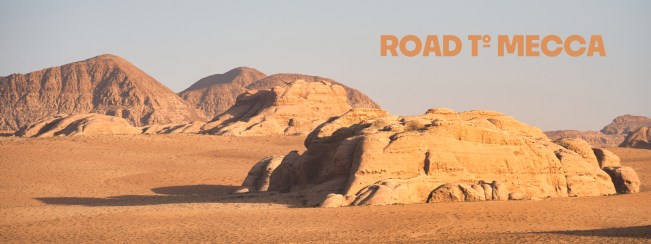
Stretching across southern Jordan, Wadi Rum is a vast desert landscape often called the Valley of the Moon. Towering sandstone mountains, sweeping dunes, and narrow canyons define this ancient region, which has been crossed by traders, pilgrims, and nomads for thousands of years. For many, Wadi Rum was not just a home but a vital part of the road to Mecca, serving as a resting place for caravans heading toward the holy city. Petroglyphs and inscriptions left on the rocks offer silent testimony to the generations who passed through, marking their journeys across one of the harshest yet most beautiful environments on Earth.

Today, Wadi Rum remains a symbol of endurance and movement. Bedouin communities continue to live in the desert, preserving traditions that have guided travelers for centuries. The vast, open spaces and clear night skies evoke a sense of timelessness, where the rhythms of nature dictate life. Though the ancient pilgrimage routes have given way to modern roads and cities, the spirit of the journey endures. In Wadi Rum, the past is etched into every cliff and dune, a reminder of the countless paths that once led onward toward Mecca.

Temples of Stone

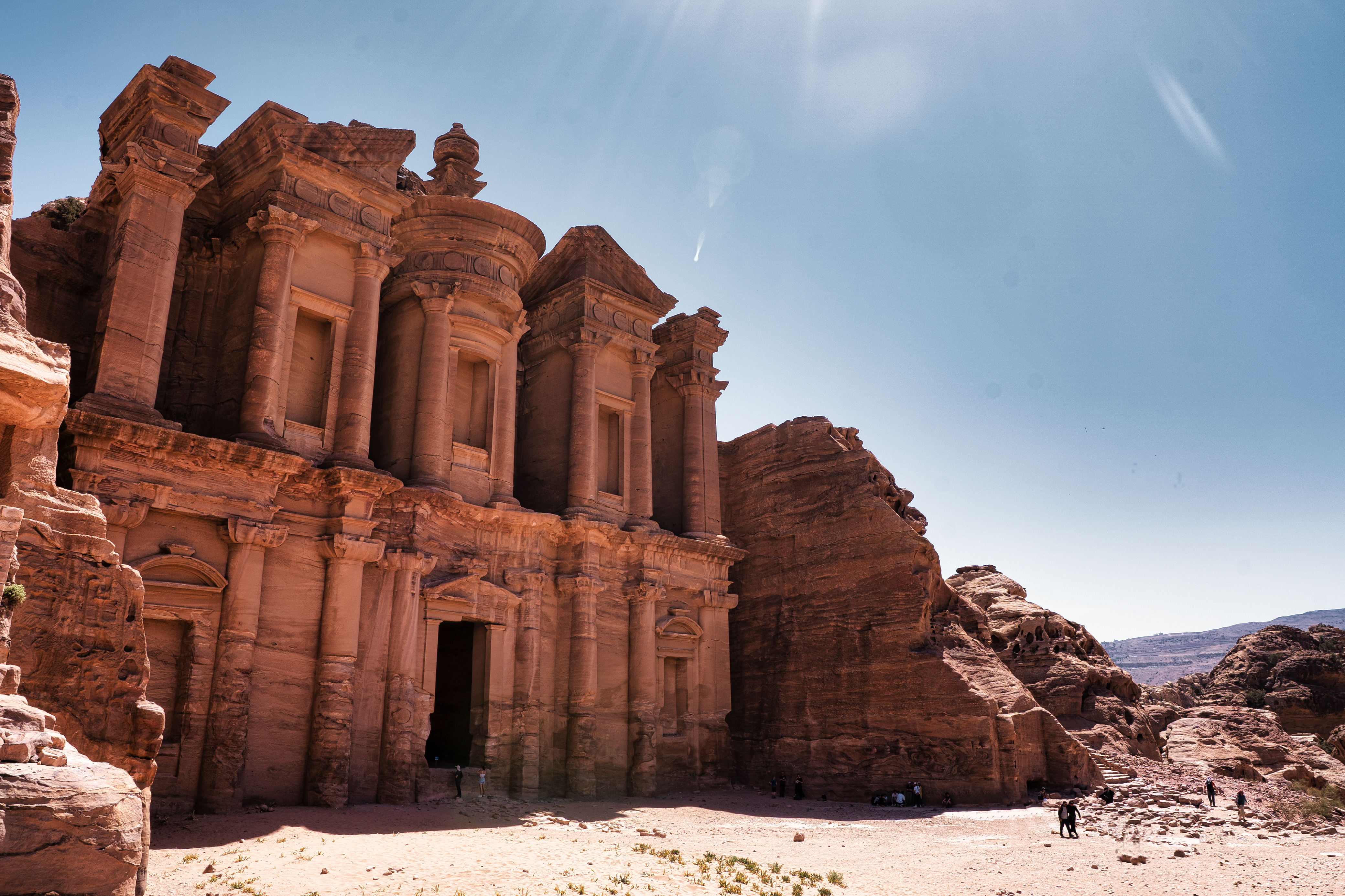
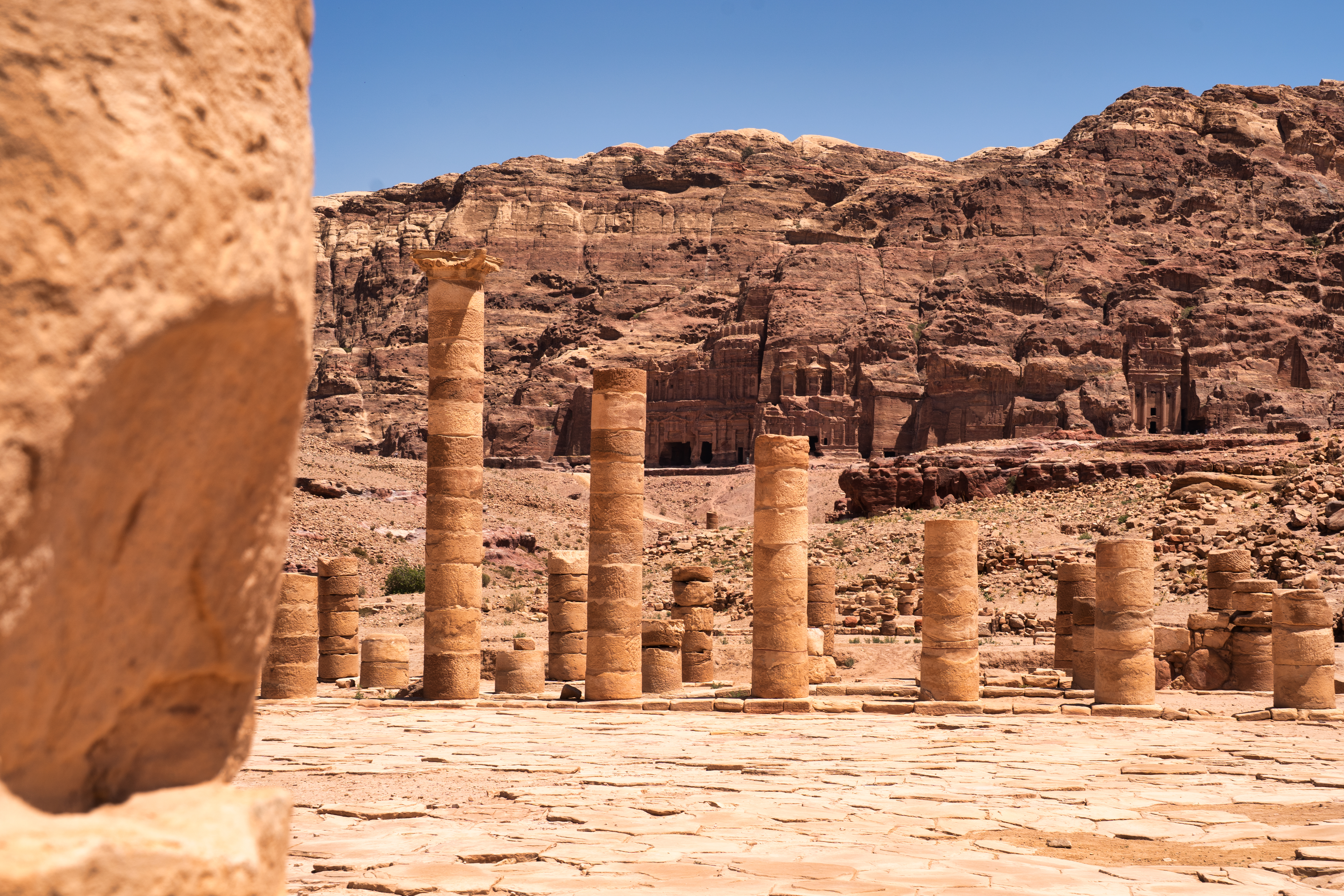
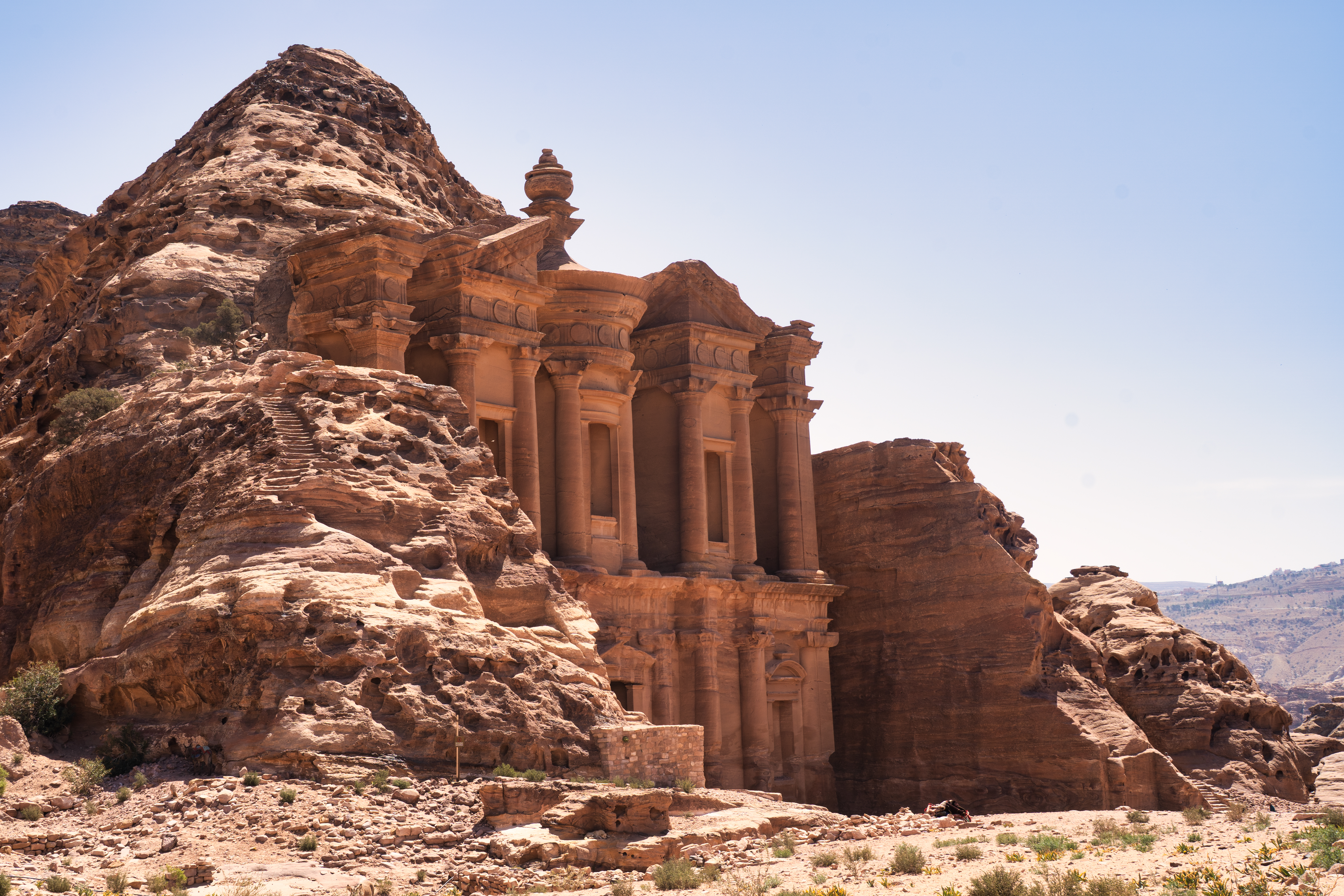
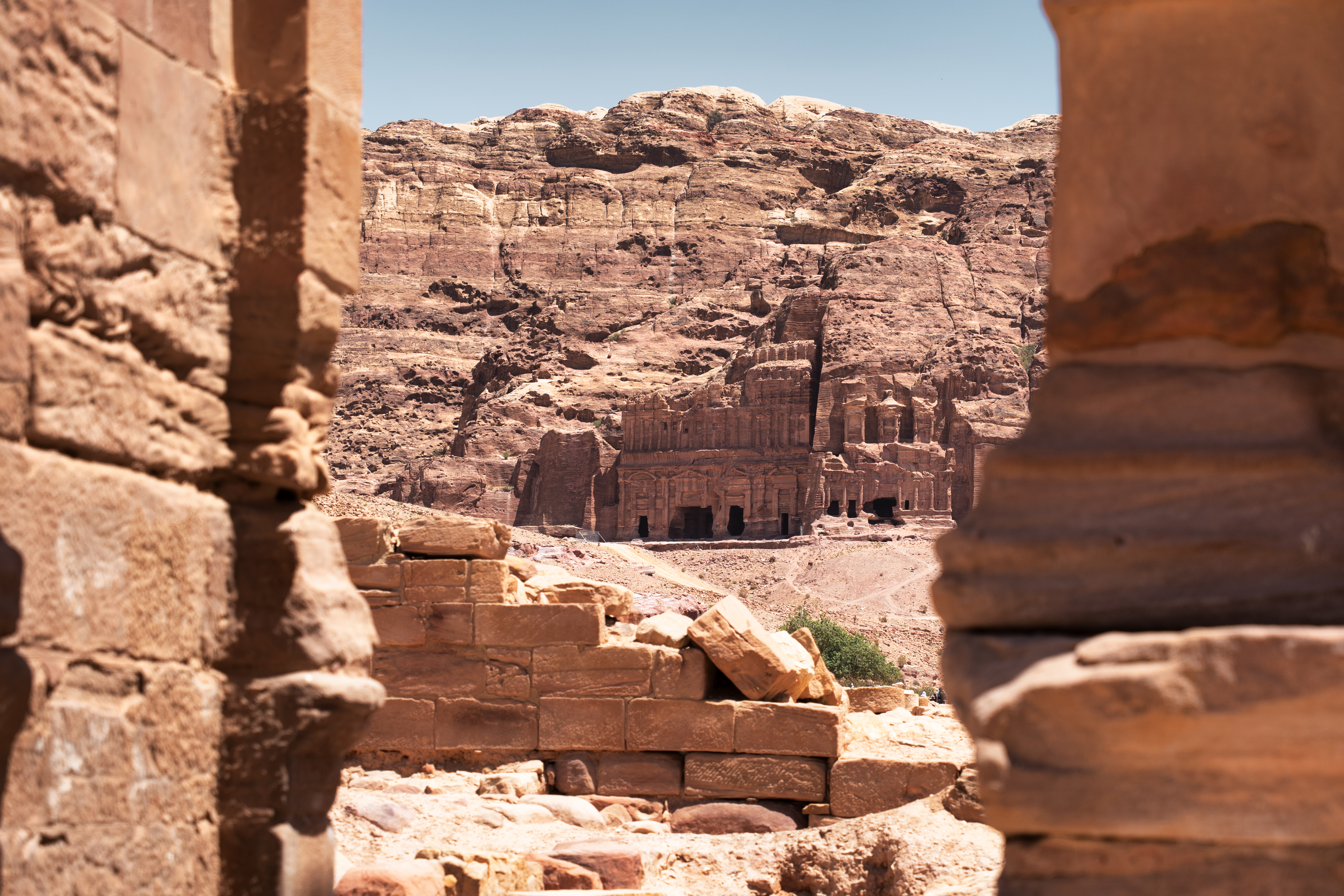
Petra is not only known for its breathtaking setting but also for the extraordinary way its structures were created — not built from the ground up, but carved directly into the rock face. The Nabataeans, skilled in both architecture and engineering, used the soft sandstone cliffs of southern Jordan as their canvas. Starting from the top of the rock and working downward, they chiseled out entire facades, tombs, and temples with remarkable precision. This technique allowed for intricate details to be etched into the stone while maintaining structural stability. Al-Khazneh, the Monastery, and the Royal Tombs all stand as striking examples of this reverse-building method, where architecture emerges from the living rock itself.

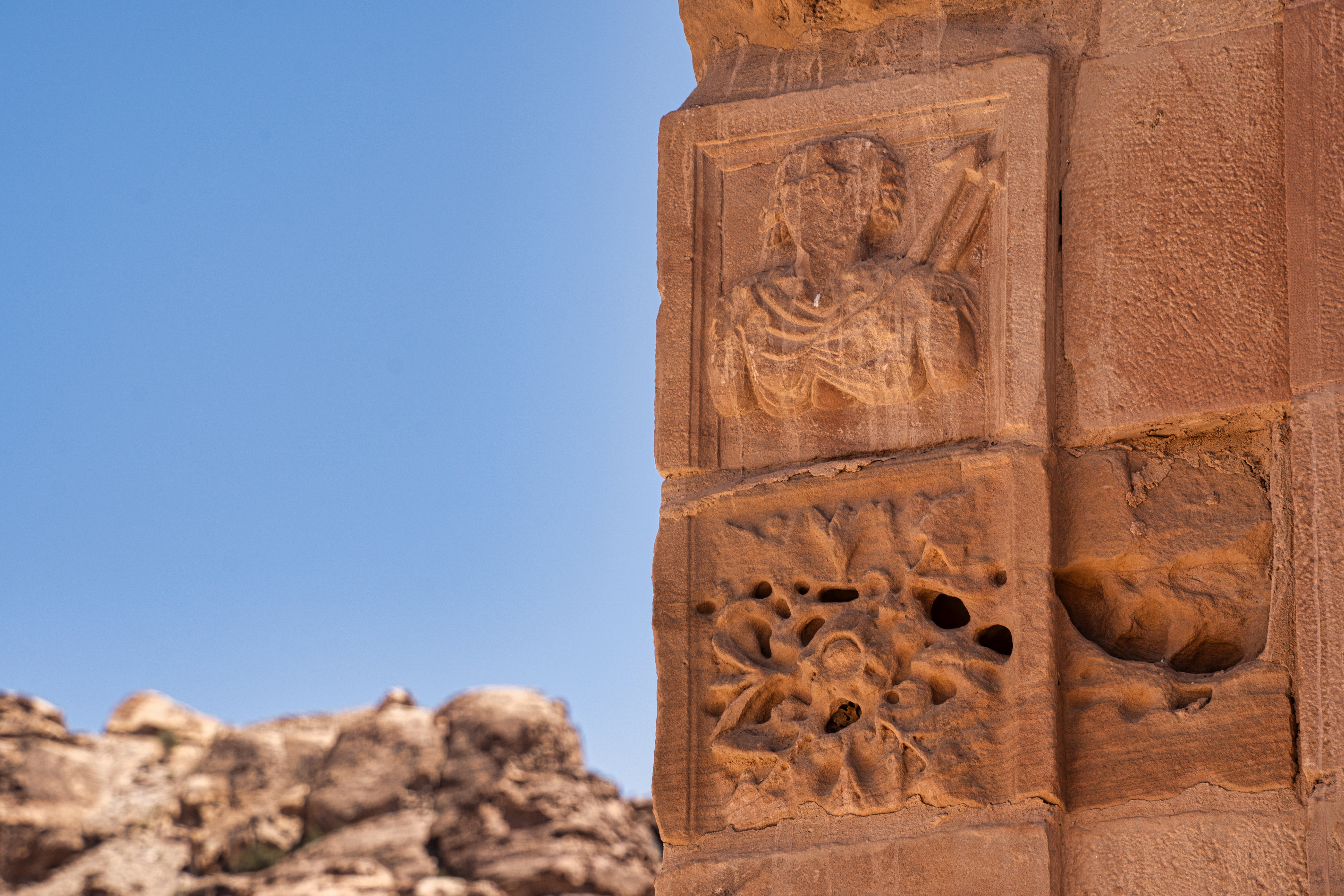
The choice of sandstone was both practical and symbolic. Easy to carve yet sturdy enough to endure centuries, the stone allowed for large-scale creations with flowing columns, niches, and decorative elements influenced by Greek, Roman, and local traditions. The natural color variations of the rock — from deep reds to soft yellows and purples — gave Petra its signature glow, especially at sunrise and sunset. By harmonizing construction with the landscape, the Nabataeans created not only functional spaces but also spiritual and aesthetic landmarks that continue to awe visitors and scholars alike. These stone-carved temples are more than ruins; they are lasting proof of a civilization that turned nature itself into architecture.

Treasures of Petra

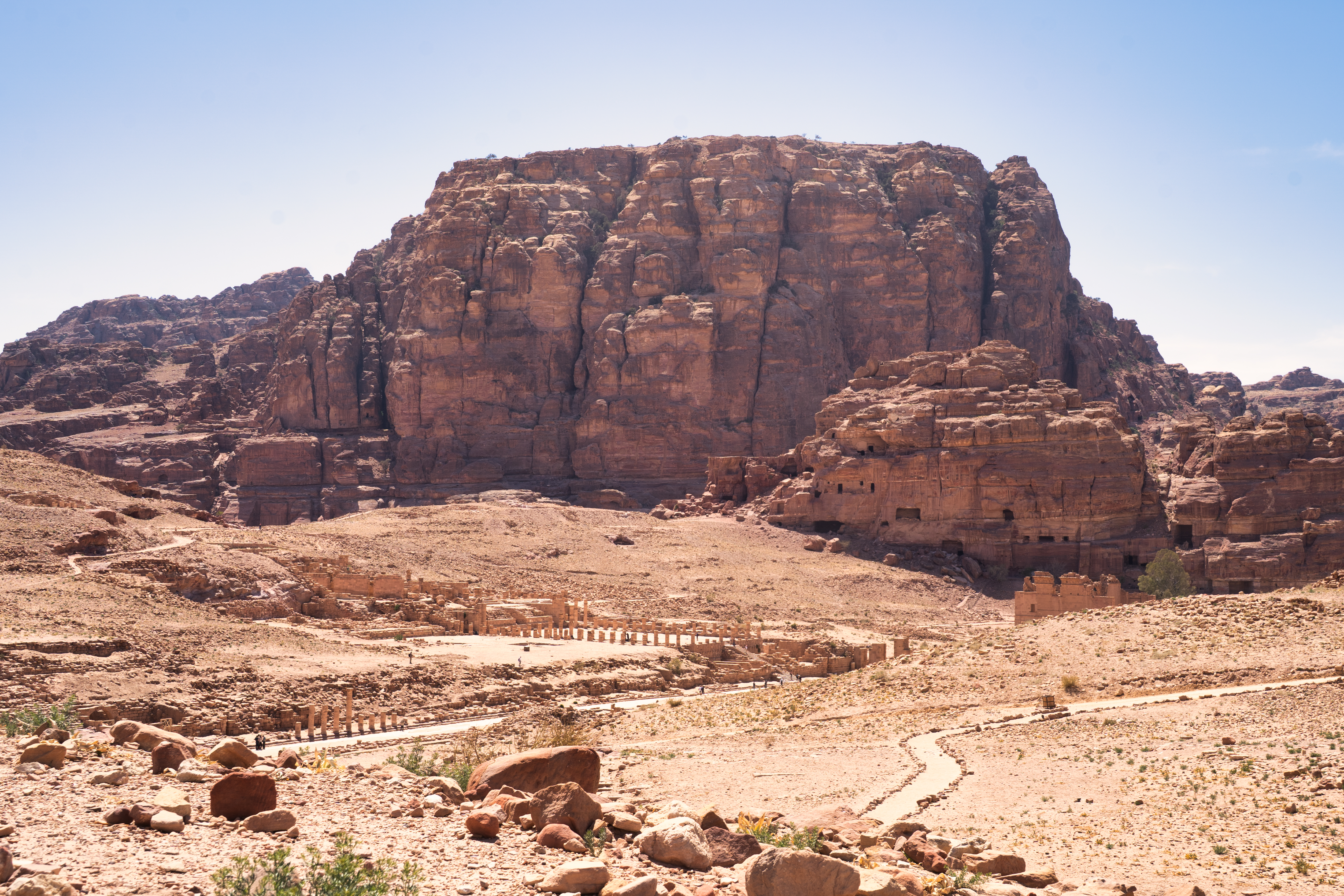
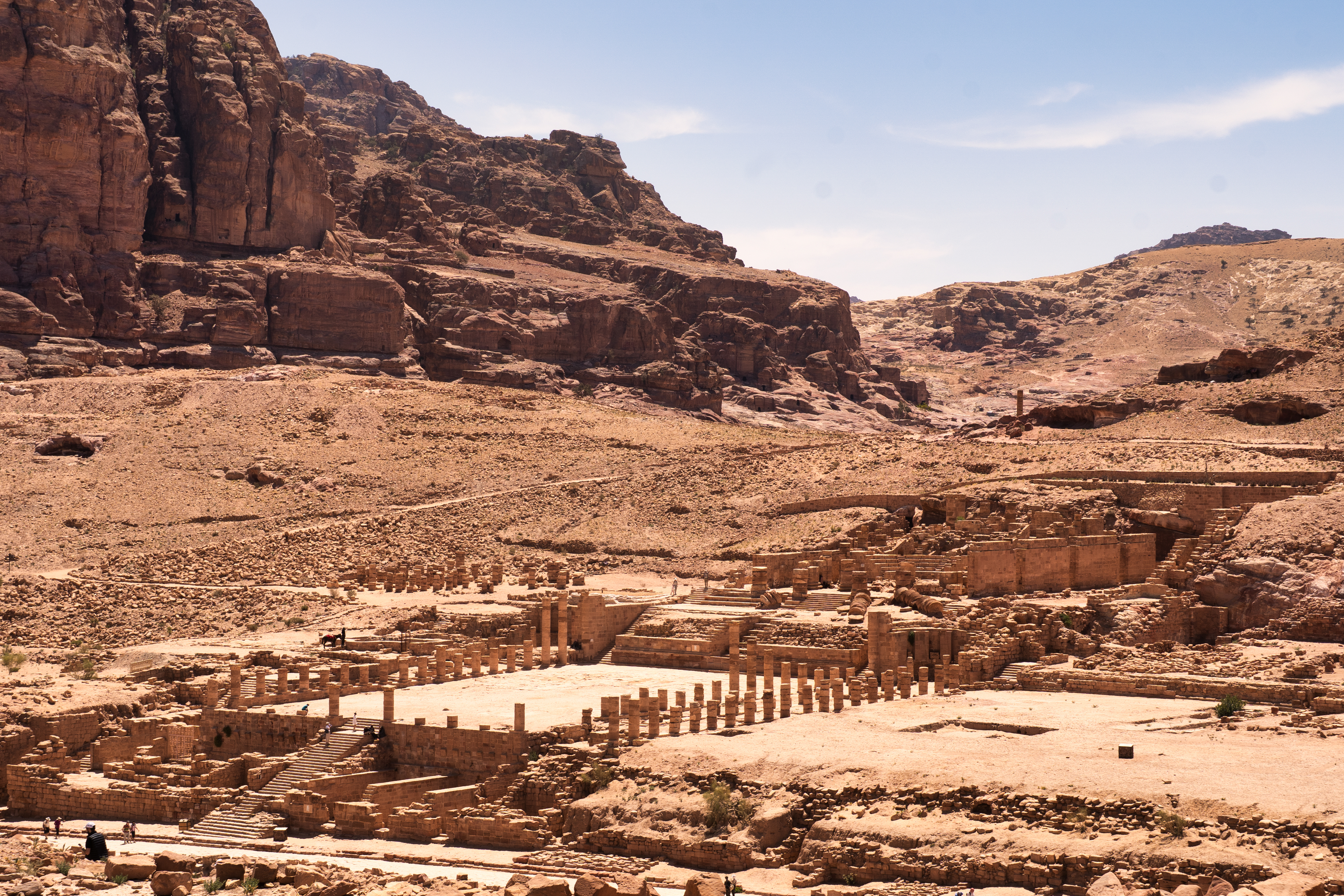
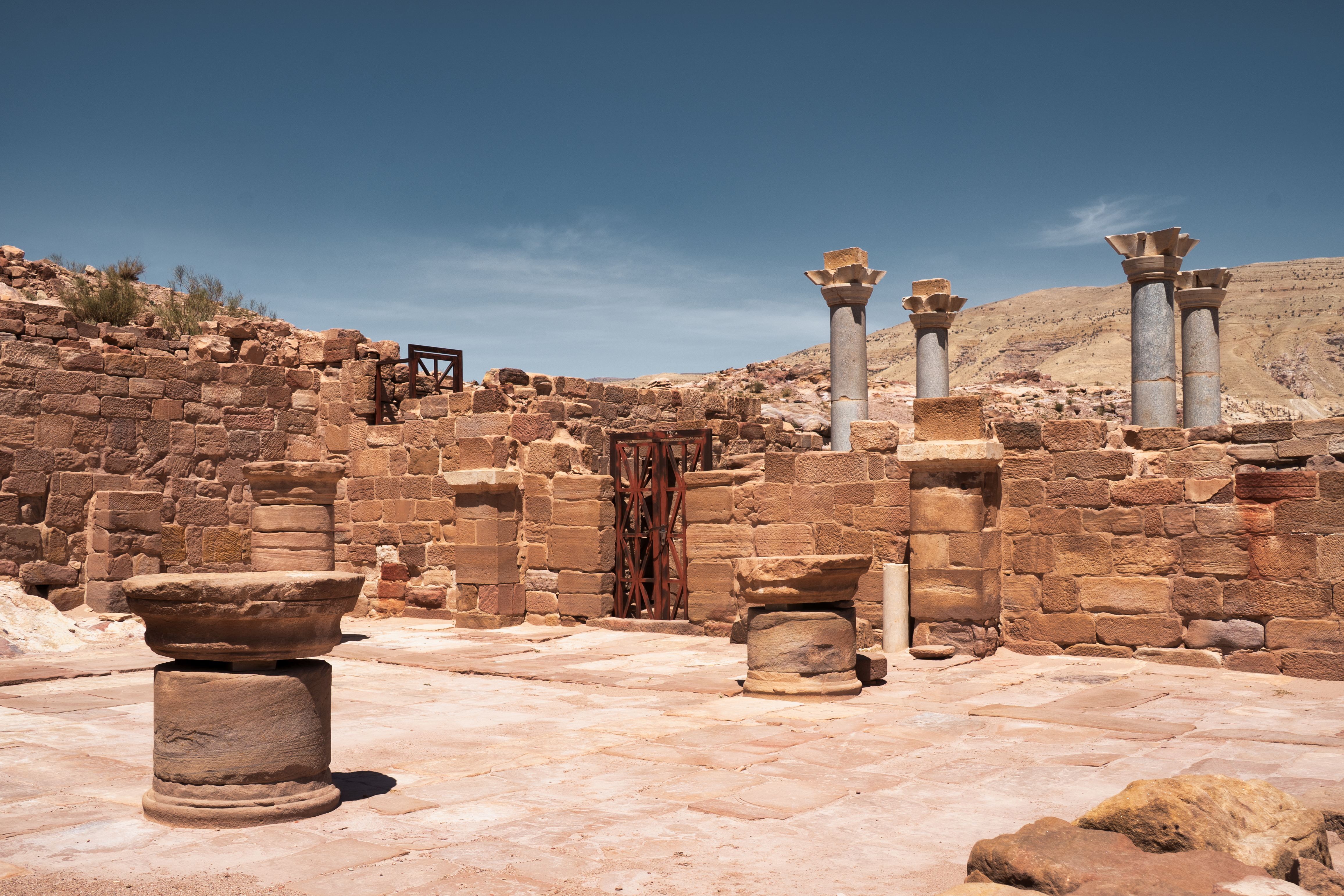
Petra’s true wealth lies in its depth and complexity. Beyond the famous Treasury lies a sprawling network of tombs, temples, stairways, and forgotten dwellings carved into the cliffs. The Royal Tombs stand high above the valley floor, their facades worn yet still majestic, while the Street of Facades hints at the city’s former grandeur. Petra was not merely a place of worship or burial; it was a living city, complete with marketplaces, ceremonial sites, and homes — all crafted in stone.

What sets Petra apart from other archaeological sites is its unique blend of natural environment and human ingenuity. The Nabataeans designed a complex system of dams, reservoirs, and pipelines to control and store water, allowing them to thrive in an otherwise arid landscape. Every carved staircase and hidden cistern adds to the narrative of a people who turned rock into shelter and desert into opportunity. These treasures, both seen and unseen, continue to shape our understanding of ancient urban life and the silent sophistication of those who built it.

1 3 4 5 36