Skip to content

Kingdom of the Hashemites

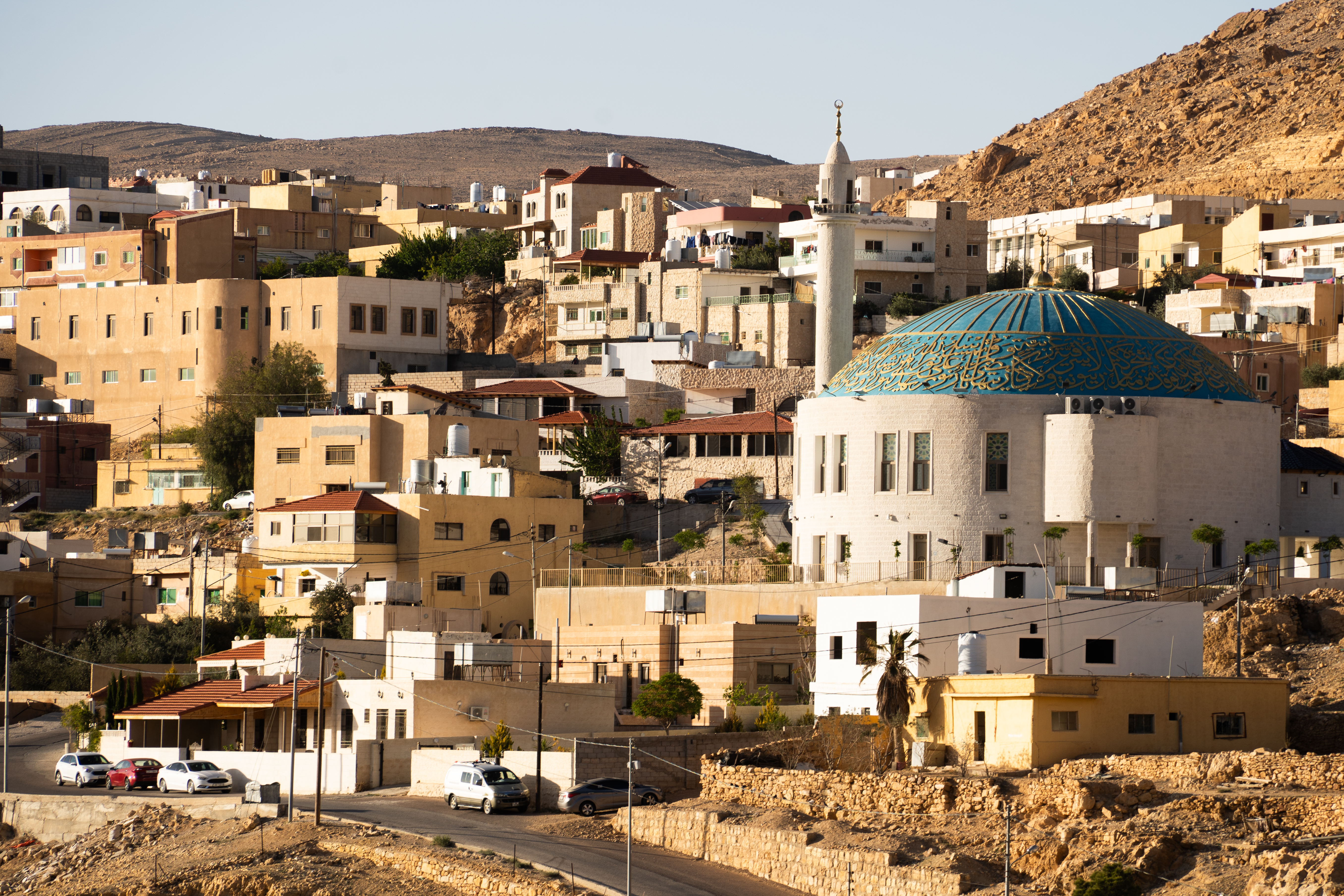
The Hashemite Kingdom of Jordan, founded in 1921 and officially established as a sovereign nation in 1946, is ruled by the Hashemite dynasty, descendants of the Prophet Muhammad through his great-grandfather Hashim. This royal lineage gives the monarchy deep historical and religious significance in the Arab and Islamic world. Under Hashemite leadership, Jordan has navigated a complex regional landscape, maintaining relative stability despite being surrounded by conflict zones.

Today, King Abdullah II continues the legacy of modernization and diplomacy begun by his father, King Hussein. Jordan balances tradition with progress, acting as a bridge between East and West. Though small in size and lacking major oil resources, the Hashemite Kingdom plays an outsized role in regional politics, peace efforts, and interfaith dialogue—making it a key player in the Middle East’s ever-evolving story.
Path of the Ancients

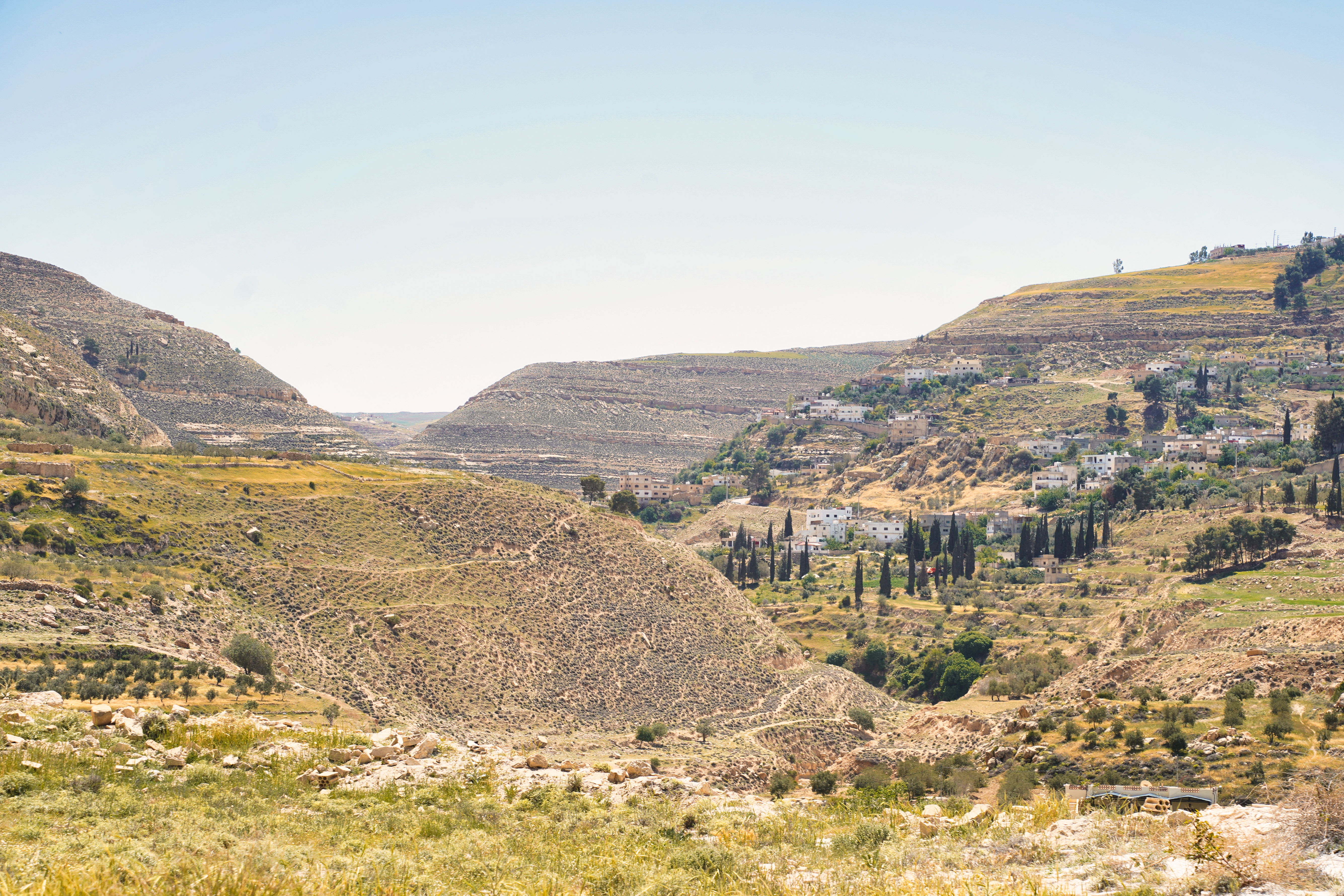
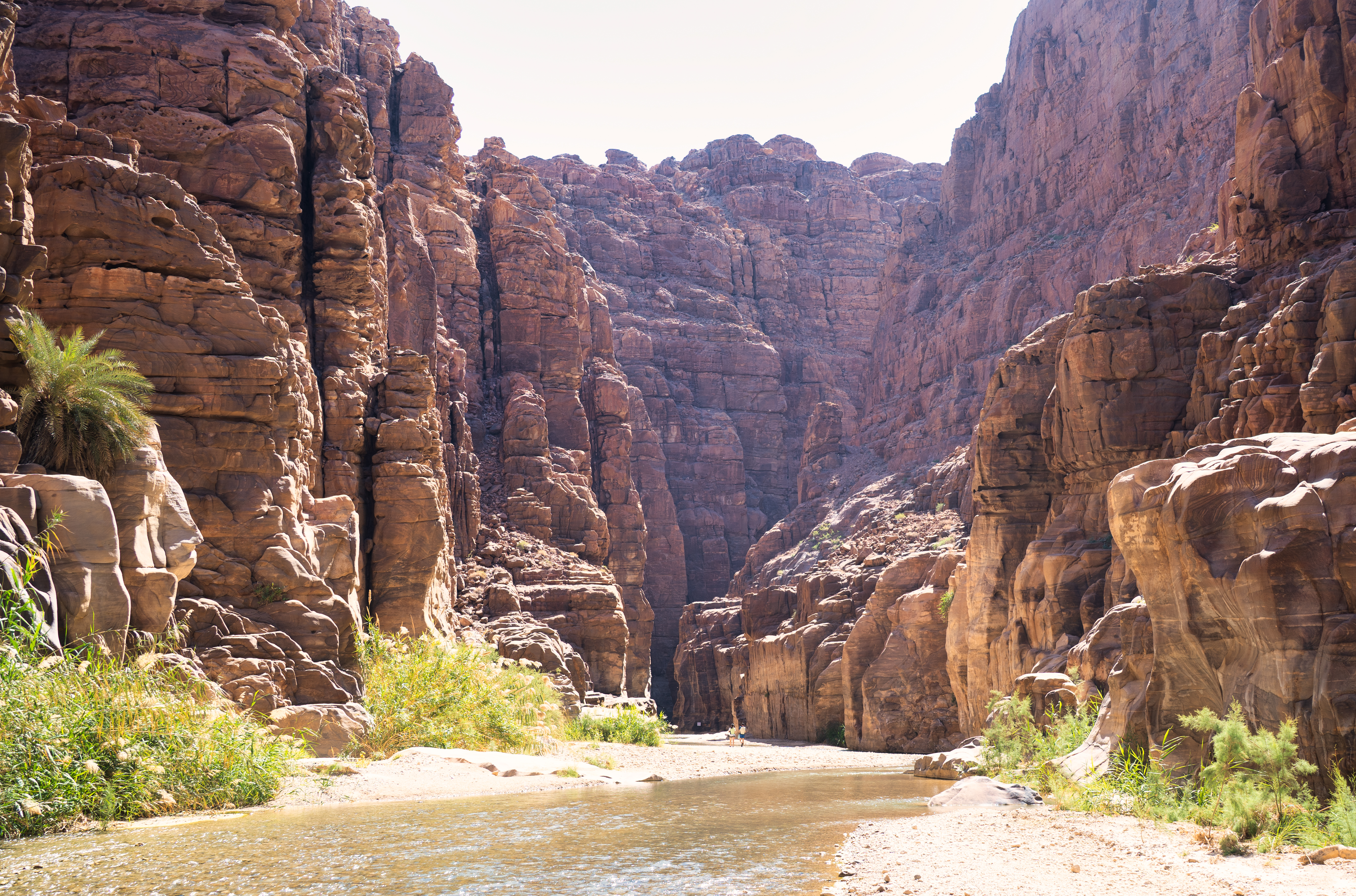
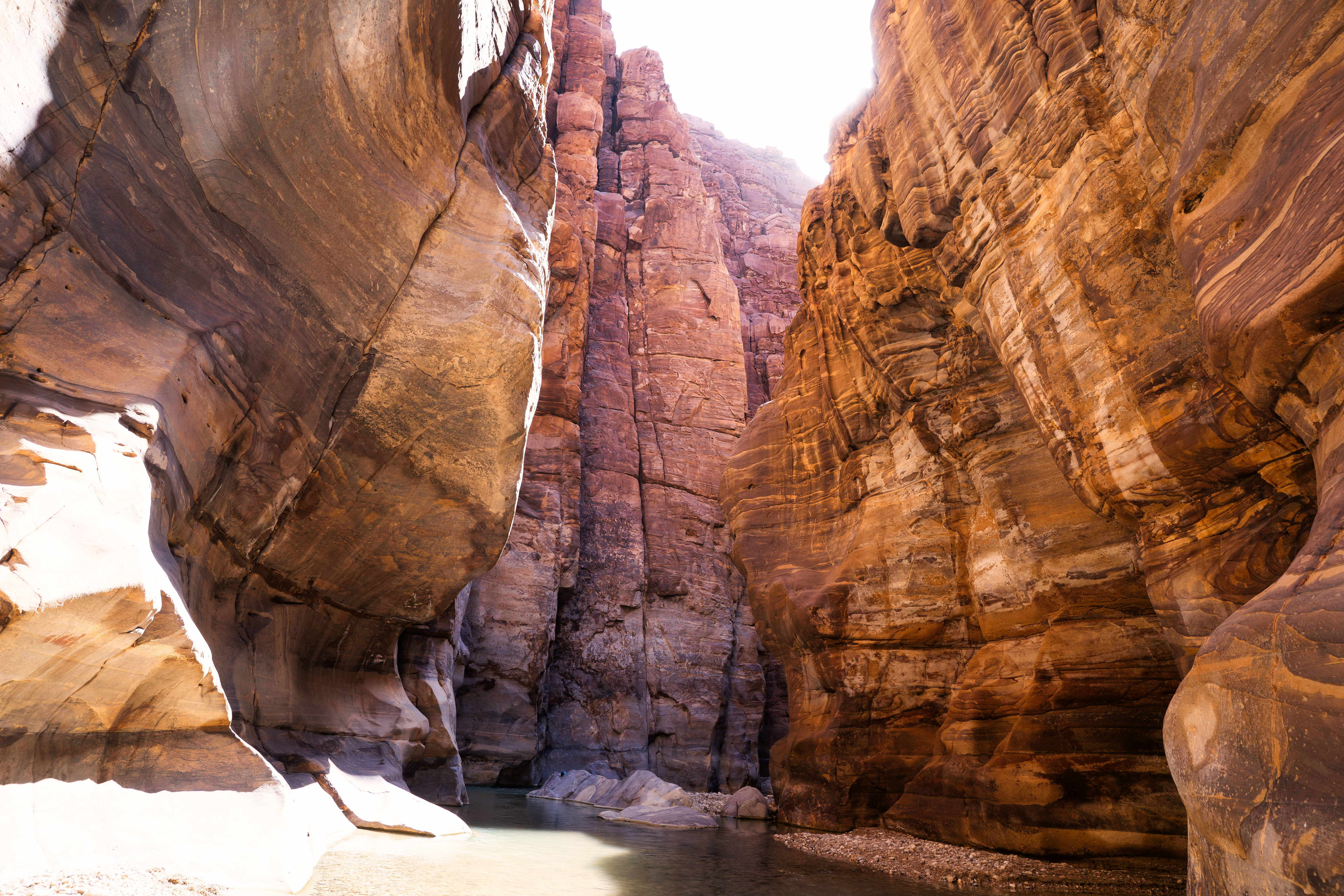
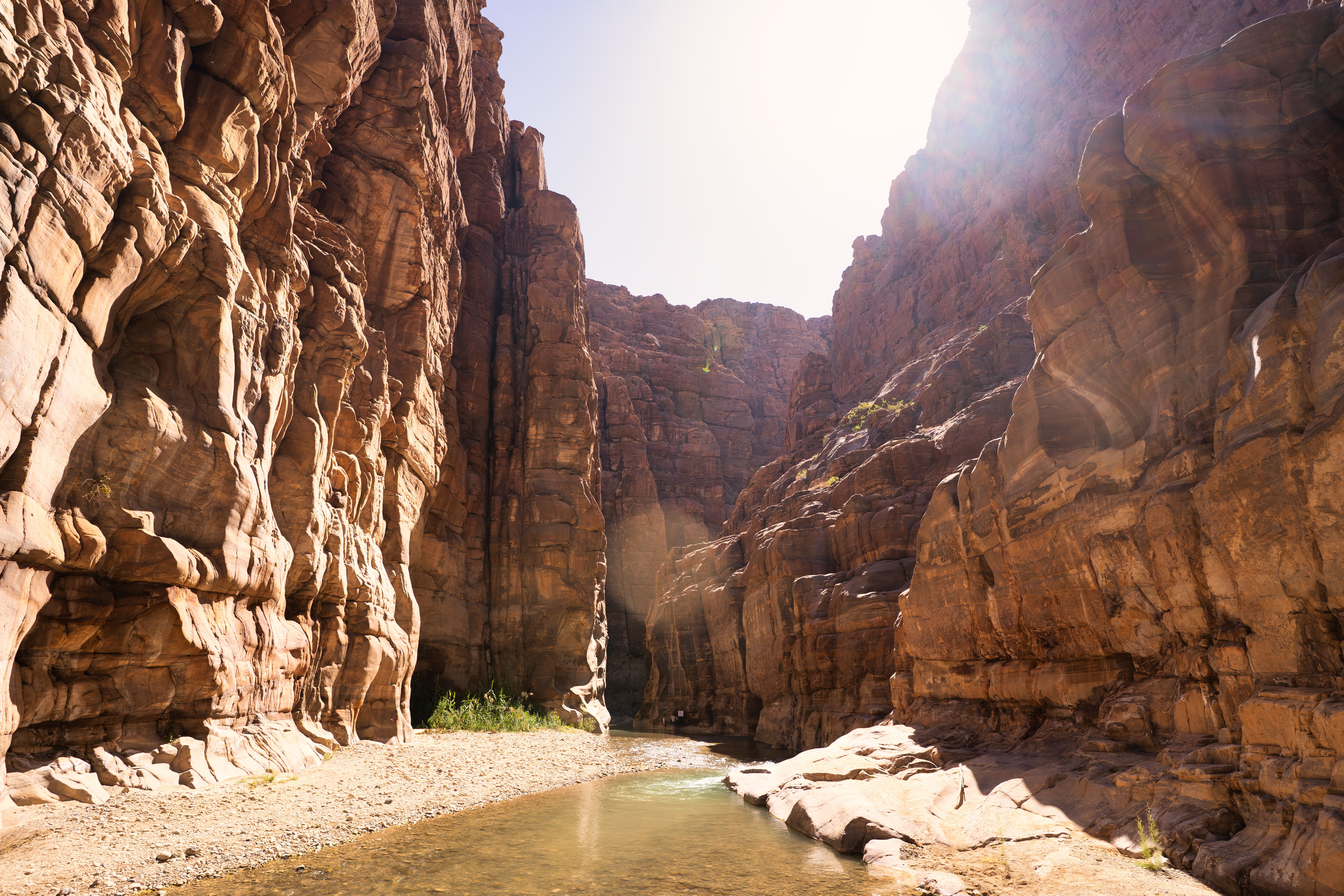
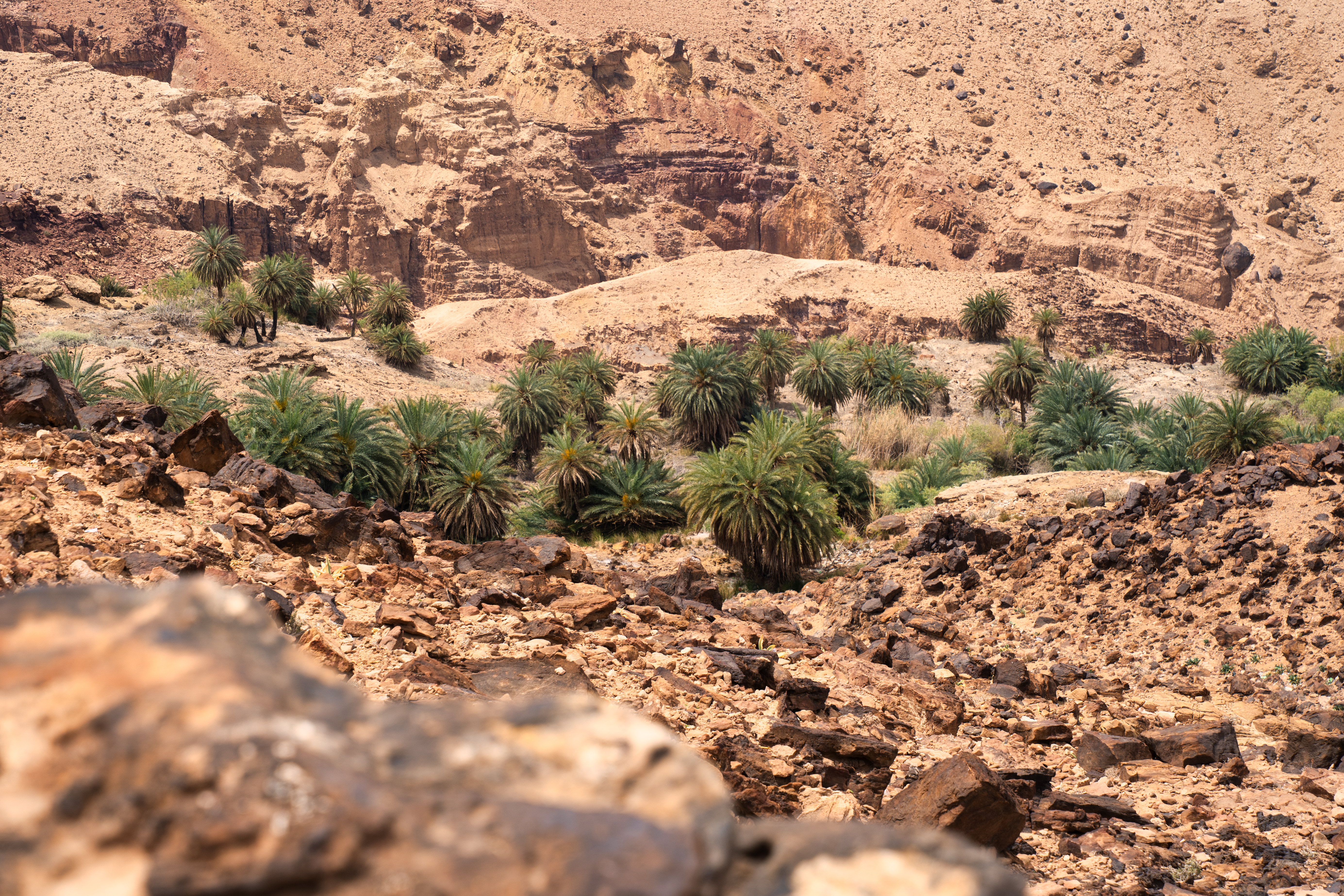
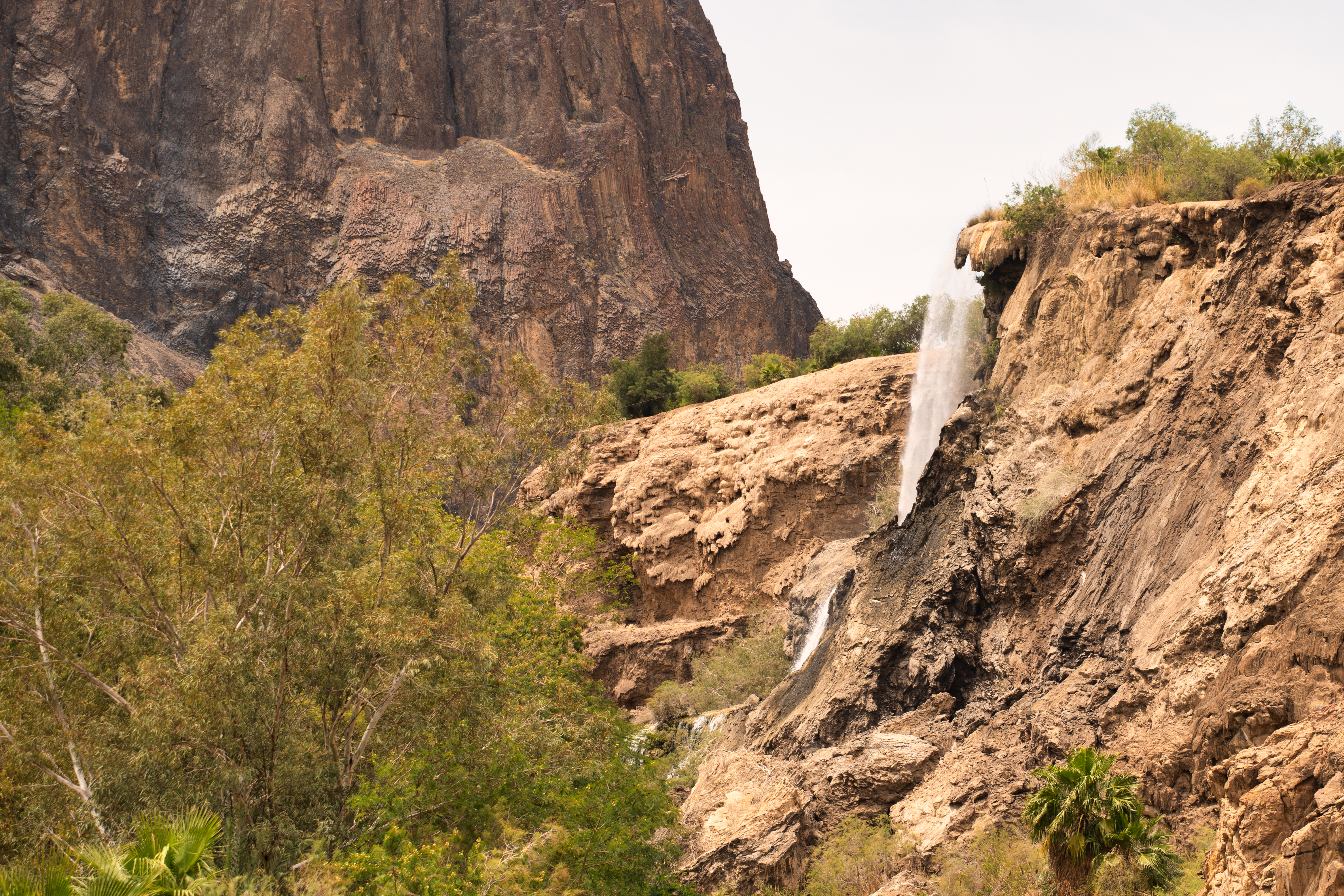
Deep in the heart of Jordan, where rugged cliffs tower above rushing waters, lies a trail etched not just into stone, but into history. Wadi Mujib, known in ancient times as the Arnon River, is a place where nature and legend intertwine. For millennia, this dramatic canyon carved into the edge of the Dead Sea Rift has served as both a geographical border and a spiritual threshold. It was once the boundary between the kingdoms of Moab and the Amorites, and its name echoes through biblical verses and forgotten scrolls. Today, the gorge is part of a UNESCO Biosphere Reserve, teeming with rare plants and elusive animals. 

The Sacred Sea

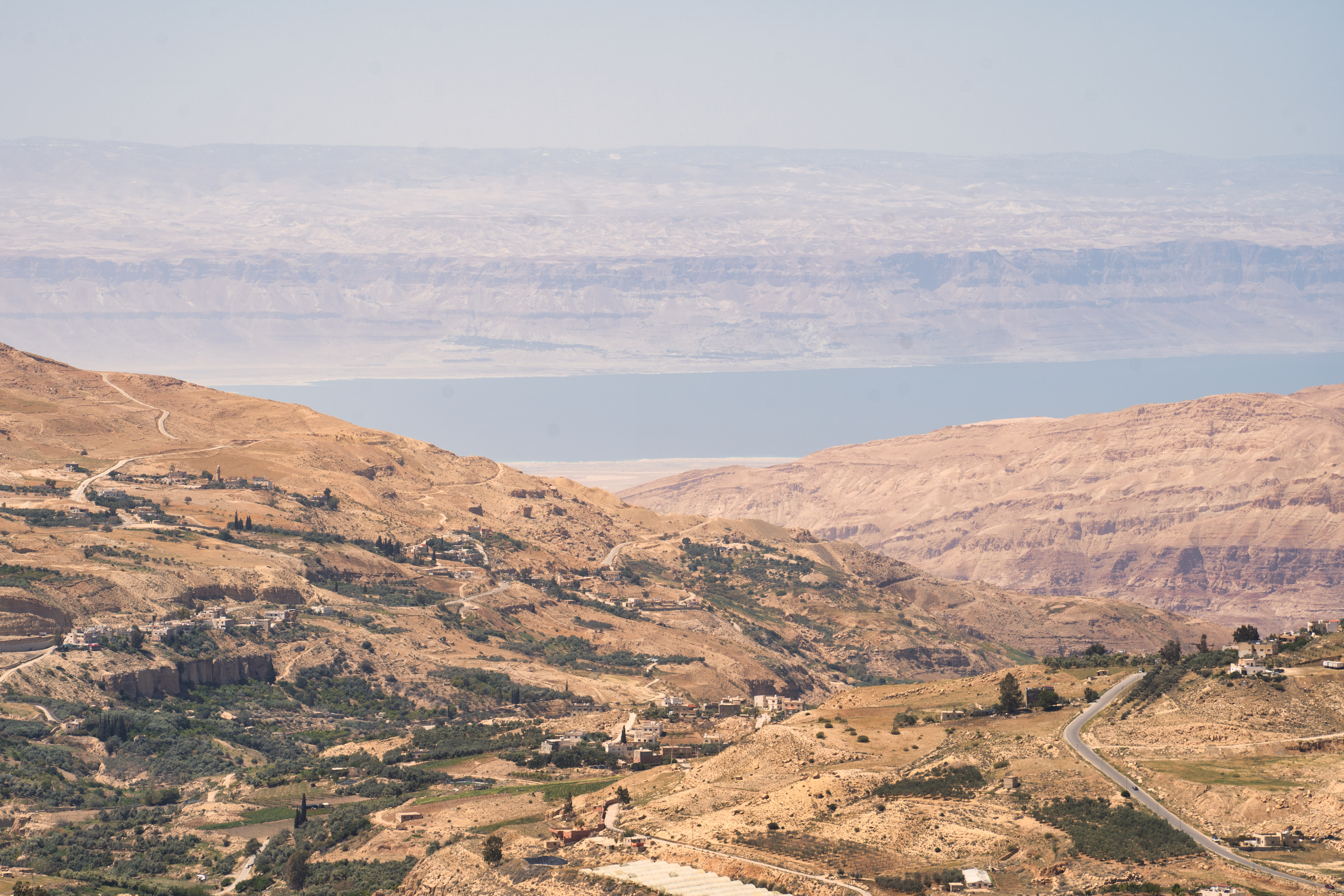
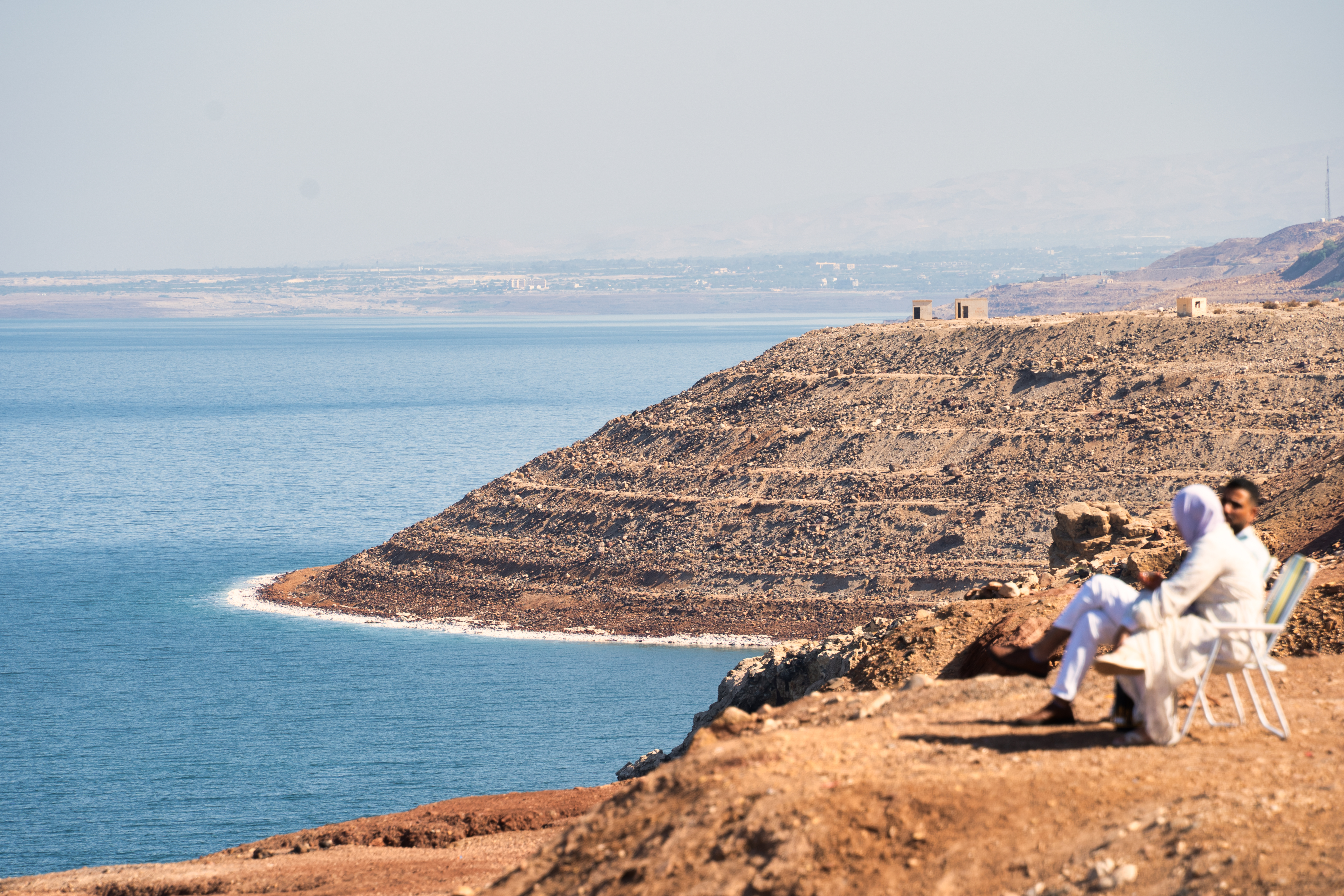
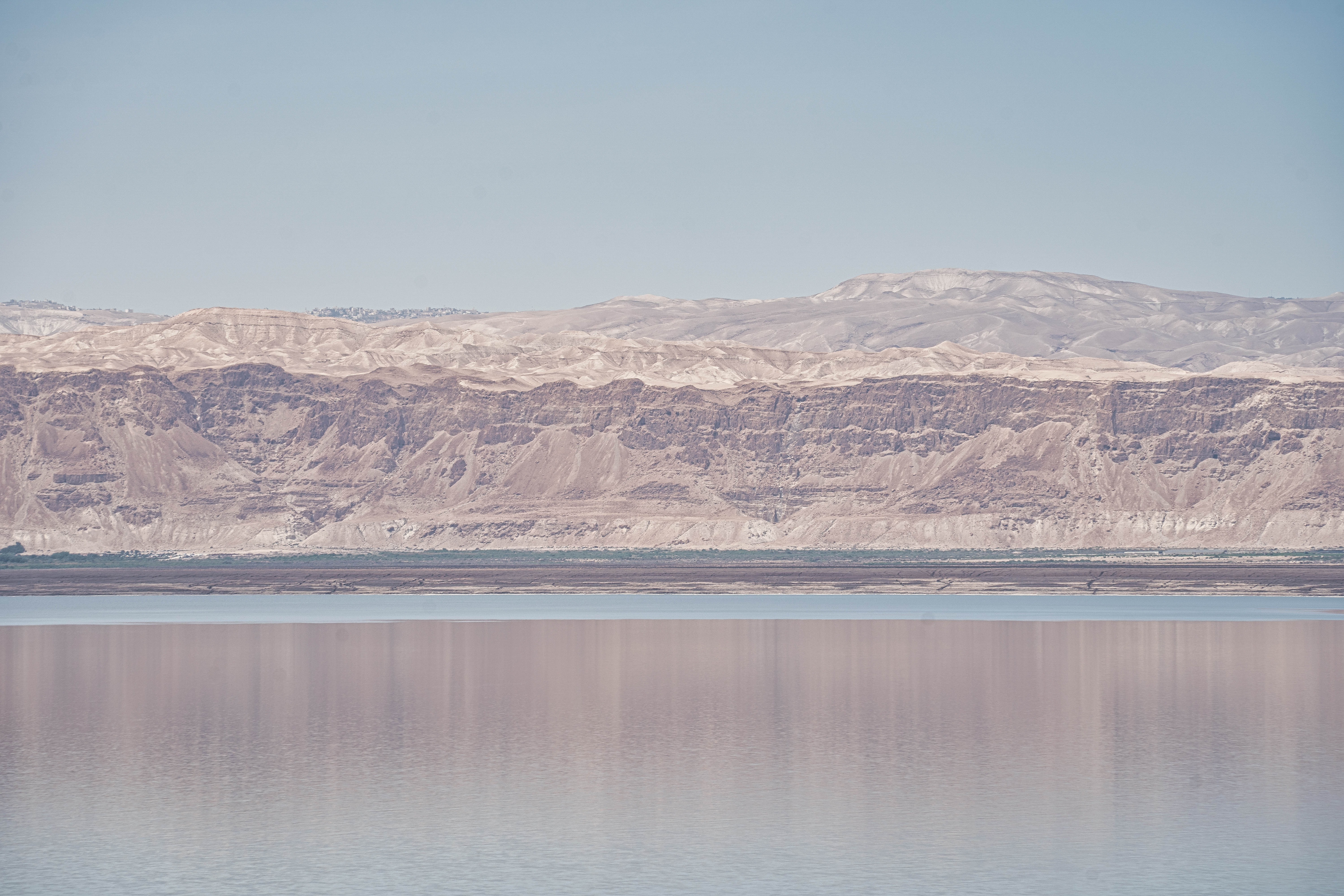
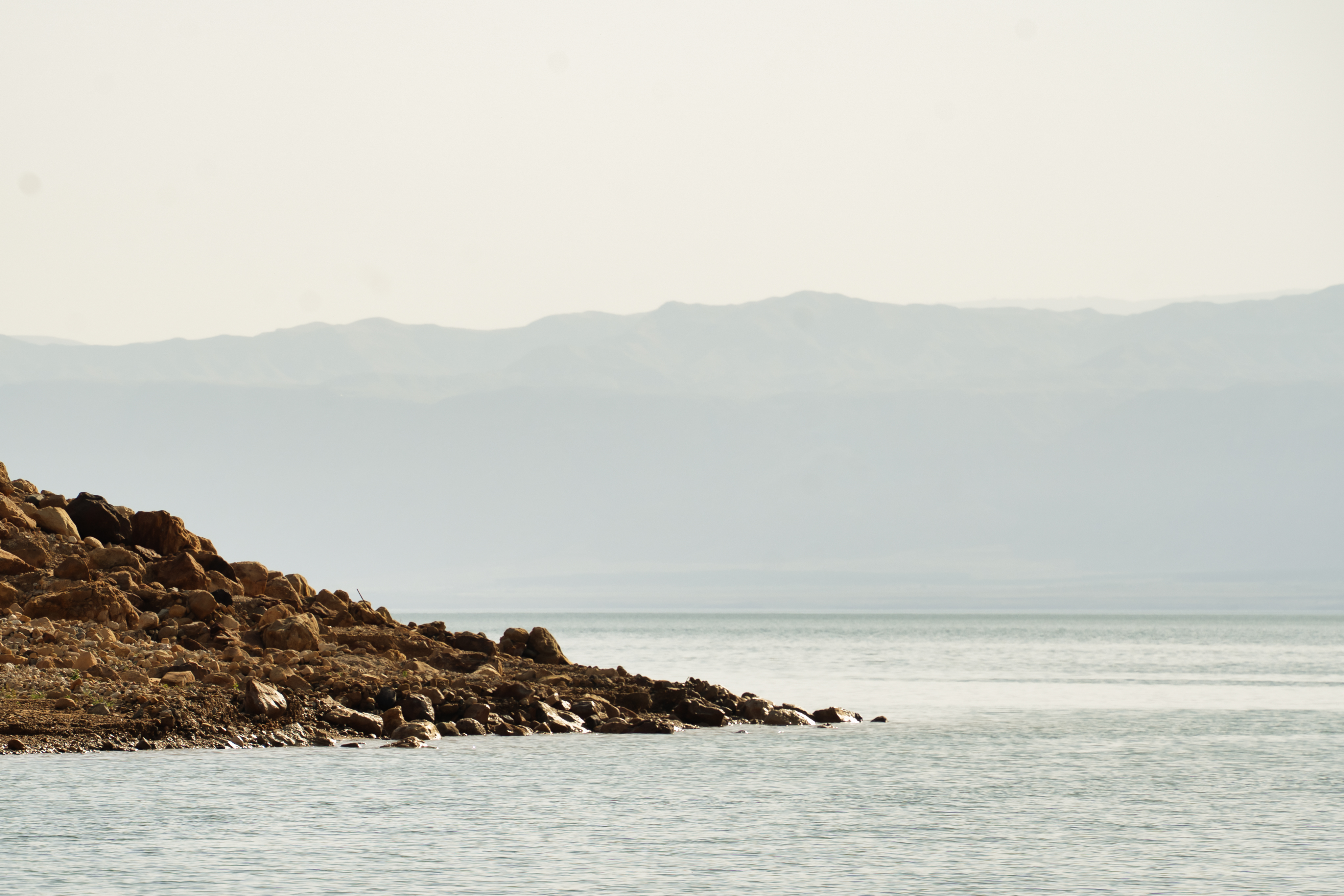
The Dead Sea, resting at the lowest point on Earth, is more than just a natural wonder—it is a place of spiritual stillness and profound historical weight. Revered since ancient times, this hypersaline lake has drawn prophets, pilgrims, and seekers for millennia. Its mineral-rich waters and black mud, long believed to possess healing properties, attract visitors looking for both physical and spiritual renewal. Nearby, the windswept hills of Mount Nebo—where Moses is said to have glimpsed the Promised Land—offer sweeping views of the sea, connecting this landscape to sacred narratives found in the Torah, Bible, and Quran.

Today, the Jordanian coast of the Dead Sea remains a place where silence speaks volumes. Luxurious spas and wellness resorts line its shores, yet just a short drive away, modest villages and desolate stretches of salt-encrusted rock evoke the timeless, almost otherworldly essence of the place. Many who visit talk of a strange serenity in floating effortlessly on its dense waters, as if cradled by an ancient force. It’s this mix of spiritual heritage, natural extremity, and reflective solitude that makes the Dead Sea more than just a destination—it becomes a quiet sanctuary, where the sacred whispers through salt, stone, and stillness.

Coastal Explorations

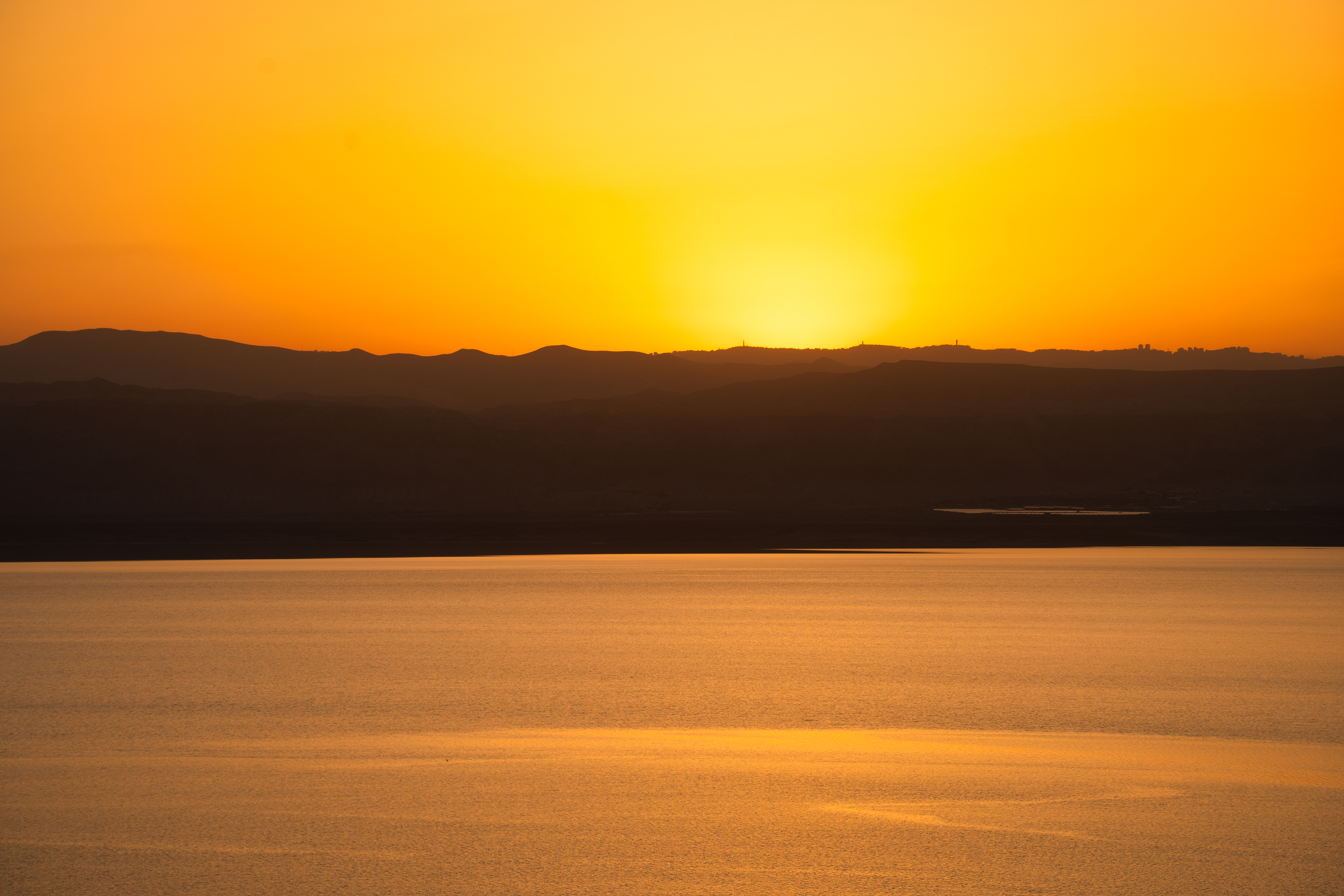
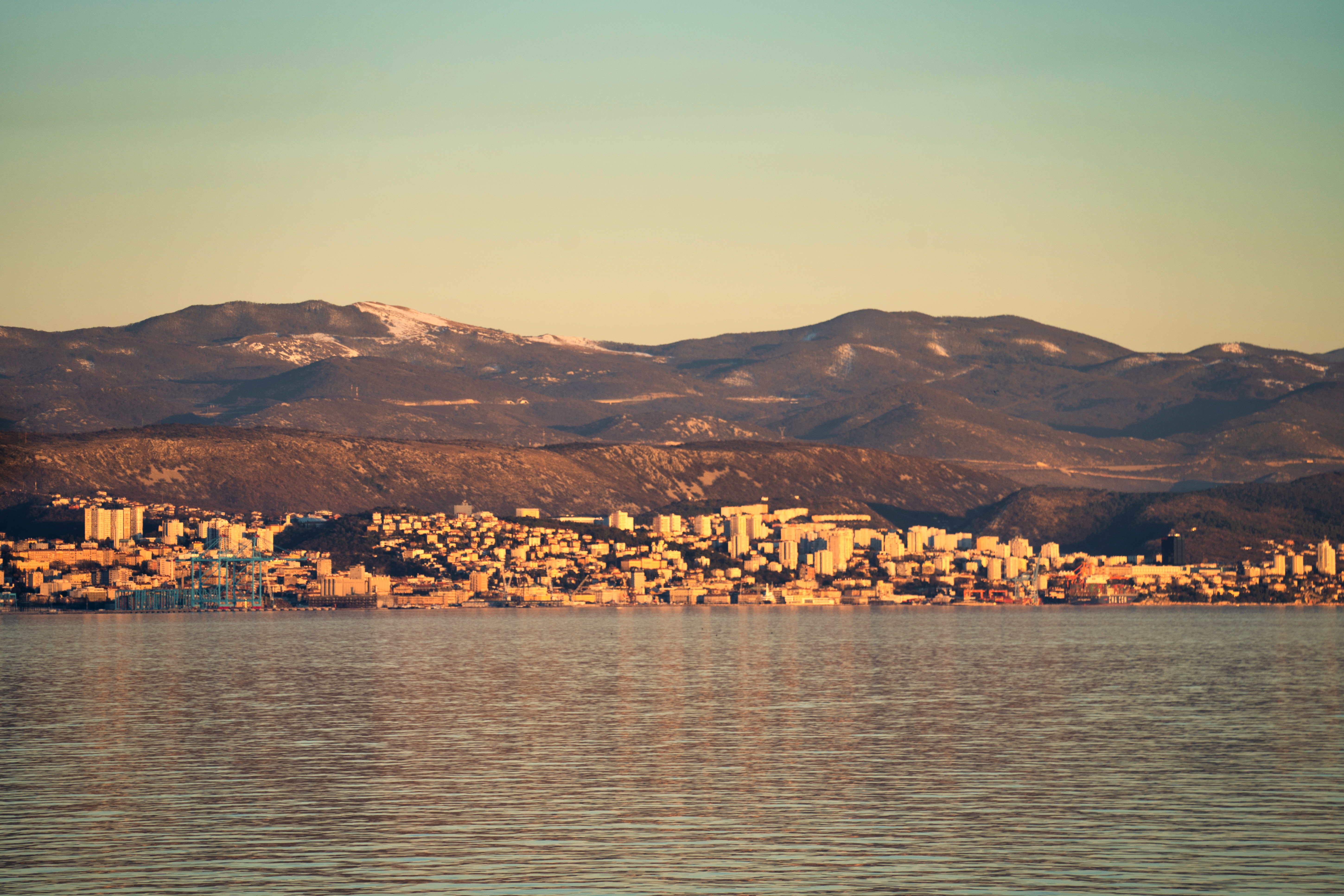
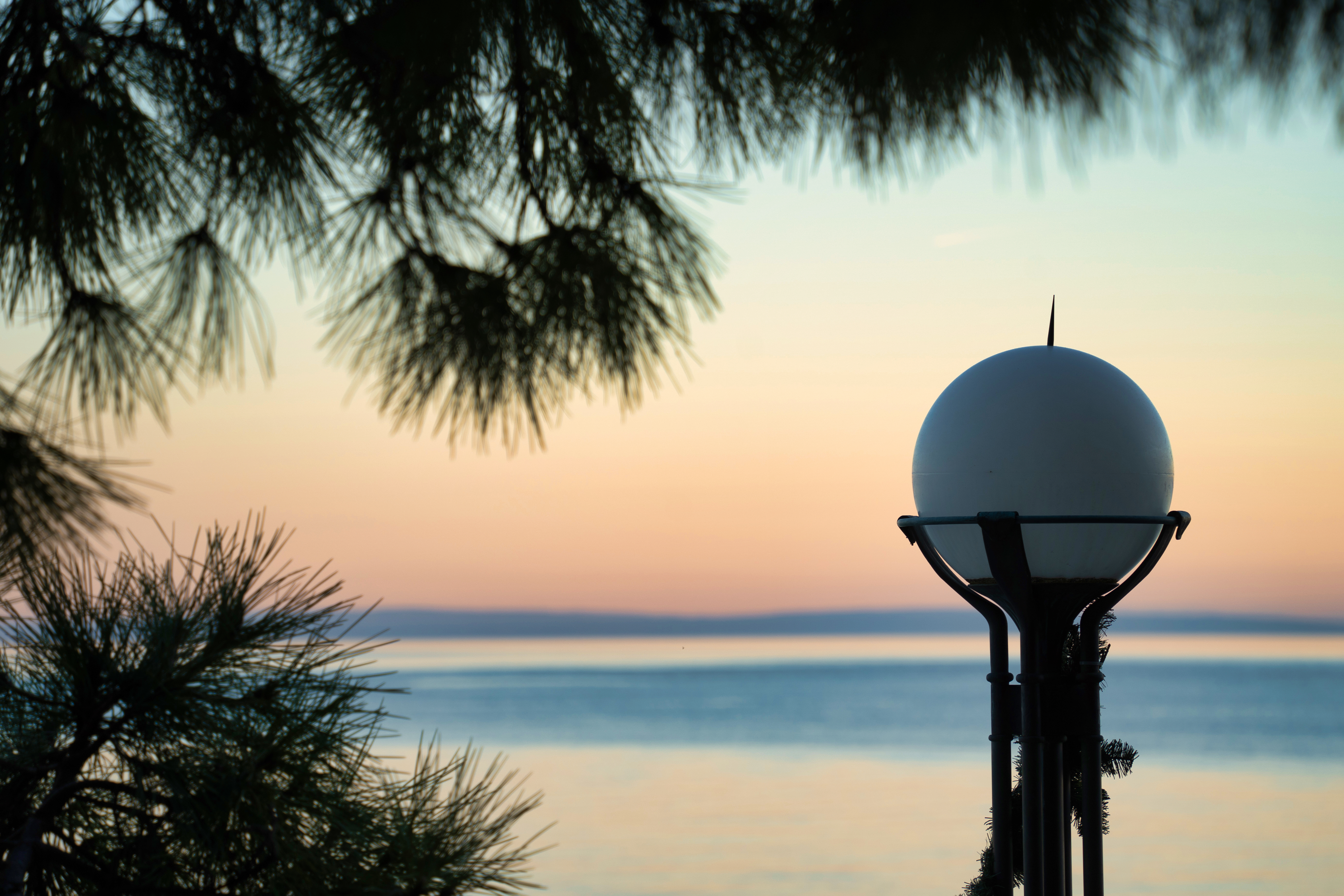
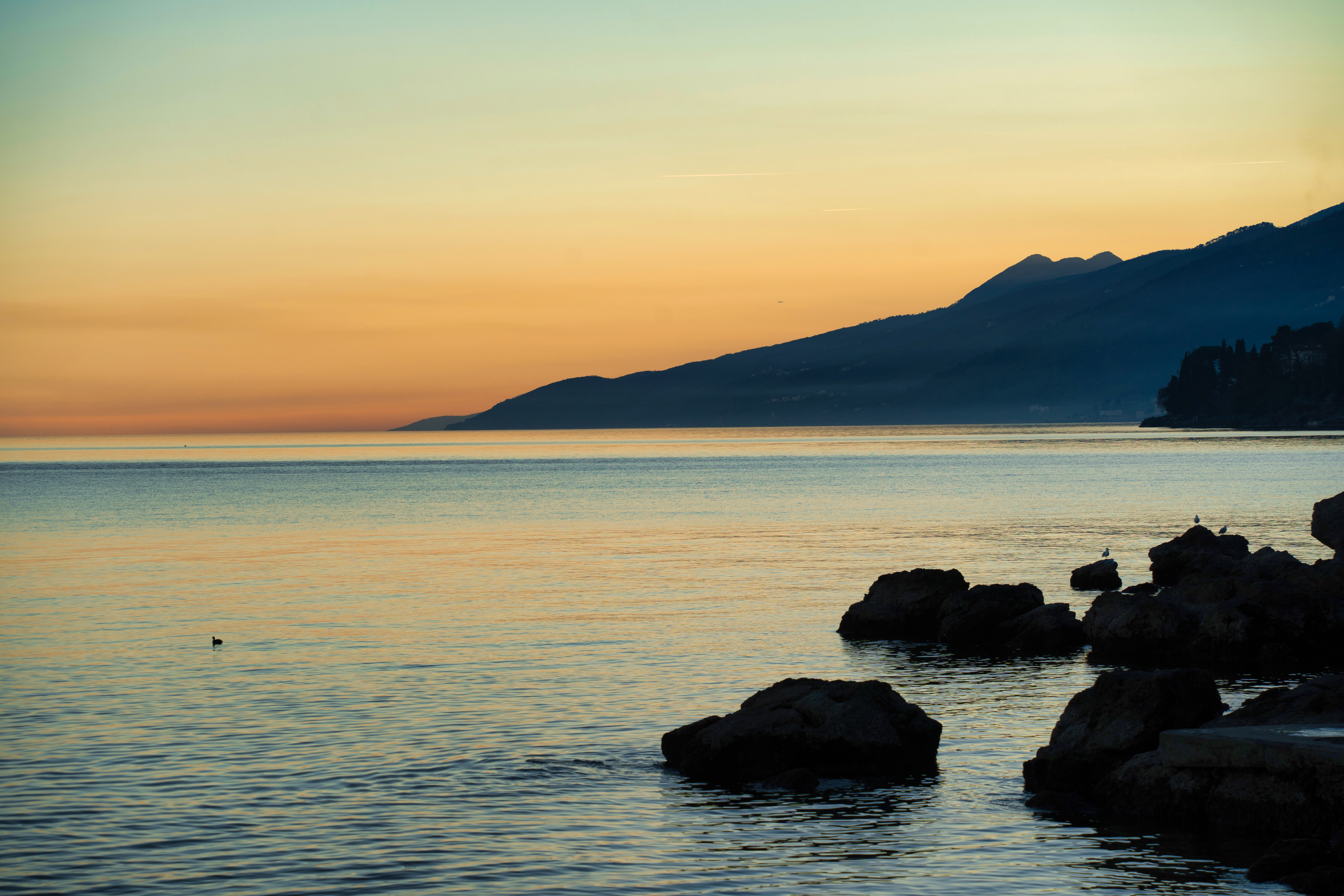
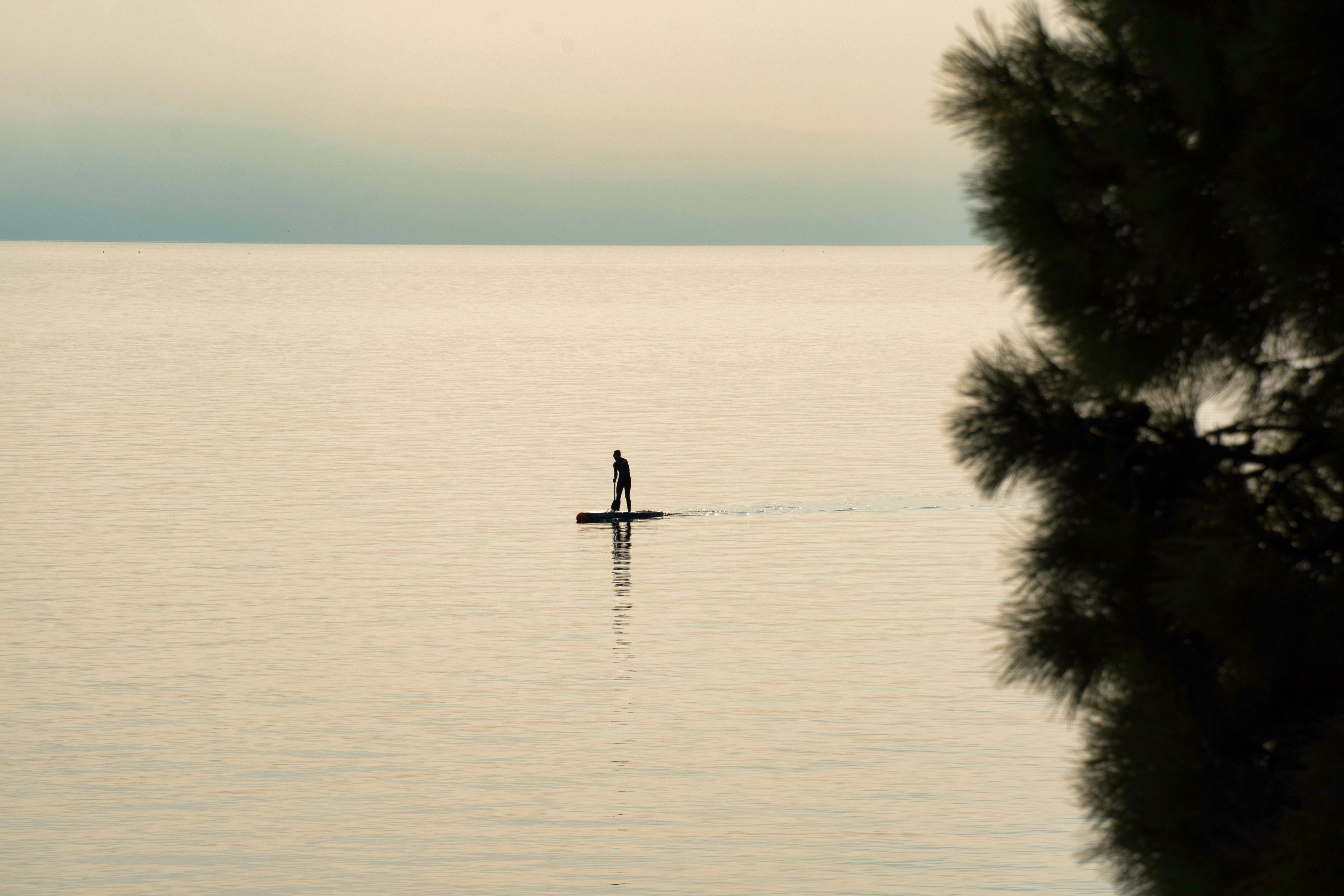
As the day draws to a close, the sunsets over Kvarner Bay in Croatia are nothing short of magical. The sky transforms into a canvas of vibrant hues—golden yellows, fiery oranges, and soft pinks—reflected on the tranquil surface of the Adriatic. These breathtaking vistas can be enjoyed from many vantage points, whether atop a hill, on a coastal terrace, or aboard a boat gently rocking on the water. The islands on the horizon become silhouetted against the colorful sky, creating a serene and unforgettable scene. Watching the sunset here is more than a visual treat; it’s an invitation to pause and savor the timeless beauty of the Kvarner Bay.

Port of the Aristocrats

Nestled along the shimmering Adriatic coastline of Croatia, Opatija has long been a beacon of elegance and sophistication. Known as the “Pearl of the Adriatic,” this picturesque town gained fame in the 19th century as a retreat for European aristocracy and royalty. Its strategic location between the sea and lush forested hills made it an idyllic escape for those seeking tranquility and rejuvenation. Grand villas and luxury hotels, such as the iconic Hotel Kvarner, the first of its kind on the Adriatic, sprang up to cater to the elite. Today, these architectural gems, with their ornate facades and manicured gardens, still stand as a testament to Opatija’s golden age.

Still today the Lungomare promenade, a scenic coastal path stretching over 12 kilometers, provides stunning views of the azure sea and leads to quaint neighboring villages. The town is adorned with vibrant parks, such as St. James Park, which bursts with Mediterranean and exotic plant species. Cafés, boutiques, and fine dining restaurants line the streets, continuing the tradition of refined leisure.

Journey to Gwynedd

A journey to Gwynedd takes you right into the heart of Wales, where history, culture, and nature all come together in a beautiful way. This corner of the country, tucked away in the northwest, is a place of striking contrasts—from the rugged peaks of Snowdonia to the peaceful stretches of coastline, where ancient castles overlook sleepy villages. As you wander through Gwynedd, there’s a real sense of connection to the land, with local traditions alive and well, blending seamlessly with the area’s contemporary creativity.

Traveling through Gwynedd means winding along narrow roads that twist through the mountains, passing by waterfalls that tumble down hillsides, and finding hidden lakes that reflect the ever-changing sky. In the local towns, there’s a buzz of activity, with markets selling fresh produce and handmade crafts, and you might hear the lilting notes of a folk tune or catch a story told in the old Welsh way. It’s a place that feels both wild and welcoming, where every path you take leads to a new discovery, and every encounter leaves you feeling a little more connected to this ancient and vibrant land.

1 4 5 6 35