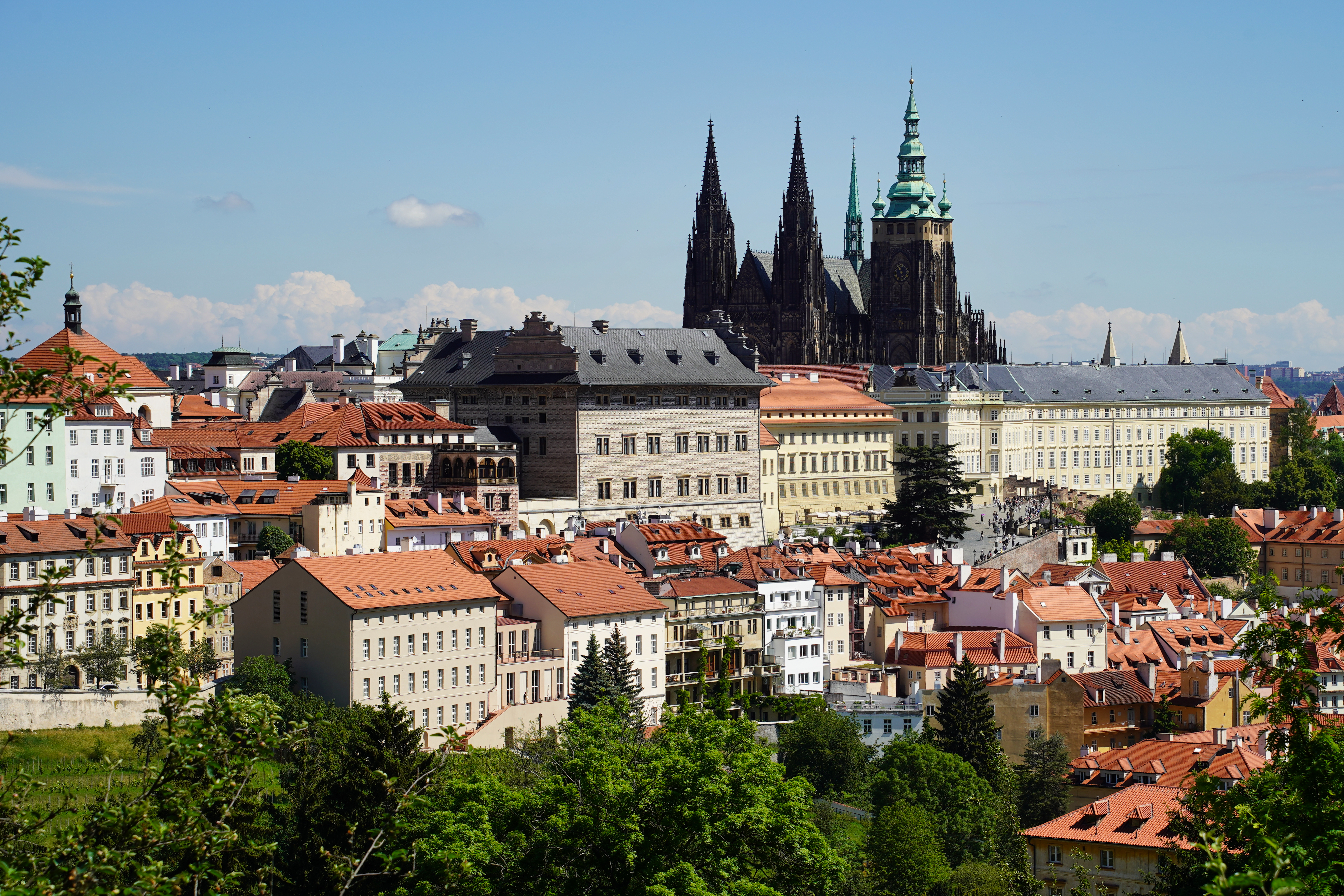
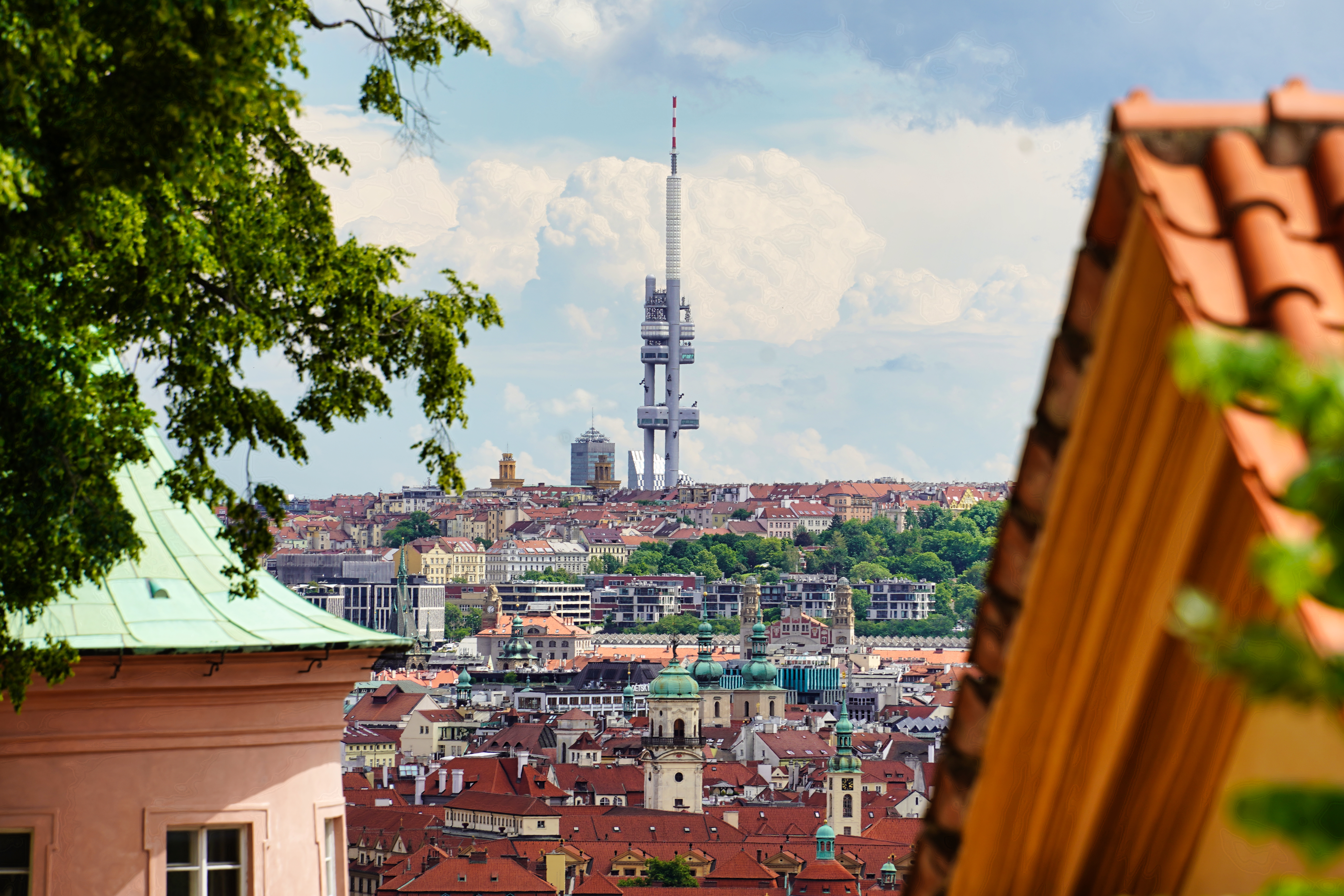
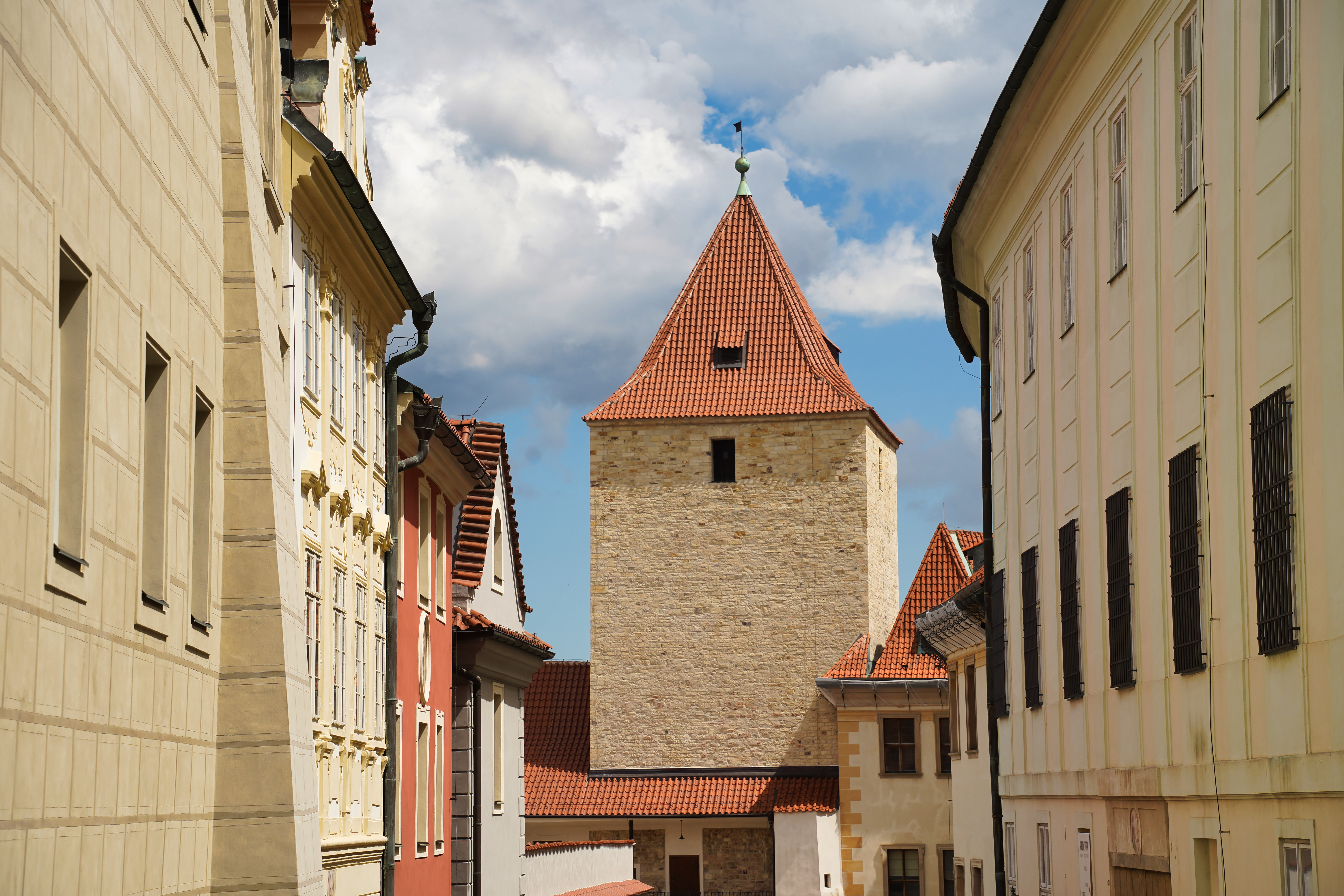
Exploring Prague through the lens reveals a city where every corner exudes history, charm, and artistic elegance. The city’s visual style is a harmonious blend of Gothic grandeur, Baroque opulence, and modernist creativity. From its cobblestone streets to its red-tiled rooftops, Prague’s architecture tells a story of centuries past, yet it seamlessly integrates contemporary elements.
The intricate details of building facades, the play of light and shadow in narrow alleys, and the expansive views from hilltops all offer photographers endless opportunities to capture the city’s essence. Prague’s vibrant cultural life, seen in bustling markets and serene parks, adds dynamic layers to its visual narrative.
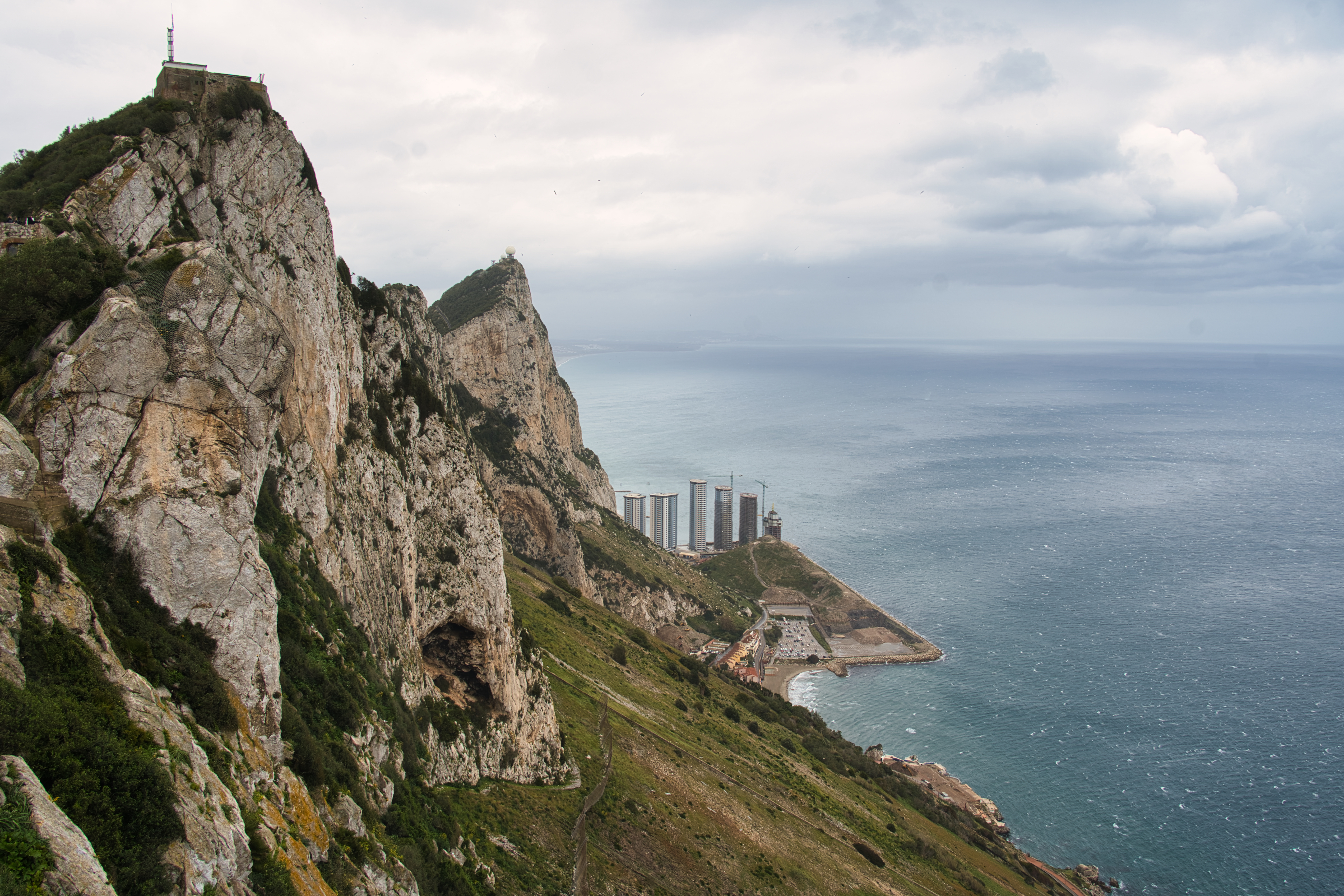
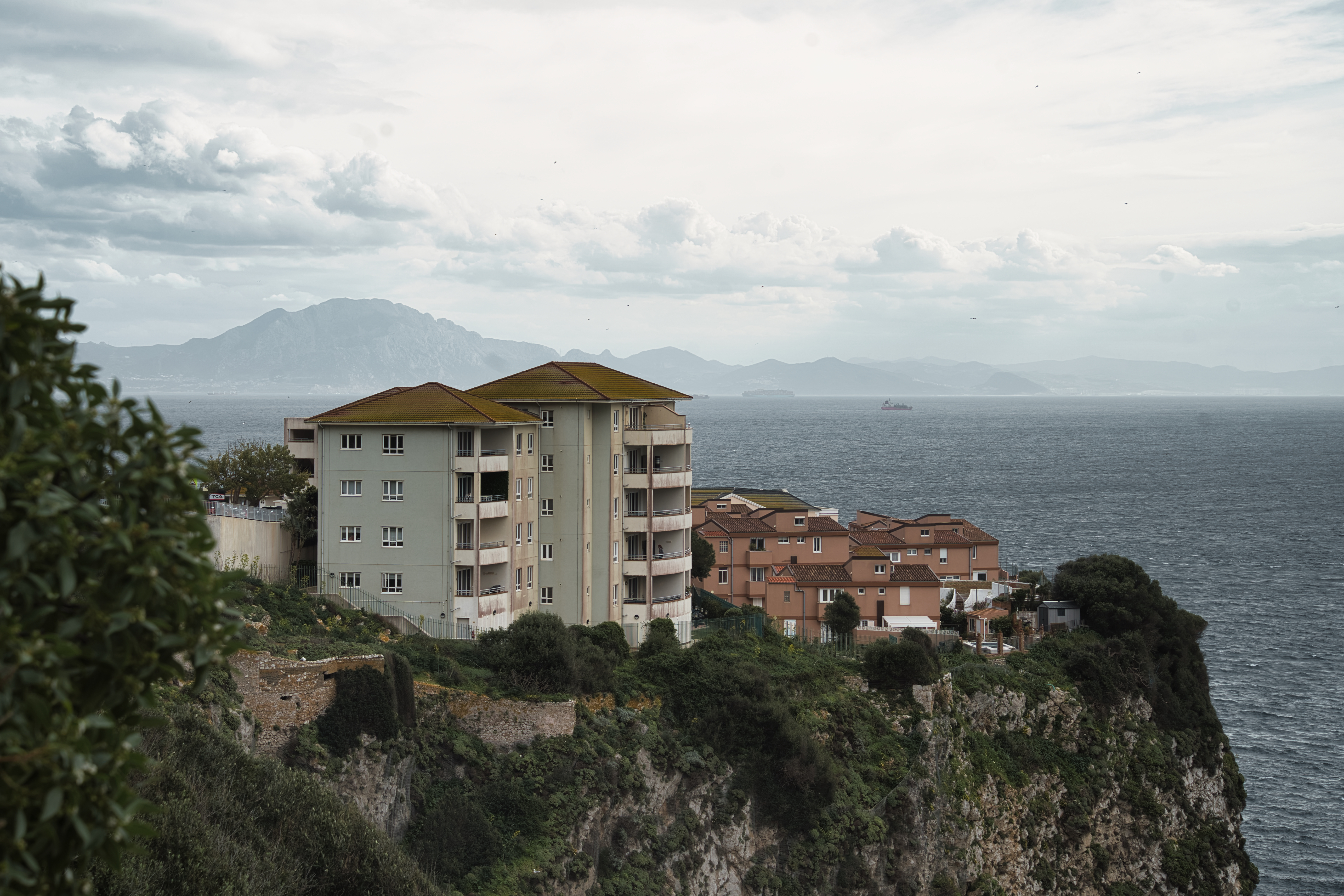
One of the most intriguing aspects of Gibraltar’s allure is its status as the last outpost of colonialism in Europe. Despite its small size, measuring just 6.7 square kilometers, this territory has been a bone of contention for centuries, coveted by empires and nations alike. From its earliest recorded history, it has passed through the hands of Phoenicians, Carthaginians, Romans, Moors, and Spaniards, among others. Today, it remains a British Overseas Territory, a testament to the enduring legacy of colonialism in the modern world.
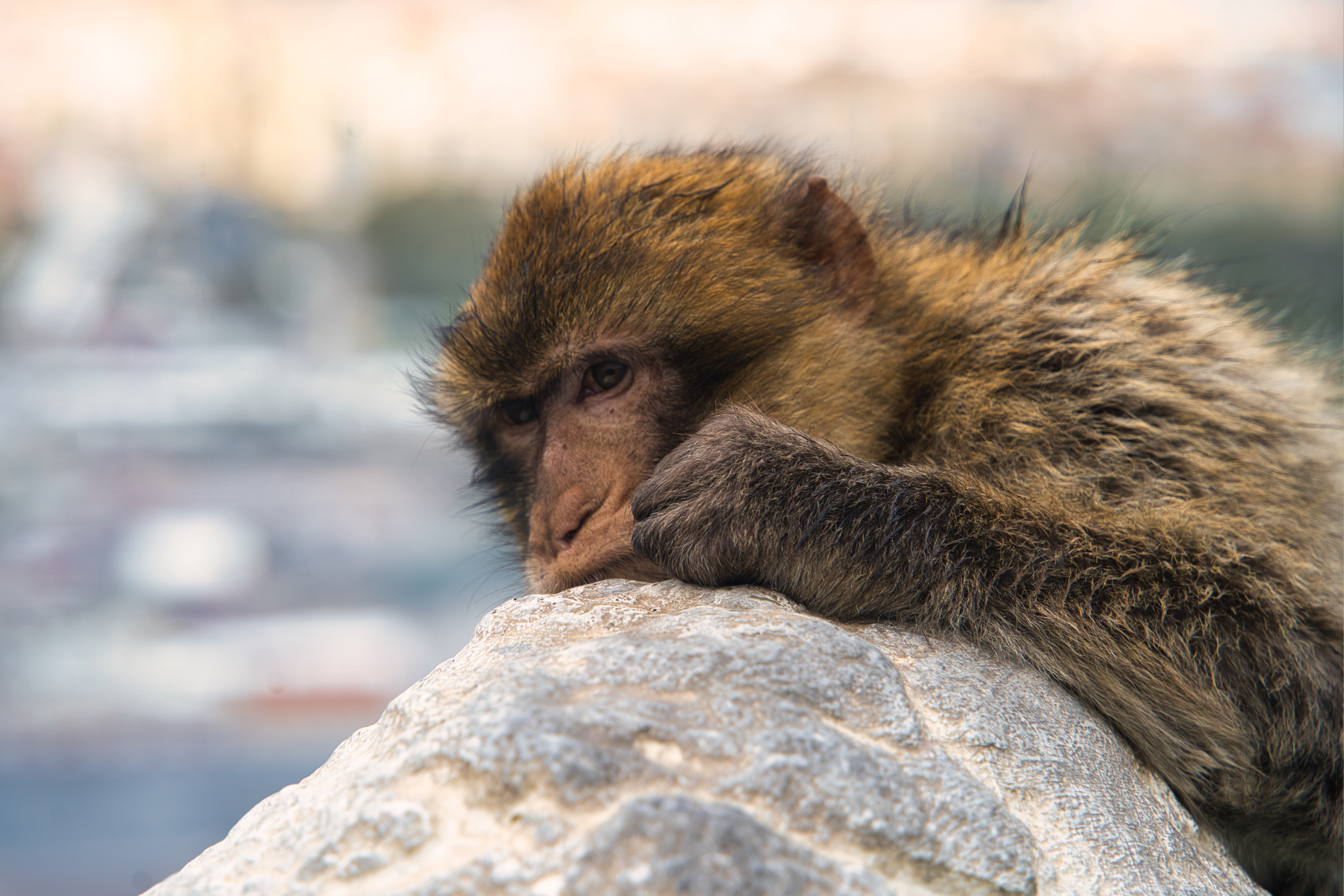
But beyond its political significance, Gibraltar boasts a natural landscape that is as captivating as it is diverse. Perched atop the limestone monolith that gives the territory its iconic silhouette, Gibraltar is home to the last known colony of Barbary macaques in Europe. These mischievous primates, with their expressive faces and playful antics, have become synonymous with the Rock, serving as both a tourist attraction and a symbol of Gibraltar’s untamed spirit.
Moreover, Gibraltar holds another distinction in the realm of natural history: it is believed to be the last known colony of the Neanderthals before their extinction. Archaeological evidence suggests that these ancient hominids inhabited the caves and rocky outcrops of the Rock thousands of years ago, leaving behind traces of their existence for modern-day researchers to unravel. The discovery of Neanderthal remains in Gorham’s Cave, a UNESCO World Heritage Site, has shed new light on the enigmatic story of our human ancestors.
In history and the present, Gibraltar remains a colony of various kinds. It serves as a reminder of the complexities of history and the enduring forces that shape our world. Gibraltar is a small land of contrasts and contradictions, where the past meets the present in a seamless blend of tradition and innovation. And amidst it all, the monkeys roam freely, the Neanderthals’ legacy endures, and the Rock stands as a silent witness to the passage of time.
In Bali, offerings, known as “canang sari,” carry profound cultural and spiritual meaning, representing gratitude and devotion to the gods. These arrangements, carefully crafted with flowers, rice, and incense, symbolize different aspects of Balinese tradition and are placed in homes, temples, and public areas as acts of respect. Rooted in Hindu beliefs, offering making is a way to maintain harmony in the universe, fostering a deep connection between the physical and spiritual worlds. Through this ancient ritual, Balinese culture emphasizes the importance of acknowledging blessings and celebrating gratitude in everyday life.
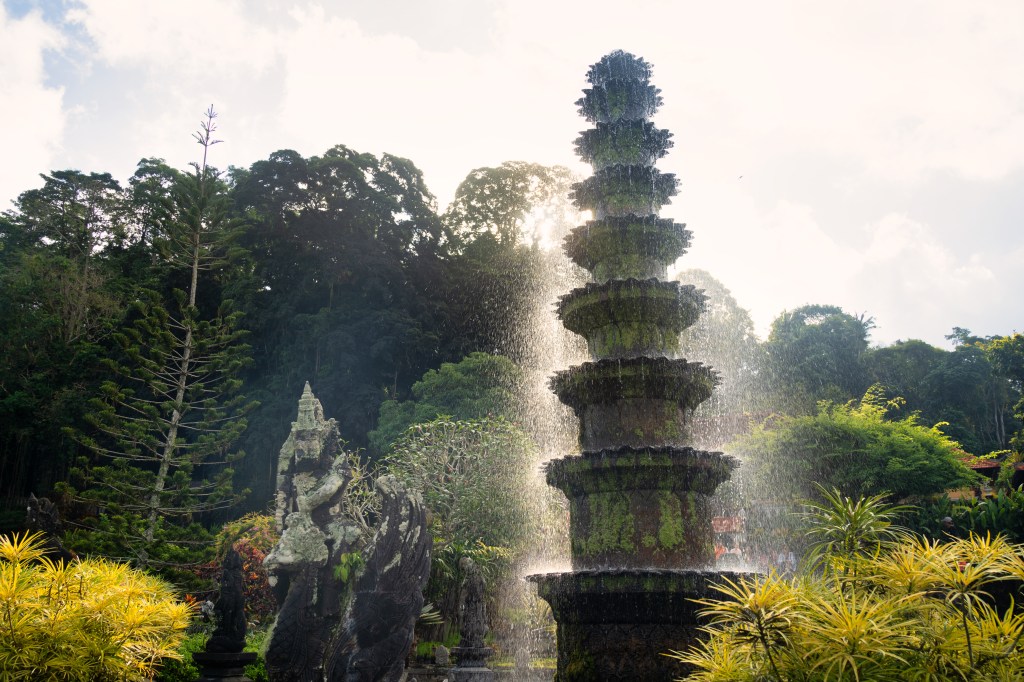
Rooted in Hinduism, Bali’s spiritual identity is intricately woven into the fabric of everyday life, from the vibrant ceremonies that punctuate the calendar to the intricate rituals performed at sacred sites. These shrines serve as sanctuaries where devotees come to pay homage to the gods, seeking blessings, guidance, and protection.
Visually, Bali’s shrines are a feast for the senses, adorned with intricate carvings, vibrant colors, and ornate decorations that reflect the island’s artistic prowess. Each shrine tells a story, its architecture and design reflecting centuries of cultural exchange and spiritual devotion. As the sunlight filters through the canopy of trees, casting dappled shadows upon weathered stone, the atmosphere is imbued with a sense of reverence and tranquility. Through evocative imagery, the shrines of Bali beckon visitors to embark on a journey of exploration and introspection, inviting them to experience the island’s spiritual essence in all its beauty and complexity.
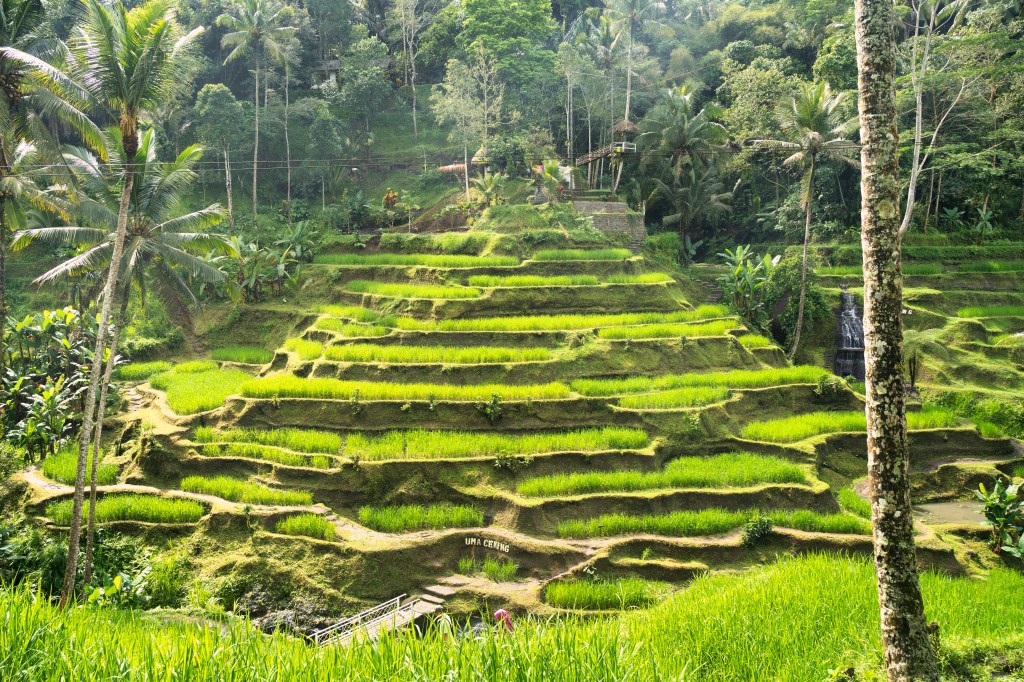
Bali, Indonesia is known to be the “The Island of Gods”. A place where spirituality intertwines with its lush natural landscapes and diverse wildlife. Nestled within Indonesia’s archipelago, Bali’s tropical forests, serene beaches, and cascading rice terraces form the backdrop for its spiritual essence.
Amidst Bali’s jungles, one encounters a rich tapestry of biodiversity, including its mischievous inhabitants: monkeys. Ubiquitous throughout the island, these holy creatures roam freely in sacred forests. They are regarded as guardians of temples and add a touch of whimsy to Bali’s spiritual ambiance.
In essence, Bali’s moniker as “The Island of the Gods” extends beyond its temples and traditions; it encompasses the profound connection between spirituality, nature, and wildlife. As monkeys play in the lush jungles and the island’s natural wonders beckon exploration, Bali offers a glimpse into a world where the divine and the earthly converge into perfect harmony.
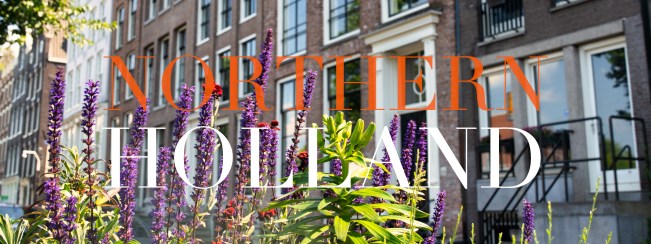
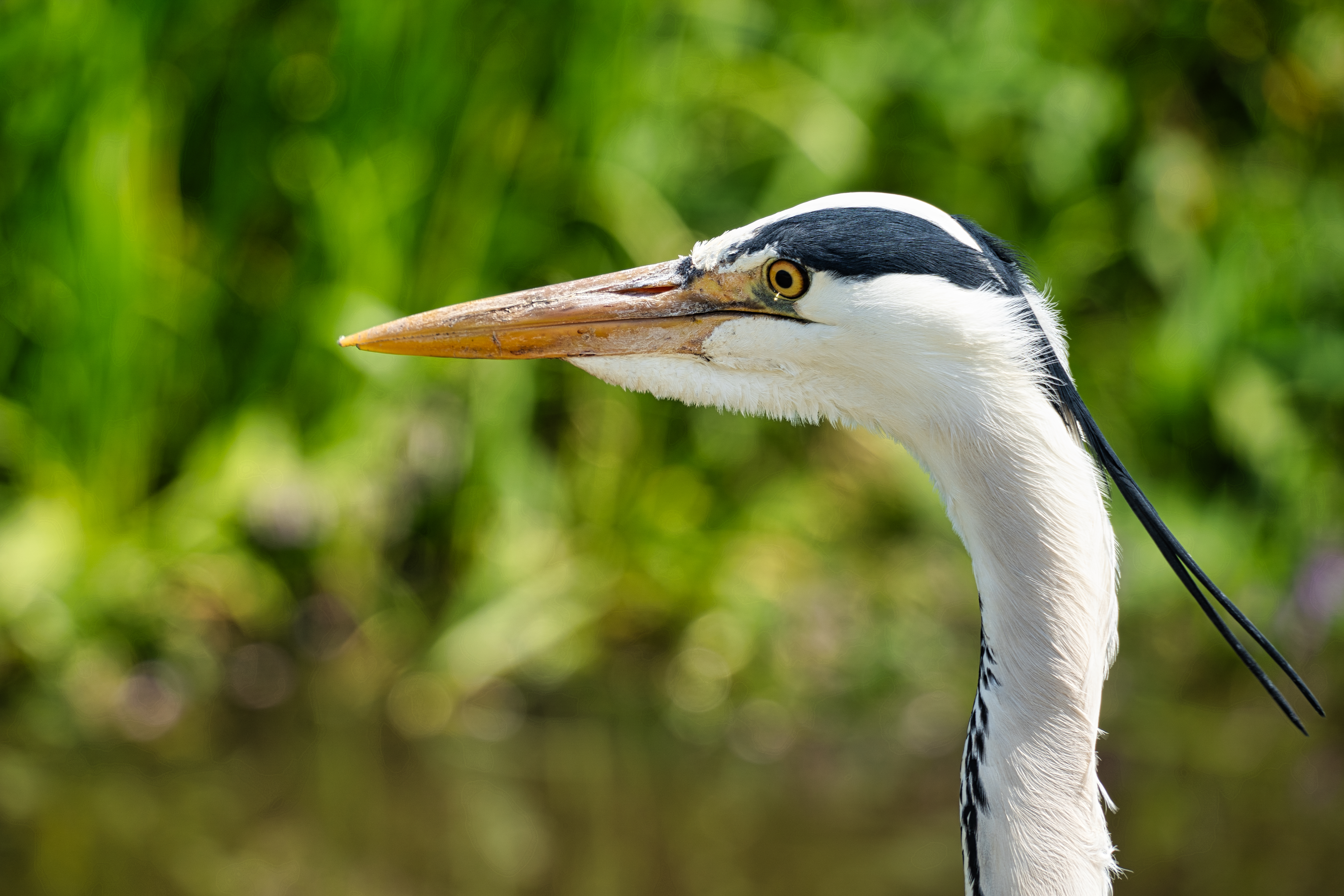
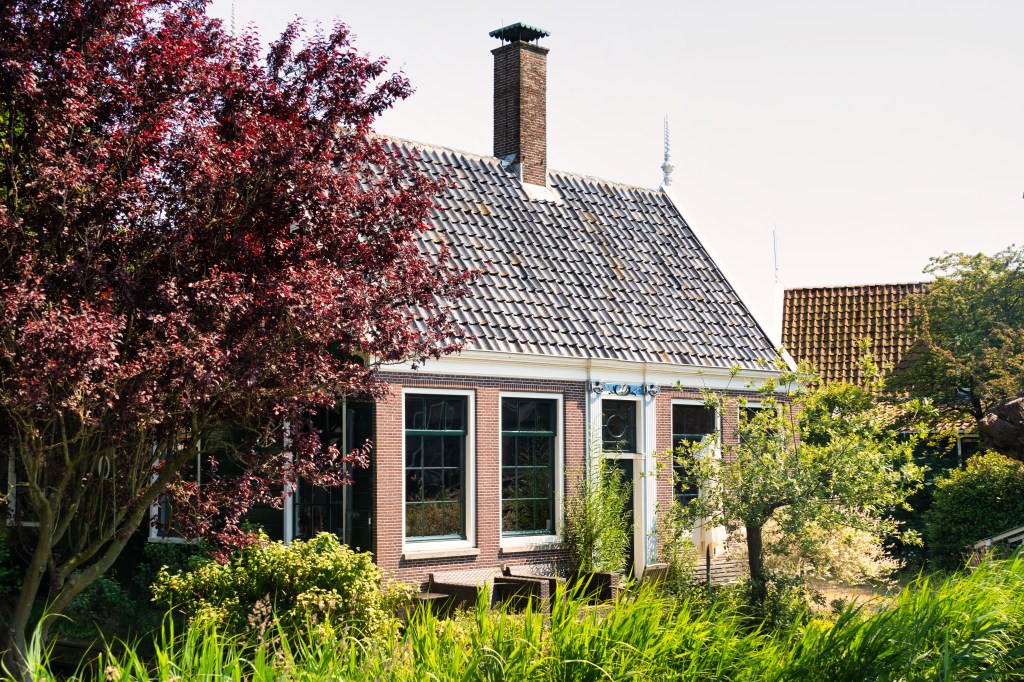
Crossing the Amstel River by ferry and leaving the vibrant city of Amsterdam behind, suddenly you find yourself surrounded by Holland’s lush nature. Northern Holland features vast fields stretching into the distance, adorned with vibrant green and golden hues. The landscape is punctuated by traditional windmills, their blades spinning gracefully in the breeze, adding to the picturesque charm. As you explore, you’ll encounter scenes of rural life unfolding peacefully amidst the tranquil surroundings. Quaint farmhouses nestled among the greenery complete the idyllic setting, offering endless opportunities for capturing the essence of Dutch countryside beauty through your lens. Don’t forget to keep an eye out for herds of grazing cows and graceful birds soaring!

















 Michael Hoffman Photography