
Discovering Fuerteventura
Photography shot on Fuerteventura in November 2018.

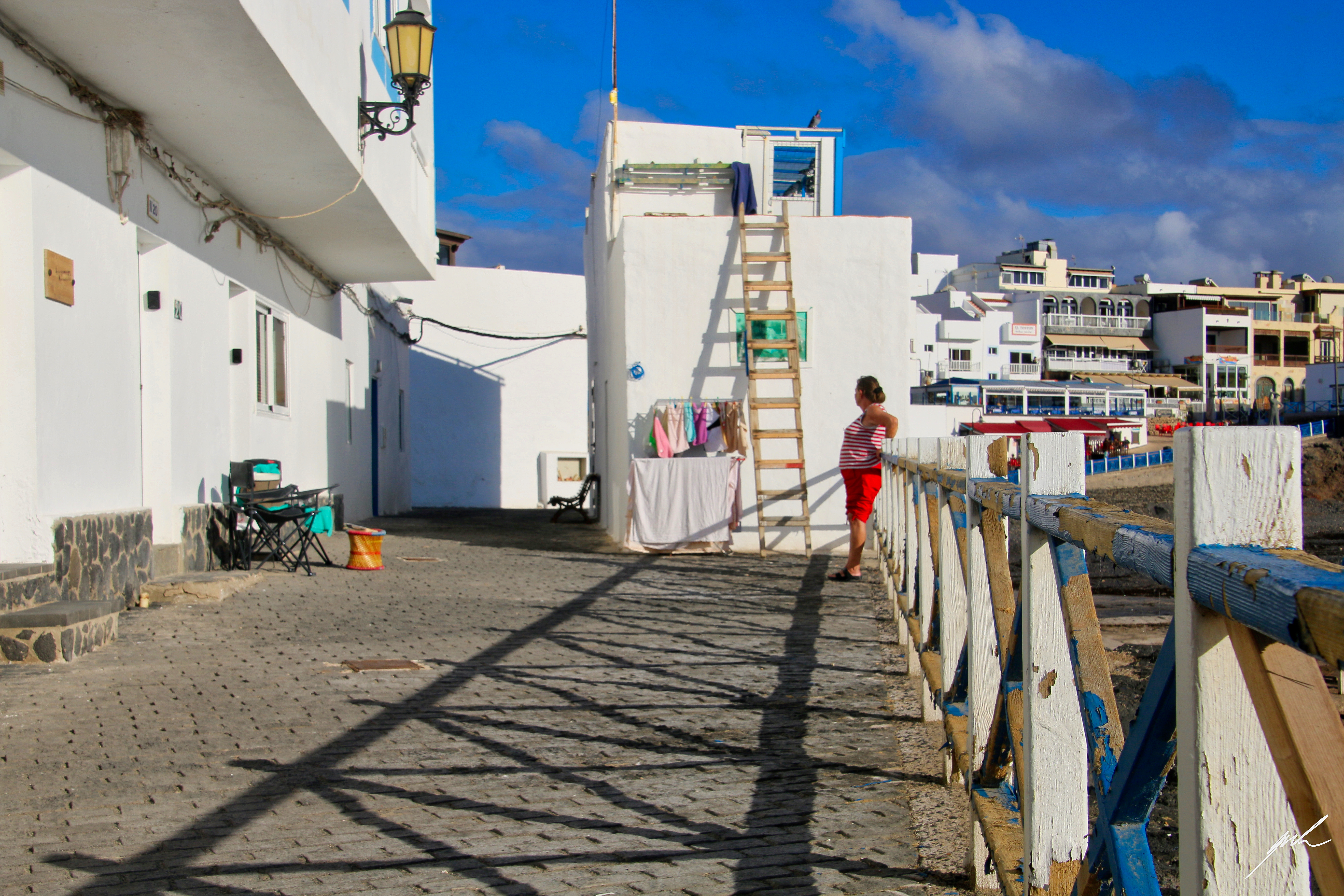
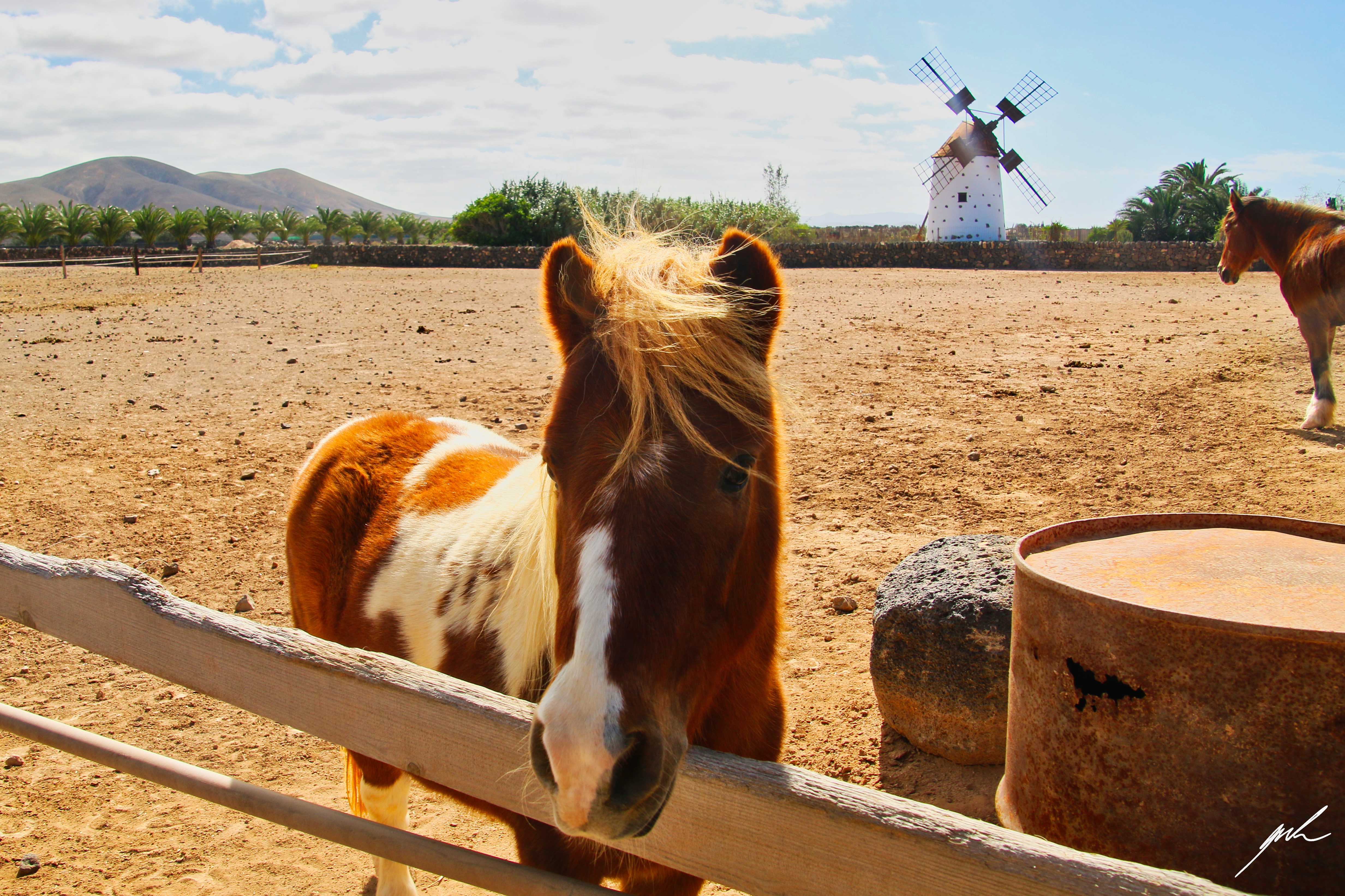
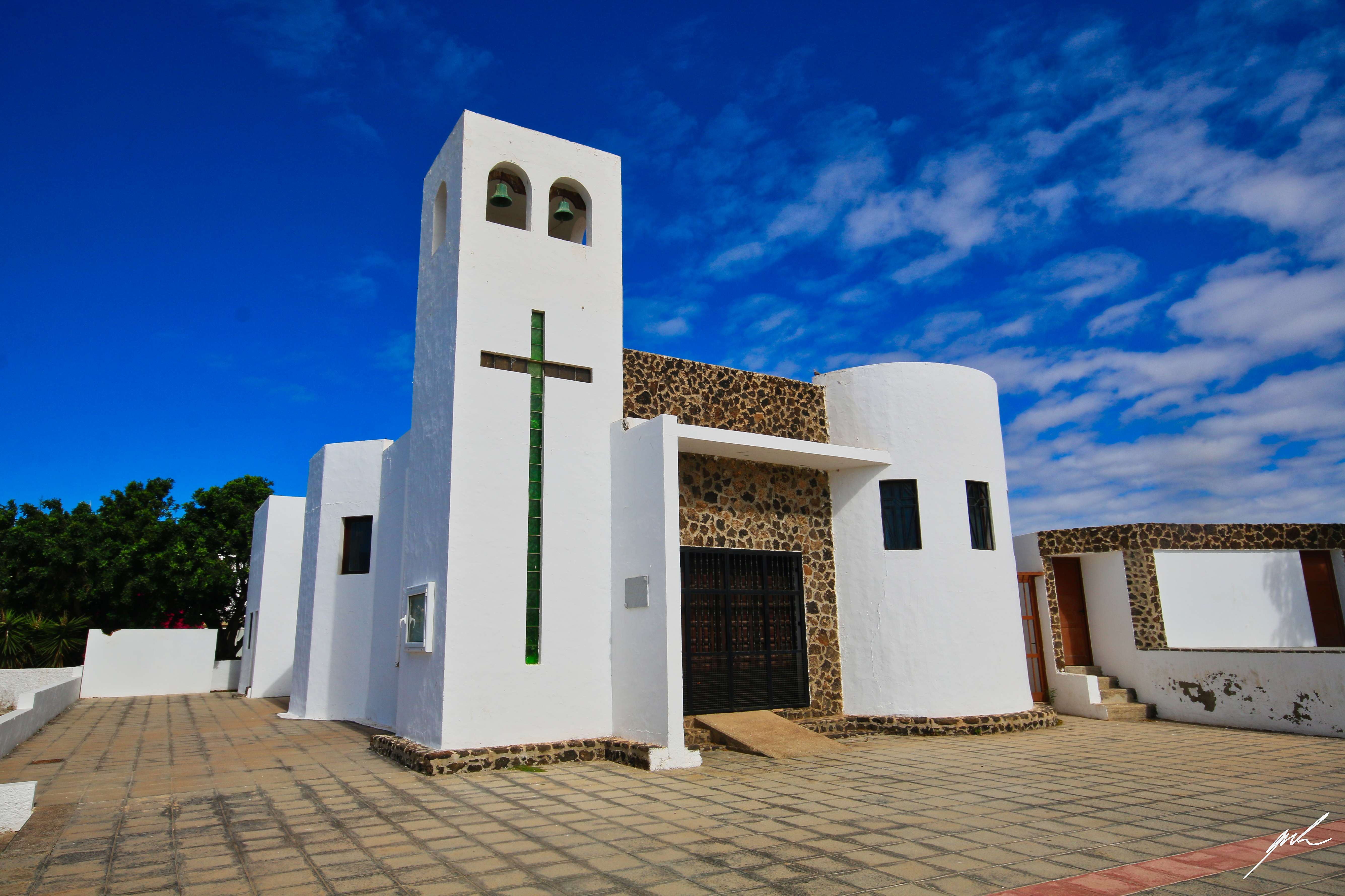
Photography shot on Fuerteventura in November 2018.
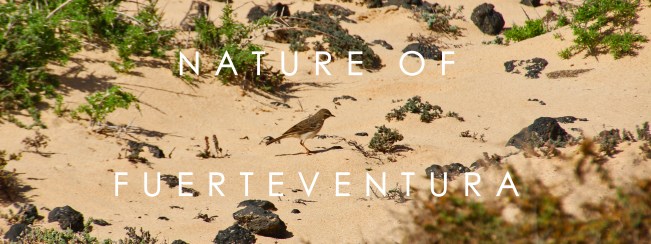
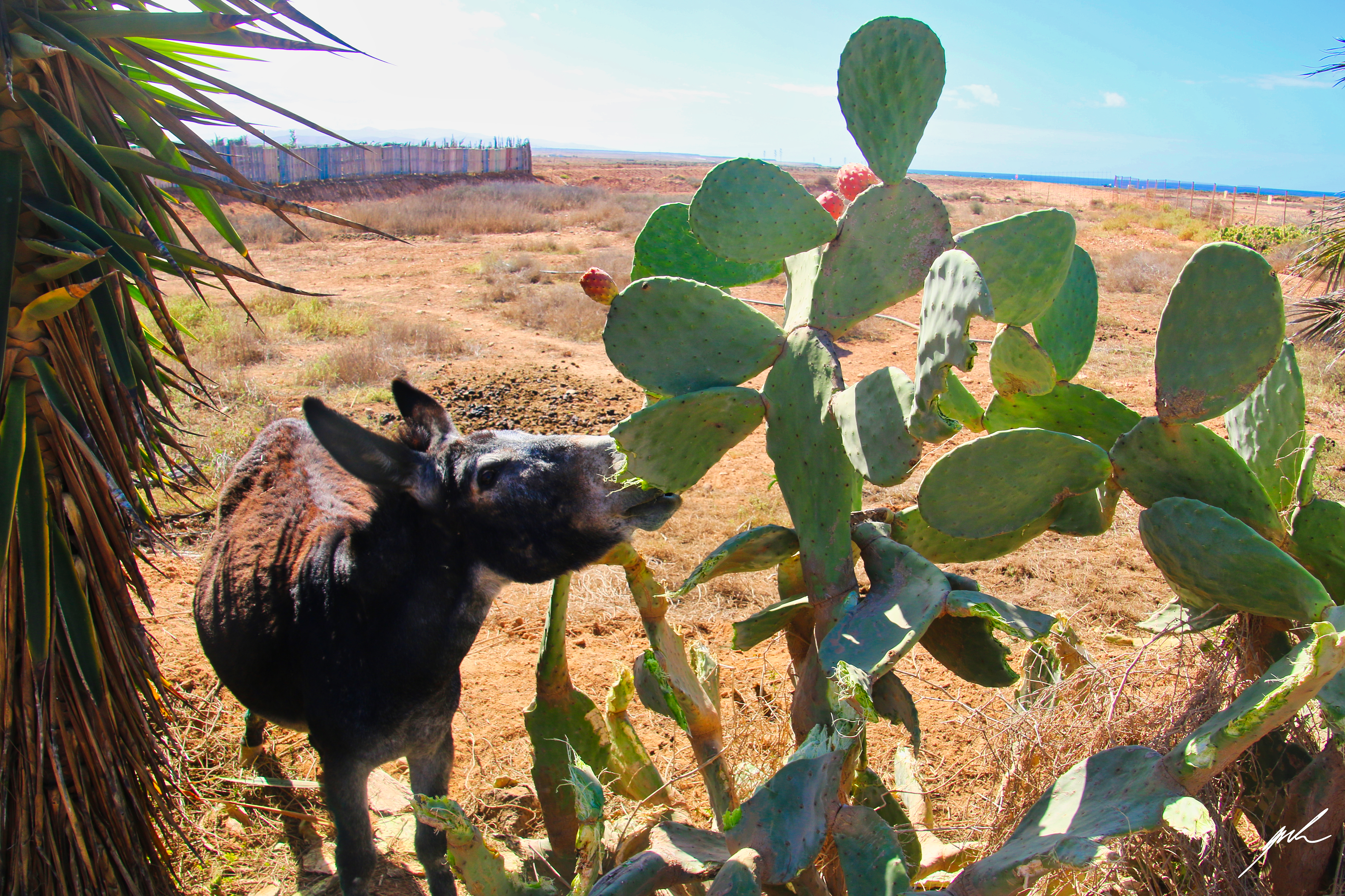
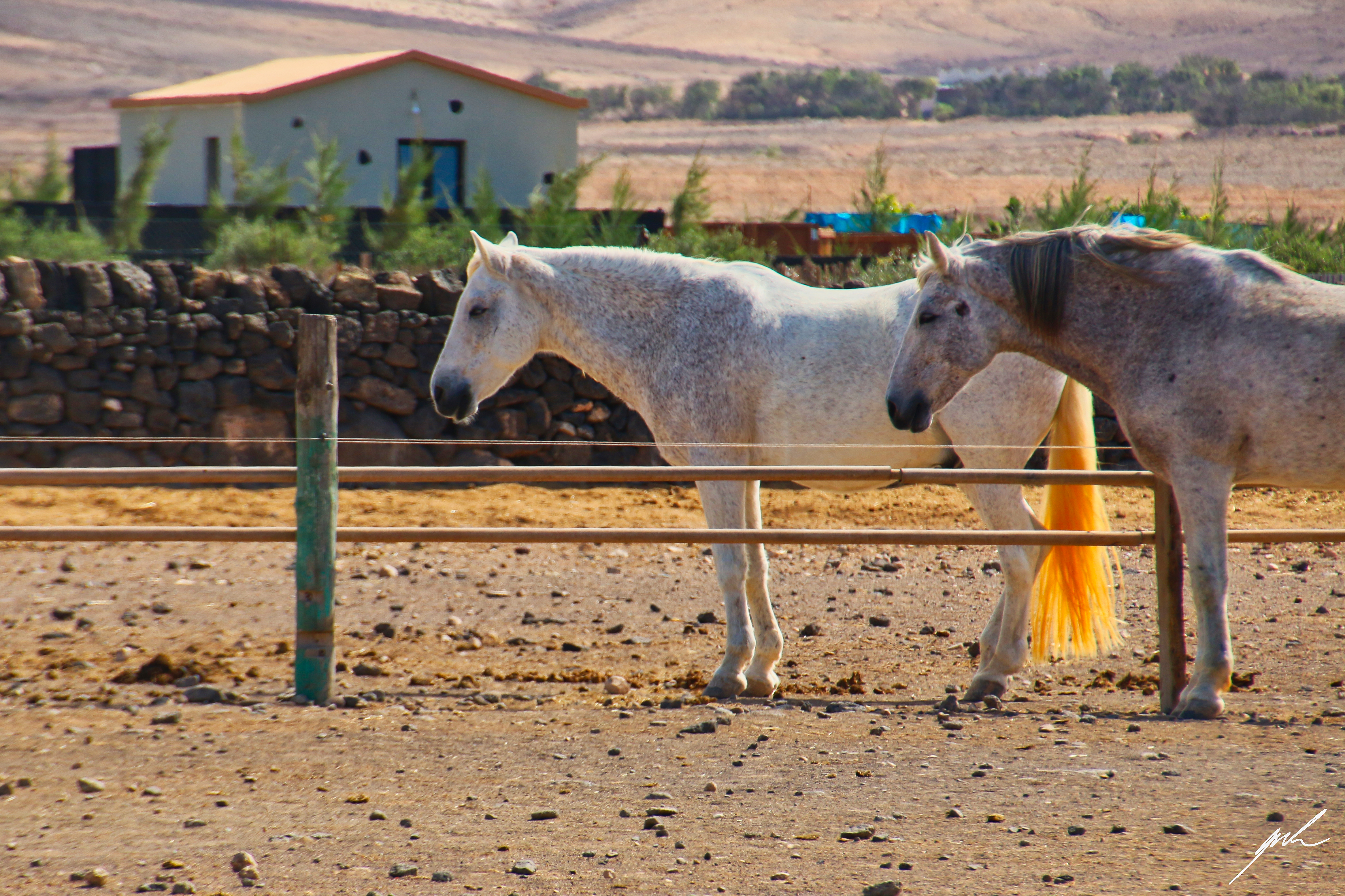
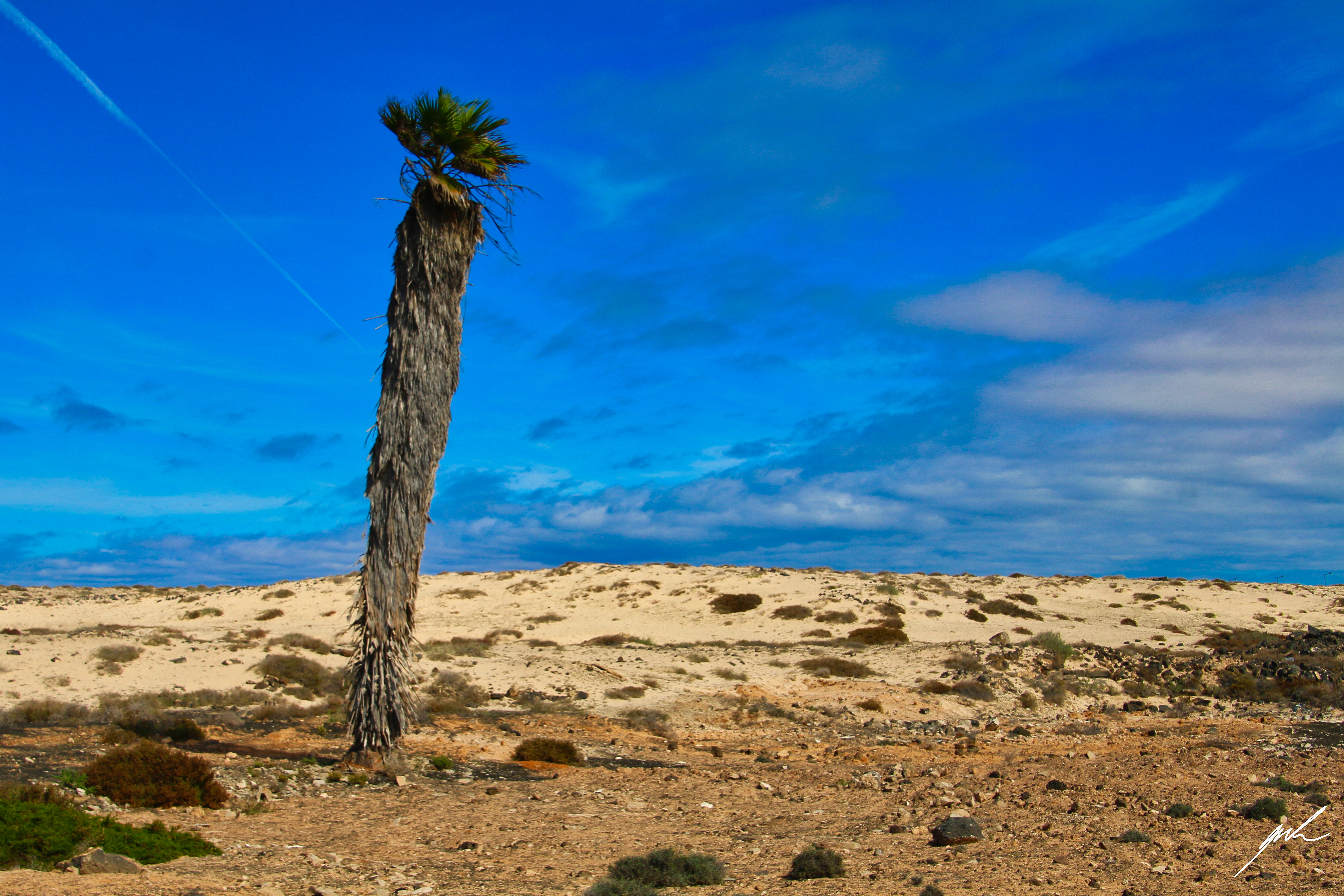
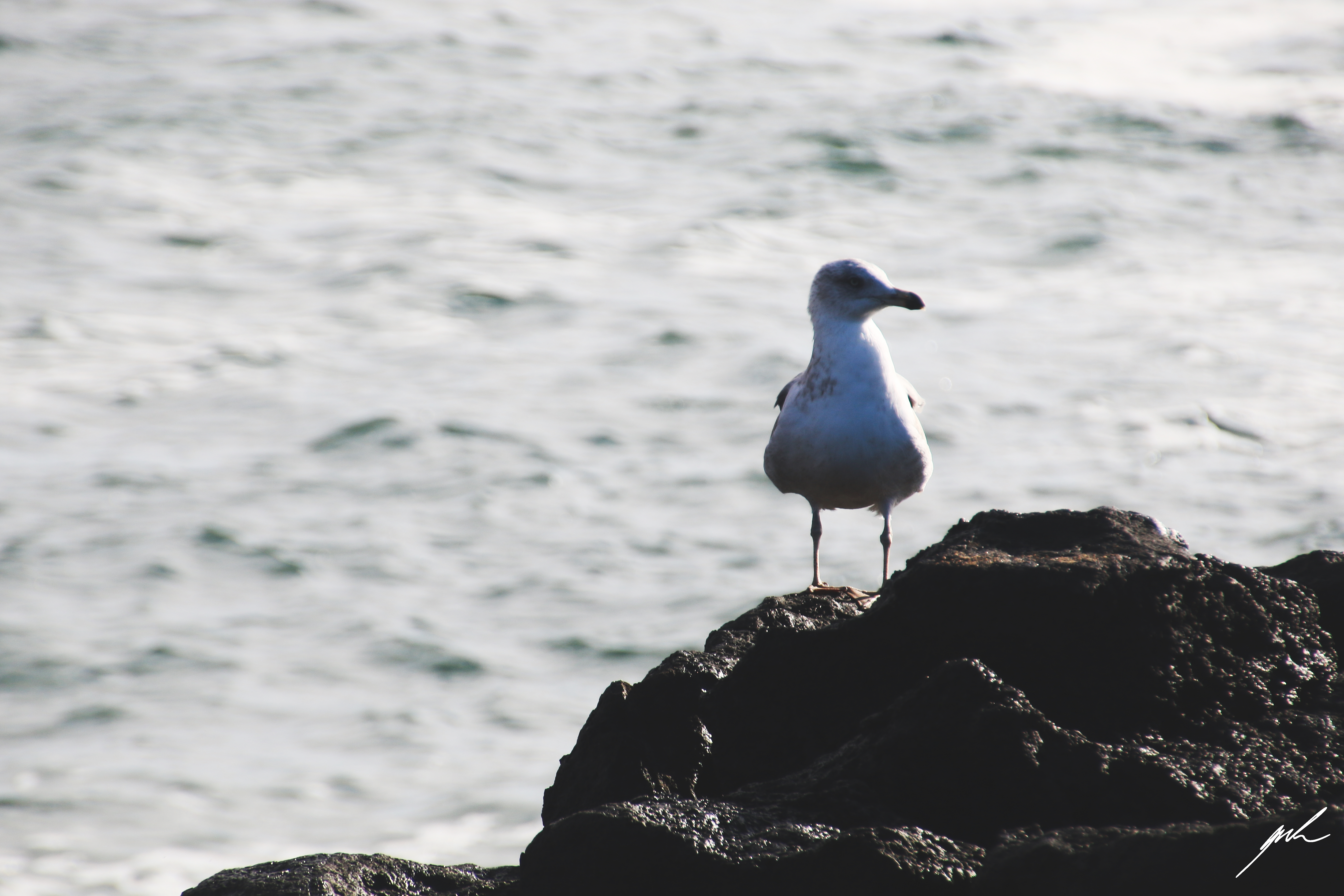
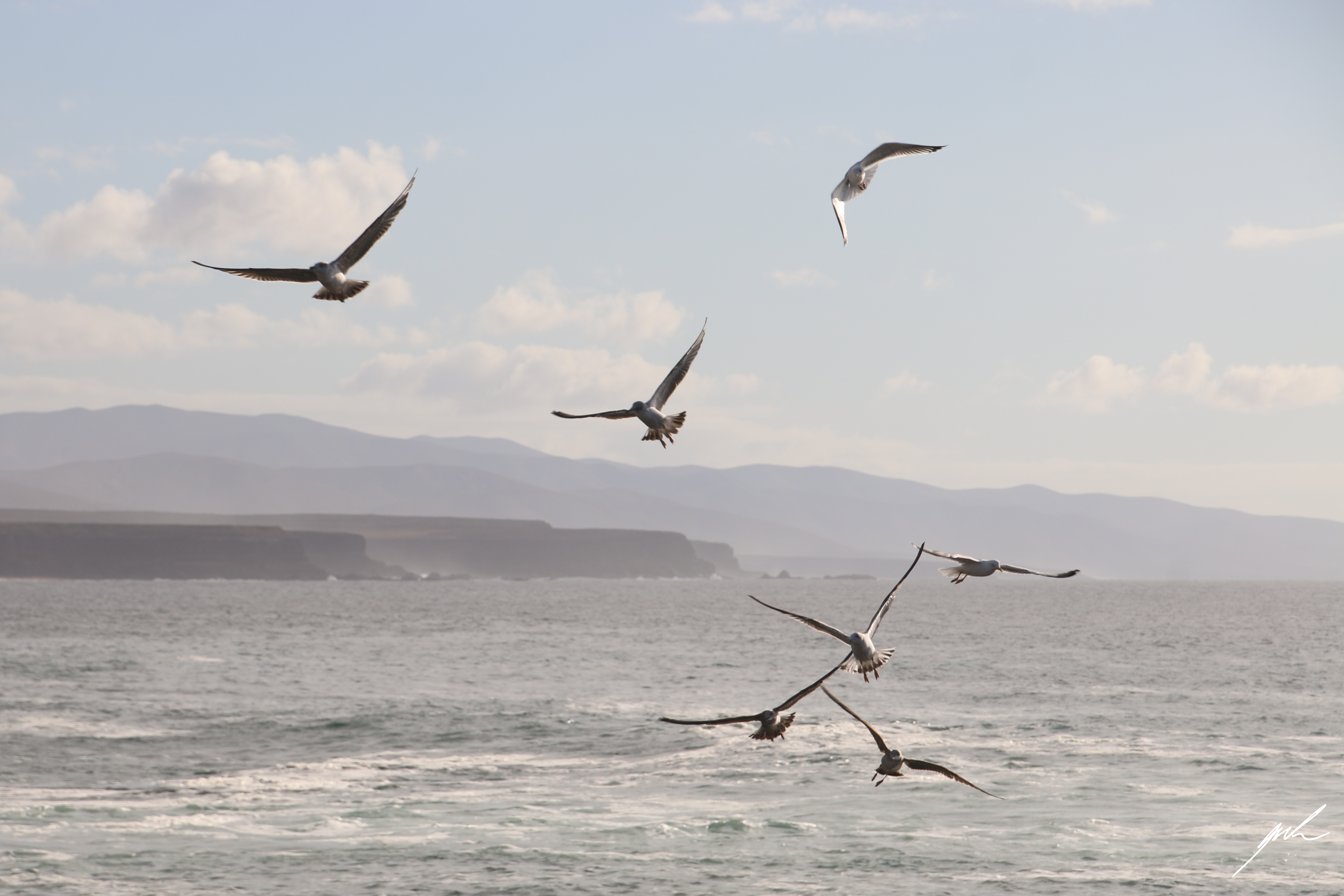
There is more to the nature of Fuerteventura than you would think in the beginning. The land may be mostly dry and barren, but some birds enjoy the fresh breeze on the island, and specific types of plants, like cacti, don’t mind the lack of rain.
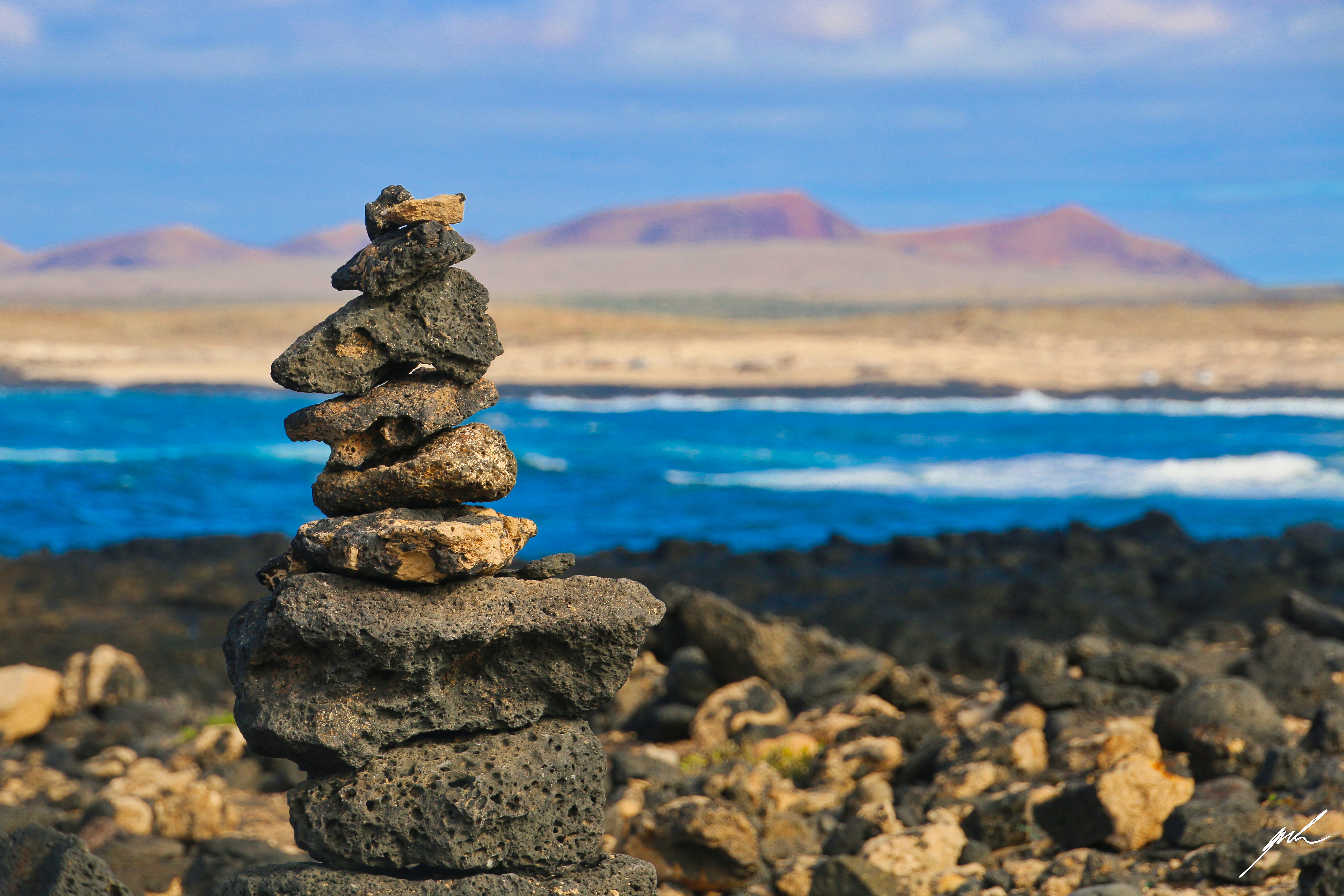
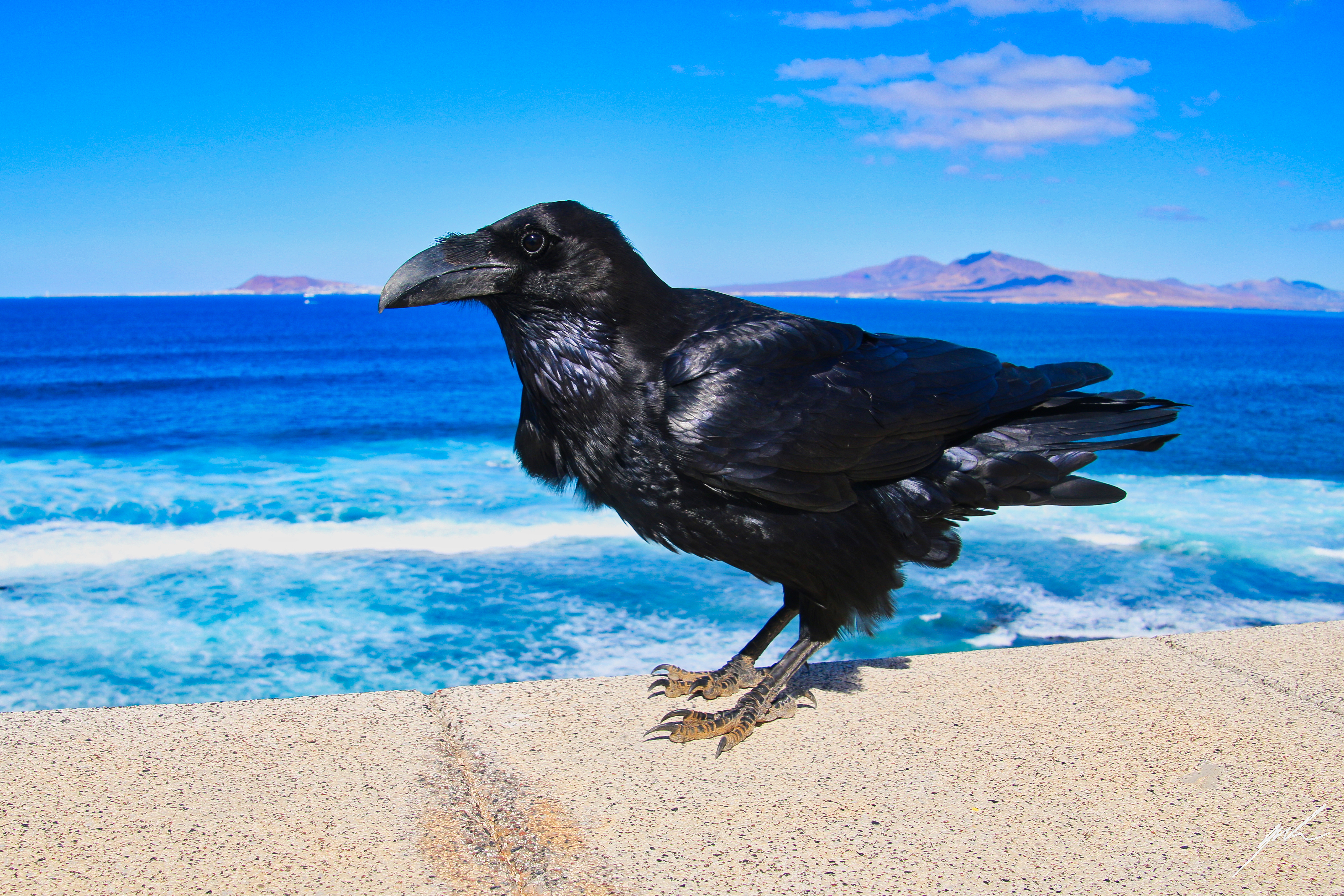
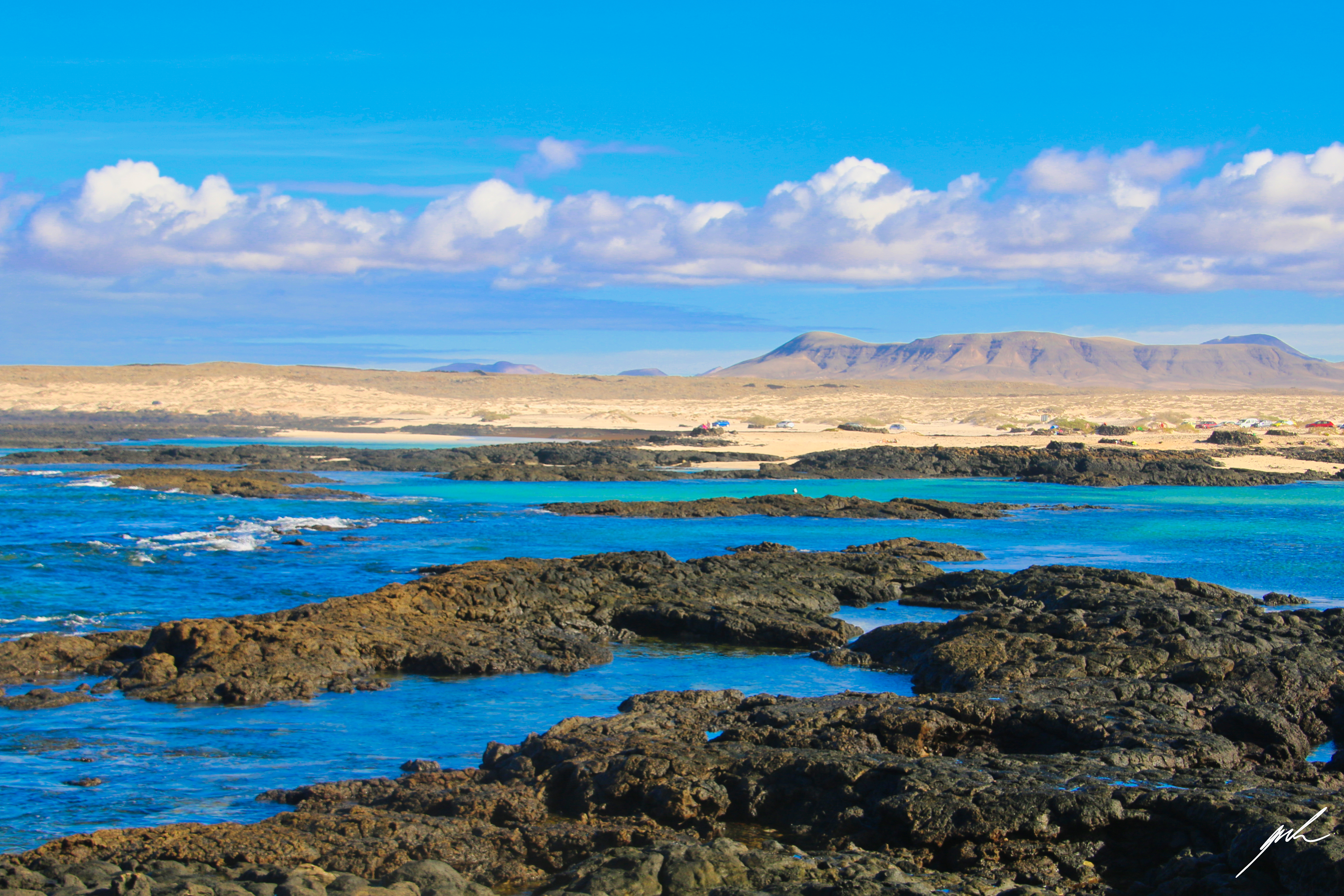
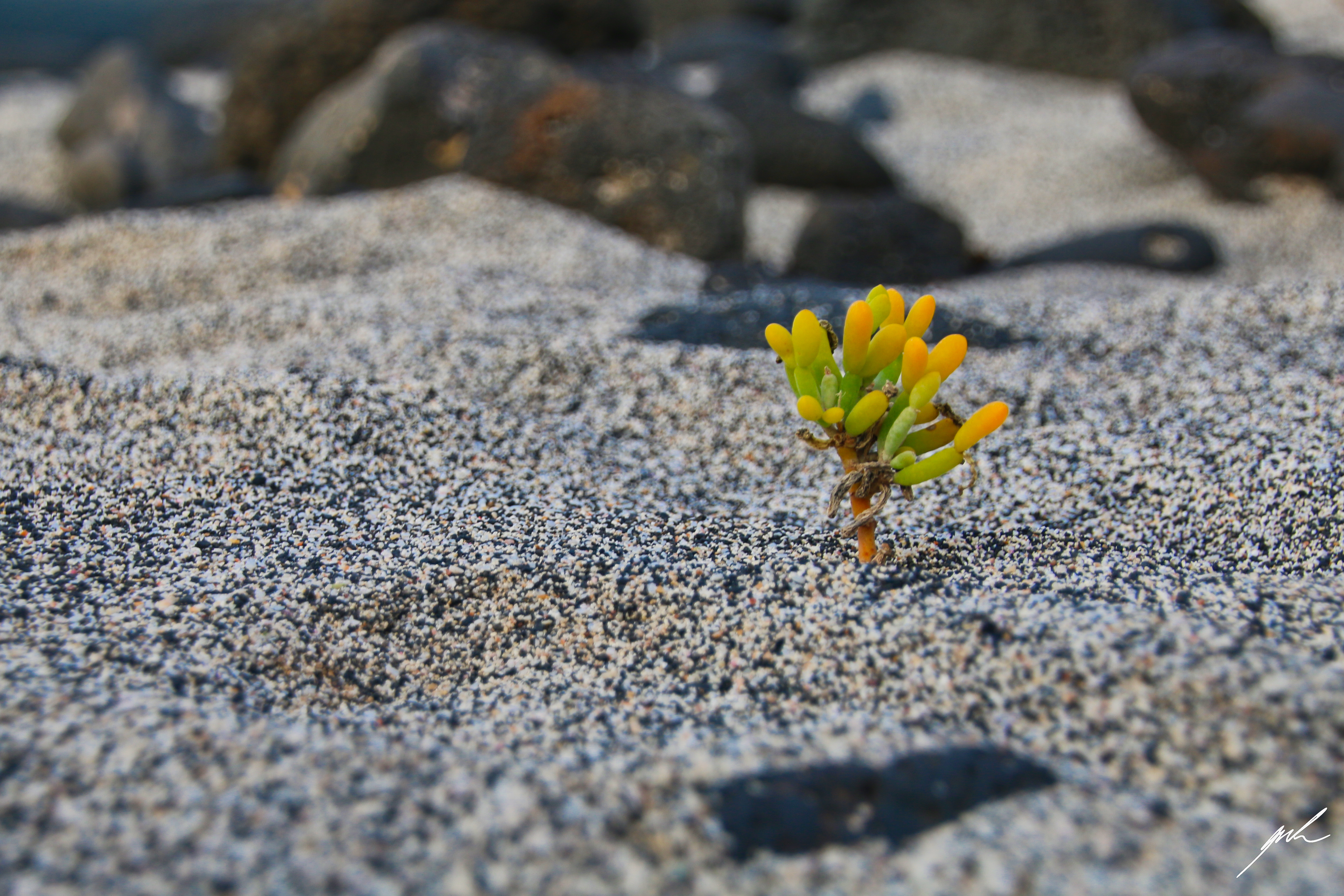
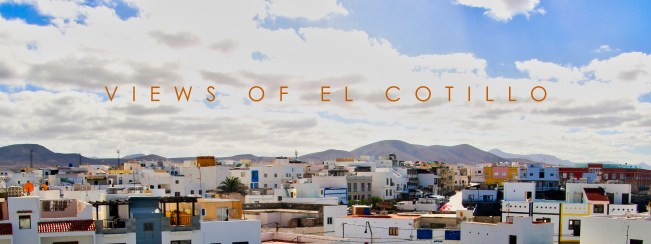
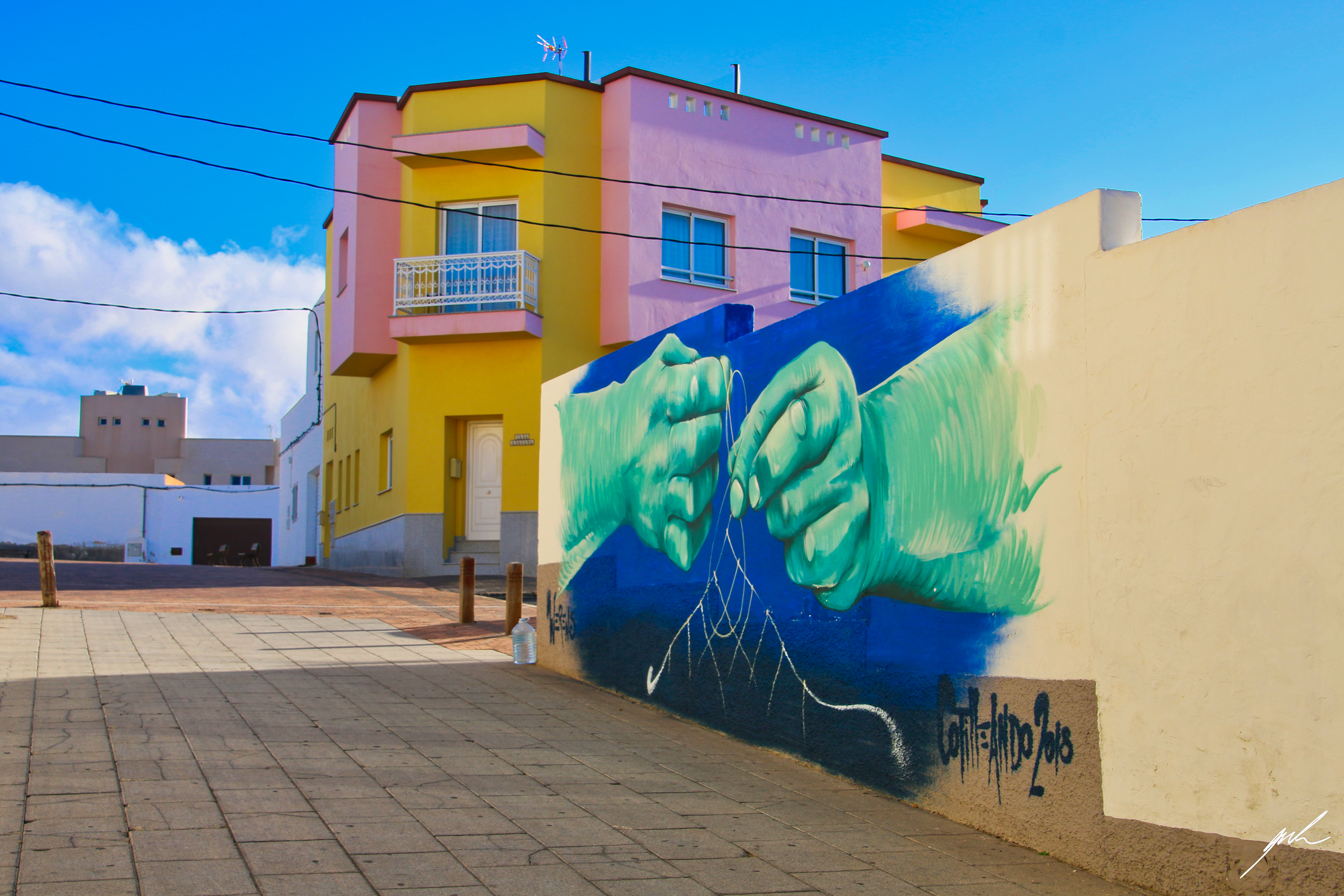
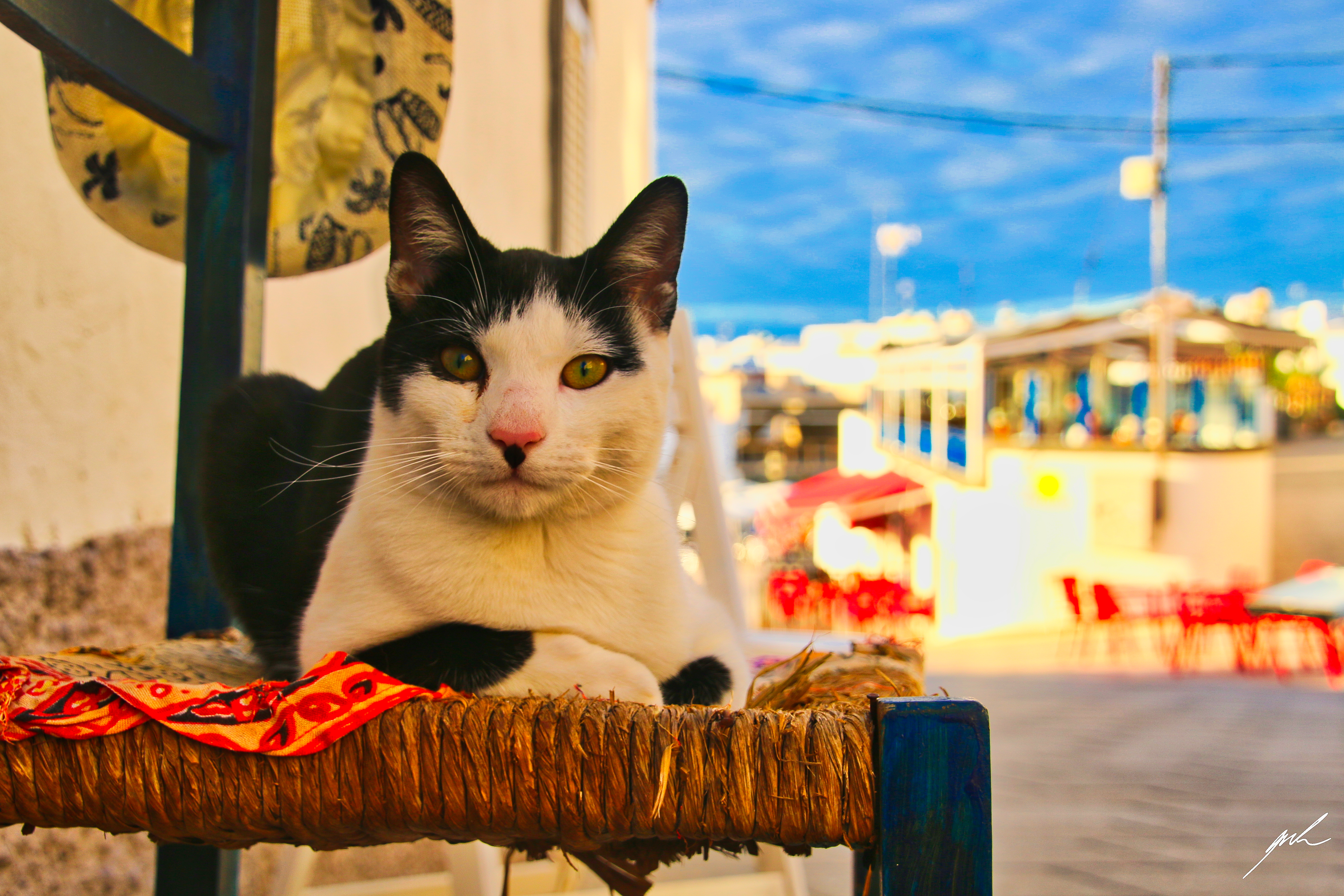
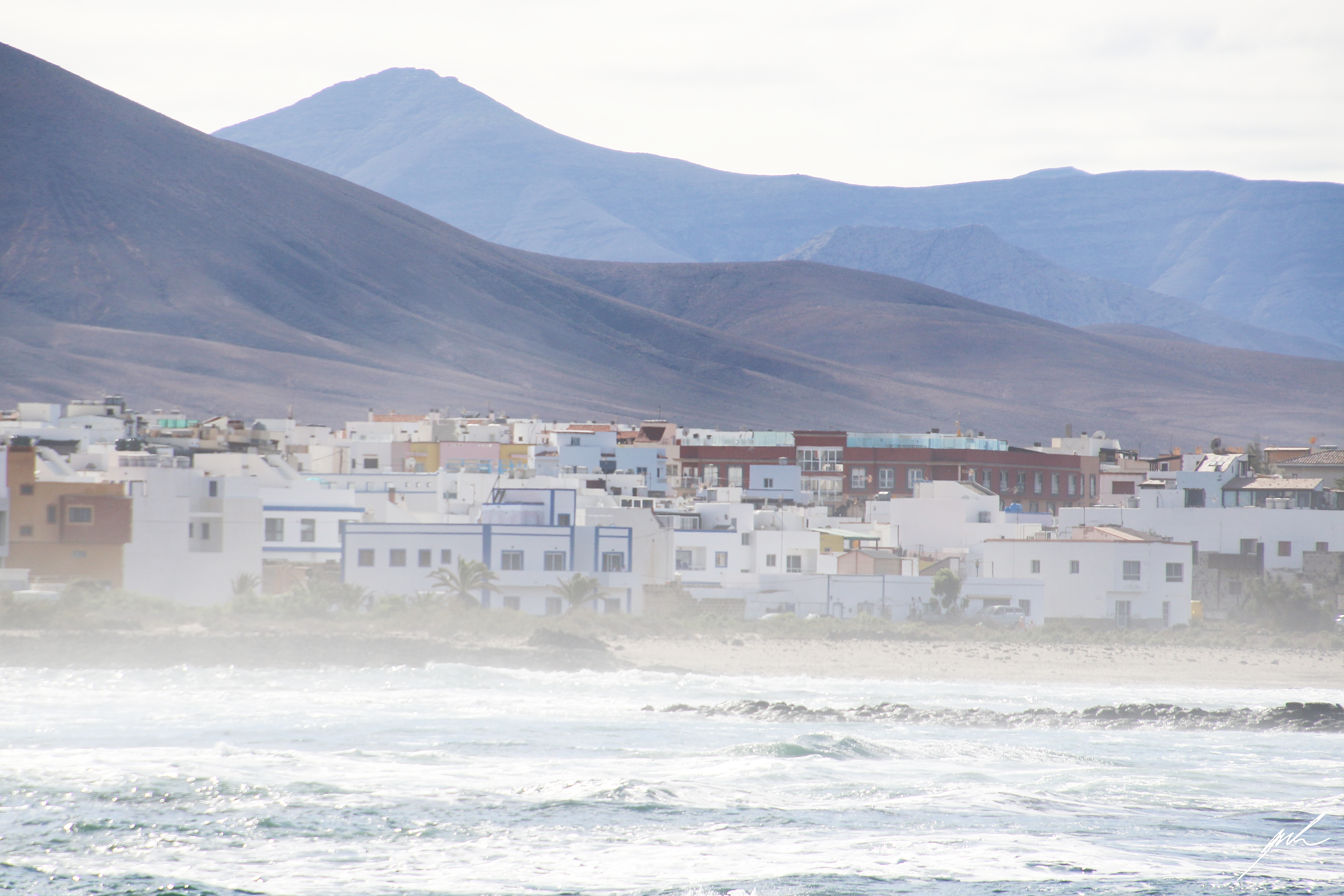
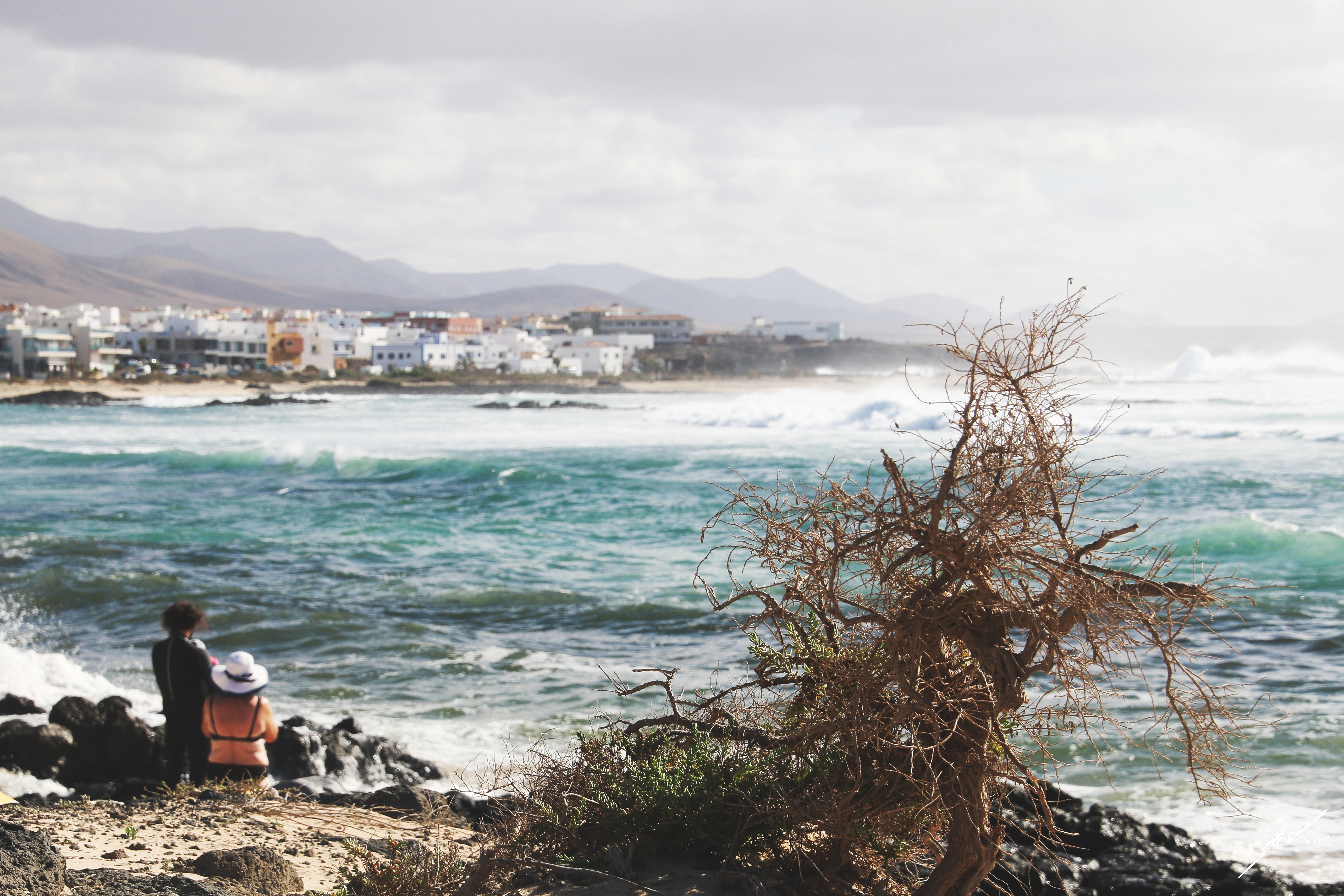
El Cotillo is a pretty quiet town on the northwestern coast of Fuerteventura. The west coast, in particular, has the reputation of being very windy, so the village is very popular with surfers, who take advantage of the high waves on the coast. In general, the area is less touristy than other parts of the Canaries. Nonetheless, it offers all the amenities of modern tourism with great restaurants and lovely little and more modern hotels. Also, the town itself is just charming.
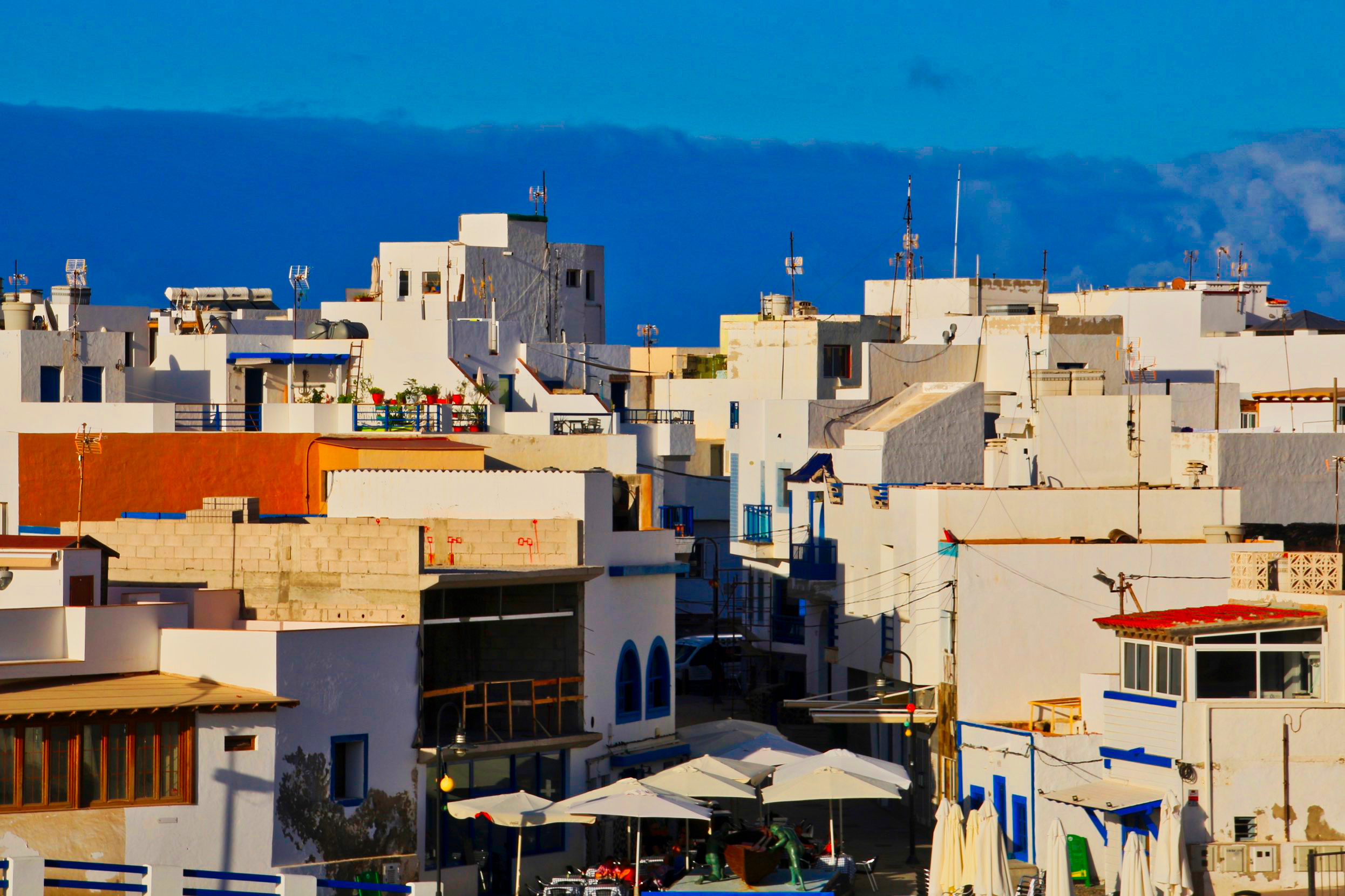
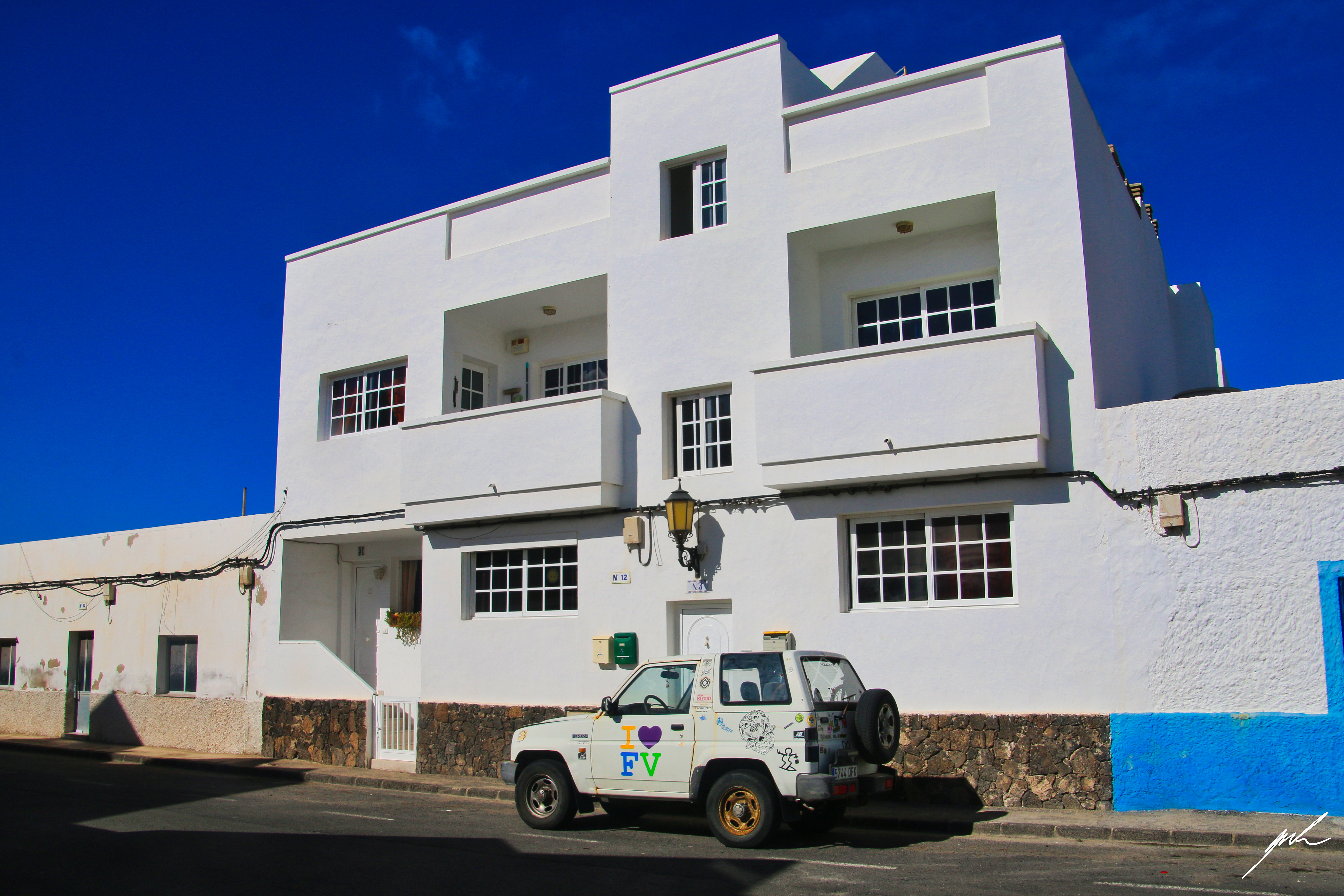
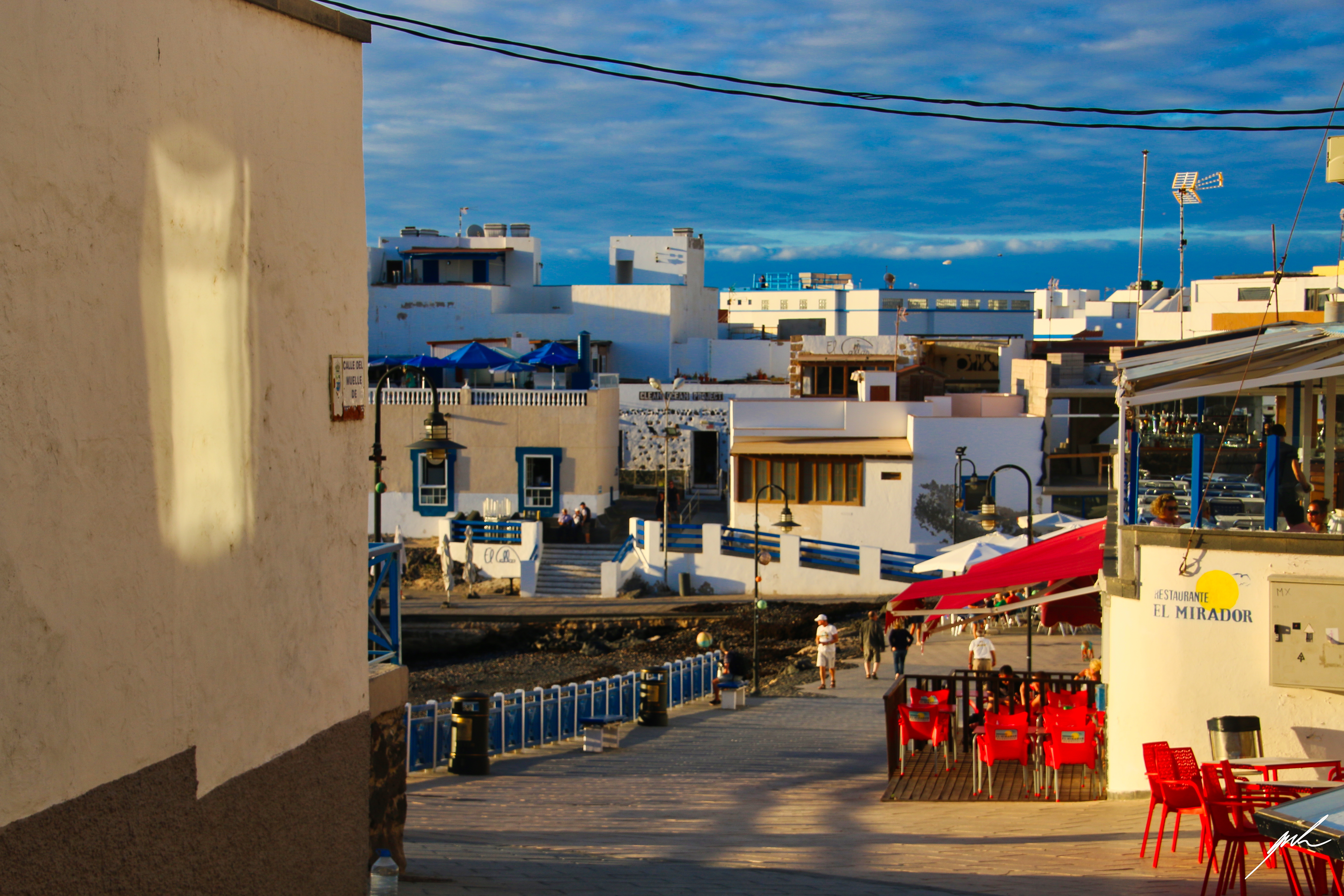
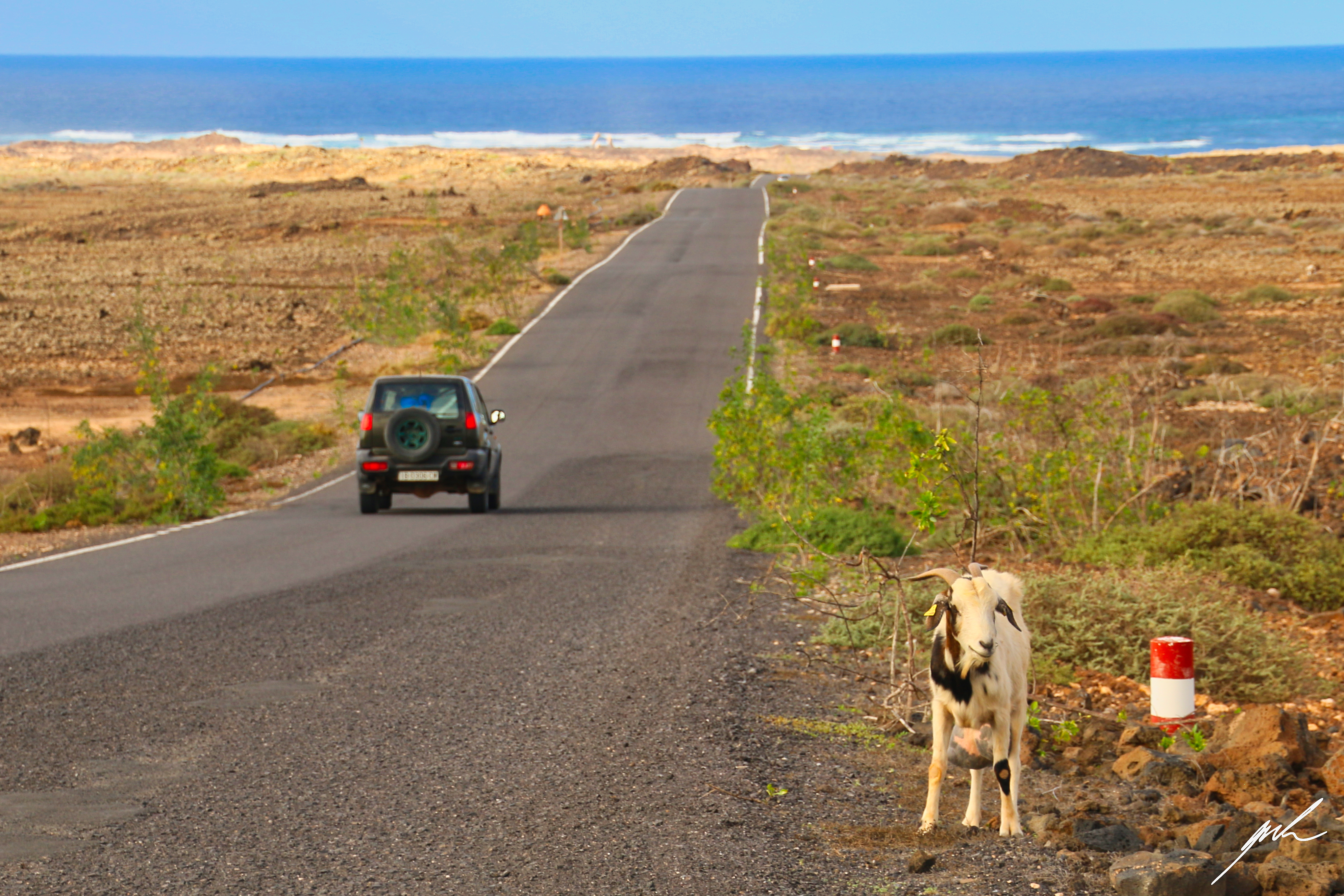
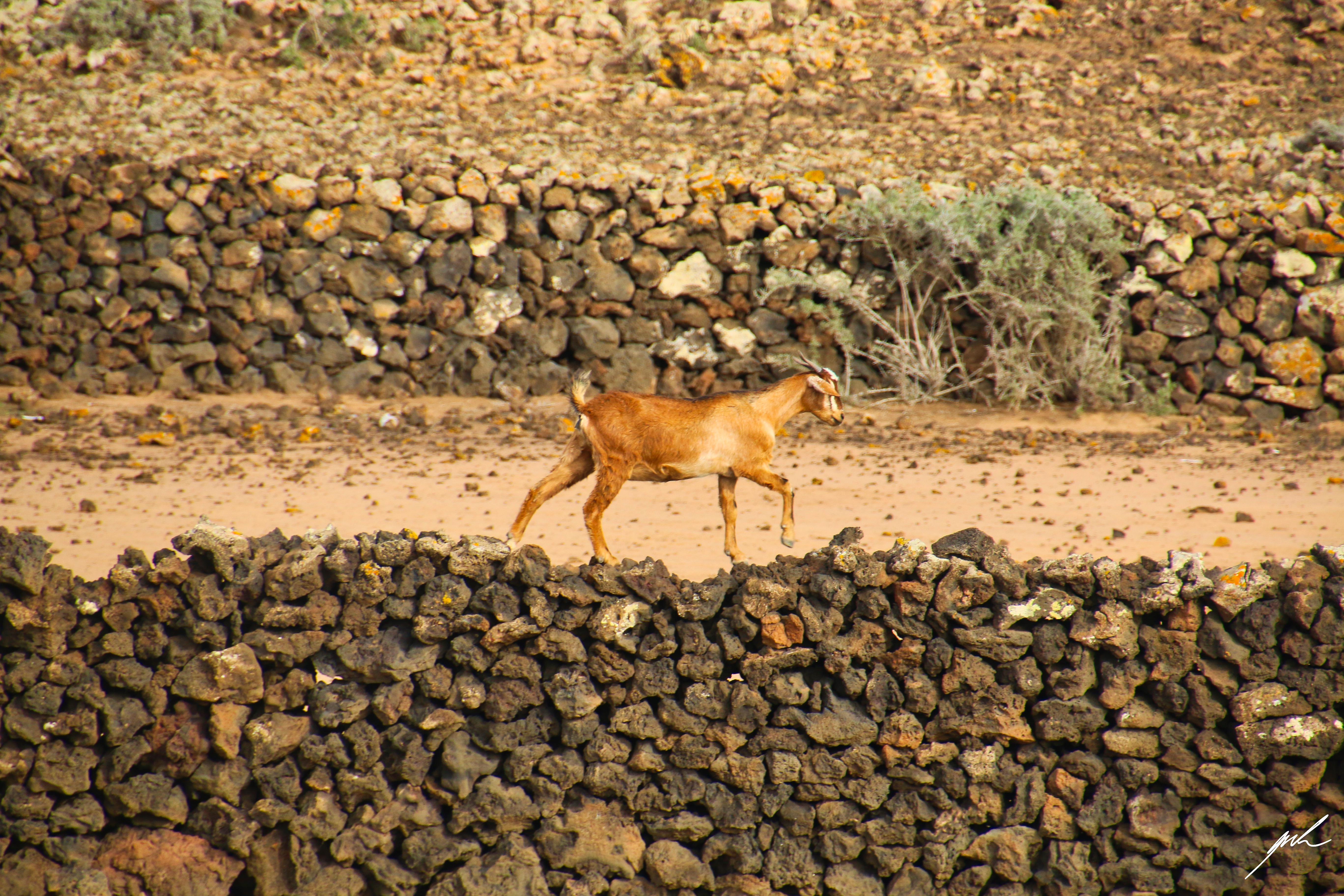
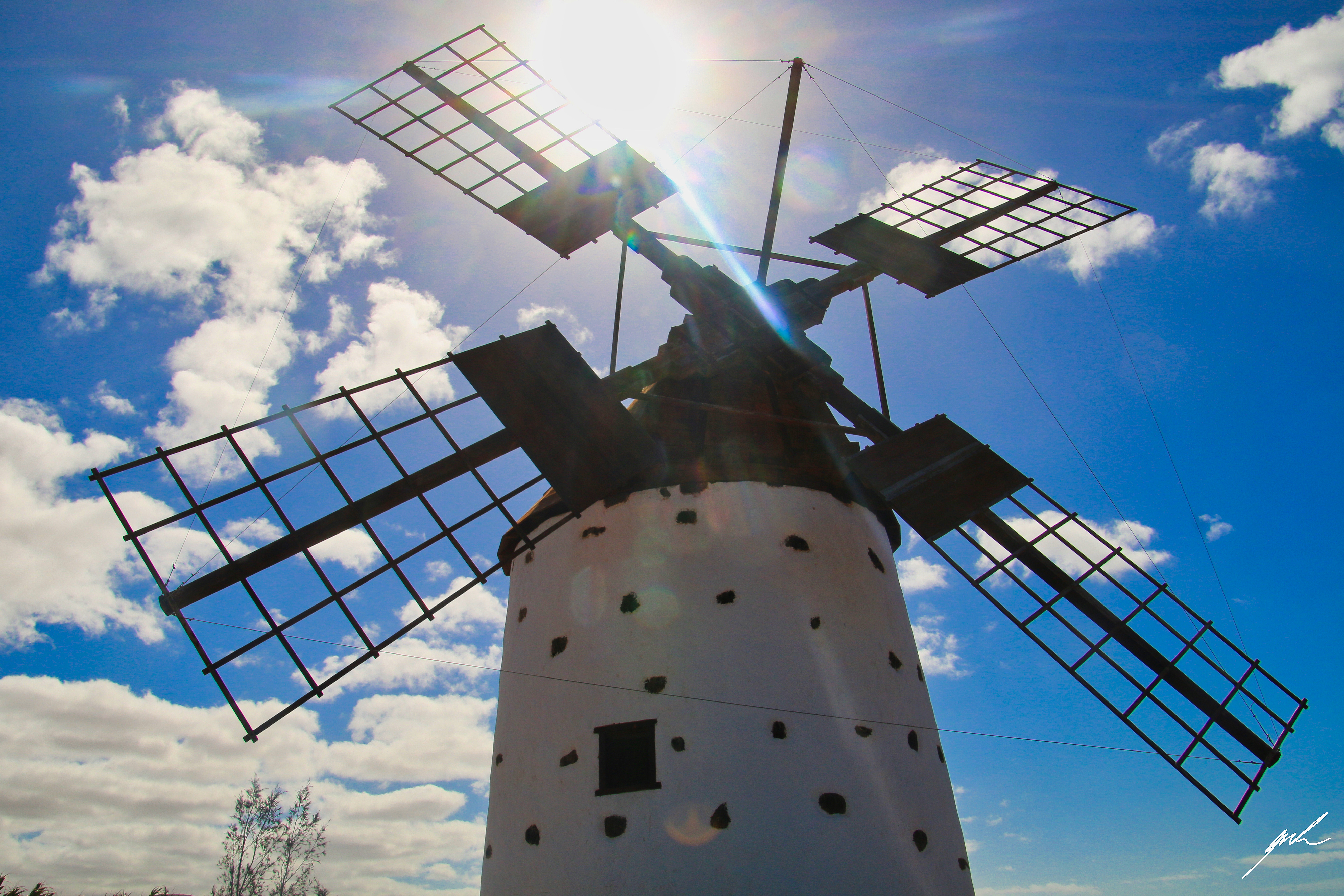
Traveling Fuerteventura, you discover primarily barren and dry land, but still, there is a lot going on. The goats, for example, roam many parts of the island and provide milk for one of the culinary specialties here, goat cheese. Also, there are beautiful old windmills to find, and if you dig more deeply, nature becomes more and more diverse, with sandy beaches and more mountainous regions. It’s worth it to travel to the inner part of Fuerteventura as well, as enchanting as the coast often is.

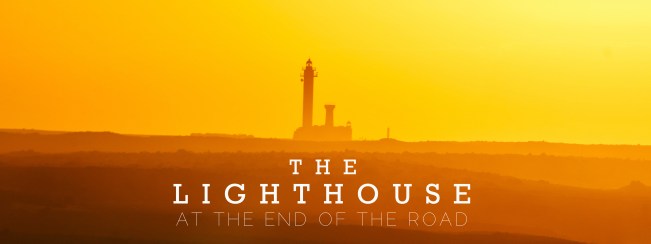
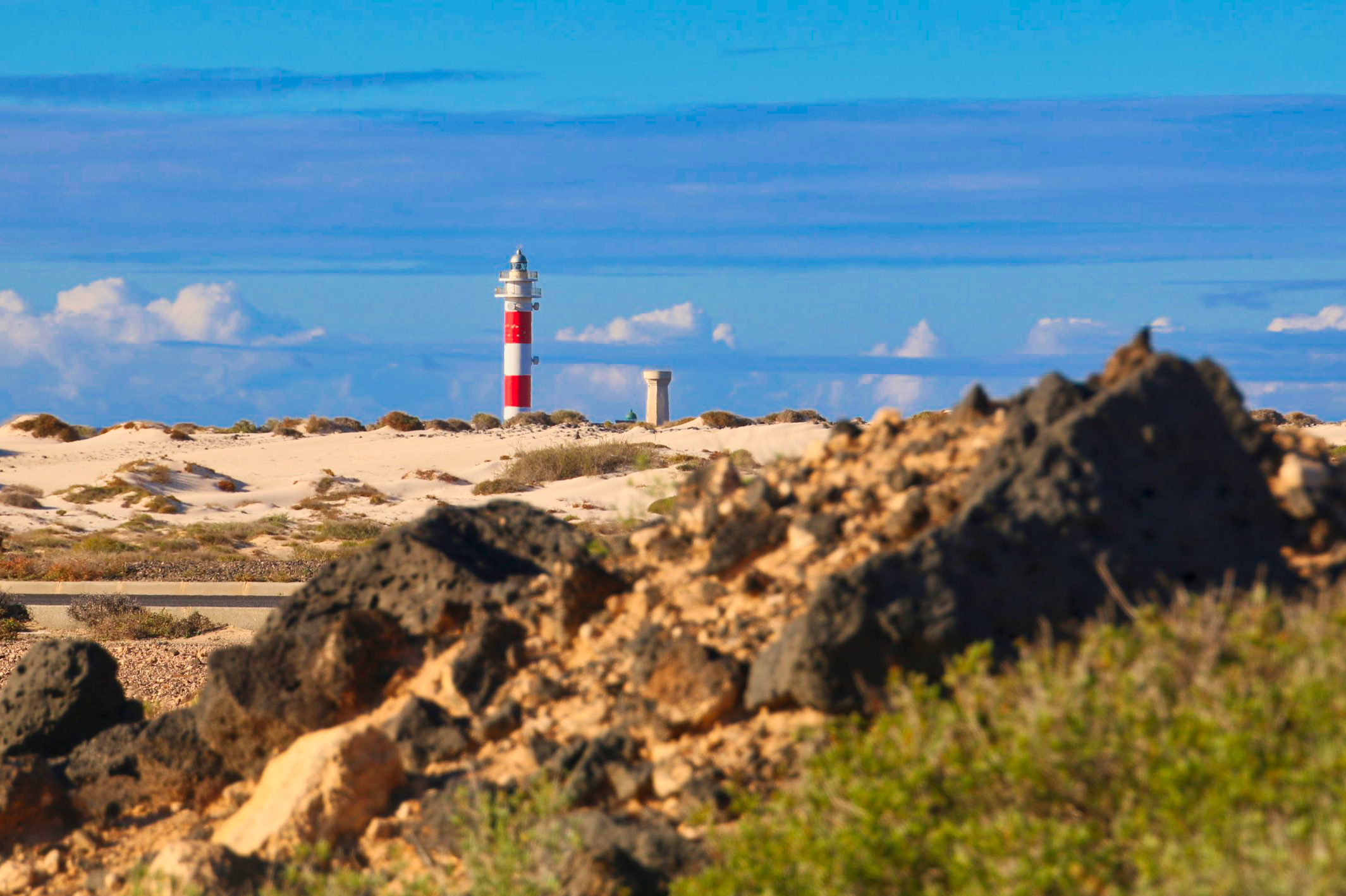
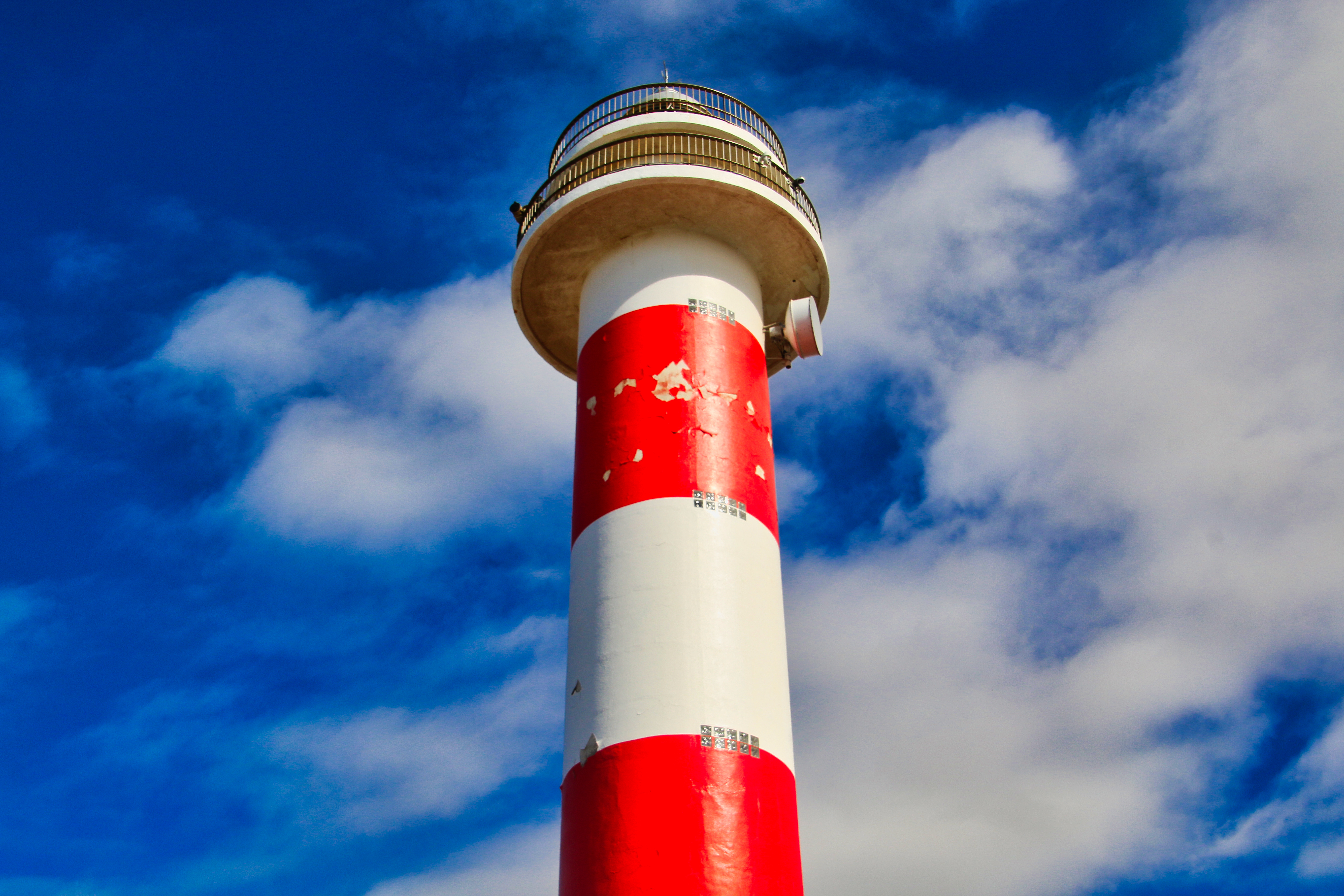
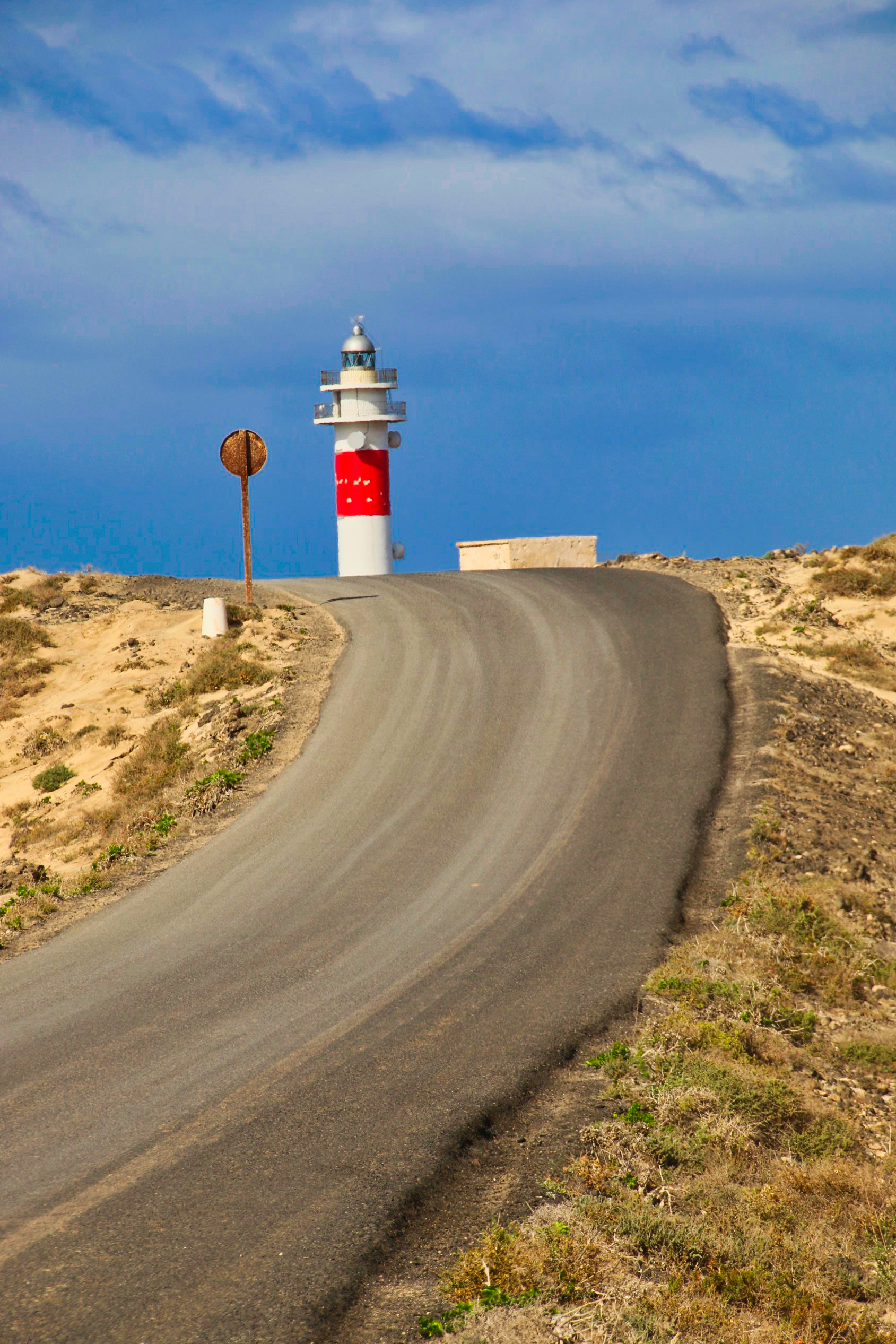
At the end of the road, there was a lighthouse in red and white. In the midst of nothing, it stood, withstanding all the island’s winds and sands and shining in the sunset when the time came.
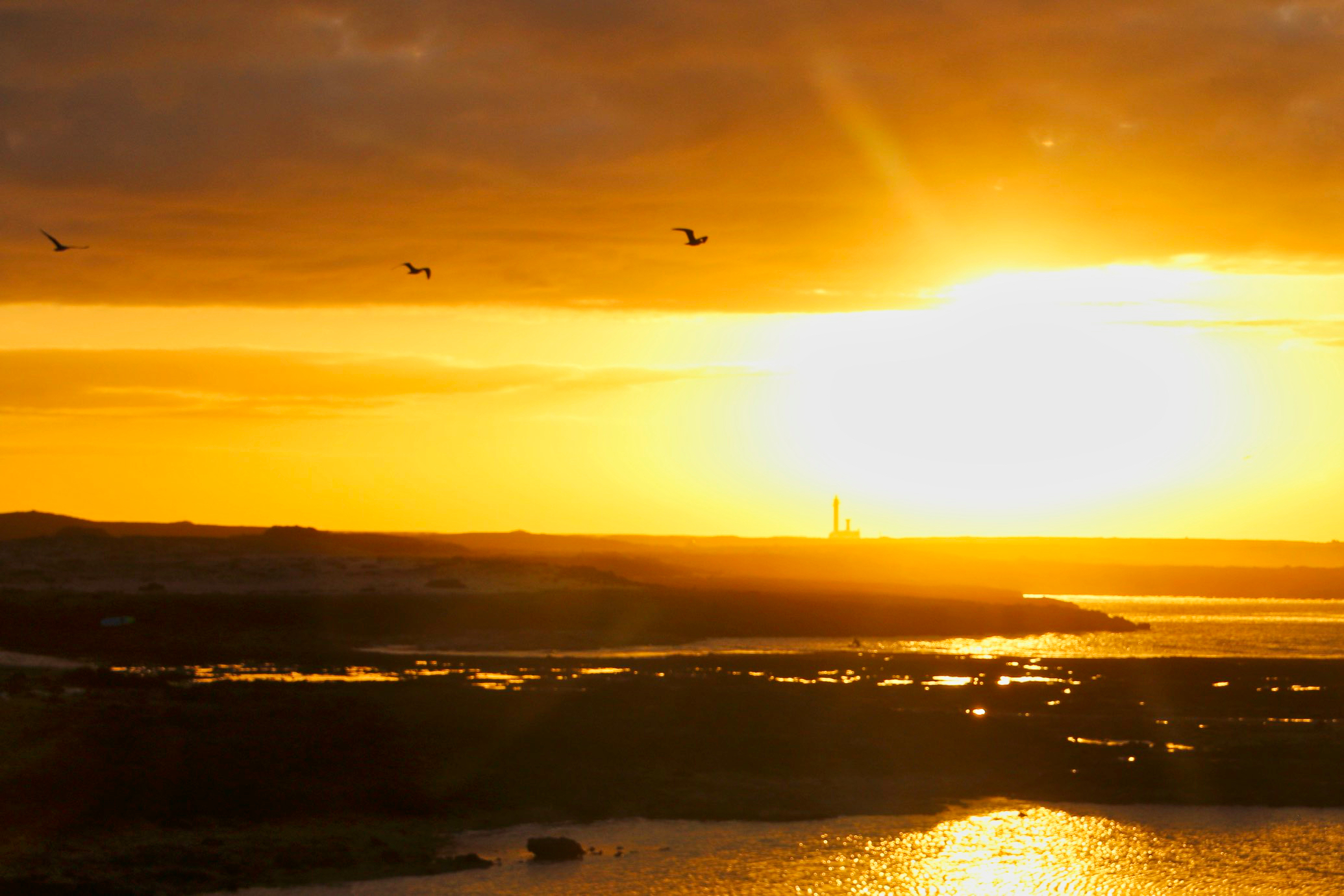
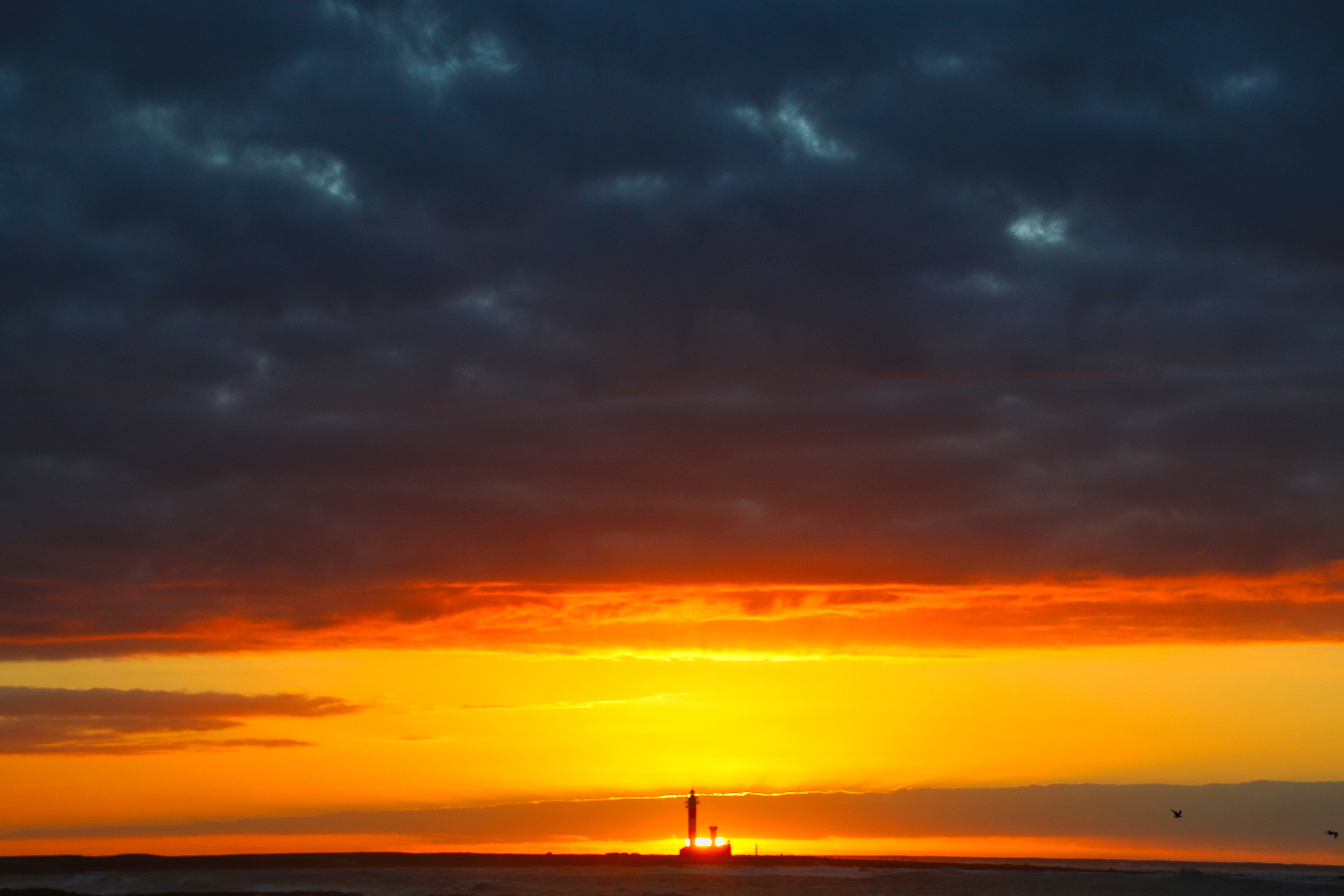
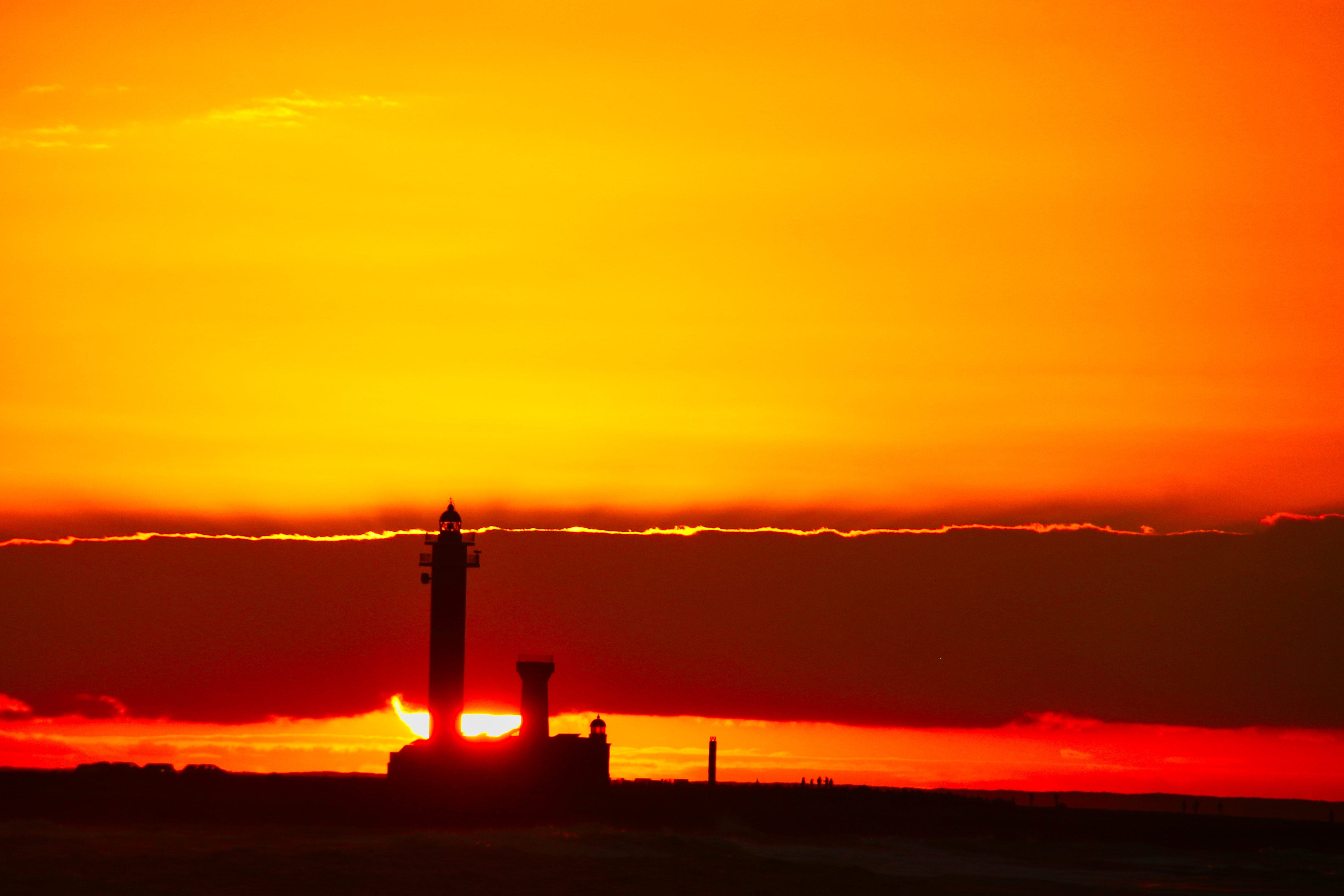
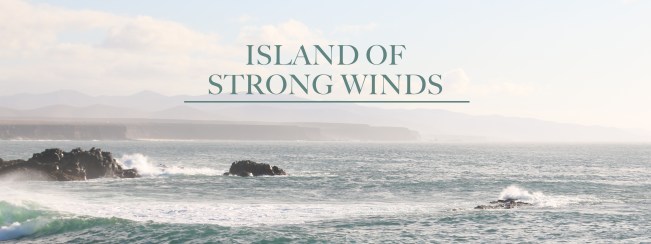
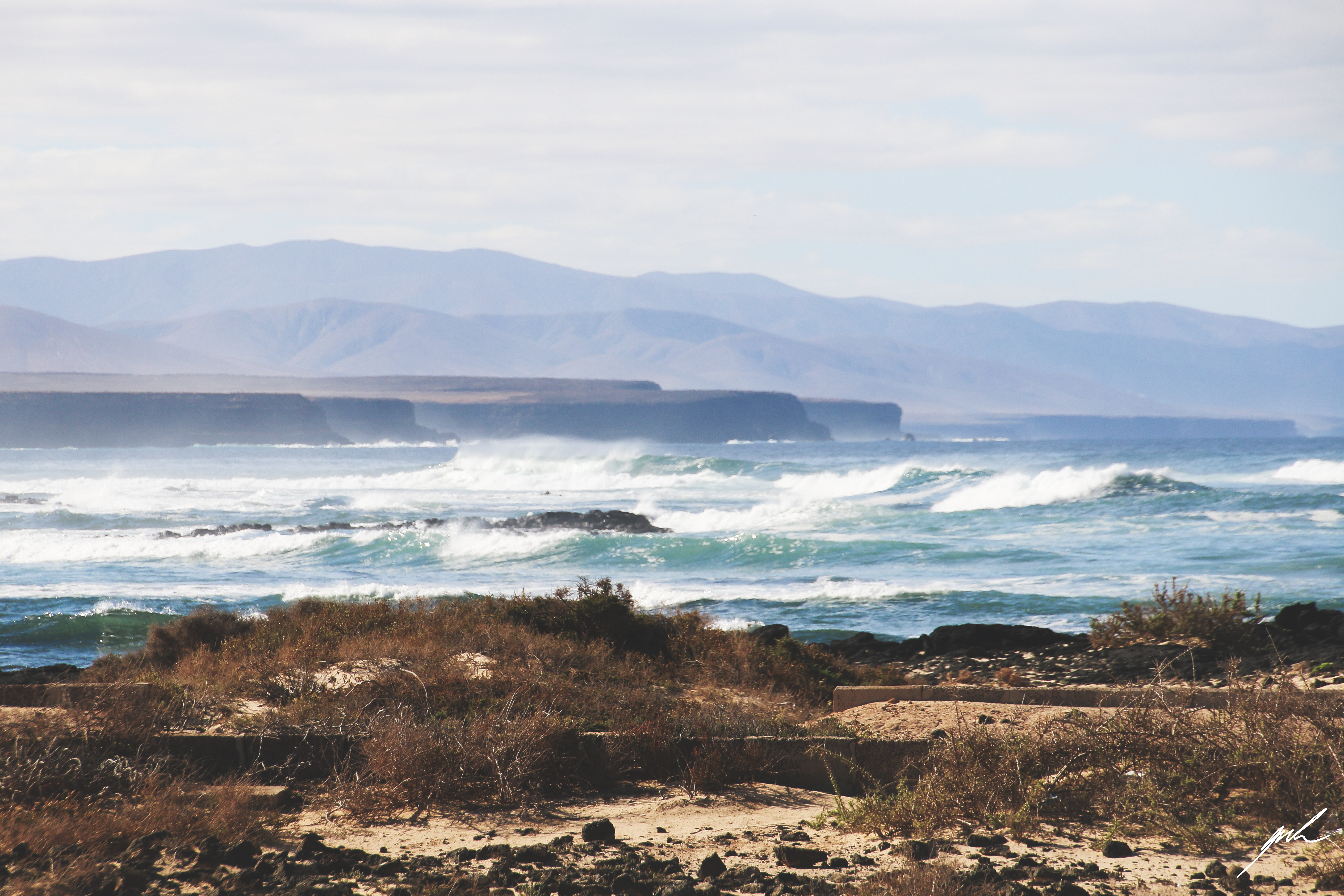
The island of Fuerteventura is well known for the strong winds hitting it frequently and making for solid waves. These circumstances were not very favorable to seafarers but are very welcome today to many birds living on the island and to the surfers visiting it for the waves. In fact, the name of the land itself, Fuerteventura, points to this natural phenomenon as it means nothing else than solid wind.
 Michael Hoffman Photography