Skip to content

Alpine Explorations

When most people think of the Alps, images of snow, skiing, and winter holidays come to mind. Yet in summer, Europe’s most famous mountain range transforms into a landscape of wildflower meadows, glacial lakes, and sunlit valleys, offering endless opportunities for exploration. Stretching across eight countries — from France and Switzerland to Austria and Slovenia — the Alps cover approximately 1,200 kilometers and form one of the most diverse ecosystems in Europe. The following pictures were shot in Austria in summer 2025.

The Alps in 2025

In Austria, the Alps in summer show their gentle side. Green valleys open between high peaks, lakes shine in clear light, and meadows fill with color. Villages rest quietly at the foot of the mountains, where traditions are still alive. For anyone with a camera, simple moments become lasting images — morning mist, bright skies, and the warm glow of sunset. The Austrian Alps remain a place of calm beauty, unchanged in their power to inspire. Photographed in August 2025 around Zell am See in Austria.

Waters of Switzerland

Switzerland’s lakes are as defining as its mountains, offering both breathtaking scenery and cultural richness. Lake Lucerne (Vierwaldstättersee), with its winding arms framed by alpine peaks, reflects centuries of legend and history in towns like Lucerne. To the west, vast Lake Geneva (Lac Léman) blends natural beauty with cosmopolitan life, from the vineyards of Lavaux to the international atmosphere of Geneva. In the south, Lake Lugano adds a Mediterranean touch, with palm-lined shores, Italian-Swiss culture, and mountains plunging directly into the water. Together, these lakes reveal the country’s diversity—alpine drama, urban elegance, and southern charm—all united by the pure, shimmering waters that make Switzerland unforgettable.

Perspectives on Zürich

Zürich is often described as Switzerland’s financial powerhouse, yet it is far more than a city of banks and business. From the moment you stroll along Bahnhofstrasse, one of the world’s most famous shopping streets, you sense the city’s polished elegance. But just a few steps away, the historic Old Town reveals a different perspective—narrow lanes lined with medieval houses, quiet courtyards, and cozy cafés that tell the story of centuries past. This contrast between sleek modernity and timeless tradition is what gives Zürich its unique character.

Tirano: Gateway to the Alps

Nestled in the Valtellina valley of northern Italy, Tirano is a charming town best known as the starting point of the world-famous Bernina Express. This UNESCO-listed railway route climbs from Tirano through dramatic mountain landscapes, past glaciers and alpine villages, and across the Swiss border to St. Moritz. With its cobbled streets, Renaissance palaces, and the striking Sanctuary of the Madonna di Tirano, the town itself offers a rich blend of history and culture.

Rituals of Kyoto

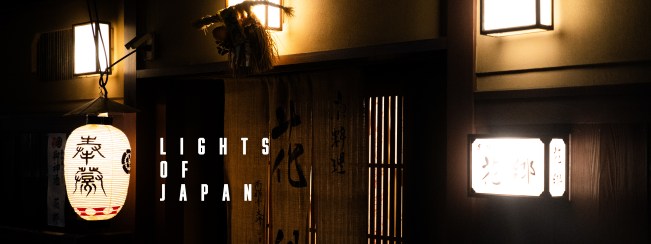
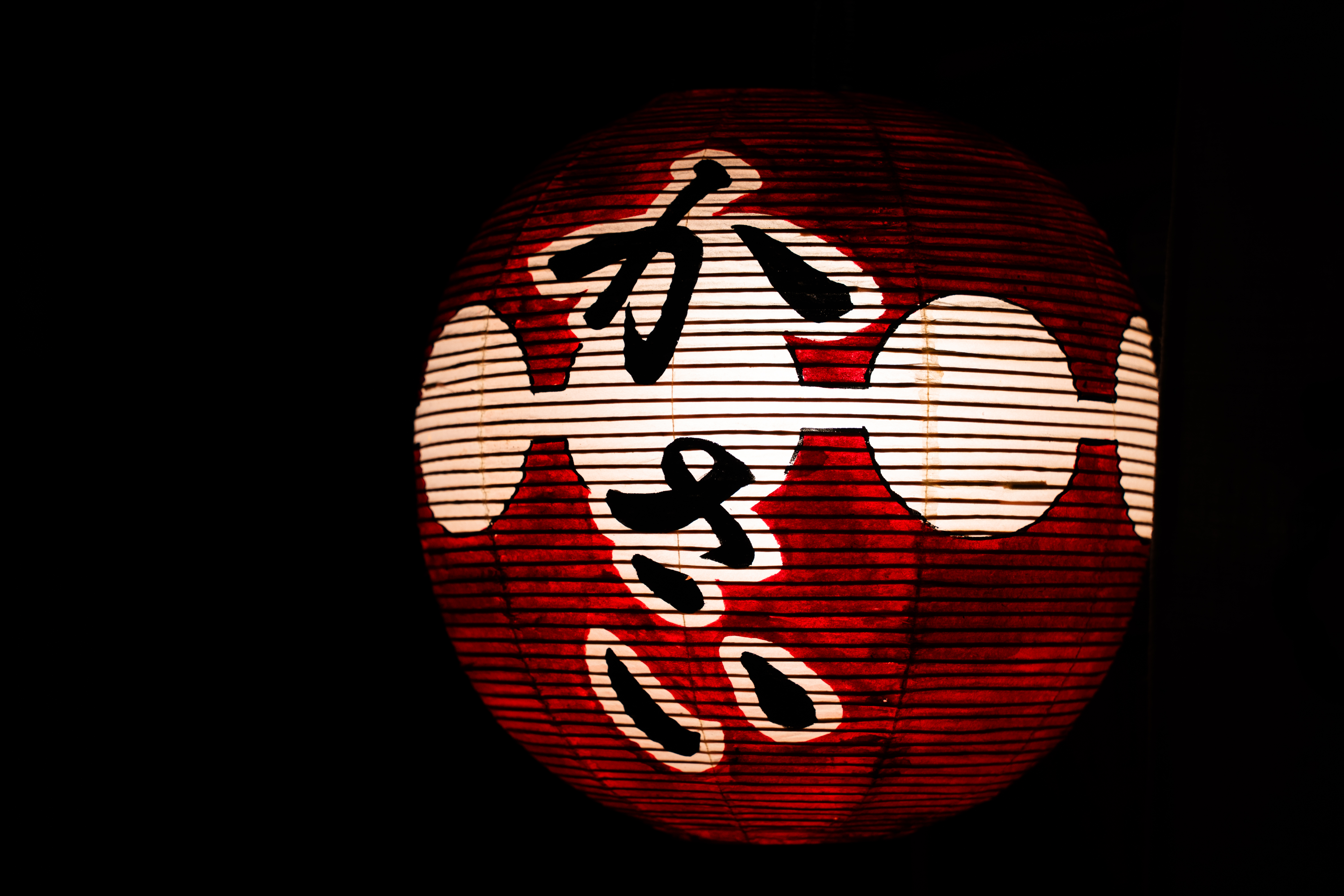
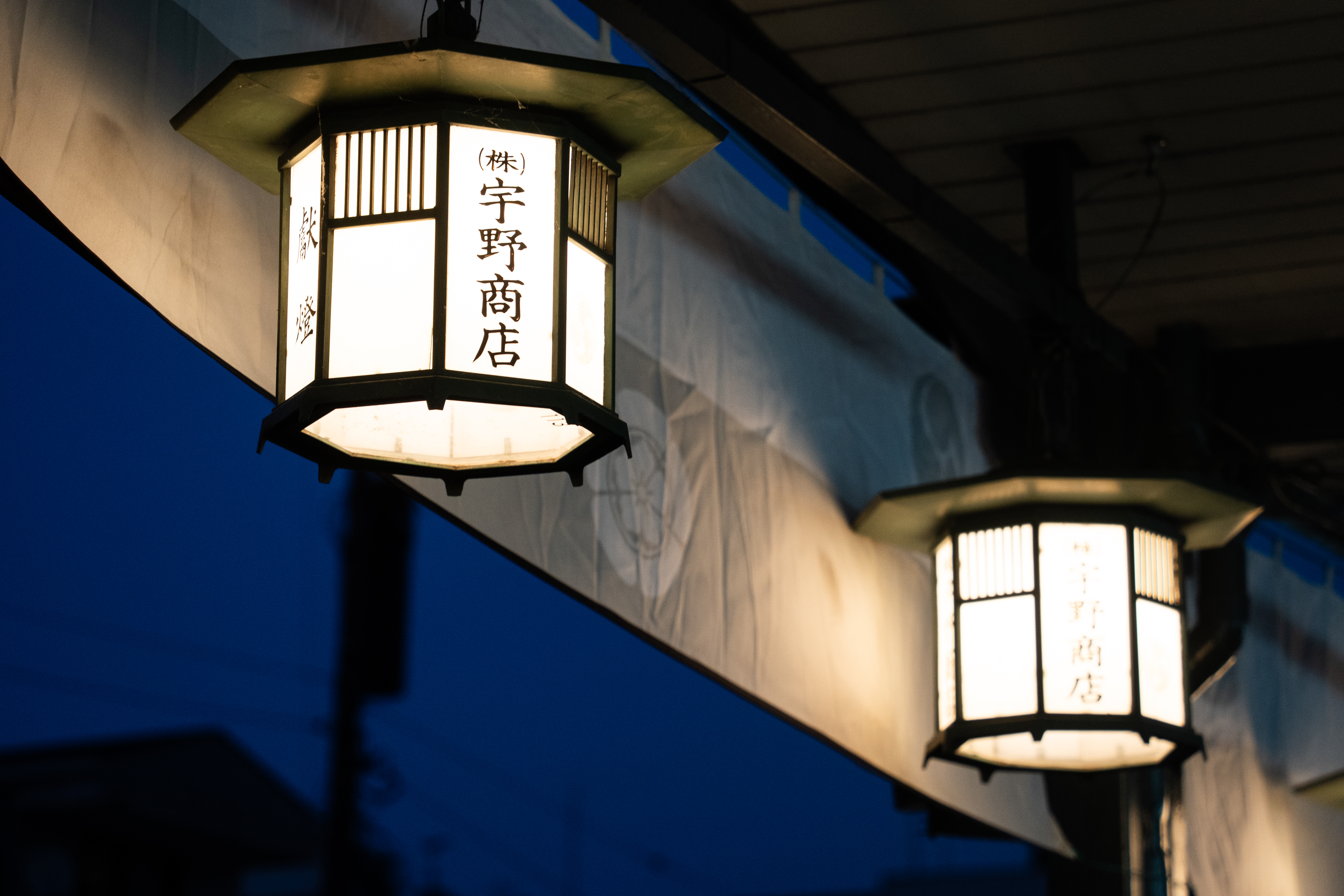
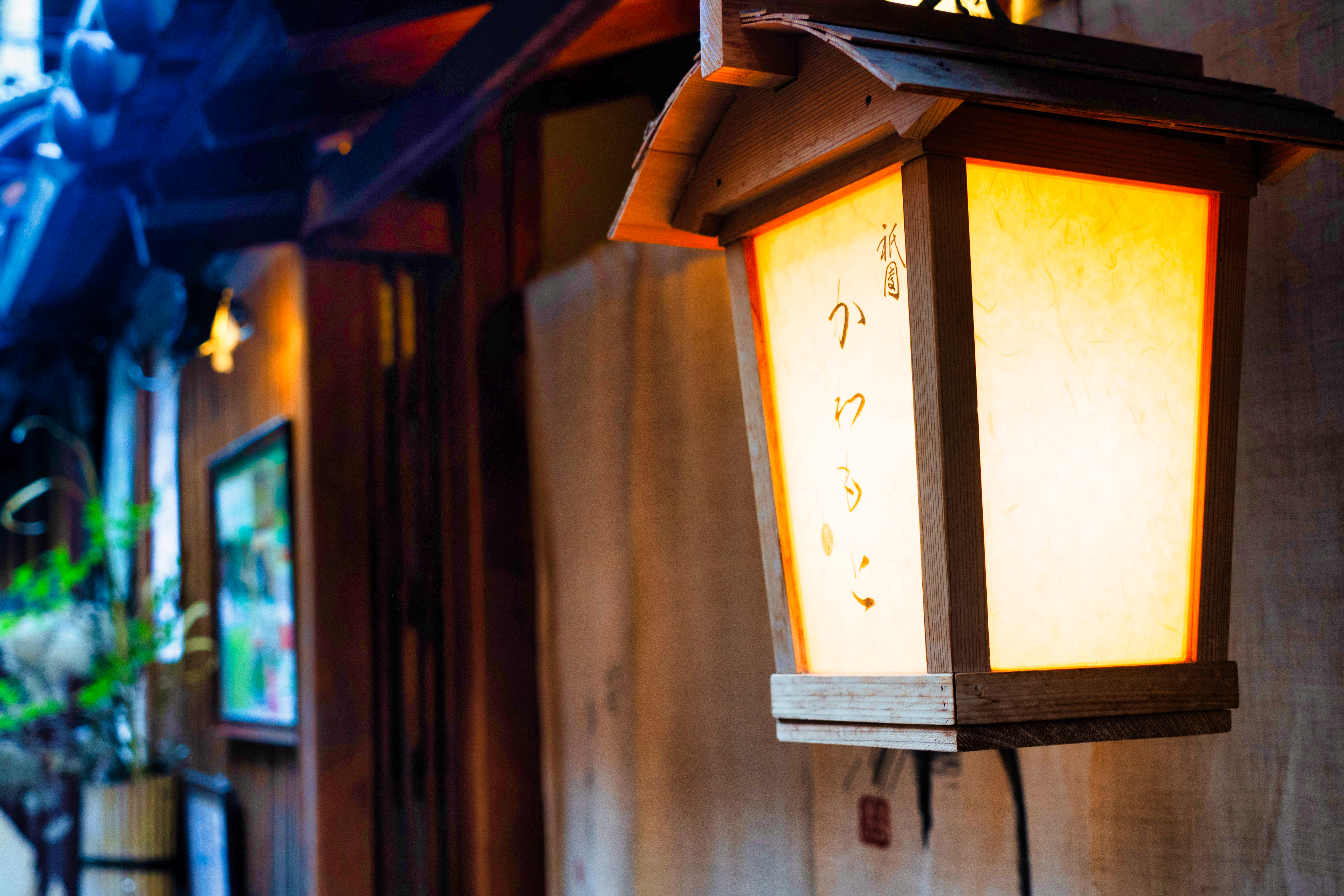
Kyoto in July pulses with ancient rhythm as the Gion Matsuri unfolds—a festival rooted in centuries of purification and community spirit. While famous for its grand floats, the deeper soul of the celebration reveals itself in the smaller, more visceral rituals that ignite the city’s backstreets. One of the most striking scenes is the nighttime procession where men carry taimatsu—enormous burning torches made from bundled bamboo. The fire crackles as it’s hoisted high, illuminating the narrow lanes and casting shadows on the old wooden townhouses of Gion.

This ritual is more than spectacle—it’s a powerful act of devotion and cleansing. As the bearers chant and march through the humid summer night, sparks fall like brief stars onto the pavement. The heat, the smoke, and the physical exertion create a trance-like atmosphere, both for the participants and those watching. In this elemental moment, fire becomes a bridge between Kyoto’s past and present—a symbol of protection, transformation, and enduring tradition woven into the fabric of the Gion Matsuri.

1 10 11 12 86