Skip to content

Historic Cracow

Cracow is one of the most historic cities in Poland, known for its well-preserved medieval architecture and vibrant cultural scene. The Old Town, a UNESCO World Heritage Site, is home to the impressive Main Market Square, St. Mary’s Basilica, and the Cloth Hall. Walking through its cobbled streets, you can see traces of the city’s long history, from Gothic churches to Renaissance palaces.

Just a short walk from the center is Wawel Castle, once the residence of Polish kings. Overlooking the Vistula River, this castle complex is a mix of architectural styles, reflecting centuries of Polish history. Another important part of Cracow is Kazimierz, the former Jewish district, which today is full of synagogues, museums, and lively cafes. This area tells the story of Cracow’s Jewish heritage and its revival in modern times.
Coastal Explorations

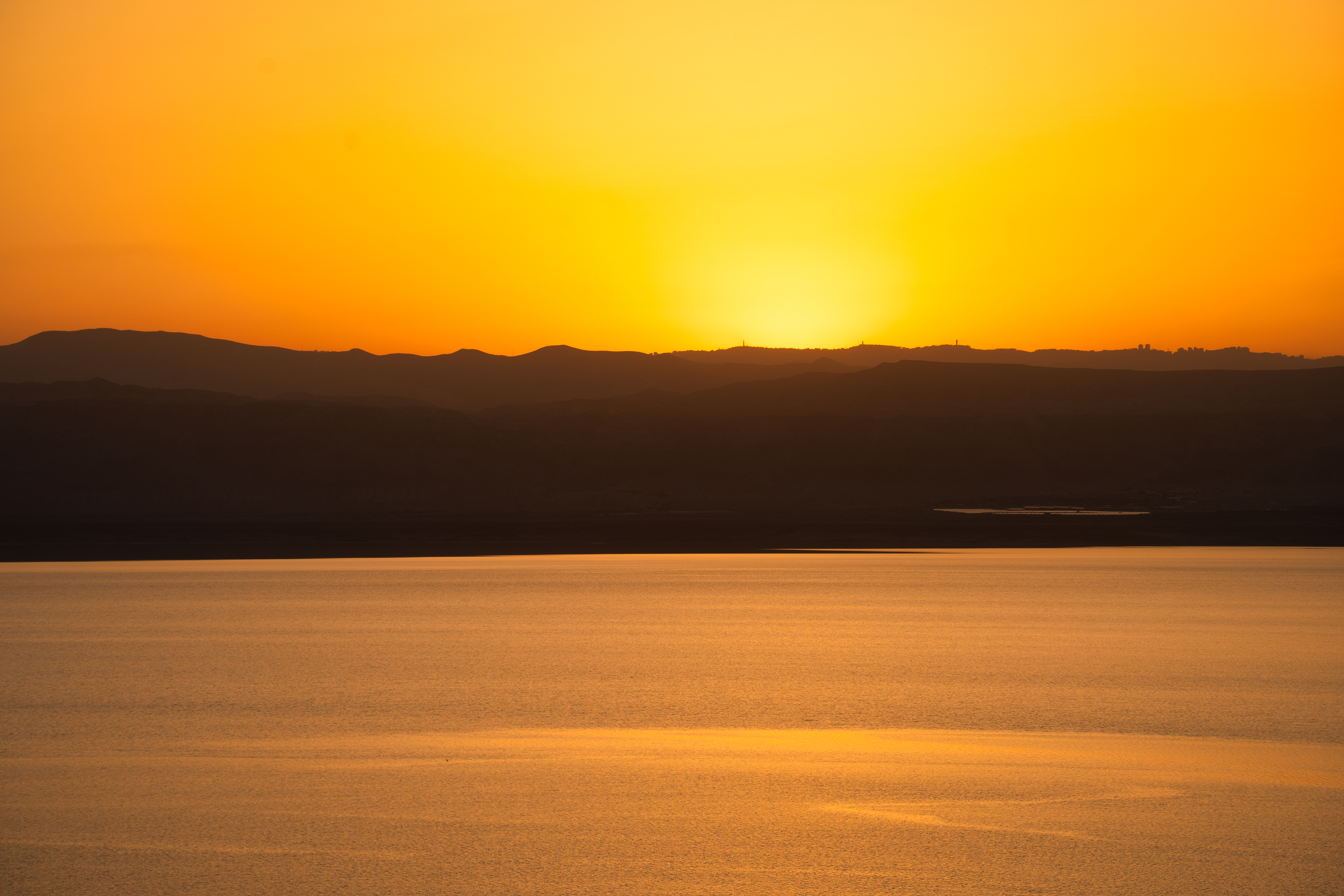
As the day draws to a close, the sunsets over Kvarner Bay in Croatia are nothing short of magical. The sky transforms into a canvas of vibrant hues—golden yellows, fiery oranges, and soft pinks—reflected on the tranquil surface of the Adriatic. These breathtaking vistas can be enjoyed from many vantage points, whether atop a hill, on a coastal terrace, or aboard a boat gently rocking on the water. The islands on the horizon become silhouetted against the colorful sky, creating a serene and unforgettable scene. Watching the sunset here is more than a visual treat; it’s an invitation to pause and savor the timeless beauty of the Kvarner Bay.

Winter at the Bay

Winter at the Kvarner Bay in Croatia offers a serene experience, distinct from the bustling summer months. The region, known for its mild Mediterranean climate, boasts cooler but rarely freezing temperatures, making it a comfortable destination for a winter getaway. Coastal towns like Opatija, Rijeka, and Crikvenica take on a quieter charm, with fewer crowds and a peaceful ambiance. The Adriatic Sea remains a captivating sight, reflecting the crisp winter sunlight, while the surrounding Učka Mountain and nearby Gorski Kotar region often receive a dusting of snow, perfect for hiking or even some light winter sports. Festivals and cultural events, such as Rijeka’s vibrant Carnival in late winter, bring warmth and excitement to the season. Therefore, winter at Kvarner Bay is a blend of coastal tranquility and festive cheer, offering a unique perspective on this beautiful region.

Port of the Aristocrats

Nestled along the shimmering Adriatic coastline of Croatia, Opatija has long been a beacon of elegance and sophistication. Known as the “Pearl of the Adriatic,” this picturesque town gained fame in the 19th century as a retreat for European aristocracy and royalty. Its strategic location between the sea and lush forested hills made it an idyllic escape for those seeking tranquility and rejuvenation. Grand villas and luxury hotels, such as the iconic Hotel Kvarner, the first of its kind on the Adriatic, sprang up to cater to the elite. Today, these architectural gems, with their ornate facades and manicured gardens, still stand as a testament to Opatija’s golden age.

Still today the Lungomare promenade, a scenic coastal path stretching over 12 kilometers, provides stunning views of the azure sea and leads to quaint neighboring villages. The town is adorned with vibrant parks, such as St. James Park, which bursts with Mediterranean and exotic plant species. Cafés, boutiques, and fine dining restaurants line the streets, continuing the tradition of refined leisure.

Colors of Santorini

Santorini is a kaleidoscope of colors that truly brings it to life. Picture the blinding white walls of cliffside homes contrasting against the deep cobalt domes of its churches, all set against a backdrop of endless blue sea and sky. The island’s volcanic origin adds even more drama to the palette, with the red and black sands of beaches like Kamari and Perissa standing out against the turquoise waters. Everywhere you look, there’s a burst of color — from the pink bougainvillea draped over doorways to the vibrant fishing boats bobbing in the harbors. Each hue tells a story, blending together in a way that feels both effortlessly natural and deeply intentional.

But Santorini’s colors aren’t just about the landscape; they are woven into the fabric of daily life. You’ll see it in the lively markets, where fresh tomatoes and oranges pile high, and in the local tavernas, where rich reds of wine and the golden tones of fresh-baked bread invite you to savor each moment. As the day turns to dusk, the island undergoes another transformation. The light softens, and the colors change with the setting sun, casting a warm, amber glow over everything. It’s in these moments that you truly feel the magic of Santorini — a place where the colors are not just seen, but felt, deep in your bones.

Santorini Sunsets

There’s a reason Santorini sunsets are famous worldwide, pulling in travelers who want to experience their magic firsthand. As the sun starts to dip toward the caldera, a warm, golden light spills across the island, turning the whitewashed buildings of Oia and Fira into glowing jewels against the deep blue of the sea. The sky becomes a canvas of pinks, oranges, and purples, each shade blending into the next like a painting that never stays the same. Whether you’re watching from a cozy clifftop bar with a glass of local wine or sitting on the beach with your toes in the sand, seeing the sun disappear below the horizon feels like being let in on a beautiful secret that somehow feels fresh and unforgettable every single day.

1 15 16 17 84