Skip to content

Venice in Detail

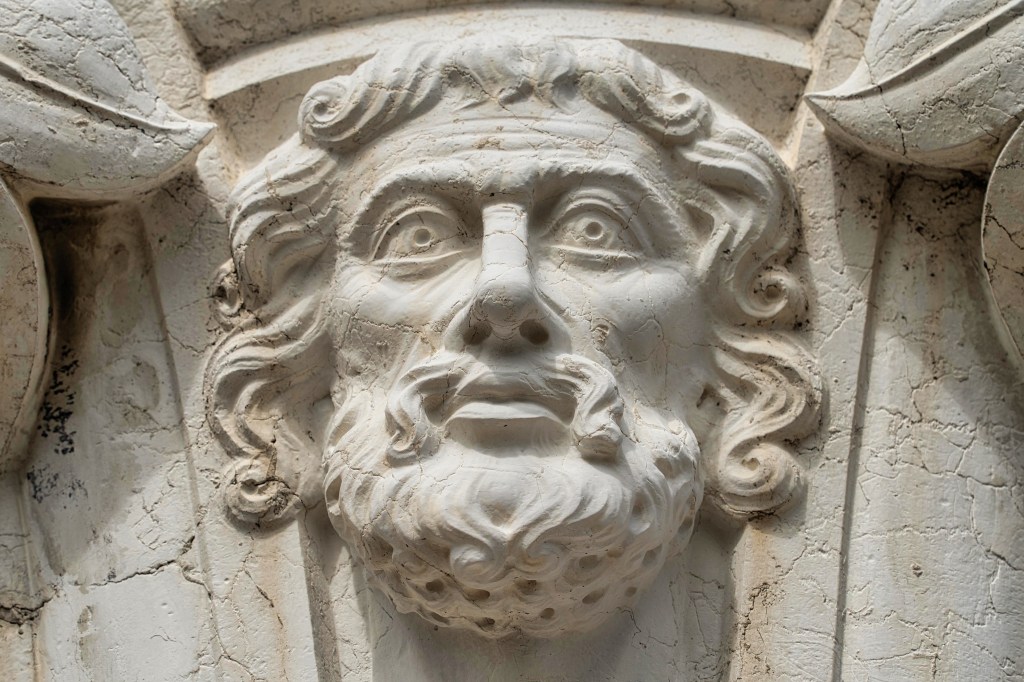
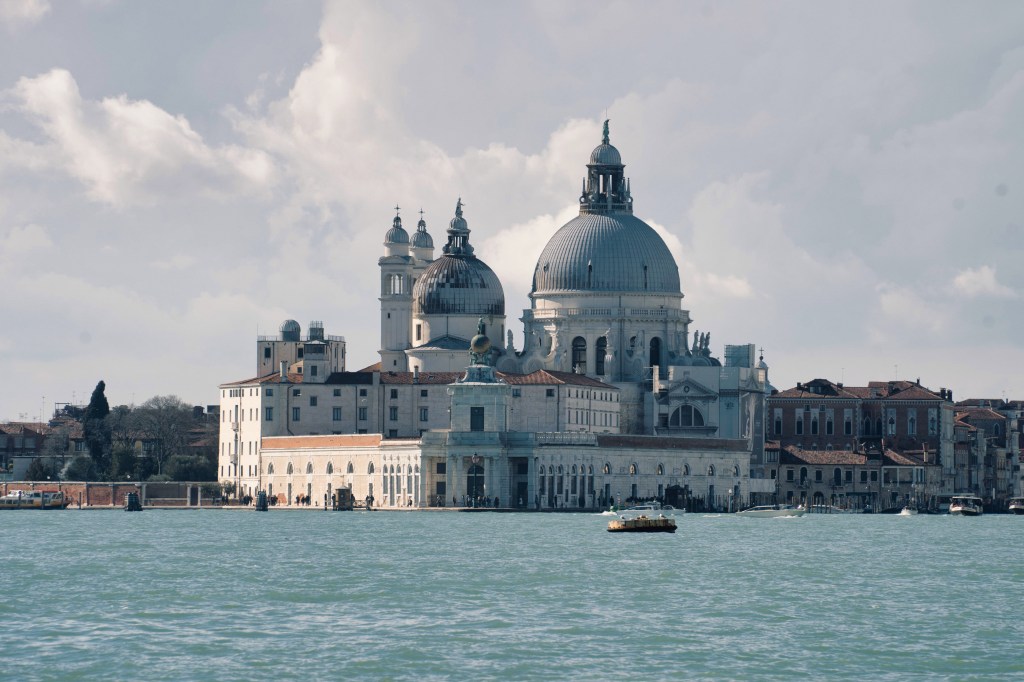
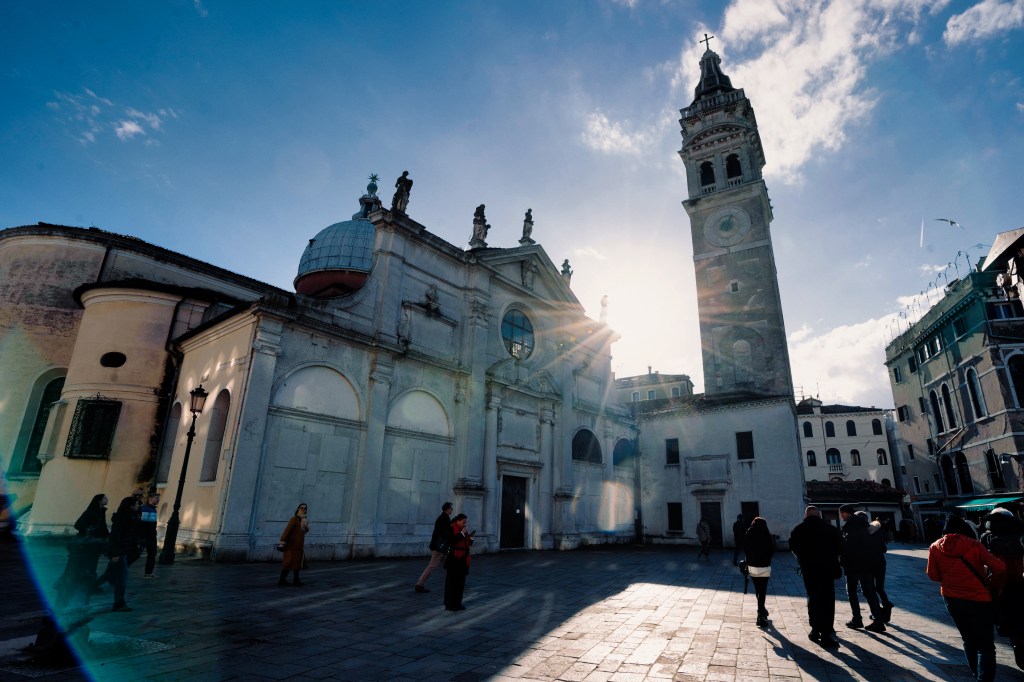
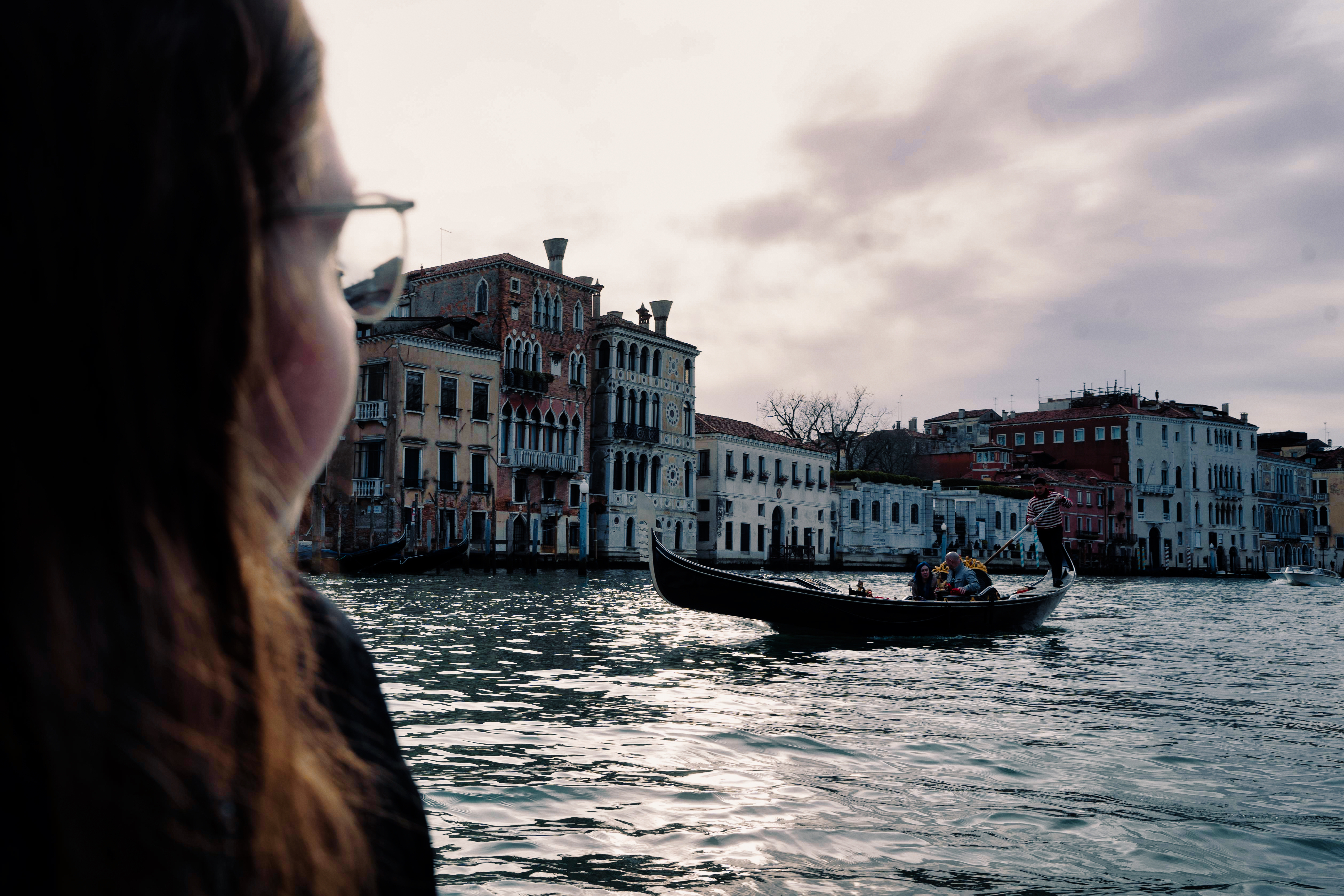
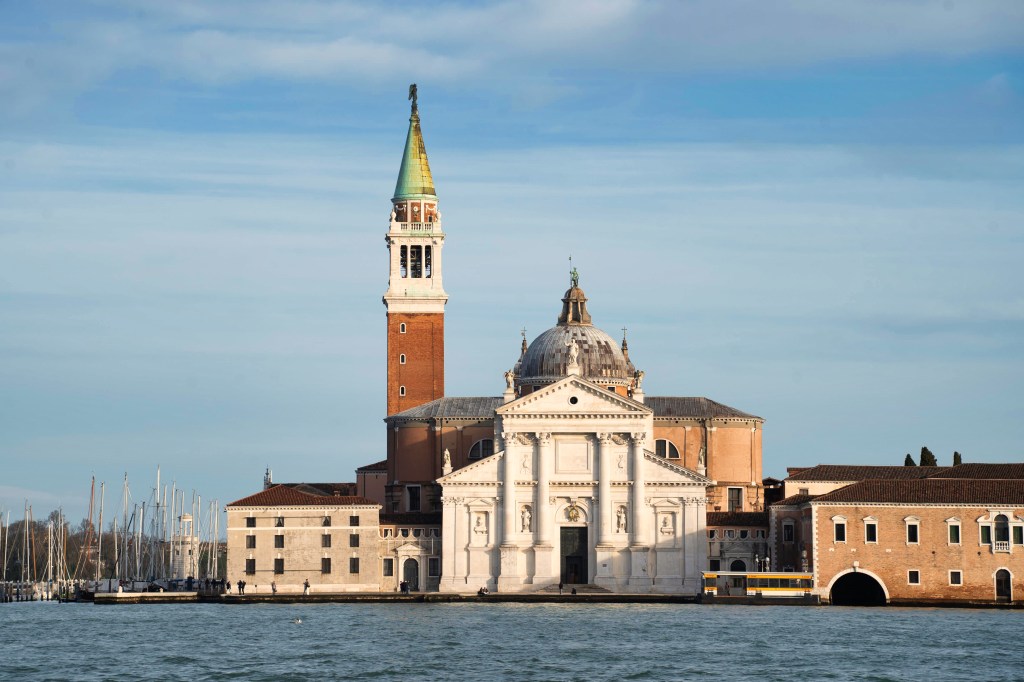
Exploring Venice unveils a tapestry of intricate details that adorn every corner of the city. Along the narrow alleyways and bustling canals, the facades of centuries-old buildings captivate with their weathered charm and ornate architecture. Time-worn stones tell stories of generations past, while colorful shutters and blooming flower boxes add a touch of vibrancy to the scene.

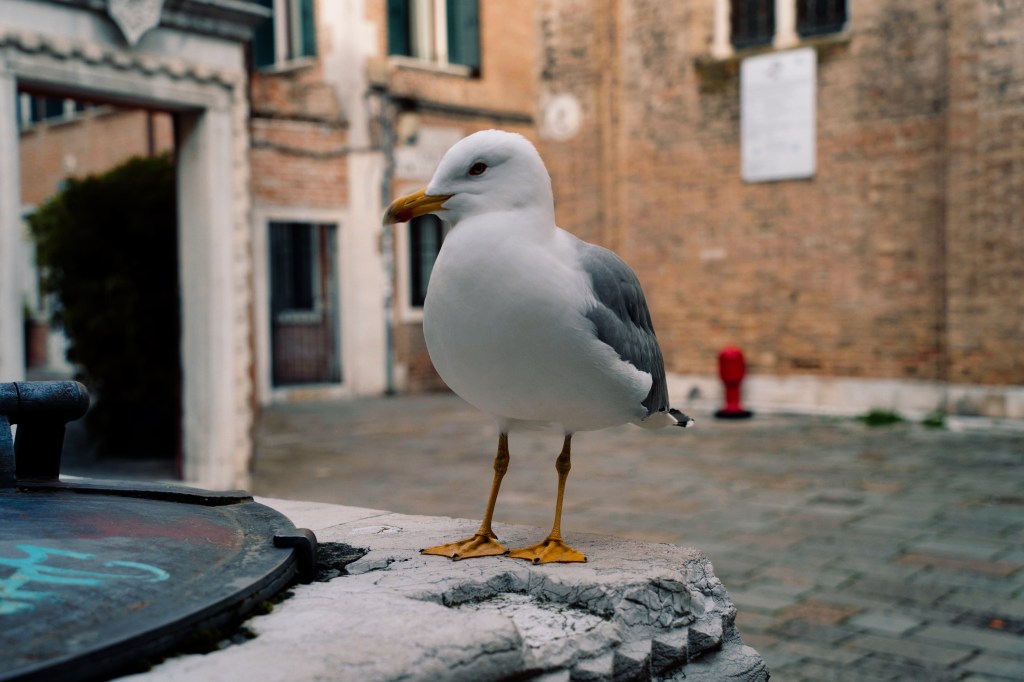
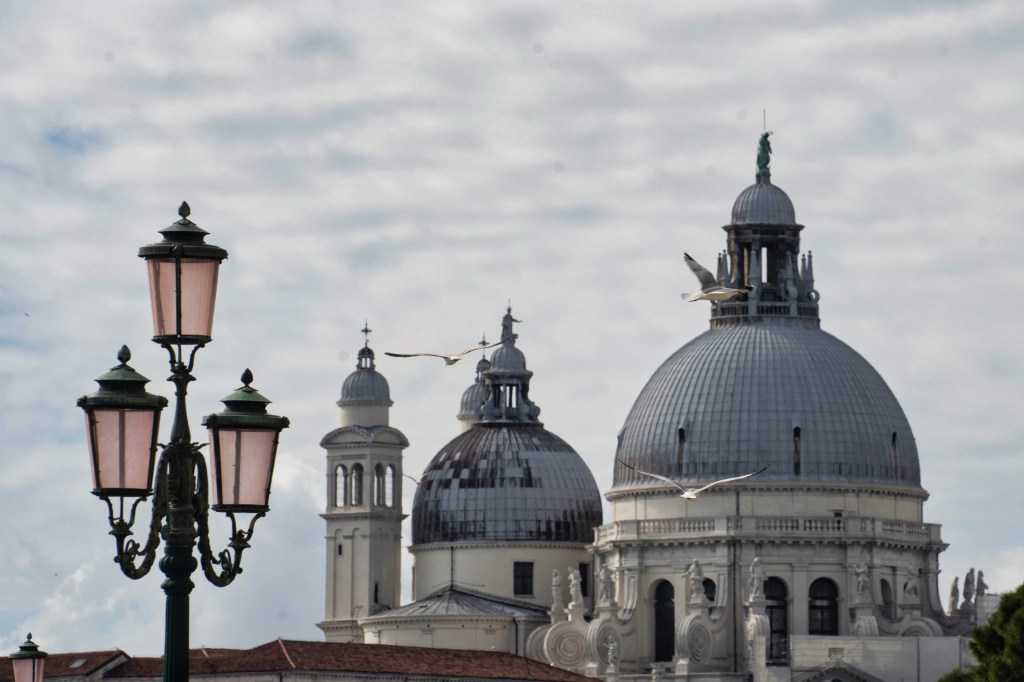
Amidst the labyrinthine streets, the haunting cries of seagulls echo overhead, a constant companion to the rhythm of Venetian life. These graceful birds glide effortlessly over the shimmering waters of the lagoon, their presence adding a sense of serenity to the bustling cityscape. Whether perched atop ancient rooftops or diving gracefully into the canal waters, the seagulls of Venice are an integral part of its timeless allure, their beauty and freedom mirroring the spirit of this enchanting city.

Teatro La Fenice

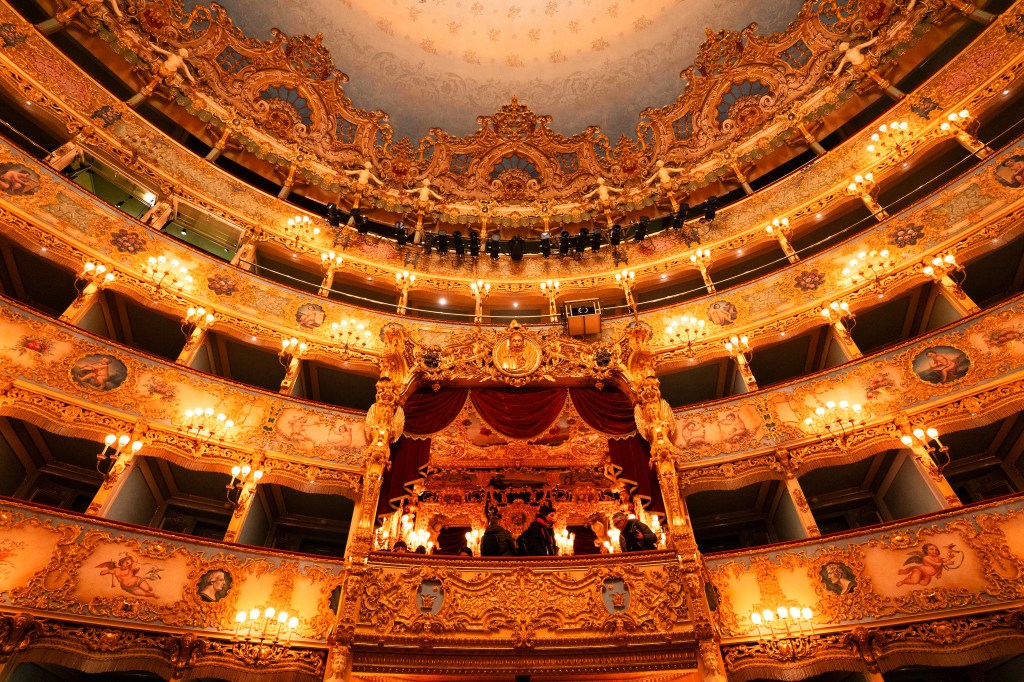
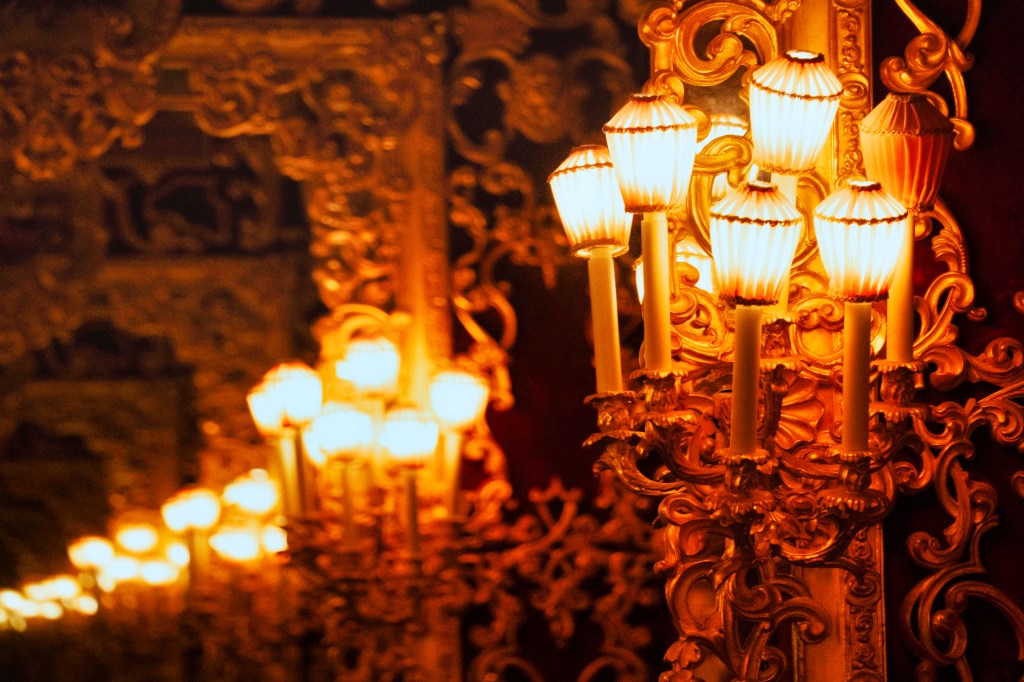
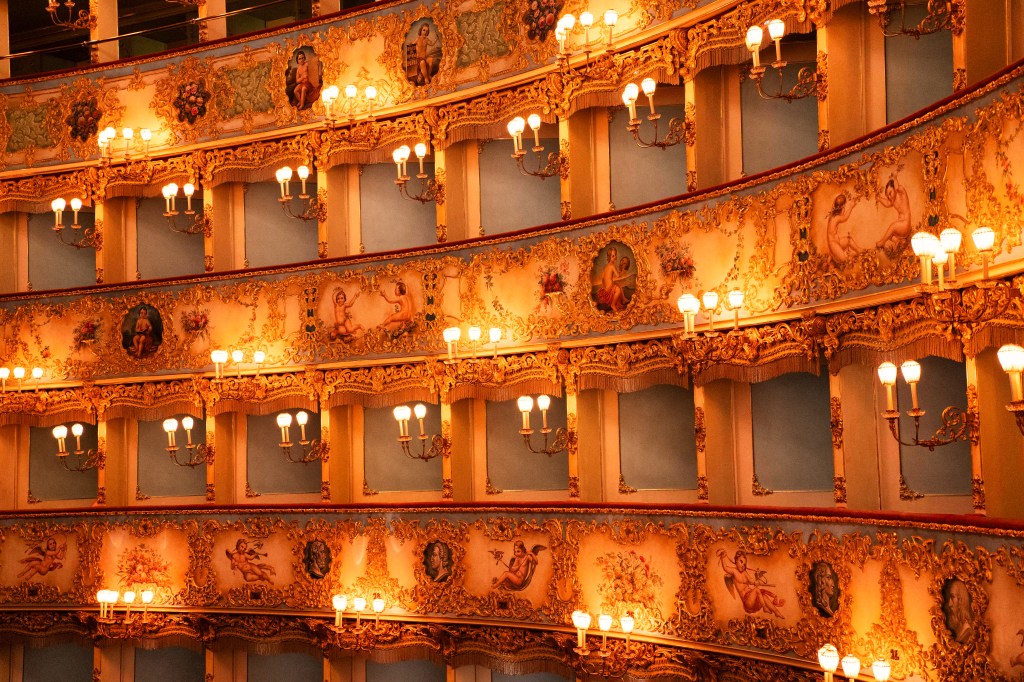
Teatro La Fenice, meaning “The Phoenix,” rises majestically in the heart of Venice, embodying resilience and rebirth. This iconic opera house has a storied history, having been destroyed by fire multiple times throughout the centuries, only to be rebuilt each time with even greater splendor.

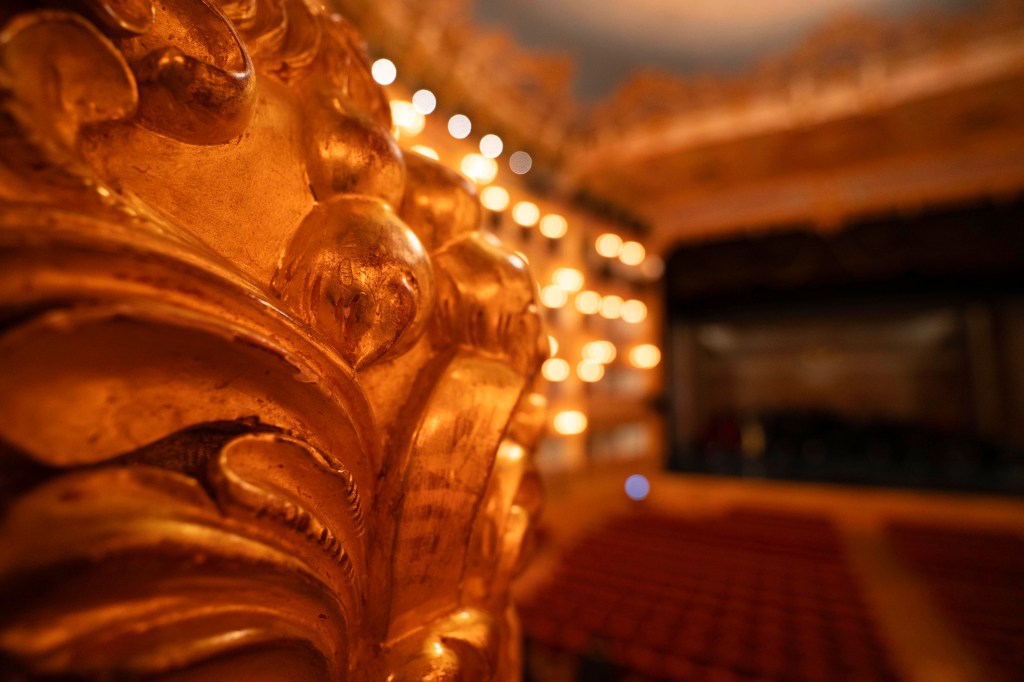
Originally constructed in the late 18th century, La Fenice has been a beacon of Venetian culture, showcasing world-class opera and ballet performances. Its opulent interior, adorned with intricate frescoes and gilded decorations, transports visitors to a bygone era of elegance and refinement.

Despite facing devastating fires in 1836 and 1996, La Fenice has always emerged from the ashes, symbolizing the enduring spirit of Venice itself. Today, it continues to captivate audiences with its timeless performances and serves as a testament to the city’s artistic legacy and unwavering resilience.

Colors of Venice

The colors of Venice paint a vibrant picture of the city. From the soft pastels of weathered buildings along the canals to the rich hues of Venetian masks adorning shop windows, color is woven into every corner of this enchanting labyrinth.

As sunlight dances on the water, it reflects a spectrum of blues and greens, casting an ever-changing palette onto the ancient facades. Rustic terracotta rooftops contrast with the azure sky, while vibrant flower boxes add pops of reds, yellows, and purples against the muted stone.

La Serenissima


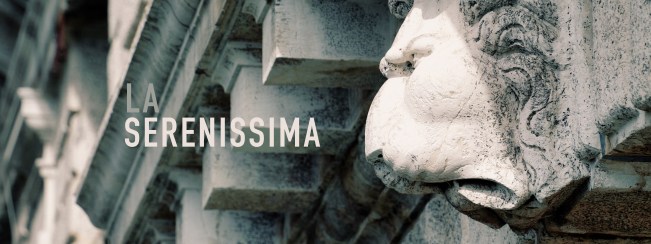
“La Serenissima” is a title bestowed upon Venice, meaning “The Most Serene Republic.” This name reflects Venice’s reputation for stability, prosperity, and diplomatic finesse during its centuries-long existence as a powerful maritime republic. The city earned the title due to its remarkable resilience and peaceful governance, even amidst the tumultuous politics of medieval Europe. Established as a republic in the 7th century, Venice flourished as a center of trade, culture, and art, becoming one of the wealthiest and most influential cities in the world.

Today, “La Serenissima” serves as a poignant reminder of Venice’s glorious past and enduring spirit. It encapsulates the essence of a city that, despite its turbulent history, remains a symbol of elegance, charm, and resilience on the tranquil waters of the Adriatic.

Canals of Venice


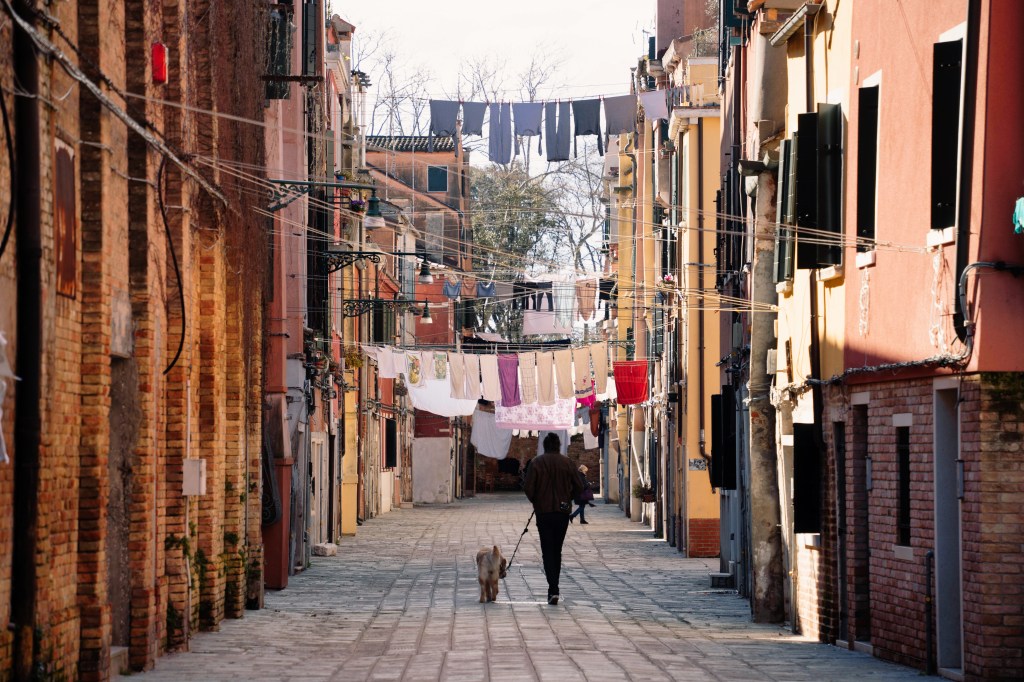
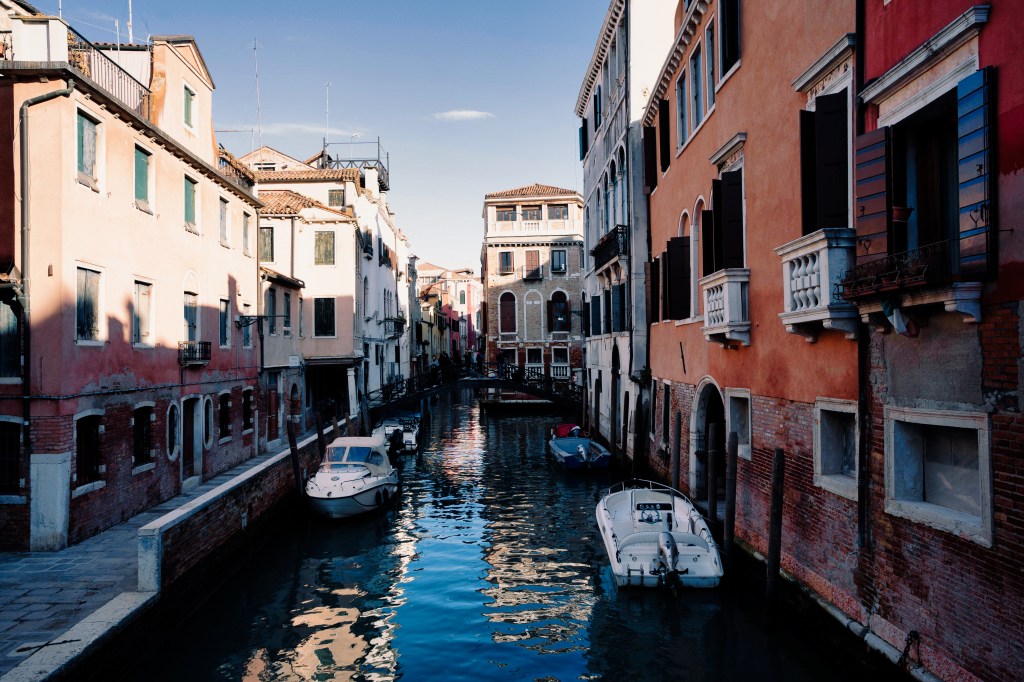
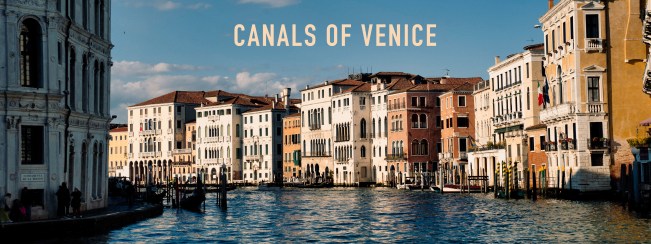
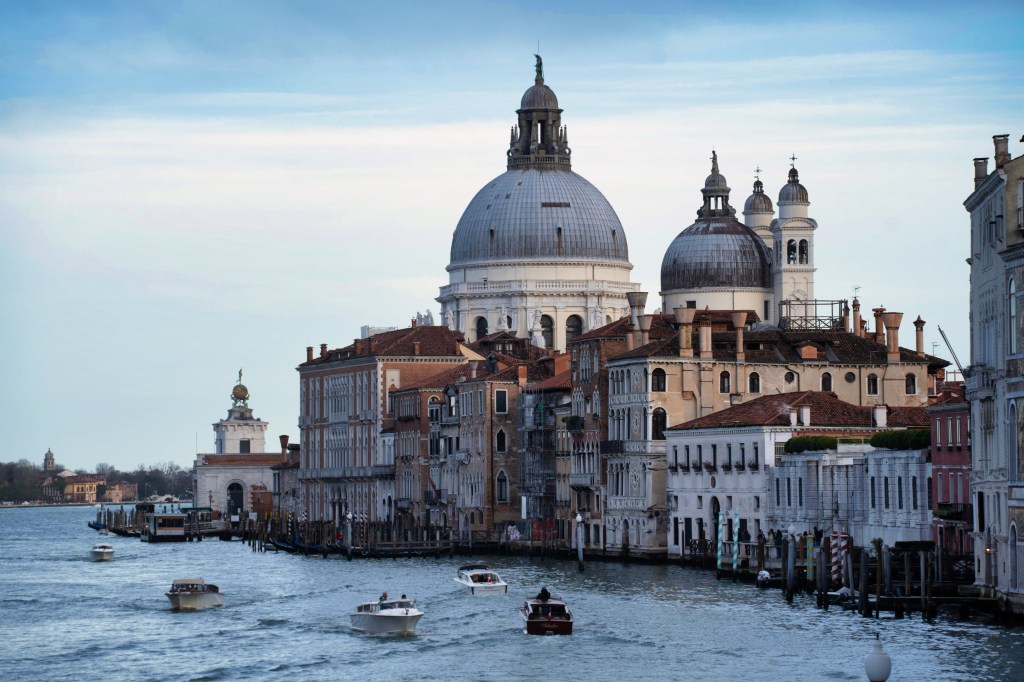
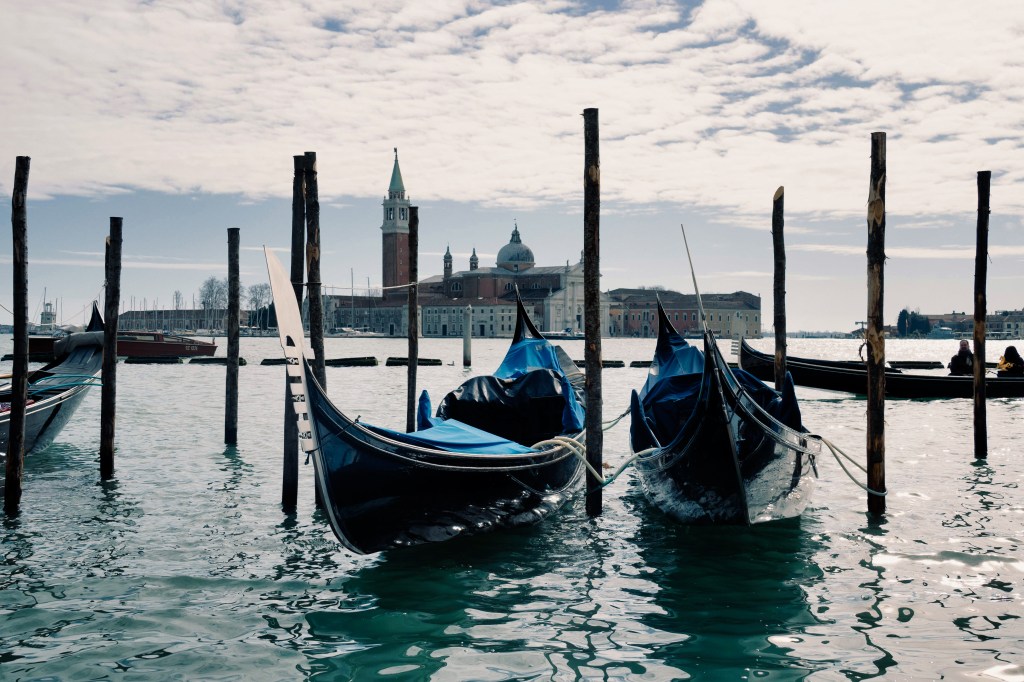
The Canals of Venice are like its veins, winding through the city’s streets. They were made long ago for boats to travel and carry things. Today, they’re still used for transportation, with boats called gondolas and vaporettos moving along them. The Grand Canal is the biggest one, lined with fancy buildings. But there are smaller canals too, where you can see regular life in Venice. Laundry hangs from windows, and people talk outside their houses.

Venice wouldn’t be Venice without its canals. They’re not just for getting around; they’re also part of what makes the city special. When you ride on them, it feels like you’re going back in time, seeing how things used to be. The canals tell stories of the past, and they’re a big part of what makes Venice so magical.

Capturing Friuli

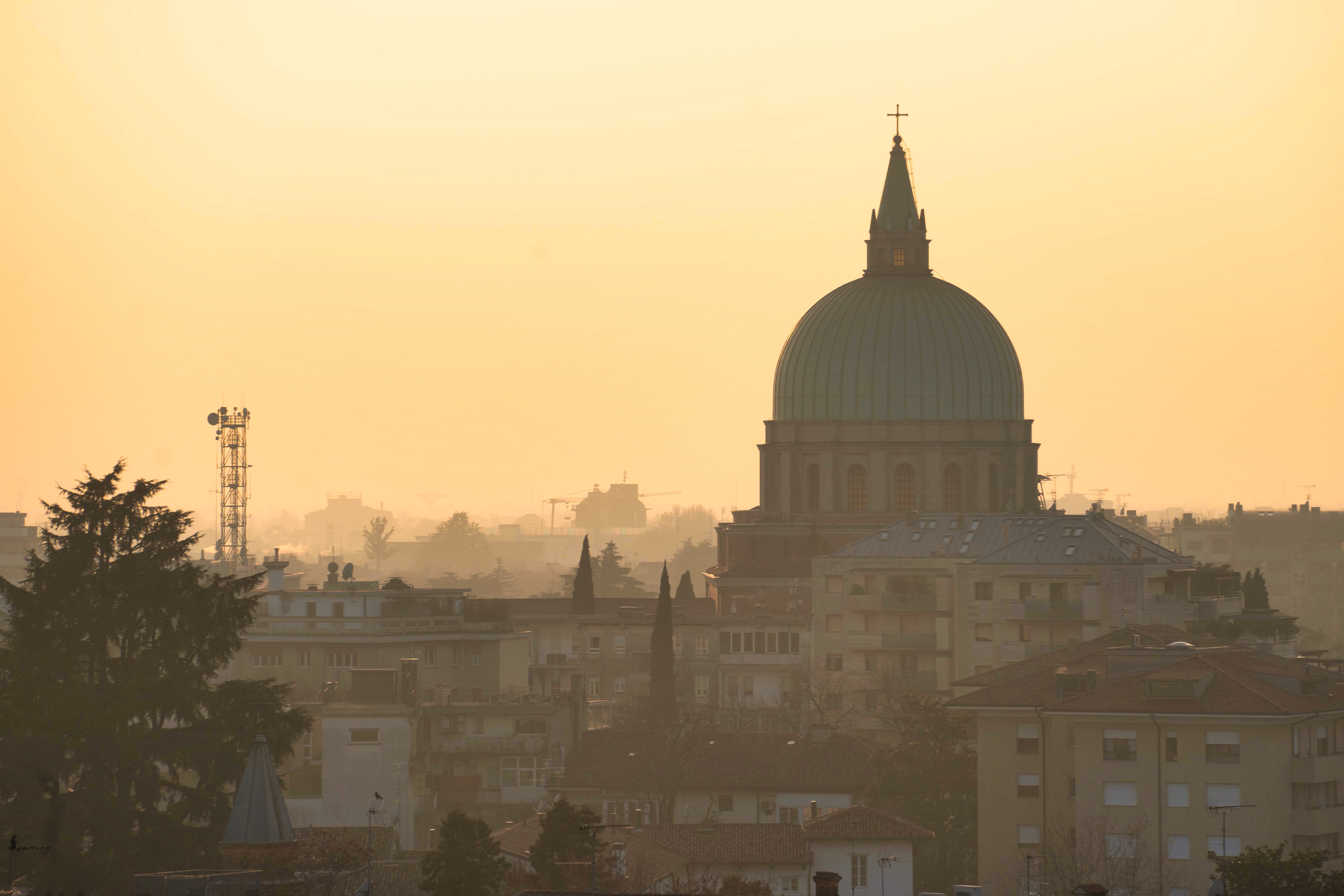
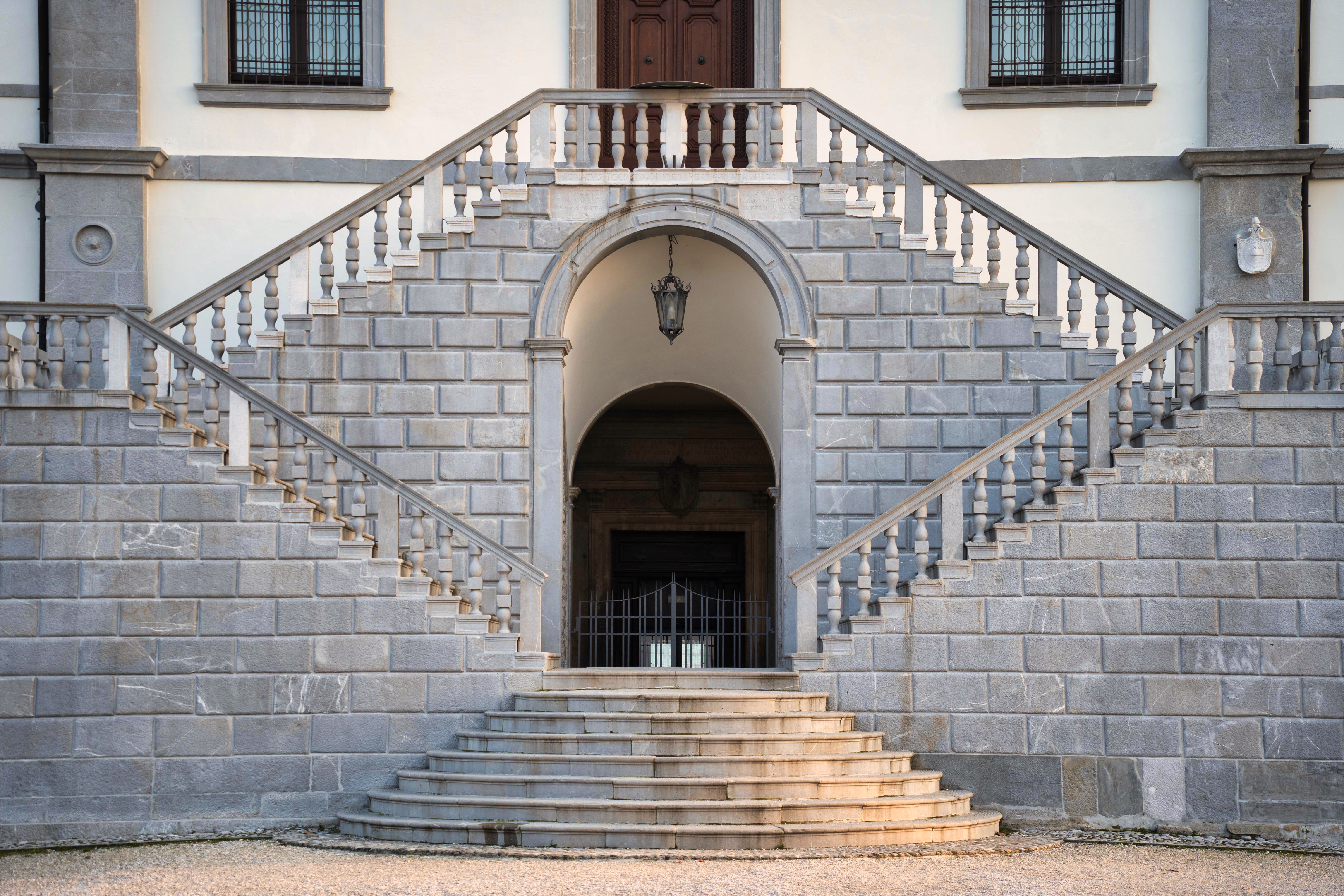
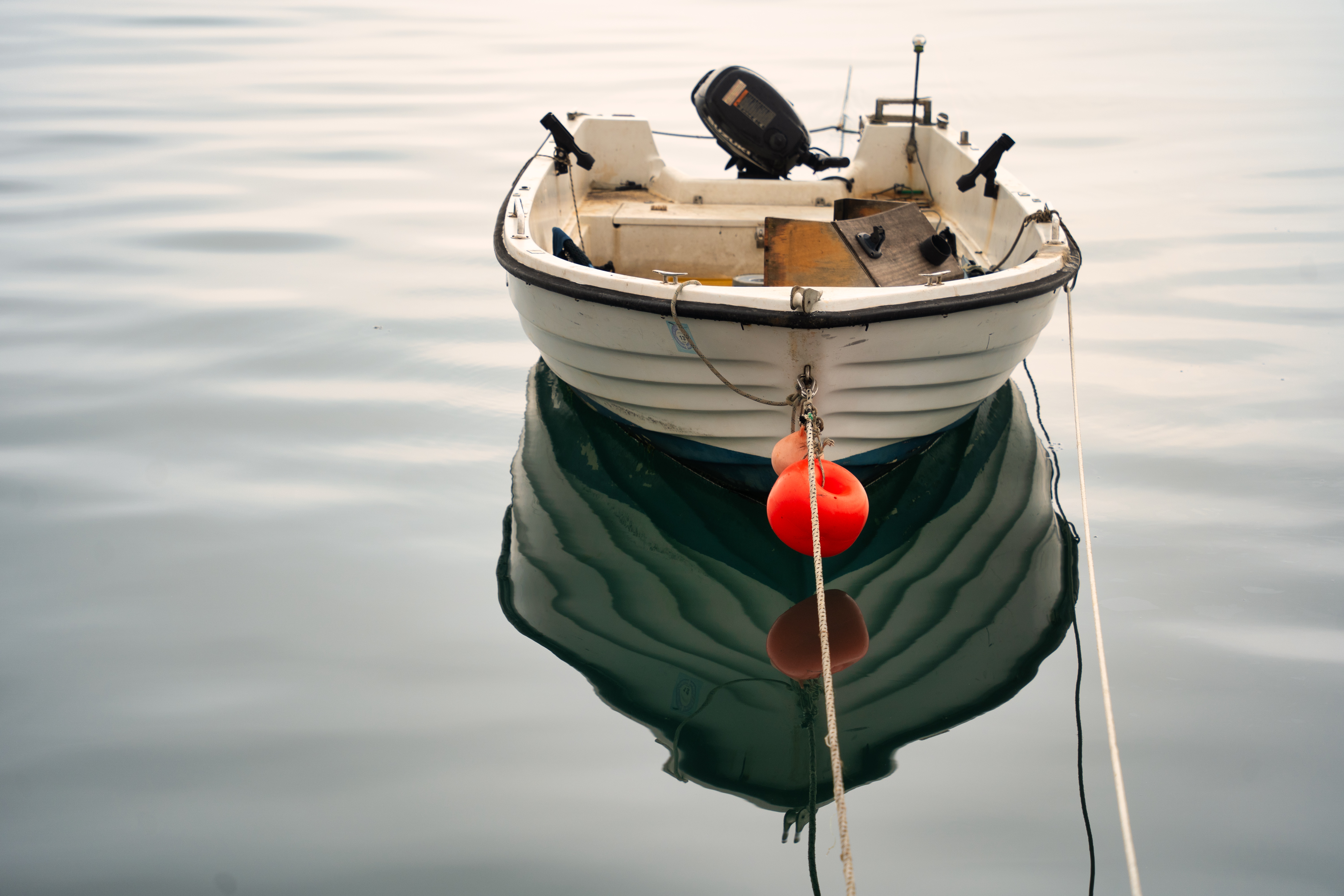
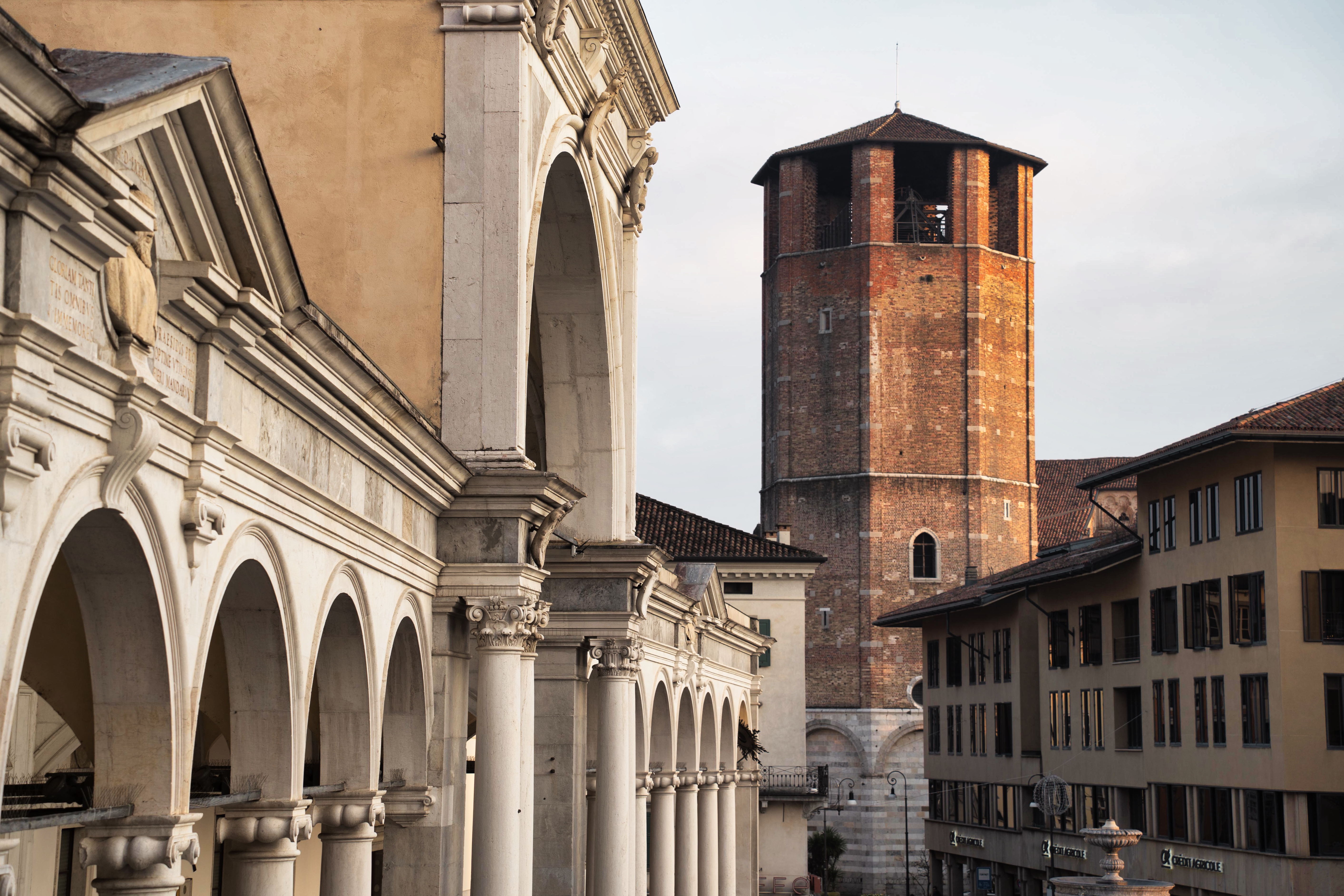
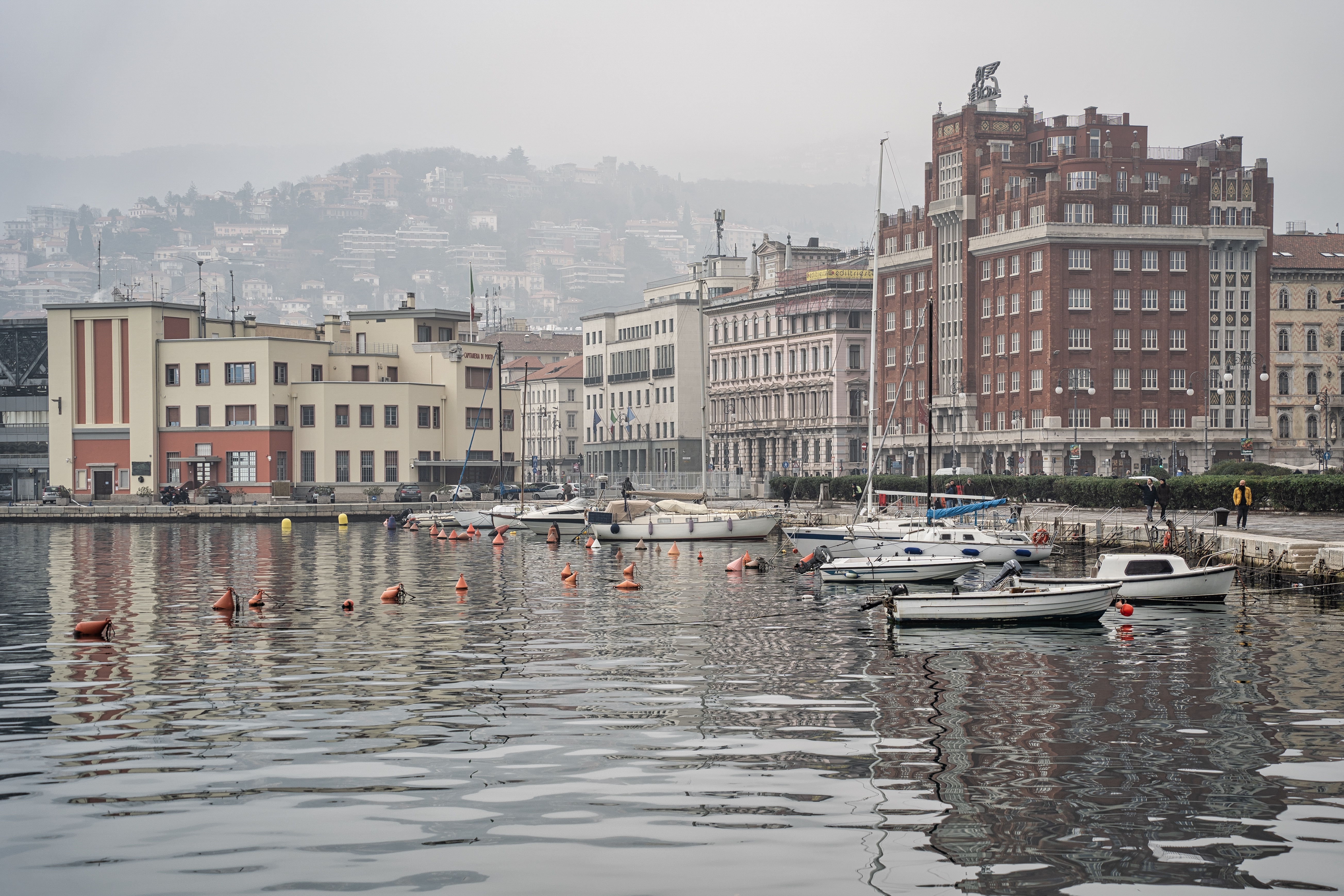
The region of Friuli-Giulia-Venezia is situated in the northeastern part of Italy between the Alps in the north and the Adriatic Sea in the south. Like other parts of Italy, it is rich in history, culture, and cuisine. The following scenes were captured in Udine and Trieste in the last days of 2023.