Skip to content

Discovering Inveraray Estate

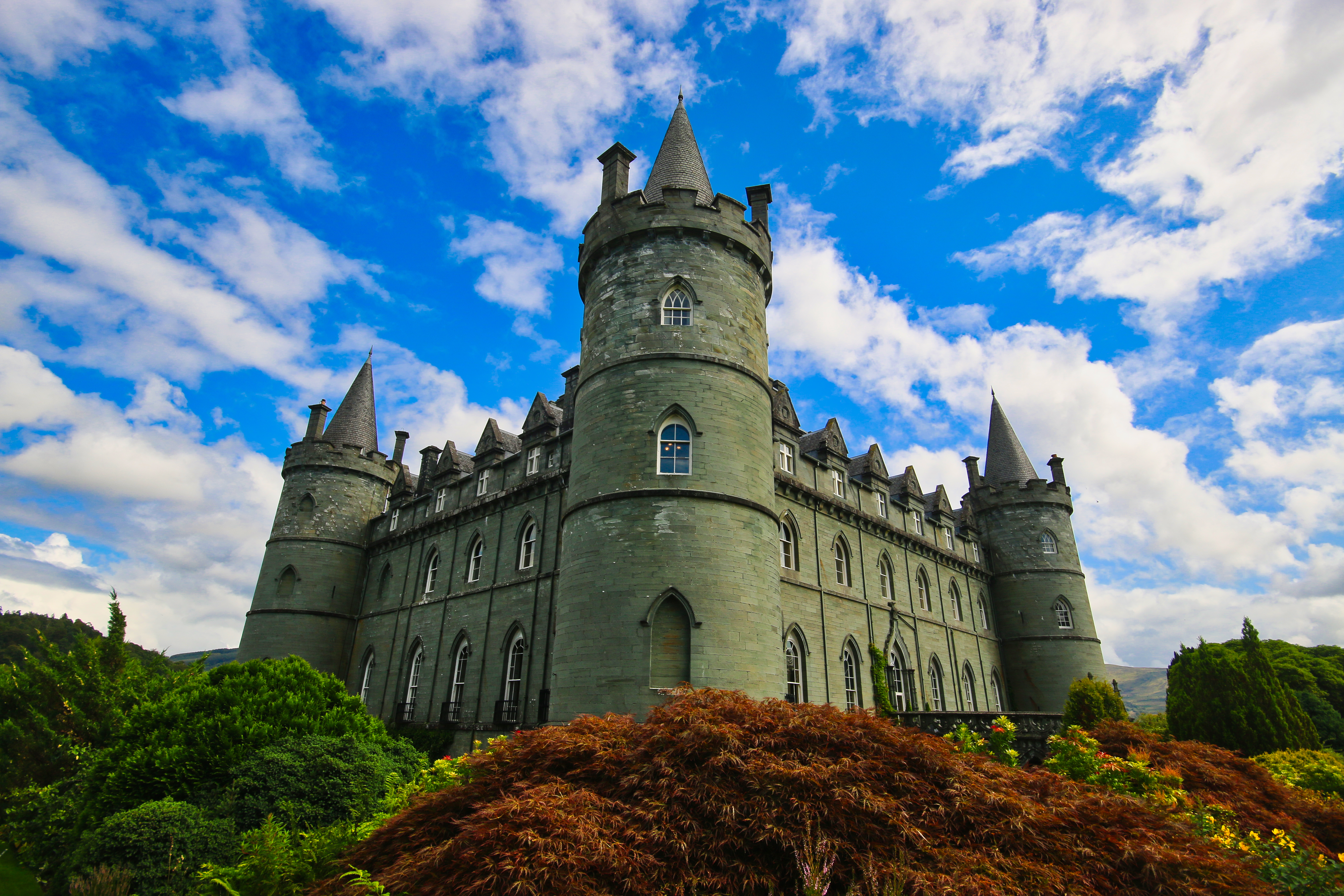
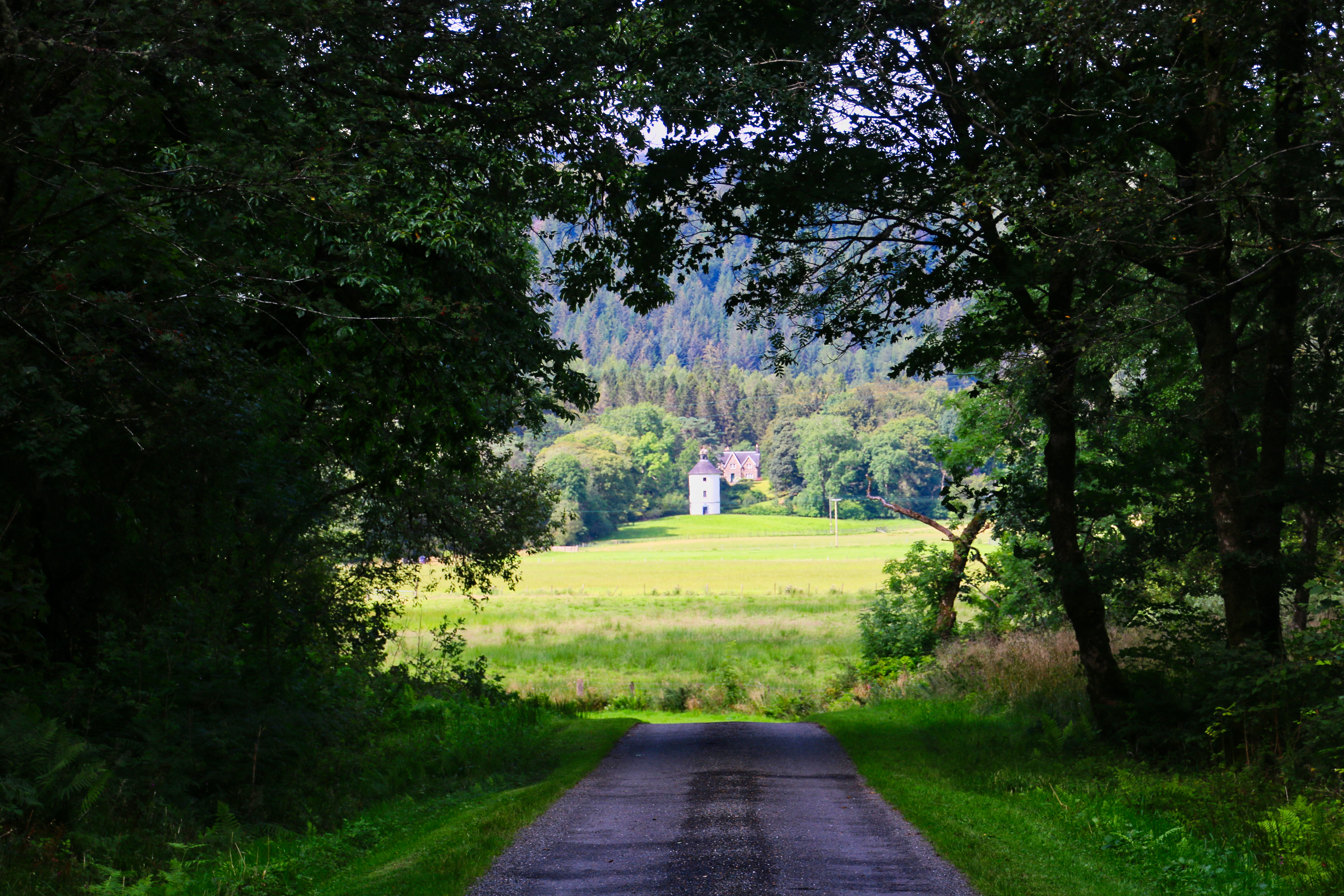
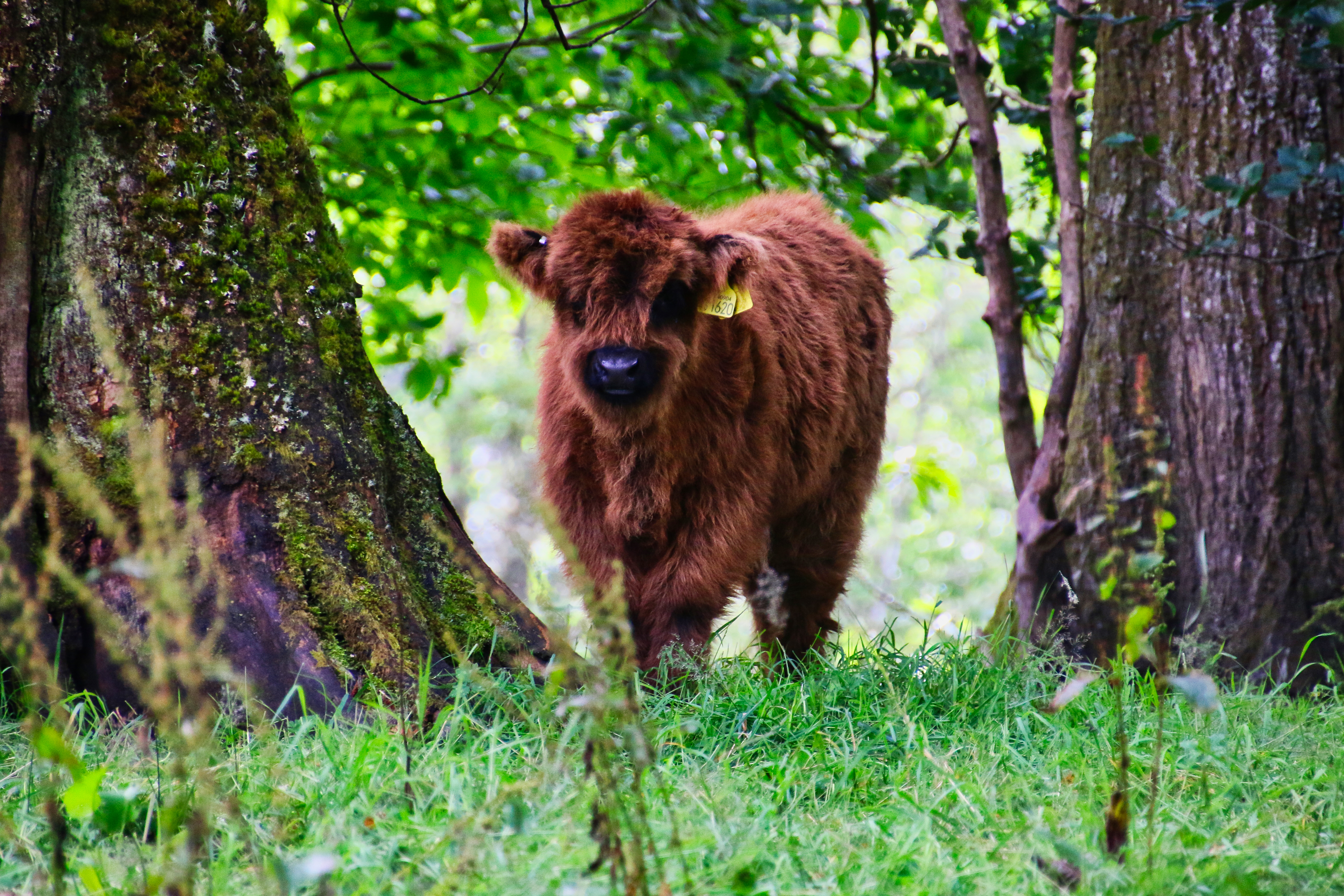
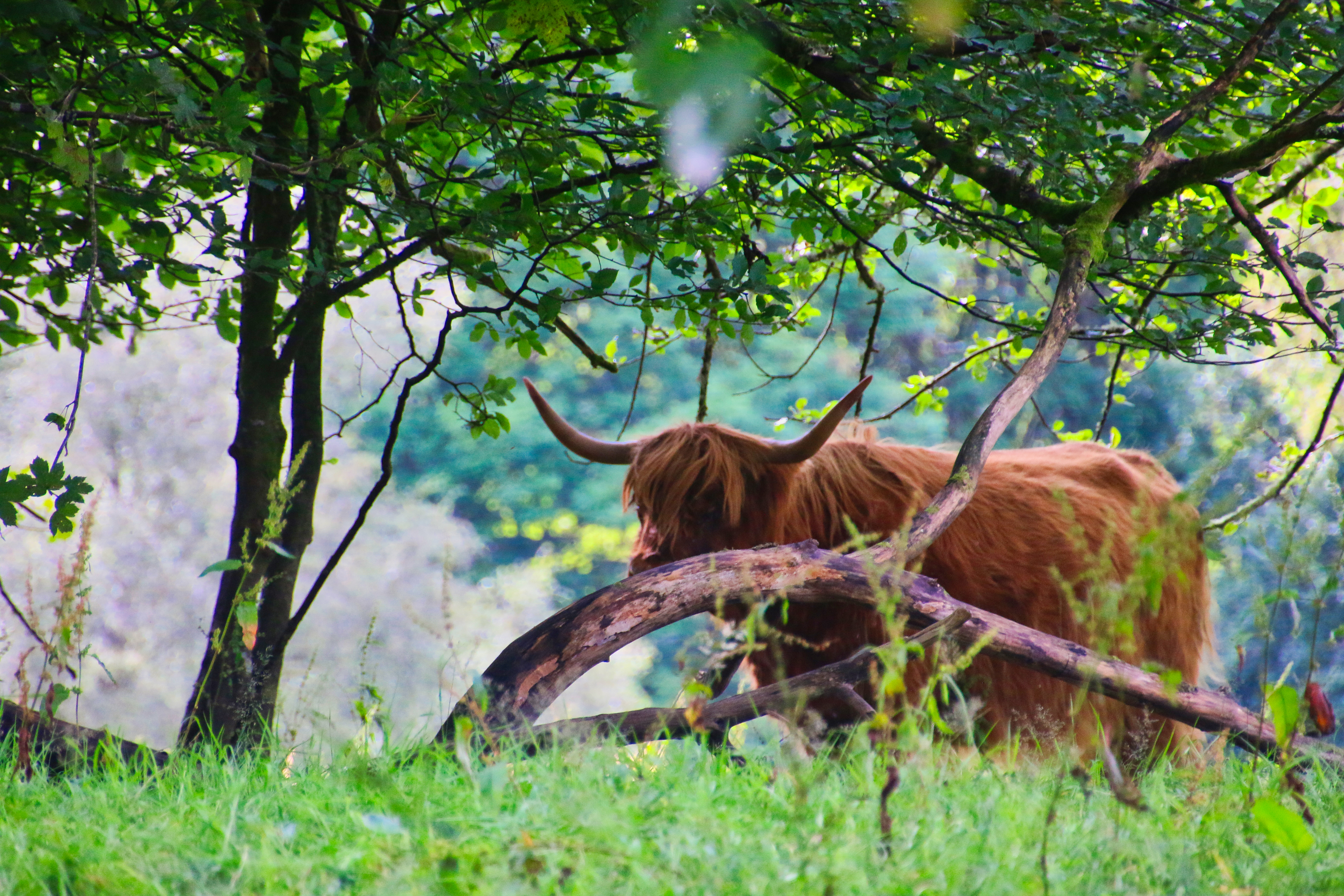
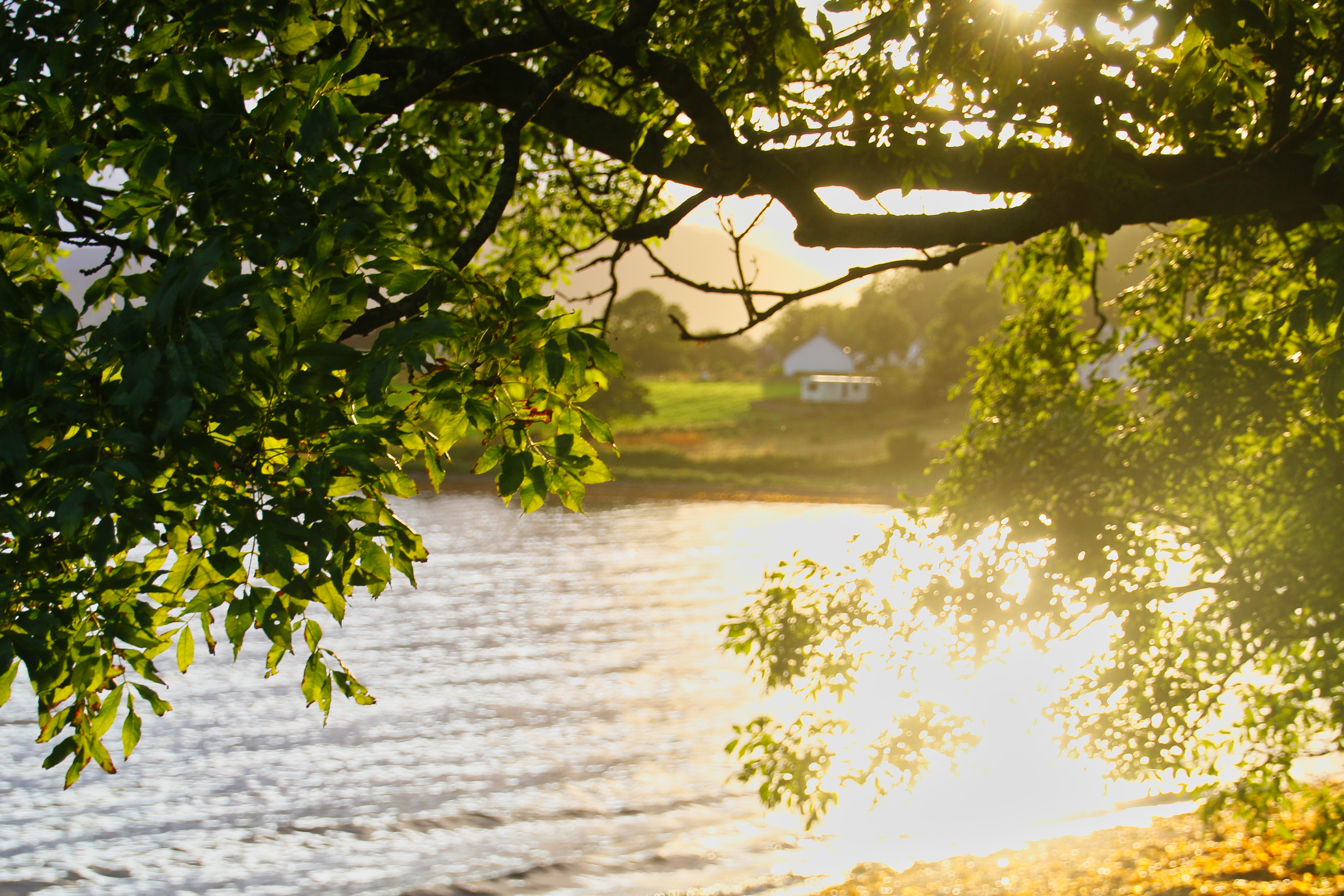
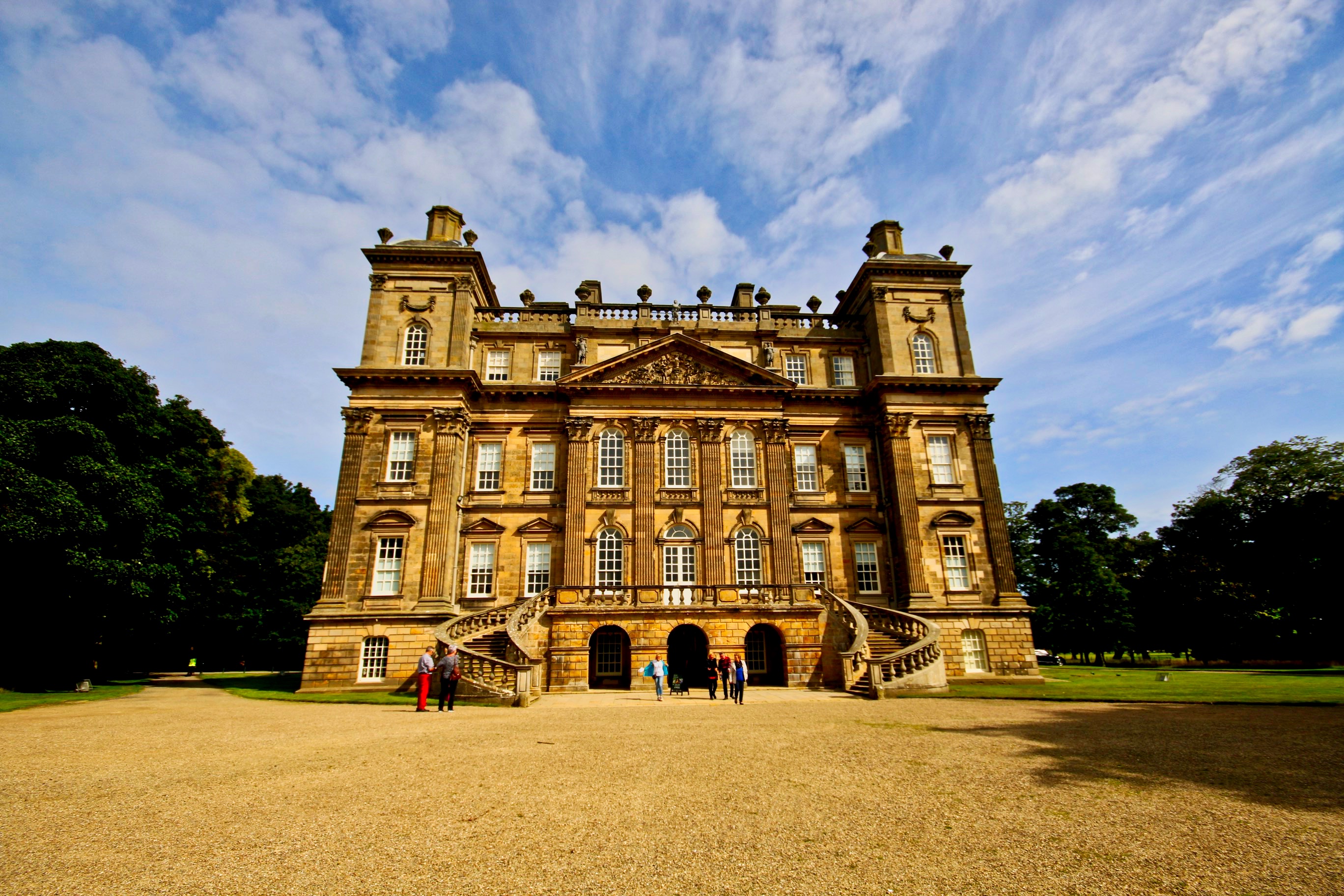
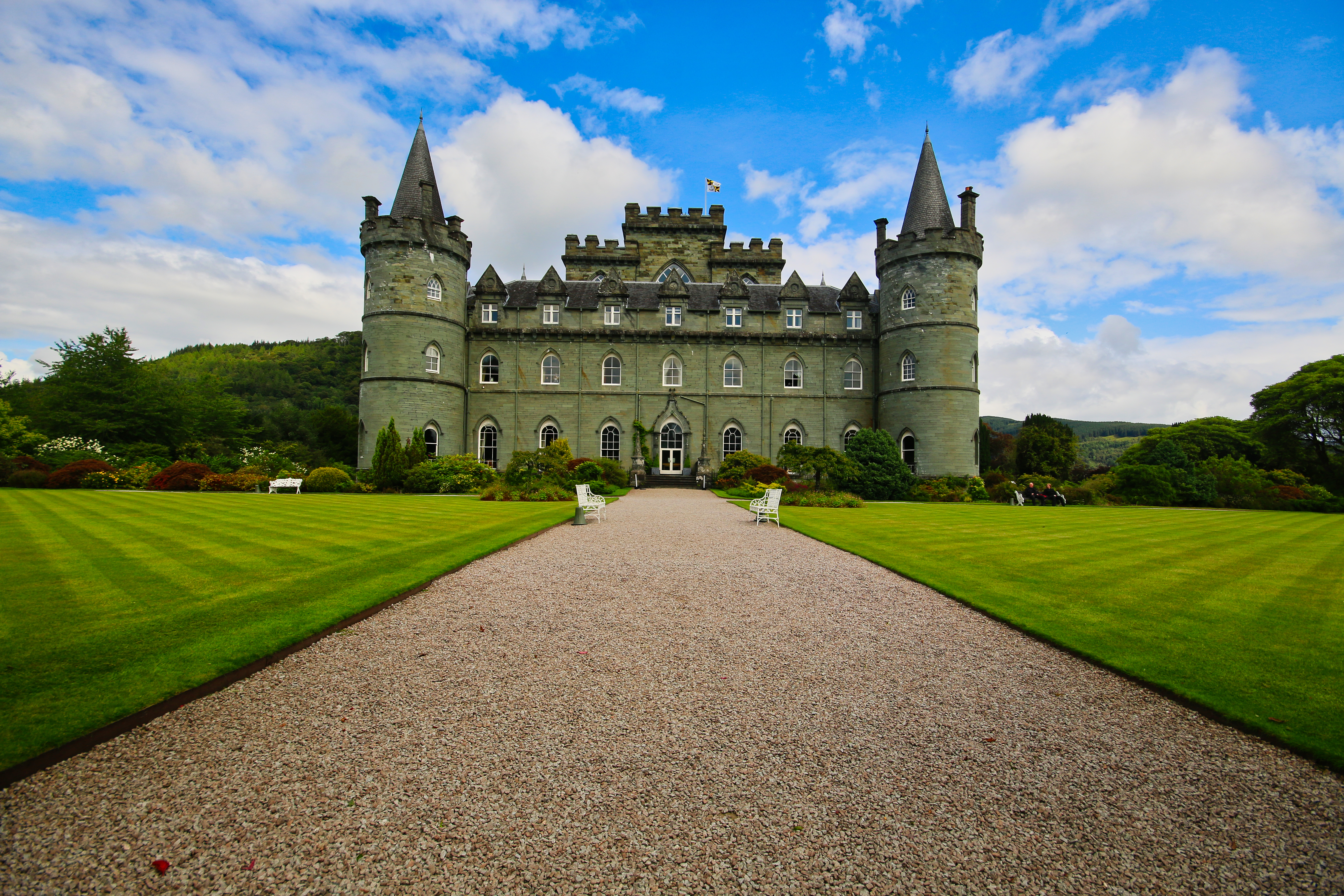
Inveraray Castle is situated close to Loch Fyne in the mighty Highlands of Scotland. The building is part of a large Estate belonging to the Dukes of Argyll, a branch of the Campbell family. The castle was built in the middle of the 18th century but was remodelled in large parts after a fire in 1877. In 2019, Inveraray still belongs to the Campbell family but is open to visitors as well. Part of the Estate is also a beautiful garden, a forest, and a cattle farm with highland cows.

test

Of Castles and Bridges

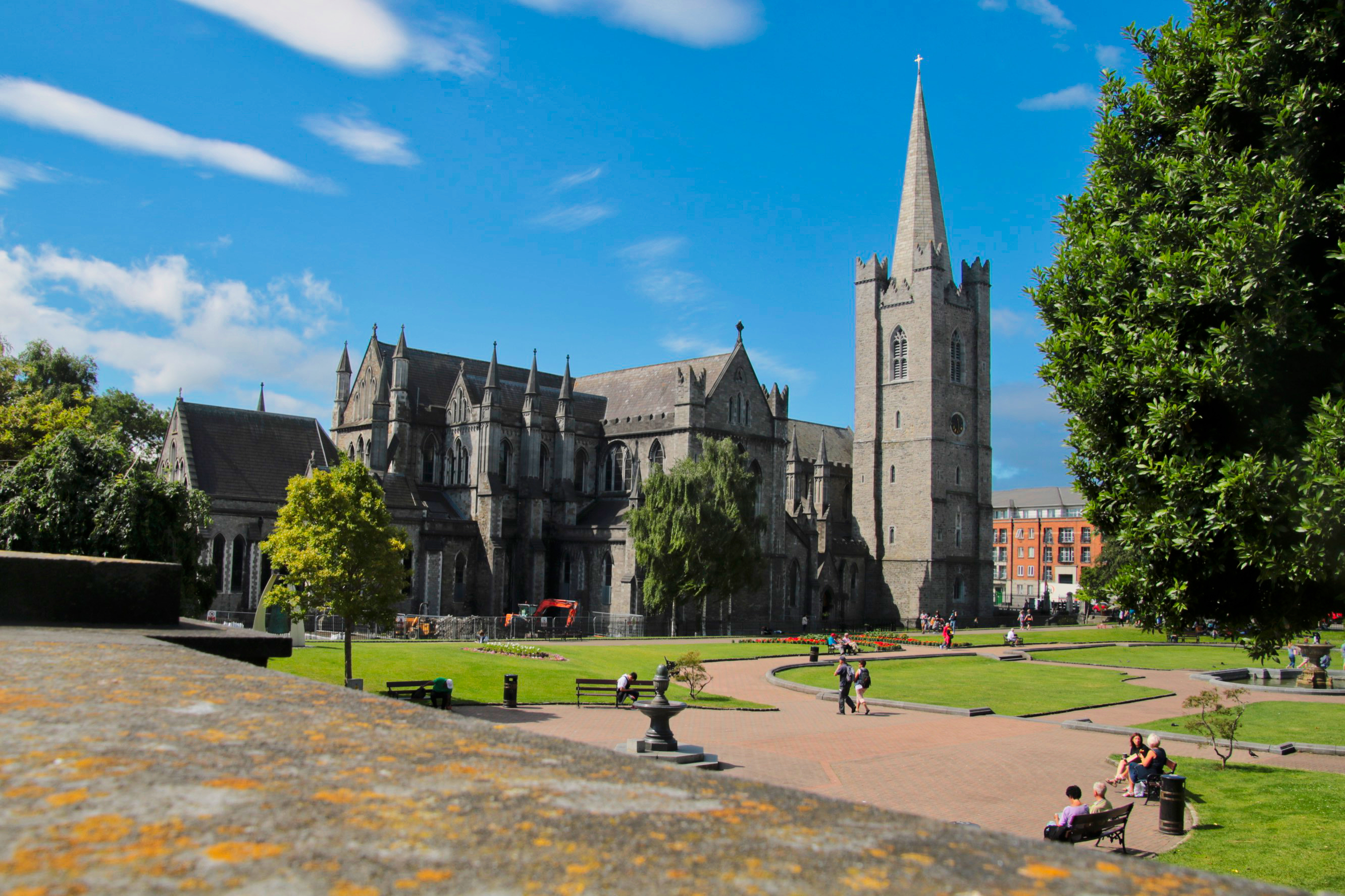
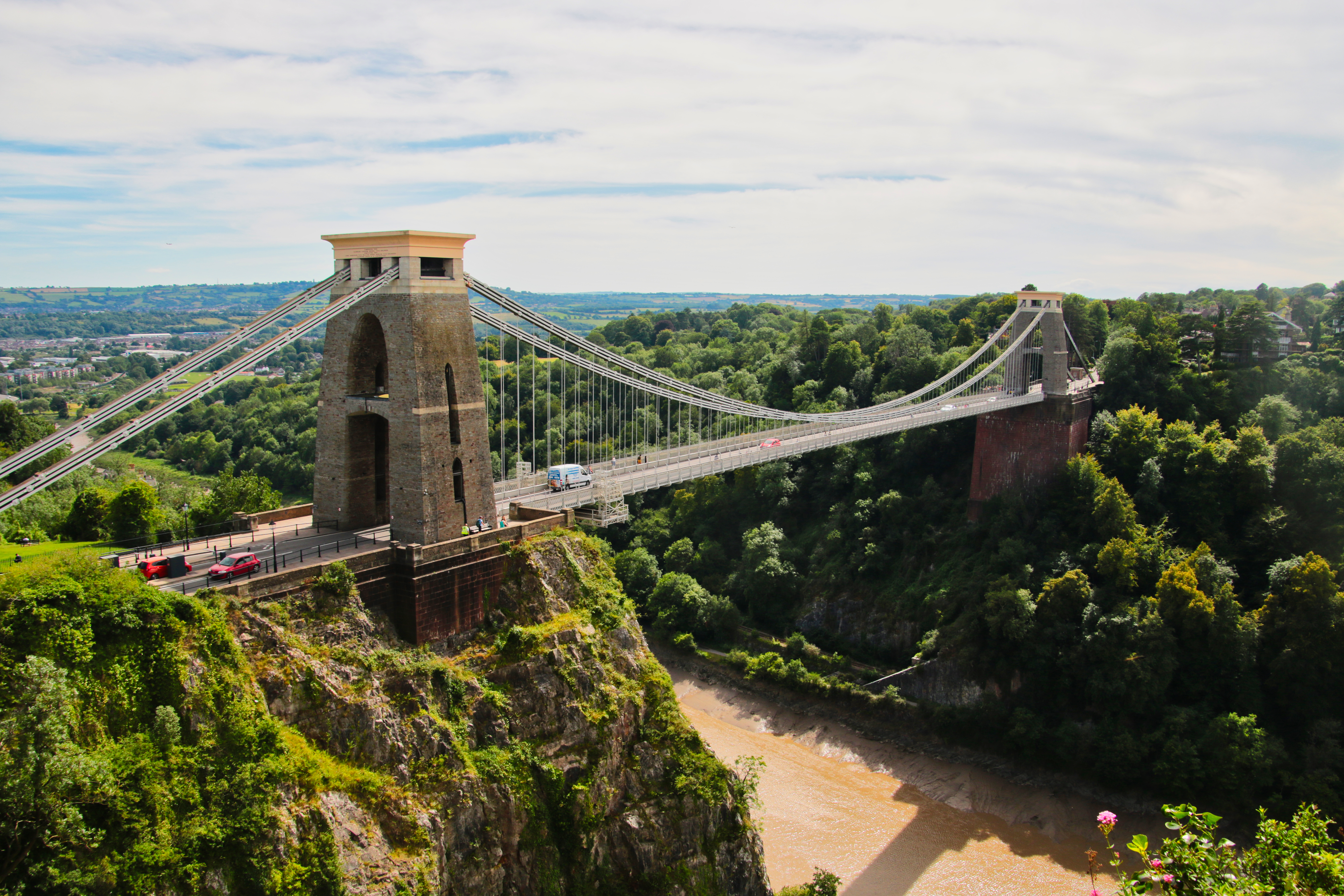
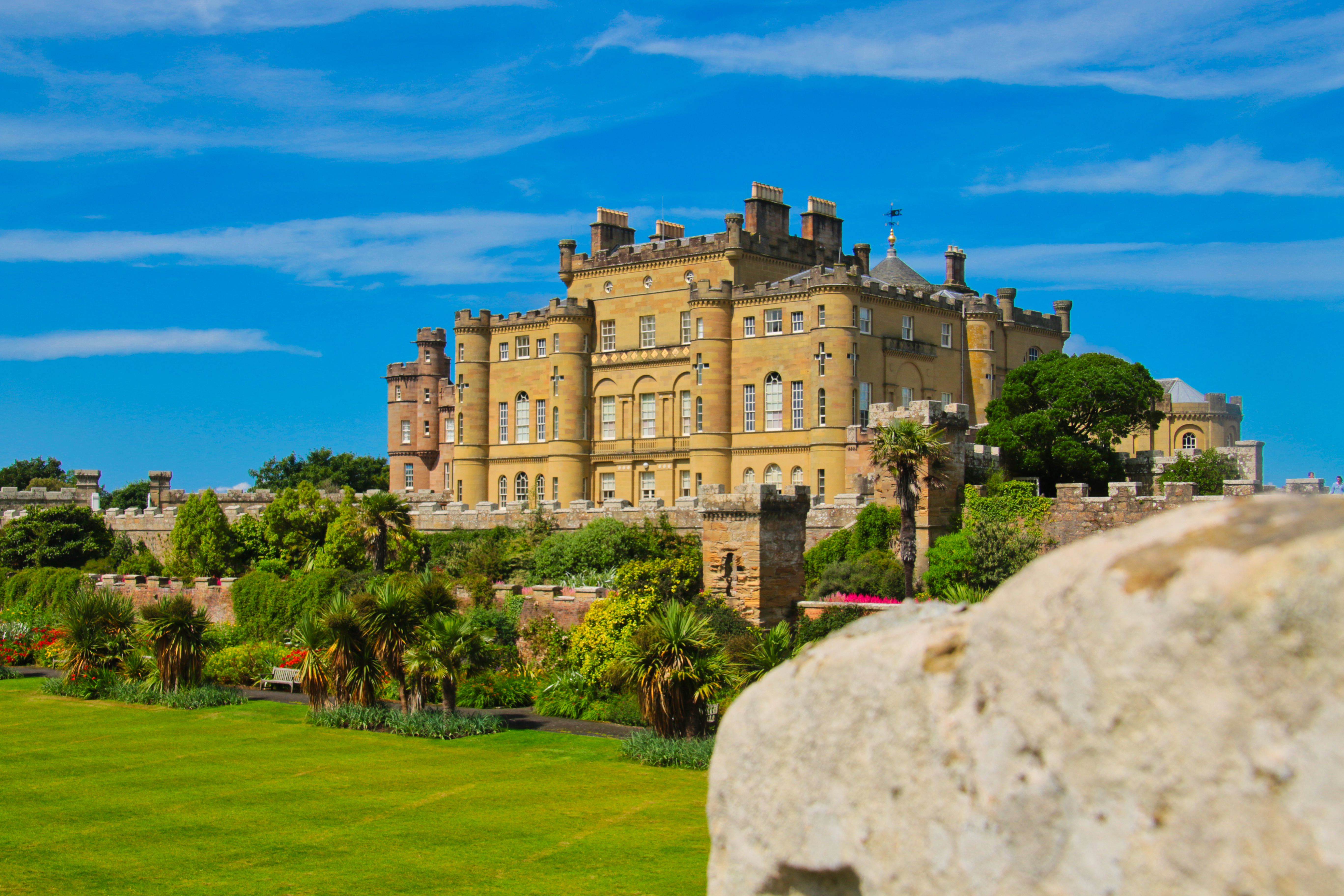
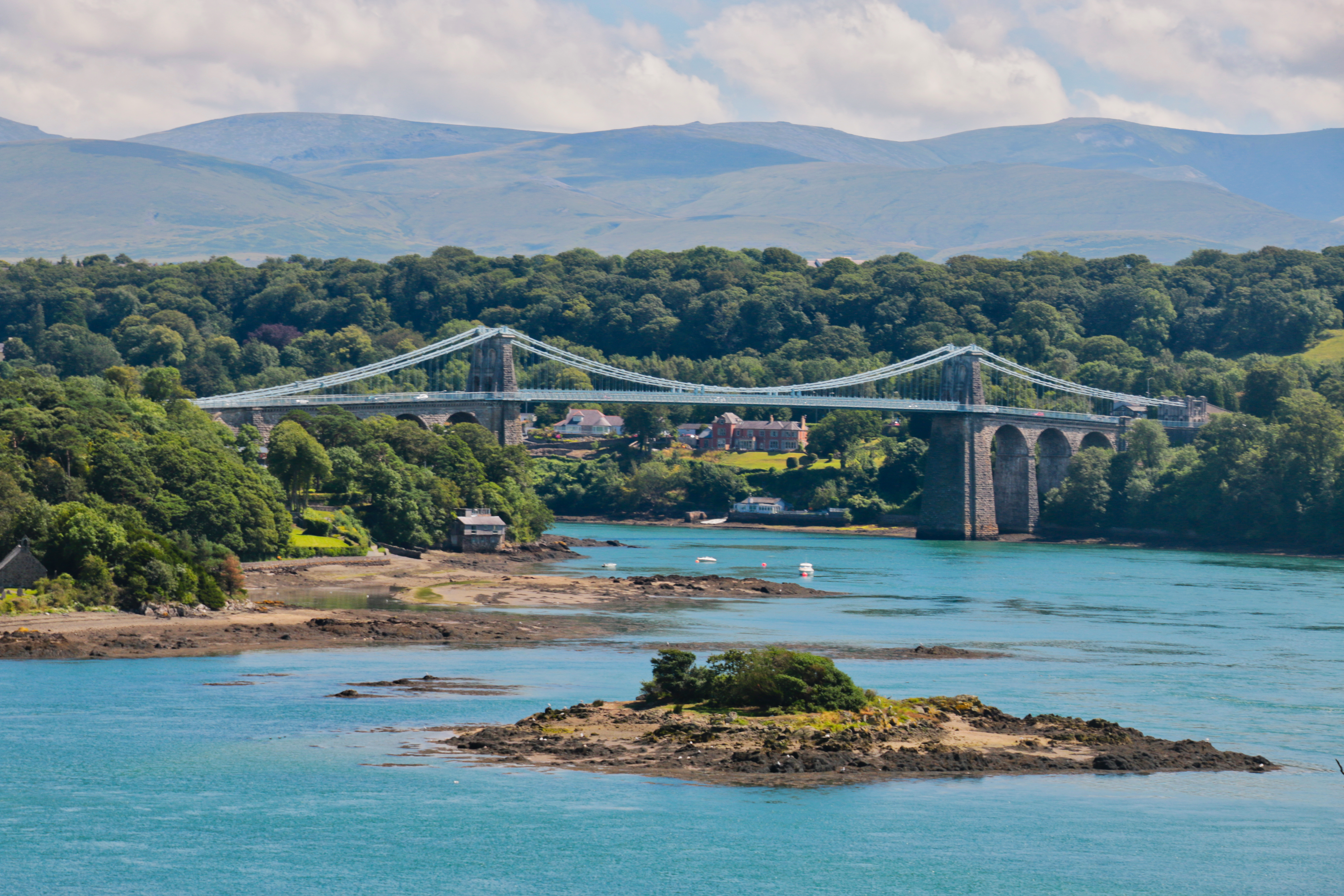
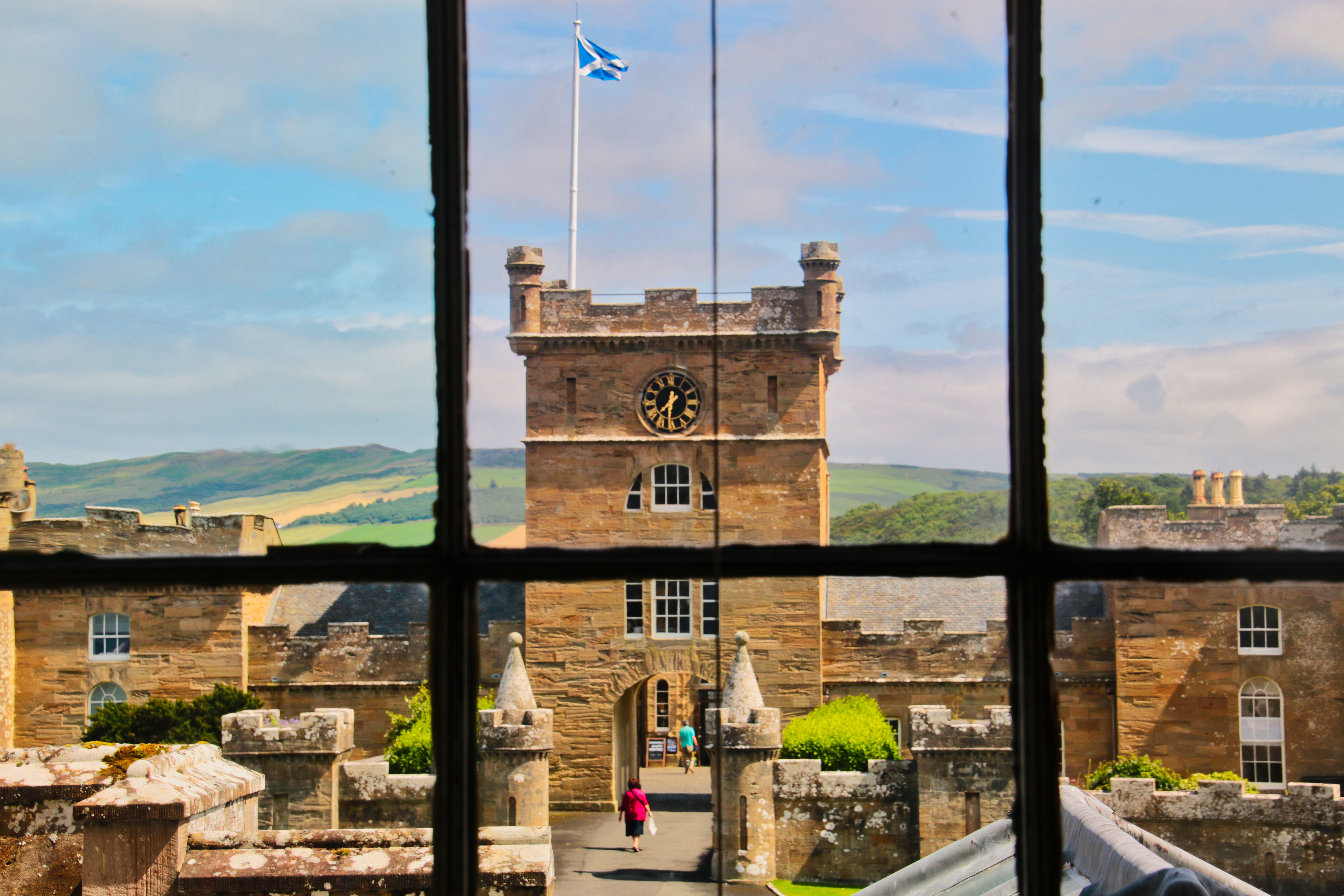
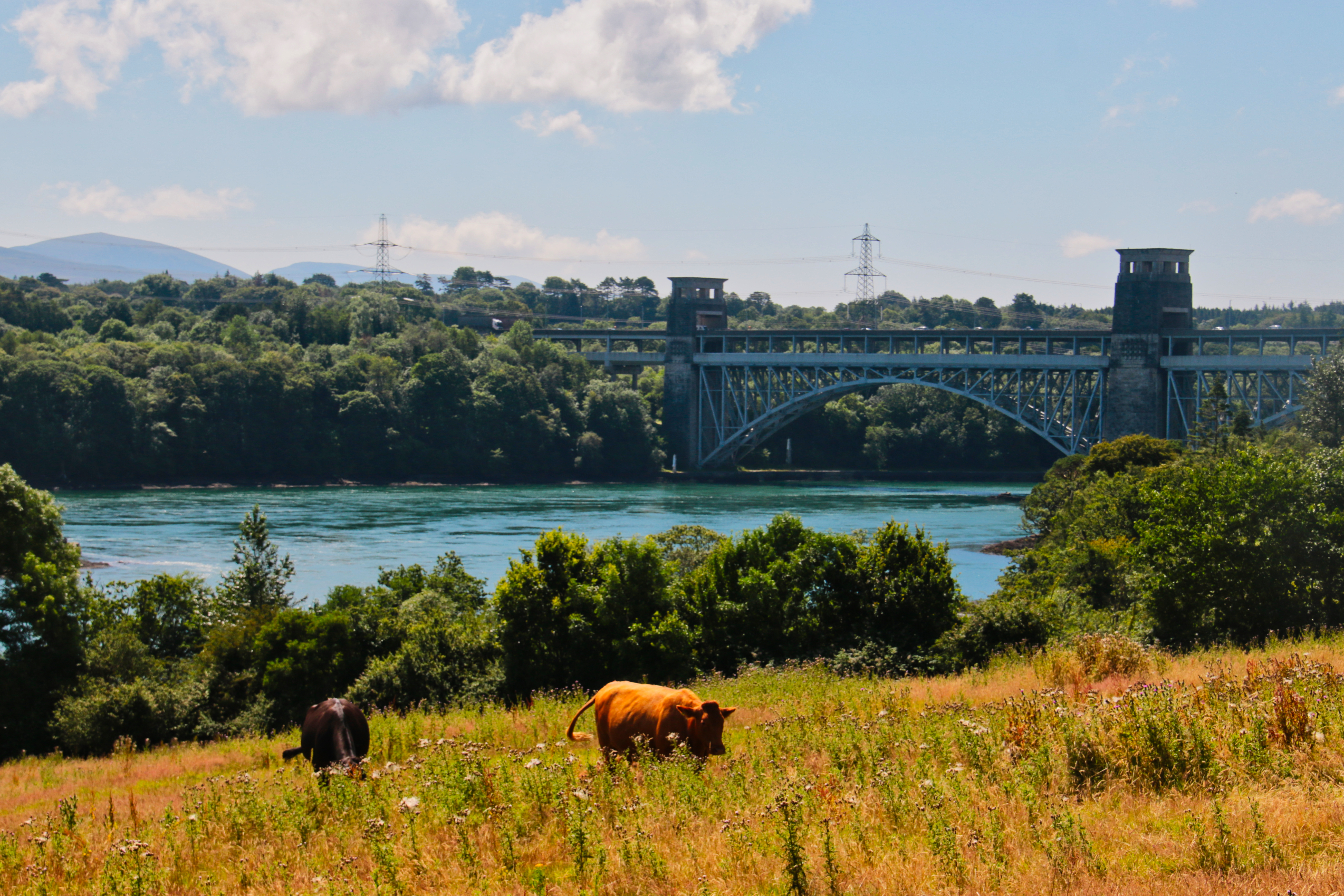
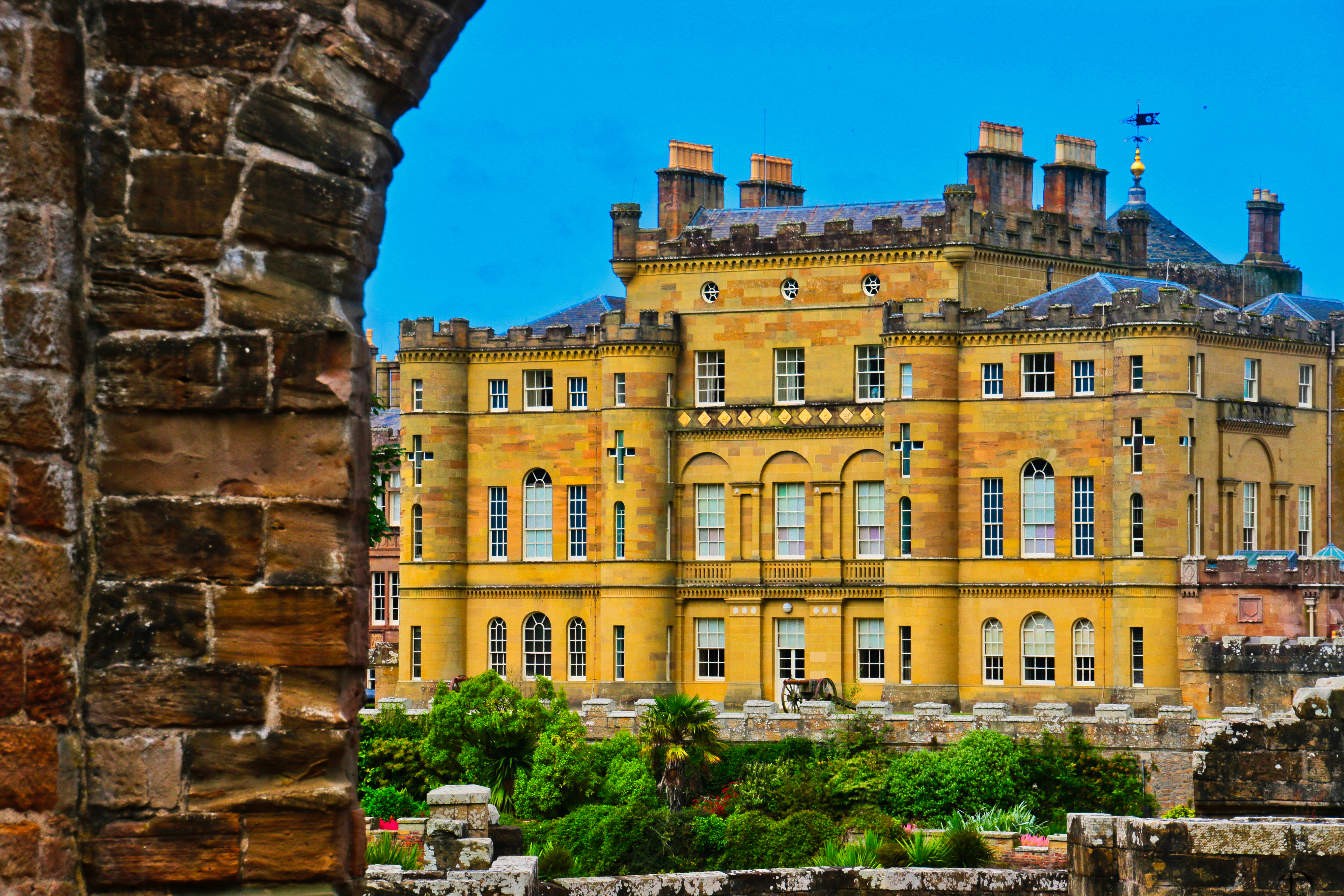
The islands of Great Britain and Ireland are crammed with historical monuments from different time periods, reaching from pre-antiquity (Stonehenge) to the modern era (Shard in London). Many exciting sights though were built in medieval and early modern times (St. Patrick’s Cathedral, Dublin, Ireland, picture 1 and Culzean Castle, Scotland, pictures 3, 5, and 7) or in the time of industrialization (Clifton Suspension Bridge, Bristol, England, picture 2, Menai Bridge, Wales, picture 4 and Britannia Bridge, Wales, picture 6). Some impressions.
test

Land of the Clansmen

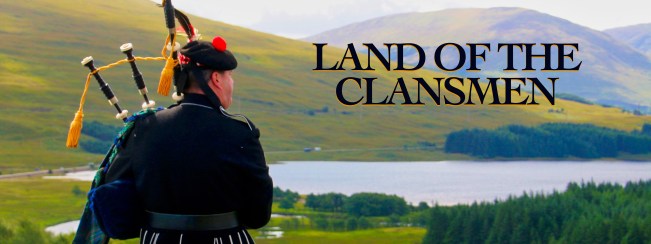
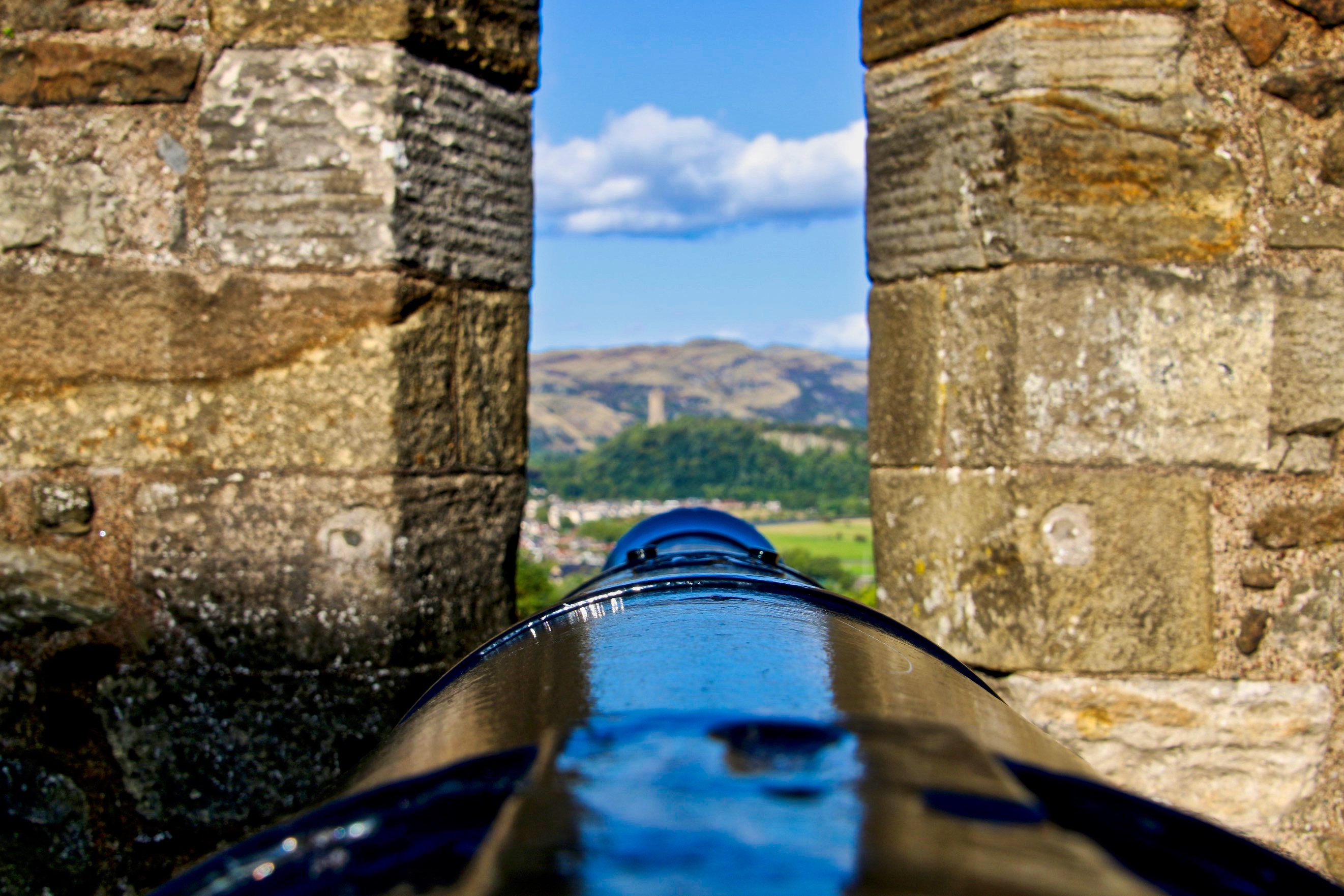
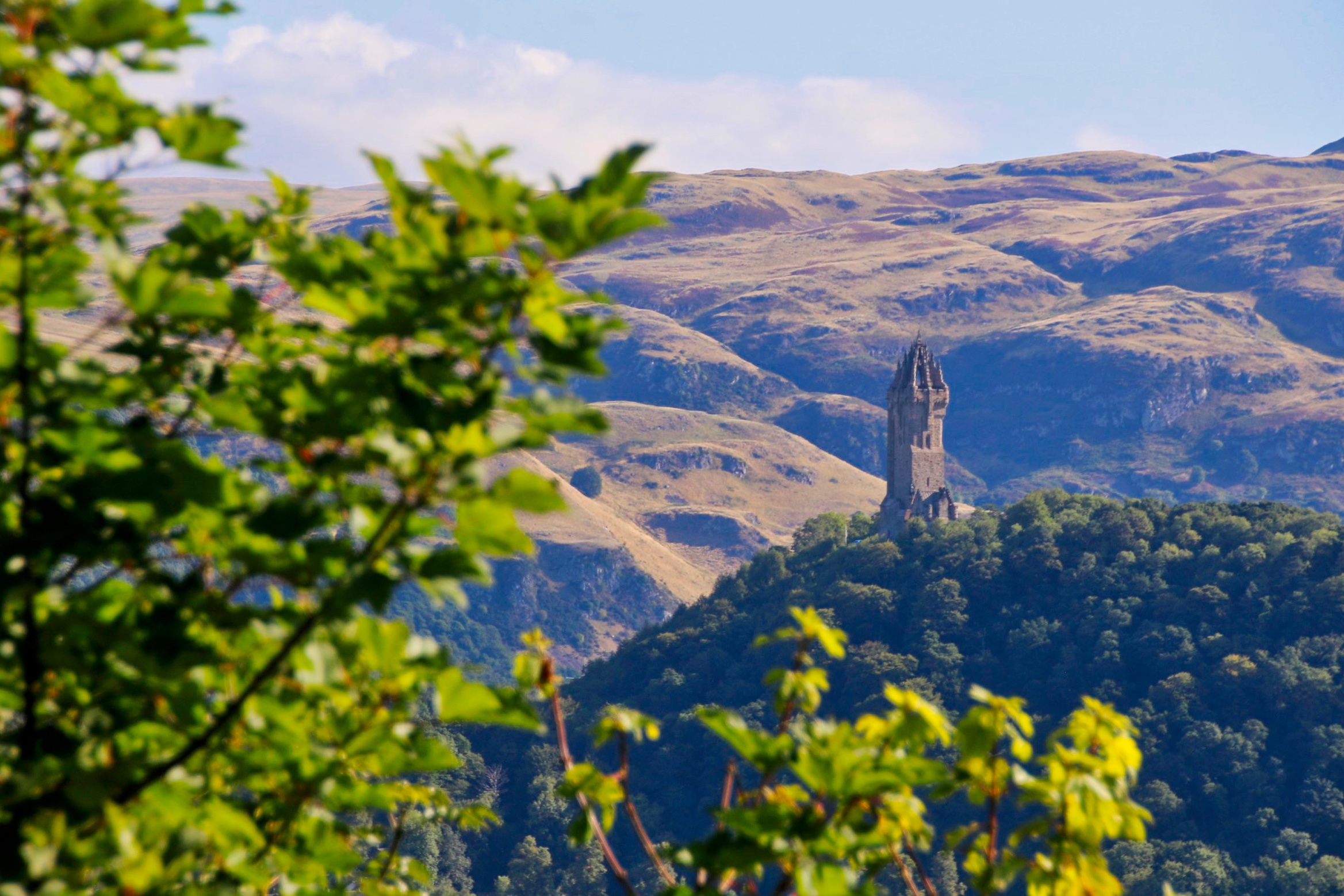
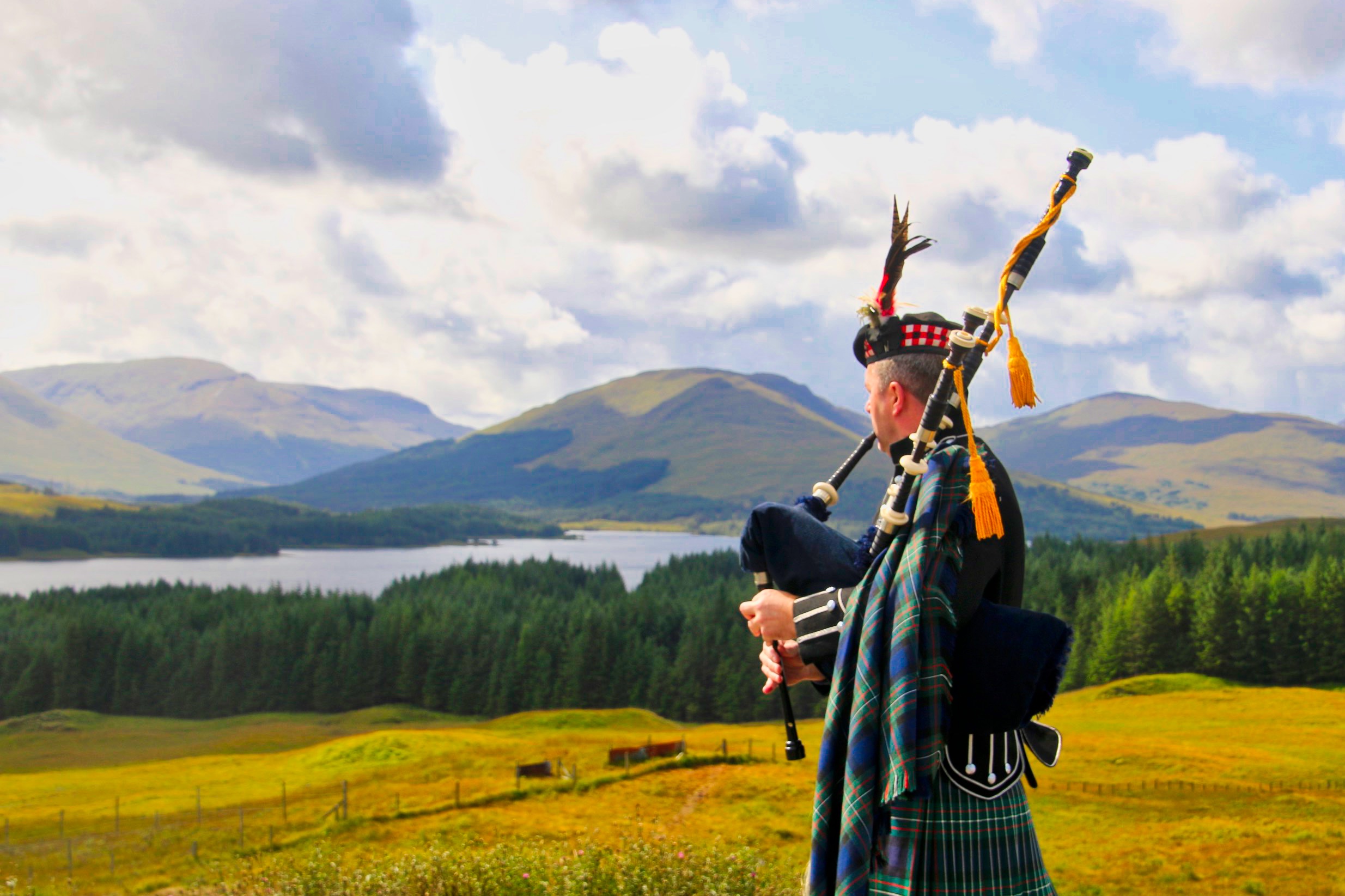
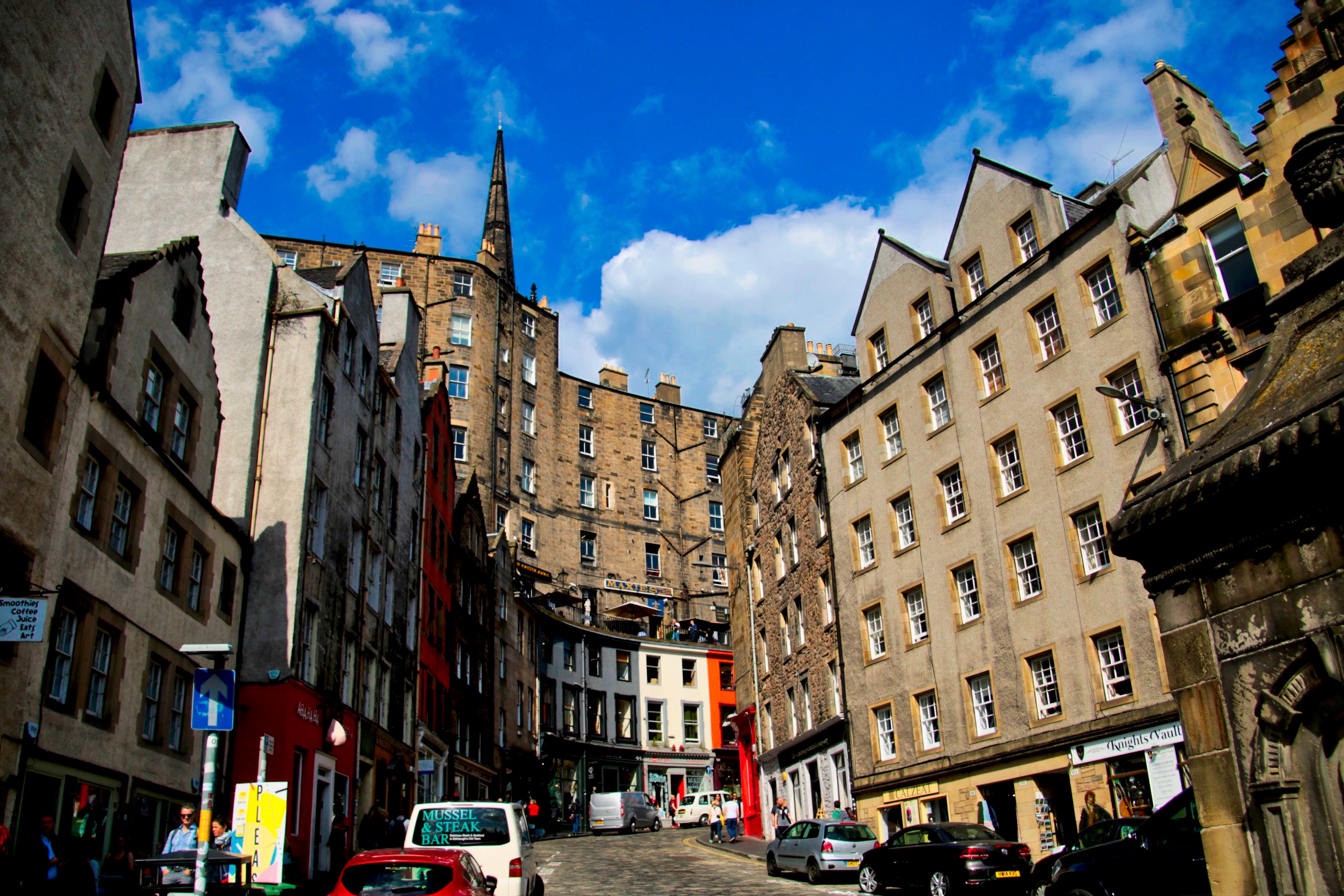
For centuries, Scotland was the land of the Clansmen. The country was divided and governed by families like the MacDonalds, Camerons, or MacKenzies. These had their own tartans, traditions, and allegiances and were interlocked in a fight for influence and wealth. They had a deep connection and history with the land they occupied and an immense pride to be fierce fighters and survivors of the north. It was seldom, though, that they agreed on anything politically, it needed an outside force – a common enemy – to gather the concurring clans like in the wars led by national heroes like William Wallace (his monument is seen in the last picture), Robert the Bruce or lastly Bonnie Prince Charlie in the 18th century. That enemy, of course, was England. After the shattering battle of Culloden, in which the Scottish forces lost against the English king, the history of the clan ships ended. Though their traditions and history can be seen all over the country – the spirit of fierce warriors and the deep connection to their native land can be felt and is still there.
test

Wilds of Scotland

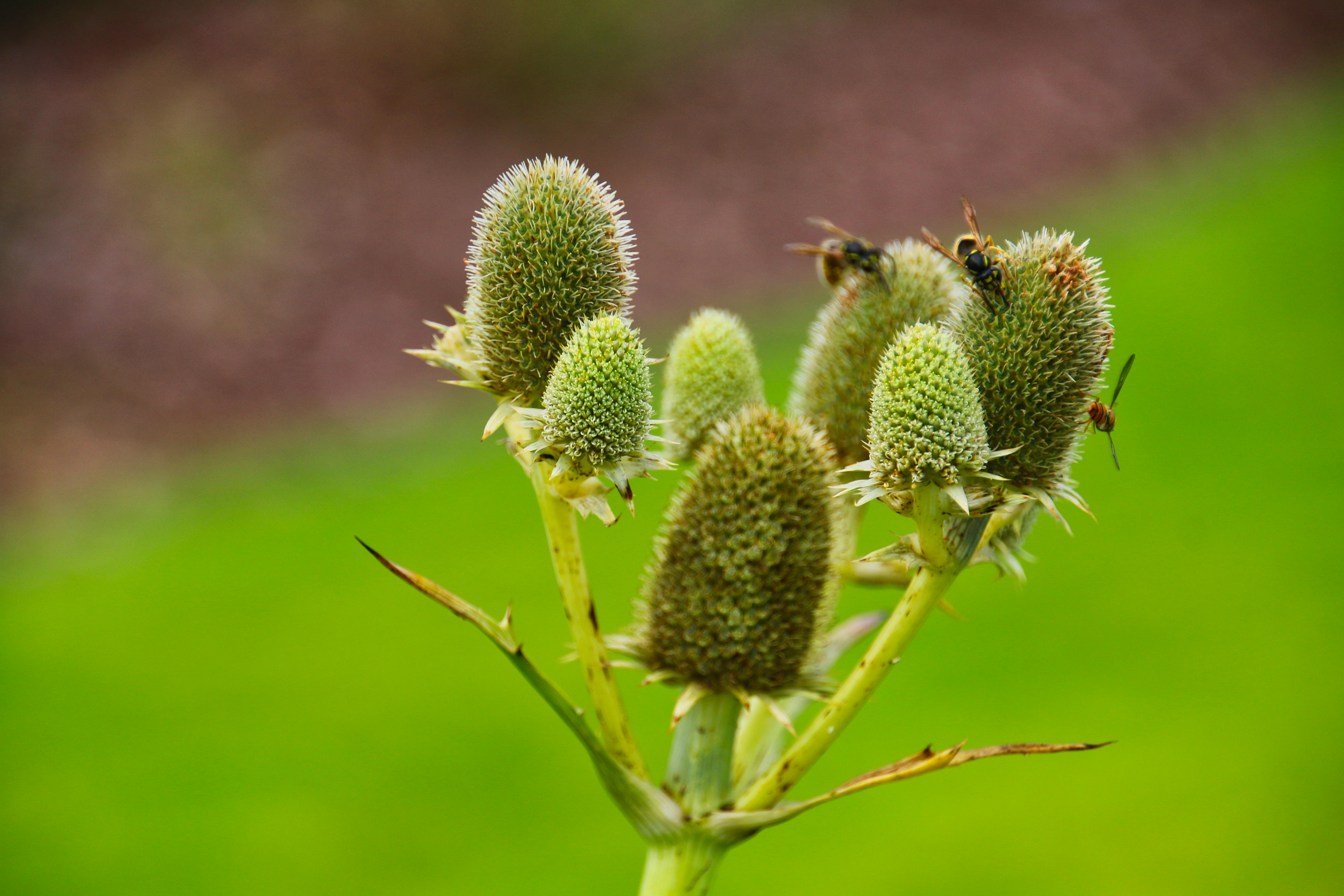
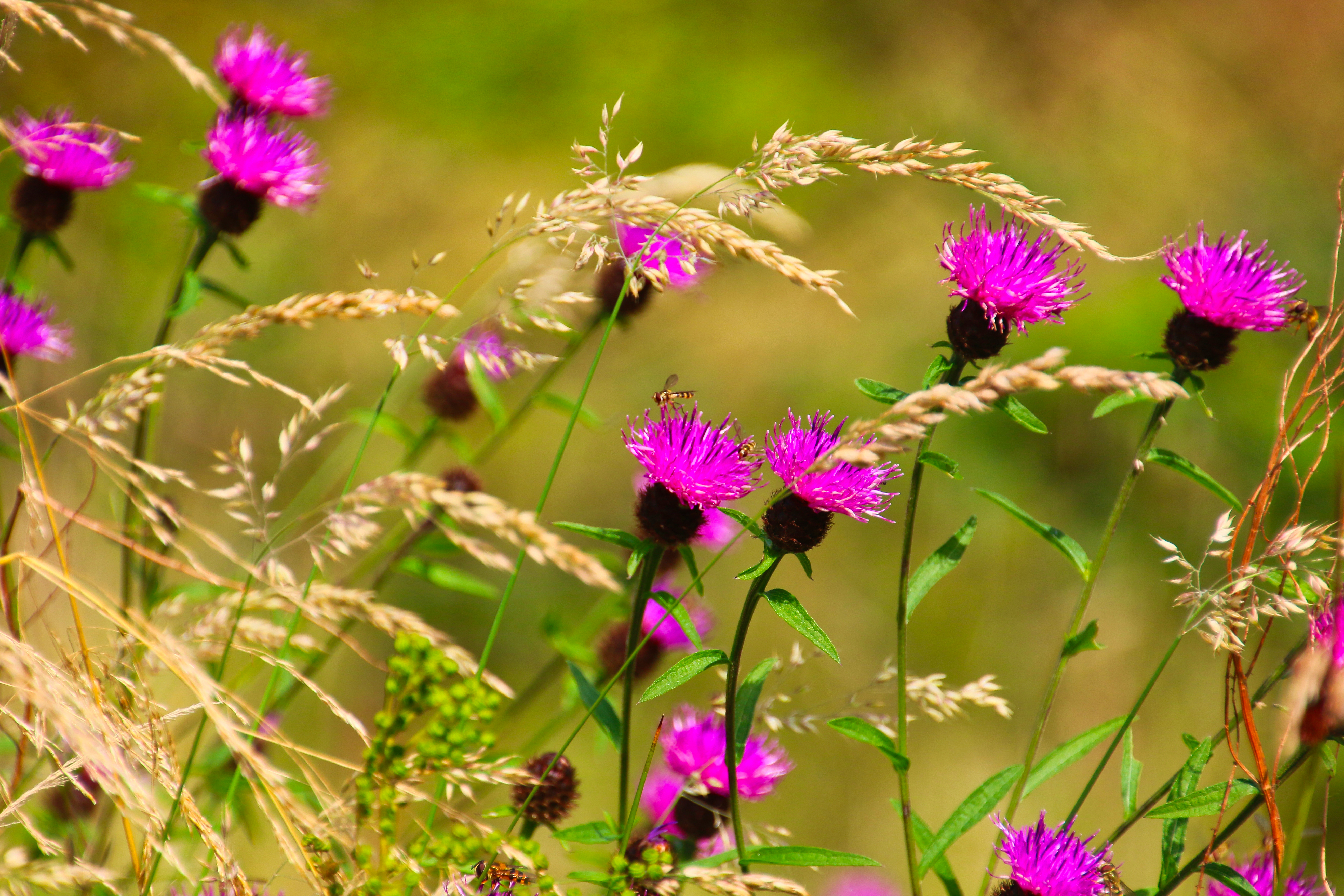
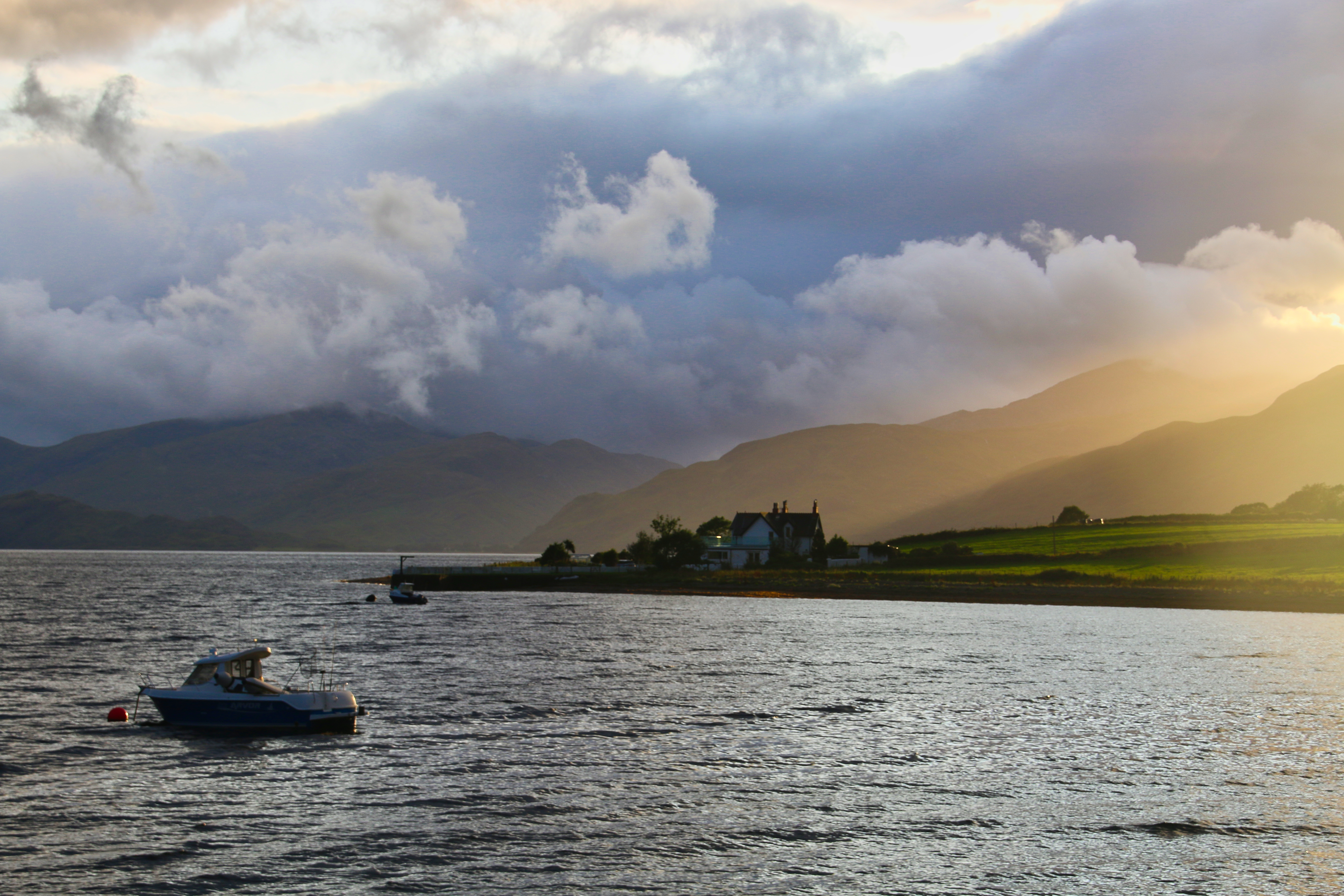
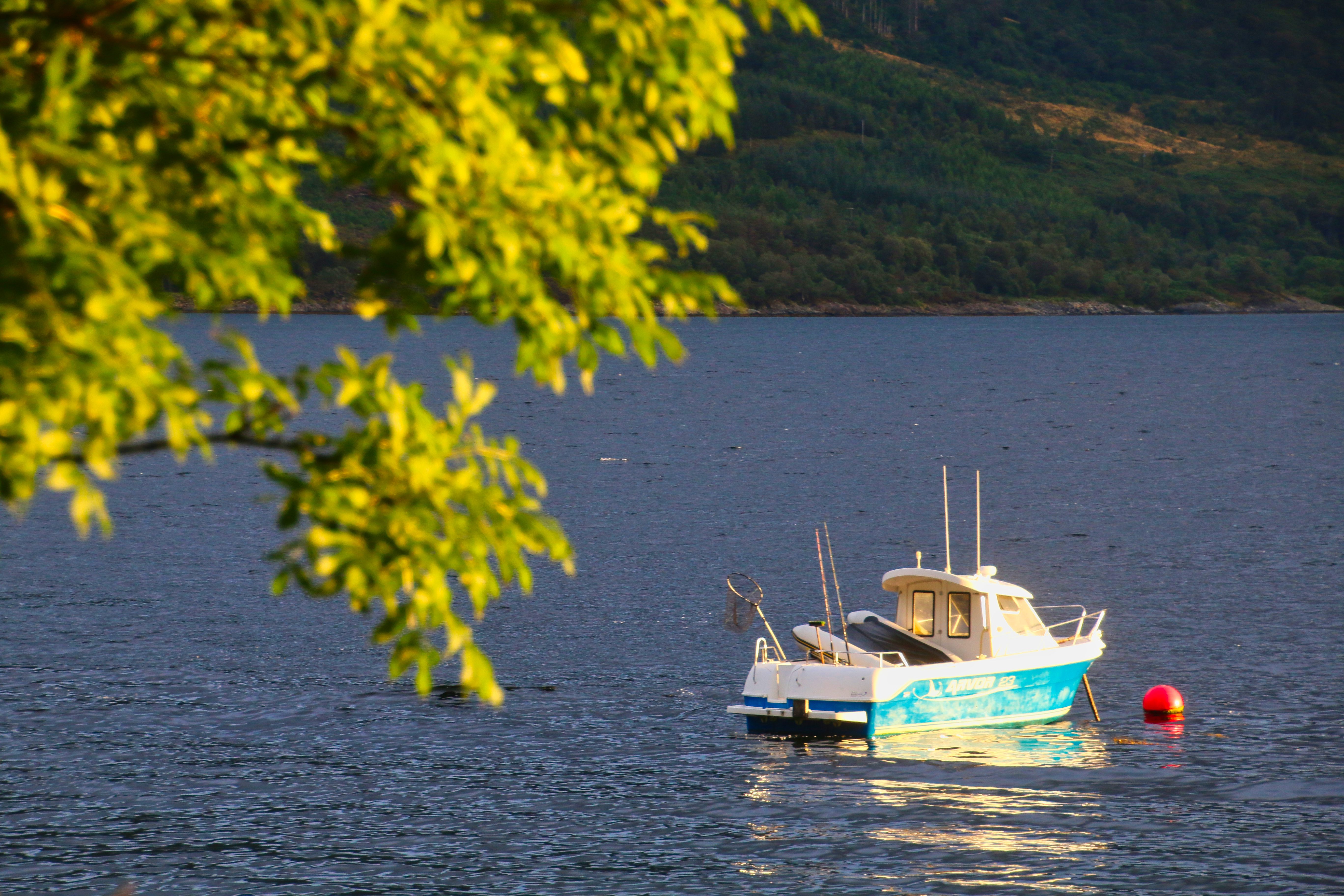
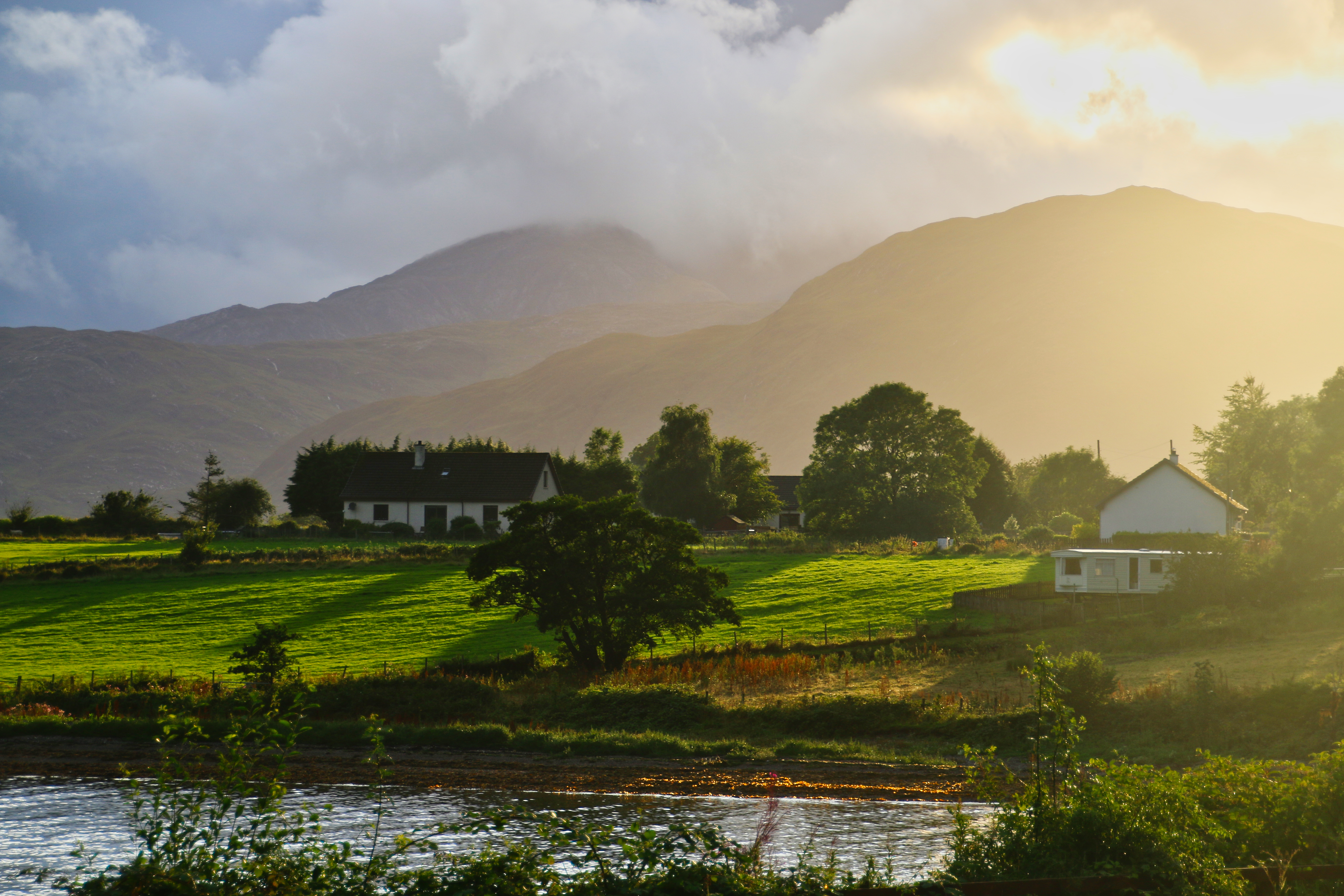
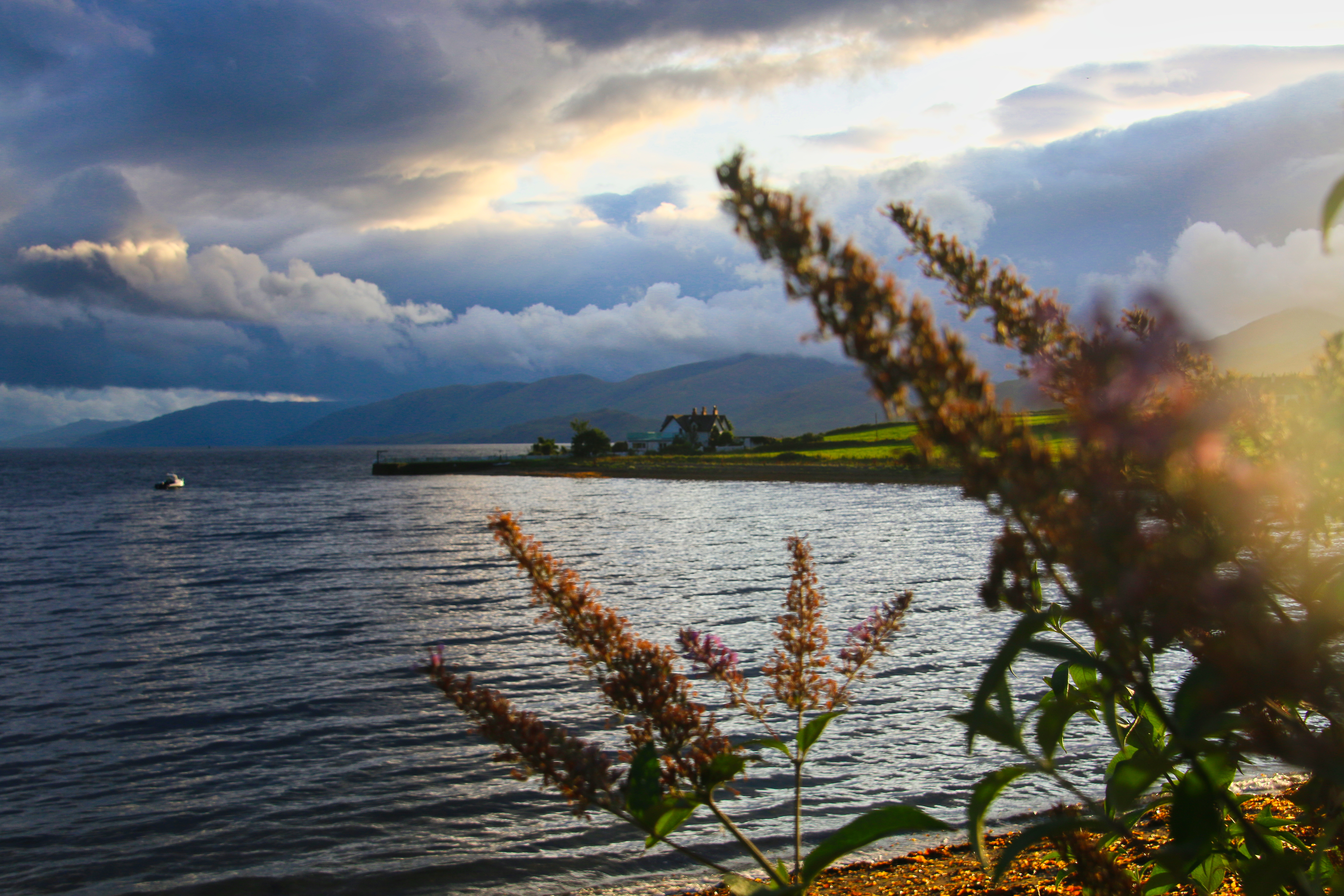
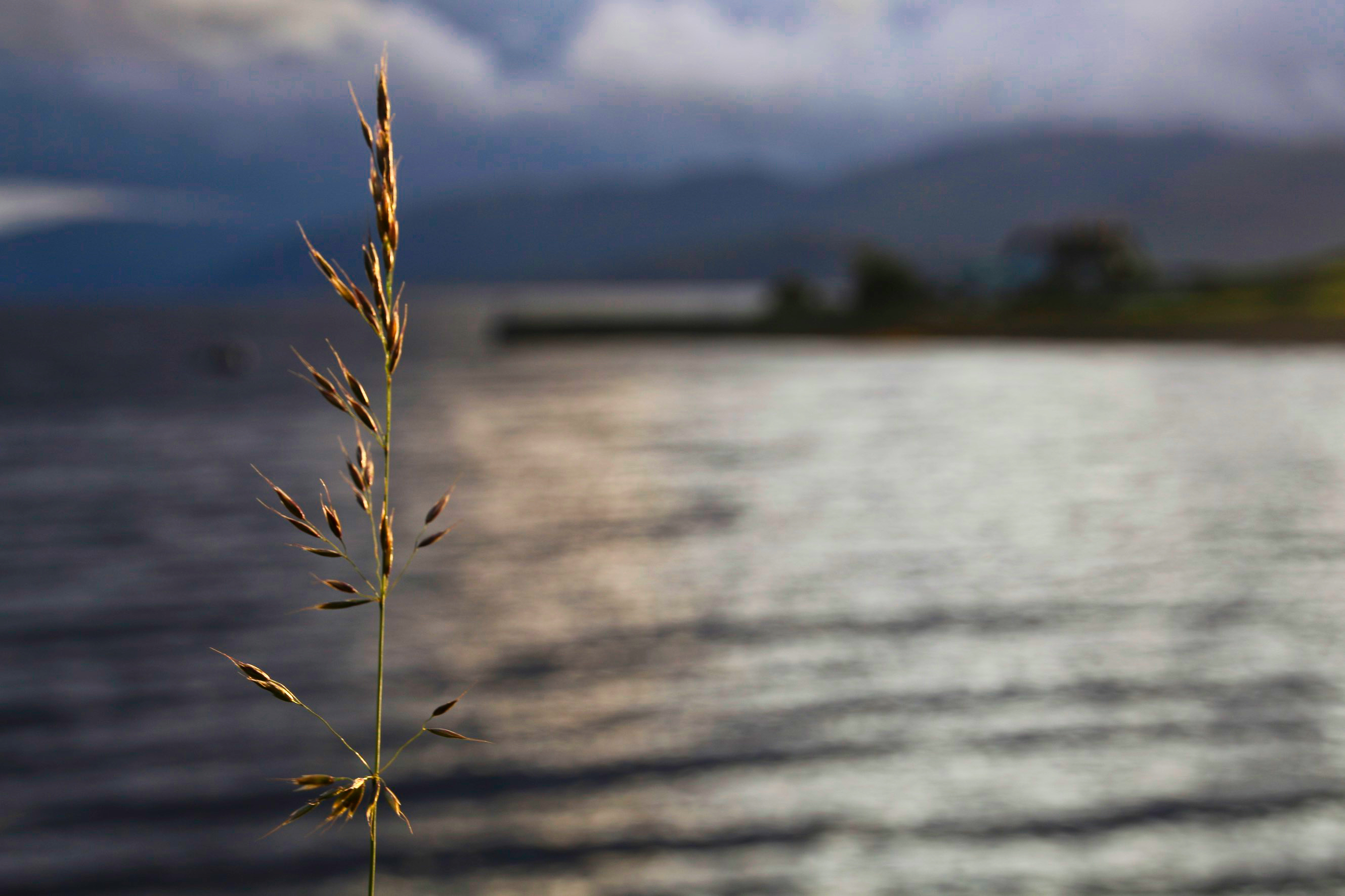
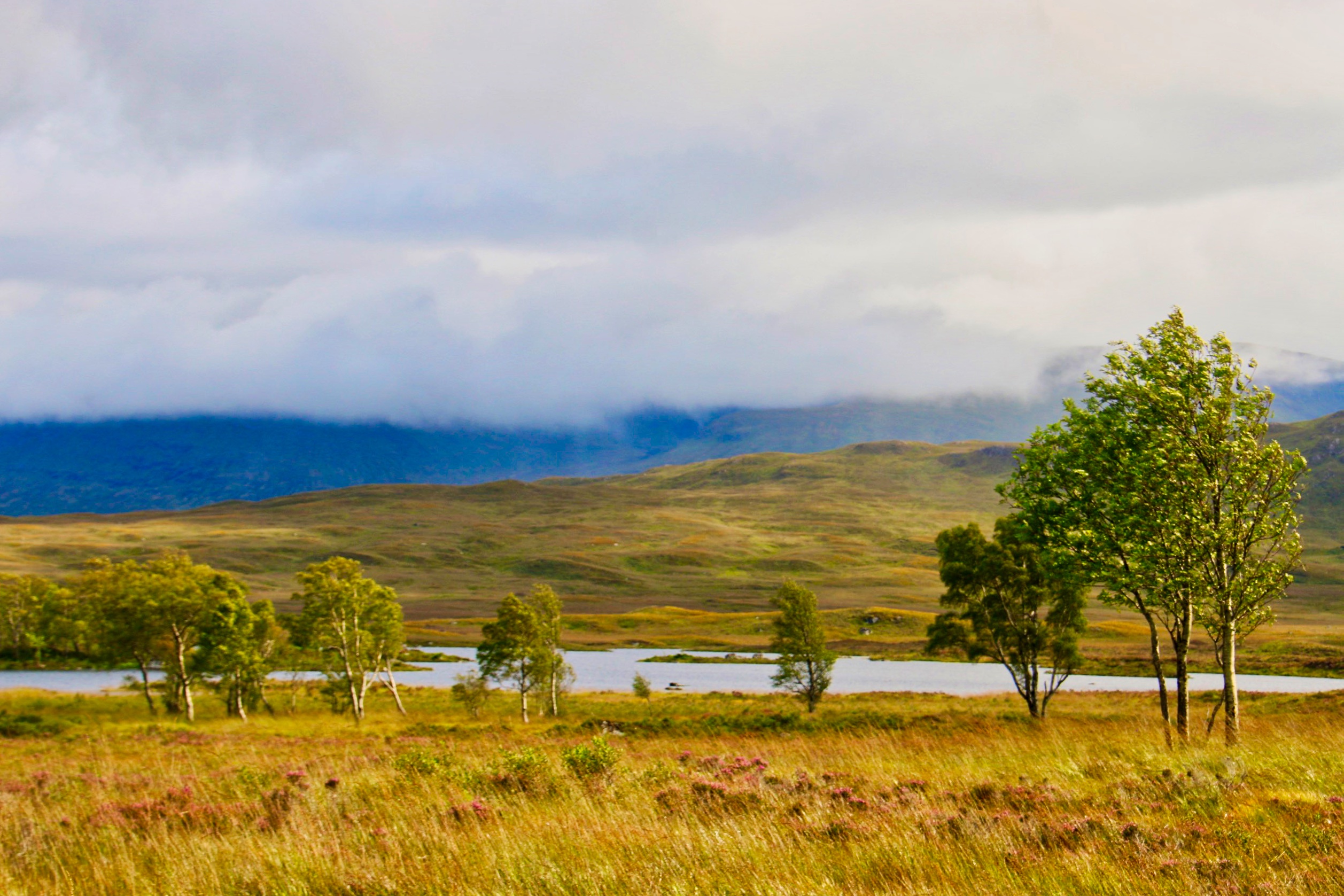
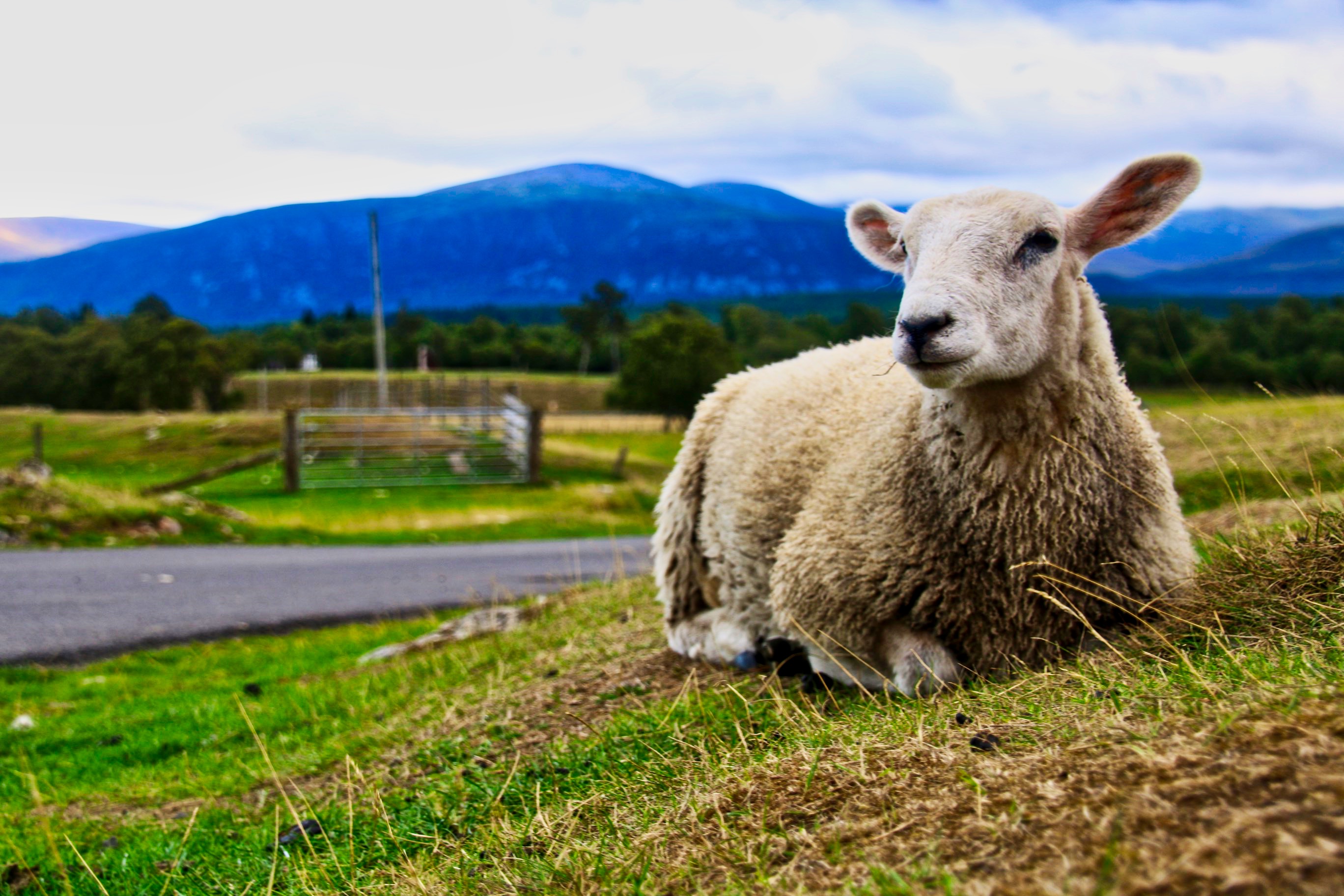
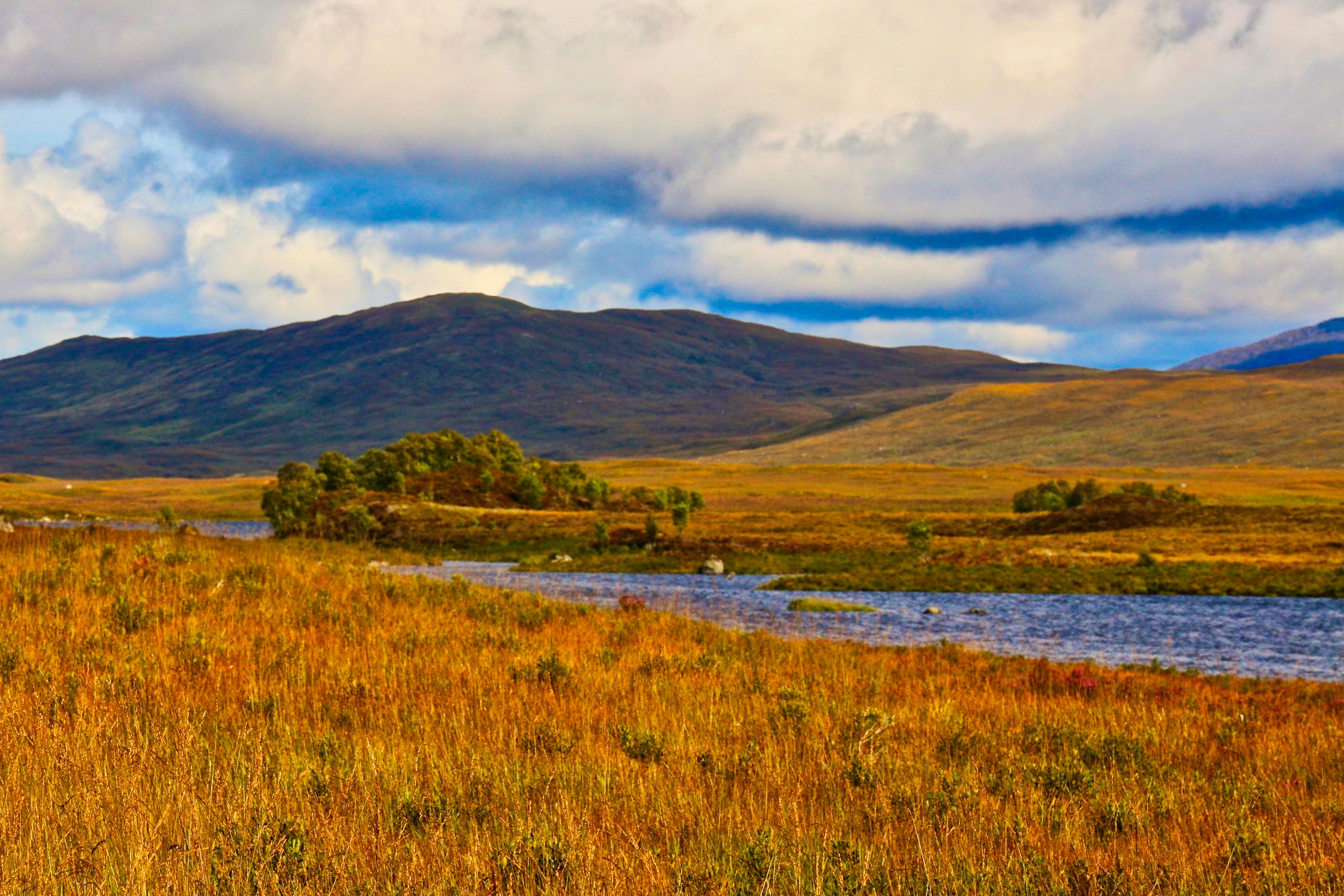
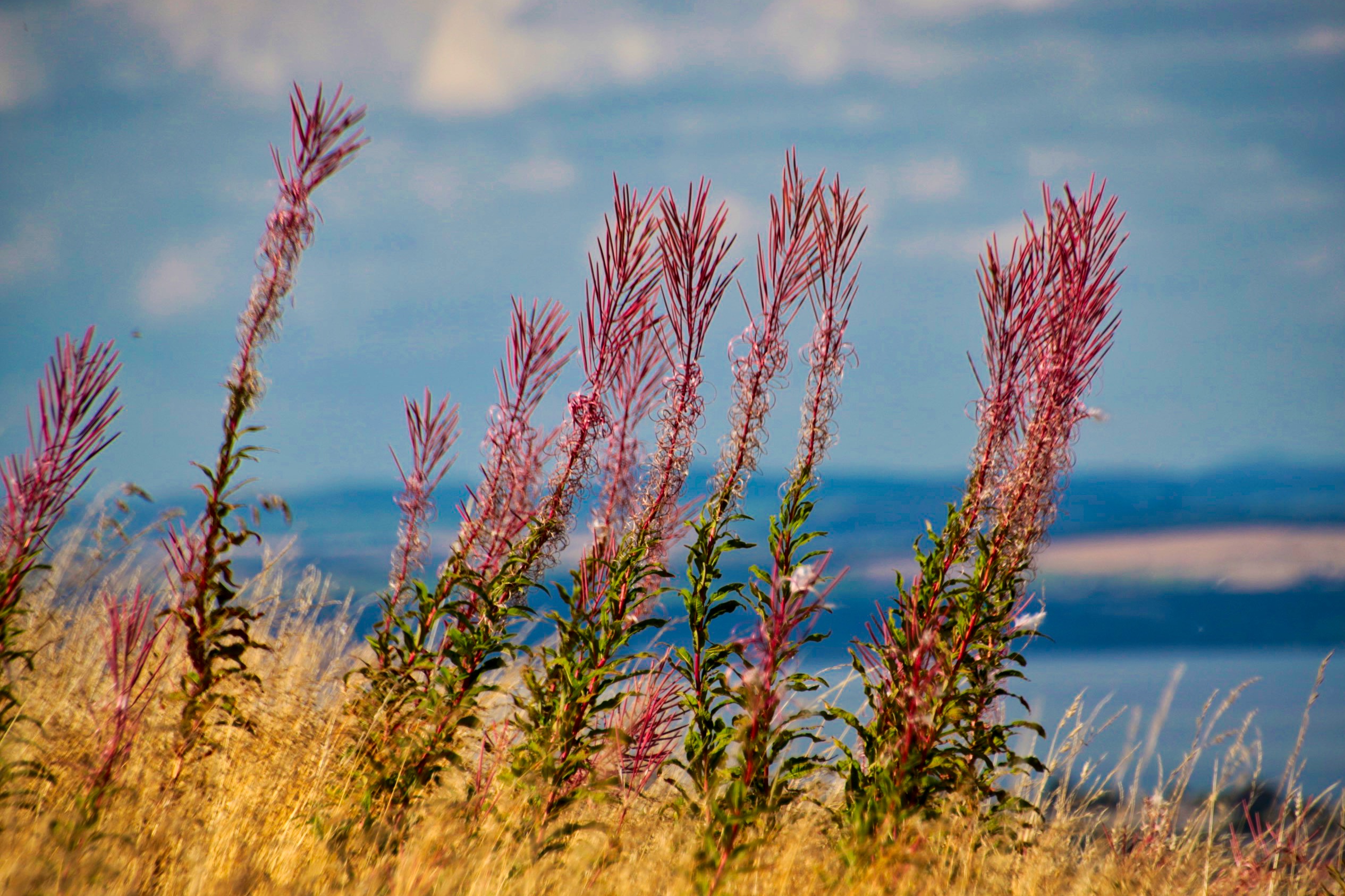
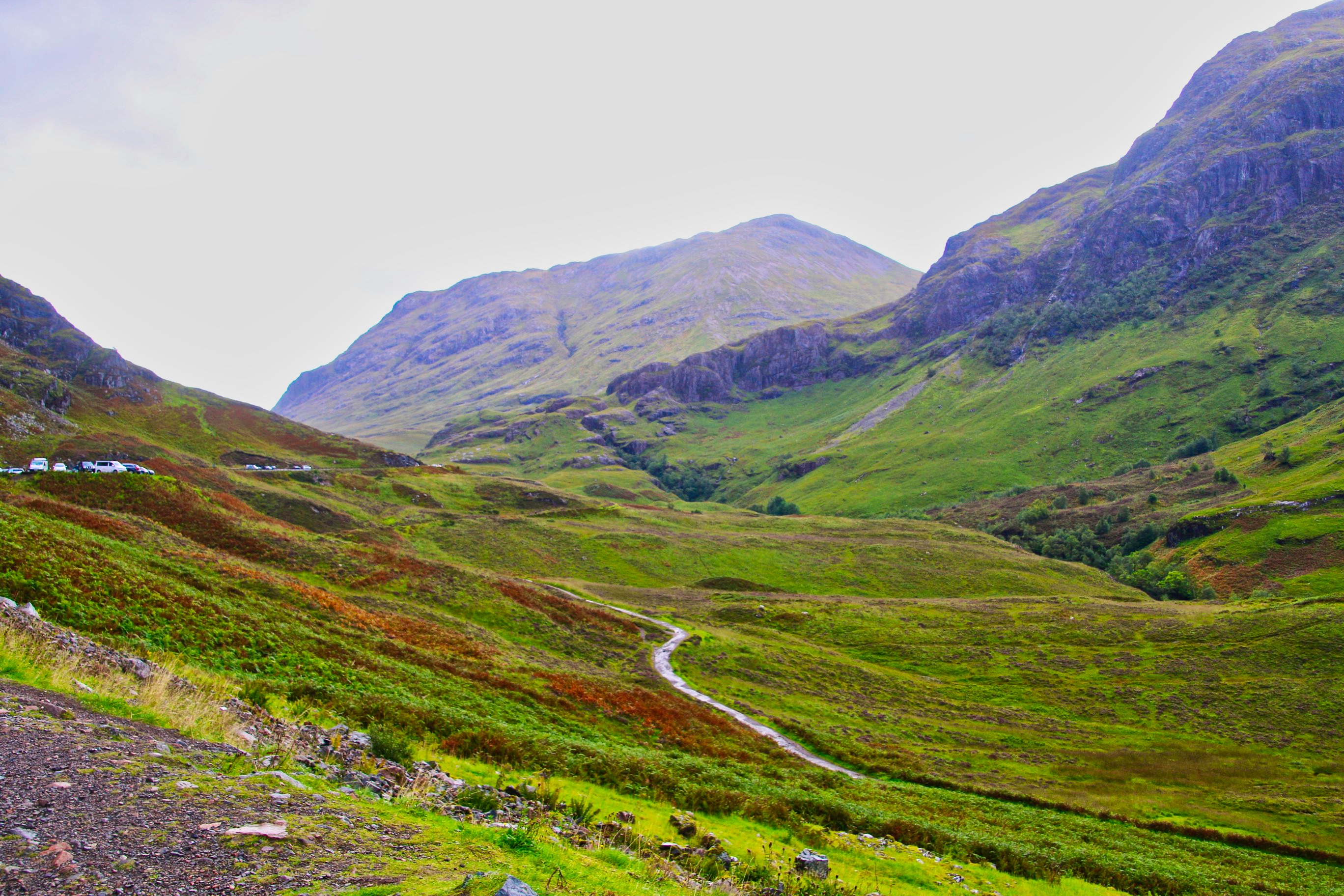
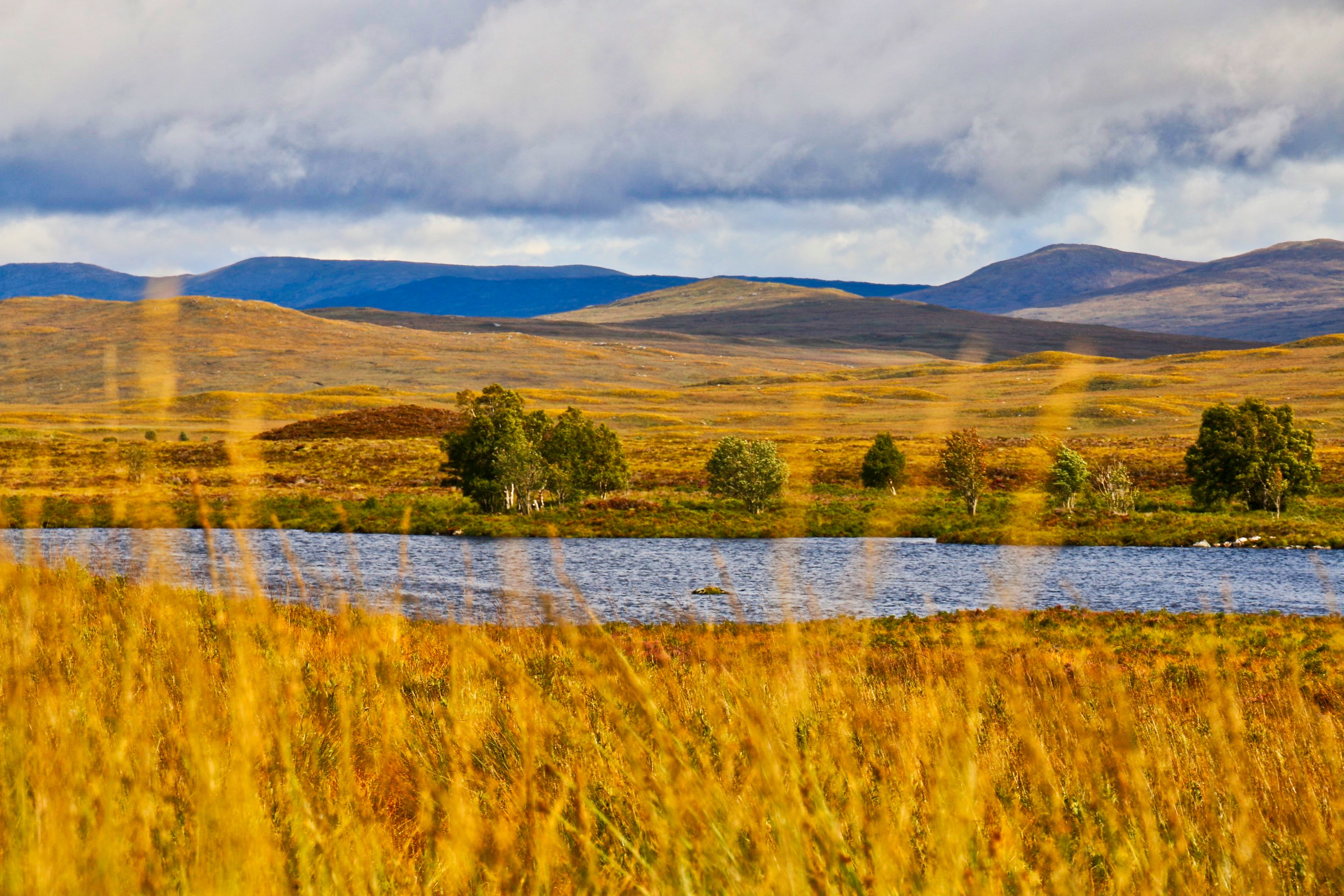
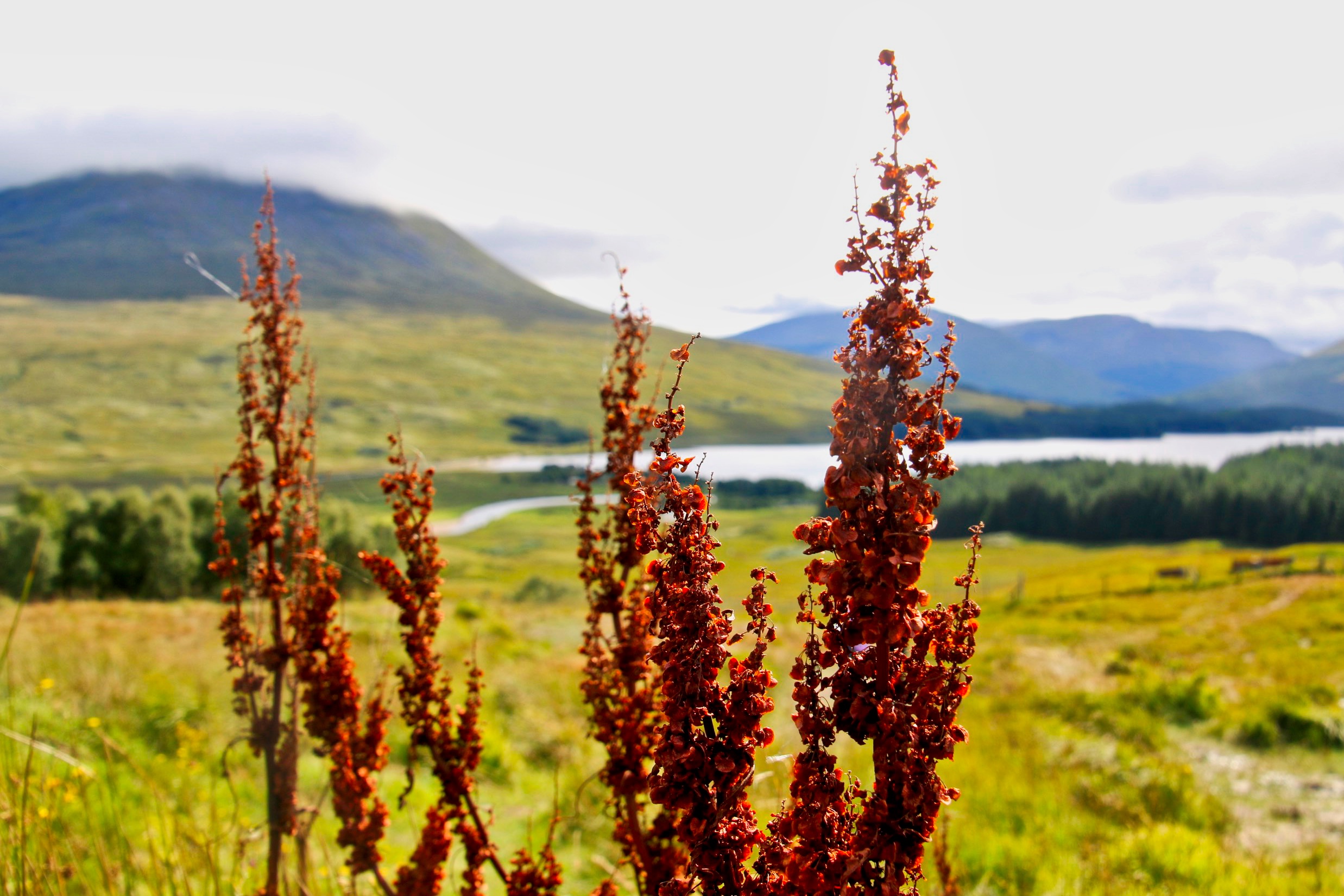
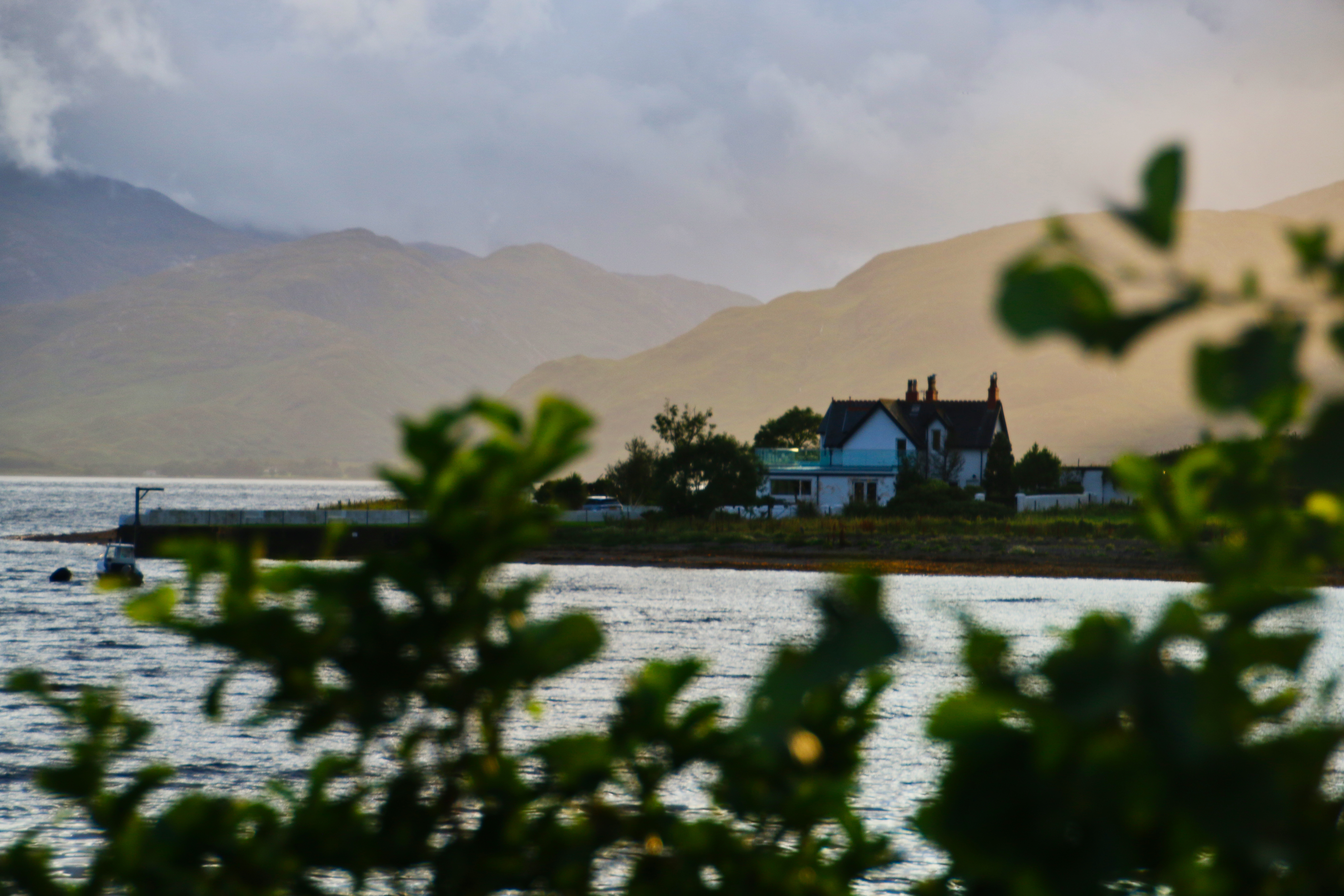
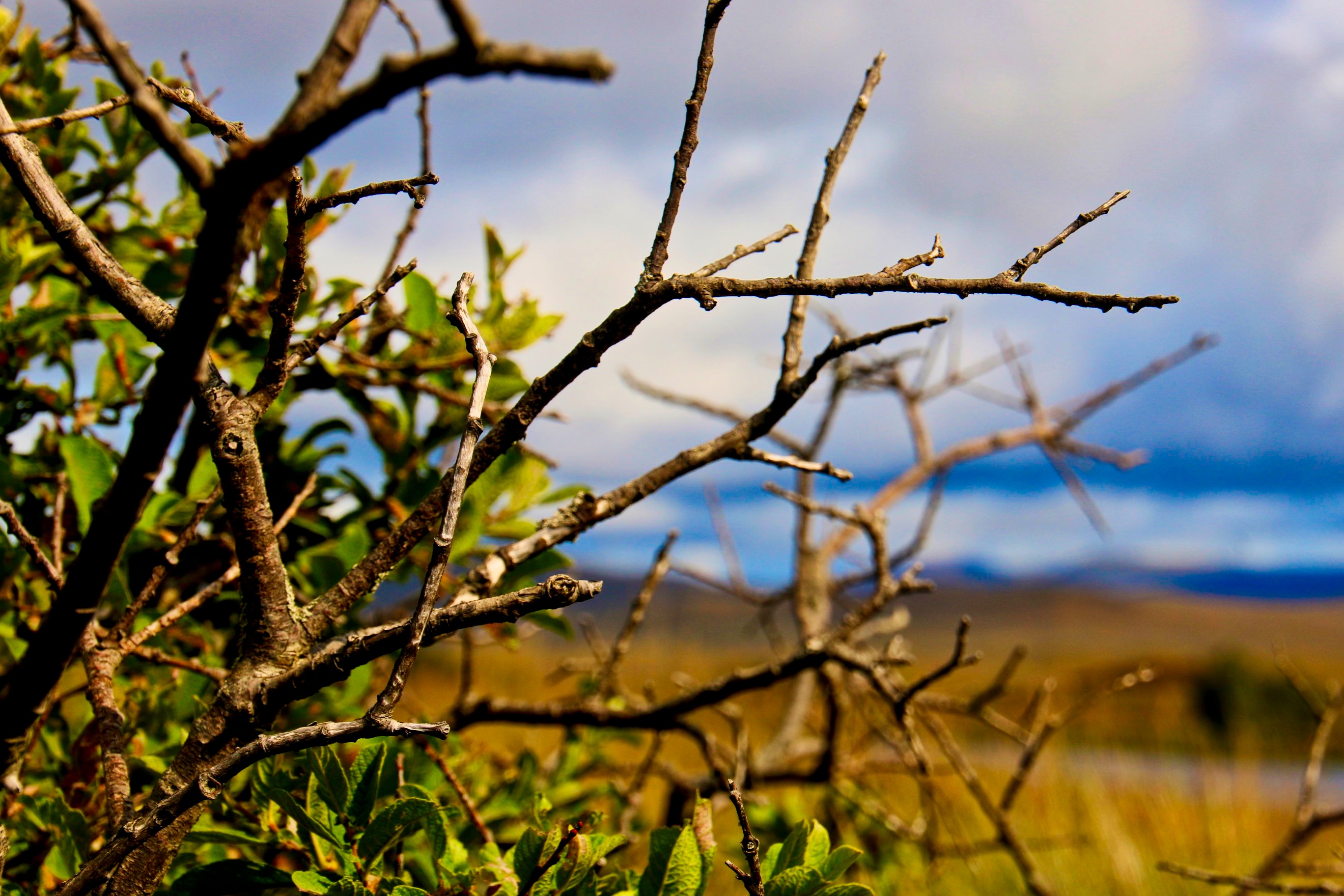
Scotland is a country of immense natural beauty. When speaking about the wilds of Scotland, though, it is essential to note that the human influence on nature over the last centuries up until today has been huge. Before the arrival of humans and the dawn of agriculture, Scotland, as most of the island of Great Britain, used to be covered by dense forests. The need to create new grazing areas for cattle and farming land led to the burning and clearing of woodland. Additionally, wood became an essential material for construction, especially from the 17th century onwards, with the growing importance for shipbuilding as the island became a significant colonial power and ships were needed for trade and war. Though a lot has changed and the natural world of Scotland has not been left untouched by human hands, especially the north of the country, far away from Edinburgh and Glasgow, is still very raw and wild. Some impressions.

test

Discovering Caledonia

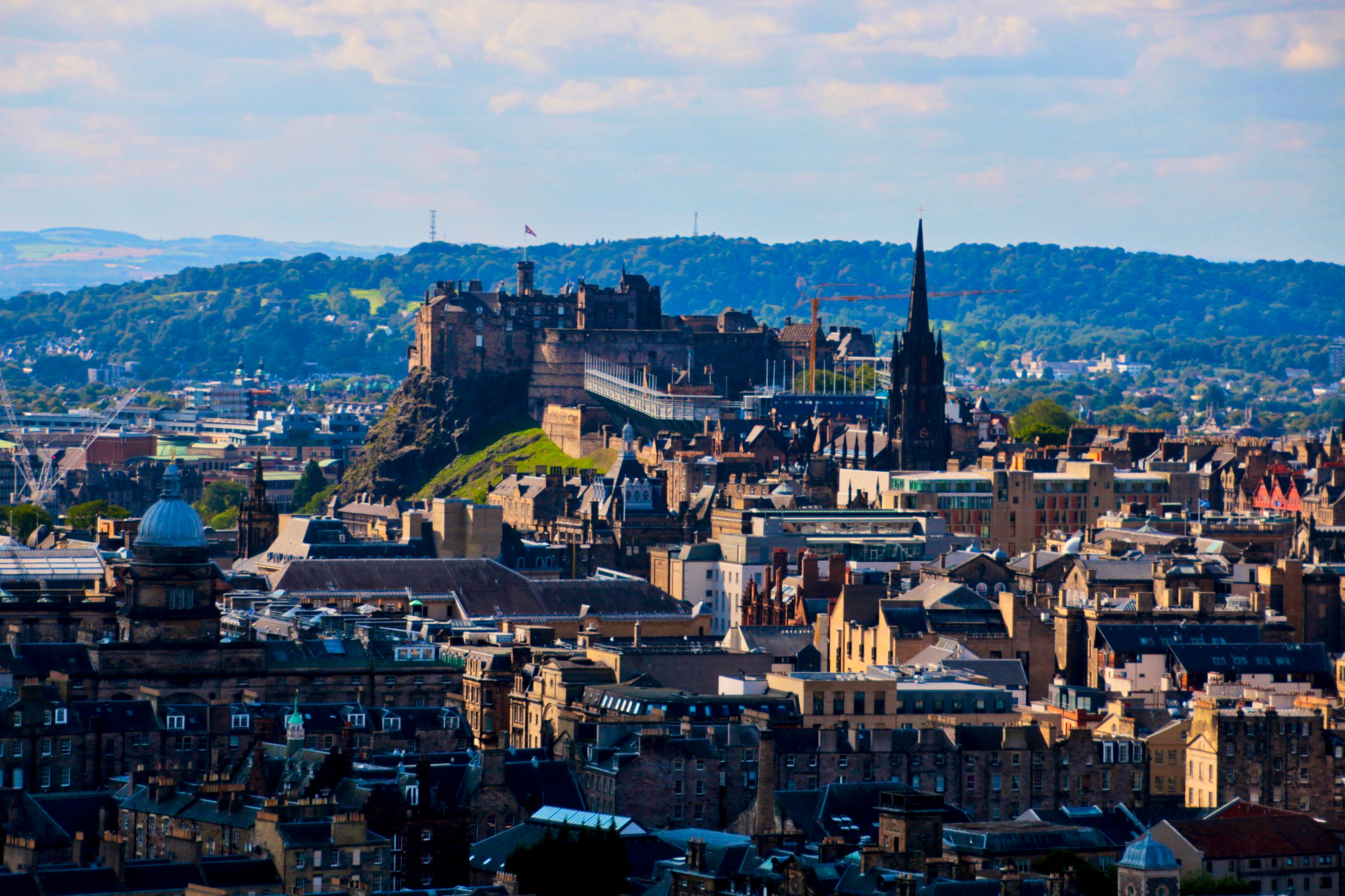
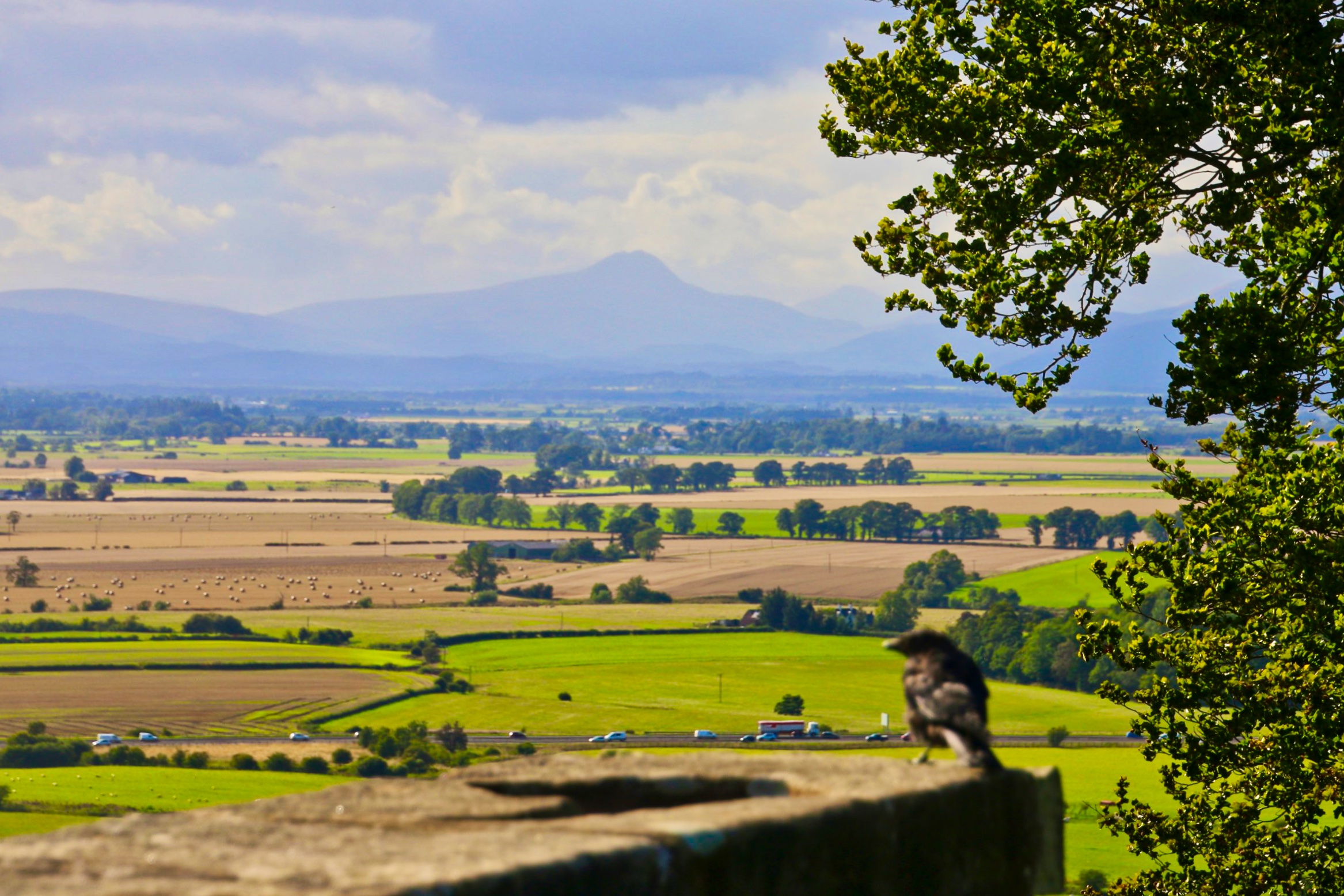
The Romans used to call the country, which we know today, Scotland Caledonia. It was a strange and foreign land with dangerous and wild inhabitants at the Northern end of the Roman world. Two immense walls were built by the Roman emperors Hadrian and Antonius to secure Britain from the blue-painted warriors – or “Picts” – living in the northern lands. Also behind these barriers was a country of immense beauty and raw vastness.

test