Skip to content

Historic Seville

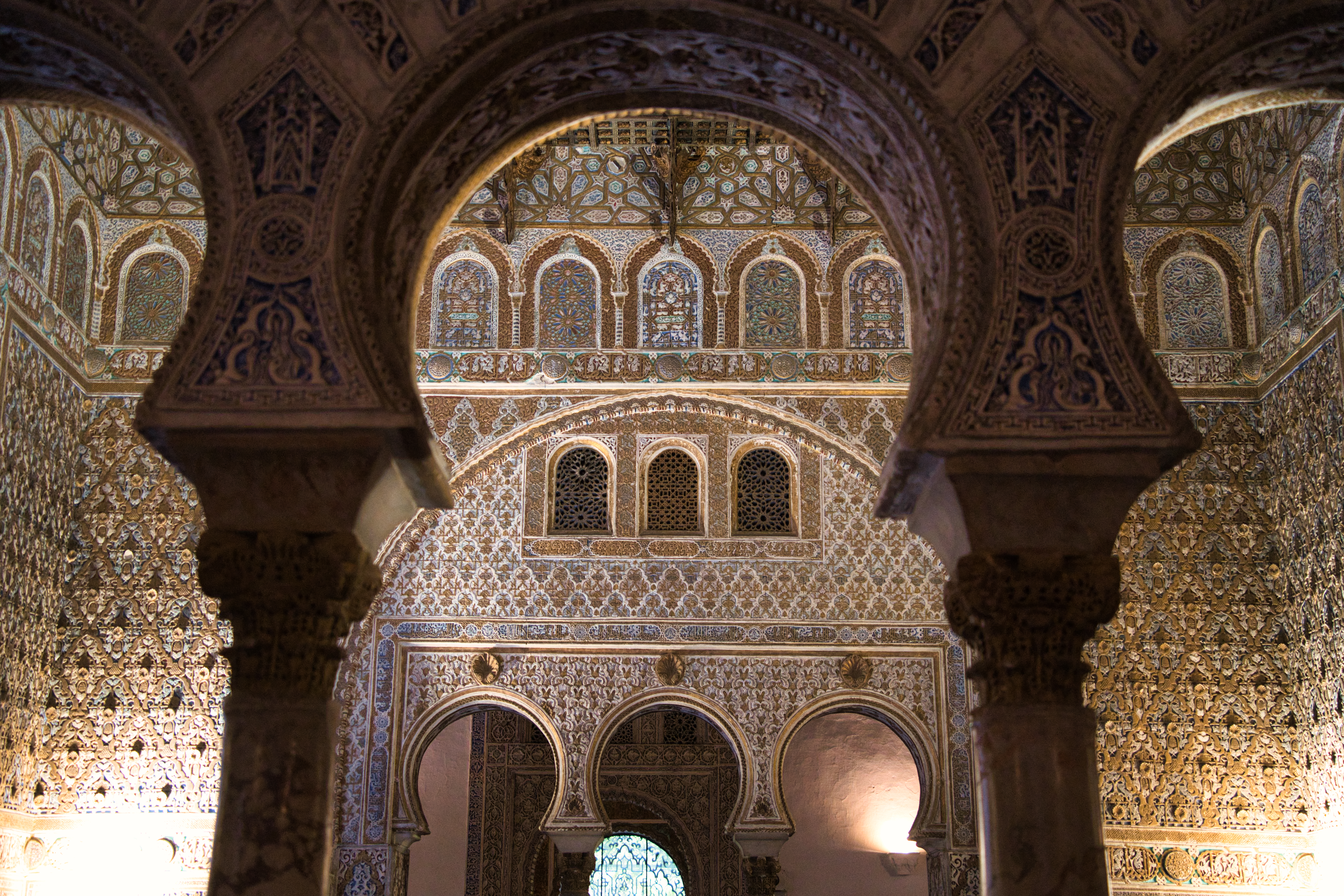
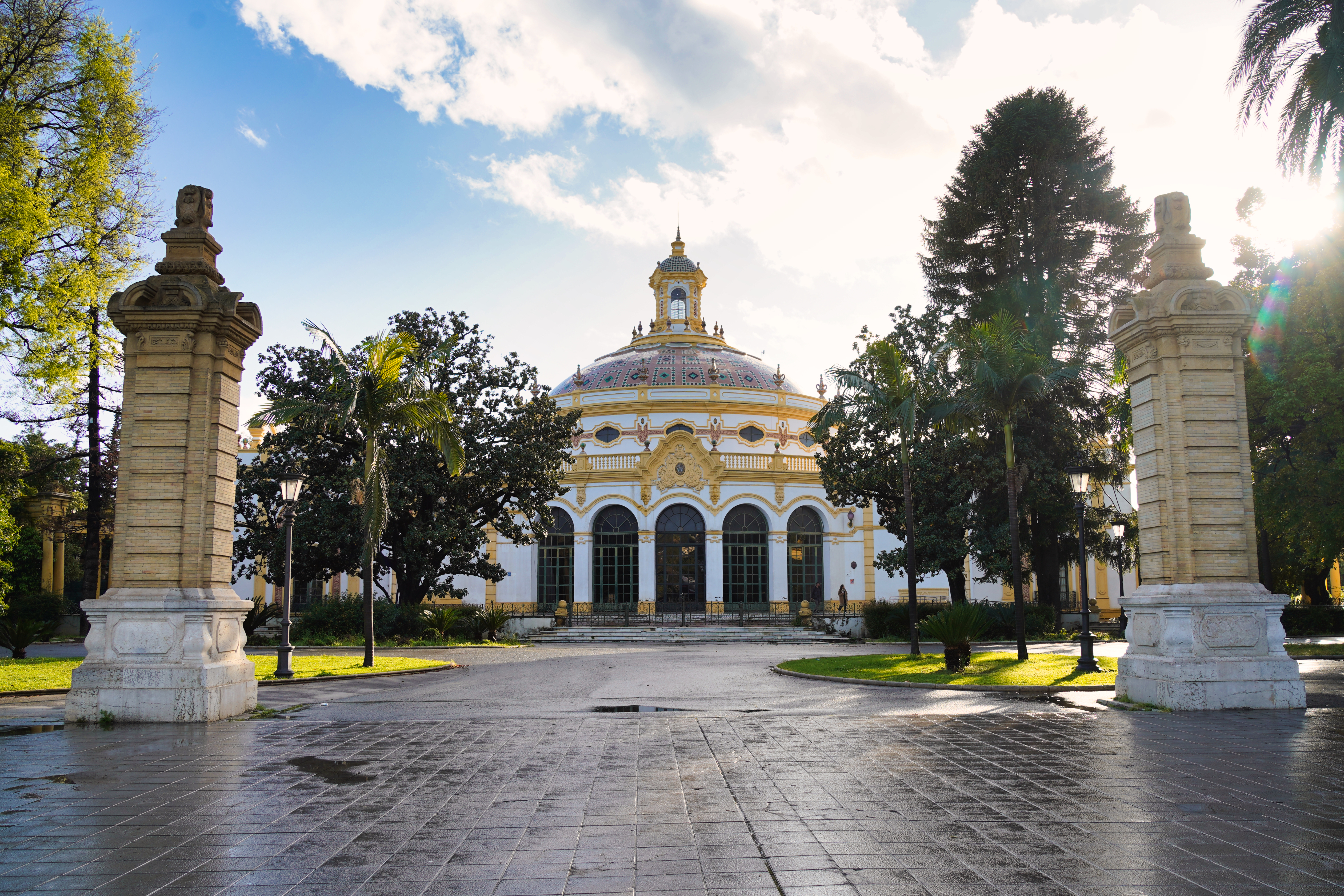
Nestled in the heart of Andalusia, Seville unravels the rich tapestry of human history with each cobblestone street and ornate building. For example, in the labyrinthine alleys of the Barrio Santa Cruz the fusion of Moorish and Renaissance architecture narrates tales of centuries gone by. Moreover, the Alcázar Palace stands as a testament to the opulent lifestyle of Spanish royalty, its intricate tilework and verdant gardens whispering secrets of bygone eras.

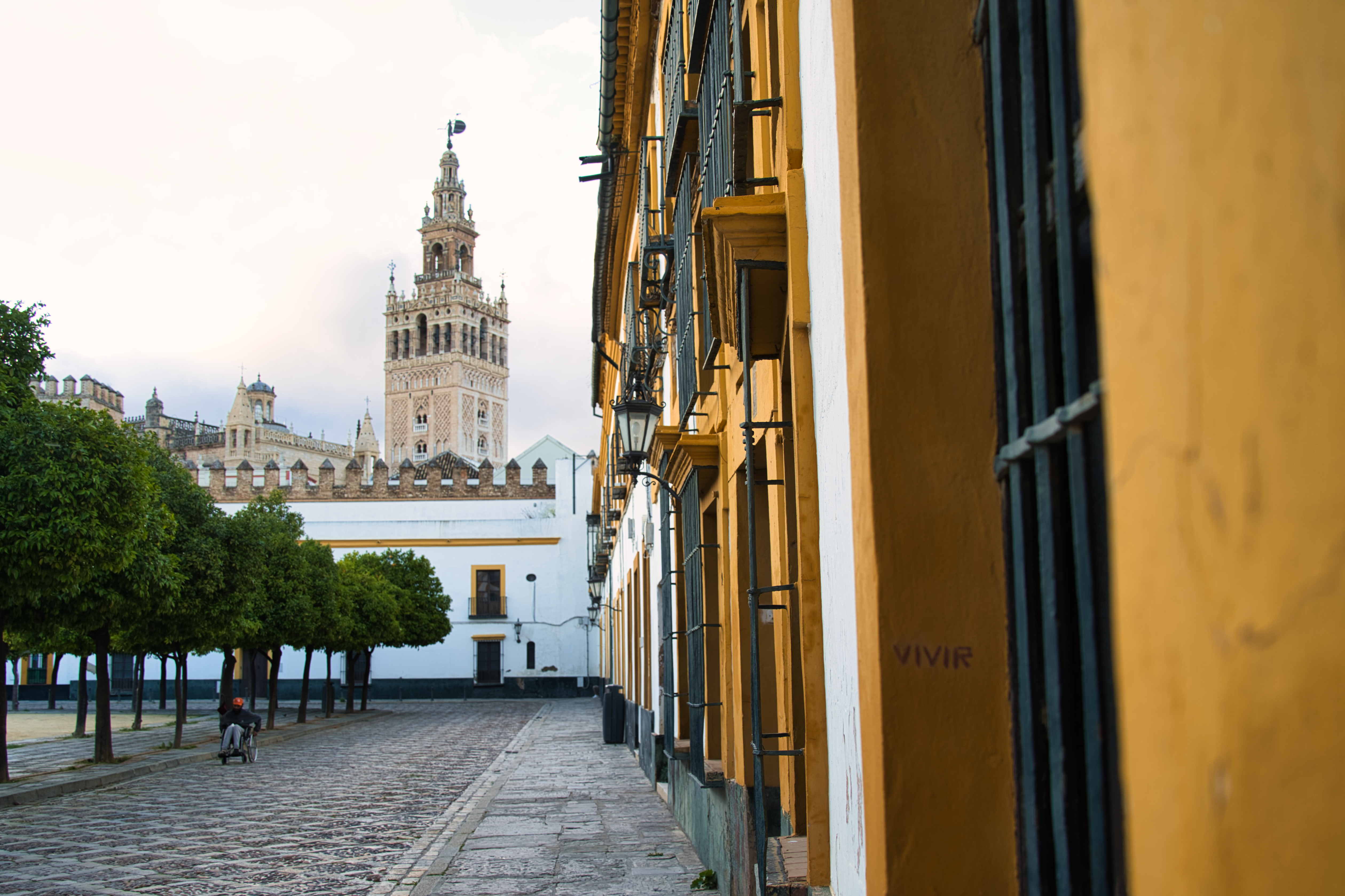
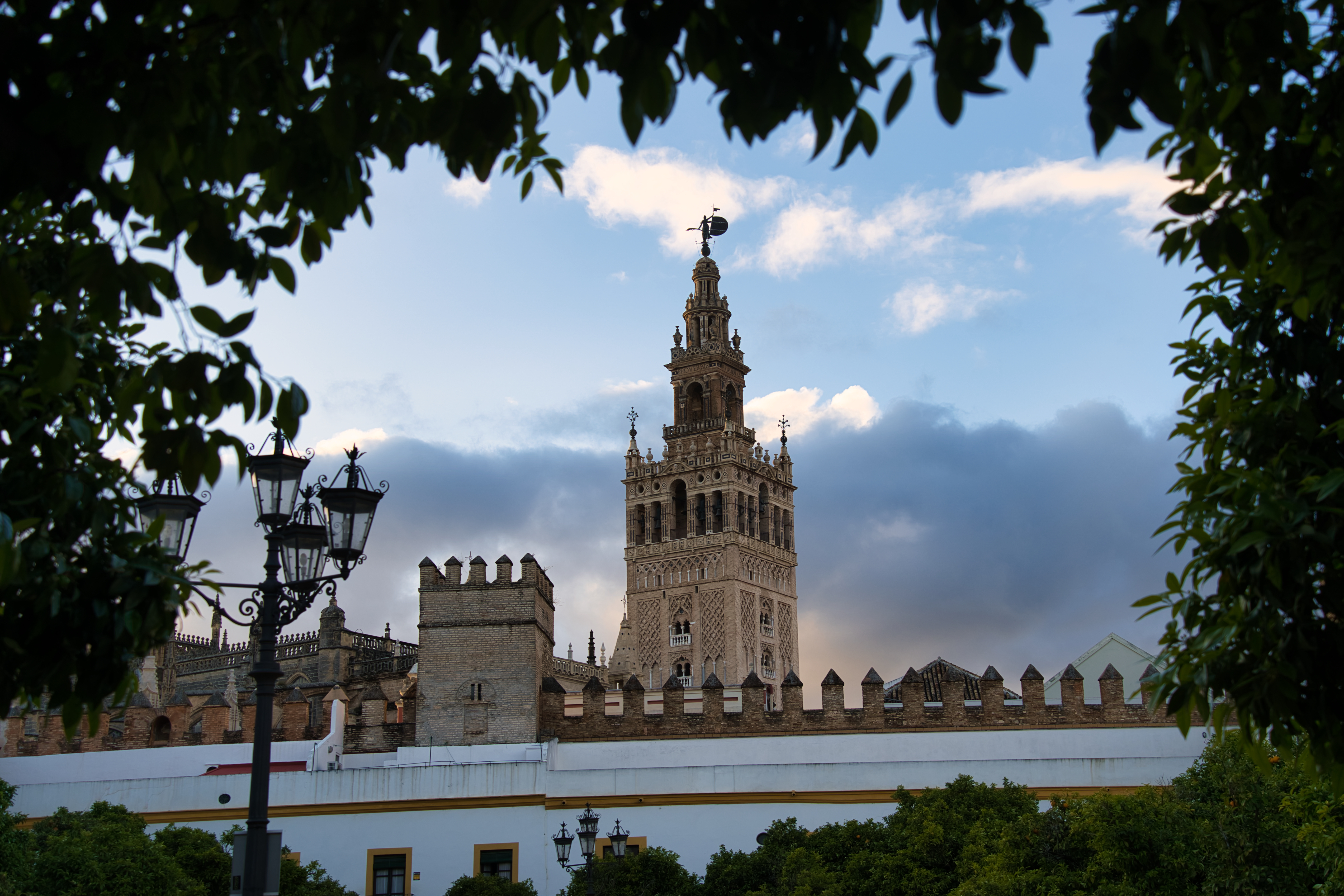
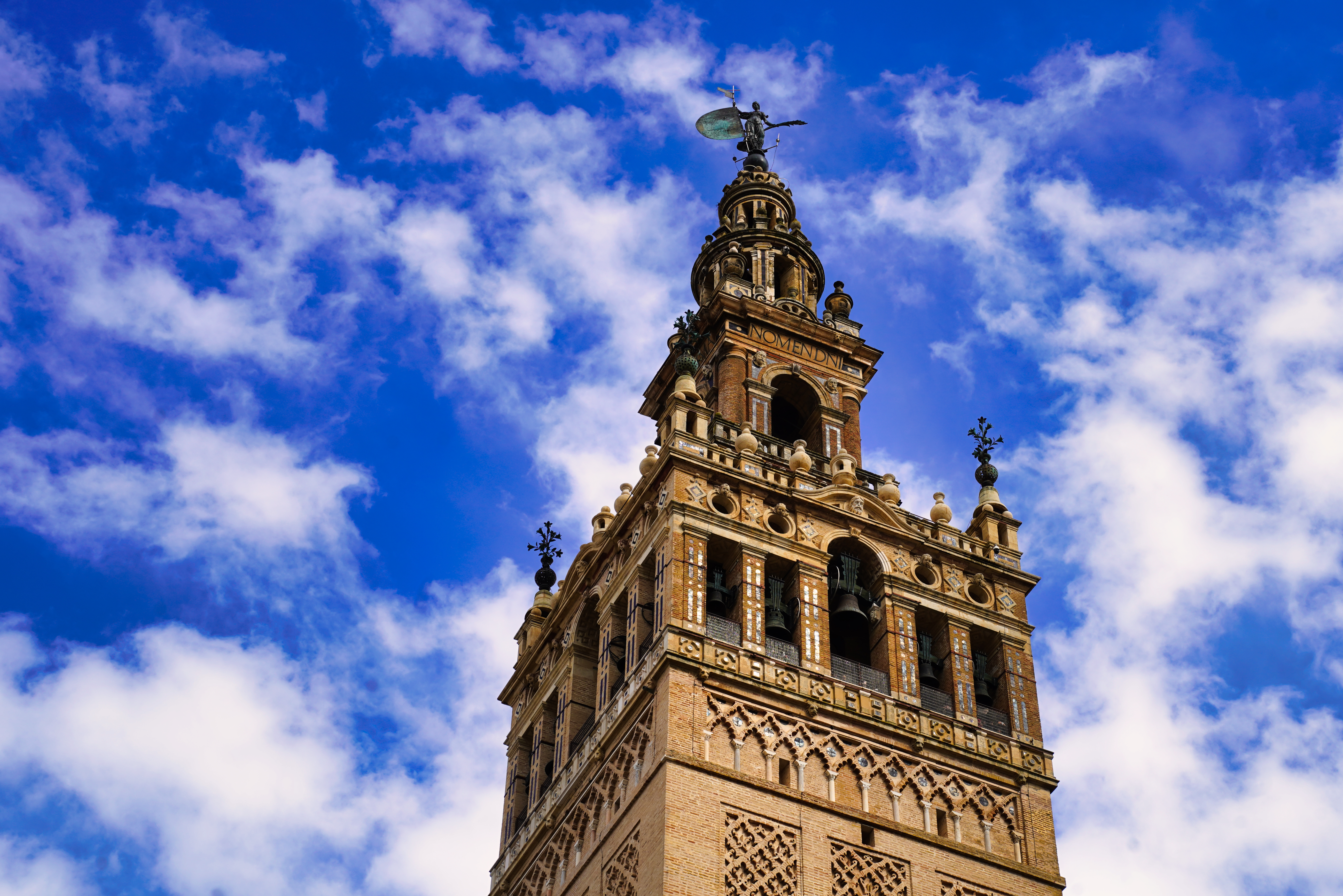
Yet, Historic Seville is not merely a city suspended in time; it’s a vibrant canvas painted with the strokes of diverse cultures and civilizations. From the grandeur of the Cathedral of Saint Mary of the See, crowned by the iconic Giralda Tower, to the remnants of ancient Roman ruins scattered throughout, Seville wears its history like a badge of honor. As visitors traverse its historic landmarks and hidden gems, they embark on a captivating journey through time, where the past and present intertwine in a captivating narrative of heritage and legacy.

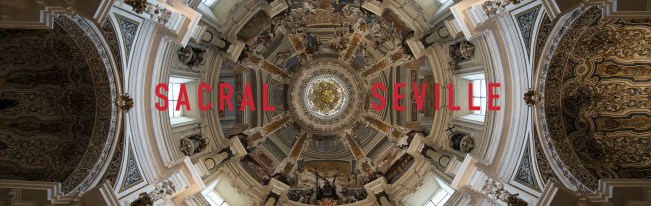
Sacral Seville

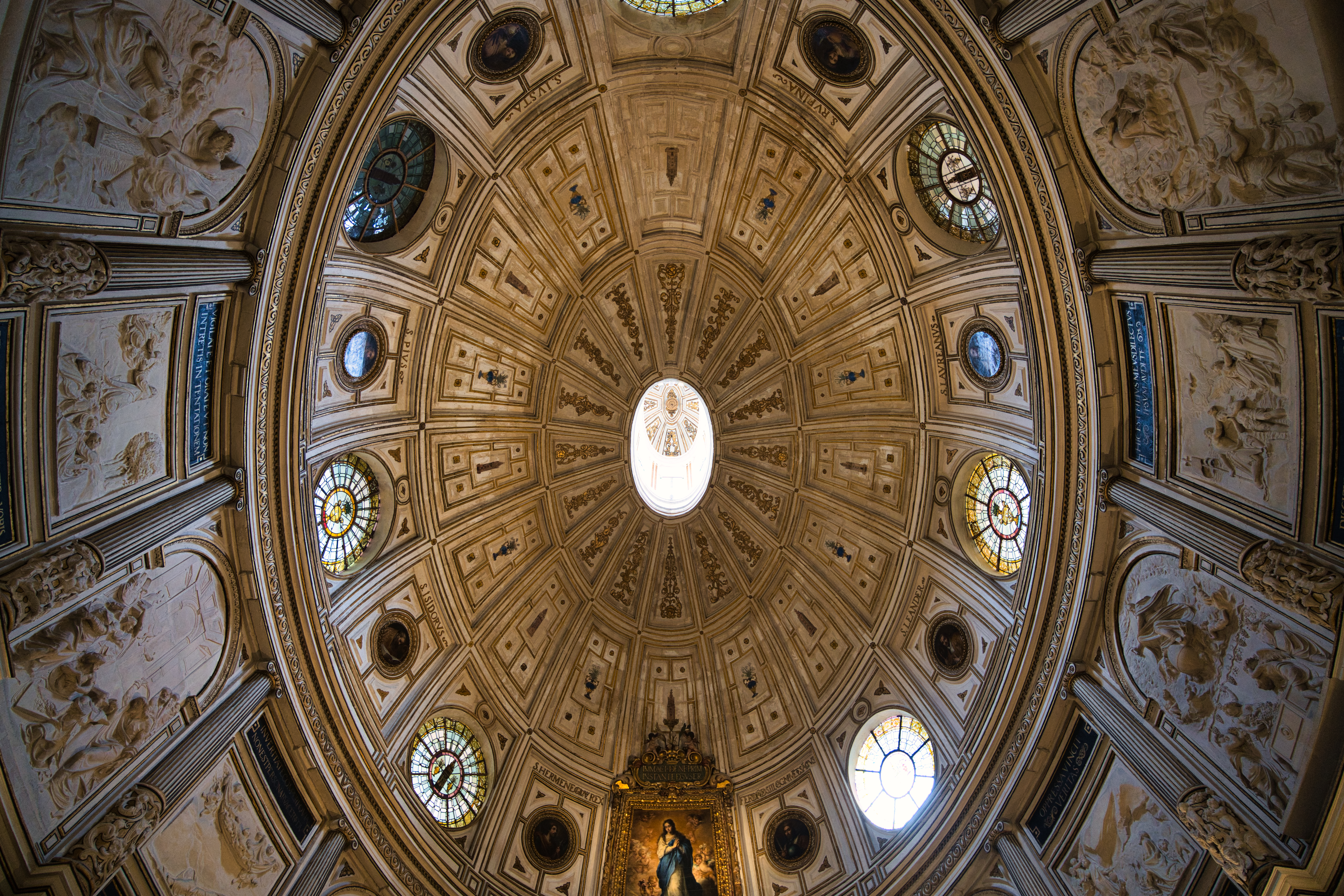
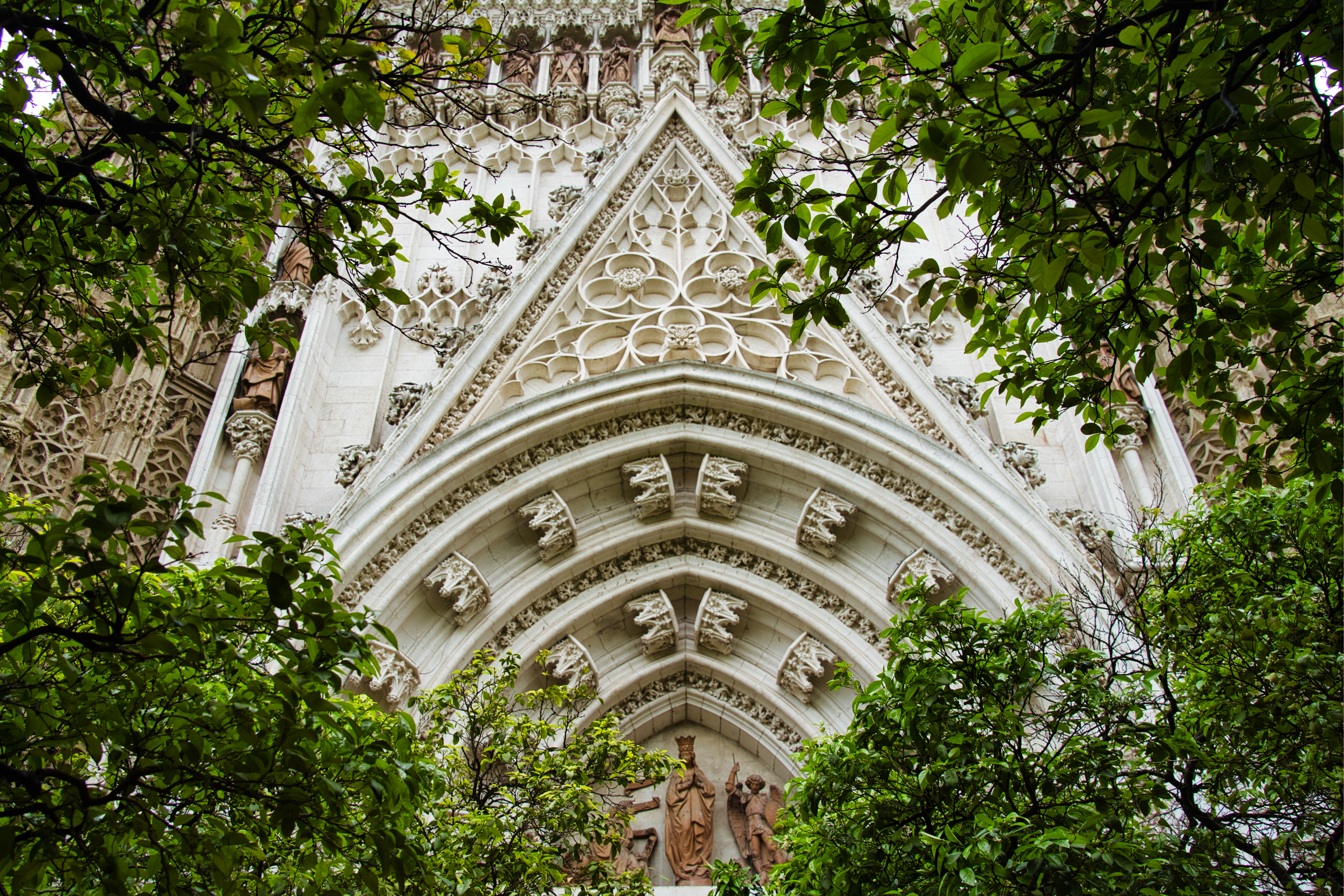
Seville, a city where spirituality intertwines with architectural grandeur, beckons travelers to explore its rich religious heritage and sacred sites. Stepping into the majestic Cathedral of Saint Mary of the See, visitors are greeted by the awe-inspiring beauty of its towering Gothic architecture and the solemn atmosphere that pervades its hallowed halls. Here, the tomb of Christopher Columbus stands as a poignant reminder of the city’s role in shaping the course of history, while the Giralda Tower offers panoramic views of Seville’s enchanting skyline.

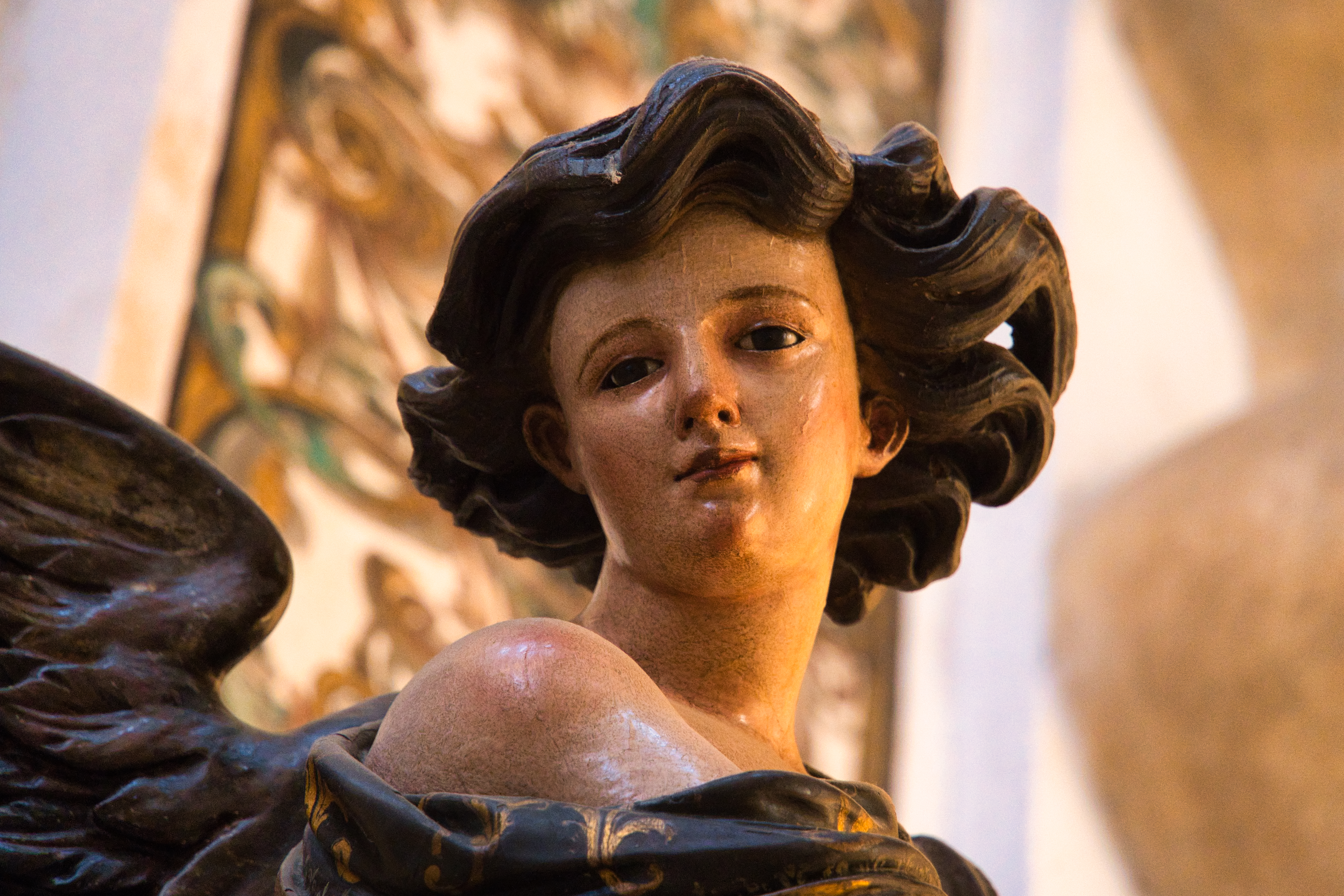
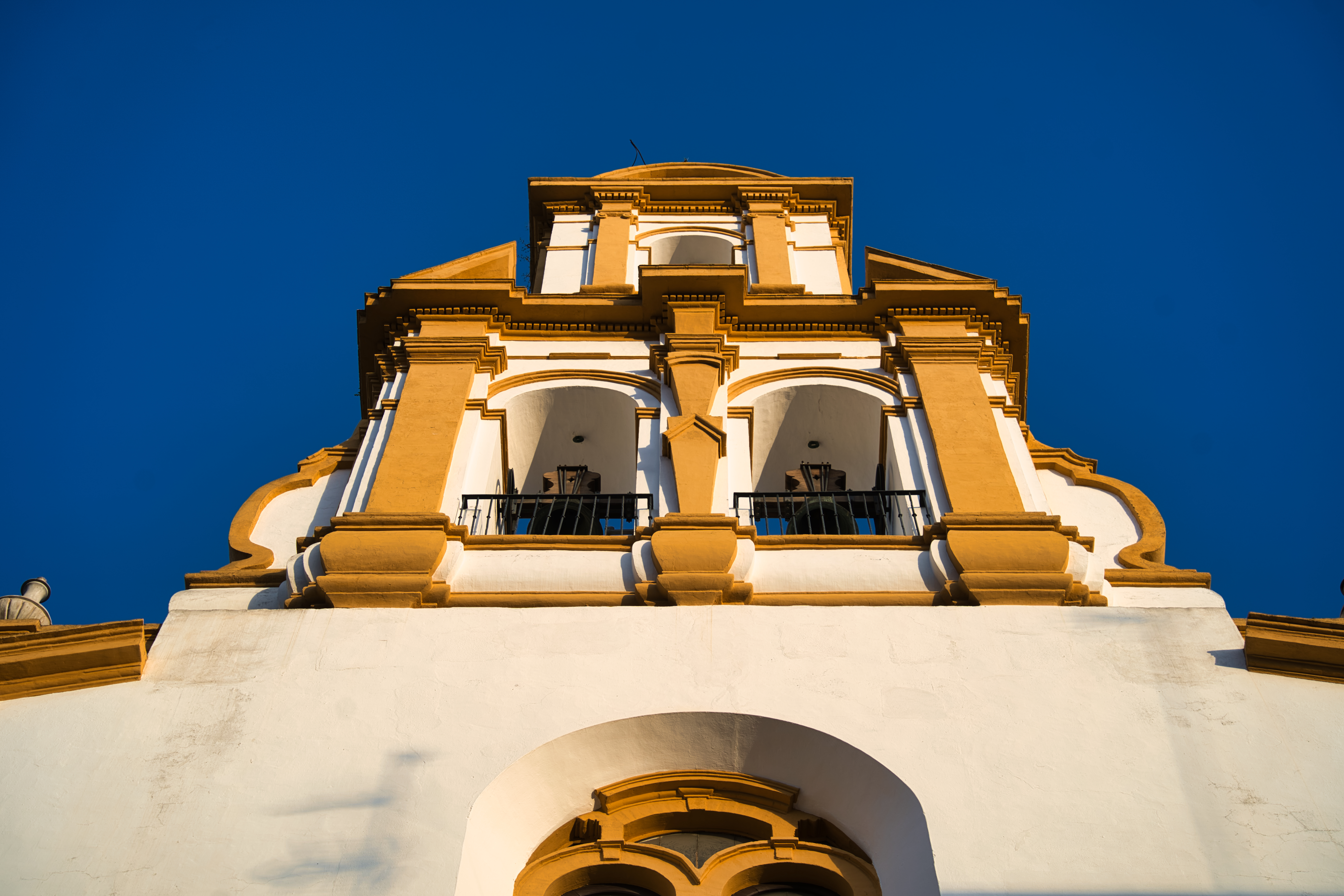
Beyond the cathedral, Seville is adorned with countless churches, chapels, and convents, each a testament to the city’s deep-rooted faith and devotion. From the ornate beauty of the Church of El Salvador to the serene tranquility of the Basilica de la Macarena, Sacral Seville invites pilgrims and visitors alike to embark on a spiritual journey through centuries of religious tradition and reverence.

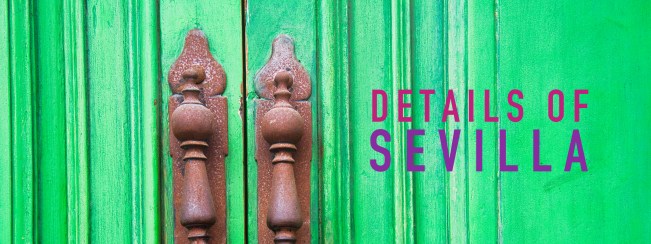
Details of Sevilla

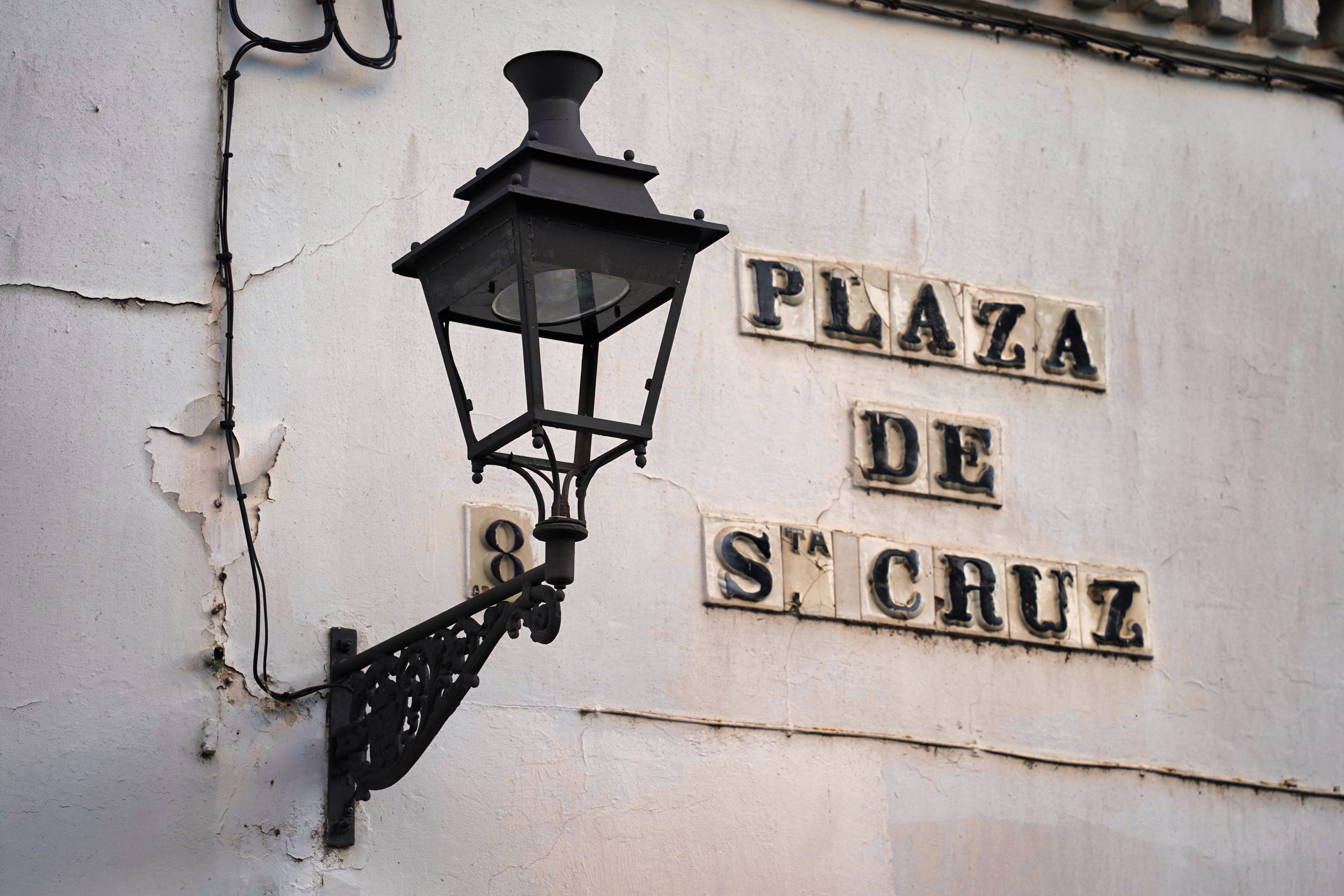
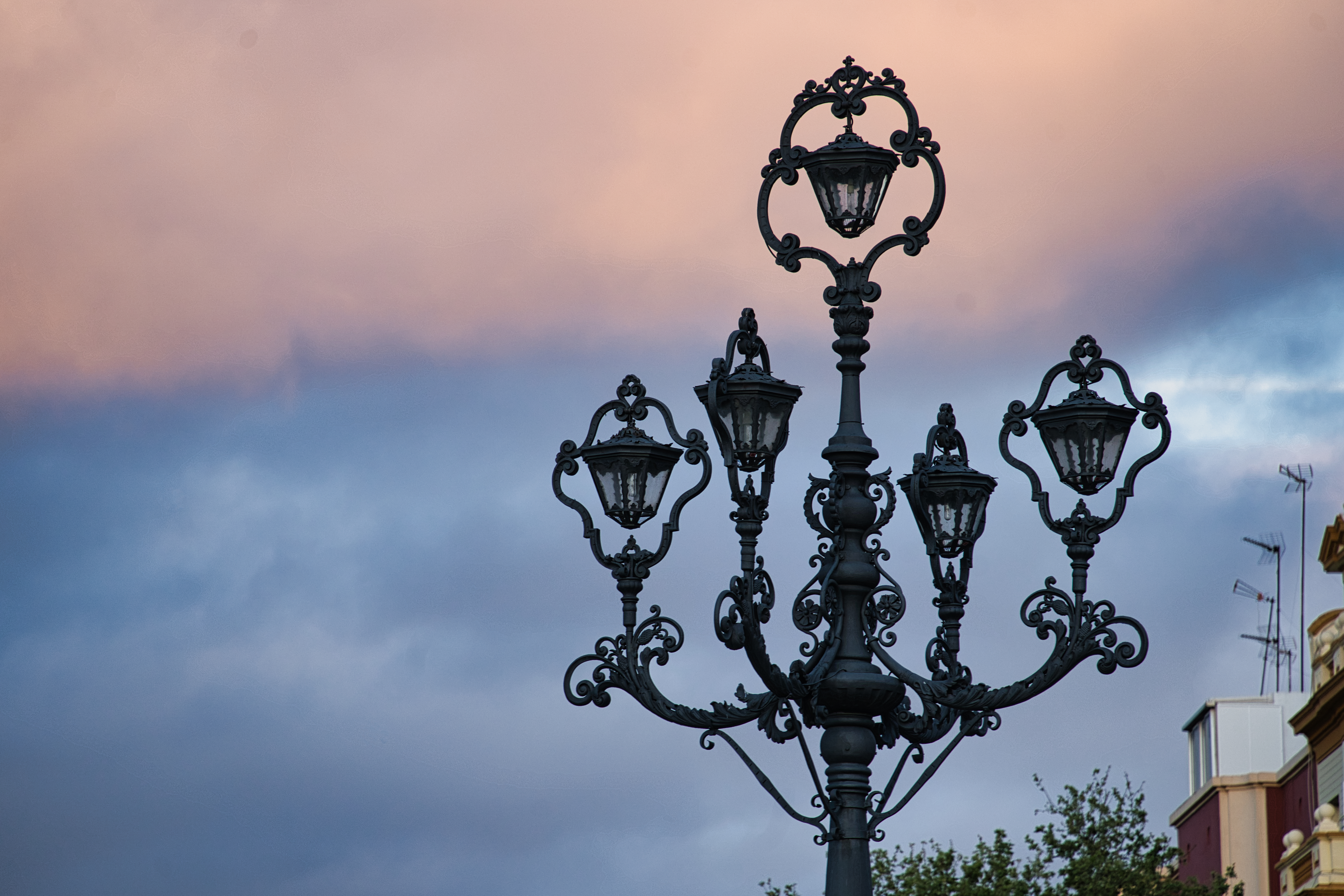
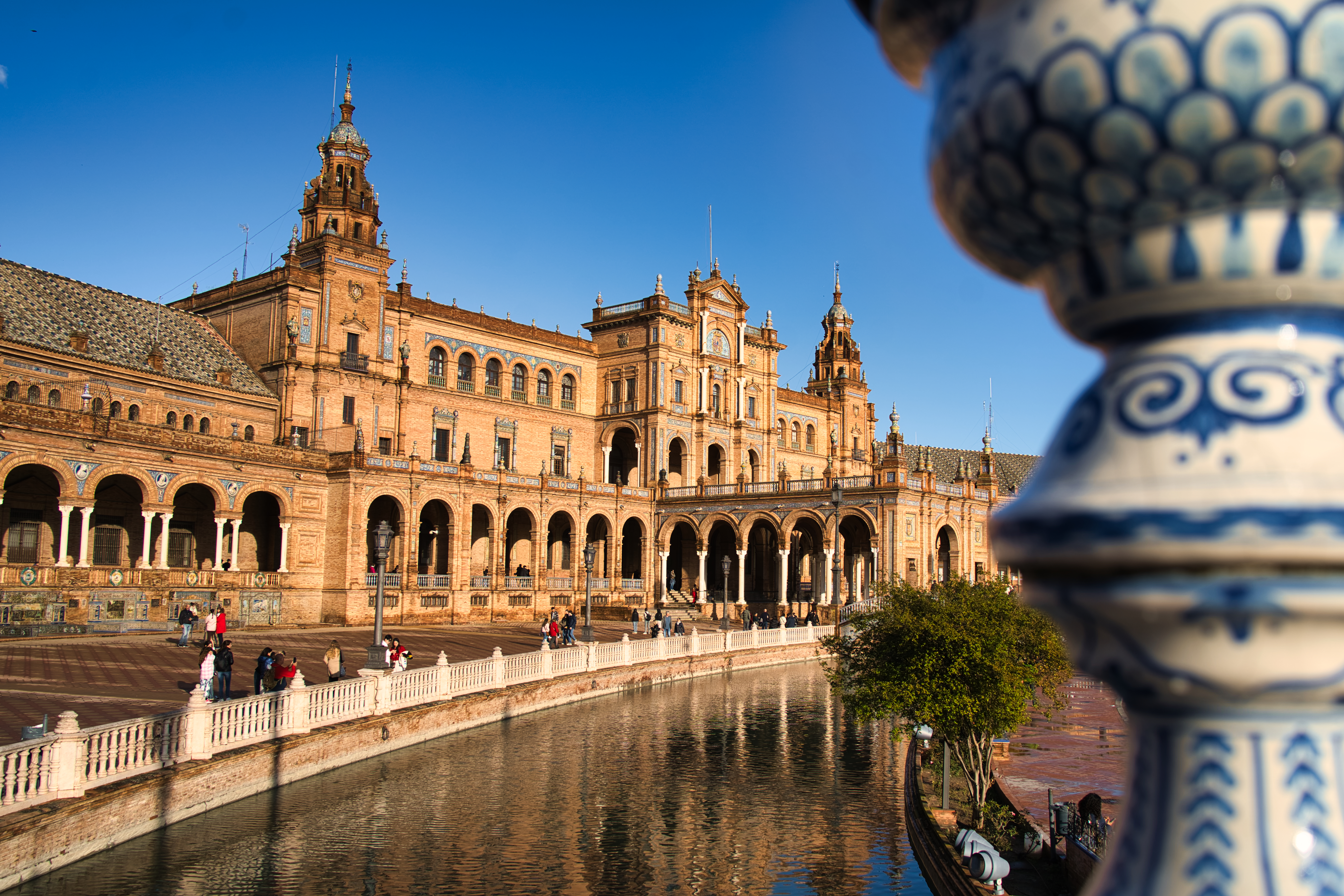
Seville is a city bursting with colorful details that bring it to life in the most enchanting way. Imagine walking through streets adorned with pretty ceramic tiles called azulejos, or strolling through the Barrio Santa Cruz, where flowers cascade from balconies and the air smells sweet with jasmine. It’s like stepping into a storybook scene filled with charm and beauty.

But the real magic of Sevilla is in its people and their lively traditions. Picture flamenco dancers spinning in vibrant dresses, telling stories with every step, or savoring dishes like gazpacho and paella, bursting with flavors as rich as the city’s history. In Sevilla, every sight, sound, and taste is a splash of color, painting a picture of a city that’s as lively as it is lovely.

Capital of Andalusia

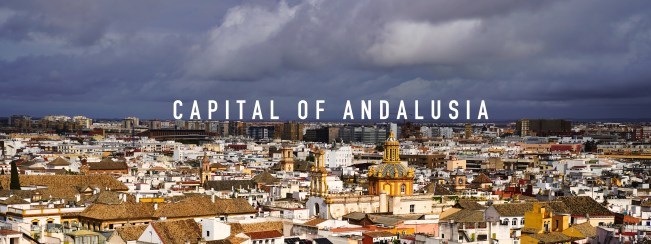
Seville is a city where history intertwines with architectural magnificence, where every step leads to a new discovery, and every corner whispers secrets of the past. As the largest city in the region of Andalusia in Spain, it is also seen as its vibrant capital. One can wander through the maze-like alleys, where the scent of orange blossoms mingles with the lively rhythms of flamenco echoing from hidden courtyards. Here, beneath the shadow of ancient Moorish palaces like the Alcázar, time seems to stand still, inviting travelers to immerse themselves in a world of enchantment and wonder.

But Seville is not just a city frozen in time; it is a lively canvas painted with the vivid hues of festivals, music, and culinary delights. Join locals in the passionate dance of flamenco, where every stomp and clap tells a story of love and longing. Indulge in the tantalizing flavors of Andalusian cuisine, from savory tapas to sweet treats like churros dipped in rich chocolate. In Seville, every moment is a celebration of life, a testament to the enduring magic of Andalusia that captivates the hearts of all who wander its enchanting streets.

Gateway to the West

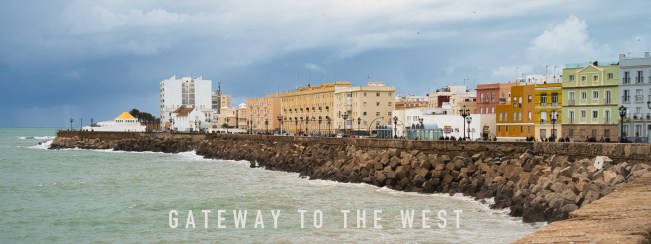
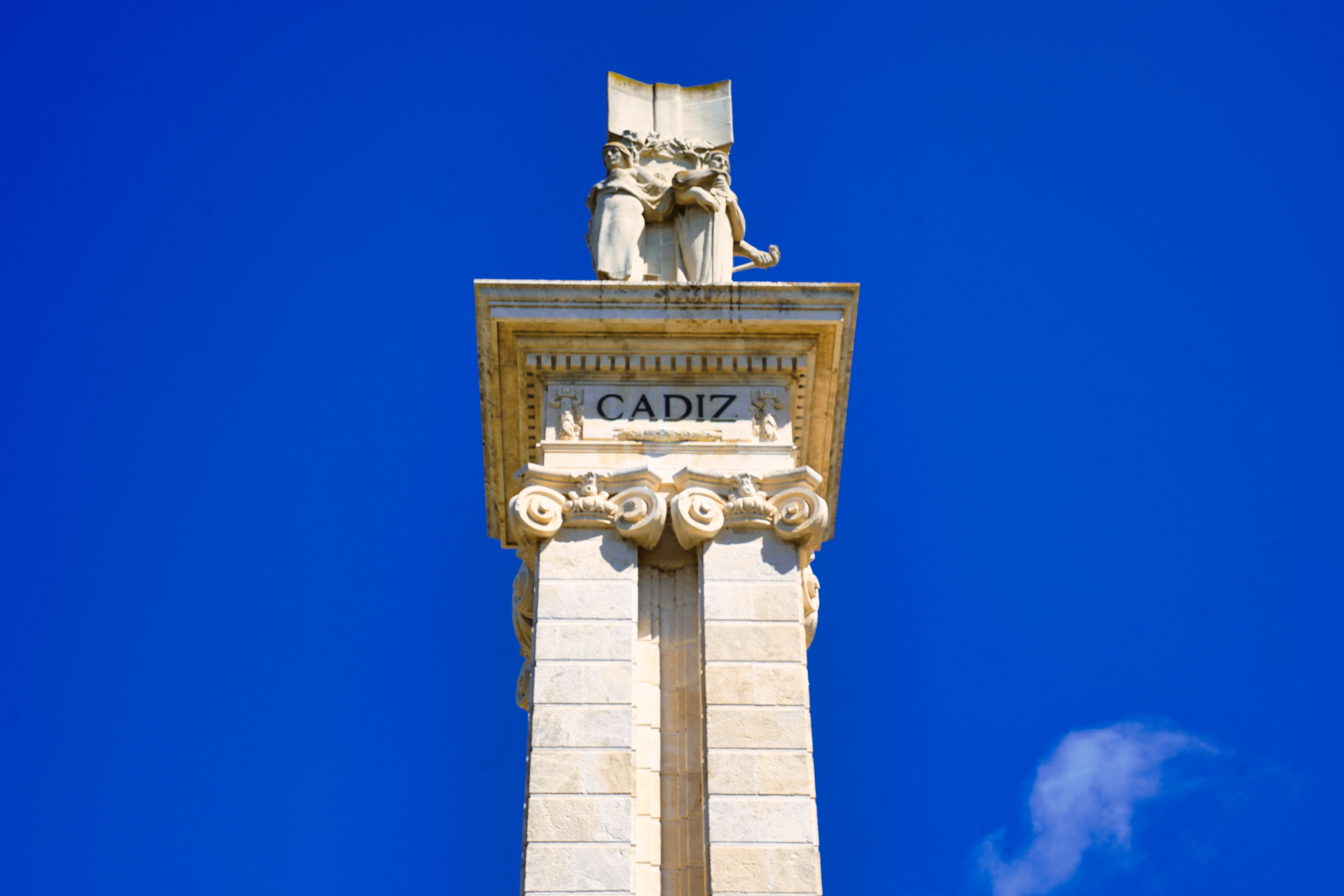
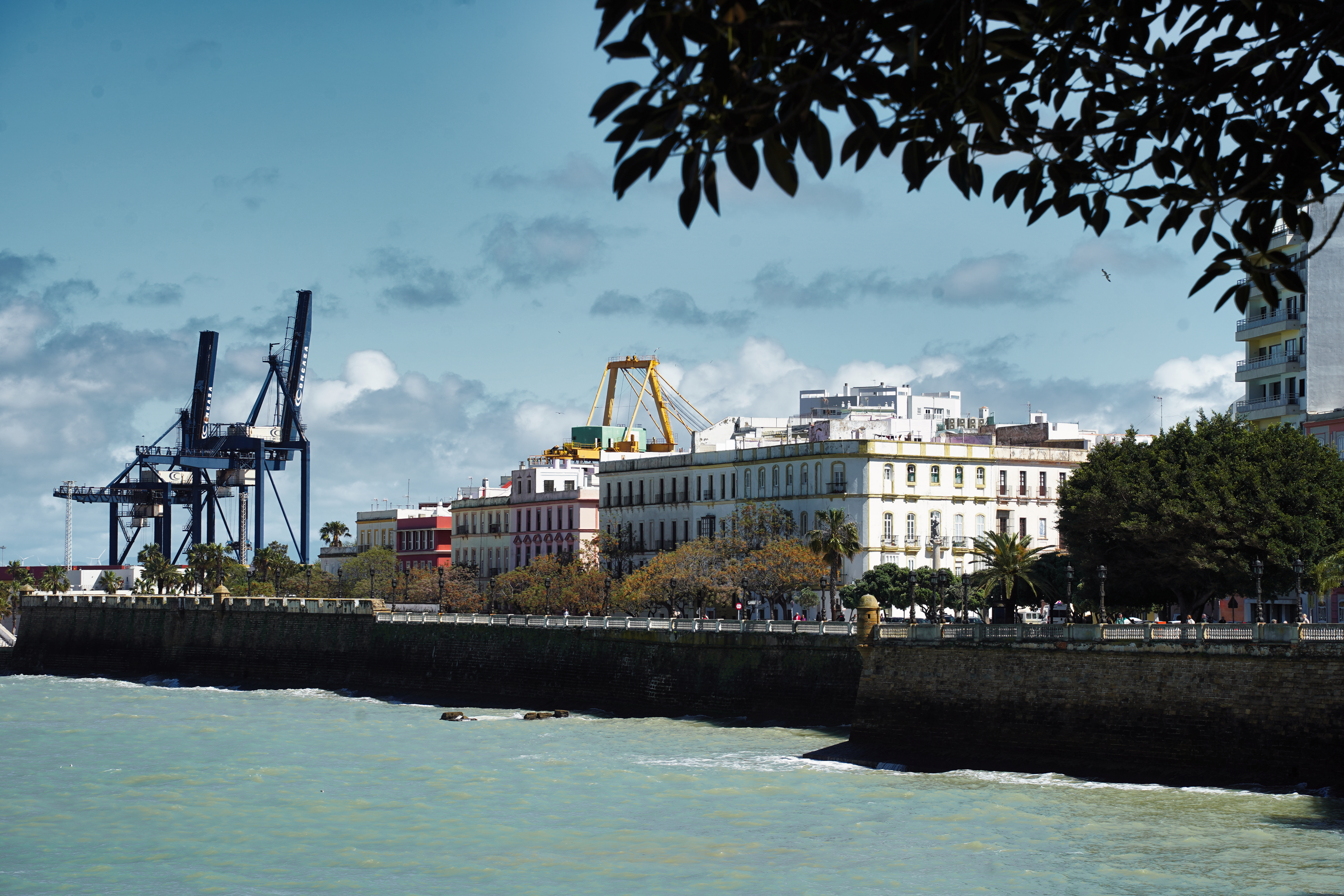
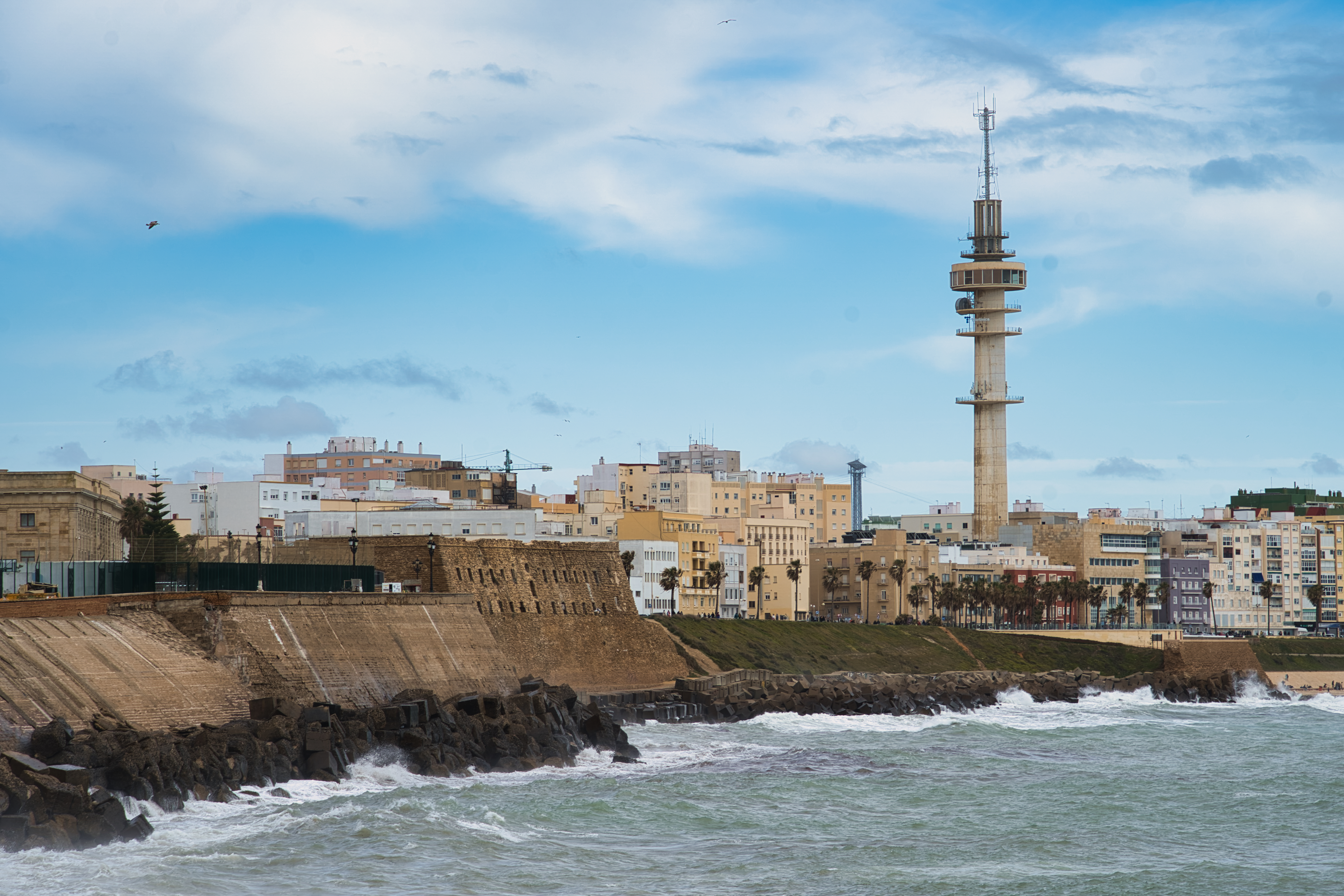
Cadiz, with its rich maritime history and strategic Atlantic location, has long been hailed as the gateway to the west. Founded by the Phoenicians over three millennia ago, this ancient city has served as a vital hub for exploration, trade, and cultural exchange between Europe and the Americas. During the Age of Exploration, Cadiz became the epicenter of Spain’s maritime empire, launching countless expeditions to the New World and ushering in an era of global exploration and discovery.

With its bustling port and storied past, Cadiz continues to embody the spirit of adventure and exploration that has defined it for centuries. Today, it stands as a vibrant cultural crossroads, where echoes of the past mingle with the rhythms of modern life, inviting visitors to embark on their own journey of discovery through the historic streets and sun-drenched shores of this timeless city.

Founding City

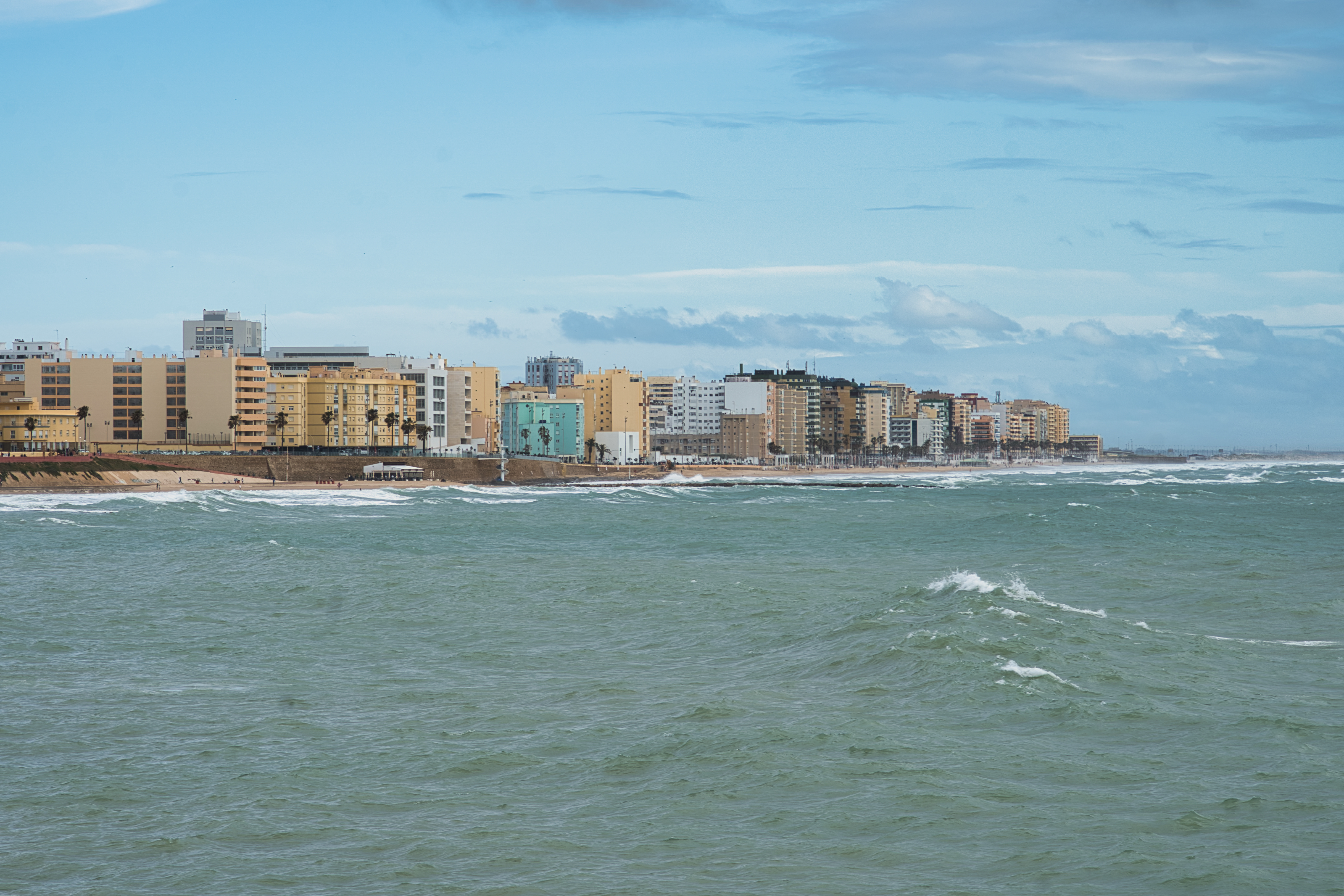
Nestled along the sun-kissed shores of southwestern Spain, Cadiz emerges as a beacon of antiquity and historical significance. Revered as the oldest continuously inhabited city in Western Europe, Cadiz holds the distinguished title of being Europe’s founding city, a testament to its enduring legacy and pivotal role in shaping the course of history.

With roots tracing back over three millennia, Cadiz stands as a living testament to the passage of time and the resilience of human civilization. Founded by the Phoenicians around 1104 BC, the city served as a vital hub for maritime trade and cultural exchange in the ancient Mediterranean world. Its strategic location on a narrow isthmus jutting into the Atlantic Ocean endowed it with natural defenses and made it a coveted prize for successive civilizations.

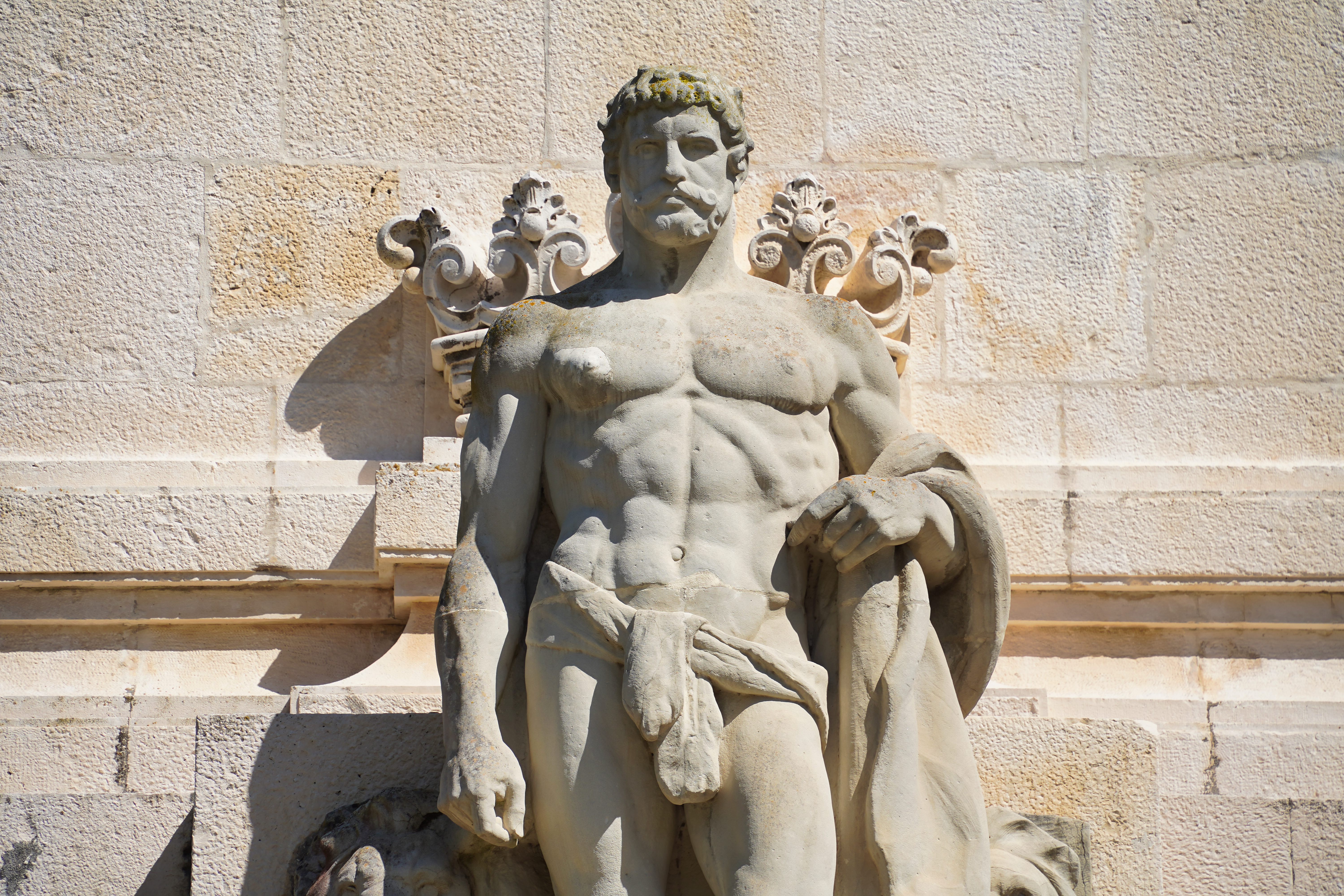
Throughout its storied history, Cadiz has borne witness to the rise and fall of empires, the ebb and flow of conquest and colonization. From the Phoenicians to the Carthaginians, Romans to Visigoths, Moors to Christians, each successive wave of inhabitants has left an indelible mark on the city’s landscape and character. The remnants of these diverse cultures can still be seen today in Cadiz’s architecture, cuisine, and customs, a living mosaic of the past and present.

1 2 6