Skip to content

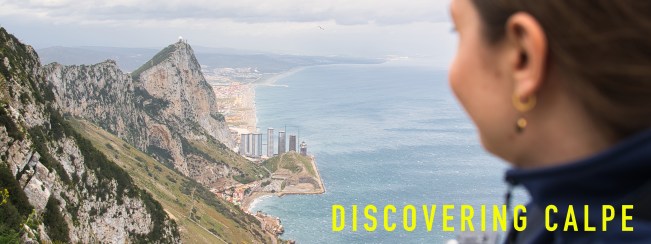
Discovering Calpe

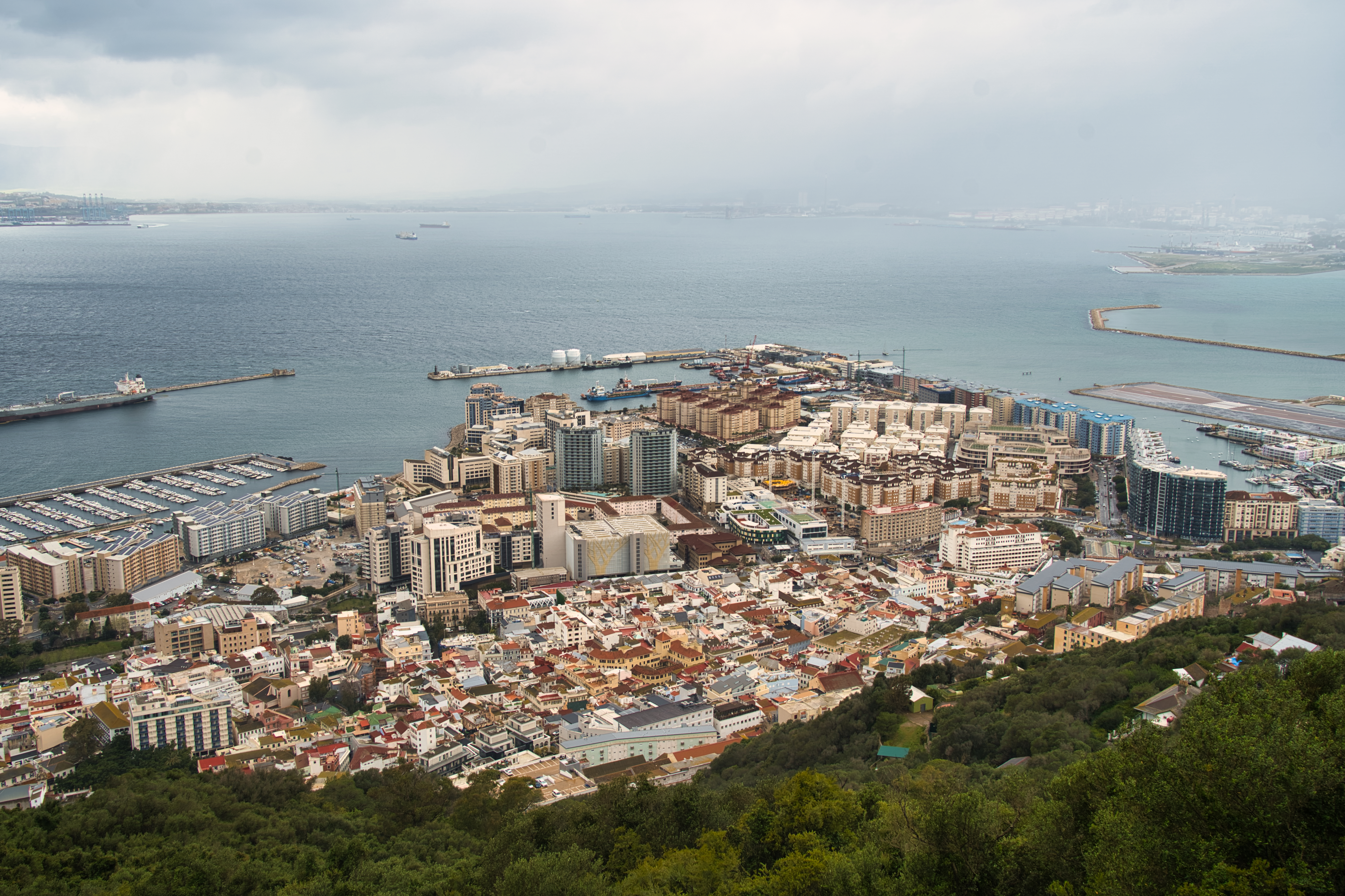
Nestled on the southern tip of the Iberian Peninsula, Gibraltar stands as a testament to the intersection of cultures and a bastion of history. Its strategic location at the entrance to the Mediterranean Sea has made it a coveted territory throughout the ages. From the ancient Phoenicians to the Moorish conquerors and later the British Empire, Gibraltar’s history is a tapestry woven with diverse influences.

One of the most striking features of Gibraltar is its iconic Rock, a towering limestone monolith that dominates the landscape. Over the centuries, this imposing natural formation has witnessed countless battles and served as a symbol of strength and resilience. Gibraltar’s unique position as a British Overseas Territory imbues it with a distinct blend of British and Mediterranean cultures, evident in its architecture, cuisine, and traditions.


Of Castles and Bridges

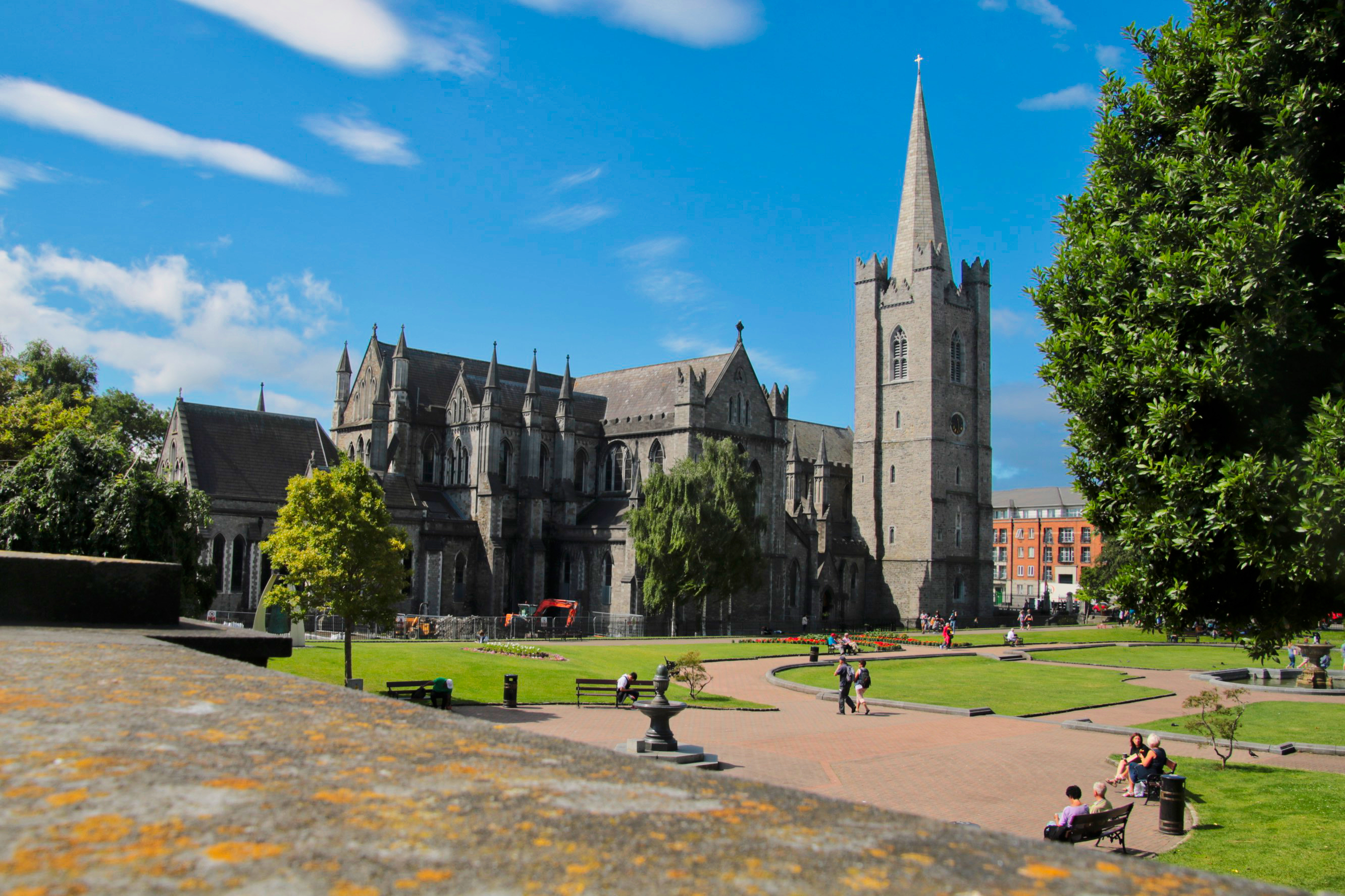
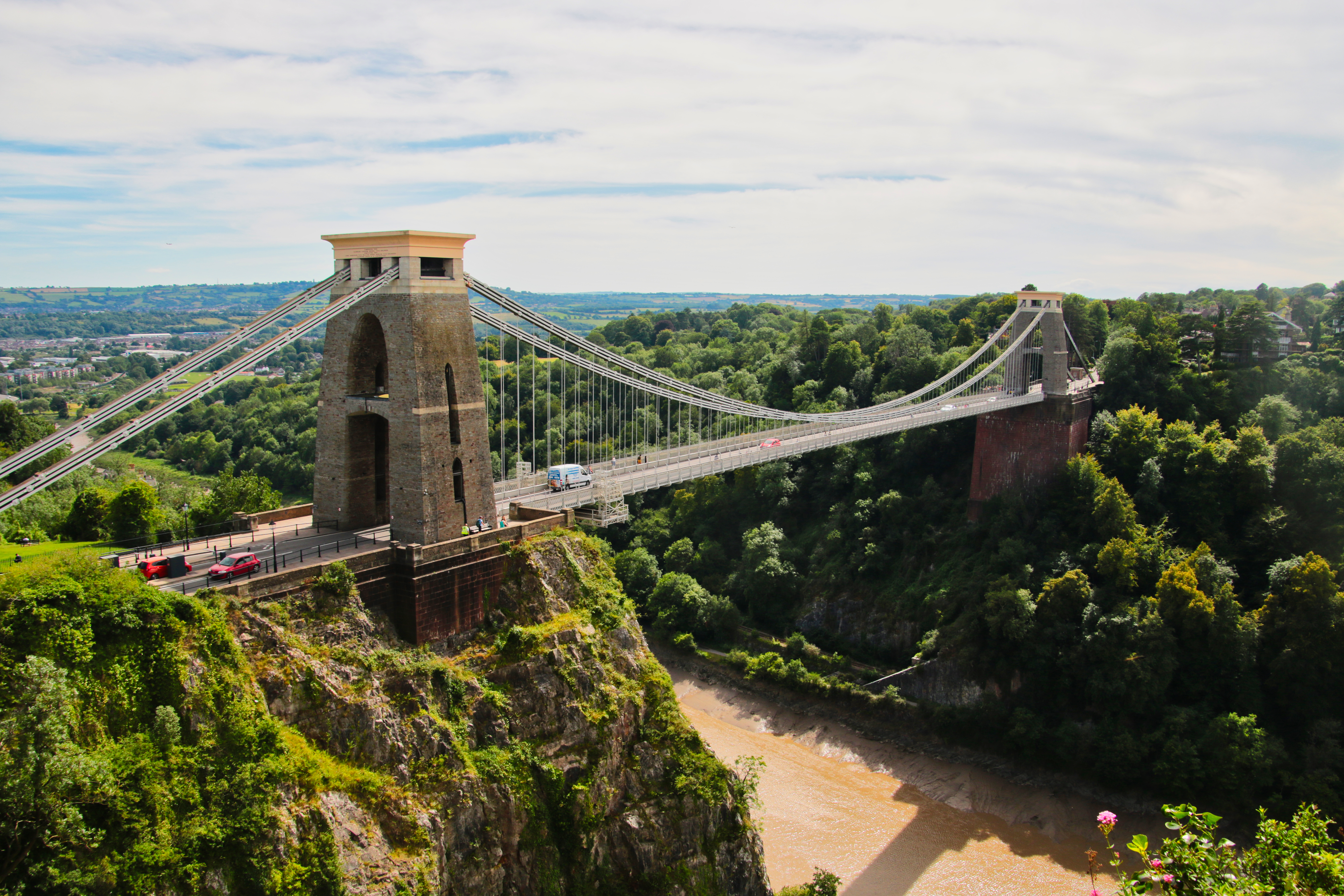
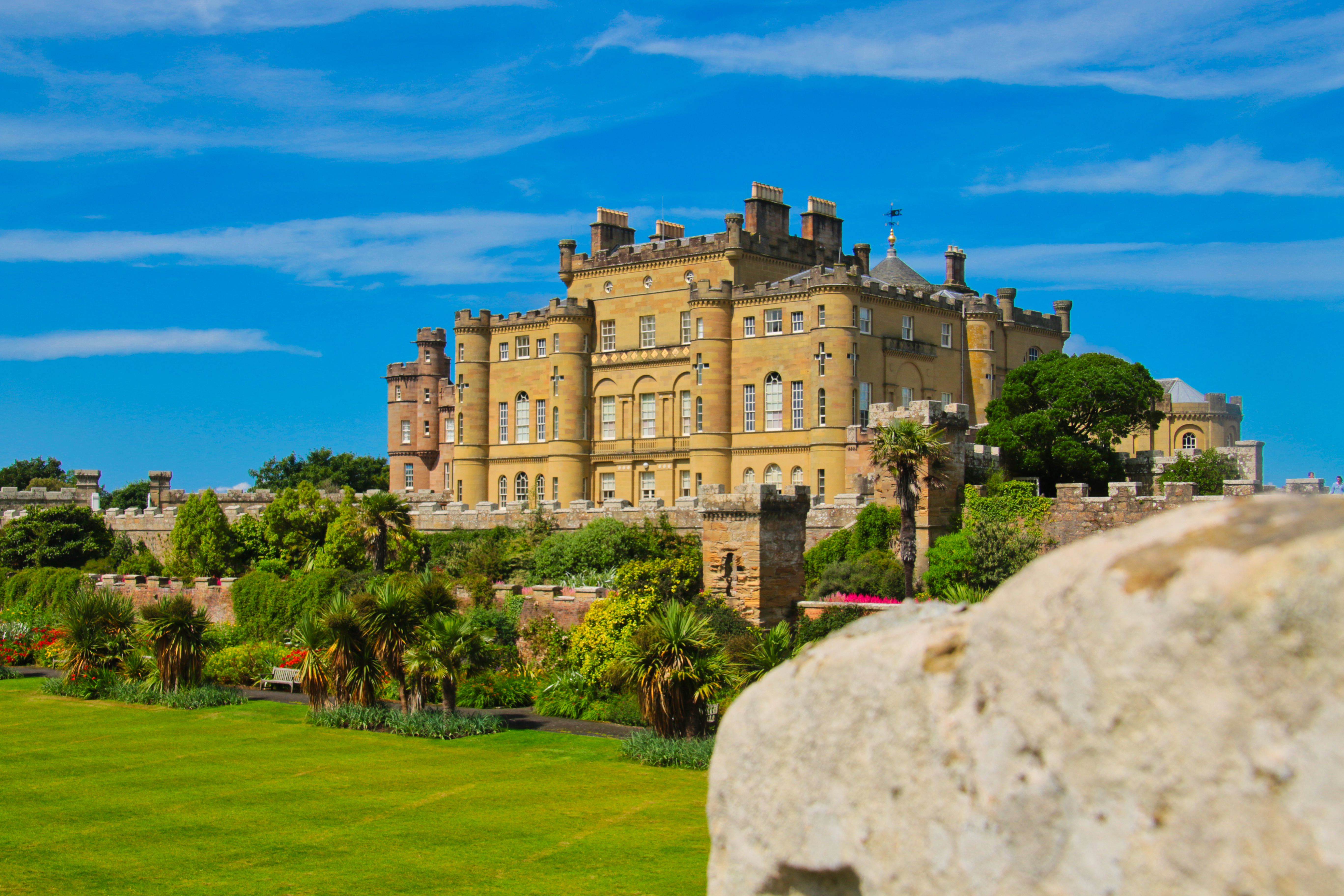
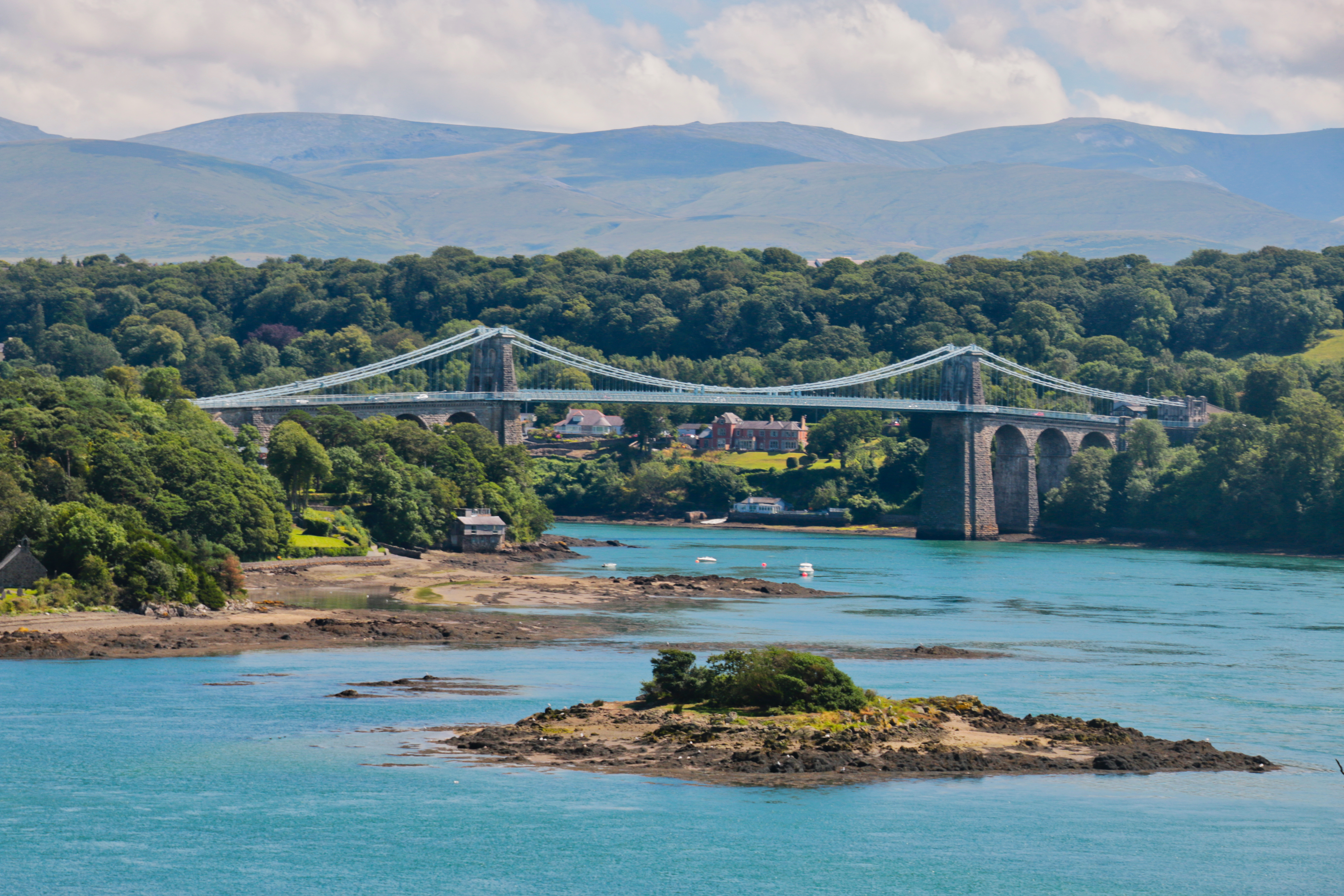
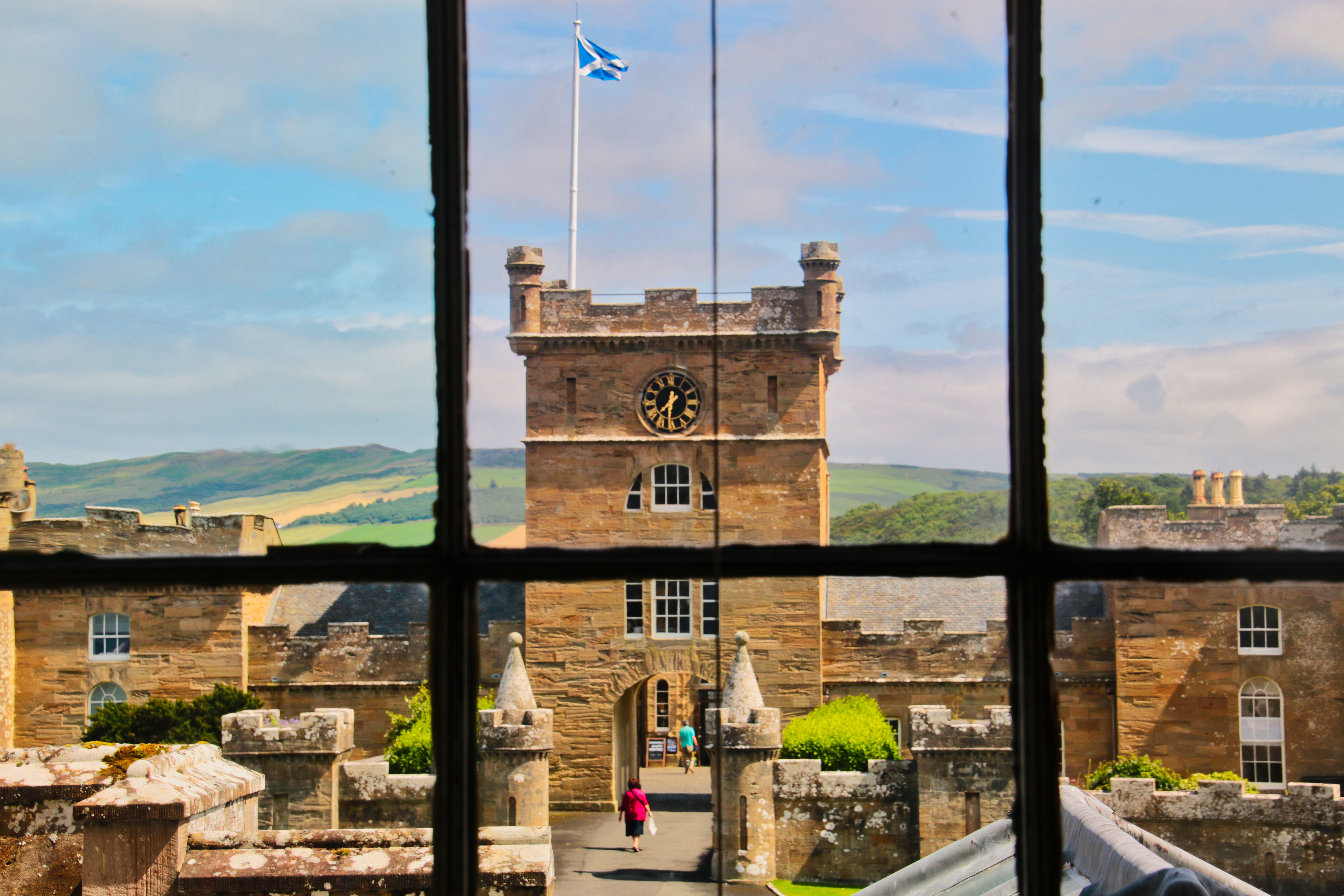
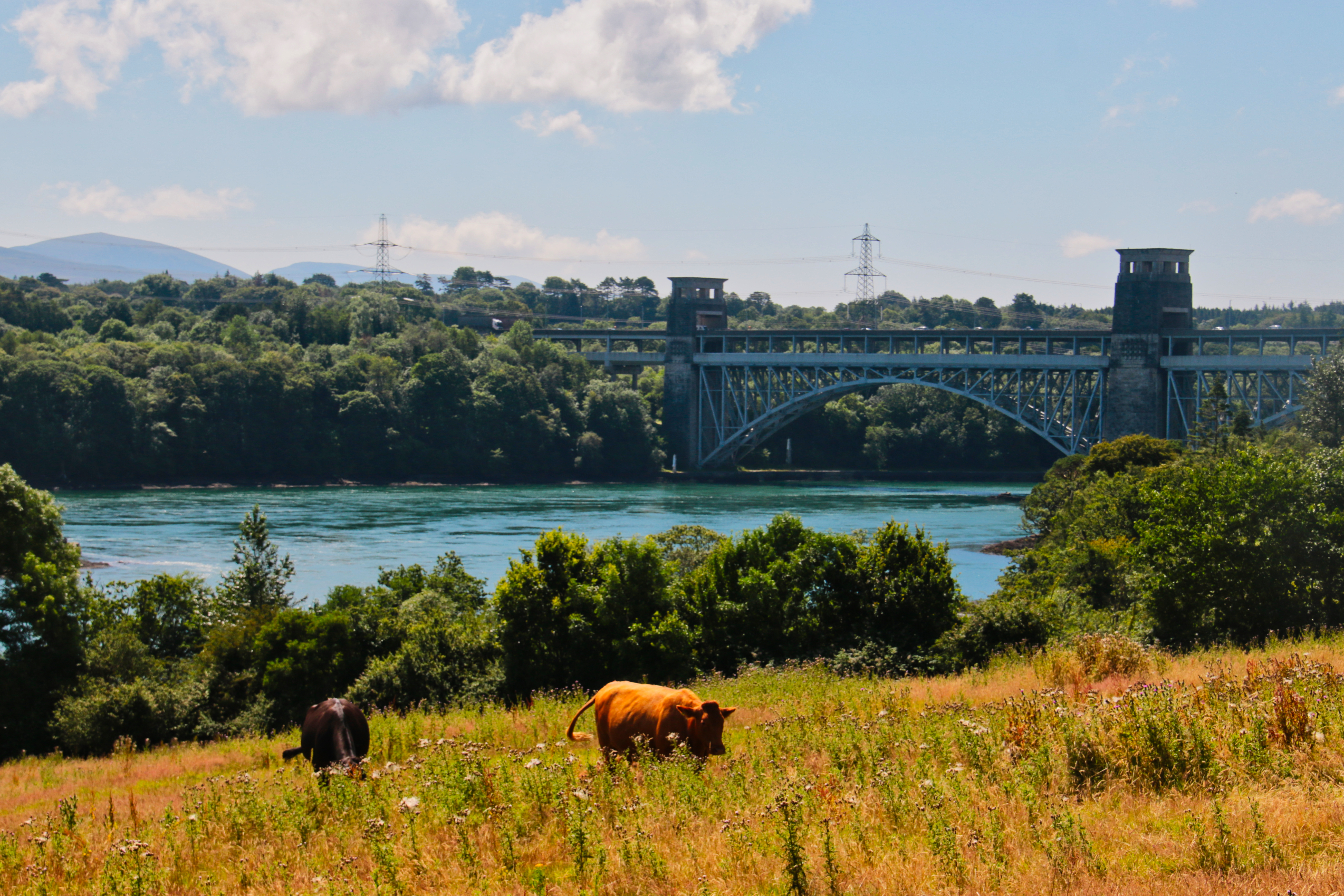
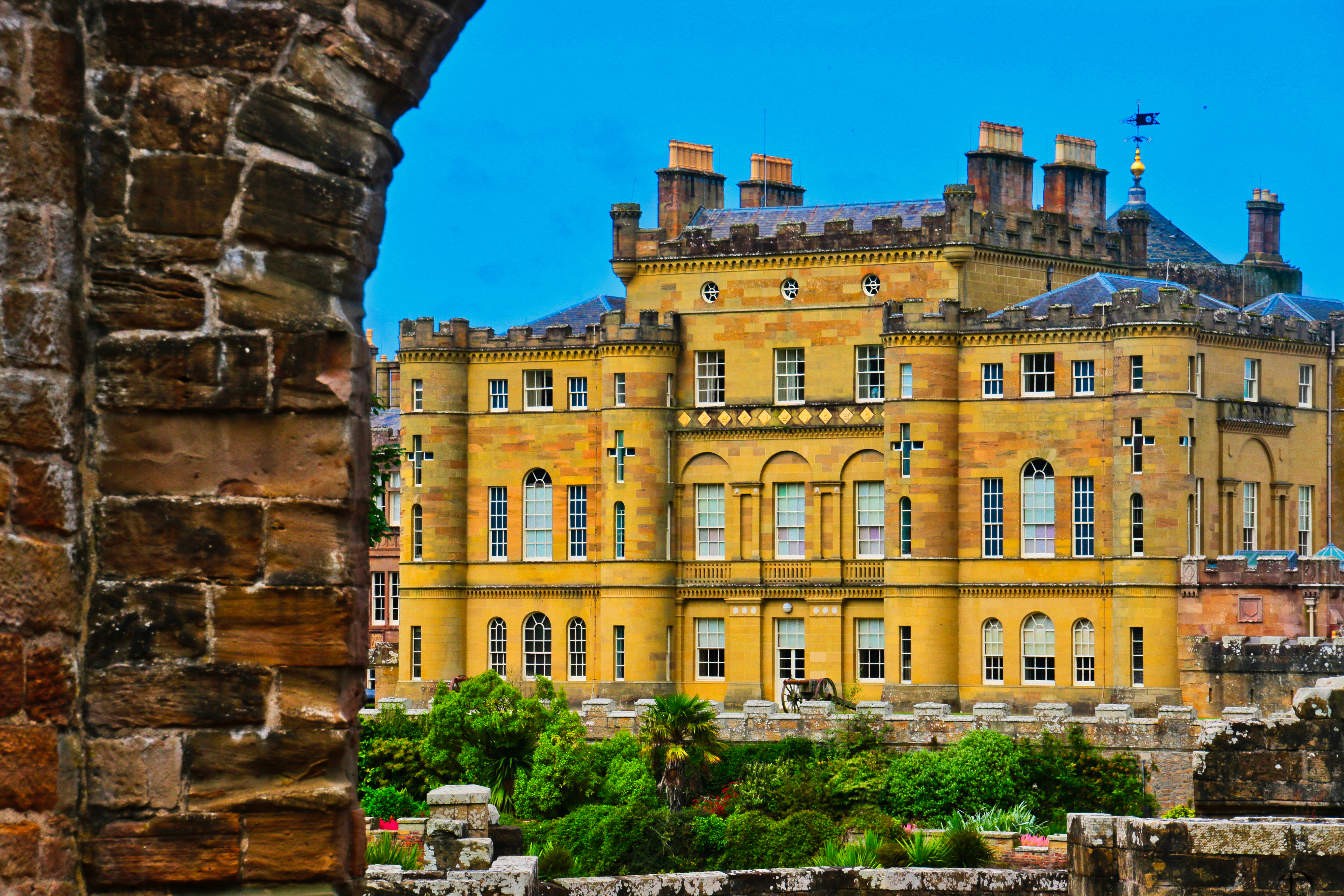
The islands of Great Britain and Ireland are crammed with historical monuments from different time periods, reaching from pre-antiquity (Stonehenge) to the modern era (Shard in London). Many exciting sights though were built in medieval and early modern times (St. Patrick’s Cathedral, Dublin, Ireland, picture 1 and Culzean Castle, Scotland, pictures 3, 5, and 7) or in the time of industrialization (Clifton Suspension Bridge, Bristol, England, picture 2, Menai Bridge, Wales, picture 4 and Britannia Bridge, Wales, picture 6). Some impressions.

test

A Tale of two Cathedrals

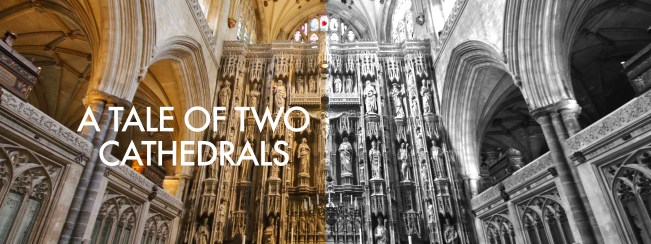
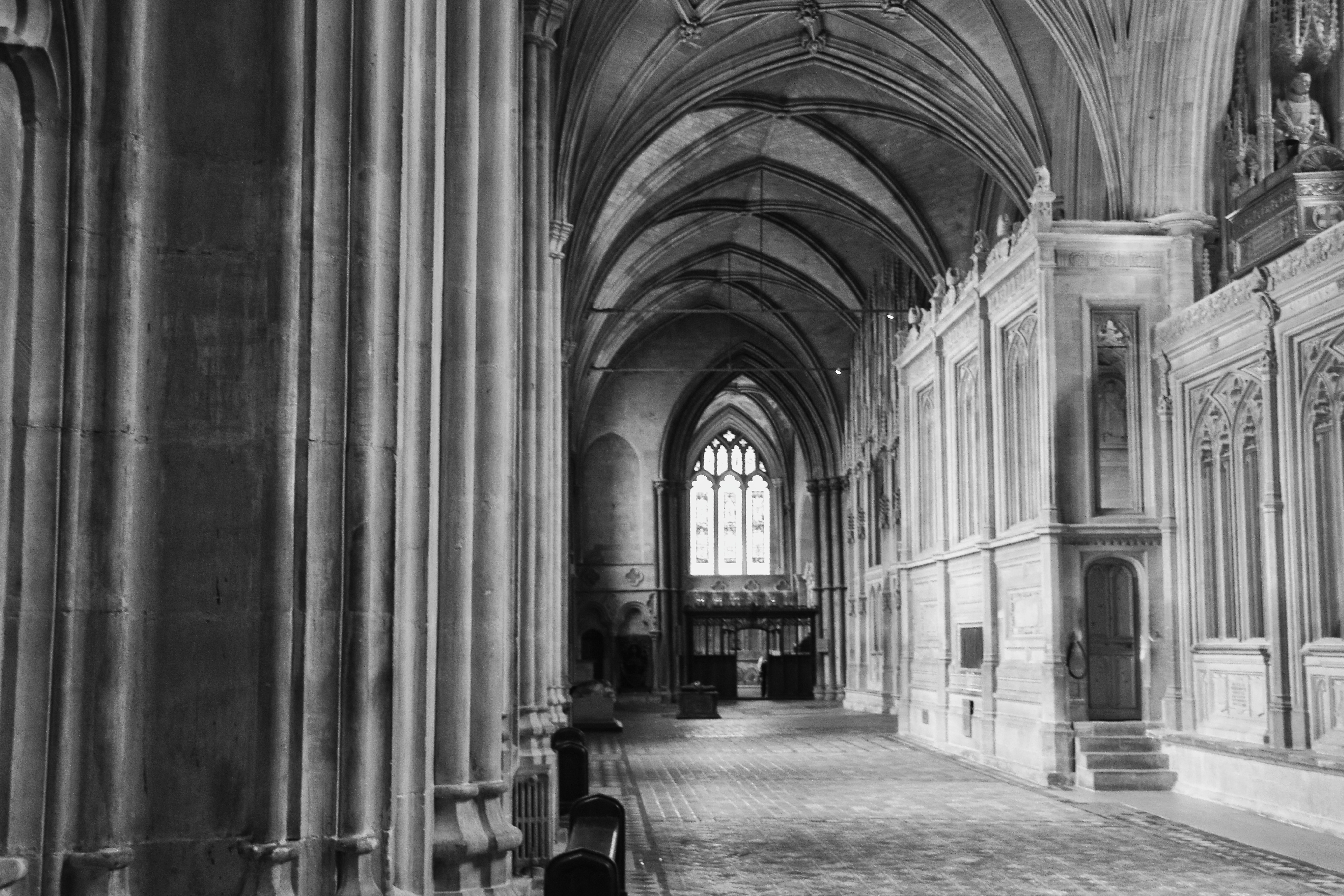
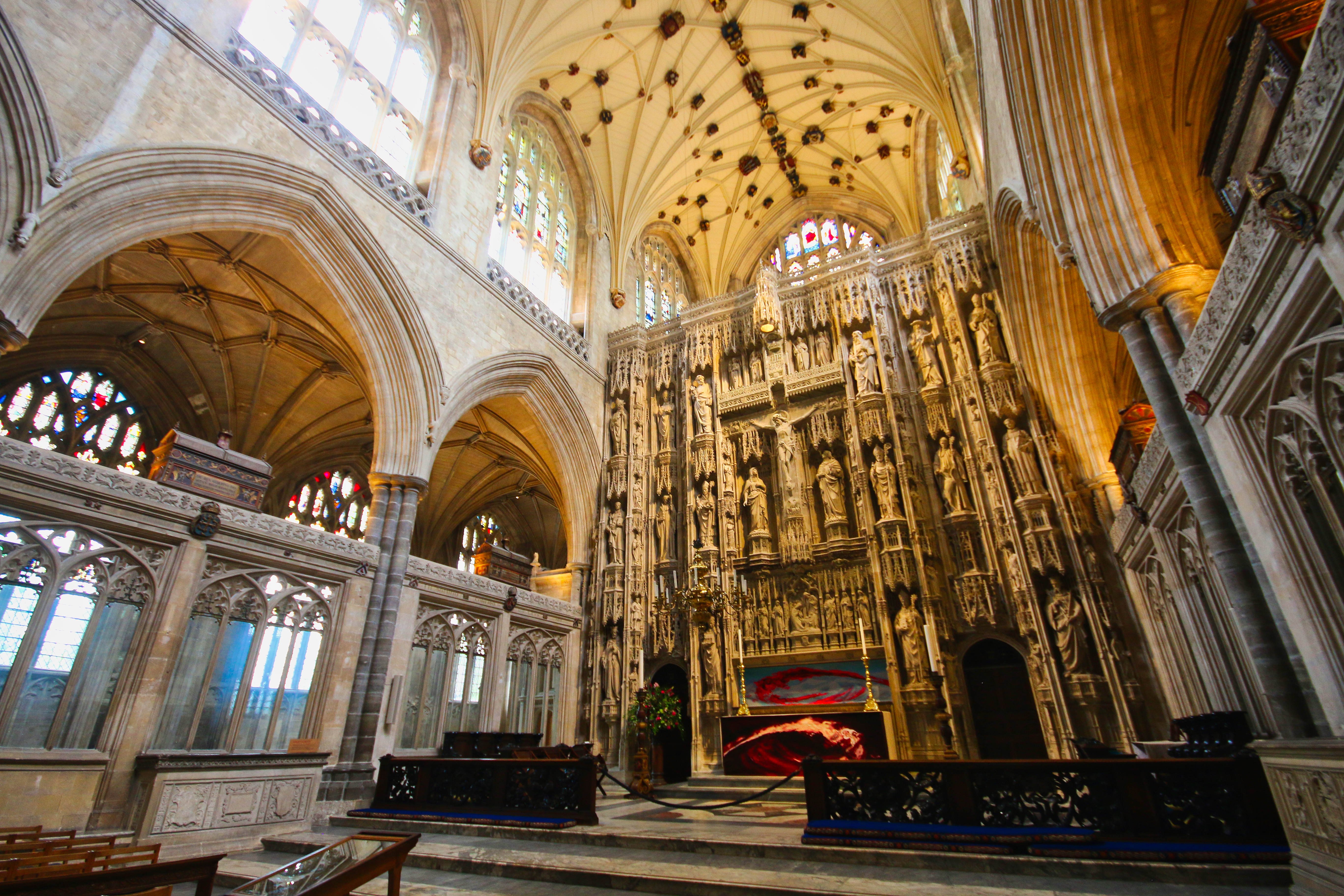
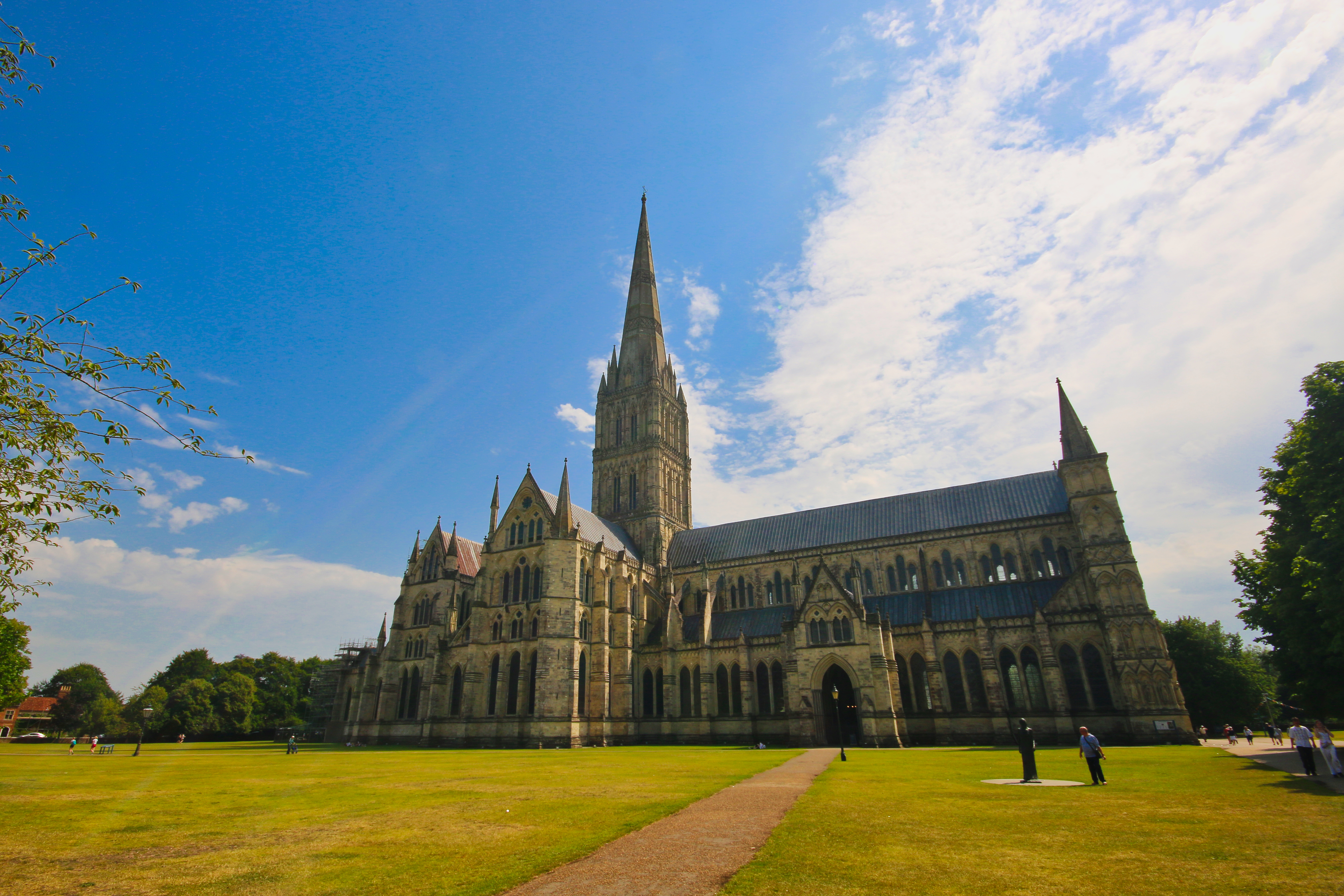
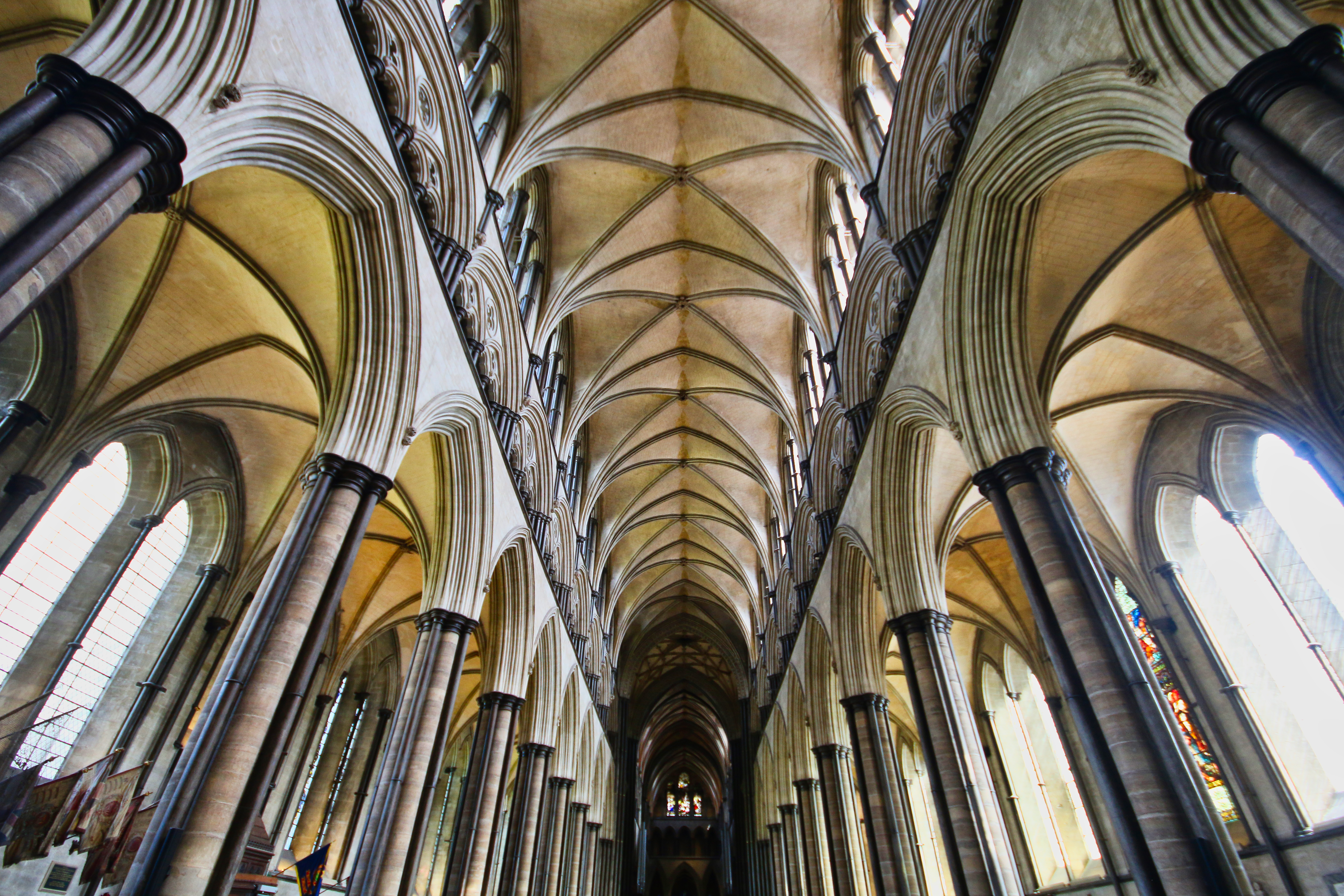
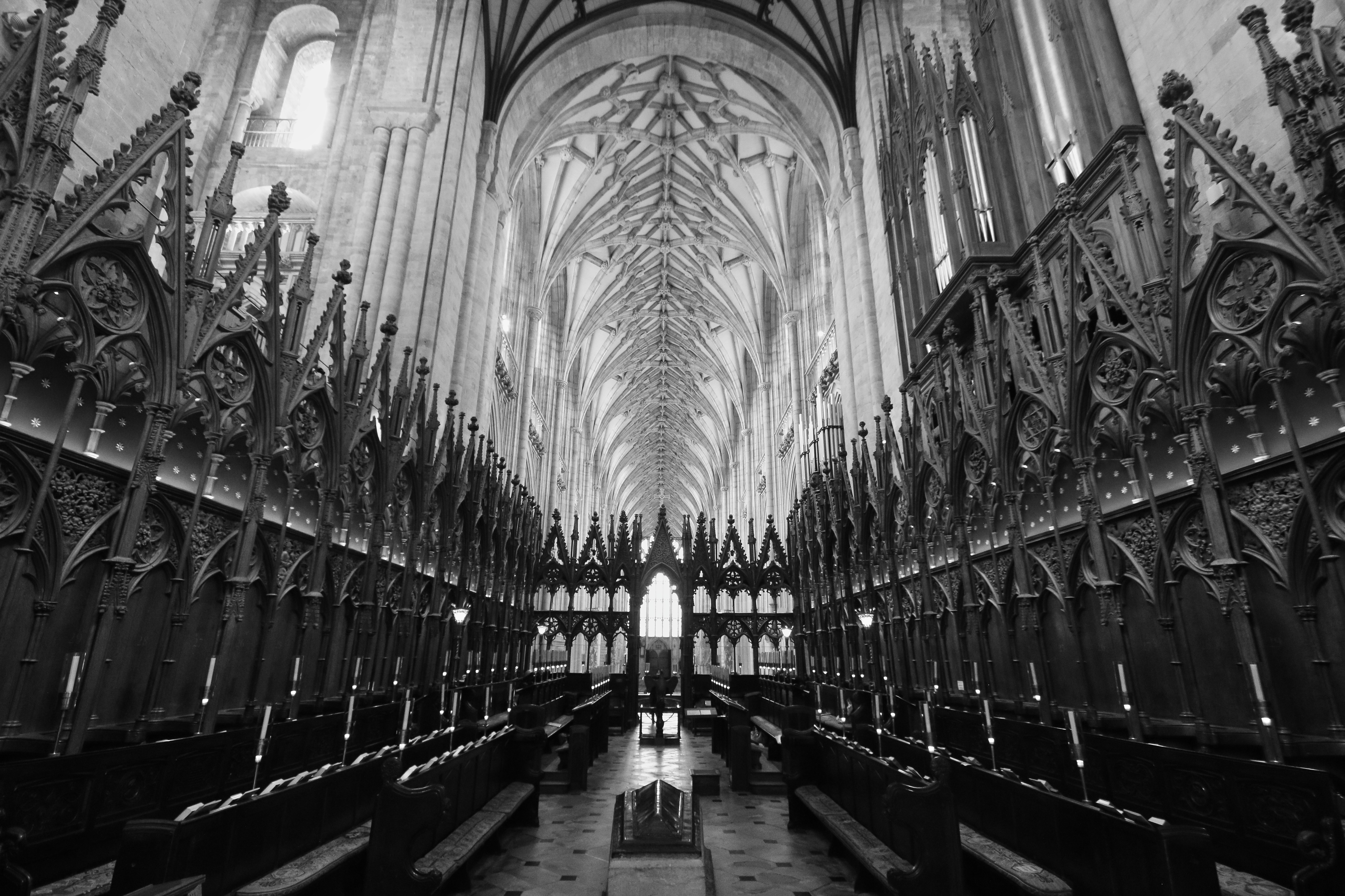
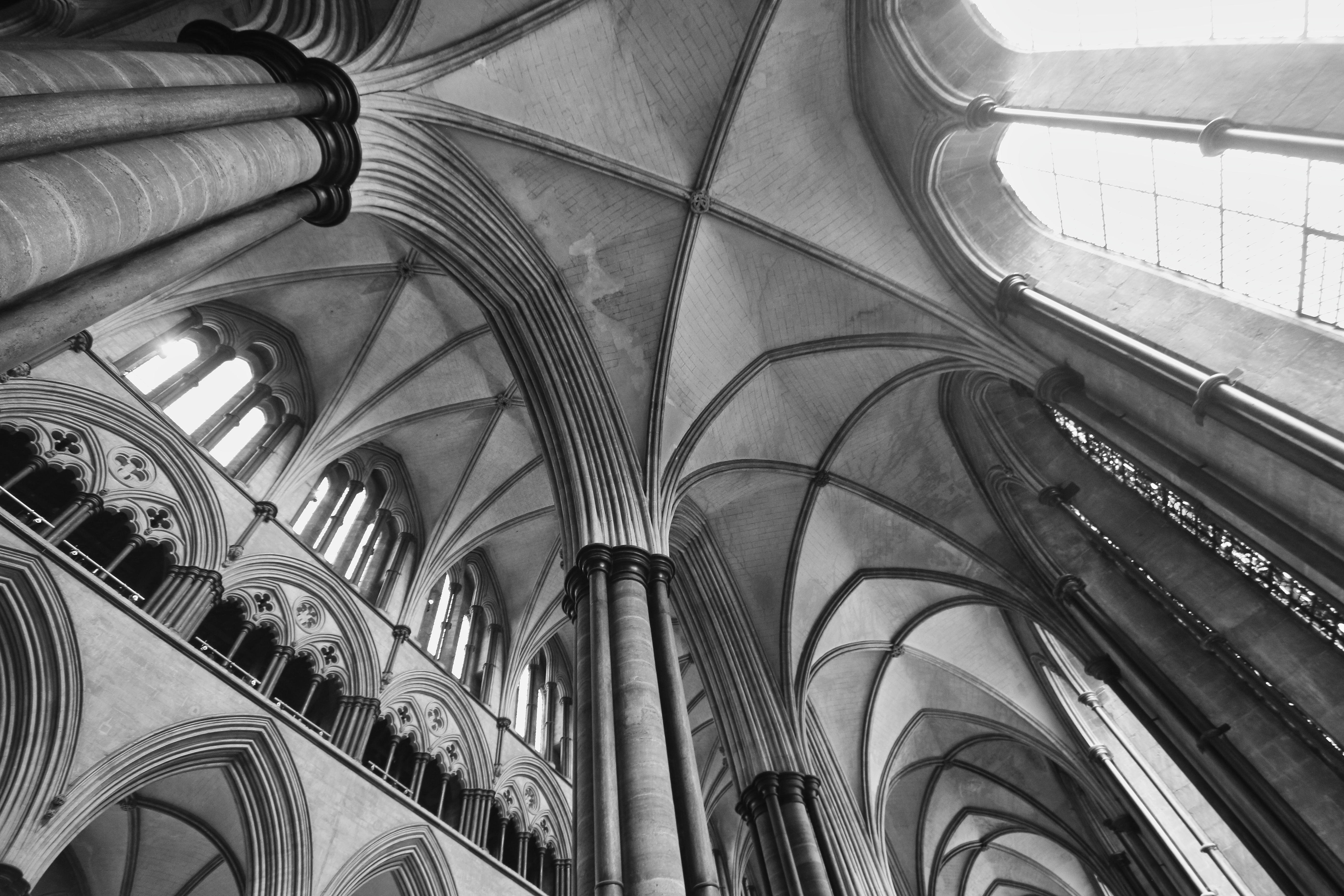
The cathedrals of Salisbury and Winchester are masterpieces of Gothic architecture in England. Usually, I don’t mix styles within one series of photographs, though for this one, I decided otherwise because some of these shots need the contrast and clarity of black and white while others demand color and light. As these buildings themselves offer stark contrasts to the modern world they are situated in today, so do these pictures with one another, highlighting different perspectives of this beautiful architecture.

test

Garden of Arundel

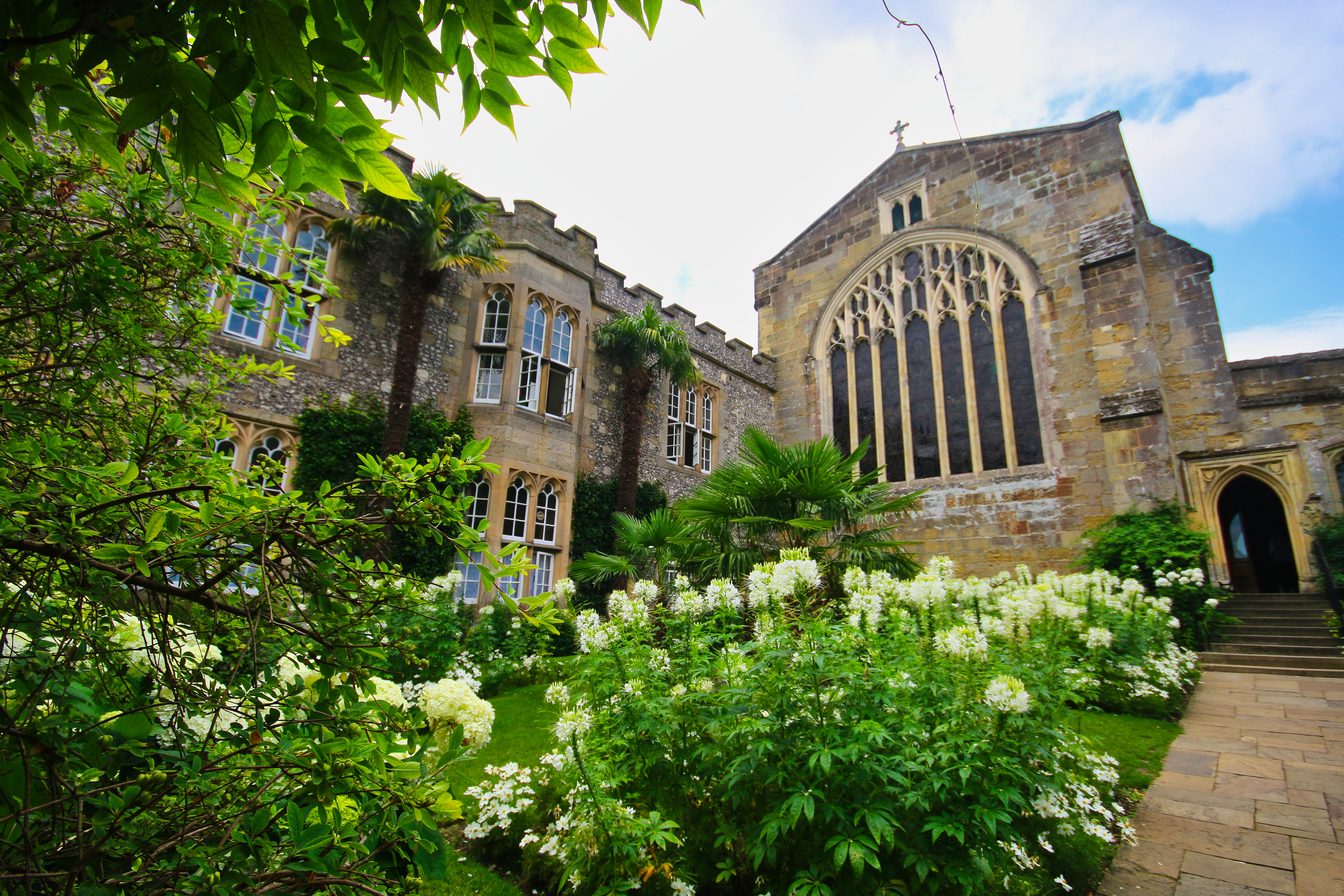
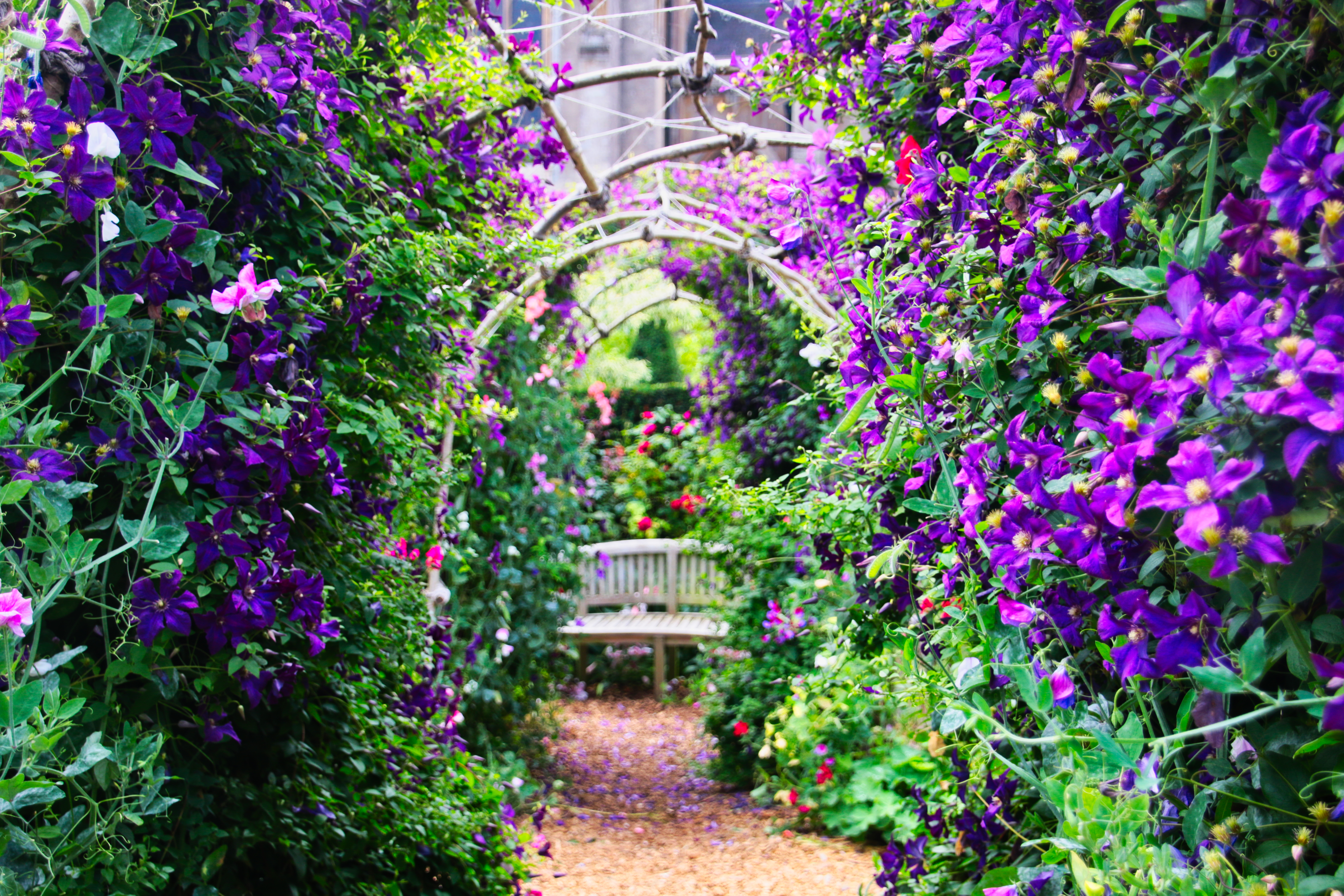
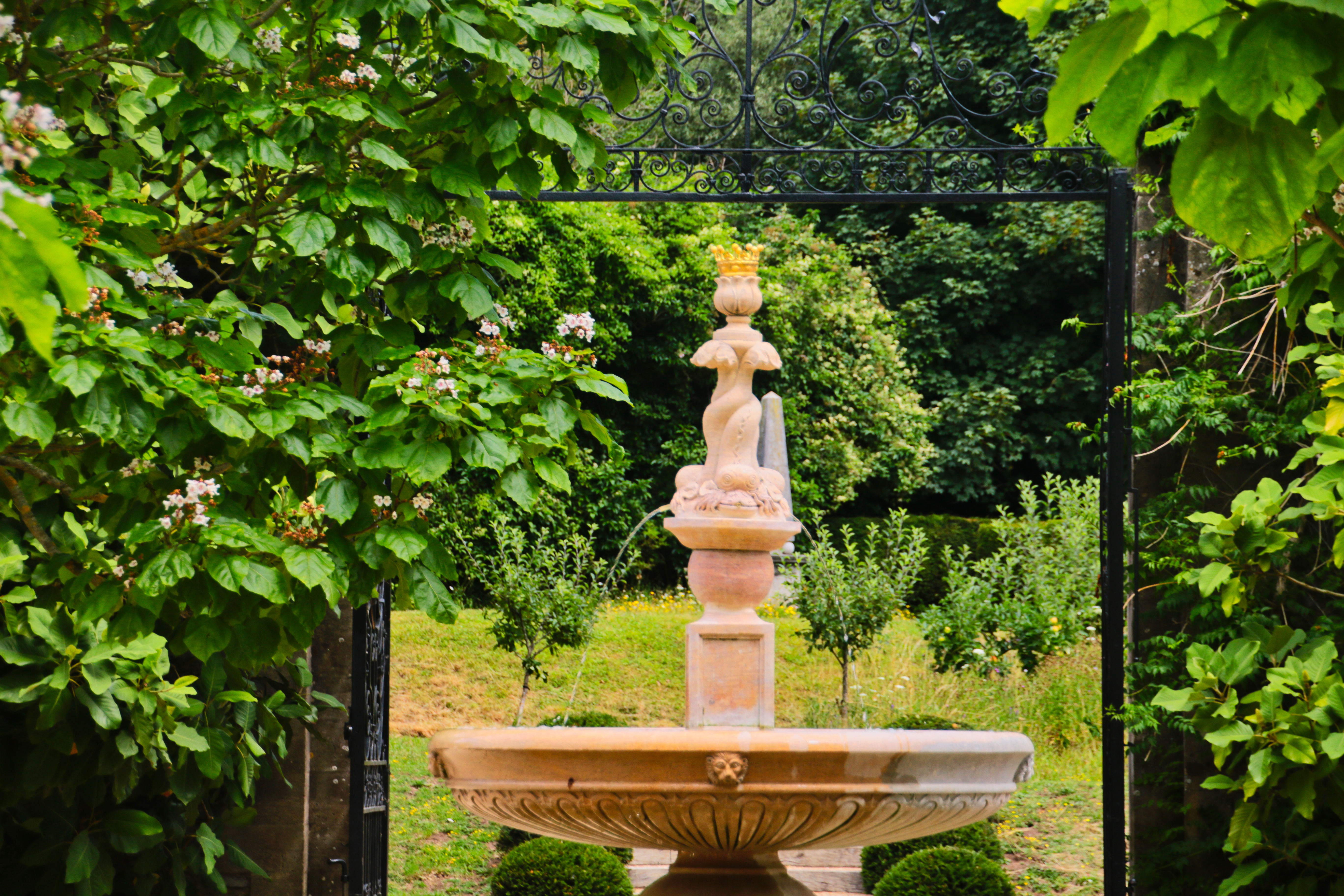
England is famous for its garden culture. The English garden was created in the 18th century in contrast to the French garden, which is very structured with symmetrical ways and central points. Hence, it is a metaphor for the French absolutism of its time, with the Sun king being in the center of power, all possible ways departing from him. The English system was more nuanced and unclear; there are more secret passageways in the Gardens, an aura of mystery and uncertainty sometimes, and the structures are not so transparent and open to exploration. But of course, the English garden, like its French cousin, is everything but natural; it is thoroughly human-made. One example is the Garden of Arundel on the grounds of the castle, which has the same name in Southern England. The temperate weather in this part of the UK allows for beautiful gardens with surprising diversity, consisting of local flowers and more exotic ones.
test

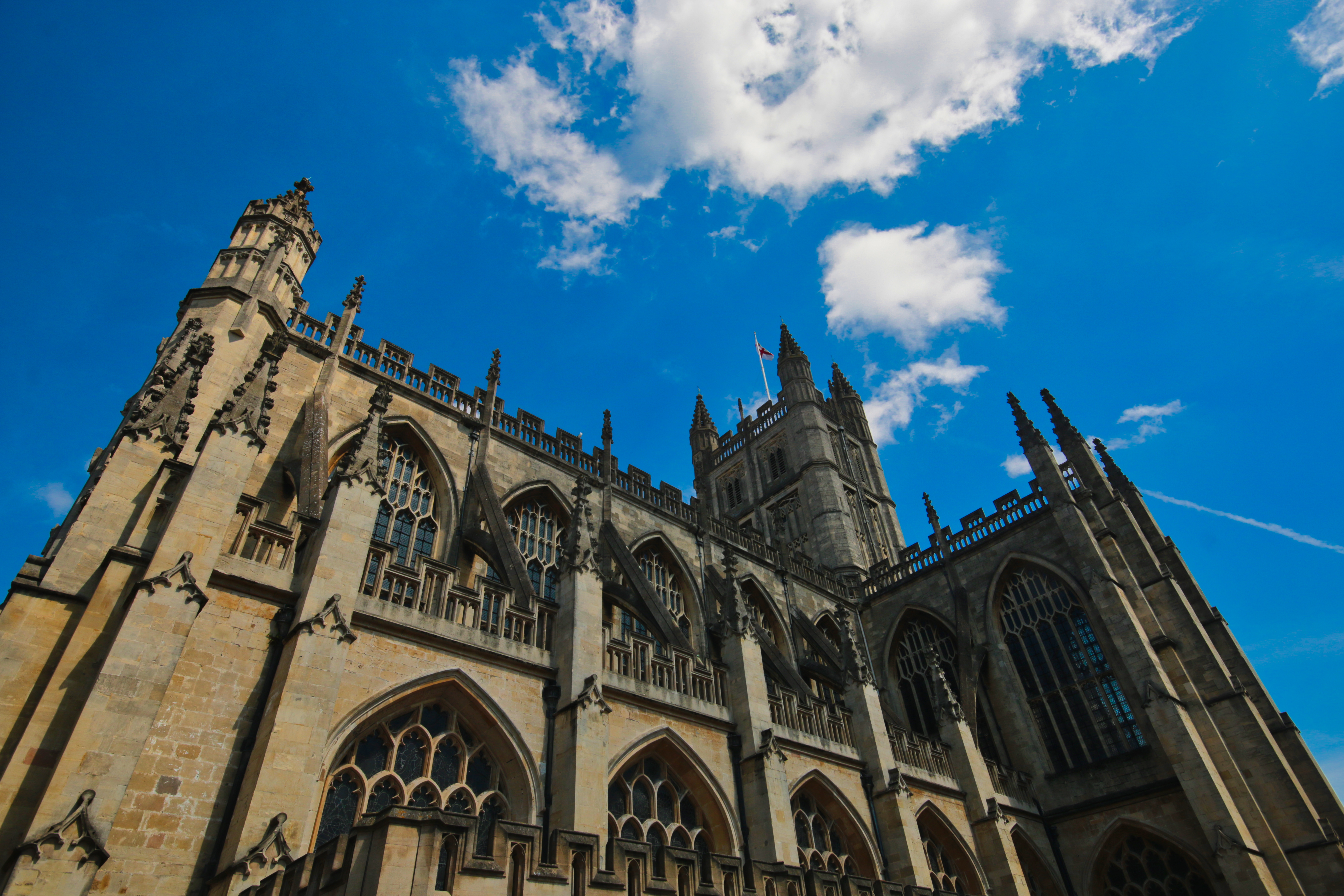
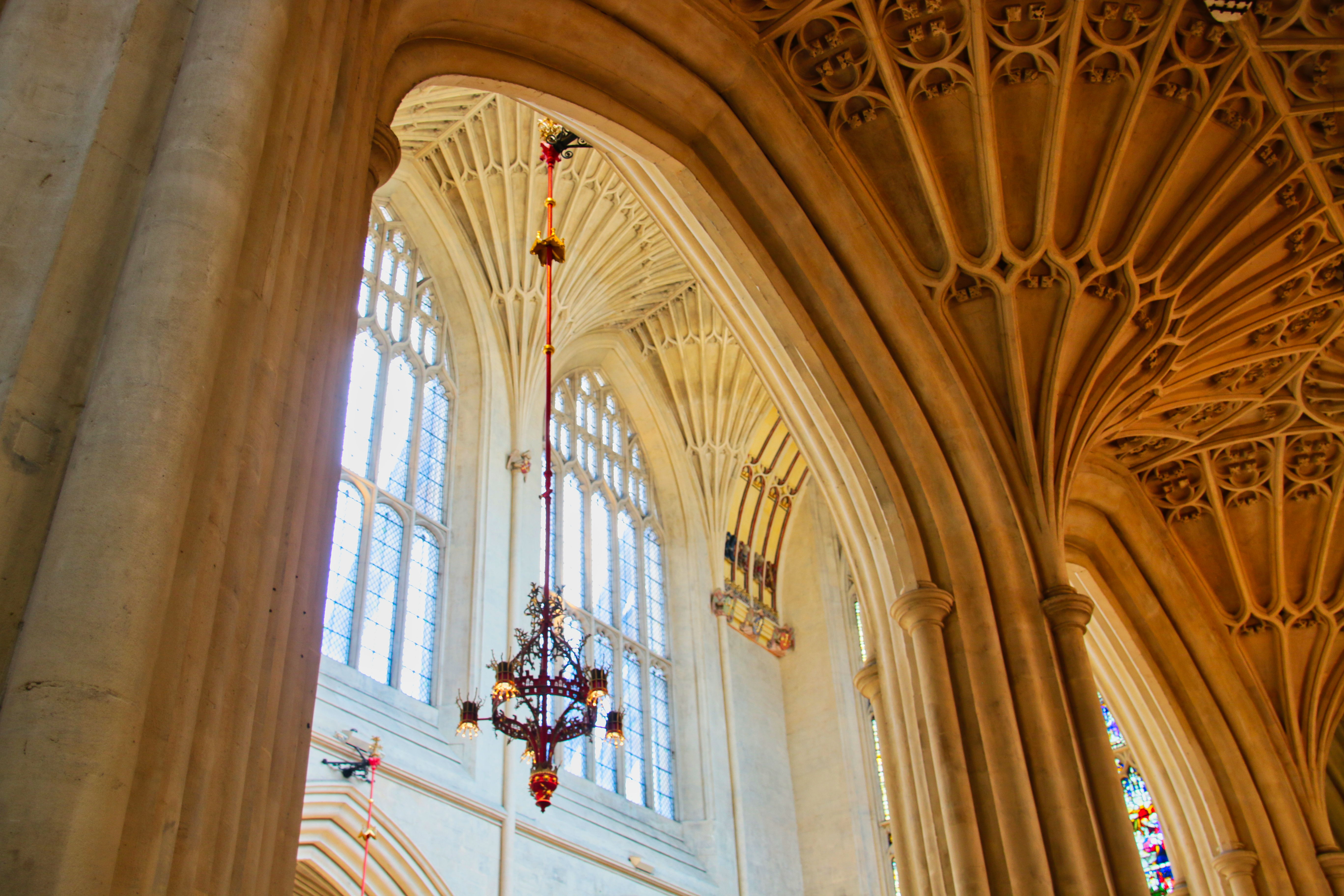
Bath: The Abbey of Light

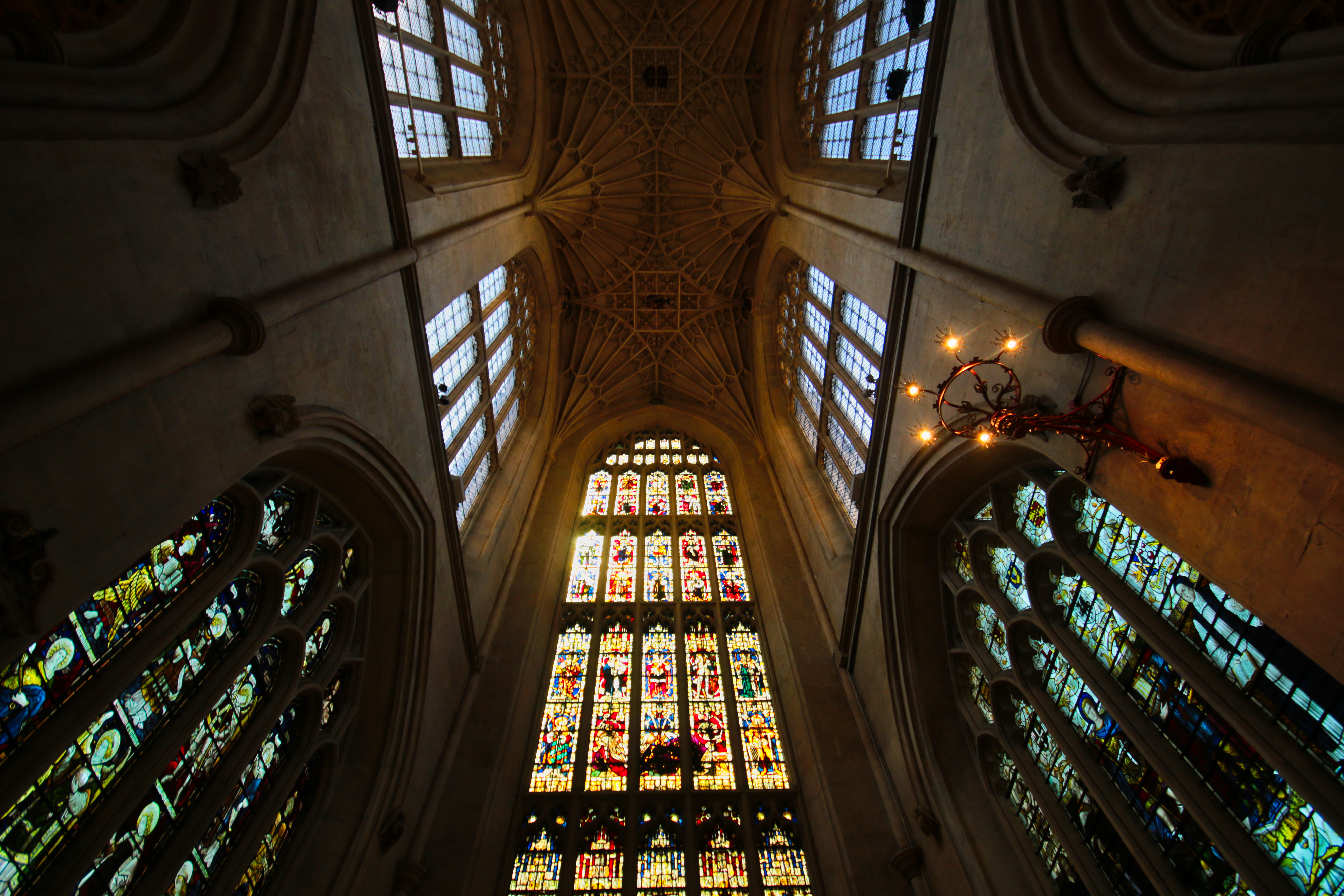
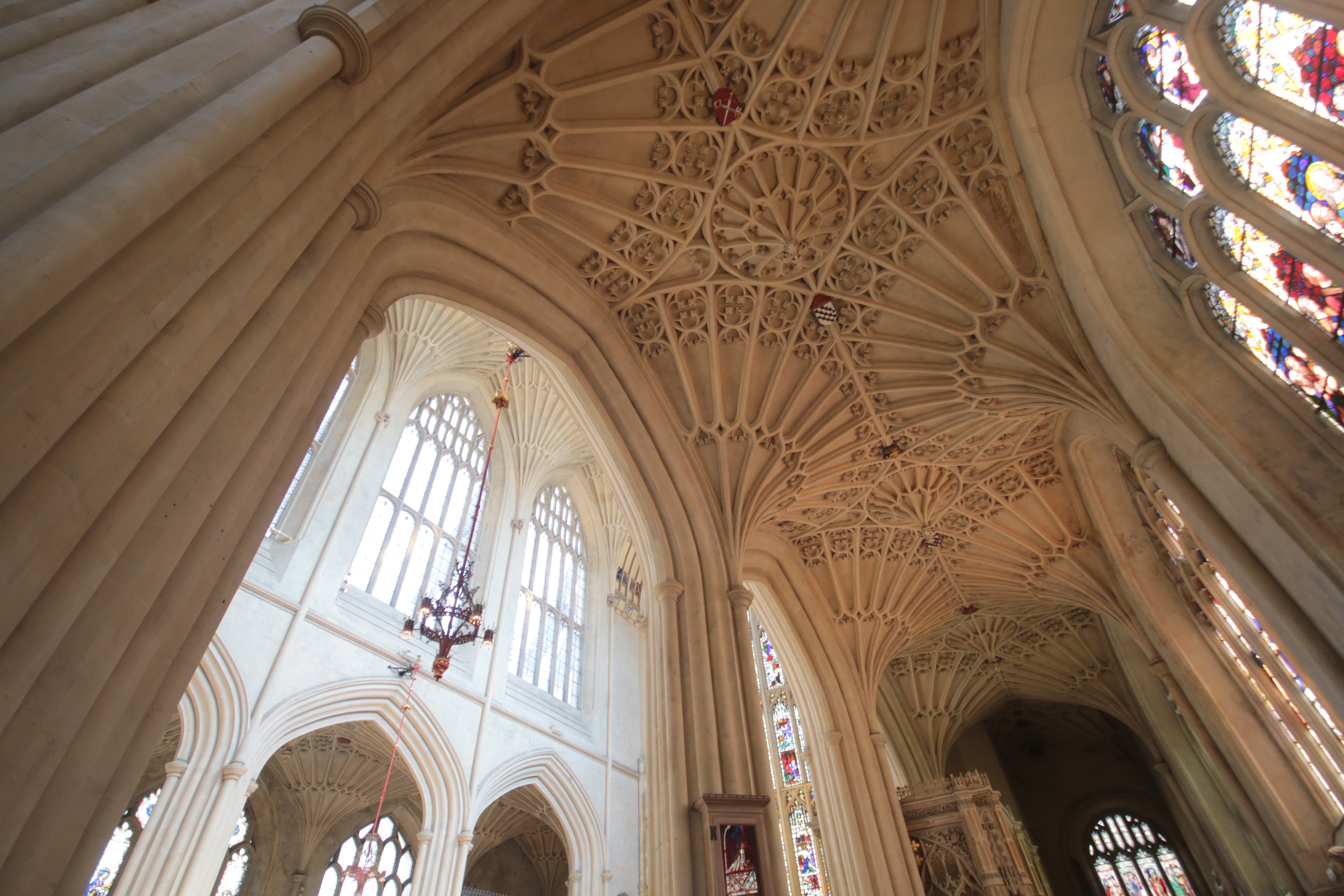
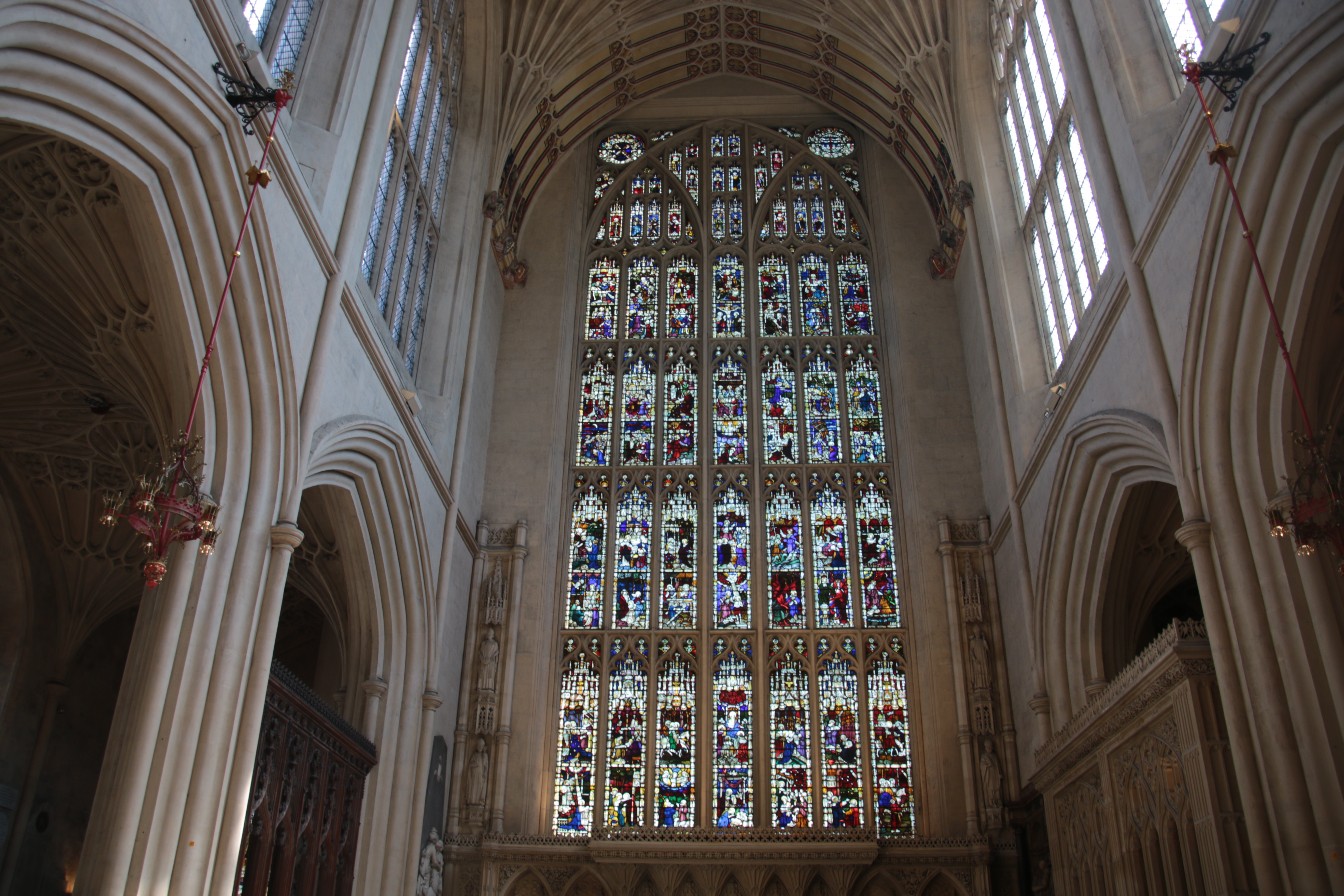
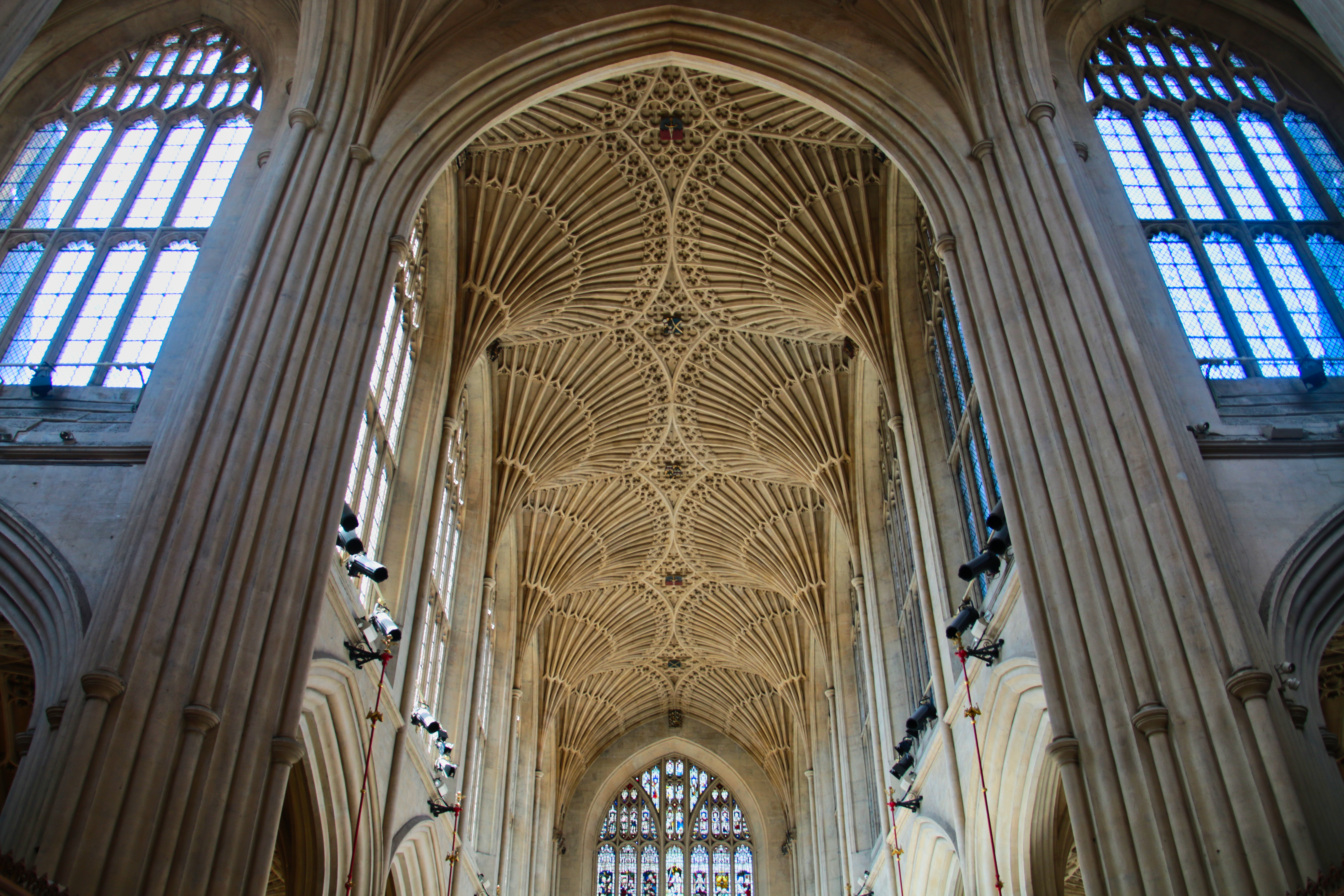
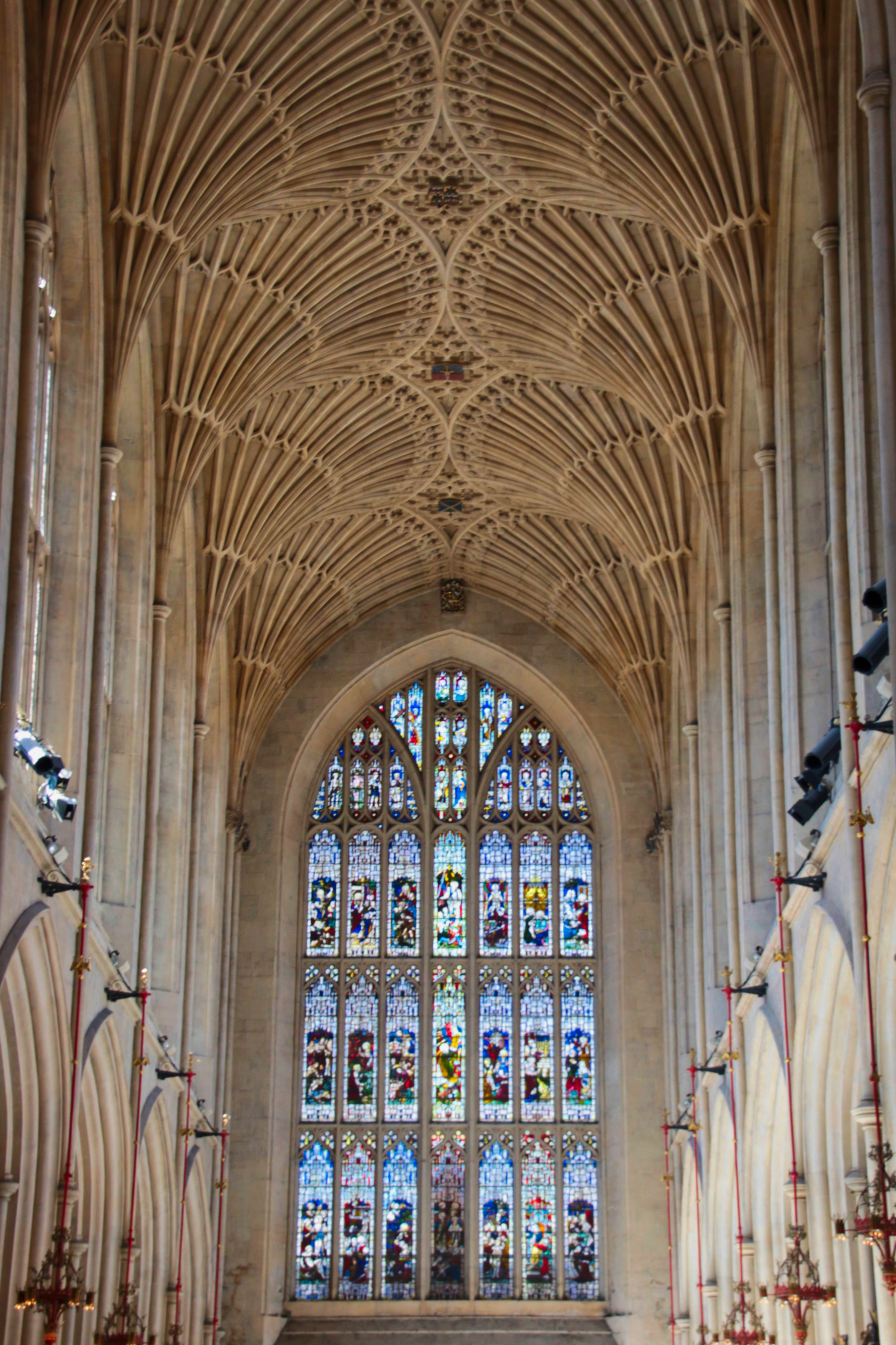
The Abbey of Bath is a prime example of England’s Pendicular Gothic architecture style. Another would be the Cathedral of Gloucester. Medieval churches tend to be very dark and somewhat sinister. The Abbey of Bath, though, is different. The light coming through the beautiful stained glass windows flows through the building, giving attractive accents and tones.

test