Skip to content

Fortress of the Working Class: Karl-Marx-Hof
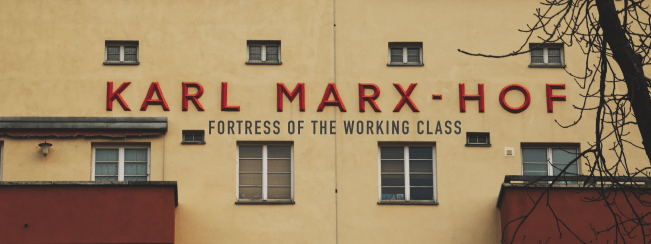
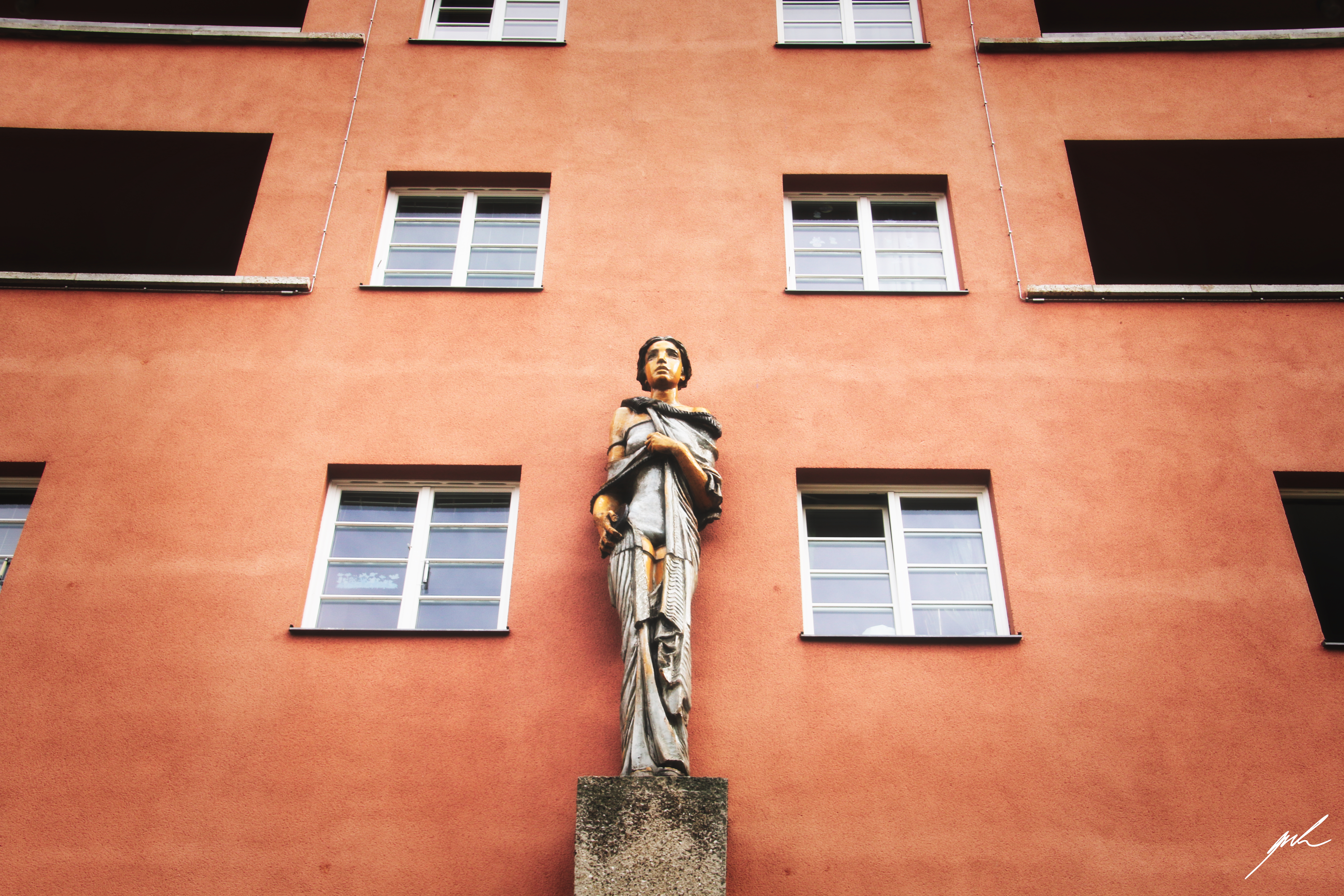
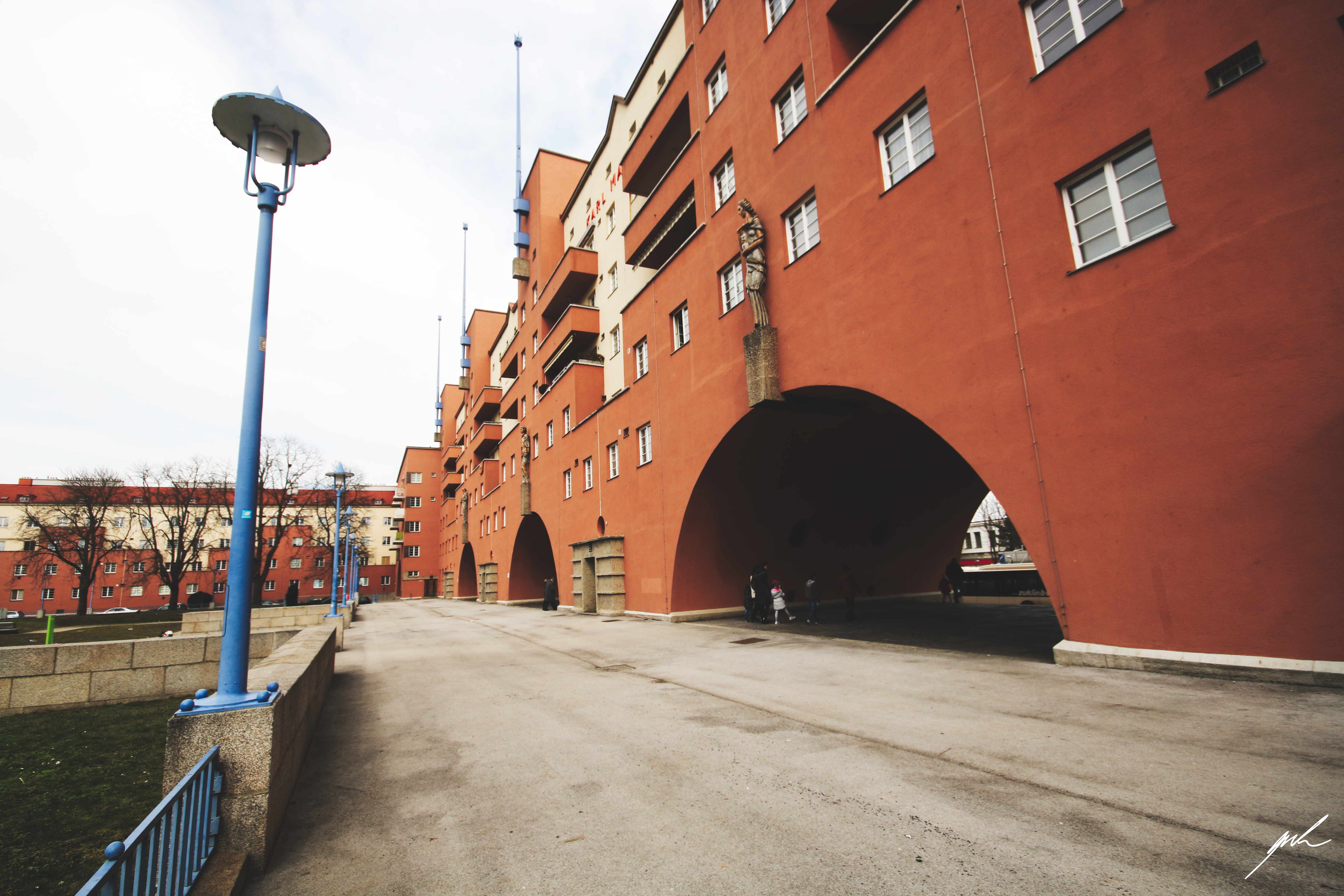
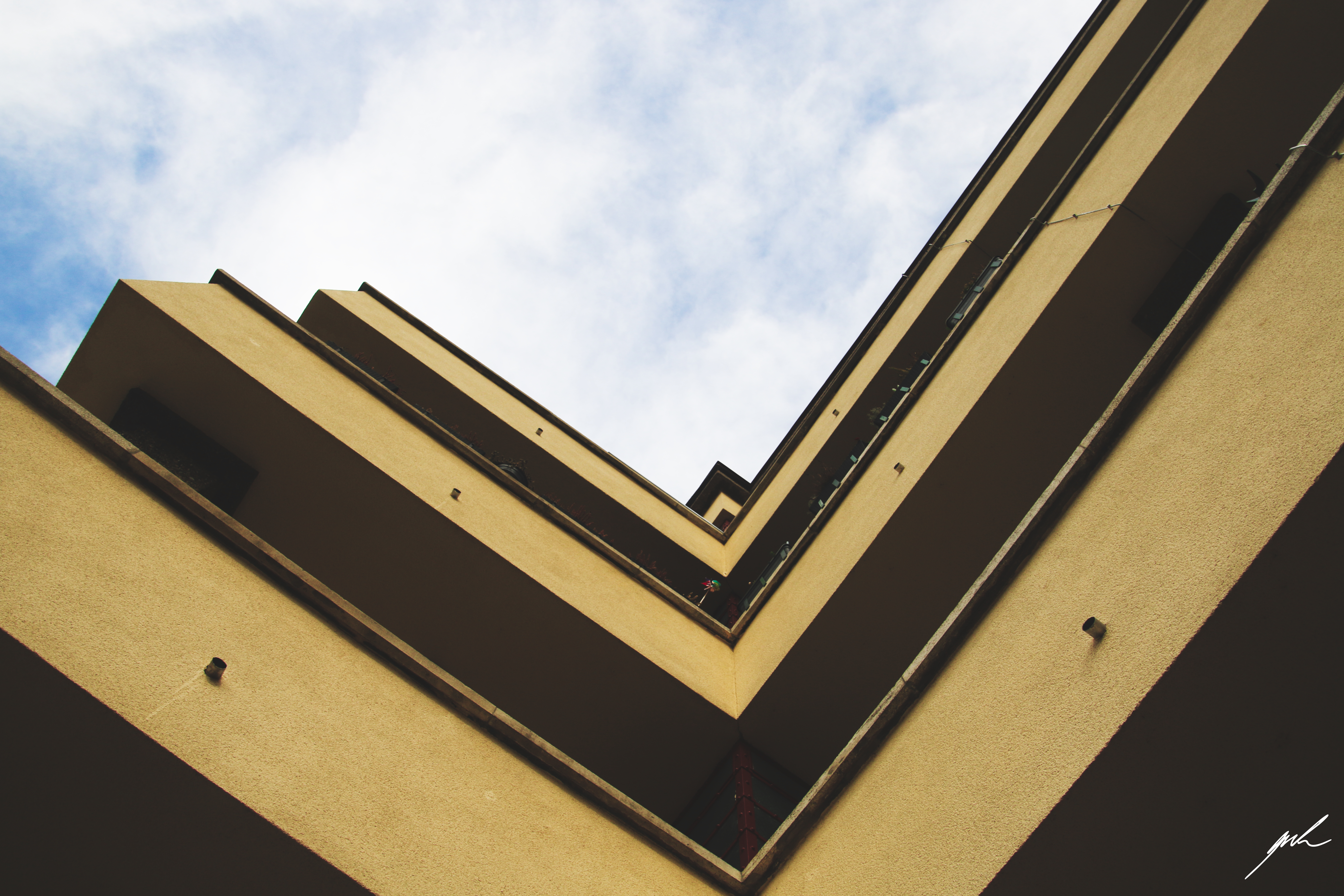
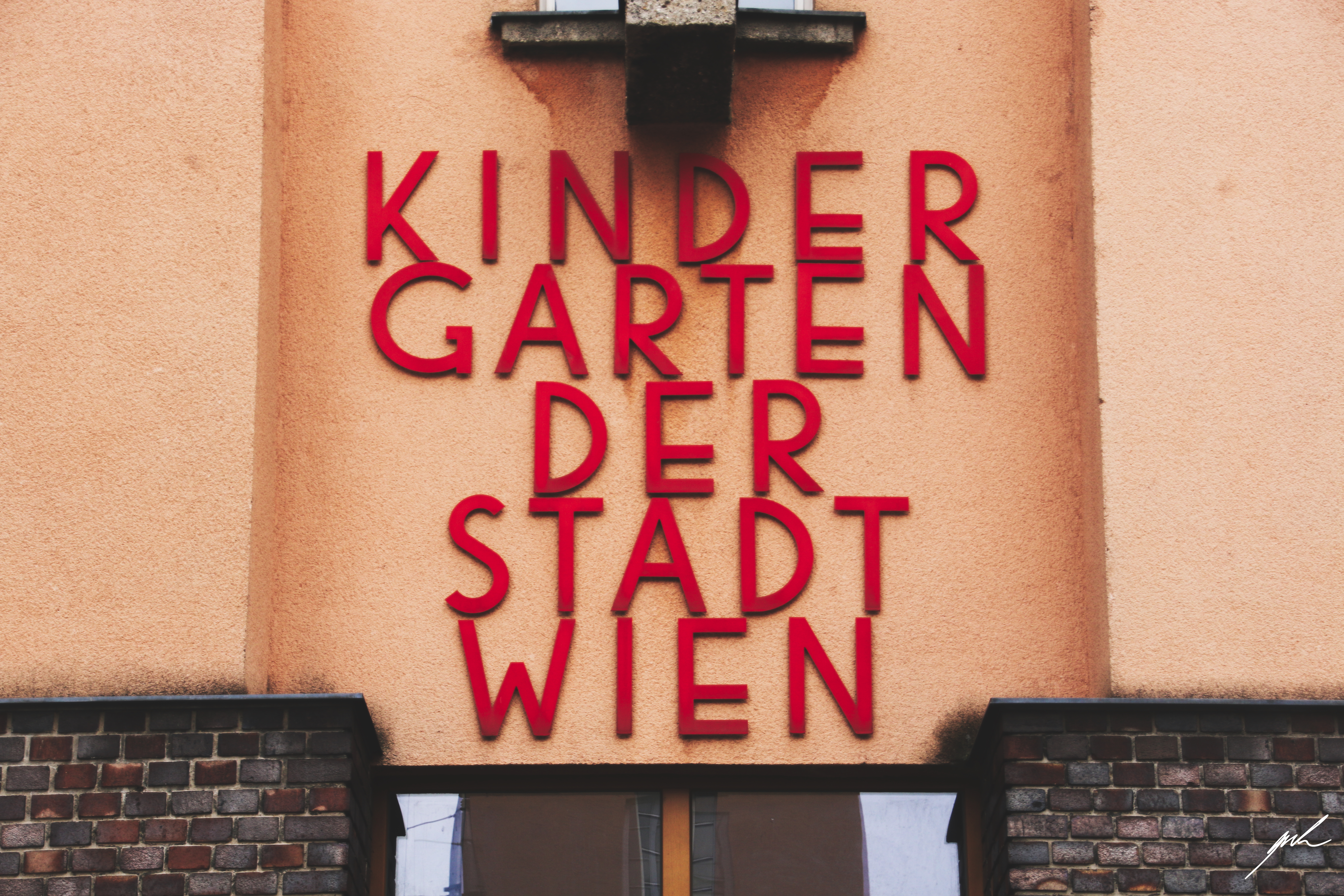
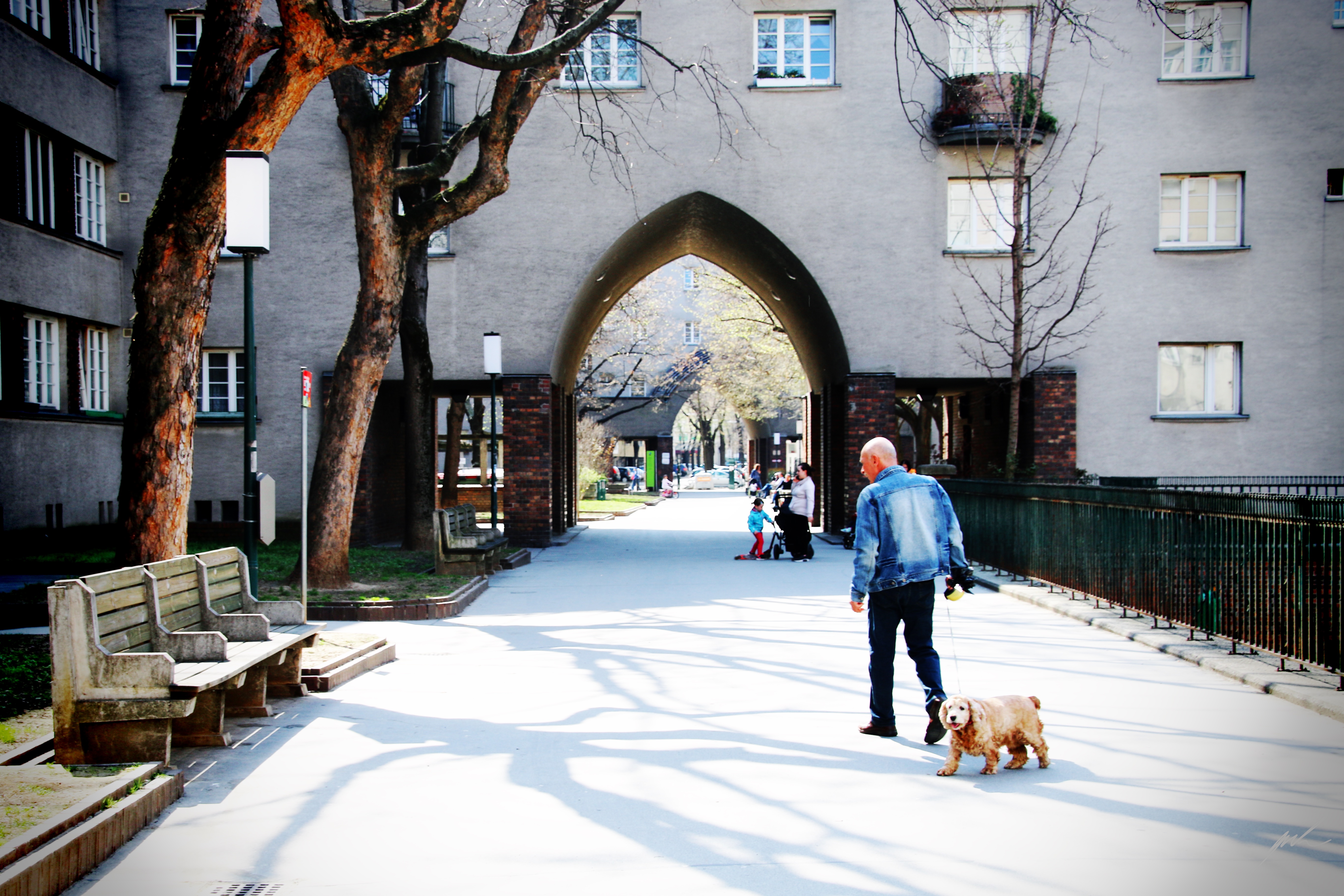
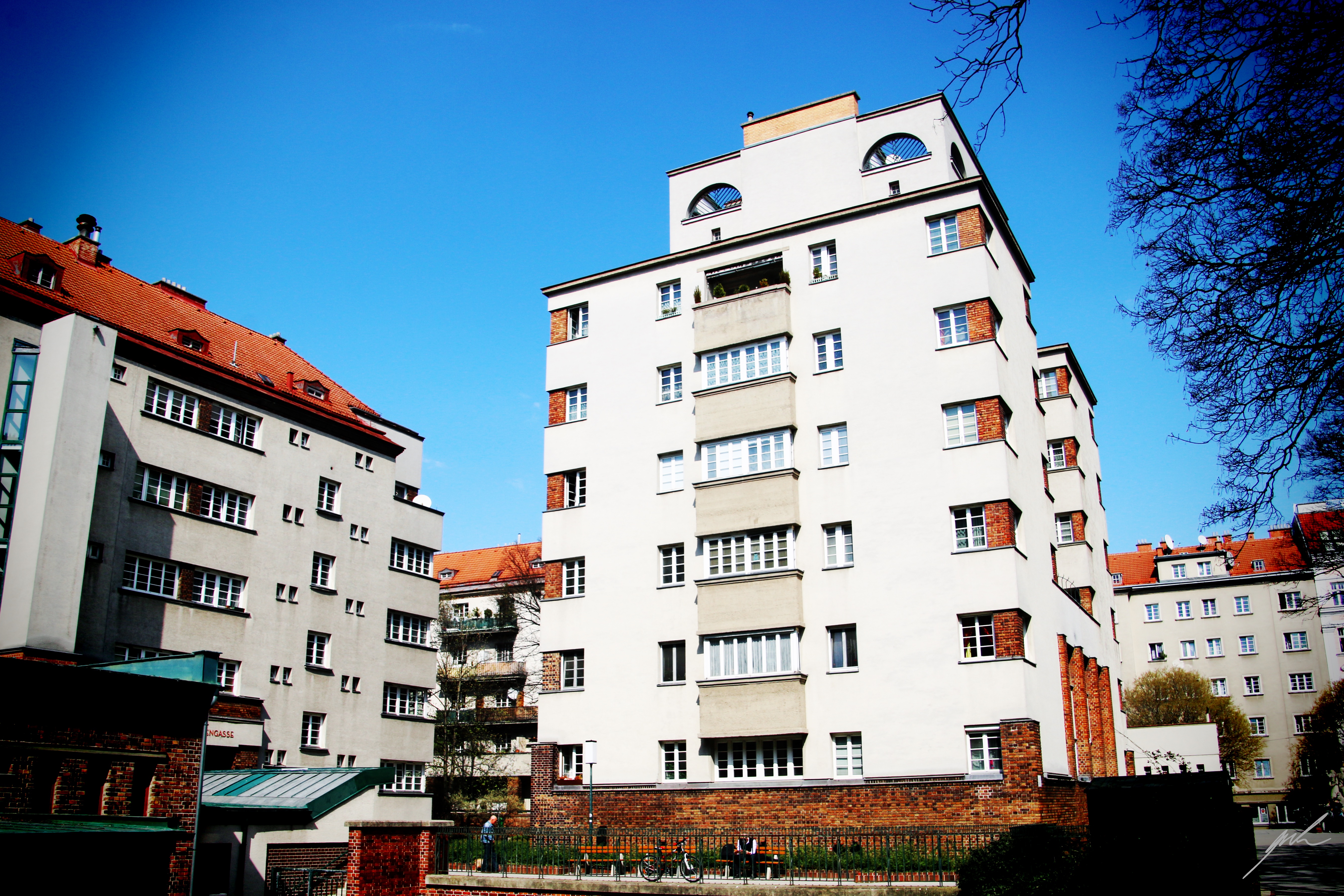
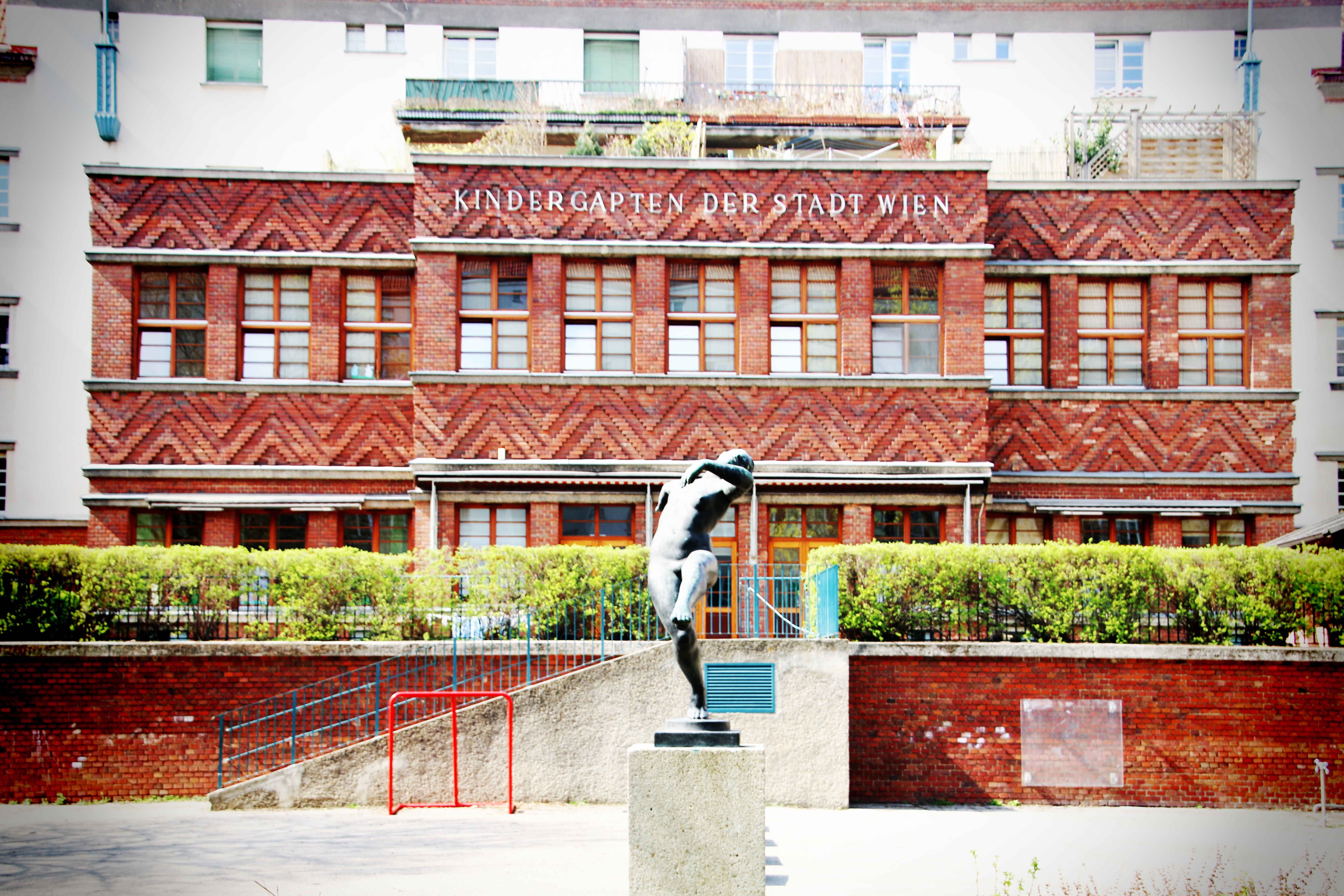
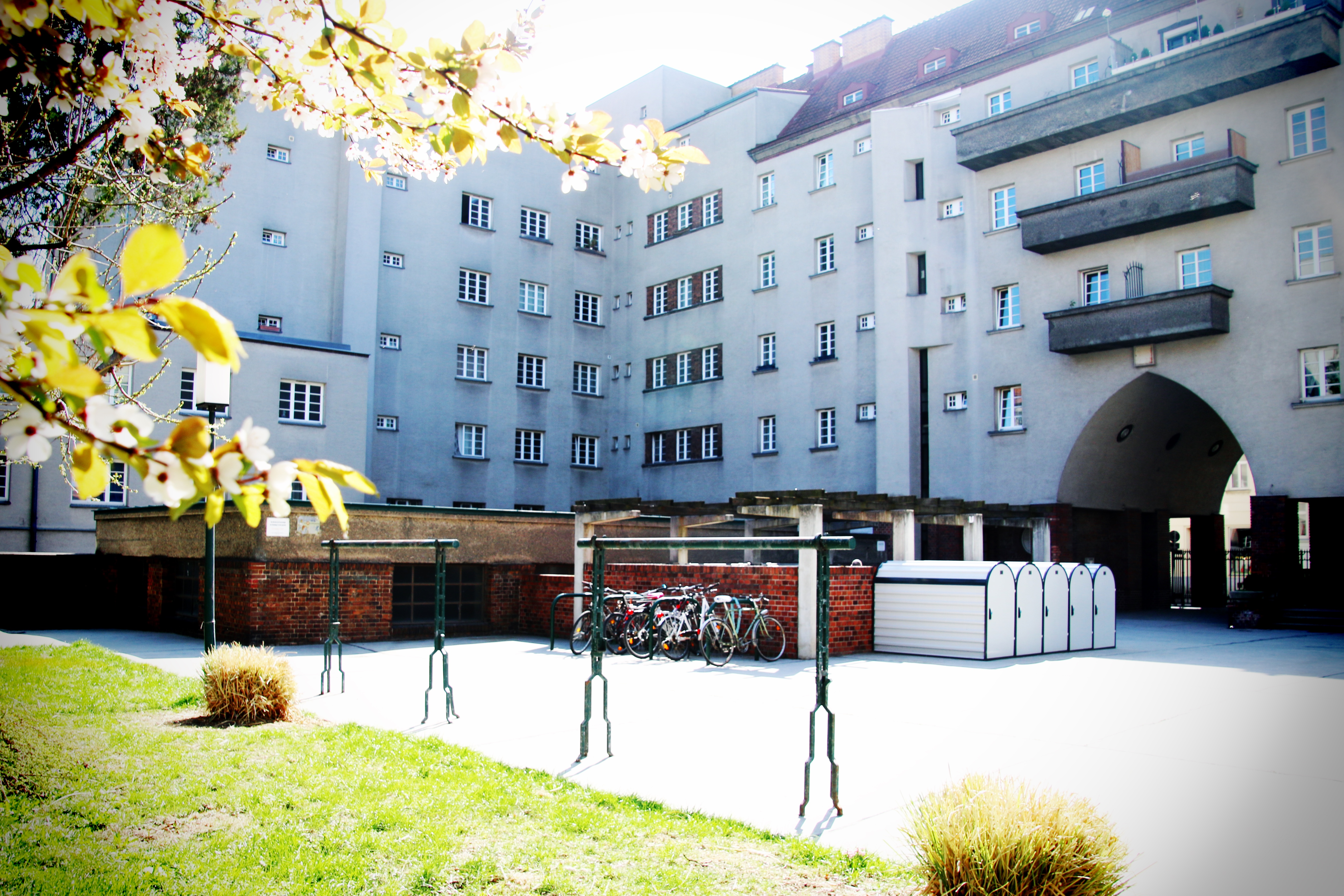
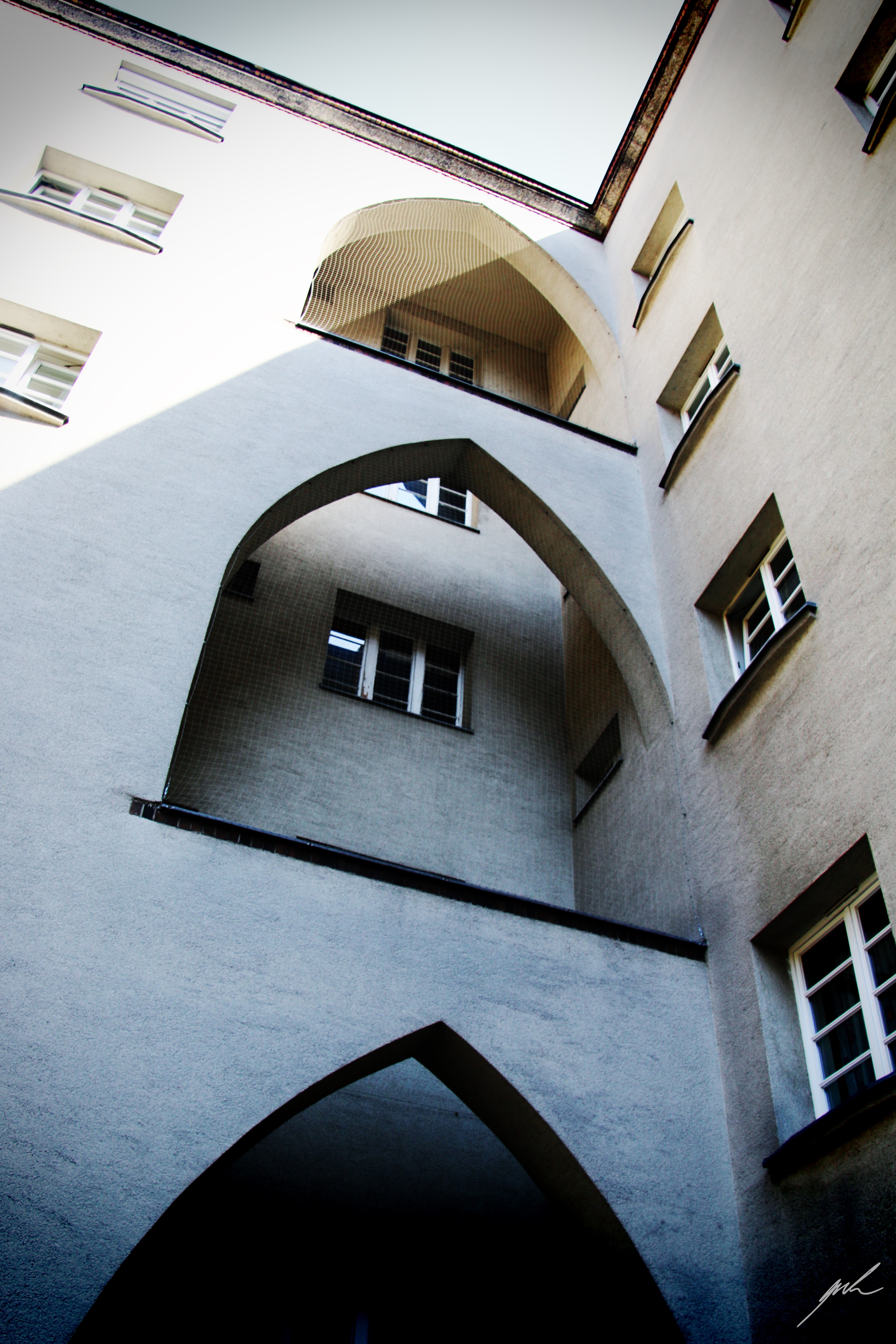
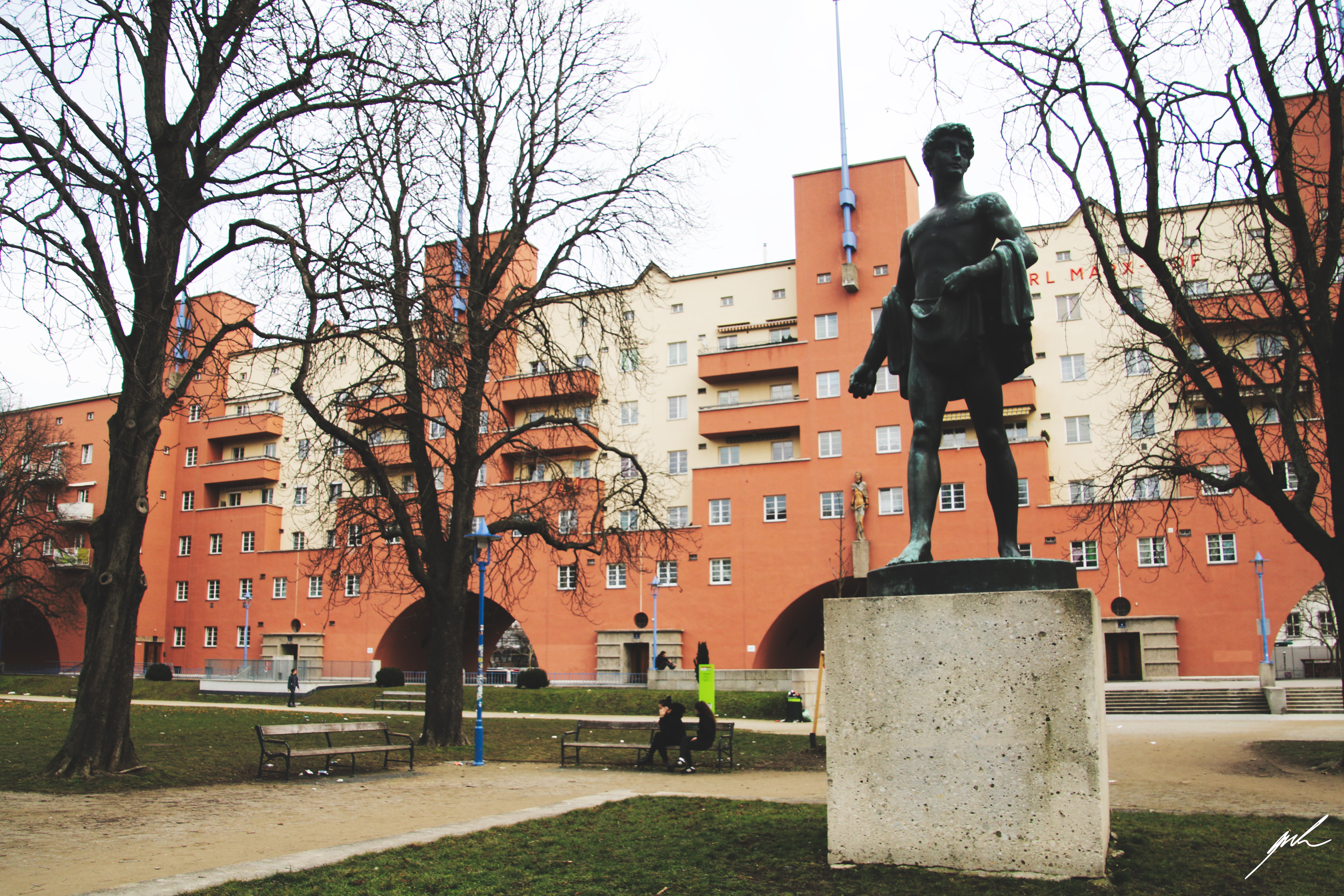
About a year ago, I published a series about famous Viennese communal apartment blocks called “Gemeindebau.” I photographed the “Rabenhof”, i.e., raven court, in the 3rd district the last time. Today, I want to introduce one of the most famous “Gemeindebauten,” the Karl-Marx-Hof in the north of Vienna, named after the father of communism himself. The large building complex was constructed in the 1930s when Vienna was known as a red city due to the leftwing government in the town hall. The Karl-Marx-Hof was designed and built by a student of the famous Austrian architect Otto Wagner, Karl Ehn, and stretches over a length of more than 1 km. Along the way, there are four tramway stations. The building has a kindergarten, parks, and community centers. In the short civil war in 1934, many socialists barricaded themselves in the sizeable fortress-like building and fought against the right-wing troops. Luckily, there were no deaths. Today, life is relatively quiet here, and the Karl-Marx-Hof is a peaceful fortress of the working class.

test

Cathedrals of the Working Class: Rabenhof in Early Spring

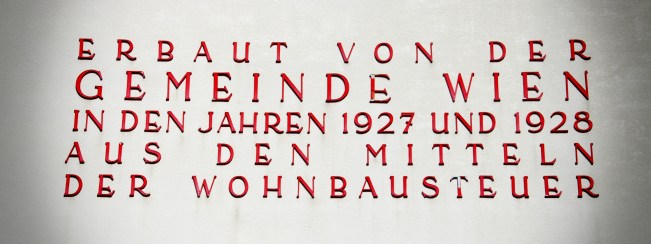
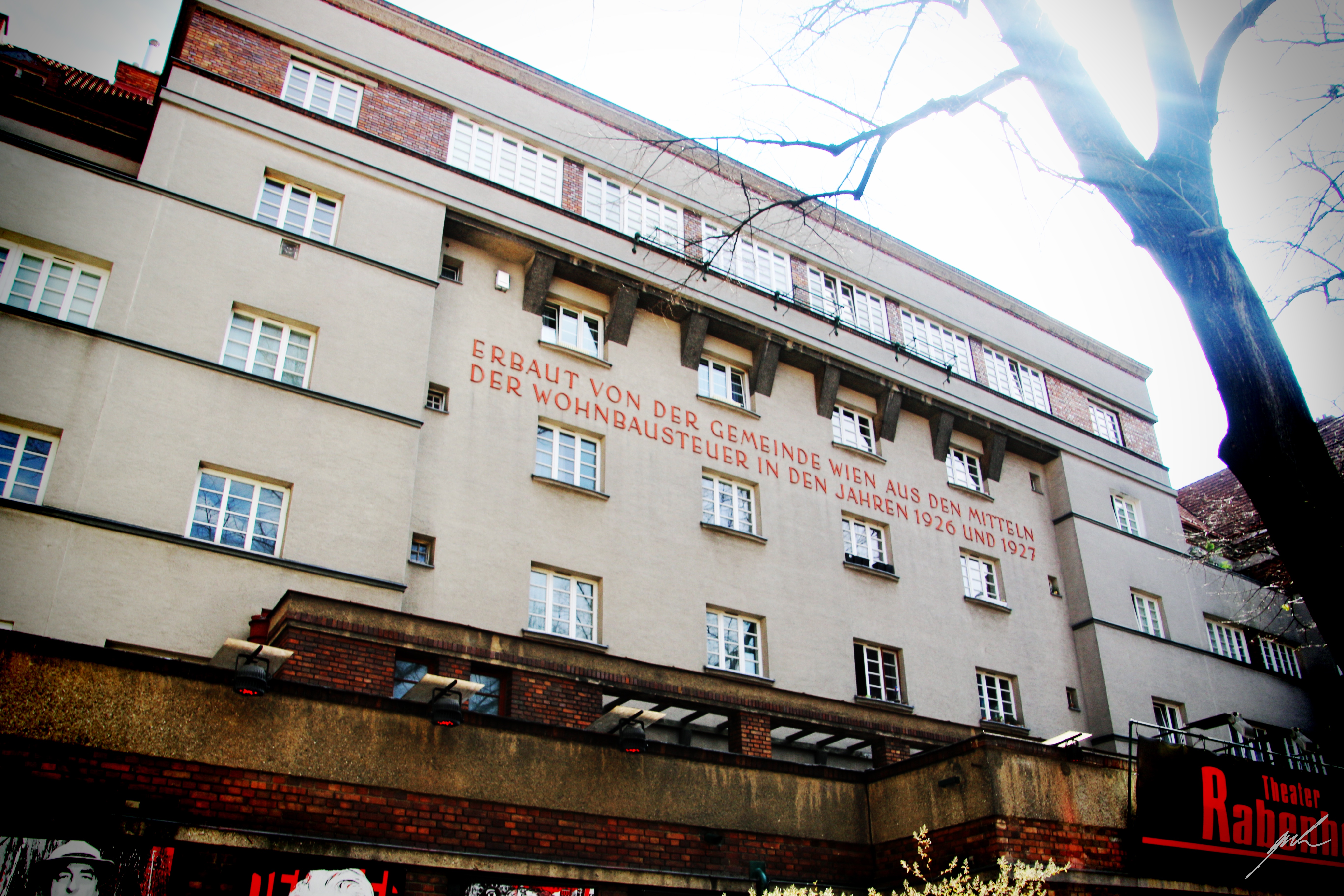
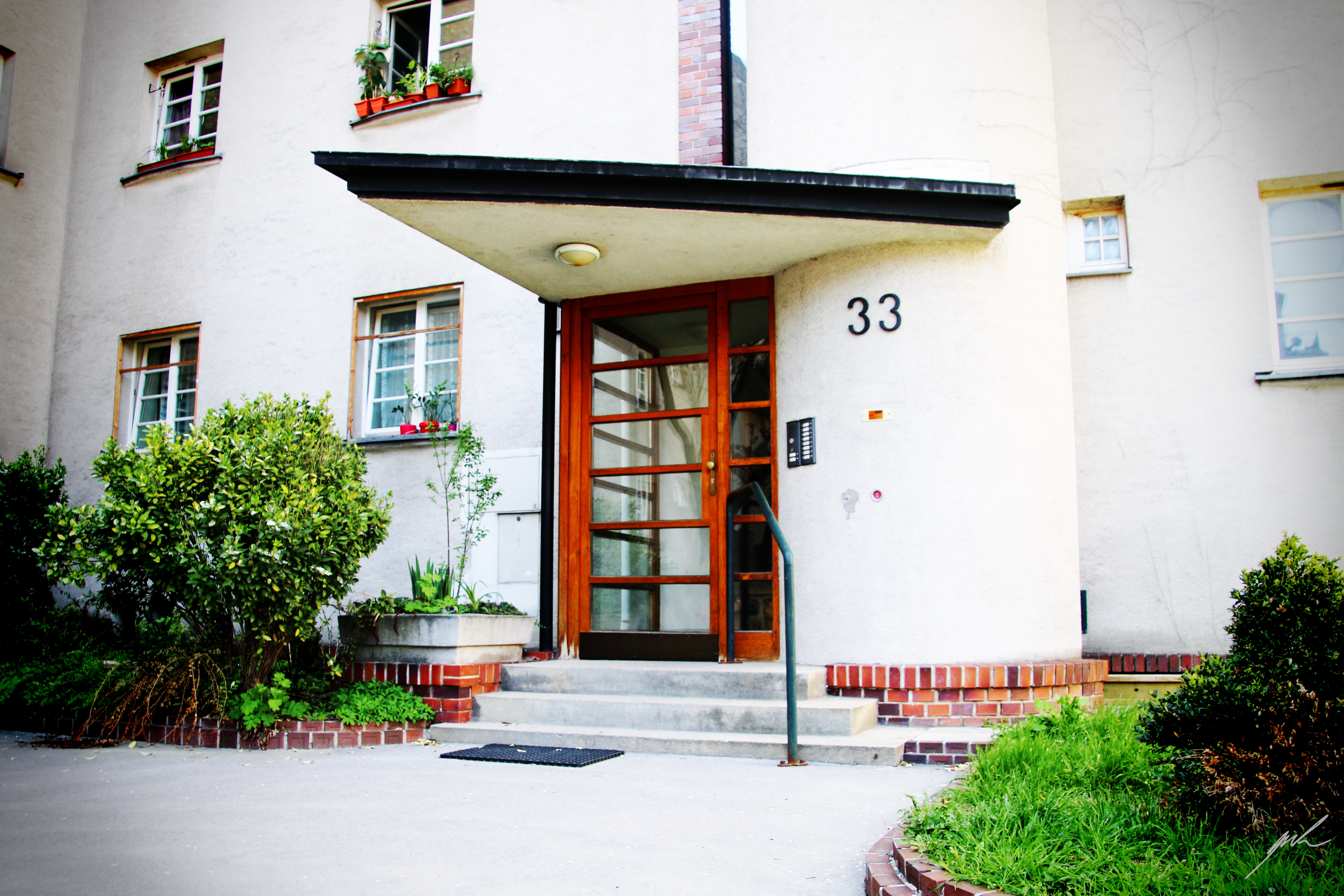
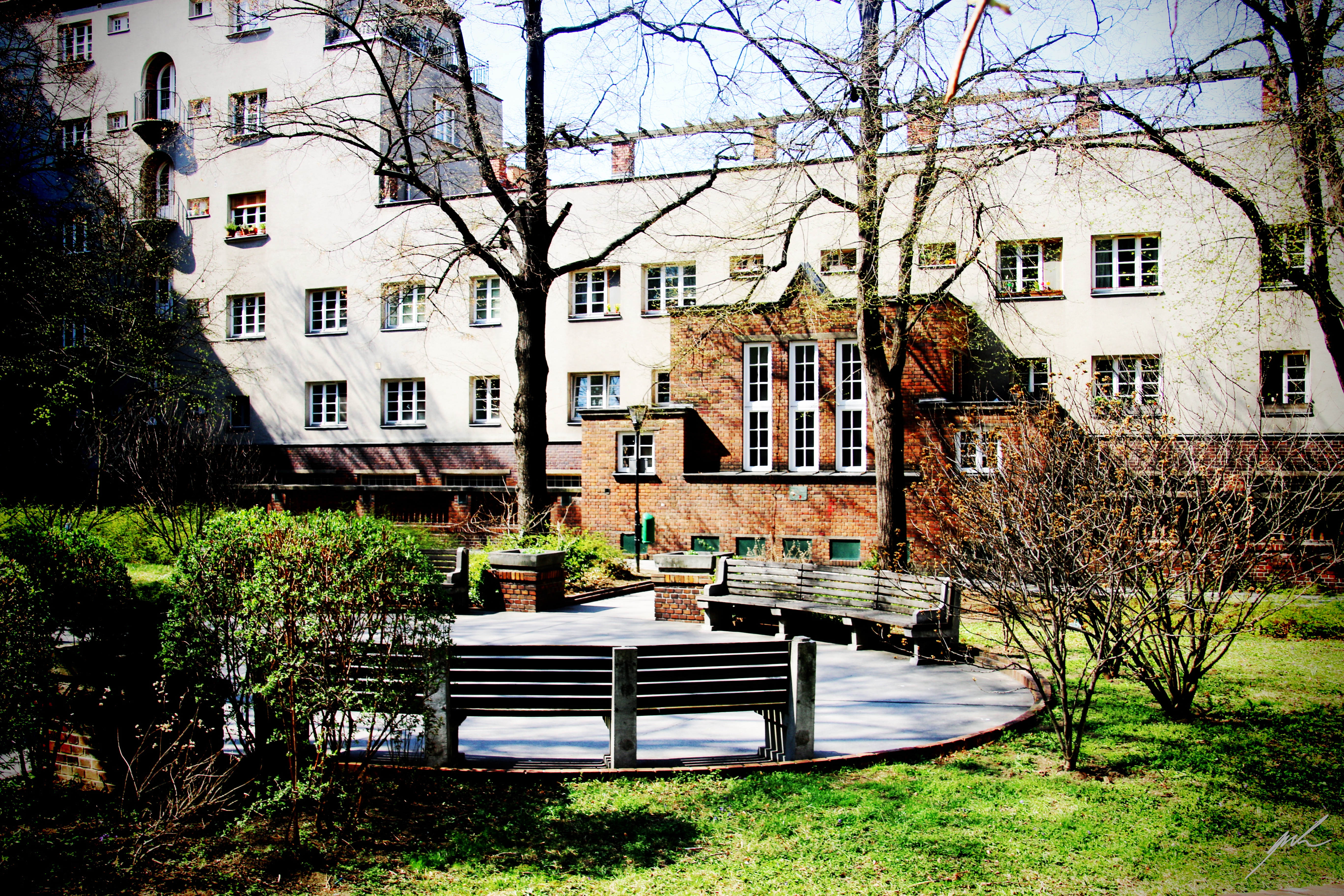
After the devastations of World War I and facing enormous societal and economic challenges, the people of Vienna craved change. A particular problem was the working class’s poor living conditions; they often lived in large tenements without warm water and communal toilets in the corridors. Large families lived in small apartments, and they often had to accommodate additional roomers to afford the overpriced rent. For these and other reasons, the Socialist Party of Austria (SPÖ) was voted into power and planned a radical rethinking of the city in the 1920s. Large and modern communal buildings called Gemeindebauten were to be built with large inner yards for the workers to gather and thick walls to protect them. Among the first ones made was the Rabenhof in the 3rd Viennese district. Today, it is known among Austrians mainly for the theater with the same name, where the workers’ gathering hall used to be. The rent in these buildings was much lower and affordable; at the same time, the standard of living was much higher, with private toilets, launderettes, private parks, and a kindergarten. The same is true today: every 4th Viennese of different economic backgrounds lives in a Gemeindewohnung, around 3.500 in the Rabenhof building.

test