Skip to content

Chess Players in Union Square Park

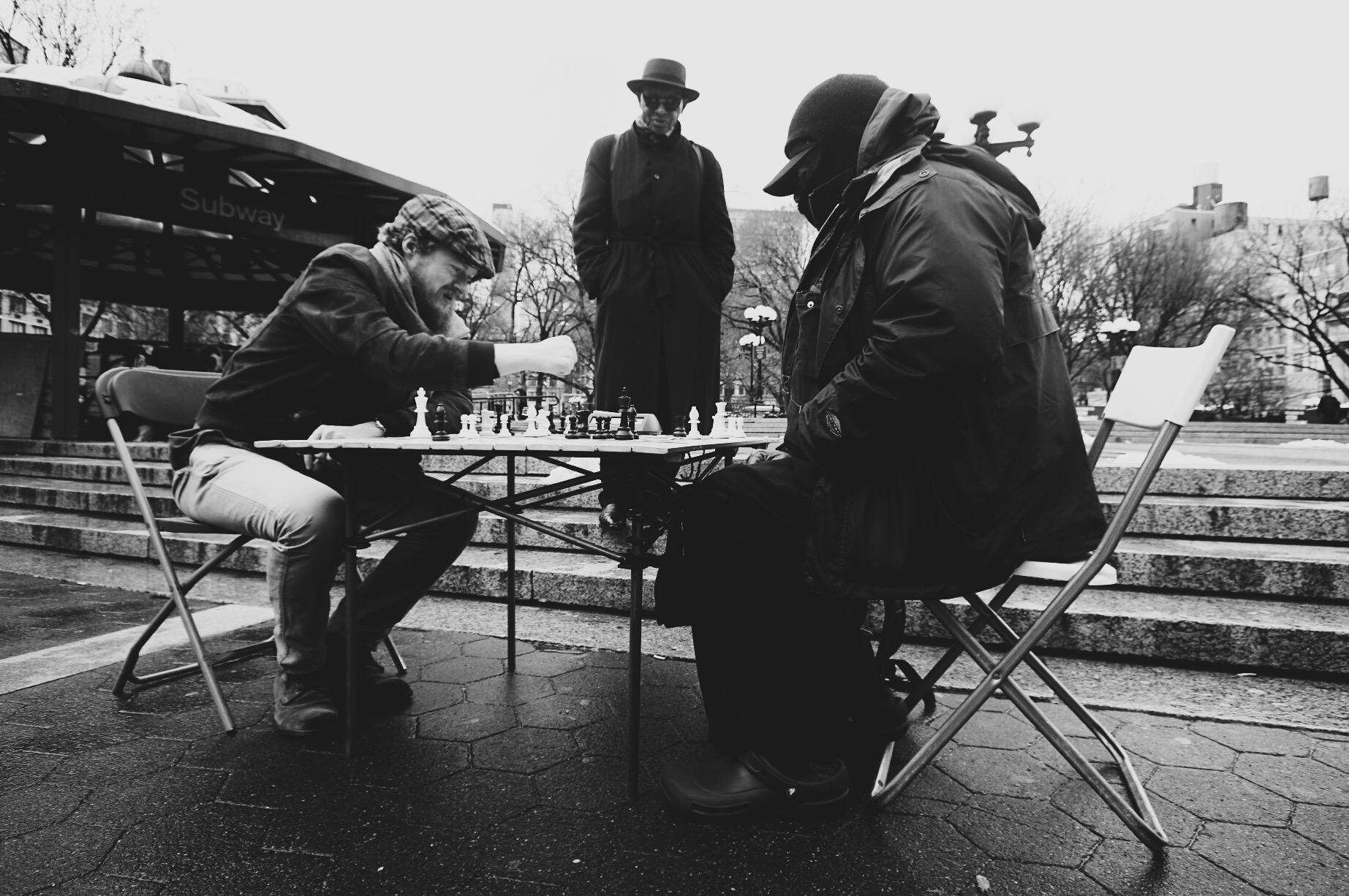
In this personal post, my friend Lukas shares his thoughts about his passion for chess and the game’s current state in connection to a recent visit to New York. The pictures were shot in Union Square Park.

test

Chess has seen better days. Maybe it’s an underestimation of the current standing of chess, but the societal impact and prevalence of chess seem to be lower than in the past decades. If one does not explicitly look for them, few people are around to have a casual game or chat about the latest tournament results.
There are, of course, reasons for this. For a sport to be enjoyed and appreciated by the masses, skill must be apparent to the layman. Everyone can see the talent on display when a professional footballer scores a spectacular goal, shooting the ball right past the goalkeeper’s fingertips with only inches to spare. Chess is a different matter. The hidden reasonings of a complicated chess move can only be appreciated by people of at least somewhat similar skill levels.

I’ve always found it fitting to compare chess to a language. It can hardly be enjoyed by people who do not understand it. It demands continuous practice, or your proficiency will fade. And, not least of all, it takes two fluent speakers to create a good conversation. I’ve had a mixed relationship with chess over the years. I’ve had my past with chess clubs and tournaments, but the drain on my personal time was too significant to stick to it over the years. Most of my friends do not play, and meeting those who do get more difficult by the year as lives change and responsibilities pile up. Then there is, of course, the internet. Nowadays, people who need their regular dose of chess generally retreat to online platforms. This might be incredibly convenient – as one can play anywhere, anytime – but something is lost on the way.
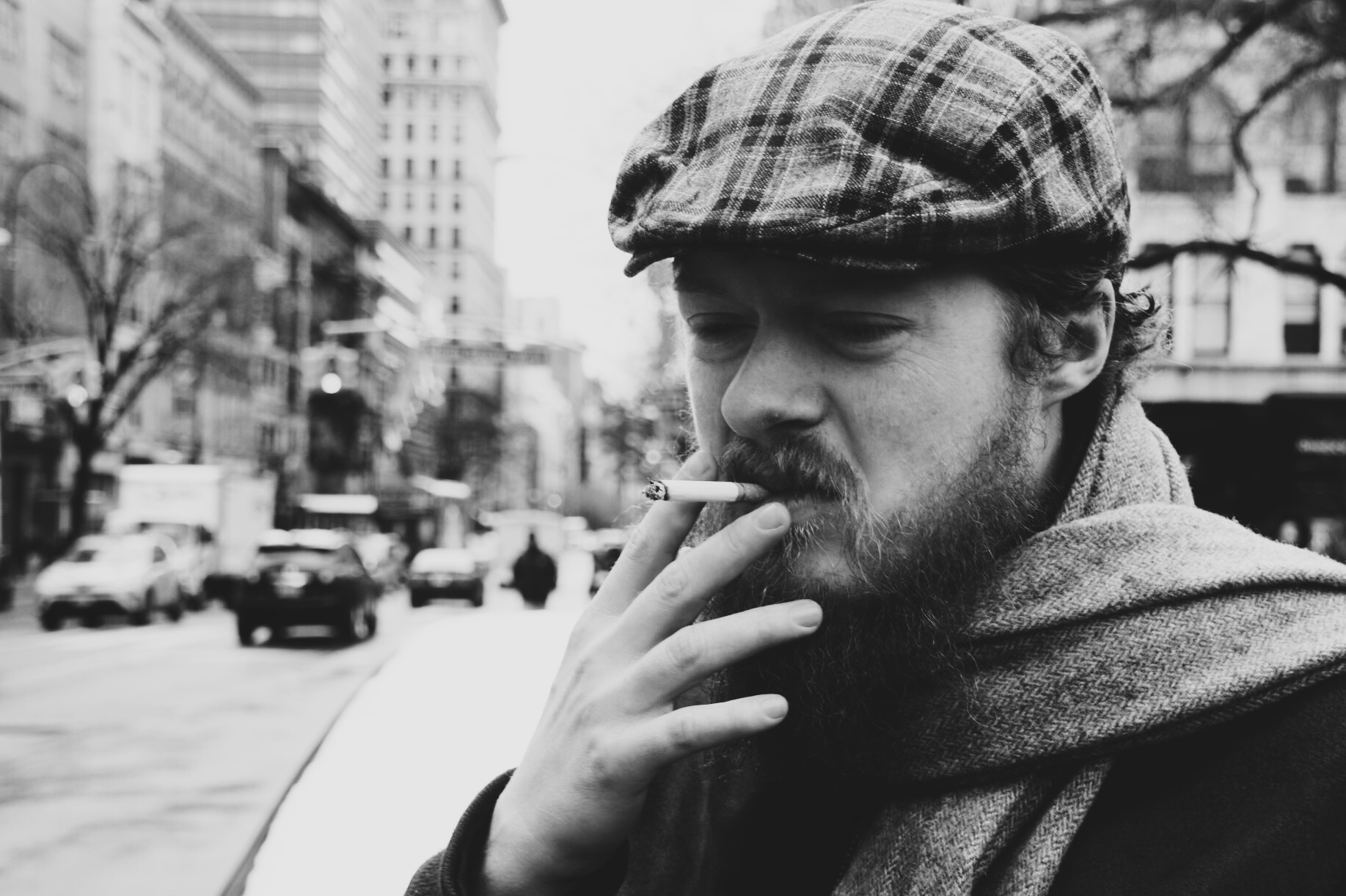
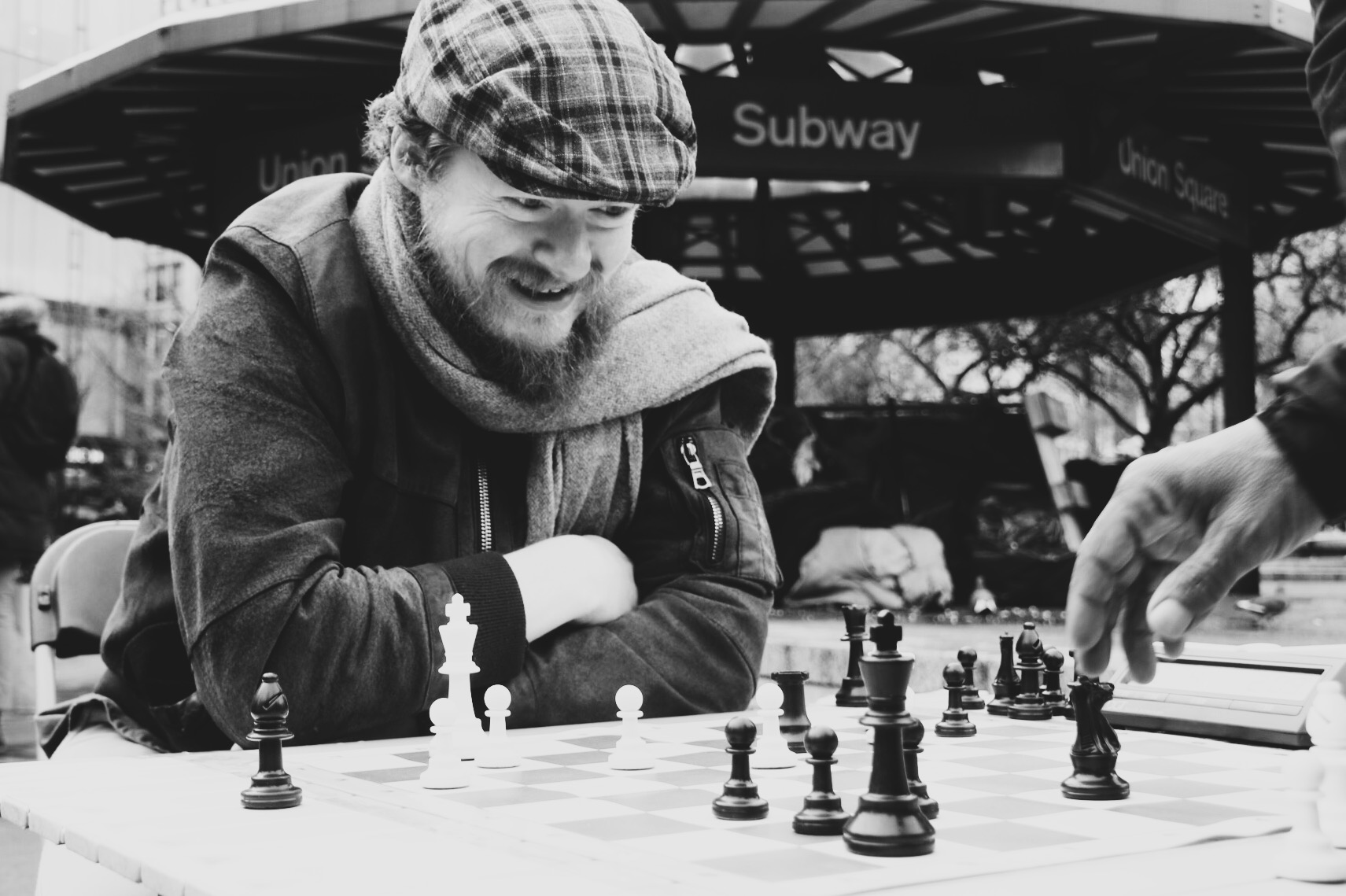
On a recent trip to New York City, one of the most essential things on my personal to-do list was to visit the local chess-playing community, famous for playing in the parks of Manhattan. The weather could not have been worse when I finally found the time. The mild temperatures of the past week gave way to sporadic snow and a bone-chilling, uncomfortable cold. I was wondering whether I’d find anyone to play at all. Still, even in such harsh conditions, I saw people standing in circles, playing, silently watching, or engaged in light-hearted conversation. Not only did I get to play my games, I got much more than that.

As I was sitting there, at Union Square Park, in the heart of one of the most awe-inspiring cities of the world, sacrificing pawns, knights and queens alike, bantering and laughing with complete strangers, I was reminded once again: it’s a sad thing if you can’t share your passions with likeminded people.


Wintertime in Austria

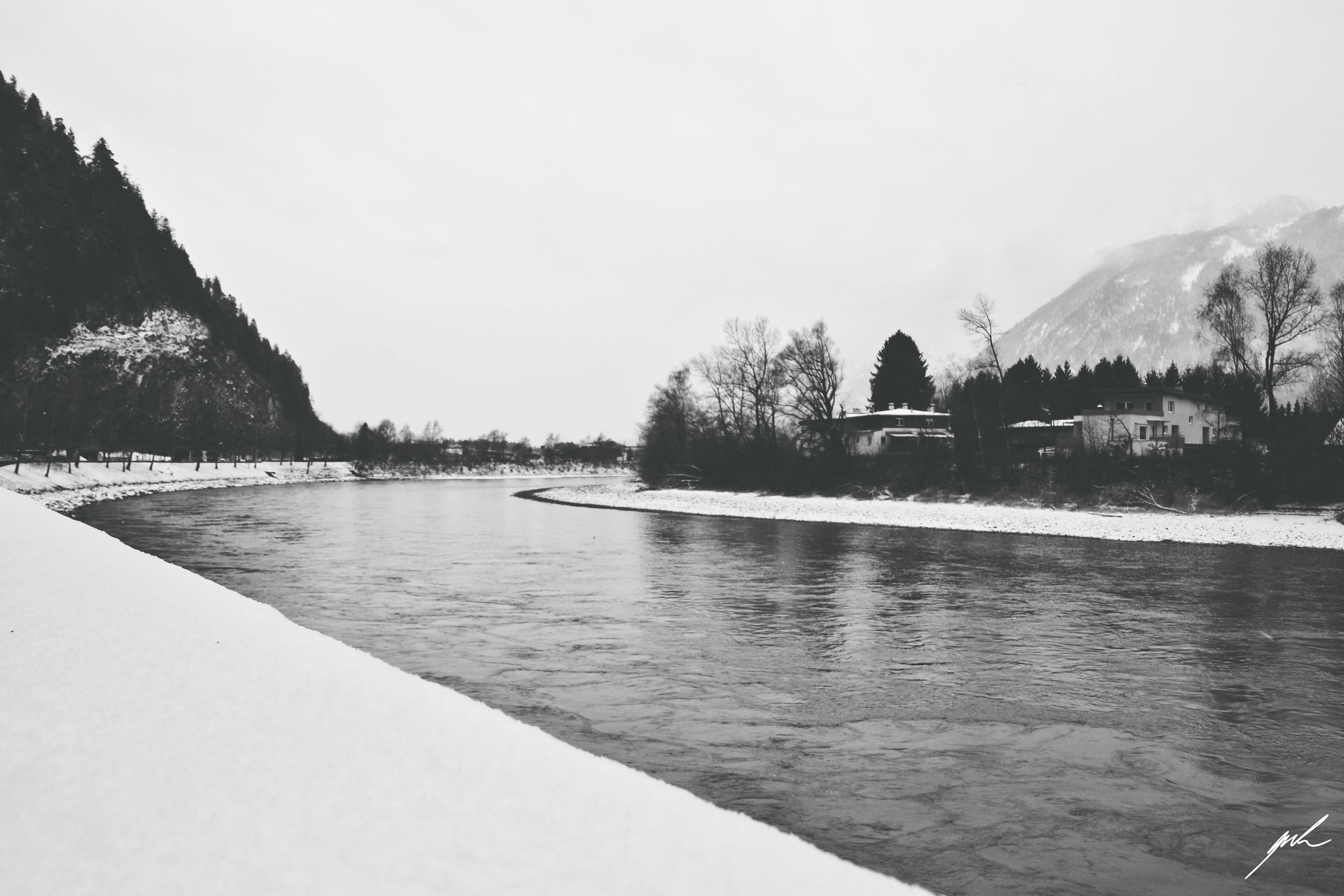
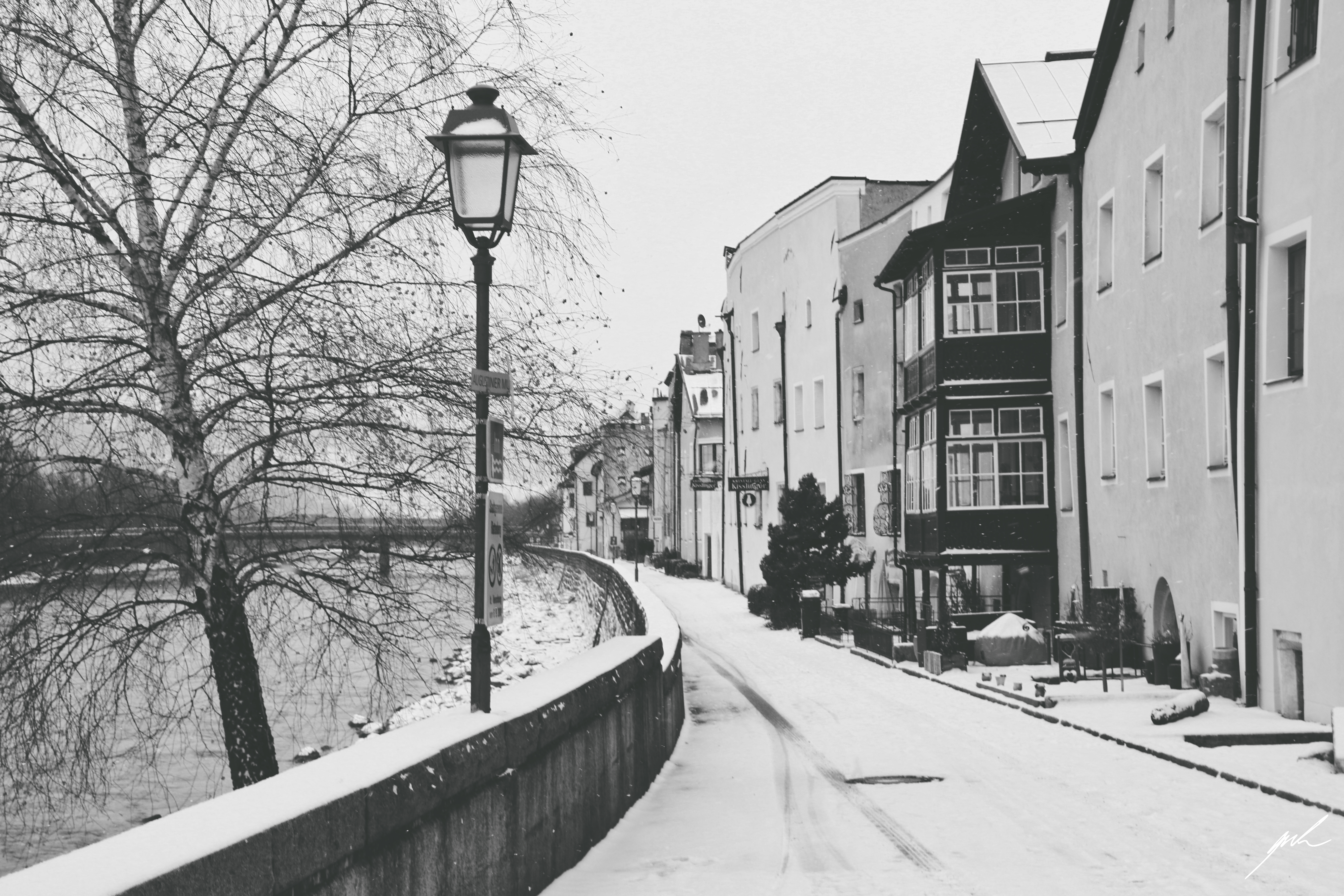
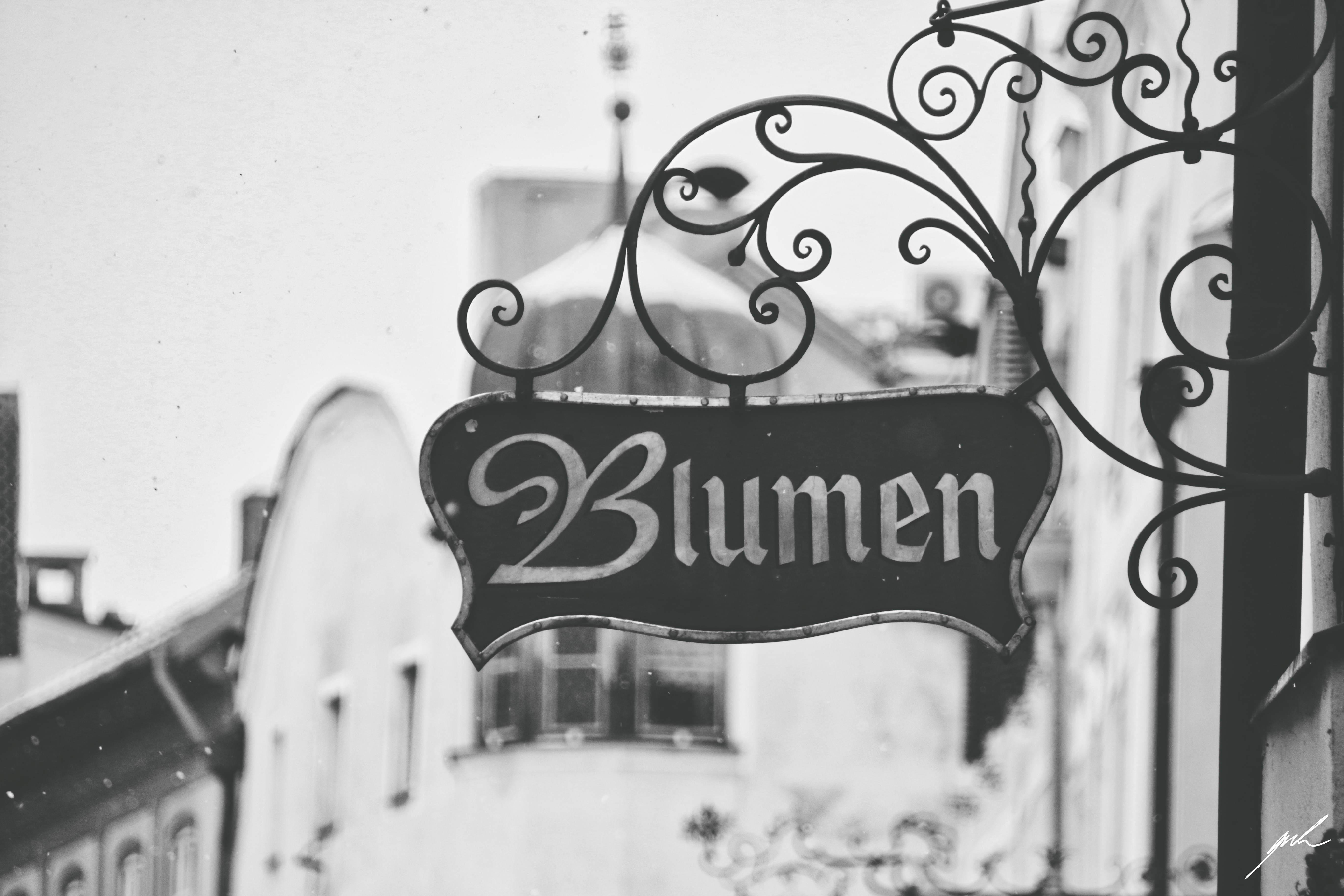
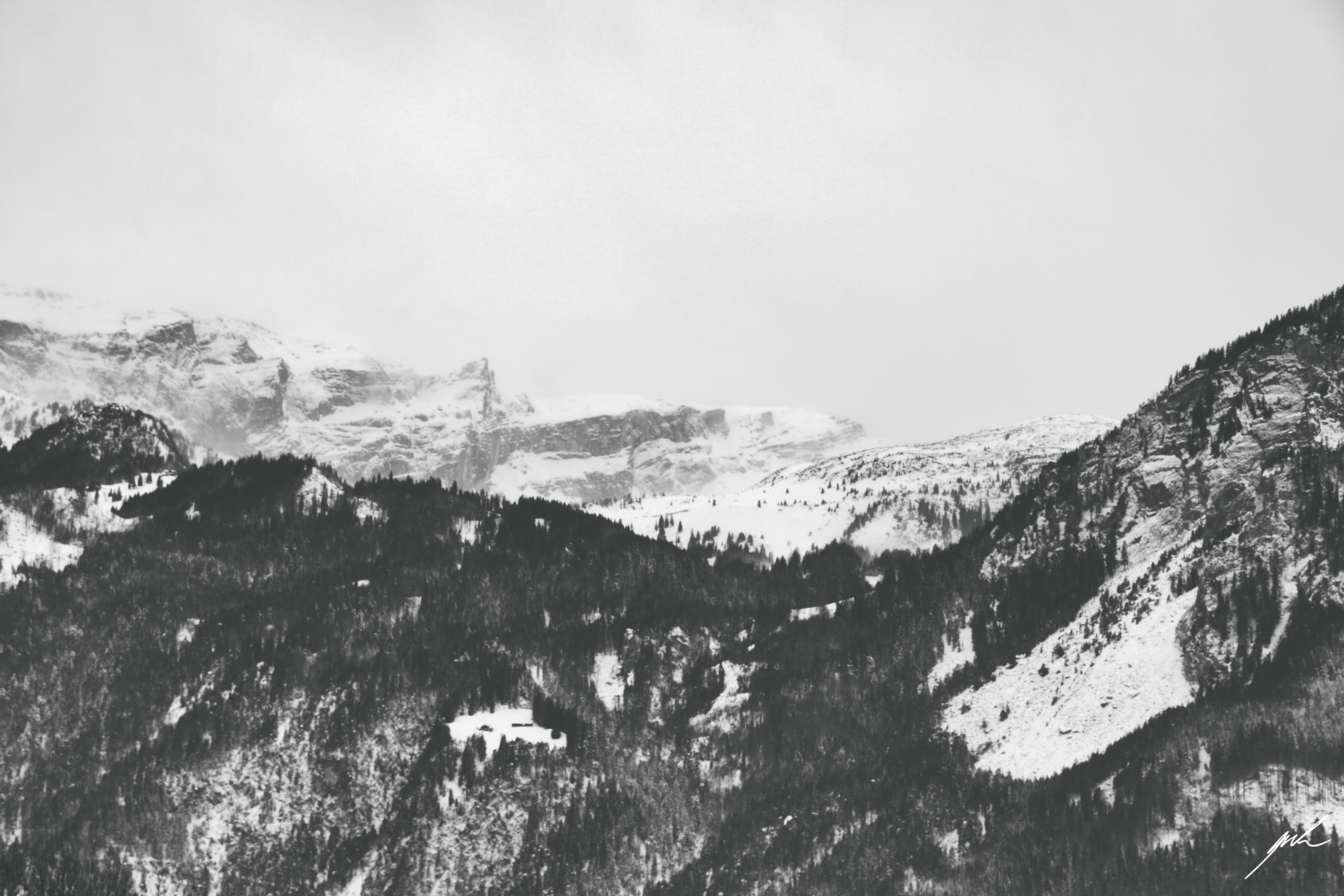
Winters are not precisely what they used to be in Austria, the climate change doesn’t stop at the Alps, unfortunately. As a kid I remember a lot of snow in Vienna, nowadays we don’t see barely any white in the cold season. But of course, Austria is more than just Vienna, and the conditions largely depend on altitude and location. The following pictures were shot mainly in Western Austria, Tyrol, and Vorarlberg in December.

test

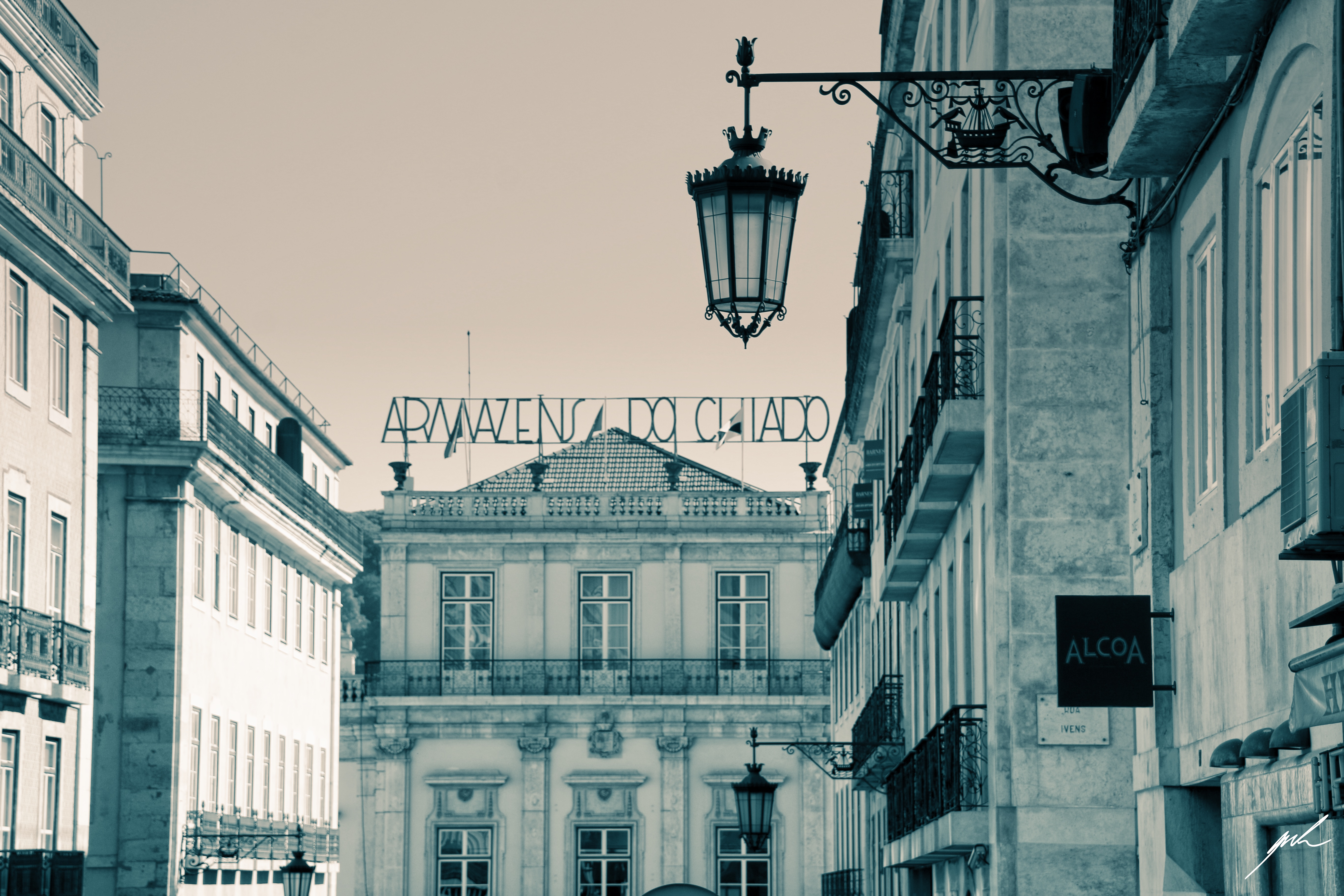
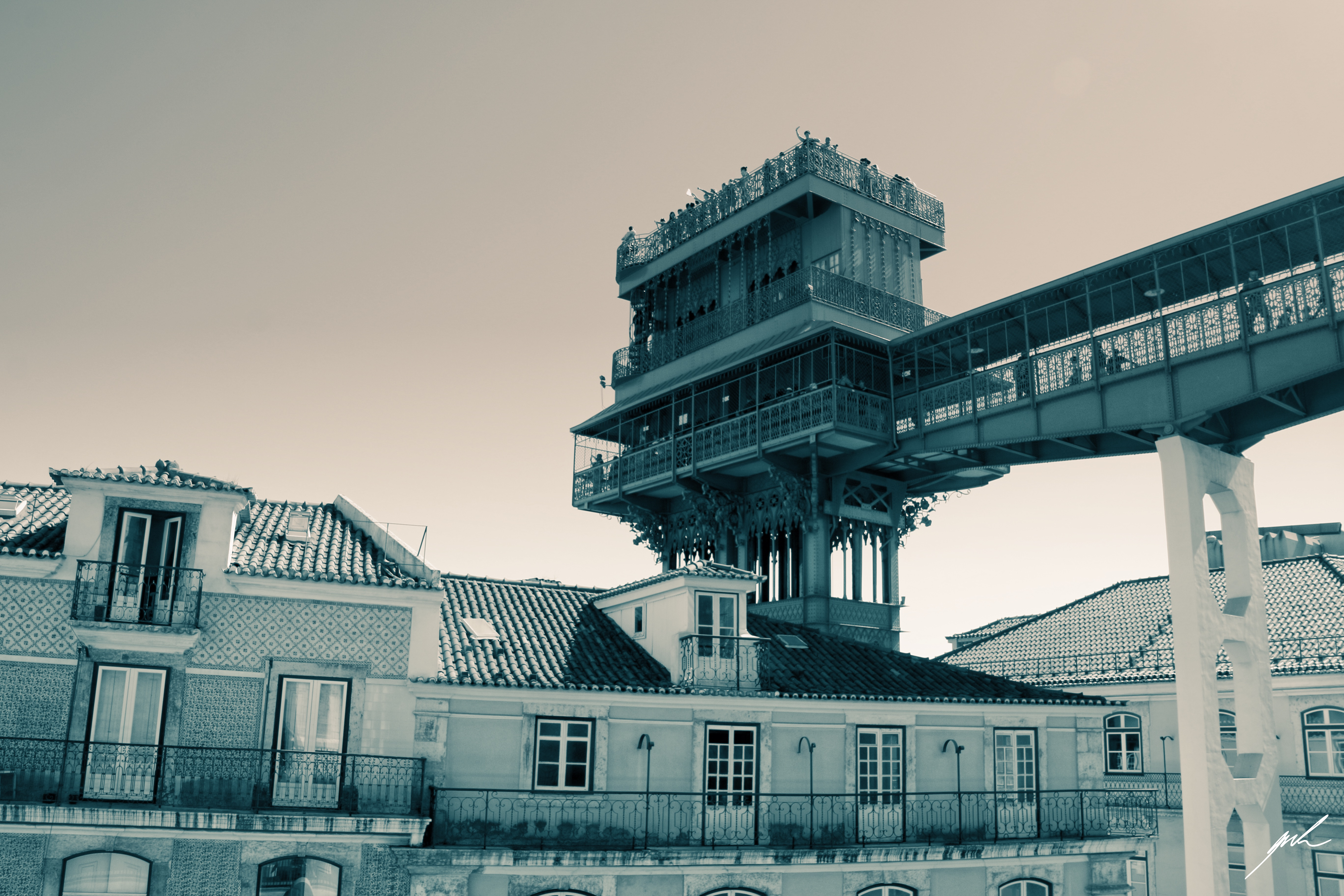
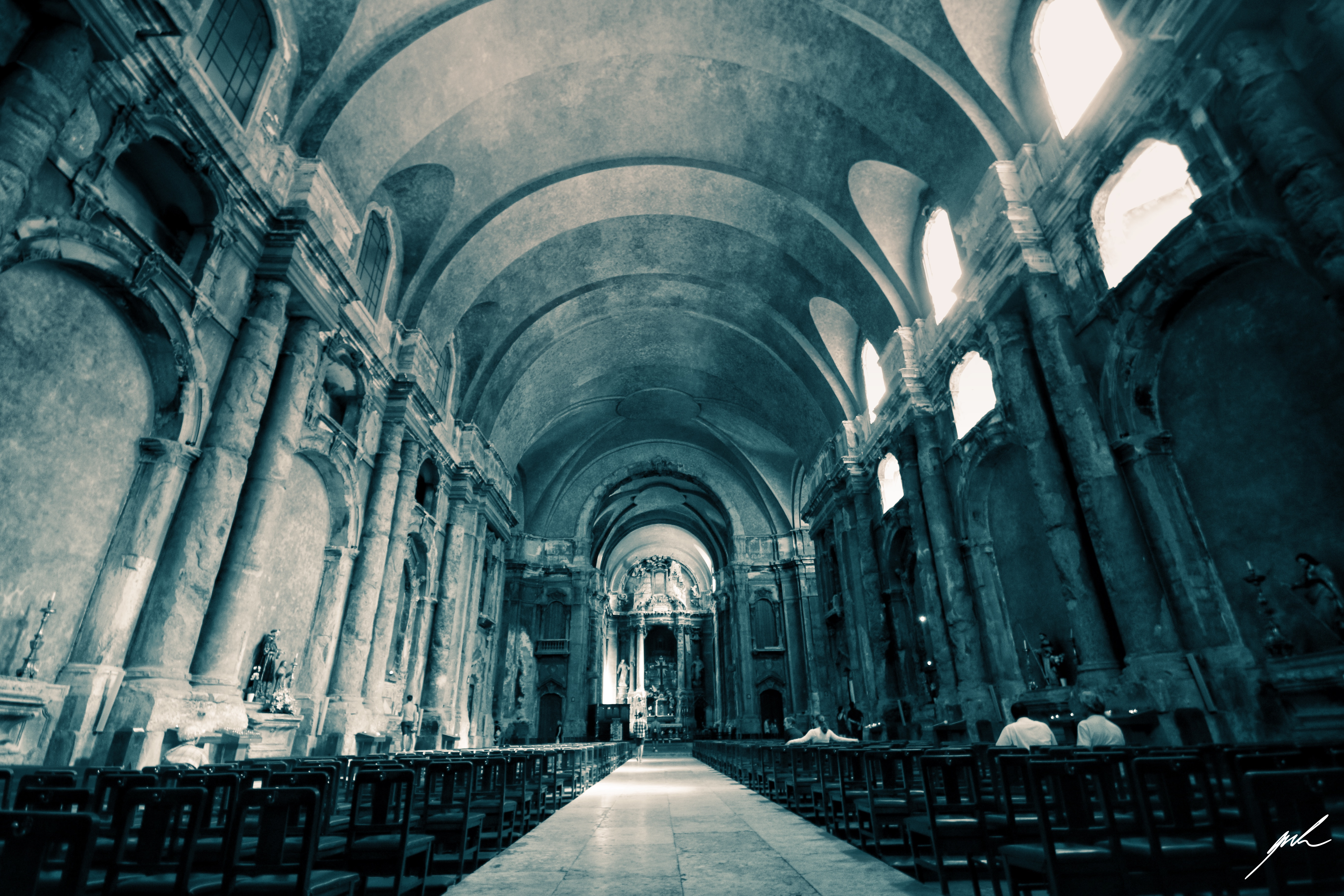
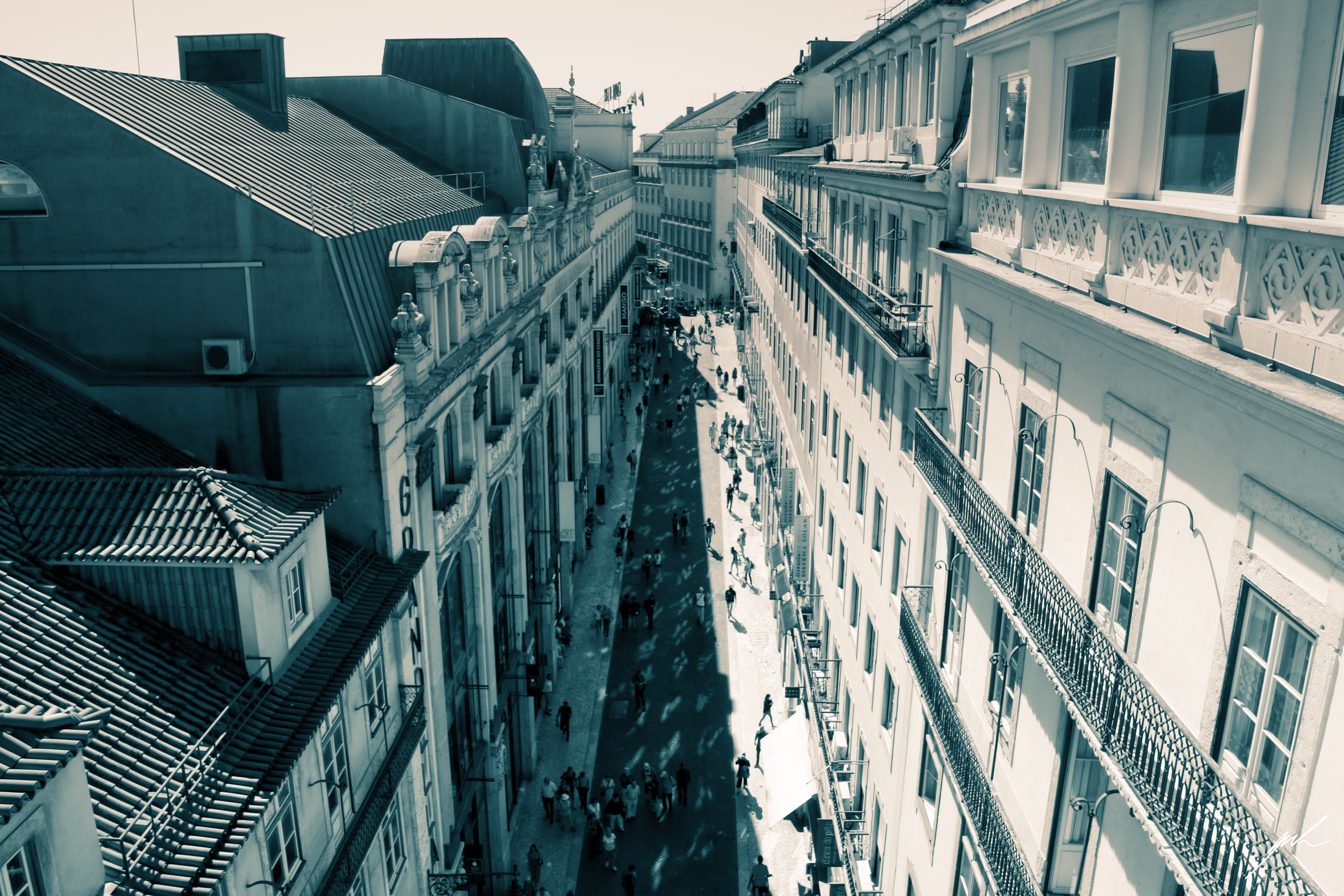
Lisboa Urbana: The City of Fado

I will start the new year as I ended the last one, continuing my Portugal series shot last October. This time, though, I will not set up the pictures themselves but talk about something you can’t spot on the shots, which is intrinsically interwoven with Lissabon and the people living there. I am talking about Fado’s music. It is a very intense and melancholic kind of folk singing, popular in Portugal until the 80s but fading away now. To understand the people of Portugal is to understand the nature of Fado.
You can listen to Fado on YouTube, of course. Still, being in Lisbon, you can also go to one of many Fado restaurants throughout the city. However, it is widespread in the so-called Fado neighborhood of Mouraria in the old town. Usually, you pay a package price for the food and the musicians. The spectacle starts at around 8 pm and ends well after midnight. The combination of good Portuguese wine (and port wine), delicious local food, and the music is exceptional.

One night, a visit to a Fado Restaurant called Maria da Mouraria became magical. After being served the second course, the musicians went to the small stage among the tables and started playing. We were all surprised, though, and began to sing suddenly. It was the guy who had just introduced himself to us as the kitchen chef! Well, it turned out he was the owner and a very talented Fado singer. It wouldn’t be the last surprise of the night.

As we watched him and his musicians, we also noticed an older lady at the door whipping to the music. Later, a friend went to the toilets downstairs and told us she saw the lady singing in the basement with the musicians; it seemed like they were practicing. Indeed, after the next course, she came to the stage, and what followed was a magical performance of a 95-year-old lady singing like a 25-year-old star. Her presence on the stage was magnificent; the feelings and the joy she put into the songs were inspiring. A beautiful voice full of emotions in an almost private setting. It felt intimate. The lady had so much energy and fun she just wouldn’t stop, continuing singing even on the sidewalk while wandering with us through the nightly lit streets of Mouraria while she went home and we headed to the Metro.

Later, we witnessed a spontaneous performance by a retired lady living in the neighborhood. But this wasn’t any lady. She was the sister of the famous Amalia Rodrigues, an icon of Fado who died in 1999 and was well-known by all Portuguese. Celeste Rodrigues is a prominent Fado figure in Portugal, having often been on television and given large concerts. It felt as for a moment in her life, she was the star on the large stage again, her beautiful voice becoming a part of the history of Lisbon itself.

test

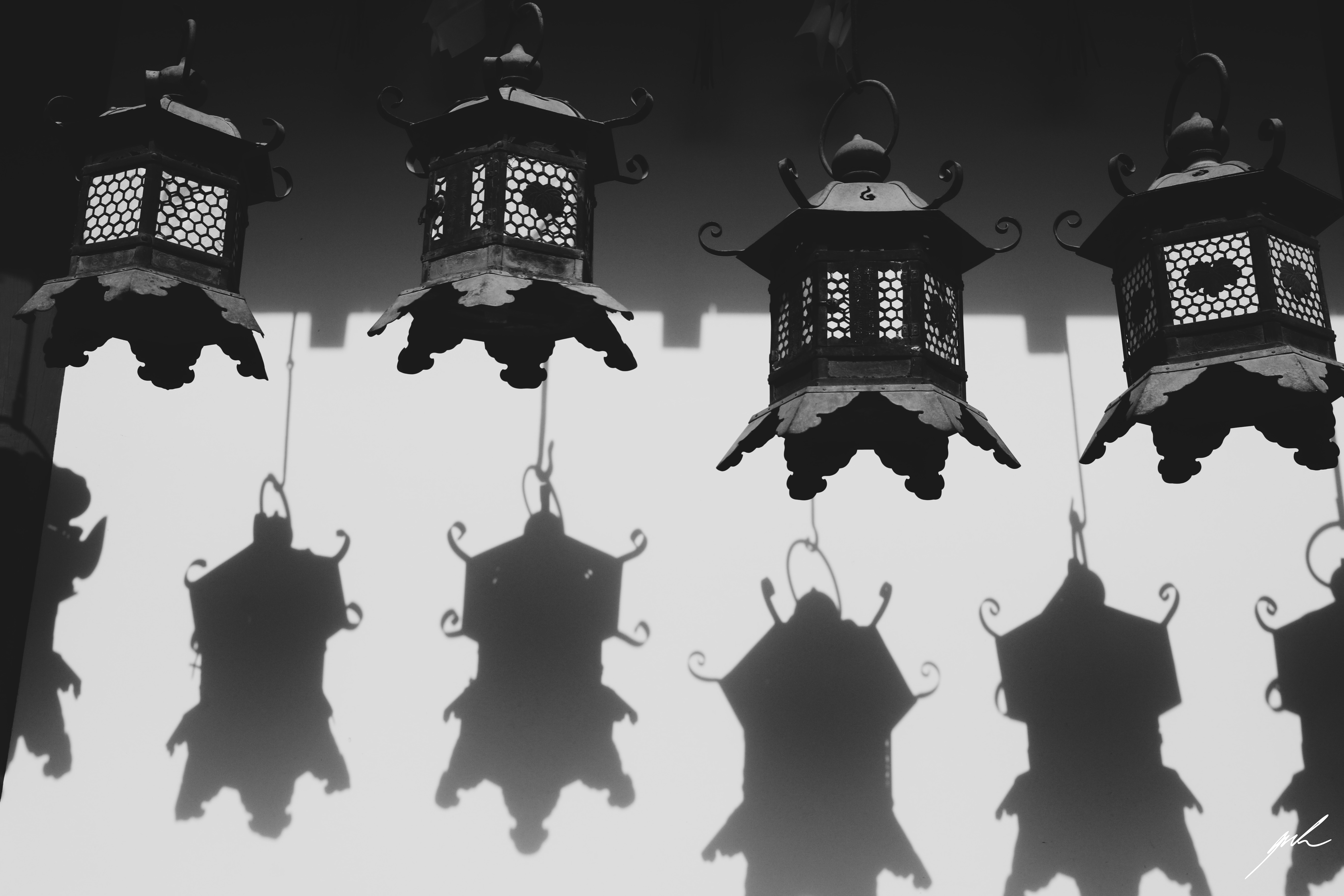
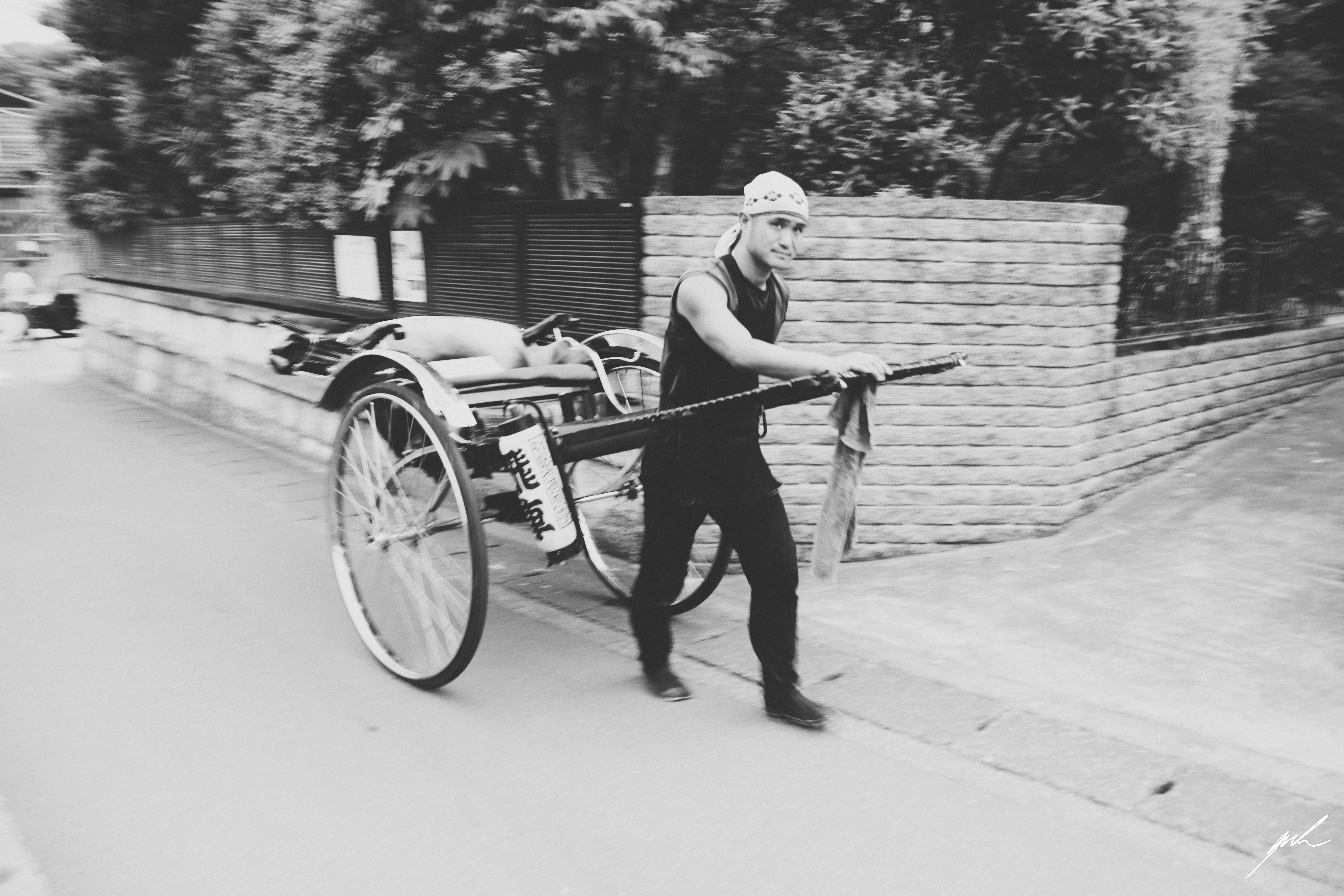
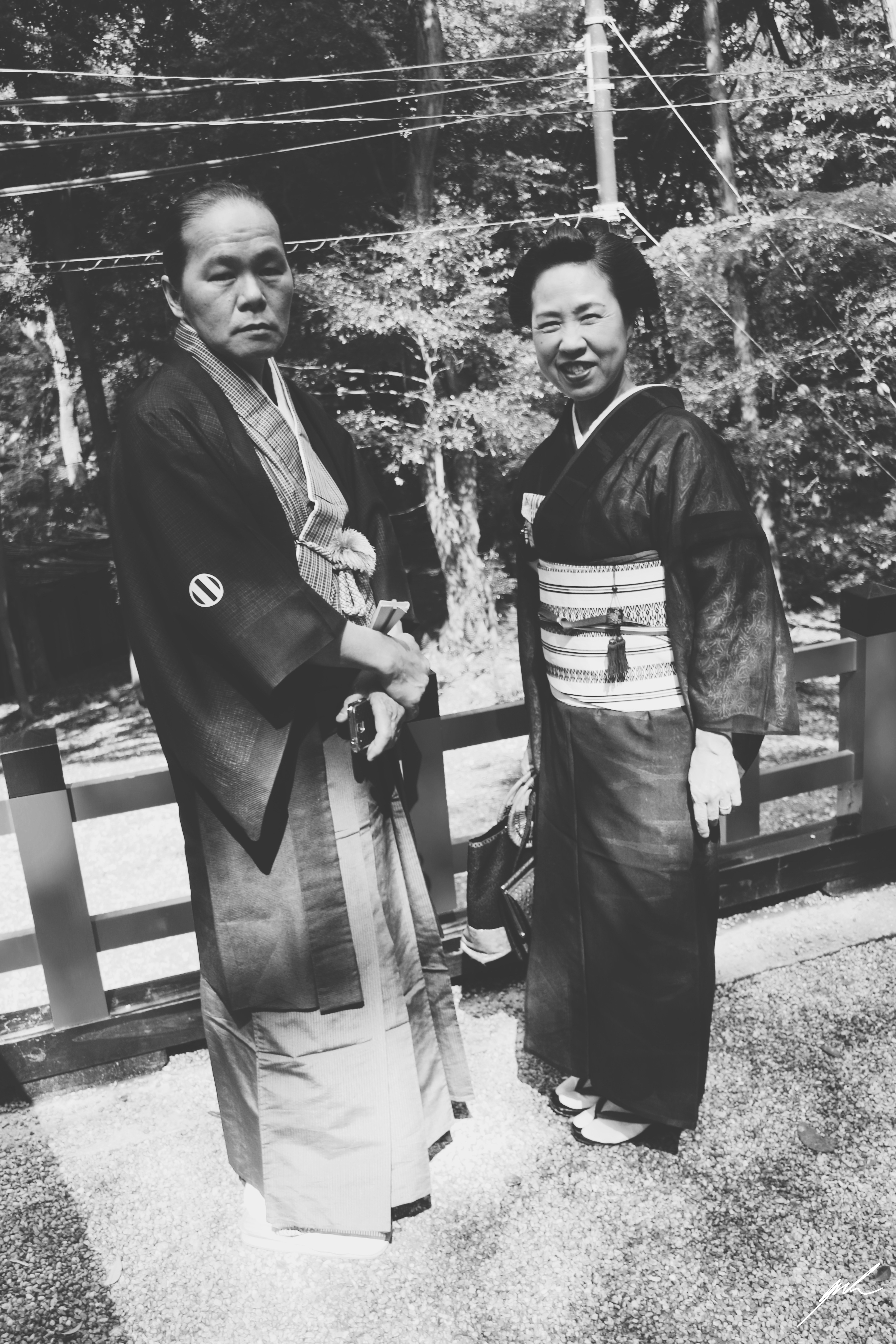
Tokyo 2

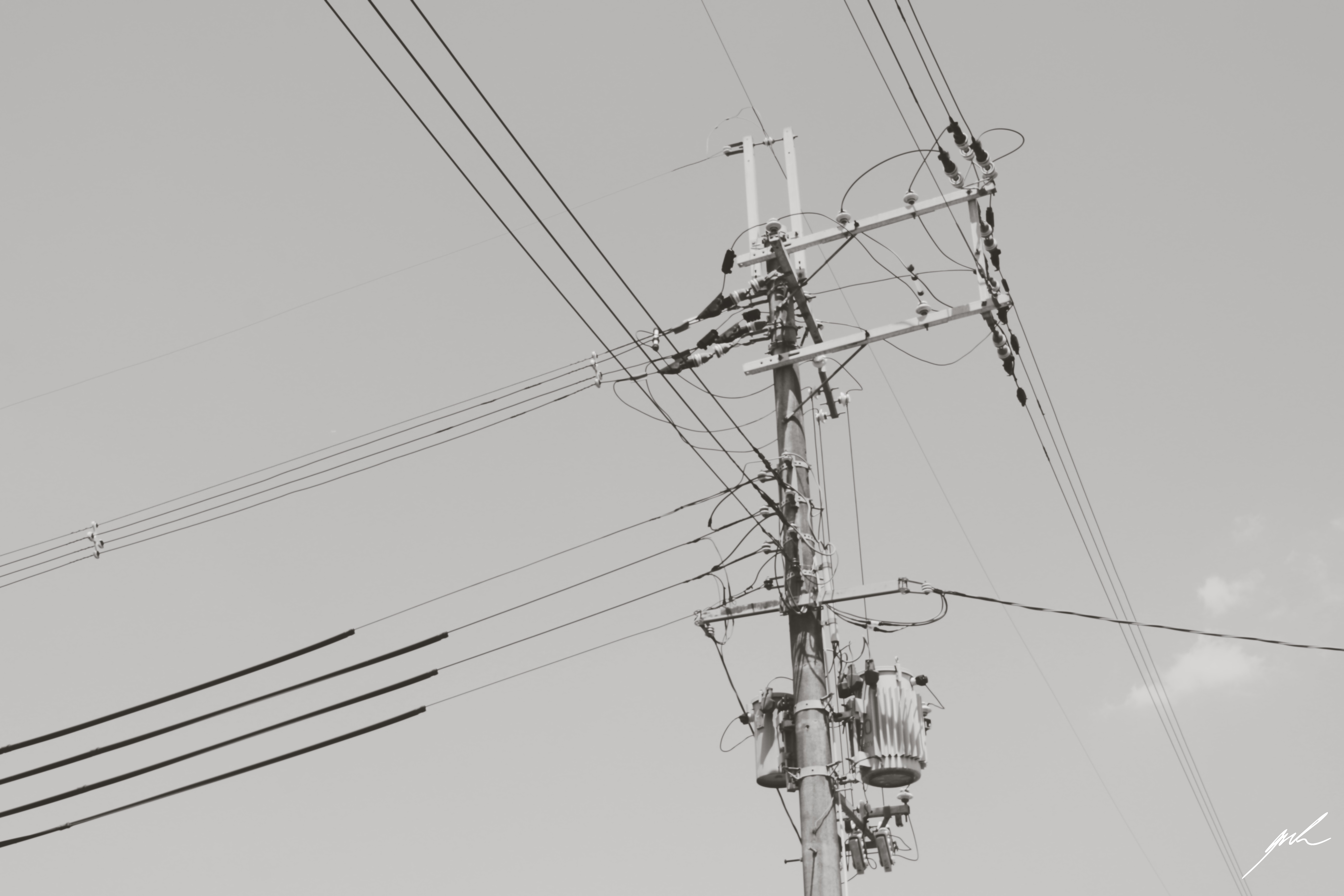
The inherent beauty of Japan is how it first seems to contradict itself constantly, but the more you get to know the country and its people, the more it shapes into a whole and harmonious picture. Why are the streets so clean, you may wonder, yet there is no concept of public bins. Well, people don’t produce waste on the go, and if they do, they take it with them because it ain’t the public’s business. There is a firm idea of the collective, yet there is enough place for individuality and creative expression. Most and foremost, Japanese culture is firmly rooted in the past and very forward-looking. This may seem like the biggest contradiction, but it all makes sense when traveling to this intriguing and fascinating country and getting to know its many inhabitants.

test

Processed with VSCO with b2 preset

Processed with VSCO with b6 preset

img_9089

img_0071

Processed with VSCO with b1 preset

img_9873

Processed with VSCO with b2 preset

img_8524