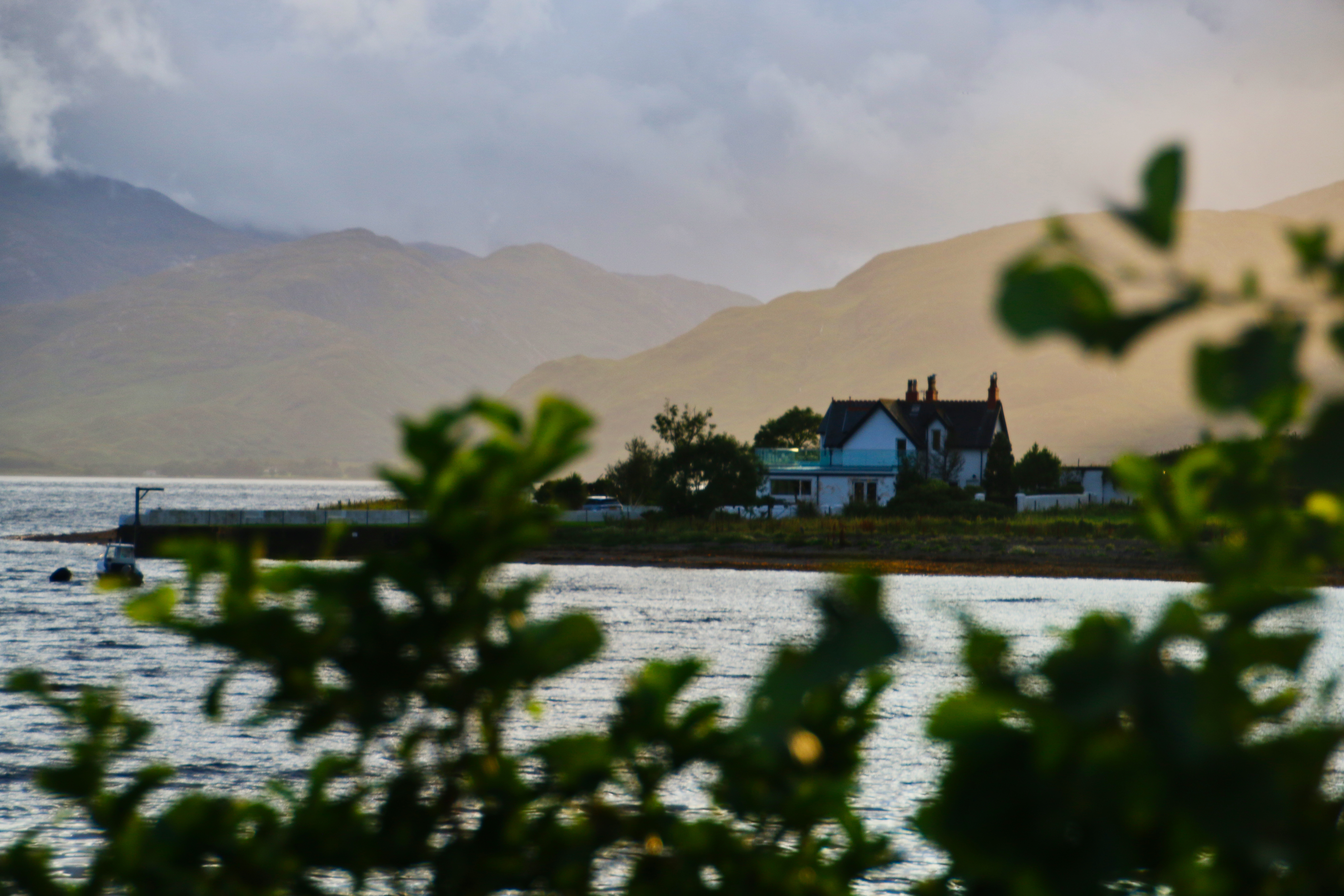
Sunset at the Loch
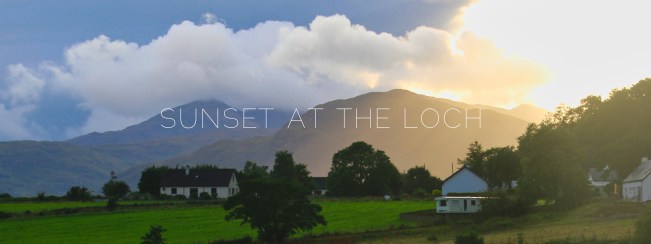
Shot in Scotland at the Loch (Lake) Linnhe in August 2019.

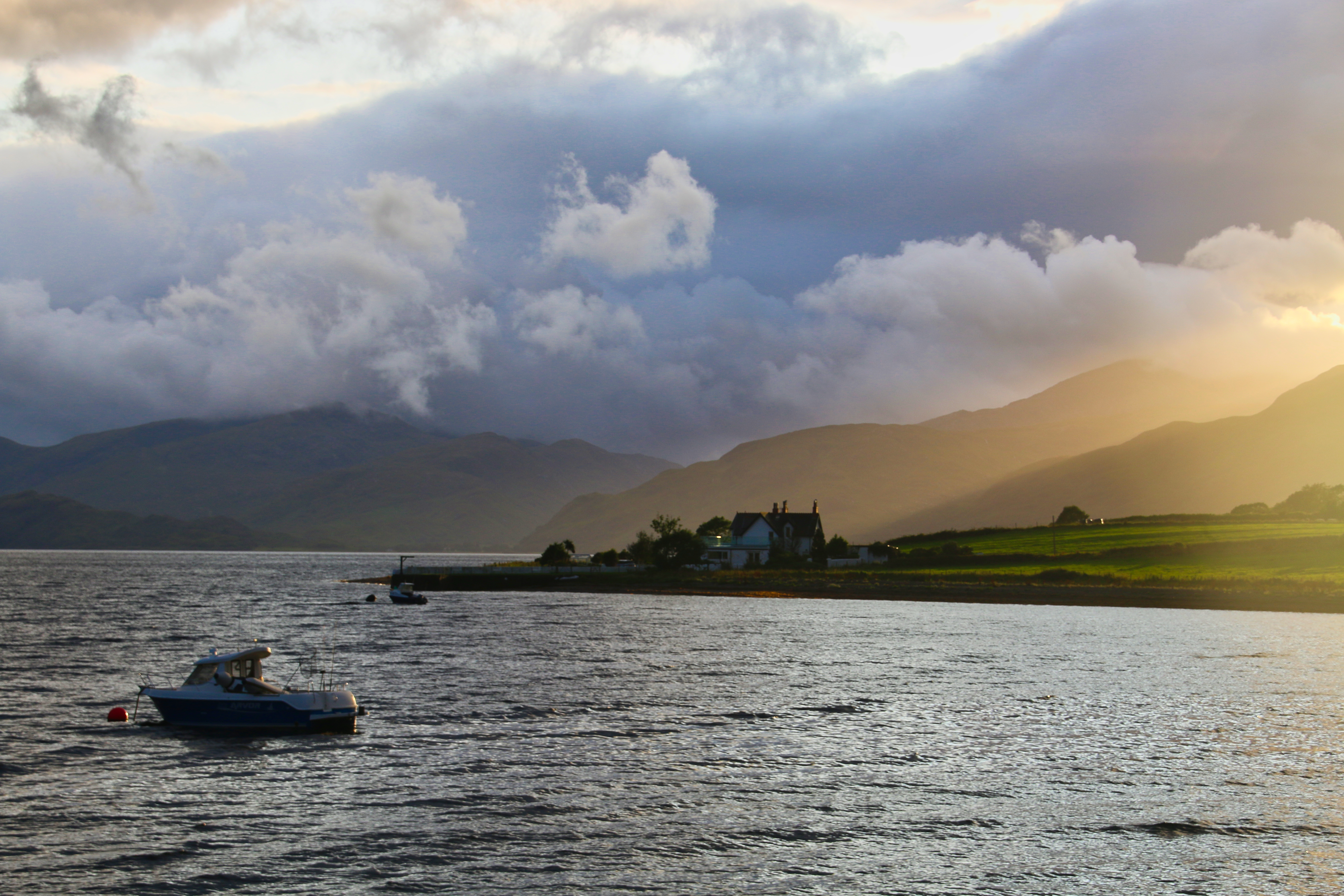
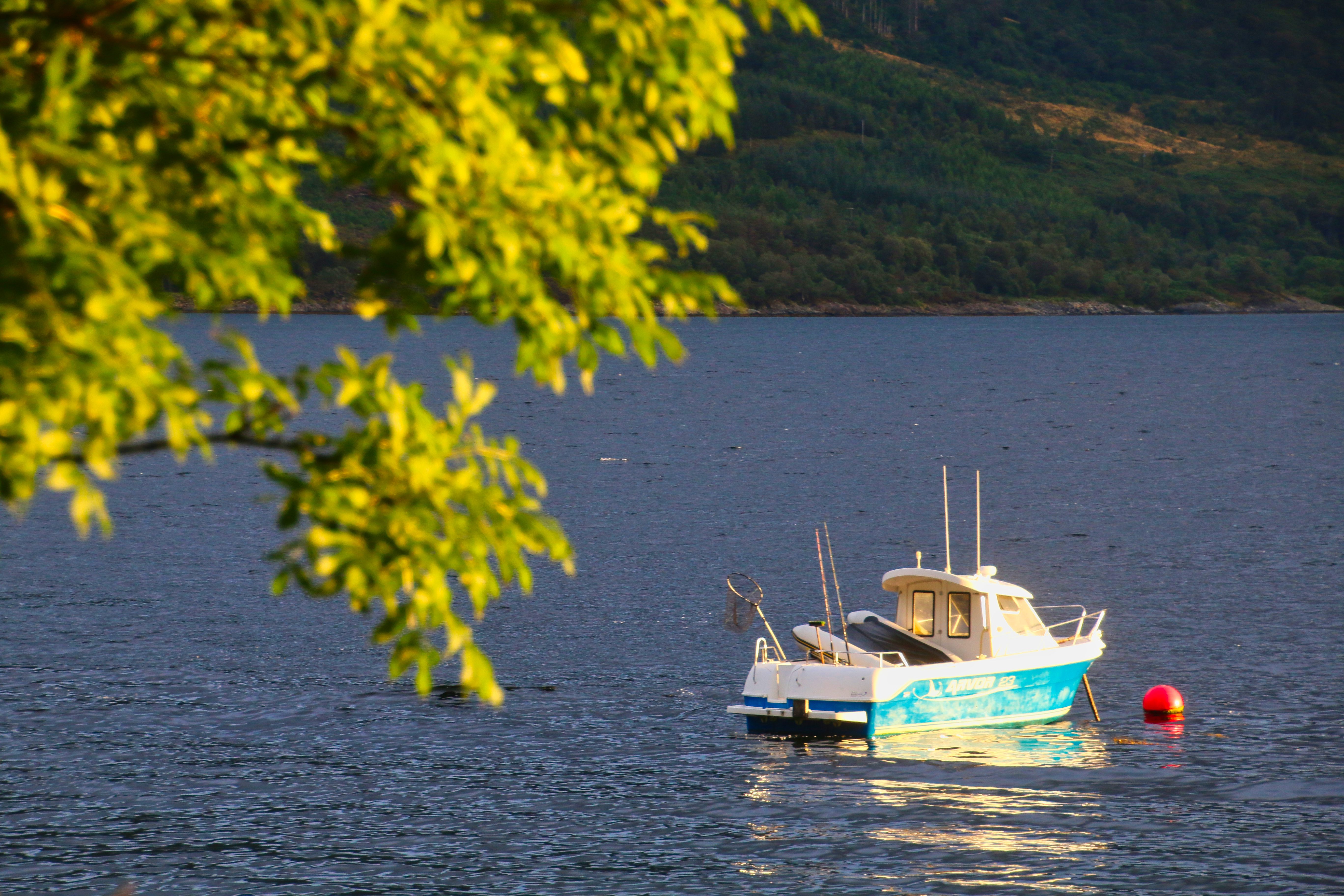
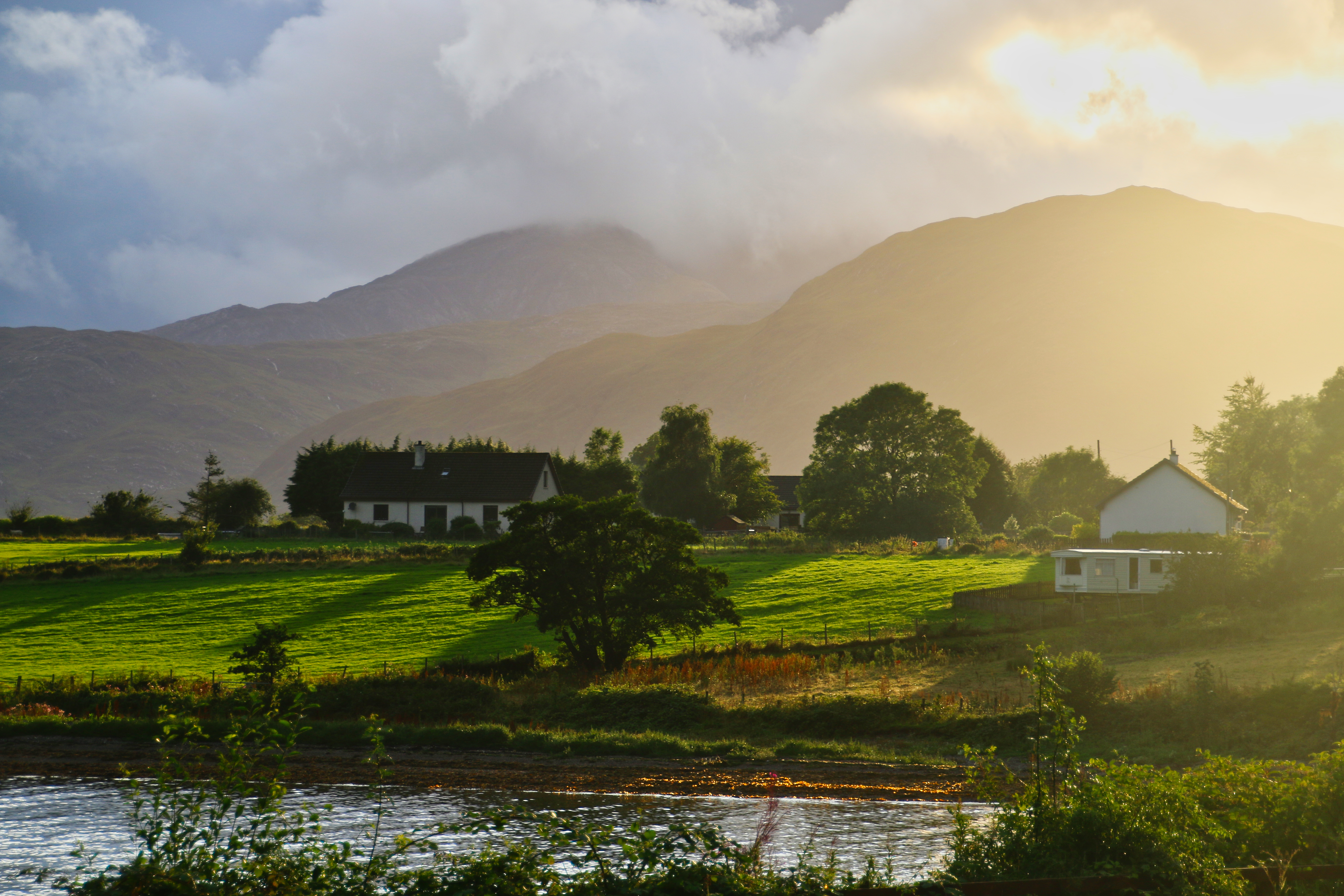
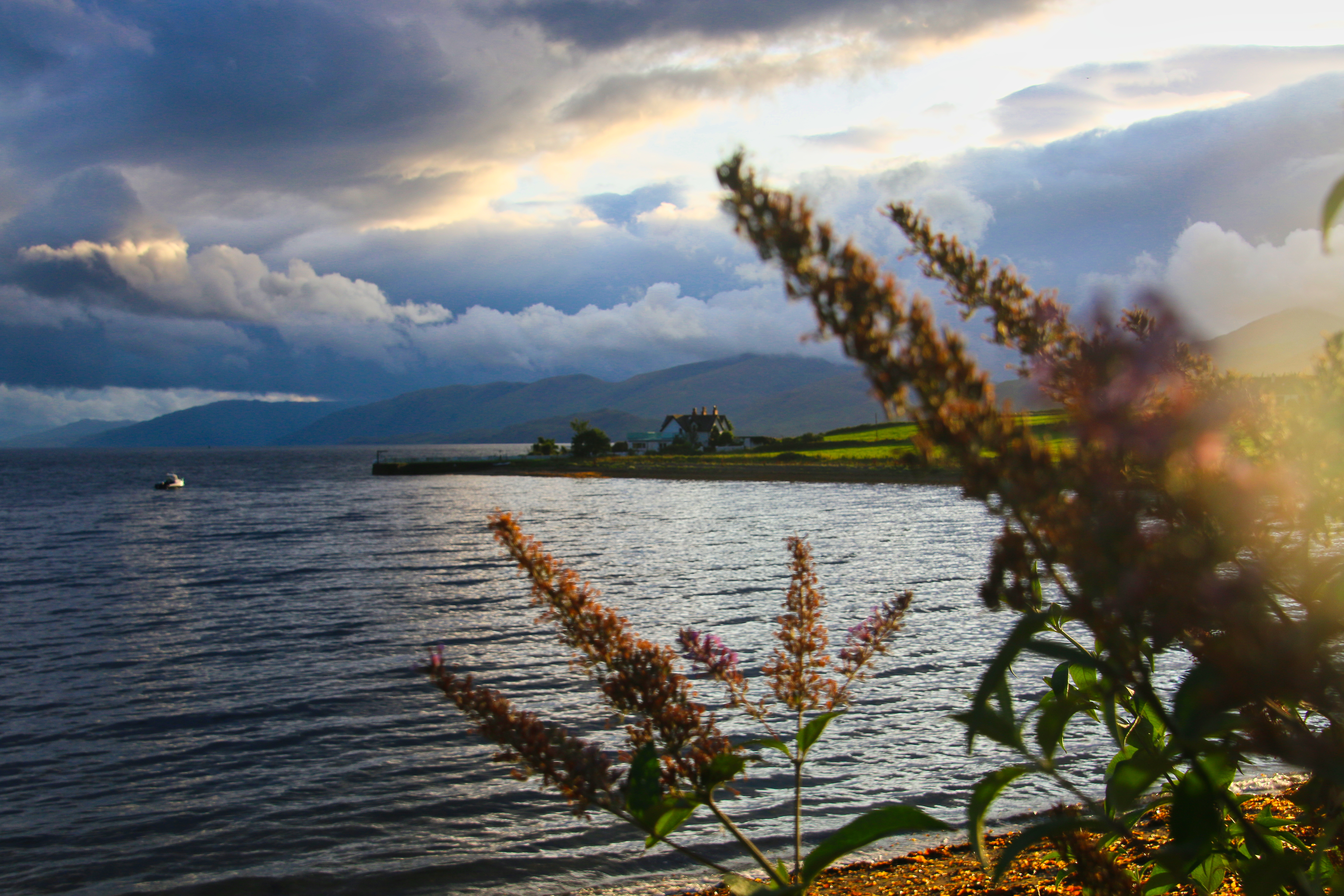
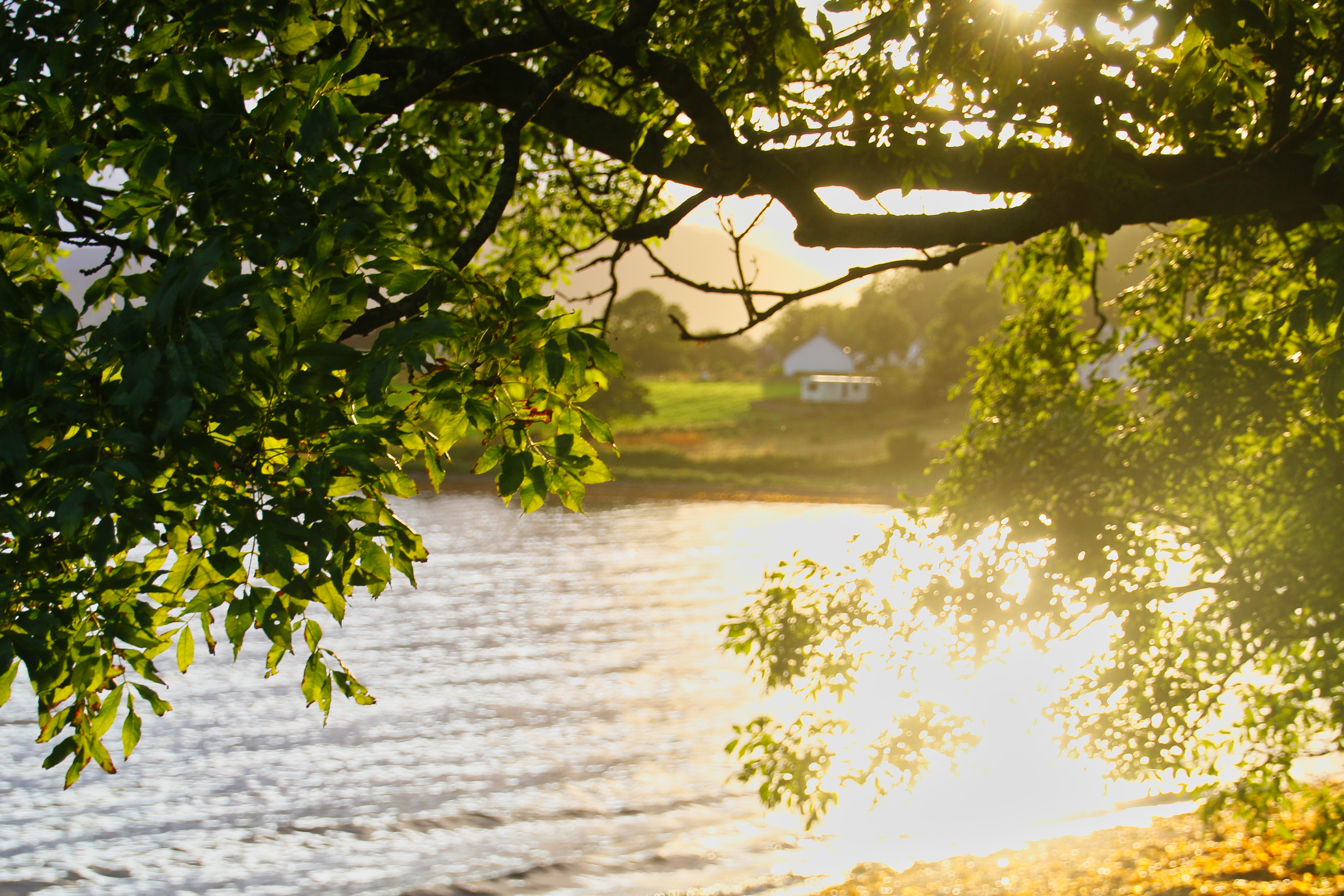
Shot in Scotland at the Loch (Lake) Linnhe in August 2019.
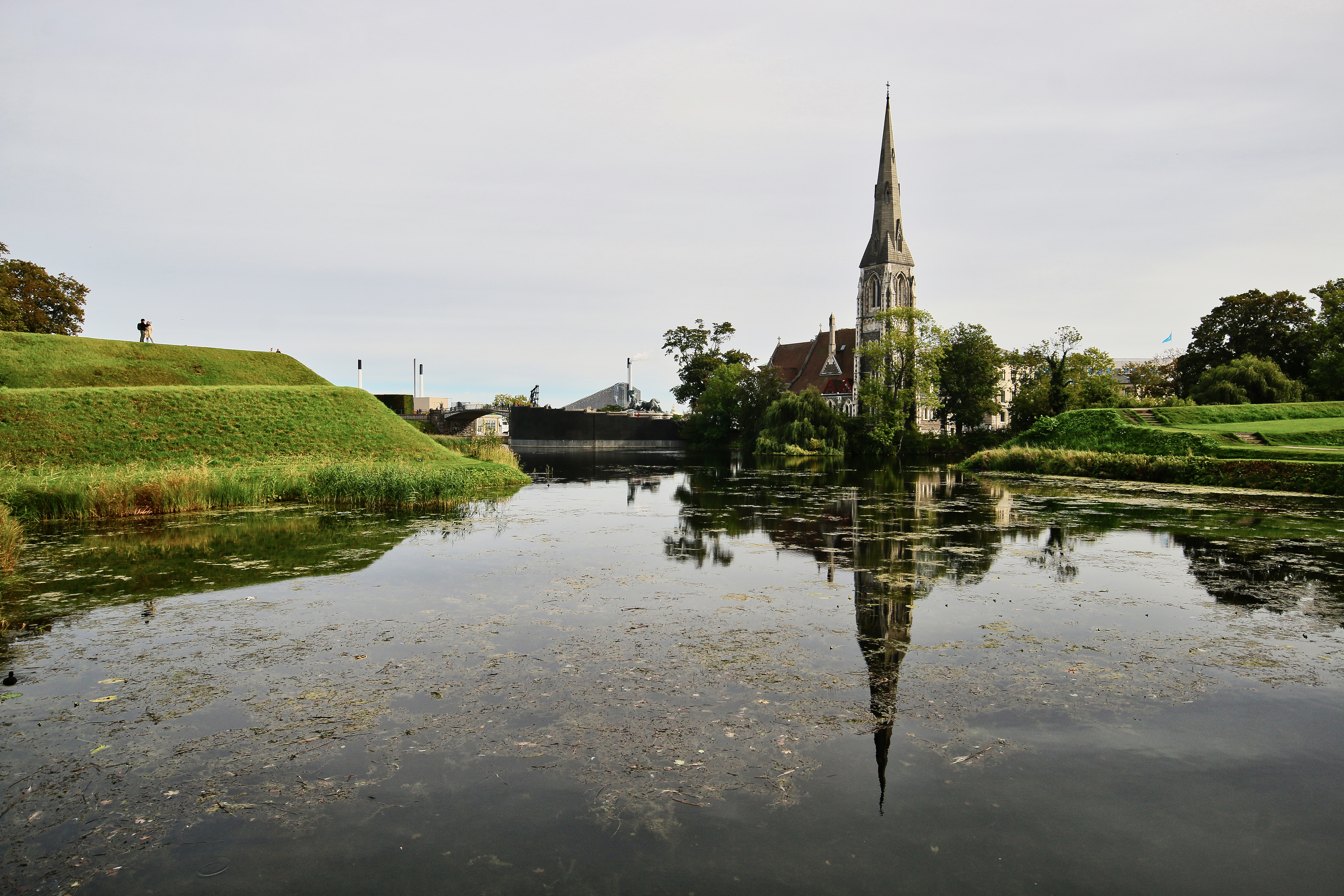
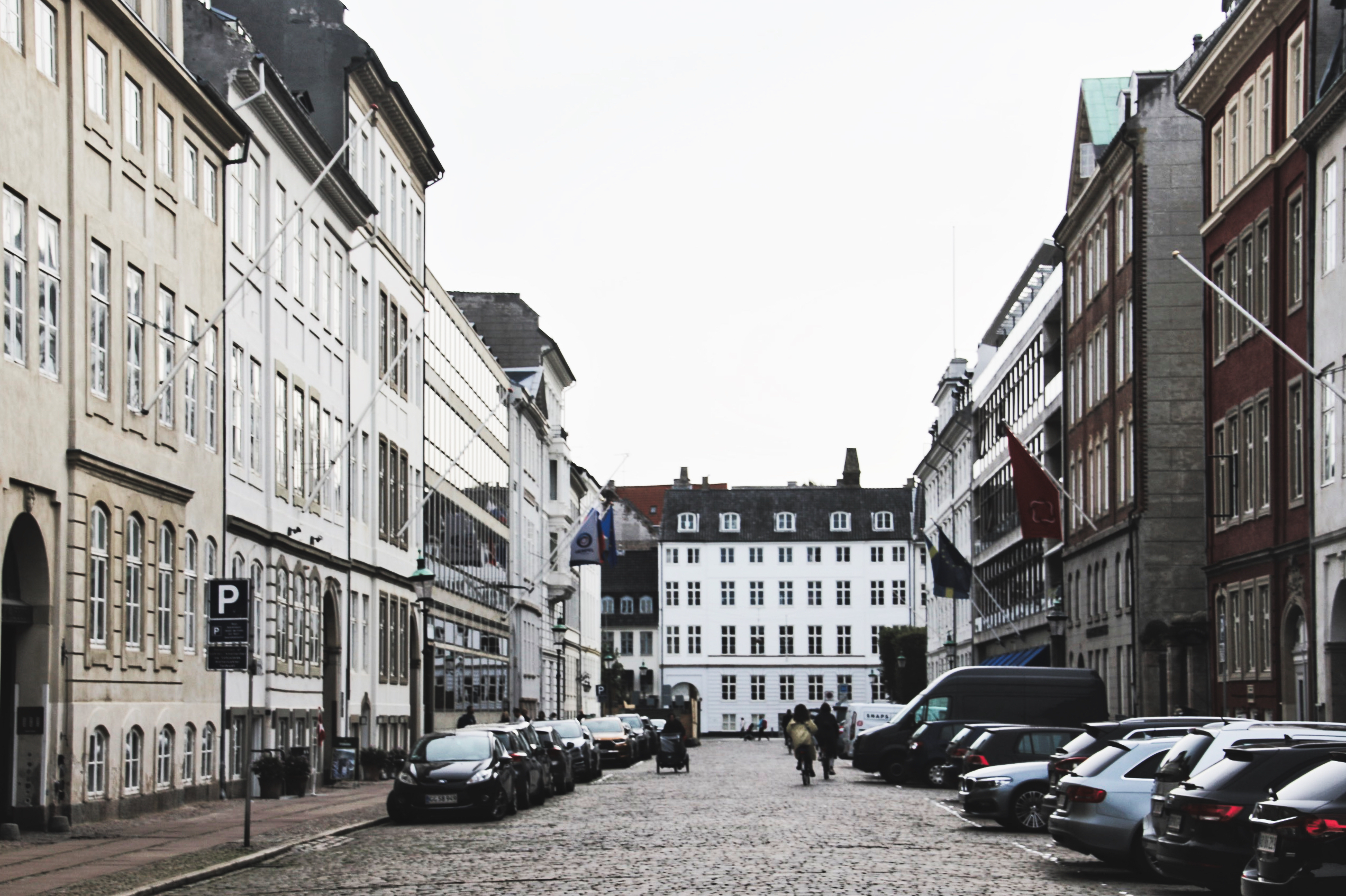
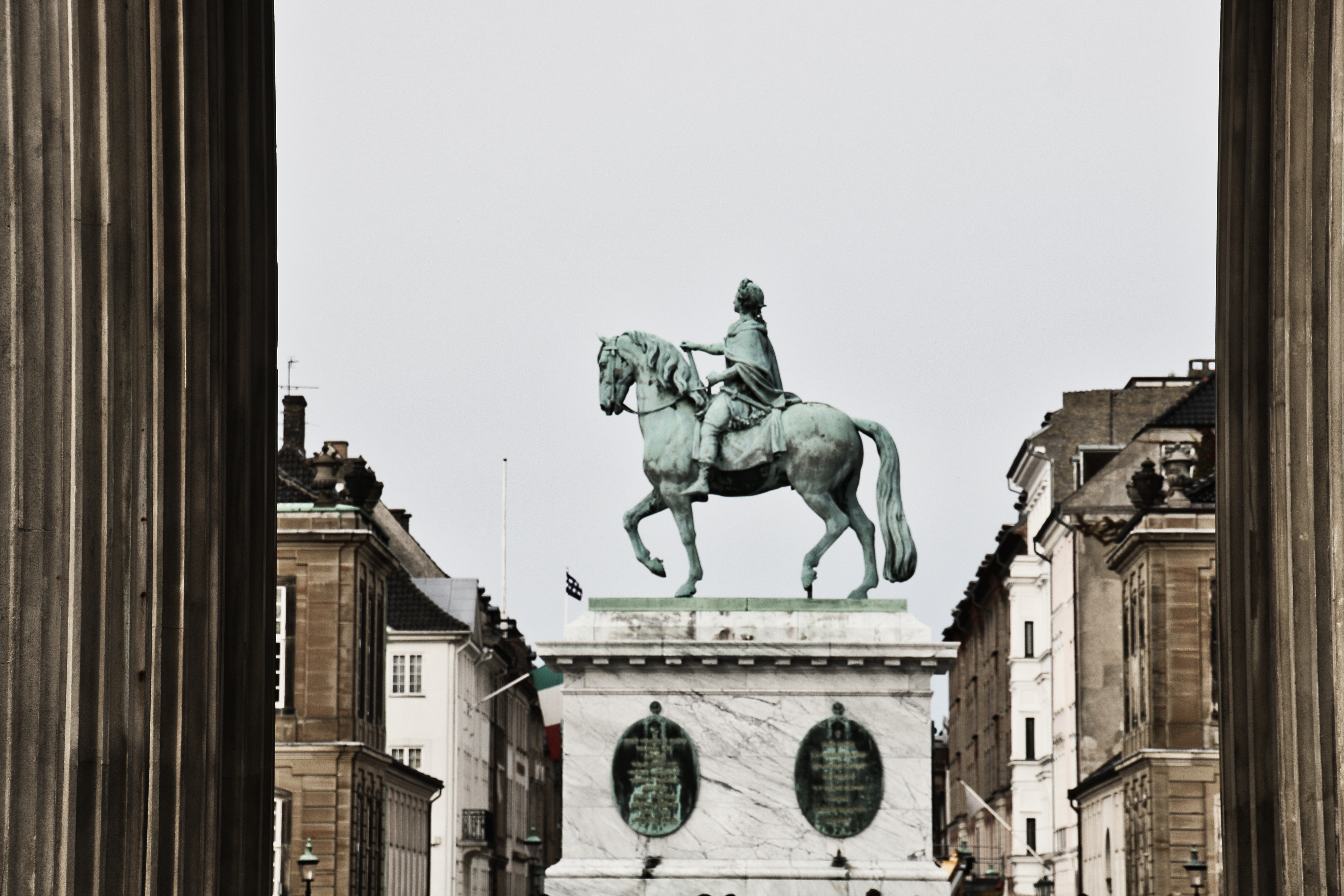
Founded as a settlement by the Vikings in the 10th century, Copenhagen grew exponentially in the following centuries, becoming the capital of Denmark in 1416. The inner city was destroyed several times by the plague and fires and was rebuilt in a neoclassic style during the so-called Danish Golden Age in the early 19th century. Although many other parts of Copenhagen are modern and somewhat functionalist, the inner city still represents the glory and richness of these past times. Photographies from a walk during late Summer 2019.


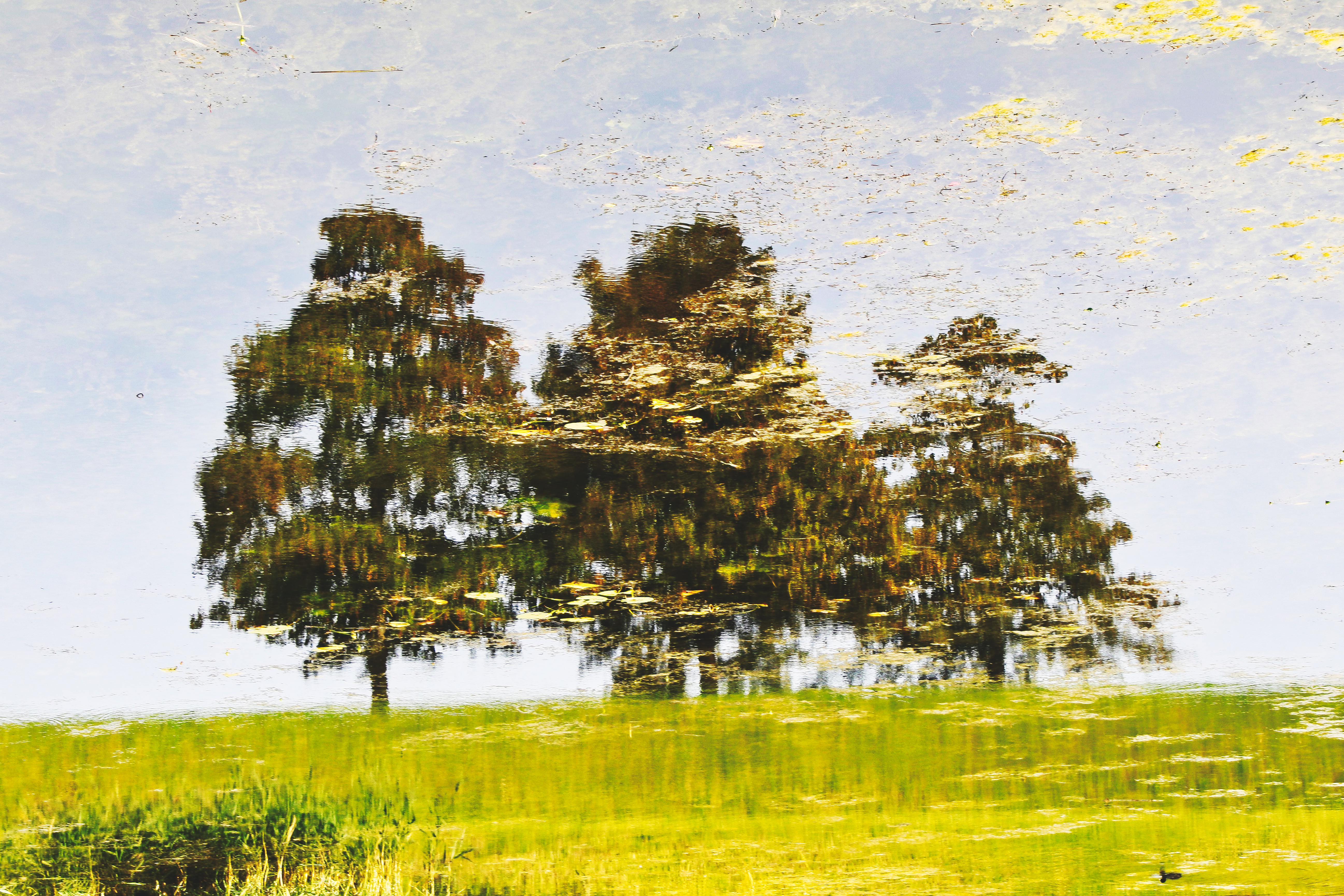


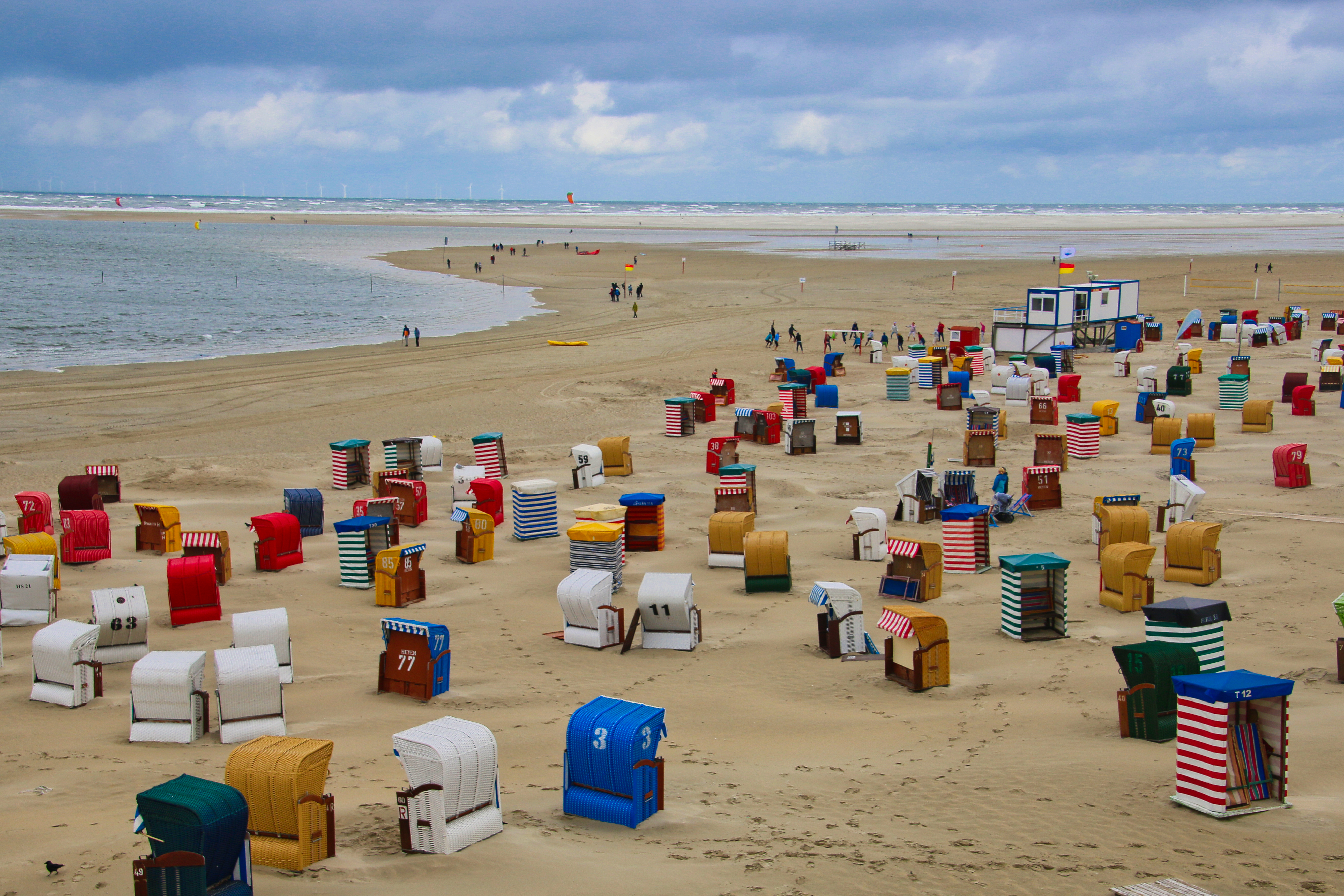
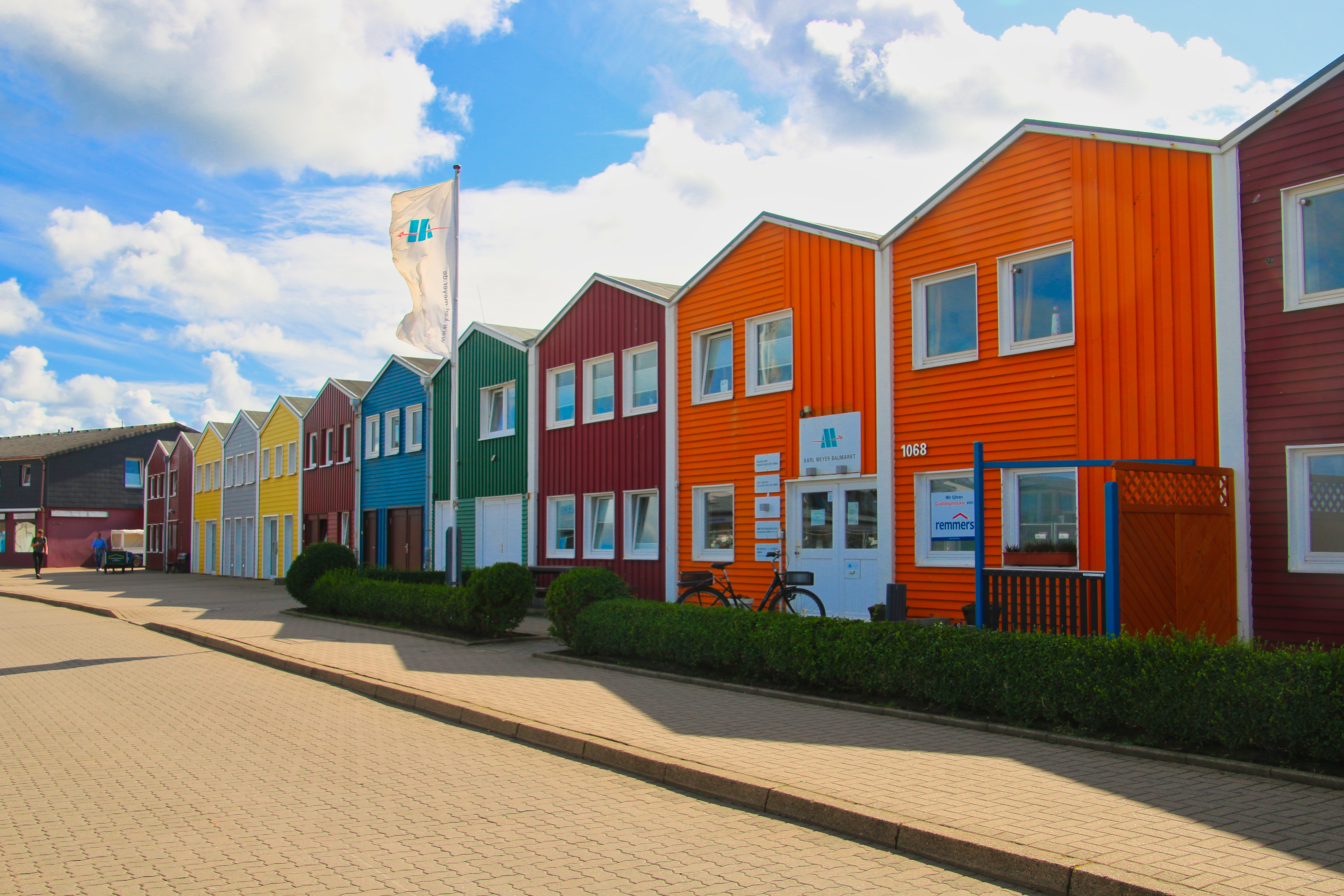
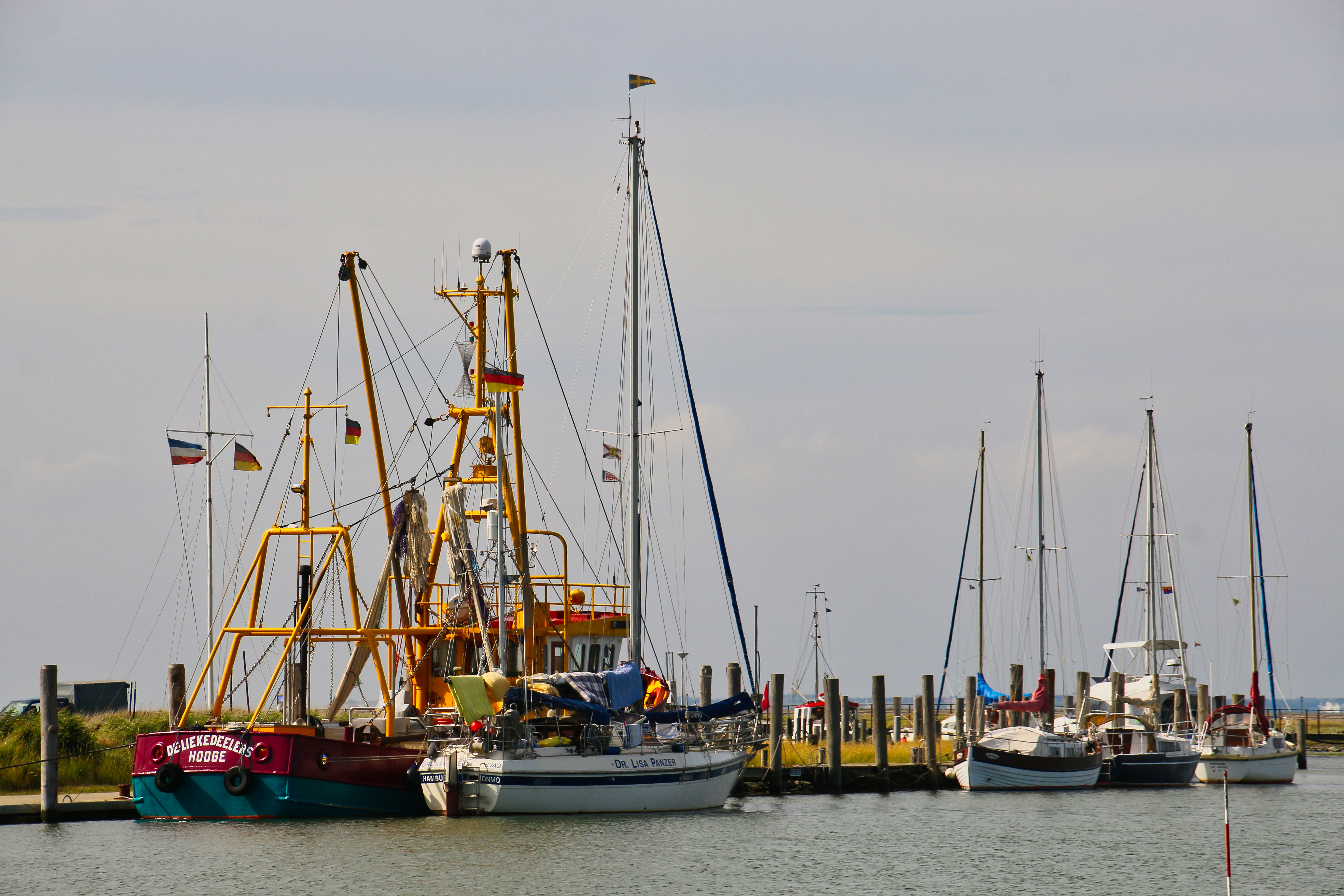
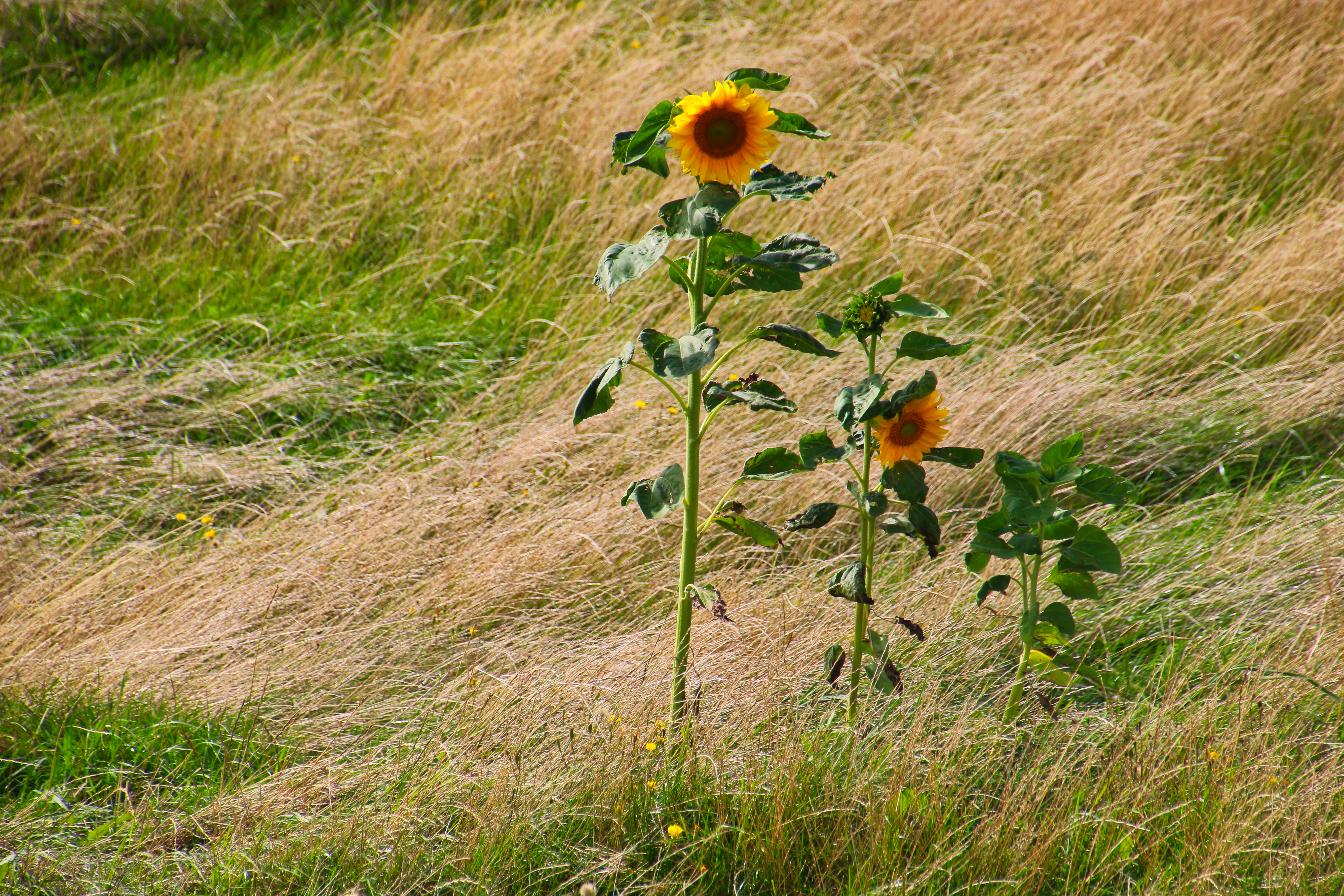
In relation to other European nations, Germany is a big country with some exciting features. While the south of Germany is bordering with the Alps and is in parts quite mountainous, the north is a very different place. Not many know that the country lays ashore not to one large body of water but two. There is the quieter and more enclosed Baltic Sea in the east and the wider and more open Northern Sea in the west. At the shore, there are endless sand beaches and many quiet islands where you can relax with these unique, colorful beach chairs. The most exciting feature, though, is most probably the Wadden Sea (last three pictures). It is a kind of muddy place which is flooded twice a day and reaches at some points deep into the sea. The Wadden is one of the most diverse bio habitats on earth and home to many microorganisms because it is biologically very rich in nutrients. Also, it is home to the sandworm and many kinds of birds.
‘
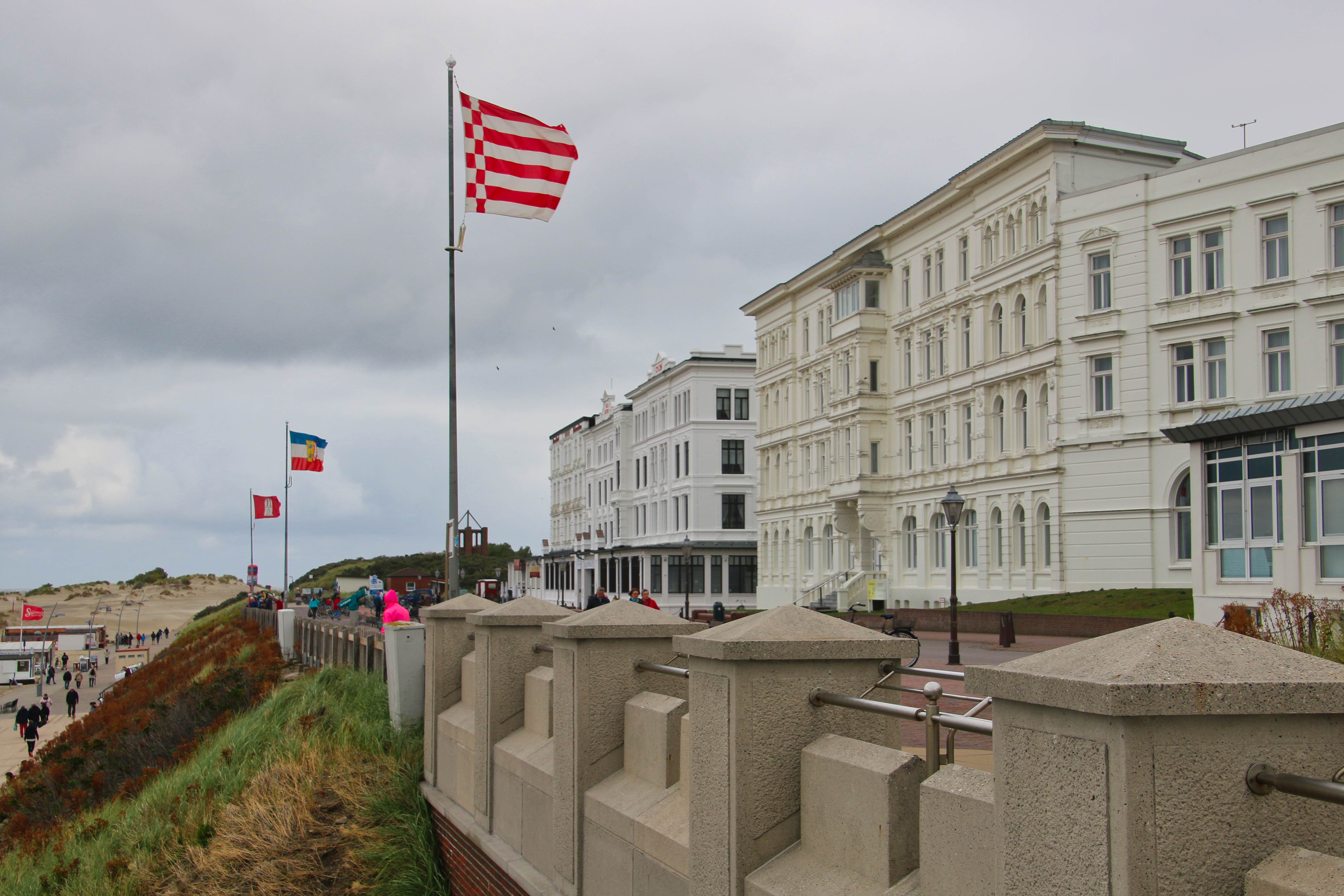
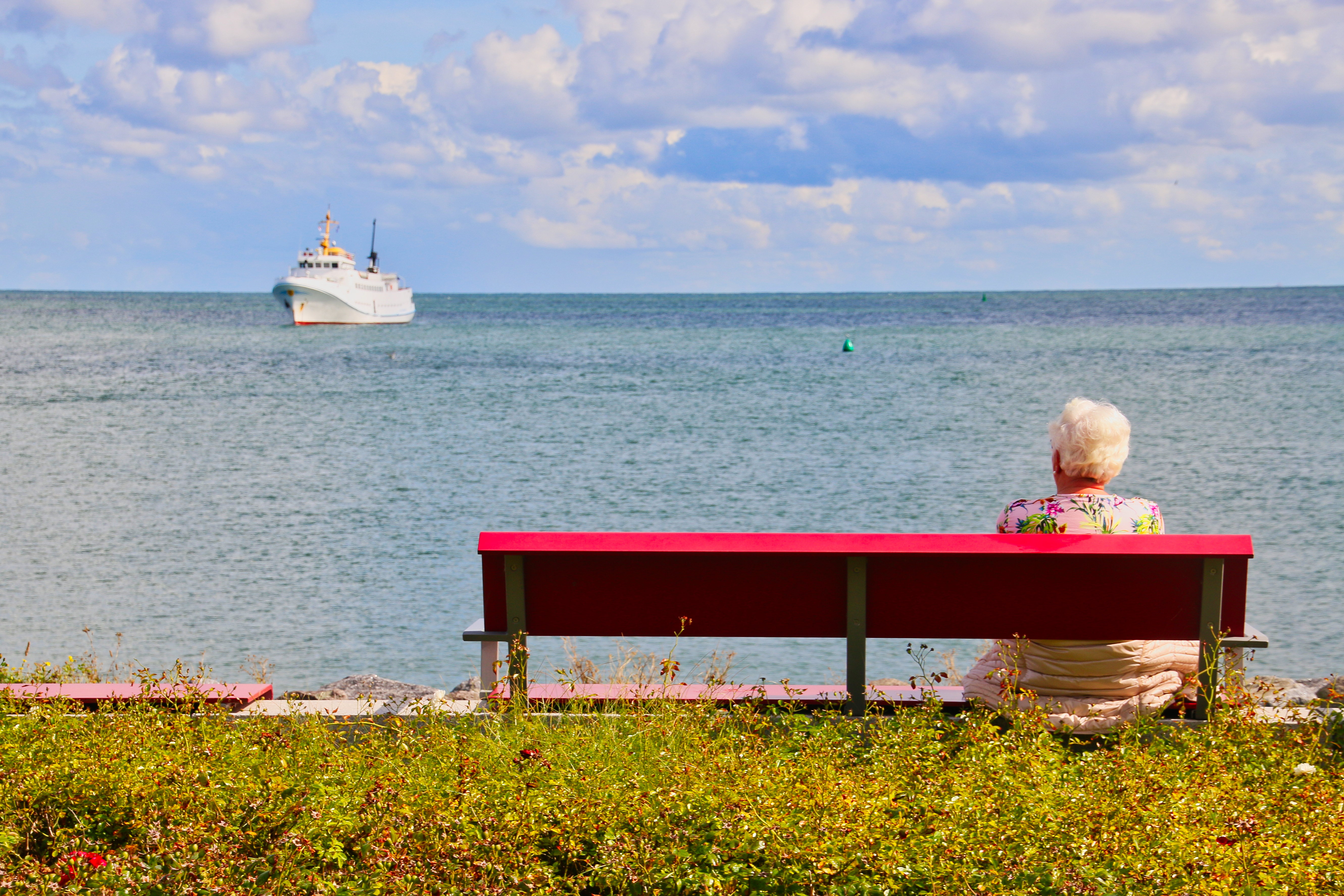
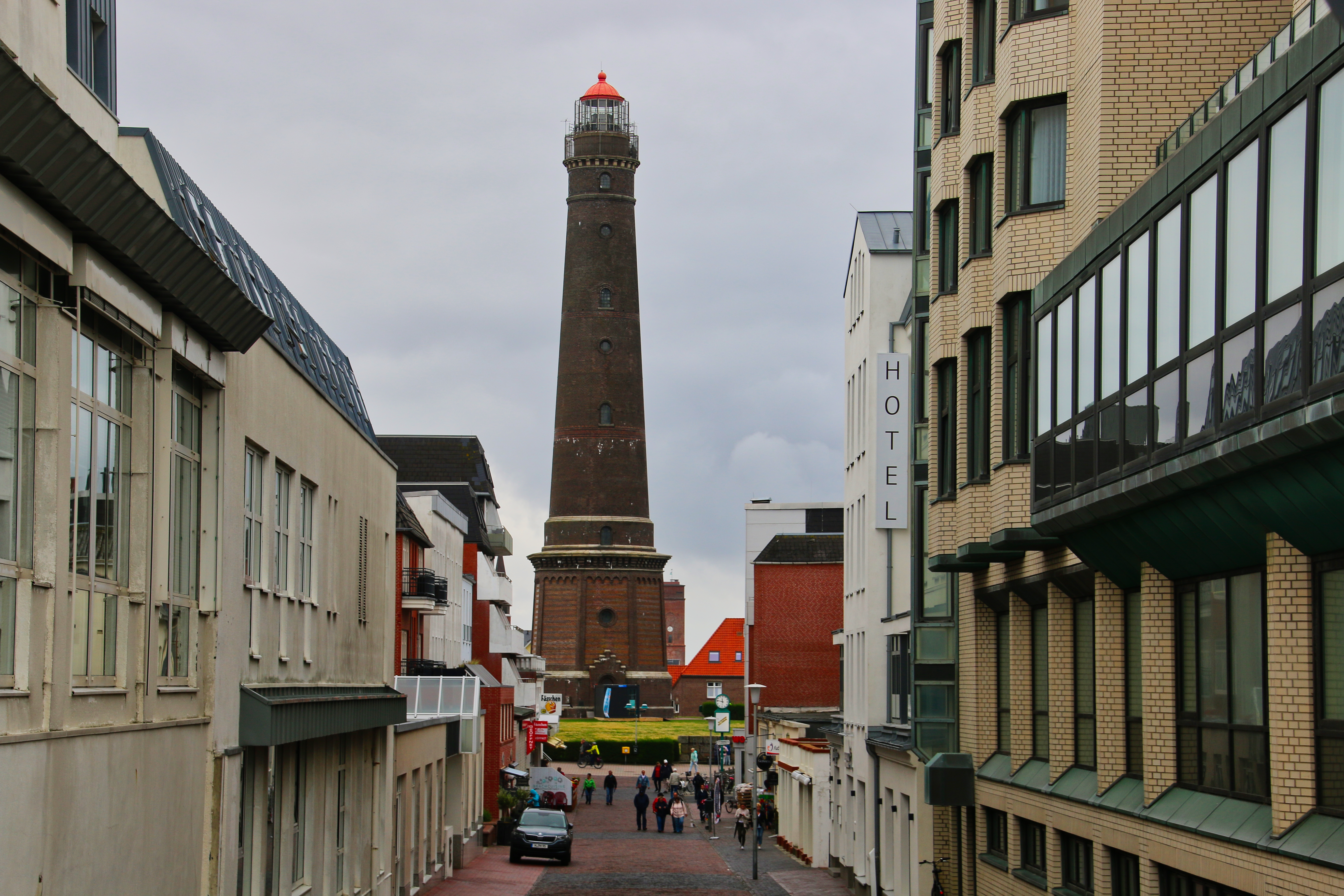
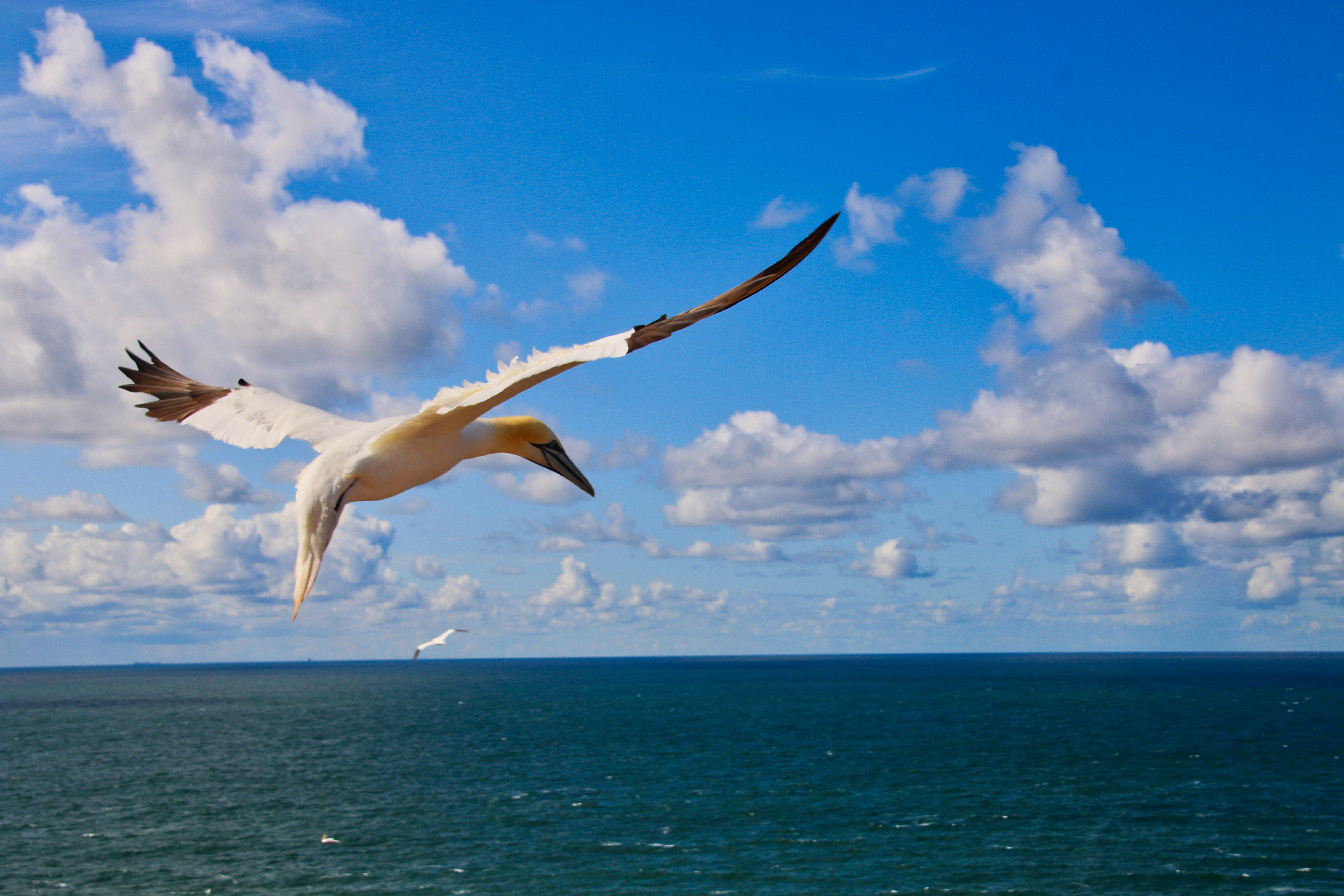
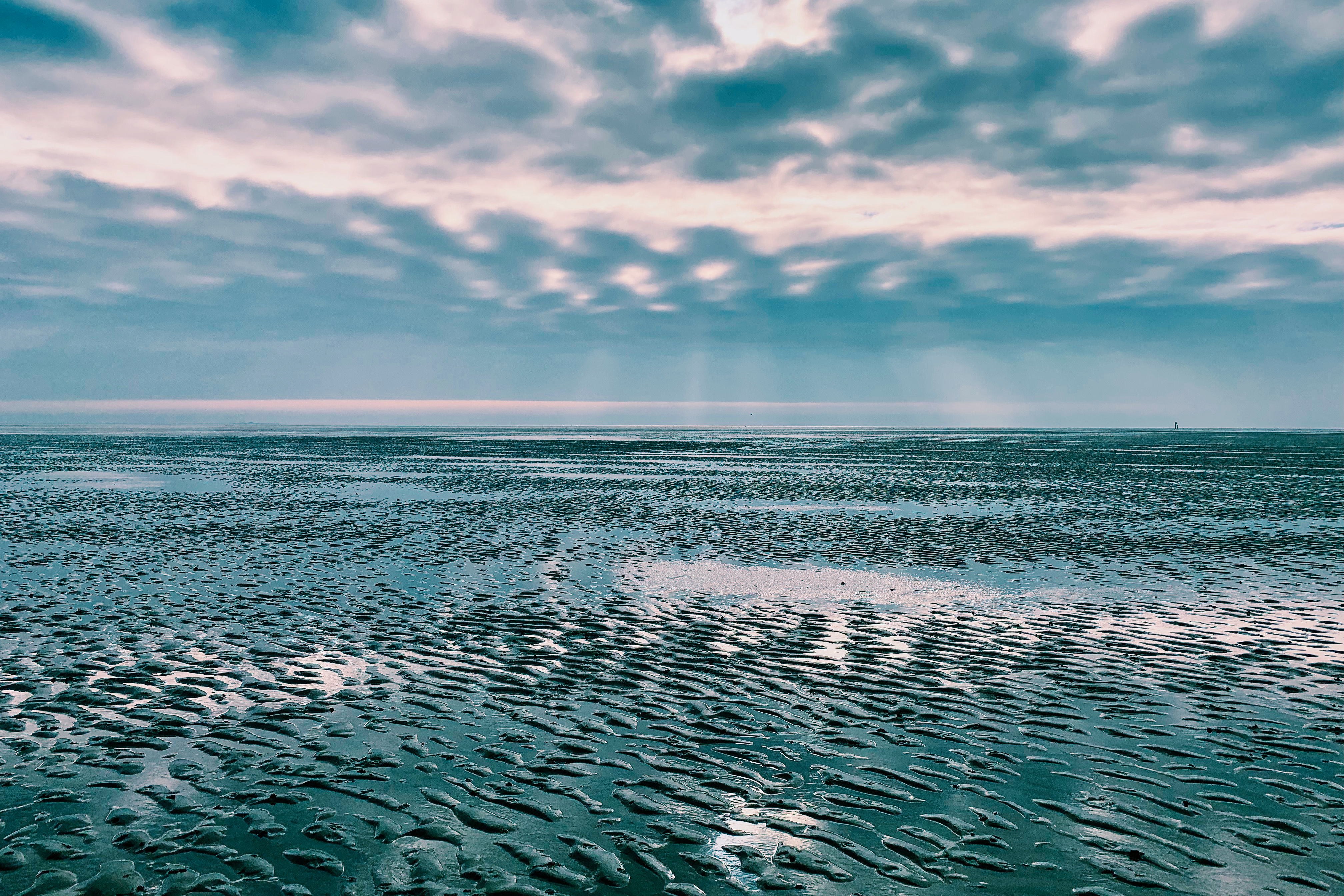
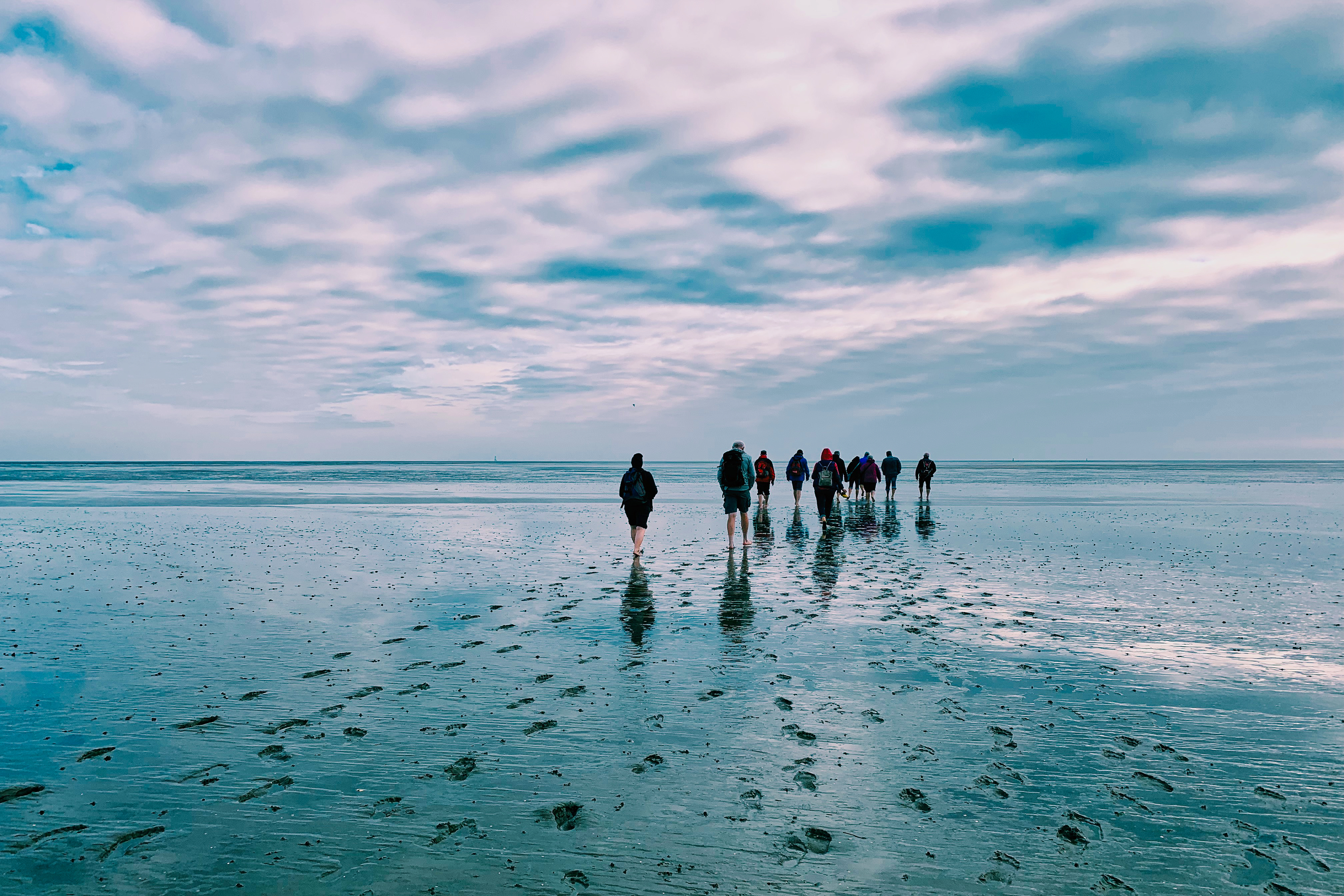
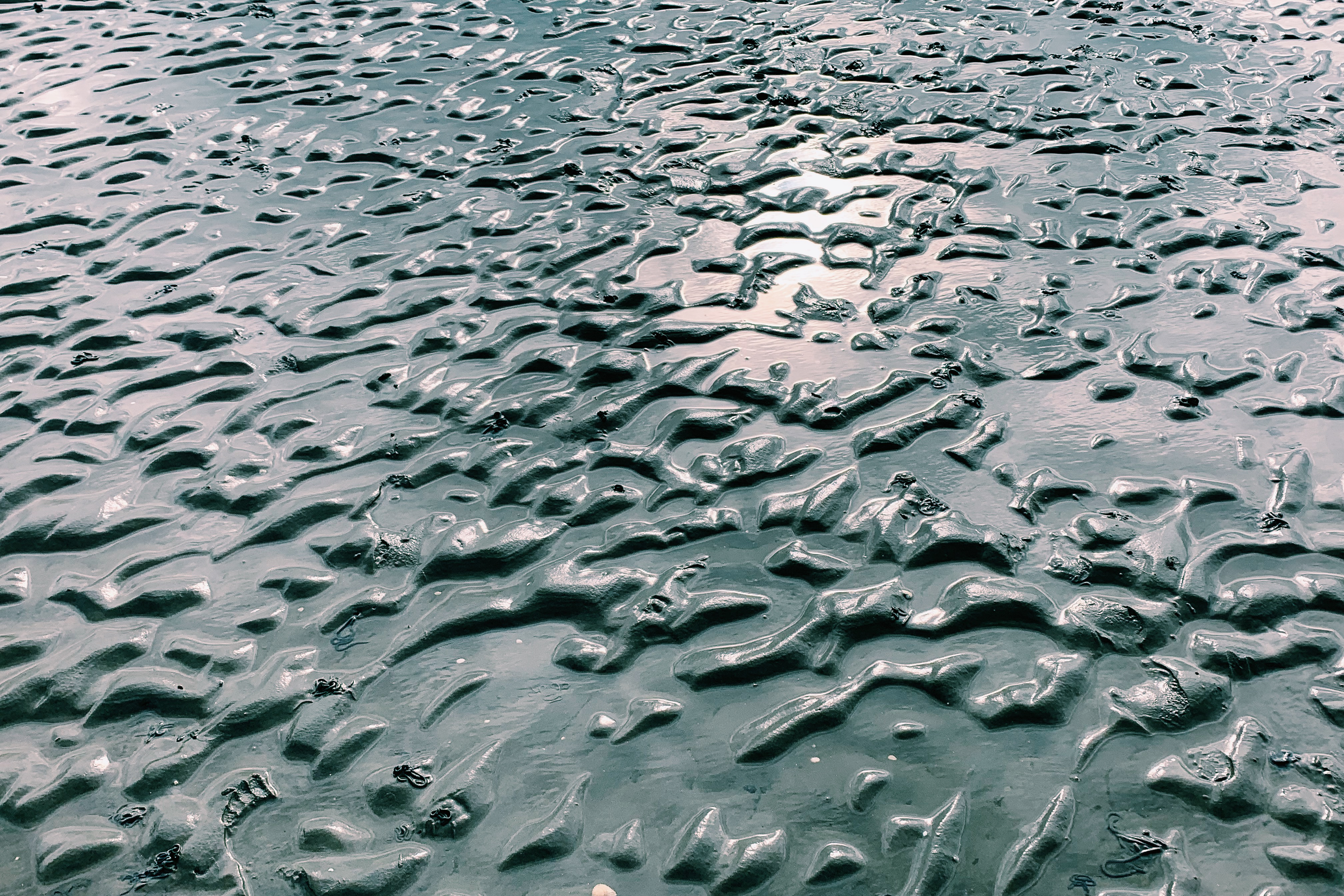
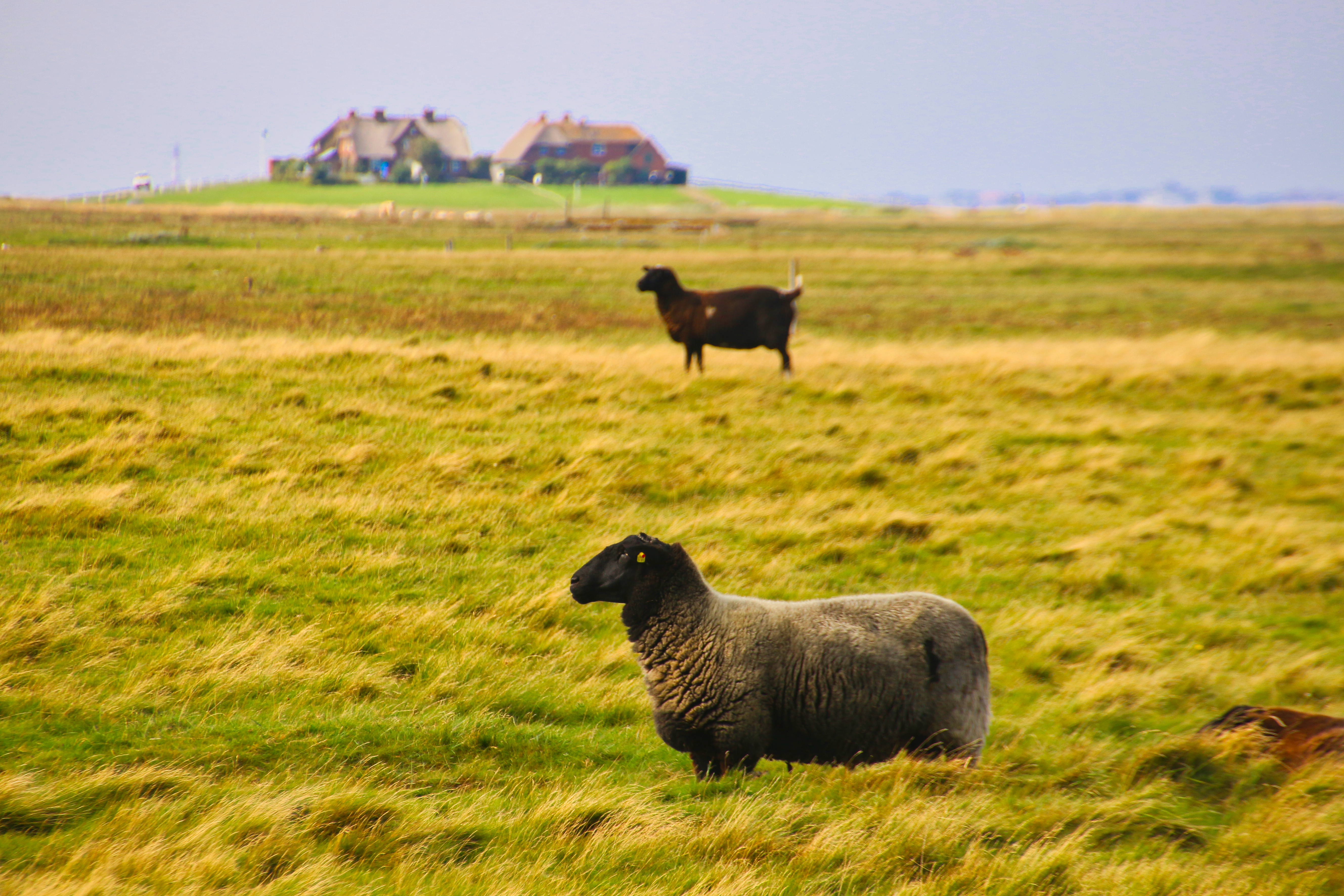
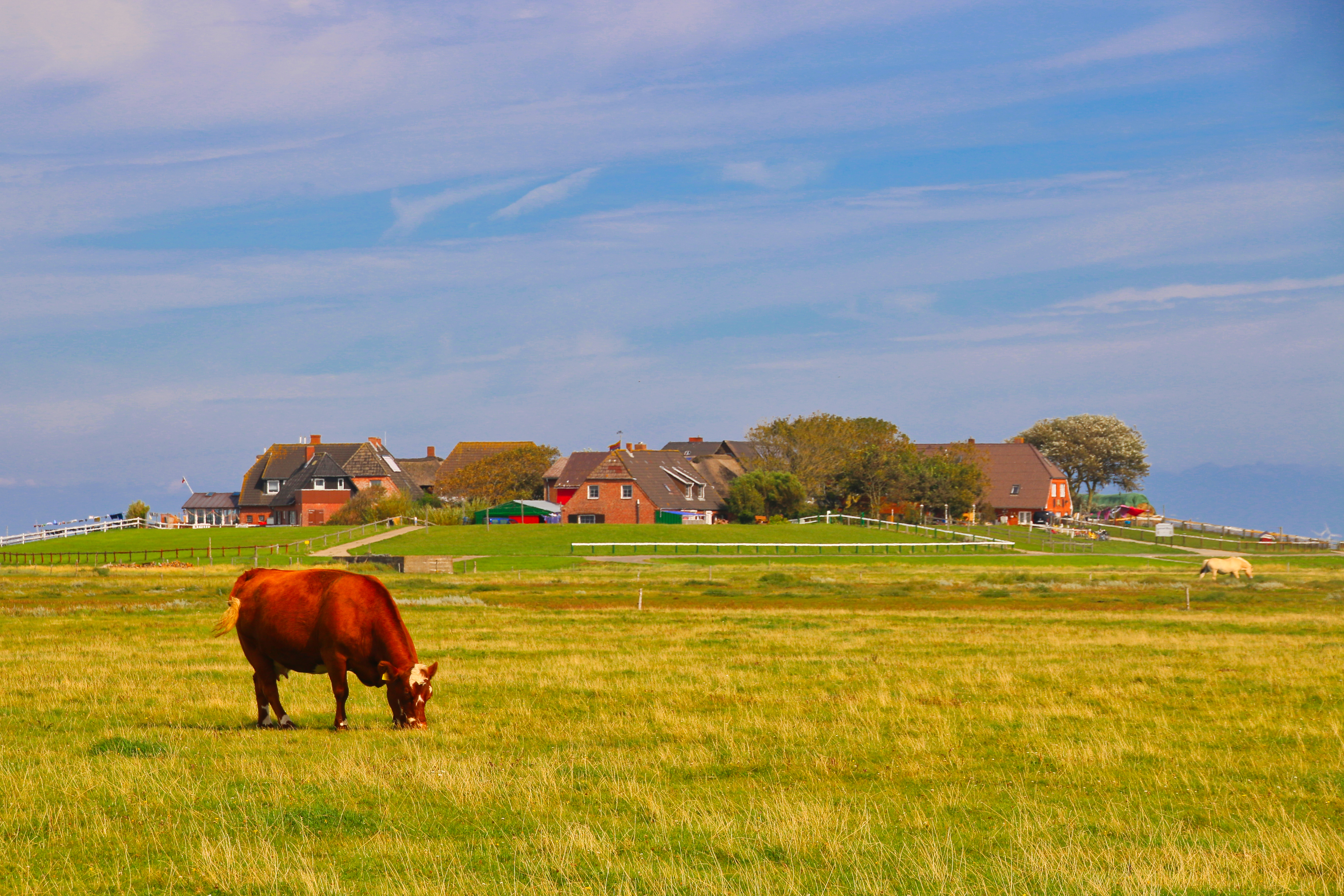
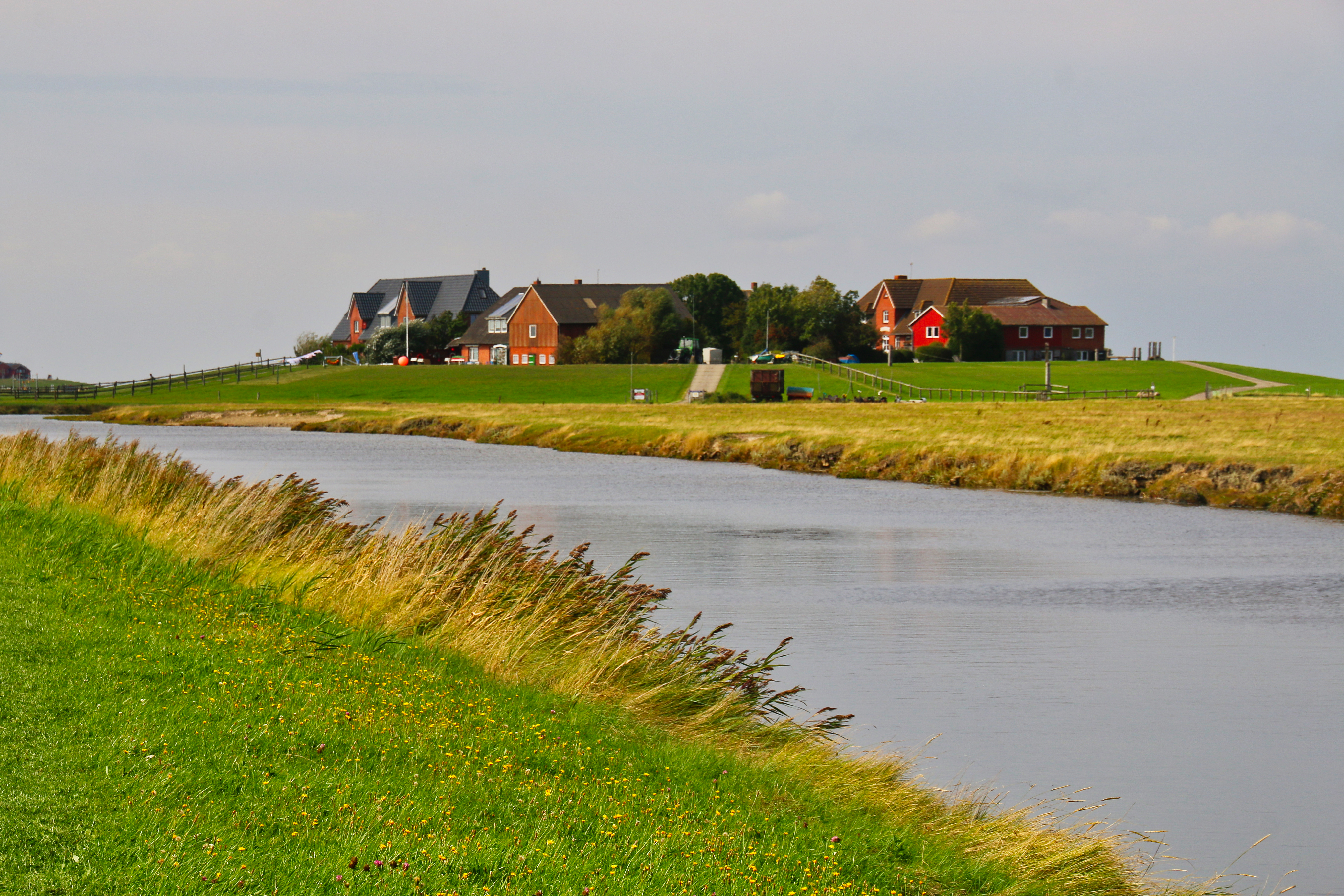
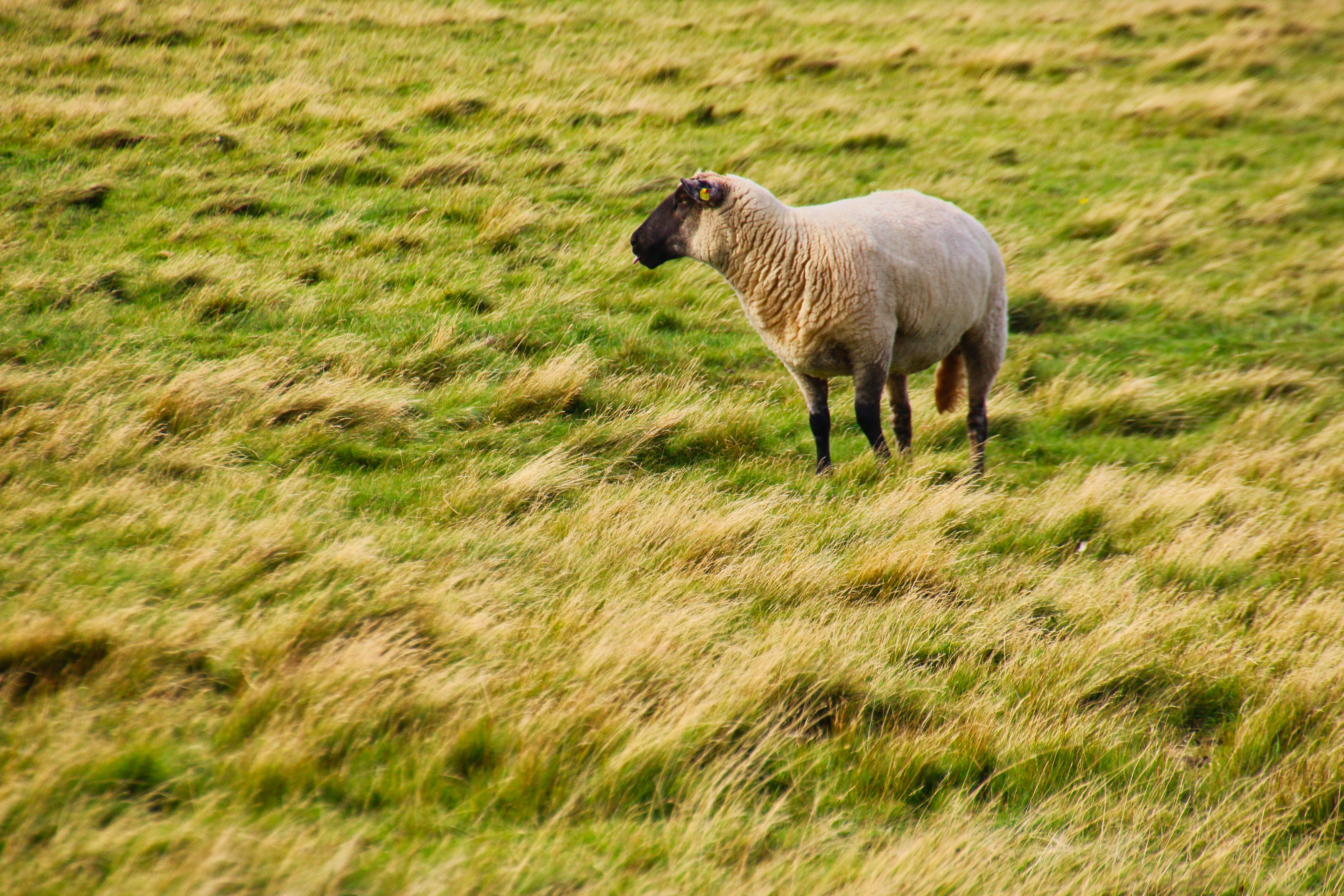
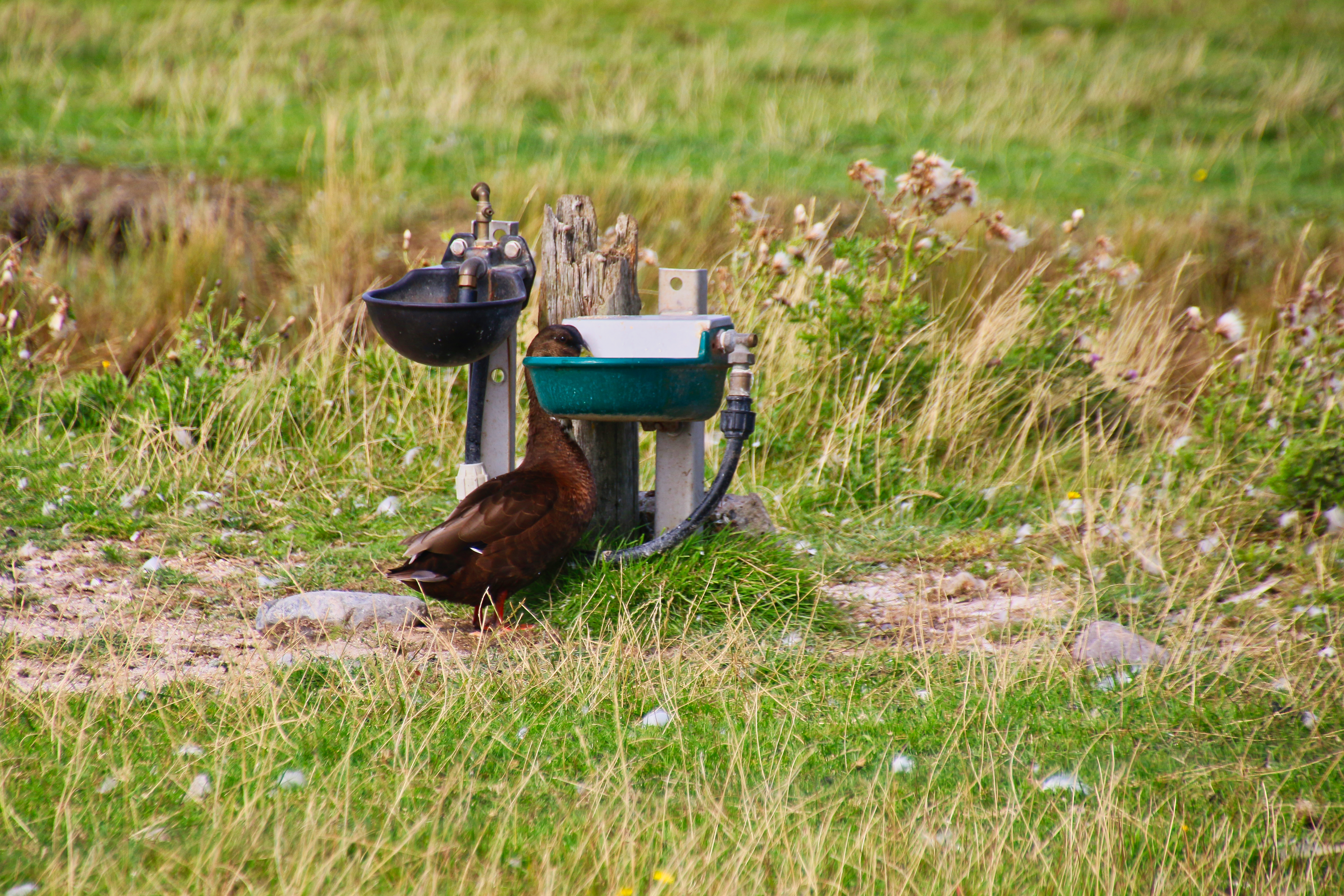
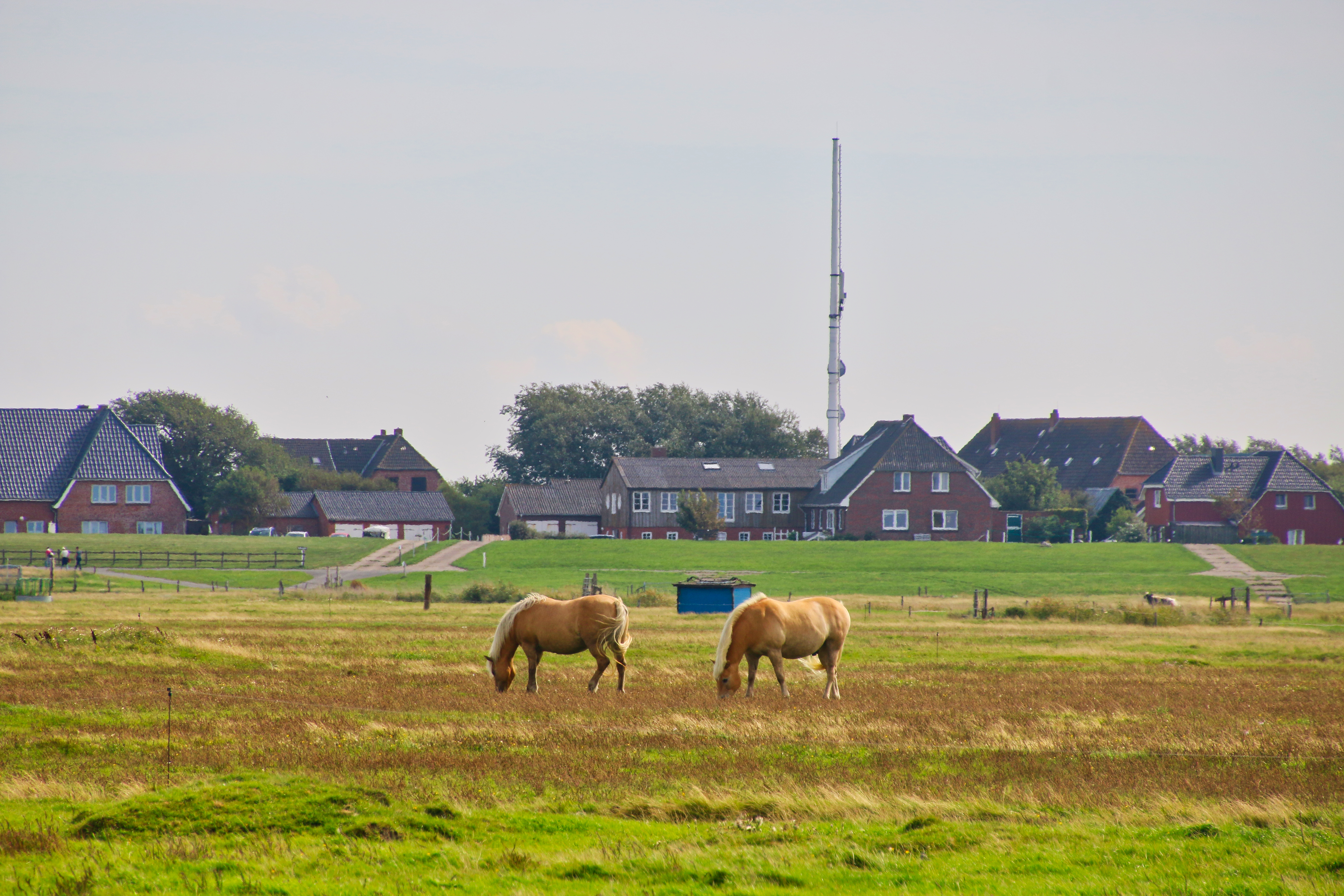
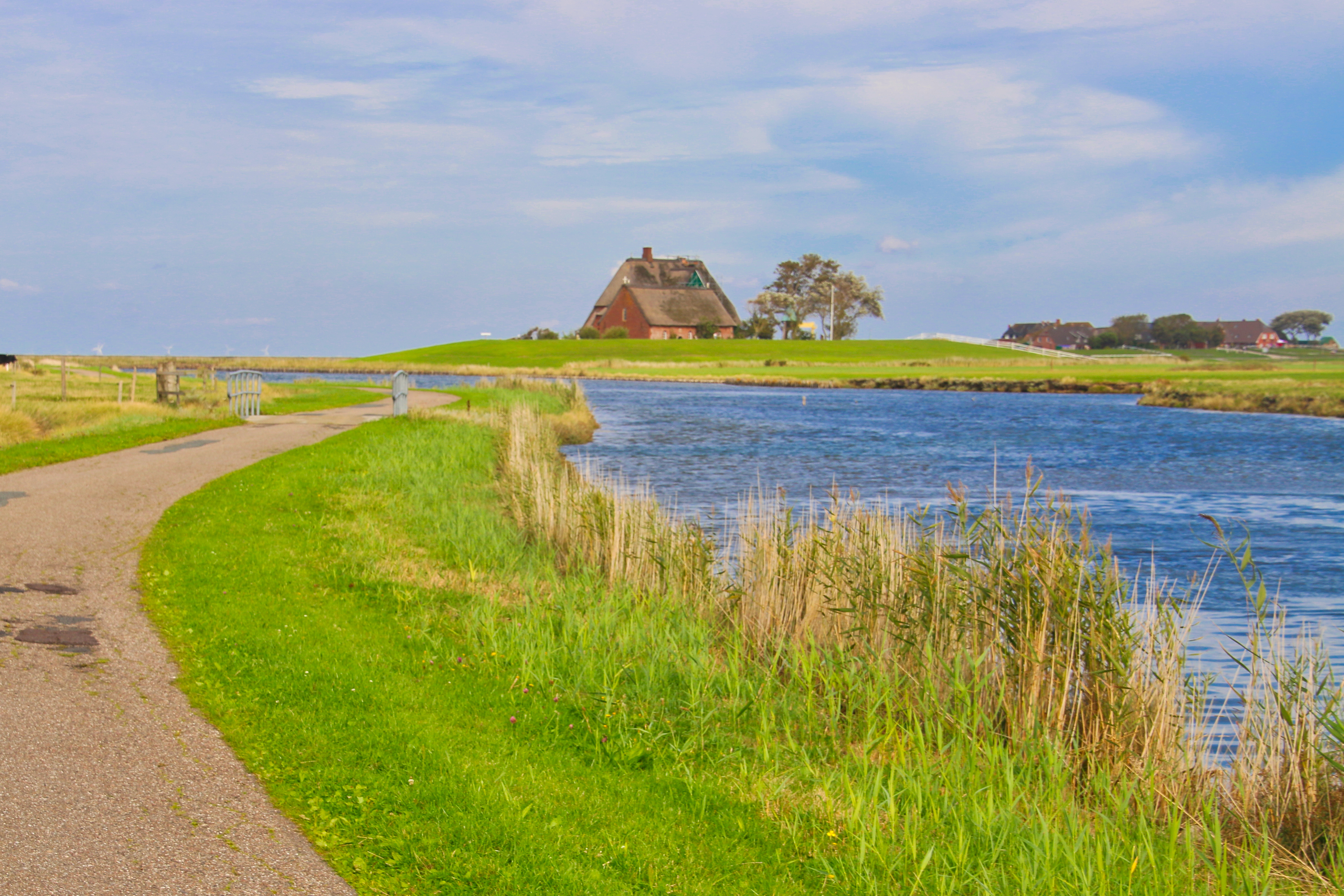
Hallig Hooge is also called the Queen of the Halligen. The Halligen are extraordinary islands in the Wadden region of northern Germany. They are not protected by dykes and are very low; the inhabitants are used to the islands being flooded 40-50 times per year. So to be safe and dry, the houses are built on so-called warften, little villages built on earth mounds. Hallig Hooge and its nature are truly extraordinary, a calm spot in the midst of a rough sea.
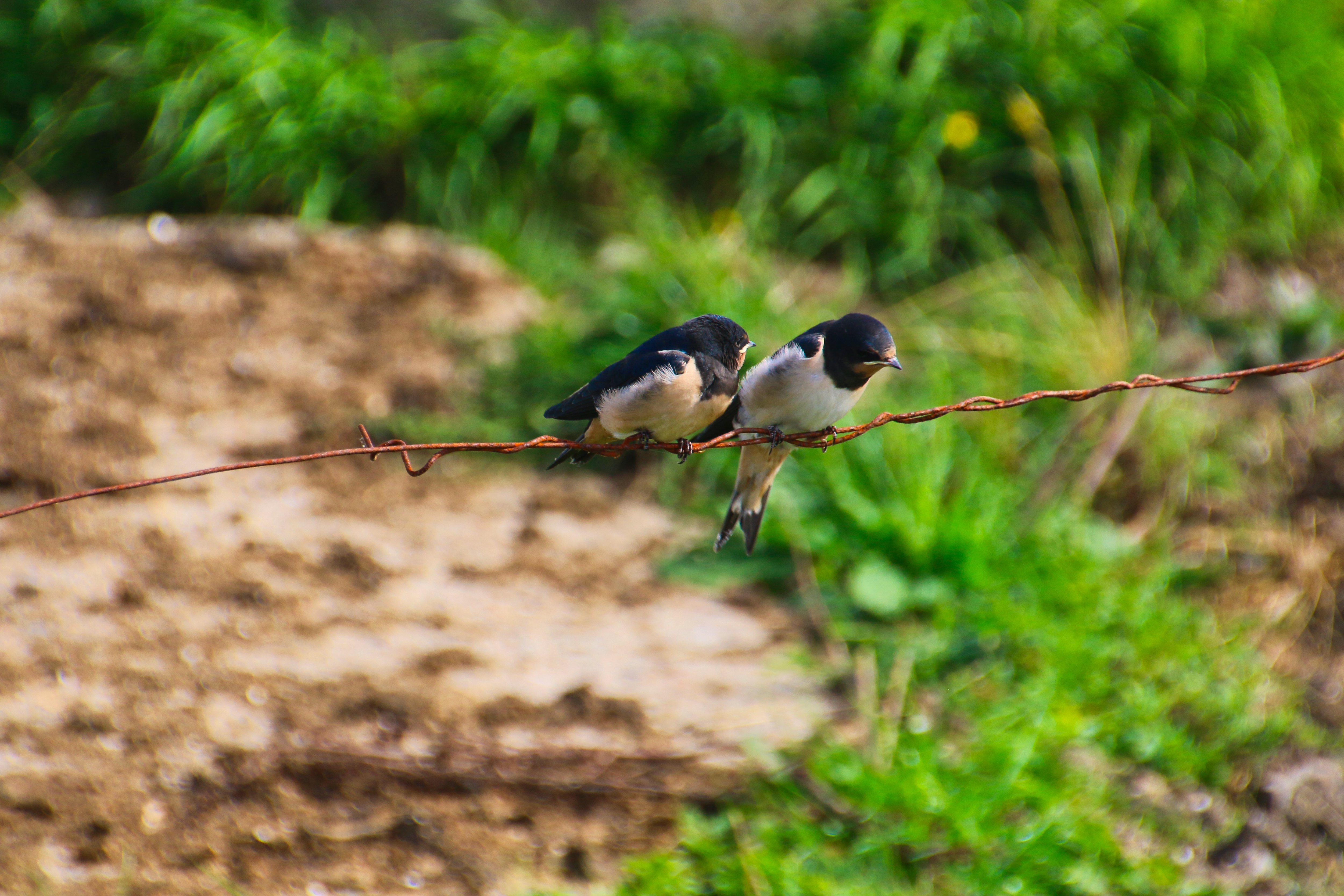

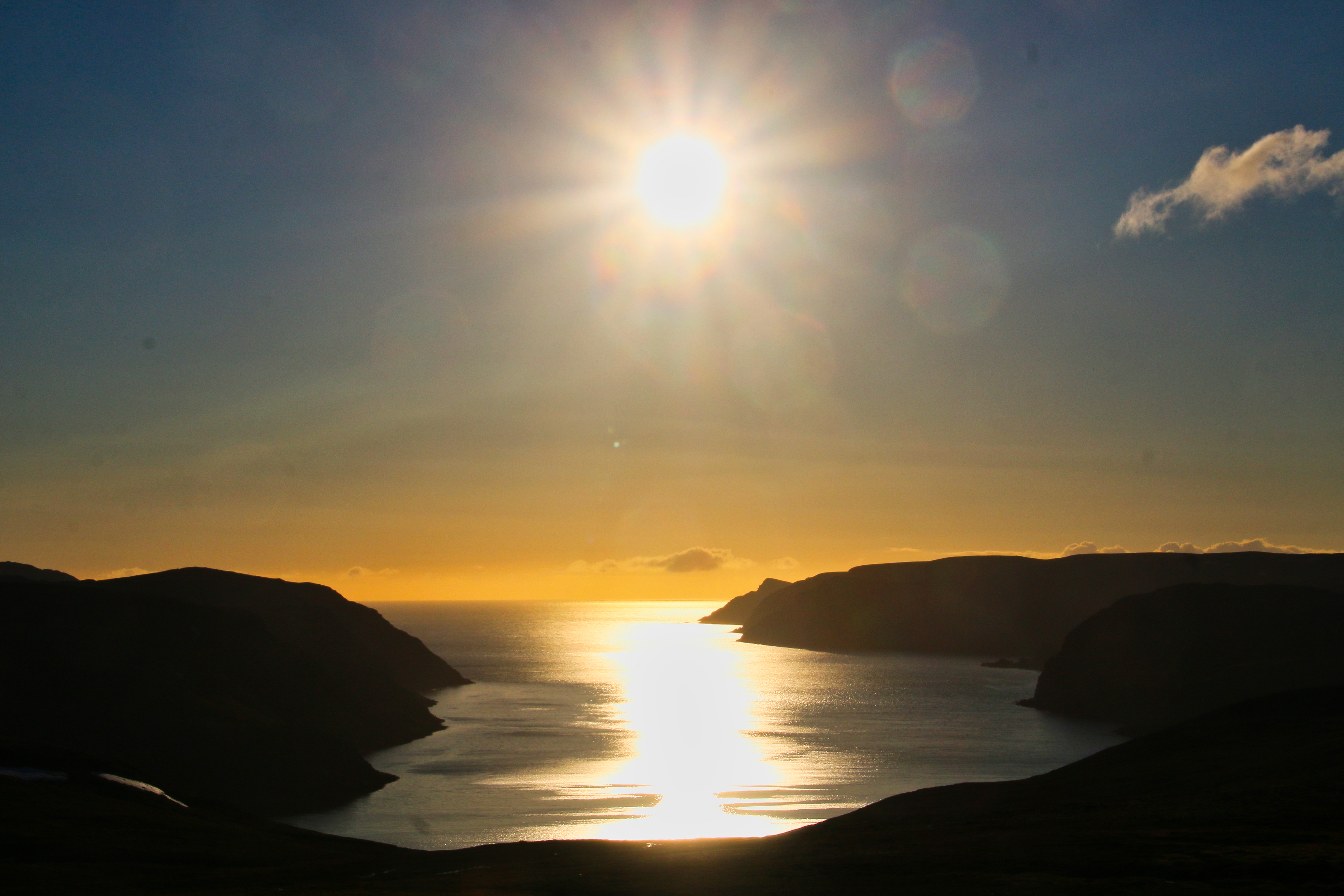
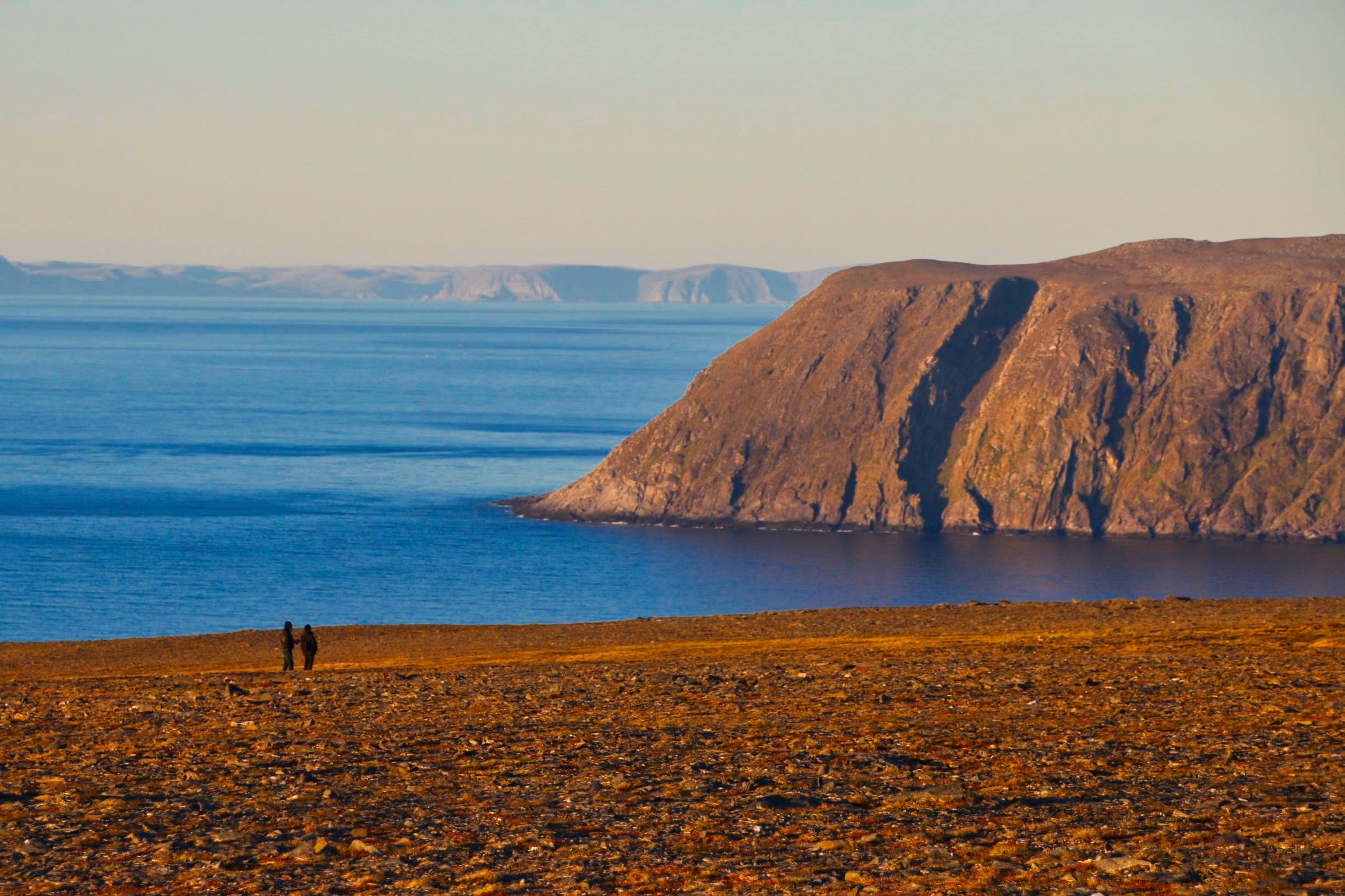
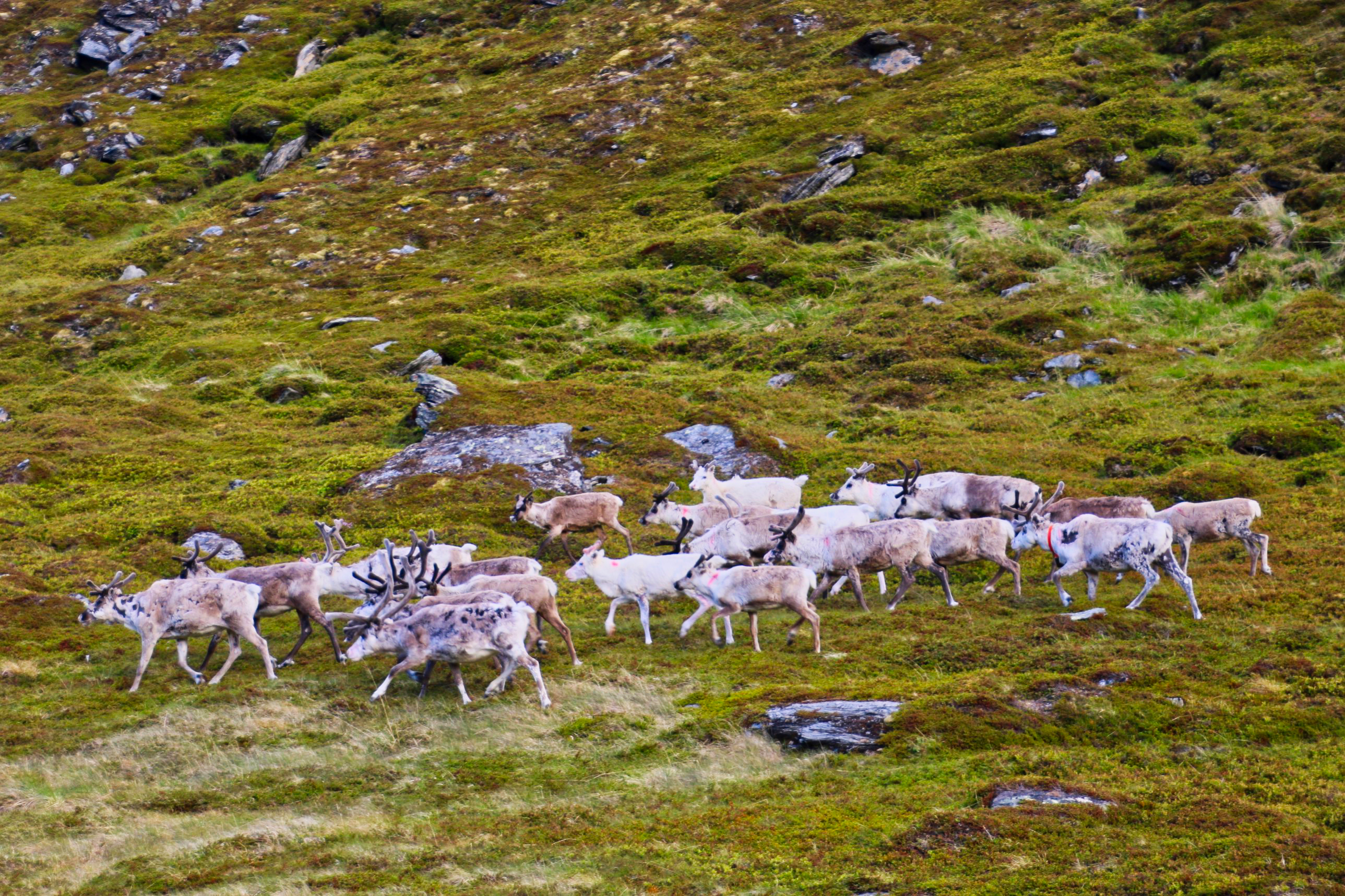
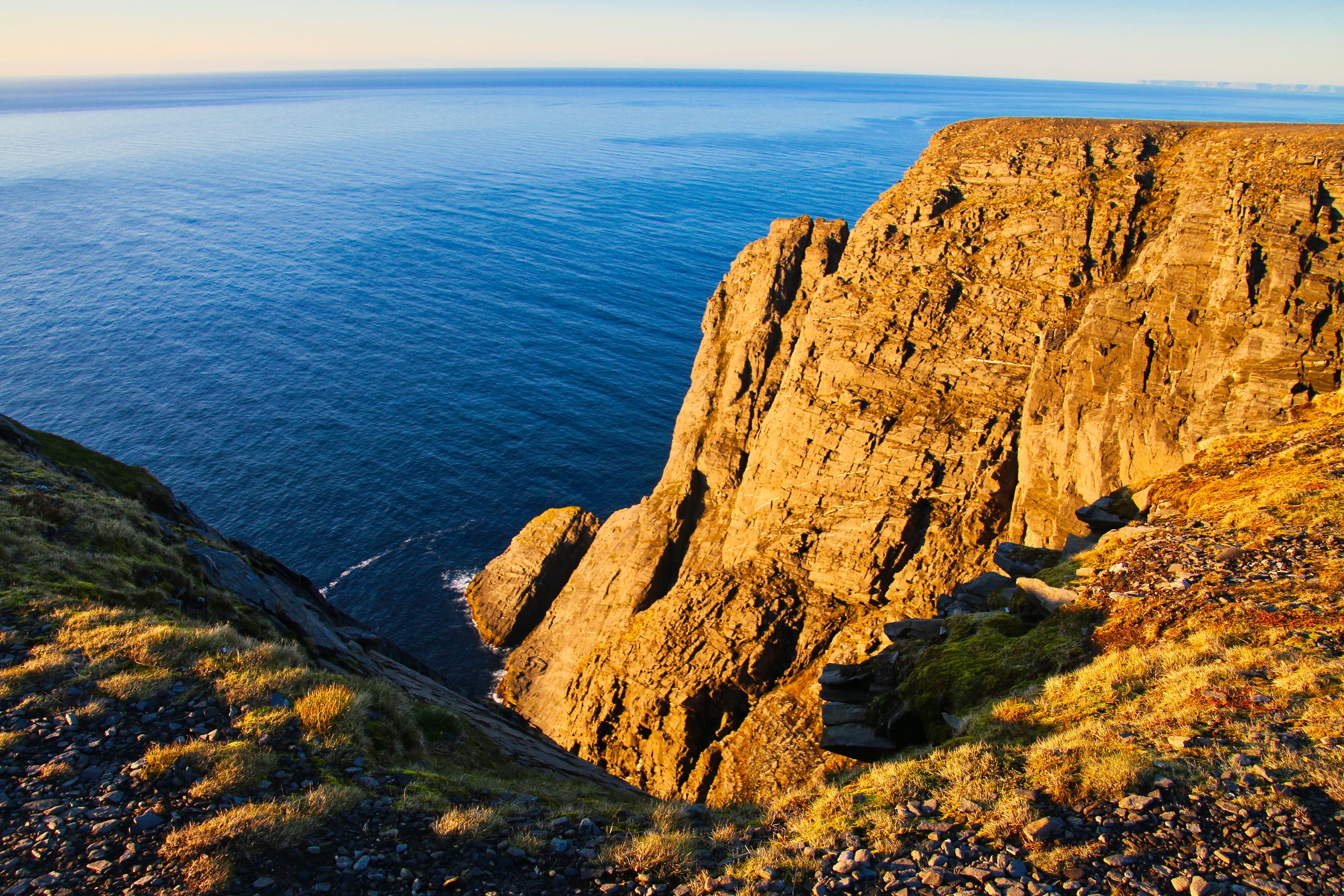
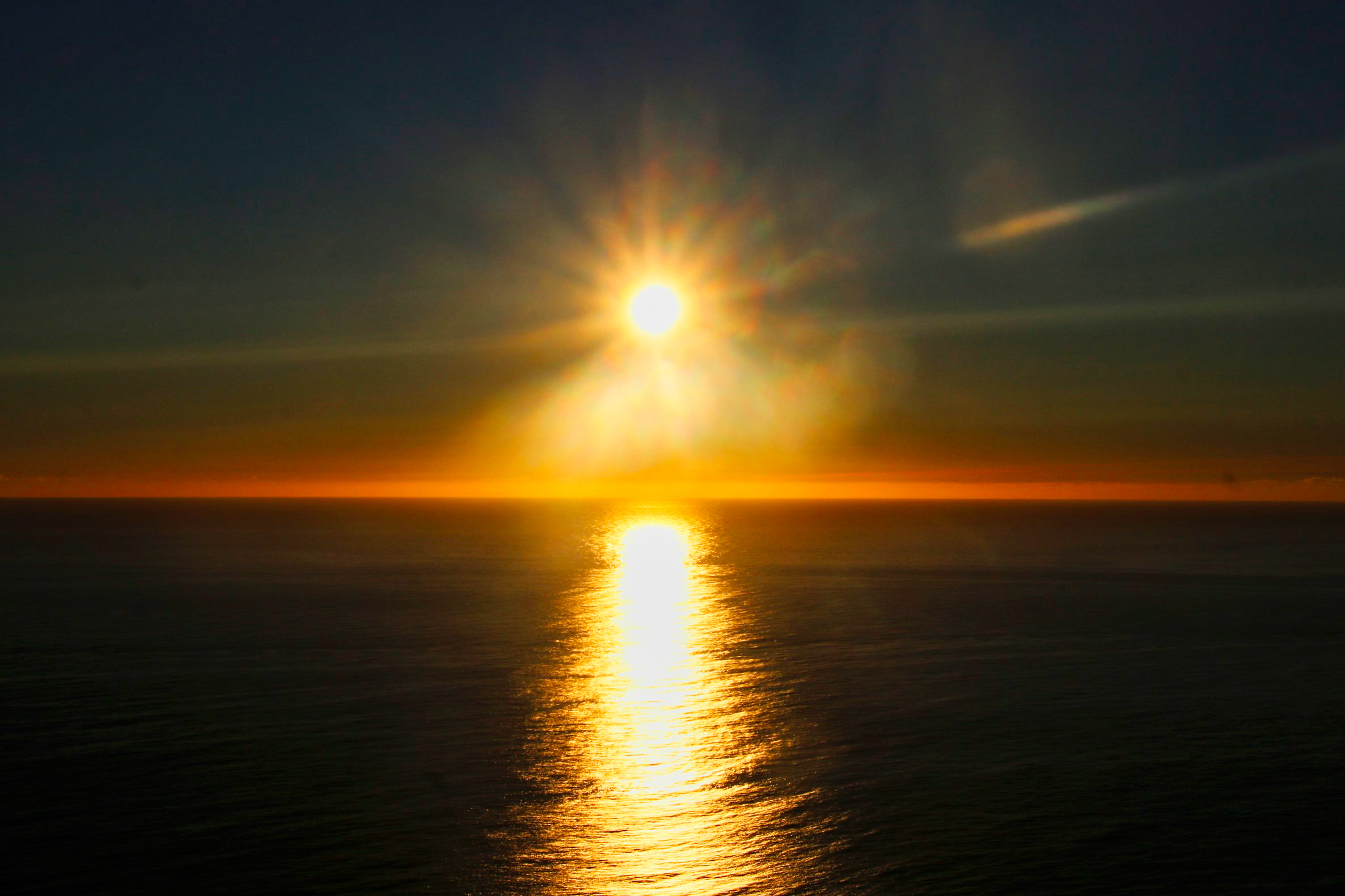
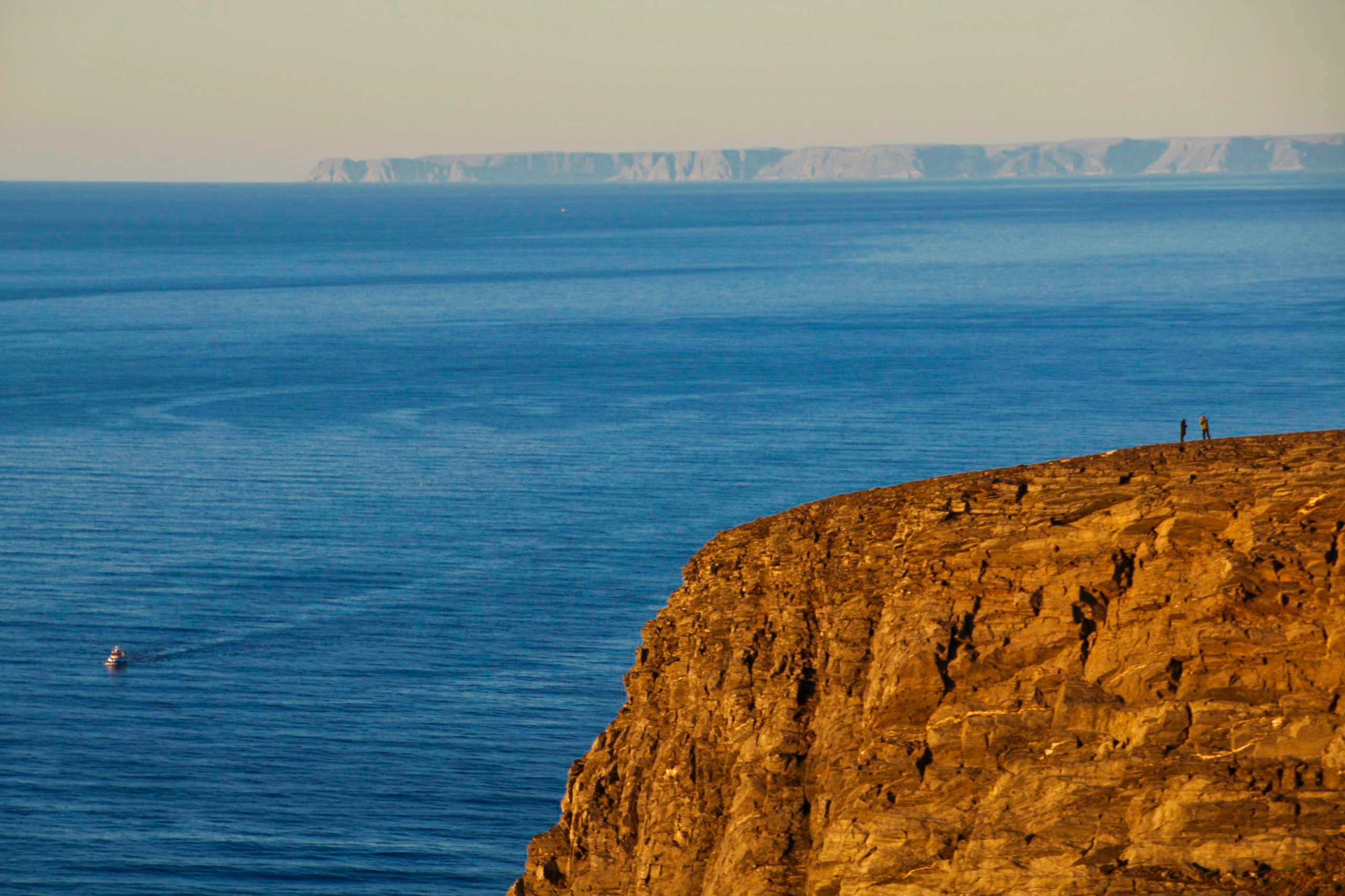
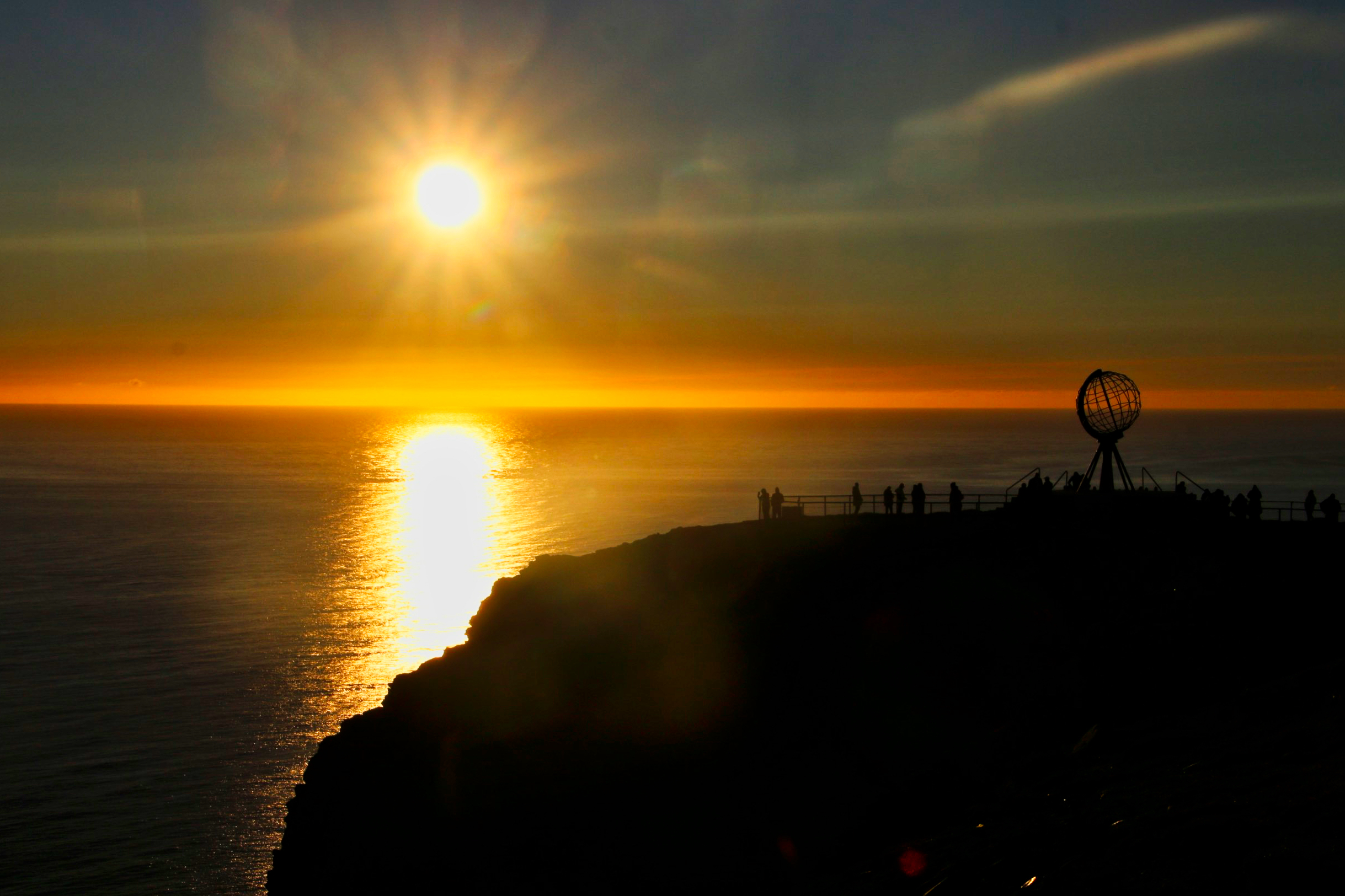
At the latitude of 71° 10′ 21″ in Norway, there is an island called Magerøya, a seemingly barren land with no trees and harsh weather conditions. The island’s most northern tip consists of a heavy rock reaching into the Arctic Sea, widely known as North Cape, the most northern part of Europe. I had the chance to visit this place a couple of times before, but I saw it as most visitors experience the North Cape: Heavy fog, strong winds, and slim chances to see the midnight sun. In July 2019, though, this changed for me, and I was finally able to visit our home star on a blanket slate of a clear blue sky in the middle of the night.
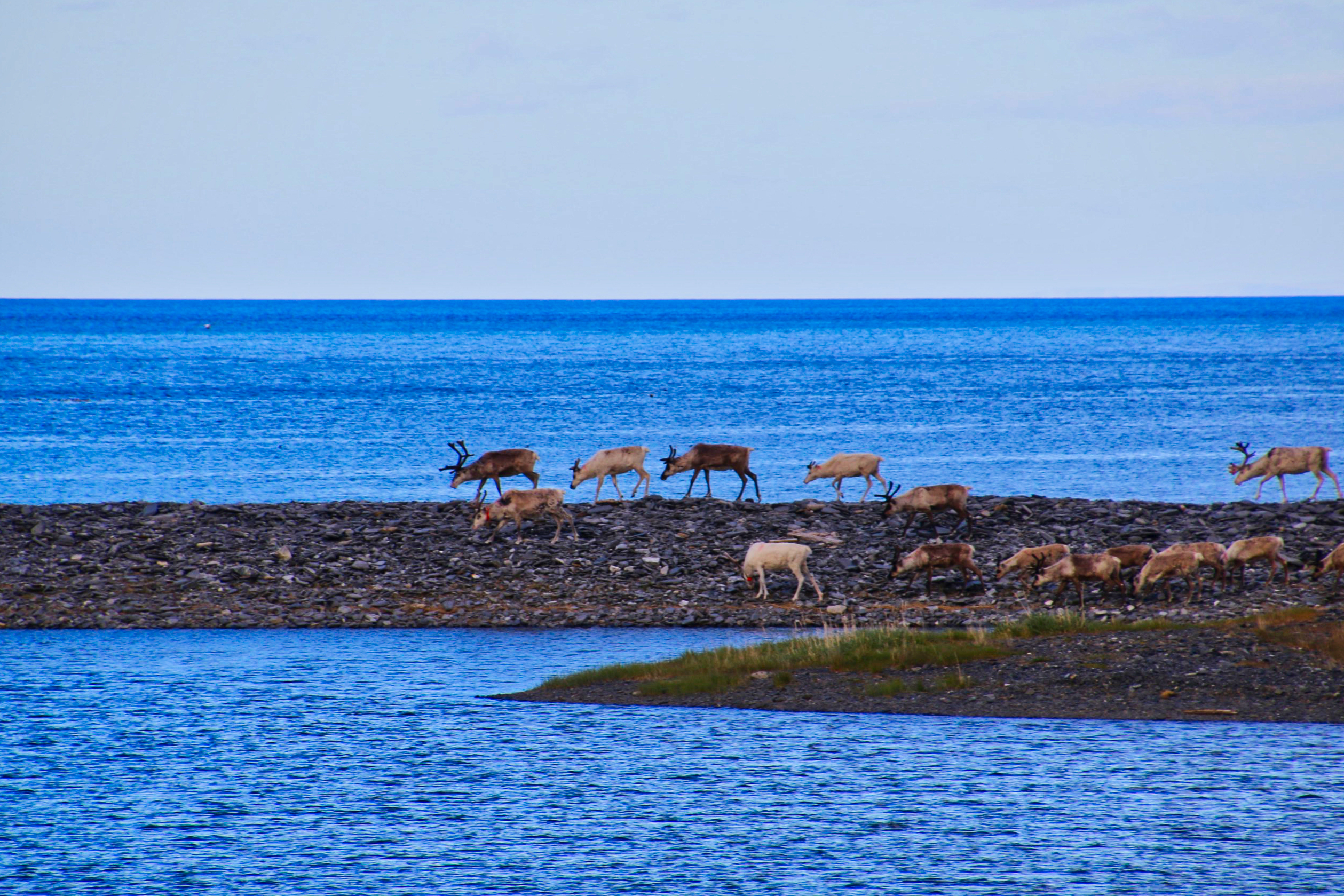
The phenomenon occurs during the white nights in summer when the sun is not setting down; around midnight, it reaches its lowest point on the horizon but still shines brightly. It looks almost like a sunset, just that the sun is never setting behind the horizon and is getting up again. There is no darkness in these unique and somewhat spiritual nights, and this barren land seems alive like no other place. You see all the birds feeding on the waters, which are still rich in fish and sea animals. And there are reindeer grasses everywhere on the island, eating their beloved reindeer veil, which grows everywhere on Magerøya and is like candy for these animals.
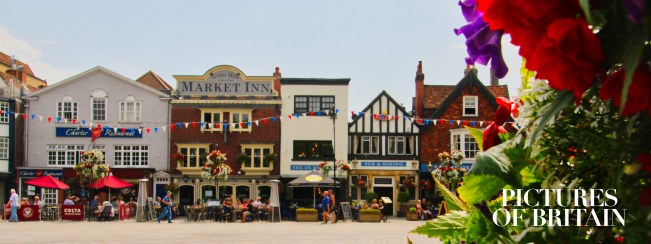
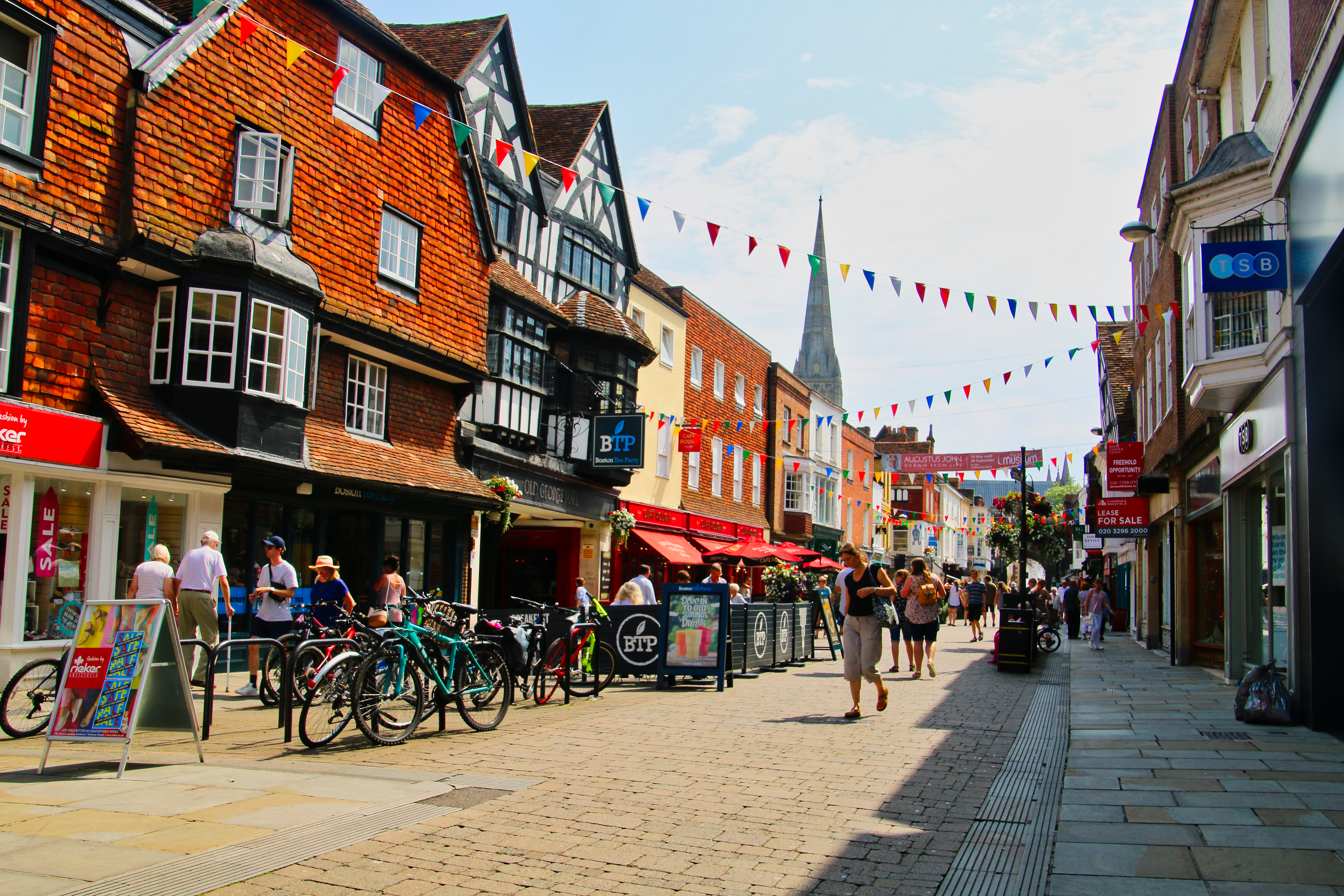
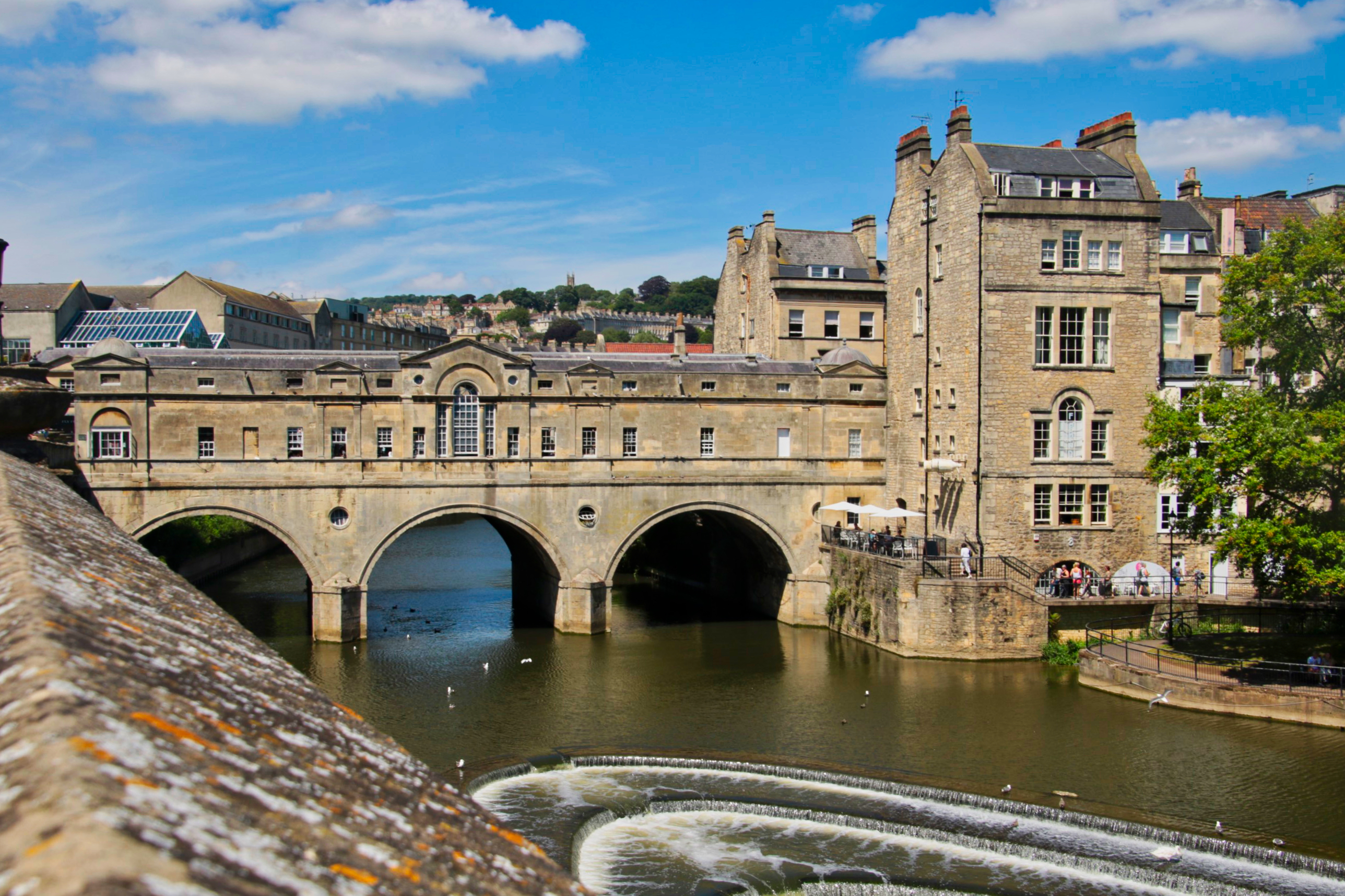
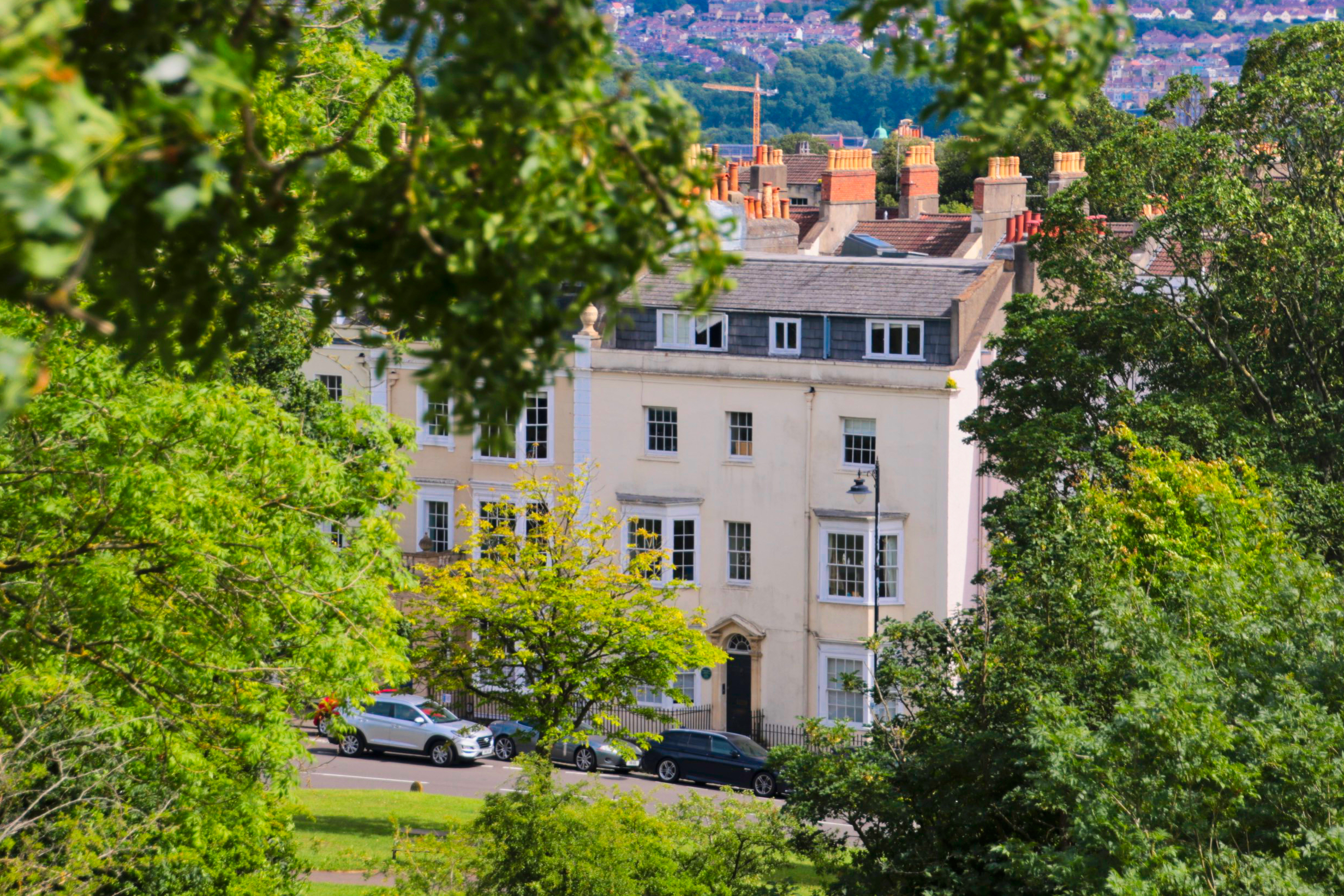
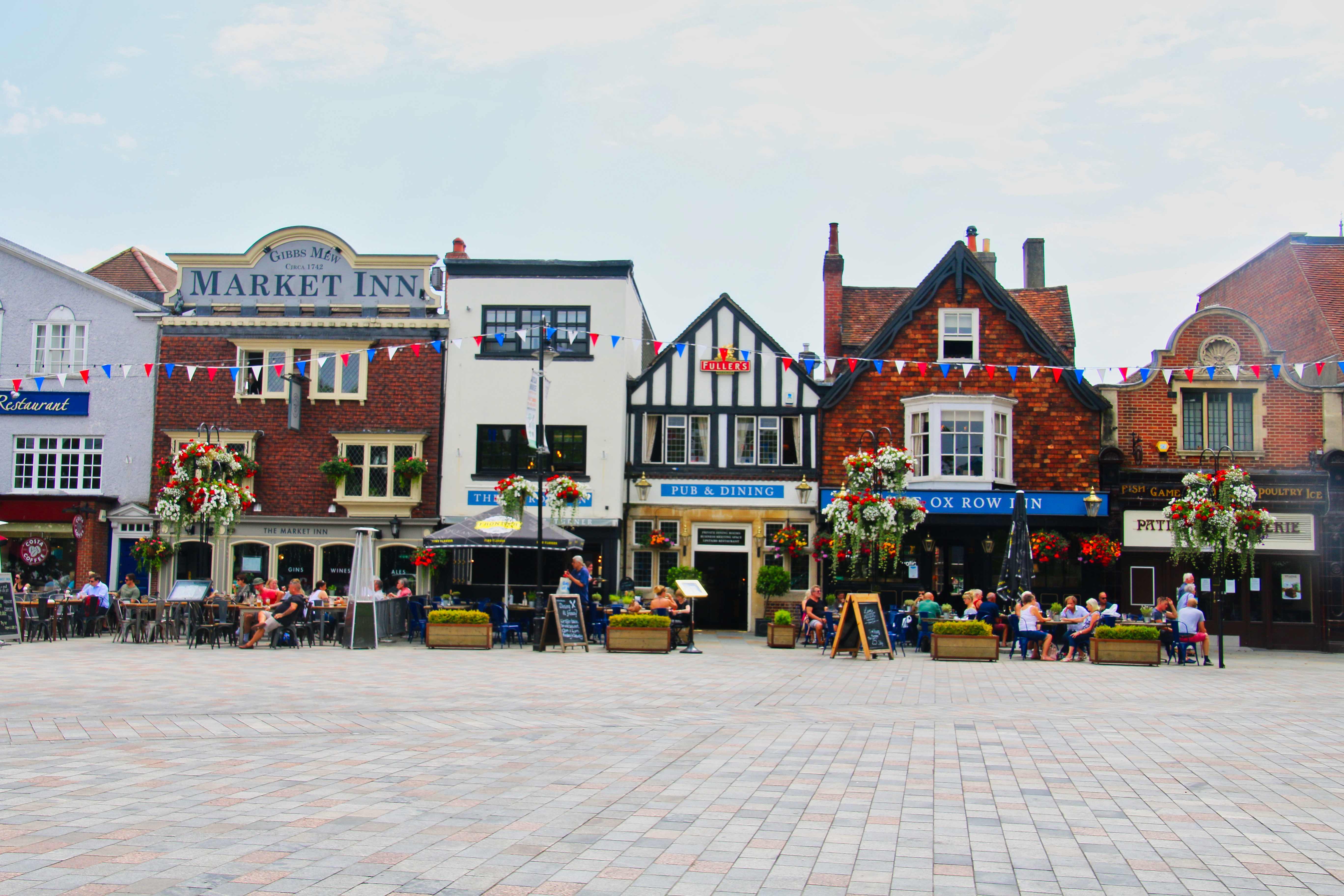
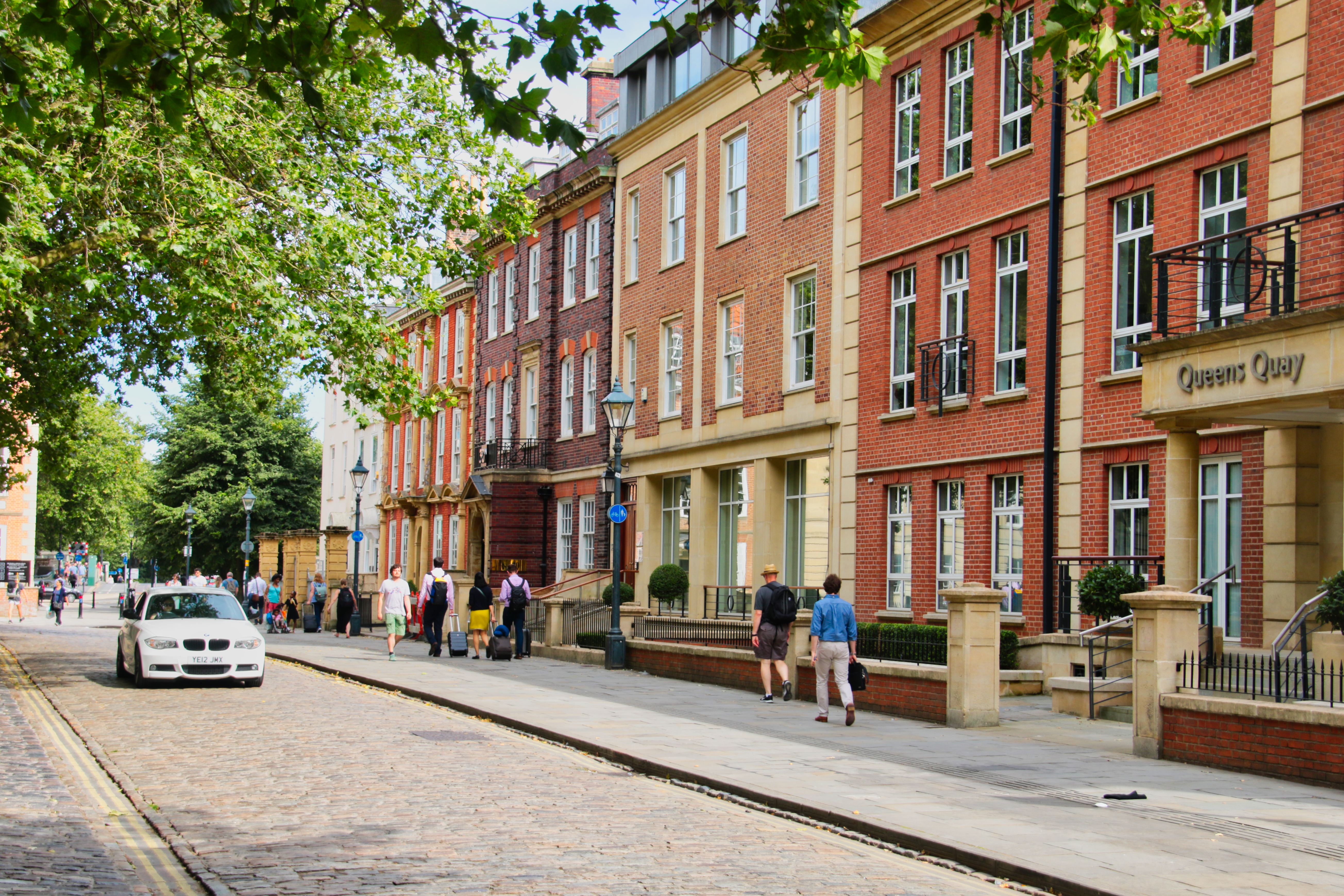
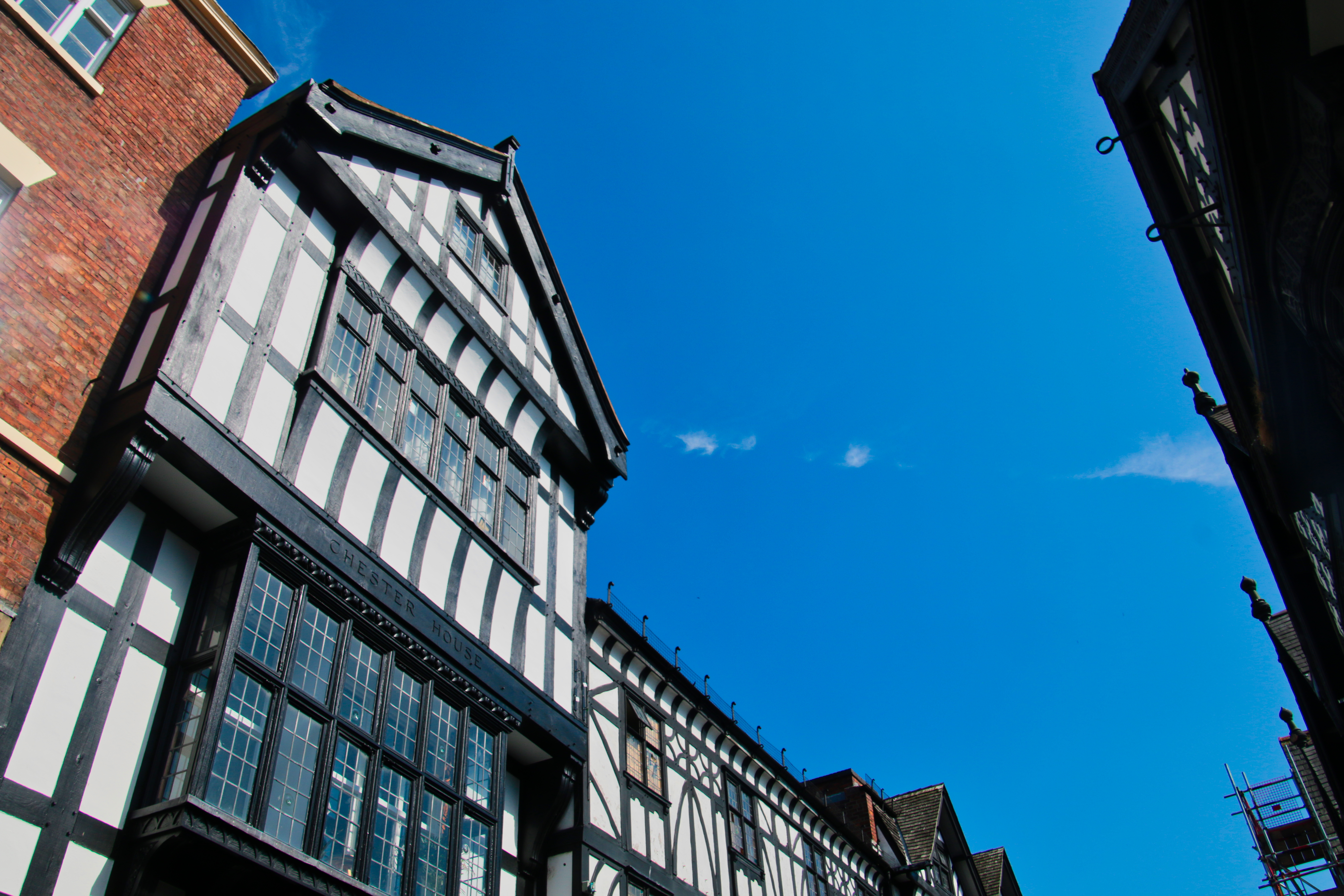
Memories from a Journey to the Island. Shot in Chester, Bath, Salisbury and Bristol in July of 2019.

 Michael Hoffman Photography