Skip to content

Rituals of Kyoto

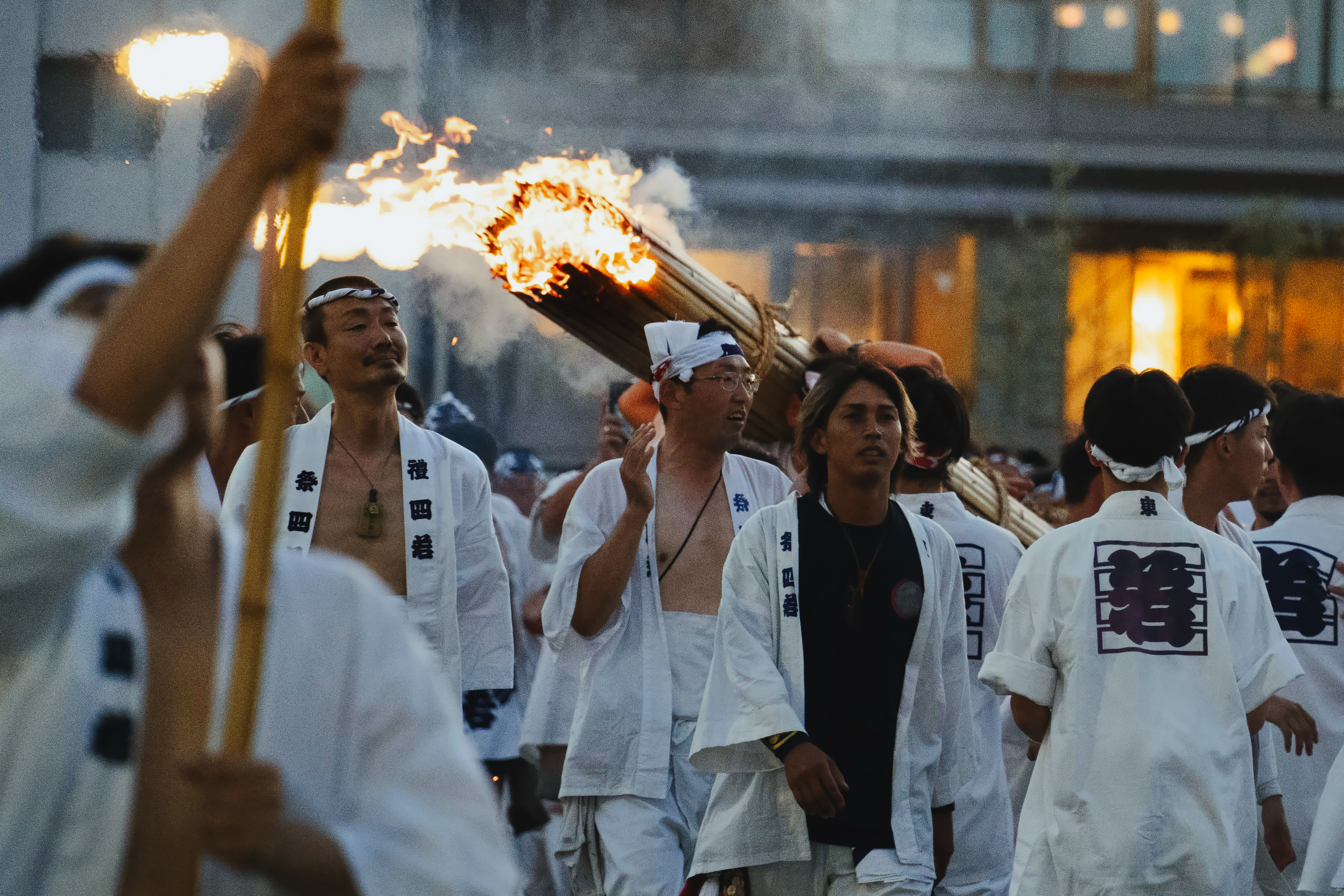
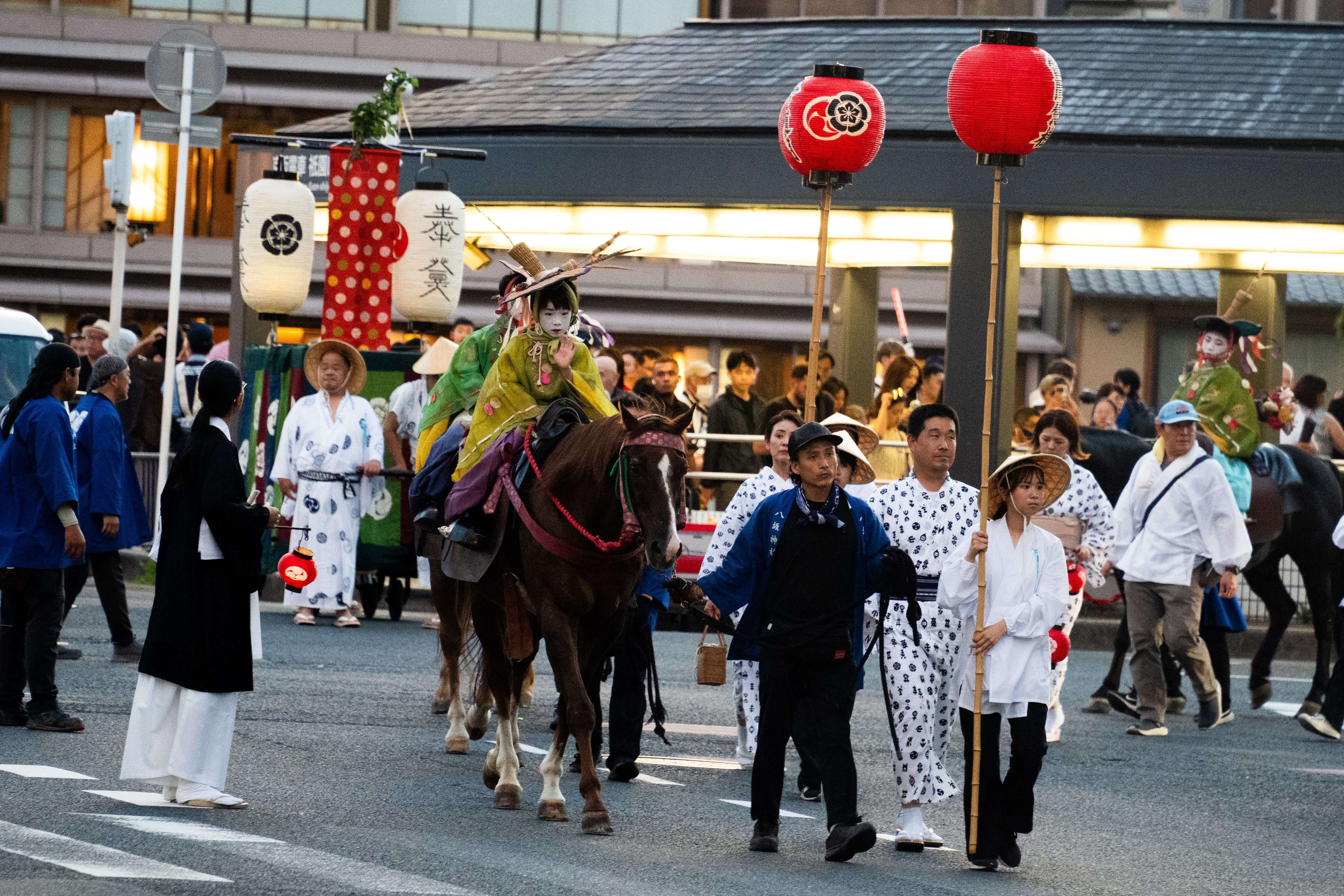
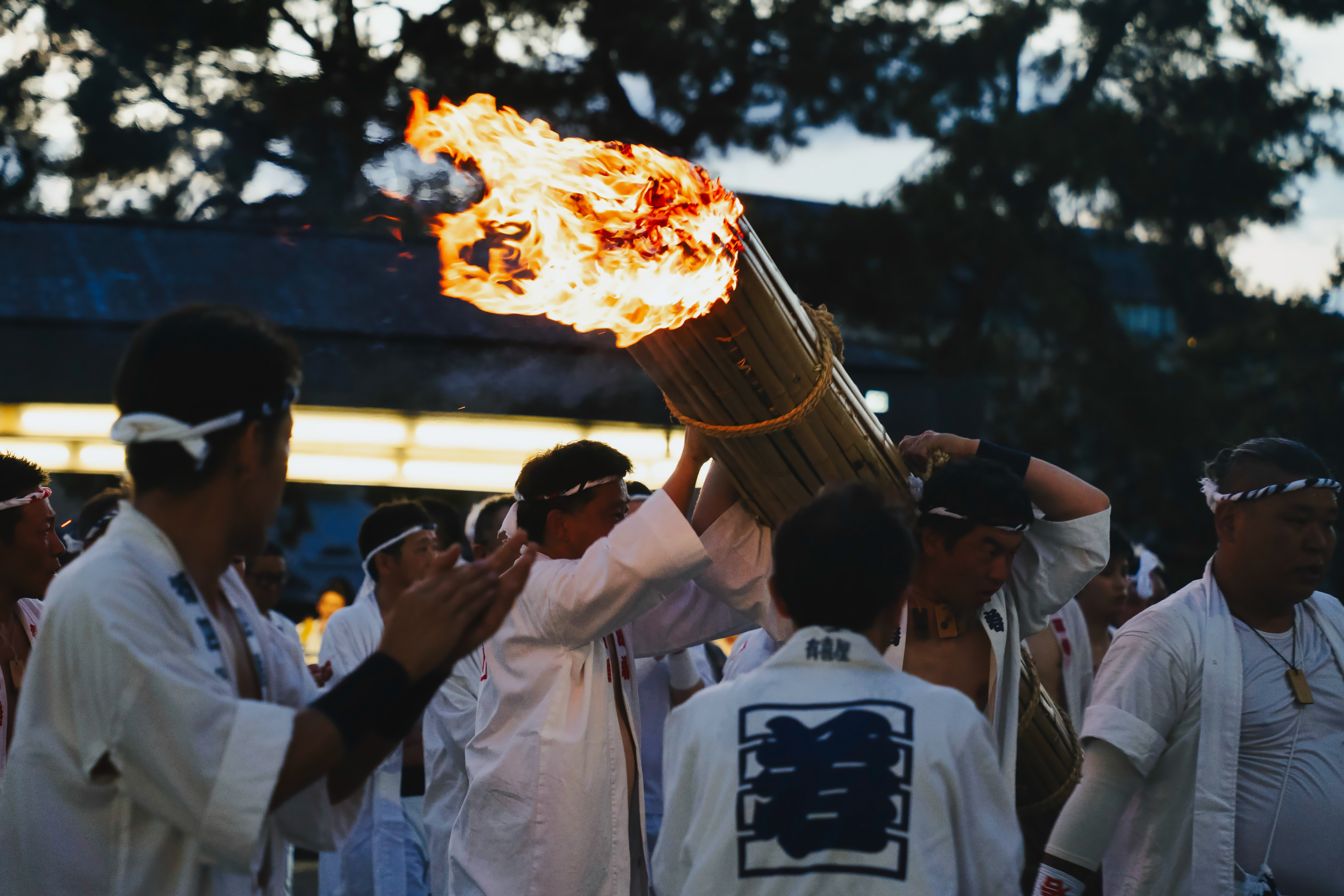
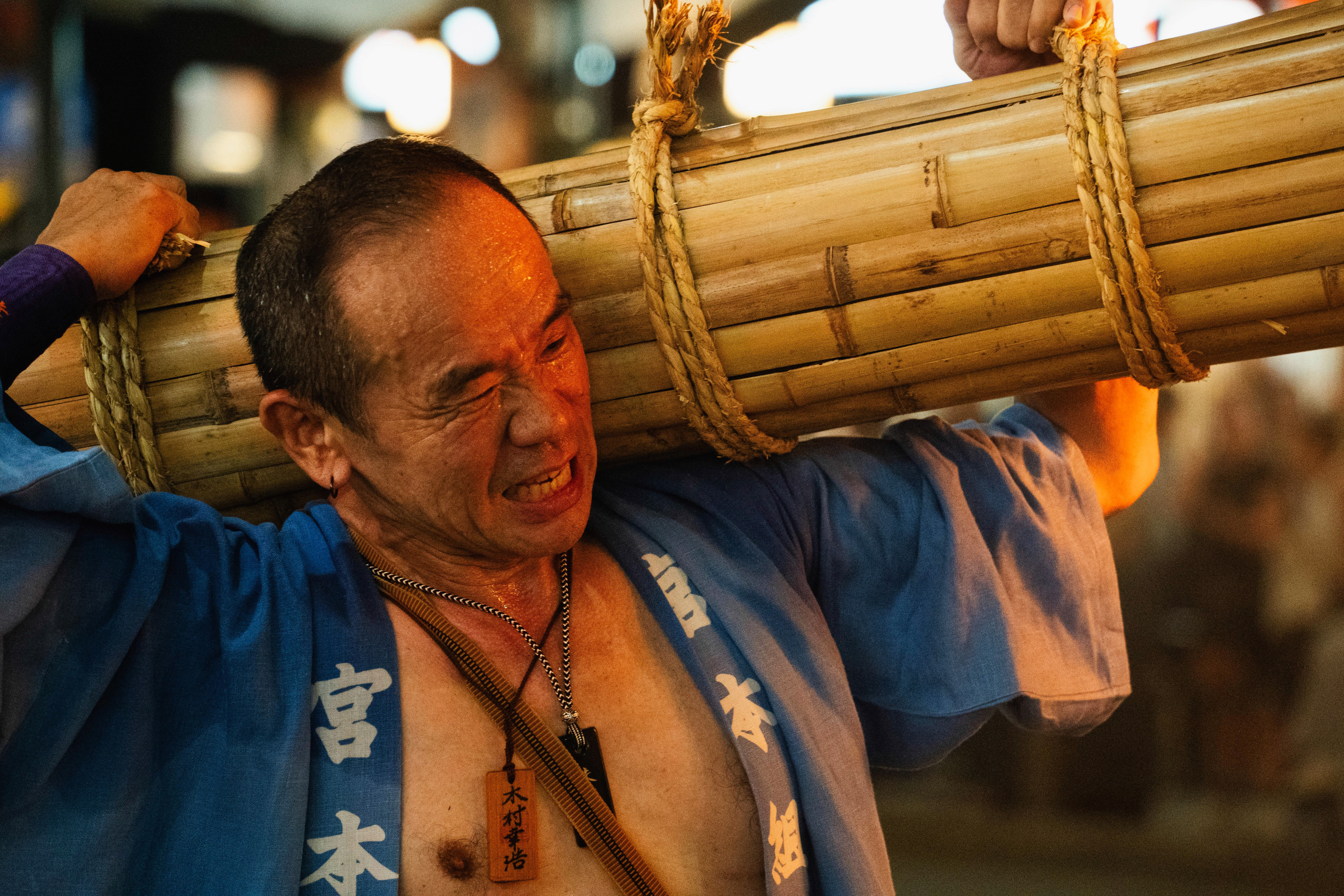
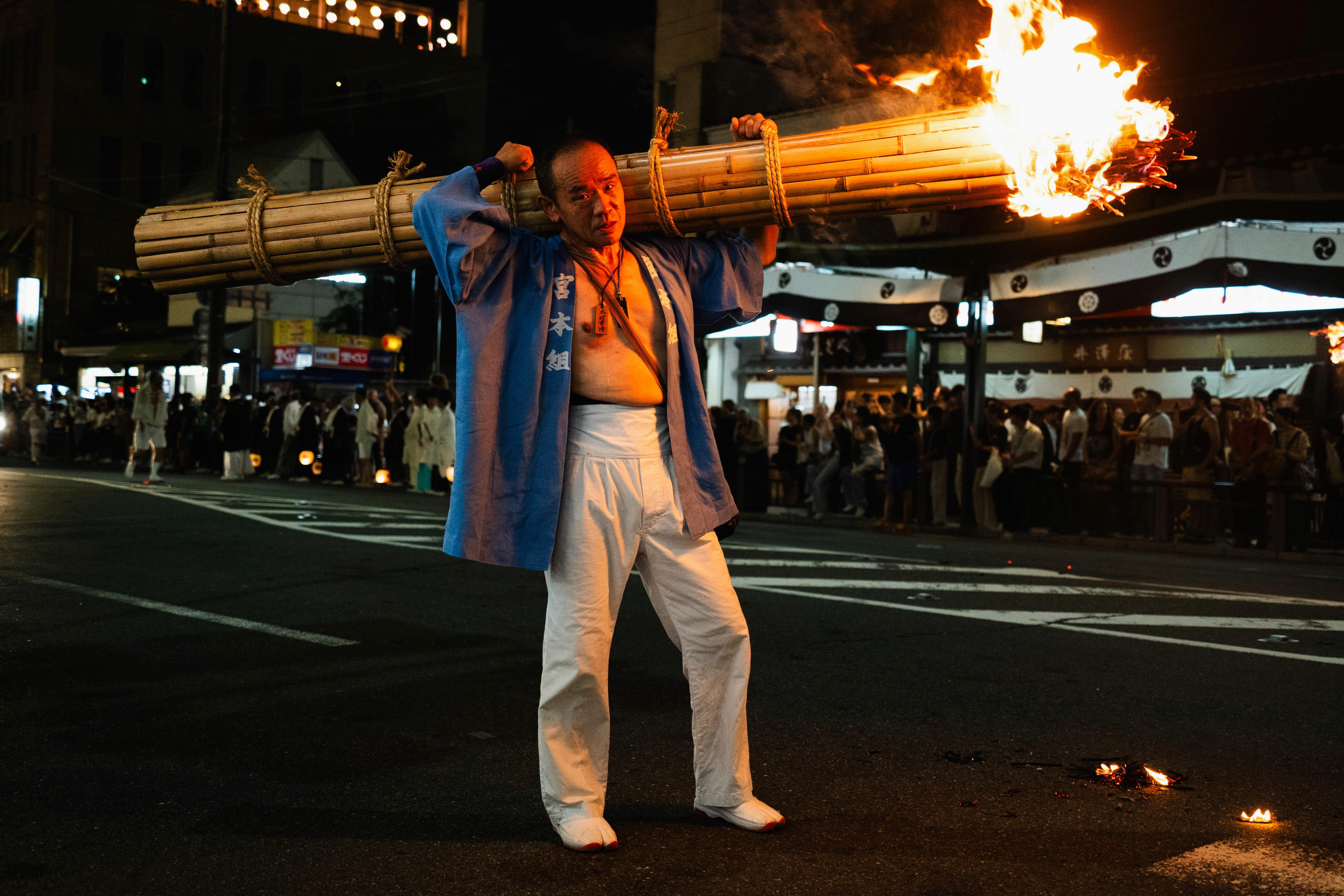
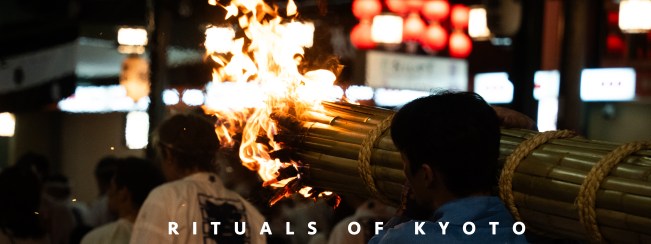
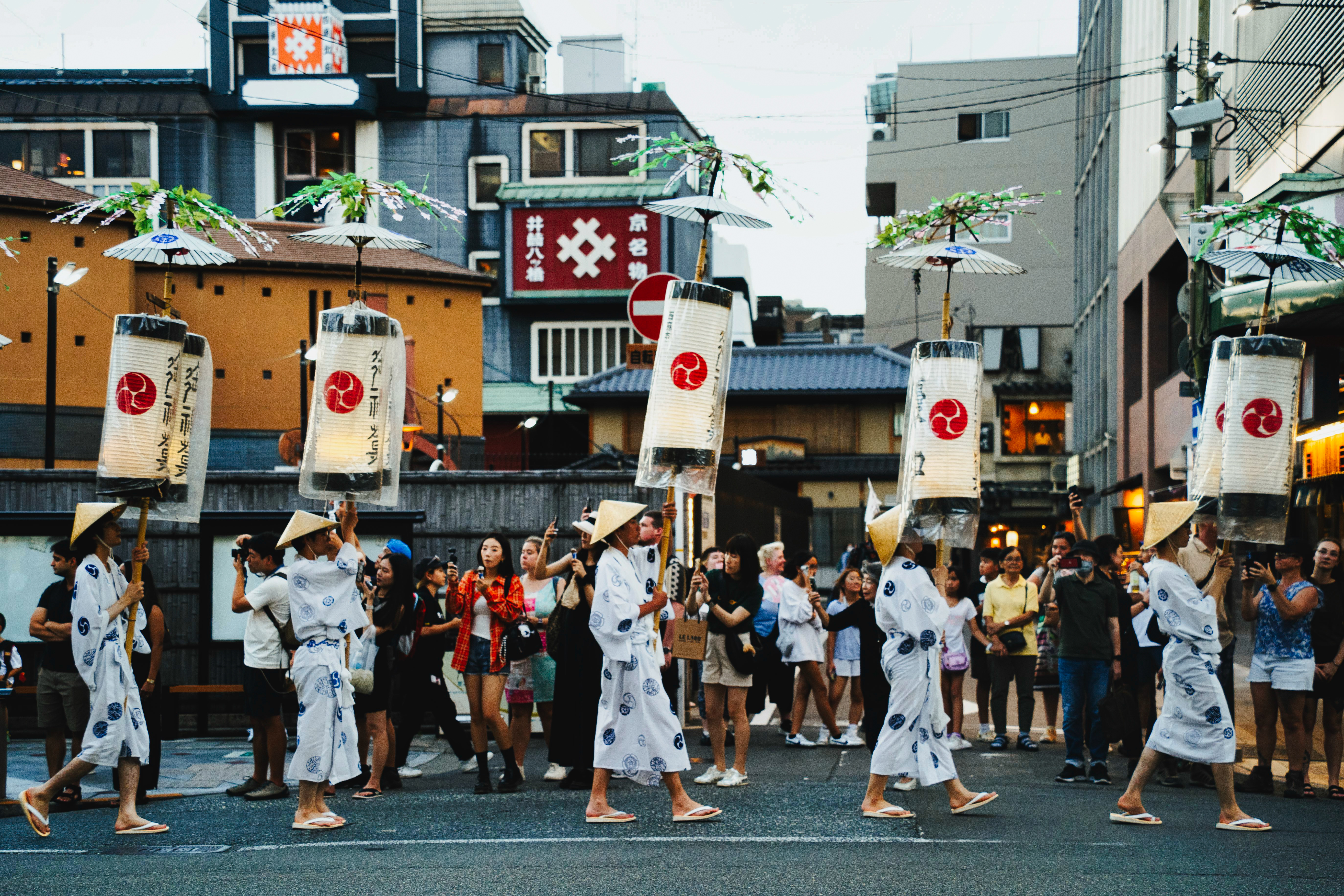
Kyoto in July pulses with ancient rhythm as the Gion Matsuri unfolds—a festival rooted in centuries of purification and community spirit. While famous for its grand floats, the deeper soul of the celebration reveals itself in the smaller, more visceral rituals that ignite the city’s backstreets. One of the most striking scenes is the nighttime procession where men carry taimatsu—enormous burning torches made from bundled bamboo. The fire crackles as it’s hoisted high, illuminating the narrow lanes and casting shadows on the old wooden townhouses of Gion.

This ritual is more than spectacle—it’s a powerful act of devotion and cleansing. As the bearers chant and march through the humid summer night, sparks fall like brief stars onto the pavement. The heat, the smoke, and the physical exertion create a trance-like atmosphere, both for the participants and those watching. In this elemental moment, fire becomes a bridge between Kyoto’s past and present—a symbol of protection, transformation, and enduring tradition woven into the fabric of the Gion Matsuri.

Hills and Plains of San Marino

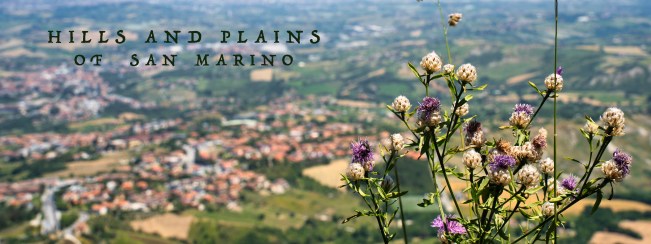
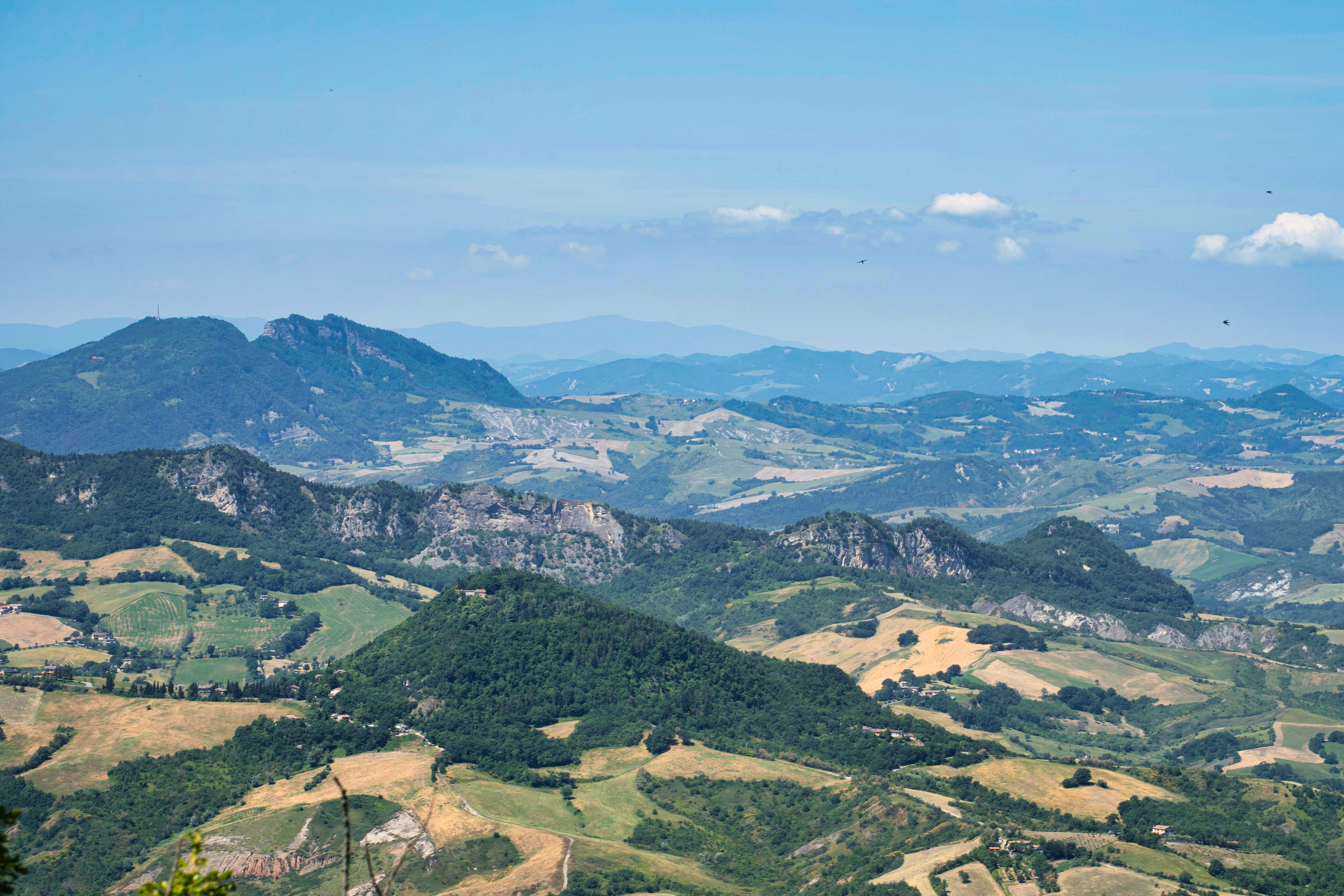
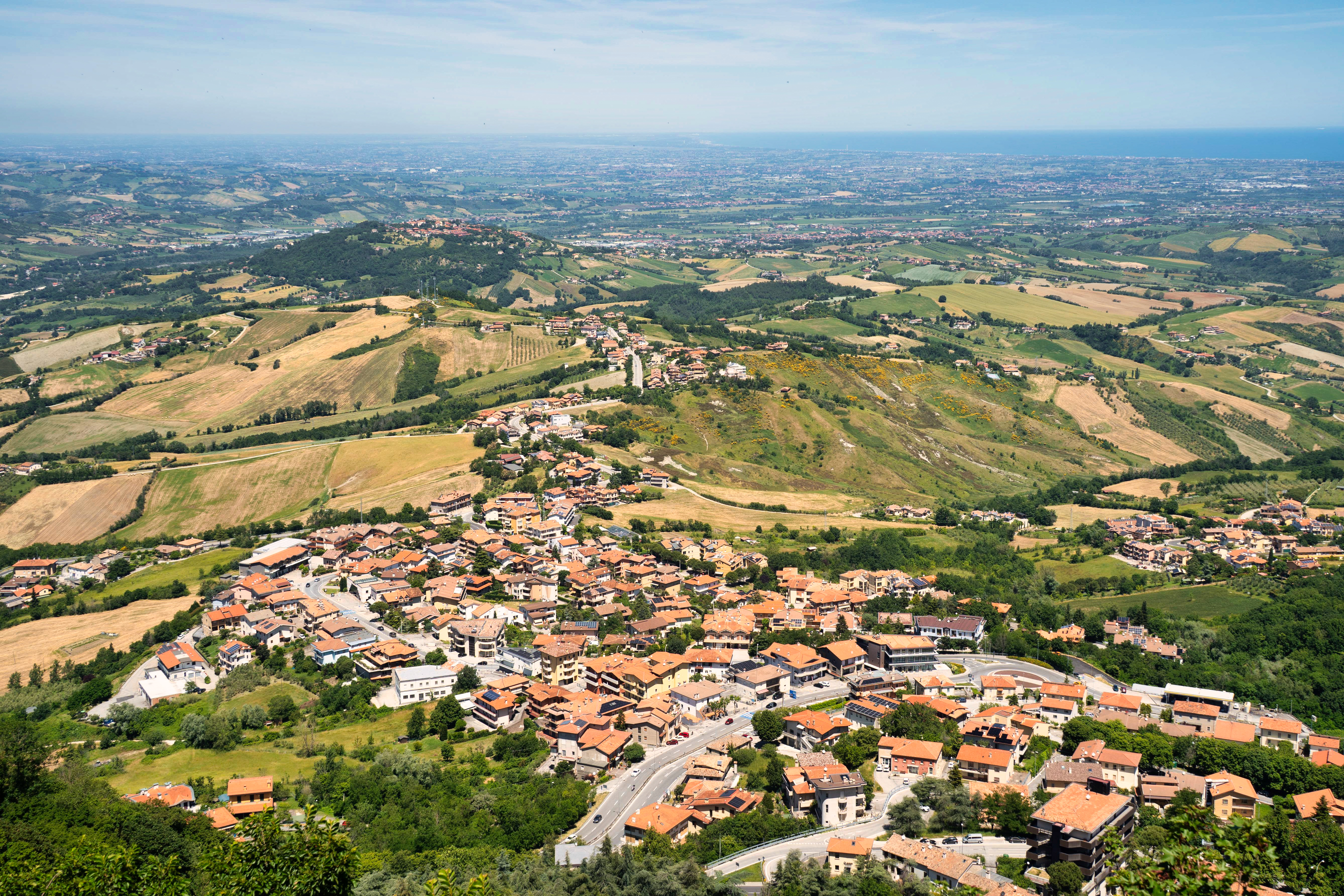
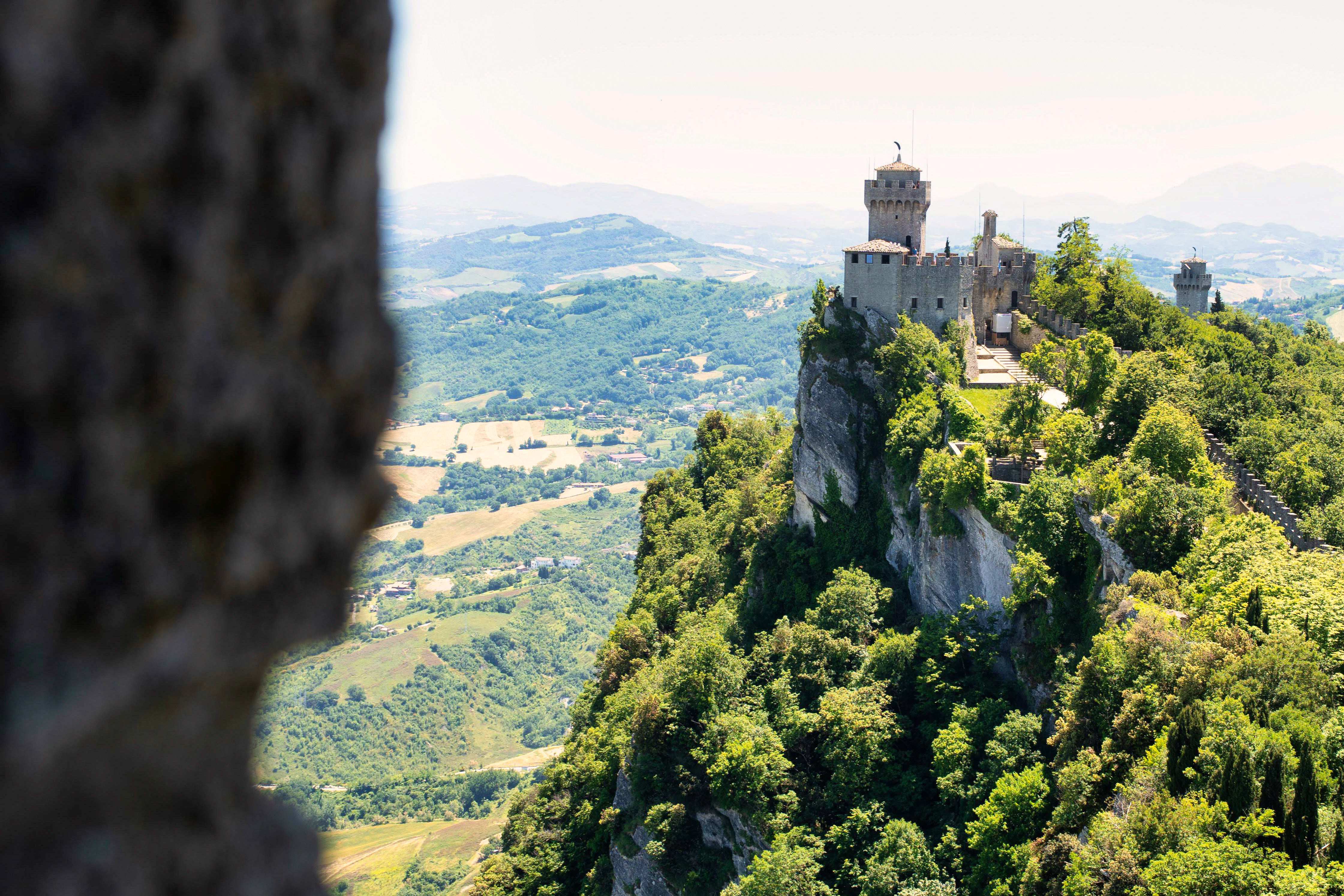
San Marino may be famed for its mountaintop capital, but beyond the steep climbs and fortified walls lies a landscape of surprising variety and quiet beauty. Rolling hills spill gently into fertile plains, dotted with vineyards, olive groves, and family-run farms that have shaped the republic’s rural character for generations. These lower regions, often overlooked by tourists rushing to the peaks, offer a slower, more intimate glimpse of San Marino — where winding country roads lead to sleepy villages, and locals greet you with a nod and a story. The contrast between the dramatic heights of Monte Titano and the soft, sunlit fields below mirrors San Marino’s unique balance between historic grandeur and humble, lived-in charm. Here, the republic reveals itself not just in stone and legend, but in the rhythm of the land and the enduring connection between people and place.
The Old Republic

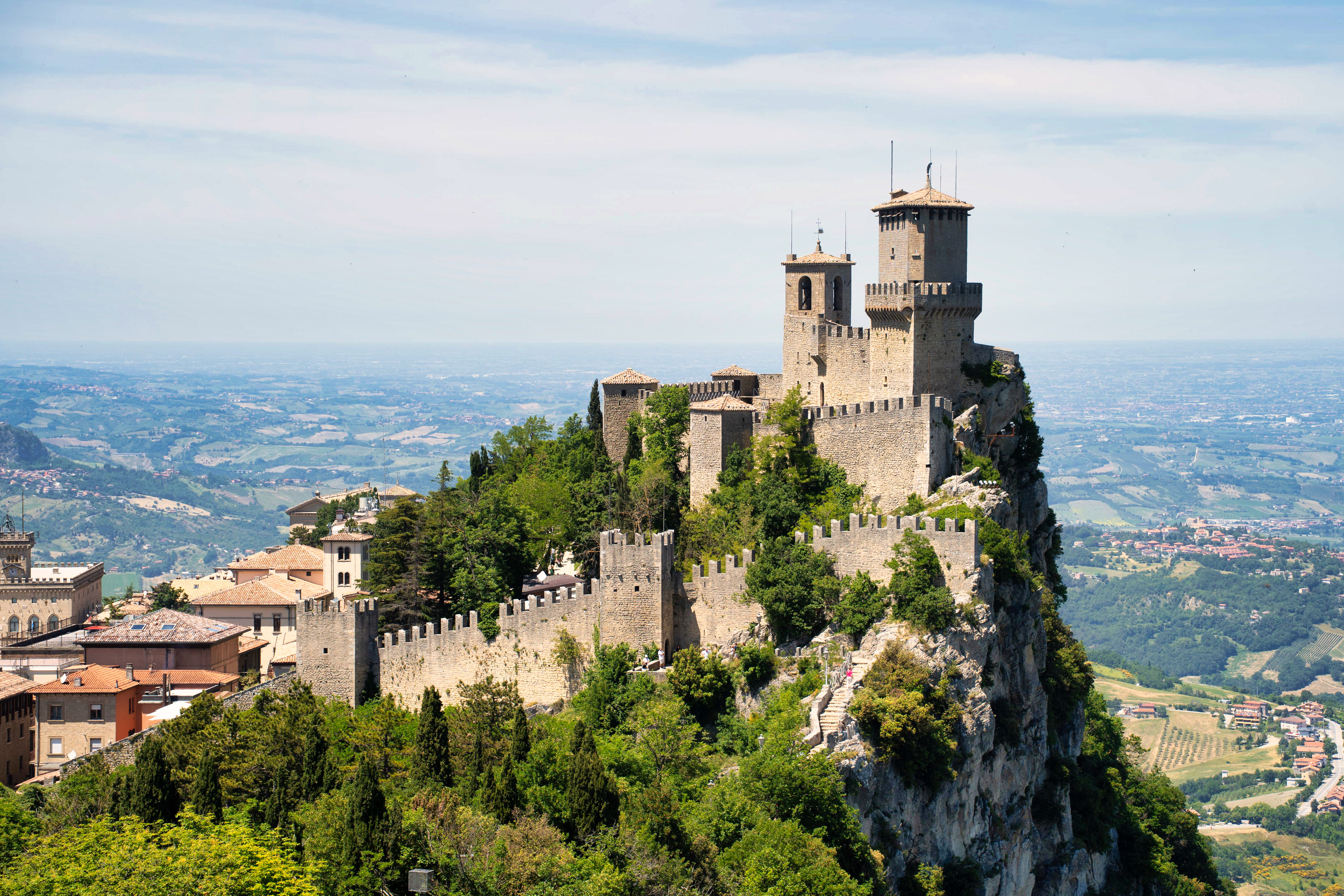
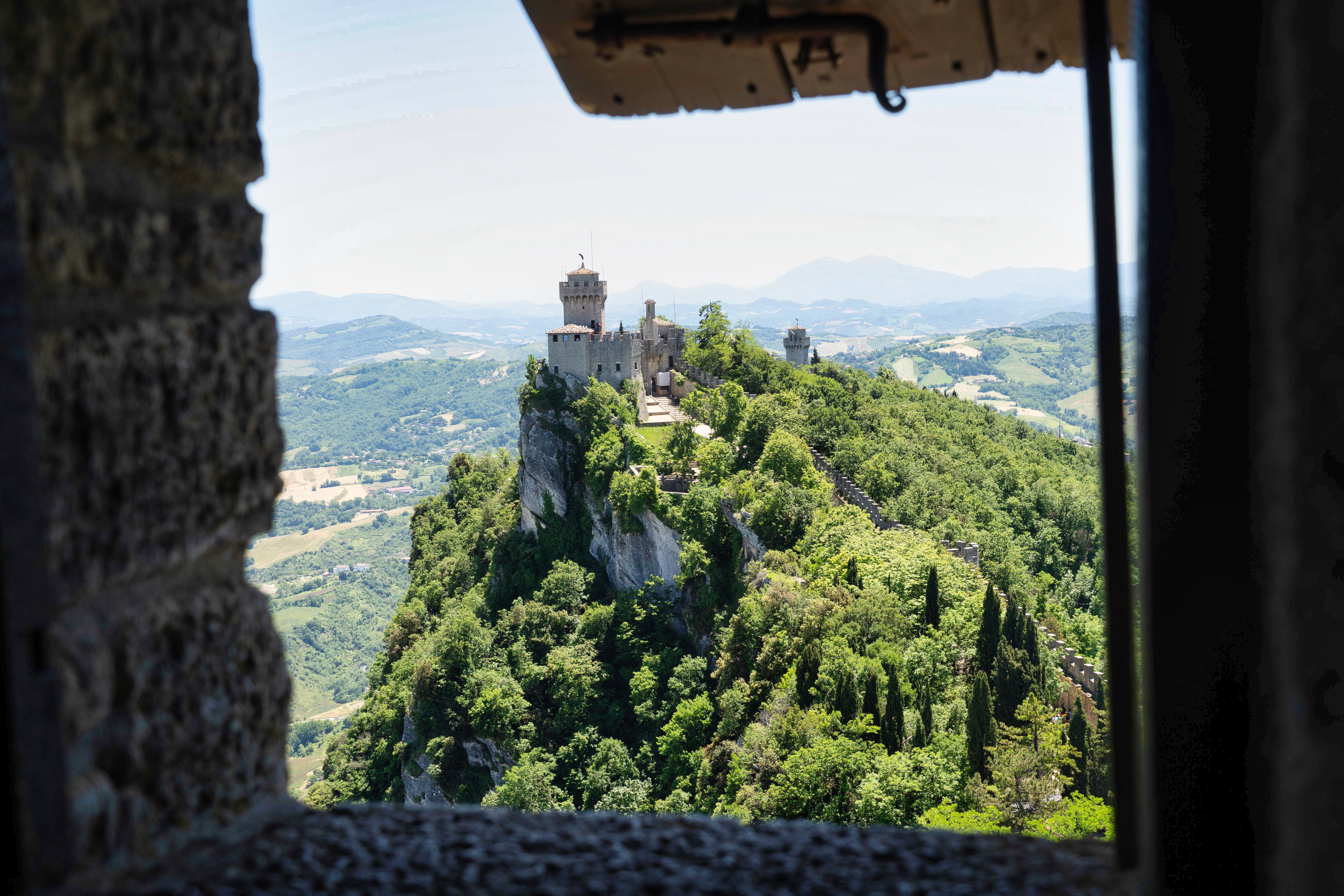
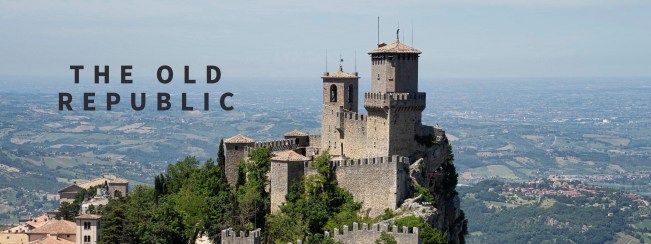
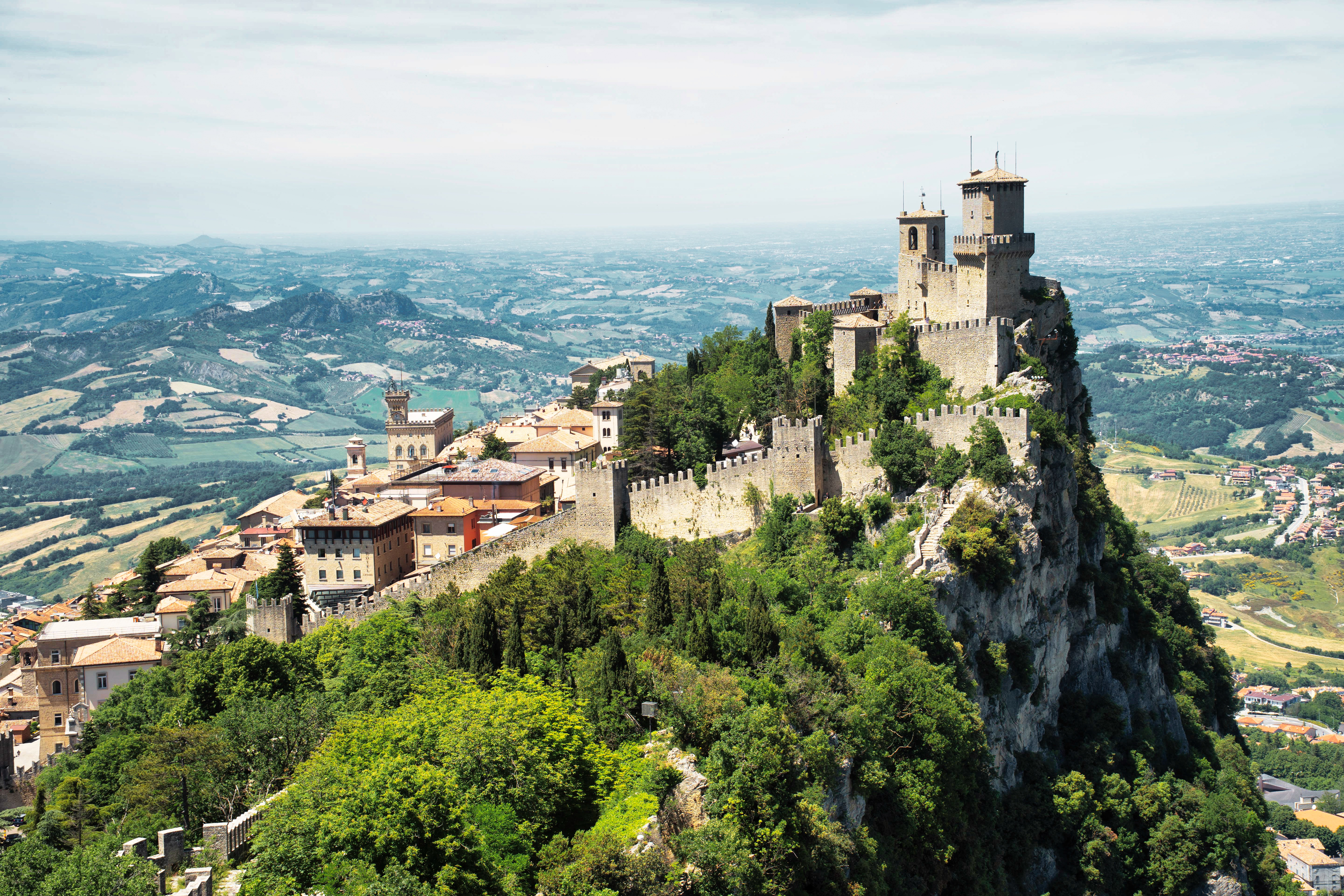
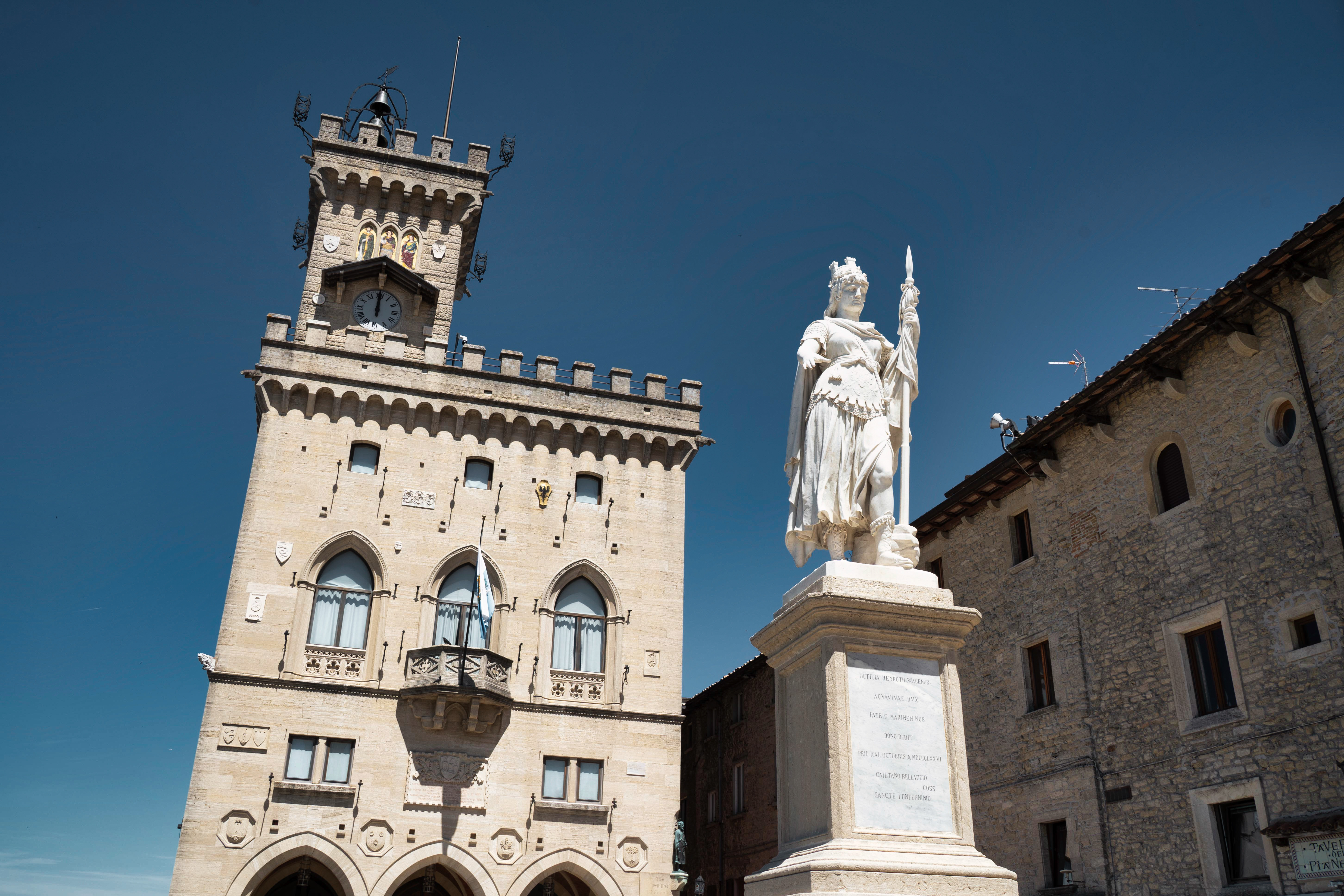
Perched atop the Apennine mountains, San Marino stands as a testament to resilience and independence — the world’s oldest surviving republic, proudly clinging to its sovereignty since 301 AD. Walking through its narrow, winding streets feels like stepping into a living museum, where every stone and tower tells the story of a people who have fiercely guarded their freedom for over 1,700 years. The three iconic towers of Guaita, Cesta, and Montale crown the peaks of Monte Titano, offering sweeping views that once served as strategic defenses and now reward visitors with breathtaking panoramas. Despite its small size, San Marino radiates a powerful sense of national identity, built on democratic principles long before they became the norm elsewhere in Europe. Here, history is not locked away in books or behind glass — it is present in the architecture, the rituals of government, and the quiet pride of its citizens

Oriental Discoveries

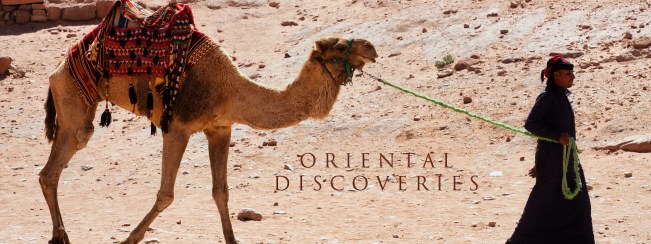
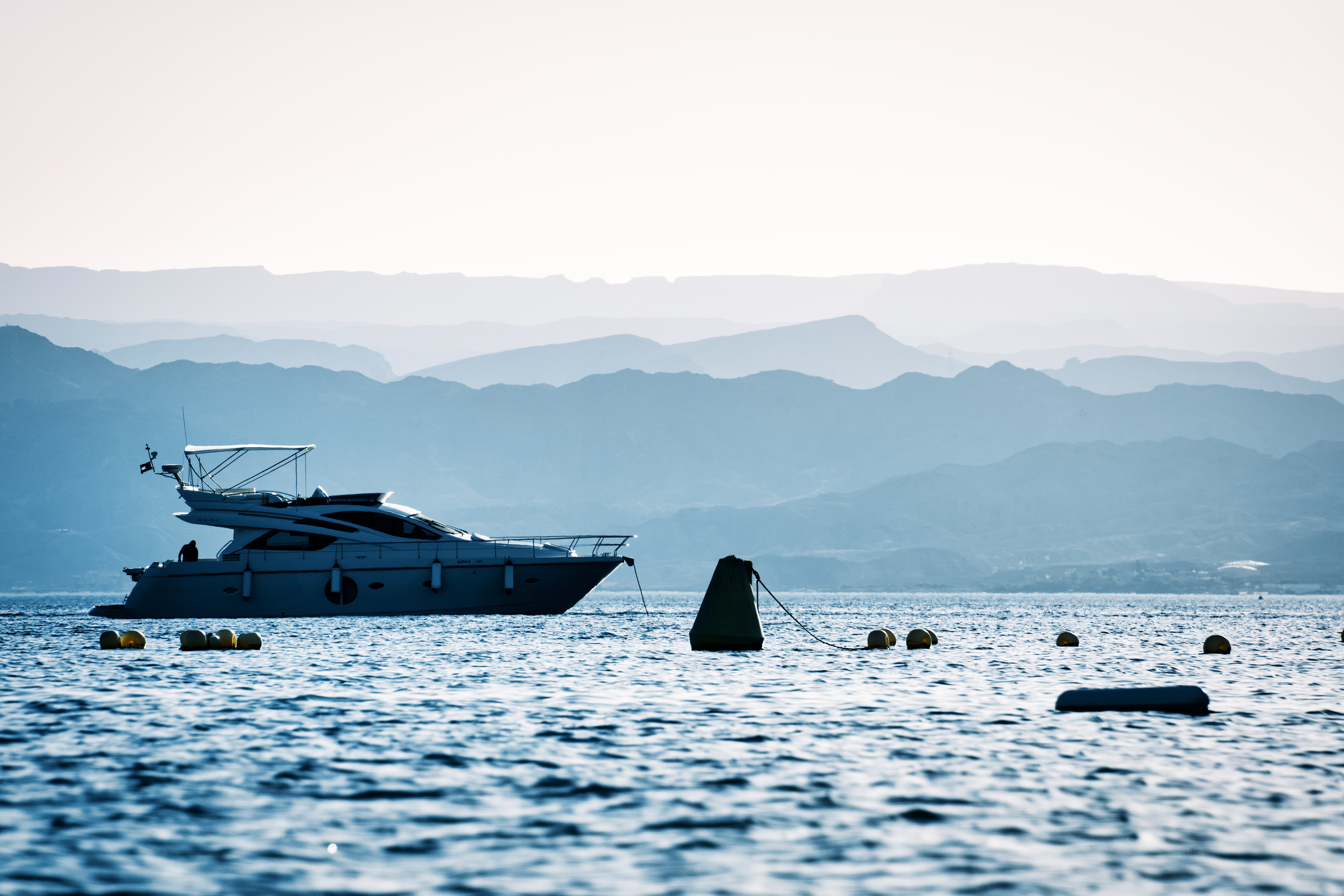
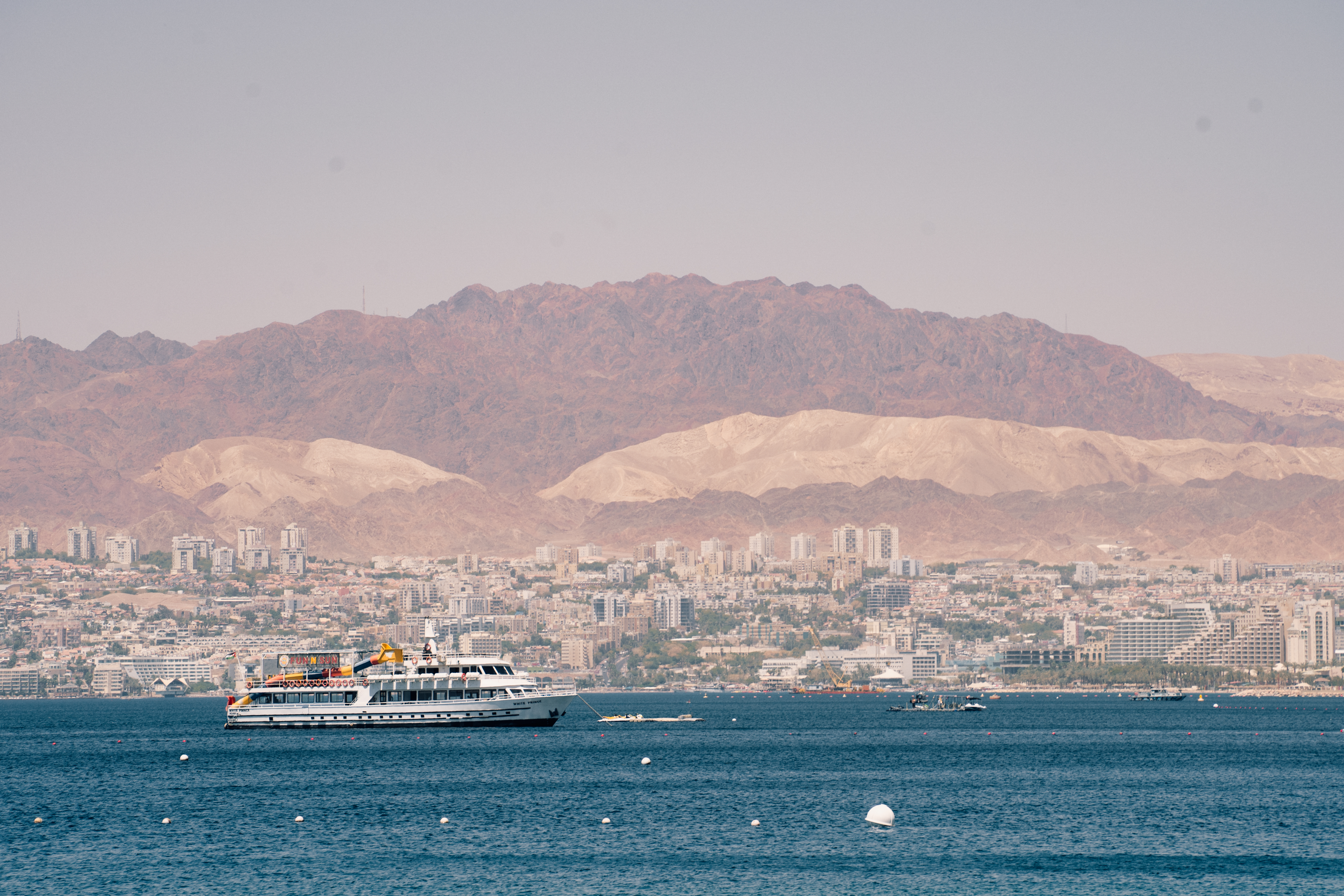
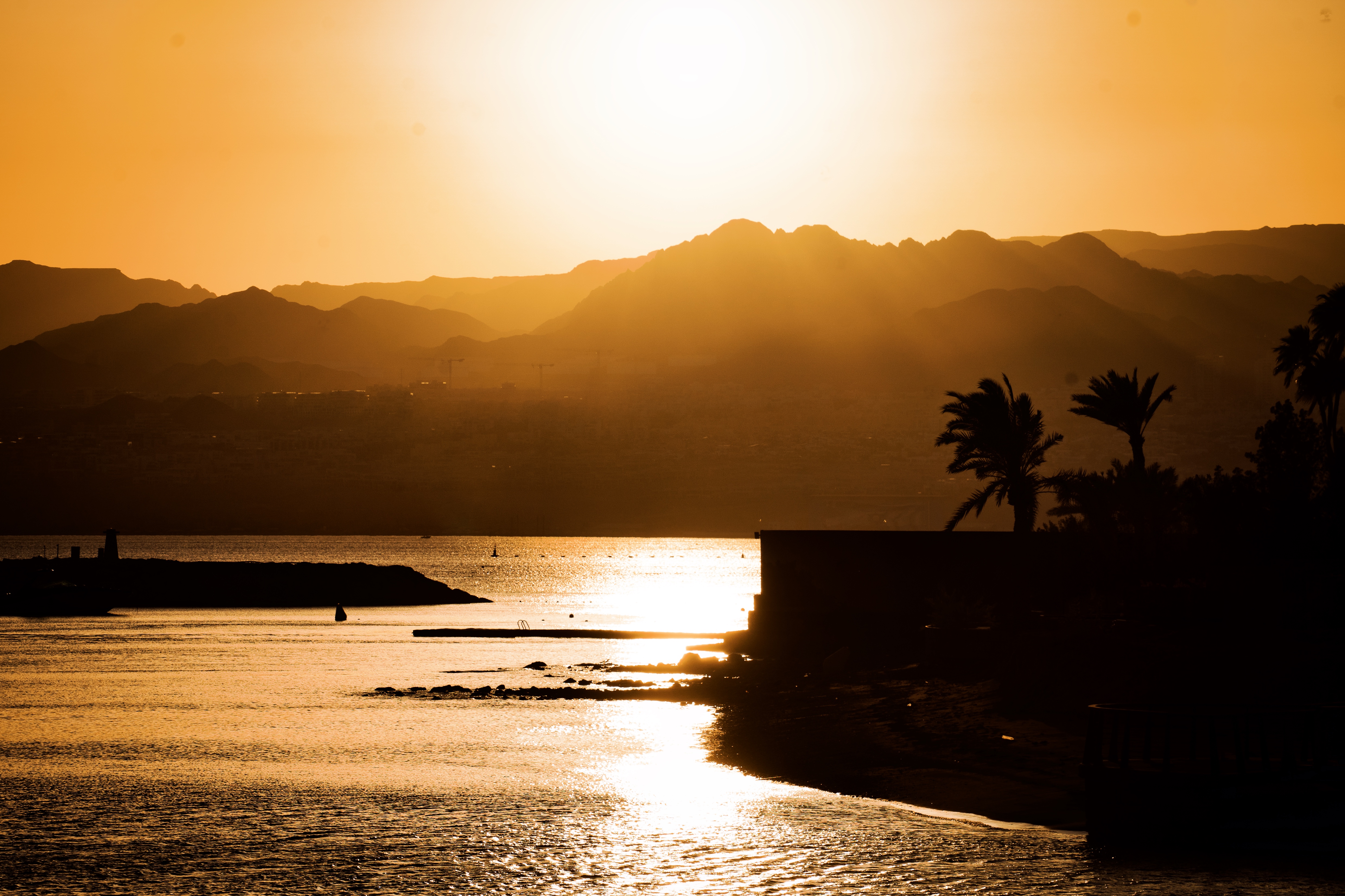
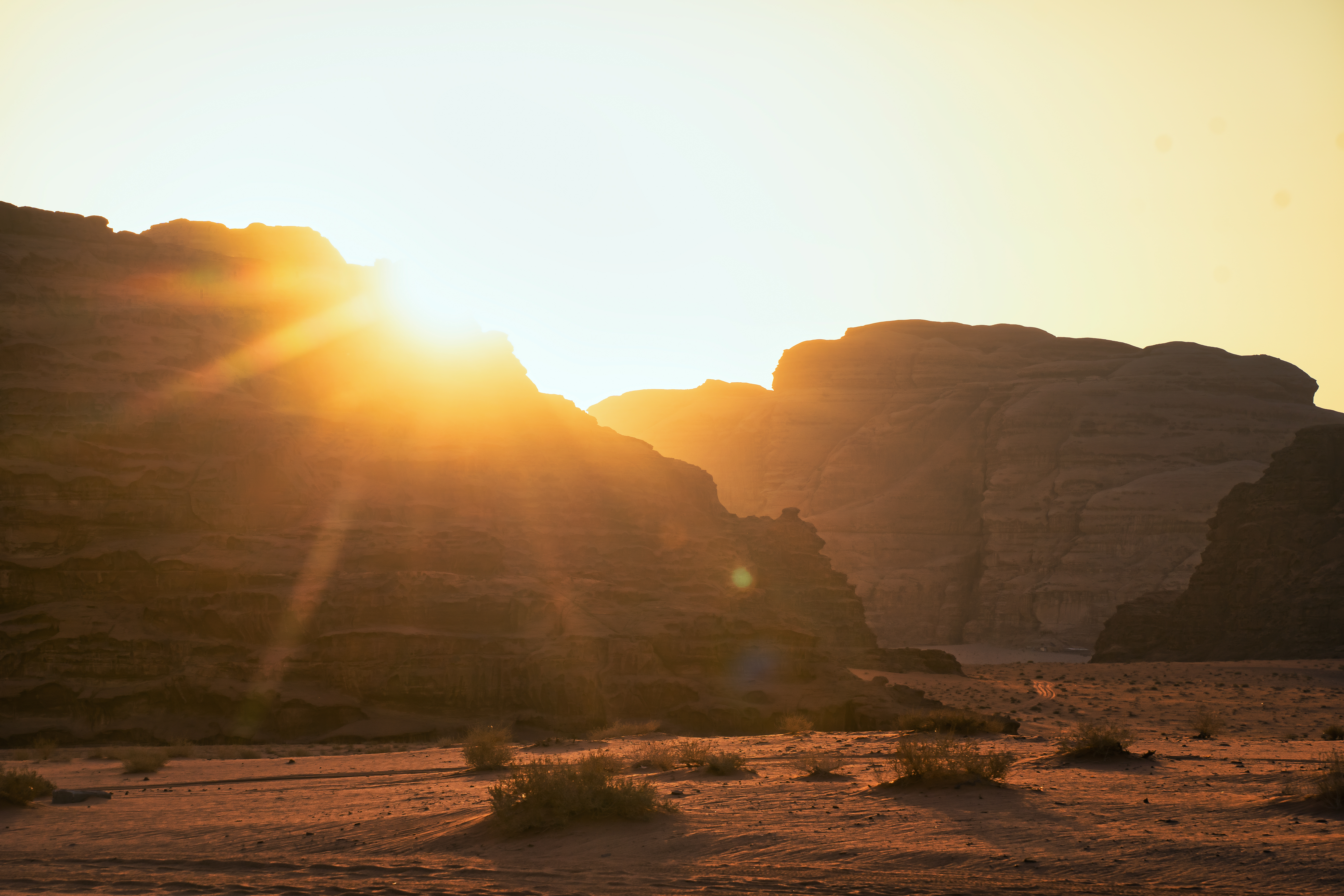
Traveling through Jordan reveals a country where nature and hospitality come together in ways that leave a lasting impression. From the deep, echoing silence of Wadi Rum’s red deserts to the lush, hidden valleys of the north, the landscapes are as varied as they are breathtaking. The country’s natural beauty stretches from the salty shores of the Dead Sea to the dramatic cliffs of Dana Biosphere Reserve, offering scenes that shift with each turn in the road. Amid ancient ruins and vast open spaces, there is a strong sense of connection to the land, where traditions and respect for nature are deeply rooted.

What truly defines a journey through Jordan, however, are its people. In cities, towns, and small desert camps, Jordanians welcome visitors with a warmth that feels immediate and sincere. Sharing tea, stories, or simply a smile, they open a window into a culture where generosity is not a formality but a way of life. Whether sitting with Bedouins under a star-filled sky or chatting with shopkeepers in a bustling market, travelers often find that the most memorable discoveries are not marked on any map. In Jordan, every meeting and every landscape becomes part of a larger story — one of kindness, resilience, and timeless beauty.

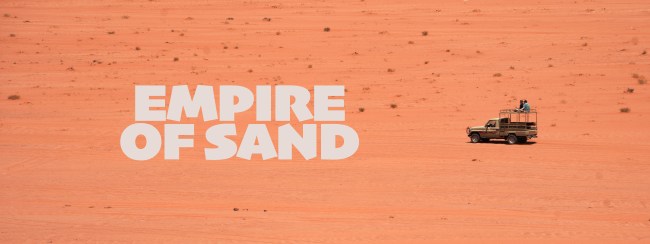
Empire of Sand

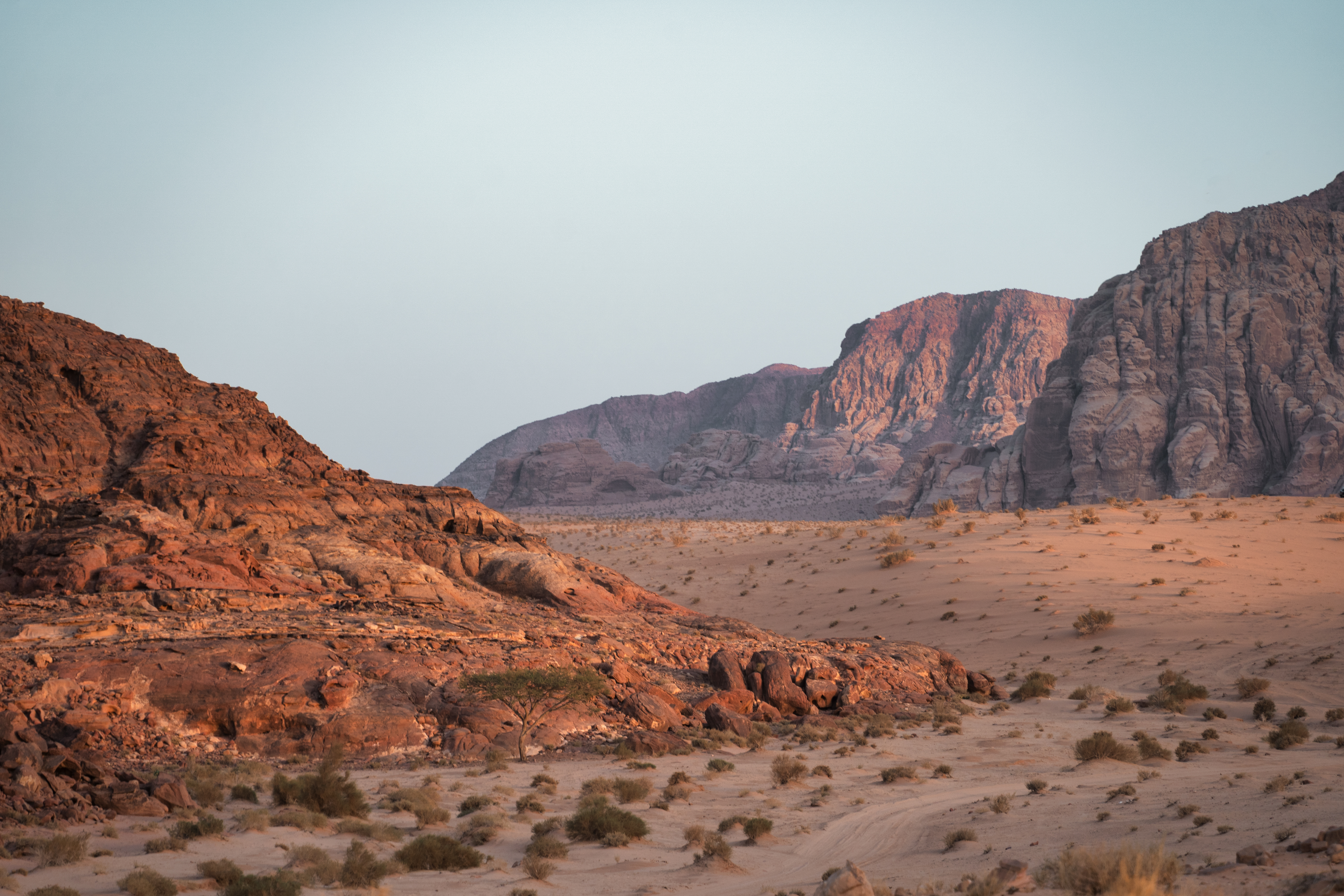
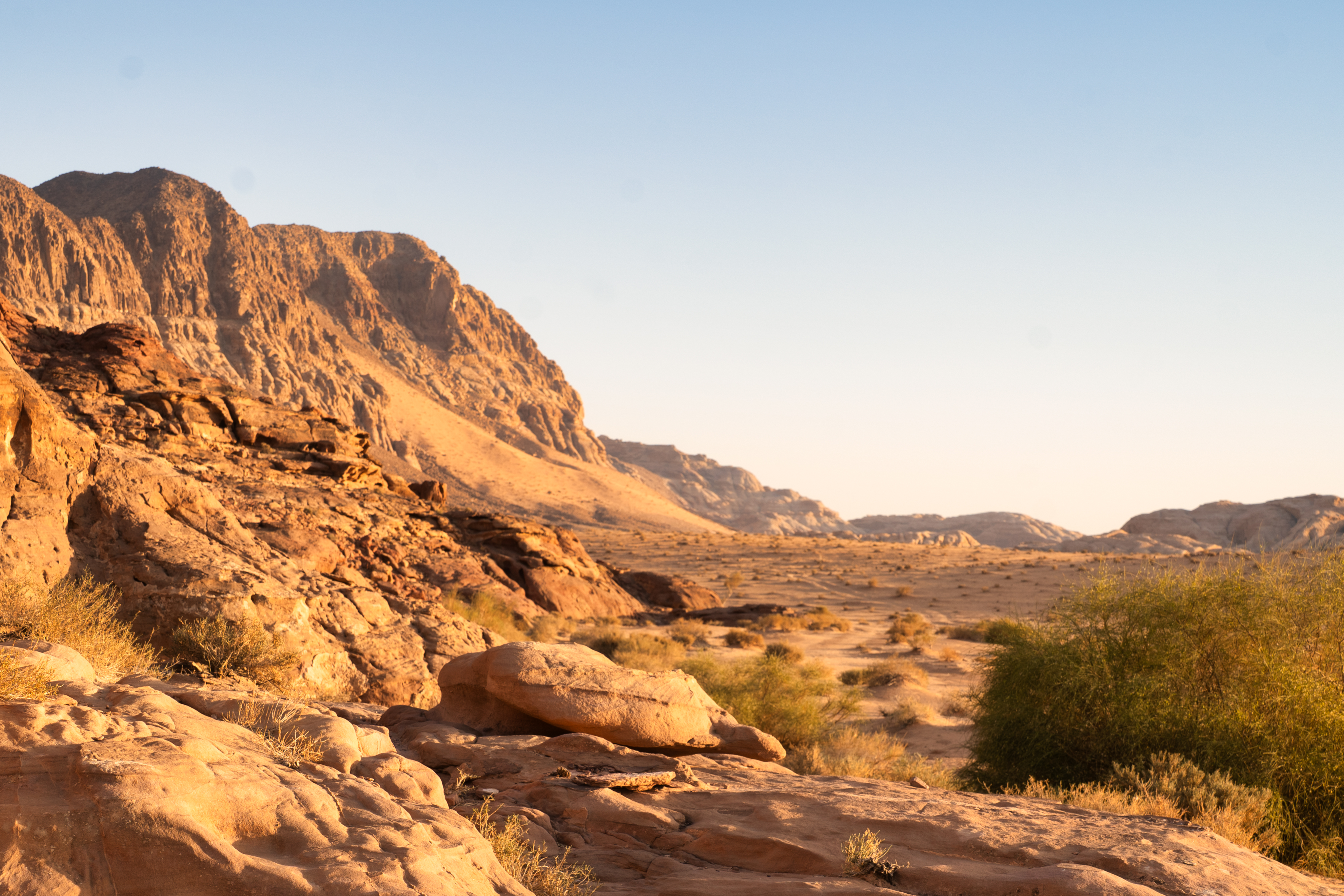
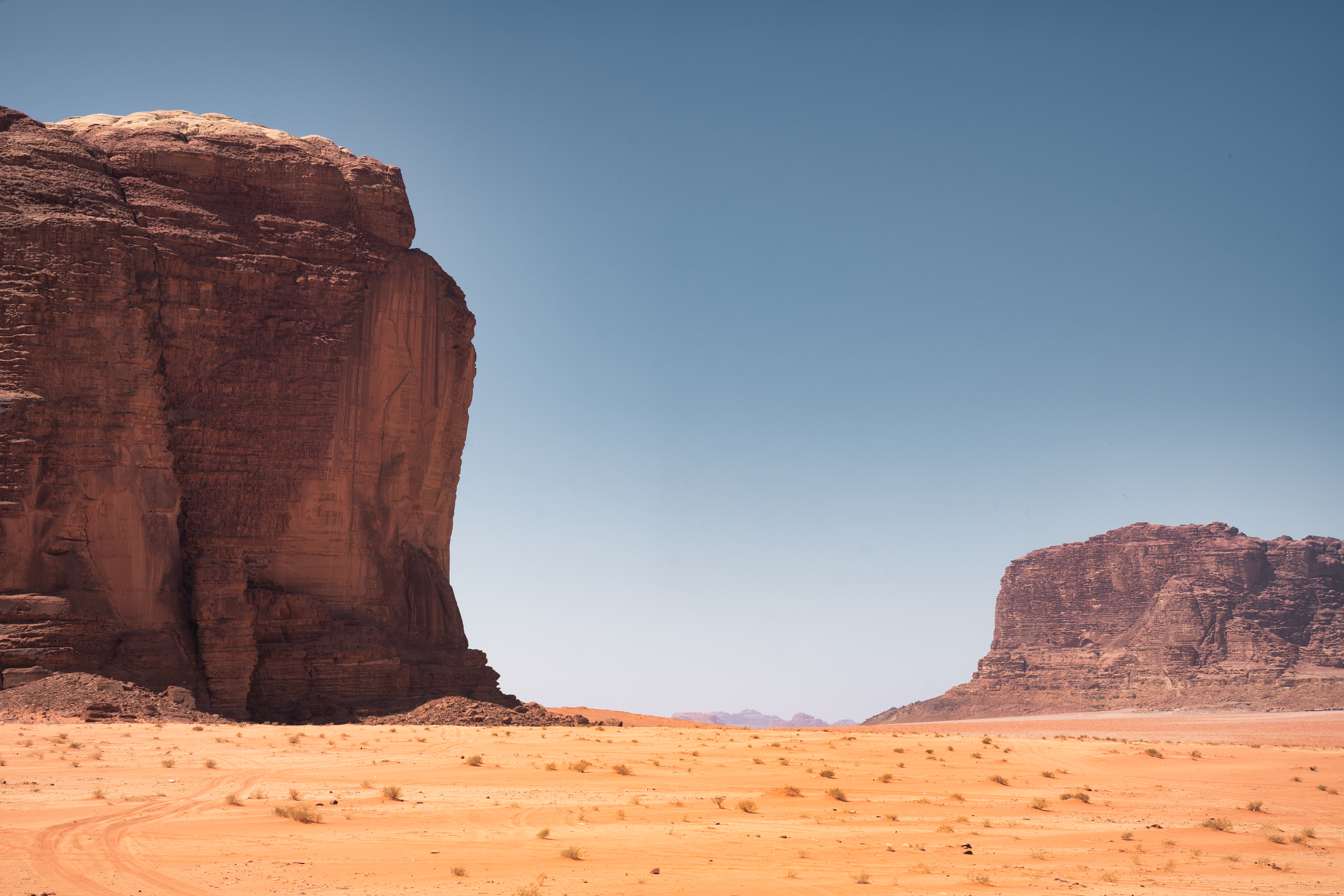
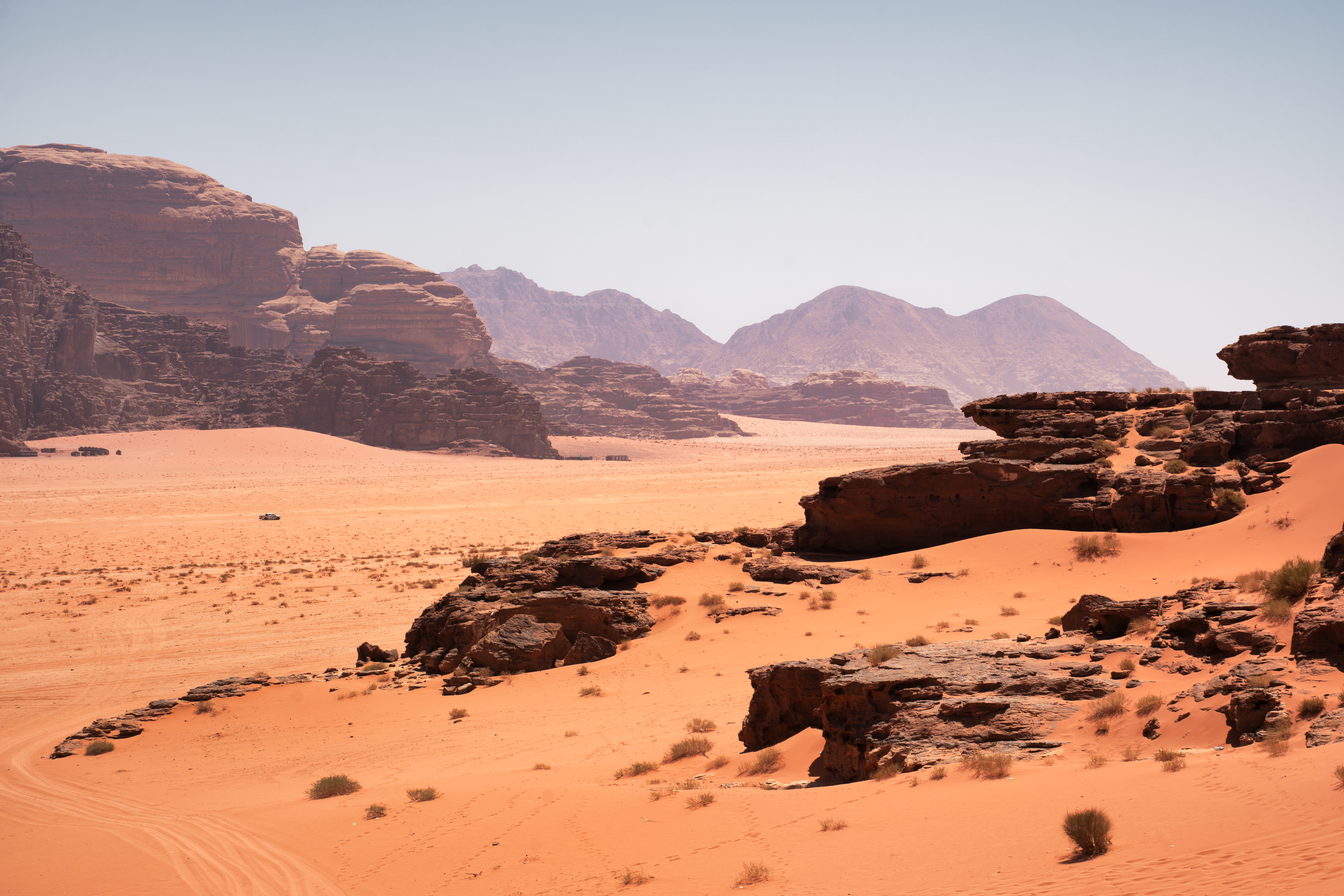
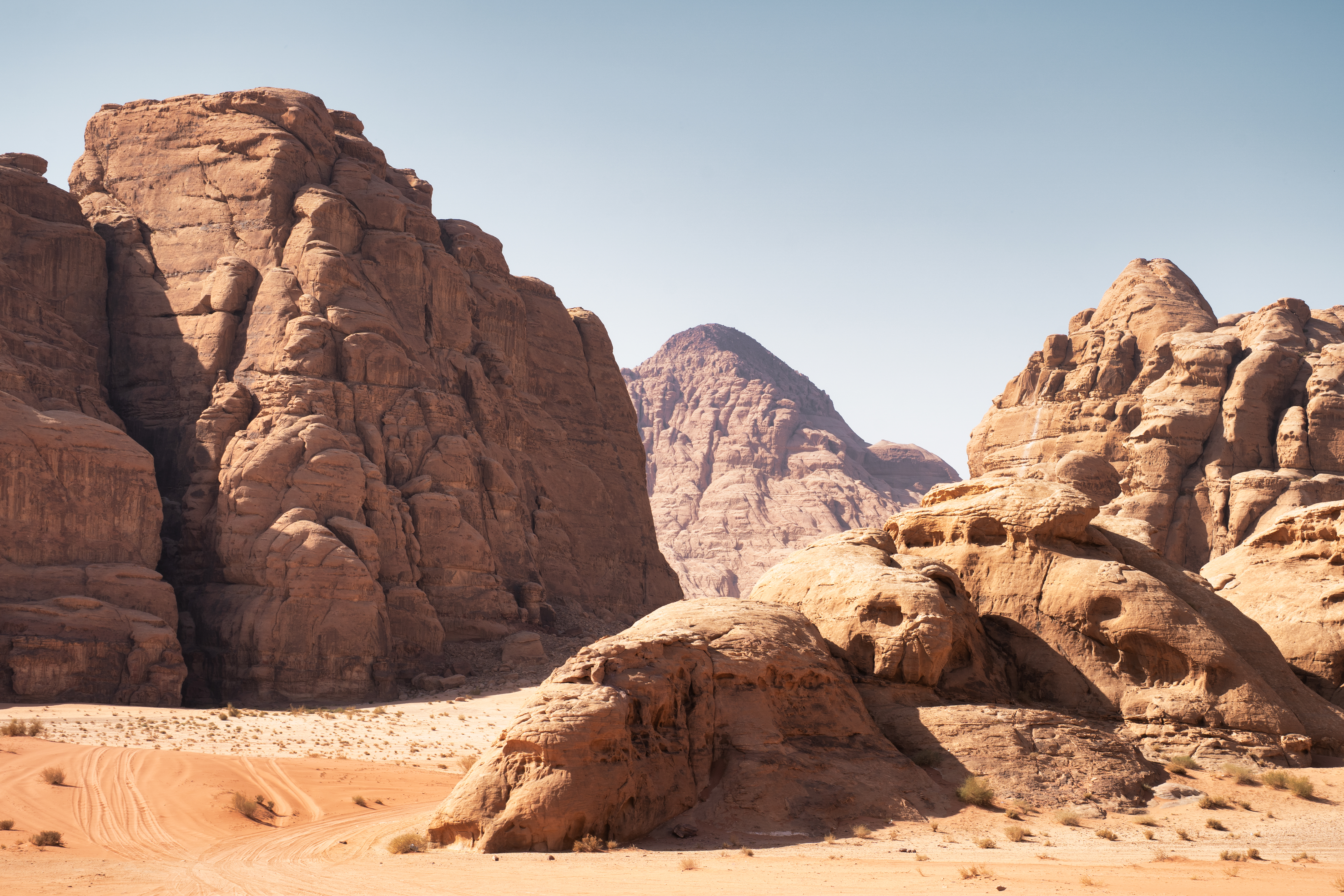
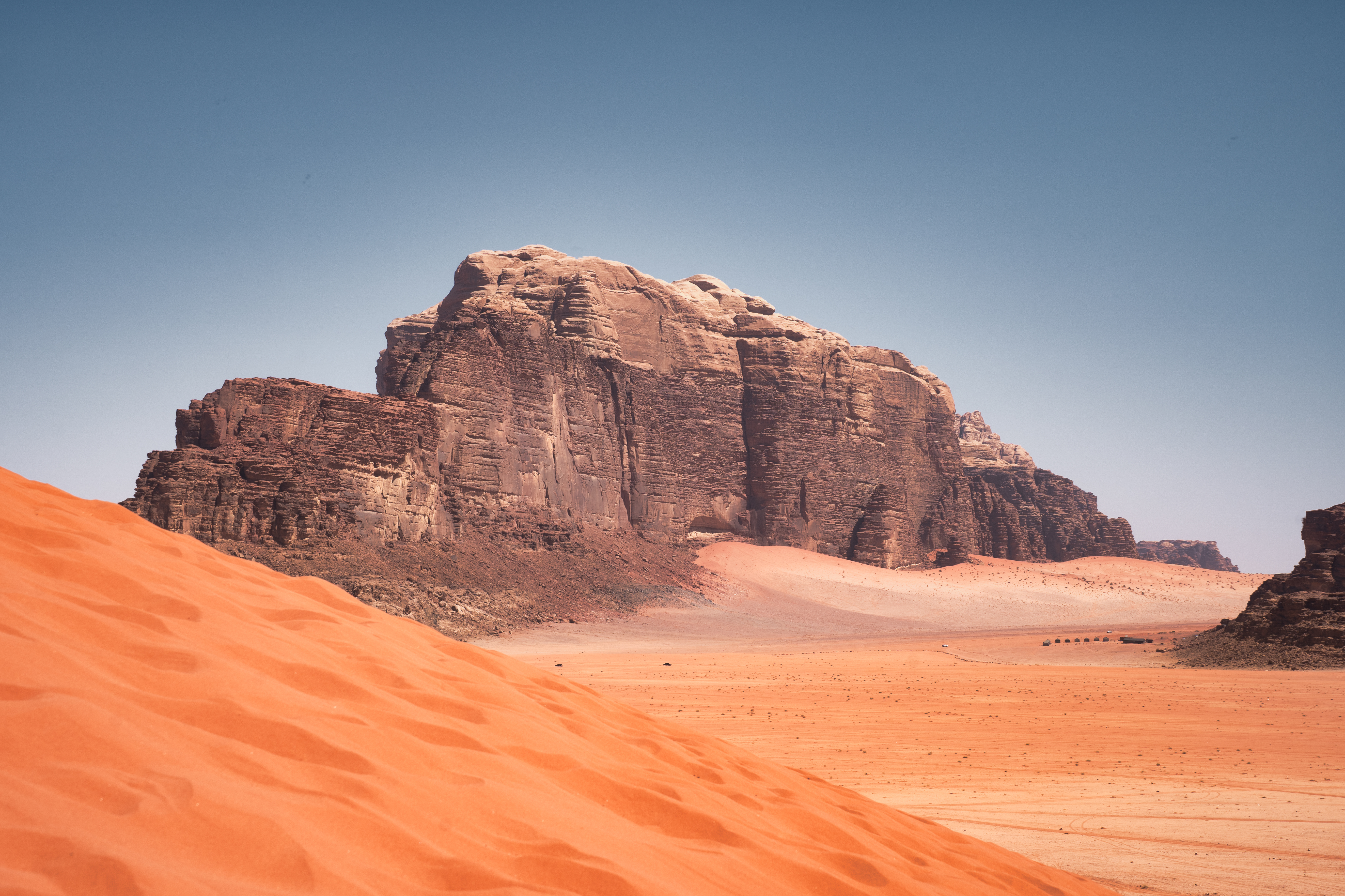
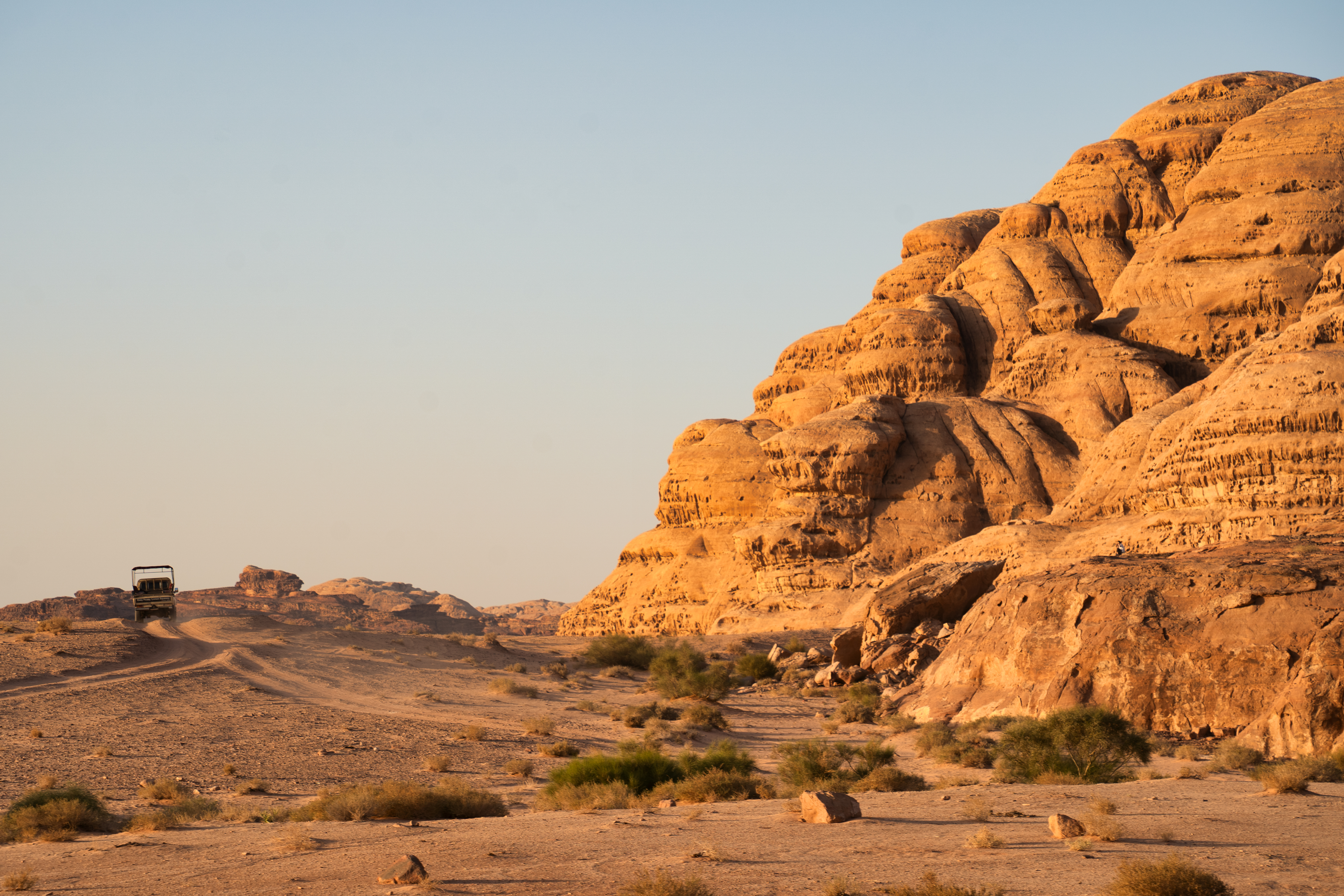
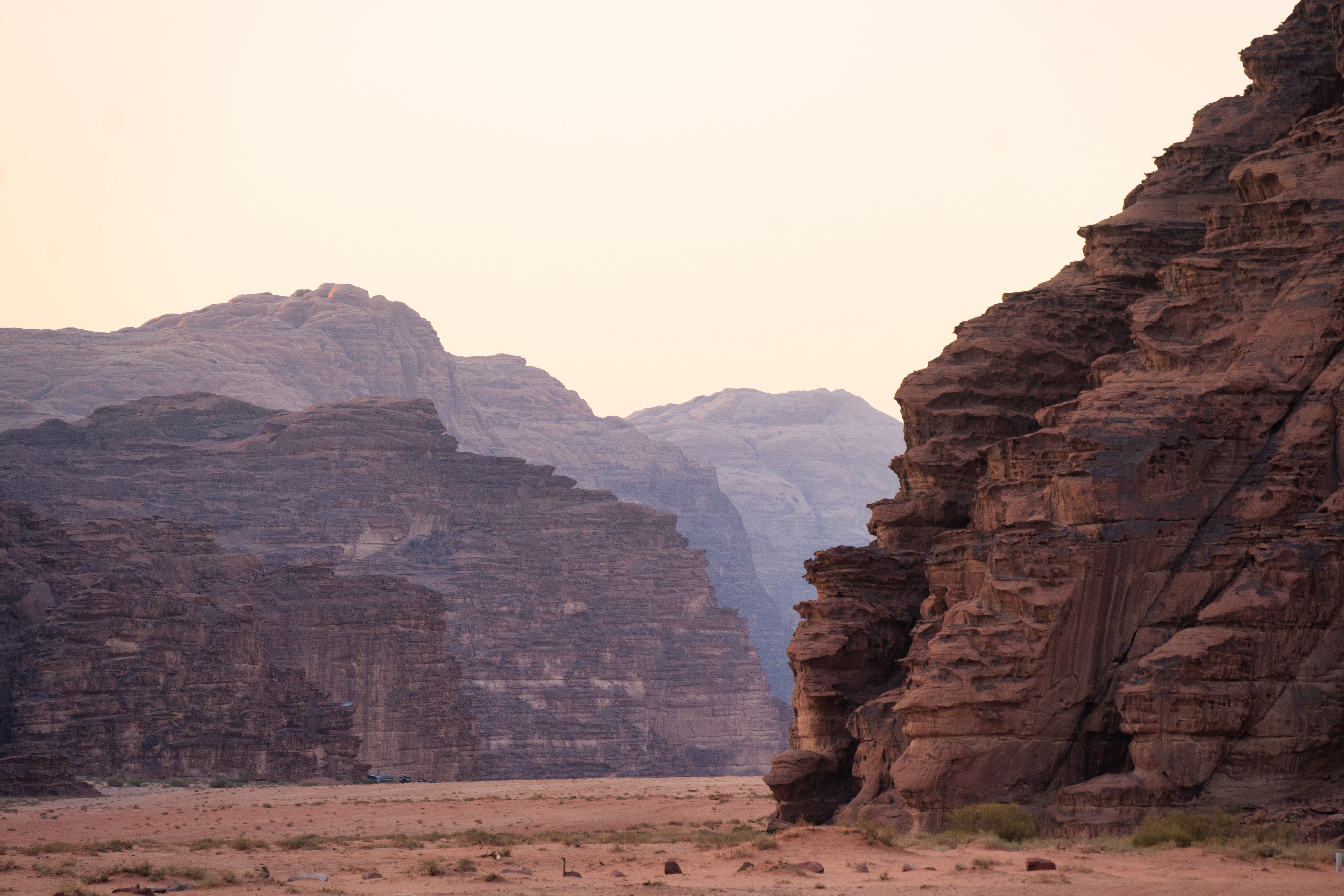
Wadi Rum stretches across southern Jordan like a vast, open kingdom shaped by wind and time. Towering sandstone cliffs rise from the desert floor, their surfaces smoothed and sculpted into natural monuments. Valleys open into endless plains of red and gold sand, and narrow gorges hide springs and ancient carvings left by travelers from forgotten eras. Though no single empire ever ruled Wadi Rum in the traditional sense, the desert itself has always been the true master, commanding respect and shaping the lives of those who pass through its shifting landscapes.

In this empire of sand, survival depends on understanding the land’s rhythms and hidden resources. For centuries, Bedouin tribes have navigated the wide expanses by reading the stars, the winds, and the movement of the dunes. Their way of life, adapted perfectly to the harsh environment, stands as a living tradition in a place where little else remains unchanged. Wadi Rum’s vast silence and sweeping beauty remind visitors that power does not always come with stone walls or crowns — sometimes it is found in the enduring strength of nature itself.

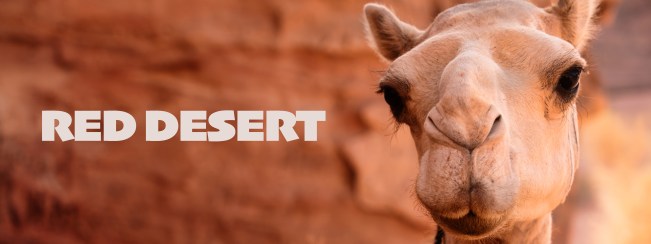
Red Desert

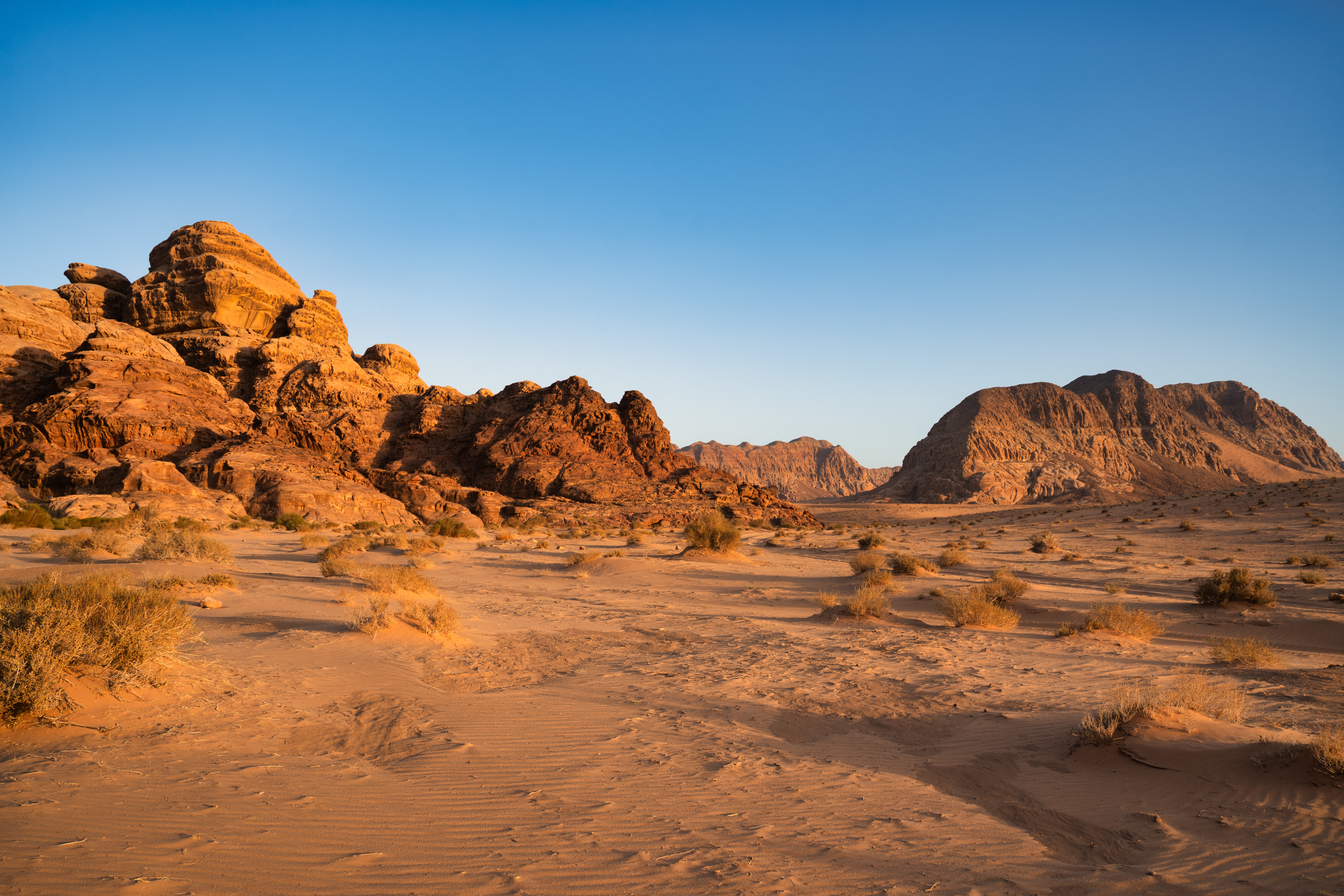
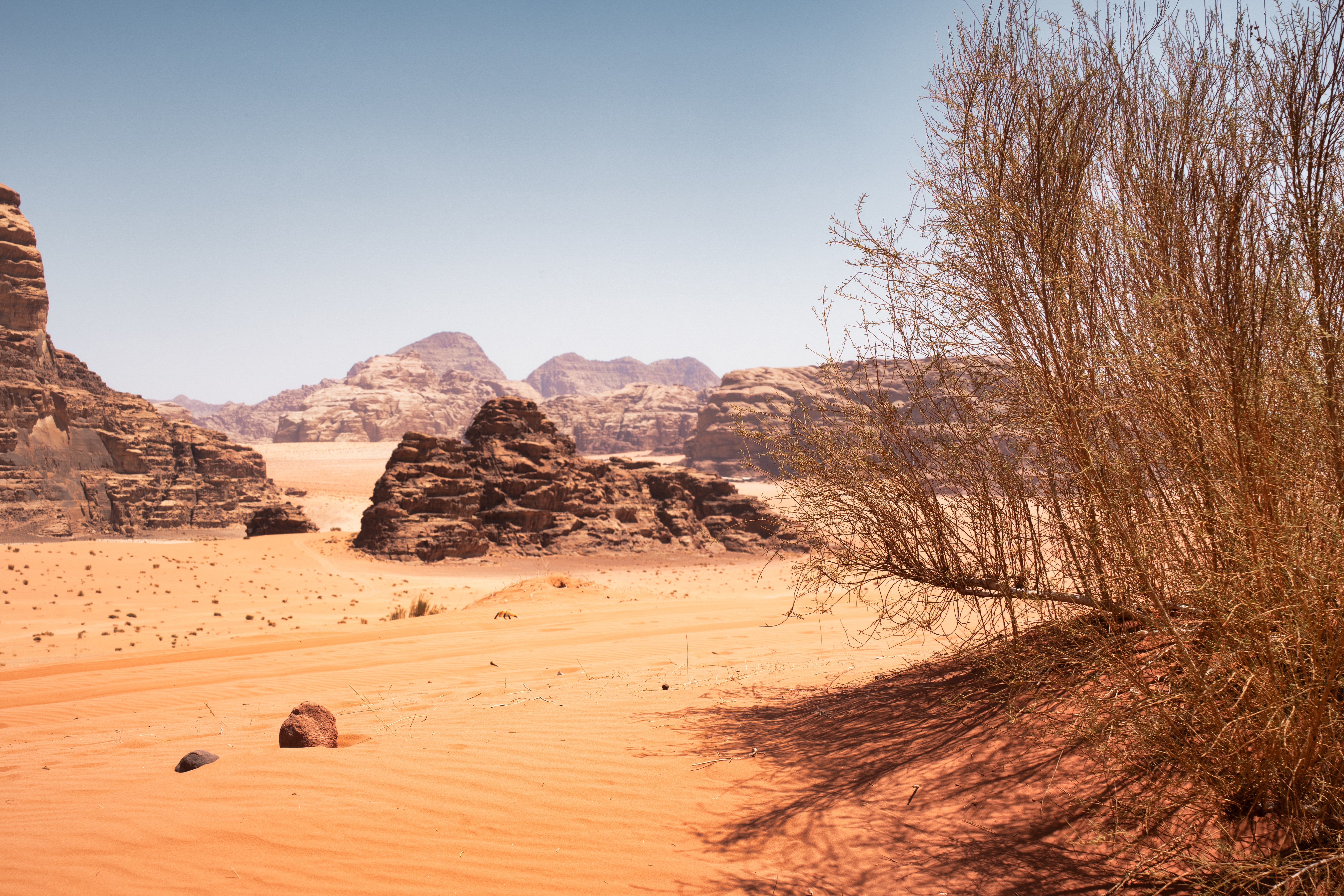
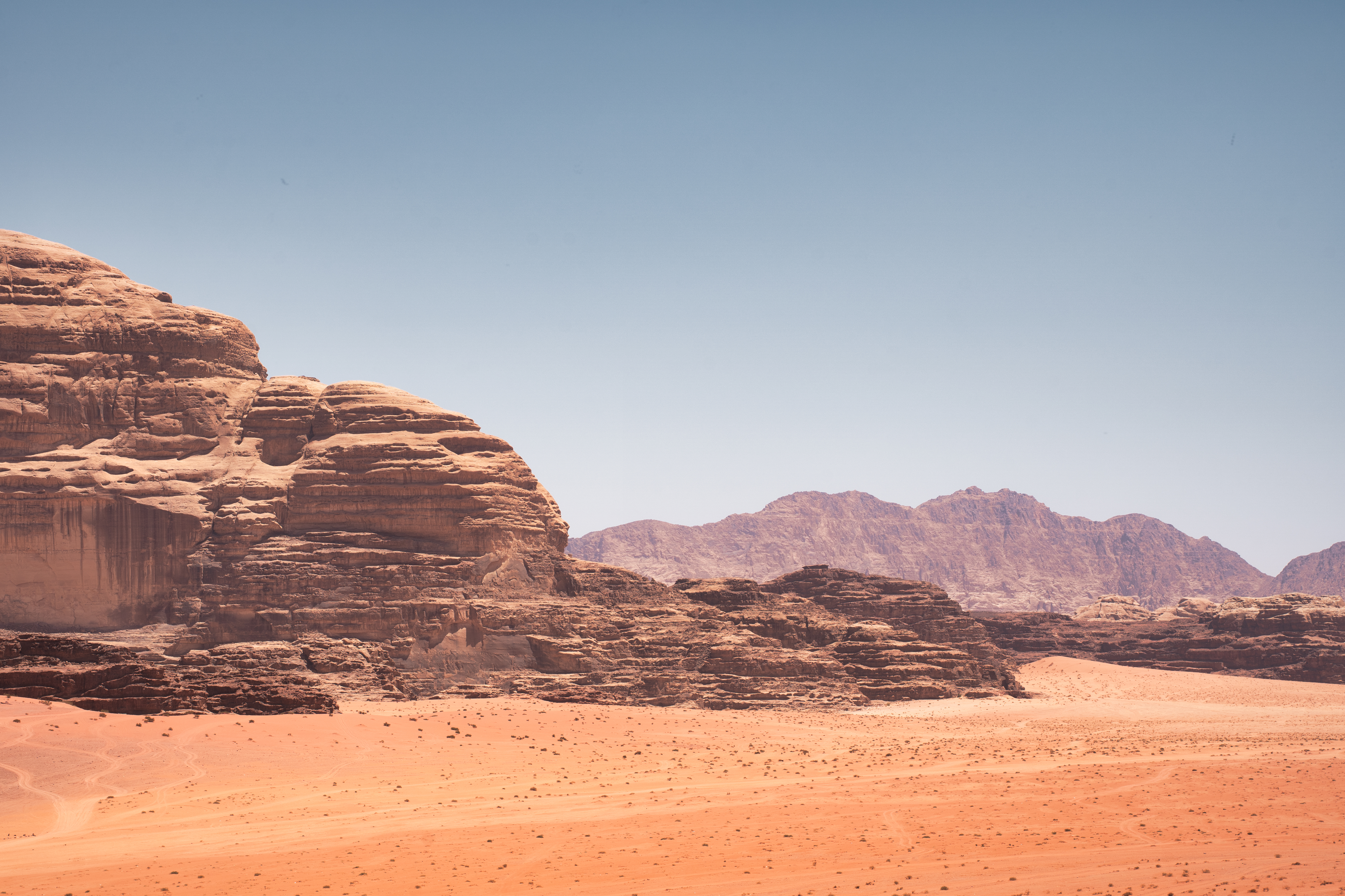
The landscape of Wadi Rum feels more like another world than a corner of Earth. Its towering sandstone mountains, deep craters, and endless red sands create a setting so surreal that it has often been compared to the surface of Mars. Filmmakers have chosen Wadi Rum as a stand-in for alien worlds, but its real beauty lies in the way it blurs the line between the familiar and the extraordinary. Here, the ground shifts from gold to deep rust under the changing light, and the silence is so complete that even footsteps seem out of place. It is a place where the imagination runs free, shaped by wind, time, and the raw forces of nature.

Despite its otherworldly appearance, Wadi Rum is full of stories rooted in Earth’s history. Ancient inscriptions cover the canyon walls, left by peoples who crossed the desert long before modern times. Bedouin camps, blending into the landscape, show how life adapts even in the most extreme environments. The “Red Desert” of Wadi Rum is not just a landscape of isolation; it is a living space where nature, history, and tradition quietly coexist. It reminds visitors that while it may look like another planet, it is deeply connected to human life and endurance.