Skip to content

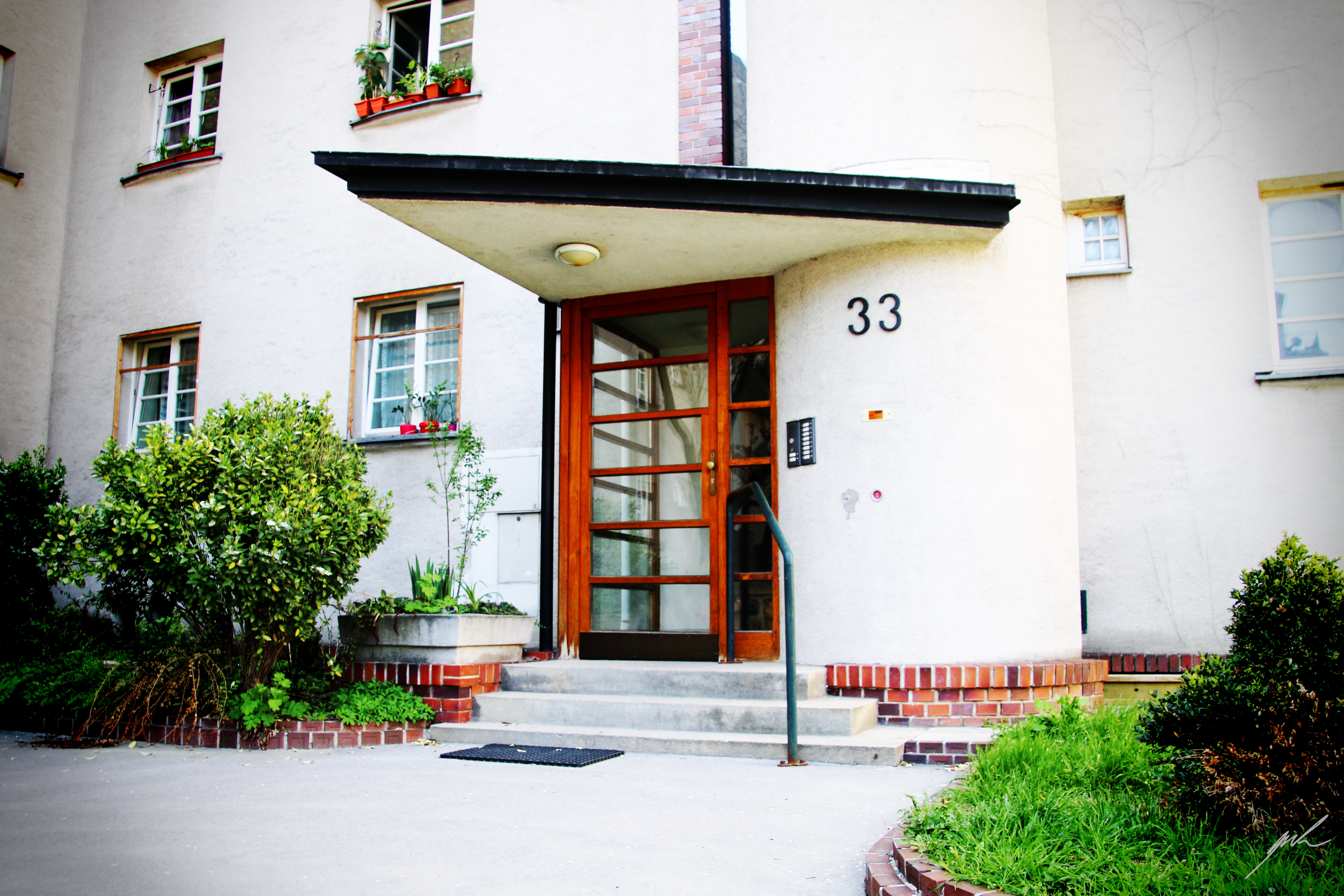
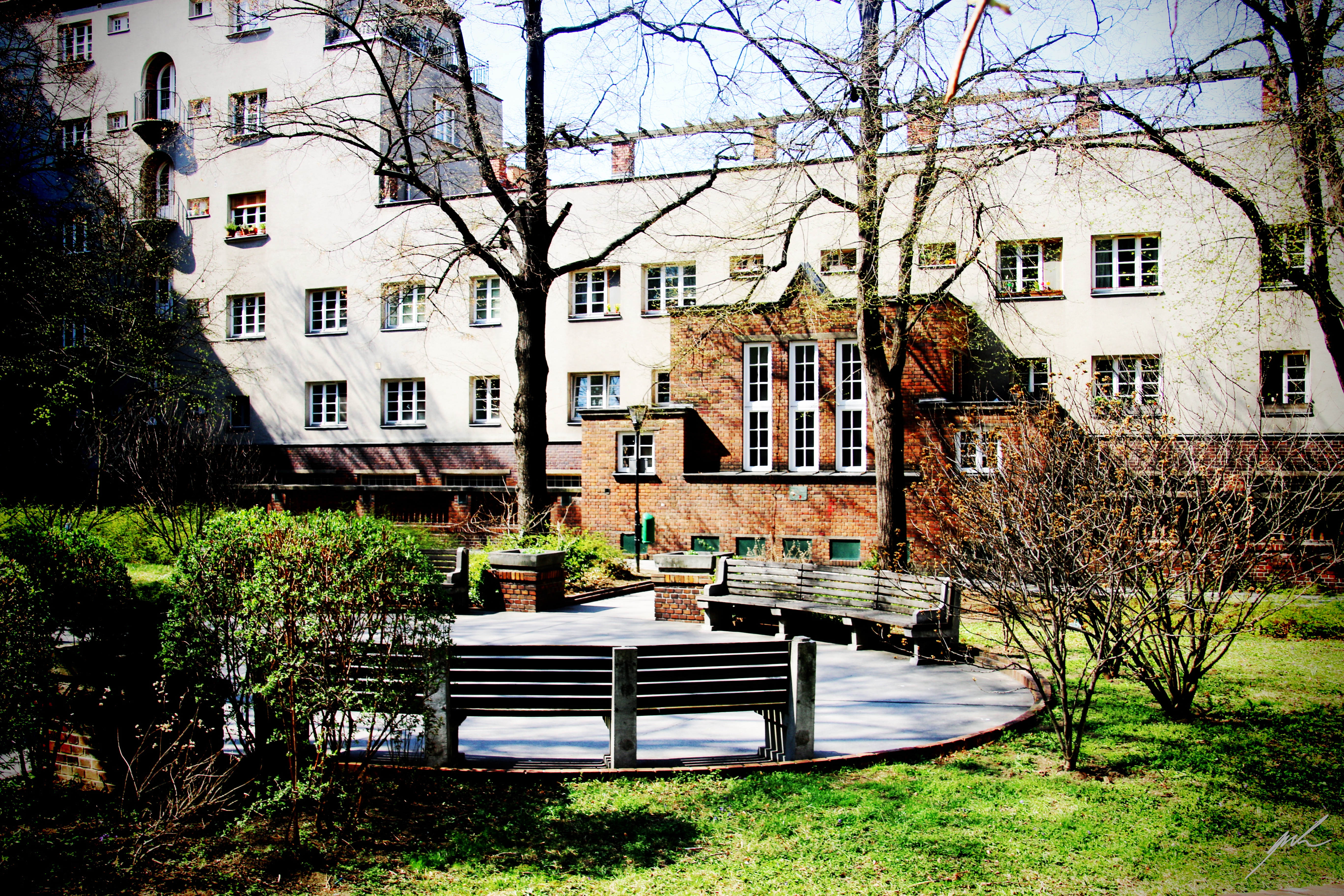
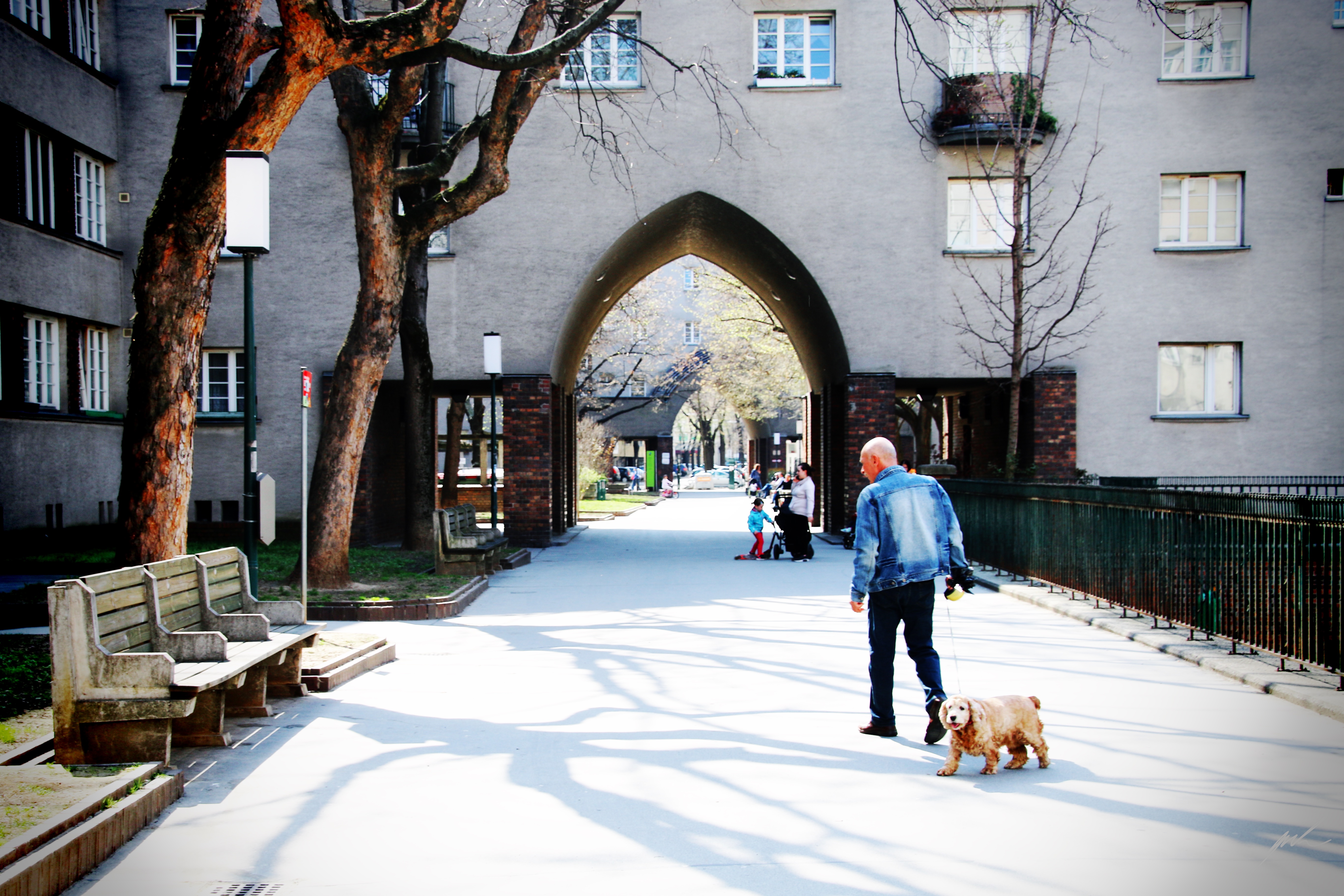
Cathedrals of the Working Class: Rabenhof in Early Spring

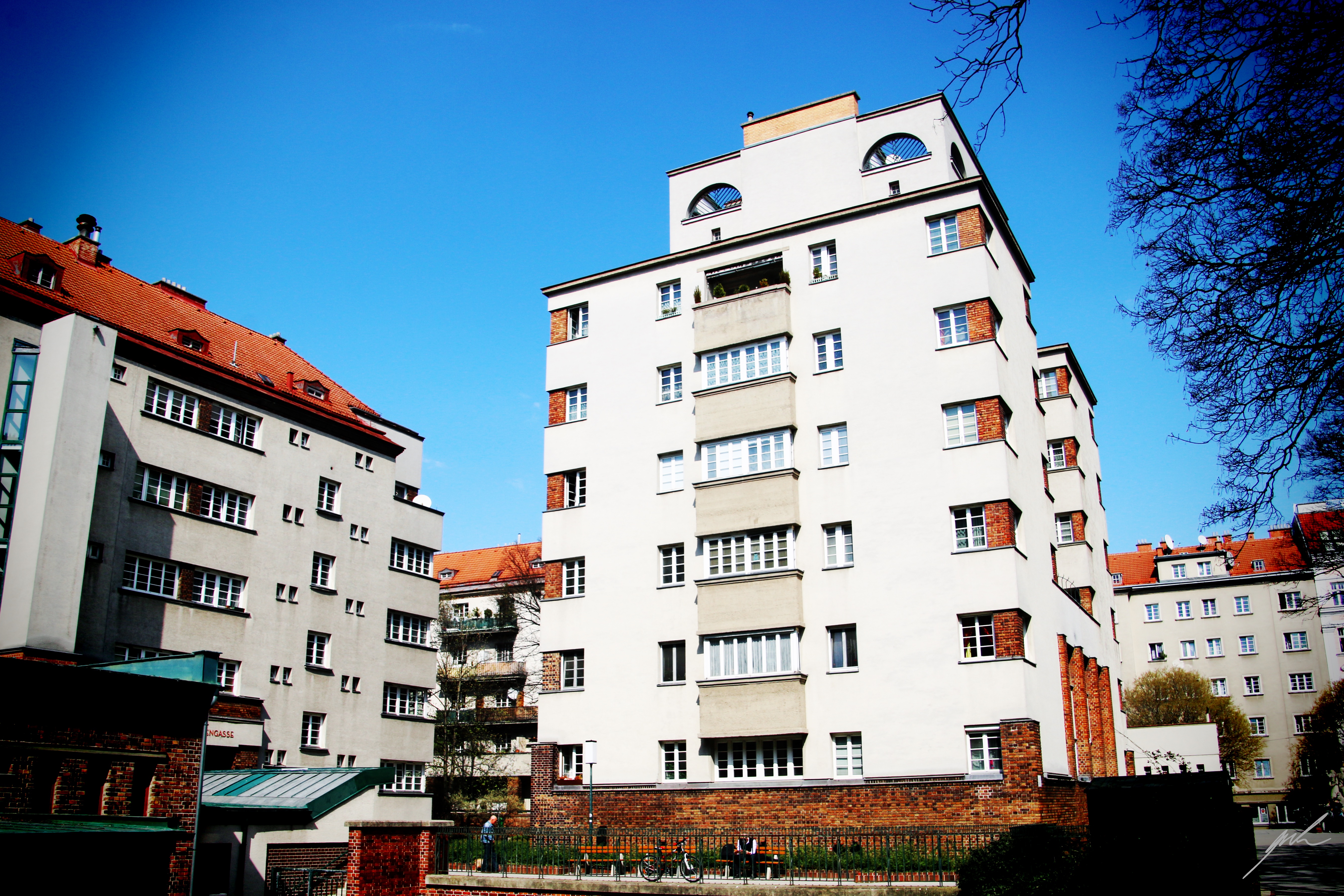
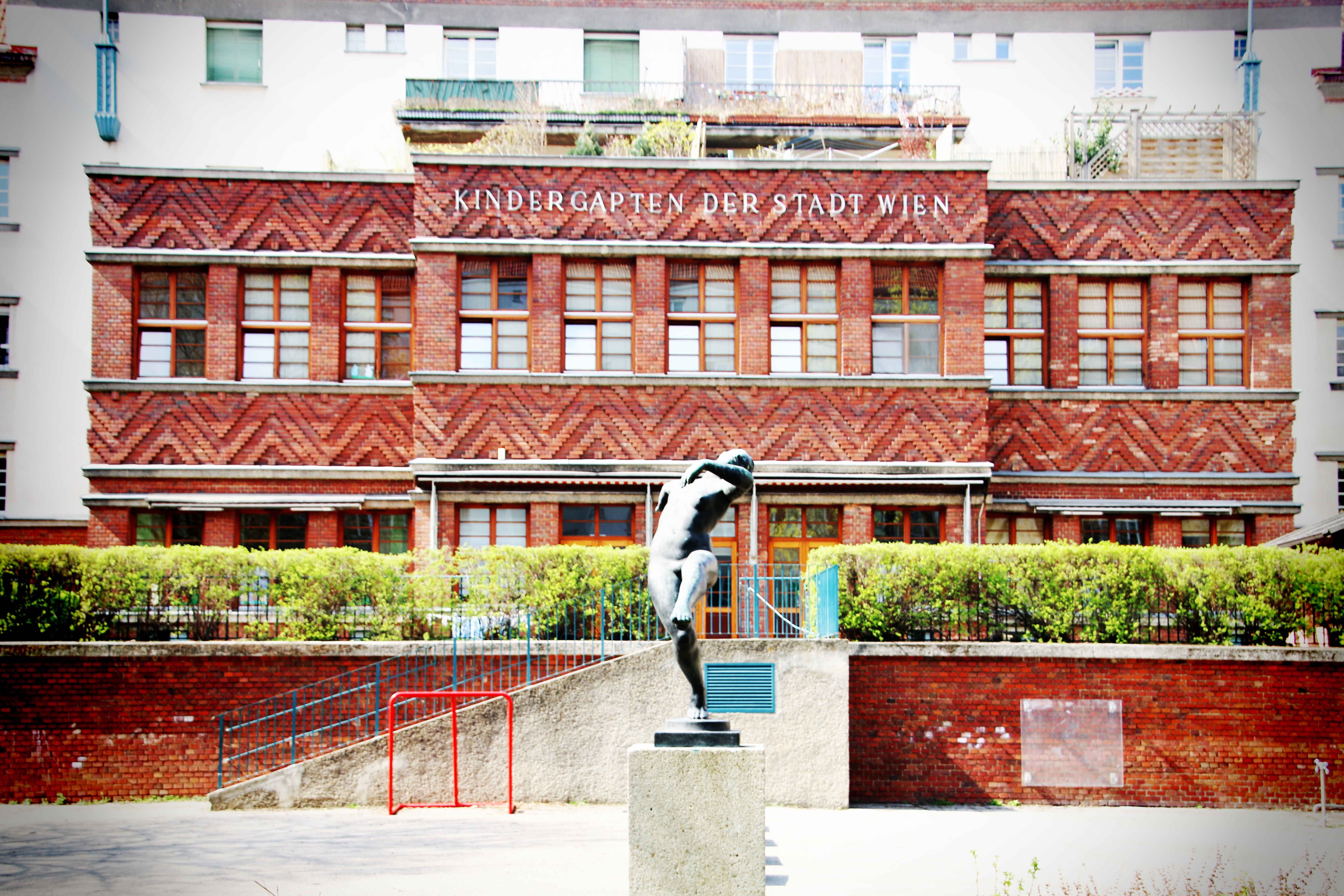
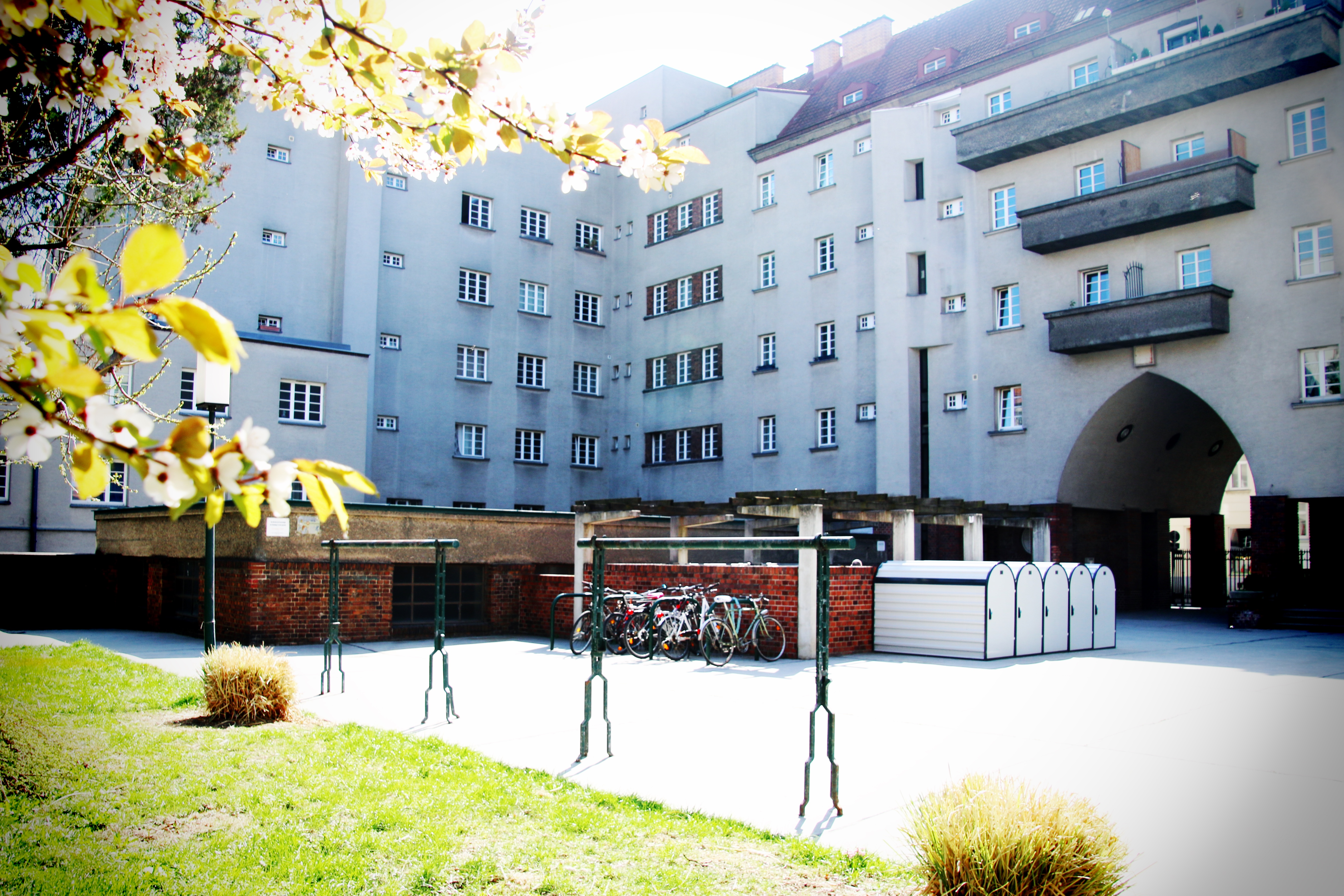
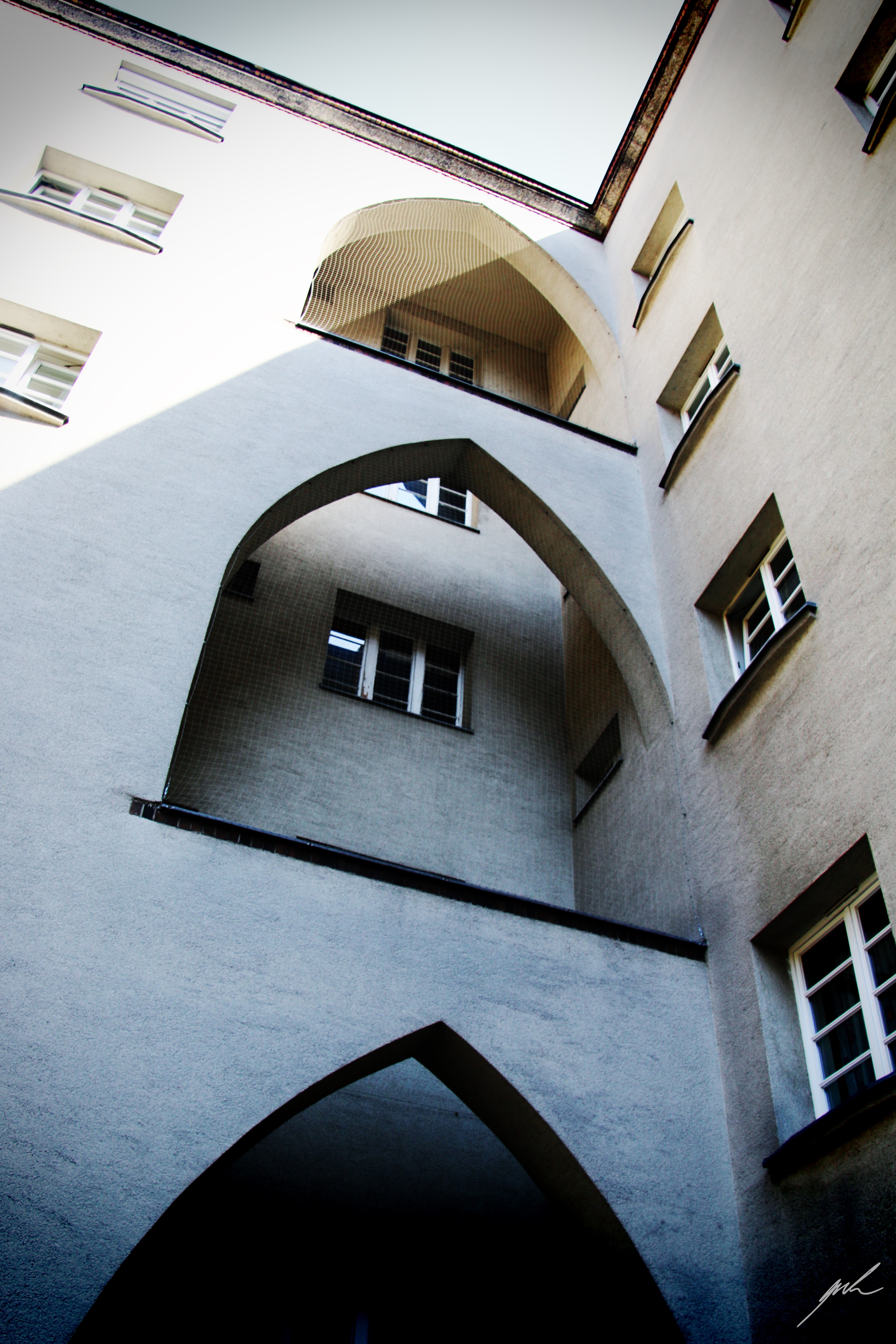
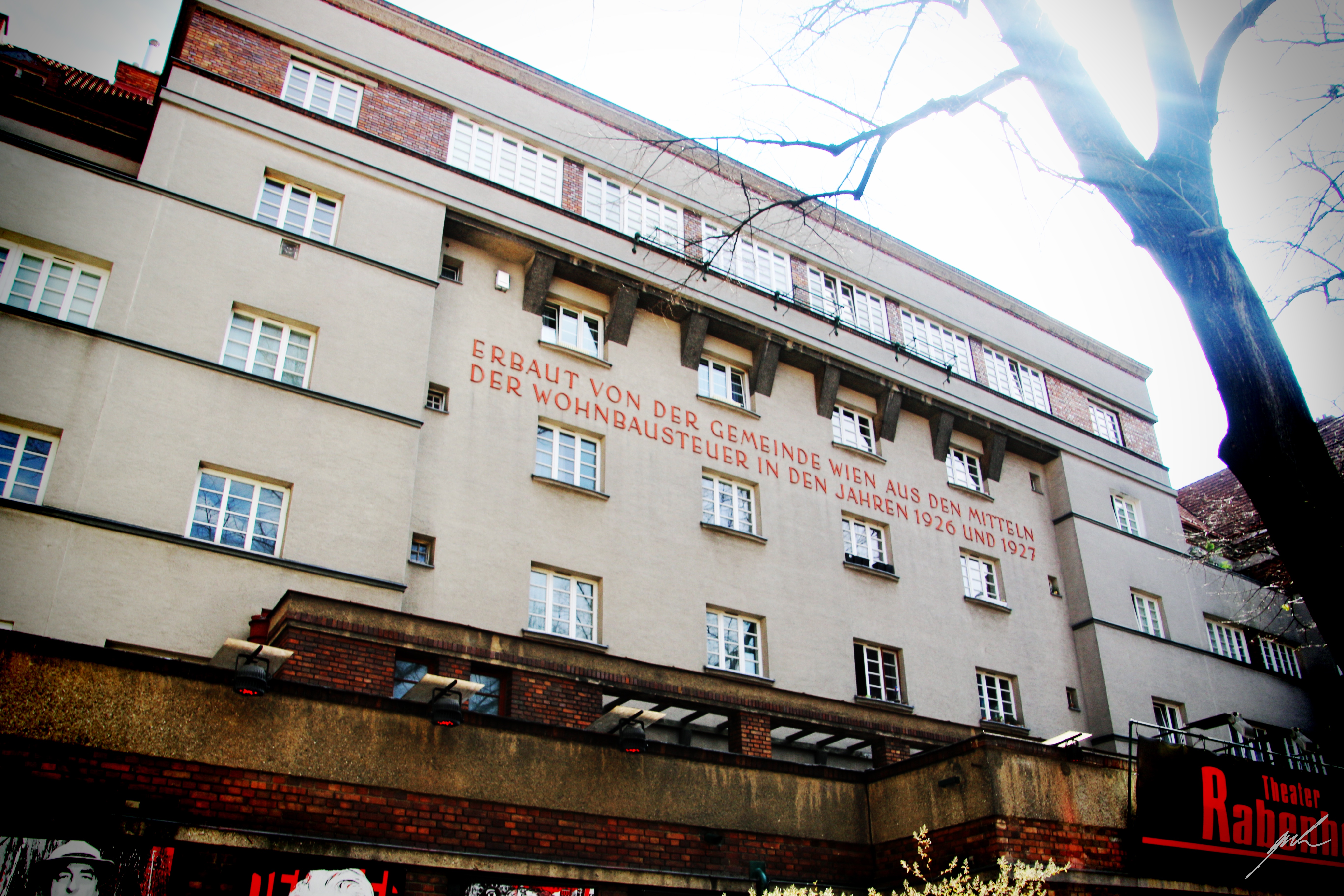
After the devastations of World War I and facing enormous societal and economic challenges, the people of Vienna craved change. A particular problem was the working class’s poor living conditions; they often lived in large tenements without warm water and communal toilets in the corridors. Large families lived in small apartments, and they often had to accommodate additional roomers to afford the overpriced rent. For these and other reasons, the Socialist Party of Austria (SPÖ) was voted into power and planned a radical rethinking of the city in the 1920s. Large and modern communal buildings called Gemeindebauten were to be built with large inner yards for the workers to gather and thick walls to protect them. Among the first ones made was the Rabenhof in the 3rd Viennese district. Today, it is known among Austrians mainly for the theater with the same name, where the workers’ gathering hall used to be. The rent in these buildings was much lower and affordable; at the same time, the standard of living was much higher, with private toilets, launderettes, private parks, and a kindergarten. The same is true today: every 4th Viennese of different economic backgrounds lives in a Gemeindewohnung, around 3.500 in the Rabenhof building.

test


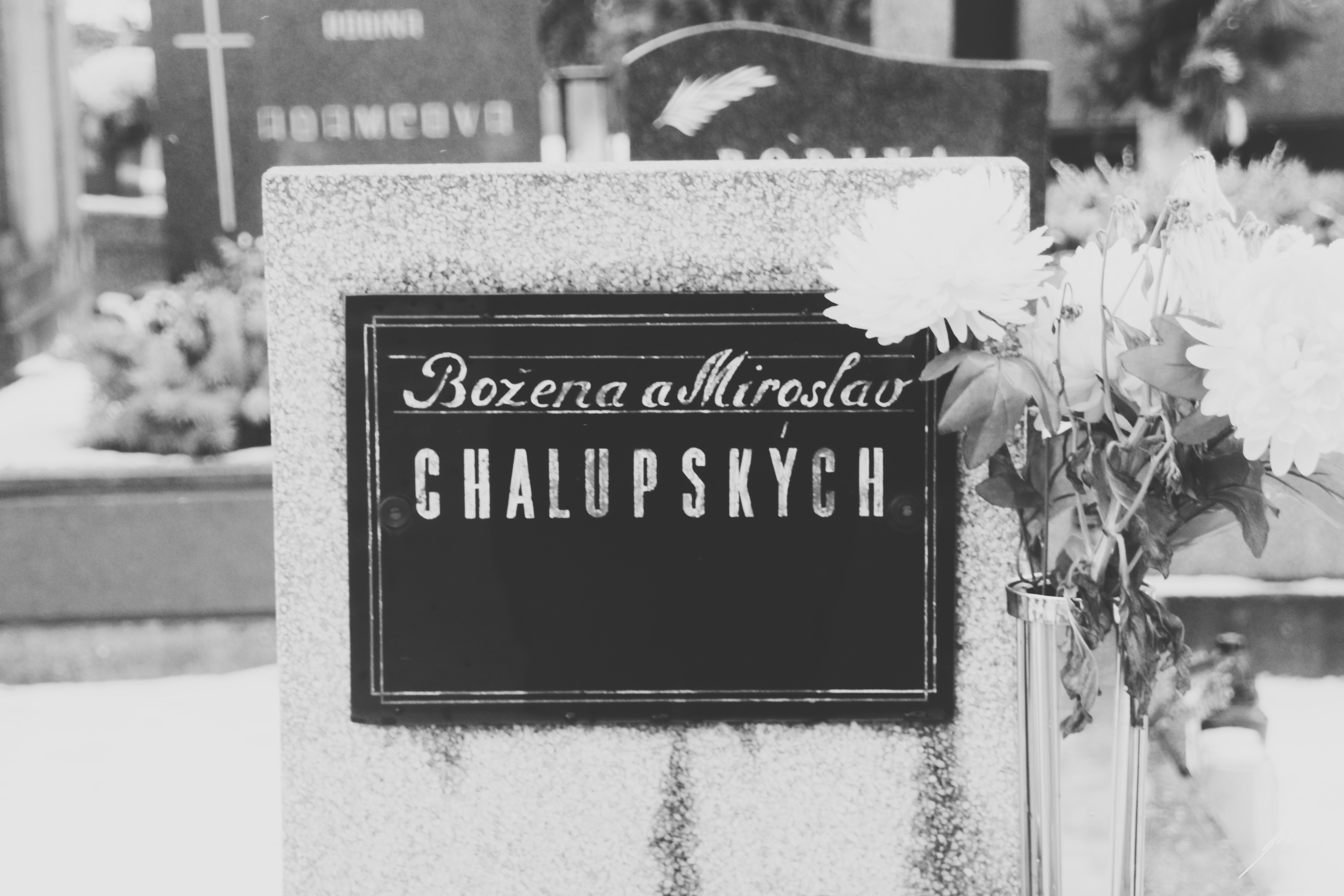
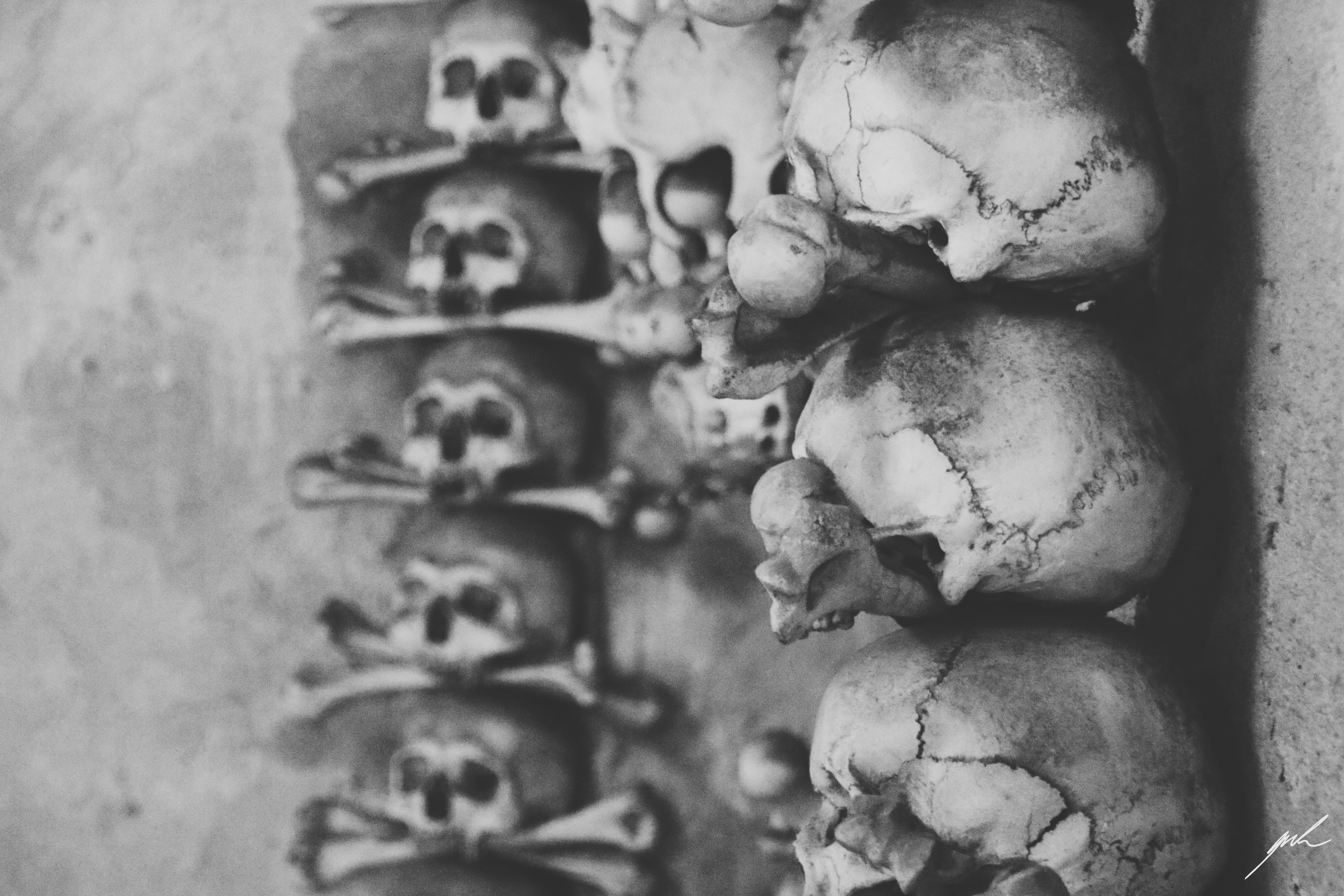
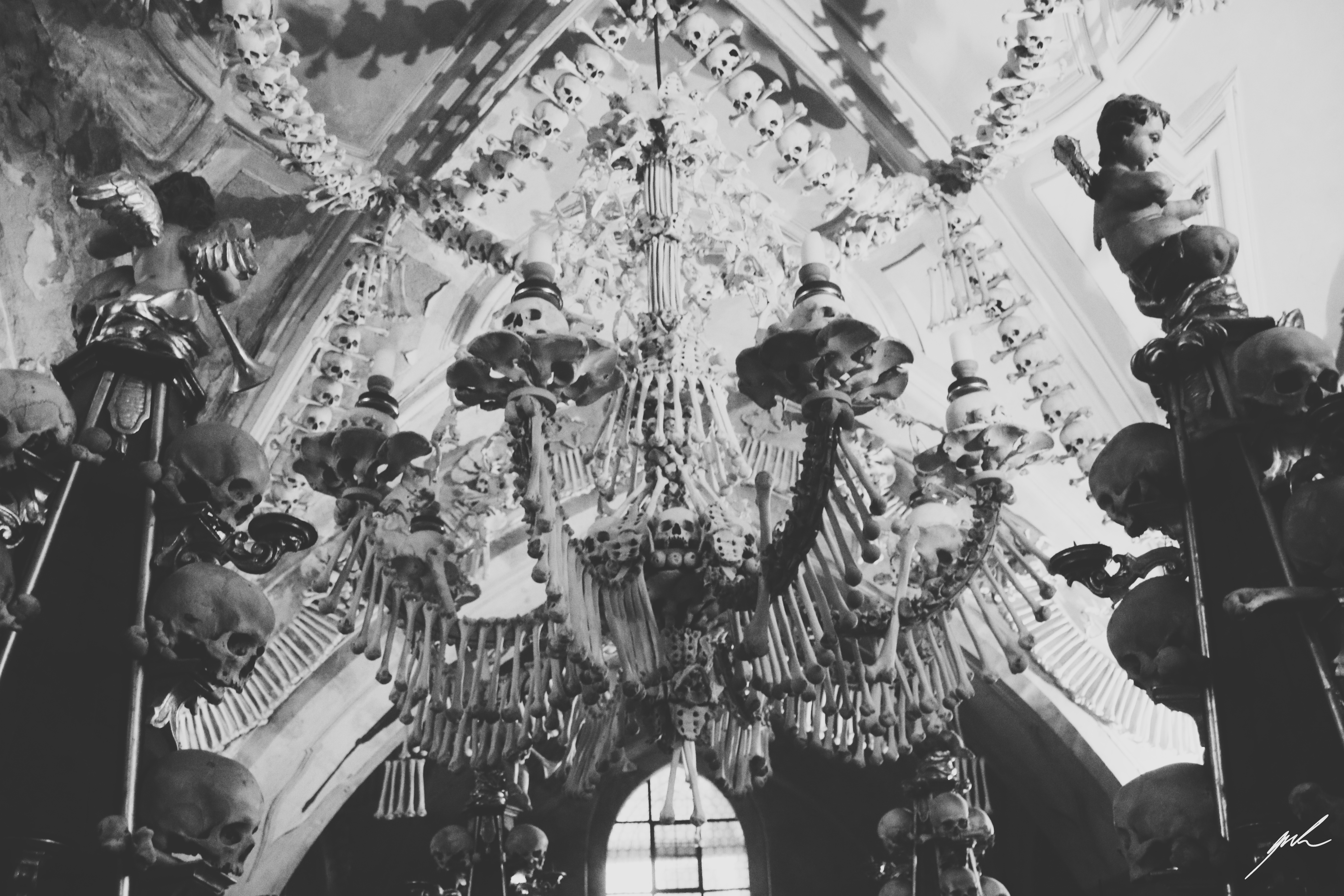
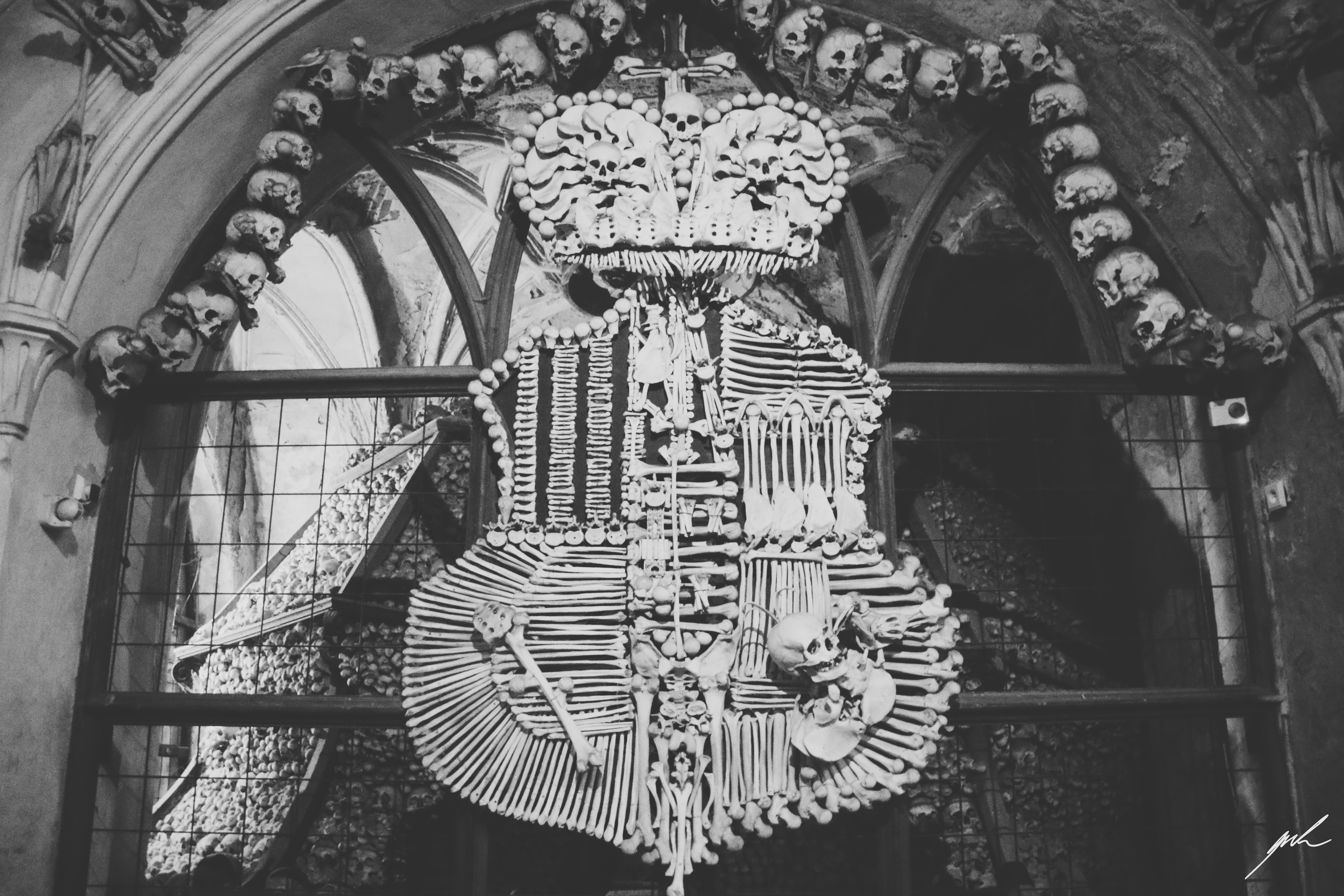
The Bone Chapel

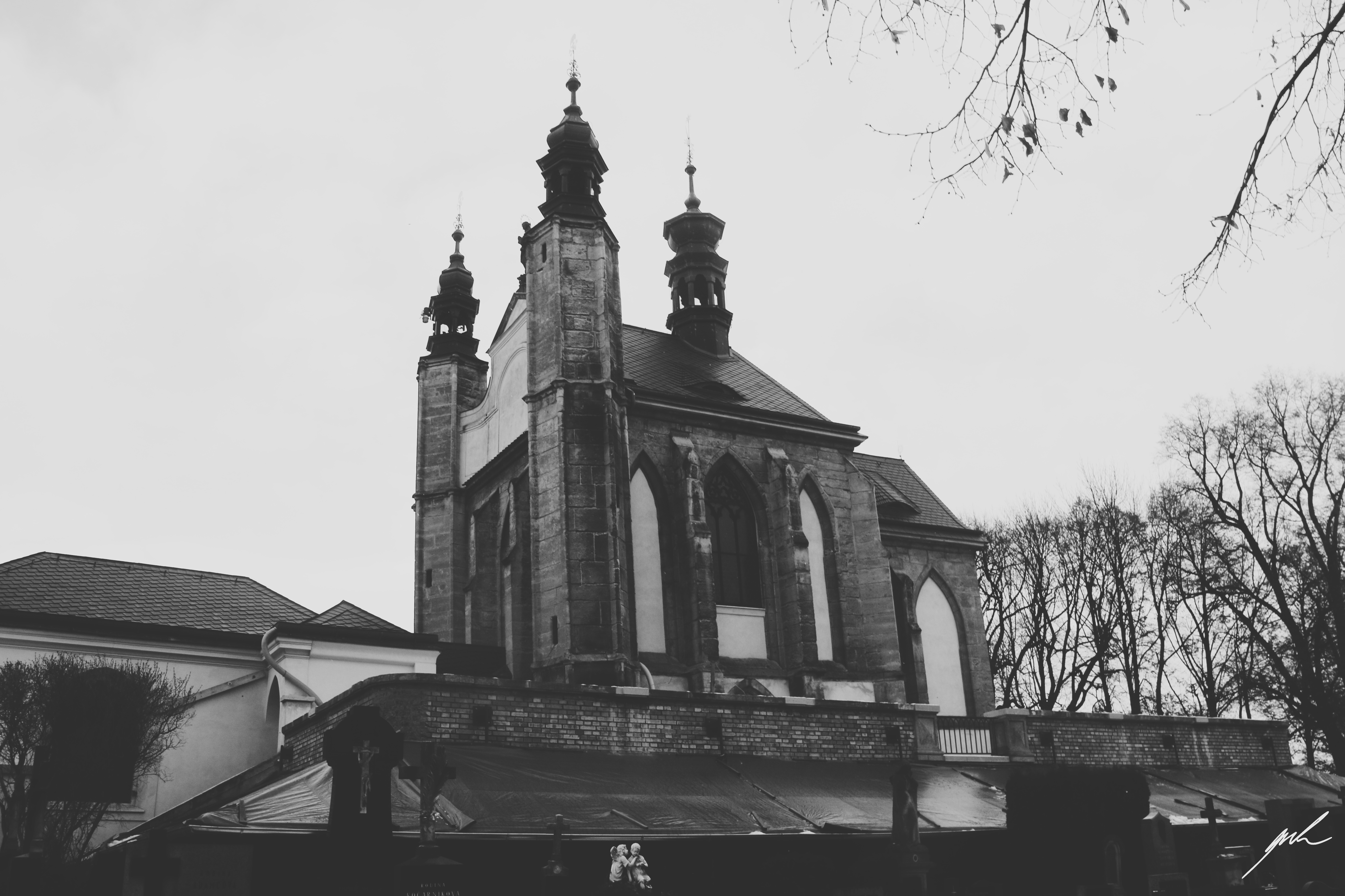
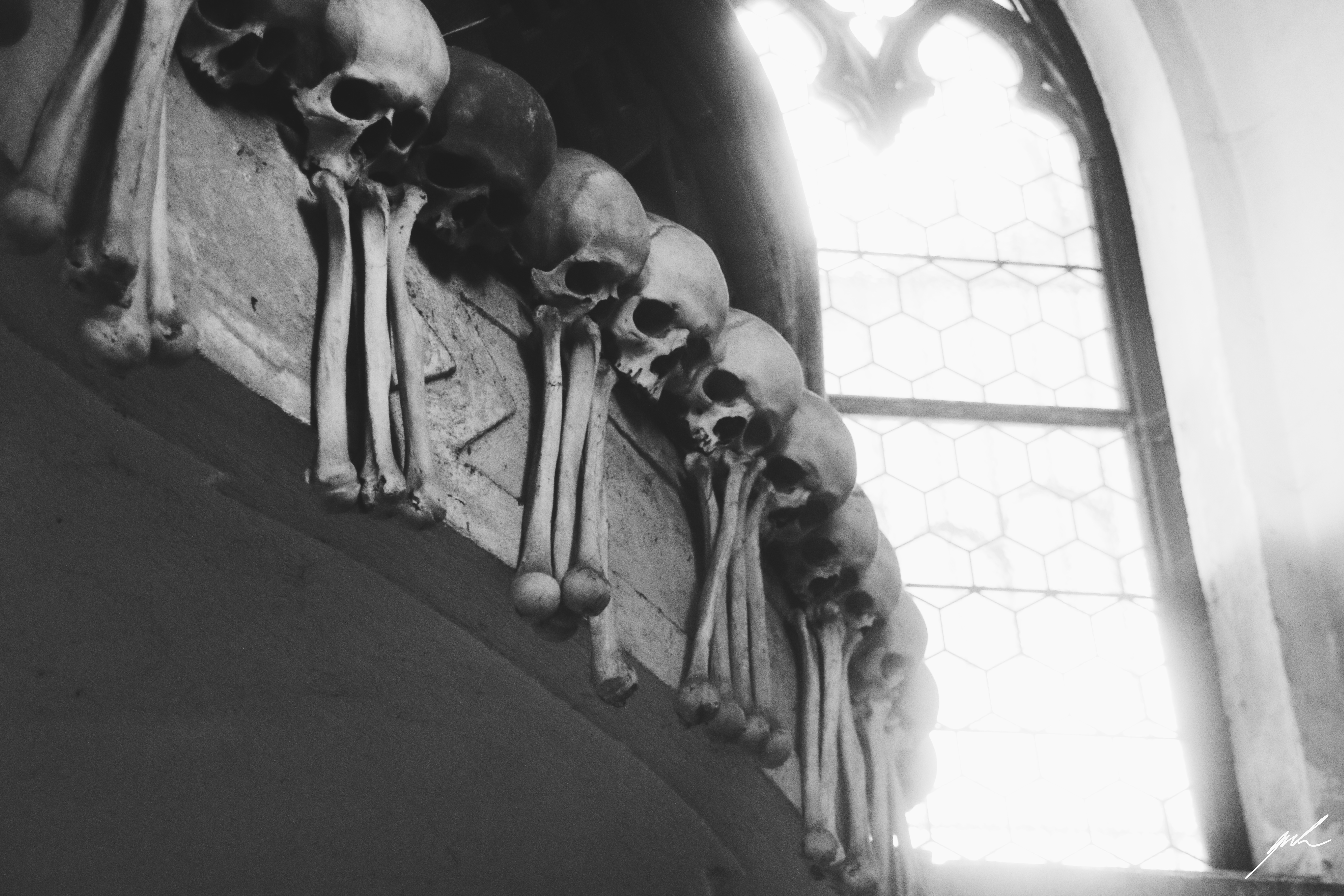
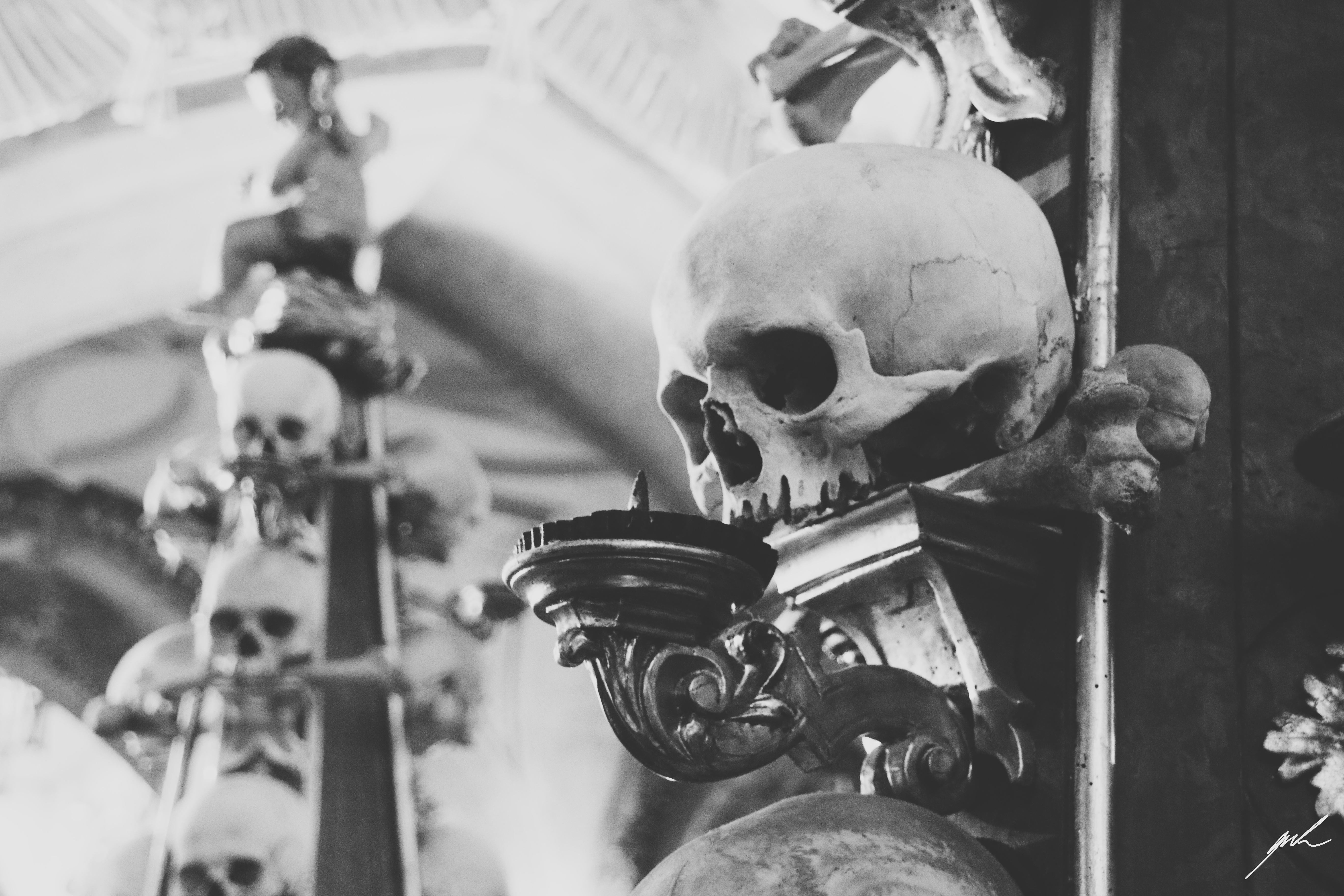
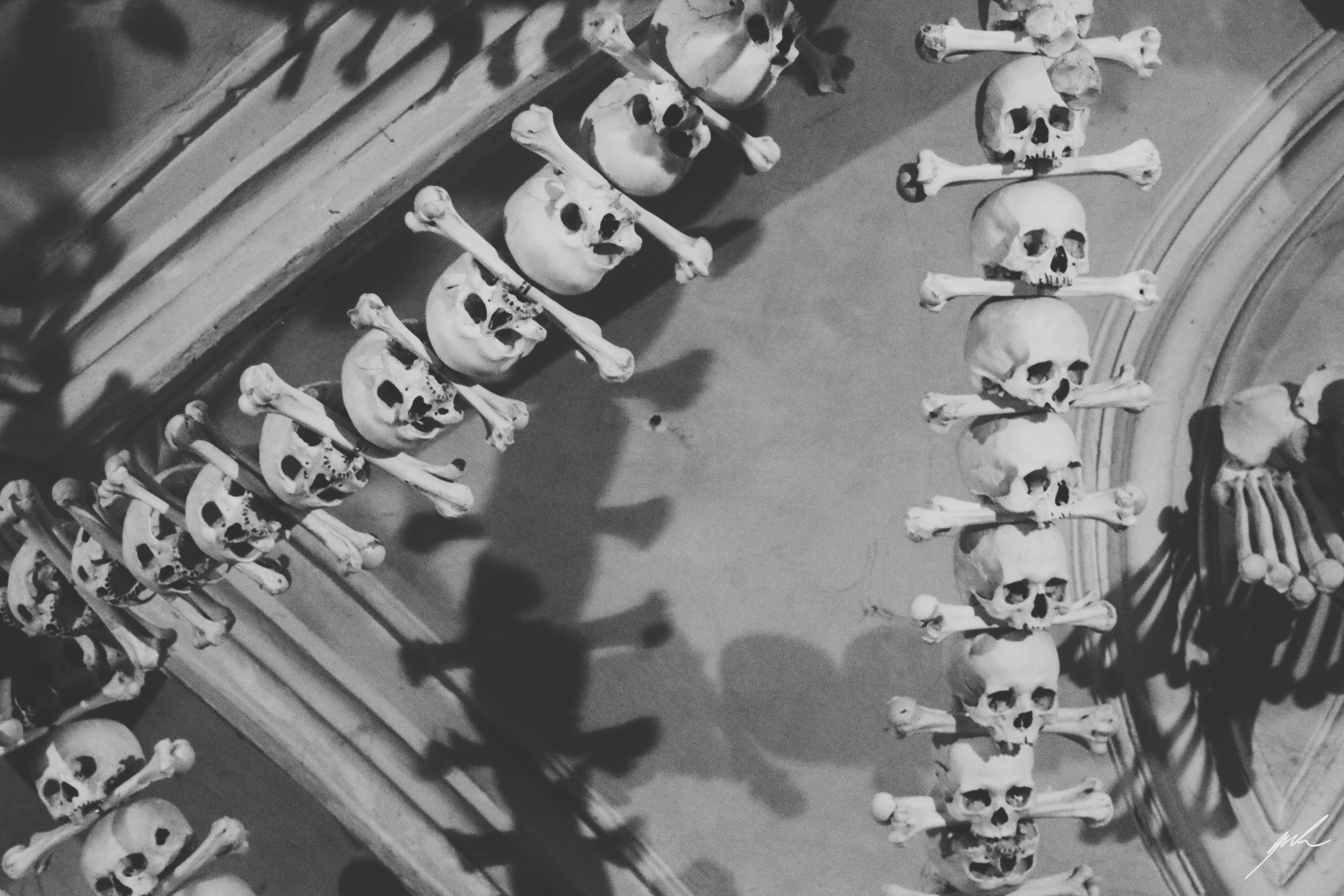
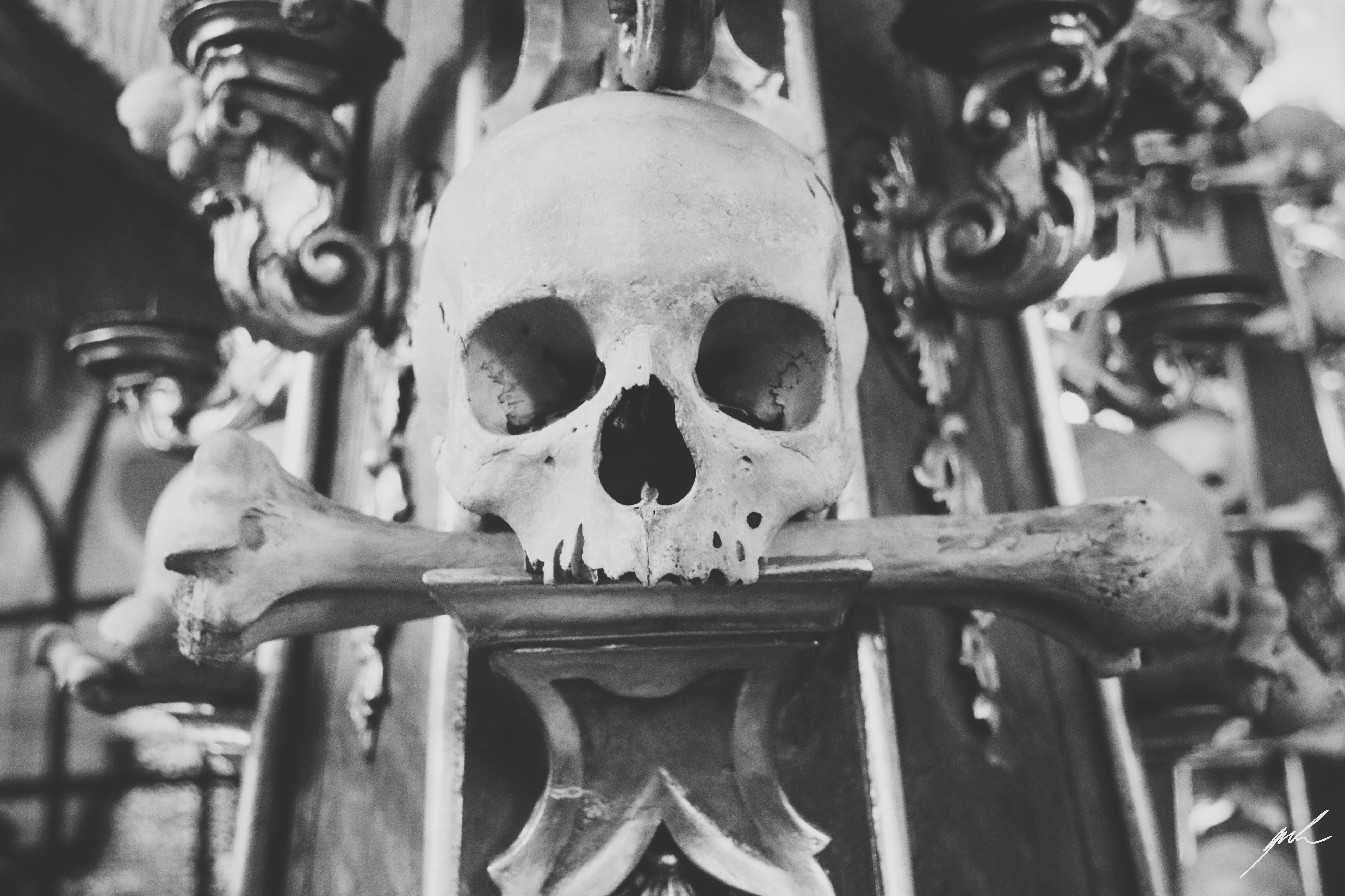
The Bone Chapel in Kutna Chora, Czech Republic, can genuinely be a frighting place for some people. It is a Catholic church in a small town just one hour away from Prague with a very particular interior. The remains of 40,000 to 70,000 people decorate this chapel. Like in a Castlevania game, there is an enormous chandelier of bones, which contains at least one of every bone in the human body; there is also a coat of arms made out of human remains and many other oddities. Come down with me and look at this extraordinary place – but beware of the walking skeletons!

test

img_6615

img_6688

img_6654

img_6679

img_6618

img_6629

img_6624

img_6672

img_6663

img_6662

img_6675

img_6687

Tokyo After Dusk

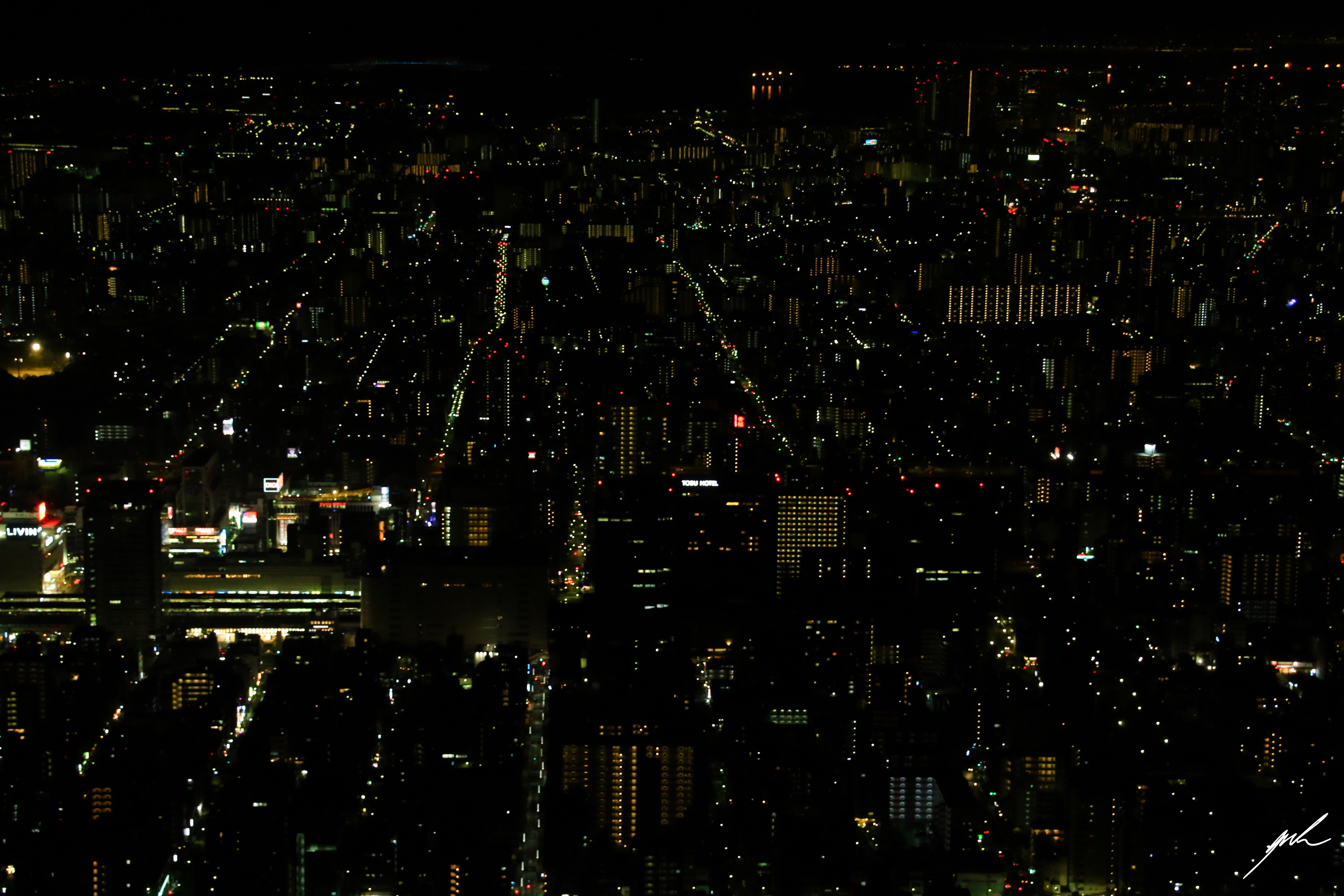
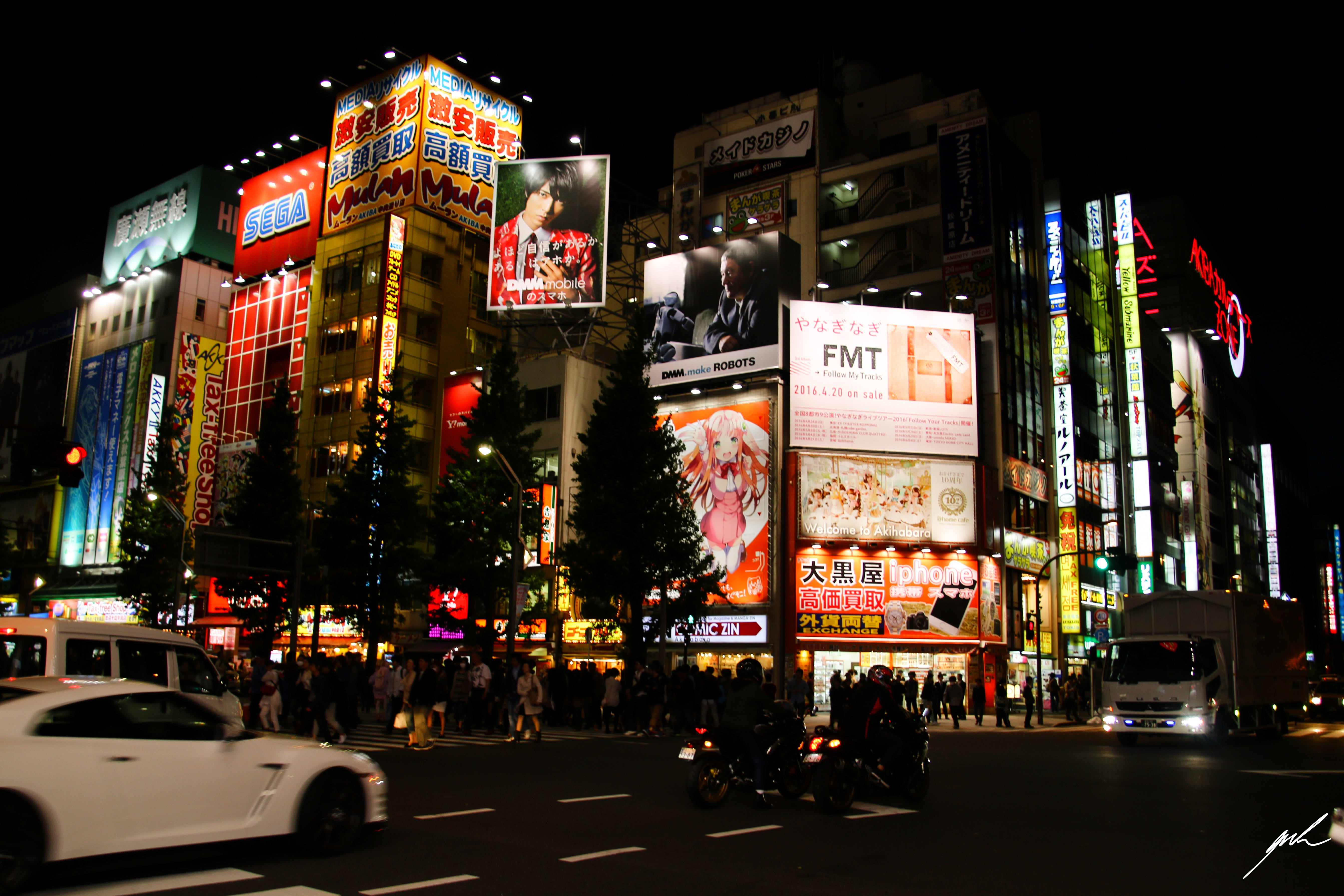
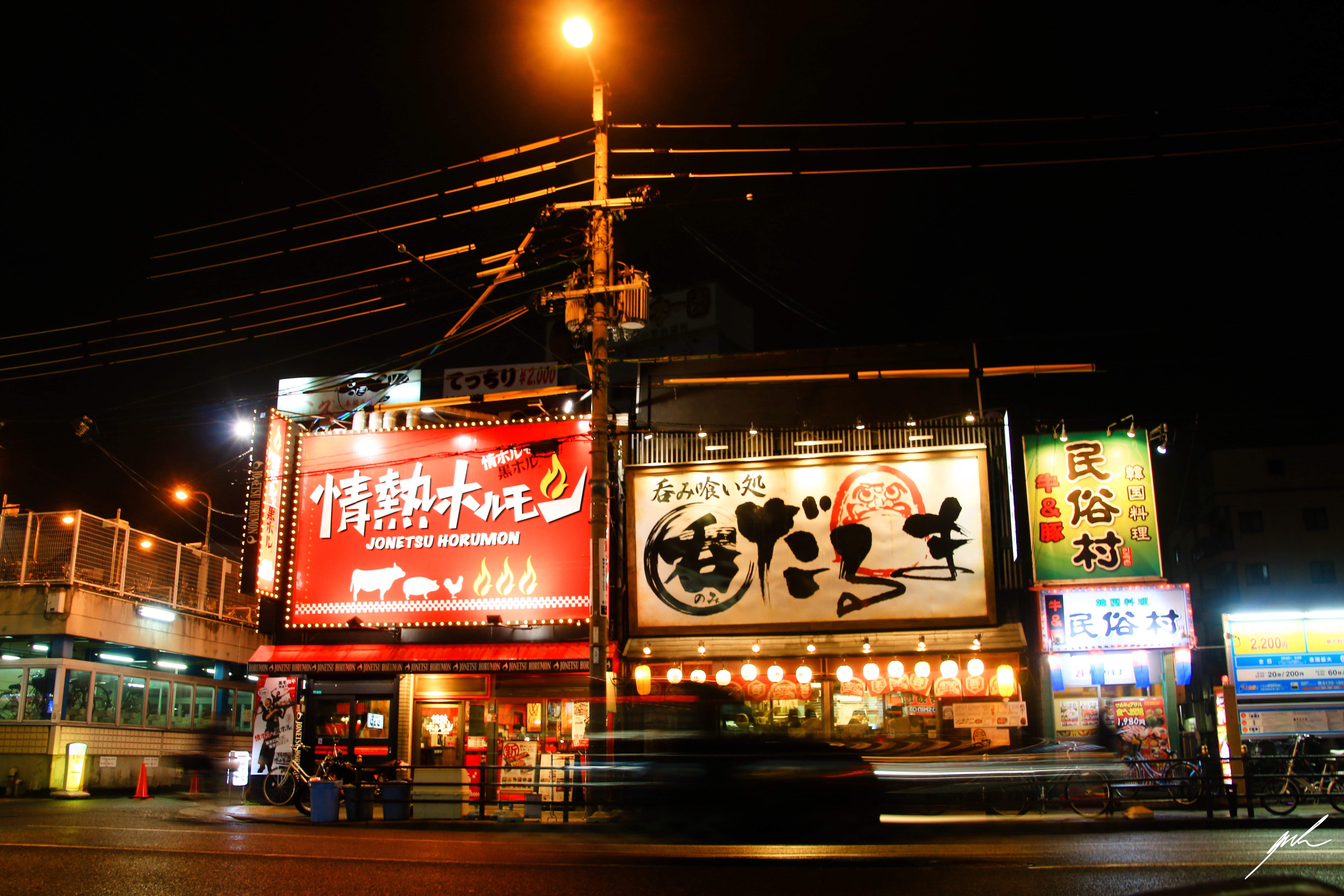
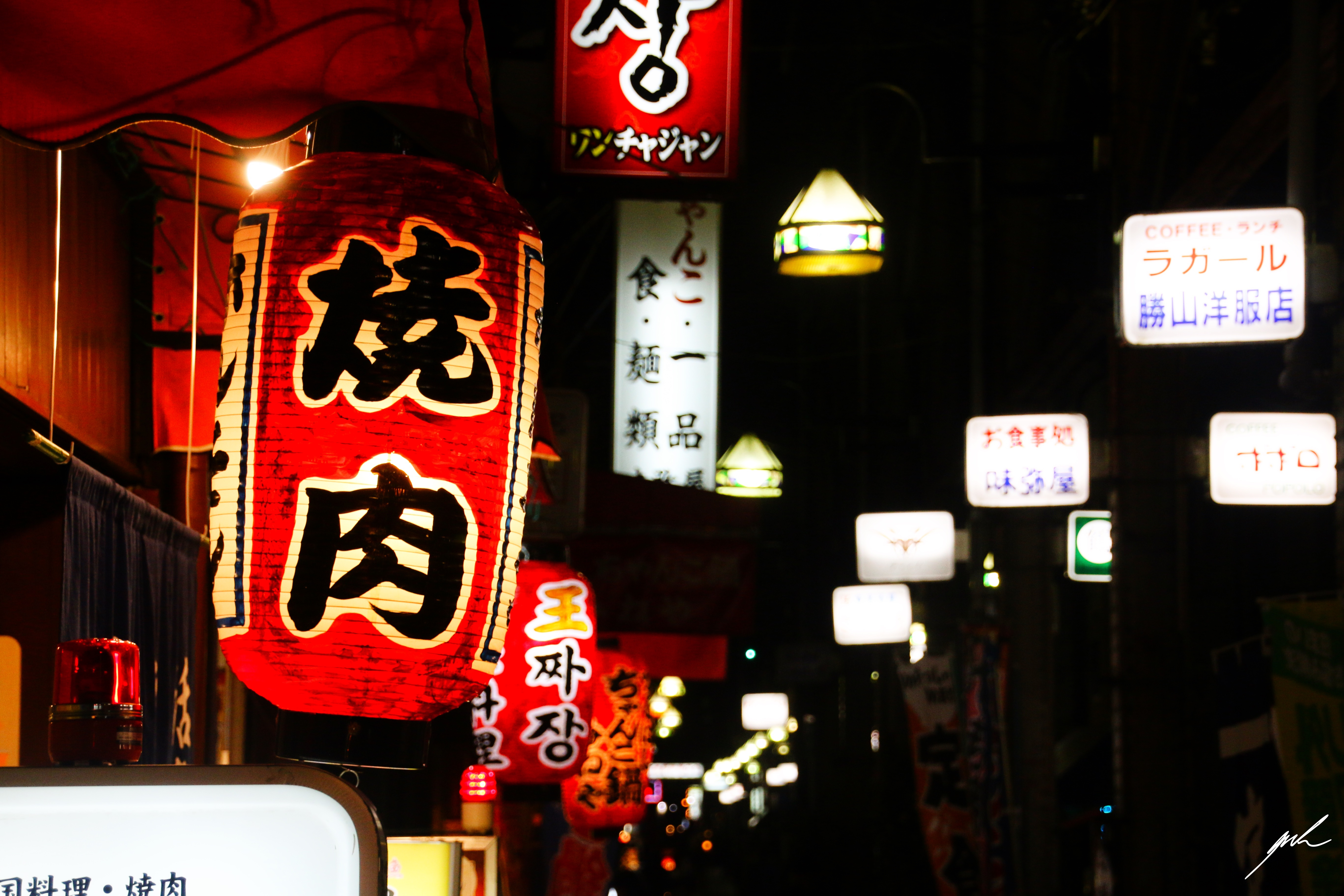
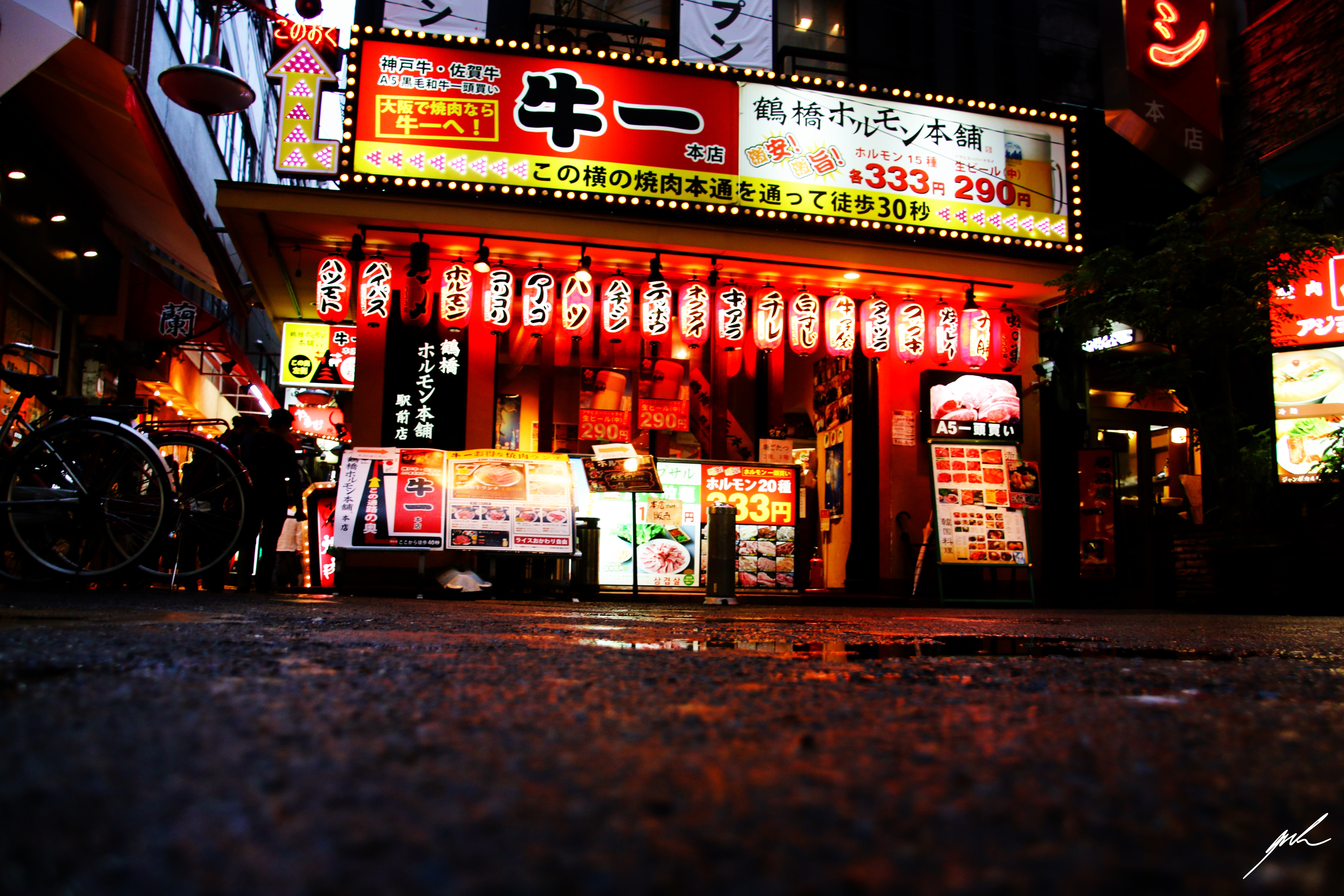
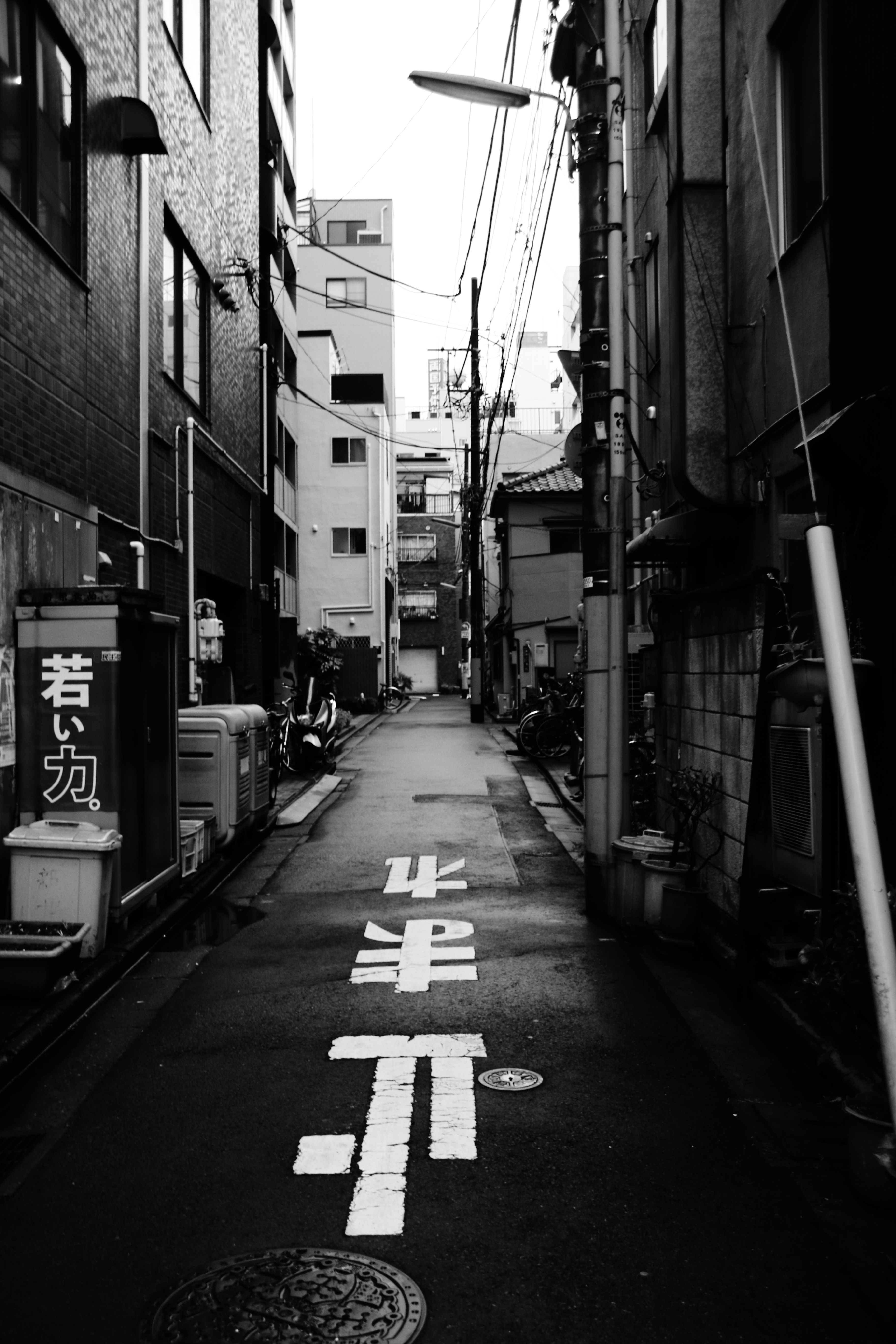
Tokyo changes its form after the sun sets and the electric lights turn on. While during the day, the seemingly endless sea of concrete and glass is roamed by people, it gets surprisingly quiet by night. Unlike New York or other world capitals, Tokyo generally sleeps at night. Japanese people work a lot, and additional office hours are standard, so sleep is highly valued. Hard to believe, but even the sprawling subway system is shutting down service for nighttime so it can be cleaned and maintained for the upcoming day. Of course, there are exceptions, as no city with the size and proportions of Tokyo can genuinely go to bed. Like in a fever dream, people continue playing and gambling in places like Akihabara’s entertainment district or go to Izakayas, a Japanese pub, to meet people, eat, and drink. And, of course, the lights illuminate Tokyo’s allies and streets, bringing day into the night.

test

img_2355
img_7805
img_1596
img_1772
img_1785
img_2187
img_1668
img_1739

Tokyo 2

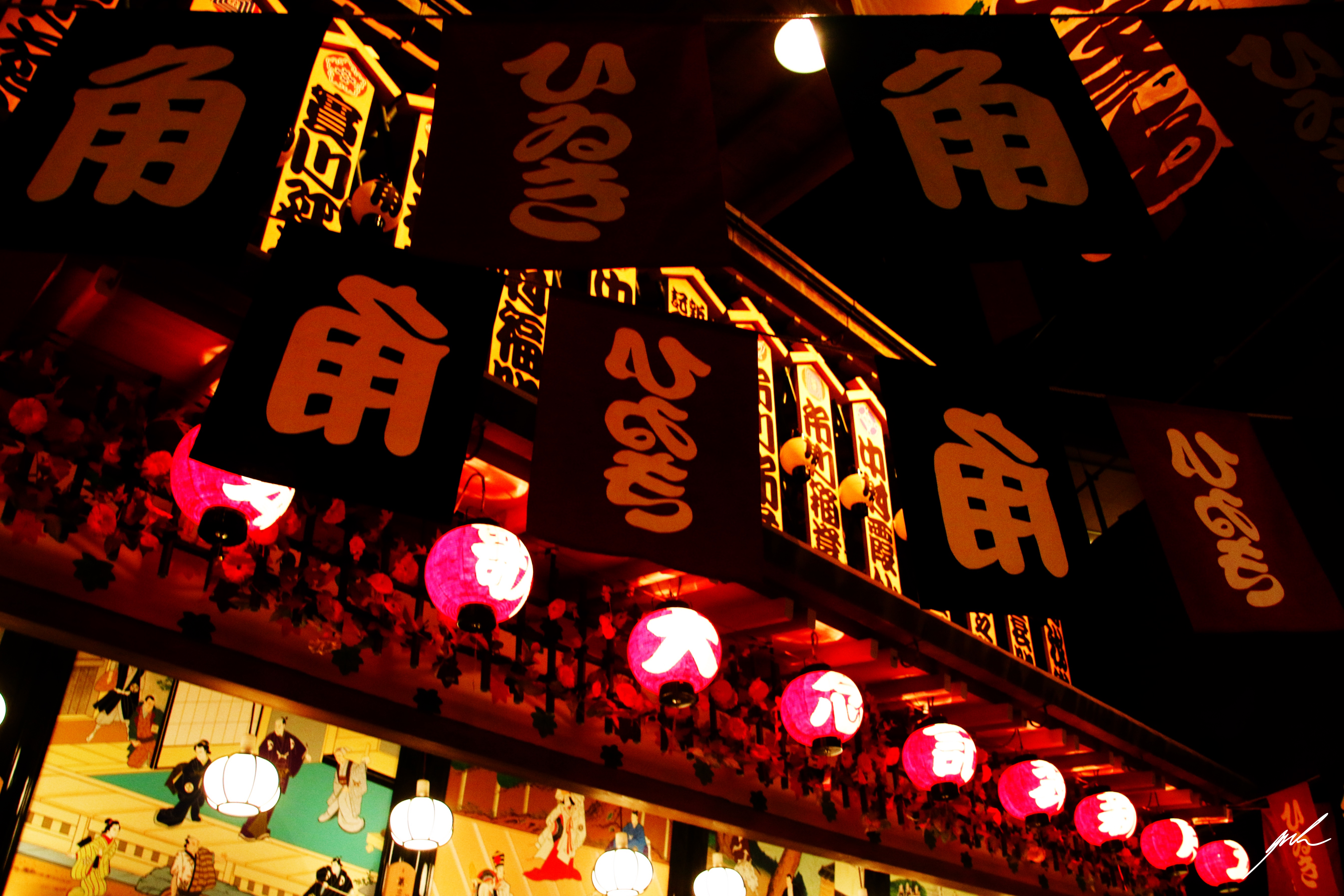
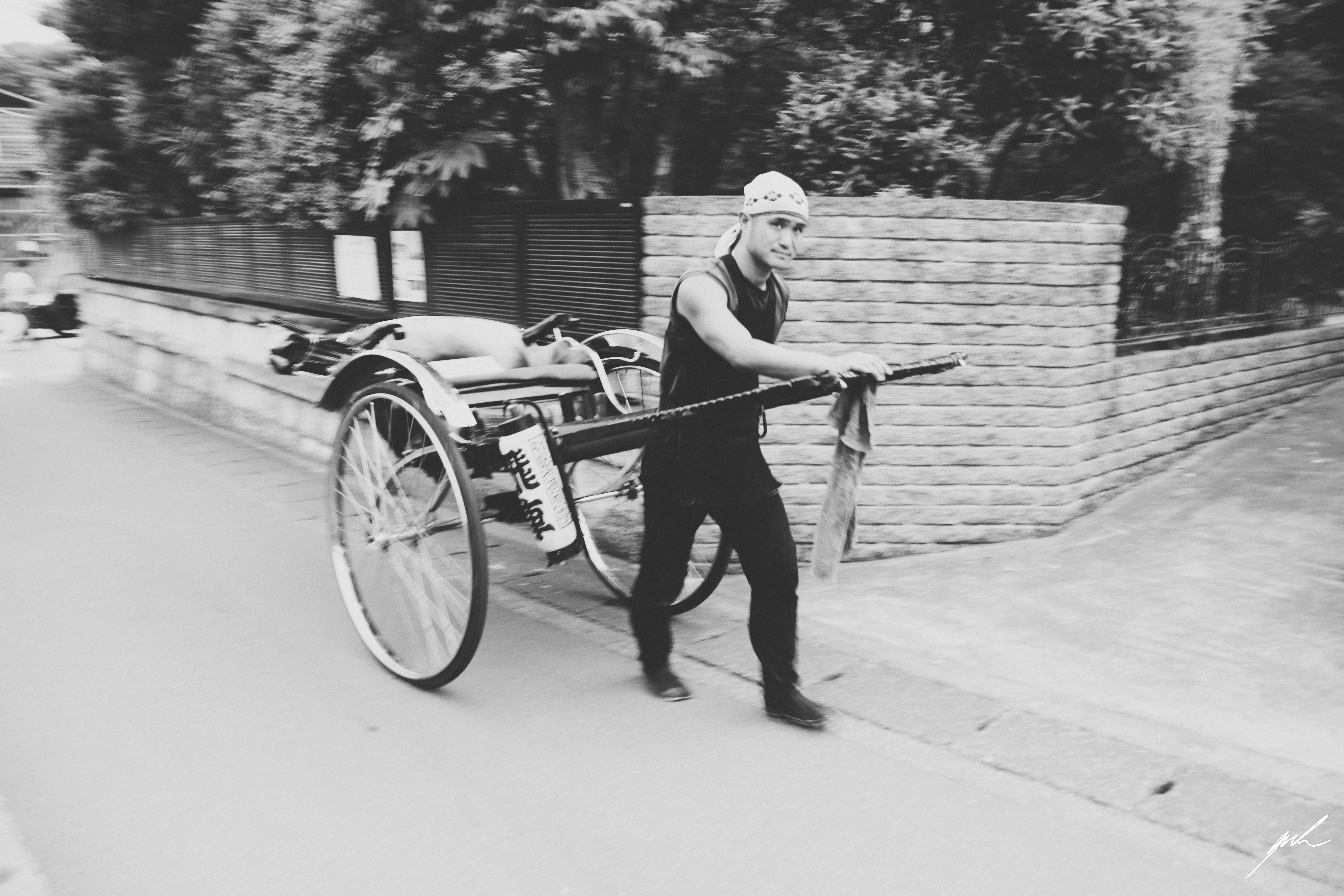
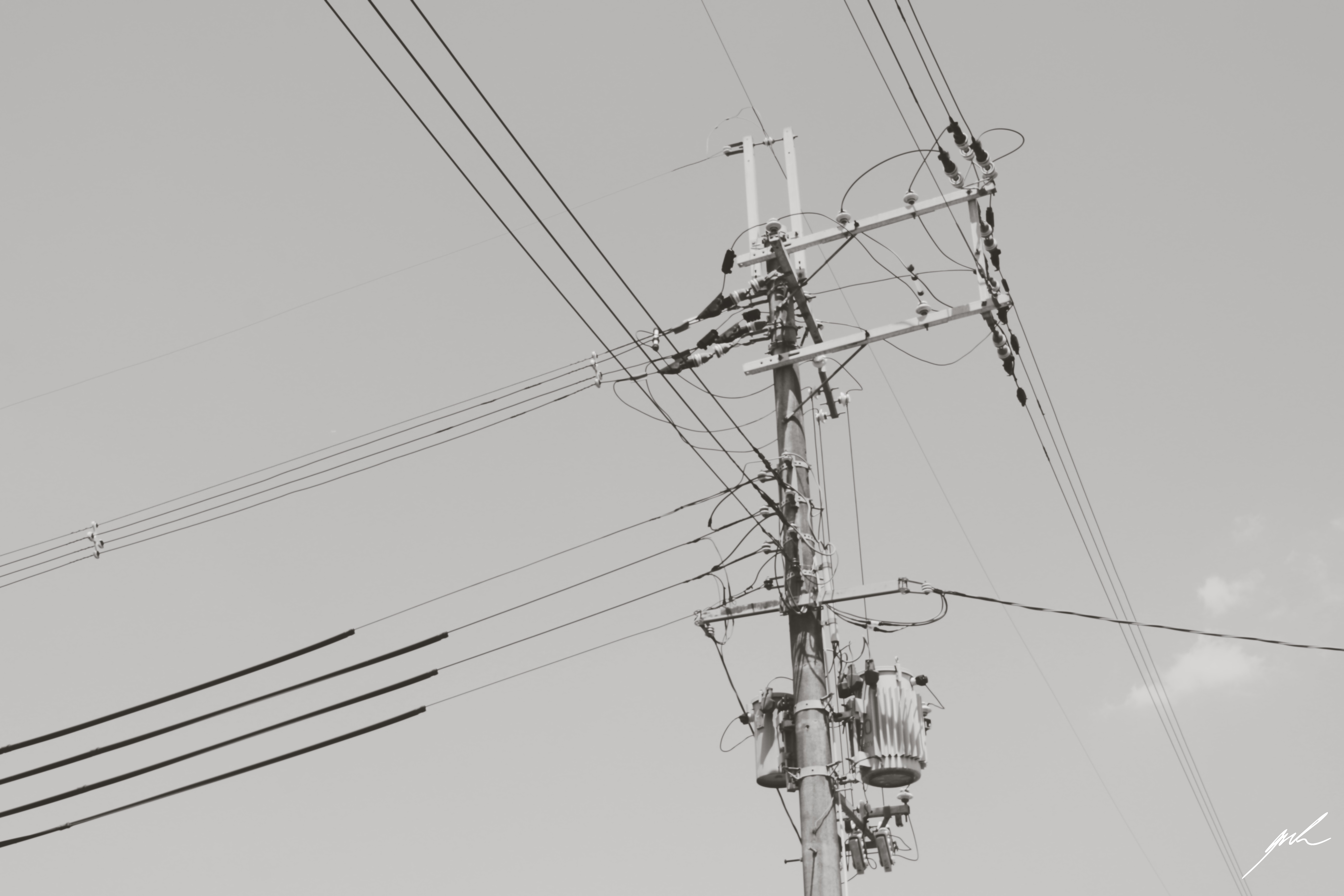
The inherent beauty of Japan is how it first seems to contradict itself constantly, but the more you get to know the country and its people, the more it shapes into a whole and harmonious picture. Why are the streets so clean, you may wonder, yet there is no concept of public bins. Well, people don’t produce waste on the go, and if they do, they take it with them because it ain’t the public’s business. There is a firm idea of the collective, yet there is enough place for individuality and creative expression. Most and foremost, Japanese culture is firmly rooted in the past and very forward-looking. This may seem like the biggest contradiction, but it all makes sense when traveling to this intriguing and fascinating country and getting to know its many inhabitants.
test

Processed with VSCO with b2 preset

Processed with VSCO with b6 preset

img_9089

img_0071

Processed with VSCO with b1 preset

img_9873

Processed with VSCO with b2 preset

img_8524

The Far East

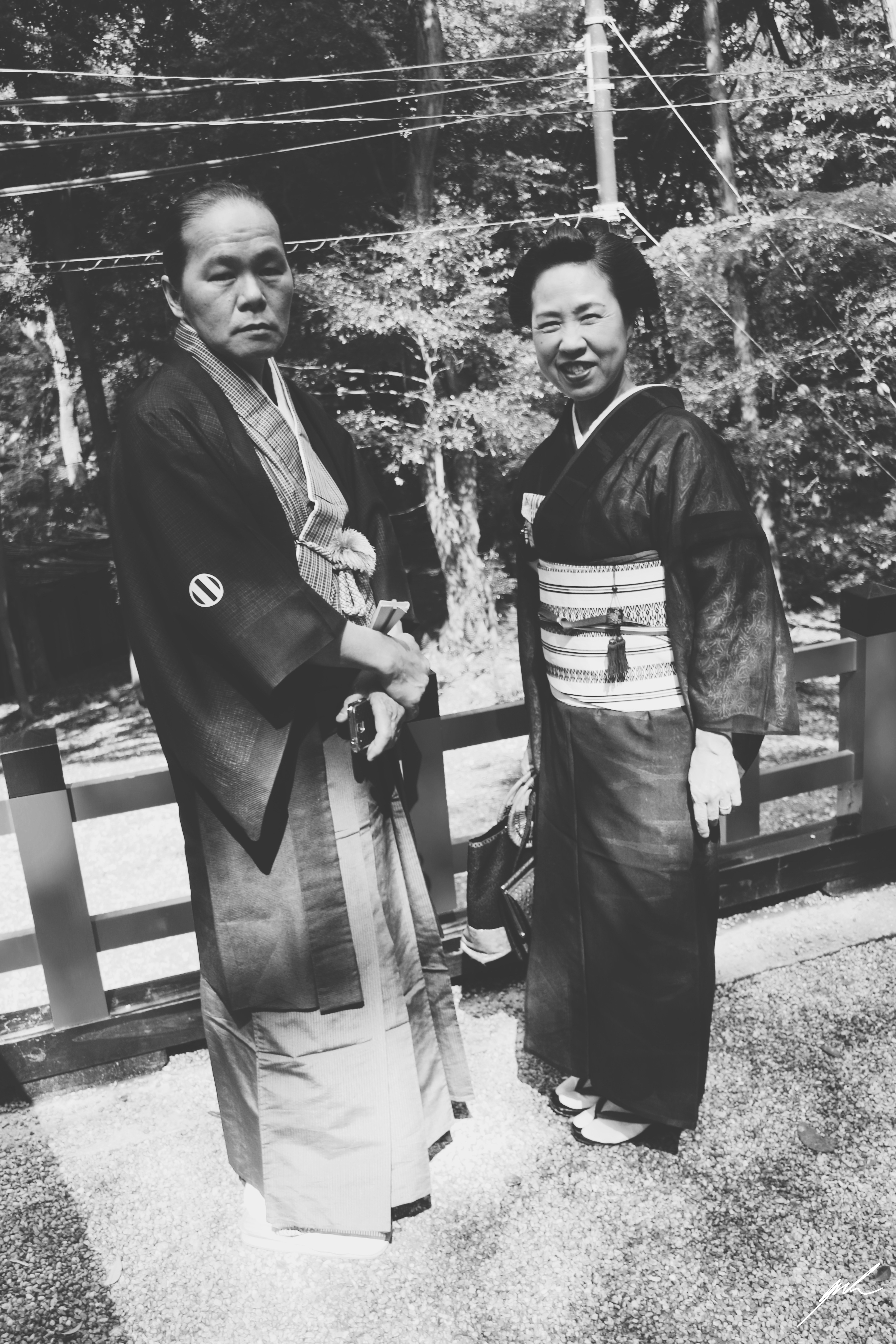
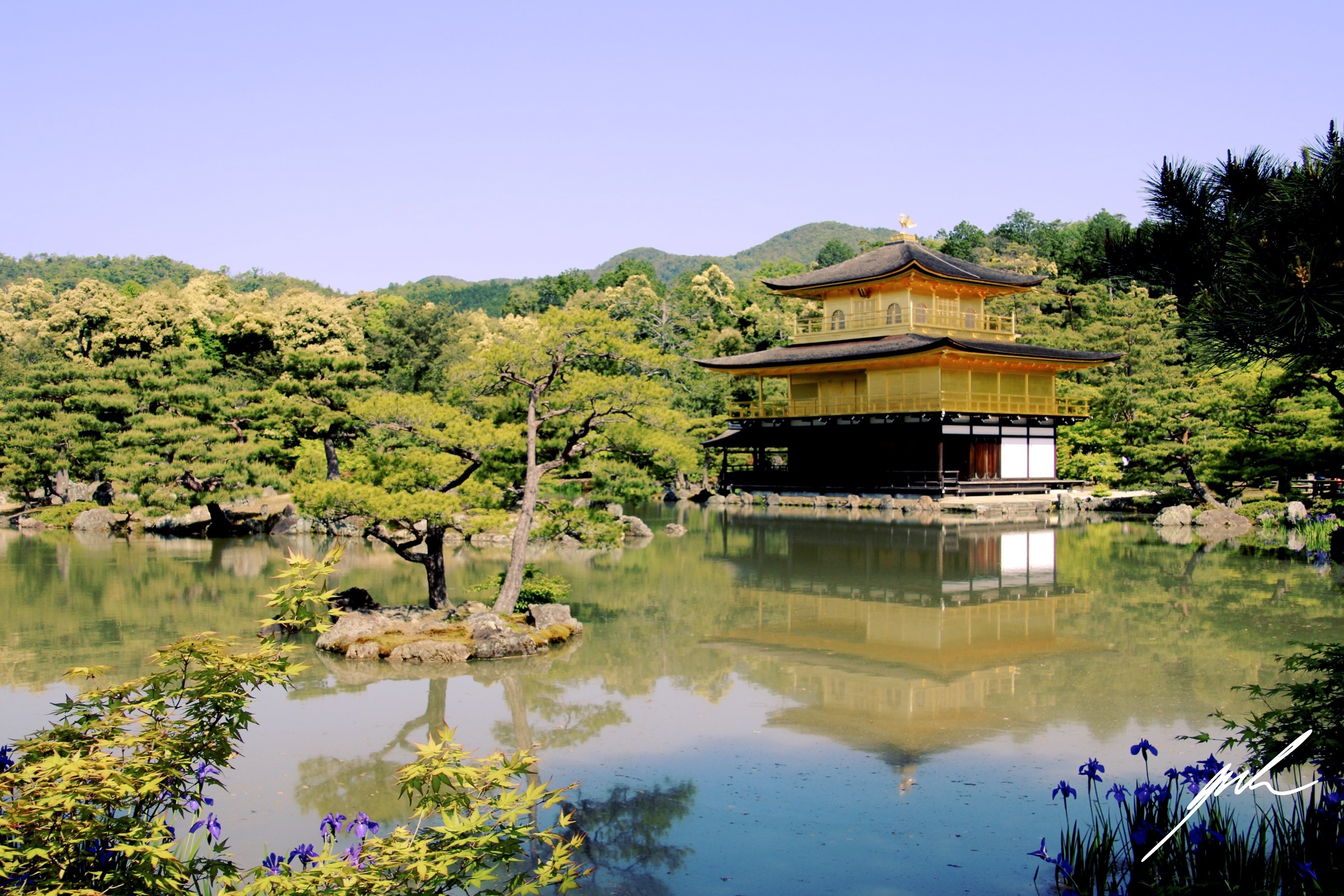
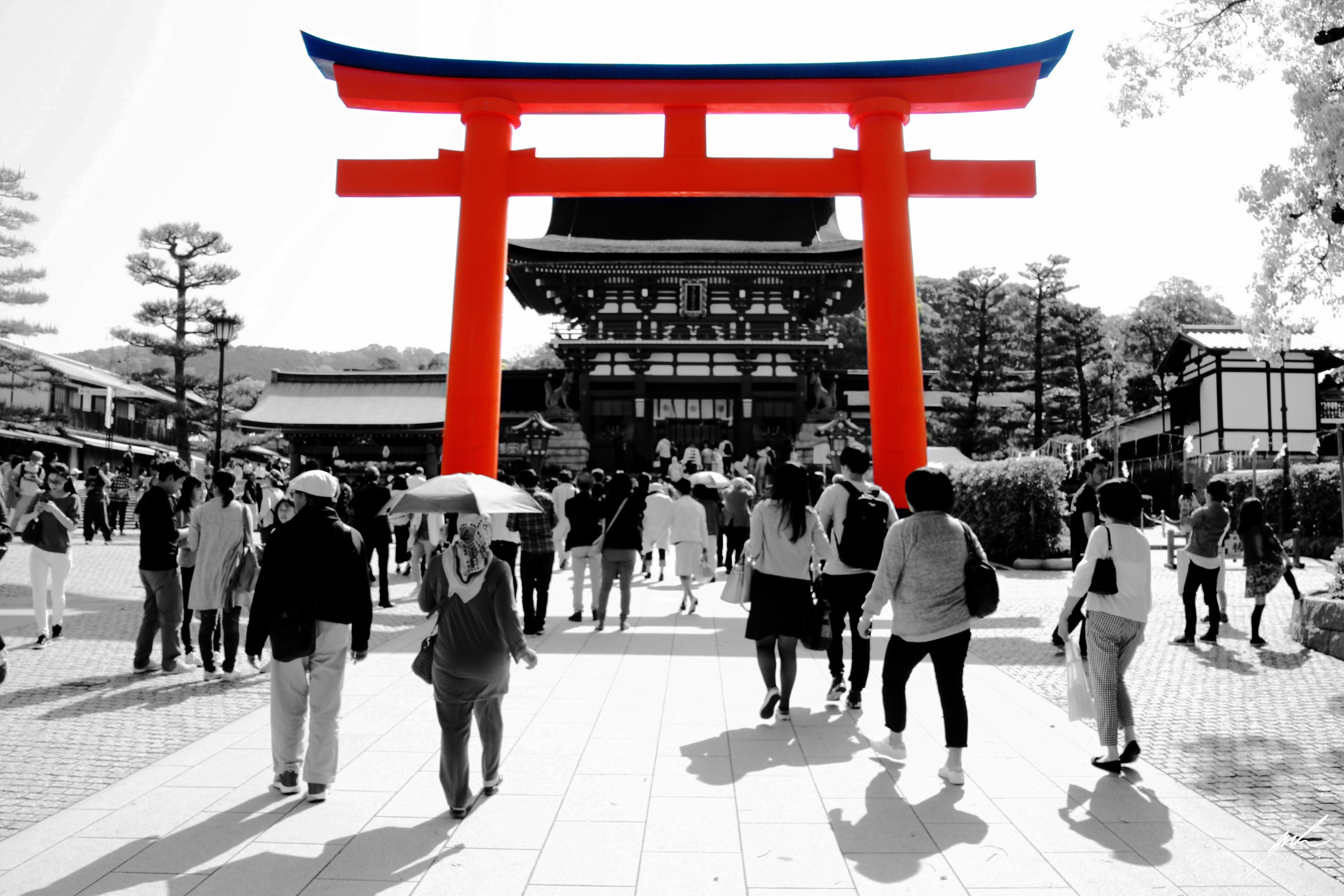
The most astounding thing about the Far East, as I experienced it in Japan, is that it is a busy place with people and cars everywhere you look, but still, it is impossibly quiet and calm at the same time. There is hardly any shouting on the sidewalks and beeping on the streets. Even cyclists won’t beep when passing by closely but will somewhat slow down. There is an essential sense of courtesy and carefulness in play here that can seem very foreign to a Westerner. Of course, the culture is closely linked to the religions of the region, mainly Buddhism and Shintoism in Japan. So, the feeling of quietness and serenity can be best understood in and around religious temples and shrines, which also tend to be beautiful.

test

img_0458

img_7347

img_9552

img_1048

img_7972

img_8468 img_8869

Tokyo

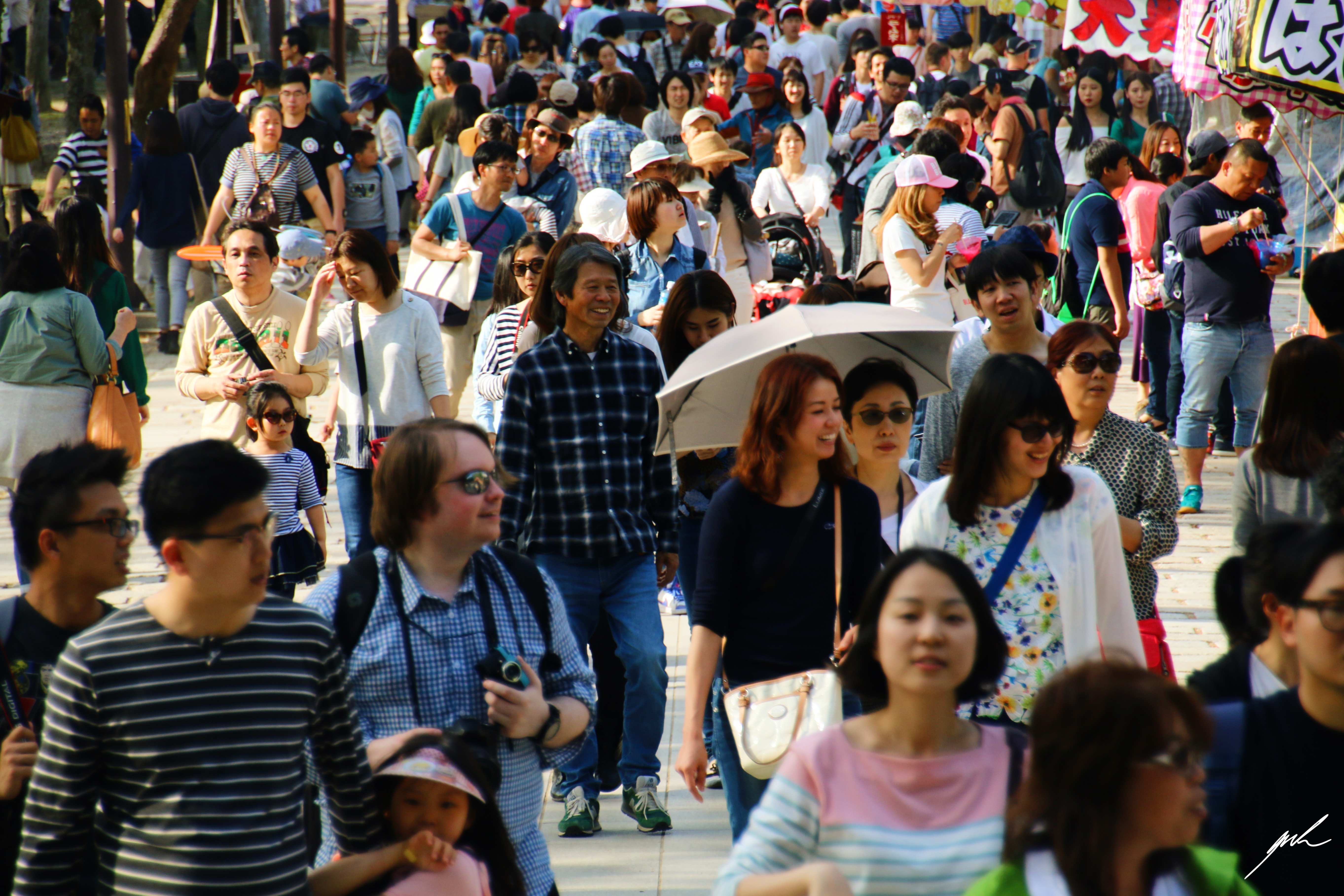
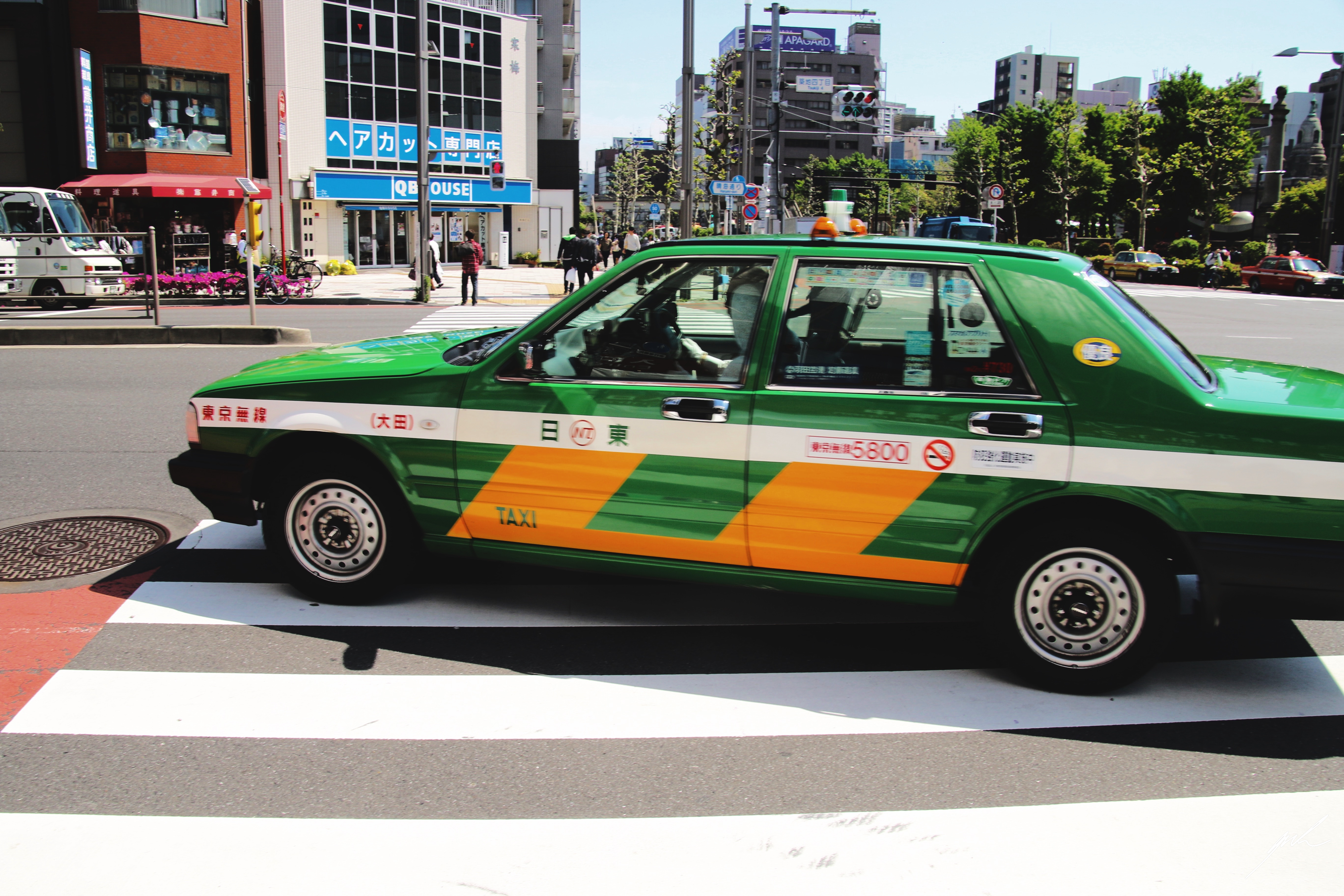
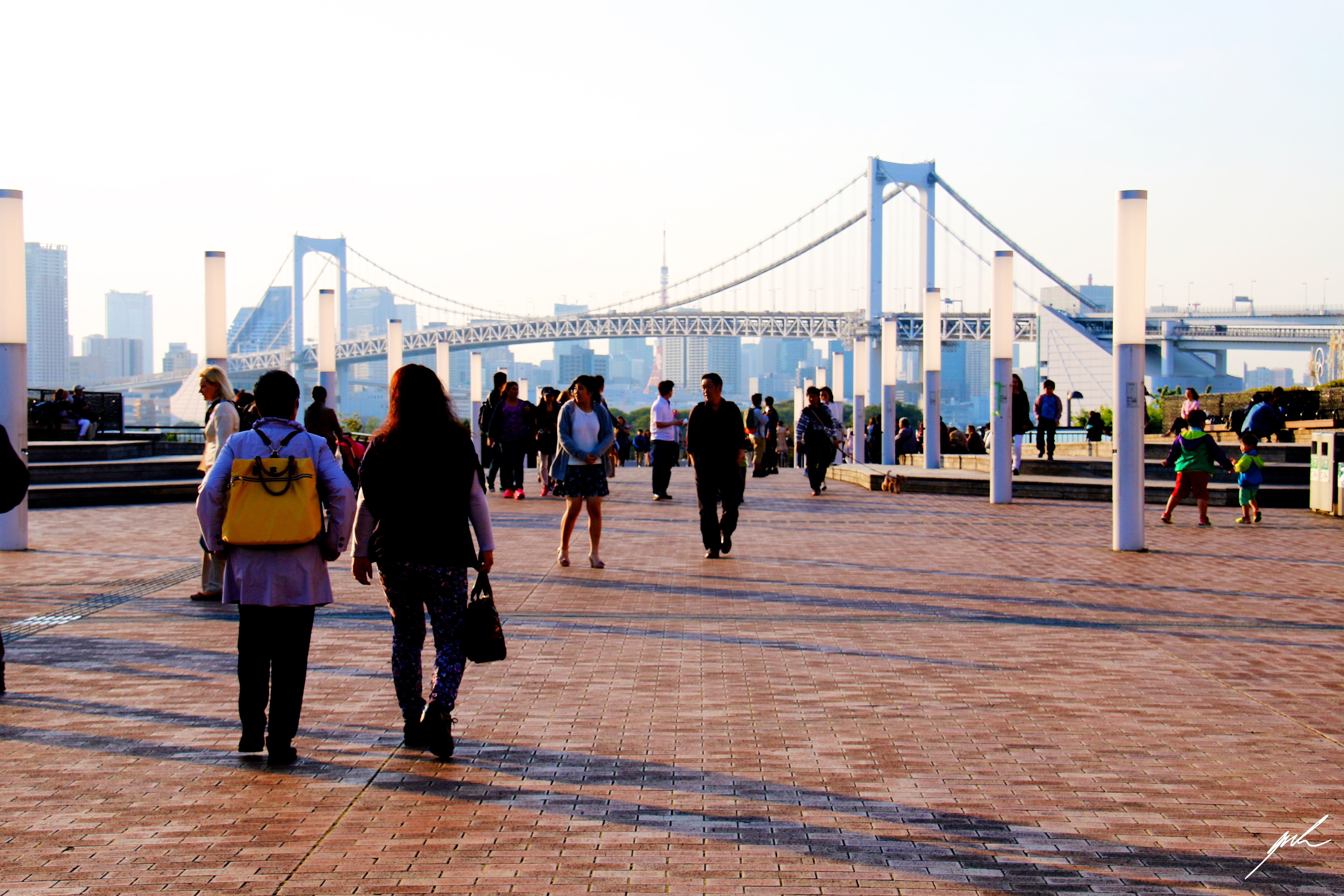
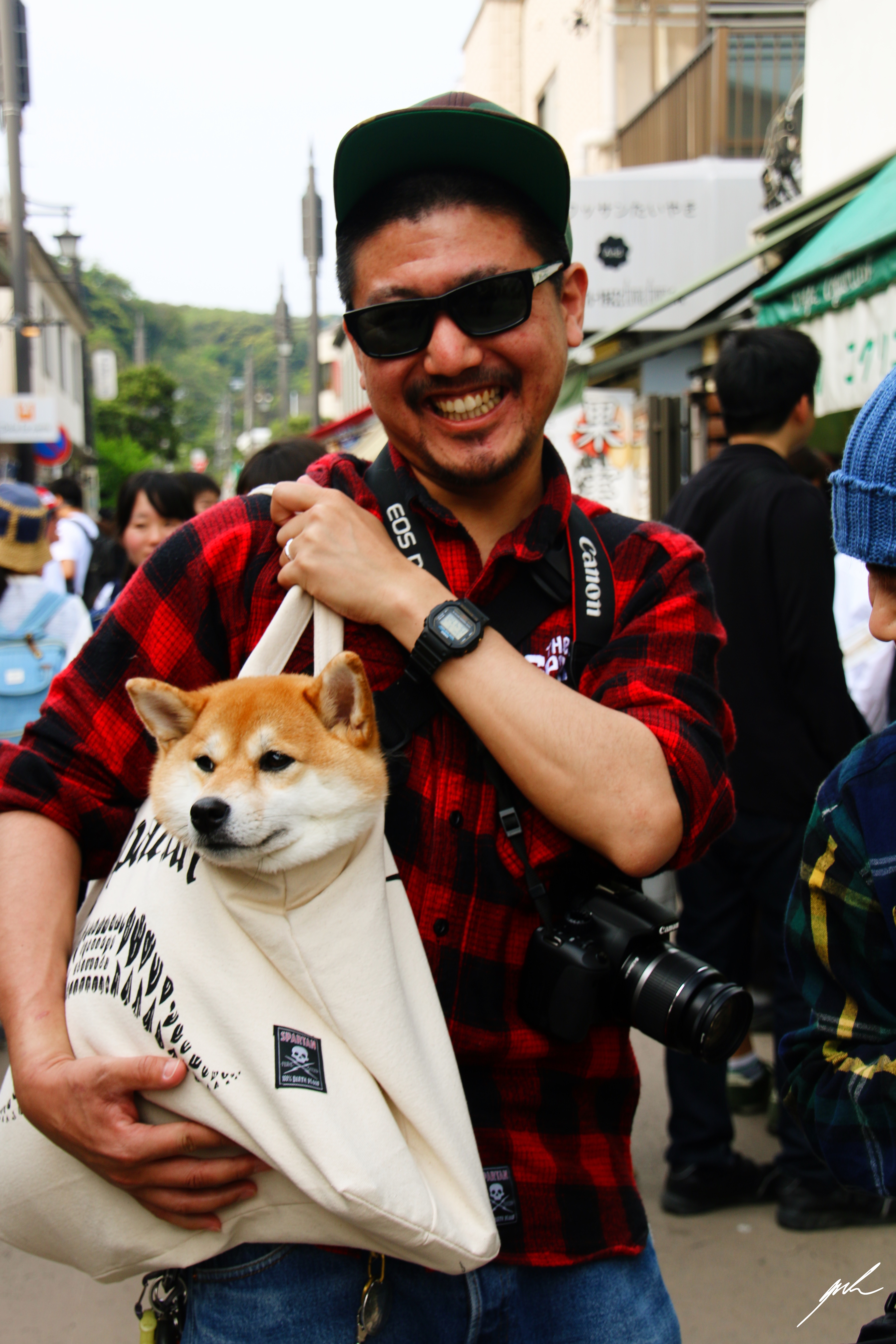
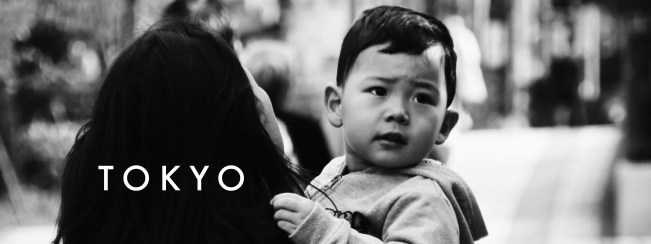
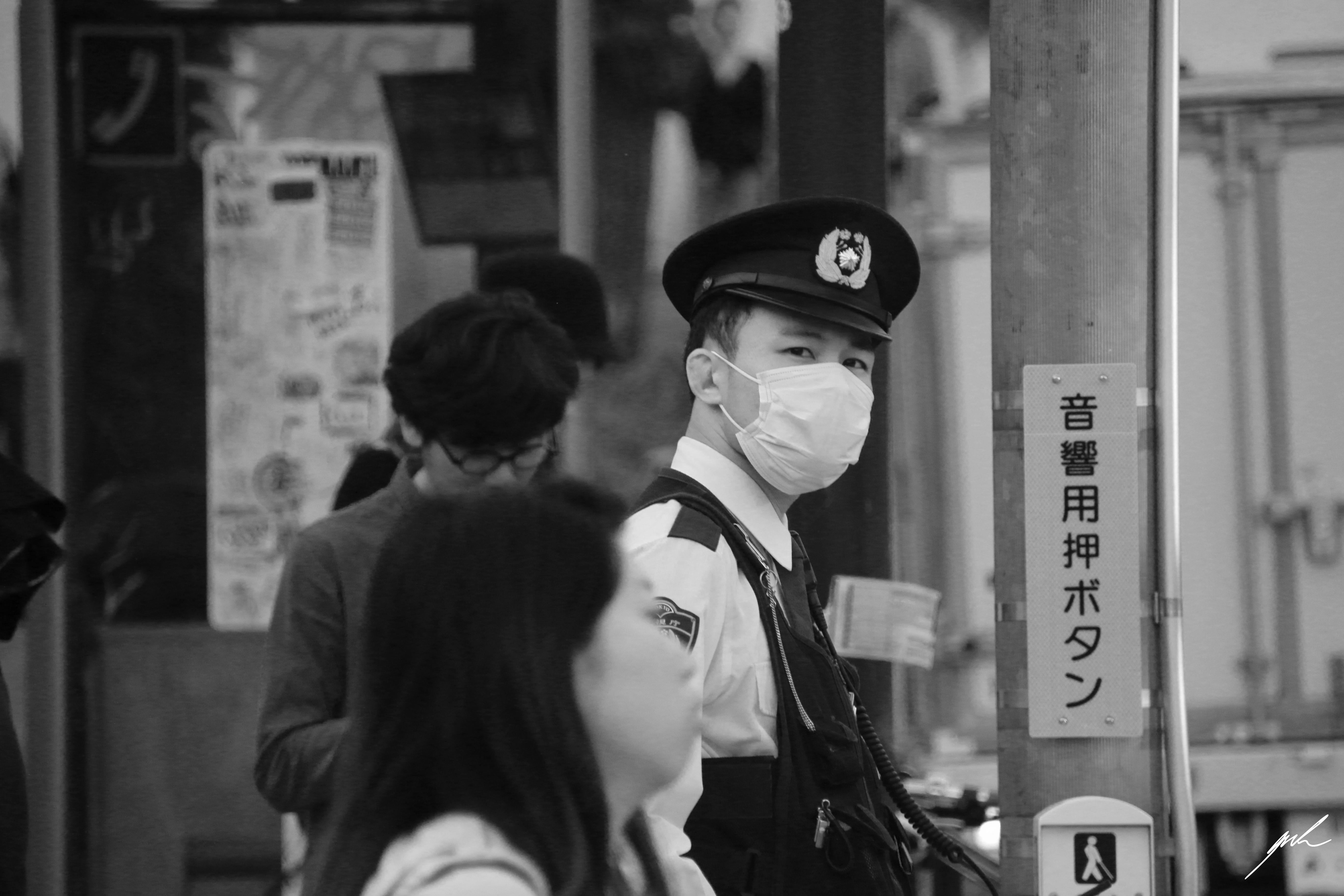
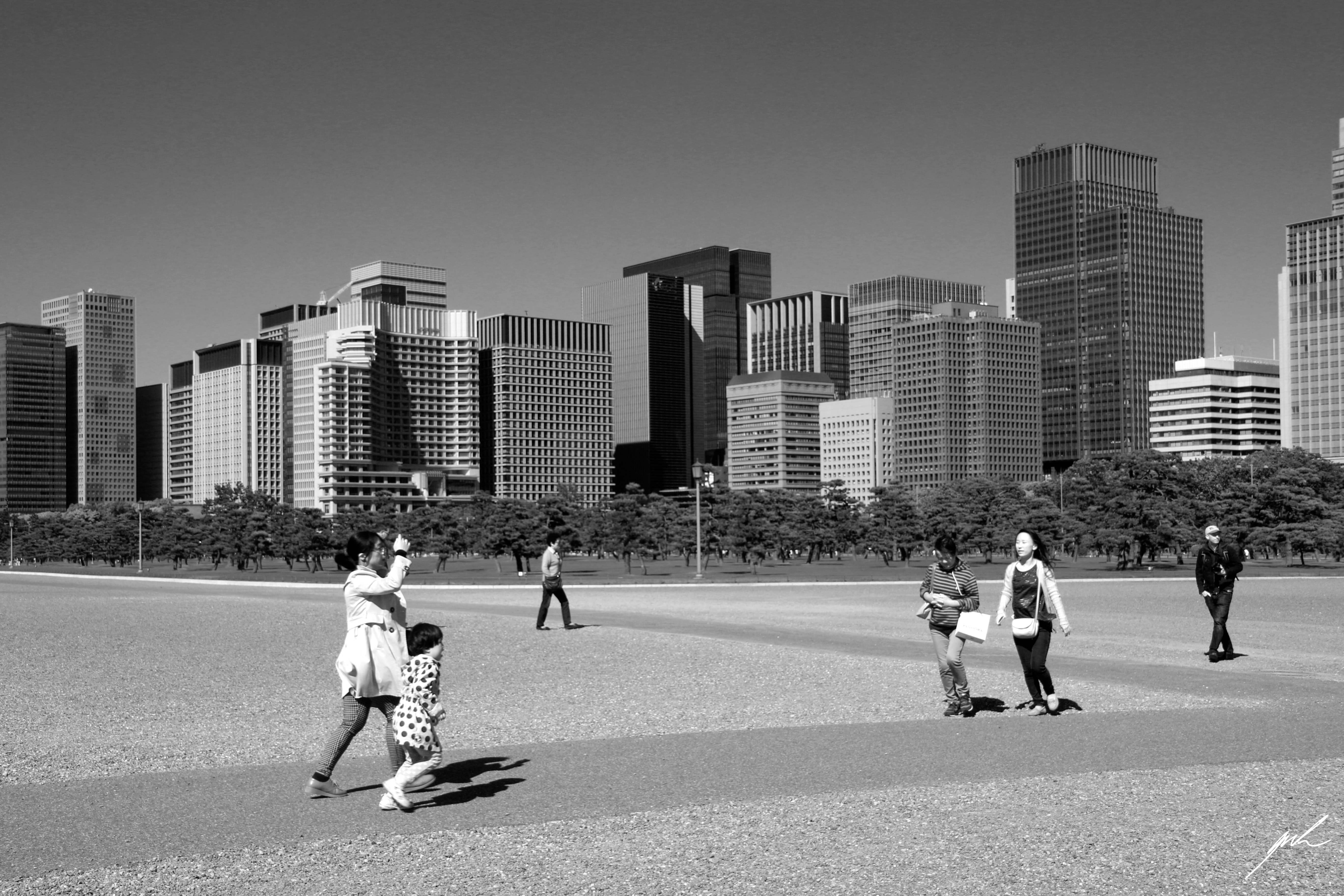
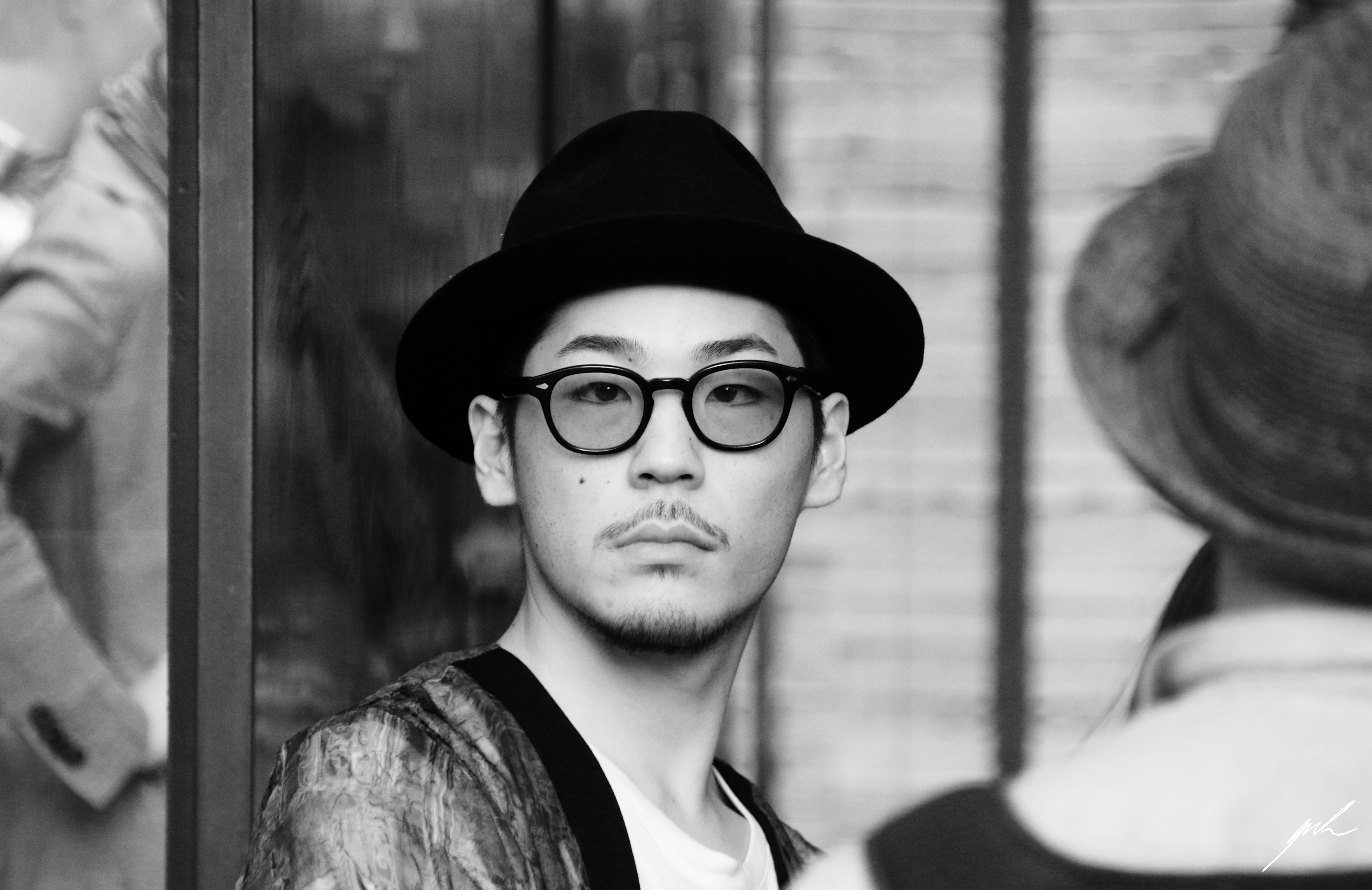
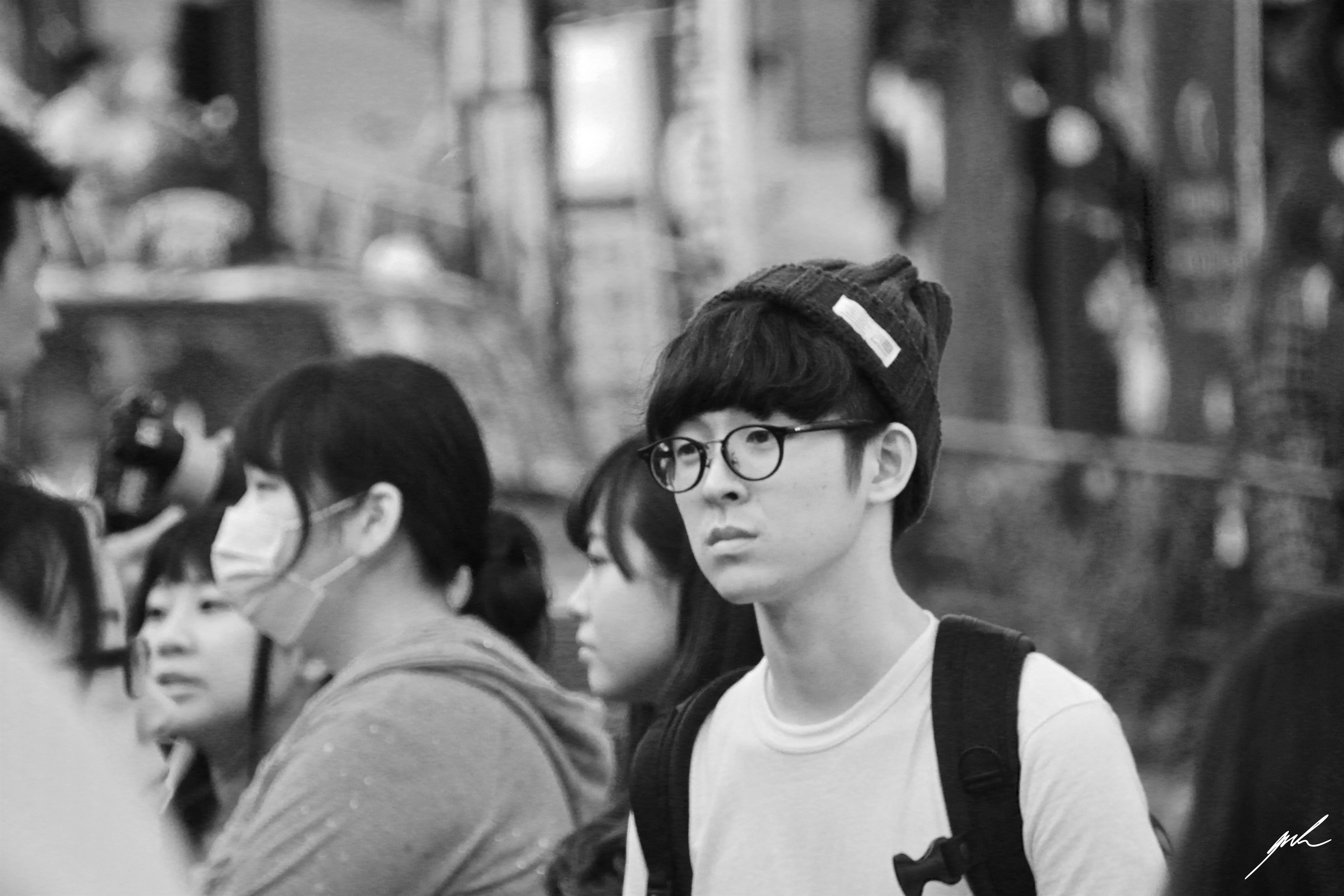
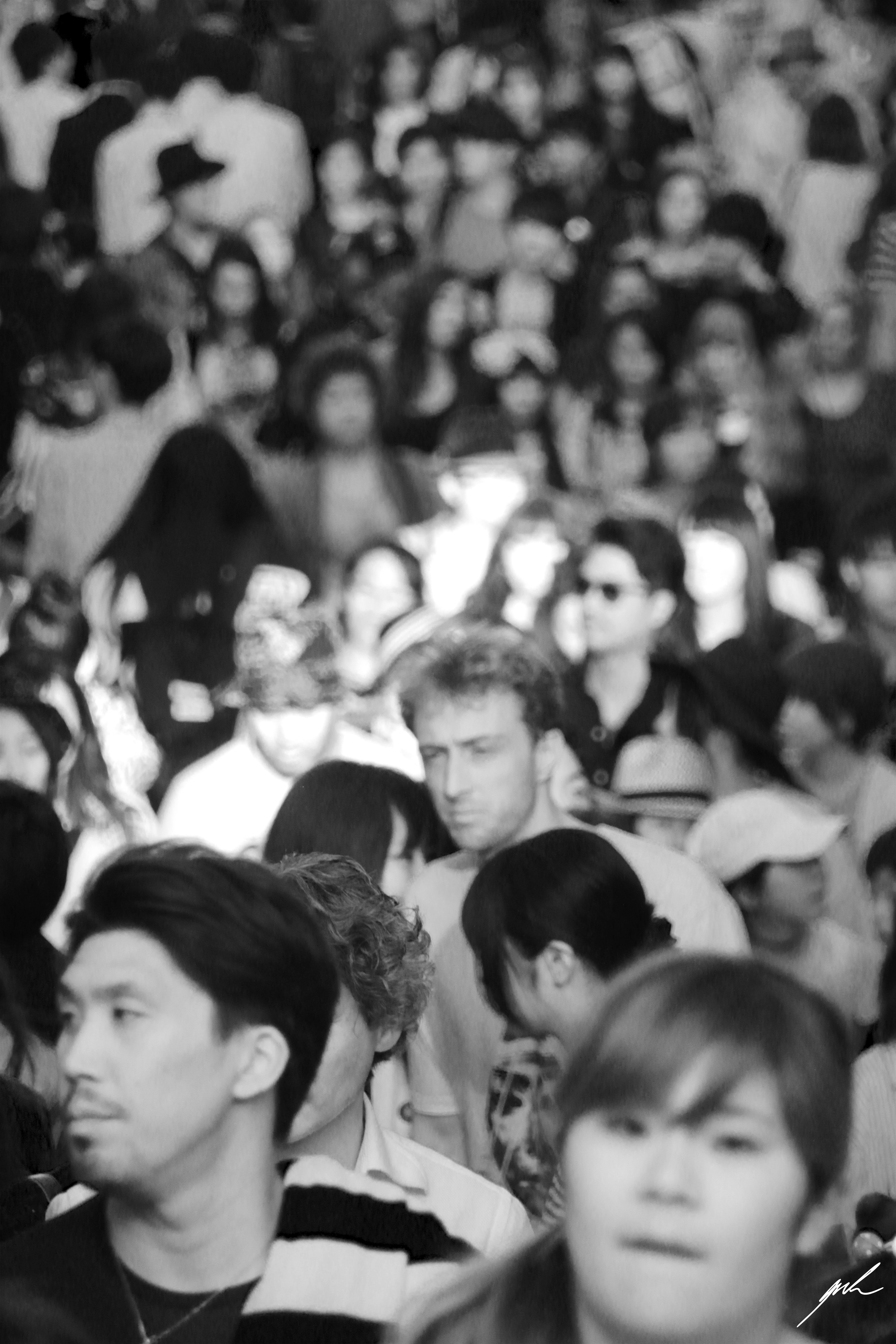
Tokyo is one of the largest cities on earth. It is a megacity in every sense of the word, where you can get easily lost in the masses of people, where motorways pile level upon level, and the skyscrapers seem to touch the sky. It is a marveling sculpture of steel, concrete, and glass. Also, it is where you get fantastic sushi, buy robots, and visit cat cafes. Last but not least, Tokyo is the home of fourteen million humans. Faces you merely pass by tell stories of lives in this strange but enchanting megacity.

test

img_2043

img_2059

img_1617

img_2060

img_7641

img_2155

img_1761

img_2073

Processed with VSCO with b4 preset

img_2085

1 69 70 71 90